

New glasses are supposed to feel like an upgrade. So when your vision feels “off,” you get glare you never had, or the frames won’t stay put, it can be hard to tell whether you just need time to adjust or something is actually wrong.
This guide is for anyone buying eyewear online (or replacing lenses in a favorite frame) who wants a clear, practical way to diagnose what’s happening. You’ll learn how to narrow the issue down to fit, pupillary distance (PD) problems, lens type and design, and coatings, plus when it’s time to ask for a remake, return, or an optometrist’s help.
First: make sure you’re not dealing with an eye-health problem
Most “new glasses feel wrong” issues come down to measurements, lens design, or frame fit. But if you have sudden double vision, severe eye pain, flashes/floaters with vision changes, or a big drop in vision, don’t troubleshoot at home. Call your eye doctor or seek urgent care right away.
If the discomfort is more like mild distortion, a headache after wearing them for a while, or blur at the edges, the checklist below is the right place to start.
What changed (even if your prescription barely changed)
Even a small prescription change can feel big if the lens design or frame geometry changed. Switching from a large frame to a smaller one, changing to a different lens material, or moving into progressives can change how your eyes look through the optics.
Also, many people buying glasses online are using their right to get a copy of their prescription after an eye exam. Under the FTC Eyeglass Rule, your prescriber must provide your eyeglass prescription to you, which makes it easier to comparison-shop or replace lenses when you’re ready.
The simple troubleshooting checklist (start here)
1) Check whether this is normal adaptation (especially for progressives)
If you’re in a new lens style (single vision to progressives, or a new progressive design), your brain may need time to adapt. With progressive lenses, it’s common to notice swim, peripheral blur, or a “sweet spot” you have to find at first; the American Optometric Association’s overview of progressive lenses describes these normal adjustment experiences.
- Try this: Wear the new glasses consistently for daily tasks (not just 10 minutes at a time), and point your nose toward what you want to see while you learn the viewing zones.
- If it’s getting worse: If symptoms intensify each day, or you cannot function safely (driving, stairs), move to the next steps and contact the seller/your eye doctor.
2) Compare “clear straight ahead” versus “blurry at edges”
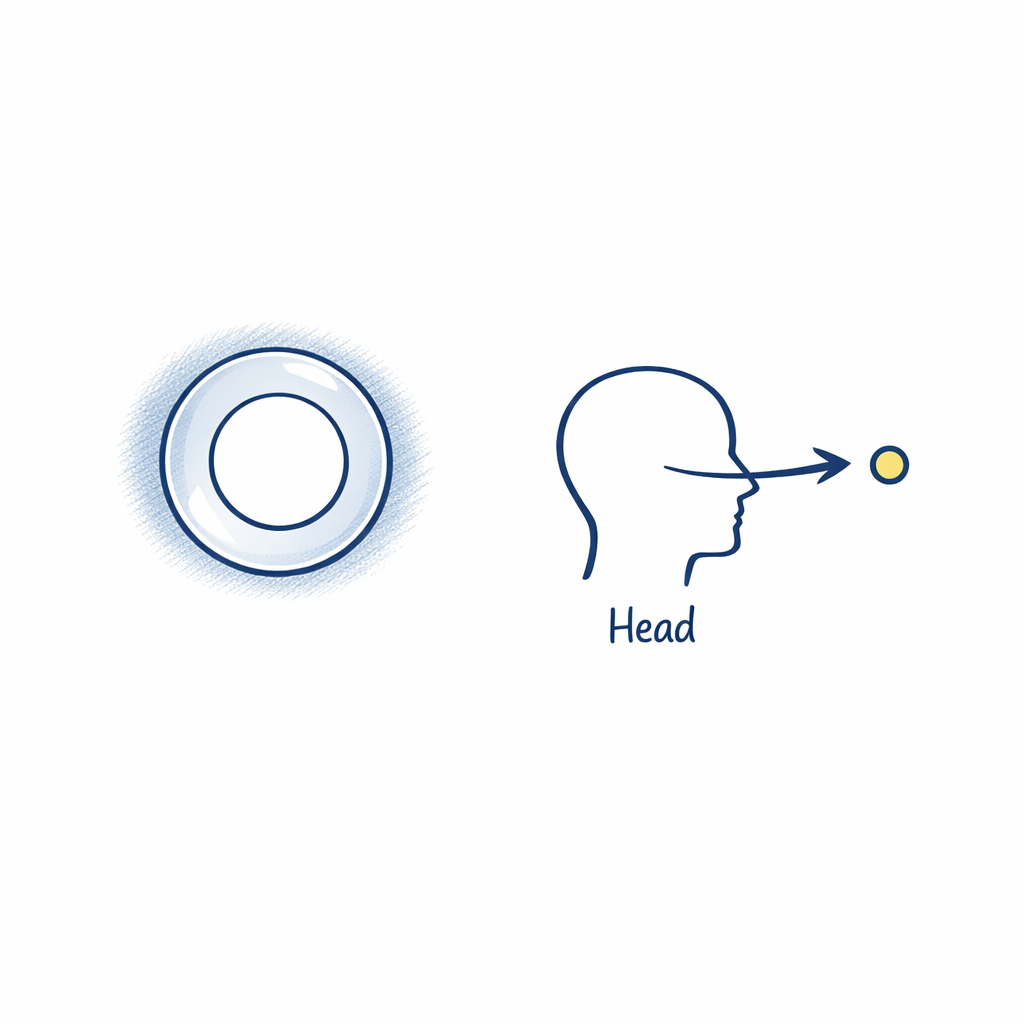
If the center is sharp but the edges look blurry, you may be noticing normal peripheral distortion (more common in stronger prescriptions, higher wrap sunglasses, or some lens designs). But it can also signal that the optical center isn’t lining up with your eyes (often a PD or fitting-height issue).
- Try this quick test: Hold your head still and move only your eyes to the edge of the lens, then repeat while turning your head toward the target. If turning your head makes it clear, that leans toward normal lens behavior or progressive learning rather than a wrong prescription.
- Red flag: If it’s blurry everywhere (not just the edges), jump ahead to the prescription/PD steps.
3) Confirm you used the right PD (and the right format)
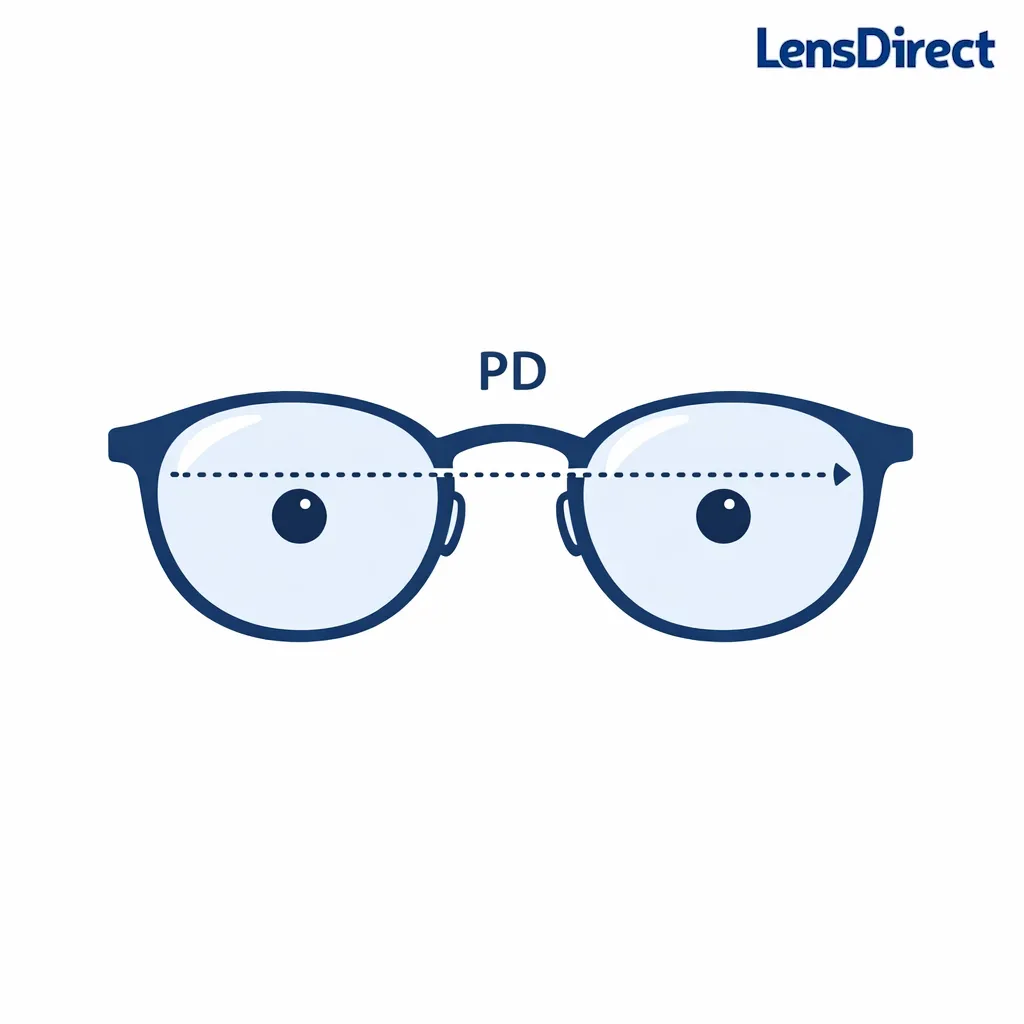
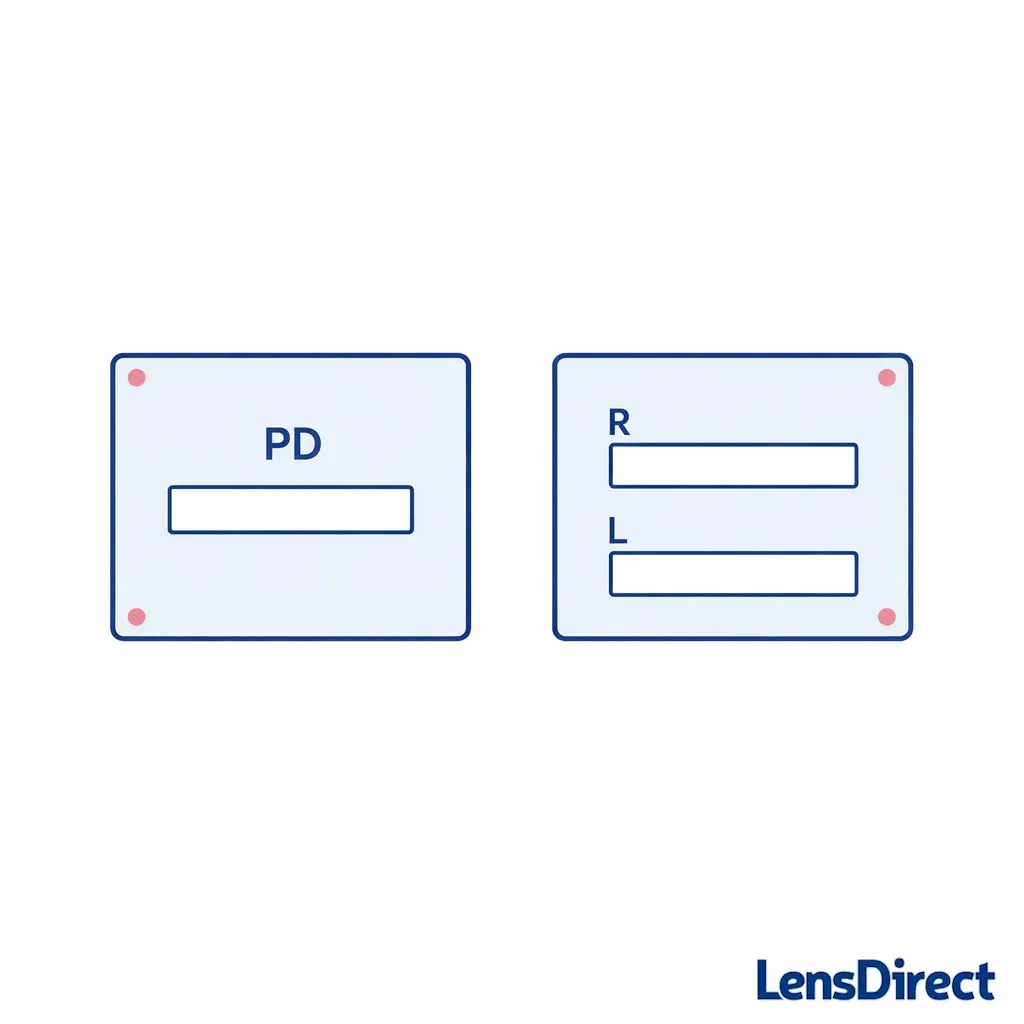
Pupillary distance (PD) is the measurement that helps place the optical center of the lenses in front of your pupils. A small PD mismatch can make new glasses feel “off,” cause eye strain, or create the sense that you’re fighting to find clarity.
If you ordered online, re-check what you entered: some sites accept one number (single PD) and others accept two (dual PD, one per eye). If you’re not sure which you used, re-measure and compare using LensDirect’s guide on how to measure your pupillary distance.
- Common PD slip-ups: typing a near PD when ordering distance glasses, swapping right/left values, or rounding aggressively.
- Try this: If you have an older pair that feels great, compare its PD/measurements (if you have them) to your order details.
4) If you wear progressives: verify fitting height and frame choice
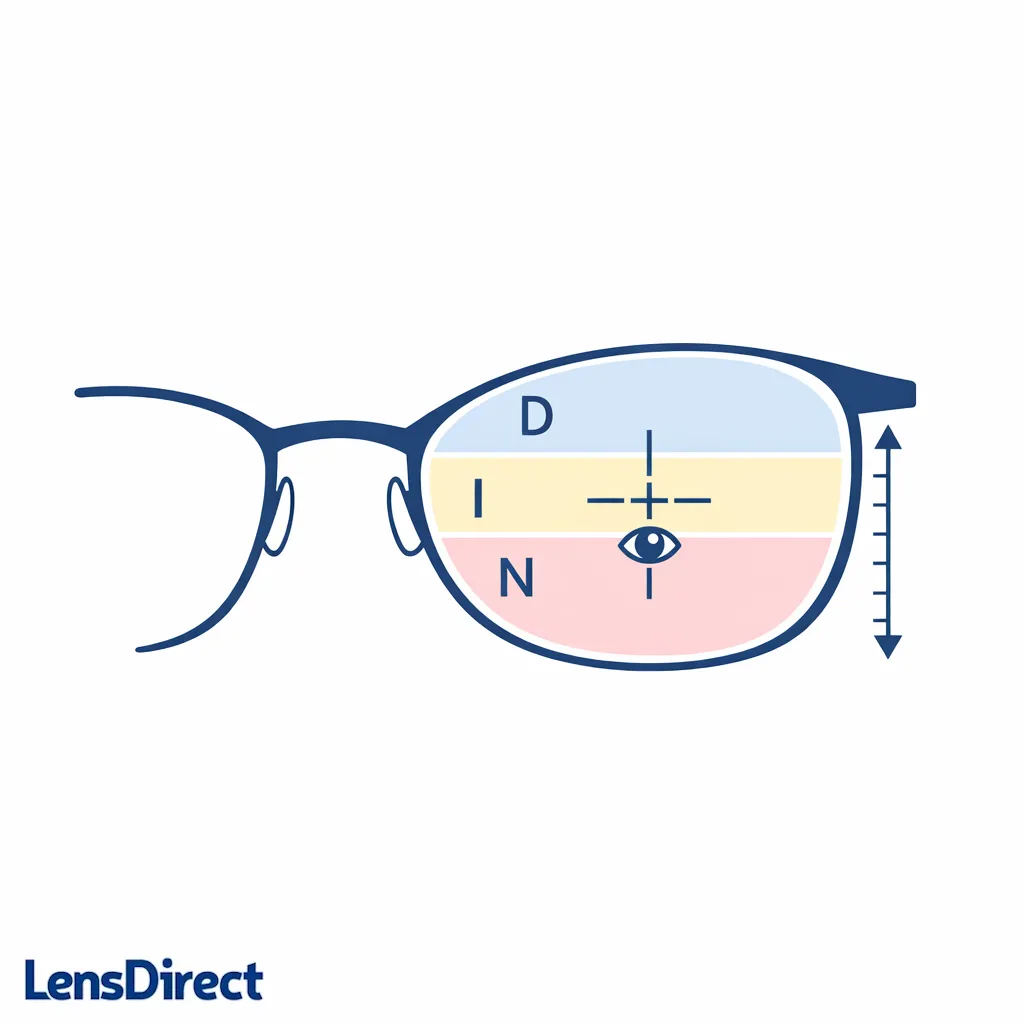
Progressives depend on more than PD. The lens has zones for distance, intermediate, and near vision, and those zones need to sit at the right height for your eyes. If the frame rides too low (or is too shallow), you can end up peering through the wrong zone, making the world feel warped or constantly blurry.
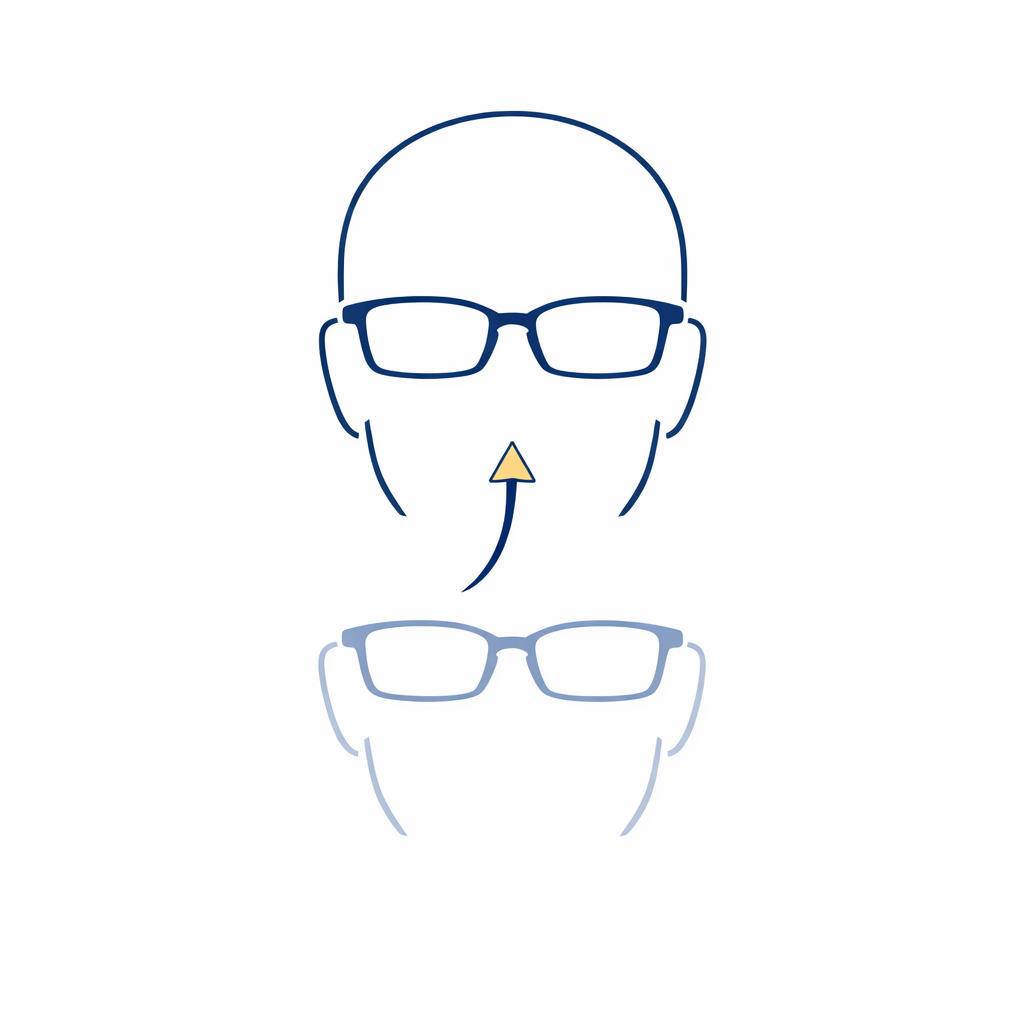
- Try this: Push the frames gently up to where they “should” sit. If vision suddenly improves (especially near/intermediate), your main issue may be fit rather than prescription.
- Check your habits: If you’re frequently looking out of the top of the frames, you may be wearing them too low for progressives.
5) Look for frame fit issues that mimic “bad lenses”
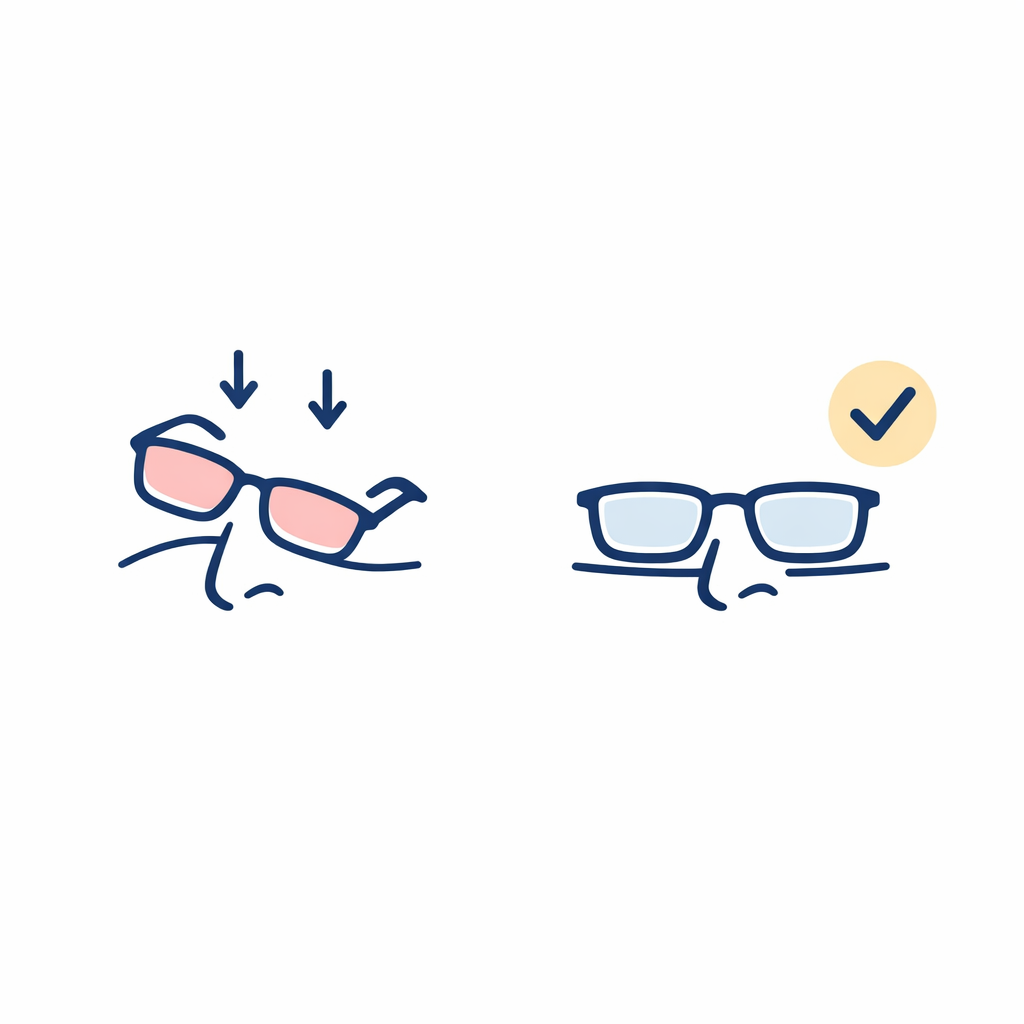
When frames slip down your nose, your eyes stop looking through the intended part of the lenses. That can create blur, headaches, and the feeling that the prescription is wrong, even if the lenses were made correctly.
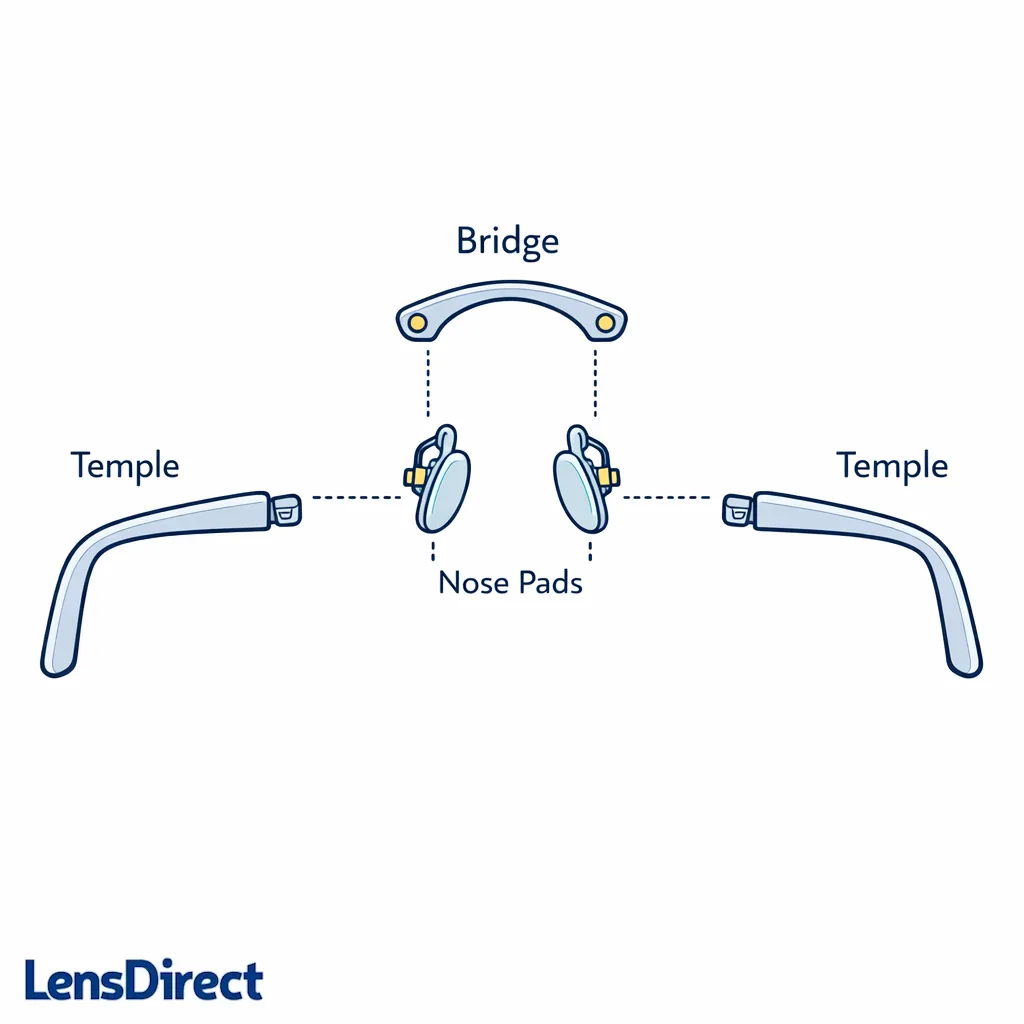
- Frames slipping down / sliding down nose: Often a nose-pad adjustment or temple fit issue. If your frame has adjustable nose pads, a small tweak can improve stability and raise the lenses to the correct position.
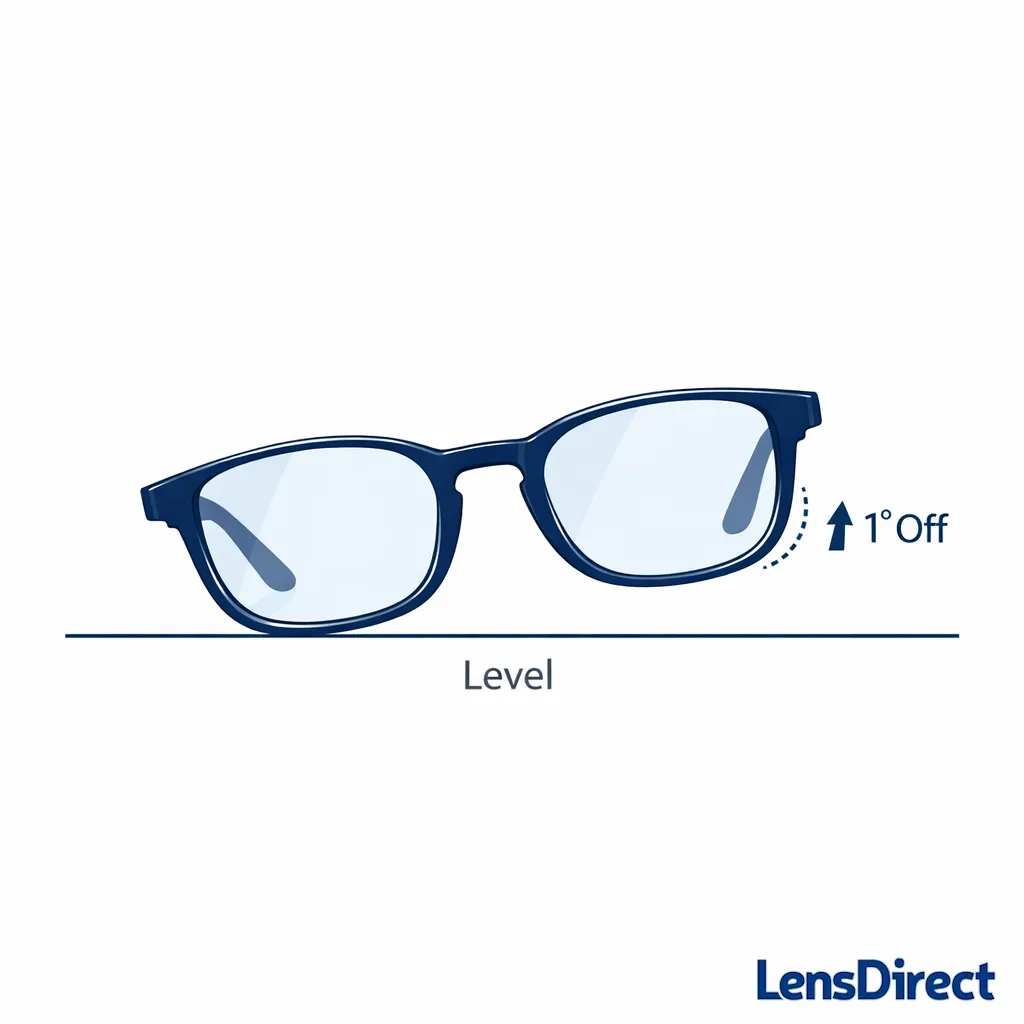
- One lens feels worse than the other: Crooked frames (even slightly) can throw off alignment and make one side feel “wrong.”
- Pressure behind ears or at temples: Too-tight temples can cause headaches that people mistake for “eye strain.”
If you’re shopping for a better-fitting shape or size next time, use LensDirect’s Find Your Fit guide to narrow down frame styles that tend to sit more securely and comfortably.
6) Identify lens-type mismatches (single vision, readers, computer, progressives)
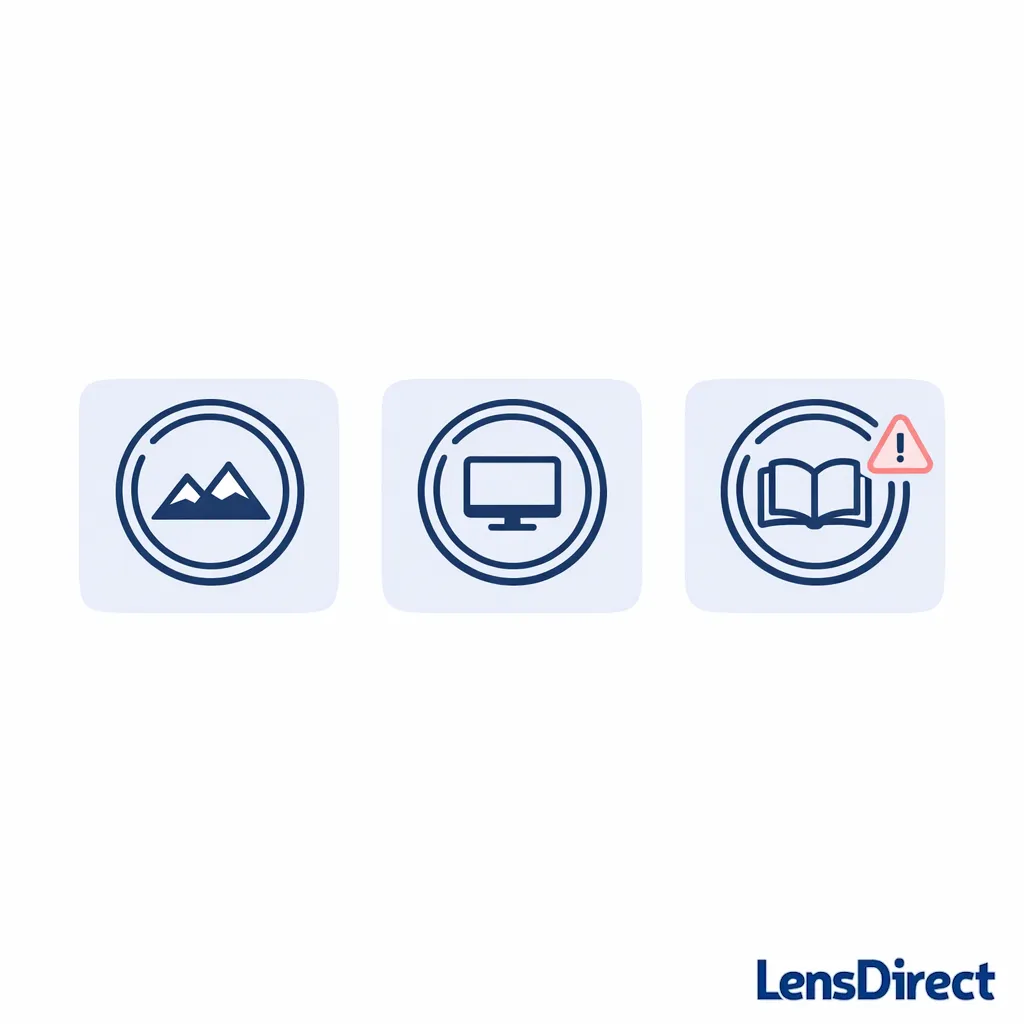
A surprisingly common issue is ordering the right prescription numbers into the wrong lens use-case. For example, wearing a near-only (reading) lens for distance will feel instantly wrong, and a distance-only lens won’t feel right for close work if you need near correction.
- Try this: Check the prescription type you selected (distance vs. near vs. multifocal/progressive) against what your eye doctor intended for how you’ll use the glasses.
- If you have two prescriptions: Some people have separate prescriptions for distance glasses and computer/near work. Mixing them up can cause “blurry everywhere” or “can’t focus at my desk.”

7) Consider lens material, thickness, and design changes
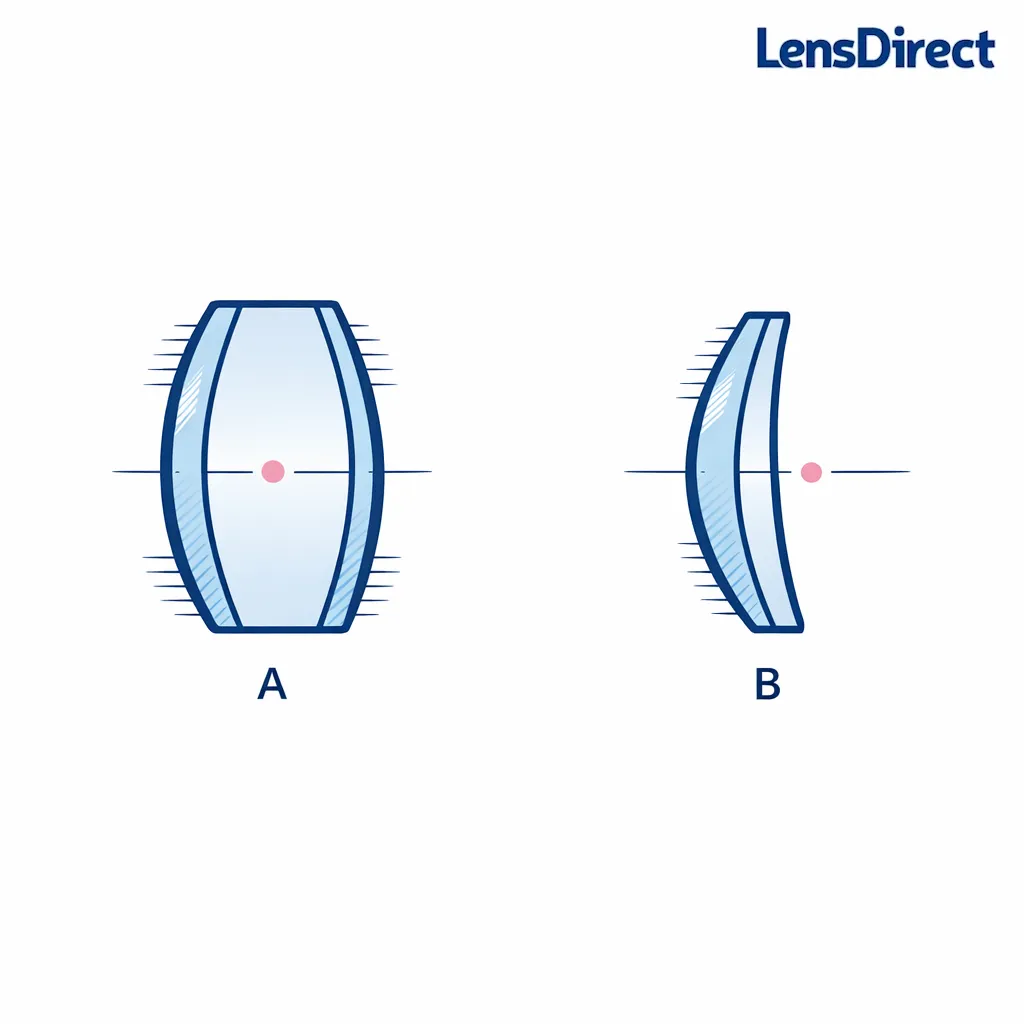
If your new glasses are the same prescription but feel different, lens design may be the reason. Changes like higher-index materials, aspheric designs, or a different base curve (more wrap) can change edge clarity and the way distortion shows up in your periphery.
- Glasses blurry at edges: This can be more noticeable in strong prescriptions or if the new frame is wider than your old one, because you’re looking farther from the optical center more often.
- New sunglasses feel “curved” or weird: A higher wrap can look great outdoors, but it can also feel different if you’re not used to it.
If you replaced lenses in an existing frame, a design/material change can still happen even though the frame is familiar. That’s why it’s worth confirming the lens options you chose before assuming the prescription is wrong.
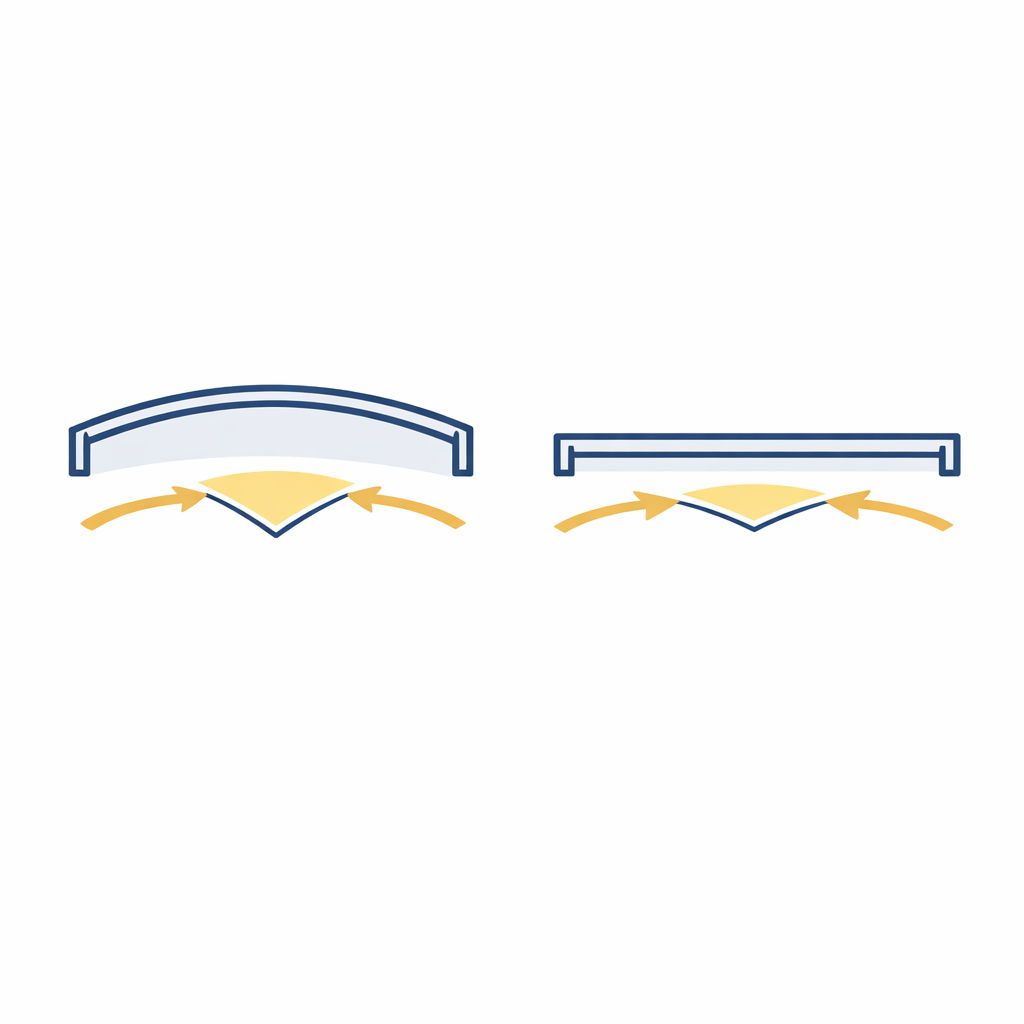
8) If reflections are the main problem: check coatings and lighting expectations
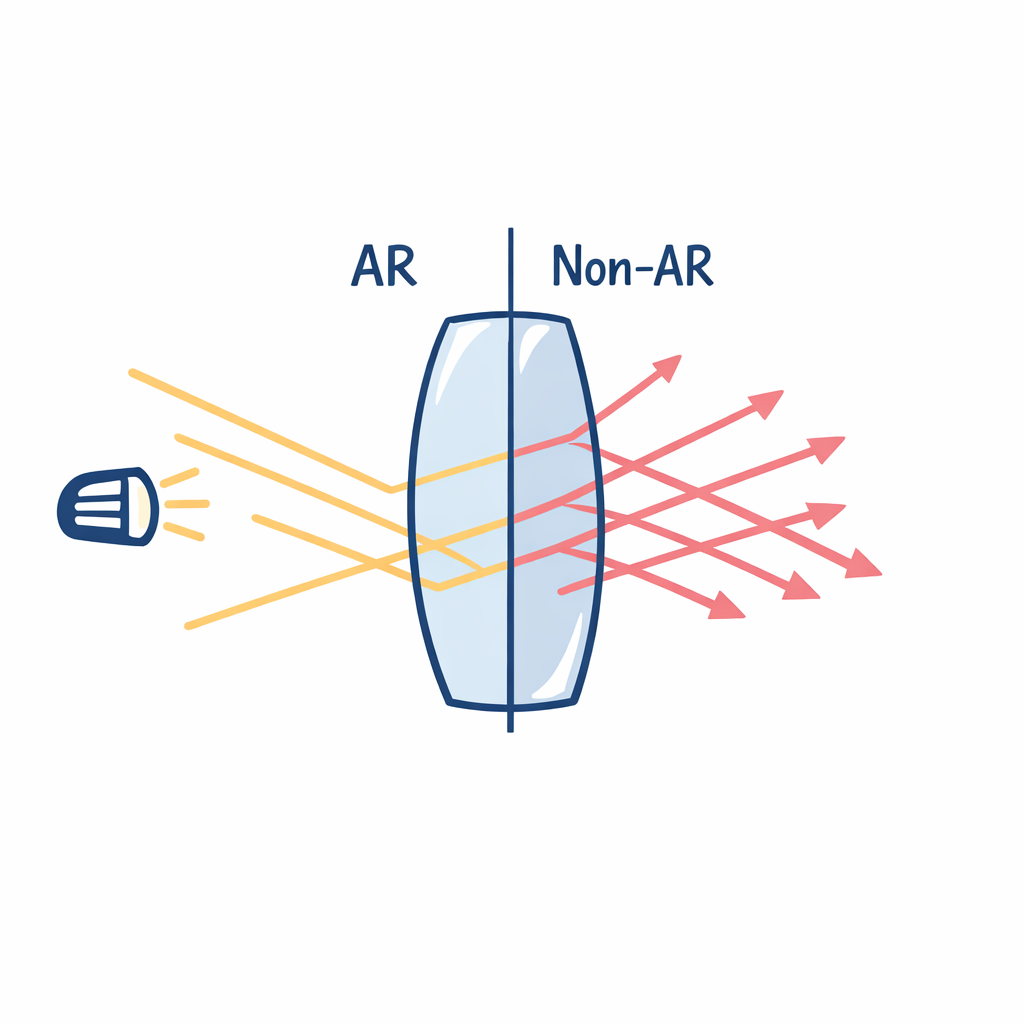
If your complaint is “these lenses are reflective” or “I see glare at night,” you’re in coating territory. An anti-reflective (AR) coating is designed to reduce reflections and improve clarity in challenging lighting; the American Academy of Ophthalmology’s overview of eyeglass lens options explains how anti-reflective coatings help reduce glare.
- What AR can do: Reduce annoying reflections from headlights, screens, and overhead lighting.
- What AR cannot do: Make all reflections disappear in every situation, especially with strong light sources coming from the side or behind you.
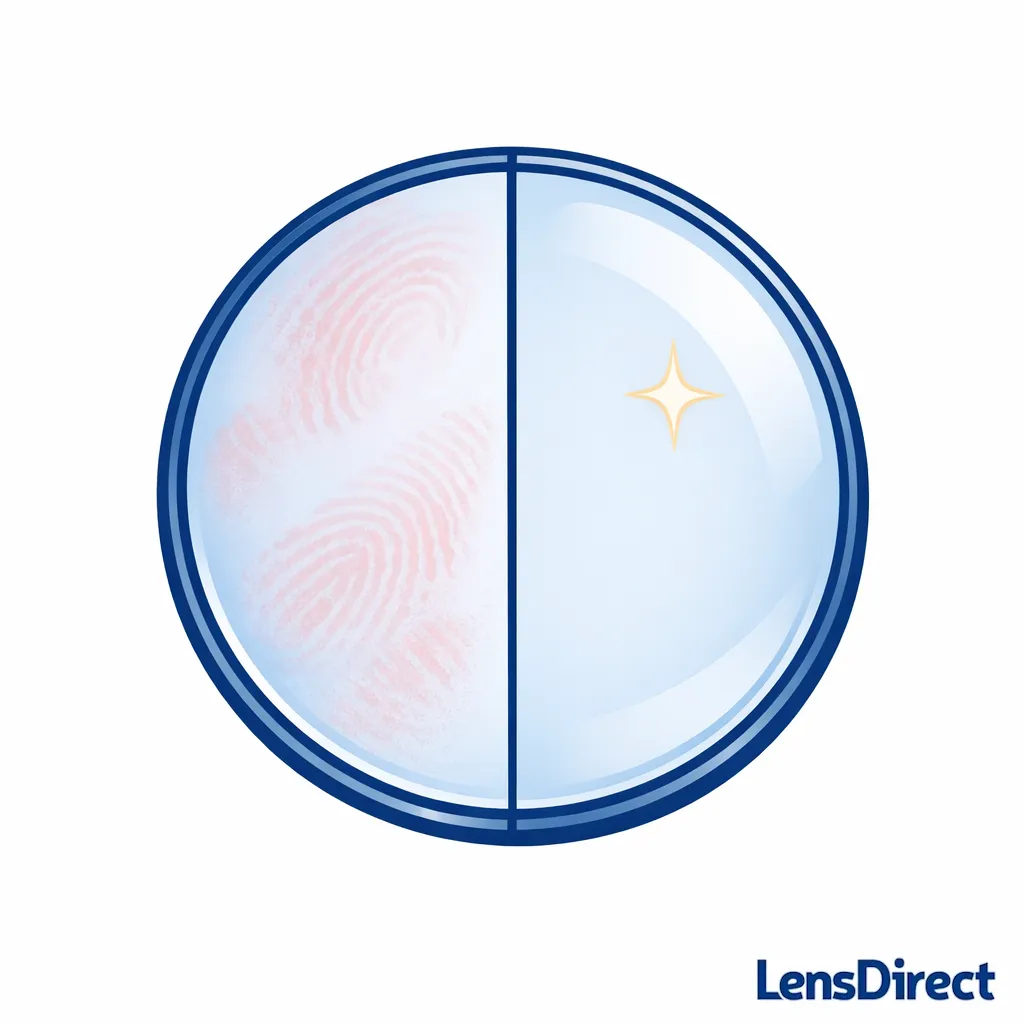
- Try this: Clean the lenses gently and thoroughly; smudges can look like glare or haze. Also test in multiple environments (indoor LED lighting, daylight, night driving) before deciding the coating is “wrong.”

9) For contact lens wearers: don’t assume your contacts and glasses should feel identical
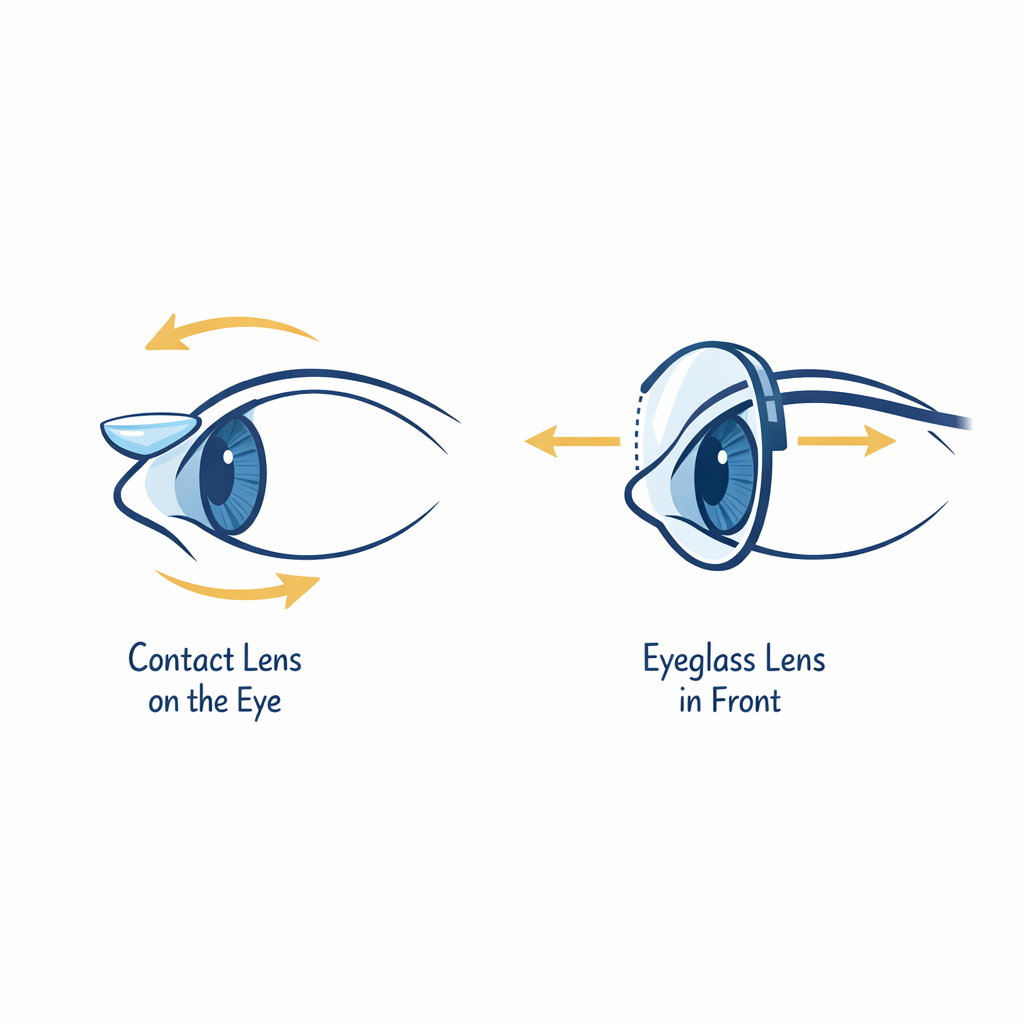
If you’re switching between contacts and glasses, “wrong” can sometimes mean “different.” Contacts move with your eye, while glasses sit a short distance in front of your eye, which can change how strong the correction feels and how your periphery behaves.
Also, a contact lens prescription is separate from an eyeglass prescription; the FTC Contact Lens Rule covers your right to receive your contact lens prescription, and it’s a reminder that contacts and glasses are not interchangeable on paper or in feel.
- Try this: If your glasses feel “too strong” right after removing contacts, give your eyes time to settle (especially if your contacts were dry or you wore them long hours).
- If comfort is the issue: If you’re traveling or switching brands, consider keeping a “known comfortable” contact lens option for long days and using glasses for everything else.
10) Decide: adjust, remake, or return?
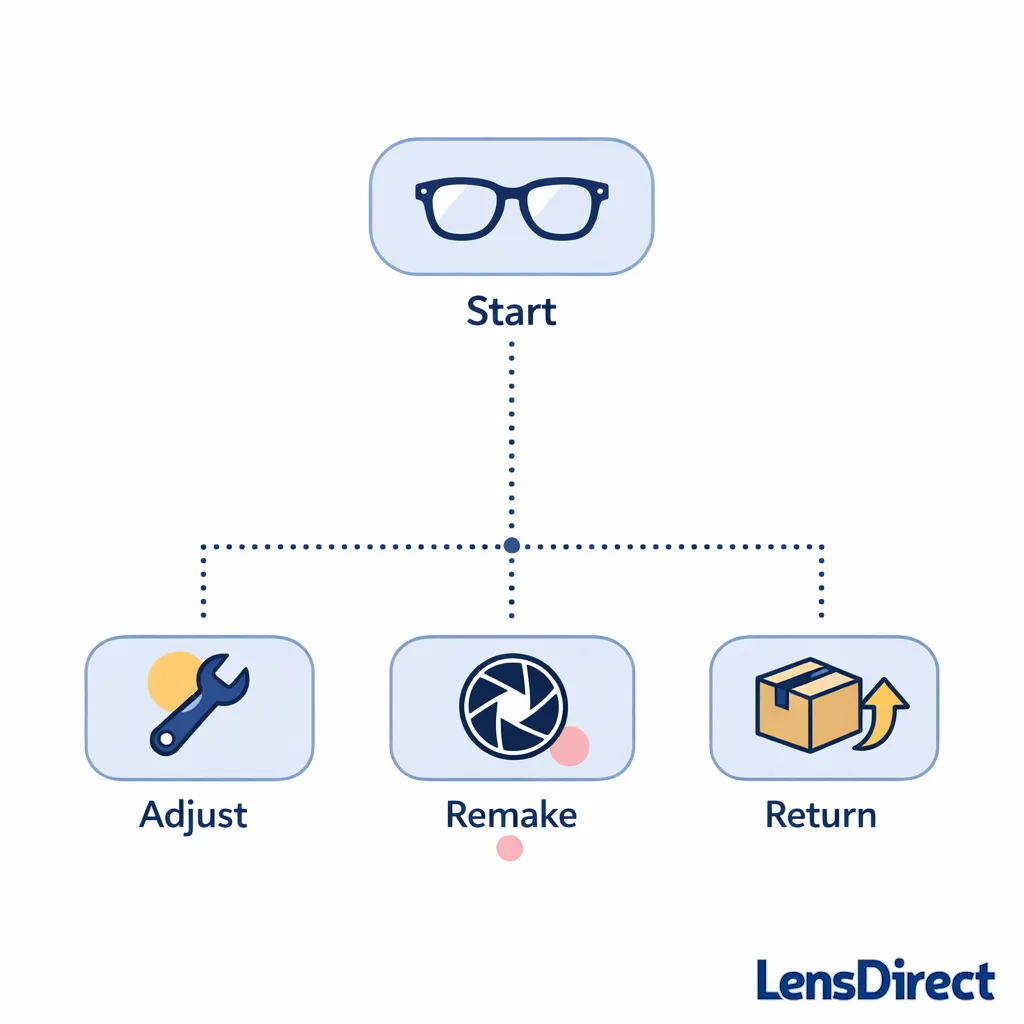
Use the pattern of your symptoms to choose the next move. Many issues are fixable without starting over, but some are worth escalating quickly so you stay within a remake/return window.
- Most likely an adjustment/fit fix: frames slipping down, better when you push the frames up, one side feels off, headaches from pressure points.
- Most likely a measurement issue: can’t find a clear spot, eyes feel strained quickly, feels “cross-eyed,” progressive zones don’t line up with where you naturally look.
- Most likely normal adaptation: mild swim in new progressives that improves day by day, peripheral blur that’s manageable and diminishing.
- Most likely a prescription verification issue: persistent blur at all distances, new double vision, or no improvement after consistent wear and basic checks.
Common mistakes and misconceptions (that waste the most time)
“If it’s wrong, it will be obvious immediately”
Not always. Some problems show up only after 20–60 minutes of wear (eye strain, headaches, nausea), especially if your eyes are subtly fighting alignment. Track when the symptoms appear and what task you were doing (driving, computer, reading), because that points directly to lens type, fit, or progressive zone issues.
“Glasses blurry at edges means the prescription is wrong”
Edge blur can be normal, especially in stronger prescriptions or in lens designs that trade peripheral clarity for thinner lenses or wider fields of view. Before you assume “wrong Rx,” test whether turning your head (instead of just moving your eyes) improves clarity. If it does, you’re likely dealing with normal optics or progressive learning, not necessarily a bad prescription.
“My PD is on my prescription, so I don’t need to think about it”
Many prescriptions don’t include PD by default, and when they do, you still need to enter it correctly (single vs. dual PD). If you’re not 100% sure, re-measure and compare against what you submitted using a step-by-step PD measurement guide.
“Anti-reflective coating means zero reflections”
AR coatings reduce reflections, but they don’t remove physics. You can still see reflections in certain angles, bright point lights, or if lenses are smudged. If reflections are your main complaint, confirm you selected AR (and didn’t accidentally skip it) and test the glasses after a careful clean in different lighting.
“If my frames are sliding down, it’s just annoying”
It’s more than annoying. Frames slipping down your nose changes where your eyes look through the lens, which can create blur and make progressives feel unusable. Fixing the fit can “fix the vision” faster than remaking lenses.
What to do next (a practical 15-minute plan)
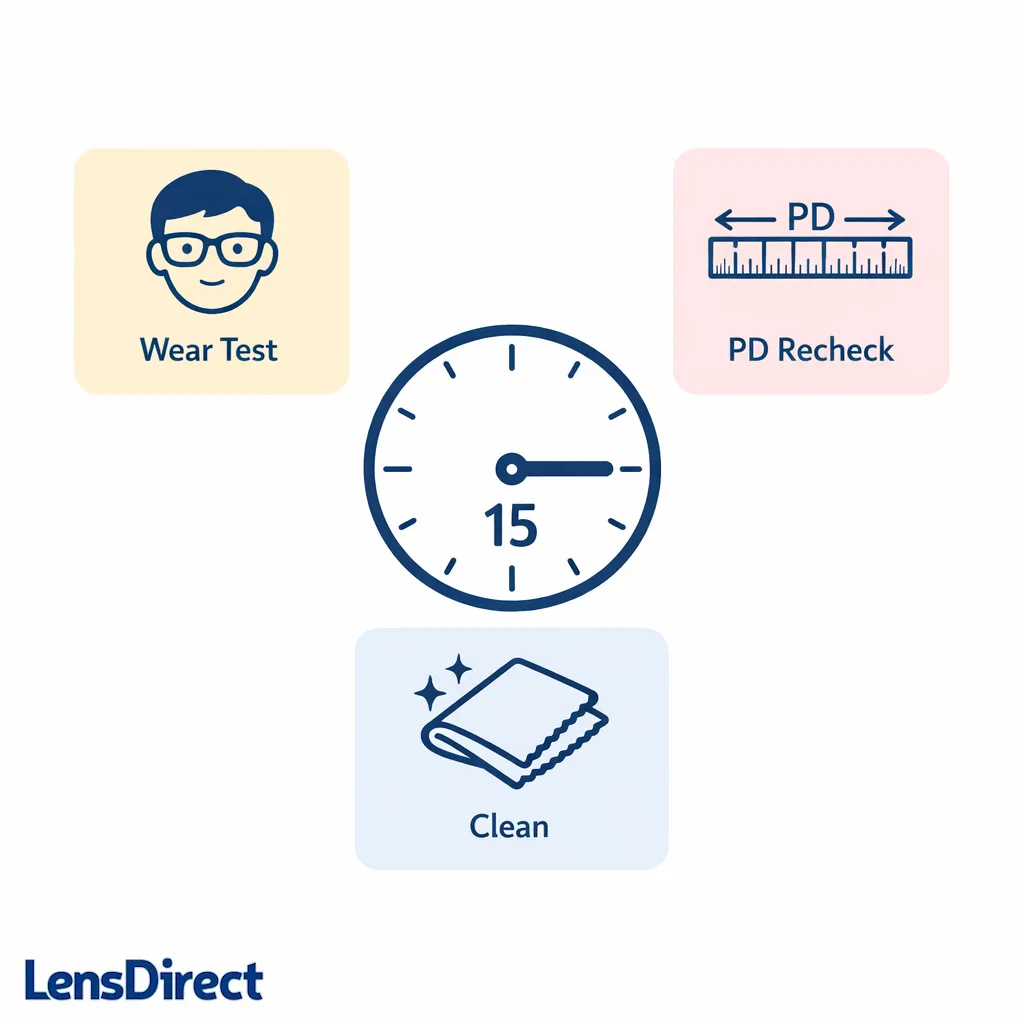
- Wear-test with intention: Try 30–60 minutes of normal activity, then note whether the issue is distance, near, computer, or all of the above.
- Do the “push-up” check: If pushing the frames up improves clarity, prioritize fit (nose pads/temples) before remaking lenses.
- Re-check PD entry: Confirm single vs. dual PD and re-measure if unsure using LensDirect’s PD instructions.
- Confirm lens type: Make sure you ordered distance vs. reading vs. progressive correctly for how you plan to wear them.
- If progressives feel wrong: Practice moving your head toward targets, and confirm the frame sits high enough and stable enough on your face.
- If glare/reflections are the issue: Confirm AR coating selection, clean the lenses, and test in multiple lighting environments.
- Know when to escalate: If you still can’t get stable clarity, contact the retailer with your notes (when it’s blurry, which eye, which distance) and consider checking with your optometrist.
Remake vs. return: how to advocate for yourself
If you suspect a measurement or lens-type mismatch, you’ll get help faster if you describe symptoms in a way that maps to the likely cause. “Blurry” is vague; “sharp only when I push the frames up” or “distance is clear but reading is impossible” is actionable.
- Explain the pattern: distance/near/computer, indoors/outdoors, day/night, constant/intermittent.
- Share what changed: new frame size, first time in progressives, new AR coating, higher-index lenses, replacement lenses in old frame.
- Ask the right question: “Can we confirm PD and fitting height?” often gets you farther than “I think the prescription is wrong.”
If you’re replacing lenses in a favorite frame
Lens replacement is a great way to refresh your look and improve vision without starting from scratch. But because your old lenses “felt right,” you may notice even small changes in lens design, coatings, or fit once new lenses are installed.
When you replace lenses, keep your goal in mind: do you want the new lenses to match the old feel as closely as possible, or are you intentionally upgrading (thinner lenses, AR coating, sunglasses tint)? If you’re upgrading, give yourself a short adaptation window and use the checklist above to separate normal adjustment from a true issue.
Get eyewear that feels right (and fix what doesn’t)
If you’re ready to start fresh, replace a pair that isn’t working, or build a better backup for travel and daily life, LensDirect makes it straightforward to order and reorder what fits your routine.
- Shop Glasses if you want everyday clarity with options for lens types and coatings.
- Shop Sunglasses if glare while driving or outdoor sports is your main pain point.
- Shop Contacts if comfort, convenience, or stocking up for trips is the priority.
- Replace Your Lenses if you love your frames but your lenses need an update (including full-service prescription lens replacement or DIY replacement lenses).
- Find Your Fit if slipping, pressure points, or unstable progressives are the recurring problem.
- Learn How to Get Reimbursed by Your Insurance if you want the savings without the paperwork guesswork.
Author

Subscribe to our email newsletter to get the latest posts delivered right to your email.