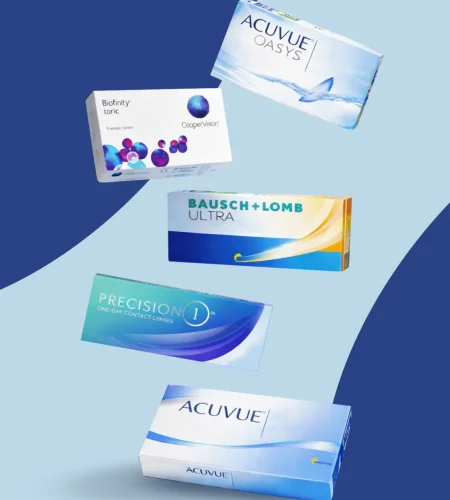
Switching contact lens brands can be a smart move if your eyes feel dry by the afternoon, your vision seems inconsistent, your schedule has changed, or you simply want a more convenient routine for travel, work, or sports. It can also feel confusing because “same prescription” does not always mean “same experience.”
This guide is for contact lens wearers who buy eyewear online and want value, comfort, and fewer hassles. You will learn how to compare brands safely, what actually affects comfort and clarity, and how to build a simple contacts routine checklist for daily life.
Can I switch contact lens brands?
Yes, many people can switch, but do it the right way. In the U.S., contact lenses are regulated medical devices, so the “brand and model” is part of what makes a lens prescription specific and safe for your eyes.
If you are wondering “can I switch contact lens brands without going back,” the safest answer is: ask your eye doctor for a brand change or a trial lens first, especially if you have dry eye, astigmatism, or a history of irritation. When you purchase contacts, sellers must follow the FTC Contact Lens Rule requirements for prescriptions and verification, which is designed to keep purchases aligned to a valid prescription.
What actually changes when you change brands
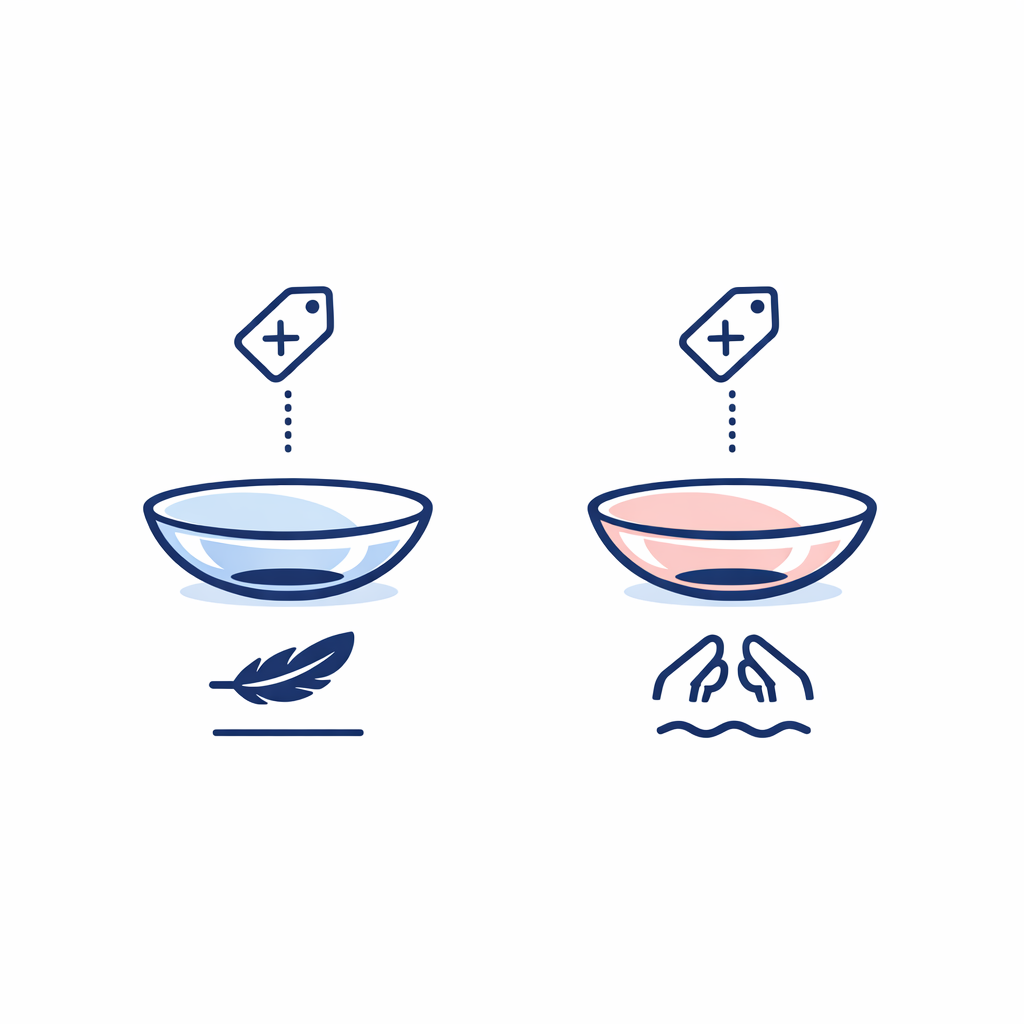
Most comfort and vision differences come down to lens fit and lens design details, not marketing. Even if two lenses share the same power, they can feel different on your eye because the physical design is different.
Fit numbers: base curve and diameter
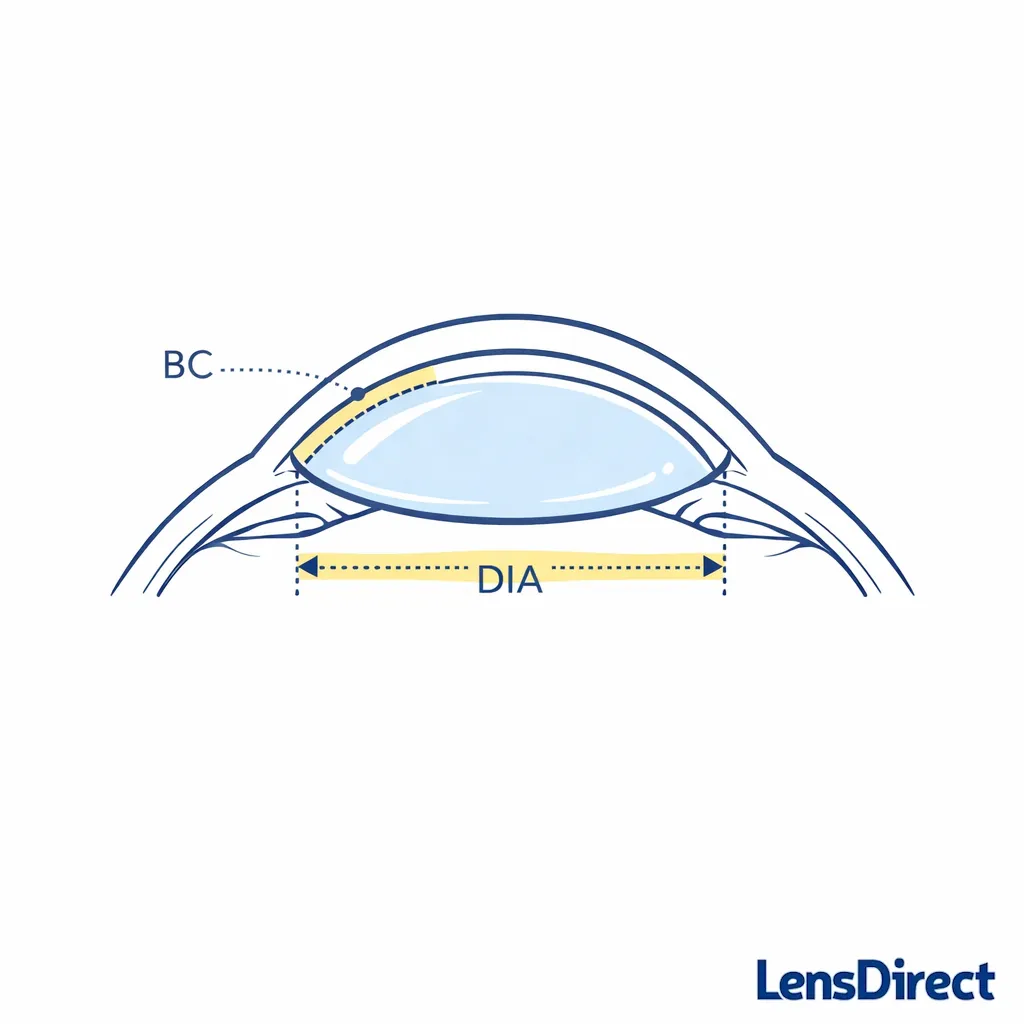
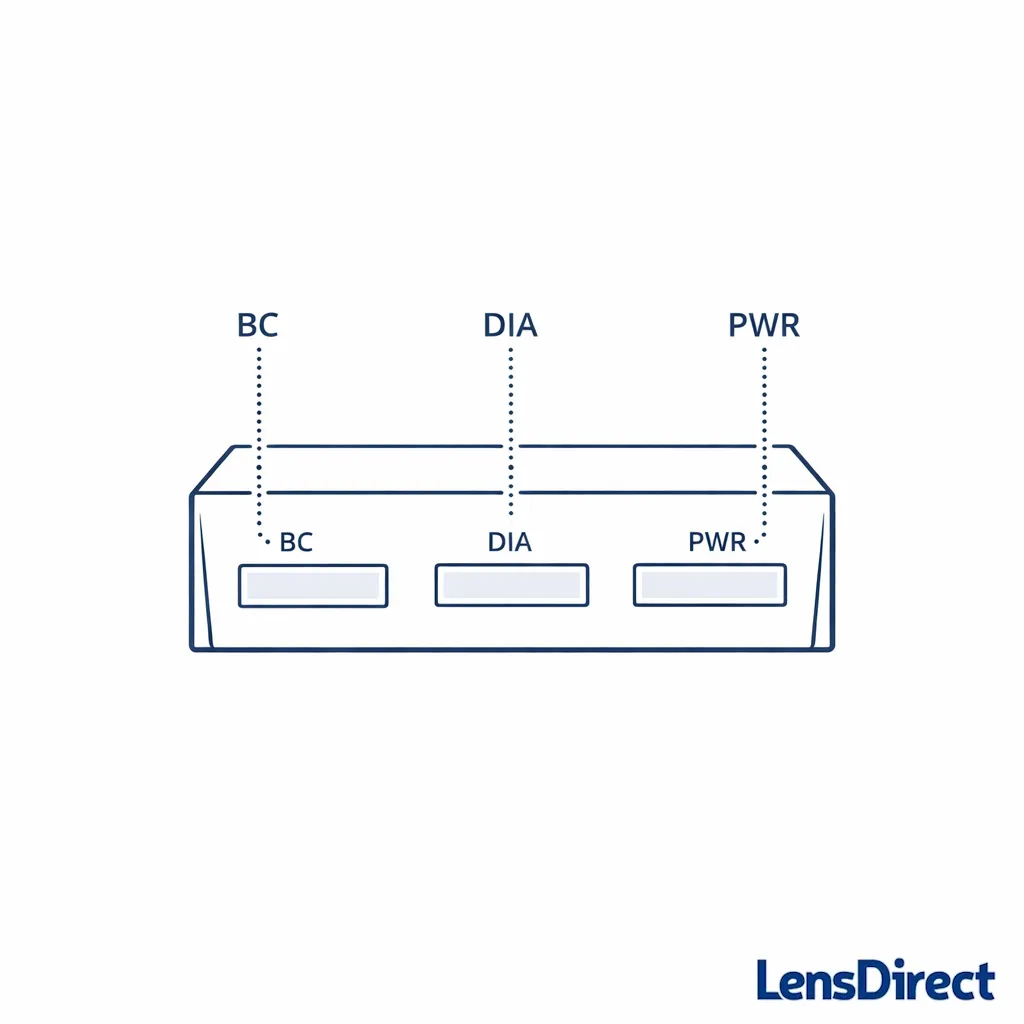
Soft contacts list a base curve (BC) and diameter (DIA). Those numbers influence how the lens centers, how much it moves when you blink, and whether it feels “tight,” “floaty,” or just right. Switching brands often means switching one or both of these measurements, so comfort can change quickly even if your power stays the same.
Material and surface feel
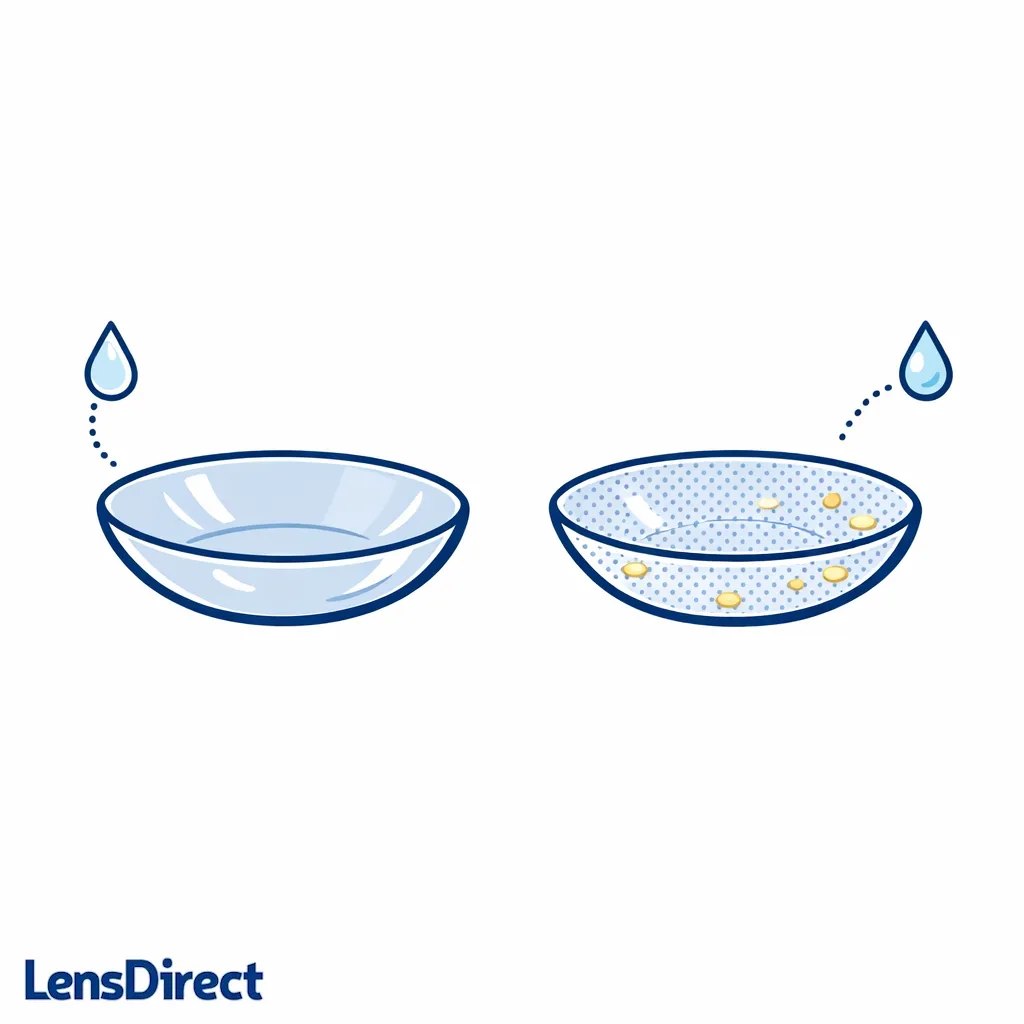
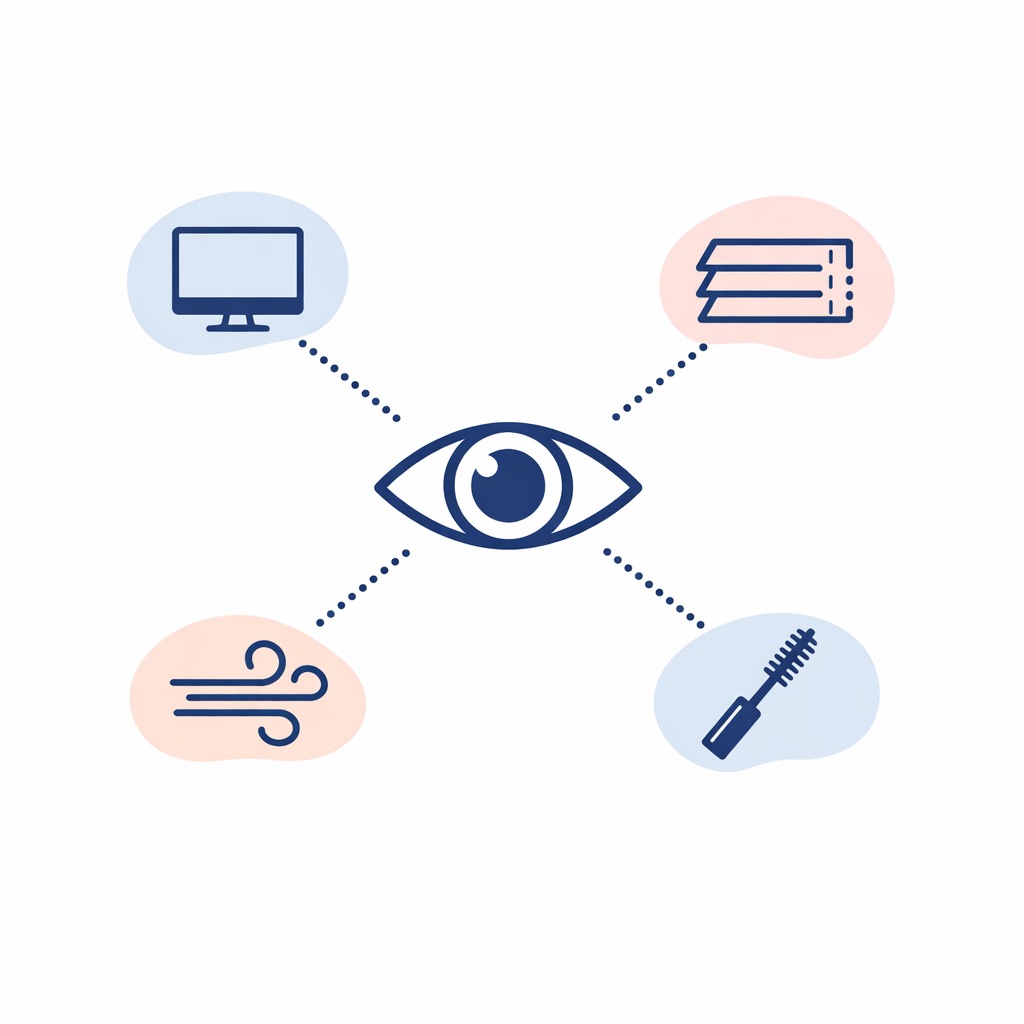
“Contact lens material differences” can show up as end-of-day dryness, lens awareness, or lenses that feel great for two hours and then become irritating. Different materials hold onto water differently, interact with your tears differently, and can attract deposits differently depending on your environment (screens, heat/AC, dust, makeup, pollen).
Edge design and thickness profile
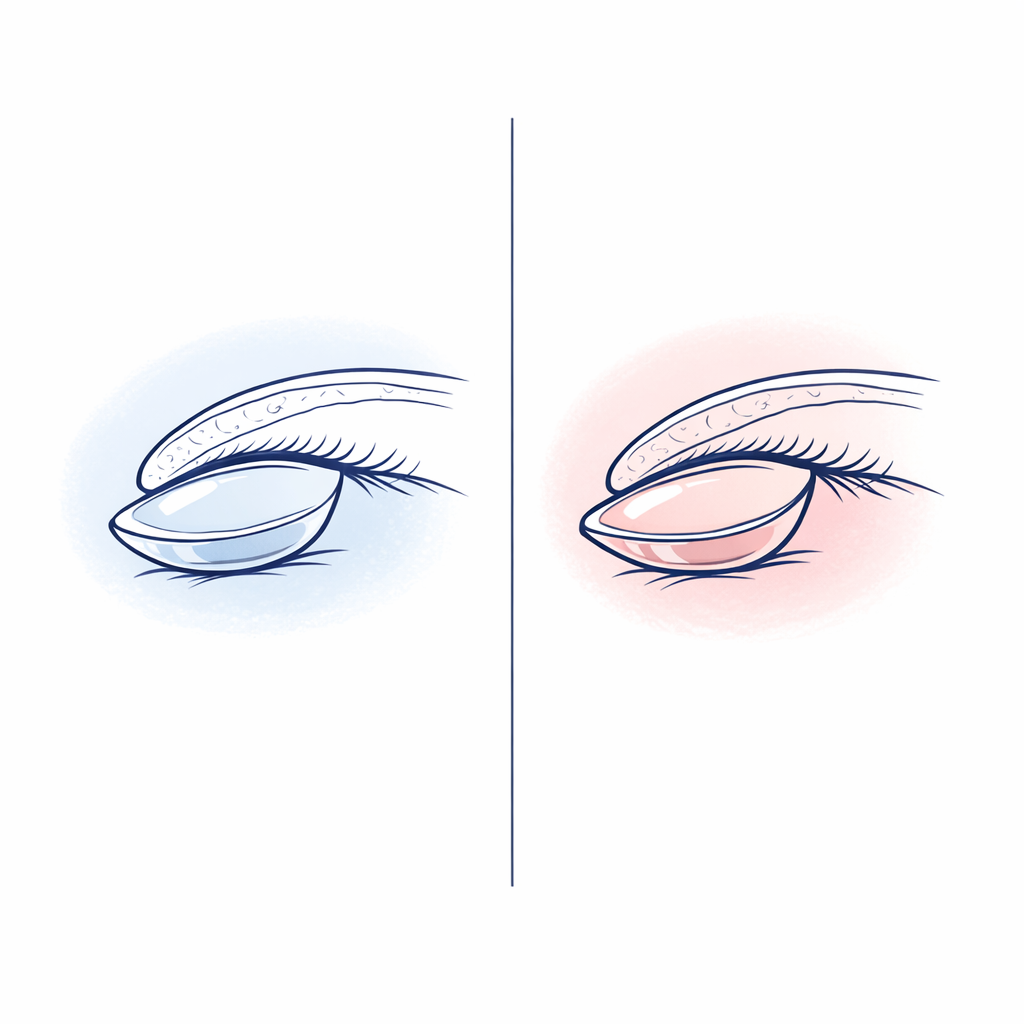
The edge shape (how the lens “feels” under your eyelid) is a big driver of comfort. A lens can fit well but still feel scratchy if its edge design does not agree with your lid anatomy or blink pattern.
Comfort first: a practical contact lens brand comparison checklist
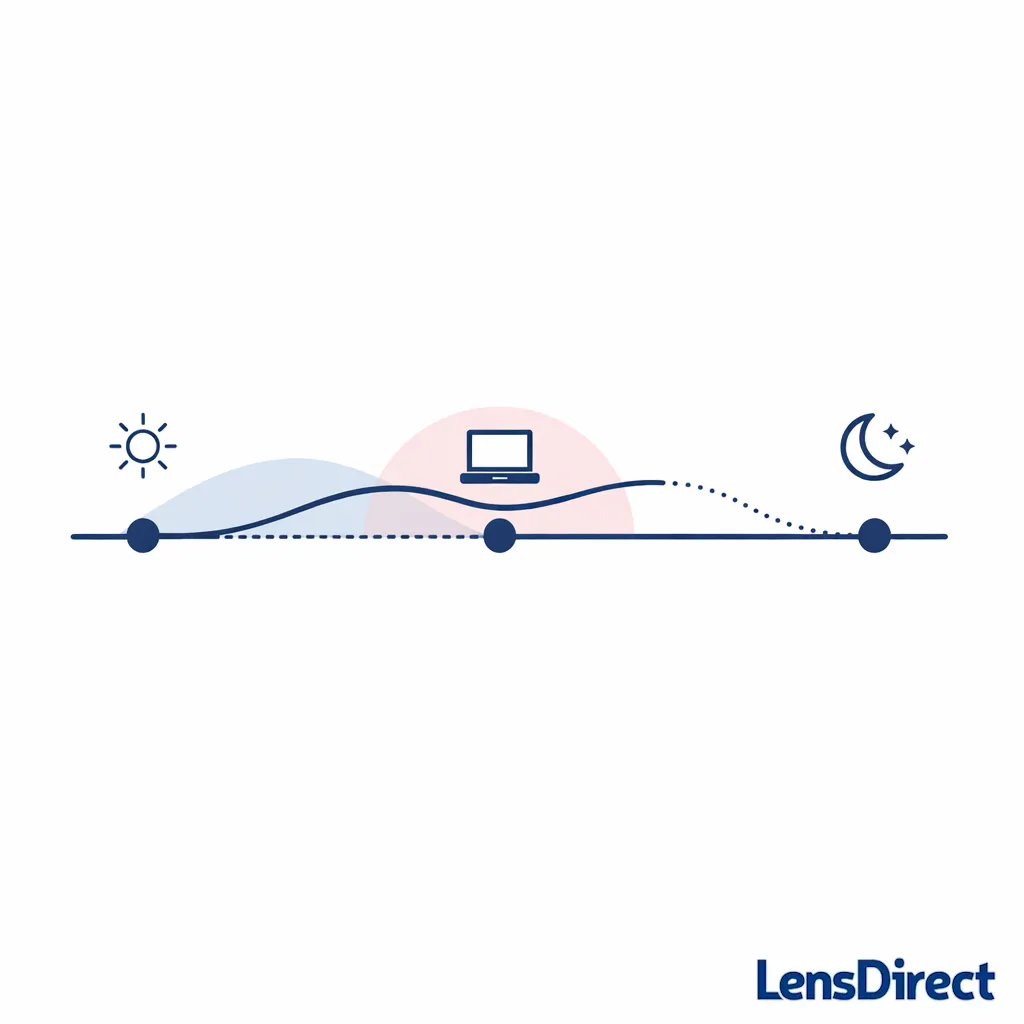
If your goal is “best contacts for comfort” or “contact lenses for sensitive eyes,” define what comfort means for you before you switch. The best lens is the one that stays comfortable and clear through your real day, not just the first 20 minutes.
- Timing: When does discomfort start (right away, midday, end of day)?
- Location: One eye or both? Same spot every time?
- Symptoms: Dry, gritty, burning, heavy, itchy, red, watery, blurry, or “filmy”?
- Triggers: Screens, driving, windy days, workouts, allergies, makeup, air travel, or sleeping in lenses?
- Quick fixes that help: Rewetting drops, replacing the lens early, changing solution, taking a break with glasses.
If dryness is a recurring theme, it may be more than “the wrong brand.” Dry eye is a recognized eye condition that can affect comfort and contact lens tolerance, and the National Eye Institute’s overview of dry eye is a helpful baseline for symptoms and when to get evaluated.
Daily vs monthly switching: what changes in your routine
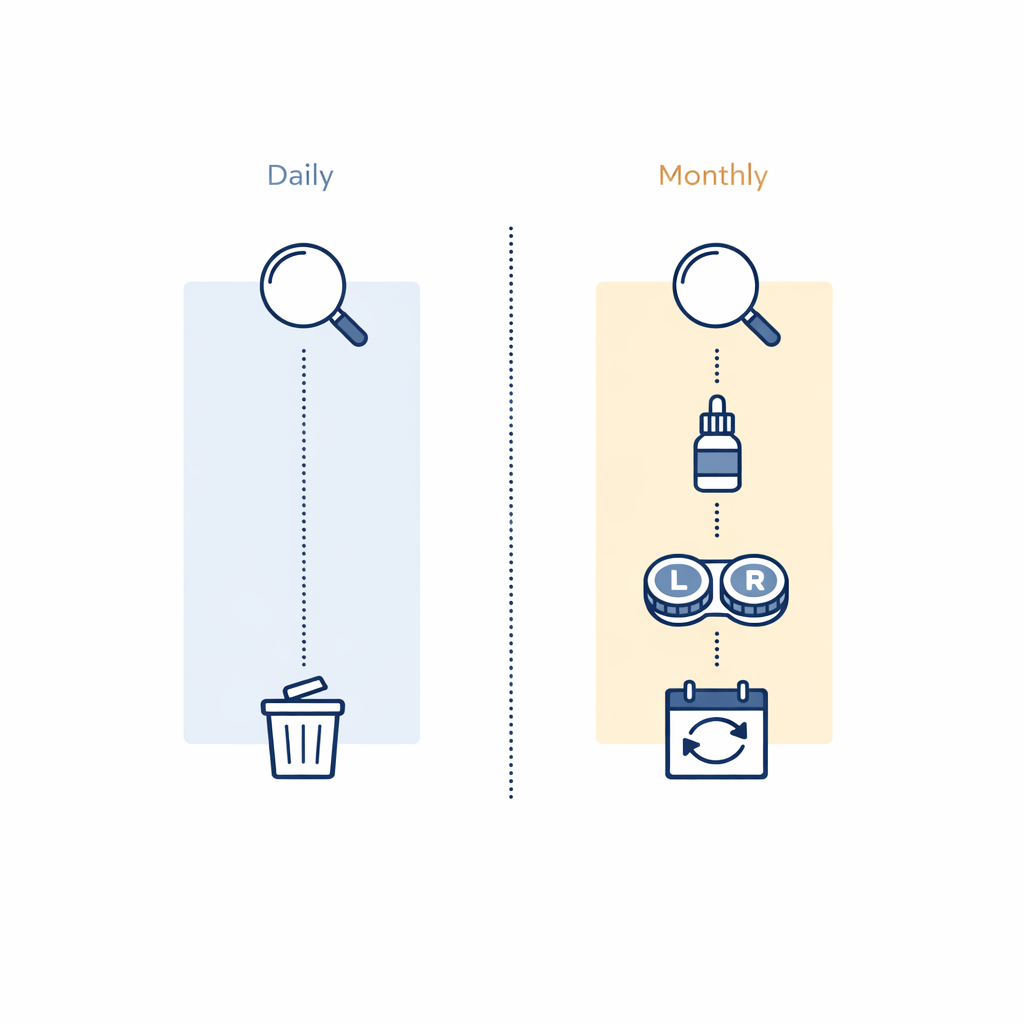
“Daily vs monthly switching” is one of the biggest routine shifts you can make. Dailies are often chosen for convenience (fresh lens each day, simpler travel packing), while monthlies can be cost-effective and work well for people who are consistent with cleaning and storage.
The trade-off is that reusable lenses require more steps and more consistency. The CDC’s contact lens hygiene guidance emphasizes that safe wear depends on habits like cleaning, storing, and replacing lenses and cases on schedule, not just the brand you buy.
If you switch from monthly to daily
- You remove the cleaning step, but you still need good handwashing and safe handling.
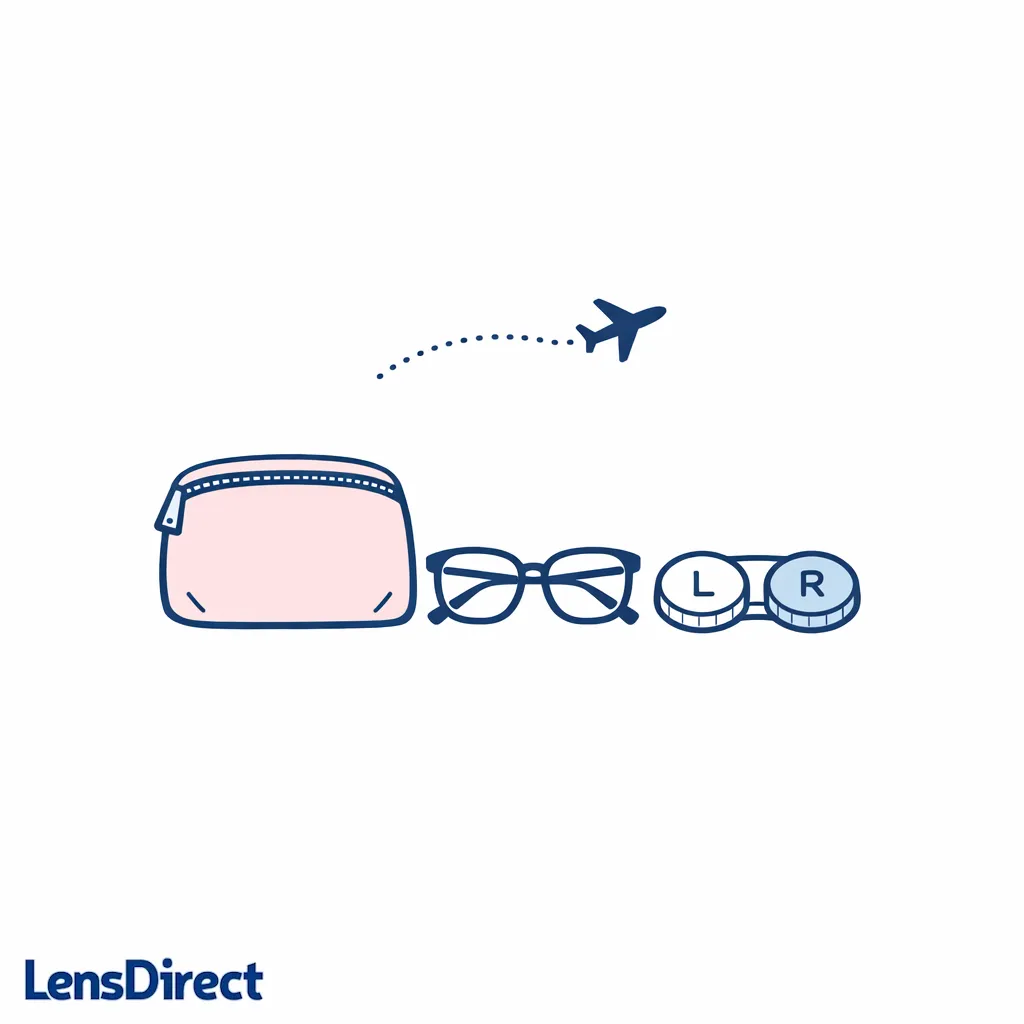
- Travel can get easier because you can pack lenses and a backup pair of glasses without bottles.
- If you used to “stretch” a monthly lens, dailies can remove that temptation.
If you switch from daily to monthly
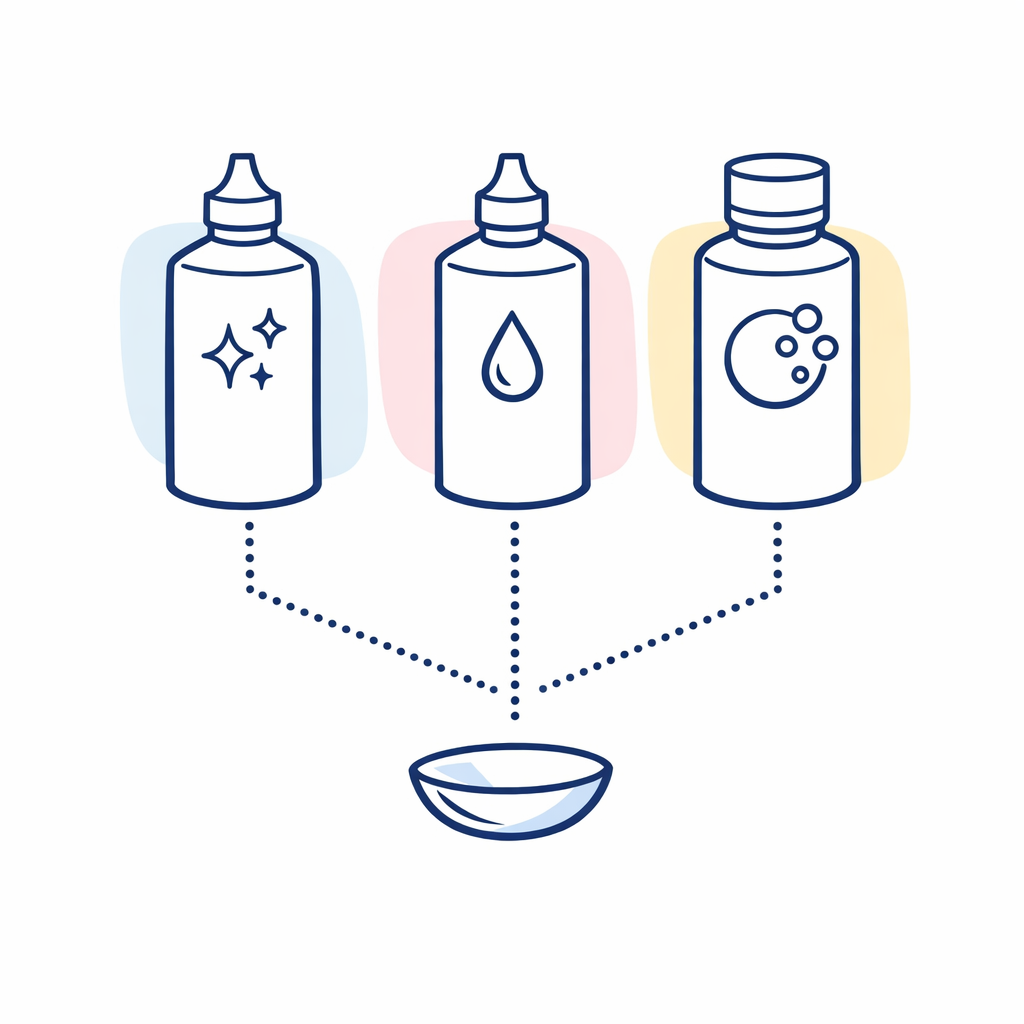
- Your solution choice becomes part of the comfort equation (some people react to certain preservatives).
- Lens deposits and end-of-day comfort can depend heavily on how well you rub, rinse, and store.
- For sensitive eyes, the cleaning system can matter as much as the lens.
Solution sensitivity: picking a contact lens solution for sensitive eyes
When people search “best contact lens solution for sensitive eyes,” they are often reacting to stinging, redness, or dryness that is really a product mismatch. Multipurpose solutions, saline, and hydrogen peroxide systems are not interchangeable in what they do, so it helps to match the product to your lens type and your sensitivity.
The CDC’s guidance on cleaning and storing contacts safely is also a good reminder that not every liquid is a disinfectant. For example, saline solution can be useful for rinsing in some routines, but it is not the same thing as a disinfection system for reusables.
If you already use products such as Bausch + Lomb saline solution, Biotrue multi-purpose solution, or “sensitive eyes” rewetting drops, keep the brand name you like, but treat the ingredients and the instructions as the deciding factor. If your eyes are sensitive to contact lenses, ask your doctor whether a different disinfection method or preservative profile could reduce irritation.
Vision quality: power is only one piece
“Changing contacts prescription brand” often improves comfort, but it can also change vision sharpness and stability. That is especially true for astigmatism and multifocal needs, where the lens has to align and remain stable to stay crisp.
Astigmatism (toric lenses)
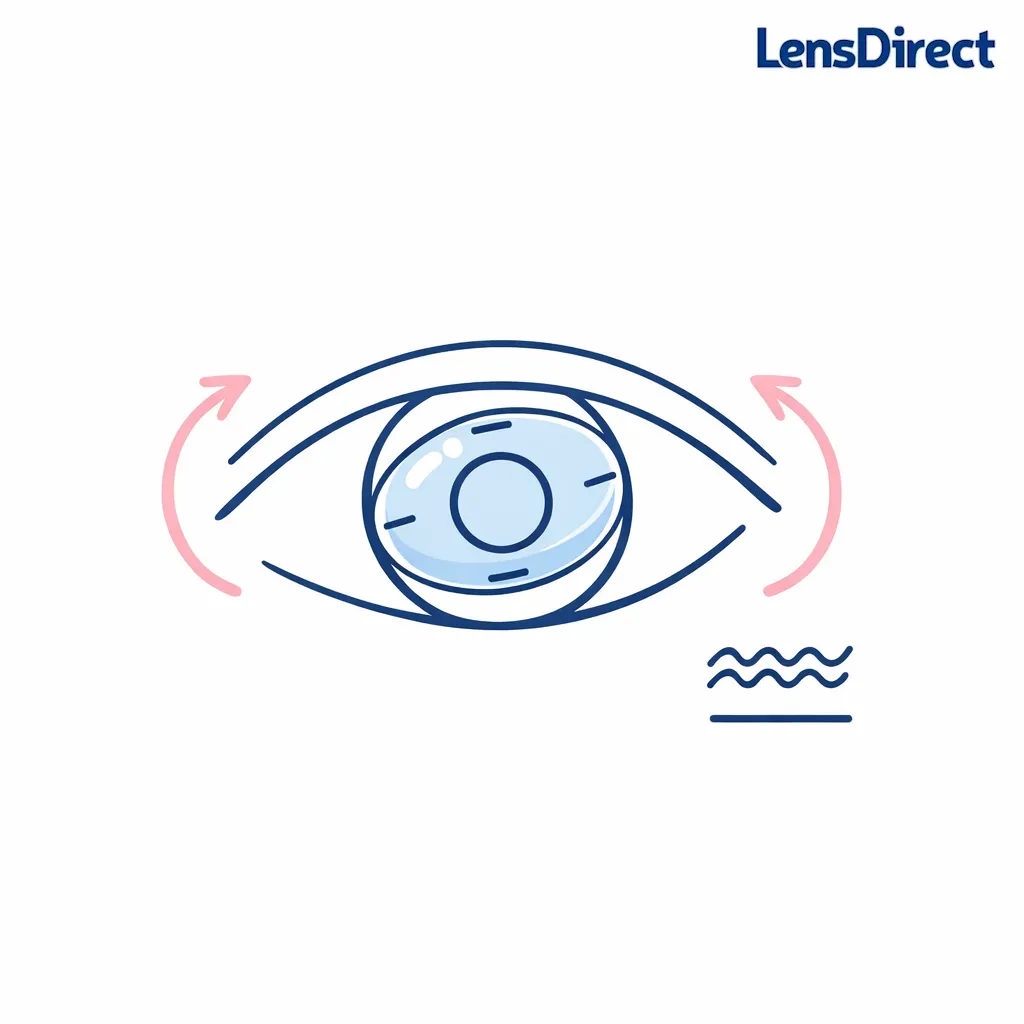
If you are comparing “most comfortable contacts for astigmatism,” pay attention to two things: comfort and stability. A toric lens that rotates on the eye can cause intermittent blur, especially when you look to the side, blink, or get tired late in the day.
Multifocals
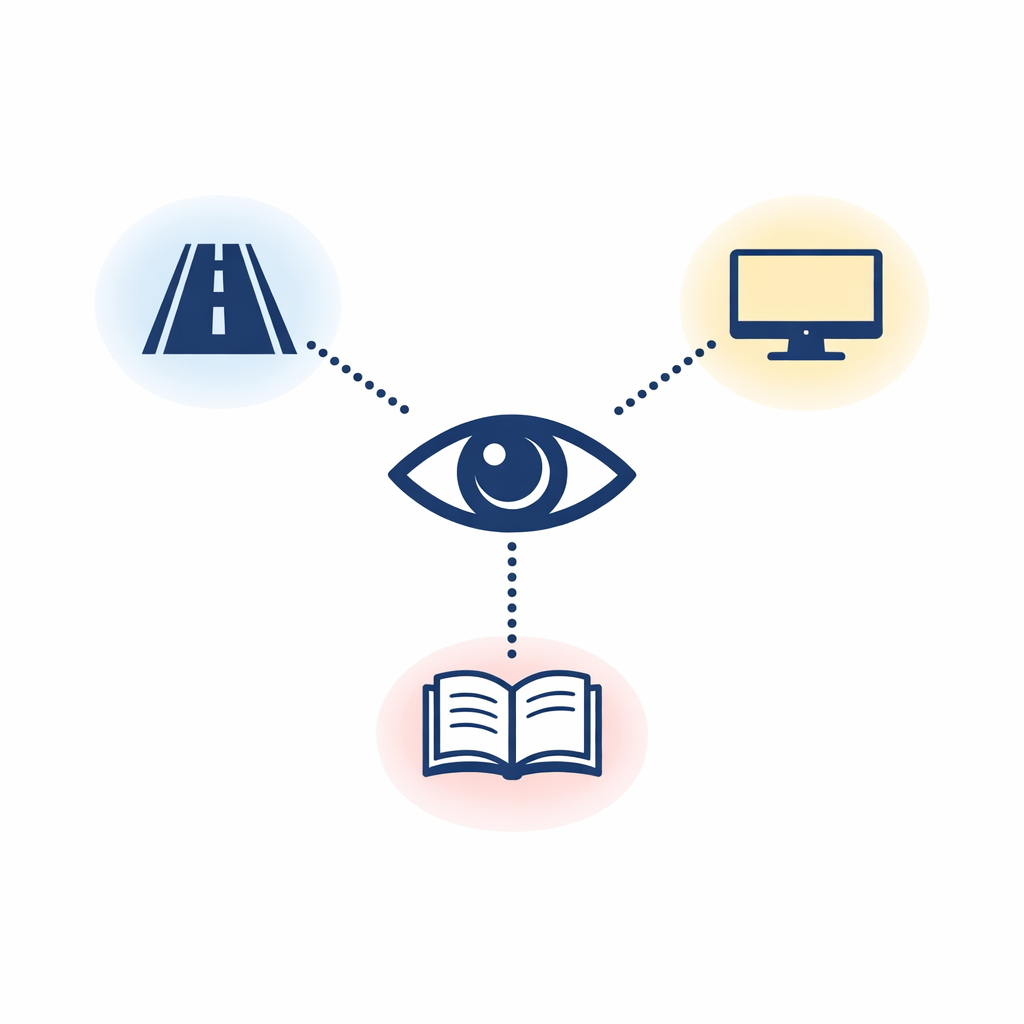
Multifocal contact lenses involve balancing distance, intermediate, and near vision. When you switch brands, your brain may need an adjustment window, and you may need small refinements to find the best balance for your work (screens) and hobbies (driving, reading, sports).
Light sensitivity (photophobia): contacts vs tinted glasses
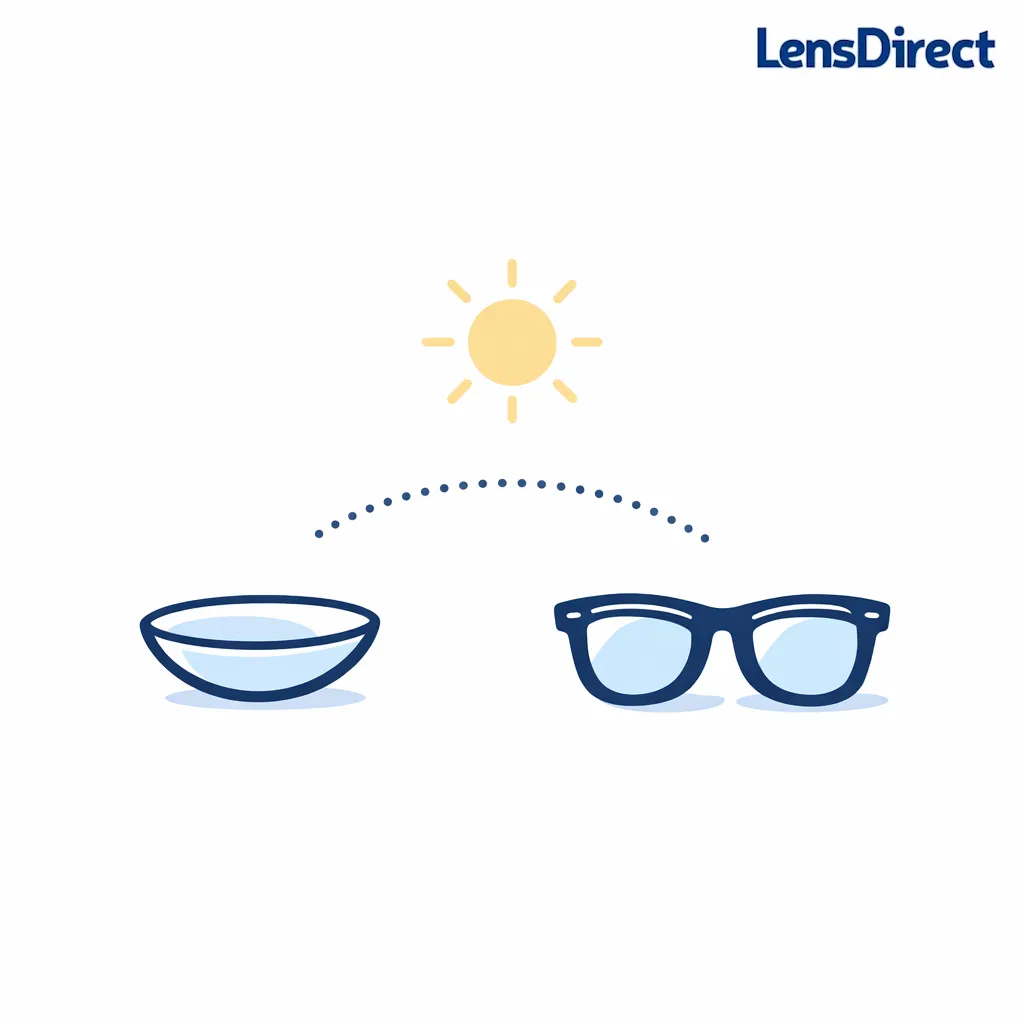
If you are searching for “contacts for light sensitivity” or “tinted contact lenses for photophobia,” pause and make sure you are solving the right problem. The American Academy of Ophthalmology’s overview of light sensitivity (photophobia) notes that photophobia can have multiple causes, so persistent or sudden light sensitivity is worth discussing with an eye care professional.
In many everyday situations, tinted glasses for photophobia or glare control can be more flexible than tinted contacts because you can change the tint based on the environment (driving, screens, outdoors). If you are outdoors often, pairing contacts with performance sunglasses can reduce squinting and eye fatigue without changing your contact lens prescription.
A simple contacts routine checklist (especially when switching)
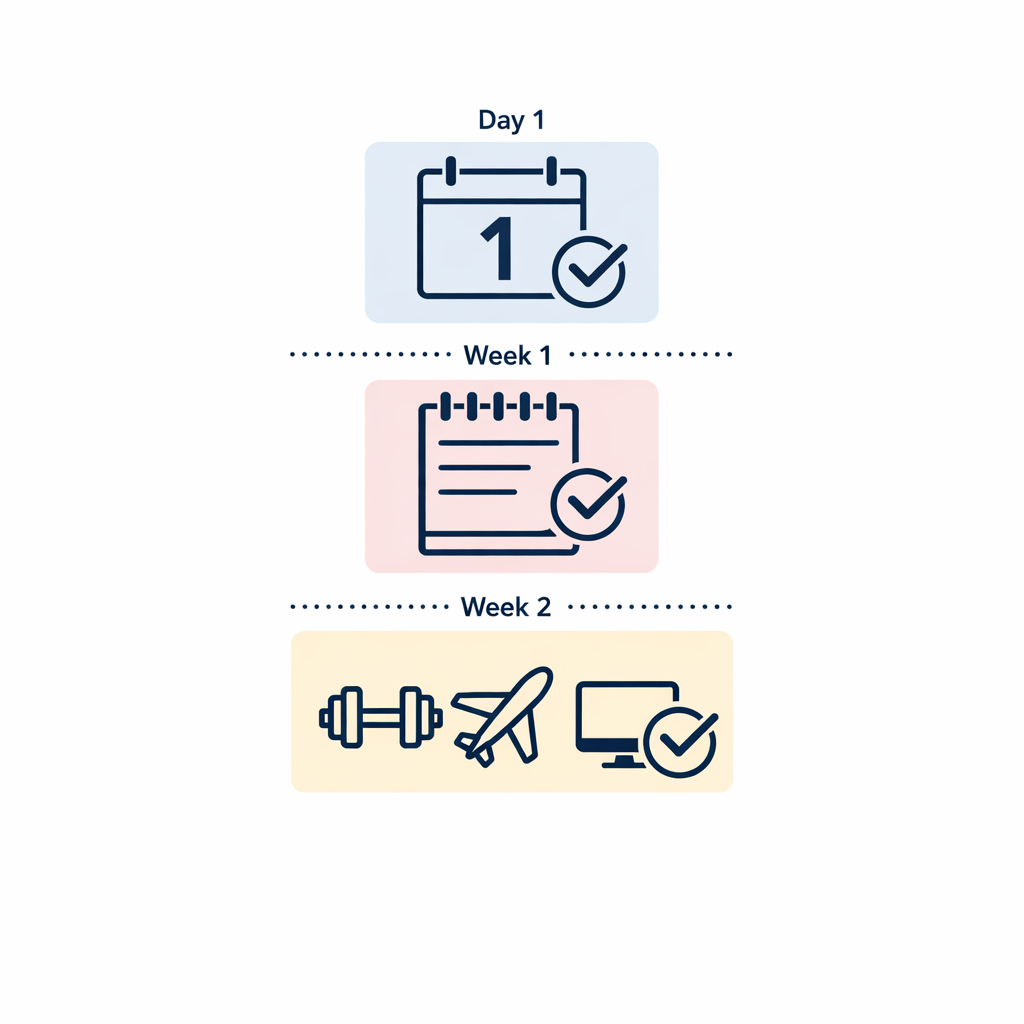
When you switch contact lens brands, treat the first two weeks like a mini trial. Your goal is to answer three questions: Does it feel good on a normal day, does it stay clear, and is your routine sustainable?
- Day 1: Wear the new lens on a low-stakes day. Keep your old lenses or glasses as a backup.
- Days 2–4: Note comfort at 2 hours, 6 hours, and end of day. Write down any redness, blur, or dryness.
- Week 1: Keep everything else constant (same solution, similar screen time) so you can isolate the change.
- Week 2: Add real-life stress tests (workouts, travel day, long screen day) and see if comfort holds.
- Any day: If you have pain, light sensitivity, discharge, or sudden vision changes, remove the lens and contact your eye doctor.
Common mistakes and misconceptions when switching contact lens brands
“If the prescription power is the same, any brand is fine.”
Power is only one parameter. Fit, lens design, and the exact prescription details matter, and purchases are tied to a valid prescription under the FTC Contact Lens Rule.
“Colored contacts are just cosmetics, so they don’t count.”
Even cosmetic or colored lenses are still contacts, and the FDA treats contact lenses as medical devices that require a prescription. If you want the most comfortable colored contacts or colored contacts for sensitive eyes, treat that as a fitting and materials question, not just a color choice.
“More moisture (or higher water content) always feels better.”
Comfort is personal. Some people do better with one material profile, while others notice more dryness as the day goes on. Use your own symptoms and wear time as the deciding factor, and involve your optometrist if you are stuck in a cycle of irritation.
“I can ‘make it work’ by wearing lenses longer.”
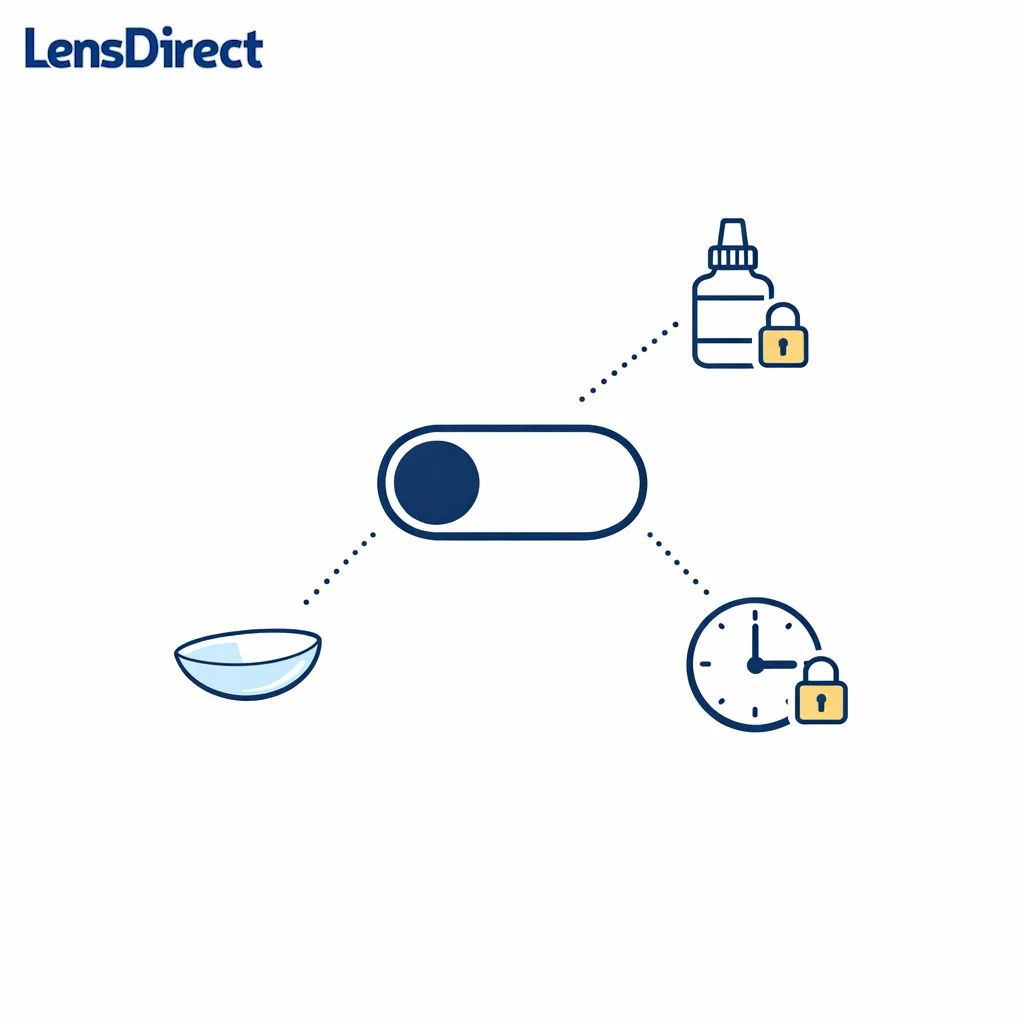
Overwear can turn a small comfort issue into a bigger one. The CDC’s contact lens wear and care guidance focuses on replacement schedules and safe habits because stretching lenses increases the chance of complications and discomfort.
What changed / what’s new for contact lens buyers
Buying contacts online is easier than ever, but the compliance piece is also clearer than it used to be. The modern baseline is that your prescriber must provide your prescription, and sellers must follow verification rules, as described in the FTC’s Contact Lens Rule guide for prescribers and sellers.
Practically, this means switching contact lens brands is often a quick conversation with your eye doctor, then a straightforward online reorder once you have the updated prescription details. If you are due for an exam anyway, switching brands can be a good “reset” moment to address dryness, screen fatigue, and any new vision needs.
What to do next (quick, no-stress plan)
Identify the real issue: comfort, end-of-day dryness, fluctuating blur, travel convenience, or allergy season irritation.
Check your prescription details: confirm the brand/model, BC, DIA, and (if needed) toric or multifocal specs.
- Ask for a trial when possible: especially for sensitive eyes, astigmatism, or multifocals.
- Keep your routine consistent: don’t change brand, solution, drops, and wear time all at once.
- Build a backup plan: keep updated glasses for no-lens days, travel delays, or irritated-eye days.
- Upgrade your outdoor comfort: if glare or squinting is part of the problem, consider sunglasses that match your environment.
Shop what you need for a smoother switch
If you are ready to order, LensDirect makes it easy to restock essentials and build a backup plan around your new routine. Start with Shop Contacts, and consider keeping an updated pair of Shop Glasses for recovery days or long screen days.
If glare, driving, or outdoor sports are part of your comfort equation, browse Shop Sunglasses. If your current frames are great but your vision needs a refresh, you can Replace Your Lenses with either Full-Service Replacement or Order Replacement Lenses.
For fit and ordering details, use Find Your Fit, Learn How to Measure Your Pupillary Distance, and Learn How to Get Reimbursed by Your Insurance to make the switch feel effortless.
Author

Subscribe to our email newsletter to get the latest posts delivered right to your email.