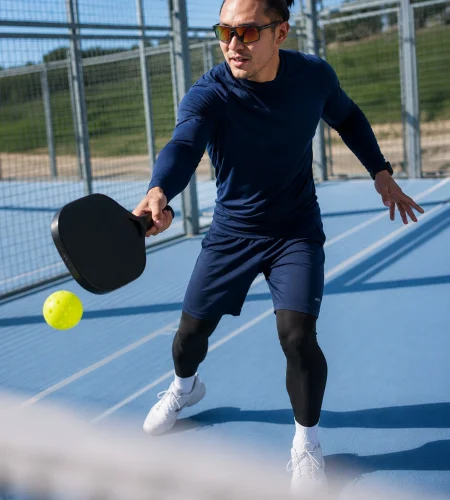
Quick picks: what usually works best on bright courts
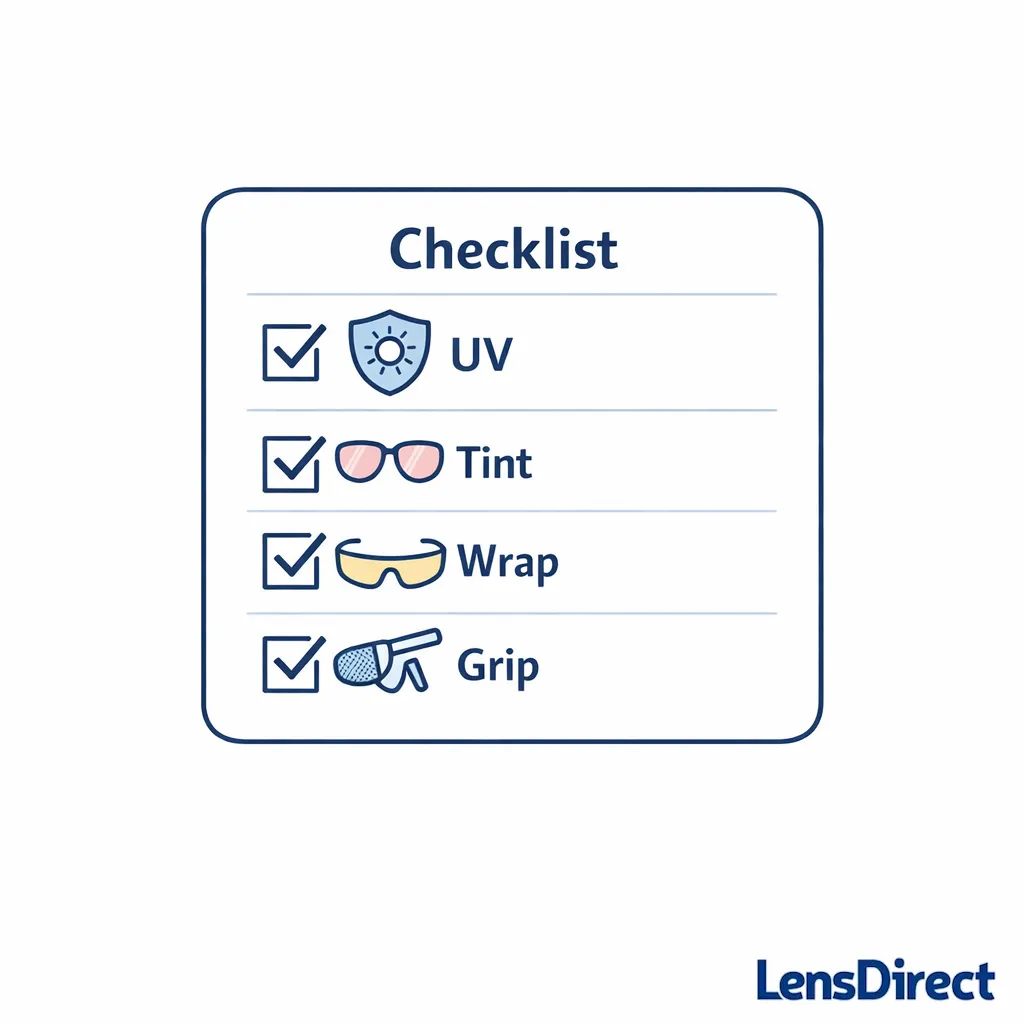
If you want a simple starting point, choose lenses that block UV, fit close with wrap coverage, and stay put with grippy contact points. As a baseline for eye safety outdoors, look for “99–100% UVA/UVB” or “UV400” labeling and verify it’s from a reputable seller, since UV protection is about the lens coating/material, not how dark the lens looks.
- Best “all-around bright court” tint: Brown/copper/amber tones for contrast, especially if you struggle with glare and washed-out visuals.
- Best “true color” tint: Gray for bright sun when you want minimal color shift.
- Polarized or not: Polarized is great for harsh glare, but some players prefer non‑polarized for a more “natural” view of the court and ball.
- Fit that stays put: Wraparound shape, rubberized nose pads, and secure temples so sweat doesn’t cause sliding.
Safety first: UV protection and impact resistance
Outdoor court time adds up, and UV exposure can affect eye health over the long term, which is why eye doctors consistently recommend sunglasses that block UVA and UVB rays. The CDC explains that UV radiation can damage the skin and eyes, so “fashion tint only” is not the goal for sports.
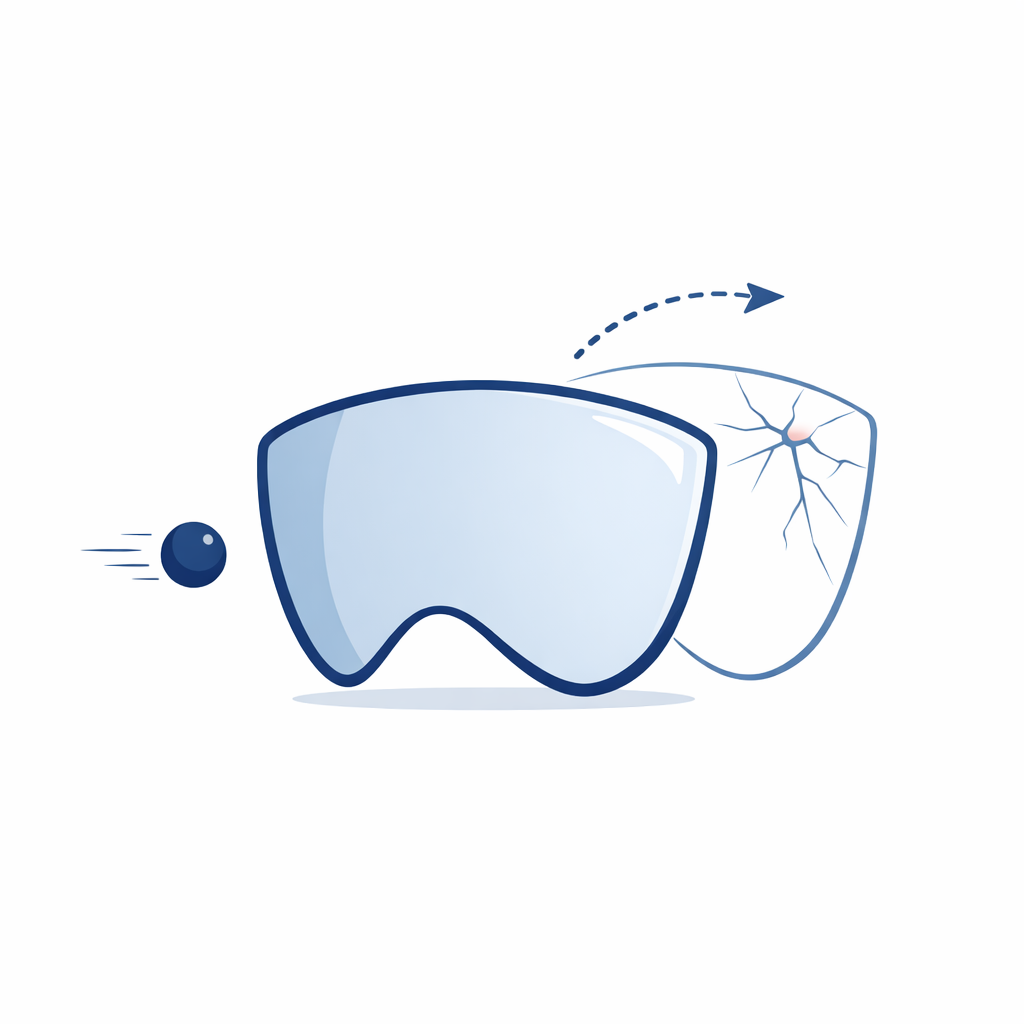
For pickleball and tennis, consider impact resistance as part of “best sunglasses,” not just a nice-to-have. The American Academy of Ophthalmology recommends sports eyewear with impact-resistant polycarbonate lenses for many athletic activities, and that mindset applies well to racquet sports where a fast-moving ball, paddle, or elbow can become a hazard.
One easy misconception: darker lenses are not automatically safer
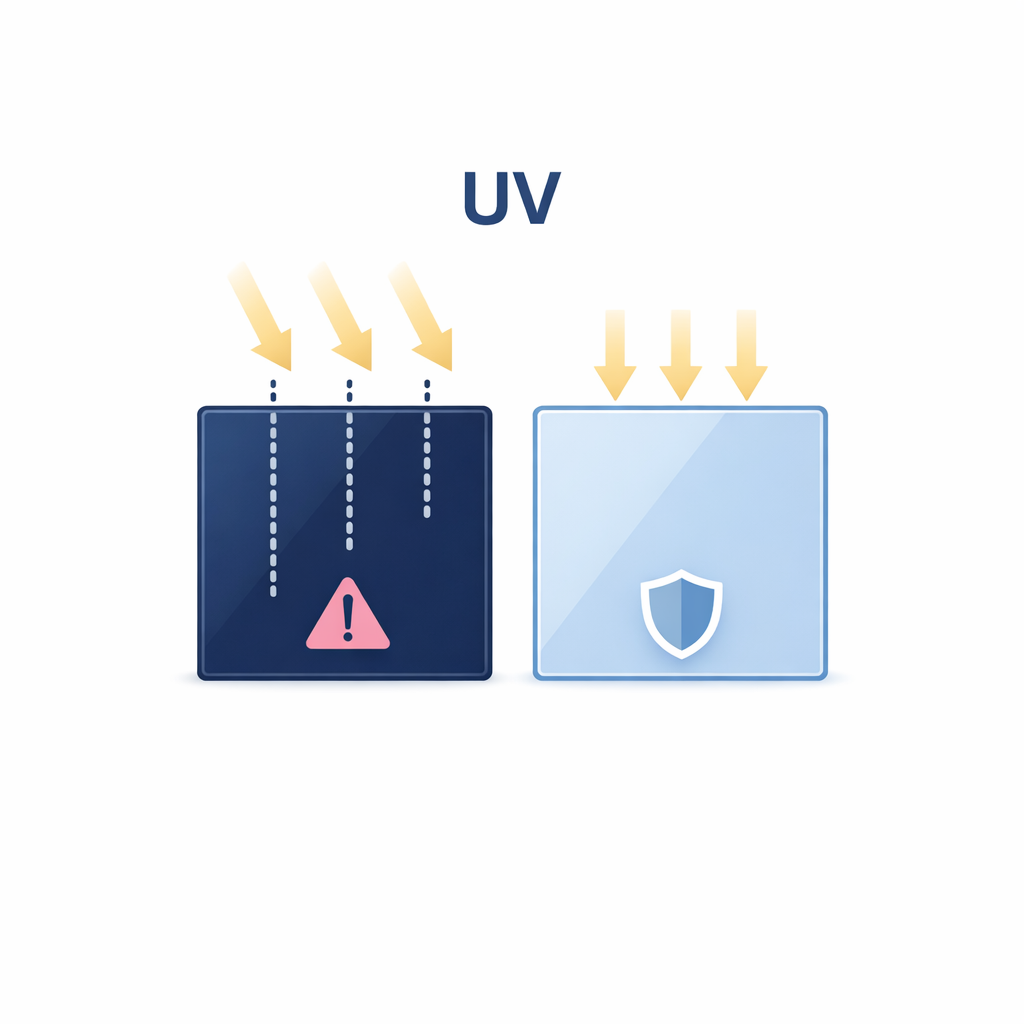
It’s common to assume darker equals better protection, but that can backfire if a dark lens doesn’t actually block UV. The AAO notes you should look for 99–100% UVA/UVB protection rather than judging by lens darkness, since a dark lens without UV filtering can cause your pupils to dilate and potentially let in more harmful rays.
Lens tints for tennis and pickleball: choosing contrast vs. true color
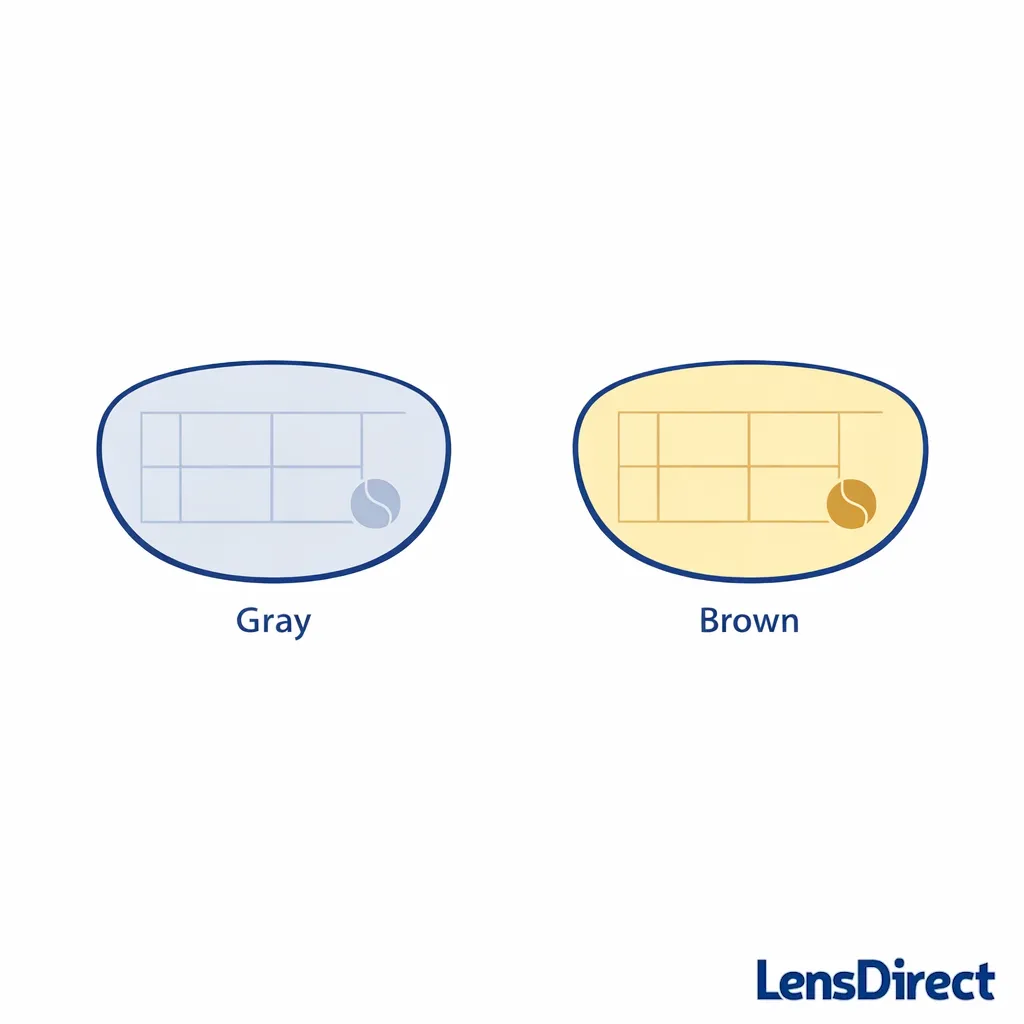
On bright courts, you’re usually balancing two visual needs: controlling glare and keeping the ball and lines high-contrast against a busy background. Lens tint is one of the biggest levers you can pull because it changes how contrast and brightness feel from point to point.
A useful framework is “contrast tints” versus “neutral tints.” The American Optometric Association describes how common lens colors affect visual comfort and perception, which helps you choose based on what you personally struggle with outdoors.
Gray lenses (neutral, bright-sun friendly)
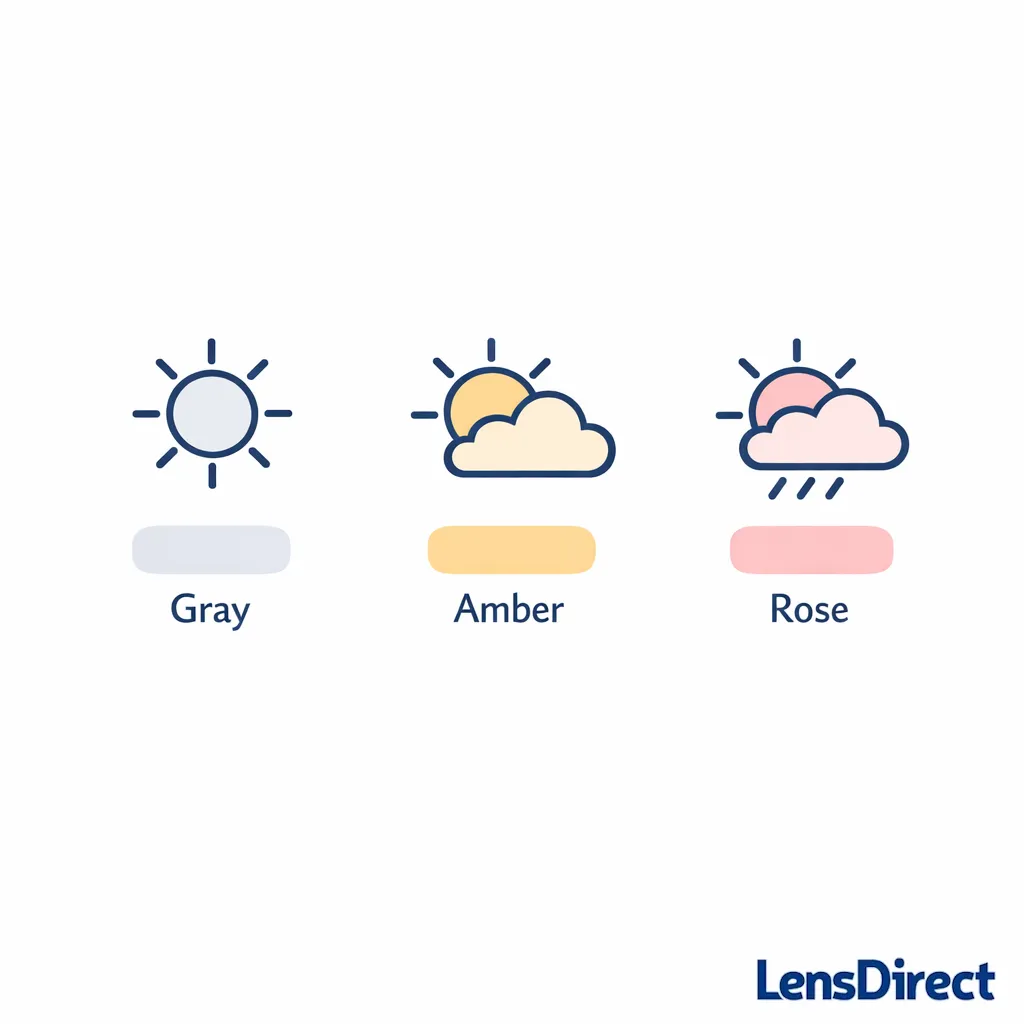
Gray is the classic choice when you want to reduce brightness while keeping colors relatively natural. If you play on courts where everything already has strong contrast (clear lines, consistent lighting, minimal background clutter), gray can feel predictable and low-drama.
- Good for: Midday sun, players who dislike color shifts, mixed-use sunglasses (driving + courts).
- Watch-outs: If you already experience “washed out” views, you may prefer a contrast-boosting tint instead.
Brown, copper, and amber (contrast tints for bright courts)
If your biggest issue is seeing the ball cleanly when the sun is reflecting off a pale court surface, brown/copper/amber families often feel sharper because they can increase the perception of contrast. The AOA’s overview of lens colors is a helpful reference when you’re deciding between neutral and contrast-heavy tints.
- Good for: Bright hard courts, hazy days, players who want more definition on ball and lines.
- Watch-outs: Some people find warmer tints change the look of the ball more than they like.
Rose and “high-contrast” sport tints (comfort for some players)
Some athletes love rose-based tints for comfort and perceived clarity, especially when glare makes them squint. If you’re sensitive to harsh light, a rose or copper-leaning tint can feel less fatiguing than a neutral lens, even at similar darkness levels.
The main caution is that “best” is personal here. If you can, replicate your playing conditions (same time of day, same court) and test what makes the ball easiest to pick up early off the opponent’s paddle or racquet.
Yellow and very light tints (usually not the “bright court” answer)
Yellow lenses are often discussed for low light because they can make things feel brighter and more contrasty. For truly bright courts, though, they may not cut enough brightness unless paired with the right overall light reduction, so they are usually more of a specialty choice than a default.
Polarized or not for court sports: how to decide
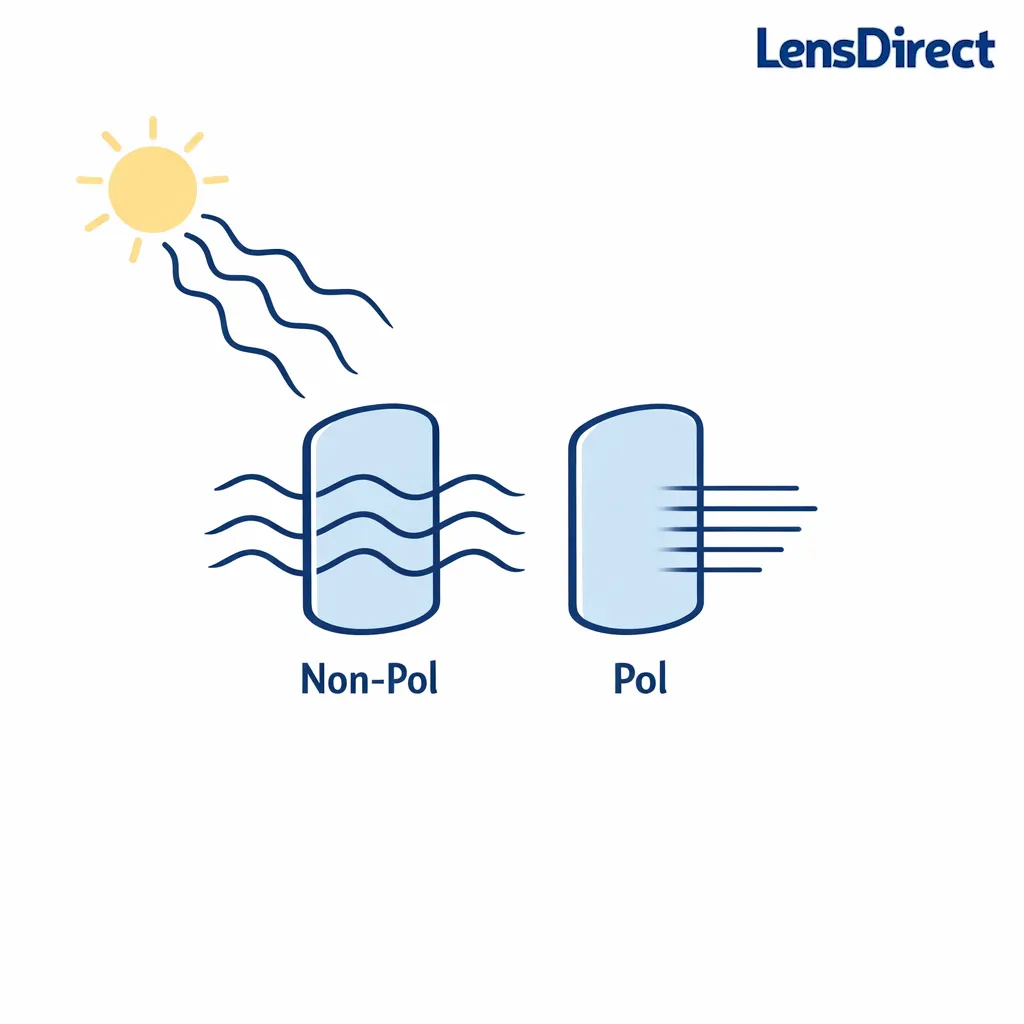
Polarized lenses reduce certain types of glare, which can be a game-changer when sunlight is bouncing off reflective surfaces. The AAO explains that polarization can reduce glare from surfaces like water and pavement, which is why many people love polarized sunglasses for driving and activities around intense reflections.
But “polarized = best” is not universal for tennis and pickleball. Polarization can change how some visual cues feel, and the AAO also notes polarized lenses can make some screens harder to see, which matters if you check a phone between games or use an electronic scoreboard.
A practical rule of thumb
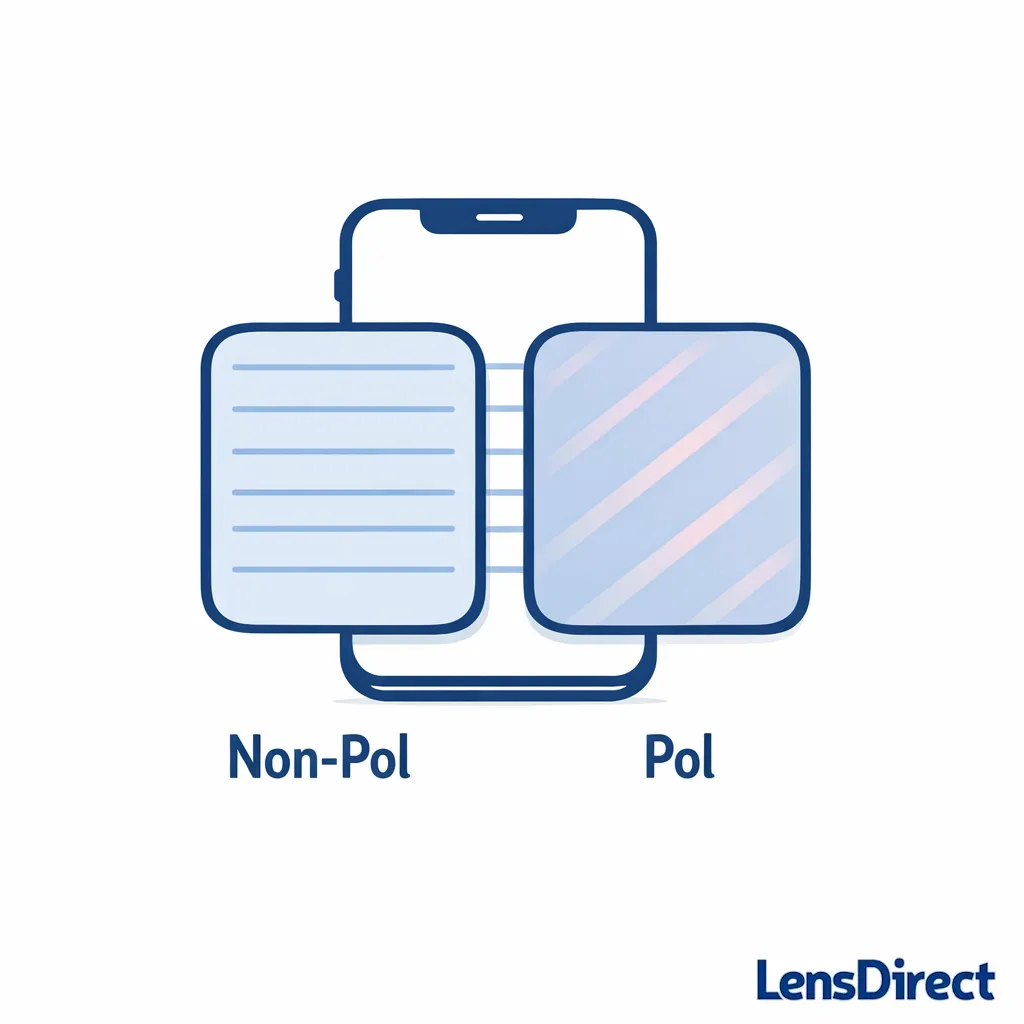
If glare is your #1 problem (bright sun + shiny courts + lots of reflection) and you want maximum comfort, choose polarized. Choose non‑polarized if you prefer the most natural “read” of the court and want fewer surprises with screens and reflections.
If you’re torn, prioritize ball tracking during your typical playing time. Comfort matters, but the best sunglasses for pickleball or tennis are the ones you stop thinking about mid-point.
Wraparound sports sunglasses: why wrap fit matters on court
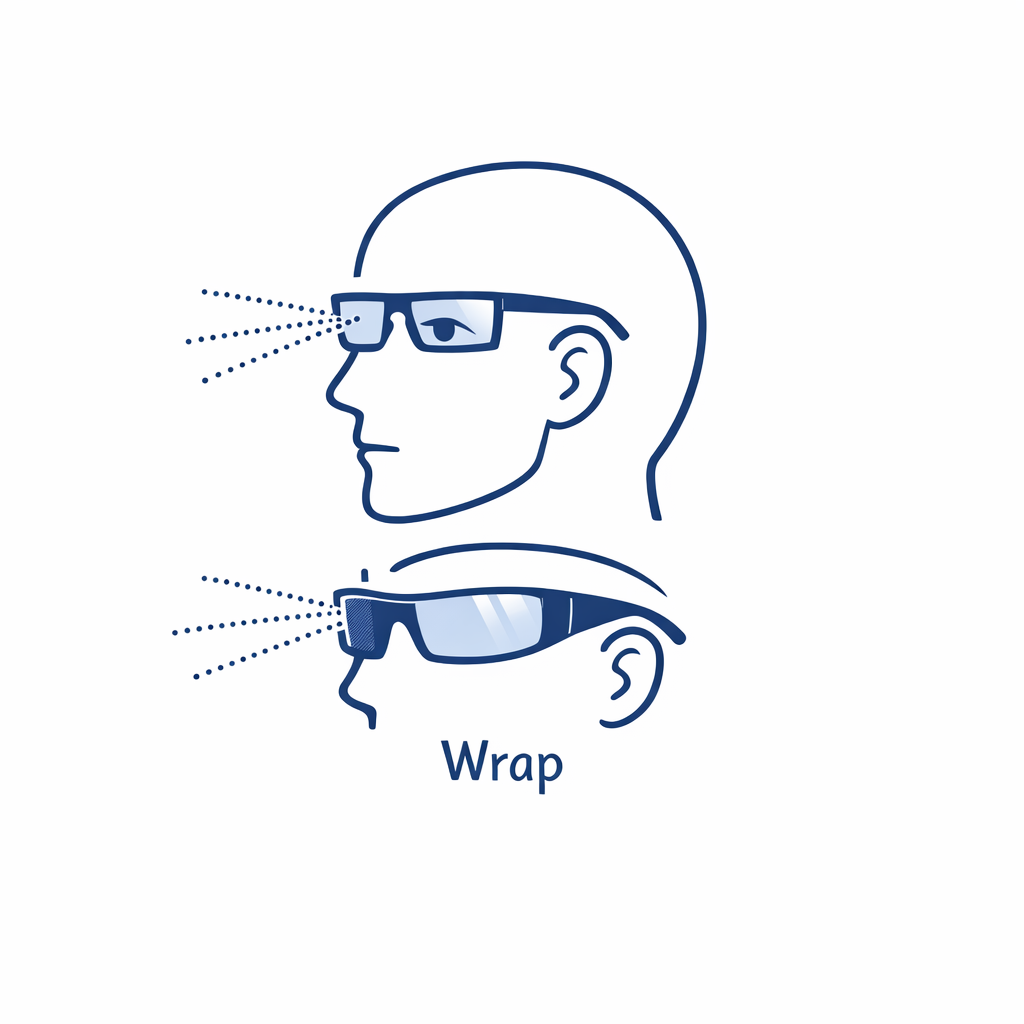
Wraparound sunglasses are popular for a reason: they reduce stray light from the sides and help keep frames stable during fast movement. For outdoor sun protection, the AAO recommends wraparound styles to help block light from the side, and that extra coverage can also make glare feel less distracting on bright courts.
From a performance standpoint, wrap can also improve “visual continuity” when you turn your head quickly to track a lob or chase a drop shot. The goal is fewer bright leaks around the lens edge and less need to squint when you’re moving through different angles of sunlight.
Wrap fit checklist (what to look for online)
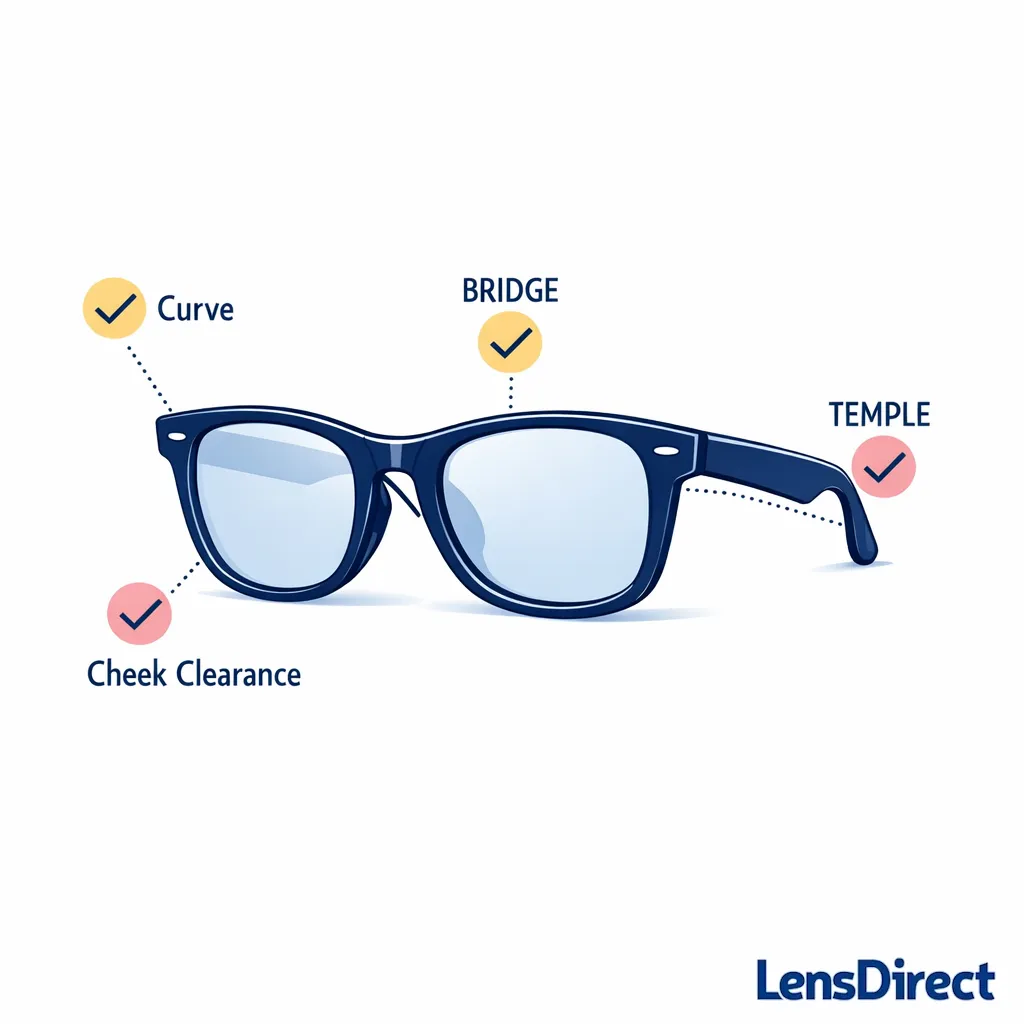
Close-to-face curve: Enough wrap to reduce side glare, not so aggressive that it touches your cheeks.
- Close-to-face curve: Enough wrap to reduce side glare, not so aggressive that it touches your cheeks.
- Stable bridge fit: Nose pads that sit evenly so the frame does not rock when you sprint or split-step.
- Temple grip: Arms that feel secure without pinching (pressure points can cause headaches over time).
- Helmet/hat compatibility: If you play in a cap or visor, make sure the temples don’t fight the hat band.
No-slip comfort: how to stop sunglasses from sliding with sweat
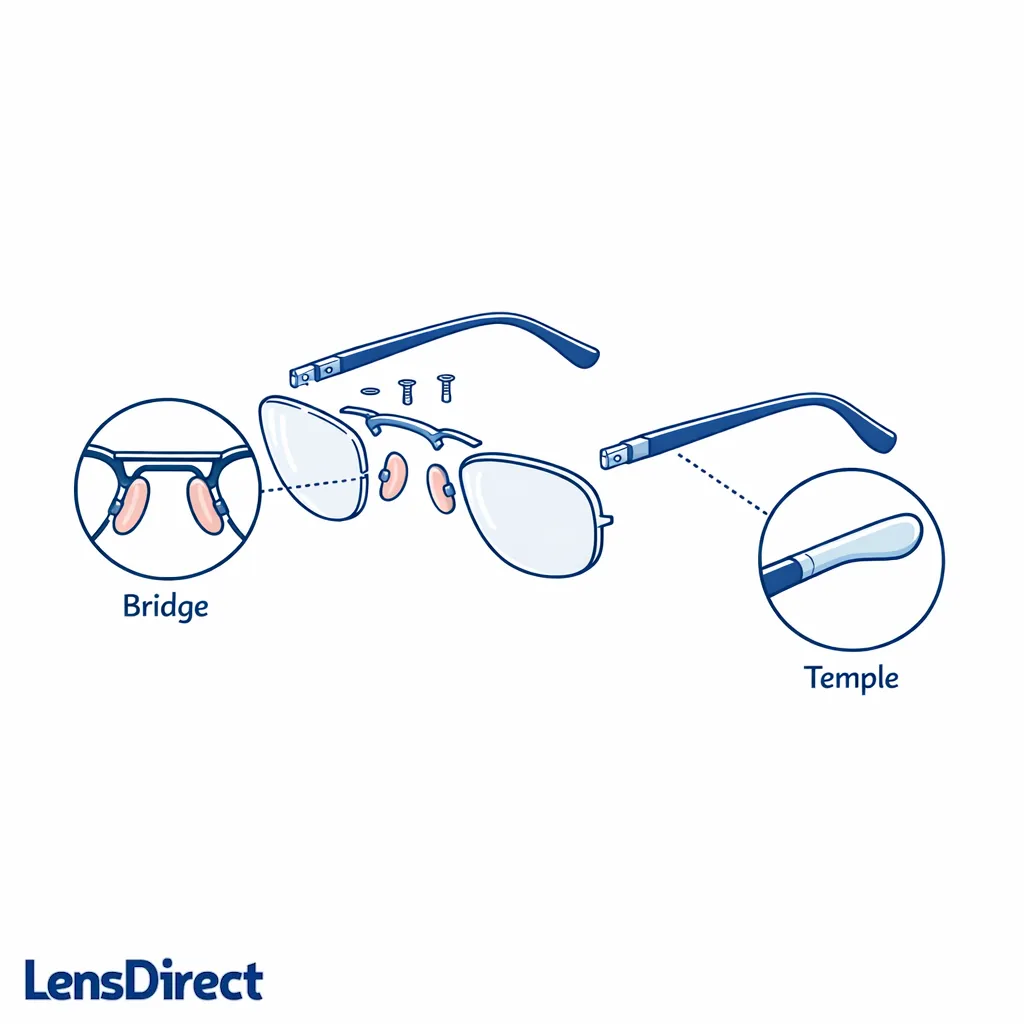
“Non slip sunglasses for sports” usually comes down to three contact zones: nose, ears, and overall weight balance. On court, slipping isn’t just annoying; it can pull your attention at the exact wrong time.
Features that tend to help
- Rubberized nose pads: More friction than smooth plastic, especially once you start sweating.
- Textured temple tips: Better grip behind the ears, which helps during quick pivots and overheads.
- Lightweight frame materials: Less downward pull on your nose bridge over long sessions.
- Adjusted fit: Even great frames slip if they’re simply too wide.
If you already own a frame you love but it slips, a practical option is upgrading the lenses and refreshing fit components instead of starting from scratch. Many players replace lenses to get a better tint for bright courts while keeping a familiar frame feel.
Prescription court sunglasses: options for glasses wearers and contact lens wearers
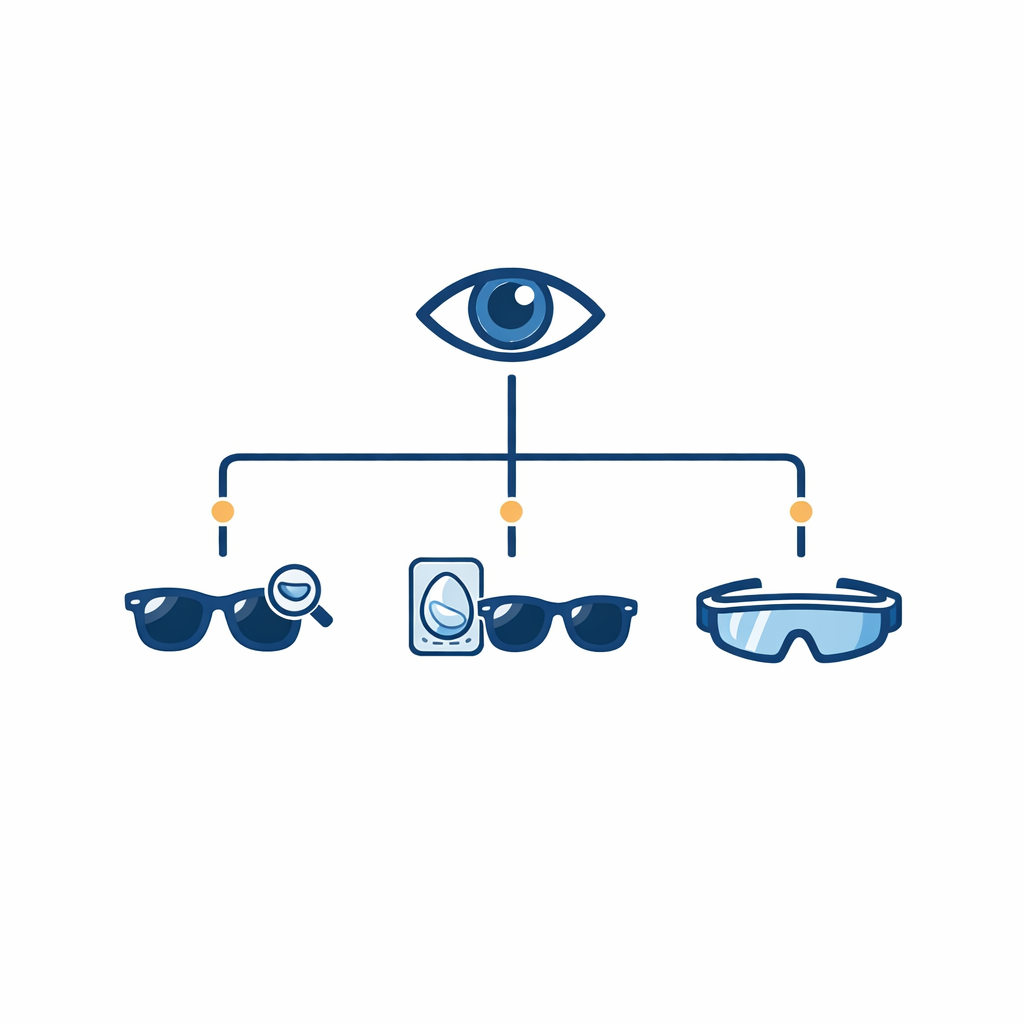
If you need vision correction, you have three main paths: prescription sunglasses, contacts + non‑prescription sunglasses, or sport goggles/eyewear designed for impact protection. For sports, prioritize stable vision first, because subtle blur can make the ball feel faster and harder to read.
For higher-risk activities, dedicated protective eyewear may be the right tool. Both the AAO sports eye safety guidance and Prevent Blindness sports eye safety recommendations emphasize choosing appropriate protective eyewear for sports, especially when there’s potential for eye impact.
If you wear contacts on court
Contacts can be great for peripheral vision and avoiding frame bounce, but bright sun still calls for quality sunglasses on top. If your eyes get dry outdoors, consider sunglasses with more wrap coverage to reduce wind and evaporation, and keep rewetting drops in your bag if your eye doctor approves.
If you wear glasses on court
Prescription sunglasses can be a simple, comfortable upgrade if you’re tired of squinting or swapping between regular glasses and cheap shades. If you’re unsure what’s safe for your specific sport and prescription, it’s worth asking your optometrist about lens material and impact resistance for athletic use.
Best sunglasses for tennis vs. pickleball: what actually differs?
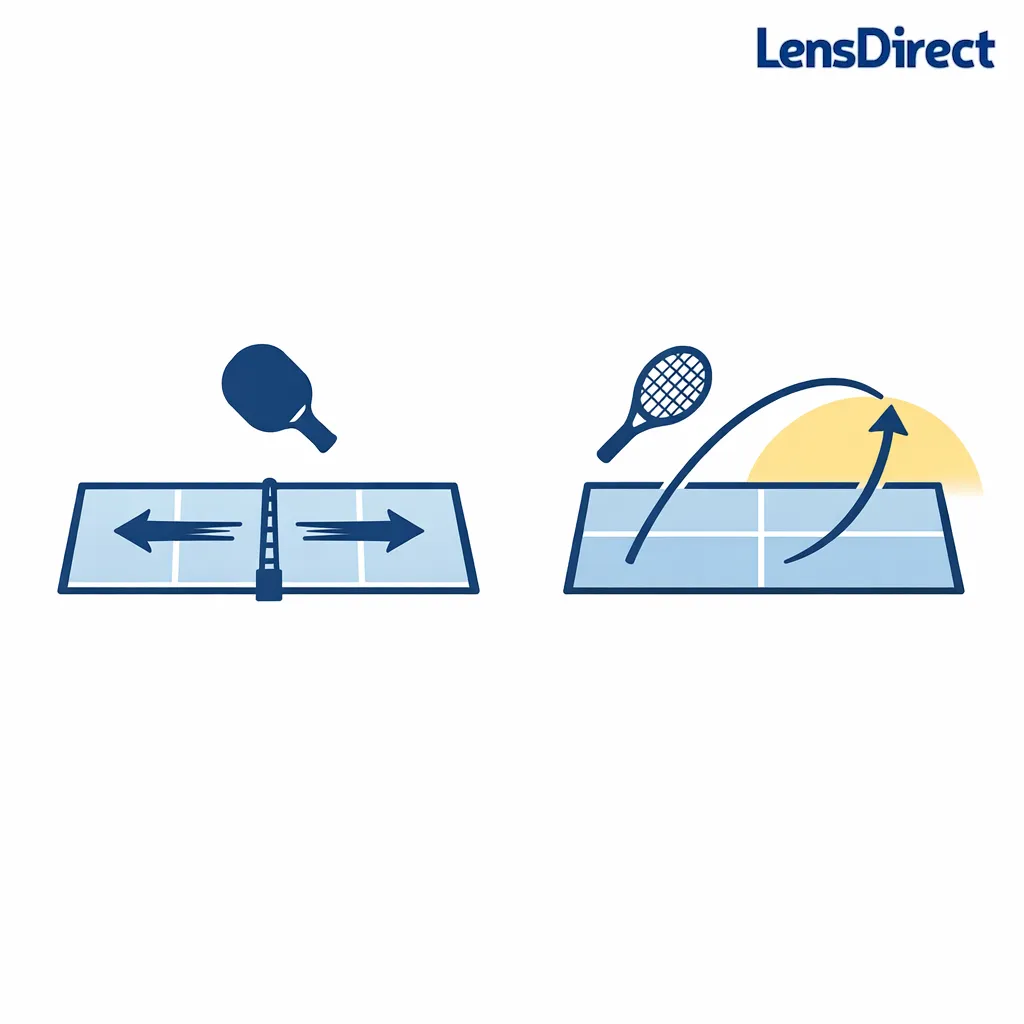
Tennis and pickleball have more in common than not: outdoor glare, quick transitions, and the need for stable fit. The differences are mostly about ball speed, how close you are to other players, and how often you’re looking slightly upward (lobs, overheads) versus forward.
- Pickleball: More close-range exchanges can make “don’t slip” and “don’t fog” feel extra important, because you have less time to adjust anything on your face.
- Tennis: More frequent upward tracking can make wrap coverage and glare control feel especially valuable on sunny days.
In both sports, the best lens tint is the one that makes the ball easiest to pick up early. If you can recognize the ball sooner off the opponent’s contact point, everything else gets easier.
Sports sunglasses fit guide: size, coverage, and stability
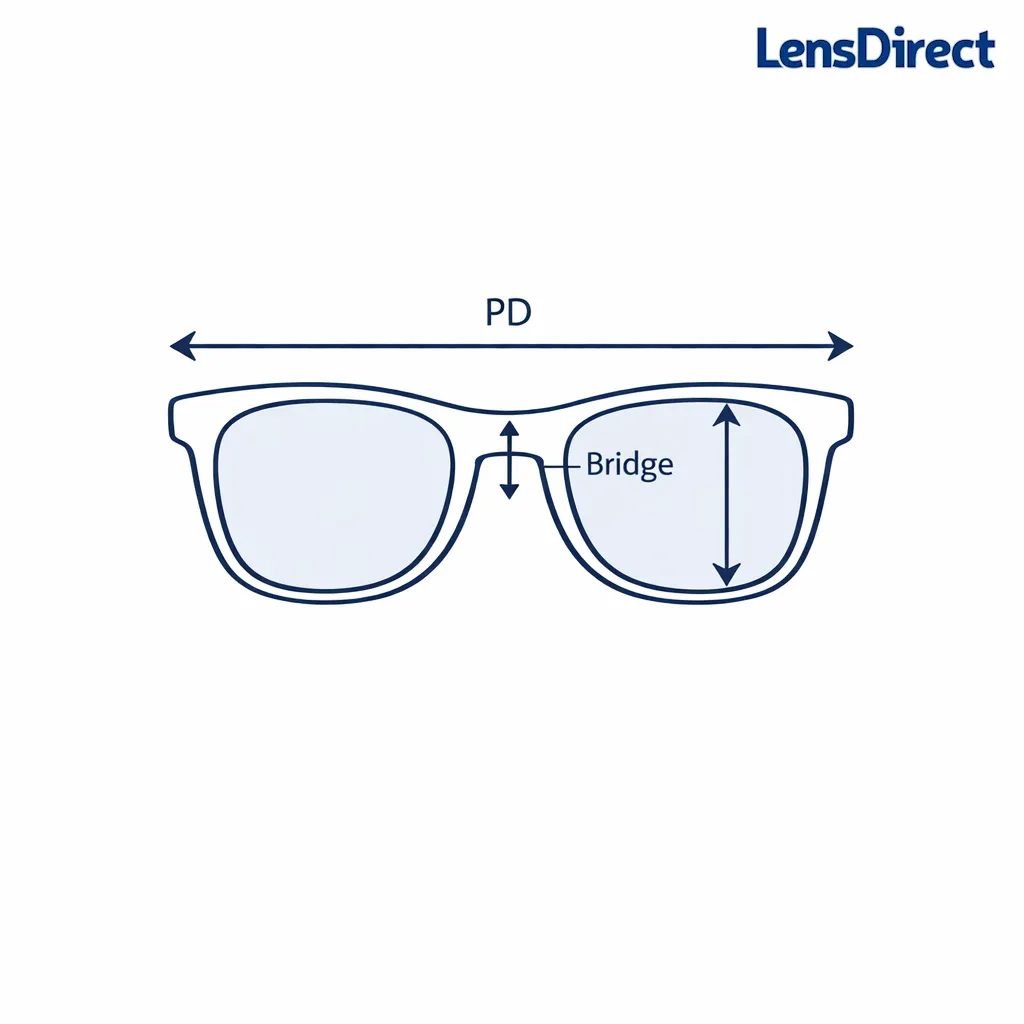
Fit is where online shopping can either go smoothly or get frustrating. The trick is to translate “how it feels” into a few measurable checks, then match those checks to product details.
What to measure and compare
- Frame width vs. your face: If the frame is wider than your head, it will slide and bounce during movement.
- Bridge fit: A poor bridge match is one of the fastest paths to slipping, especially when you sweat.
- Lens height and wrap: More height and wrap generally means better coverage from overhead sun and side glare.
If you want help narrowing down shapes that tend to sit securely and look proportional, use a guide like Find Your Fit to simplify the shortlist before you start comparing lens options.
Bright-court lens upgrades: when to replace lenses instead of buying new frames
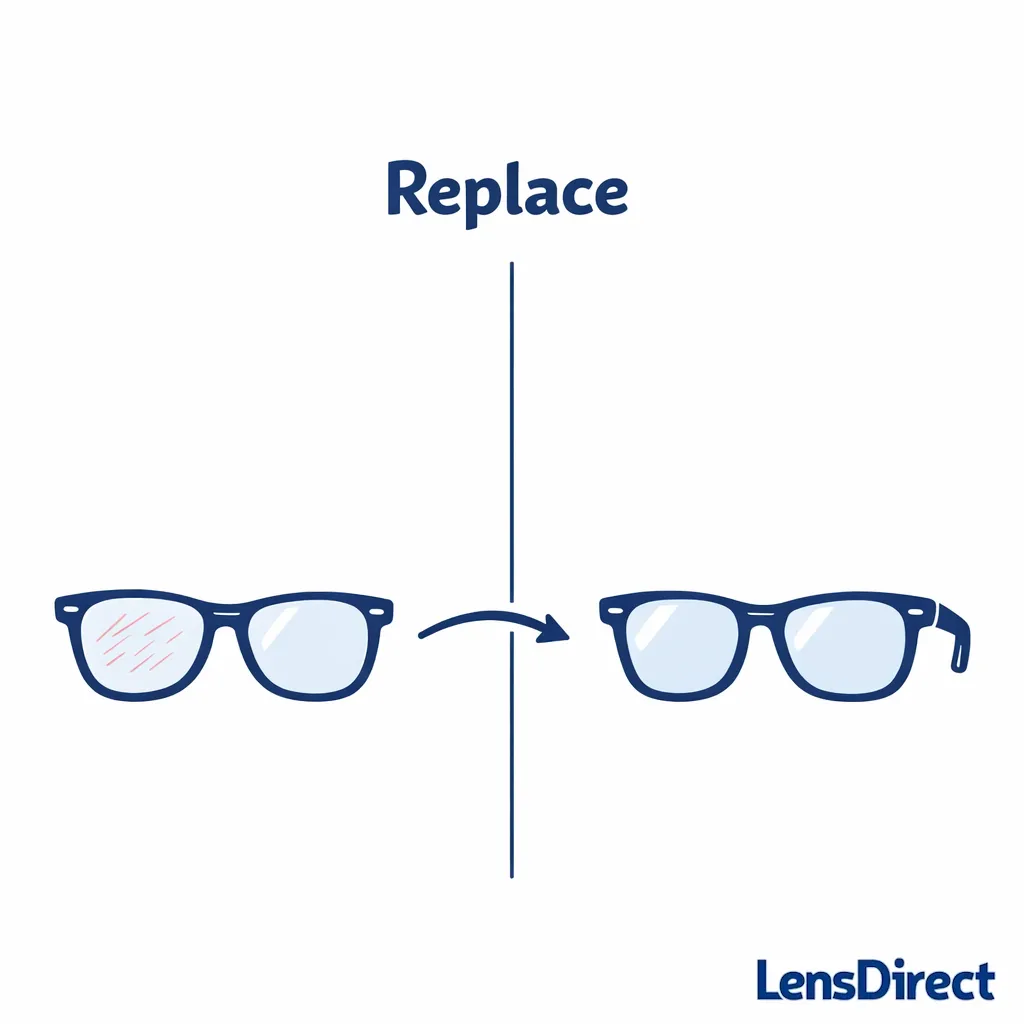
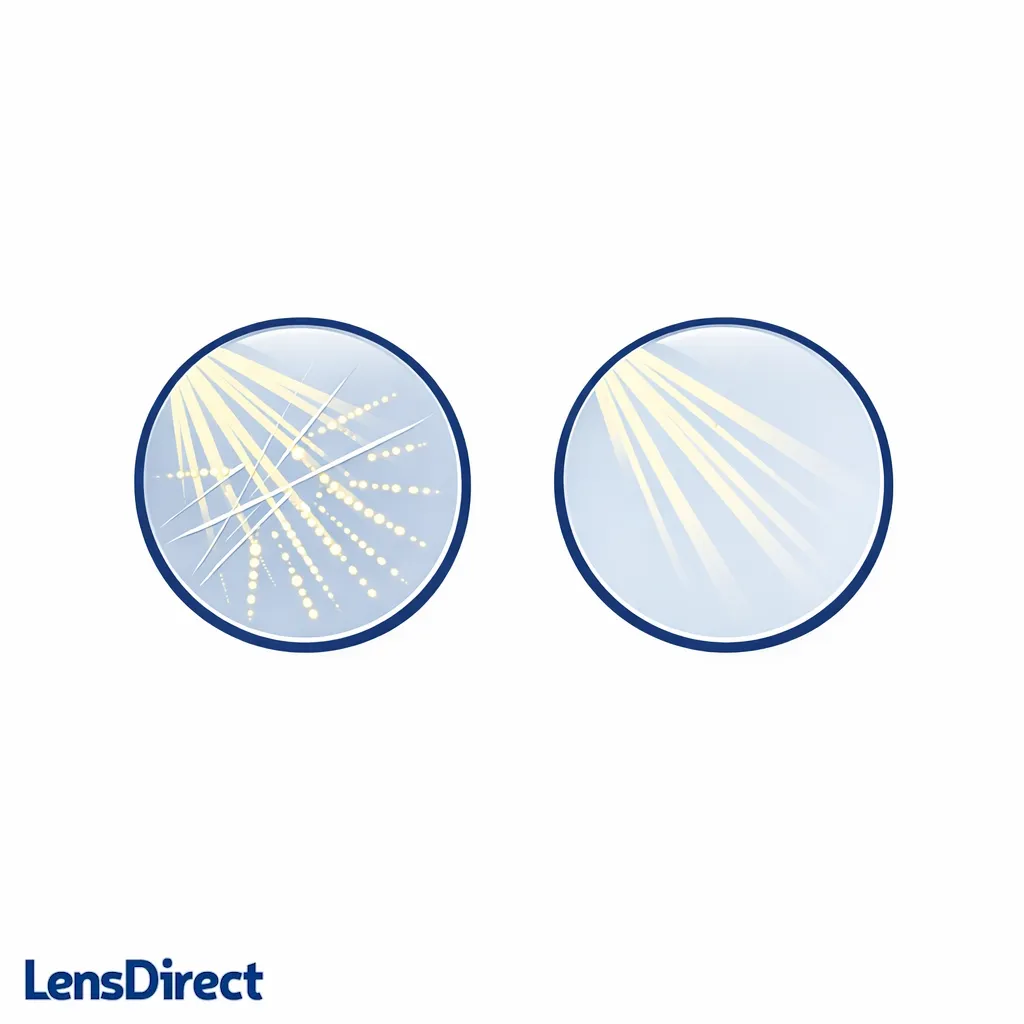
If your current sunglasses fit perfectly but the lenses are scratched, outdated, or the wrong tint for your courts, replacing lenses can be the most cost-effective performance upgrade. Scratches create light scatter that can feel like extra glare, especially in strong sun.
If you already love your frames, consider Replace Your Lenses to upgrade tint, add sun-specific lenses, or refresh worn lenses without relearning a new fit.
- Want a hands-off option? Use Full-Service Replacement (send-it-in option) if you prefer a guided process.
- Prefer to DIY? Try Order Replacement Lenses (DIY option) if you know your frame brand and want to move quickly.
What’s new: modern “court sunglasses” features worth paying attention to
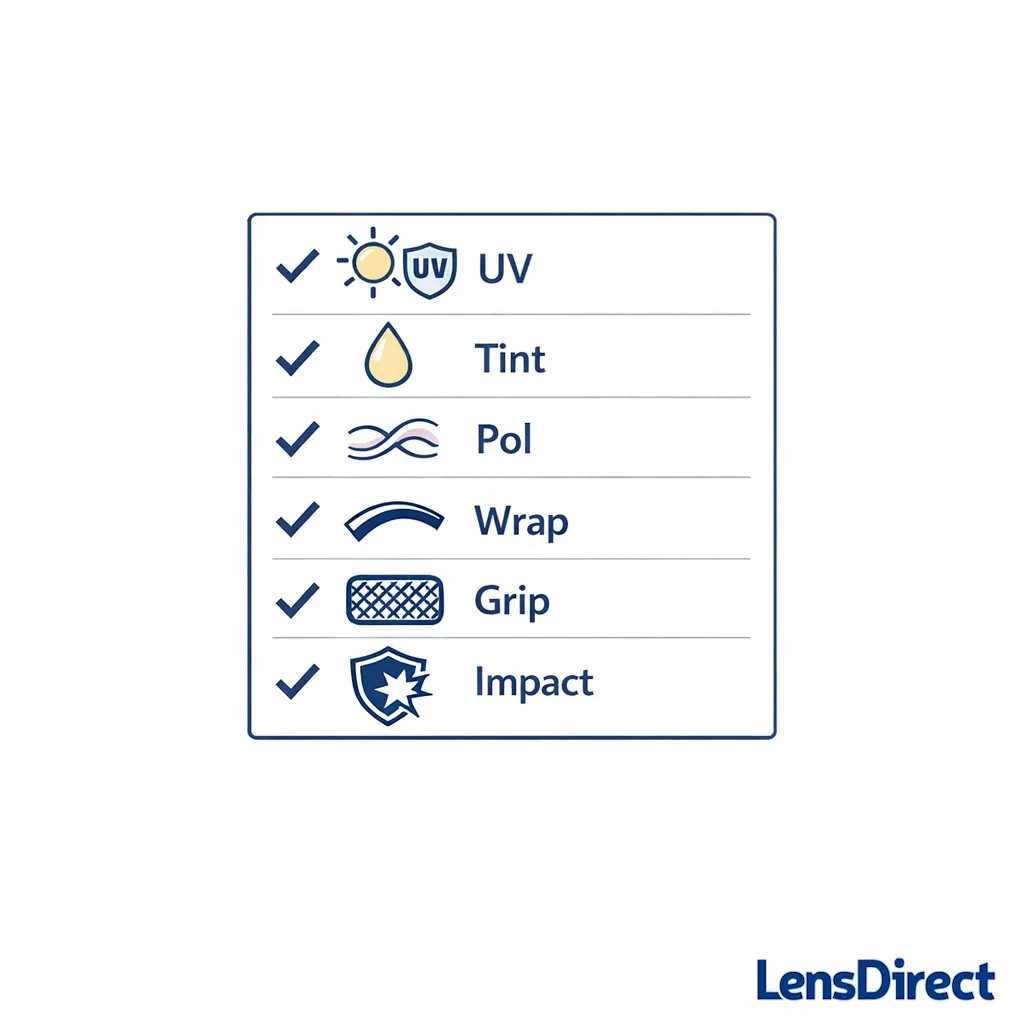
Sports sunglasses have become more specialized, and many features that used to be limited to high-end models are easier to find now. The biggest improvements most players notice are better grip materials, more stable wrap geometries, and lens options that target outdoor glare without making everything feel overly dark.
If you play multiple outdoor sports (running, cycling, hiking, mountain biking, or even fishing), it’s also more common to build a small “lens toolkit” rather than forcing one tint to do everything. Polarized lenses may shine for water and boating glare, while a contrast tint can feel better for ball tracking on court.
Common shopping mistakes (and how to avoid them)
A very dark lens can feel comfortable while still being a poor choice if it doesn’t block UV. Stick with clear labeling, and remember the AAO guidance to look for 99–100% UVA/UVB protection rather than guessing based on tint depth.
Mistake 2: Assuming polarized is always better for tennis and pickleball
Polarization is excellent for glare, but it’s not mandatory for court sports. Use the AAO’s explanation of polarized lenses as a guide, then decide based on your courts, your sensitivity to glare, and how you feel about screen visibility between games.
Mistake 3: Ignoring wrap and grip, then fighting slippage every game
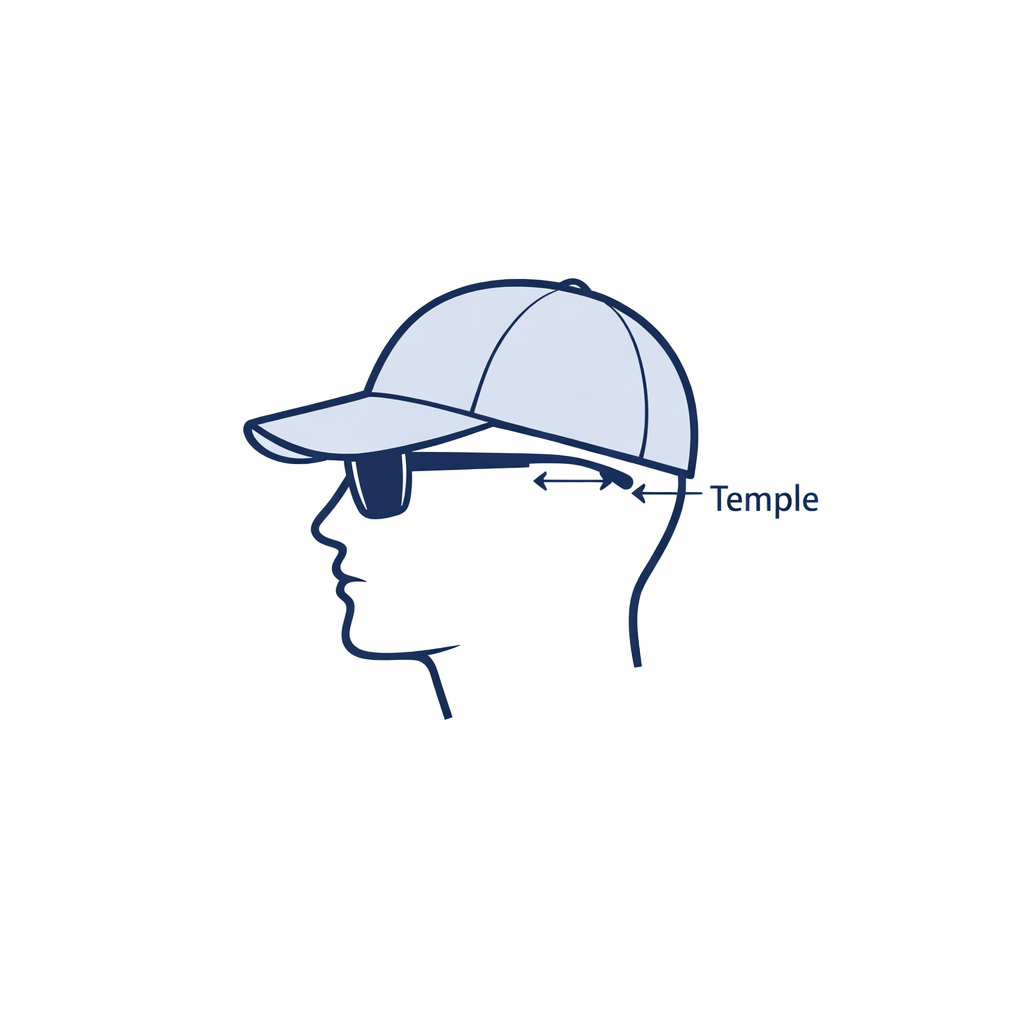
“Best sunglasses for outdoor sports” is often a fit story, not a brand story. Prioritize wrap coverage, stable nose fit, and temple grip, because those are what keep your sunglasses from sliding when you sprint, sweat, and look up for overheads.
Mistake 4: Getting the prescription right but the measurements wrong
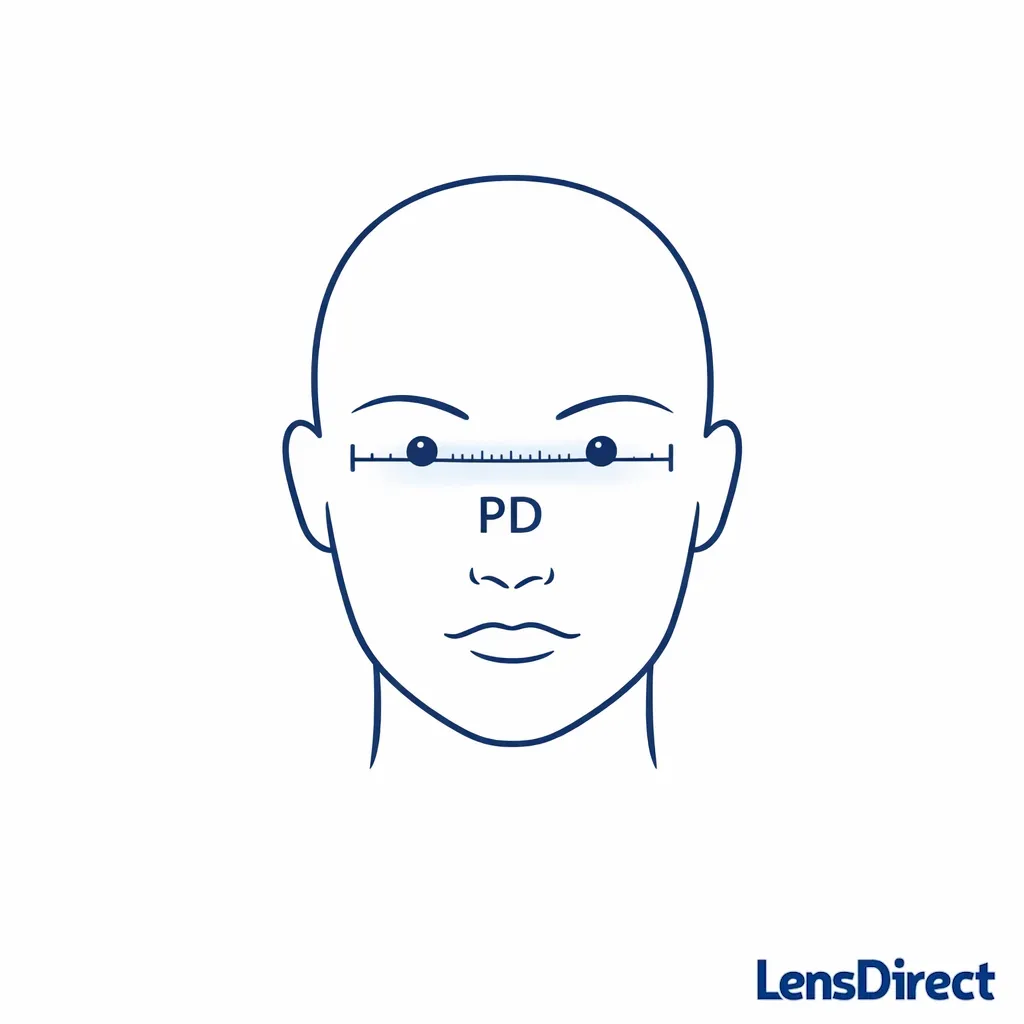
If you order prescription sunglasses online, accurate measurements matter for comfort and clarity. If you need a refresher, Learn How to Measure Your Pupillary Distance before ordering, especially if you’re changing frame size or moving to a more wrapped shape.
What to do next: a court-ready sunglasses checklist
Use this checklist to choose quickly and confidently, whether you’re buying new sunglasses or upgrading lenses in a favorite frame.
- Confirm UV protection: Choose lenses labeled 99–100% UVA/UVB protection, consistent with AAO sunglasses guidance.
- Pick a tint for your courts: Start with gray (neutral) or brown/copper (contrast), based on the AOA lens color overview.
- Decide on polarization: Go polarized for heavy glare; consider non‑polarized if you prefer a simpler, more natural view, using the AAO explanation of polarization as your baseline.
- Choose wrap coverage: Look for wraparound sports sunglasses to reduce side glare and improve stability, aligned with AAO wraparound recommendations.
- Prioritize no-slip contact points: Rubber nose pads and grippy temples are your “anti-slide” essentials.
- Consider impact resistance: If you want more protective sport eyewear, review AAO sports eye safety guidance and Prevent Blindness sports eye safety tips and ask your eye care professional what’s best for you.
- Plan for how you’ll buy: New sunglasses, prescription sunglasses, or replacement lenses in a frame you already trust.
Shop court-ready eyewear at LensDirect
If you’re ready to upgrade your on-court comfort and clarity, start with sunglasses that match your playing conditions and fit preferences. You can browse Shop Sunglasses for bright-court options, or if you want an everyday pair that can also handle weekends outdoors, explore Shop Glasses.
If you play in contacts and want to streamline reorders for travel or tournament weekends, visit Shop Contacts. And if your best-performing “frame feel” is one you already own, use Replace Your Lenses to update tint and clarity without starting over, with options for Full-Service Replacement (send-it-in option) or Order Replacement Lenses (DIY option).
For a smoother online fit experience, you can also Find Your Fit, review Learn How to Get Reimbursed by Your Insurance, and Learn How to Measure Your Pupillary Distance before you place an order.
Author

Subscribe to our email newsletter to get the latest posts delivered right to your email.