Contact lens expiration dates can feel confusing because you might see multiple codes, dates, and abbreviations on a box and on each blister pack. But that tiny “EXP” is more than fine print. It is a safety line that helps protect your eyes from irritation and infection risks tied to packaging breakdown, contamination, and improper wear.
This guide is for everyday contact lens wearers who buy contacts online, travel often, or like to keep backups “just in case.” You’ll learn what the expiration date actually applies to, how to read a contact lens box (including lot numbers), how to store lenses and solution, and how to decide when it is time to toss a lens instead of trying to “make it work.”
Do contact lenses expire? Yes, and here is what that means
Yes, contact lenses expire, and the printed expiration date is tied to the manufacturer’s assurance of sterility and performance for that sealed product. Because contact lenses are medical devices regulated by the FDA, the labeling and dating on the packaging is part of how the product is intended to be used safely.
In plain terms, the expiration date is the last date the manufacturer supports using that lens while it is still in its unopened, properly stored packaging. Once you are past that date, you are outside the “as designed” window, even if the lens looks fine.
Expiration date vs. replacement schedule: two different clocks
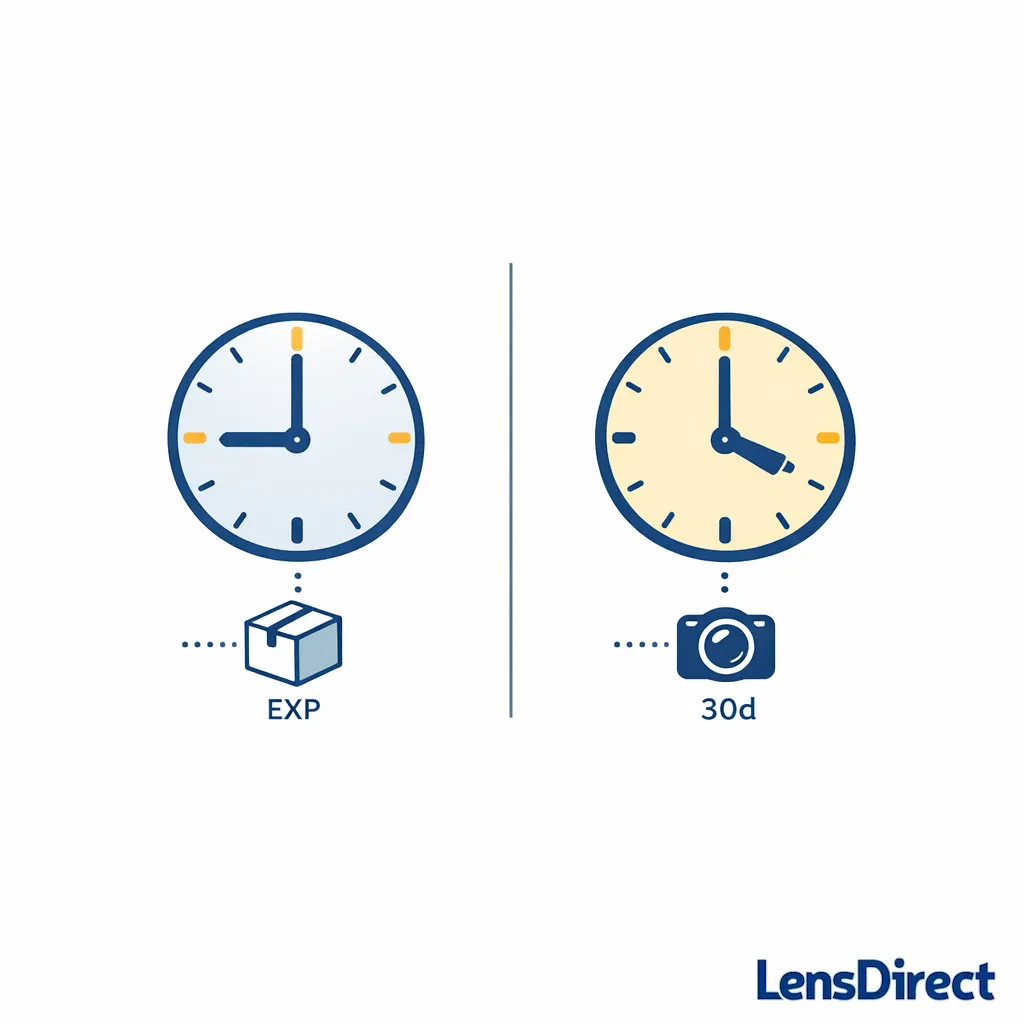
A common mix-up is treating “expiration date” like it means “monthly lens” or “daily lens.” Your replacement schedule is how long a lens is designed to be worn after opening (for example, daily disposable vs. monthly), while the expiration date is how long the sealed lens can sit on a shelf before use.
If you want one simple rule: follow your eye doctor’s prescribed wear schedule for the lens type you have, and also follow the packaging expiration date. If either one is “over,” it is time to discard and open a fresh lens.
How to read a contact lens box: the fields that matter
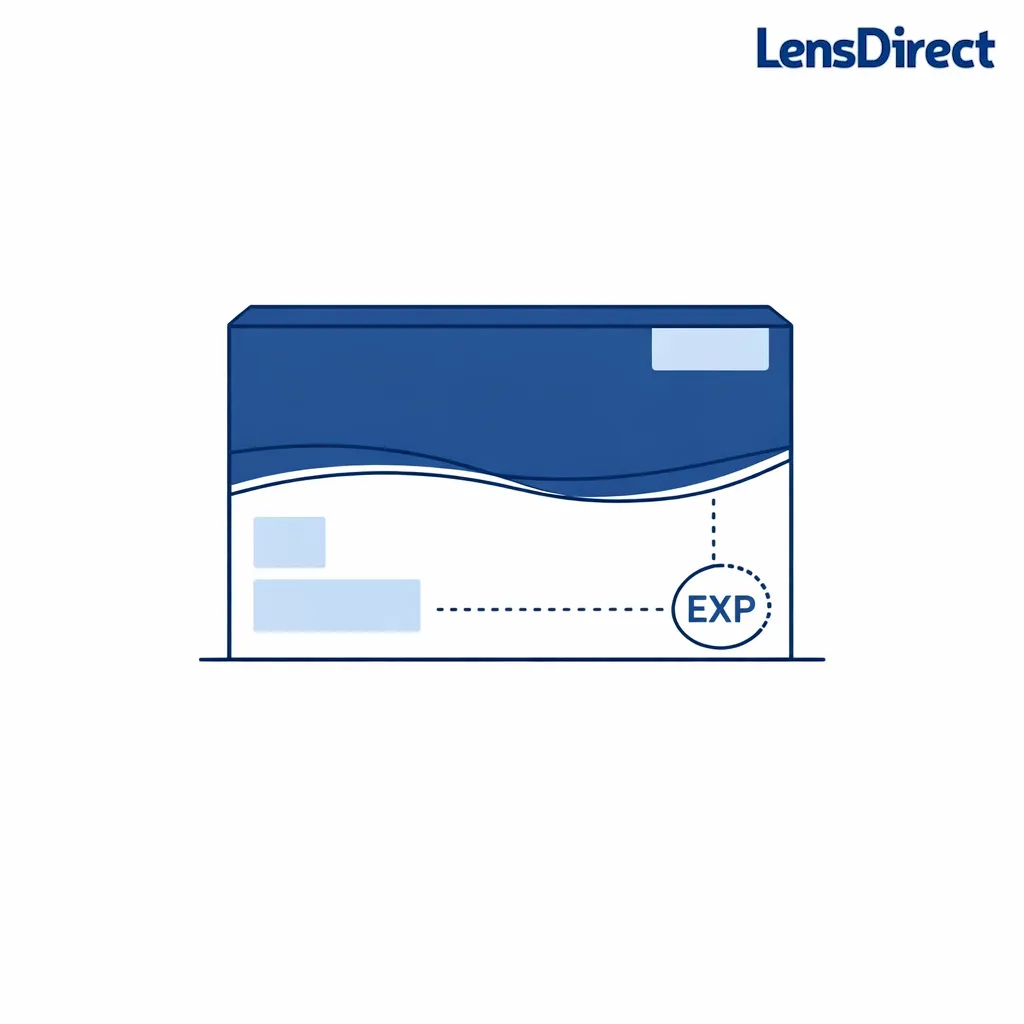
Most boxes include the same core identifiers, even if the layout varies by brand. If you know where to look, you can quickly confirm you are ordering the correct lens and check whether your stash is still in-date.
1) “EXP” or expiration date
This is the big one: it is the date the lens should no longer be used if it has remained unopened in its original packaging. If you are wondering “can you use expired contacts,” start here. Using them anyway is a gamble you do not need to take.
2) Lens parameters (power, base curve, diameter)
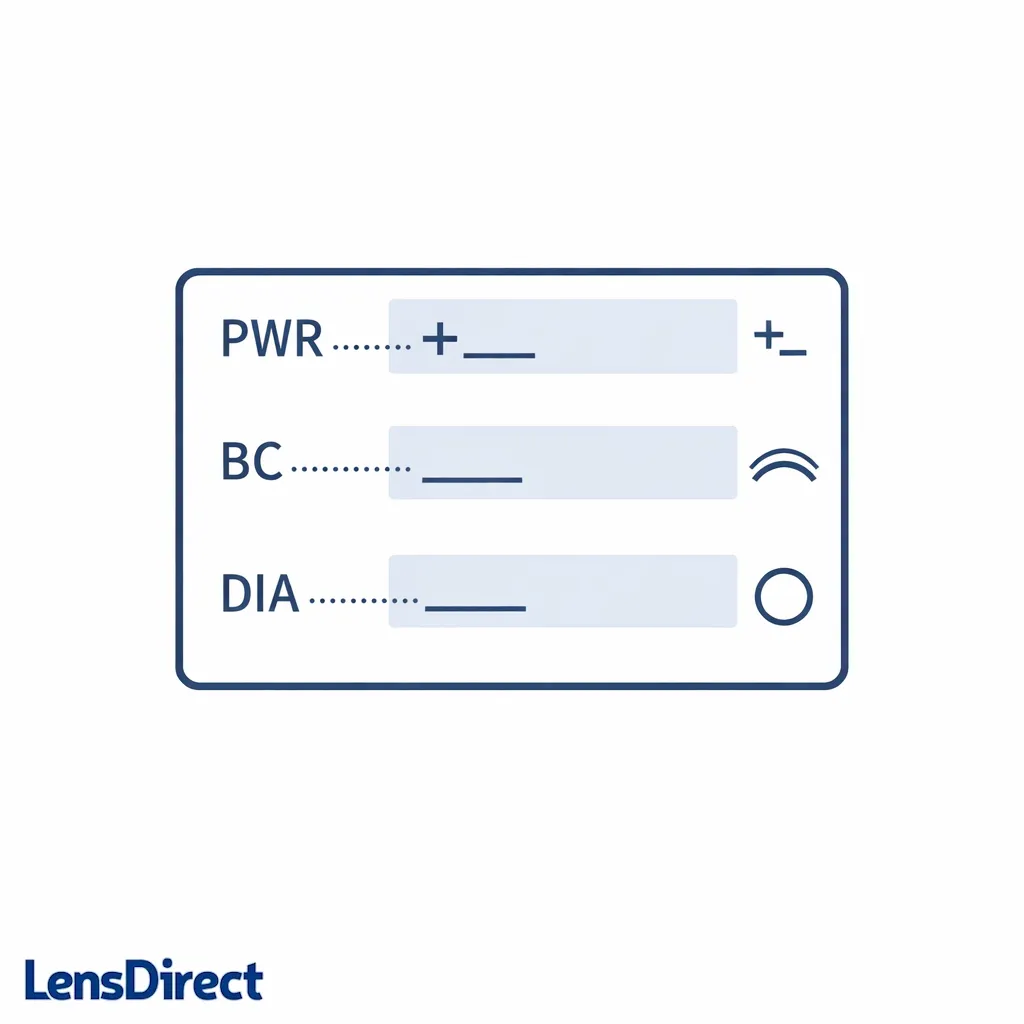
These tell you whether the lens matches your prescription and fit. “Power” (sometimes shown as PWR or SPH) is your correction strength, while base curve (BC) and diameter (DIA) relate to how the lens fits on your eye.
3) The contact lens lot number
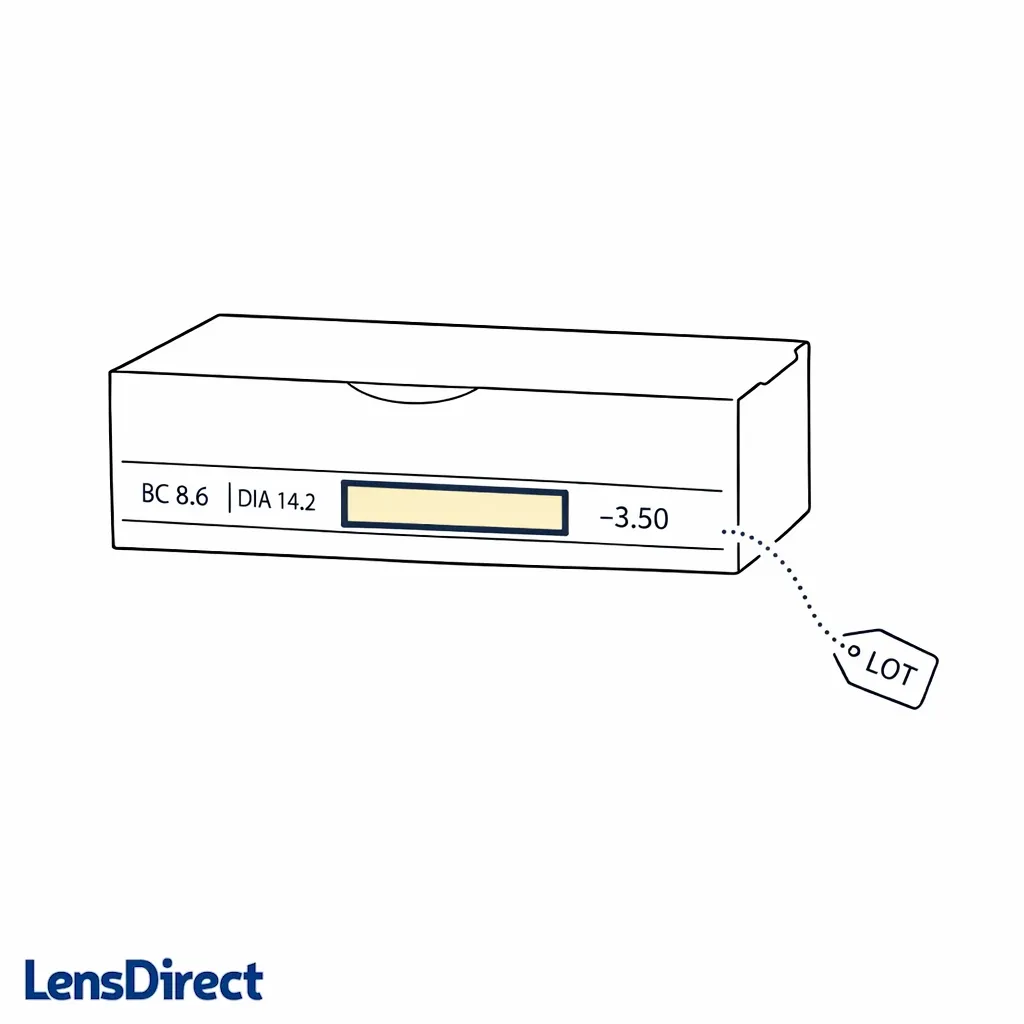
The lot number (sometimes “LOT” or “LOT#”) identifies the manufacturing batch. Practically, it is most useful if you need customer support, have questions about packaging, or are trying to match exactly what you have worn comfortably before.
4) Brand/material identifiers
Many lenses have brand family names that sound similar, but materials and designs can differ. When you reorder, match the exact product name and parameters on your box, not just the power.
Blister pack expiration: does the date on the box apply to each lens?
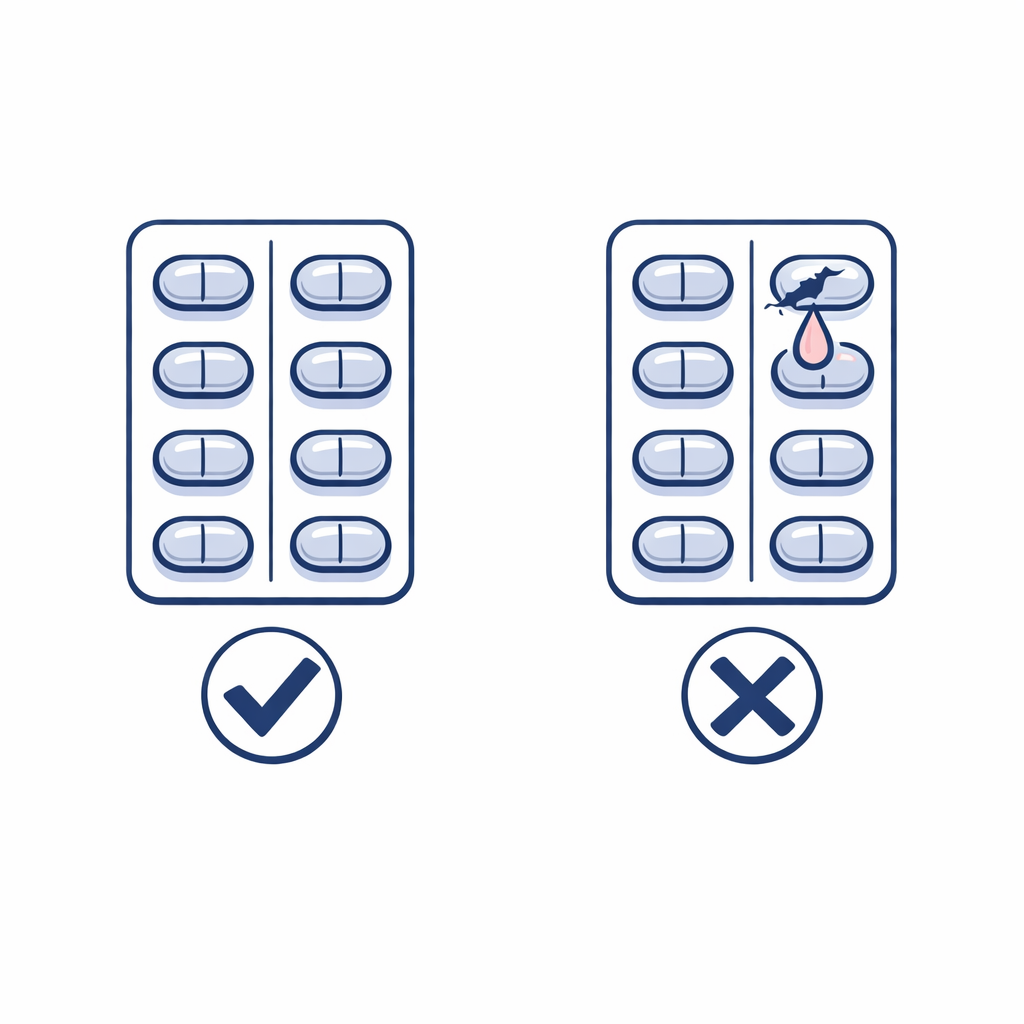
In most cases, each lens is sealed in an individual blister pack, and the box expiration date generally aligns with the lenses inside. Some manufacturers also print dates and codes on each blister pack foil.
Regardless of where you read it, only use a lens that is in an intact, sealed blister pack and within its printed expiration. If the foil is lifted, punctured, leaking, or looks dried out, treat that lens as contaminated and discard it, consistent with CDC guidance on healthy contact lens wear and care.
Opened contact lens box shelf life: what changes after you open the carton?
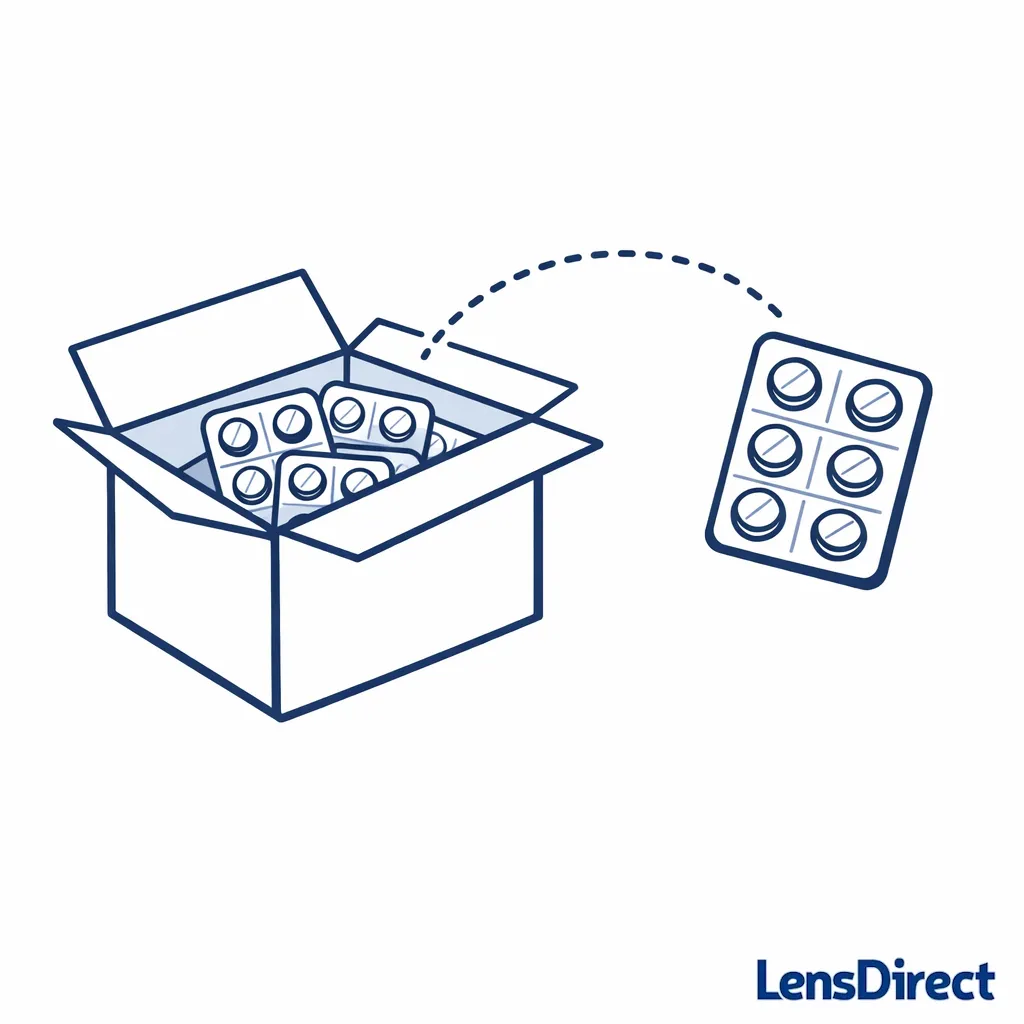
Opening the cardboard carton does not automatically “start a timer” the way opening a food container might. What matters is whether each lens blister pack remains sealed, undamaged, and stored correctly.
That said, an opened box can make it easier to lose track of what is oldest, expose blisters to heat or humidity in a bathroom cabinet, or mix up left and right powers. If you are unsure which blister is which or whether a pack stayed sealed, it is safer to replace it than to risk eye irritation or infection.
Can you use expired contacts? Why “they look fine” is not a safety test
Wearing expired contact lenses is risky because “expired” is about what you cannot easily see: packaging integrity, sterility assurance, and expected lens performance. The FDA’s contact lens safety information emphasizes that contact lenses should be used as directed and that safe wear depends on proper handling, hygiene, and product condition.
If you are tempted to use expired contacts for a short event, a workout, or travel, remember that discomfort can show up fast and problems can escalate quickly. If you need a backup option, it is better to travel with glasses and a current, in-date lens supply than to “stretch” old product.
Situations where you should toss the lens immediately
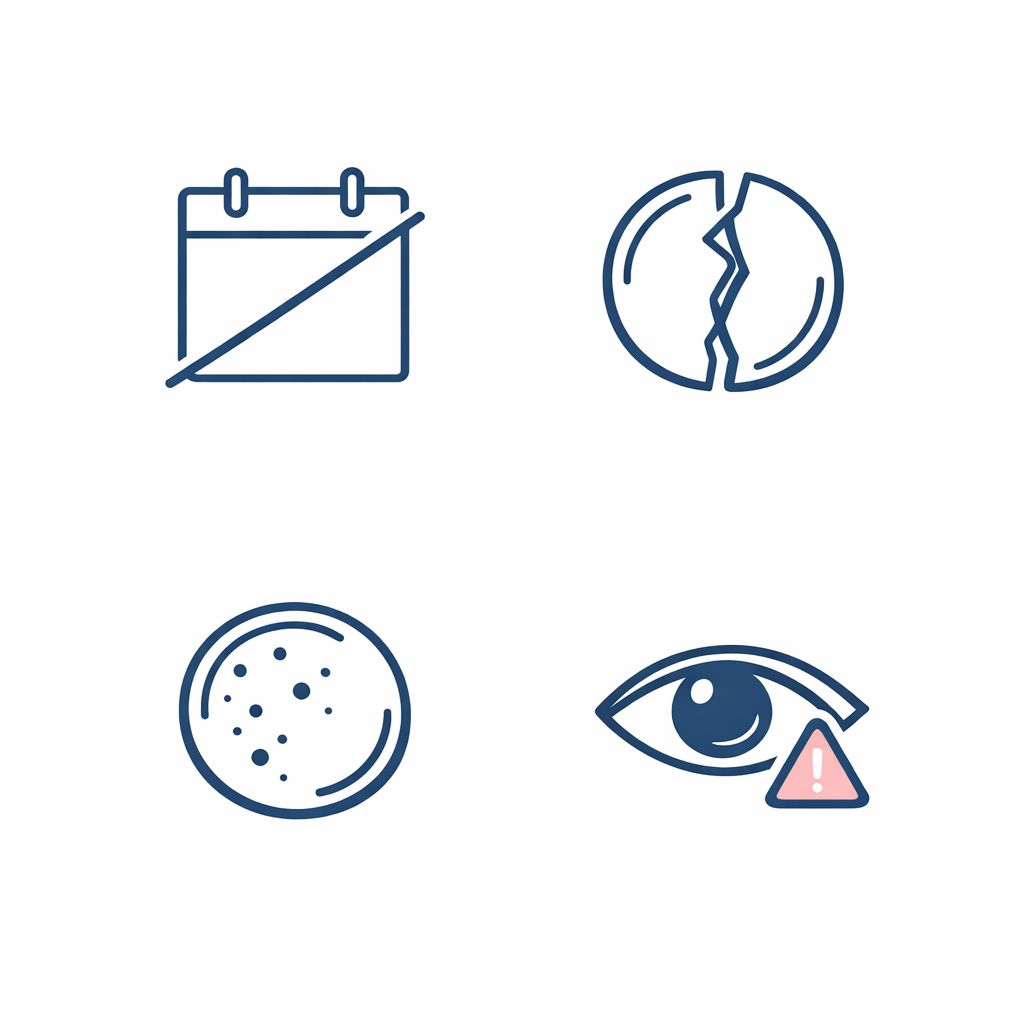
- The lens is past its printed expiration date.
- The blister pack is opened, punctured, leaking, or dried out.
- The lens looks torn, warped, or has visible debris.
- Your eyes are red, painful, light-sensitive, or producing unusual discharge (remove lenses and seek prompt eye care).
How to store contact lenses (and what “temperature” really means at home)
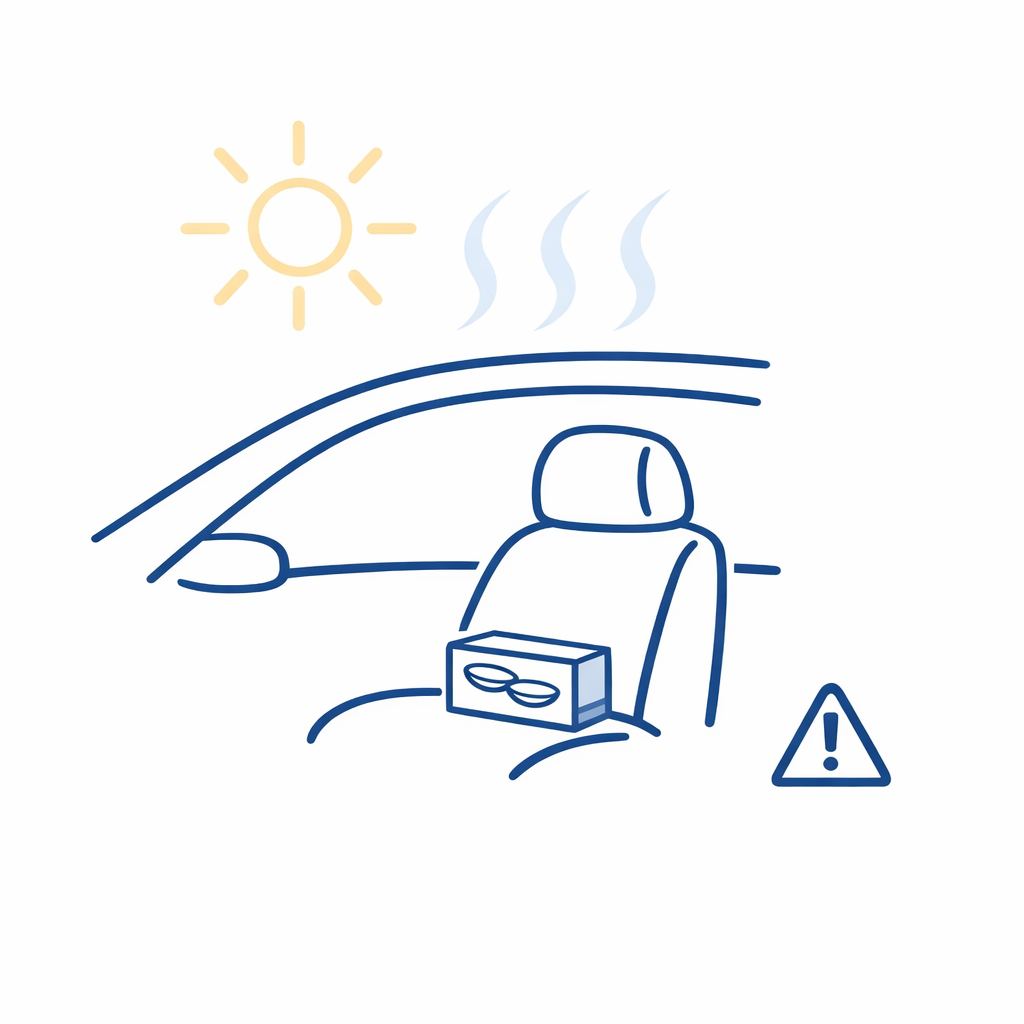
Most people do not ruin contacts with one mistake. The issues usually come from repeated small lapses: leaving boxes in a hot car, storing lenses next to a steamy shower, or handling them with wet hands.
For everyday storage, keep lenses in their original packaging in a clean, dry place at normal indoor conditions, and avoid extremes of heat or cold. If you are not sure what your lens brand recommends, follow the package insert that comes with the product and your eye doctor’s instructions.
Simple storage habits that prevent most problems
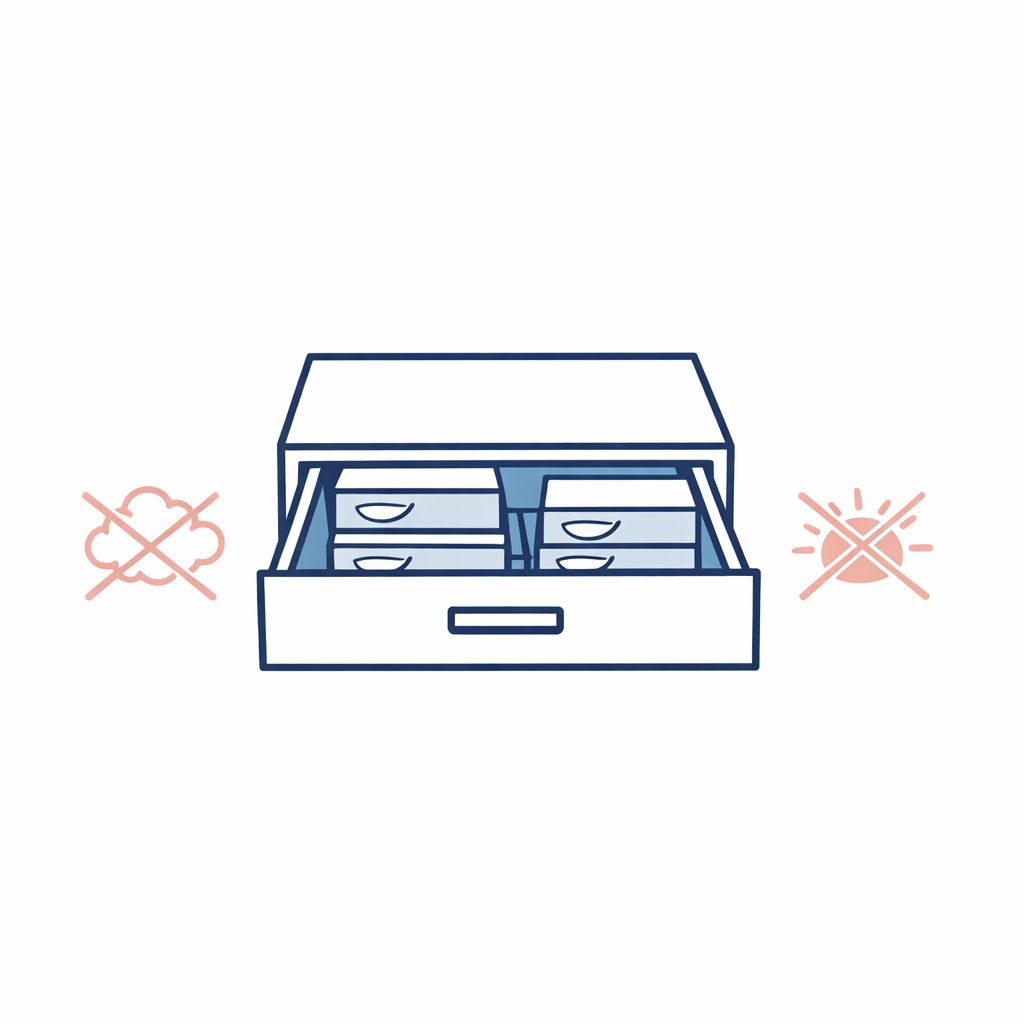
- Store unopened boxes away from sunlight and heat sources (window sills and cars are common culprits).
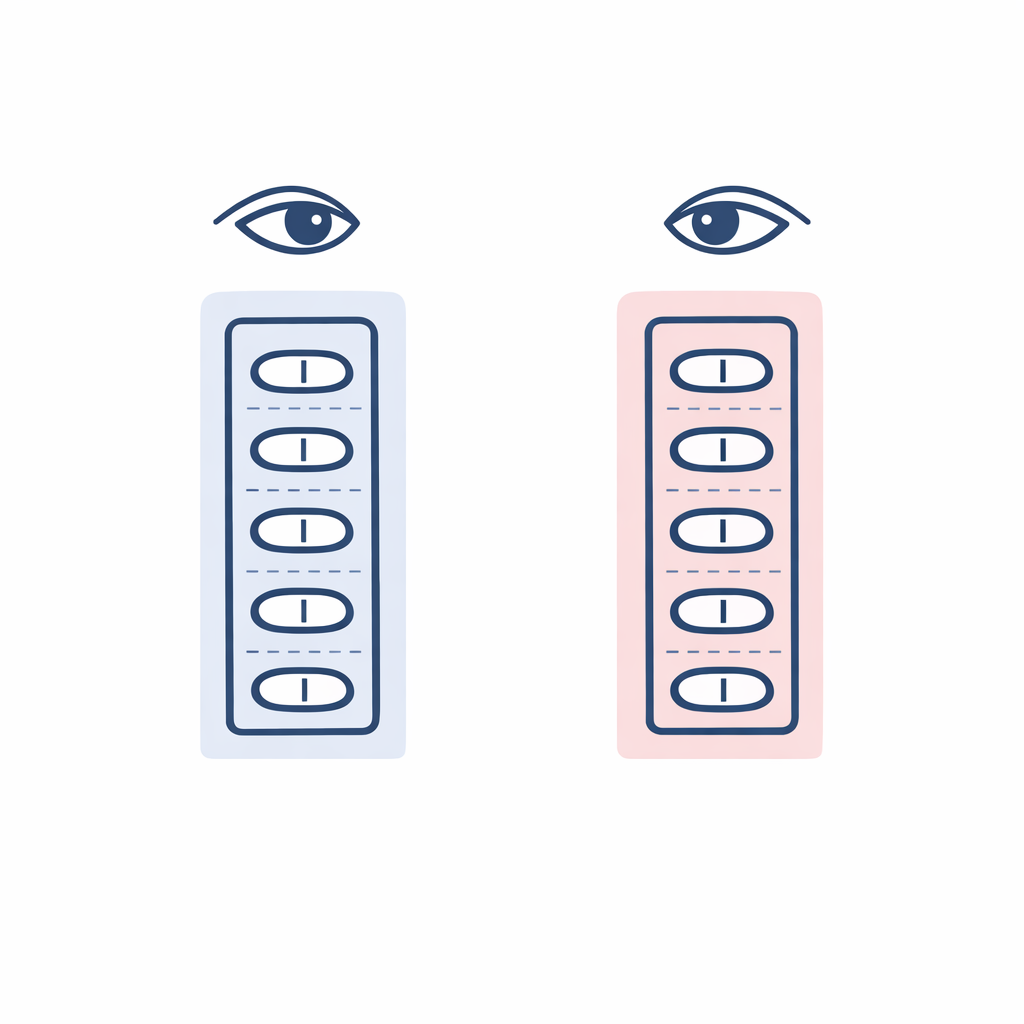
- Keep left and right powers separated so you do not mix blister packs.
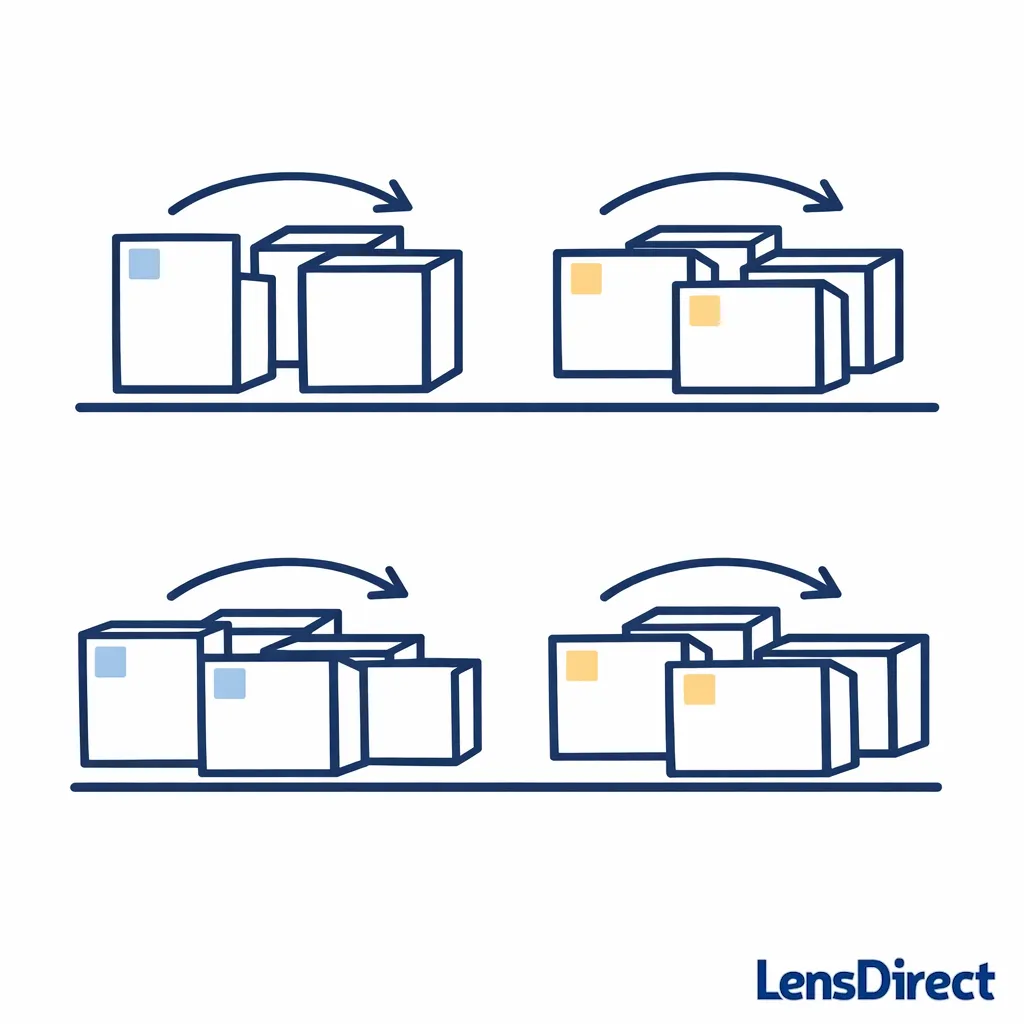
- Rotate stock: put newer boxes behind older ones so you use the earliest expiration first.
- If you have kids or pets, store lenses where blister packs will not get crushed or punctured.
Contact lens solution expiration: what to check before you pack or pour
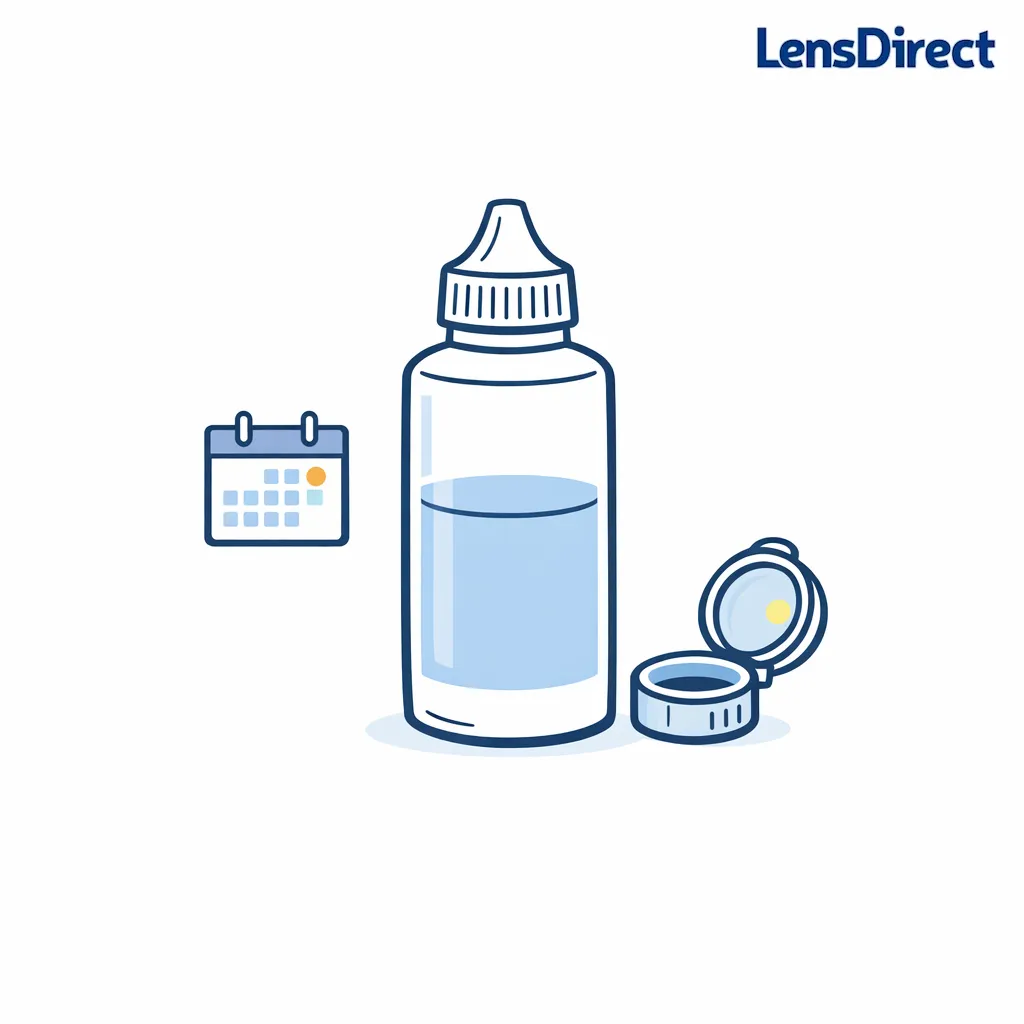
Contact lens solution can also expire, and it is not worth guessing. The CDC’s contact lens care recommendations include avoiding expired products and following the instructions on the solution label, because disinfection effectiveness depends on using the product as directed.
Also check how your solution is intended to be used after opening. If the label says to discard a bottle within a certain time after opening, treat that as a hard stop, just like a lens expiration date.
Common “solution” misconceptions
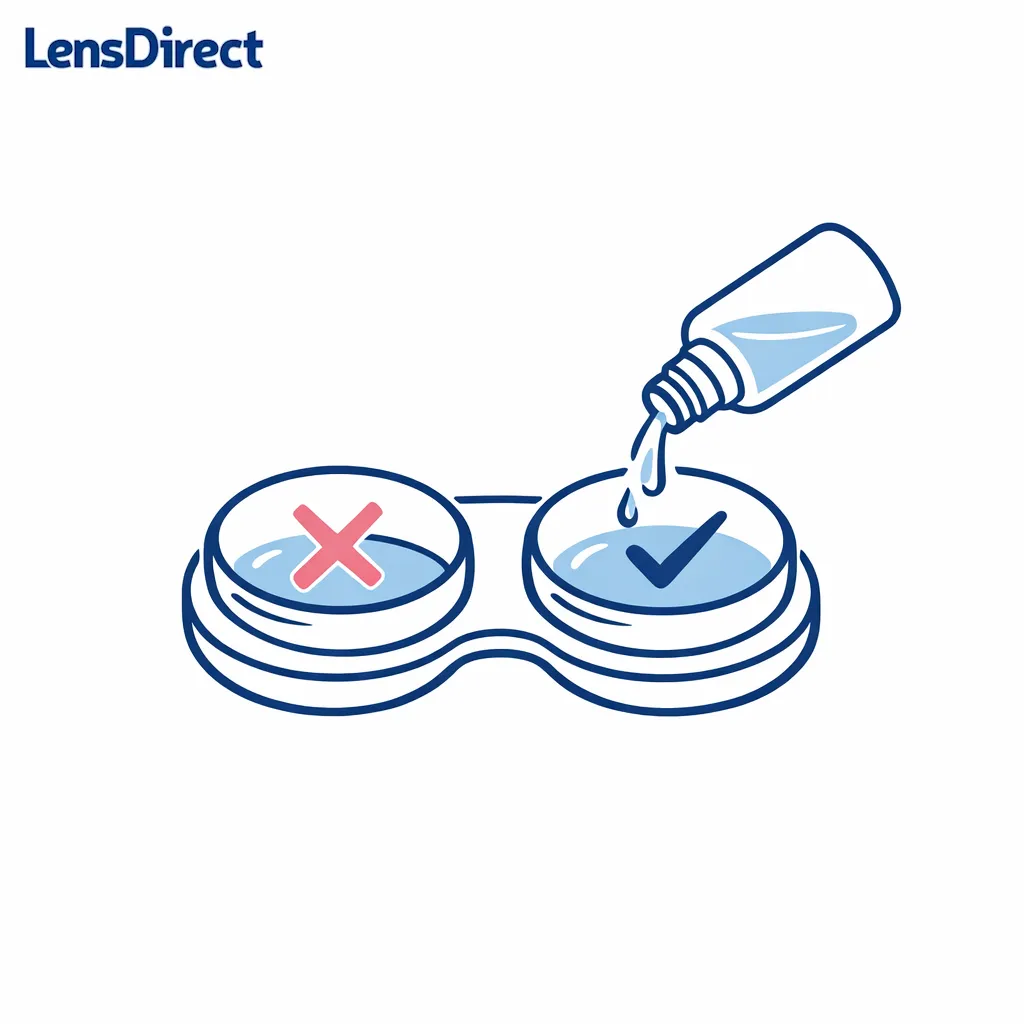
- “Topping off is fine.” Reusing old solution and adding new on top can reduce disinfection effectiveness; follow CDC guidance to use fresh solution each time.
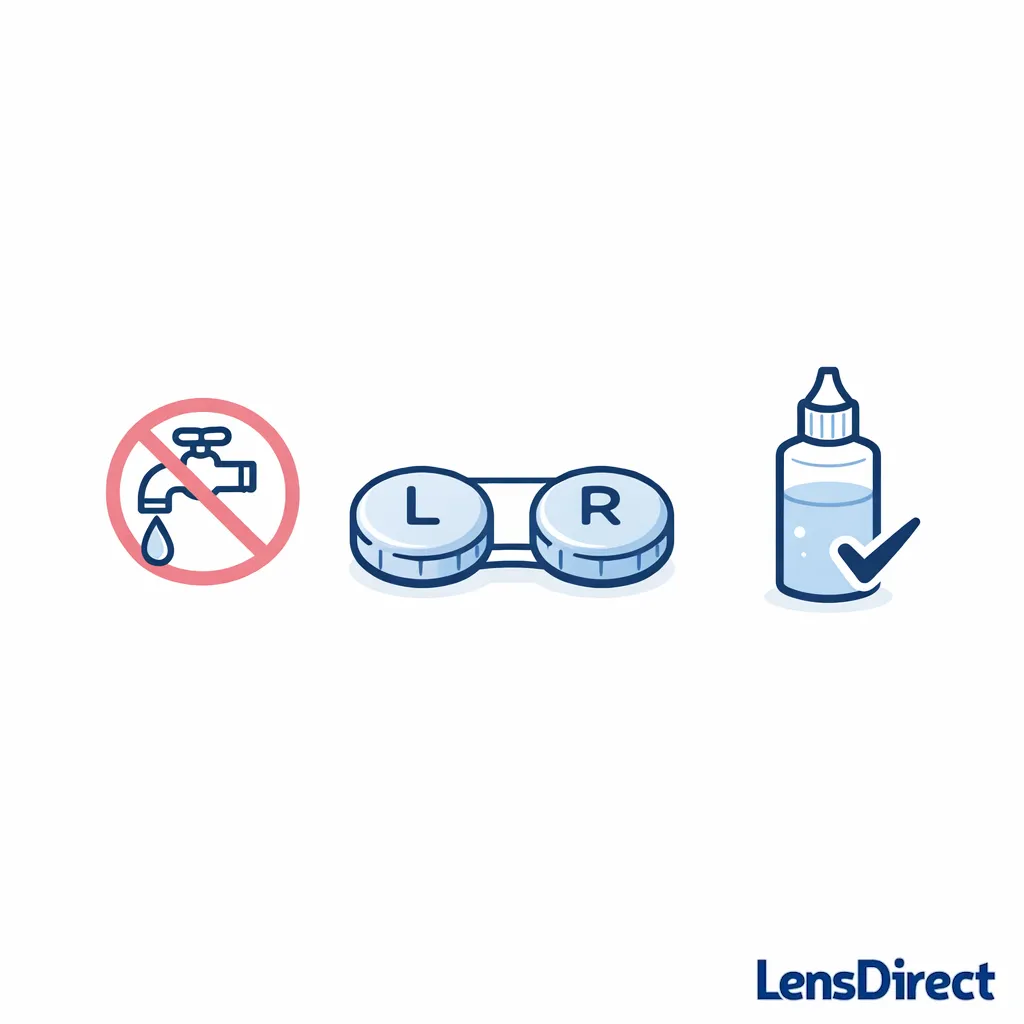
- “Water is a substitute in a pinch.” Water is not sterile and can introduce organisms to your lens and case; stick to proper products as recommended by FDA contact lens safety guidance.
- “If it doesn’t sting, it’s working.” Comfort is not a reliable indicator of whether a solution is disinfecting correctly.
Travel with contact lenses: packing, airport rules, and backup planning
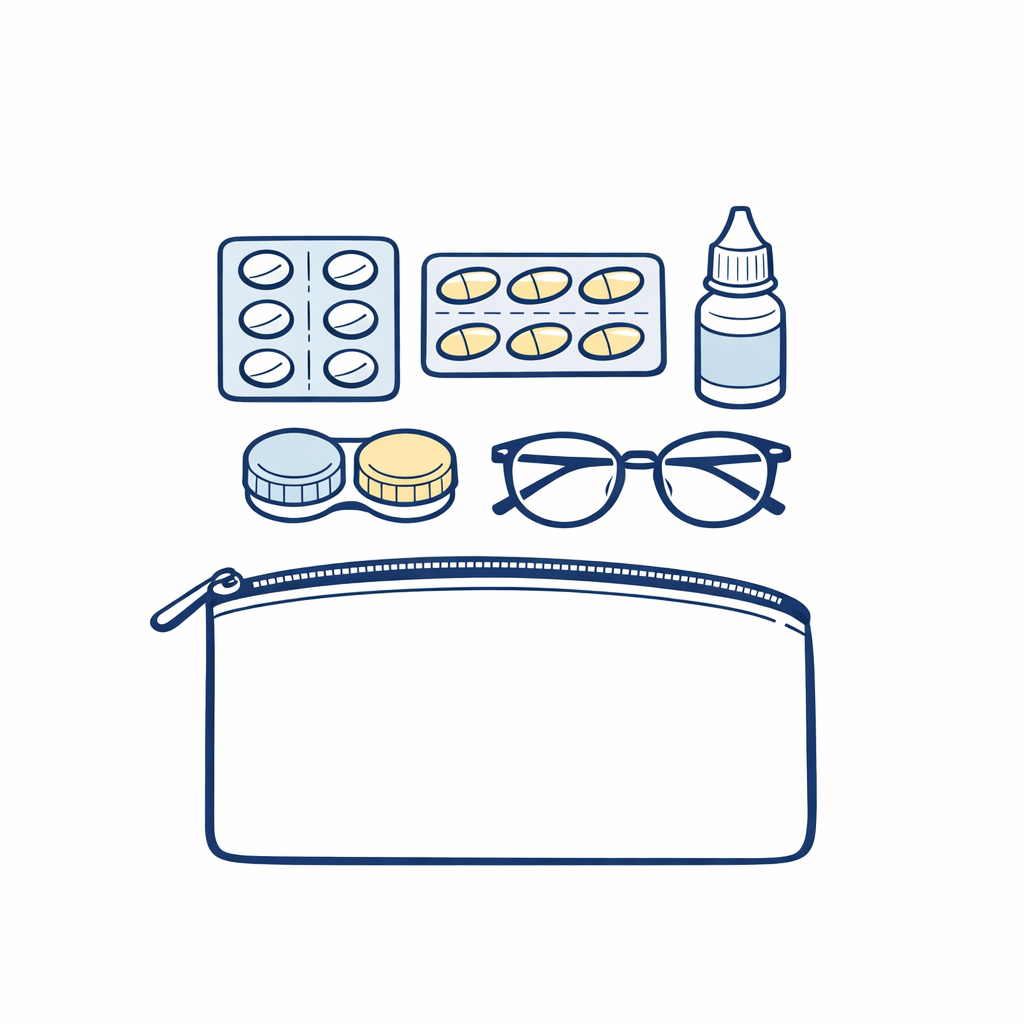
Travel is where expired lenses and half-empty bottles tend to show up. A good travel kit reduces the temptation to take shortcuts when you are tired, dehydrated, or stuck without a store nearby.
If you fly with solution, remember that carry-on liquids generally fall under the TSA liquids 3-1-1 rule. Pack travel-size solution in your quart bag when possible, and consider keeping a spare in your checked luggage if you are checking a bag.
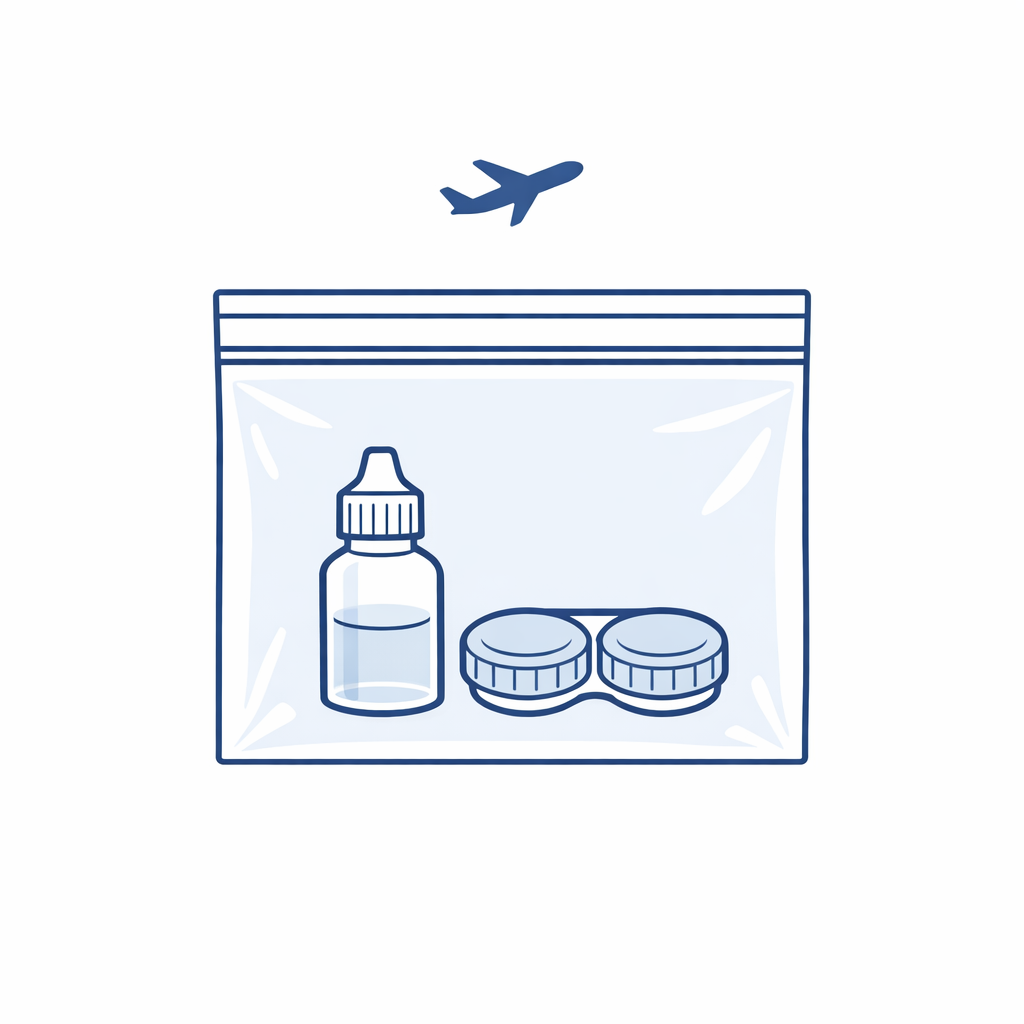
- Bring enough lenses for your trip length, plus a few extra days in case of delays.
- Pack a backup pair of glasses so you are not forced to wear “maybe-expired” lenses.
- Bring fresh solution and a clean case, or daily disposables if that is what you wear.
- Keep lenses and solution in your personal item so you are not stranded if checked luggage is delayed.
Prescription expiration vs. contact lens expiration: don’t confuse the two
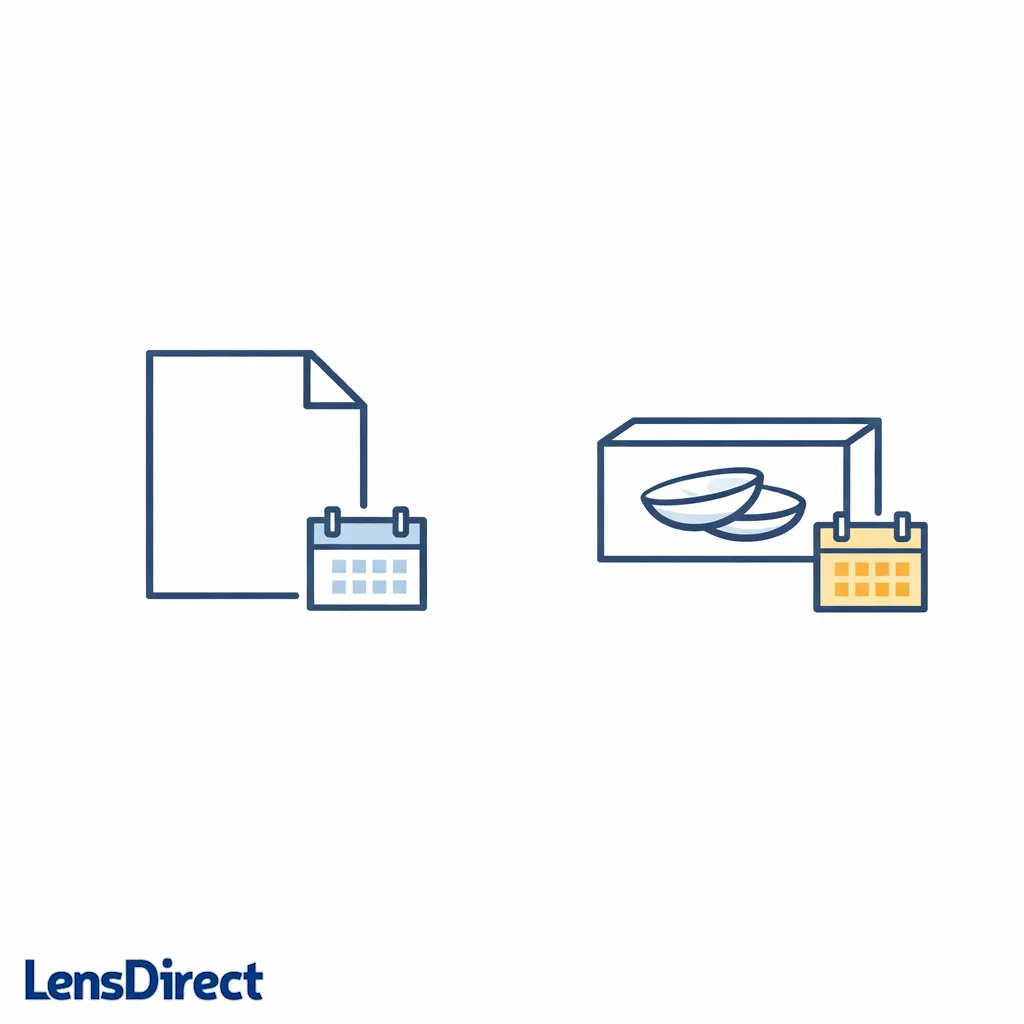
There is the expiration date printed on your contact lens packaging, and there is also the expiration date on your contact lens prescription. Federal rules focus on ensuring you can get your prescription and buy lenses from the seller of your choice, and the FTC’s Contact Lens Rule compliance guidance outlines seller and prescriber obligations around prescription release and verification.
For shoppers, the practical takeaway is simple: if your prescription is expired, you may not be able to order, even if your lenses are still in-date. If you are close to the prescription expiration date, schedule an eye exam early so you can reorder without gaps.
What changed: why expiration dates matter more for online ordering and stocking up
More people now buy contacts online and keep larger “backups,” which makes it easier to accidentally wear something out-of-date. At the same time, the FTC’s updated Contact Lens Rule requirements reinforced tighter processes for prescription verification and recordkeeping, which means valid prescriptions and correct product details matter more than ever when you are reordering.
The upside is convenience: if you learn how to read your box and track expiration dates, you can confidently stock up without ending up with a drawer full of lenses you should not wear.
Common mistakes that lead to discomfort (even when lenses are not expired)
Not every “bad lens day” is an expiration problem. Dryness, irritation, and blurry vision can come from handling, environment, and wear-time habits.
Mistake 1: Treating discomfort as normal
If your eyes feel scratchy, red, or light-sensitive, take it seriously. Remove your lenses and follow safe-wear guidance like the FDA’s contact lens safety recommendations, and contact an eye care professional if symptoms persist or are severe.
Mistake 2: Stretching wear time “just this once”
Many issues start with small exceptions that turn into routine. If you are consistently running out early, the fix is usually logistical (reorder sooner, keep spares, travel with backups), not medical improvisation.
Mistake 3: Storing contacts in the bathroom
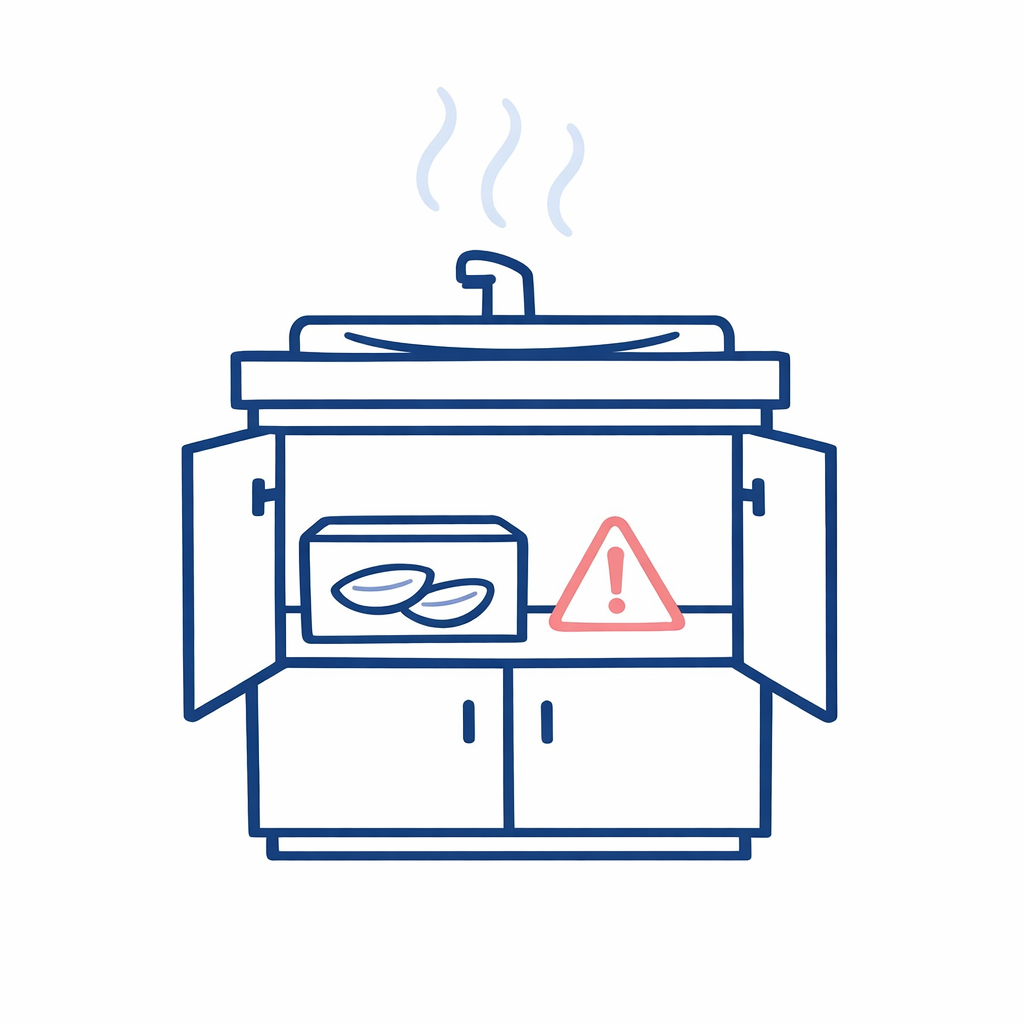
Bathrooms can be humid and warm, and storage spots are often near sinks where water splashes. Move your supply to a bedroom drawer or closet shelf where temperature and humidity are steadier.
Mistake 4: Mixing up left and right lenses
If you have different prescriptions in each eye, a mix-up can cause headaches or blurry vision that feels like a “bad lens.” Keep boxes labeled clearly and consider separating left and right blister packs as soon as you open a new carton.
What to do next: a quick checklist to stay safe and in-date
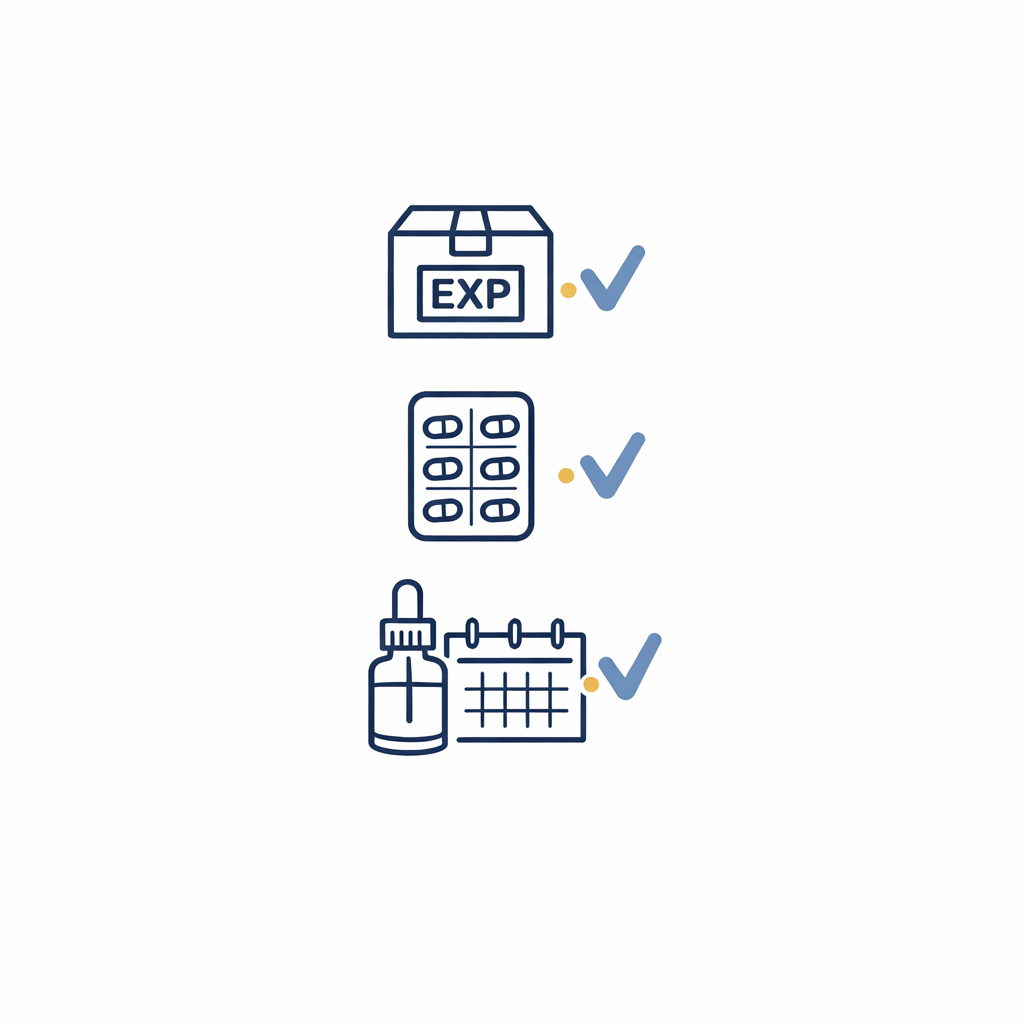
- Check every box: Find “EXP” and confirm the date is in the future before you open a new supply.
- Check every blister: Use only sealed, intact packs; discard anything punctured, leaking, or dried out, consistent with CDC contact lens hygiene guidance.
- Audit your drawer: Put the soonest-to-expire boxes in front so they get used first.
- Audit your solution: Confirm the bottle is not expired and follow the label for discard timing after opening.
- Plan for travel: Pack enough lenses, solution that meets TSA carry-on liquid rules, and backup glasses.
- Check your prescription date: If you are close to expiration, schedule an exam so you can keep ordering under the FTC Contact Lens Rule framework.
Shop smarter, replace sooner, and keep a backup plan
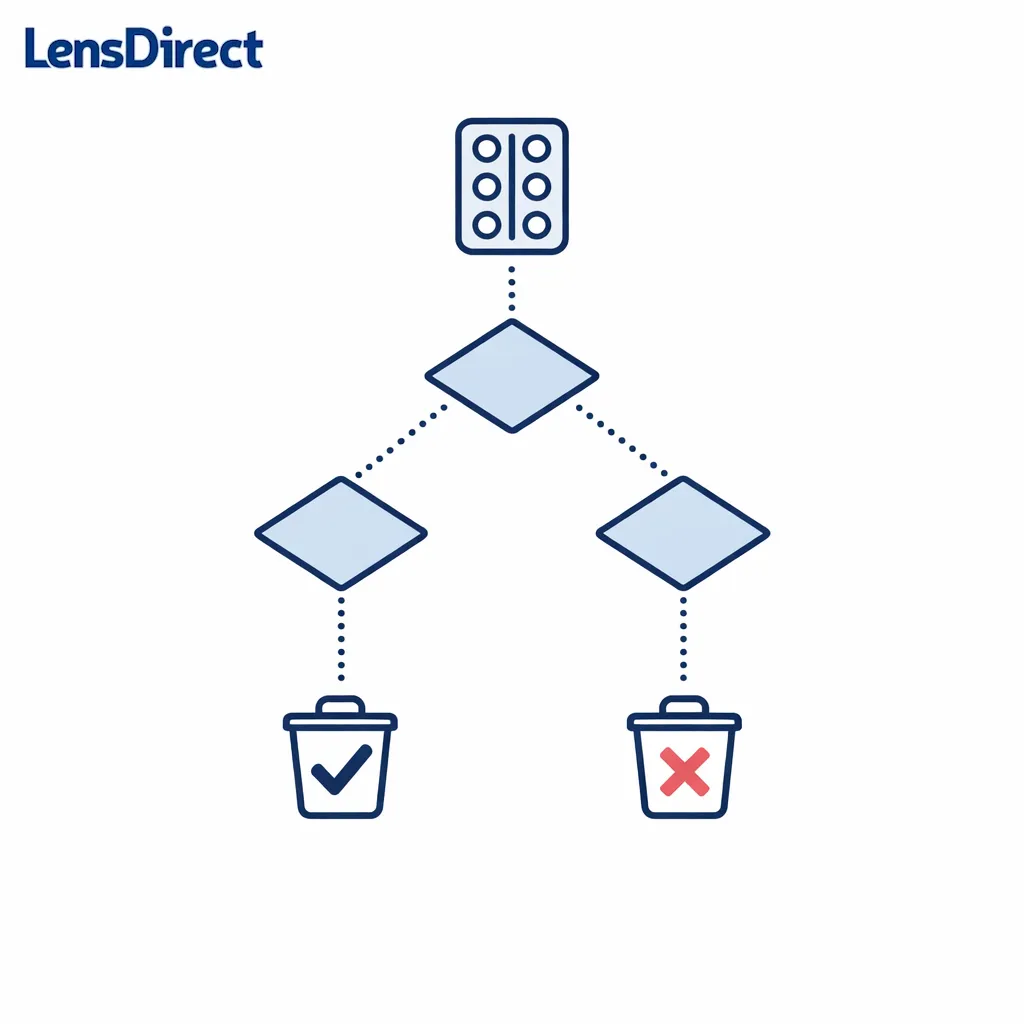
If you are tossing anything expired, damaged, or questionable, the easiest next step is to replace it now so you are not tempted later. LensDirect makes it simple to reorder the same lenses you already wear, or to refresh your eyewear lineup for daily life, travel, and outdoor days.
- Shop Contacts
- Shop Glasses
- Shop Sunglasses
- Replace Your Lenses
- Full-Service Replacement (send-it-in option)
- Order Replacement Lenses (DIY option)
- Learn How to Get Reimbursed by Your Insurance
- Learn How to Measure Your Pupillary Distance
Author

Subscribe to our email newsletter to get the latest posts delivered right to your email.