
If you are ordering progressive or bifocal lenses online, replacing lenses in your favorite frames, or switching into prescription sunglasses, you may be asked for a “segment height” measurement in addition to your prescription and pupillary distance (PD). Segment height is one of the key details that helps the lab place your near and intermediate viewing areas where your eyes naturally look through the lens.
This guide is for consumers who want value and convenience without guesswork. You will learn what segment height means, how to measure it at home in a repeatable way, how progressives and bifocals differ, and what to do if your results look “off” or your frames are not ideal for multifocals.
Segment height, explained in plain English
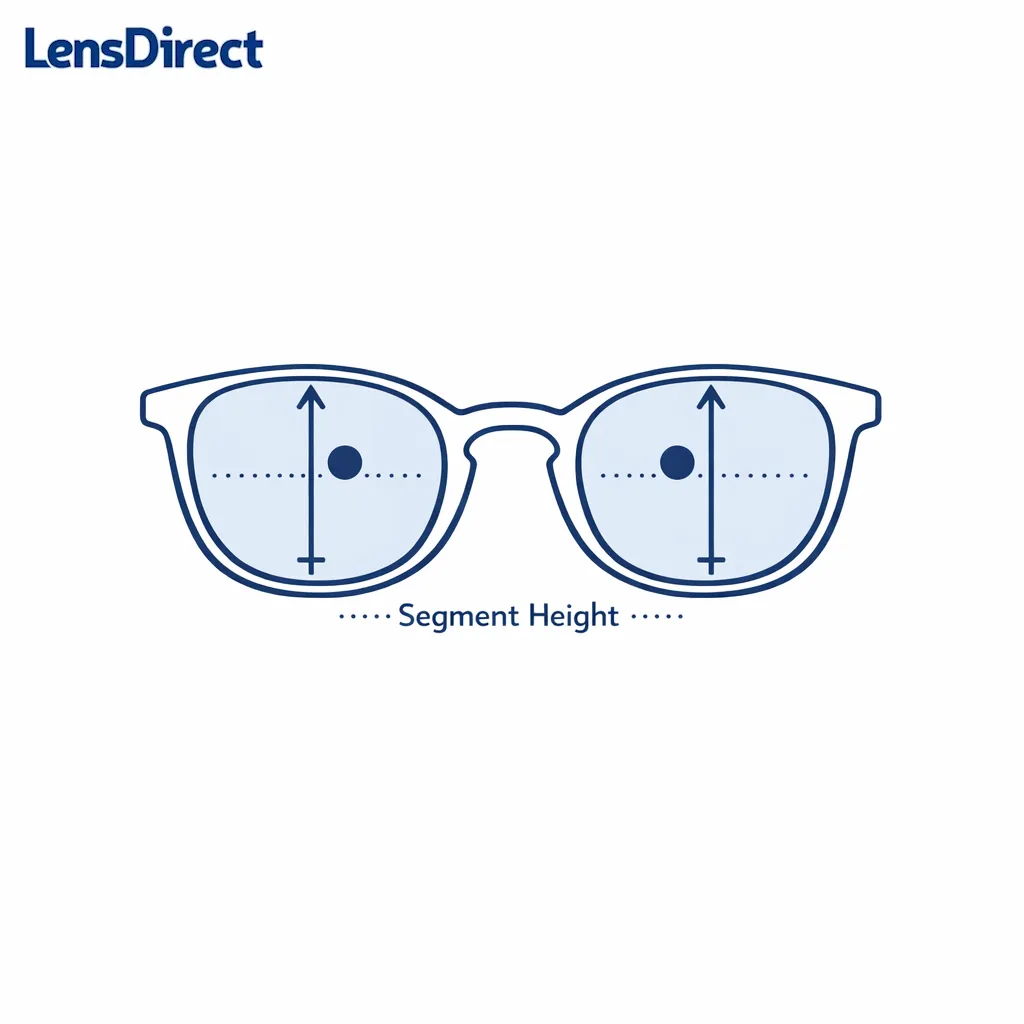
Progressive lenses are multifocal lenses that blend distance, intermediate, and near vision without a visible line, which is why they are commonly chosen for presbyopia-correcting eyewear. Because the power changes gradually from top to bottom, where that progression starts and where the near area lands matters a lot for comfort.
Segment height is the vertical measurement that tells the lab where to position the “near” portion (for bifocals and trifocals) or the progressive corridor/near zone (for progressives) relative to your pupil while you wear the frame. In consumer ordering, it is typically described as the distance from a point on the lens (often the lowest part of the lens opening) up to your pupil center while the glasses are on your face, which is the core idea behind common at-home methods described in segment height measurement guides for progressive and bifocal glasses.
Bifocals and trifocals use a distinct near “segment,” so segment height is about placing that segment where it is usable without forcing you to dip your chin or hunt for focus. Presbyopia itself is an age-related change in near focusing that often leads people into multifocals, as explained in the American Optometric Association’s overview of presbyopia.
Before you measure: set yourself up for an accurate result

At-home segment height works best when you measure the glasses in the position you actually wear them. If your frames slide down your nose during the day, or you push them higher when reading, your measurement needs to match your real-world habit.
Try to measure at a time when you can stand or sit naturally and avoid “posing.” Segment height is a wearing-position measurement, so anything that changes posture, head tilt, or how the frame sits on the bridge can change the number you get.
What you need
- Your frames (or the frames you will buy, if you already have them)
- A helper (recommended) and a mirror
- Fine-tip, non-permanent marker (dry-erase or washable works well)
- Ruler marked in millimeters (mm) or a small measuring tape with mm
- Smartphone camera (optional, for a backup photo method)
If you are replacing lenses in existing frames, clean the lenses first. Smudges can make it harder to mark pupil centers precisely.
How to measure segment height for progressive lenses (the reliable “mark-and-measure” method)
Step 1: Put the glasses on and assume your normal posture
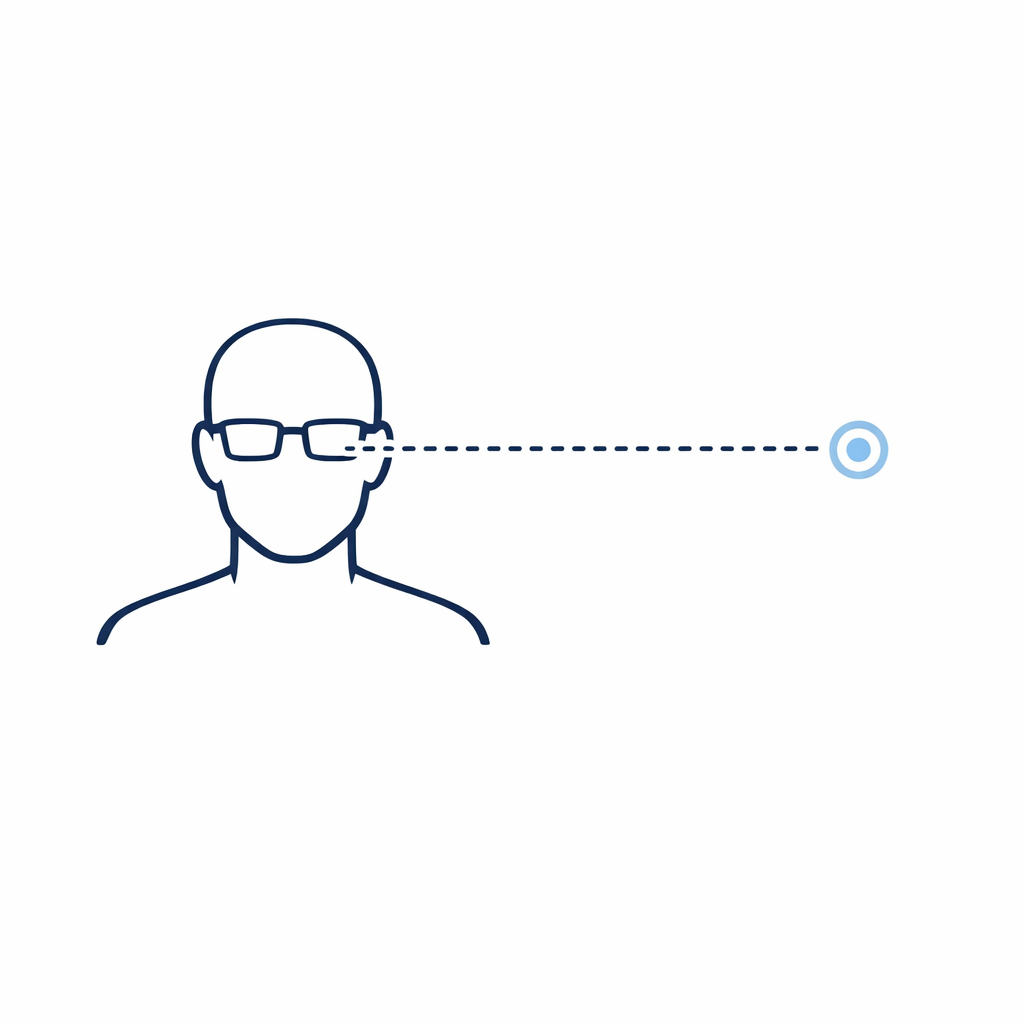
Put the frames on and stand (or sit) comfortably, looking straight ahead at eye level. Do not tilt your head up or down “to help” the measurement, because that can place the near zone too high or too low later.
Look at a small target across the room at about eye level. This helps you keep a natural, straight-ahead gaze while your helper marks.
Step 2: Have your helper mark your pupil centers on the lenses
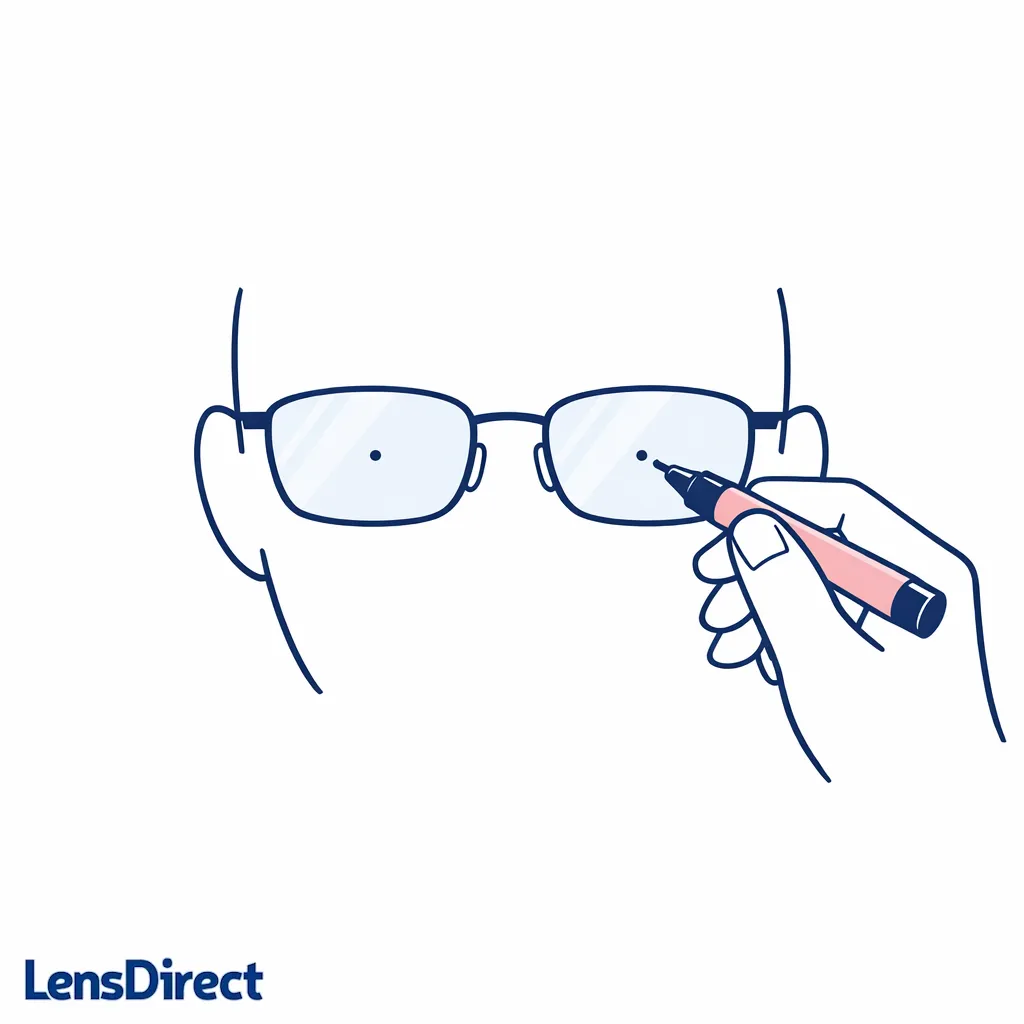
With the glasses on your face, have your helper place a small dot directly in front of the center of each pupil on the lens surface. Keep your eyes open normally and keep looking straight ahead.
Make sure the dots are small and precise. If the dot becomes a blob, wipe it off and redo it, because a wide dot can add a couple of millimeters of uncertainty.
Step 3: Take the glasses off carefully (do not smear the dots)
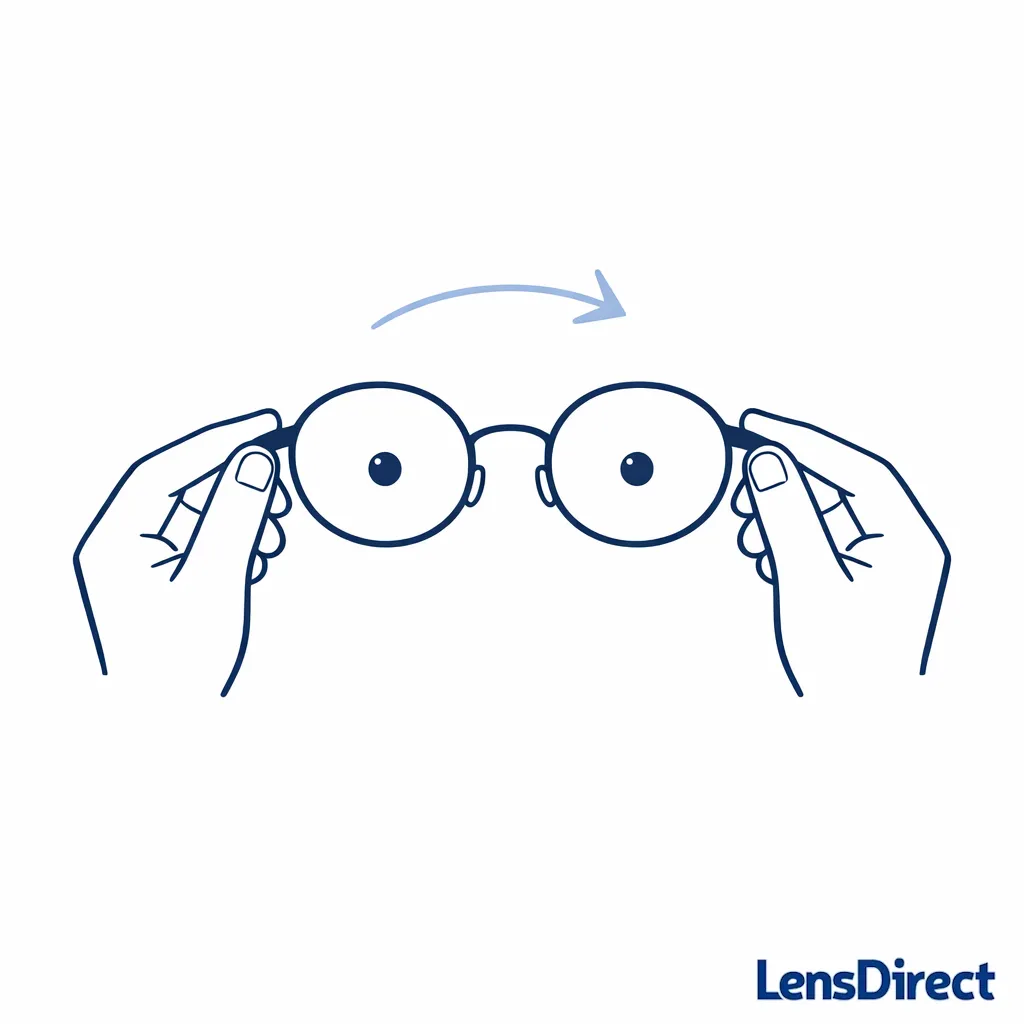
Remove the frames without sliding them down your nose. Hold them by the temples so you do not rub the lens marks.
Step 4: Measure from the bottom of the lens opening up to the dot (in mm)
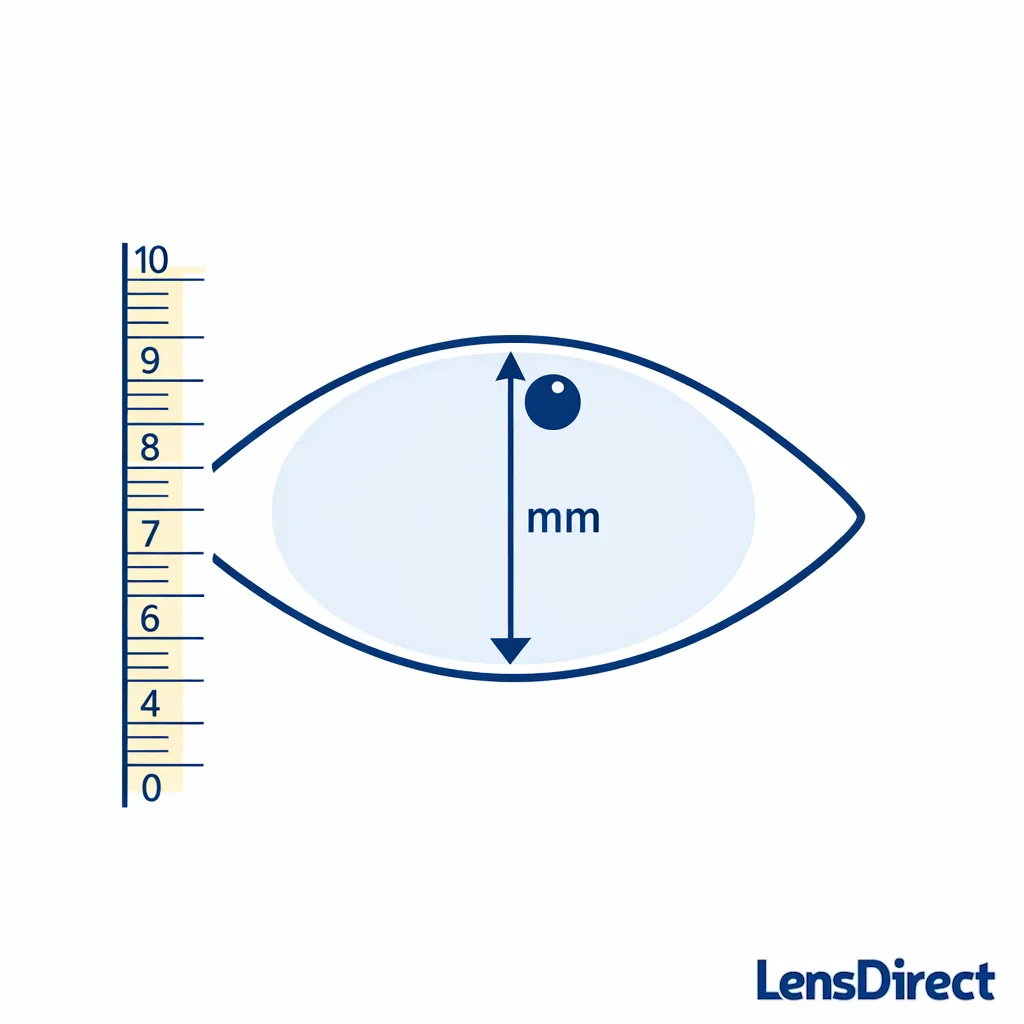
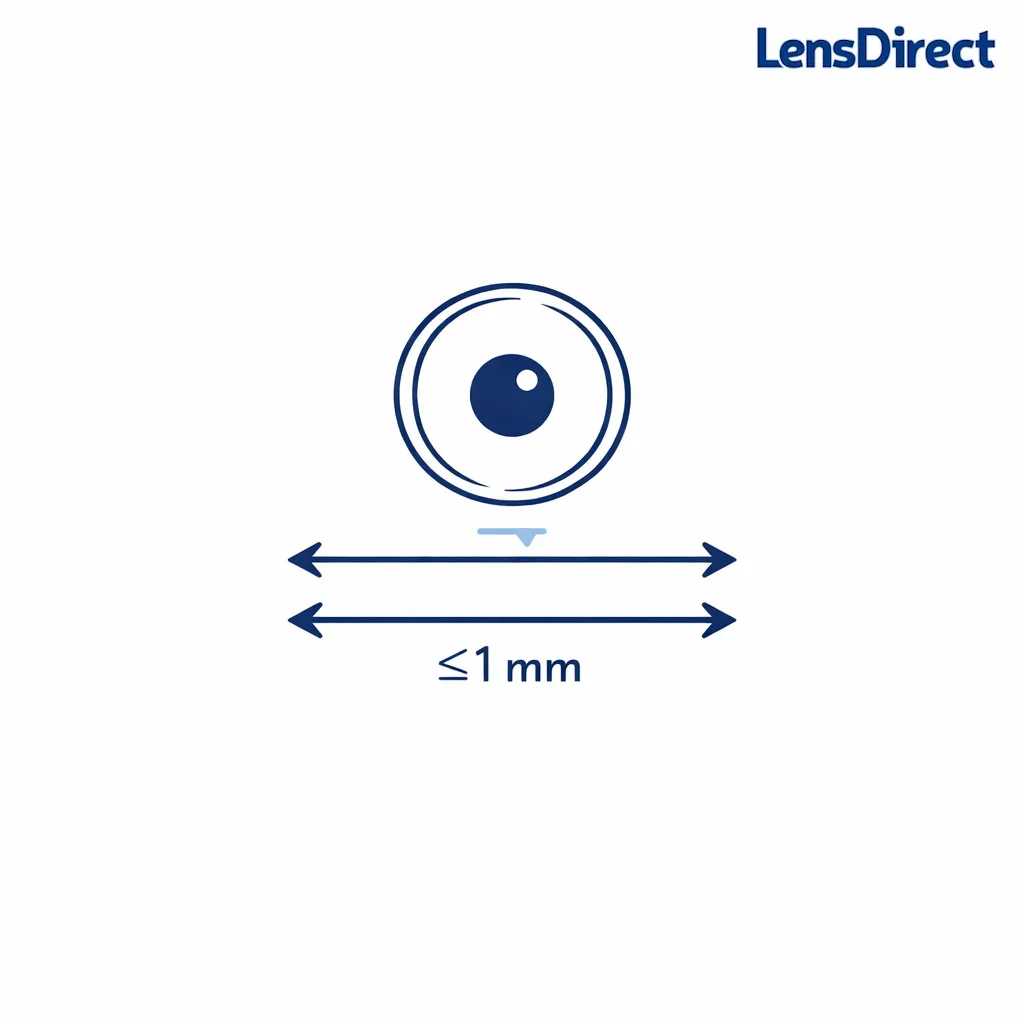
On each lens, measure the vertical distance from the lowest point of the inside lens opening (not the bottom edge of the frame’s outside rim) straight up to the center of the dot. This “bottom-of-lens-to-pupil” approach is the standard concept described in many consumer segment height instructions, including segment height measurement explanations for progressive lenses.
Write down the number for the right lens and the left lens separately. Even if your face is fairly symmetrical, small differences are common, and having two numbers can help your order match your real wearing position.
Step 5: Repeat once more to confirm
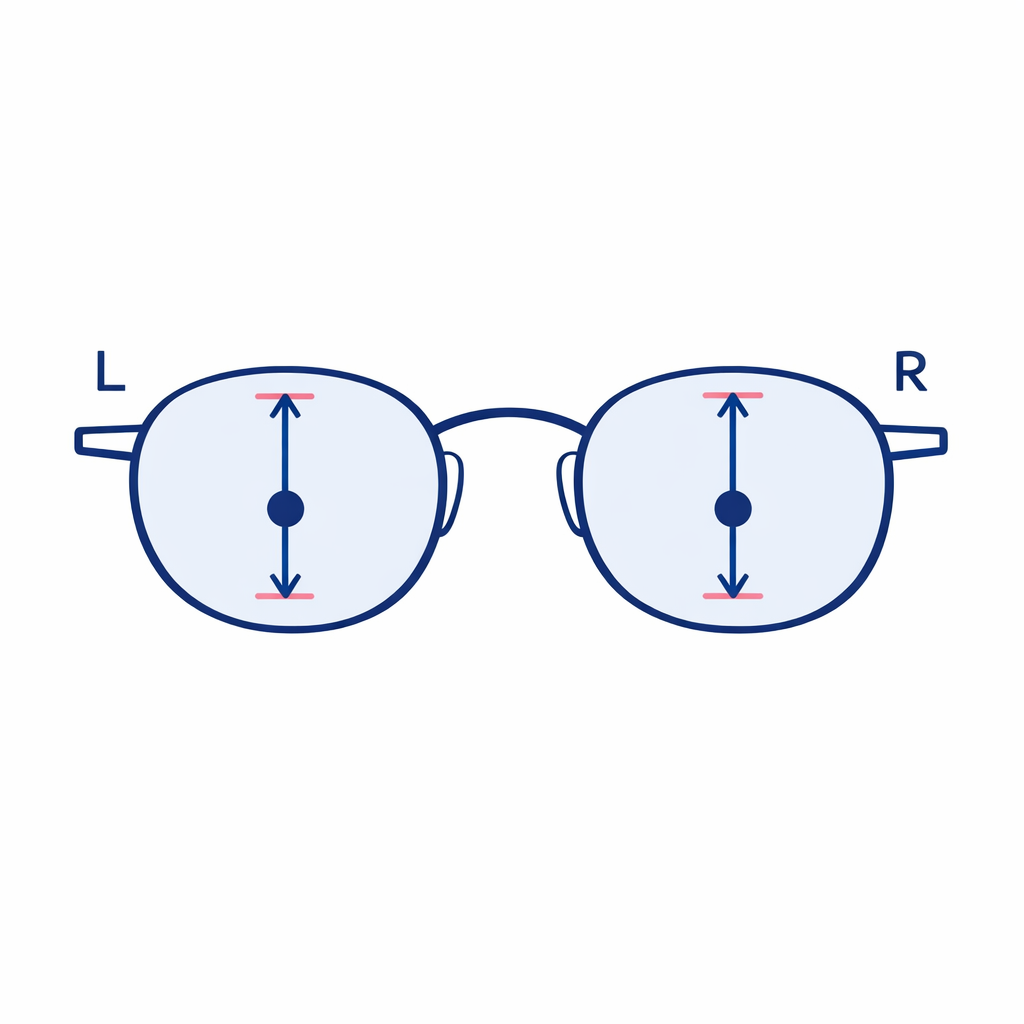
Wipe the dots off, then repeat the process. If your second measurement is within 1 mm of the first for each eye, you are likely in good shape.
If you keep getting numbers that vary by 2–3 mm or more, pause and troubleshoot using the tips below before you submit anything.
How to measure segment height for bifocals (and what changes for trifocals)
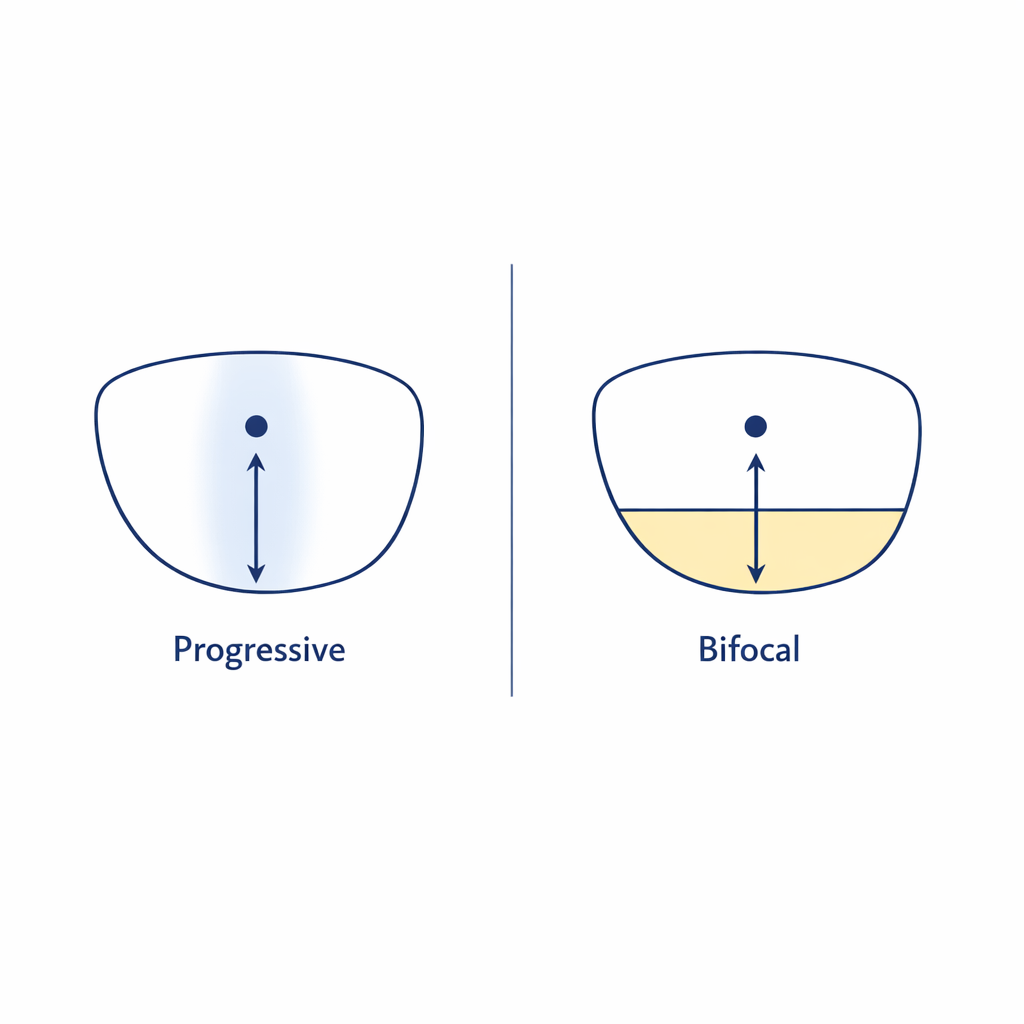
The at-home process is similar, but what the lab does with the number is different because bifocals and trifocals have a defined segment. Segment height is still a “where should the near area sit when I’m wearing the frame” measurement, which is why many at-home instructions group progressives and bifocals together, including guides that explain segment height for bifocal glasses.
At-home steps (bifocal/trifocal)
- Put the frames on in your normal position and look straight ahead.
- Have your helper mark the center of each pupil on the lens.
- Measure in millimeters from the lowest point of the lens opening to the dot on each lens.
- Record right and left measurements separately if possible.
If you already have bifocals or trifocals that feel “just right,” you can also use them as a reference: mark your pupil centers while wearing them and measure the same way. That can help you reproduce a placement you already like.
Photo method (backup): when you do not have a helper
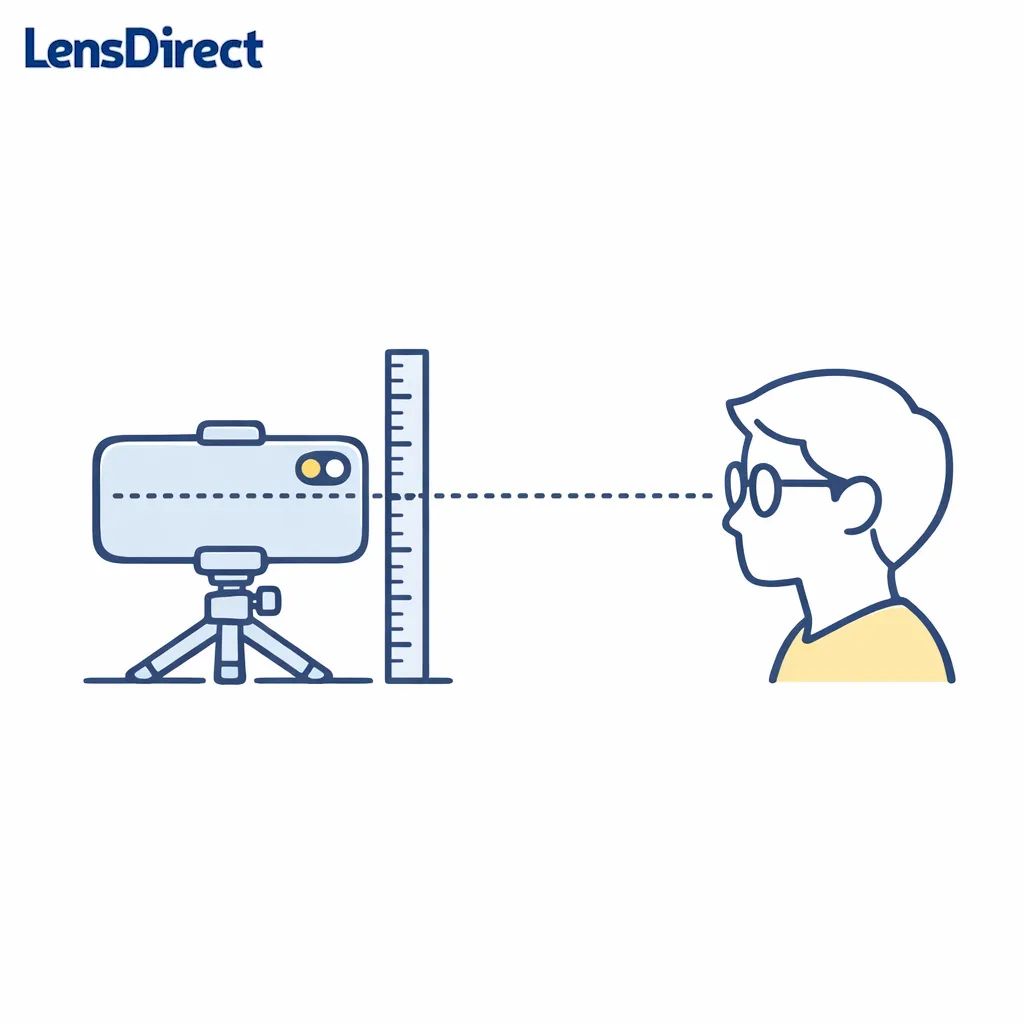
A helper is best, but if you are alone you can still get a workable estimate by taking a straight-on photo and measuring from it. The key is to control perspective: keep the camera level, keep your head straight, and avoid wide-angle distortion by stepping back and zooming in slightly.
- Put the glasses on and look straight at the camera, at eye level.
- Use a timer so you are not holding the phone up at an odd angle.
- Hold a mm ruler vertically next to the lens (in the same plane as the lens) for scale.
- Take a few photos and choose the one where the frame looks level and centered.
- On the photo, estimate pupil center and measure bottom-of-lens to pupil using the ruler scale.
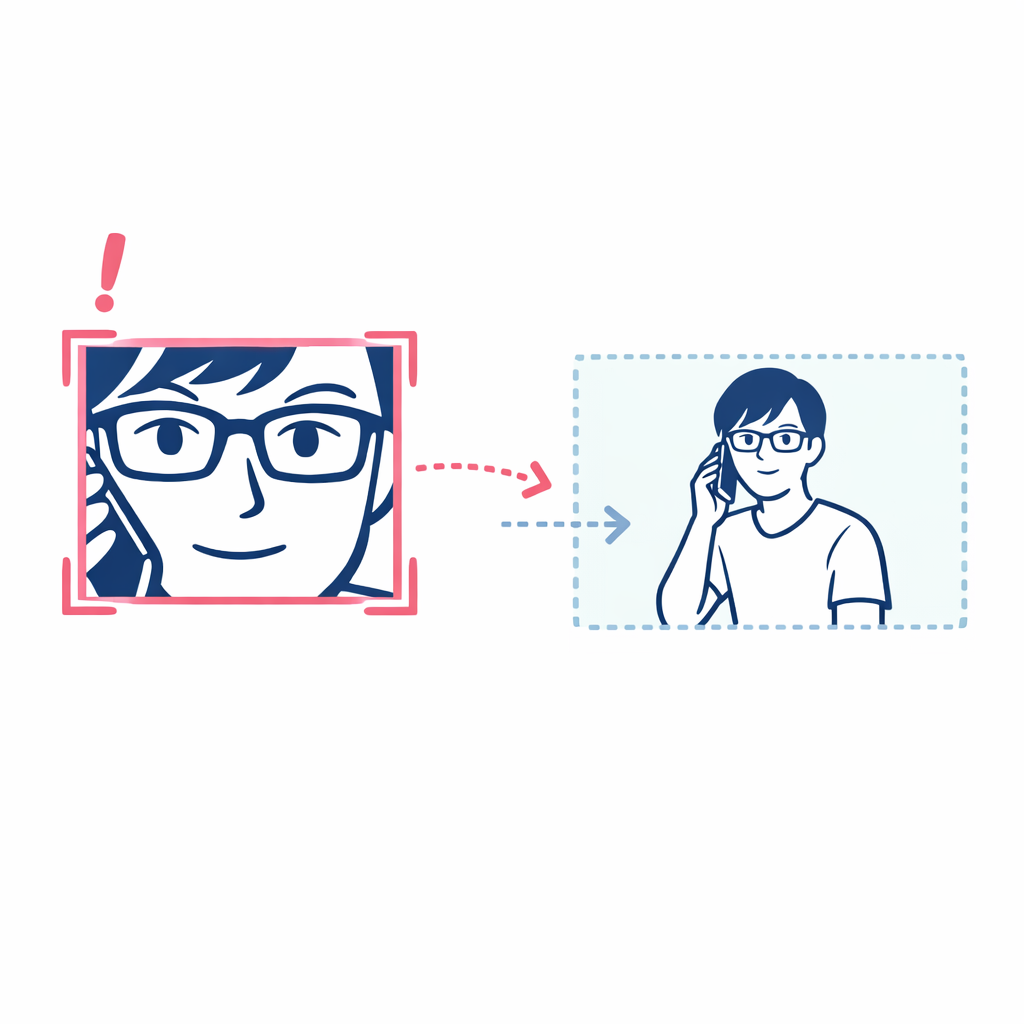
This method is more sensitive to angle and camera placement than marking the lenses. If your result will be used for expensive progressive lenses, consider redoing the measurement later with a helper or asking a professional optician to confirm.
Troubleshooting: if your segment height looks “too high” or “too low”
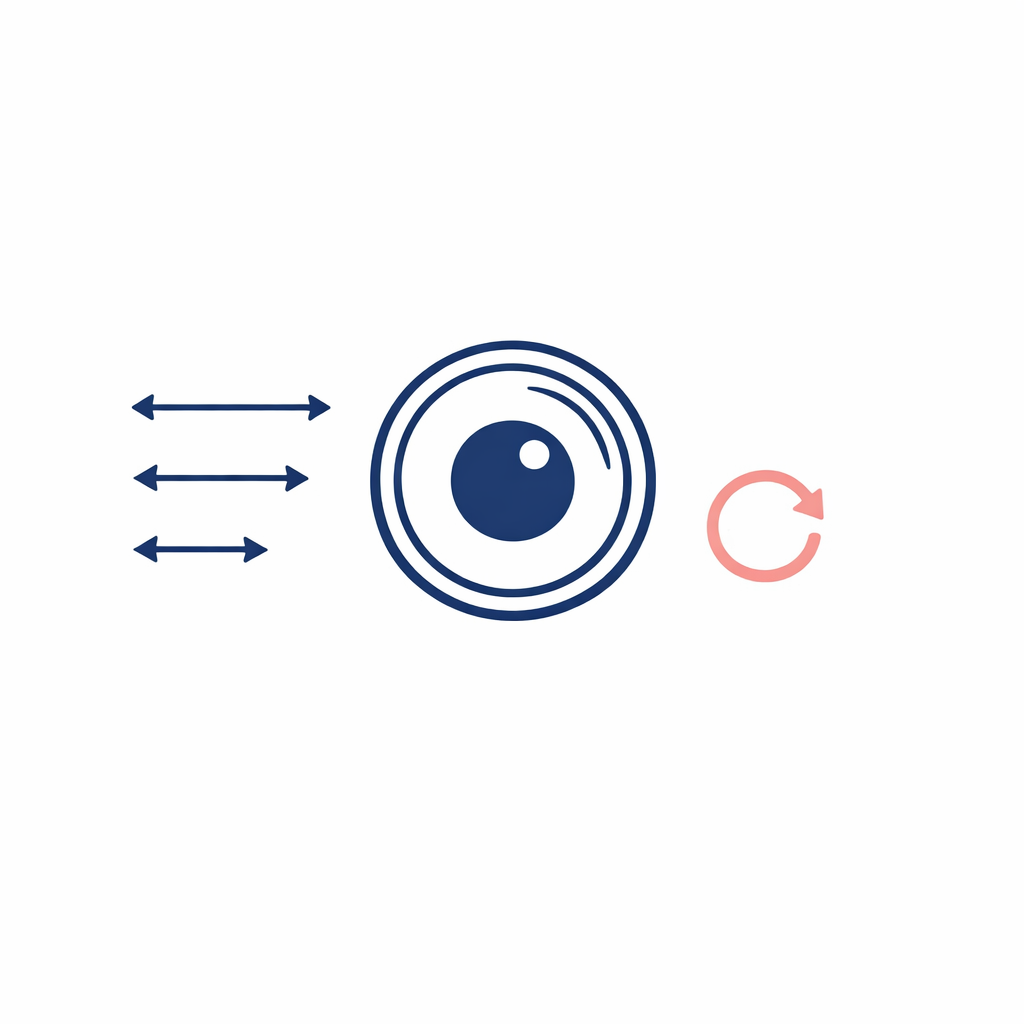
Segment height does not have one universal “normal” number because it depends on your frame size, how it sits on your nose, and your natural posture. Instead of comparing your measurement to someone else’s, focus on whether the measurement matches how you actually wear the frame.
Common causes of inconsistent measurements
- The frame is sitting differently each time. If your glasses slide, your measurement will change with them.
- You are looking down at the marker tip. Keep your gaze straight ahead at a distant target.
- Your helper is marking the lens, not the pupil center. Small marking errors matter because the measurement is in millimeters.
- Bottom reference point changed. Always measure from the lowest point of the inside lens opening, not the outside frame edge.
If you are replacing lenses, also check whether your existing lenses feel too high or too low for reading. If they do, it is a sign you should not simply replicate the old placement without adjustment.
Segment height and frame choice: why shallow frames can be a problem for progressives
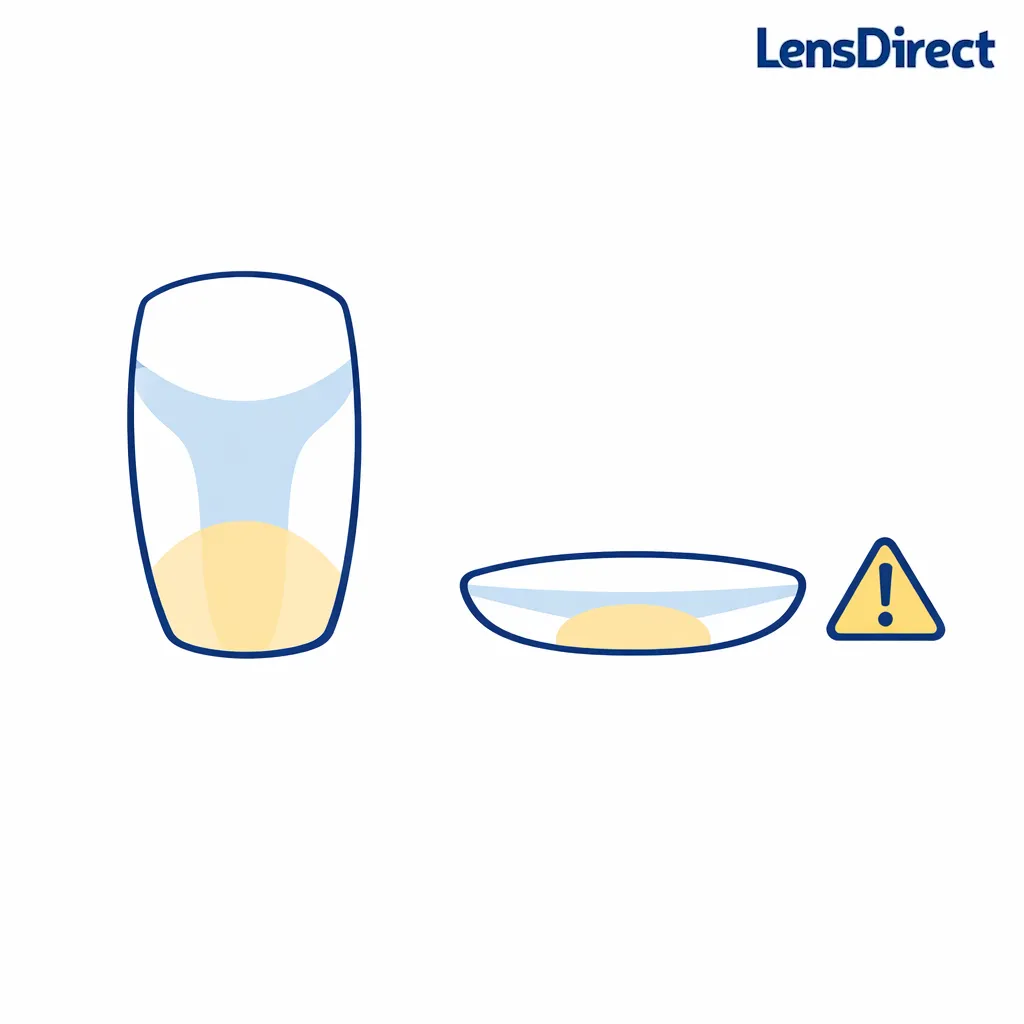
Progressive lenses need enough vertical space to fit the corridor and near zone comfortably. Many ordering systems account for this by using lens designs that can work in shorter frames, and consumer guides often mention that some frames may be too shallow for certain multifocal designs, including the practical explanation in segment height and frame-depth guidance.
If you love the look of a narrow, shallow frame, you still may be able to wear progressives, but you may need a lens design intended for shorter fitting heights. If you are not sure, it is worth asking for help before you order, especially if you are sensitive to progressive “swim” or you are new to progressives.
Segment height vs. pupillary distance (PD): you usually need both
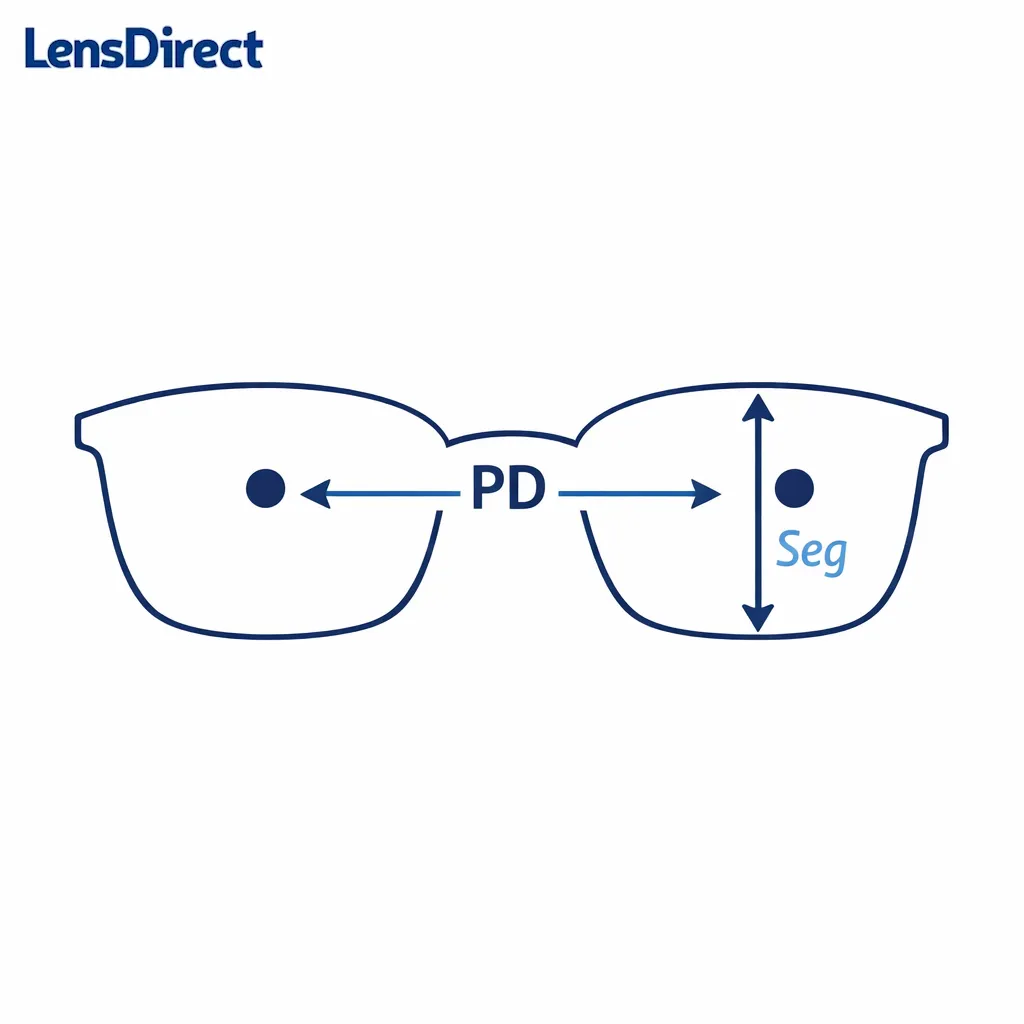
PD is a horizontal measurement (where your pupils sit left-to-right), while segment height is a vertical measurement (where your pupils sit up-and-down in the frame). They solve different alignment problems, so it is common to need both when ordering multifocal lenses online.
If you still need your PD, use a step-by-step guide like LensDirect’s pupillary distance measurement instructions and record your number carefully. If your order form asks whether to use distance or near PD for progressives, follow the seller’s instructions or ask your eye care professional, since PD usage can vary by product and ordering workflow.
What changed recently: why segment height matters more when ordering online
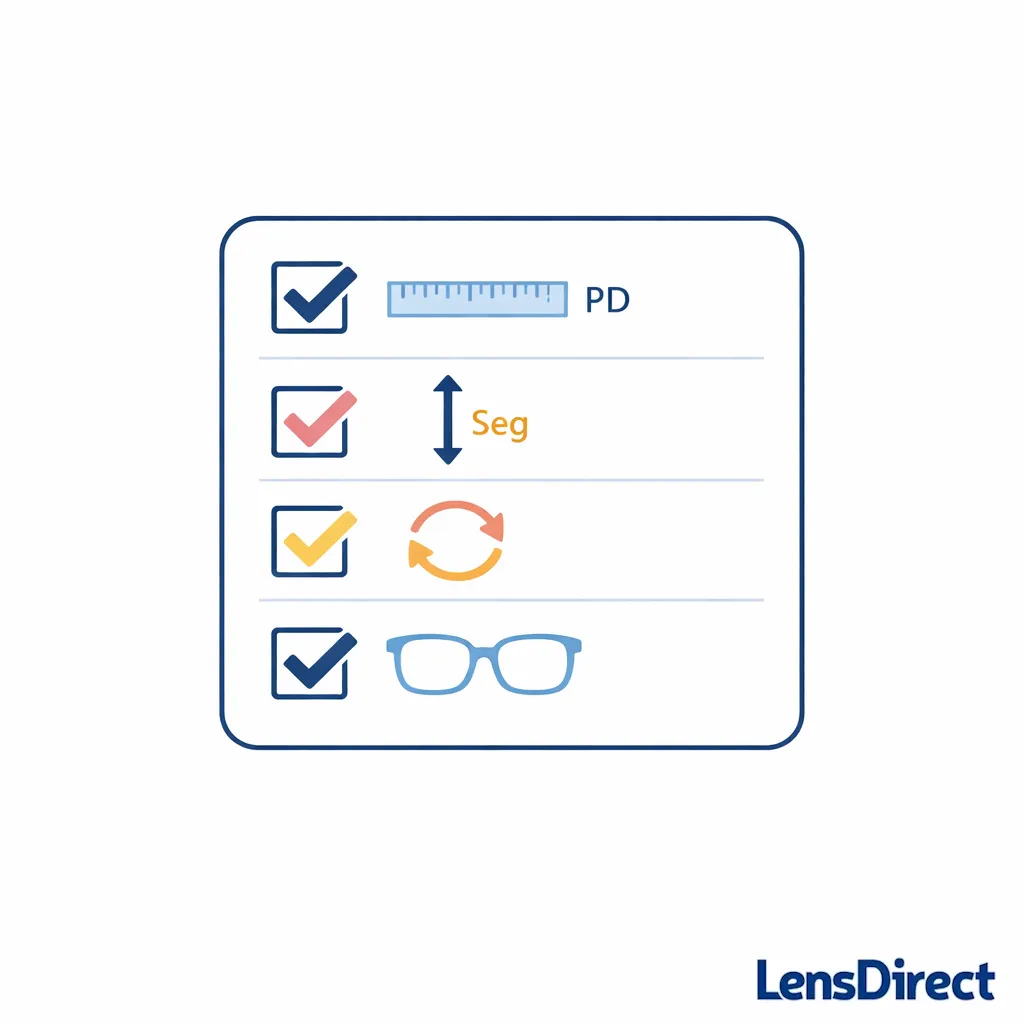
If you buy glasses in an optical shop, an optician typically measures these fitting details as part of dispensing. When you order online or replace lenses in existing frames, you may be responsible for providing fit measurements like PD and segment height, so a repeatable at-home process becomes more important.
At the same time, modern multifocal lens options have expanded, including designs intended to work in a wider range of frame shapes. That flexibility can help, but it does not remove the need for a good measurement, because even the best design cannot compensate for a segment placed in the wrong spot.
Common mistakes and misconceptions
There is no single universal segment height that works for everyone because it depends on the frame and where it sits on your face. Treat “average” numbers as trivia, not as an ordering shortcut.
Mistake 1: Using an “average segment height” you found online
There is no single universal segment height that works for everyone because it depends on the frame and where it sits on your face. Treat “average” numbers as trivia, not as an ordering shortcut.
Mistake 2: Measuring with the frame held in front of your face
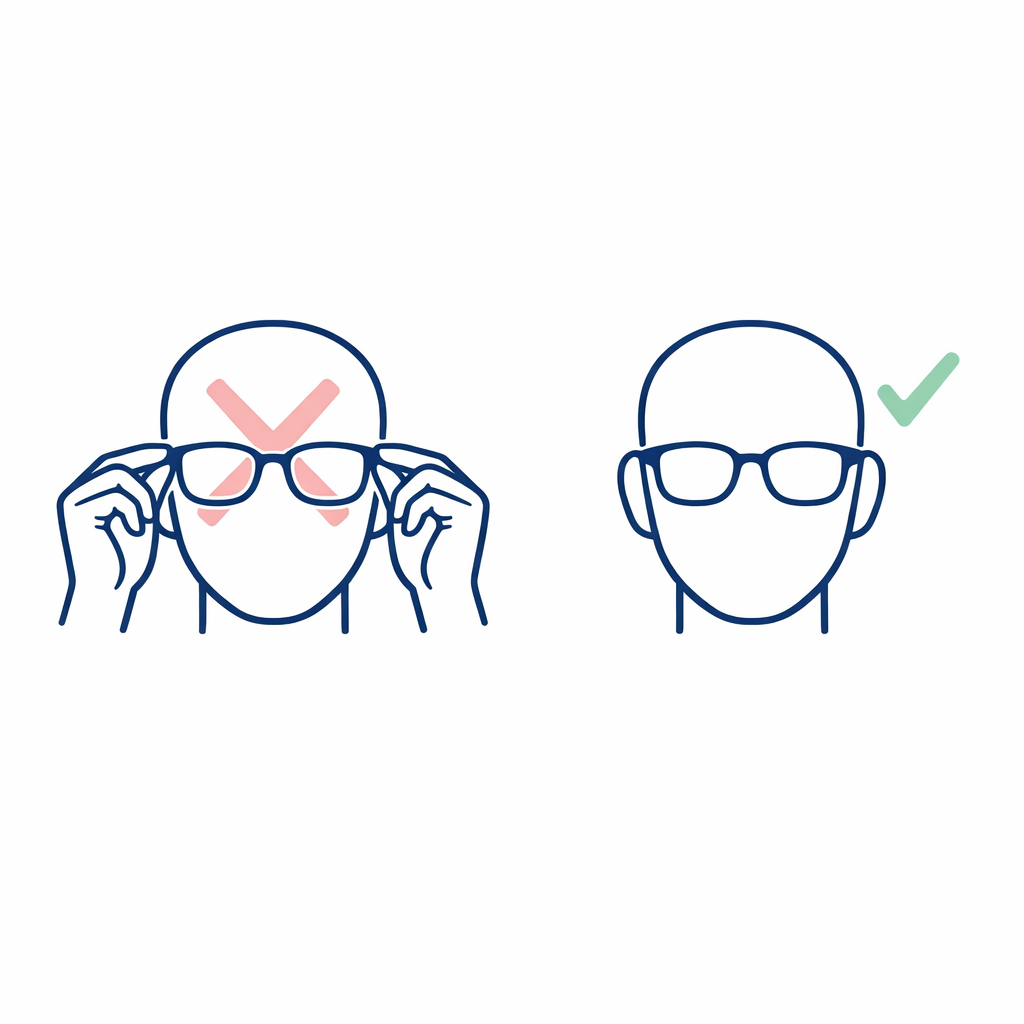
Segment height is about where the lenses sit when worn. Measuring the frame off your face removes the exact thing you are trying to capture: your natural wearing position.
Mistake 3: Letting the glasses slide down during measurement
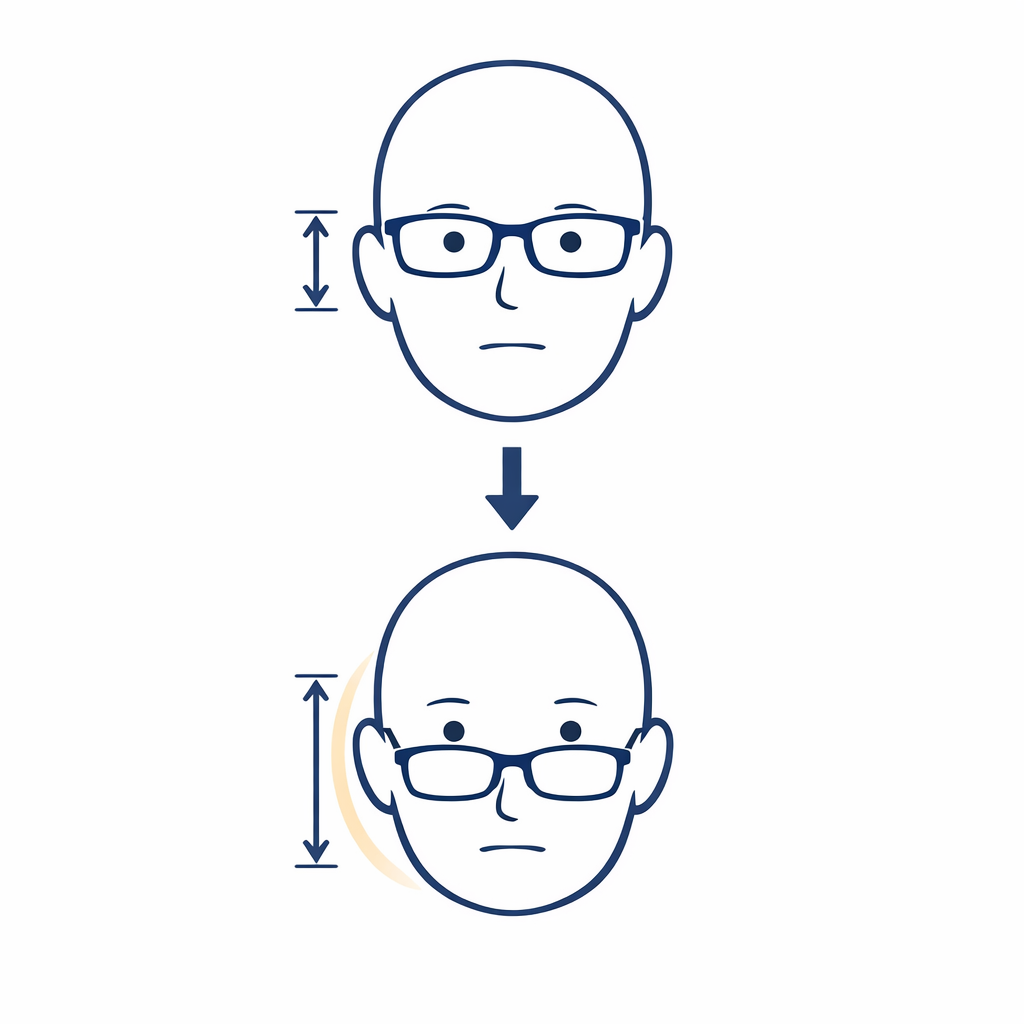
If the frame rides lower than normal, your measurement can come out larger, pushing the near zone too low later. Do the measurement with the frame positioned the way you actually wear it all day.
Mistake 4: Assuming right and left must match
Small asymmetries in face shape and frame adjustment are normal. If your measurements differ slightly, it is not automatically “wrong,” especially if you repeated the process and got consistent numbers.
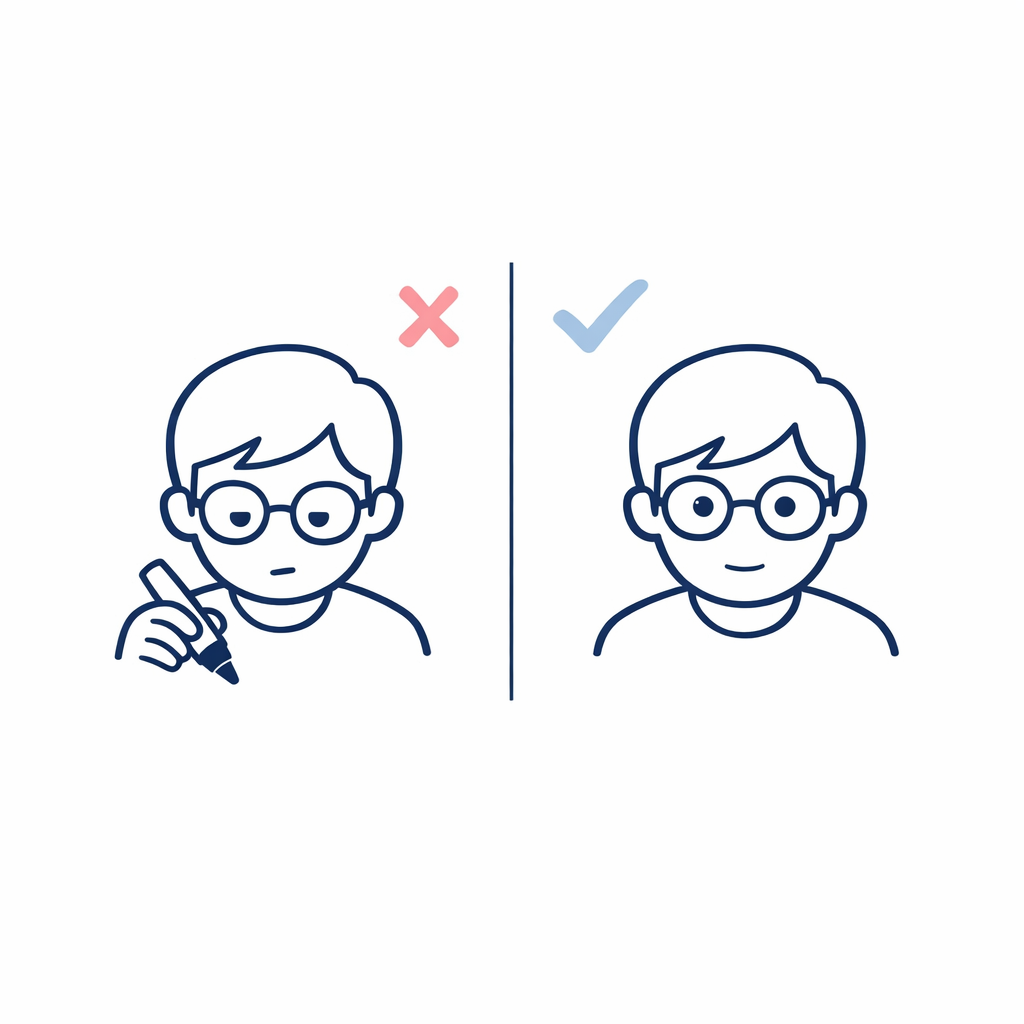
Mistake 5: Marking the lens while you are focusing on the marker
When you shift your gaze to the marker tip, your pupil position relative to the lens can change. Keep looking at a distant, straight-ahead target while your helper marks.
Mistake 6: Forgetting that posture affects comfort
If you tend to read with your chin tucked or you work at a laptop positioned high, your preferred near-zone placement may differ from someone else’s. When in doubt, prioritize a measurement that reflects your real daily posture.
When you should get help from an optician or eye doctor
At-home segment height can work well, but there are times when it is smarter to get a professional fitting or at least a confirmation. Multifocals are less forgiving when prescriptions are strong, frames have unusual geometry, or you have very specific visual demands.
- You are new to progressives and want the easiest adaptation possible.
- Your prescription includes prism or you have a history of binocular vision issues.
- You are ordering wrap or sport sunglasses where curvature and tilt can affect where you look through the lens.
- Your current multifocals feel wrong (head tilt, neck strain, narrow usable zones), and you do not want to replicate a bad setup.
- Your measurements vary widely after multiple attempts.
If you have an existing pair you love, bringing that pair to an optician and asking them to measure its placement can also be a practical way to “copy what works” without guessing.
What to do next (quick checklist)
- Confirm your prescription is current and matches what you plan to order.
- Measure your PD using a clear guide such as how to measure PD at home.
- Measure segment height with a helper using the mark-and-measure method, then repeat once for confirmation.
- Write down right and left numbers and note which frame you measured (model name, size, or a quick photo).
- Sanity-check your frame choice for adequate lens height if you are ordering progressives.
- Ask for help early if you have prism, wrap frames, or inconsistent results.
Shop eyewear and lens replacements that match your measurements
Once you have your PD and segment height, ordering becomes much simpler, whether you are buying new frames, refreshing an old favorite, or adding prescription sun protection. If you want a streamlined way to put your measurements to work, LensDirect offers options for new eyewear and for replacing lenses in frames you already own.
- Shop Glasses for everyday prescription wear, including multifocal options.
- Shop Sunglasses for prescription sun lenses that fit your outdoor and driving needs.
- Replace Your Lenses if you love your frames but want new prescription lenses.
- Full-Service Replacement (send-it-in option) if you prefer the easiest process.
- Order Replacement Lenses (DIY option) if you want to install lenses yourself.
- Find Your Fit if you are choosing new frames and want help narrowing styles that suit you.
- Learn How to Get Reimbursed by Your Insurance if you plan to use out-of-network benefits.
- Shop Contacts if you want a convenient backup for travel, sports, or alternating with glasses.
Author

Subscribe to our email newsletter to get the latest posts delivered right to your email.