Contact lenses can be a game-changer for comfort, convenience, and an active lifestyle, but the choices can feel overwhelming. This guide is for anyone buying eyewear online, switching brands, traveling more, or simply trying to get a better day-to-day wearing experience without guesswork.
You’ll learn the main types of contact lenses, how “daily vs monthly contacts” really differs in real life, and a practical step-by-step process to choose the right pair with your eye doctor’s help. Along the way, we’ll cover common misconceptions, safety essentials, and how to shop confidently online.
Start here: what contact lenses are (and why that matters)
Contacts aren’t just a convenience product; in the U.S., contact lenses are regulated as medical devices, which is why you need a valid prescription and proper fit. That regulation exists for a reason: the lens sits directly on your eye, and small mismatches in fit or wear habits can cause big comfort and health issues.
Think of this guide as a way to get “fluent” in your options so your next exam, trial fitting, or online reorder feels straightforward instead of confusing.
Types of contact lenses by material
Soft contact lenses
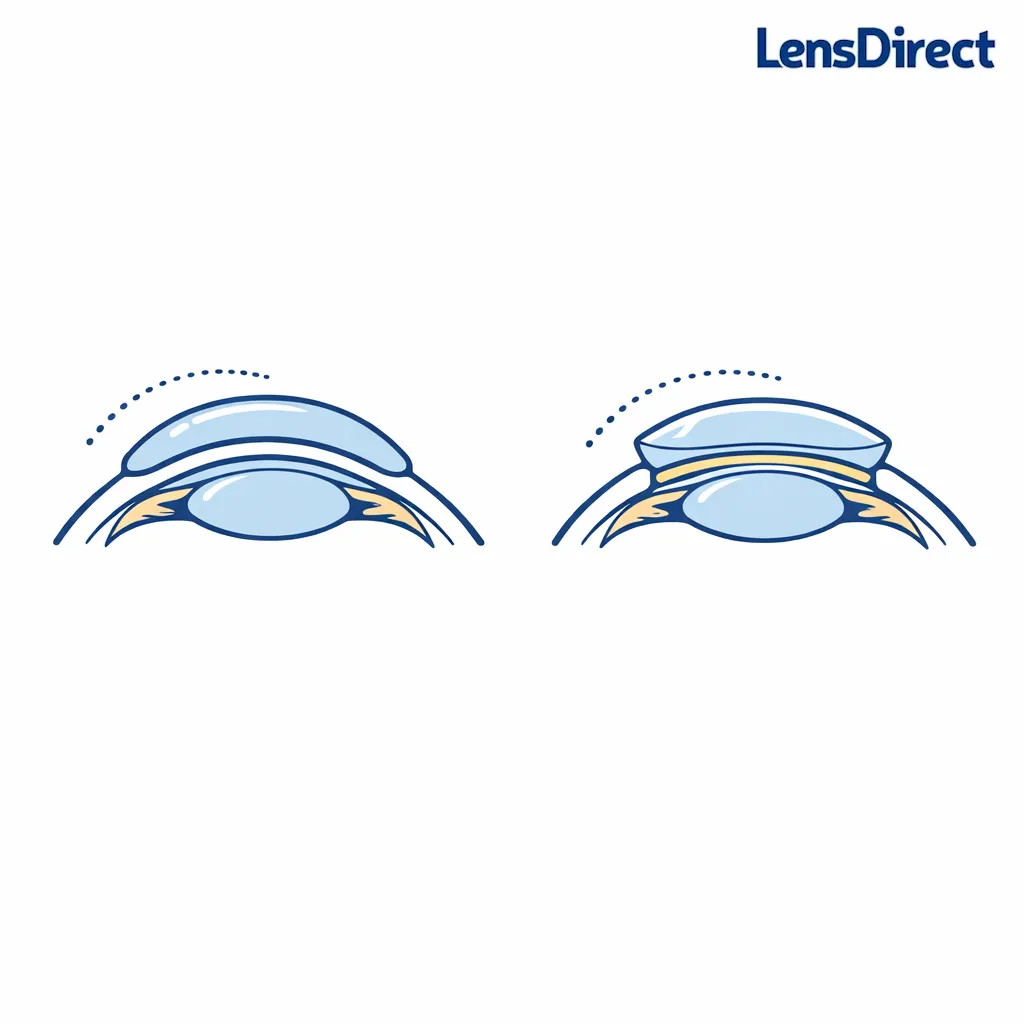
Soft contact lenses are flexible and designed to feel comfortable quickly for many wearers. They’re commonly used for everyday routines, commuting, and travel because they’re easy to insert and remove once you get the hang of it.
If you’re new to contacts or you’re replacing lenses after a long break, soft lenses are often where most fitting conversations begin. Your prescriber will narrow the options based on your prescription, eye shape, and comfort goals.
Rigid gas permeable contacts (RGP)
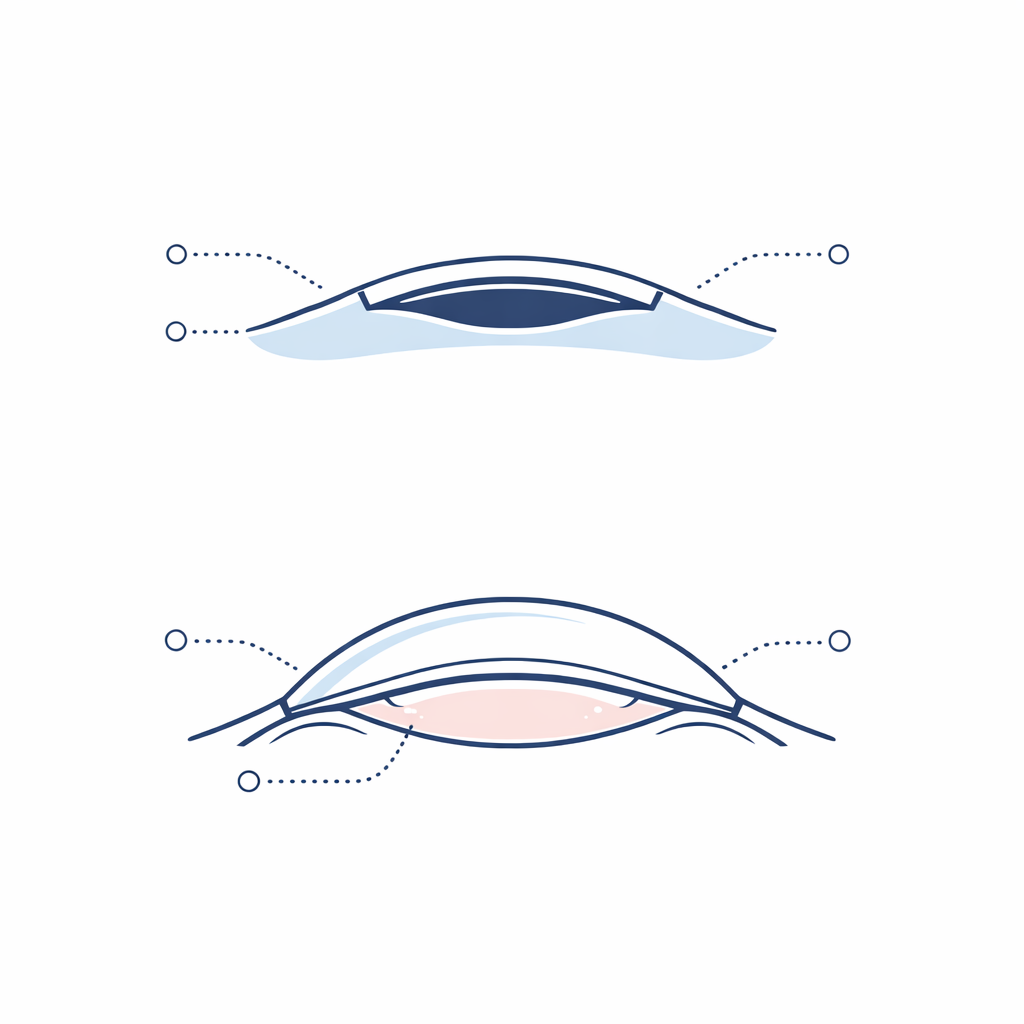
Rigid gas permeable contacts (often shortened to RGP) are firm lenses that keep their shape on the eye. Because they don’t drape over the surface like soft lenses, some people notice a longer adaptation period before they feel “normal.”
RGP lenses are worth asking about if you’re looking for crisp vision and stable optics, or if your doctor suggests them for specific fitting needs. They are not a one-size-fits-all solution, so the fitting process matters.
Specialty designs (hybrid and scleral)
If standard soft or RGP options aren’t giving you the comfort or visual clarity you want, your eye care professional may discuss specialty designs like hybrid or scleral lenses. These are typically considered when fit challenges or unique corneal needs make standard options less ideal.
The key takeaway: if you’ve “tried everything” and still struggle, it may not be you. It may be time to ask about a different design approach rather than bouncing between similar lenses.
Types of contact lenses by replacement schedule
Daily disposable contacts
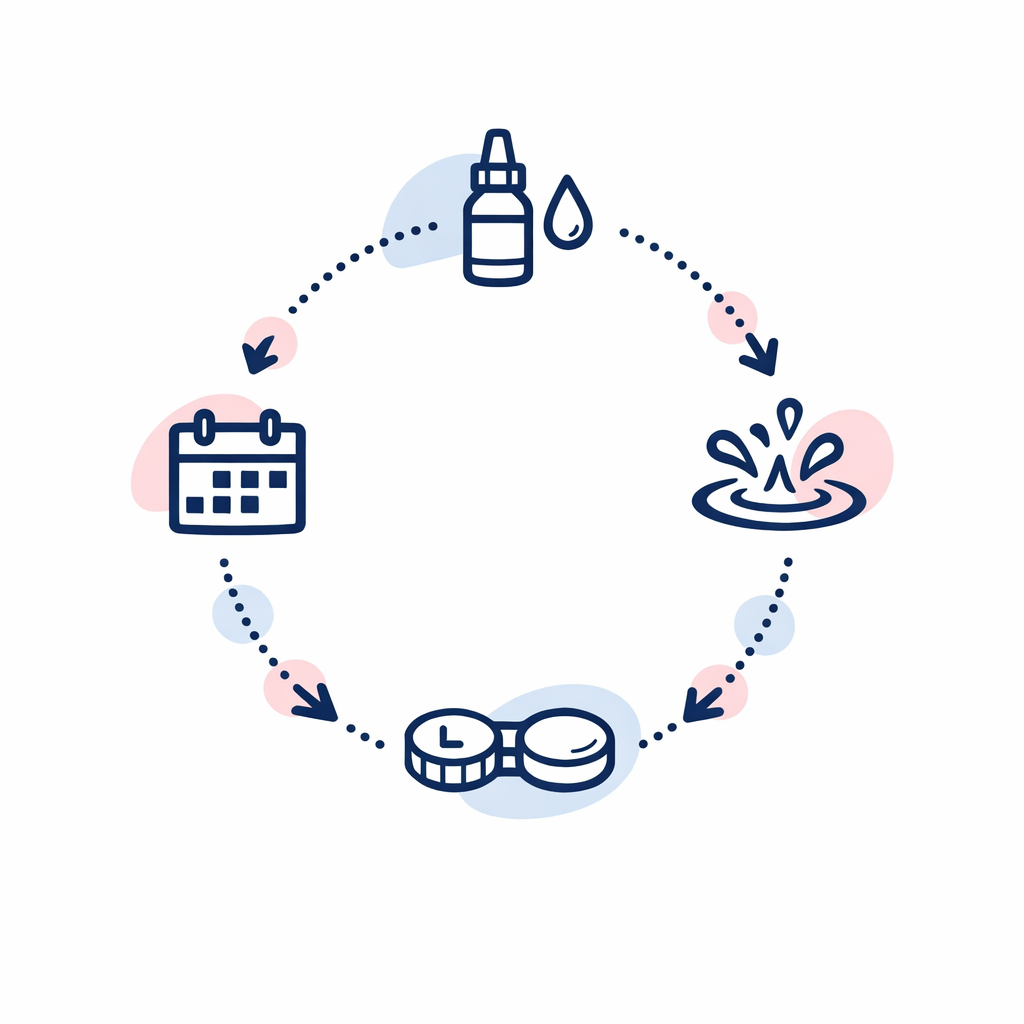
Daily disposables are designed to be worn once and then discarded, which many people love for simplicity. If you travel often, work long days, or just want fewer steps at night, daily lenses can make routines easier because there’s no cleaning or storage case to manage.
They can also be a good fit if your eyes tend to feel “gunky” by the end of the day, because you start each morning with a fresh lens. Cost-per-lens can be higher, but convenience is the tradeoff.
Bi-weekly and monthly contacts
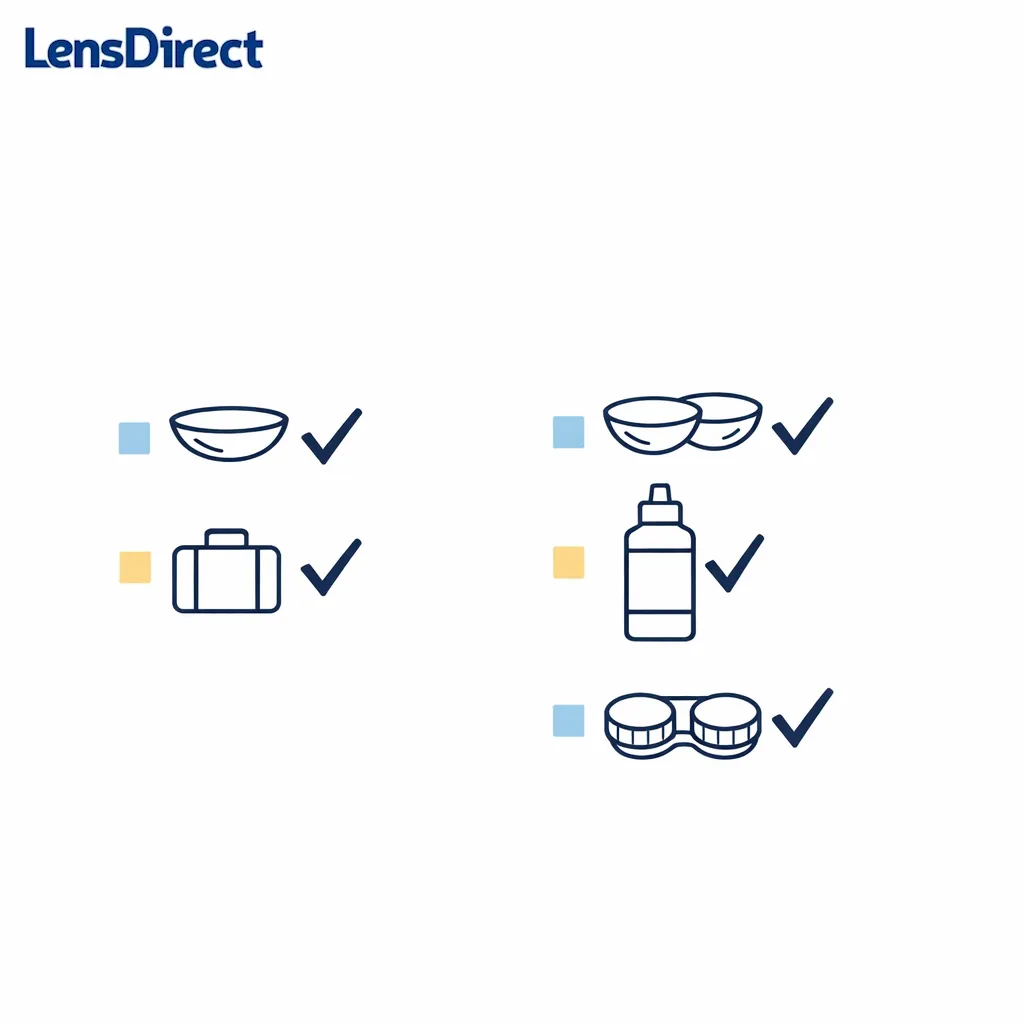
Bi-weekly and monthly lenses are reused for a set period, then replaced on schedule. If you’re comparing daily vs monthly contacts, this is usually the core decision: pay more for less maintenance, or pay less per day with a stricter cleaning routine.
These lenses can be a great value when you’re consistent about care, case hygiene, and replacement timing. If you know you’ll “stretch” schedules when life gets busy, that’s an important honesty check before you choose them.
Extended wear (overnight) lenses
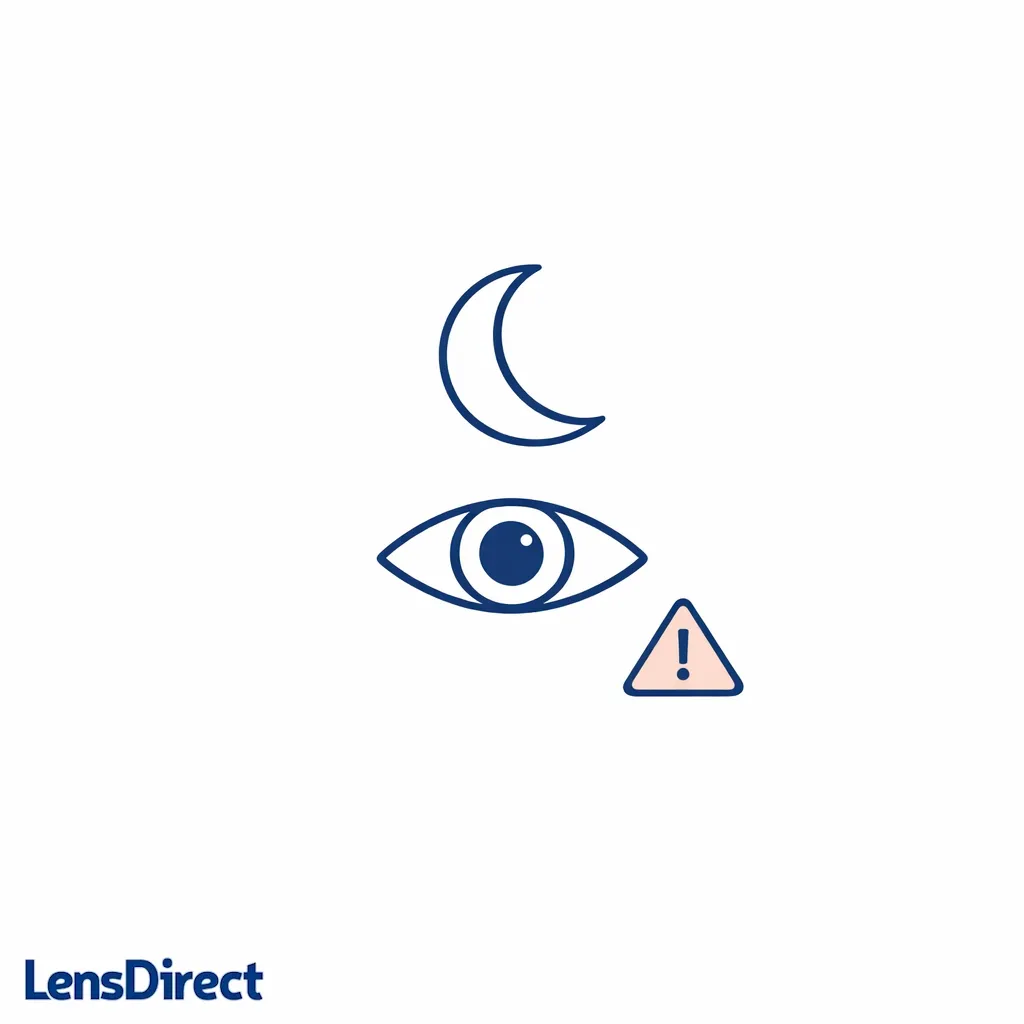
Some prescriptions and brands are approved for overnight wear, but “can” and “should” are different questions. If you’re considering sleeping in contacts, make it a specific discussion with your prescriber and follow CDC contact lens wear and care guidance closely to reduce avoidable risk.
Even if your lenses are designed for extended wear, many people still choose to remove them nightly for comfort and peace of mind.
Types of contact lenses by vision need
Toric lenses for astigmatism
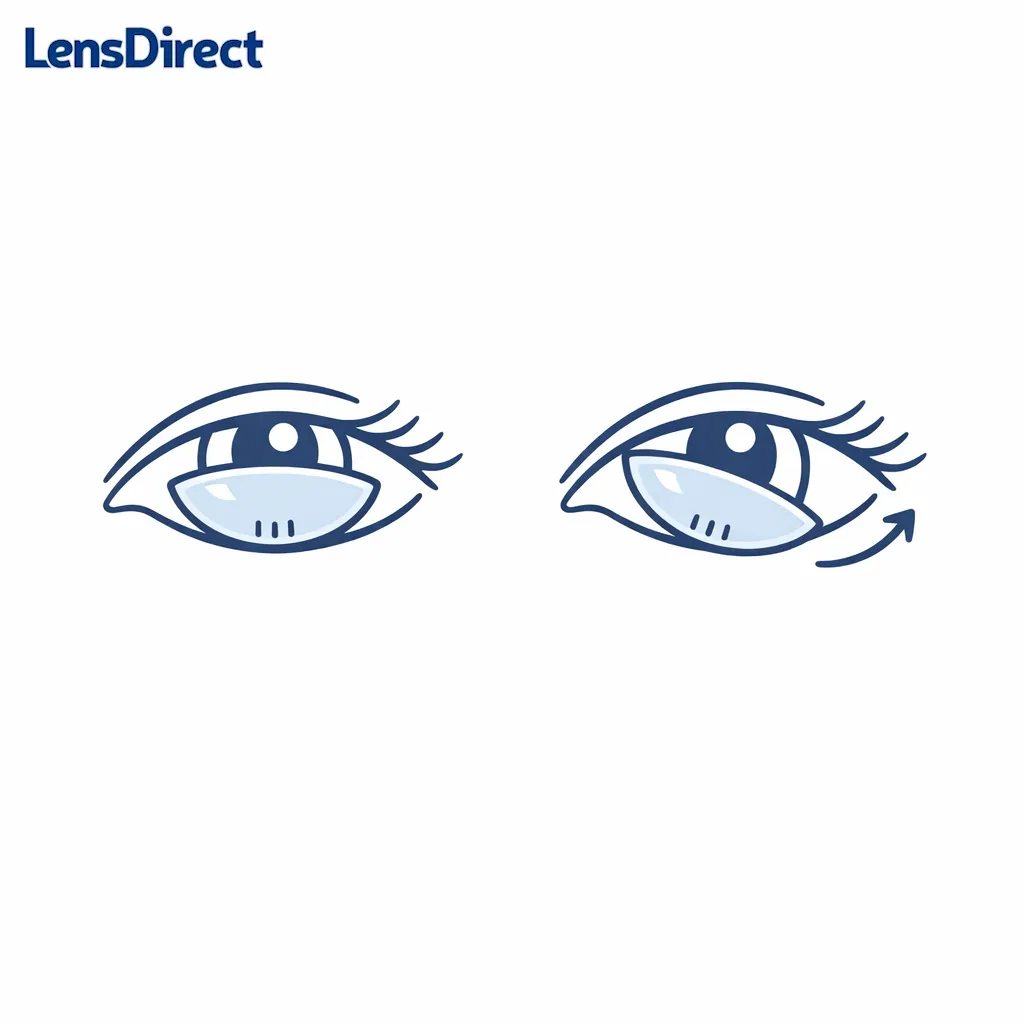
If your prescription includes astigmatism, your doctor may recommend toric lenses for astigmatism. Astigmatism means the eye’s curvature isn’t perfectly uniform, and the National Eye Institute’s overview of astigmatism is a helpful baseline if you want to understand the “why” behind the correction.
Toric lenses are built to align in a stable orientation so your vision stays consistent. If your toric lenses rotate too much, you may notice blur that comes and goes, especially when you blink or look side to side.
Multifocal contact lenses (and other options for near + far)
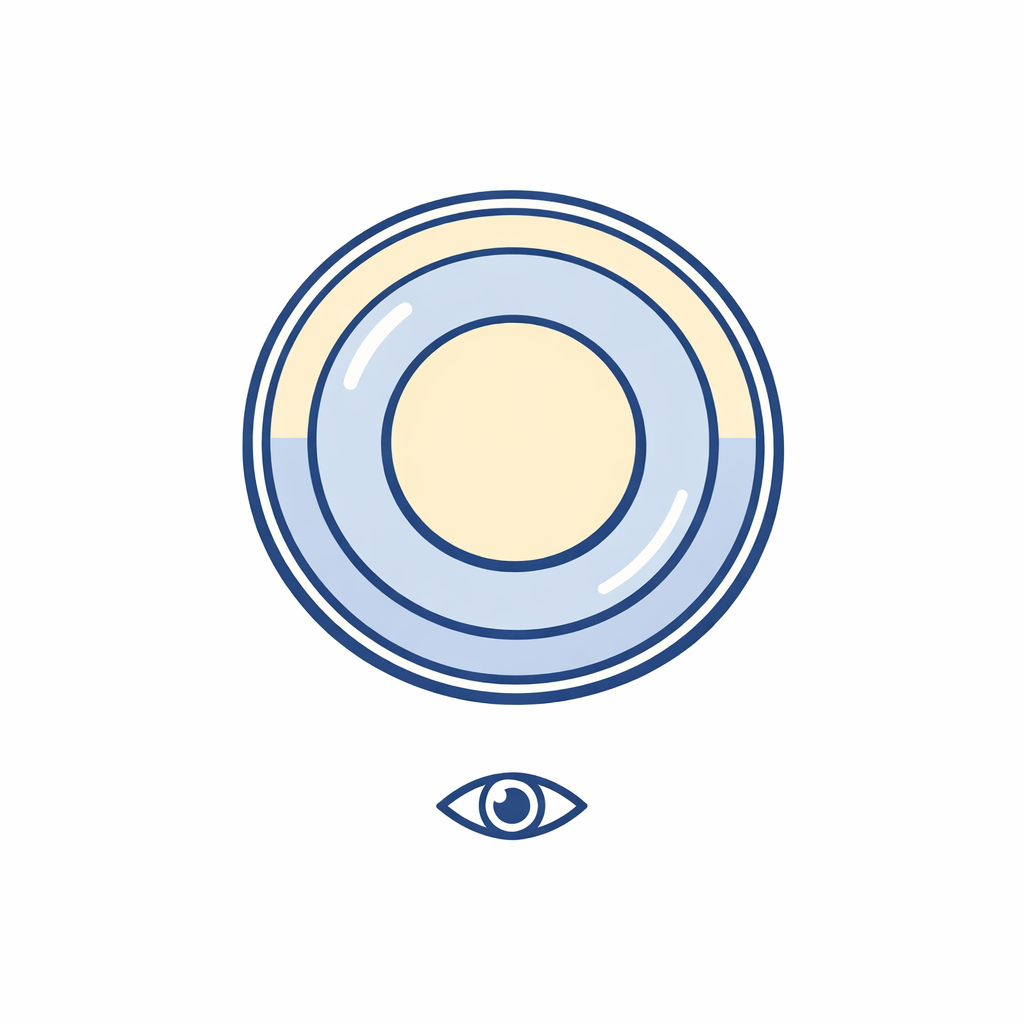
If you’re finding that menus, texts, and close-up work are getting harder even though distance vision seems fine, you may be dealing with presbyopia. The National Eye Institute’s presbyopia overview explains why near focusing changes with age and why your solution may involve more than “stronger” distance power.
Multifocal contact lenses are one common approach, and some people also try monovision (one eye optimized for distance, the other for near). If you also wear progressives or multifocal progressive glasses, talk through when you want your “best near” versus “best distance” moments to be.
Single-vision contacts (distance or near)
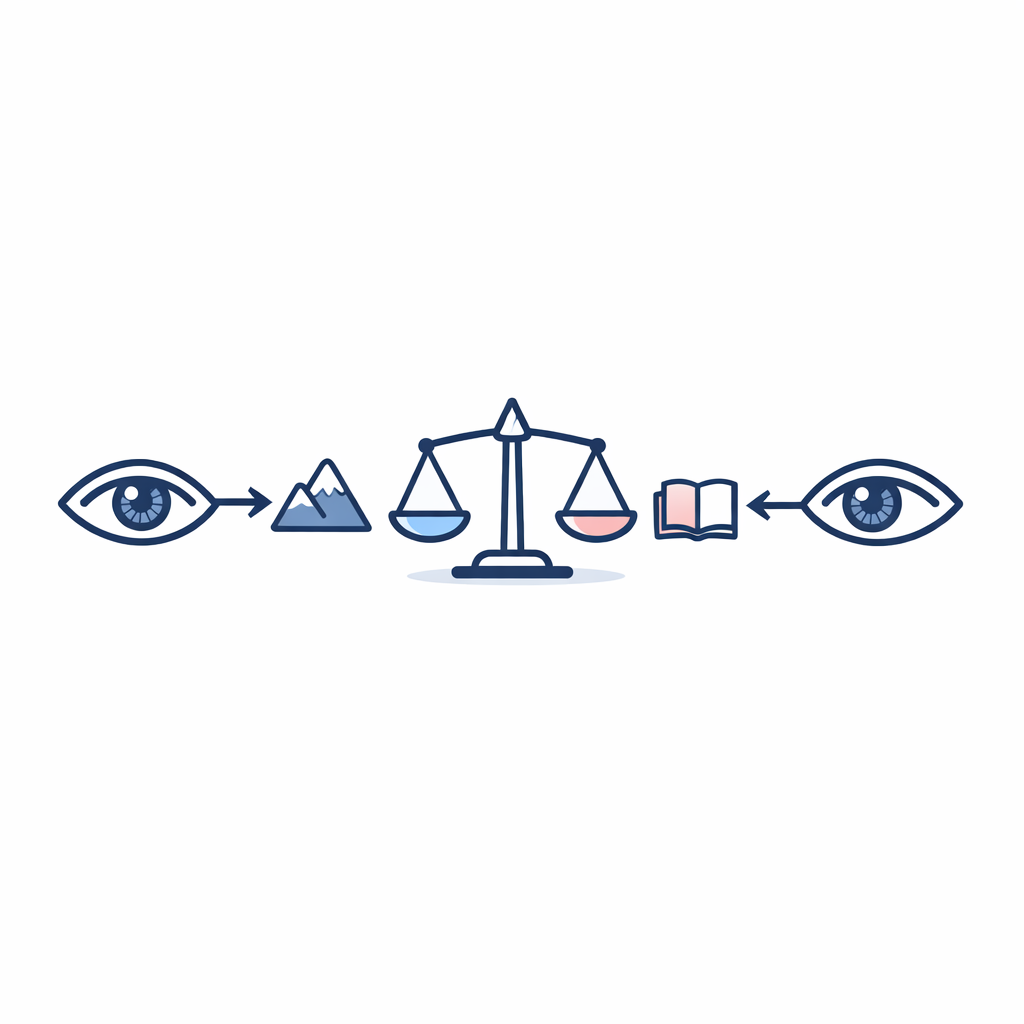
Single-vision contacts correct one primary focal range, usually distance. They can be an excellent match if your main goal is sharper distance vision for driving, sports, and everyday clarity, and you’re comfortable using reading glasses when needed.
If you’re balancing contacts and glasses, many people keep both in rotation: contacts for activity and convenience, glasses for long screen sessions or nights at home.
Colored contact lenses: what’s possible (and what to avoid)
Colored contact lenses can be subtle (enhancing your natural color) or dramatic (opaque colors or costume styles). Search terms vary, from “colored contacts” and “colour contacts” to “contacts coloured,” but the safety rules do not change based on spelling.
In the U.S., the FDA warns that decorative contact lenses still require a prescription and proper fitting, even if you don’t need vision correction. That includes non prescription colored contacts, halloween eye contacts, and any “fashion” lenses marketed as cosmetic-only.
If you want prescription colored contacts (including popular lines like Air Optix Colors), ask your prescriber what parameters are available for your exact correction. Not every color line comes in every power, and options can be more limited for higher prescriptions or astigmatism.
How to choose the right contact lenses (a practical framework)
Step 1: Know your goal, not just your prescription
Your prescription tells you what correction you need, but your lifestyle determines what will feel best day to day. Before you compare boxes, write down your top priority: comfort, sharp vision, fewer steps, dryness relief, sports performance, travel convenience, or budget.
This matters because the “best” lens is the one you’ll wear correctly and consistently. The fanciest features don’t help if the lens ends up bothering you at 3 p.m.
Step 2: Decide on daily vs monthly based on habits

When people get stuck choosing between daily vs monthly contacts, it’s usually not about optics. It’s about routine. If you value simplicity, dislike cleaning, or frequently sleep away from home, daily disposables remove friction.
If you’re disciplined about cleaning and replacement dates, bi-weekly or monthly lenses can be a strong value. If you’re realistically inconsistent, daily lenses can be a “behavior-friendly” upgrade.
Step 3: Match the lens type to your eyes (dryness, allergies, sensitivity)
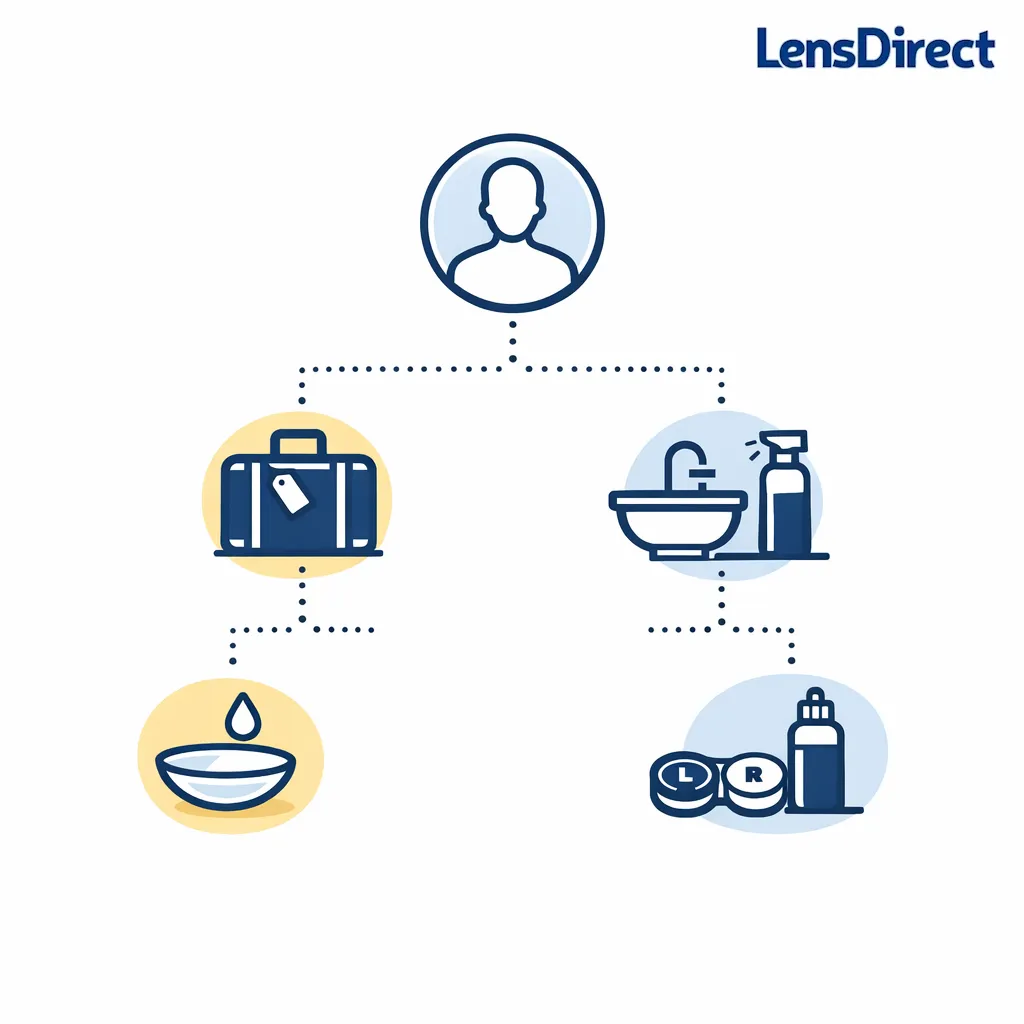
If your eyes feel dry, it’s tempting to chase random “most breathable” claims online. Instead, explain the pattern to your eye doctor: when it starts, what environments trigger it (screens, airplanes, heat, wind), and whether rewetting drops help.
Sometimes the fix is a different lens material or schedule. Sometimes it’s changing care products, improving wear habits, or updating your glasses for heavy computer days so you can give your eyes a break.
Step 4: Be precise about astigmatism and multifocal needs

If you have astigmatism, treat contacts for astigmatism as a dedicated category, not a “maybe.” Wearing a non-toric lens when you need toric correction can lead to inconsistent clarity and eye fatigue.
If you need near and far correction, expect a short adaptation period with multifocals or monovision. The goal is functional vision across your real life: phone use, driving, meetings, and low-light situations.
Step 5: Ask for trials and evaluate them like a tester
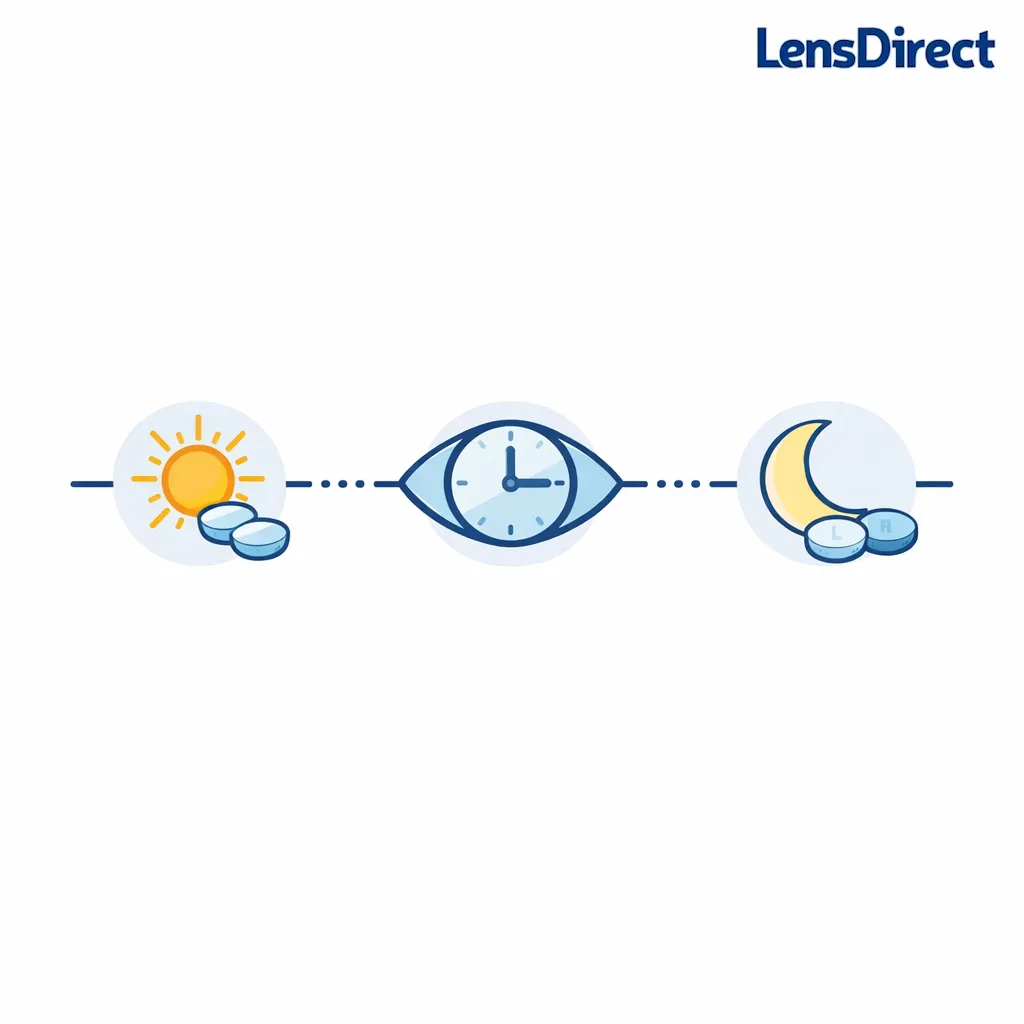
When you trial lenses, pay attention to specific moments, not just “they feel okay.” Note how they feel after 8–12 hours, whether vision fluctuates, how they behave in dry air, and whether comfort changes when you blink or look around.
Bring that feedback to your prescriber. Small tweaks in brand, parameters, or schedule can make a noticeable difference.
Buying contact lenses online: how to do it safely and smoothly
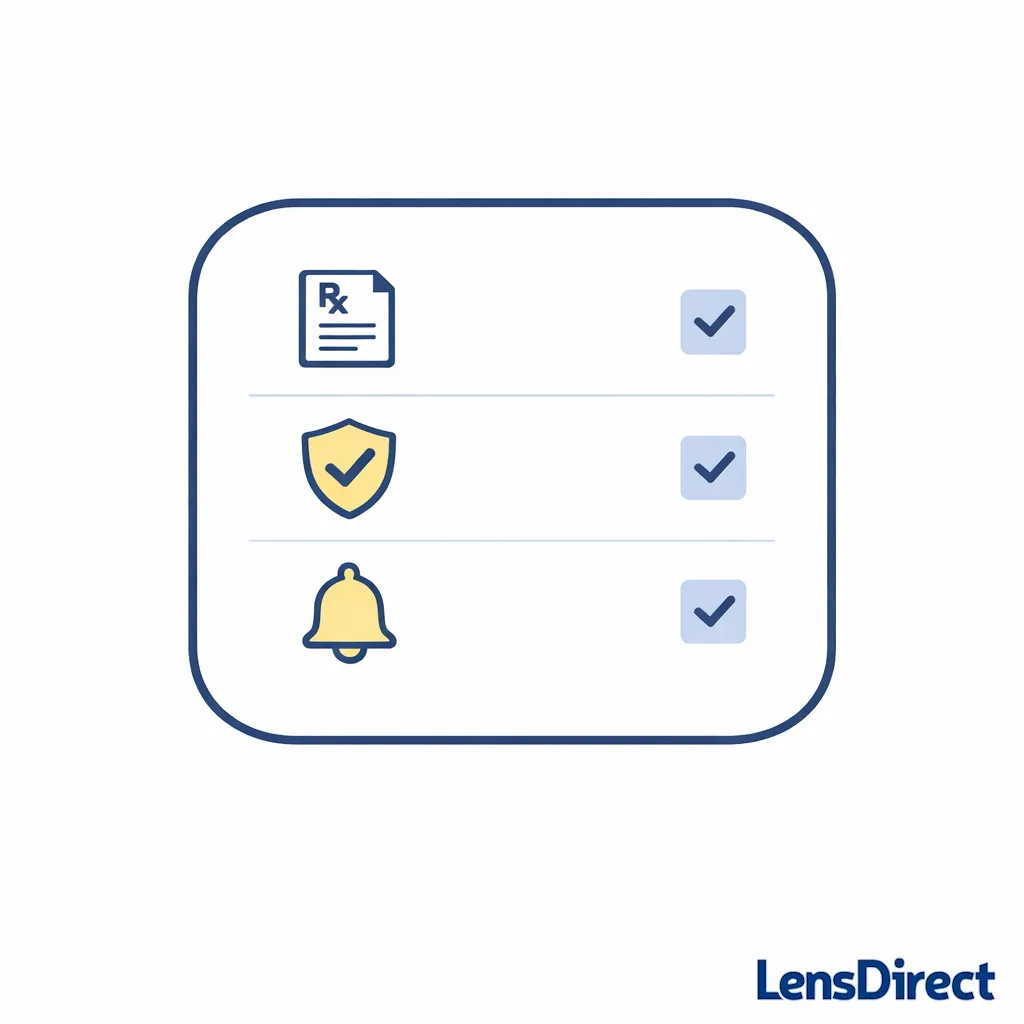
Online ordering is great for value and convenience, especially when you already know what works for you. The key is to buy using your exact prescription details and reorder before you run out, so you don’t feel tempted to stretch lenses longer than intended.
What changed / what’s new (and what it means for shoppers)
Over the past few years, regulators have put more emphasis on making the prescription process transparent and standardized for patients. Updates and enforcement around the FTC’s Contact Lens Rule have reinforced that shoppers should be able to obtain their prescription and use it to shop, while still keeping safety checks in place.
At the same time, public-facing safety messaging has gotten louder about risky shortcuts, especially around decorative lenses and poor hygiene. If you’re returning to contacts after a break, treat today’s guidance as a refresh, not a repeat of “what you remember from years ago.”
Common mistakes and misconceptions (that cost comfort and clarity)
“If it’s plano, it’s not medical” (wrong)
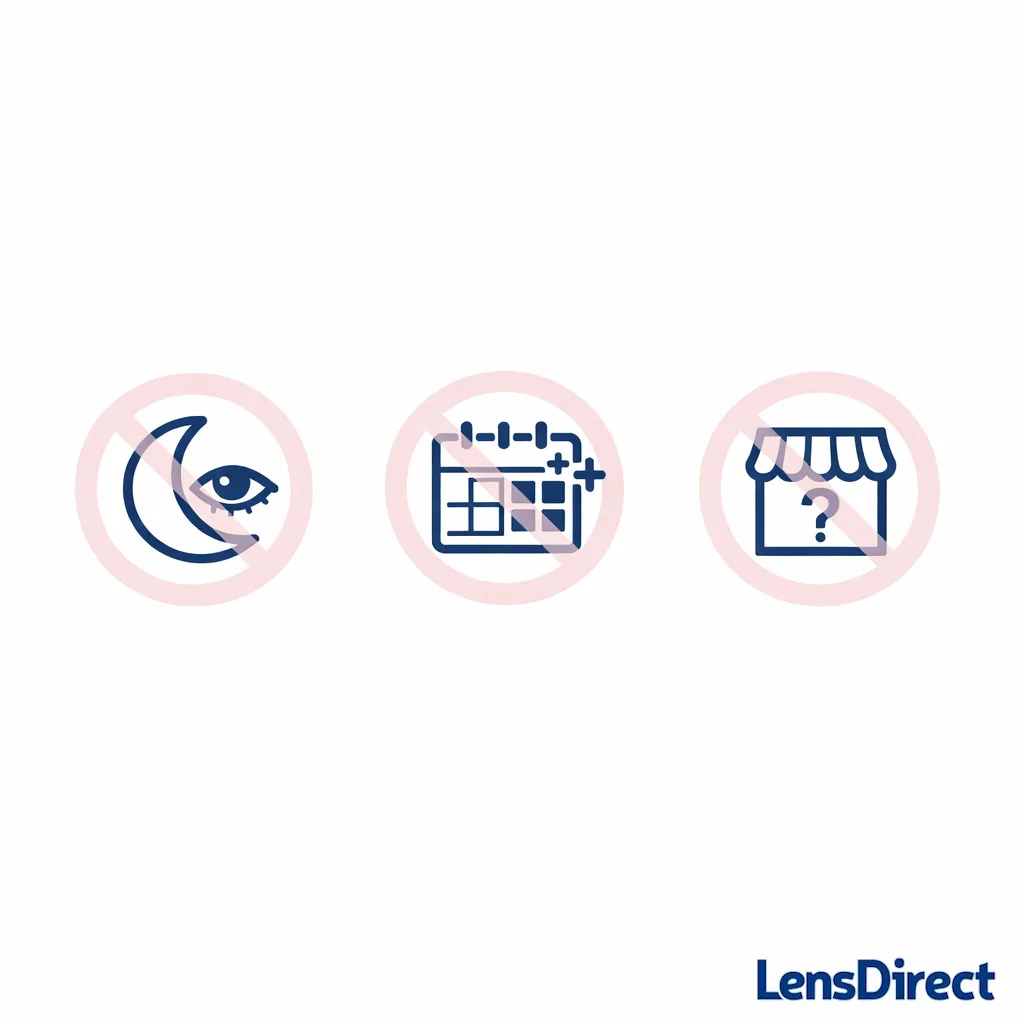
Even lenses with no vision correction can cause harm if they don’t fit well or are handled poorly. That’s why the FDA’s decorative contact lens guidance treats cosmetic lenses like any other contact lens: prescription, proper fit, and reputable sellers matter.
If you’re looking for colored contacts near a holiday, avoid pop-up kiosks and unverified marketplaces. Convenience is not worth a preventable eye problem.
“I can stretch them a few extra days” (usually a comfort trap)
When people “extend” wear schedules, the first thing they often notice is comfort slipping and deposits building up. Staying aligned with CDC contact lens wear and care guidance is a simple way to reduce avoidable irritation and keep wearing experiences predictable.
If you frequently run out, consider switching schedules (for example, to daily disposables) or setting reorder reminders so you’re not forced into bad choices.
“Any lens with the same power is interchangeable” (not how fittings work)
Two lenses can share the same power and still feel different on your eye because of design and fit. Treat brand and model as part of your prescription “recipe,” not optional preferences.
If you want to switch brands for comfort or cost, do it through a fitting conversation so you’re comparing like with like.
Quick comparison: which lens type tends to fit which lifestyle?
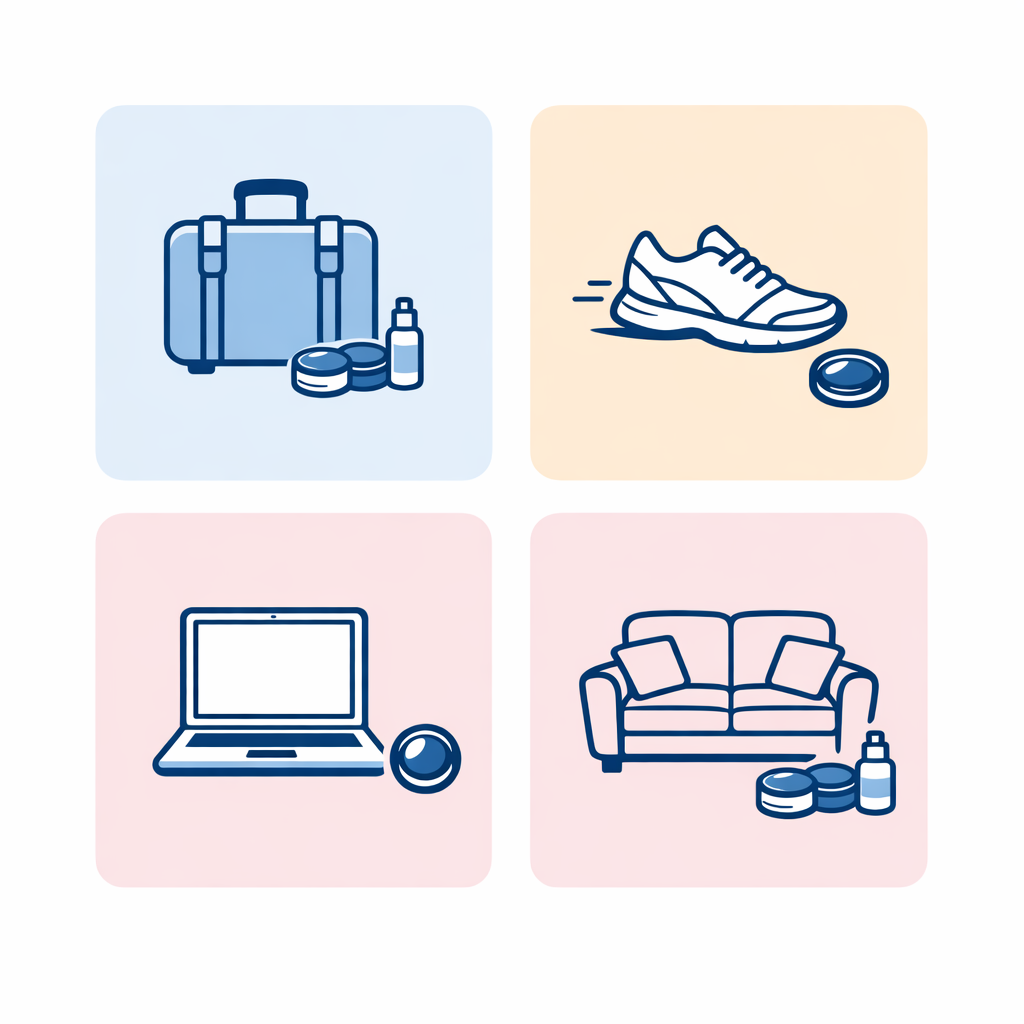
- If you travel a lot: Daily disposables often feel simpler because you pack fewer supplies and don’t need a case.
- If you’re budget-driven and consistent: Monthly lenses can be a strong value when you follow care and replacement schedules.
- If you have astigmatism: Start your search with toric lenses for astigmatism and evaluate rotational stability as part of your trial.
- If you need near + far: Ask about multifocal contact lenses, and keep a realistic adaptation window.
- If you want a new look: Choose prescription colored contact lenses from reputable sellers and get fitted properly.
What to do next (checklist)
- Book an eye exam and contact lens fitting if you’re new to contacts, switching designs, or your comfort has changed.
- Ask for trial lenses in the schedule you’re considering (daily vs monthly) so you can compare in real life.
- Write down your top 3 priorities (comfort, convenience, sharpness, dryness relief, budget) before you shop.
- Confirm whether you need toric or multifocal correction so you don’t waste time on mismatched options.
- Commit to a care routine that matches your schedule and personality, not your best intentions.
- Buy from reputable retailers that require a valid prescription and follow verification rules.
- Reorder early so you never feel tempted to stretch lenses past their intended replacement timing.
Shop and compare with LensDirect (pick what fits your life)
If you’re ready to upgrade comfort, simplify travel, or finally dial in the right lens type, keep the goal practical: get the best vision with the least daily friction. LensDirect is a helpful option when you want the convenience of online ordering while sticking to your prescribed lens details.
- Shop Contacts if you already know your brand and prescription and want an easy reorder.
- Compare Options if you’re deciding between daily disposables and monthly lenses, or weighing toric vs multifocal choices.
- Find Your Fit if you’re switching brands and want to narrow down options before your next fitting conversation.
- Browse Best Sellers if you want a quick starting point and plan to confirm specifics against your prescription.
- Shop Glasses if you want a strong backup pair for screen-heavy days, travel, or giving your eyes a break.
- Replace Your Lenses if your frames still look great but your prescription or lens needs have changed.
- Learn More if you’re exploring colored contact lenses, contacts for astigmatism, or multifocal contacts and want to shop with confidence.
Author

Subscribe to our email newsletter to get the latest posts delivered right to your email.