
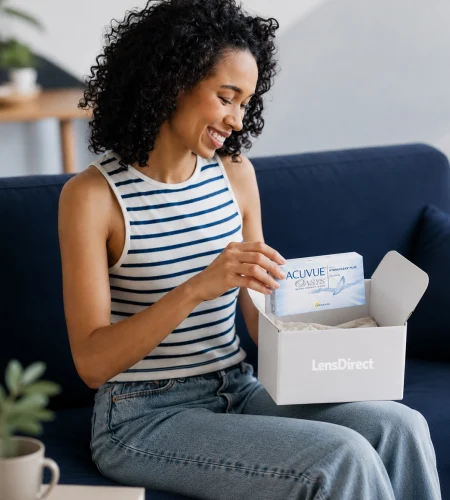
Running out of contacts rarely happens on a calm day. It is usually the week you travel, your prescription is about to expire, or you realize your last box only has a few lenses left.
This guide is for anyone who buys contacts online and wants more convenience without overbuying. You will learn how contact lens subscriptions (auto-ship) work, how to set a realistic reorder schedule for dailies or monthlies, how rebates and FSA/HSA spending fit in, and a simple system to avoid emergency reorders.
How contact lens auto-ship and subscriptions work
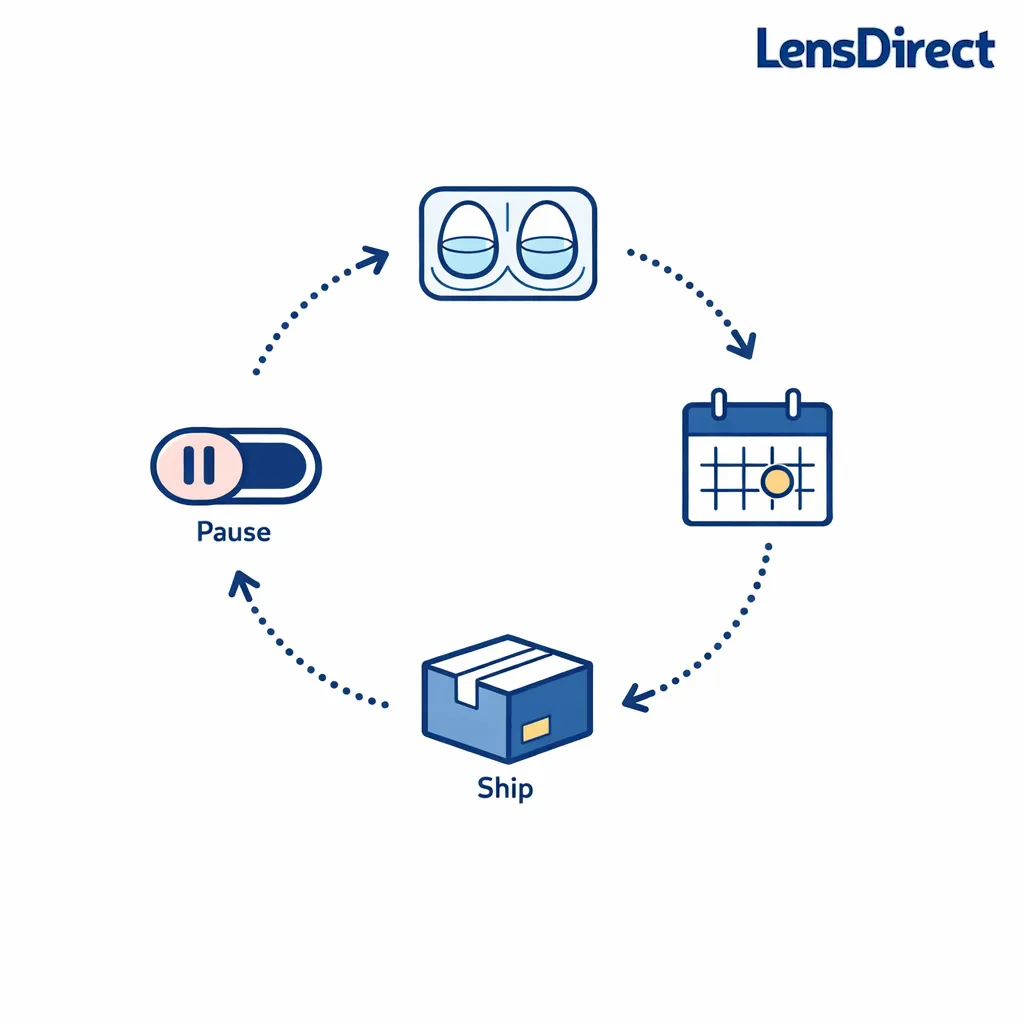
A contact lens subscription (also called contact lens auto ship or recurring contact lens delivery) is a recurring order that ships on a schedule you choose. Instead of remembering to reorder, you set the cadence once and adjust it when your routine changes.
Most programs follow the same core flow: you choose your brand and prescription details, select how many boxes you want per shipment, and pick a ship frequency. You can typically pause, skip, change the ship date, or cancel if your needs change.
What you are really “subscribing” to
You are not subscribing to a medical treatment. You are scheduling repeat purchases of a regulated product that still requires a valid prescription, because contact lenses are regulated medical devices.
That is why even the best auto-ship setup still needs one thing to work smoothly: your prescription has to be current when the seller processes each order.
Auto-ship vs. “reorder reminders”
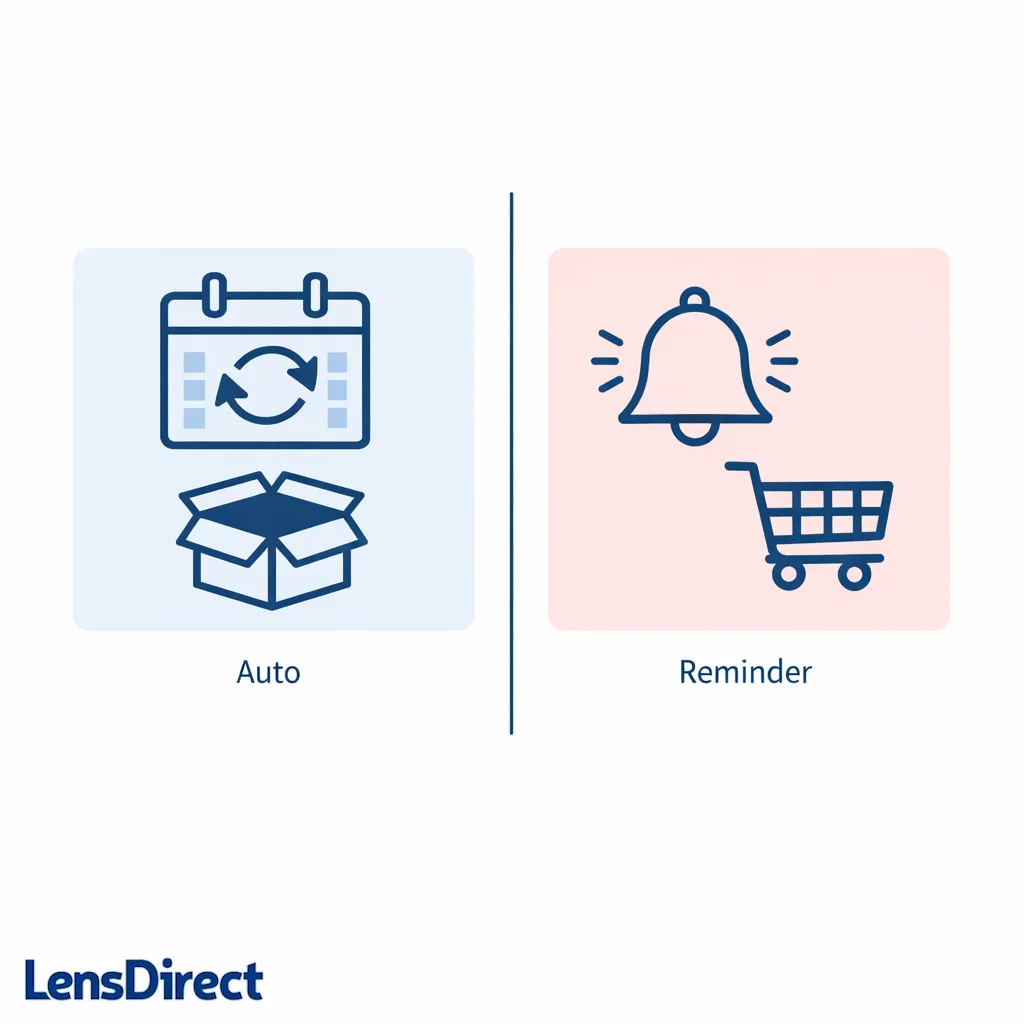
Some shoppers prefer reminders instead of automatic billing. Reminders can be a good fit if your wear time varies a lot, if you switch between glasses and contacts frequently, or if you like to wait for a promotion before purchasing.
Auto-ship tends to work best when your usage is steady and you want to reduce decision fatigue. If “never run out of contacts” is your main goal, auto-ship is often the simplest way to get there.
Why subscriptions still require a valid prescription
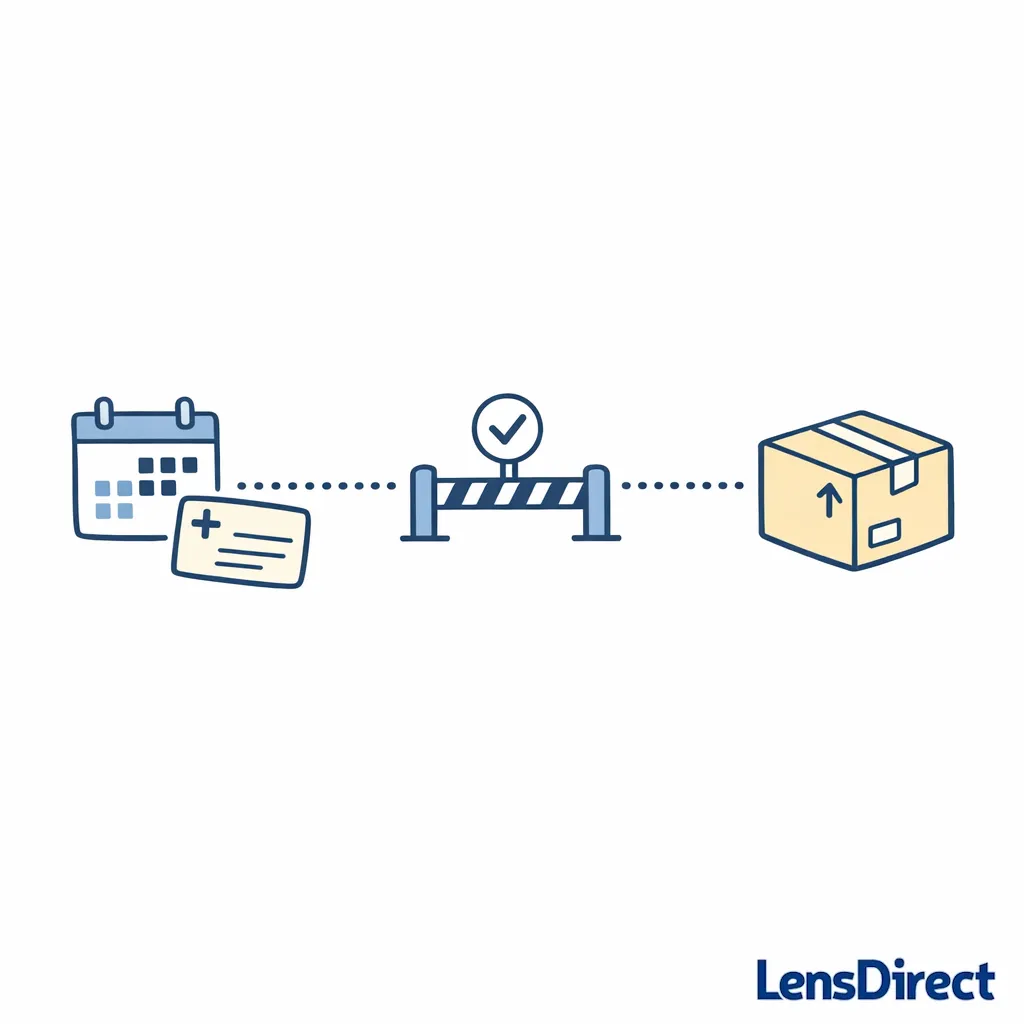
In the U.S., sellers cannot legally ship contacts without a valid prescription, and there are rules for how prescriptions are released and verified. The Federal Trade Commission explains these requirements in Complying with the Contact Lens Rule.
Practically, this means your recurring contact lens delivery may pause if your prescription expires, if the prescription details do not match what is on file, or if verification cannot be completed in time. Planning for that possibility is a key part of avoiding last-minute gaps.
What this means for your reorder schedule
If your auto-ship is set to arrive “right when you hit zero,” you have no buffer for prescription verification delays, shipping delays, or travel. A better approach is to build a small safety margin so you always have a backup pair or two before your next shipment.
Also, if you are switching brands or changing your prescription, it is smart to pause auto-ship until your new prescription and brand choice are confirmed by your eye care professional.
How often to reorder contacts (daily vs. monthly timing)
The cheapest way to buy contacts online is not always the lowest per-box price. It is the plan that matches how you actually wear lenses, avoids rushed shipping, and prevents waste from over-ordering.
Start by turning your “boxes” into “days of wear.” Once you can translate box counts into real calendar time, picking a contact lens reorder schedule becomes straightforward.
Step 1: Calculate your real usage
Ask two quick questions: Do you wear contacts every day, and do you wear them in both eyes? If you wear contacts 5 days a week instead of 7, your supply lasts about 40% longer than “everyday wear” math.
Also account for any regular “glasses days,” sports-only wear, or days you skip lenses due to irritation. (If irritation is frequent, follow safe wear guidance and speak with your eye doctor; the CDC’s contact lens wear and care guidance is a good baseline reference.)
Step 2: Translate box sizes into days
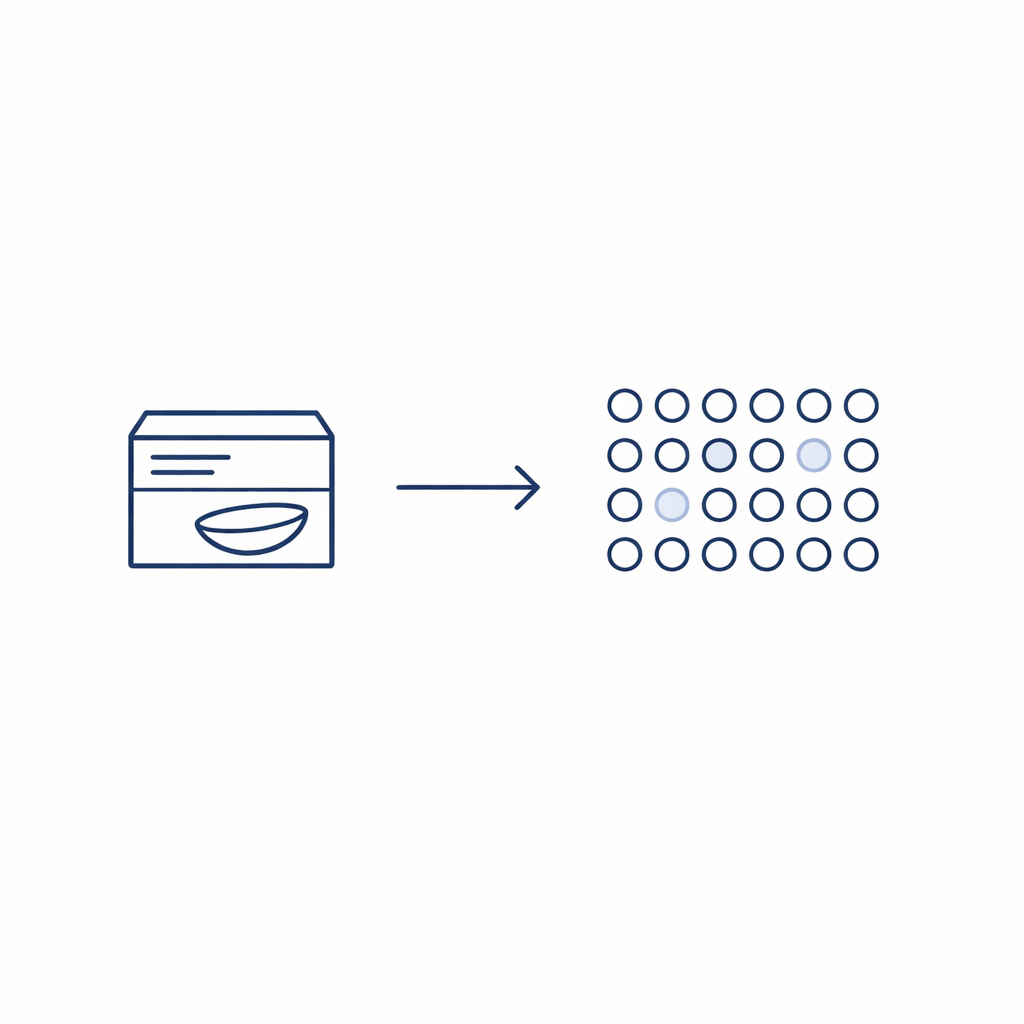
For daily disposables, a “30-count” box means 30 lenses for one eye. If you wear lenses in both eyes daily, that is 15 days of wear per 30-count box (because you use two lenses per day).
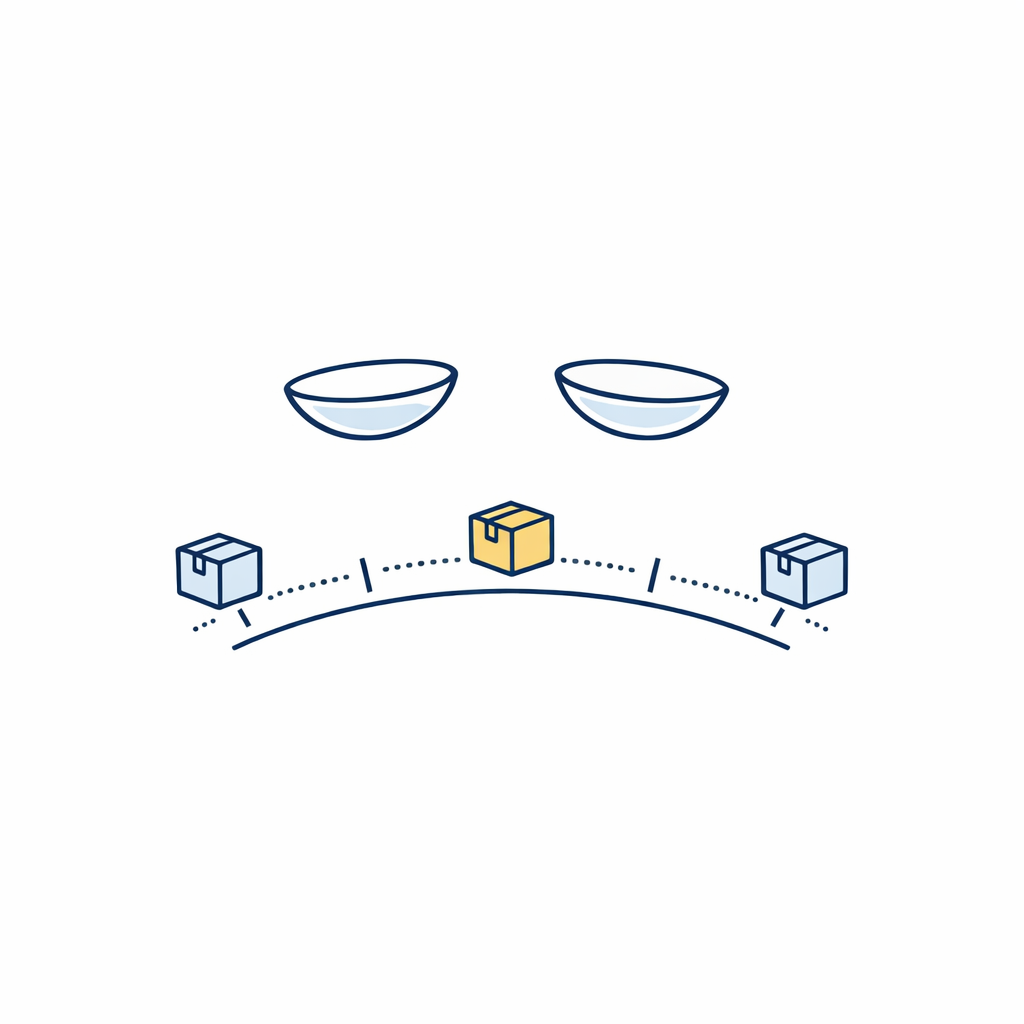
For monthly lenses, a single lens is intended to be replaced on the schedule prescribed for that product. If you wear monthlies in both eyes and replace monthly, you use two lenses per month, so a 6-pack per eye can cover about six months per eye when used as directed.
Step 3: Choose a buffer that prevents emergencies
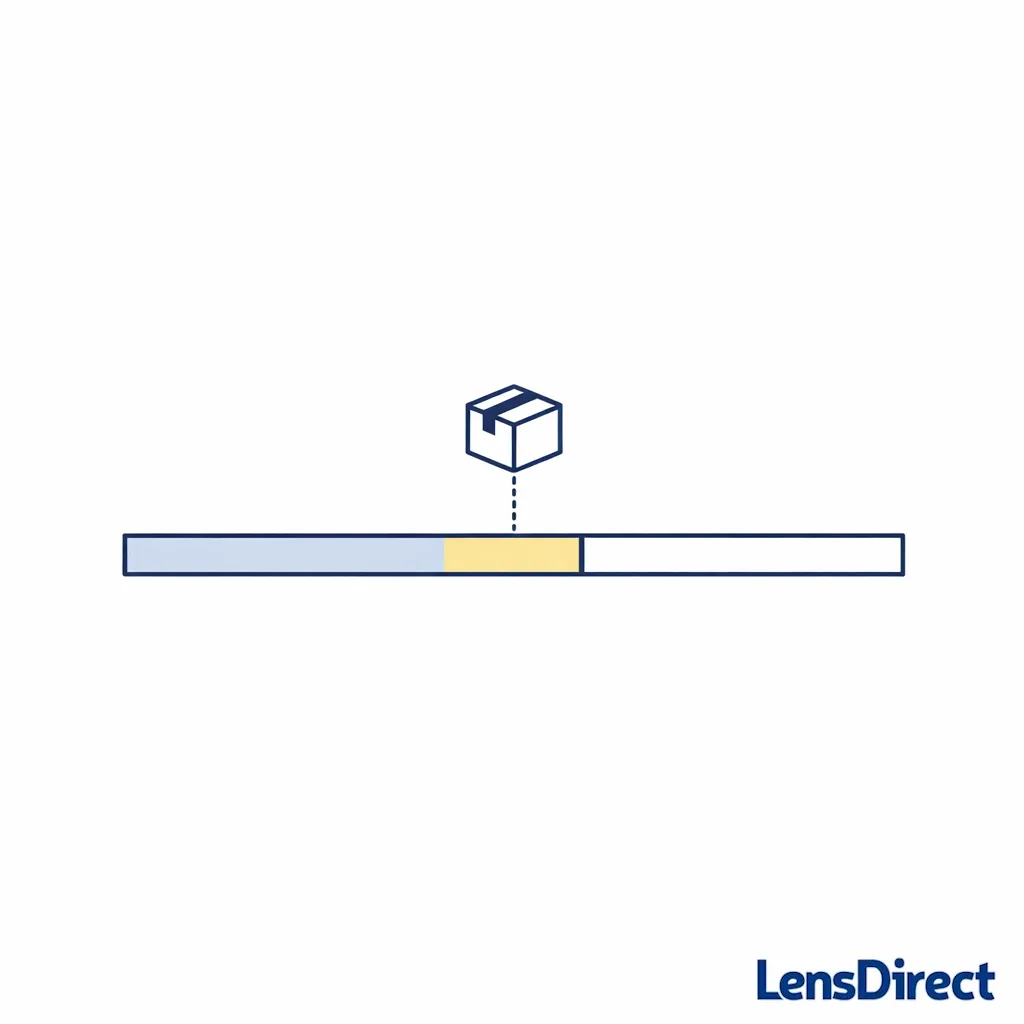
A practical target is to have at least 1 to 2 weeks of “real wear” left when your next shipment arrives. That cushion helps if you travel, if a package arrives late, or if you need time to schedule an eye exam before your prescription expires.
Do not build your buffer by stretching lens use beyond what your eye care professional recommends. The CDC emphasizes safe practices like proper replacement and hygiene in its contact lens safety recommendations.
Common auto-ship schedules that feel natural
- Daily disposables (steady wear): Ship every 1 to 3 months, depending on how many boxes you order per shipment and how often you wear them.
- Monthlies: Ship every 3 or 6 months so you always have enough lenses and solution on hand without piling up too much inventory.
- Mixed wear (contacts some days, glasses others): Use reminders or a longer auto-ship interval, and reassess after your first shipment based on what you actually used.
When contact lens subscriptions can save money (and when they do not)
Subscriptions can save money in three main ways: fewer last-minute purchases, fewer shipping fees, and less wasted supply from forgetting what you already have. Some programs also offer subscriber pricing, but the real win is usually consistency and fewer “oops” reorders.
They do not save money if they cause you to over-order, if you keep auto-shipping after your prescription changes, or if you miss out on using eligible tax-advantaged funds.
Subscriptions are best when your prescription and brand are stable
If your prescription is stable and you like your current lenses, auto-ship is a low-effort way to stay stocked. If you are trialing a new brand or changing from dailies to monthlies, it is usually smarter to buy a smaller amount first and only set up recurring delivery once you are confident.
Remember that contact lenses are medical devices, and proper fit matters; the FDA’s overview of contact lenses as regulated devices is a helpful reminder that “one brand fits all” is not the right mindset.
Rebates and promotions: treat them as a bonus, not your plan
Many shoppers search for contact lens rebates (for example, brand-name rebates like “ACUVUE rebate” or “Alcon rebate”) to reduce the out-of-pocket cost. If you pursue rebates, read the terms carefully, save any required documentation, and set a calendar reminder for submission and follow-up.
The key subscription strategy is simple: set your auto-ship cadence based on wear, then layer in rebates or promotions when they are available, rather than forcing your supply to match a promotional timeline.
FSA/HSA contacts: how to use pre-tax funds with auto-ship
If you have an FSA or HSA, contact lenses may be an eligible expense, which can change what “cheapest online contacts” means for you. The IRS includes contact lenses as a qualified medical expense in its guidance on medical and dental expenses.
HSAs and many FSAs can be used to pay for qualified medical expenses, and the IRS explains the basics in Publication 969 (HSAs and other tax-favored health plans). Your plan rules and payment process vary, but the tax advantage can be significant if you are comparing where and when to buy.
Practical tips for auto-ship + reimbursement
- Keep your receipts and order confirmations: Save them in one folder so reimbursement is easy at year-end or when you submit a claim.
- Align shipment timing with your plan year: If you have an FSA with a use-it-or-lose-it deadline, schedule orders early enough to avoid shipping delays.
- Do not assume every related item is eligible: Eligibility can depend on the item and your plan’s rules, so use your plan portal guidance as your final check.
If you want a simple walkthrough for using benefits with eyewear purchases, LensDirect has a guide to learn how to get reimbursed by your insurance.
How to avoid running out of contacts: a simple system
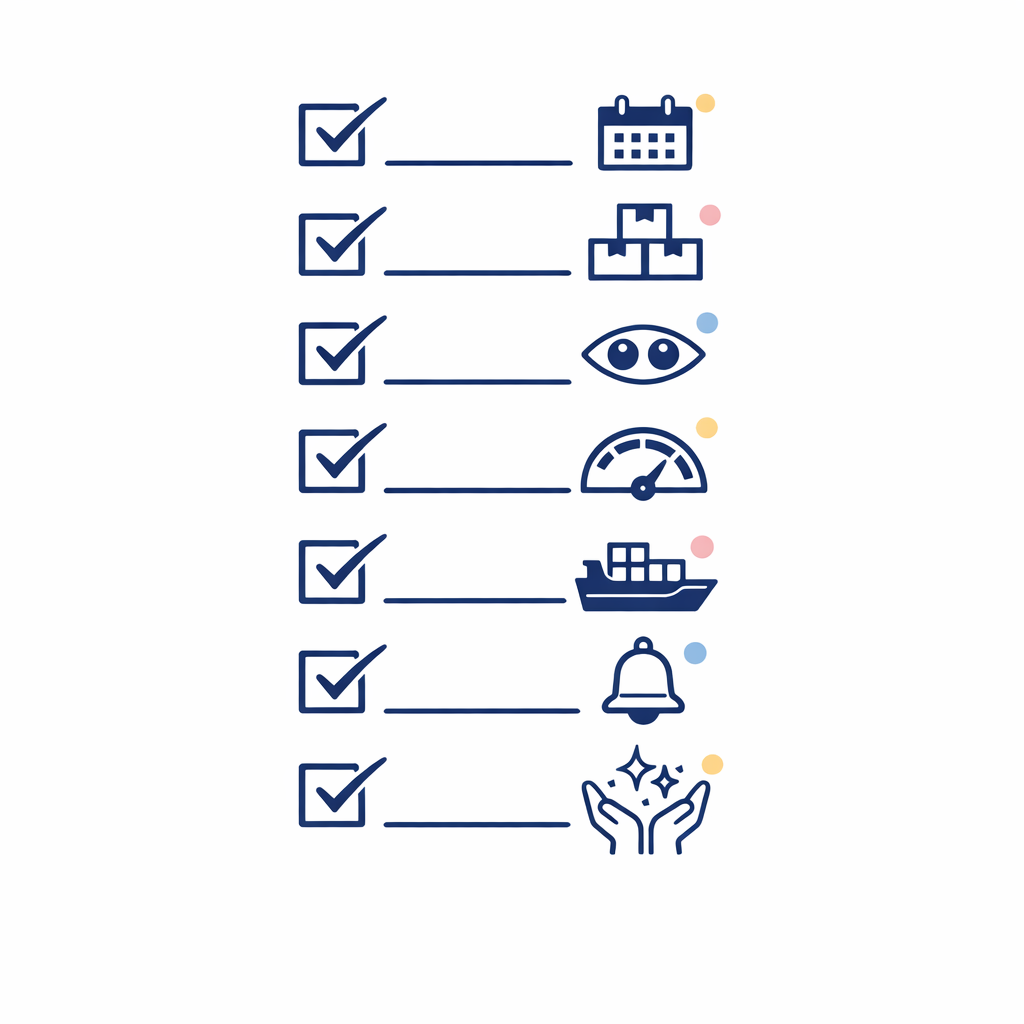
The best reorder schedule is one you can keep even when life gets busy. Use the system below once, then adjust after your first shipment based on what you actually used.
The 7-step “never run out” checklist
- Check your prescription expiration date: If it is coming up soon, schedule your exam now so your next orders do not get stuck in verification.
- Count what you have today: Include opened boxes, travel packs, and any backup lenses in a case.
- Estimate your weekly wear: How many days per week do you wear contacts, and is it both eyes?
- Set a buffer target: Aim for 1 to 2 weeks of real wear remaining when your next shipment arrives.
- Pick your shipment size first, then your interval: It is easier to choose “how many boxes per shipment” and then set a calendar frequency that fits that quantity.
- Add a calendar reminder 2 weeks before each ship date: Use it to confirm your address, travel schedule, and remaining supply.
- Follow safe wear and replacement habits: Do not stretch use; the CDC’s contact lens hygiene guidance is worth reviewing if you have discomfort or frequent dryness.
Common mistakes and misconceptions
“Auto-ship means I do not need to think about prescriptions.”
Auto-ship reduces reordering work, but it does not remove prescription requirements. The FTC explains verification and prescription release requirements under the Contact Lens Rule, and those rules still apply to recurring orders.
“Ordering more is always cheaper.”
Buying in bulk can reduce per-order shipping and make reordering less frequent, but it can also lead to unused inventory if your prescription changes or you switch brands. A smaller, well-timed recurring order can be more cost-effective than a large stockpile that you do not finish.
“I can fix shortages by wearing lenses longer.”
Stretching replacement schedules is a risky way to solve a logistics problem. If you are ever tempted to do it, treat that as a sign your reorder schedule needs a bigger buffer, and review the CDC’s safe wear recommendations.
“Rebates will cover the difference no matter what.”
Rebates can help, but they are not guaranteed savings unless you follow the terms and submit on time. Build your budget around the price you pay at checkout, then treat any rebate as a bonus reduction after the fact.
What’s new in modern auto-ship programs (what to look for now)
Auto-ship used to be “set it and forget it,” which sounds good until your life changes. Today, the best contact lens subscription setups are designed to be adjustable, because real wear patterns are not perfectly predictable.
When comparing recurring contact lens delivery options, prioritize flexibility over gimmicks. You want a system that works when you travel, switch to more glasses days, or need to move your shipment around an eye exam.
Features that reduce stress
- Easy skip or pause controls: So you do not accumulate extra boxes if you wear contacts less for a month.
- Clear shipment and billing notifications: So you can update your address, confirm quantities, or plan travel supply.
- Simple access to order history and receipts: Helpful for budgeting, reimbursements, and keeping track of what you really used.
- Prescription-friendly ordering: A smooth way to provide your prescriber details so verification can happen without surprises, consistent with the FTC’s guidance on compliant contact lens sales.
What to do next
If you want to set up auto-ship once and stop thinking about it, use this quick action list. You can do the whole thing in 10 minutes, and it prevents most “I’m down to my last pair” moments.
- Pick your goal: Lowest stress (auto-ship) or maximum flexibility (reorder reminders).
- Choose a buffer: 1 to 2 weeks of real wear before the next shipment arrives.
- Set your shipment size: Enough to cover your interval plus buffer, without creating a huge stockpile.
- Add a prescription reminder: Put a calendar event 30 days before your prescription expires so your next order does not get delayed.
- Plan for travel: If you have a trip coming up, move your ship date earlier instead of packing “just enough.”
- Save receipts for benefits: If you use an HSA or FSA, keep documentation; the IRS details qualified expenses in Publication 502 and plan types in Publication 969.
Shop contacts, glasses, and lens replacement with LensDirect
If you are ready to set up a smoother reorder rhythm, you can Shop Contacts and build a schedule that matches how you actually wear lenses. If you are mixing in glasses days more often, you can also Shop Glasses or Shop Sunglasses for driving glare, sports, and outdoor time.
If your frames fit well but your prescription changed, you can Replace Your Lenses instead of starting over with new frames, using either Full-Service Replacement (send-it-in option) or Order Replacement Lenses (DIY option). For fit help and accurate ordering details, use Find Your Fit and Learn How to Measure Your Pupillary Distance.
Author

Subscribe to our email newsletter to get the latest posts delivered right to your email.