

Camping weekends, multi-day festivals, and “no real bathroom” travel are exactly when contacts feel most convenient and most annoying. You want clear vision without hauling frames around, but you also do not want to gamble with irritated eyes or a lost lens in a dusty porta-potty line.
This guide is for contact lens wearers who travel light and buy eyewear online, and who want a routine that is simple, repeatable, and safety-aware. You’ll learn how to plan your lens type, build a compact packing list, handle contacts when there’s no sink, and avoid the most common travel mistakes.
Why contact hygiene matters more on the road
When you travel, your eyes face more “extras”: sweat, sunscreen, dust, smoke, wind, and long days that make it tempting to cut corners. Contacts also involve direct handling of a product that sits on your eye, which is why the FDA describes contact lenses as medical devices and emphasizes following professional and label instructions.
The goal is not perfection. It is consistency: clean hands, correct wear schedule, correct cleaning and storage (if you use reusables), and a plan for times when you truly cannot wash up.
What’s new (and what hasn’t changed) for 2026 travel
The fundamentals of safe contact lens wear have not changed: clean hands before handling lenses, follow your replacement schedule, and do not improvise with water or “whatever is around.” The difference for most travelers in 2026 is that it is easier than ever to build a sink-free kit that still supports proper hygiene, especially if you plan for it before you leave.
One practical update that affects almost everyone flying with contacts is carry-on liquids sizing. Under the TSA liquids rule, most liquids in carry-on bags must be in 3.4 oz (100 mL) containers, which can influence what size saline, multipurpose solution, and rewetting drops you pack.
Pick the easiest lens plan for your trip
Your “best contacts for travel” are the ones you can care for correctly in the environment you’re going into. If your trip includes limited clean surfaces, limited water, and late nights, the simplest option is often the option with the fewest steps.
Daily disposables (often the simplest for camping and festivals)
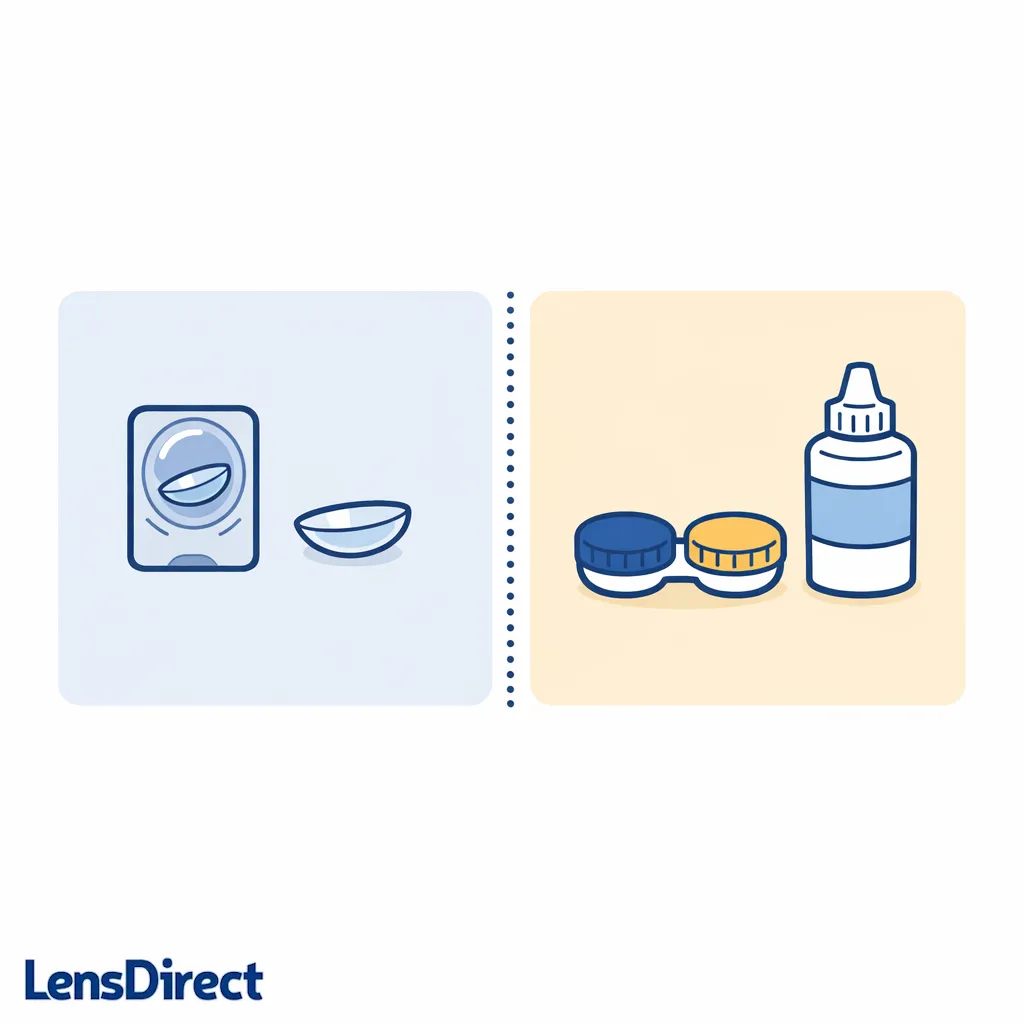
Daily disposables are designed to be worn once and discarded, which reduces what you need to carry and eliminates case cleaning. If you are curious whether switching to dailies for travel makes sense for your prescription and eyes, ask your eye doctor first and do a trial run at home so you are not experimenting mid-trip.
Two-week or monthly lenses (works well if you can commit to the routine)
Reusable lenses can be great for value, but only if you can reliably wash your hands, clean and disinfect lenses as directed, and keep a clean case routine. The CDC’s contact lens safety guidance stresses basics like washing and drying hands before handling lenses and following the schedule prescribed by your eye care provider, which gets harder when you are tired and traveling.
If you are unsure, bring glasses as your “backup plan”
Even if you love contacts, bring a pair of glasses for nights, mornings when you cannot wash up, smoky campfires, or a surprise eye irritation day. Travel is smoother when “I’ll just wear glasses today” is an option you can actually take.
The clean, simple routine (even when there’s no sink)
This is a practical routine you can repeat in a tent, a car, a hotel room, or a festival campground. The key idea is to create your own clean “micro-station” instead of hoping the environment cooperates.
Step 1: Set up a clean surface (your “micro-station”)
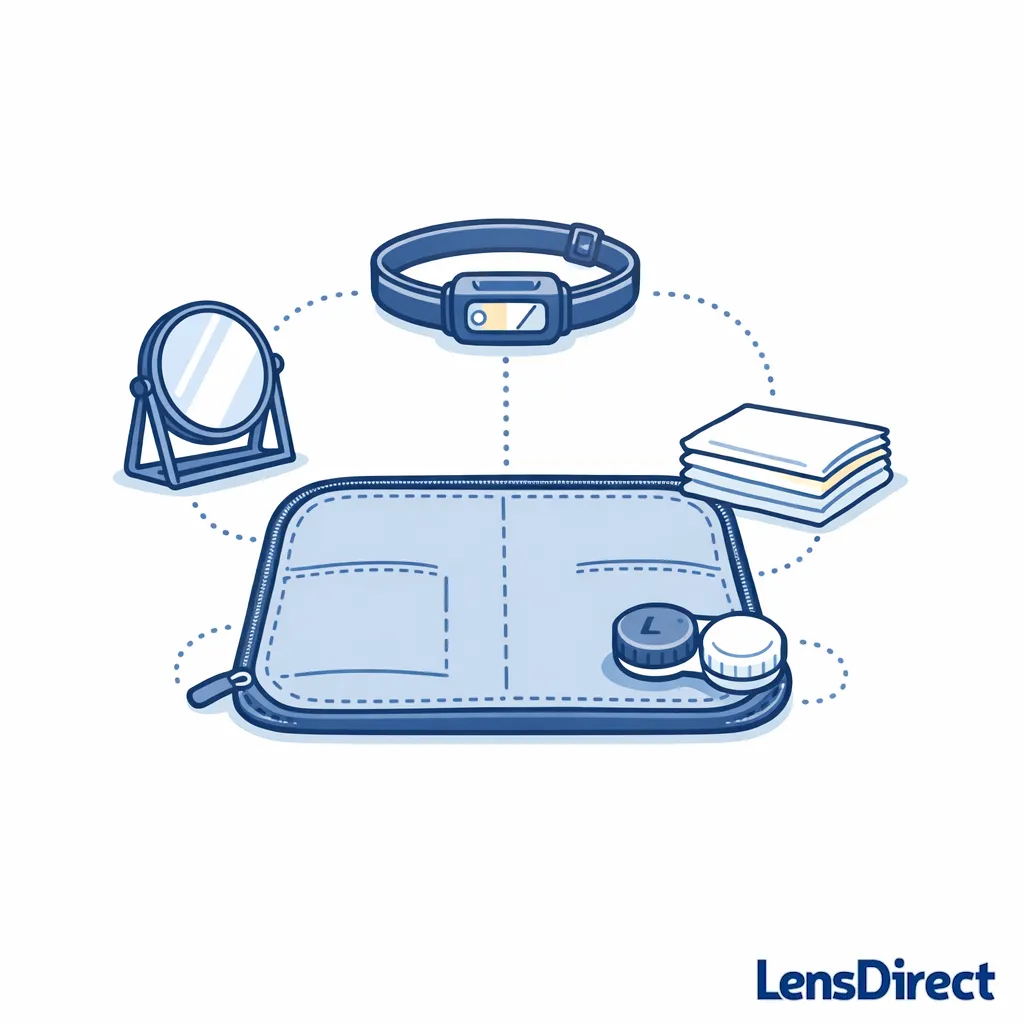
Pick one spot and make it your contact area. A zip pouch, a clean toiletry bag laid flat, or a fresh paper towel works better than a dusty cooler lid or a shared bathroom counter.
- Use a small mirror (standing mirror is ideal, but a compact works).
- Add a headlamp or phone light so you are not handling lenses in the dark.
- Keep tissues or a lint-free towel only for drying hands and catching a dropped lens.
Step 2: Hand hygiene (the part you should not “hack”)
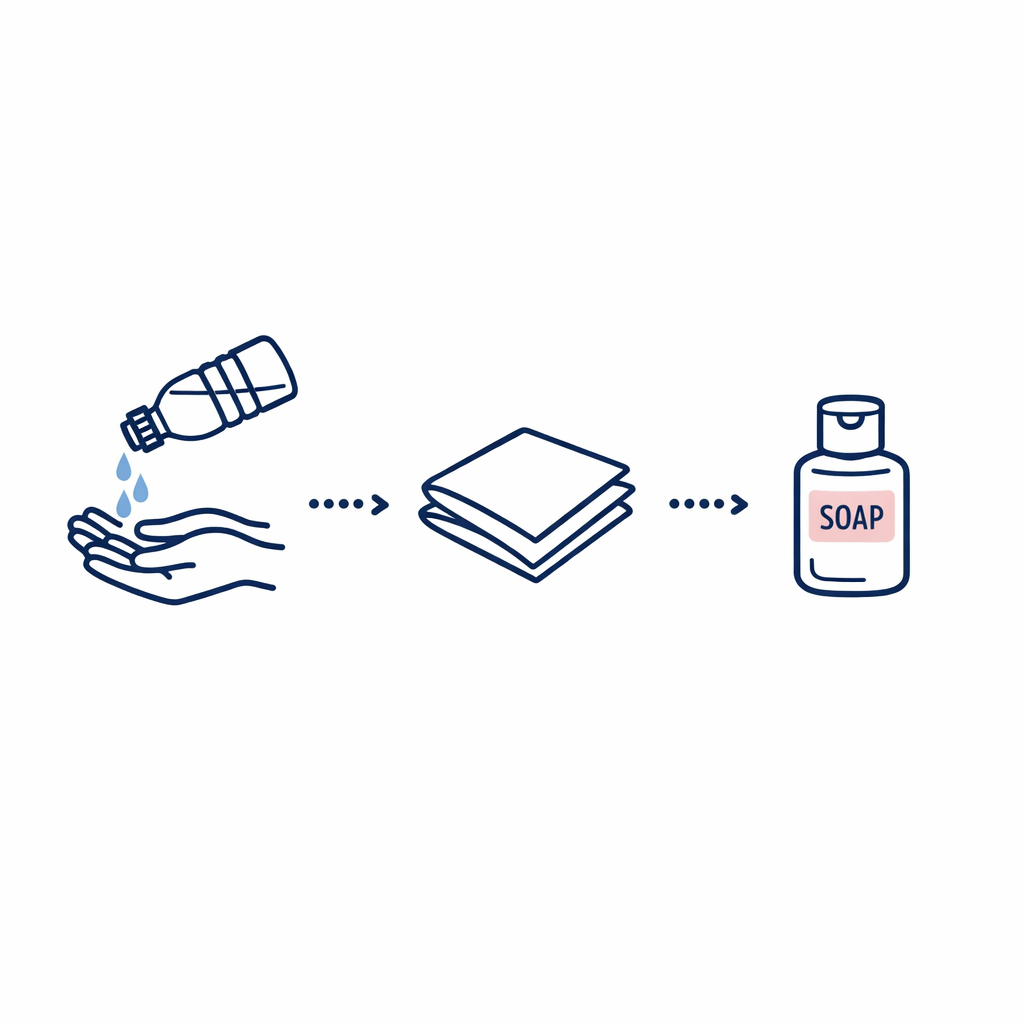
Before you touch lenses, wash your hands with soap and water and dry them completely. The CDC advises washing and drying hands before handling contact lenses because wet or dirty hands make it easier to transfer germs and debris to the lens.
No sink? Build one. Use a small bottle of water plus travel soap, then dry with a clean towel or disposable paper towels. If you truly cannot wash and dry your hands, the safest move is to wear your backup glasses until you can.
Step 3: Insert lenses (keep it controlled and simple)
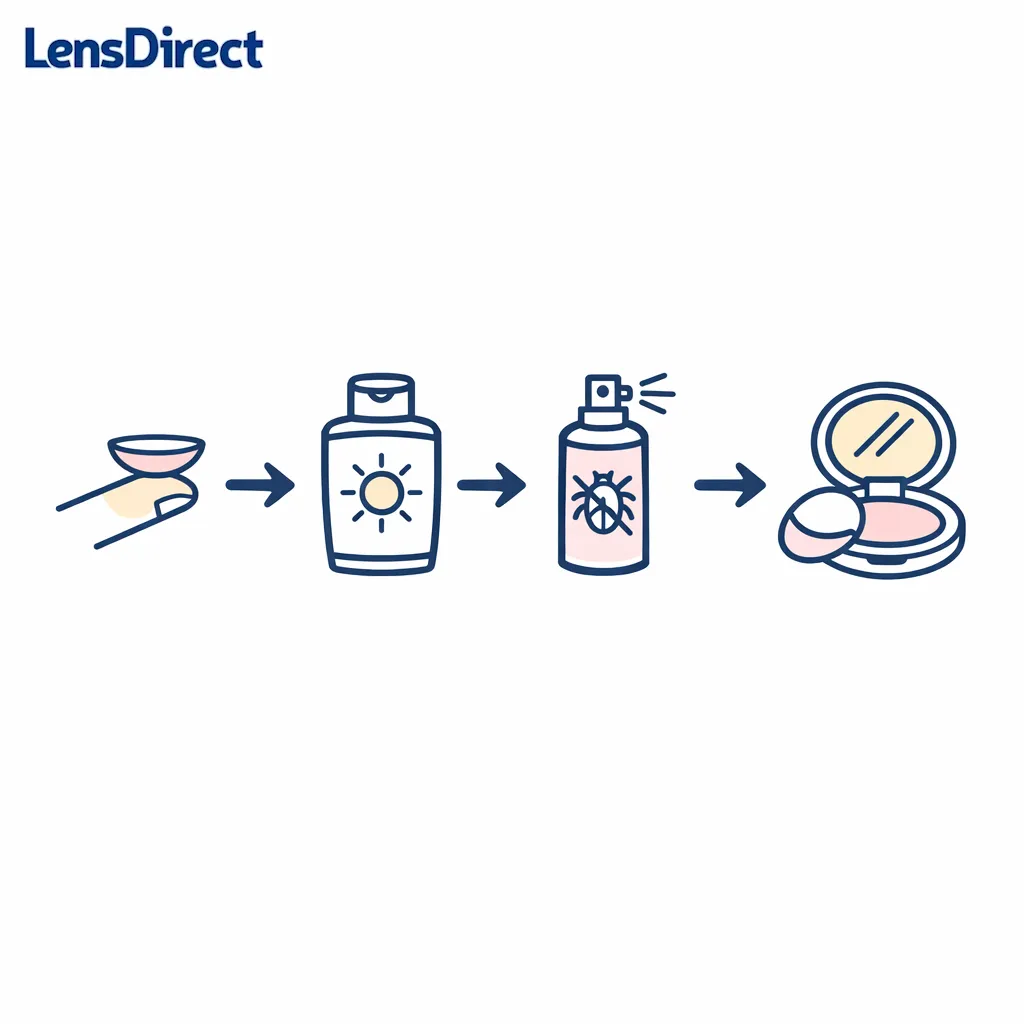
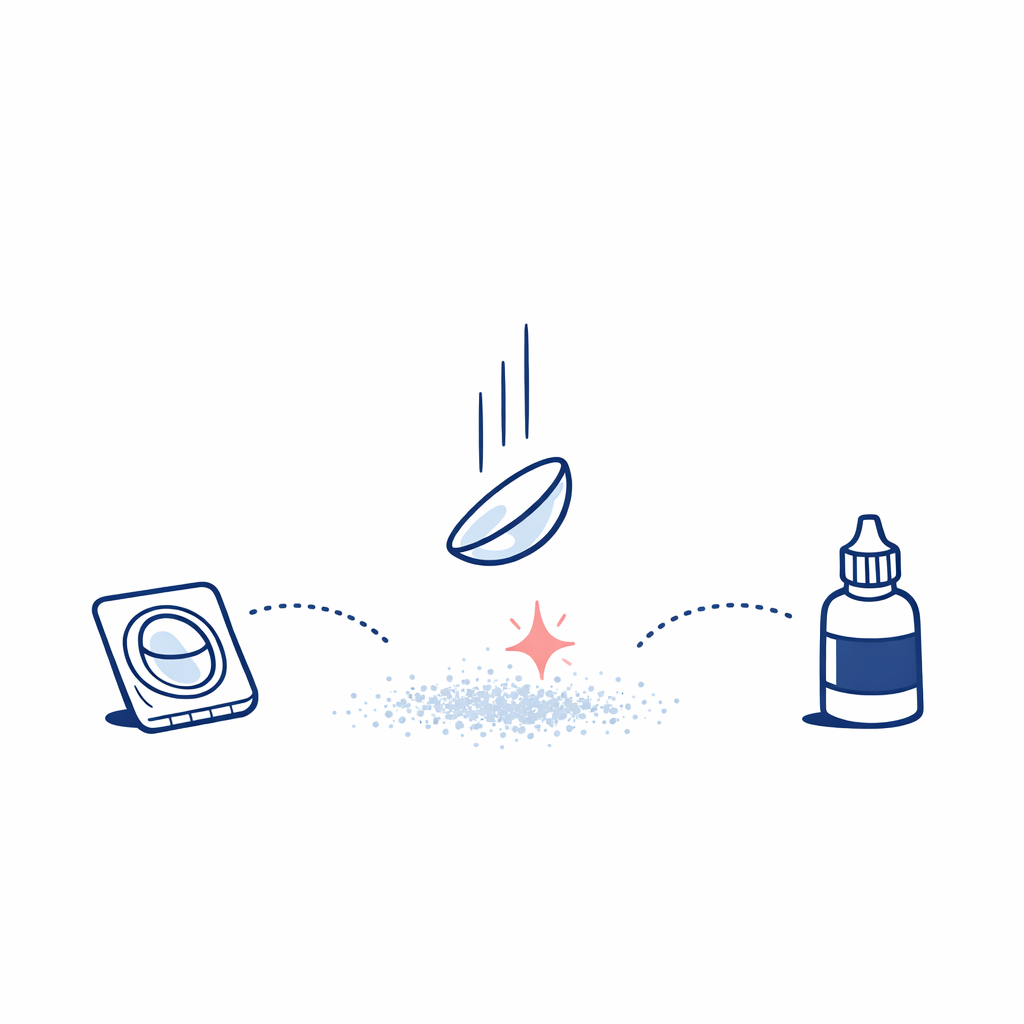
Insert lenses before sunscreen, bug spray, makeup, or glitter. If you are at a festival, this single habit reduces the odds of product getting trapped under the lens, which can feel like “something is in my eye” all day.
- Open one lens at a time so you cannot mix them up.
- Check the lens is not inside-out and looks clean and intact.
- If a lens hits an unclean surface, do not “make it work.” Use a fresh lens (dailies) or properly clean and disinfect per your product instructions (reusables).
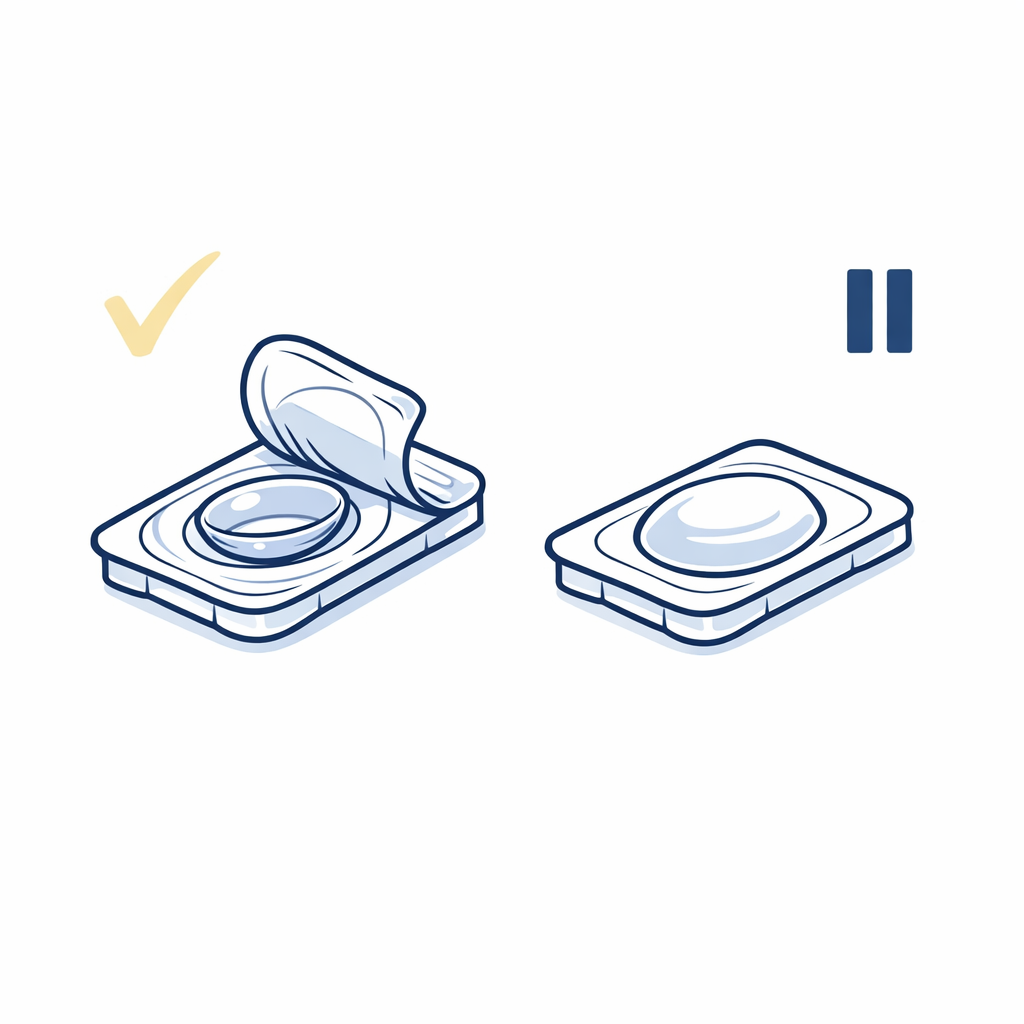
Step 4: Throughout the day, keep water away from your lenses
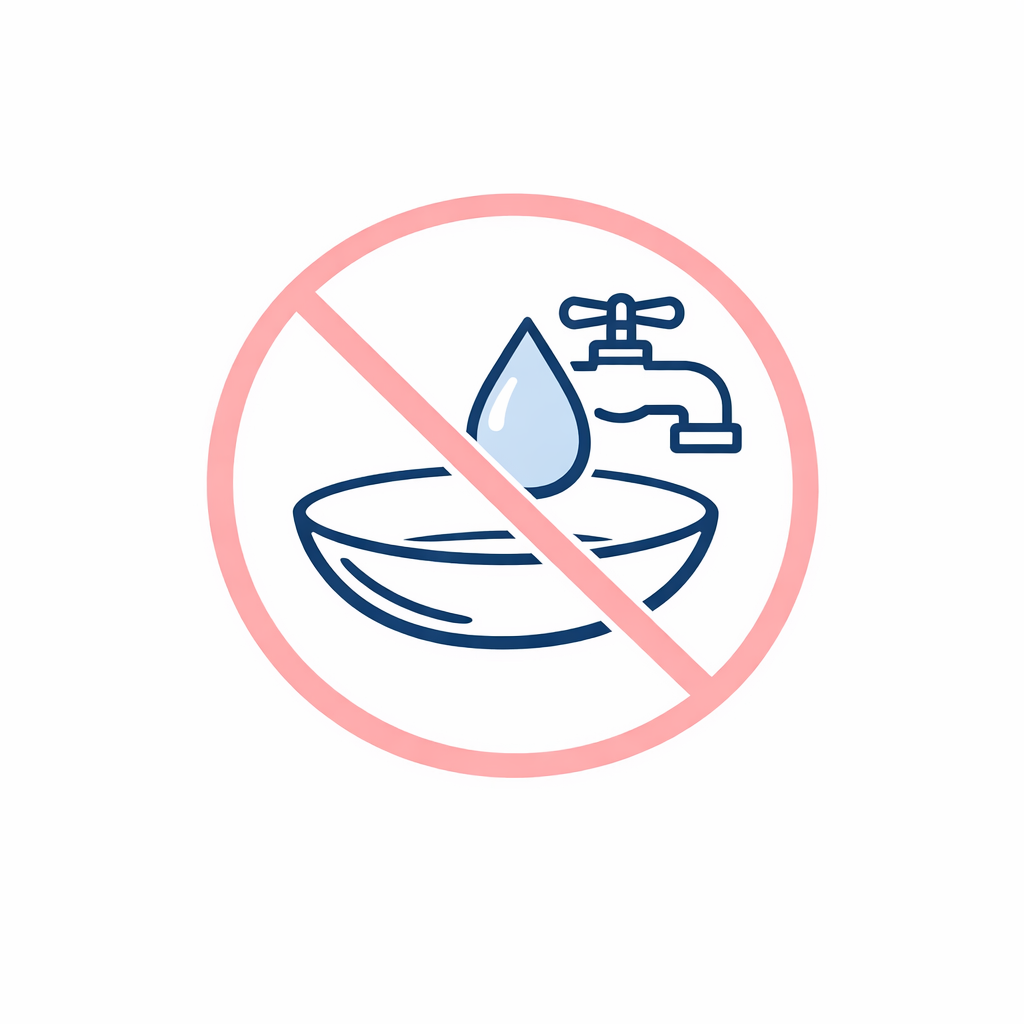
On trips, the biggest temptation is “just rinse it” with whatever water is available. The CDC warns to keep water away from contact lenses, including tap water and swimming water, because water can introduce microorganisms and can also change how a lens fits and feels.
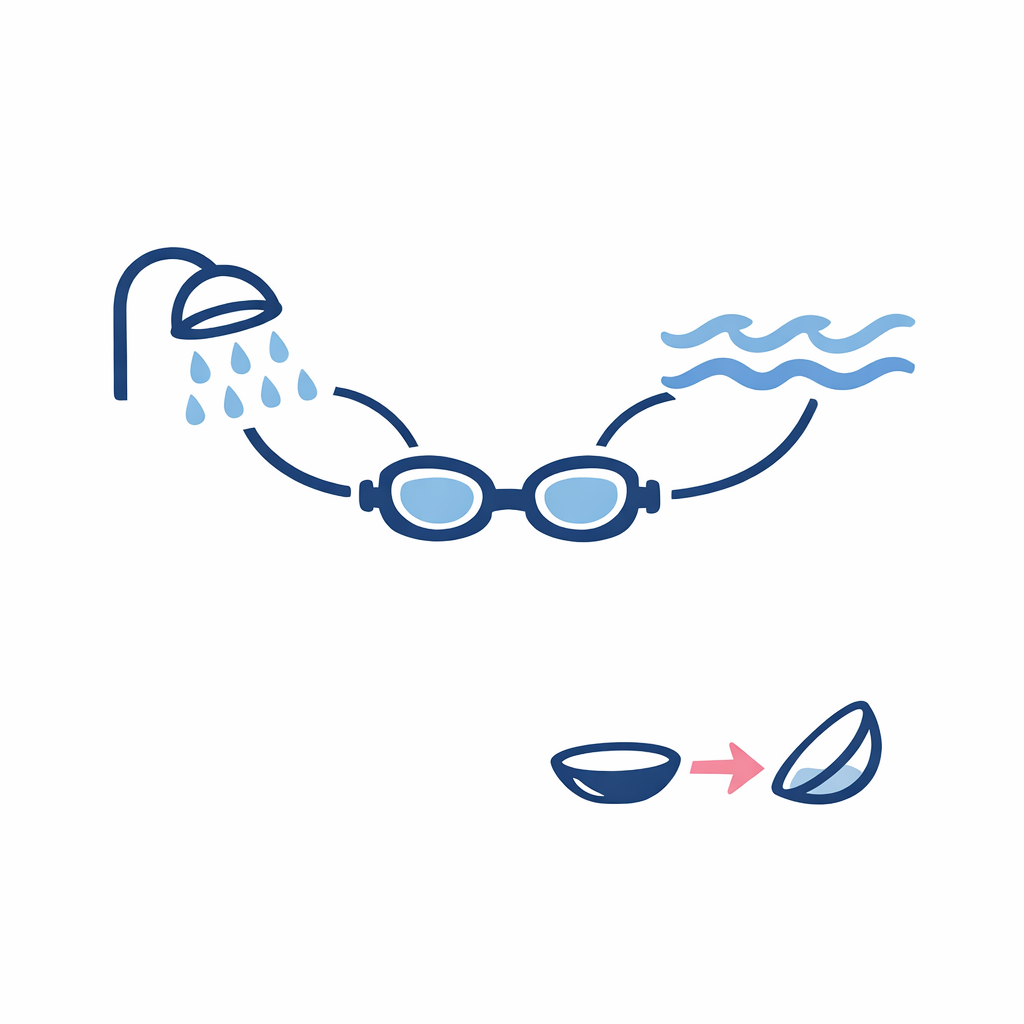
If you are swimming, showering, or doing anything where your face is likely to get soaked, plan to remove lenses beforehand or wear tight-sealing swim goggles. If you do get lenses wet, remove them as soon as practical and follow your eye doctor’s guidance for next steps.
Step 5: Night routine (don’t stretch wear time just because you’re tired)
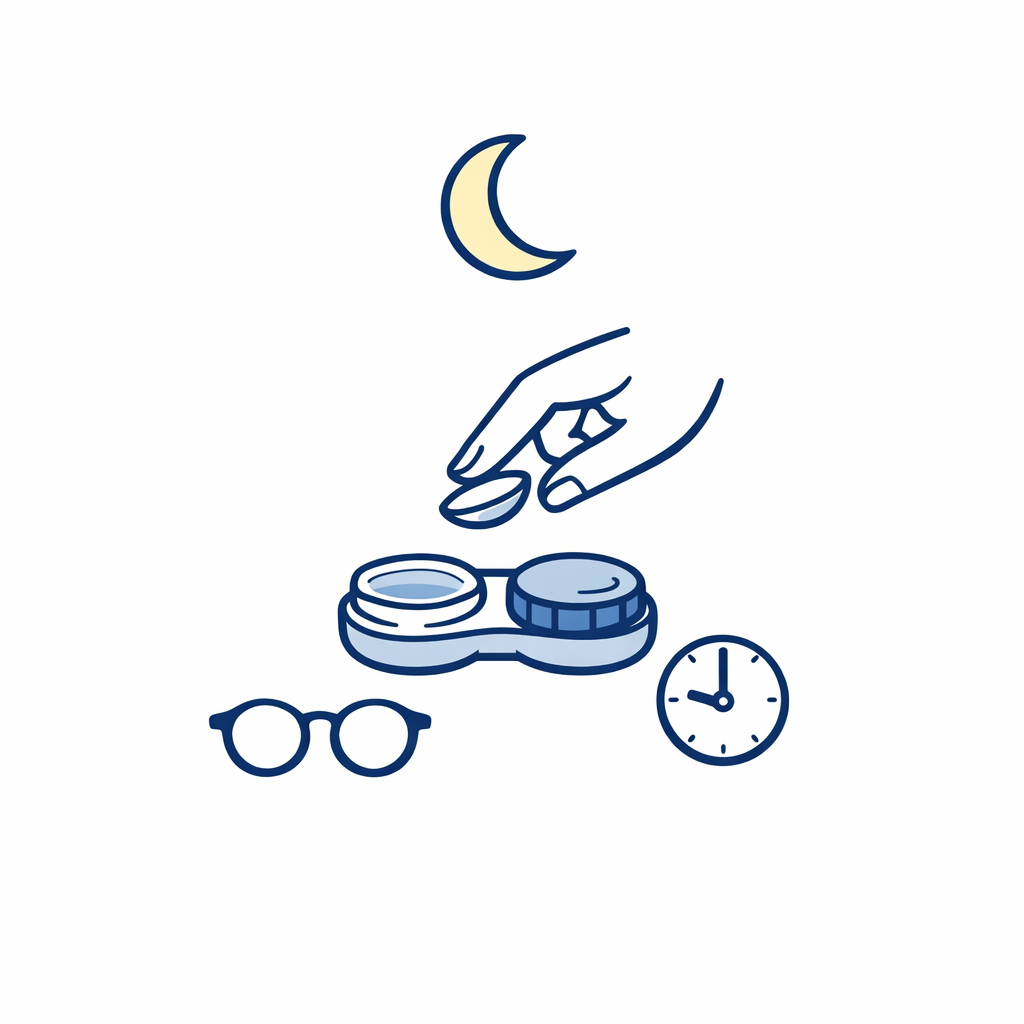
Late nights are when people fall asleep in contacts “just this once.” The CDC specifically advises avoiding sleeping in contact lenses unless directed by your eye care provider, because overwear increases the chance of irritation and complications.
If you are a reusable-lens wearer, do your full clean-and-store routine before you crash. If you wear dailies, take them out, toss them, and give your eyes a break.
Contact lens packing list (camping, festivals, and no-sink travel)
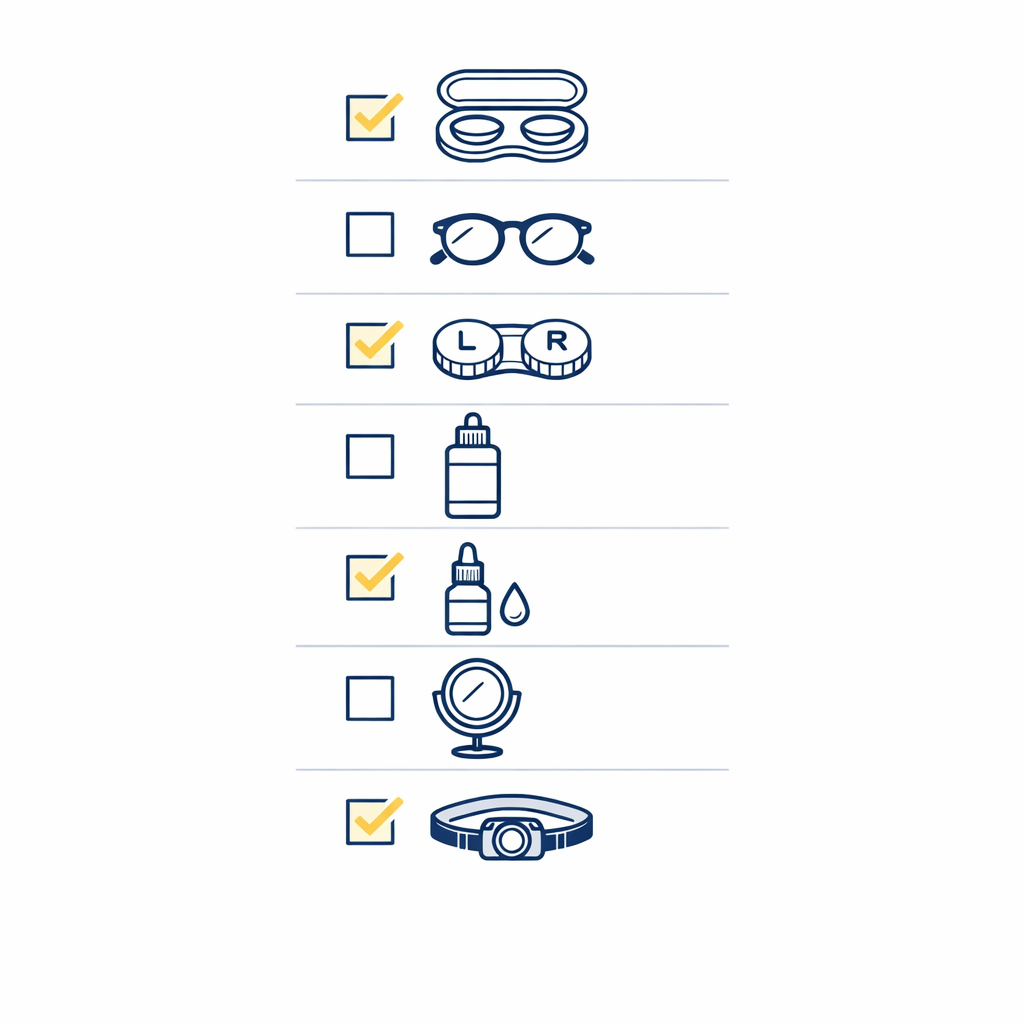
A good packing list is less about carrying a lot and more about carrying the right few things. Pack for your worst-case day: dusty conditions, no sink, and a late night.
Core essentials
- Your contacts (pack extra days, not exact days).
- Your glasses (backup vision, plus a break for your eyes).
- A sturdy case (if you wear reusable lenses).
- Your lens solution (if you wear reusable lenses), sized appropriately for your travel method.
- Rewetting drops you already know your eyes tolerate.
- A small mirror and a headlamp or reliable light source.
- Travel soap, a small water bottle dedicated for handwashing, and paper towels.
- A few sealable bags (trash, separating clean vs used items, leak protection).
Nice-to-have comfort add-ons
- Preservative-free lubricating drops if your eyes get dry easily.
- Allergy meds your doctor recommends if seasonal allergies flare where you’re going.
- Sunglasses for dust, wind, and glare (especially on bright festival afternoons).
Reusable lens users: case hygiene matters on trips
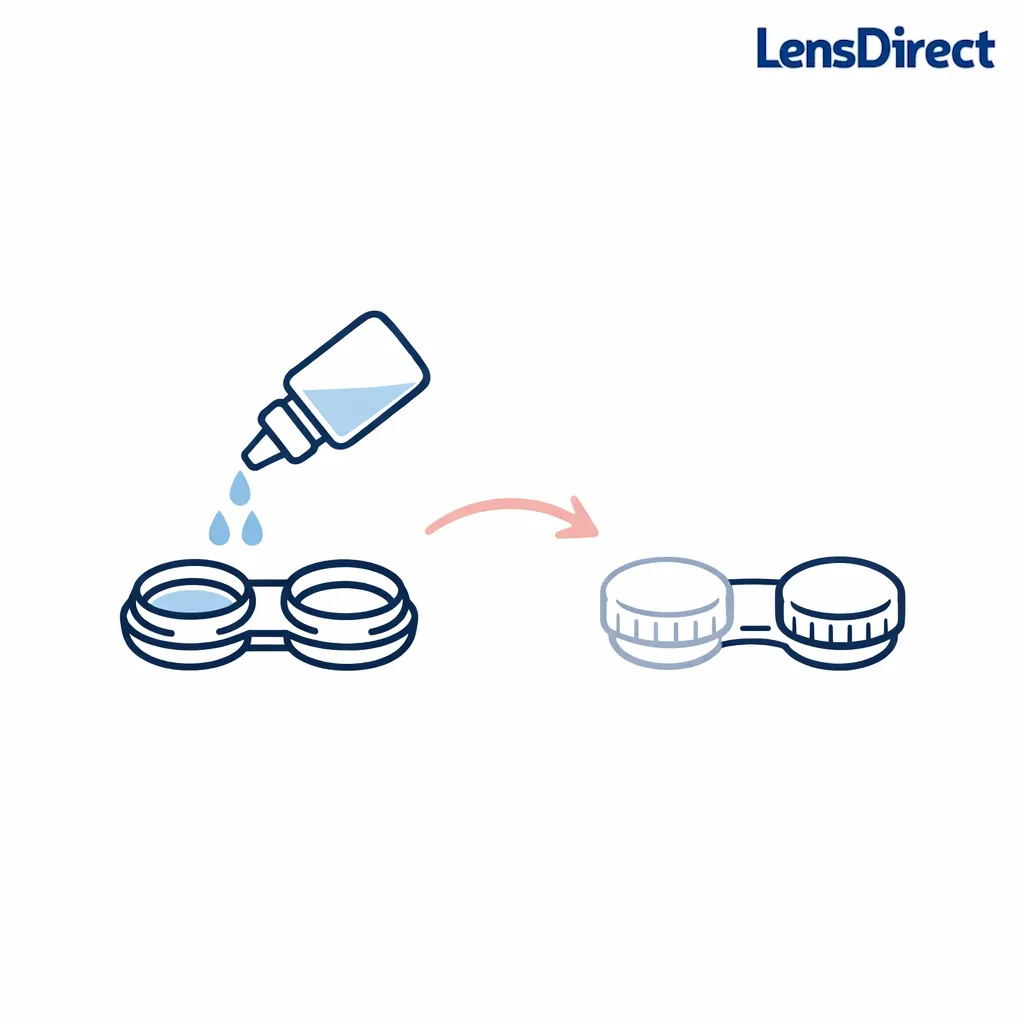
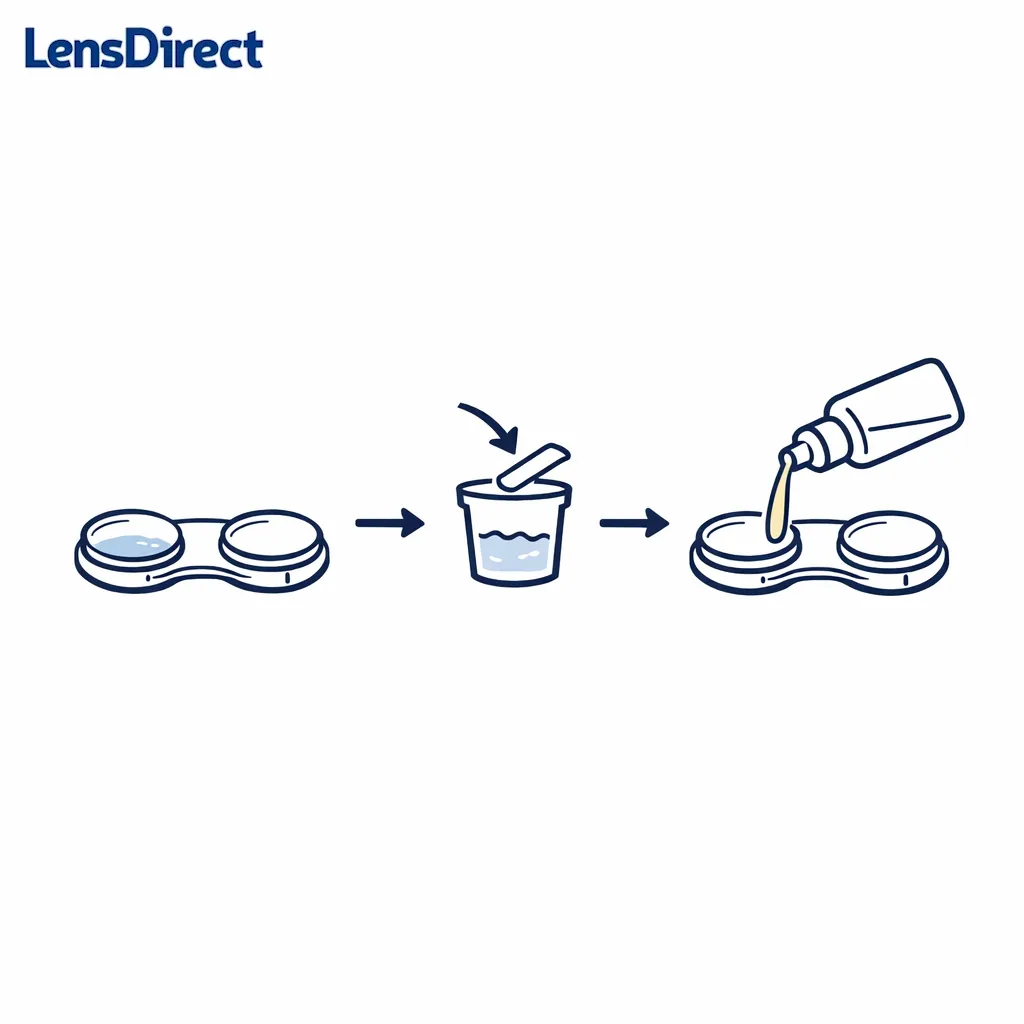
If you use two-week or monthly lenses, treat your case like a tool that needs maintenance. The CDC recommends replacing your contact lens case at least once every three months, and travel is a good time to start with a fresh one instead of bringing an old, beat-up case from the bathroom counter.
Also, do not “top off” old solution. Use fresh solution each time, and keep the cap closed so the bottle stays clean.
Camping-specific tips for contact comfort
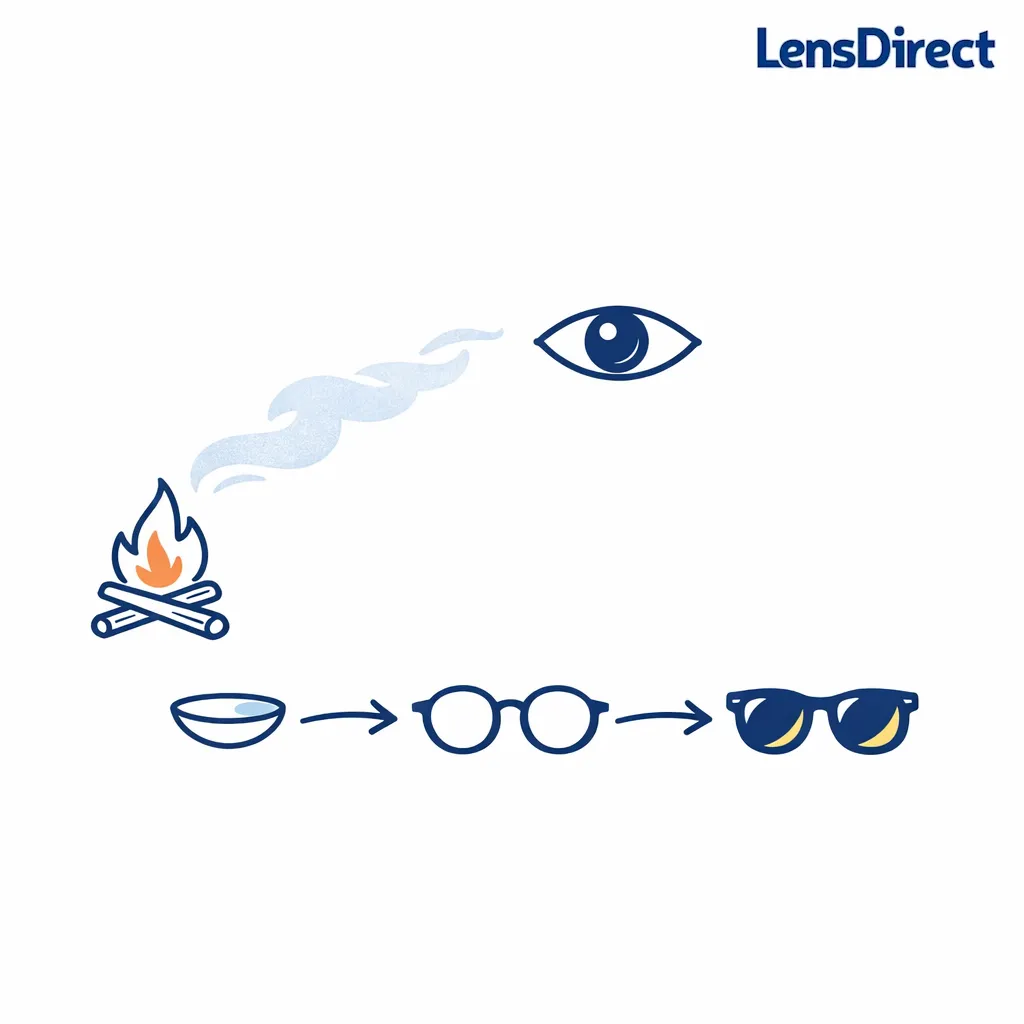
Camping adds two big stressors: smoke and grit. If you know you will be around campfires, consider wearing glasses during smoky hours and switching to contacts when the air is clearer.
Wind and dust can make lenses feel dry or scratchy. Wear sunglasses as a physical barrier, and take breaks in your tent or car with your eyes closed for a minute to reset if things feel irritated.
Festival-specific tips (dust, glitter, and long days)
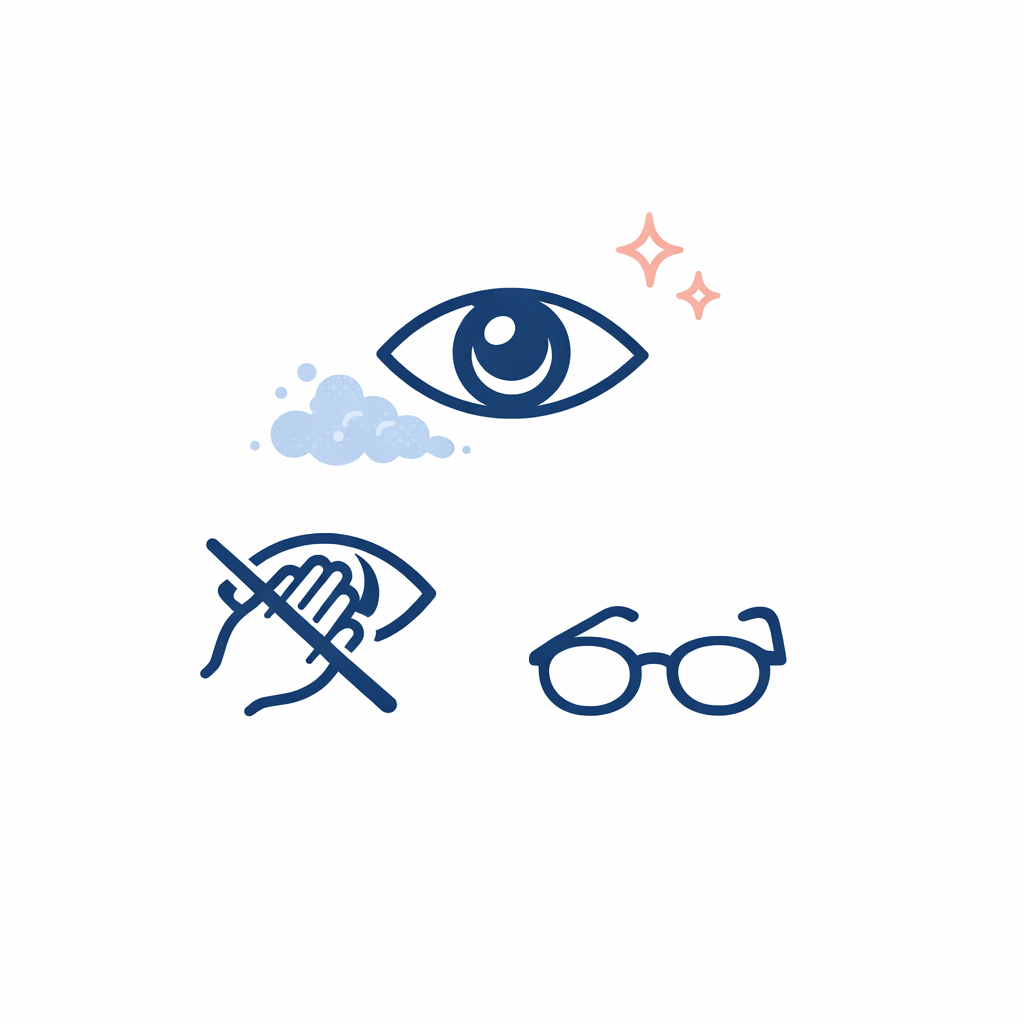
Festivals are a perfect storm of dry air, particles, and “I’m going to reapply everything.” Put lenses in before makeup, and remove lenses before you start rubbing off makeup at night.
If you use glitter or heavy eye makeup, choose products that are less likely to shed into the eye area. If your eye starts watering, feels painful, or gets light-sensitive, stop trying to push through it and switch to glasses until you can assess things in better lighting.
Travel without a sink: realistic scenarios and what to do
You’re in a car and need to insert or remove lenses
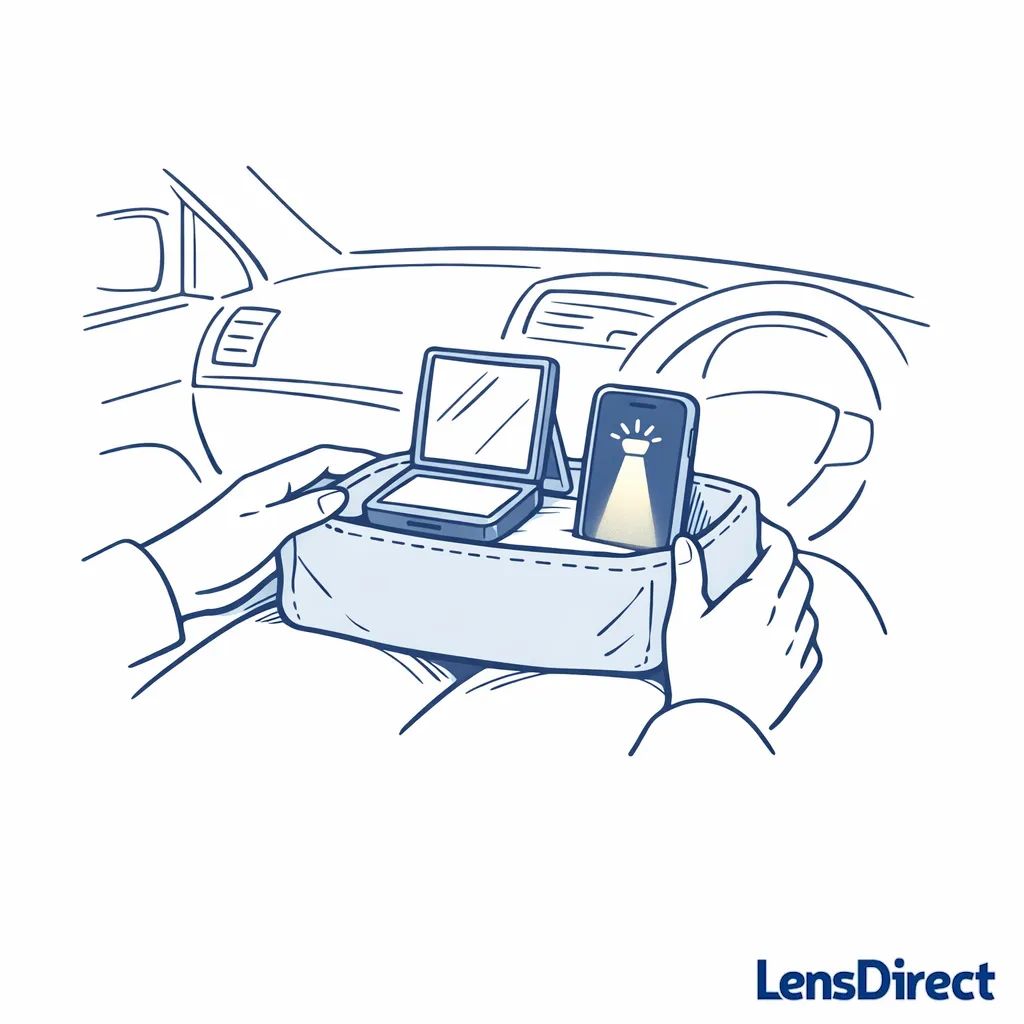
Use your “micro-station” approach: mirror, good light, clean hands, and a stable surface. If you cannot wash and dry your hands properly, skip lenses and wear glasses until you can, even if that means waiting for a rest stop.
You’re on a plane and your eyes feel dry
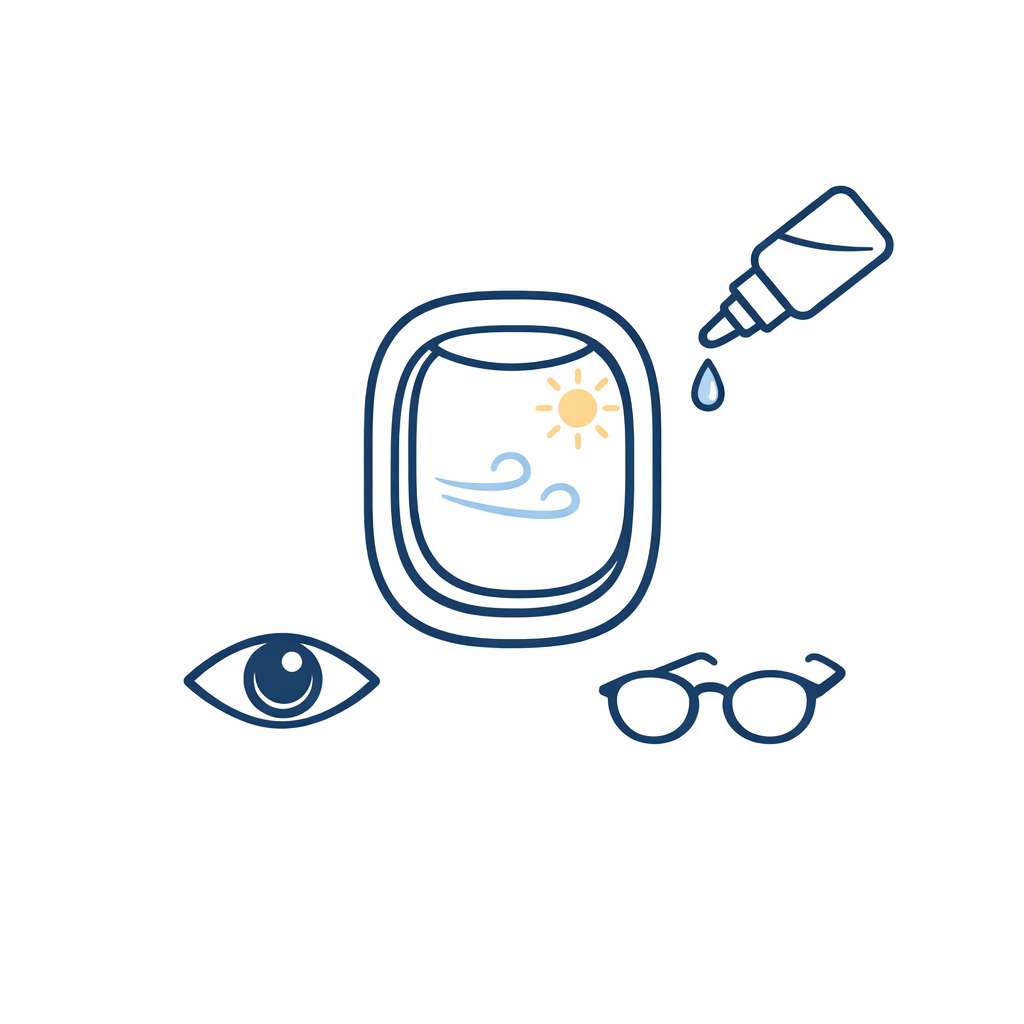
Dry cabin air can make contacts feel less comfortable, especially on long flights. Use lubricating drops you have used before (not random drops from a friend), blink more intentionally, and consider wearing glasses for part of the flight if your eyes are struggling.
You’re in a shared bathroom with questionable counters
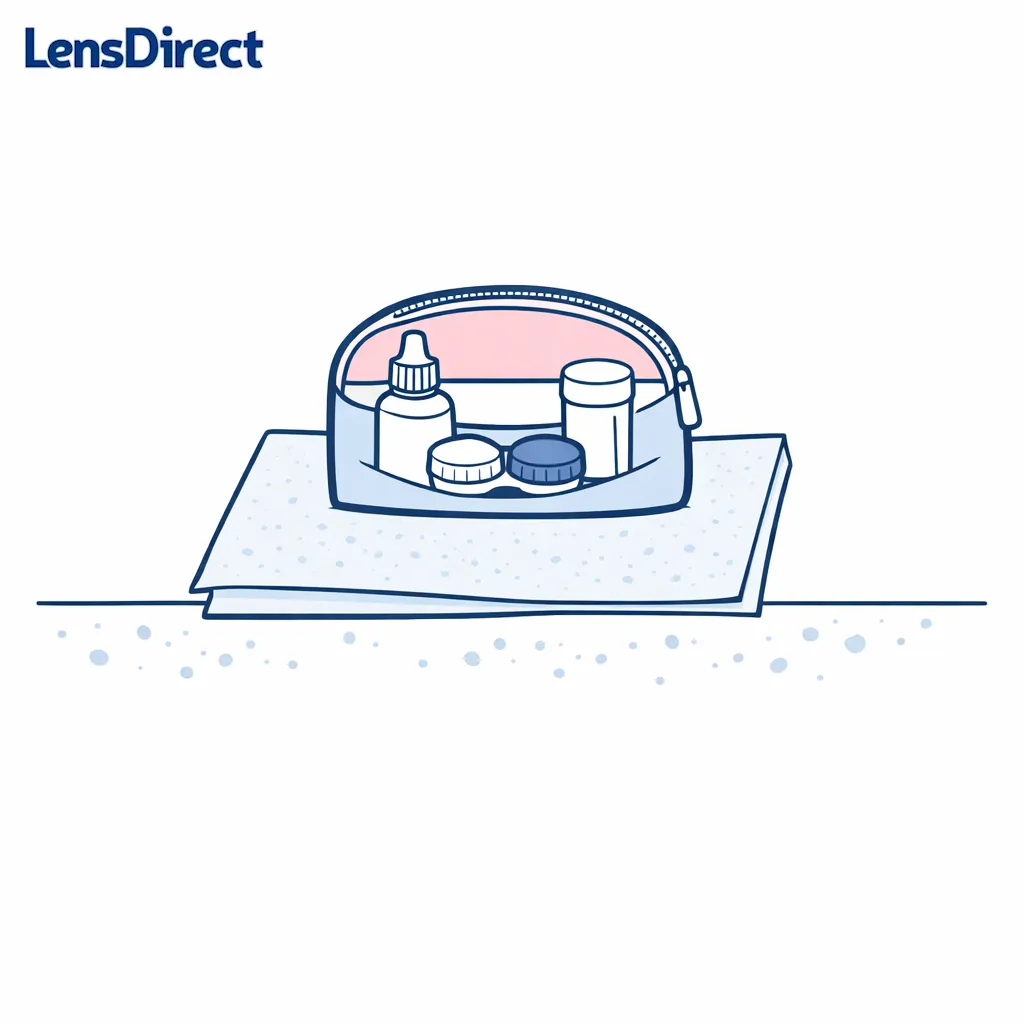
Assume shared counters are not clean. Keep your supplies in your pouch, create your own clean surface with a fresh paper towel, and avoid setting lenses or cases directly on the counter.
Common mistakes and misconceptions (that cause most travel problems)
“It’s fine to rinse a lens with tap water in a pinch”
This is one of the most common travel mistakes. The CDC’s guidance on water and contact lenses is clear that water and lenses do not mix, including tap water, bottled water used as a rinse, lakes, pools, and showers.
“I can sleep in my contacts just for one night”
People do this most often at festivals and on overnight travel. The CDC advises against sleeping in contacts unless your provider specifically says it is okay, so plan your night routine before you are exhausted.
“I’ll just stretch my replacement schedule until I get home”
Overwear is easy when you’re away from home and not tracking days. Set a reminder on your phone and pack enough lenses so you are not forced into “one more day” decisions.
“Contacts are like cosmetics, so I can improvise”
Contacts are not cosmetics, and they are not one-size-fits-all. The FDA’s contact lens information emphasizes that lenses are medical devices and should be used under proper supervision and instructions, which is especially important if you are switching brands or lens types.
What to do next: a scannable checklist for your next trip
- Choose your lens plan for the environment. If you will not have reliable hygiene access, consider daily disposables or wearing glasses more often.
- Do a trial run at home. Practice your “micro-station” setup and confirm comfort before you travel.
- Pack for one extra day. Bring spare lenses and a backup pair of glasses.
- Create a no-sink handwashing kit. Travel soap, a dedicated water bottle for washing, and paper towels.
- Keep water away from lenses. Plan for swimming, showering, and rain so you are not making last-second choices.
- Set a night reminder. Remove lenses before you’re too tired to care.
- Refresh your lens case. Start the trip with a clean case if you wear reusables.
- Know when to stop. If your eye hurts, gets very red, becomes light-sensitive, or your vision changes, remove lenses and seek professional care.
Shop travel-ready vision essentials with LensDirect
If your goal is a lighter, simpler travel kit, LensDirect can help you set up backups and options so you are not stuck improvising on the road. You can Shop Contacts for your trip, or bring a reliable backup by browsing Shop Glasses.
For bright days, dusty trails, and driving glare, consider adding sun protection with Shop Sunglasses. If your current frames fit great but your lenses are scratched or outdated, you can Replace Your Lenses, using either Full-Service Replacement (send-it-in option) or Order Replacement Lenses (DIY option).
To make ordering easier, use LensDirect’s tools to Find Your Fit, Learn How to Measure Your Pupillary Distance, and Learn How to Get Reimbursed by Your Insurance.
Author

Subscribe to our email newsletter to get the latest posts delivered right to your email.