

Buying a year supply of contacts can be a smart move, but only if the math works for your eyes, your budget, and your actual wear habits. For many shoppers, the big question is not whether a 12-month order sounds convenient. It is whether the total cost after box counts, rebates, benefits, and timing is really lower.
This guide is for contact lens wearers comparing a full-year order with a smaller purchase. You will learn how many boxes usually make up a year supply, when annual supply contact lenses can lower your real cost, when buying contacts in bulk is a bad bet, and how to calculate your true annual contact lens savings before you check out.
Yes, you can get a year supply of contacts if you have the exact lenses your eye doctor prescribed. Under the FTC’s Contact Lens Rule, sellers need a valid prescription and prescribers must give you a copy once your fitting is complete, and the FDA explains that contact lenses are medical devices, so the right annual quantity depends on your prescribed brand, lens parameters, and replacement schedule.
What counts as a year supply of contacts?
A year supply of contacts means enough lenses to cover about 12 months of wear based on how often your lenses are replaced. When shoppers search for annual contact lenses, they usually mean a 12-month quantity, not a lens that is meant to stay in use for an entire year.
Daily, biweekly, and monthly box-count math
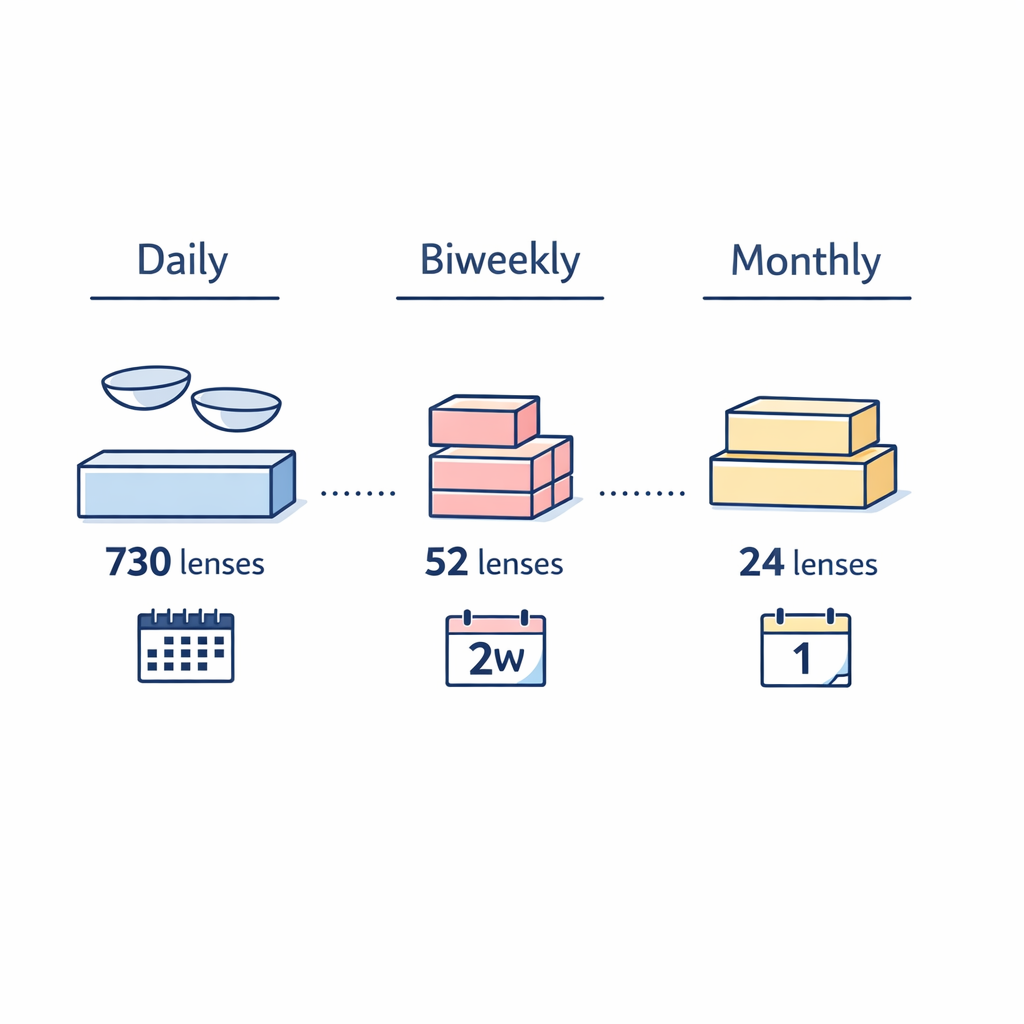
The simplest way to think about a year supply is by lenses per eye, then by boxes. Start with your wear schedule first, then convert that number into the box size your brand is sold in.
- Daily disposables: about 365 lenses per eye for a full year of daily wear. If your boxes contain 90 lenses, that usually means 4 boxes per eye, or 8 total for both eyes.
- Biweekly lenses: about 26 lenses per eye per year, which is 13 pairs per eye. The exact box count depends on how many lenses come in each box.
- Monthly lenses: 12 lenses per eye per year. If your brand comes in 6-lens boxes, that is typically 2 boxes per eye, or 4 total for both eyes.
Why one eye vs. both eyes changes the total
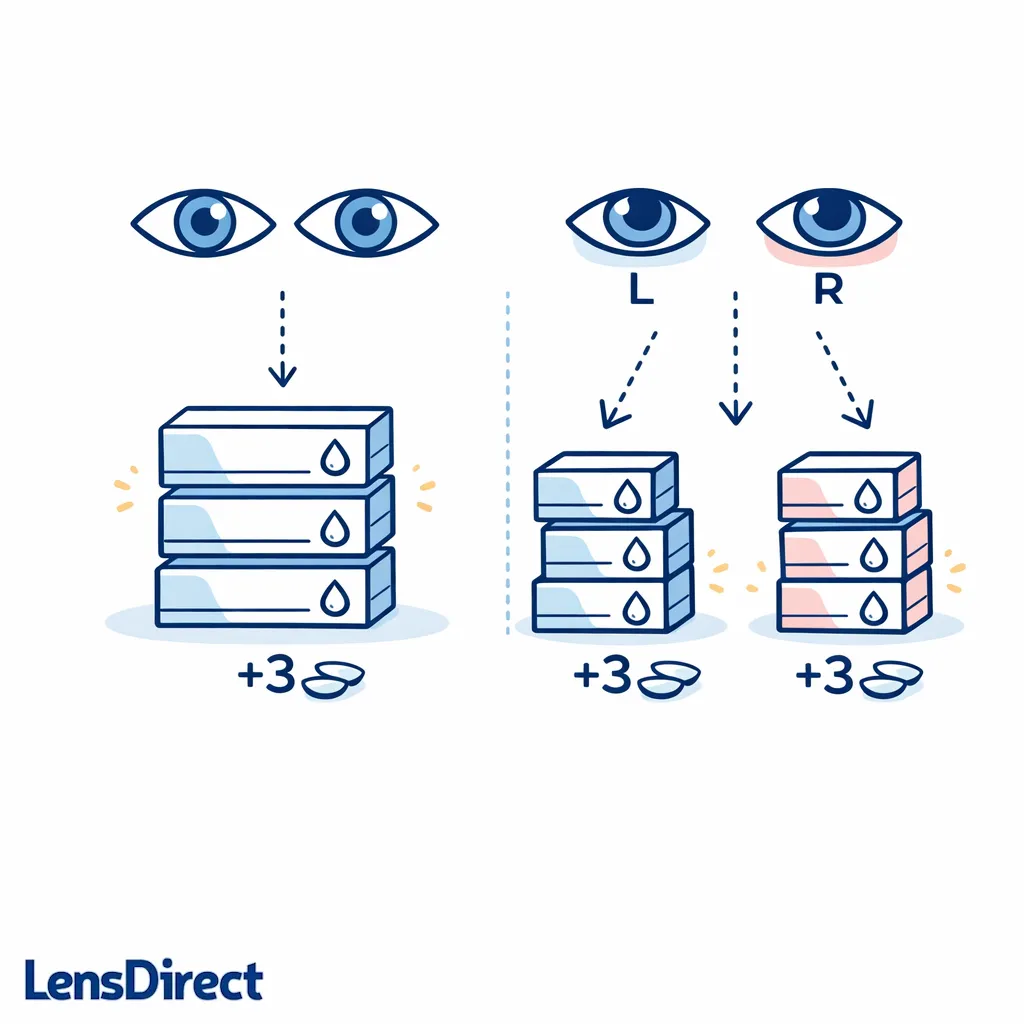
Your total order changes if your right and left eyes do not use the same power or lens parameters. If both eyes use the exact same prescription and lens specs, the boxes are interchangeable. If the eyes differ, you usually need separate quantities for each eye.
This is why two people wearing the same brand can see very different “year supply” totals at checkout. The replacement schedule may be identical, but the number of boxes can change based on box size and whether each eye needs its own prescription.
Quick reference by replacement schedule
- One year of daily lenses for both eyes: about 730 lenses total.
- One year of biweekly lenses for both eyes: about 52 lenses total, or 26 pairs.
- One year of monthly lenses for both eyes: 24 lenses total.
- Part-time wear: not automatically a “year supply” just because the retailer labels it that way. Your real yearly need may be much lower.
What changes from one buying cycle to the next
The box-count math stays pretty steady, but the money side changes more often. Official programs such as ACUVUE Rewards and CooperVision promotions can change eligible products, purchase quantities, and submission requirements, which is why a deal that worked last year may not be the best one now.
Your own timing changes too. If your prescription is close to expiring, if you have an exam coming up, or if you are still deciding whether a lens is truly comfortable, the smartest buy this month may be a 6-month order instead of a 12-month order.
When buying a year supply saves money
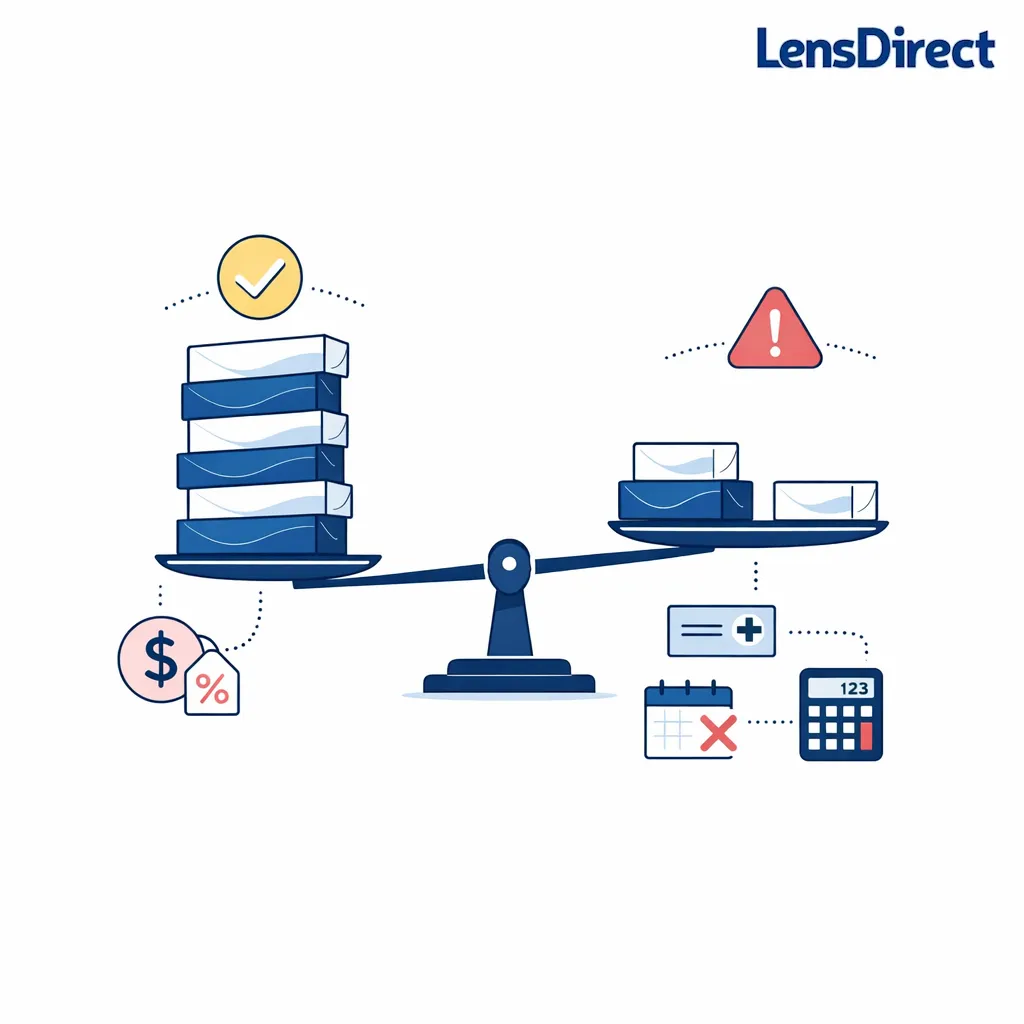
Lower per-box pricing
A full-year order can save money when the retailer offers a lower cost per box at higher quantities. The key is to compare the final net price, not just the per-box headline, because a “deal” with a large upfront spend can still be weak if the savings are tiny.
Look at the total for all boxes you need, then compare it with two smaller orders placed over the same year. If the annual order reduces price enough to offset the larger purchase, it is doing its job.
Manufacturer rebates and annual-supply promos
This is often where the biggest annual supply savings show up. Official rebate pages like ACUVUE Rewards and CooperVision promotions spell out which products qualify, how many boxes count as an annual supply, and what documents you need to submit.
If your lens qualifies, subtract the rebate from your true yearly cost, not from the emotional sticker shock you feel at checkout. A year supply only wins if you actually plan to submit the rebate correctly and on time.
Insurance, FSA, and HSA stacking opportunities
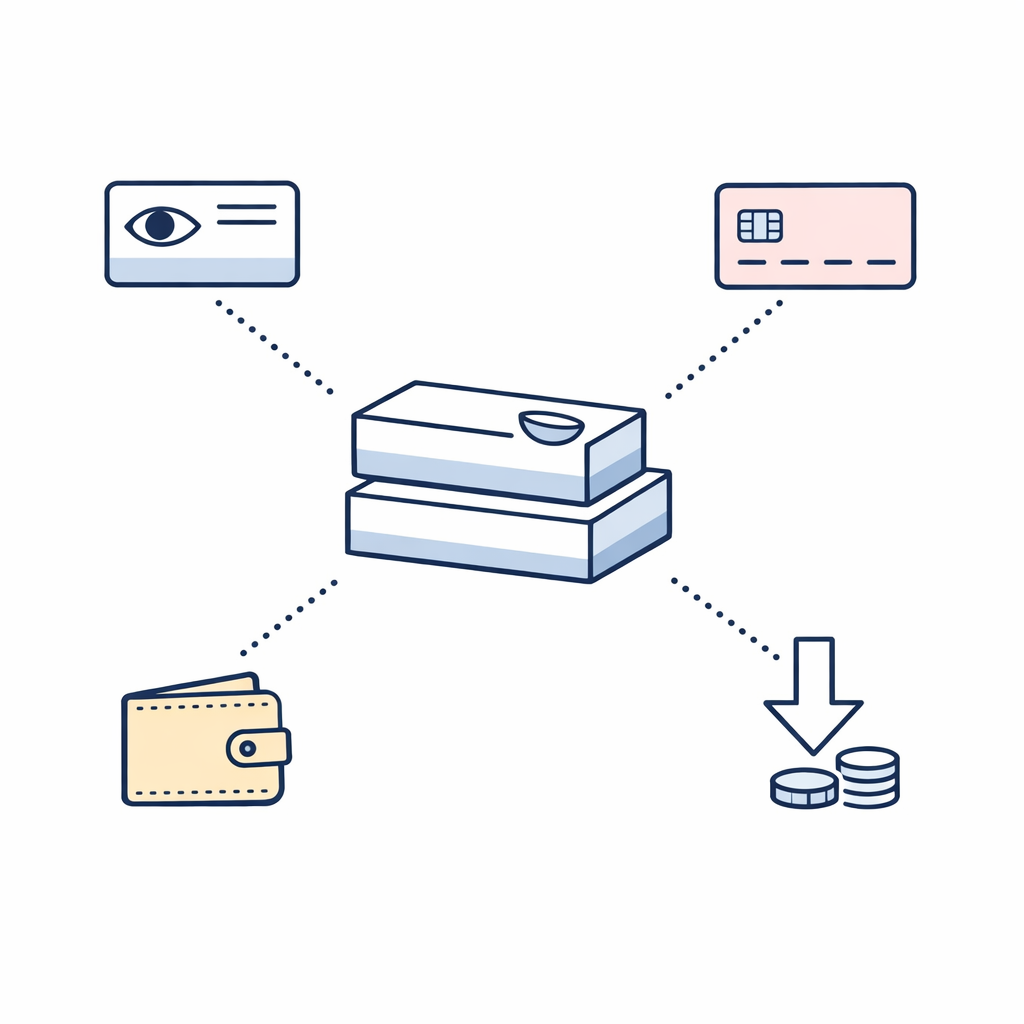
Benefits can make a full-year purchase more attractive, especially if you want to use a vision allowance before it resets. For tax-advantaged spending, IRS Publication 502 lists contact lenses and contact lens solutions as medical expenses, so HSA or FSA funds can lower your effective cost even when the shelf price stays the same.
If your plan reimburses contact lens purchases, check the timing before you order. If you need help understanding the process, you can Learn How to Get Reimbursed by Your Insurance before you commit to a larger order.
Shipping and reorder convenience
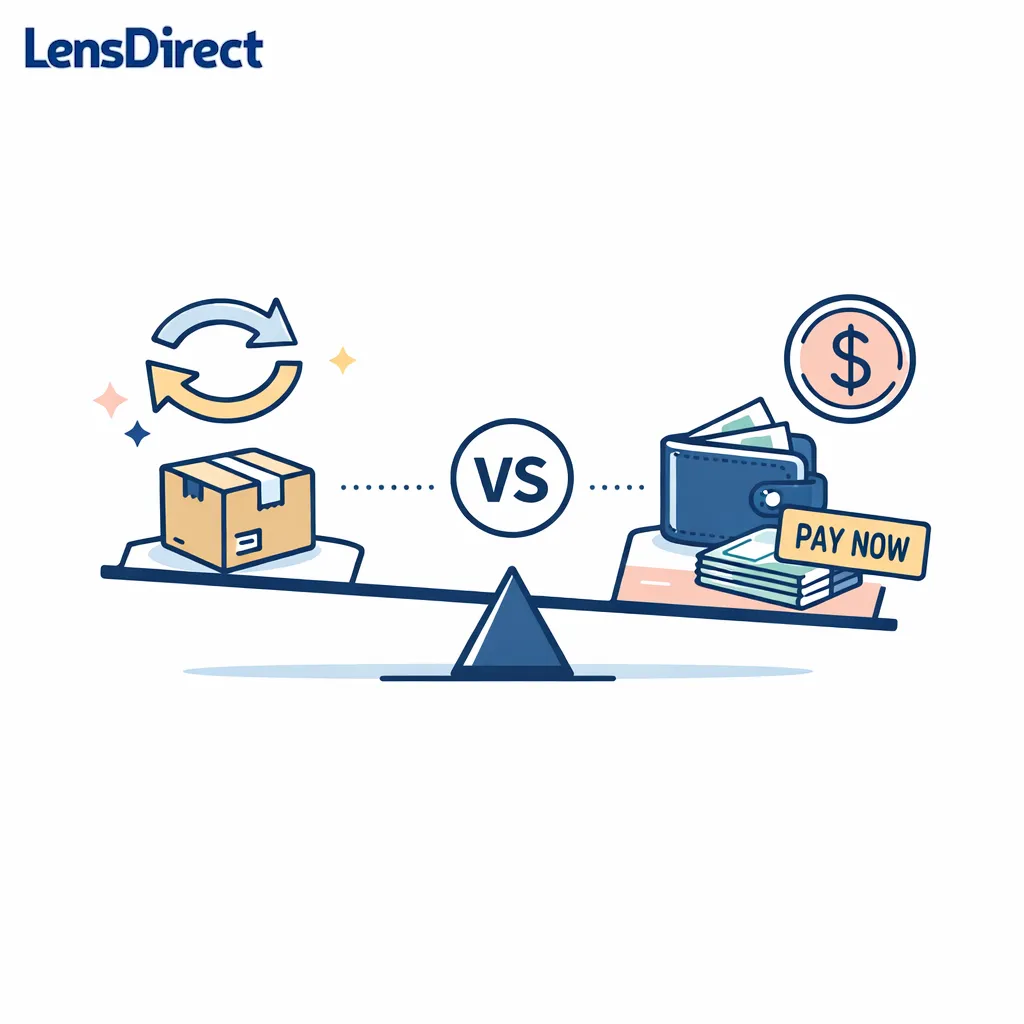
Sometimes the savings are not just about dollars. One well-priced annual purchase can mean fewer reorder reminders, fewer last-minute emergencies, and less chance of running out right before a trip or a busy work week.
If you already know your lens works well and you wear it consistently, reorder contacts online once and move on. Convenience is not the only reason to buy contacts in bulk, but it can be a real advantage when the numbers are close.
When buying in bulk does not save money
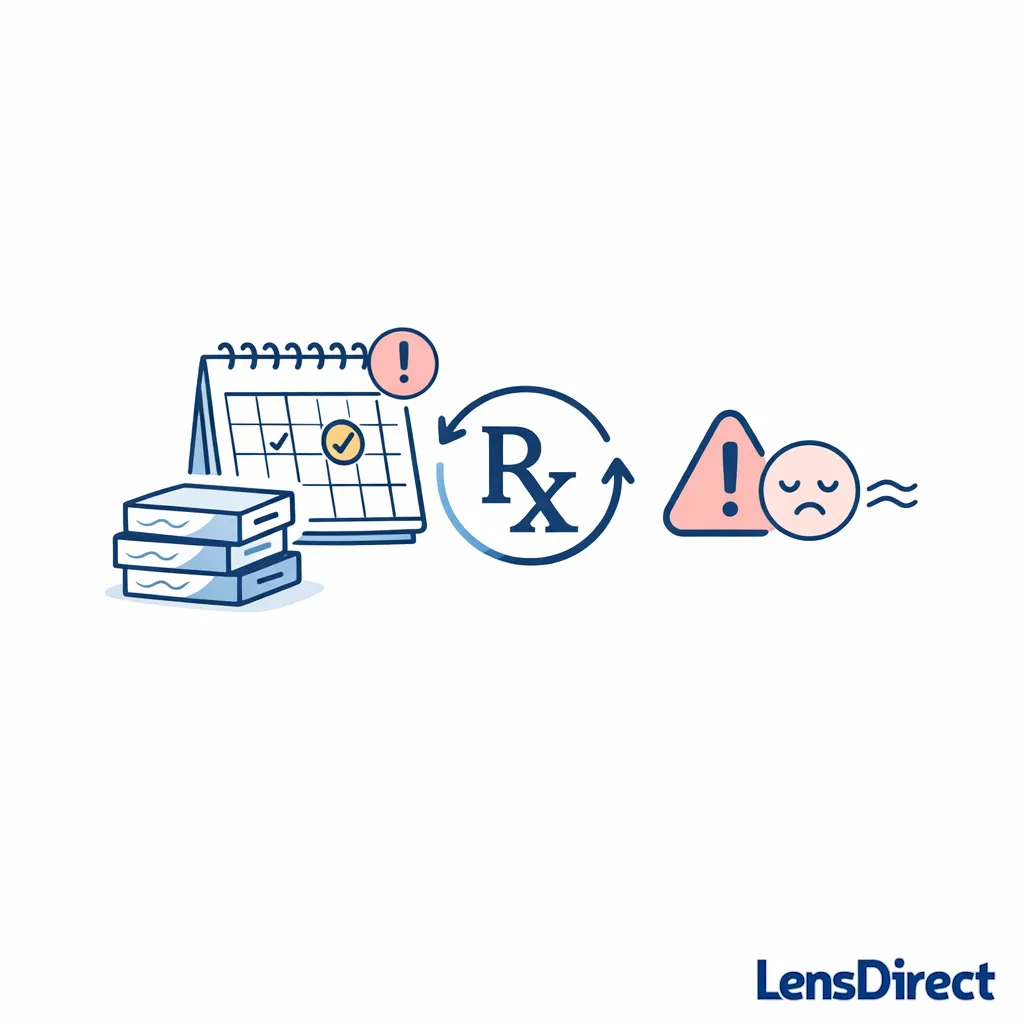
Prescription expiration or likely Rx changes
If your eye exam is coming up soon or you expect your prescription to change, a year supply may be too much too soon. The cheaper order on paper stops being a bargain if unopened boxes sit around unused because your new prescription no longer matches.
Inconsistent wear habits and part-time use
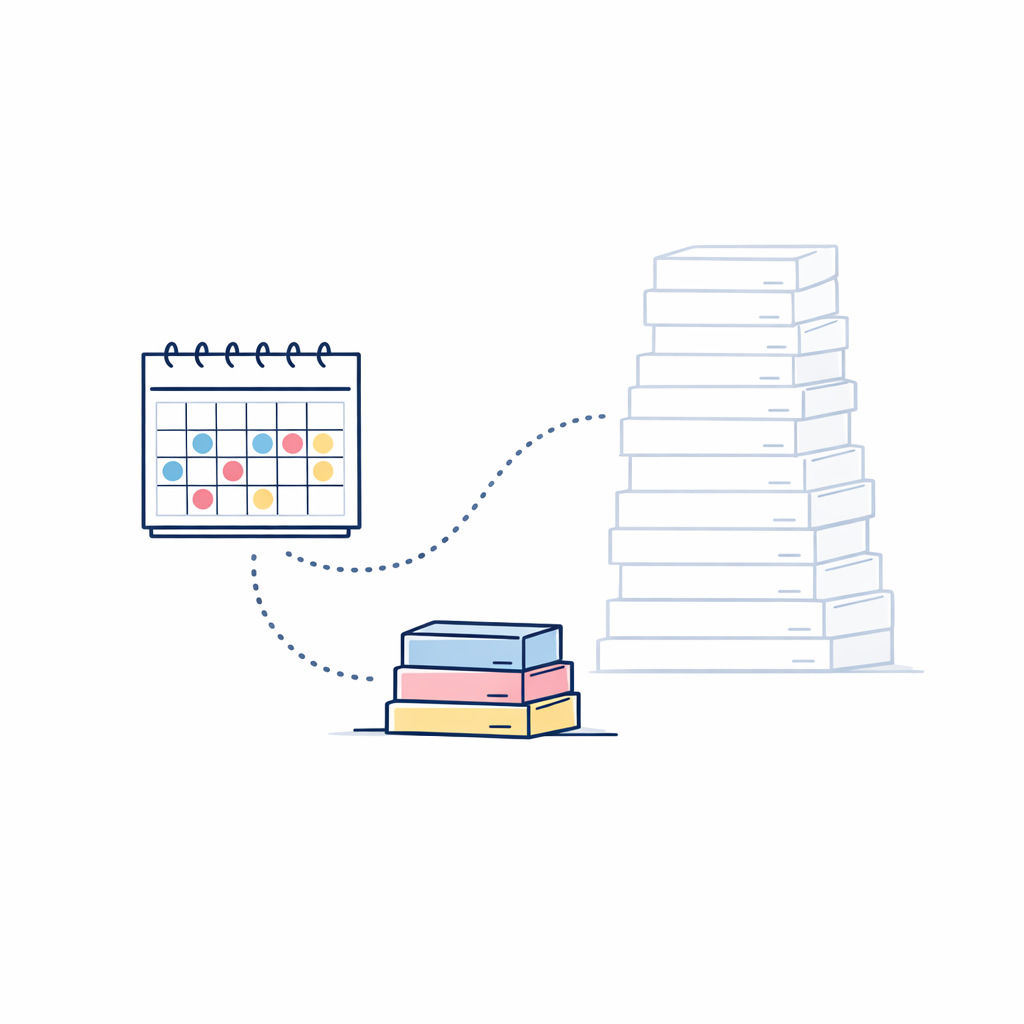
A lot of shoppers overestimate how many lenses they actually wear in a year. If you only use contacts for weekends, workouts, travel, or social events, your true annual need may be closer to 3 or 6 months of supply.
This matters most with daily disposables. A weekend wearer can burn cash fast by buying a full-year quantity just to chase a rebate that does not make sense for their routine.
Brand changes after fittings or comfort issues
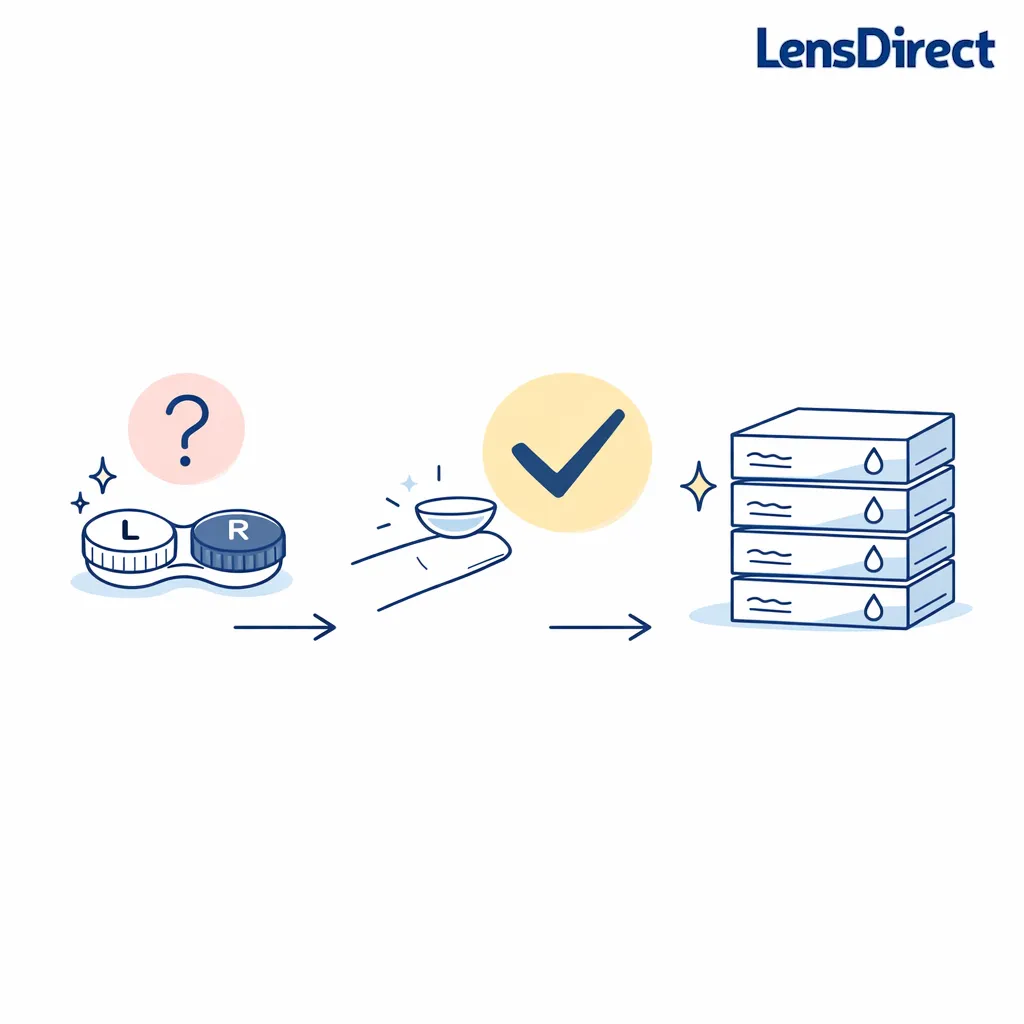
Do not buy 12 months of lenses while you are still deciding whether a brand is right for you. If you are finishing a trial, adjusting to toric or multifocal lenses, or troubleshooting dryness, smaller orders create less risk.
The safest rule is simple: do not bulk buy uncertainty. Once comfort, vision, and fit feel stable, then revisit the annual-supply option.
Cash-flow tradeoffs vs. true savings
A year supply can be cheaper overall and still be the wrong choice for your budget right now. If the upfront total creates stress, makes you carry a balance, or blocks other essentials, the “savings” may not be worth it.
Real savings should feel manageable. If the difference between 6 months and 12 months is small, paying less today may be the better financial decision.
How to calculate your real annual contact lens cost
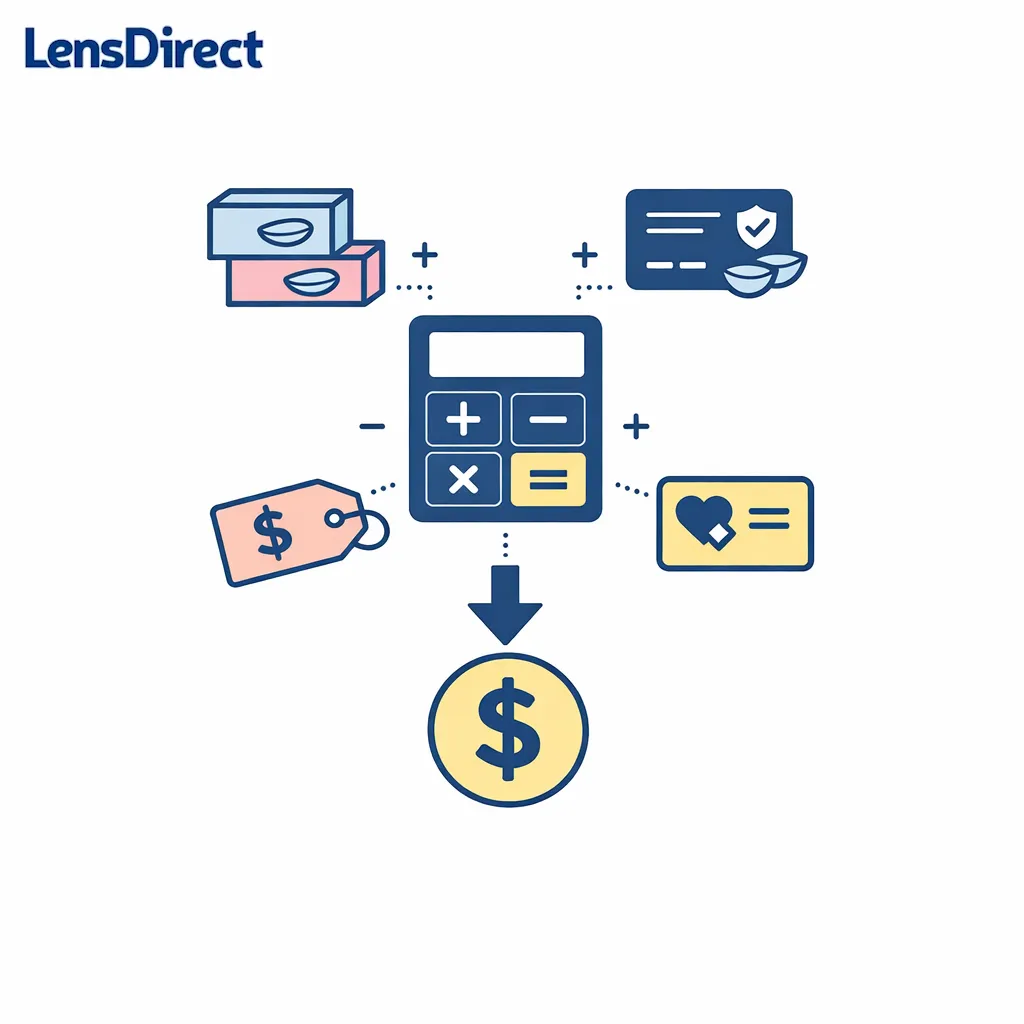
If you want a clean answer on year supply of contacts cost, use the same method every time. Do not compare one seller’s shelf price with another seller’s rebate price. Compare net annual cost to net annual cost.
Total box cost minus rebates
- Step 1: Multiply the number of boxes you actually need by the price per box.
- Step 2: Subtract any instant retailer discount.
- Step 3: Subtract any manufacturer rebate you realistically plan to claim.
- Step 4: Subtract insurance or allowance value if it applies.
Example: if you need 8 boxes at $65 each, your starting total is $520. If you get a $100 rebate and use a $120 benefit, your net out-of-pocket becomes $300.
Cost per month and cost per wear day
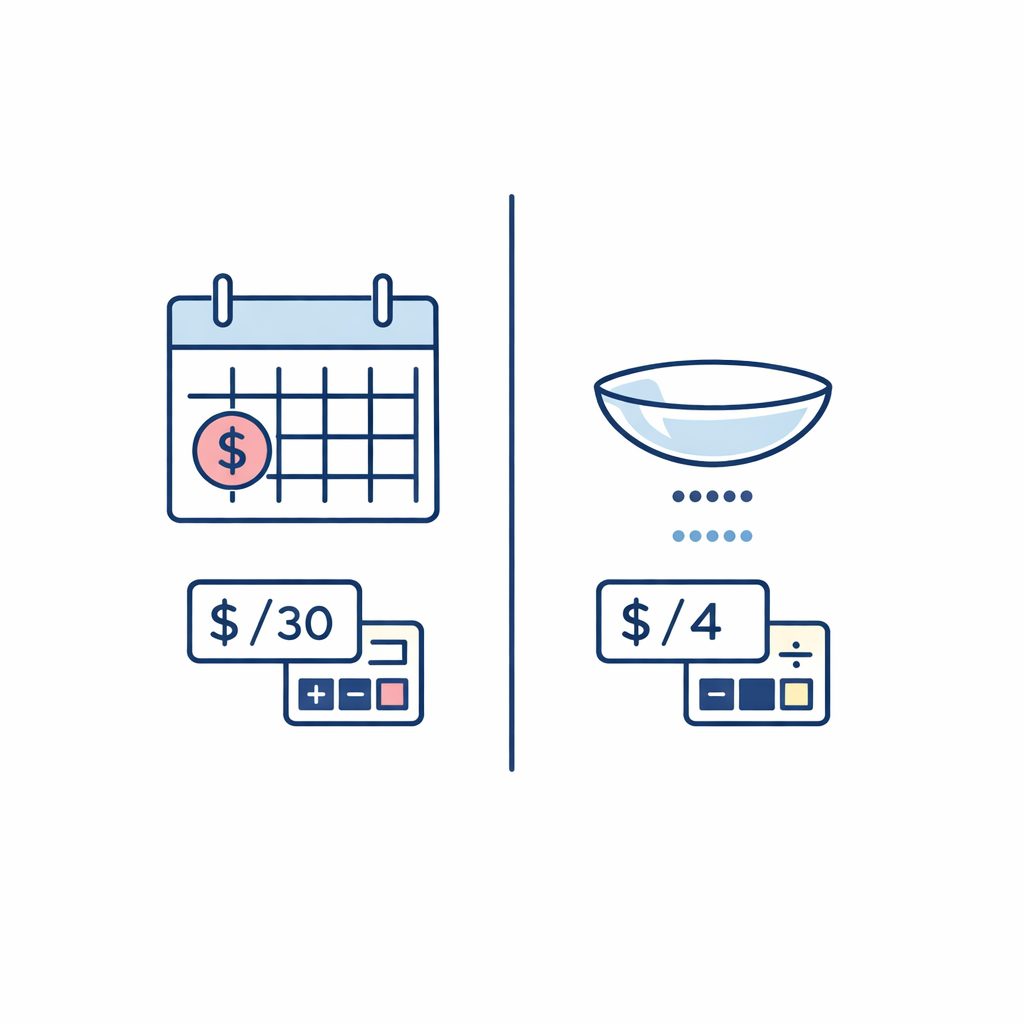
After you have the net annual total, divide by 12 to get cost per month. Then divide by your expected wear days, not by 365 automatically, to get cost per wear day.
This second number matters more than shoppers think. Someone who wears contacts 320 days per year and someone who wears them 120 days per year should not judge bulk contact lenses by the same logic.
Daily vs. biweekly vs. monthly comparisons
Compare like with like. If you are evaluating daily lenses against biweekly or monthly lenses, include everything you will really use over the year, including care items for reusable lenses and your honest wear frequency.
Safe wear habits matter here too. The CDC’s healthy contact lens wear and care guidance is a good reminder that stretching wear or replacing lenses late to “save money” can backfire, so your best value is the option you will actually use correctly.
Rebates, deadlines, and proof-of-purchase rules
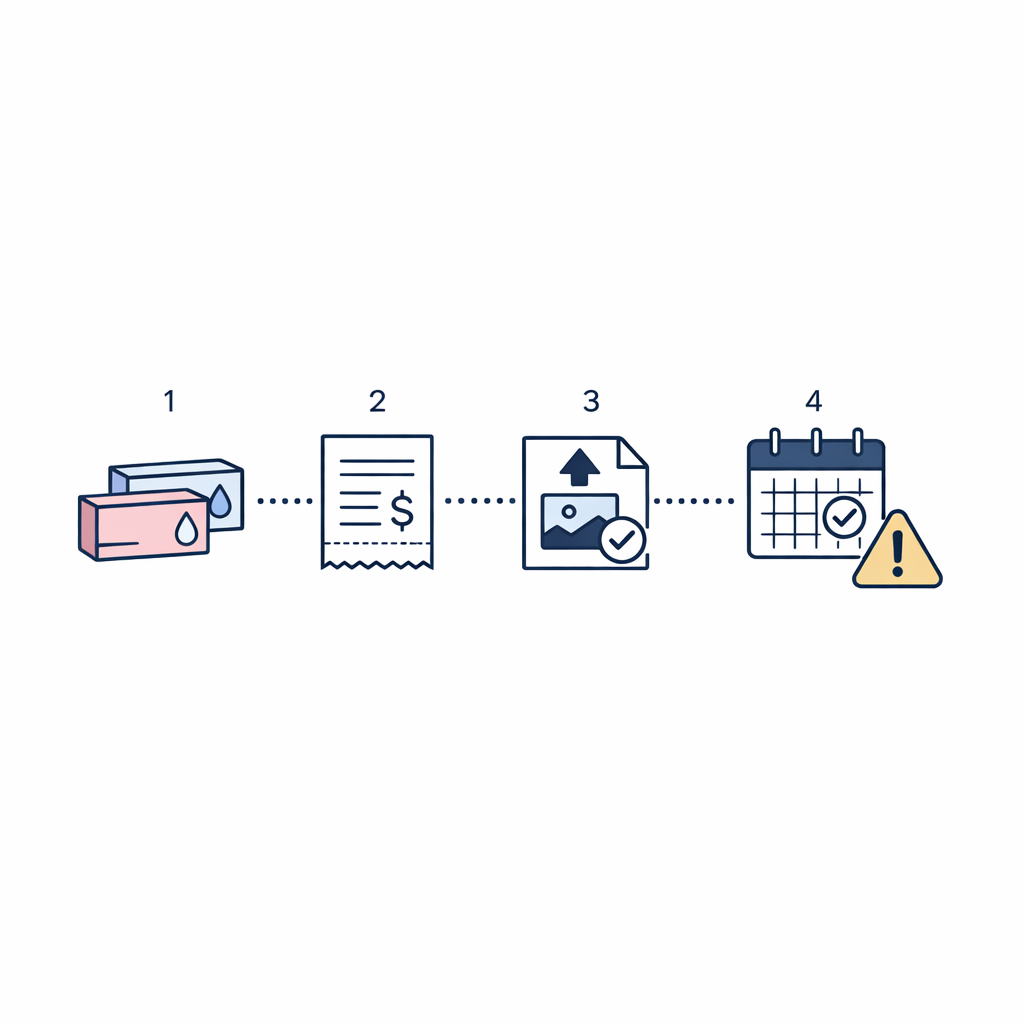
Common manufacturer rebate requirements
Most contact lens rebates are not automatic. You usually need an eligible product, the required purchase quantity, and a completed submission that matches the program terms.
That is why rebate math should always be treated as conditional until you know you can meet the rules. If the offer only applies to a larger quantity than you really need, it may not be a real win.
UPCs, receipts, and submission windows
Before opening anything, save your confirmation email, packing slip, receipt, and screenshots of the offer terms. If a program asks for box information or proof of purchase, you do not want to be searching through trash a month later.
A practical habit is to create a single folder in your email or photos app for every annual lens purchase. That one step makes rebate follow-through much easier.
New vs. existing wearer differences
Some promotions are better for new wearers, while others also work for current wearers restocking the same brand. Always read the offer as if it were written for someone trying to make a mistake, because that is how you catch the details that affect your payout.
Storage, shelf life, and unopened box policies
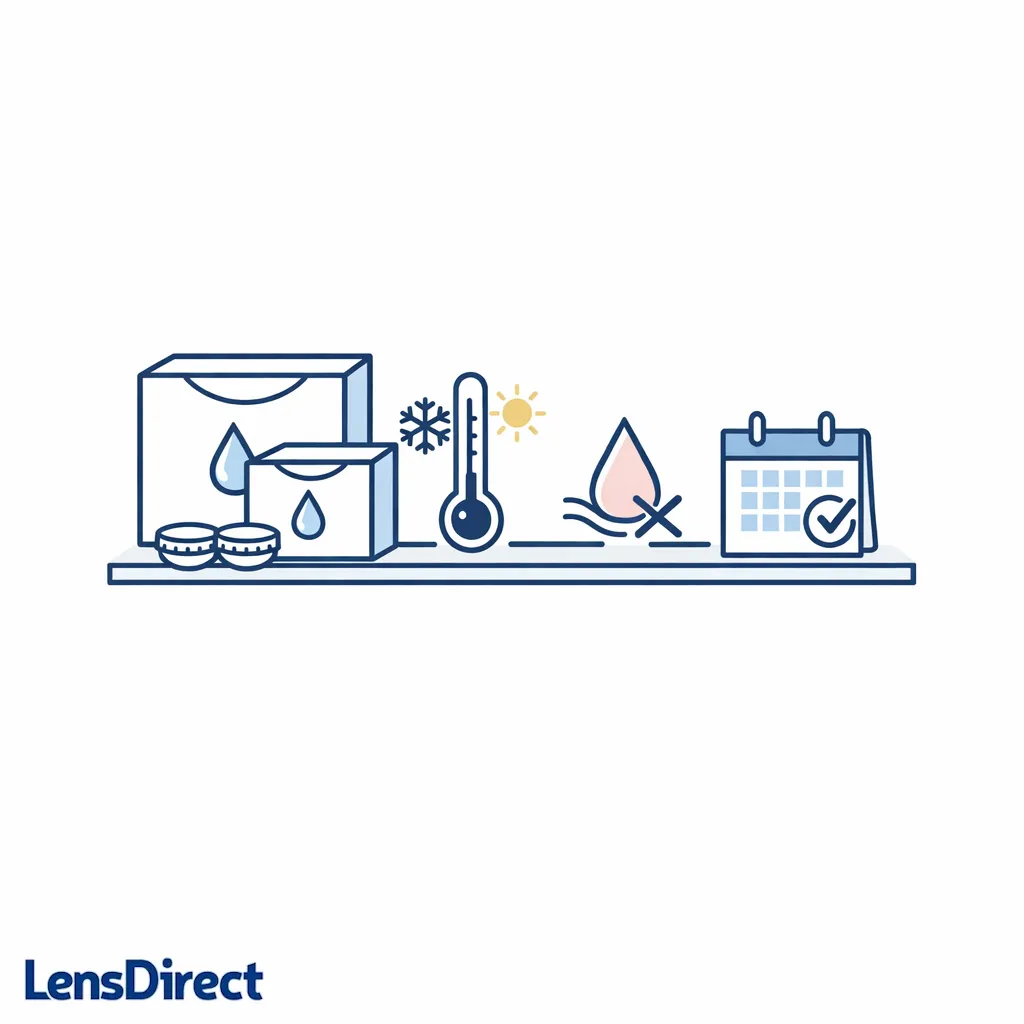
How to store unopened contacts
Keep unopened boxes sealed and stored in a clean, dry, temperature-stable place. Avoid tossing a year supply into a hot car, a steamy bathroom shelf, or anywhere you are likely to crush or soak the packaging.
What to check on expiration dates
When your order arrives, check the printed expiration dates right away. If you wear lenses part time, make sure the boxes give you enough runway to use them comfortably before they expire.
It is also smart to follow the handling, wear, and replacement instructions that come with your exact lenses, because the FDA’s contact lens guidance makes clear that proper use matters for safety as well as comfort.
Exchange policies if your prescription changes
Before placing a large order, read the seller’s unopened-box return or exchange policy. That is one of the most important protections for shoppers who are near an exam date or switching prescriptions.
If the policy is strict and your prescription feels likely to change, a 6-month order may be the smarter play.
Should you buy a 6-month or 12-month supply?
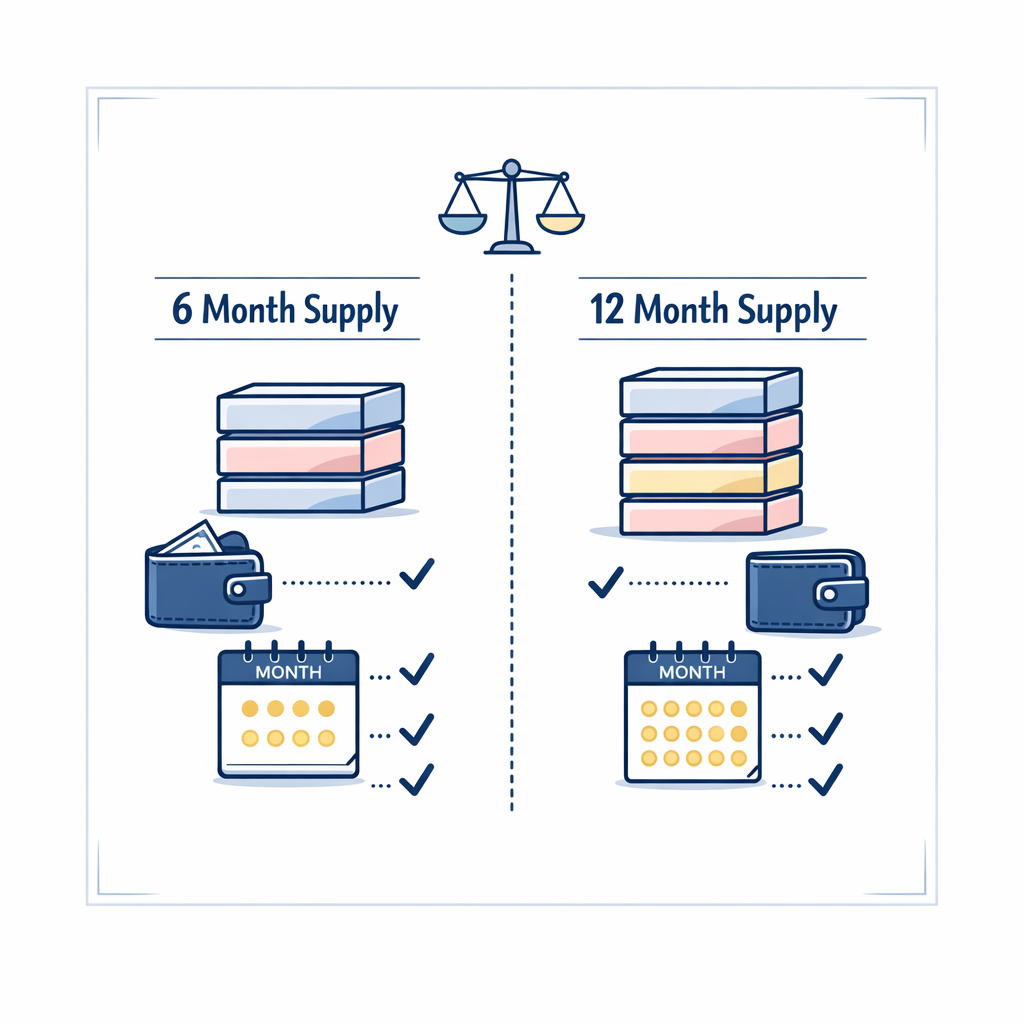
Best fit by wear frequency and budget
A 12-month supply is usually best for full-time wearers who already know their lenses work well, have a stable prescription, and can use the full rebate or benefit structure. A 6-month supply is often better for newer wearers, part-time wearers, budget-conscious shoppers, and anyone expecting an exam or brand change soon.
Decision checklist
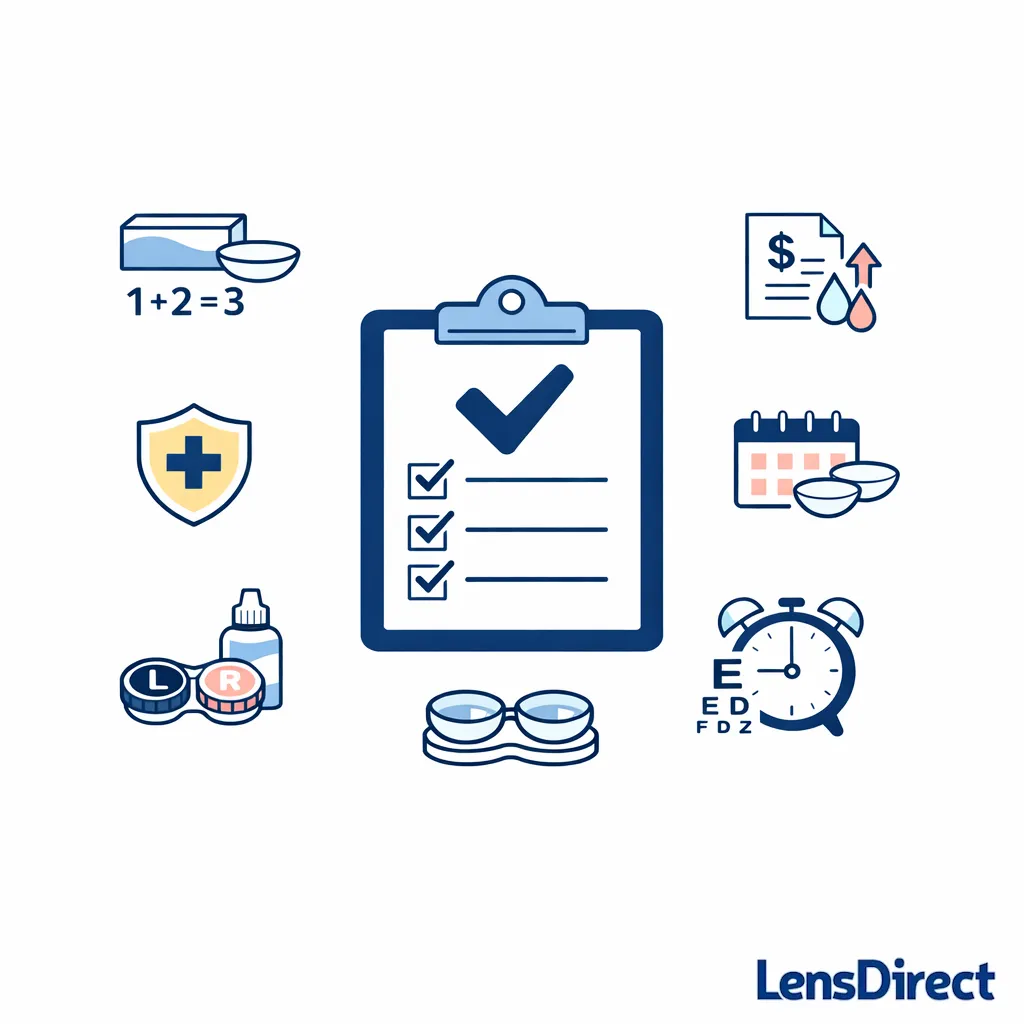
- Buy 12 months if you wear lenses most days, your prescription feels stable, the rebate is real, and the upfront cost fits your budget.
- Buy 6 months if you are testing comfort, wear lenses only sometimes, or want less money tied up in boxes.
- Pause and compare again if the annual discount is small, the rebate rules are annoying, or your exam is around the corner.
Common mistakes and misconceptions
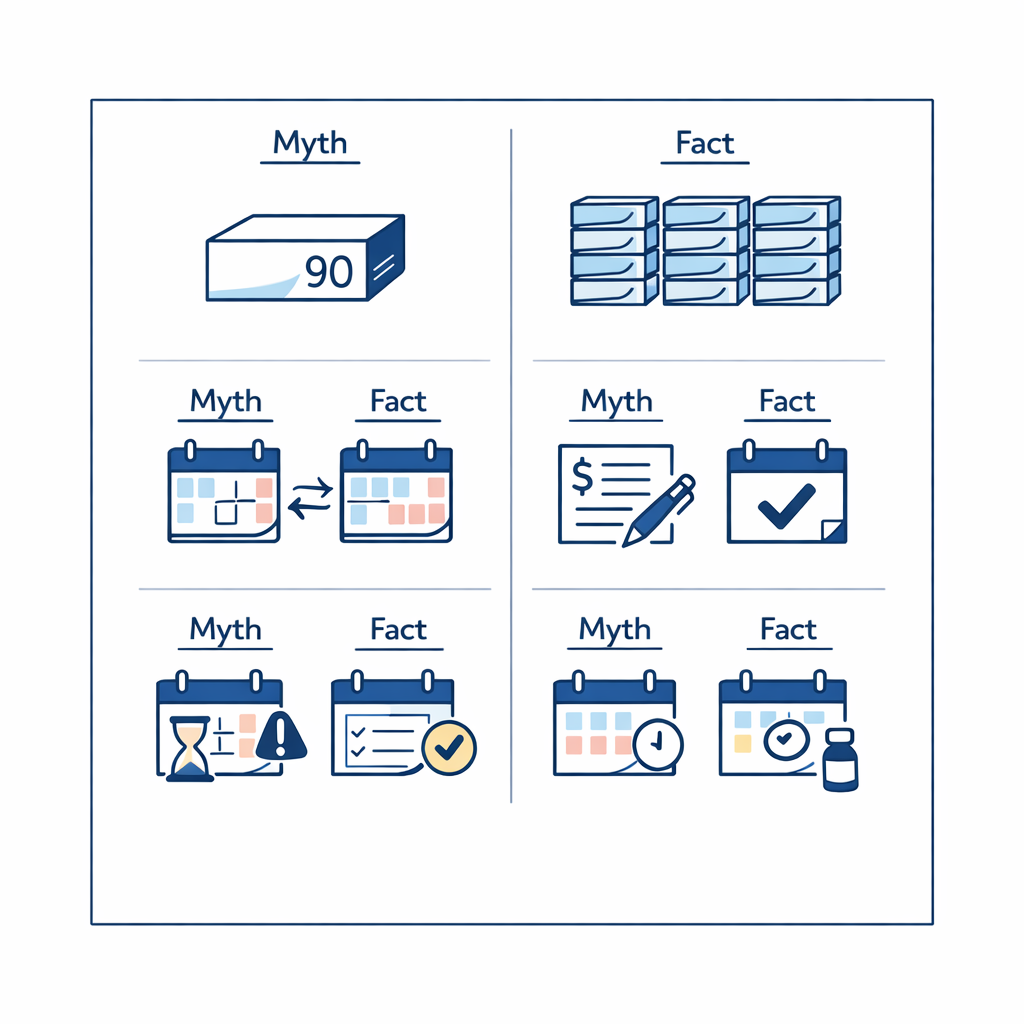
- “A 90-pack is a year supply.” Usually no. A 90-pack of daily contacts covers about 90 days for one eye, not a full year for both eyes.
- “Biweekly means twice a week.” It means every two weeks.
- “Any rebate means I am saving money.” Only if you buy the right quantity and actually complete the submission.
- “Cheapest per box always wins.” Not if you will not use all the lenses, or if the upfront spend hurts your cash flow.
- “If the lenses are unopened, I do not need to think about storage or expiration.” You still need to check dates and store them carefully.
FAQ
Can you get a year supply of contacts?
Yes. A year supply of contacts is simply enough of your prescribed lenses to cover about 12 months of wear. The exact number of boxes depends on whether your lenses are daily, biweekly, or monthly, plus whether both eyes use the same prescription details.
Is a 90-pack of contacts a year supply?
Usually not. For daily contacts, a 90-pack is about 90 days for one eye. If you wear daily disposables in both eyes all year, you usually need about 365 lenses per eye, which is commonly 4 boxes per eye when sold in 90-packs.
How many contacts are in a 12-month supply?
For both eyes and full-time wear, a 12-month supply is about 730 daily lenses, 52 biweekly lenses, or 24 monthly lenses. The number of boxes varies because brands are sold in different pack sizes, and each eye may need its own prescription.
How much should an annual supply of contacts cost?
There is no one right number. Your true cost depends on the lens brand, replacement schedule, prescription complexity, box size, shipping, manufacturer rebate, and any insurance, HSA, or FSA value you can apply. Net annual cost matters more than sticker price.
Are contact lens rebates worth it?
They can be, especially for full-time wearers who already know the exact lens they want and can meet the submission rules. They are less useful when you are unsure about the lens, do not need a full annual quantity, or know you are unlikely to submit the paperwork.
Ready to price your next order?
If you have done the box-count math and know what quantity makes sense, LensDirect can help you compare the next step without overbuying. Start with the purchase you actually need, then add benefits or backup eyewear where it helps your routine.
- If you are ready to reorder, Shop Contacts.
- If you want a backup pair for days you are not wearing lenses, Shop Glasses or Shop Sunglasses.
- If your frames still work but your optics need an update, Replace Your Lenses, use Full-Service Replacement, or Order Replacement Lenses.
- If you want help using your benefits, Learn How to Get Reimbursed by Your Insurance.
- If you are also shopping for glasses online, Find Your Fit and Learn How to Measure Your Pupillary Distance.
Author

Subscribe to our email newsletter to get the latest posts delivered right to your email.