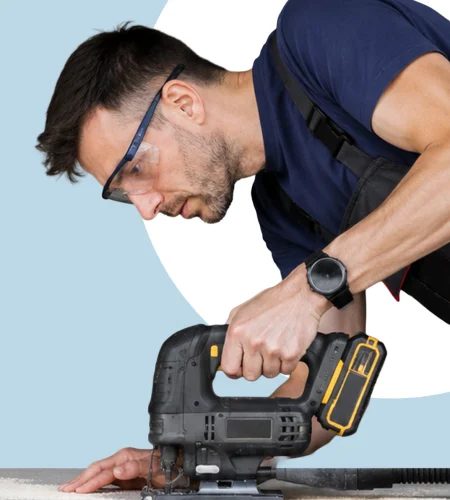
DIY projects are supposed to improve your home, not send you searching for an urgent care. The tricky part is that “protective eyewear” can mean everything from everyday prescription glasses to true safety-rated frames and lenses that are designed and tested for impact hazards.
This guide is for anyone shopping for eyewear online who wants a clear, practical way to choose prescription safety glasses, prescription safety sunglasses, or both. You’ll learn how to spot real safety ratings, pick the right coverage for common tasks (woodworking, yard work, and shop projects), and decide which lens options actually match how you work.
Start with the real question: what are you protecting against?
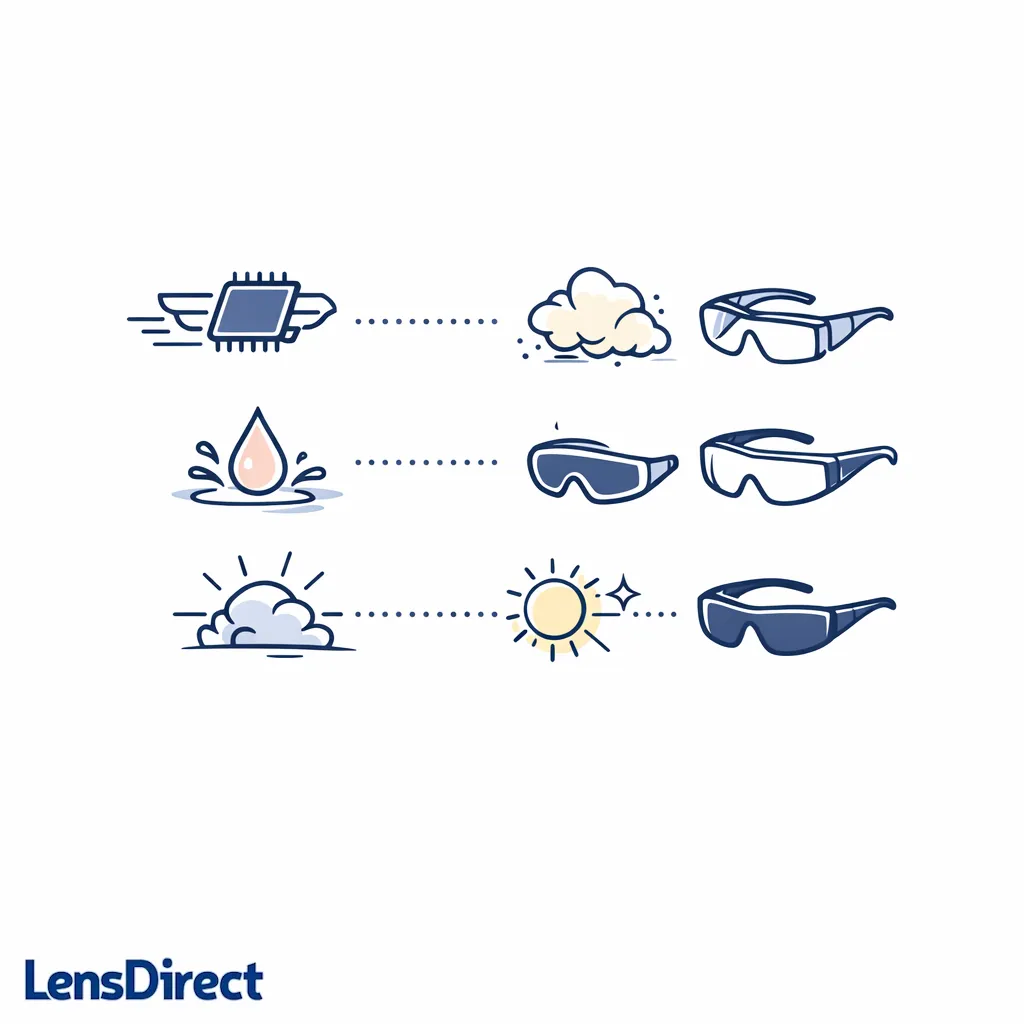
Different projects create different eye risks. Flying debris (wood chips, metal fragments), dust, and branches call for impact protection and side coverage, while chemicals and wet sprays may push you toward a sealed goggle style.
If you want a simple rule: pick the protection based on the worst thing that could realistically hit your eye during that task, not the “average” moment when everything feels controlled.
- Impact hazards: drilling, grinding, mowing, woodworking, using a nail gun
- Dust and particles: sanding drywall, cutting tile, blowing leaves
- Splashes and aerosols: mixing cleaners, using solvents, spraying finish or paint
- Sun and glare: driving, water/snow glare, long days in the yard
Safety-rated vs. “protective”: the difference that matters
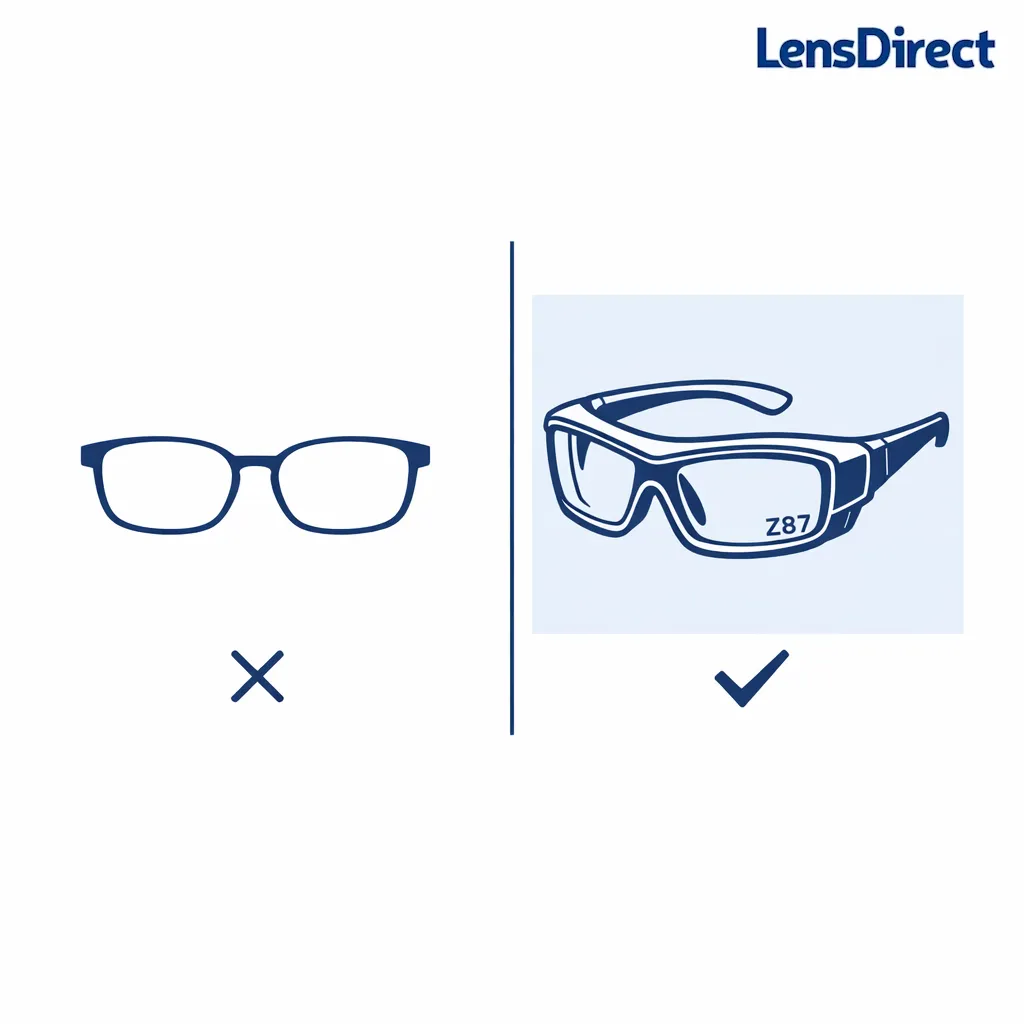
Many glasses feel sturdy and look sporty, but that does not automatically make them safety-rated. In the U.S., the most common benchmark consumers look for is compliance with ANSI/ISEA Z87.1 eye and face protection, which covers performance and testing requirements for protectors.
For workplace settings, OSHA’s eye and face protection standard (29 CFR 1910.133) requires appropriate protection where eye or face hazards exist, and it references ANSI Z87.1 criteria for protectors used in many situations. Even if you are buying for home use, those same markings and concepts are a helpful way to shop with confidence.
How to identify real Z87 prescription safety glasses
When you see people searching for “z87 prescription glasses” or “ansi z87 1 prescription safety glasses,” they’re usually trying to confirm one thing: that the eyewear is actually tested and marked as a safety protector. The ANSI/ISEA Z87.1 standard uses markings (commonly including Z87 and Z87+) to indicate that a protector meets specific requirements and, in some cases, a higher impact designation.
When shopping online, look for clear product language that states the safety standard and how the product is marked. If a listing only says “impact resistant prescription lenses” without mentioning any standard or marking, treat it as a comfort-and-durability feature, not a safety certification.
Coverage first: wrap safety glasses, side shields, and goggle-style fits
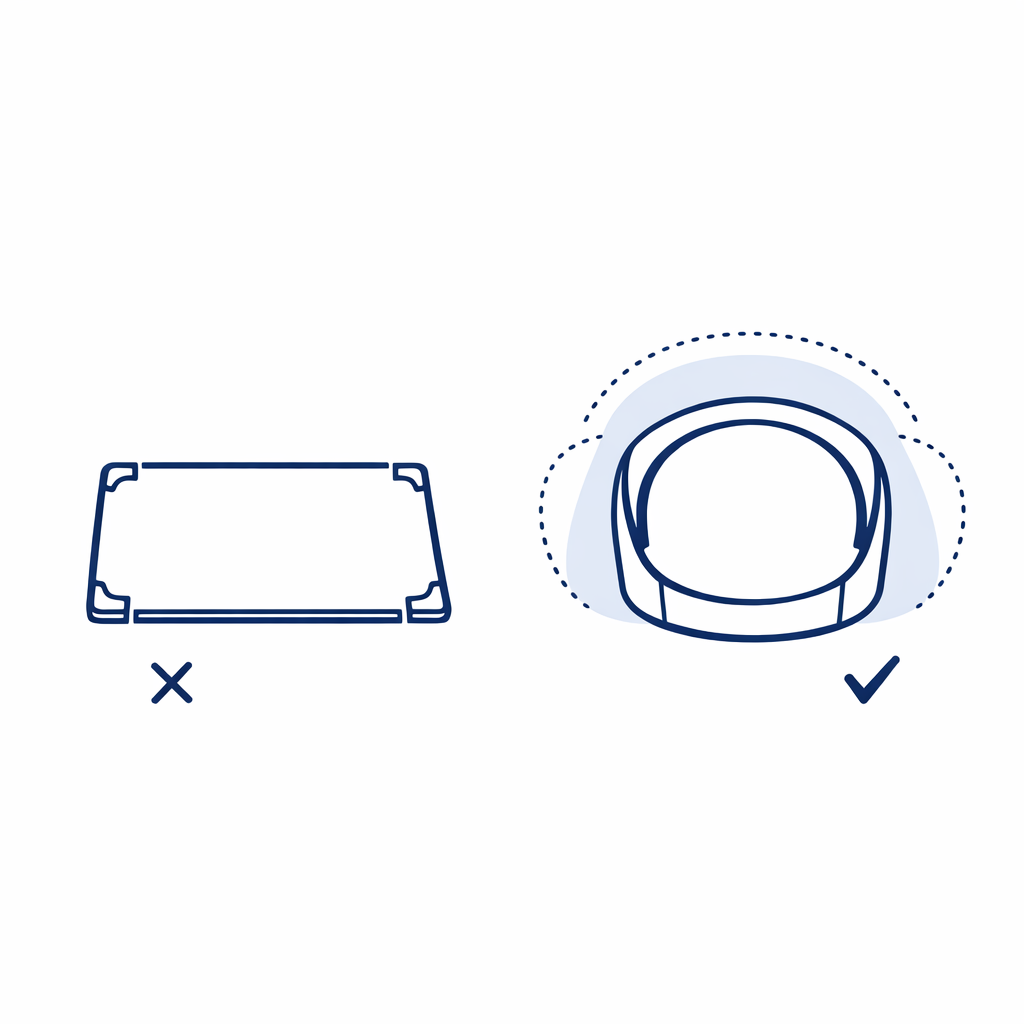
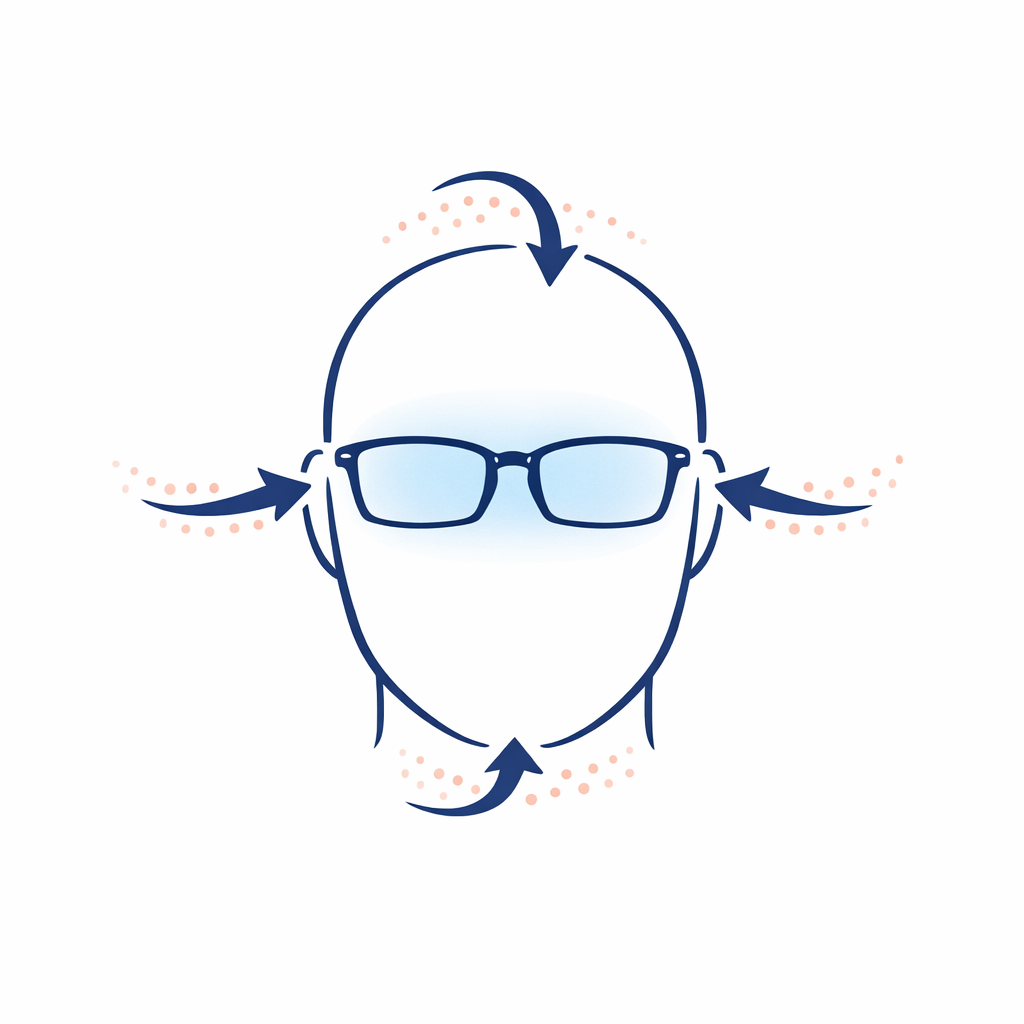
For most home projects, coverage is the biggest “real world” difference between a pair you’ll wear consistently and a pair that sits unused. The goal is to reduce gaps where debris can sneak in from the sides, top, or bottom while still staying comfortable enough to keep on.
When wrap around glasses help
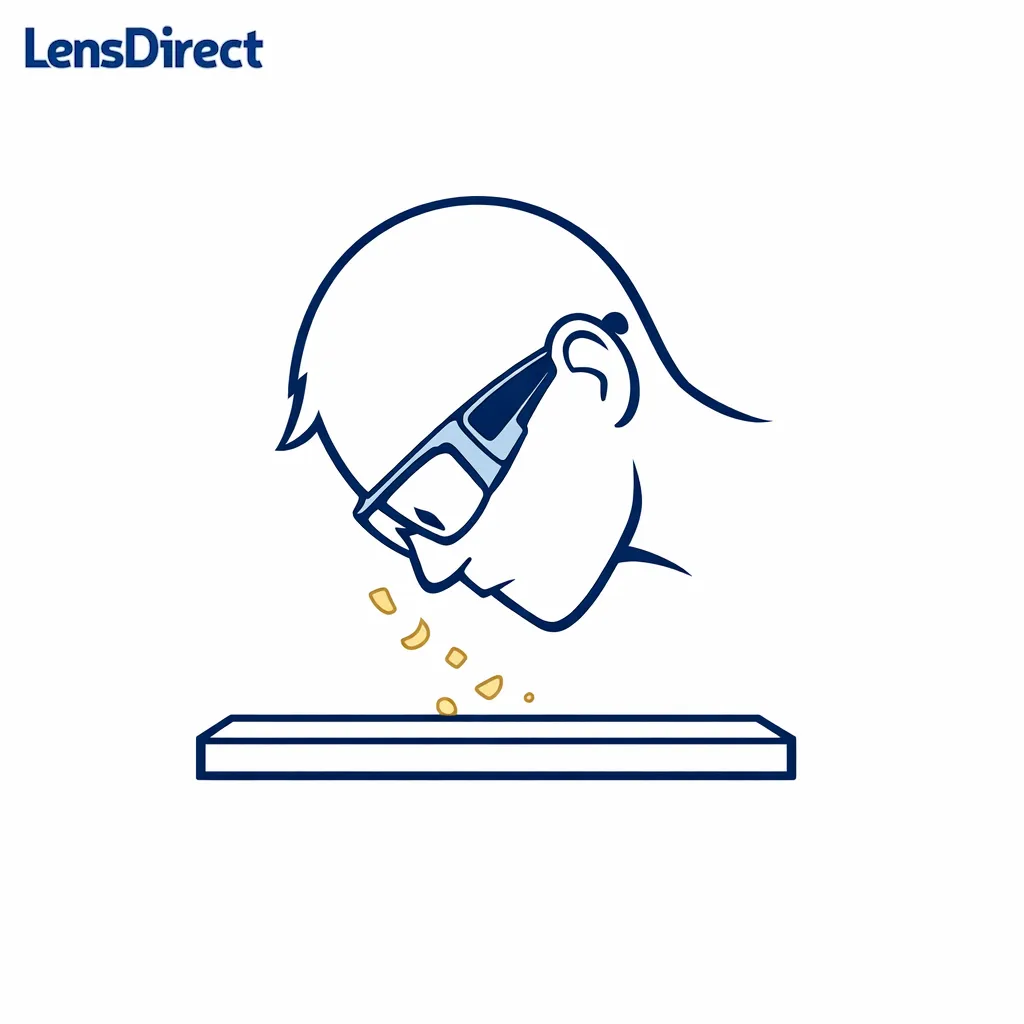
Wrap safety glasses (including many wrap safety glasses styles) are popular because they naturally extend coverage toward the temples and cheeks. If you do woodworking, grinding, or string-trimming, wrap coverage can be a practical upgrade over flatter fashion frames.
When side shields make sense
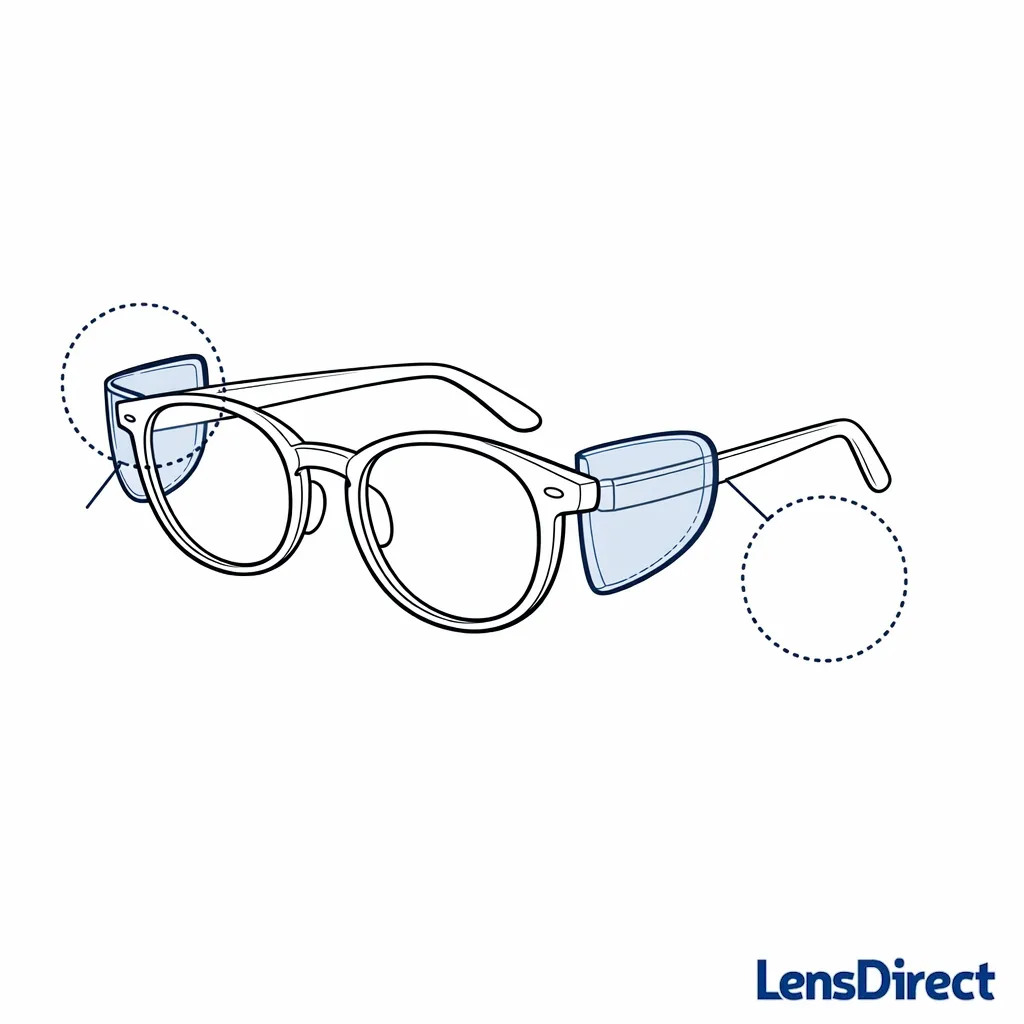
If you prefer a more traditional look, side shields can be a straightforward way to reduce side entry points. They are especially useful when you want “safety glasses for prescription glasses” style coverage, but you still need a frame shape that fits your face comfortably for long wear.
When to choose safety goggles rx styles
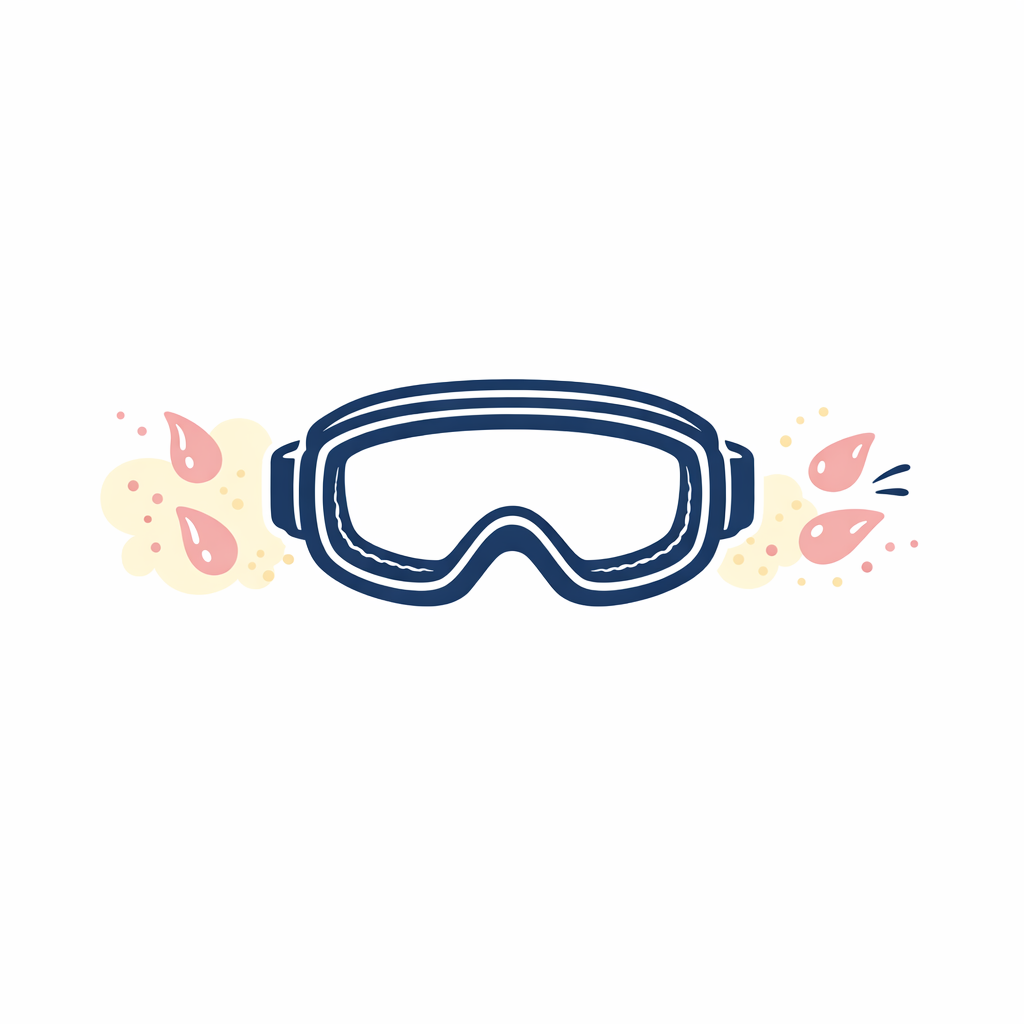
For chemical splashes, aerosols, or heavy dust, a goggle-style seal can be the most appropriate choice. OSHA’s guidance on selecting protection describes using goggles for certain exposure types, including liquid hazards, in its Eye and Face Protection eTool.
Prescription safety lenses: what to look for beyond “impact resistant”

People often search “impact resistant prescription lenses” expecting one magic material or one perfect thickness. In practice, the safer approach is to start with the safety rating/marking you need and then choose lens options that help you see clearly for your task.
- Start with the rating: choose safety prescription eyeglasses that clearly state the standard (for example, ANSI/ISEA Z87.1) and any relevant marking.
- Match your vision needs: if you switch between close work and distance (measuring, cutting, then stepping back), consider whether a single-vision or multifocal setup will feel more stable.
- Plan for your environment: dusty, humid, or temperature-changing spaces can make fogging more likely, so prioritize fit and ventilation features you will actually tolerate.
If you wear contacts, you may still want safety eyewear prescription glasses for projects where debris could irritate your eyes. For many people, having a dedicated “shop pair” reduces the temptation to take shortcuts.
Prescription safety sunglasses: UV protection and glare control without guesswork
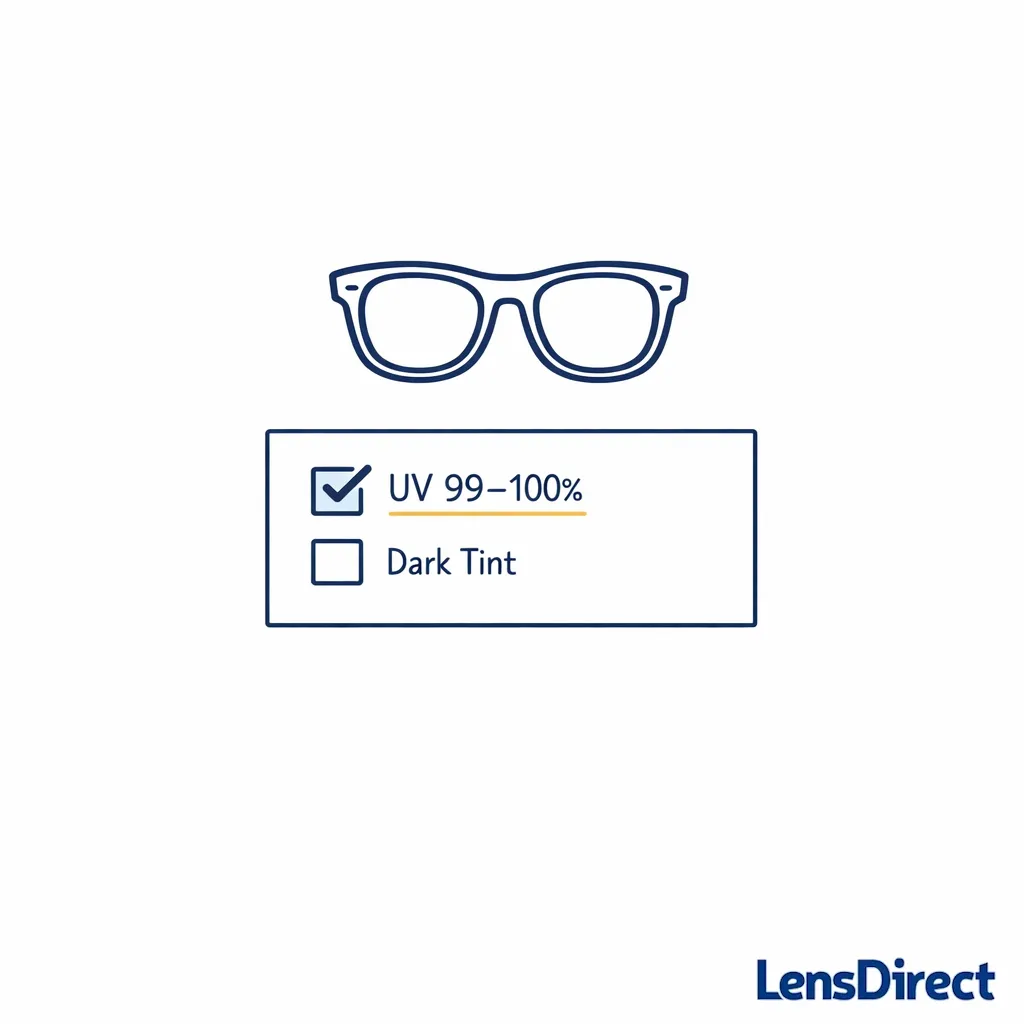
For yard work and outdoor projects, prescription safety sunglasses can help with comfort and visibility. But “dark” is not the same thing as “protective,” so it’s worth checking for clear UV labeling.
The FDA’s guidance on sunglasses and UV protection recommends looking for lenses labeled to block 99% to 100% of UVA and UVB. The American Academy of Ophthalmology’s sunglasses guidance also emphasizes choosing sunglasses that block 99% to 100% of UV radiation.
Polarized safety glasses: what polarization actually does
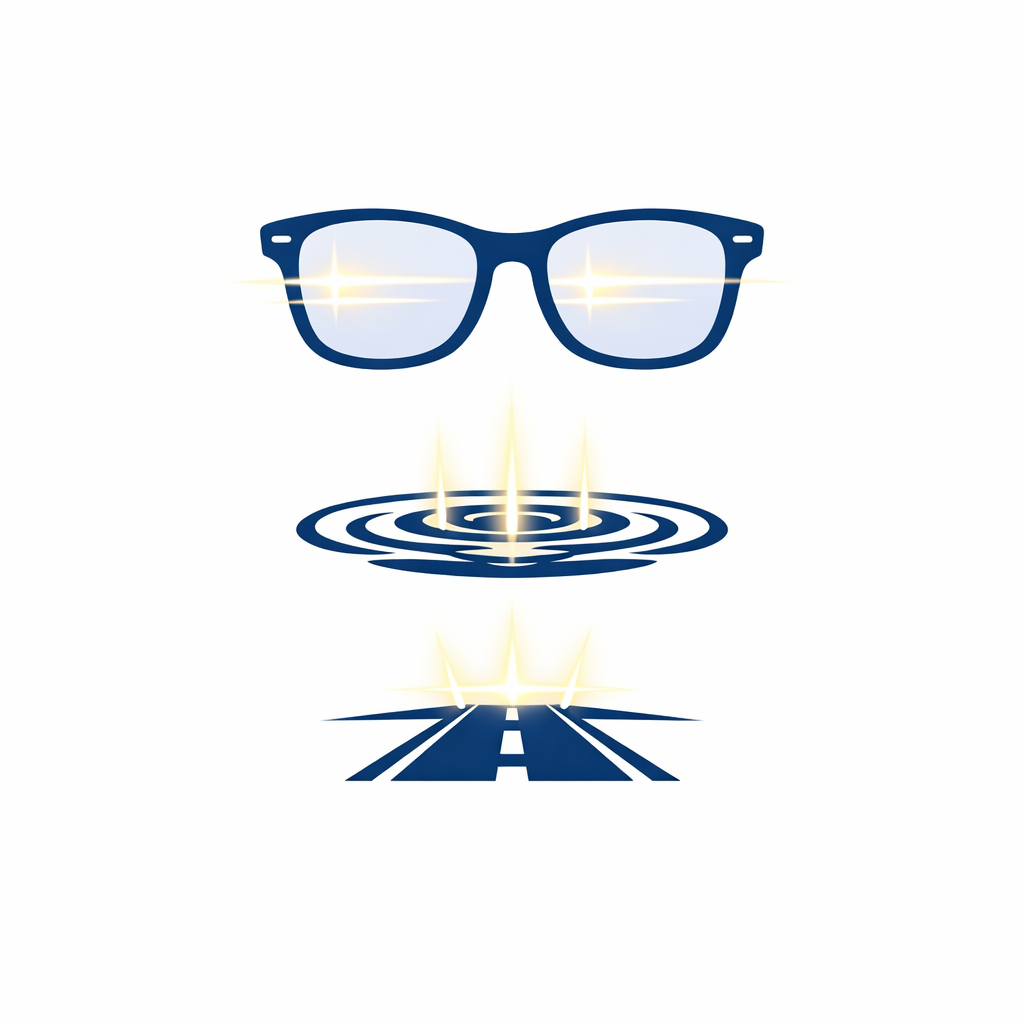
Polarized lenses are about glare management, not impact rating. The American Academy of Ophthalmology notes that polarized lenses reduce glare from reflected light (for example, off water, pavement, or snow), which can make outdoor tasks feel less visually fatiguing.
If you want “polarized safety glasses,” treat it as a two-part requirement: (1) the safety rating/marking for impact and (2) polarization plus UV labeling for sun and glare.
Lens options for real projects: practical picks
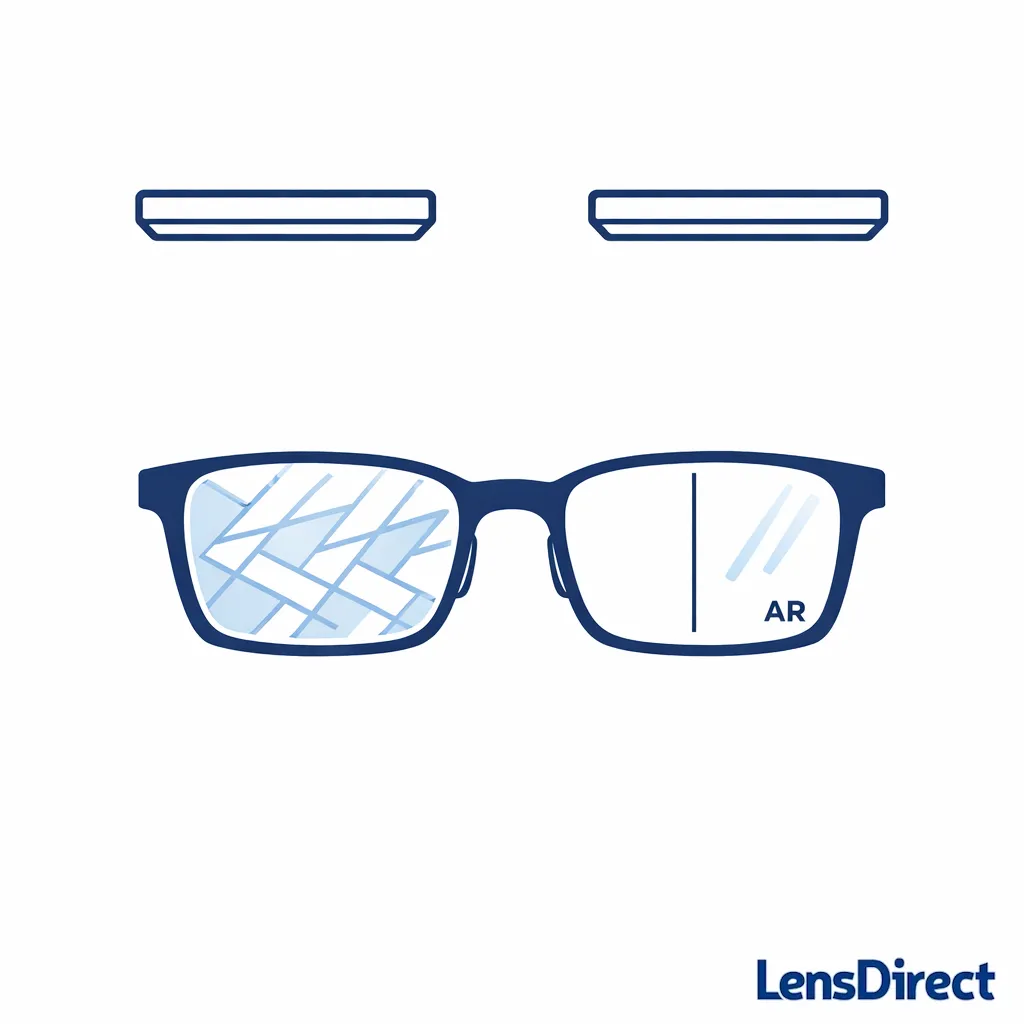
Once you’ve narrowed down a safety-rated frame and lens platform, you can choose add-ons based on what annoys you most during projects. The goal is not to build a “perfect spec sheet,” but to remove the friction that causes people to take their glasses off mid-task.
- Anti-reflective coating for safety glasses: consider it if bright shop lights, screens, or headlights feel distracting while you’re working.
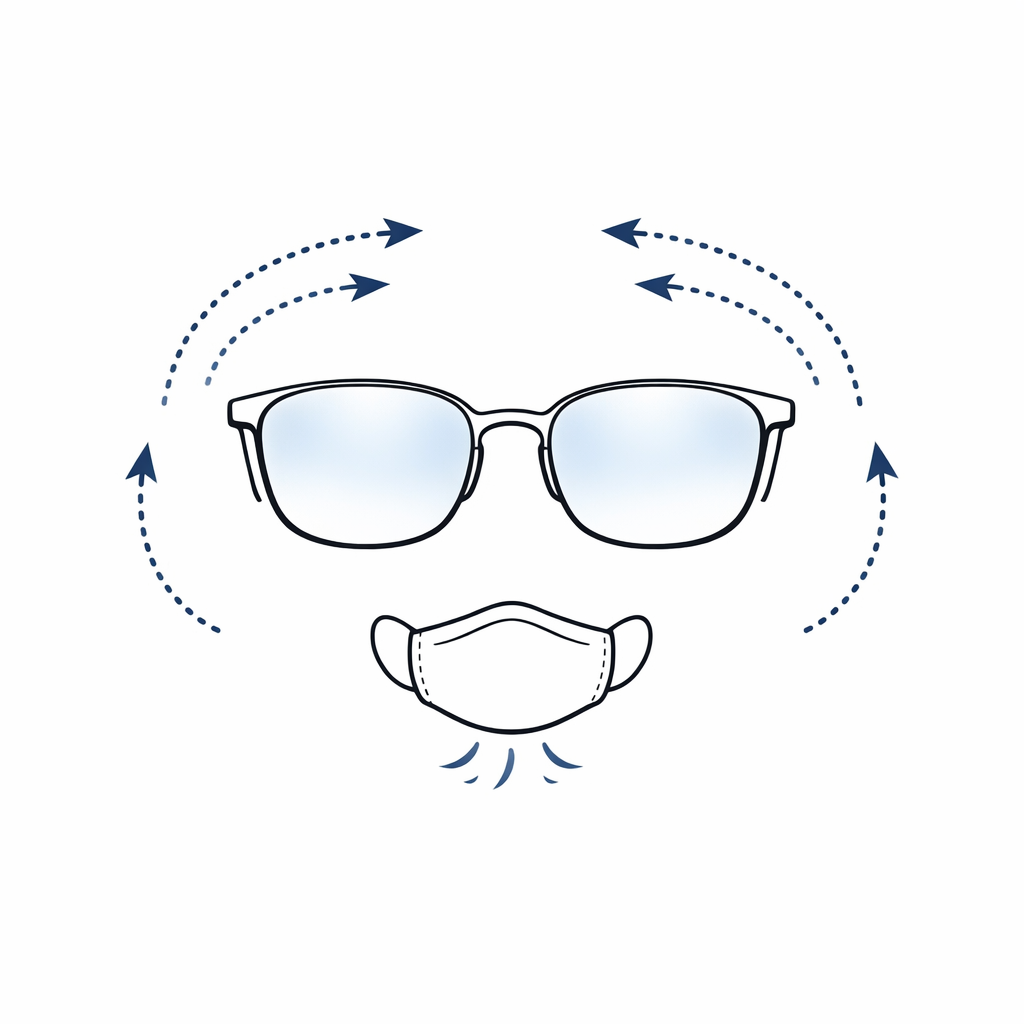
- Anti-fog support: if you work in humid spaces, wear a face covering, or move between temperatures, plan for fog management through fit and lens options.
- Scratch resistance: useful if you’re hard on your gear, toss glasses into tool bags, or work around grit and debris.
- Photochromic (transitioning) lenses: helpful if you move between indoors and outdoors and want fewer swaps.
Project-based recommendations (DIY, yard work, and shop)
Safety glasses for woodworking and shop projects
Woodworking often combines high-speed cutting with fine particles that can come from unpredictable angles. Prioritize a fit that stays put when you look down at a workbench, plus side coverage (wrap safety glasses or side shields) to reduce gaps.
If you switch between machines (miter saw, router, sander), think in “phases.” Wear safety-rated eyewear the entire time you’re in the shop area, not only when the tool is powered on, because setup and cleanup can still kick debris into the air.
- Look for: safety-rated marking, stable temples, coverage at the sides
- Nice to have: anti-fog planning if you use a respirator or dust mask
Best glasses for yard work (mowing, trimming, pruning)
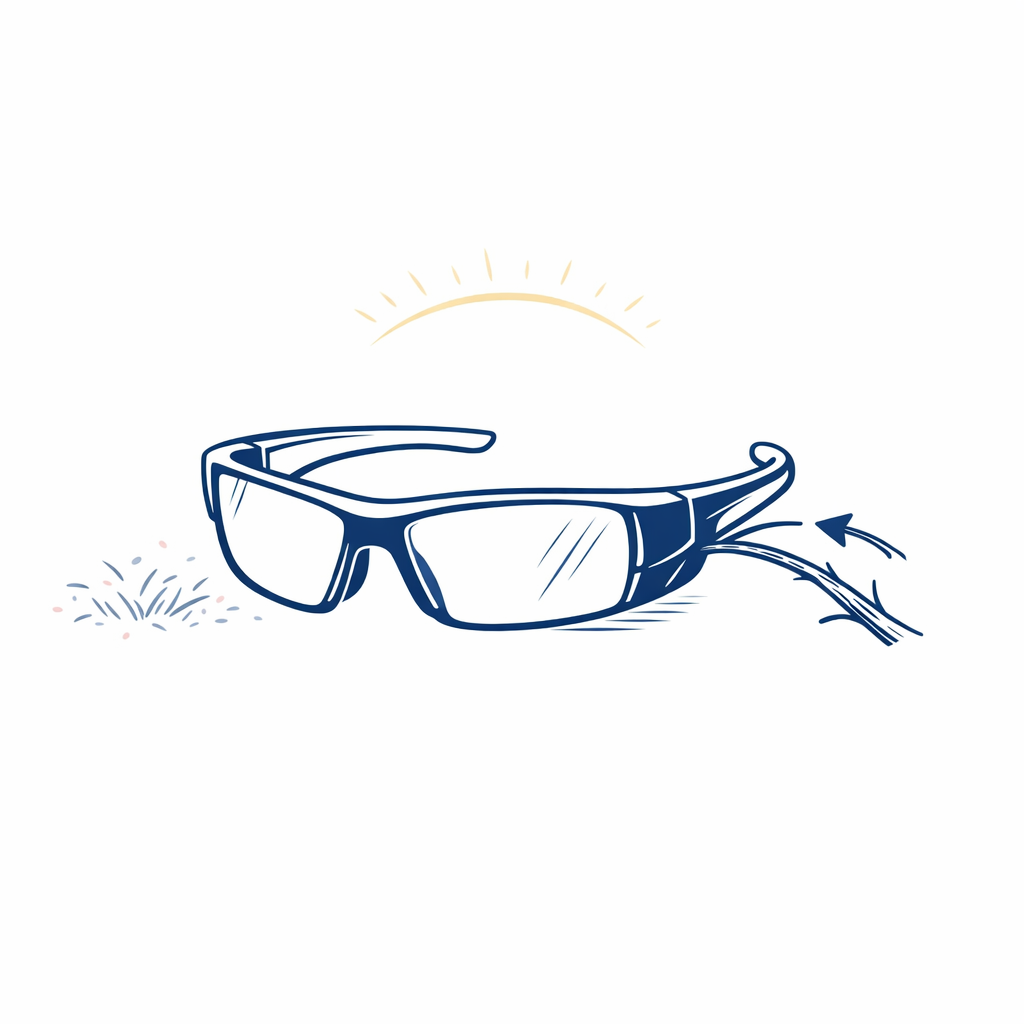
Yard work creates unpredictable debris: wind, bouncing gravel, and flexible branches that can snap back. Many people prefer prescription safety sunglasses here because sun + dust is an everyday combination, especially when you’re mowing or weed-whacking for an hour.
If glare affects how well you see changes in terrain, consider polarized safety glasses alongside UV labeling. If you work under trees or in changing light, a lens that adapts or a lighter tint can feel more usable than a very dark tint.
- Look for: wrap coverage, comfortable nose/temple contact, UV labeling
- Nice to have: polarization for driving-to-yard transitions and bright open areas
DIY home improvement (drilling, sanding, cutting, demo)
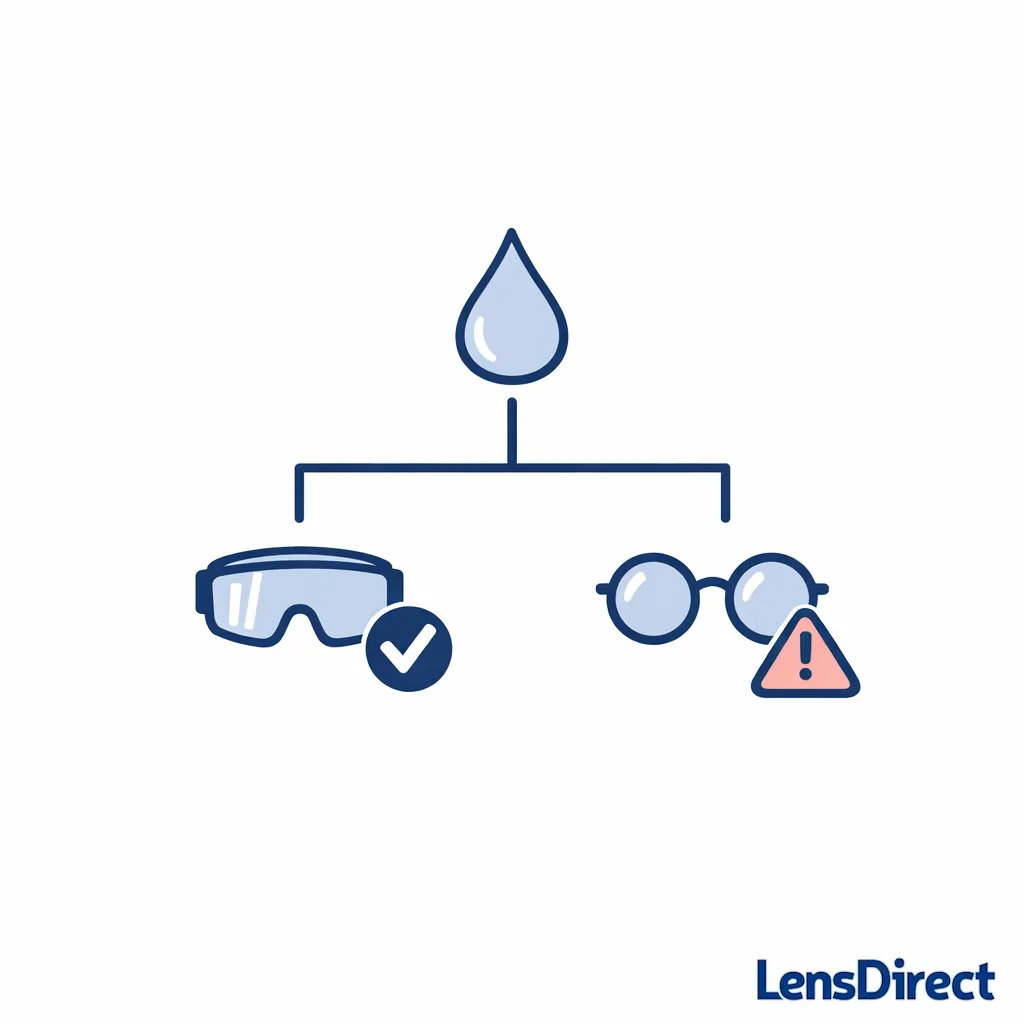
Home improvement tends to mix materials: wood, drywall, tile, insulation, and metal fasteners. Choose safety-rated protection you can keep on through messy transitions, because the temptation is to remove eyewear when you move from one “small” task to another.
If you’ll be using chemicals, sprays, or anything that can splash, consider stepping up to a goggle-style fit. OSHA’s selection guidance in the Eye and Face Protection eTool is a helpful reference point for matching protector types to exposure types.
- Look for: safety rating/marking, comfort for long wear, side coverage
- Nice to have: a second pair you won’t mind getting dusty or scratched
Driving glare, outdoor sports, and “work that starts at sunrise”
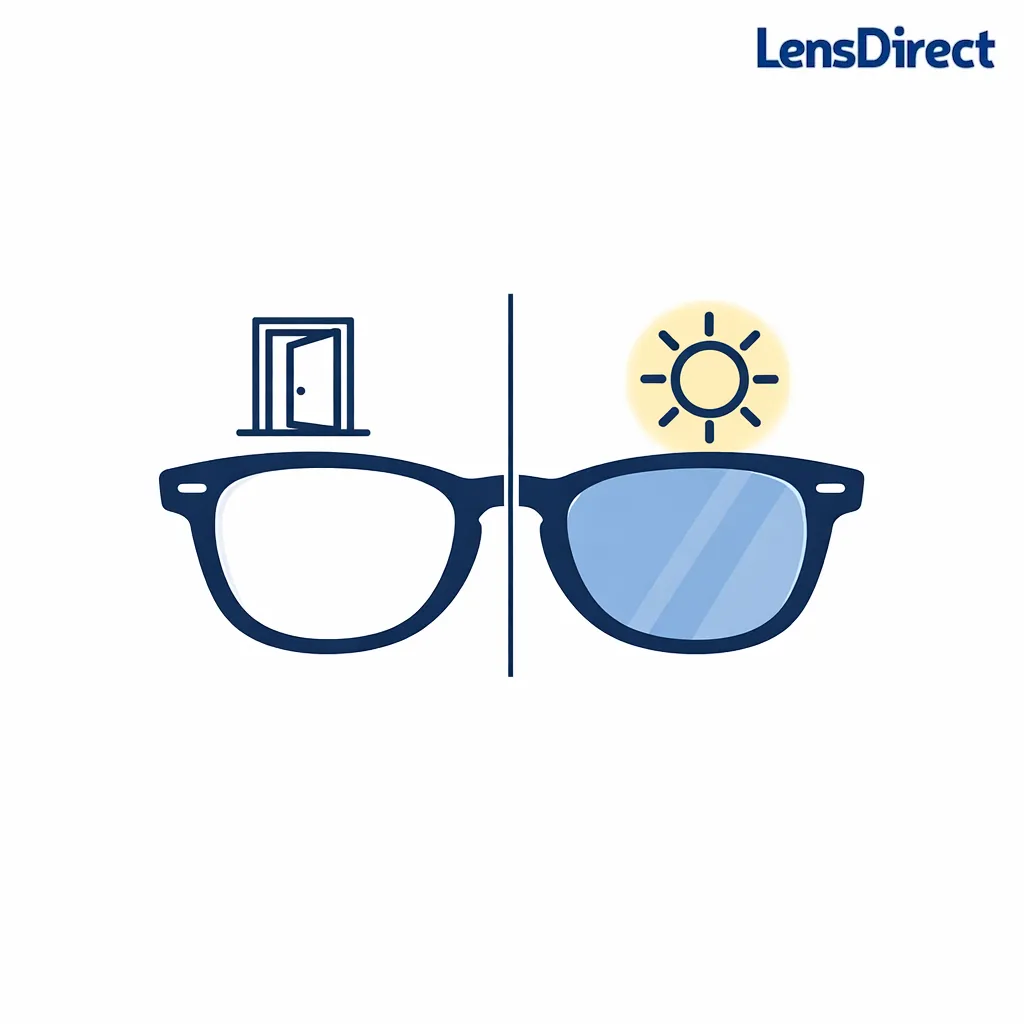
If you spend time driving to job sites, hauling materials, or doing long outdoor days, prescription safety sunglasses can serve double duty. Use UV labeling as a non-negotiable requirement, and add polarization if reflective glare is your main annoyance.
If you need one pair for both tasks and daily life, consider keeping your safety-rated pair project-specific and using a separate everyday sunglass for everything else. That way you’re not forced into compromises on coverage or durability.
Range days and shooting glasses prescription setups
For “rx shooting glasses” searches, people are typically balancing clear sight alignment, comfort under hearing protection, and protection from ejected casings or debris. Focus on stable fit with earmuffs, coverage at the sides, and lenses that let you see contrast clearly in the environment you shoot in.
If you’re tempted by fashion wraps, double-check that what you’re buying is actually a safety-rated protector and not just a sporty silhouette. Safety is about verified performance and the fit you’ll keep on for the entire session.
What changed / what’s new (and why it matters when you shop online)
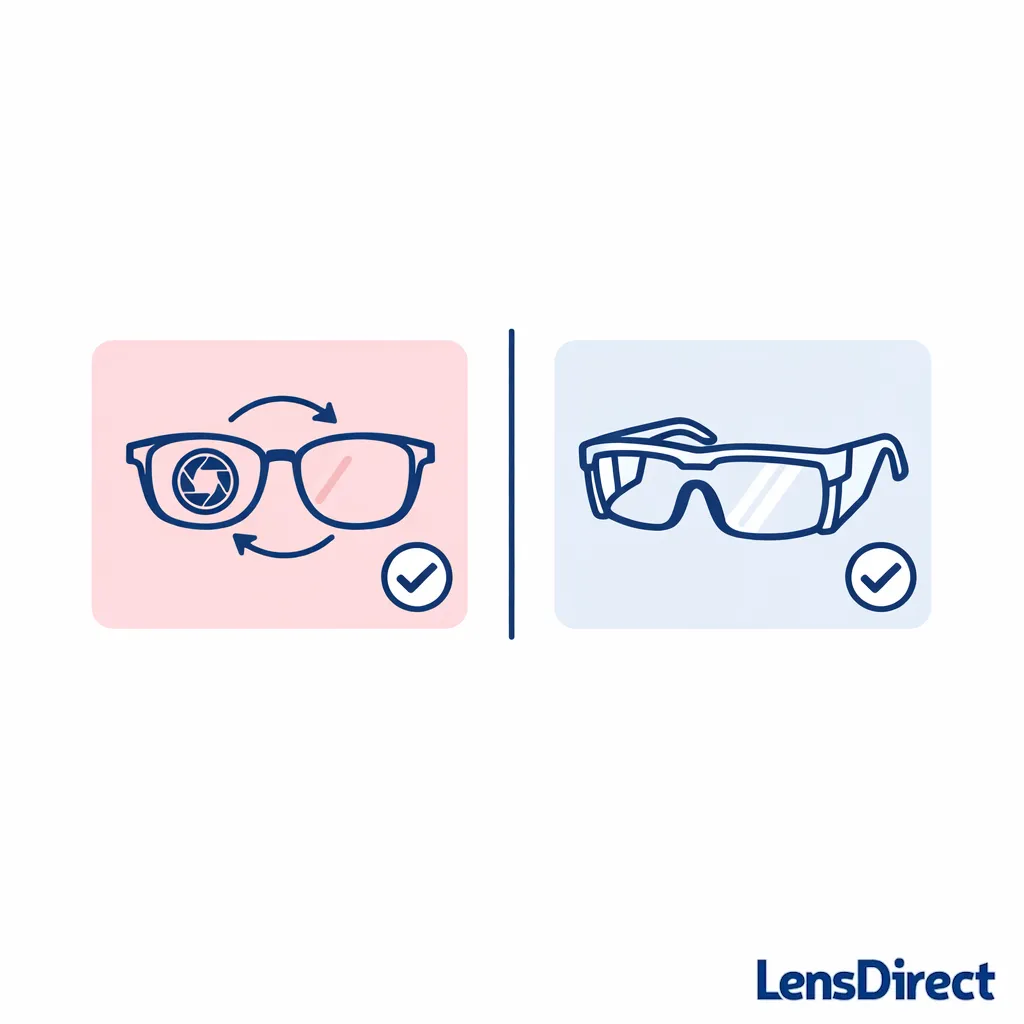
Safety eyewear shopping has gotten easier online, but it has also made labeling more important. The current consensus standard is ANSI/ISEA Z87.1-2020, and product listings should clearly state which standard the protector is designed to meet and how it is marked.
In other words: you do not need to memorize every test requirement, but you do want to see straightforward, specific claims. If a product page avoids naming any standard, treat it as general eyewear rather than safety prescription eyewear.
Common mistakes and misconceptions
“My regular prescription glasses are basically safety glasses.”
Everyday glasses can feel sturdy, but safety-rated eyewear is identified through specific standards and markings. If you need safety protection, start by looking for compliance with ANSI/ISEA Z87.1 rather than assuming thickness or frame weight equals protection.
“Polarized means it blocks UV.”
Polarization and UV protection are separate features. Use UV labeling as the deciding factor, and treat polarization as a glare-comfort add-on, consistent with the FDA’s UV protection guidance.
“Darker tint is safer.”
Darkness is not a reliable indicator of UV blocking. The practical shopping move is to look for lenses labeled to block 99% to 100% UVA and UVB, as described by the American Academy of Ophthalmology and the FDA.
“I’ll just put safety glasses over my glasses.”
Over-glasses styles can work for some people, but they often introduce fit gaps, slipping, and fogging that lead to inconsistent wear. If you do projects often, a dedicated pair of prescription safety glasses is usually easier to keep on from start to finish.
What to do next: a quick checklist you can follow today
List your top 3 tasks: yard trimming, woodworking, chemical cleaning, driving glare, range time.
- Pick the protection type: impact-focused glasses vs. sealed goggle-style for splashes, using the OSHA selection guidance as a sanity check.
- Confirm the safety standard: look for clear product language tied to ANSI/ISEA Z87.1 and appropriate markings.
- Choose coverage you’ll actually wear: wrap safety glasses, side shields, or goggle-style depending on your gaps and comfort.
- Decide on sun features: for outdoor work, require UV labeling consistent with FDA UV guidance and add polarization if glare is your problem.
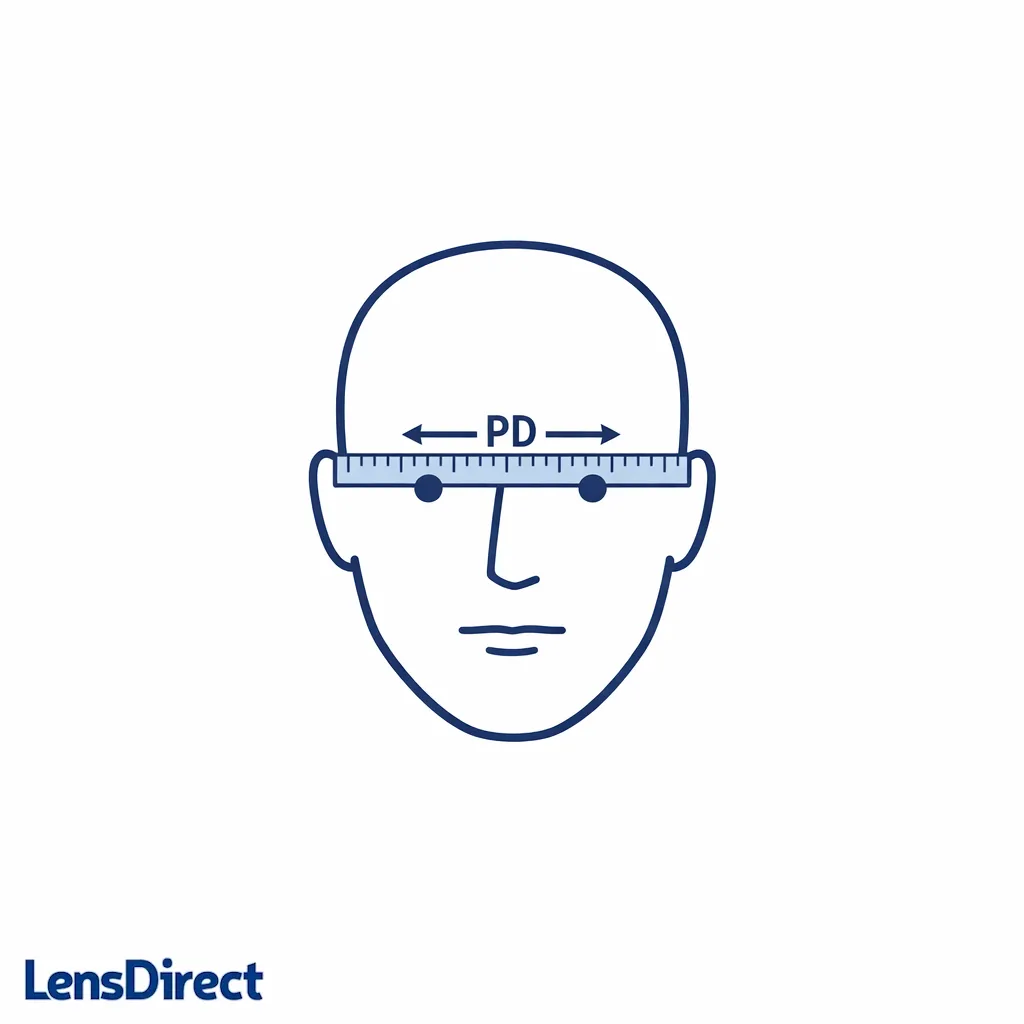
- Get your measurements right: use Learn How to Measure Your Pupillary Distance before ordering prescription eyewear online.
- Keep a “project pair” ready: store it with your tools so you don’t start “just one quick cut” without protection.
- Replace when vision or wear changes: scratched lenses and loose fit reduce the odds you’ll wear them consistently.
Shop prescription eyewear that’s ready for work and outdoors
If you’re ready to build a safer setup, LensDirect makes it easy to cover both project protection and everyday convenience. Start with Shop Glasses for your daily pair, or go straight to Shop Sunglasses if your priority is outdoor comfort and glare control.
If your frames still fit but your lenses are scratched, outdated, or you want a different look for the season, you can Replace Your Lenses instead of starting over. Choose Full-Service Replacement if you want to send your frames in, or Order Replacement Lenses if you prefer a DIY option.
Need help dialing in comfort and sizing before you commit? Use Find Your Fit, and if you plan to use vision benefits, review Learn How to Get Reimbursed by Your Insurance. If you’re also a contact lens wearer and want an easy backup for travel or busy weeks, you can Shop Contacts in the same place you handle your prescription eyewear.
Author

Subscribe to our email newsletter to get the latest posts delivered right to your email.