

If you’ve ever put in contact lenses and wondered why your vision sometimes goes crisp, then slightly blurry, you’re not alone. For people with astigmatism, toric contact lenses are designed to correct vision in a specific orientation, so comfort and clarity depend on how well the lens aligns and stays aligned.
This guide is for anyone buying contacts online, switching brands, troubleshooting “blurry sometimes” moments, or learning what cylinder and axis mean on a contact lens prescription. You’ll learn how toric lenses work, what the orientation marks do, what to expect during the adjustment period, and practical everyday tips for insertion, travel, and comfortable wear.
First, a quick safety note (and why it matters for online ordering)
In the U.S., contact lenses are regulated as medical devices by the FDA, which is why they require a valid prescription and proper fitting. Even if you already know your glasses prescription, contact lens prescriptions are different and include lens-specific parameters.
If anything in this article doesn’t match what your eye doctor recommended, follow your prescriber’s guidance first. For persistent discomfort, redness, discharge, light sensitivity, or worsening blur, follow CDC contact lens safety guidance and remove your lenses and contact your eye care provider.
Toric vs. regular contacts: what’s actually different?
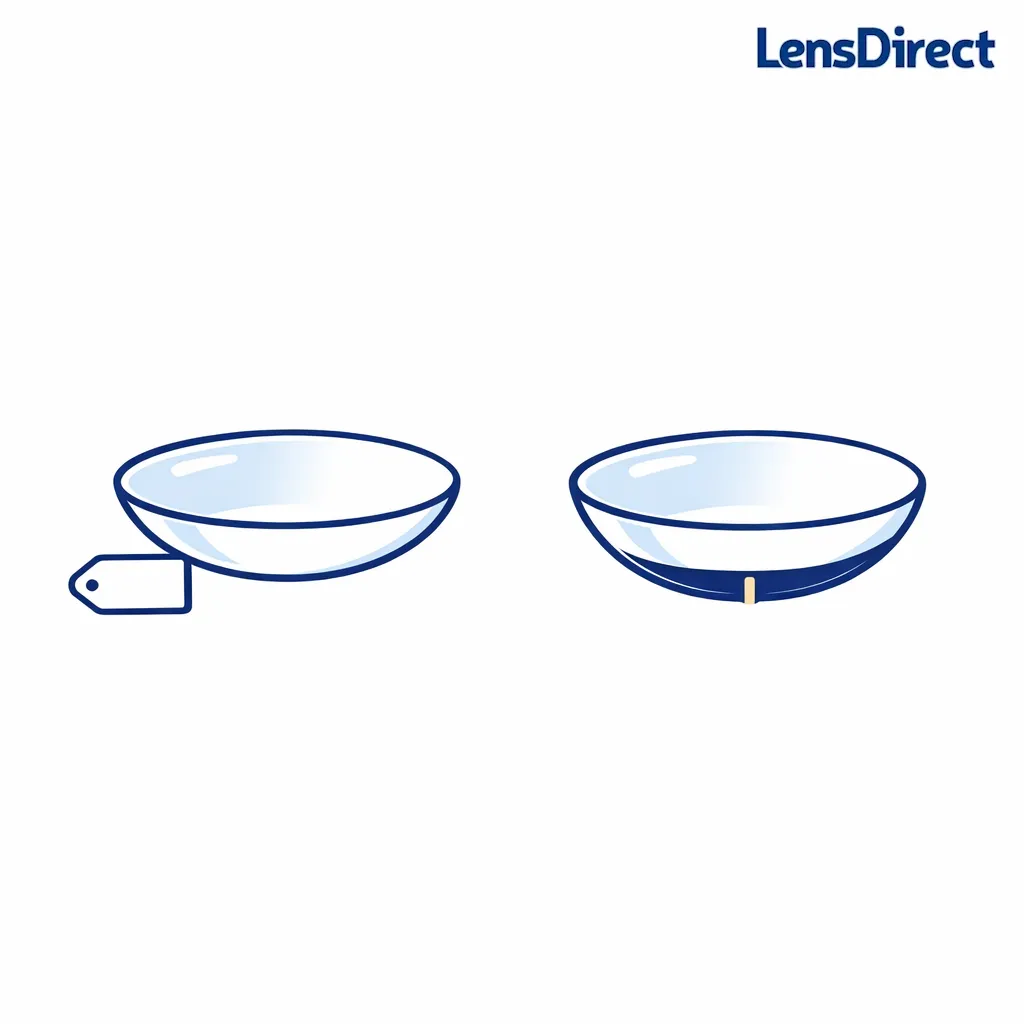
Regular soft contact lenses (often called “spherical” lenses) correct nearsightedness or farsightedness with one main power across the lens. Astigmatism means the eye’s shape causes vision to be distorted in a way that typically needs an additional, direction-specific correction, which is why astigmatism prescriptions include cylinder and axis values described by the American Academy of Ophthalmology’s explanation of prescription terms.
Toric lenses are made to correct that direction-specific blur by combining spherical power with cylinder power positioned at a particular axis. The key difference is that toric lenses must keep that axis lined up properly on your eye, which is why toric lens design focuses on stable orientation as described in clinical overviews like Cleveland Clinic’s toric lenses overview.
How toric lenses can feel different
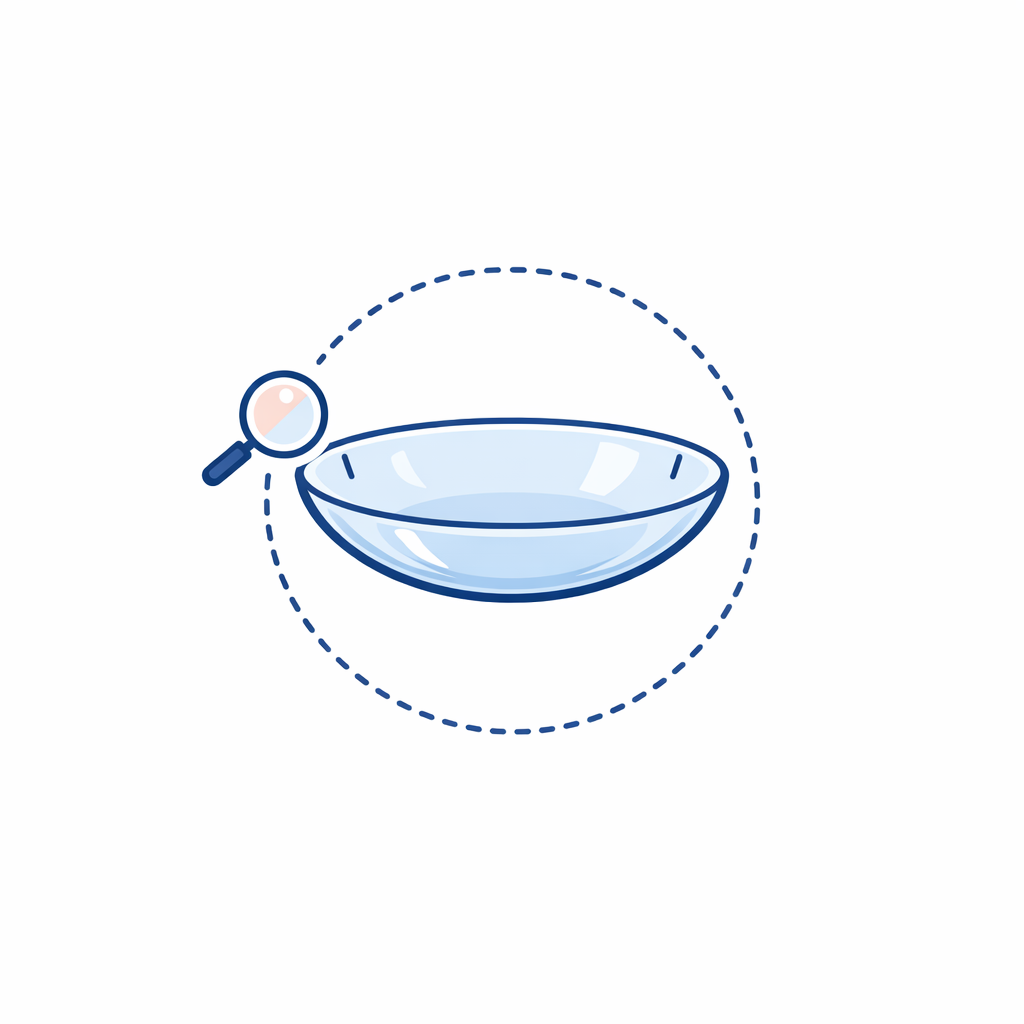
- Sharper vision when aligned: When the lens is oriented correctly, the cylinder correction matches your astigmatism direction.
- More “settling time”: It can take a moment after insertion or a blink for a toric lens to reach its stable position, consistent with how toric lenses are designed to orient on-eye.
- More prescription details: Ordering toric contacts requires matching SPH, CYL, and AXIS (and the exact brand your prescriber wrote), aligning with the FDA’s guidance that contact lenses must be dispensed according to a valid prescription.
How toric contacts stay put (and what “orientation marks” are for)
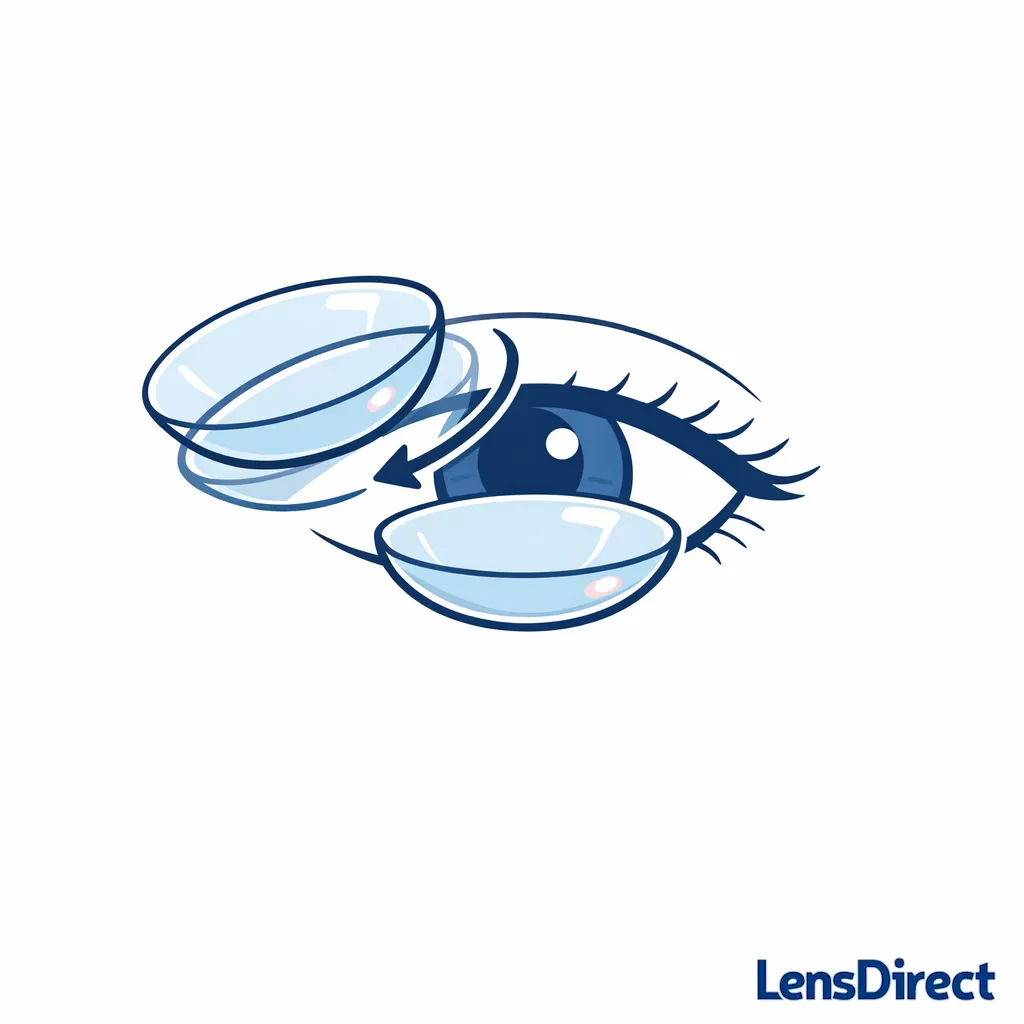
Toric soft lenses use stabilization features that encourage the lens to rotate into a preferred position and resist random spinning. The goal is simple: keep the cylinder power lined up at your prescribed axis, a core concept of how toric lenses correct astigmatism.
Many toric lenses also include subtle orientation marks (sometimes tiny etched marks) that help your eye care provider check whether the lens is rotating and how it’s settling. Those marks are primarily a fitting and troubleshooting tool, and they relate directly to the “orientation” principles described in clinical explanations of toric lens alignment.
Why you might notice blur after a blink
Because toric lenses need to maintain a specific rotational position, small shifts can affect clarity more than with spherical lenses. If the lens rotates away from its ideal axis, vision can look slightly smeared until it settles back, which is consistent with the orientation-dependent correction described by Cleveland Clinic’s toric lens guidance.
If you experience frequent blur, headaches, or “never quite crisp” vision, it can point to a fit issue, an axis/cylinder mismatch, or dryness affecting lens movement. In those cases, it’s safest to stop guessing and follow CDC guidance on responding to contact lens discomfort by removing the lenses and contacting your eye care provider for advice.
Understanding your toric prescription: SPH, CYL, and AXIS (in plain English)
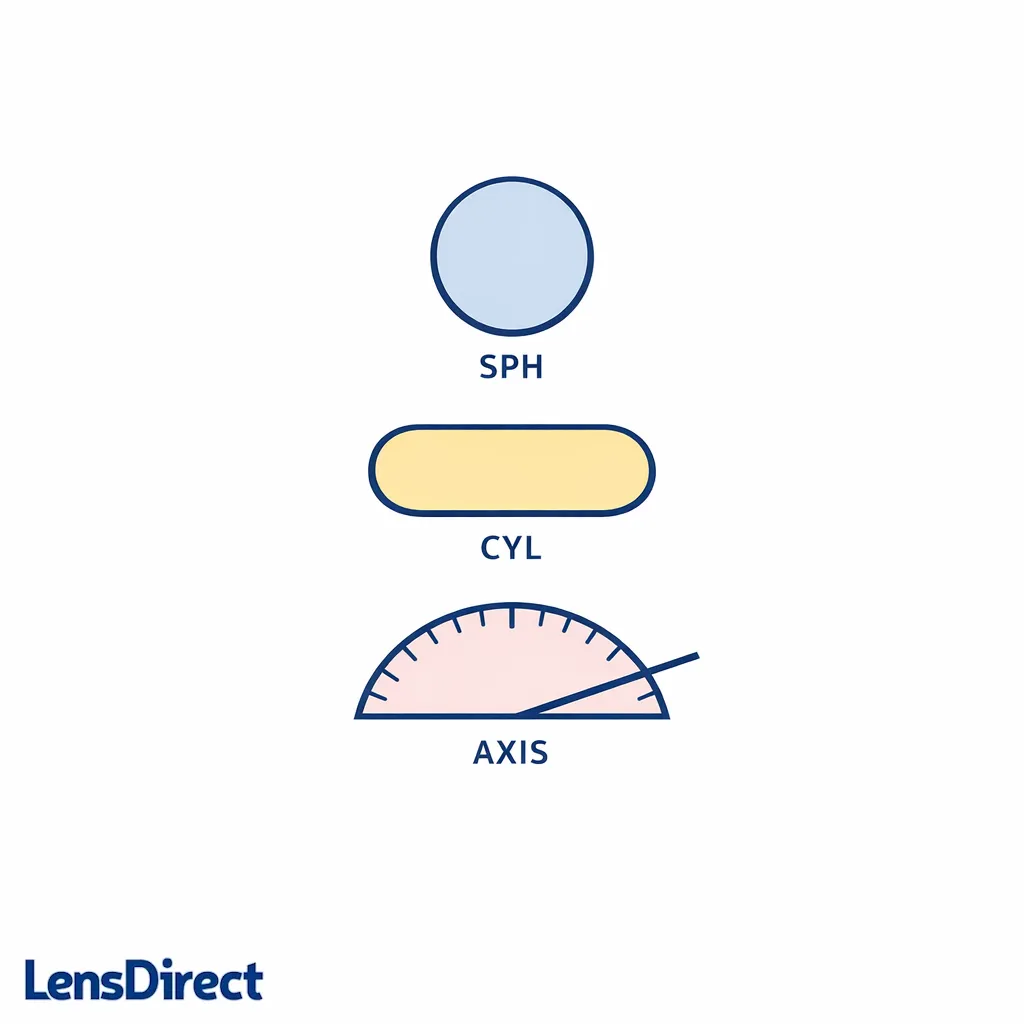
If you’re searching phrases like “axis cylinder contact lens prescription” or “sphere cylinder axis contacts,” you’re trying to translate the numbers into something usable at checkout. The three most important values to understand are described in the AAO’s breakdown of prescription components:
- SPH (Sphere): Corrects nearsightedness (minus) or farsightedness (plus).
- CYL (Cylinder): The amount of astigmatism correction.
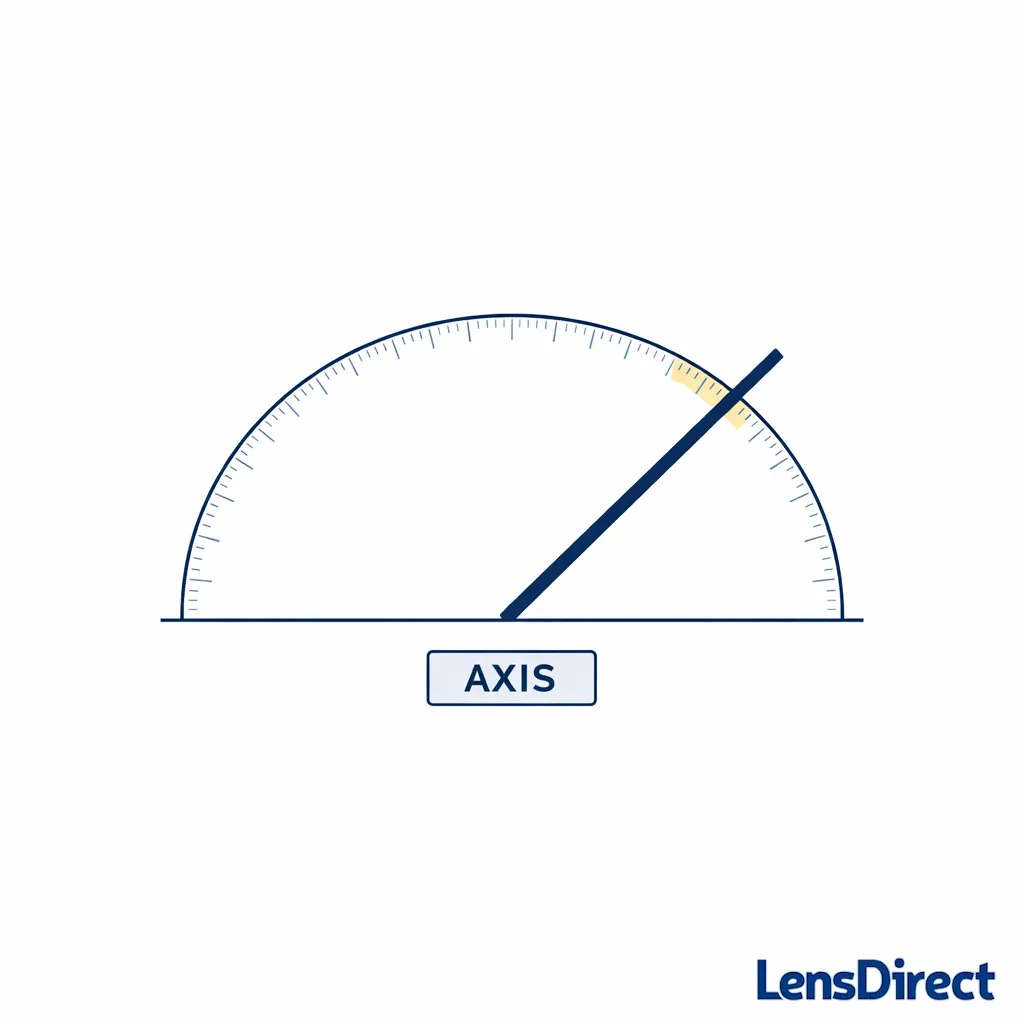
- AXIS: The direction (0–180) where the cylinder correction is applied.
Two practical reminders help prevent ordering mistakes. First, axis is not a “strength” number; it’s an orientation, consistent with the AAO’s explanation that axis indicates the lens meridian for astigmatism correction. Second, your contact lens prescription may specify a particular brand and parameters, and the FDA emphasizes contacts should be purchased and dispensed with a valid prescription.
Do toric contacts use the same numbers as glasses?
Not always. Contact lenses sit directly on the eye, and the prescription can differ from glasses due to lens positioning and the specific lens design, which is why the FDA treats contact lens fitting and prescribing as a medical device process requiring a prescription written for contacts.
If you only have an eyeglasses prescription, you can still shop frames or replacement lenses, but you’ll need a contact lens prescription to order contacts. That separation is also reflected in consumer protection guidance under the FTC Contact Lens Rule, which governs how contact lens prescriptions are released and verified.
What to expect when you start (or switch) toric lenses
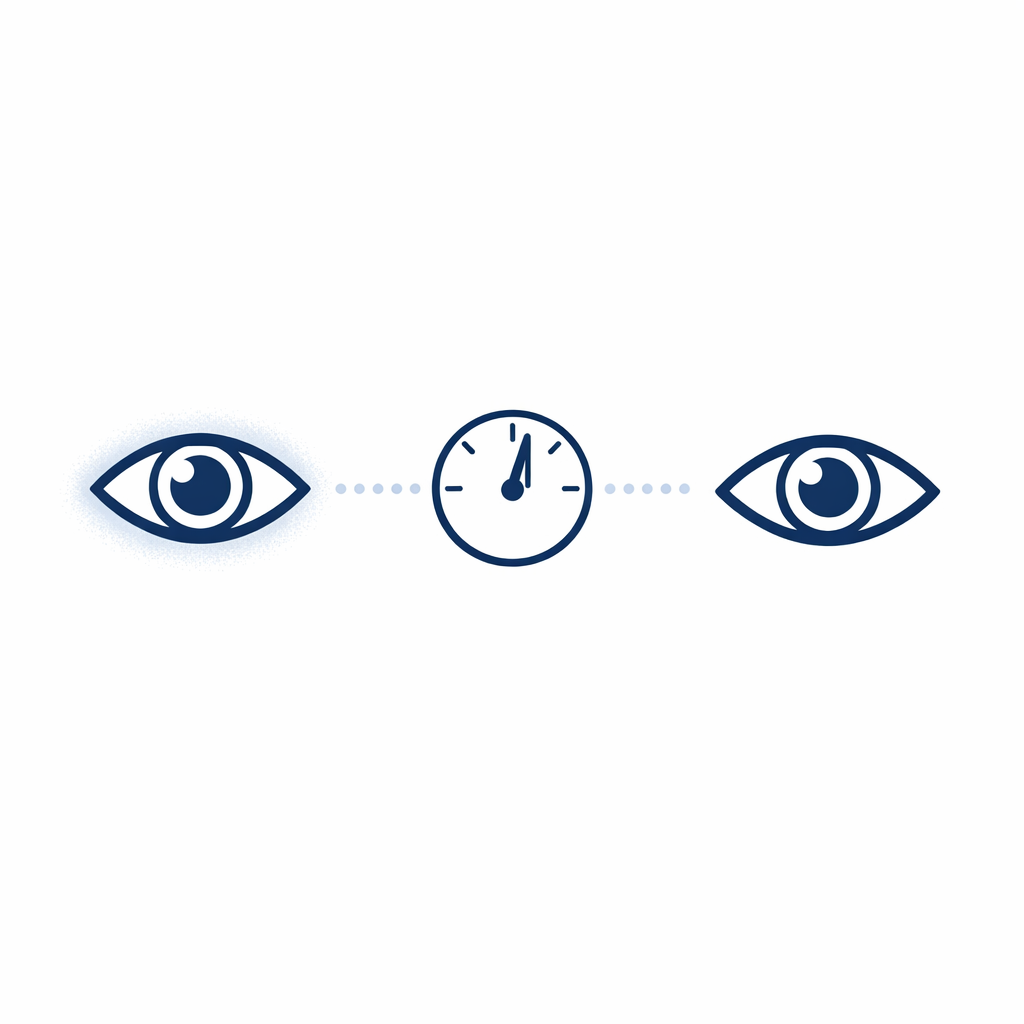
Switching into toric lenses, switching brands, or changing cylinder/axis can come with a short adaptation period. Your brain is adjusting to a different type of correction, and the lens is also finding its stable orientation on your eye, aligning with how toric lenses are intended to settle into position.
Some people notice crisp vision most of the day but occasional blur during quick eye movements, sports, or in dry environments. If the blur is frequent or disruptive, it may signal that the lens is rotating too much, the axis is slightly off, or the lens is drying and sticking, and it’s appropriate to consult your prescriber rather than pushing through, consistent with CDC guidance on safe lens wear.
Normal vs. not-normal signs
- Often normal early on: A brief moment of blur right after insertion, then stable clarity once the lens settles, consistent with toric lens orientation mechanics.
- Needs a check-in: Vision that stays smeary, lenses that feel like they “twist,” or consistent end-of-day blur that doesn’t improve with blinking.
- Stop and get help: Pain, redness, light sensitivity, discharge, or sudden vision changes, which the CDC flags as reasons to remove lenses and seek eye care guidance.
Inserting toric contacts: step-by-step tips that reduce rotation and frustration
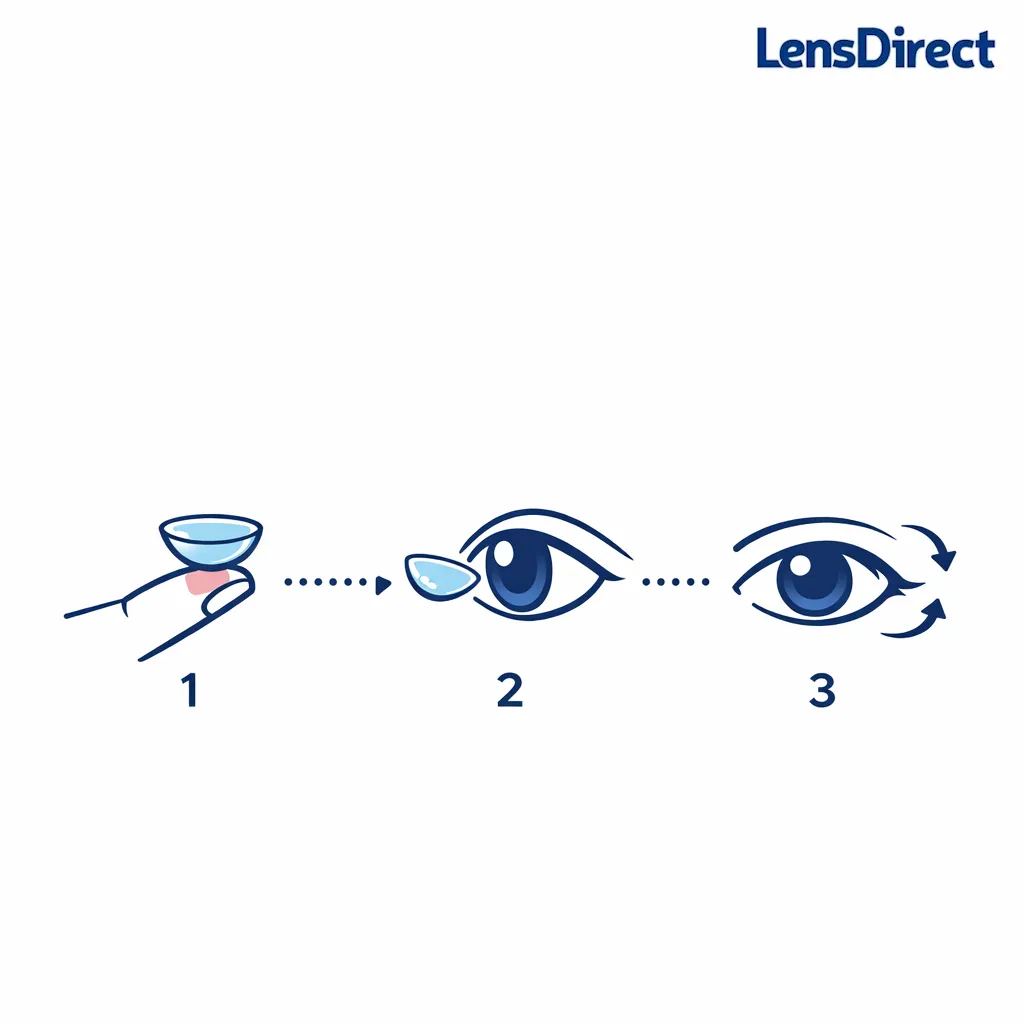
If you searched “inserting toric contacts” or “how to put in contact lenses for astigmatism,” the main issue is usually lens stability during the first minute. The good news is that small routine changes can make insertion more consistent.
Before you start
- Wash and dry hands well: Good hygiene reduces infection risk, aligning with CDC contact lens wear and care recommendations.
- Use fresh solution (not water): Water exposure is discouraged because it can raise infection risk, consistent with CDC guidance to keep contacts away from water.
- Confirm left vs. right: Toric prescriptions often differ between eyes, so label awareness prevents accidental “wrong eye” blur.
A simple insertion routine for toric lenses
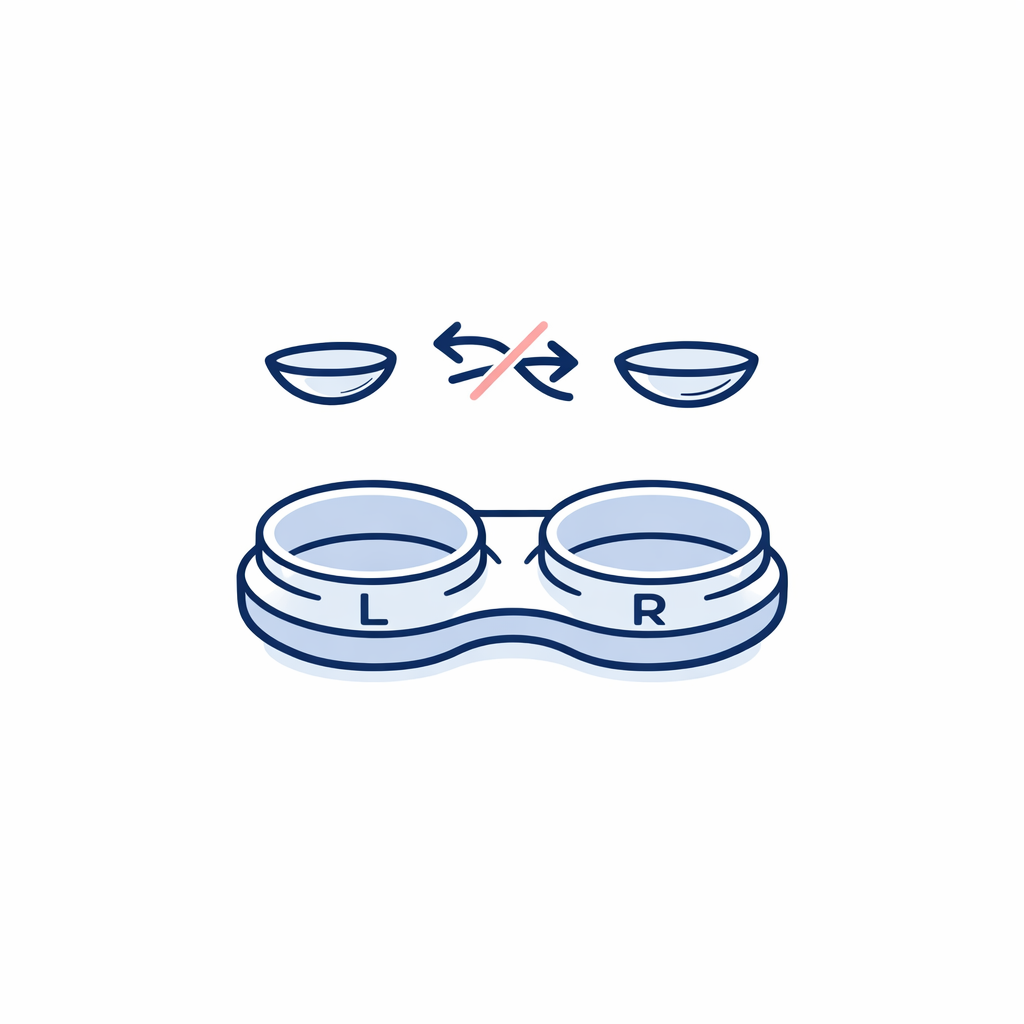
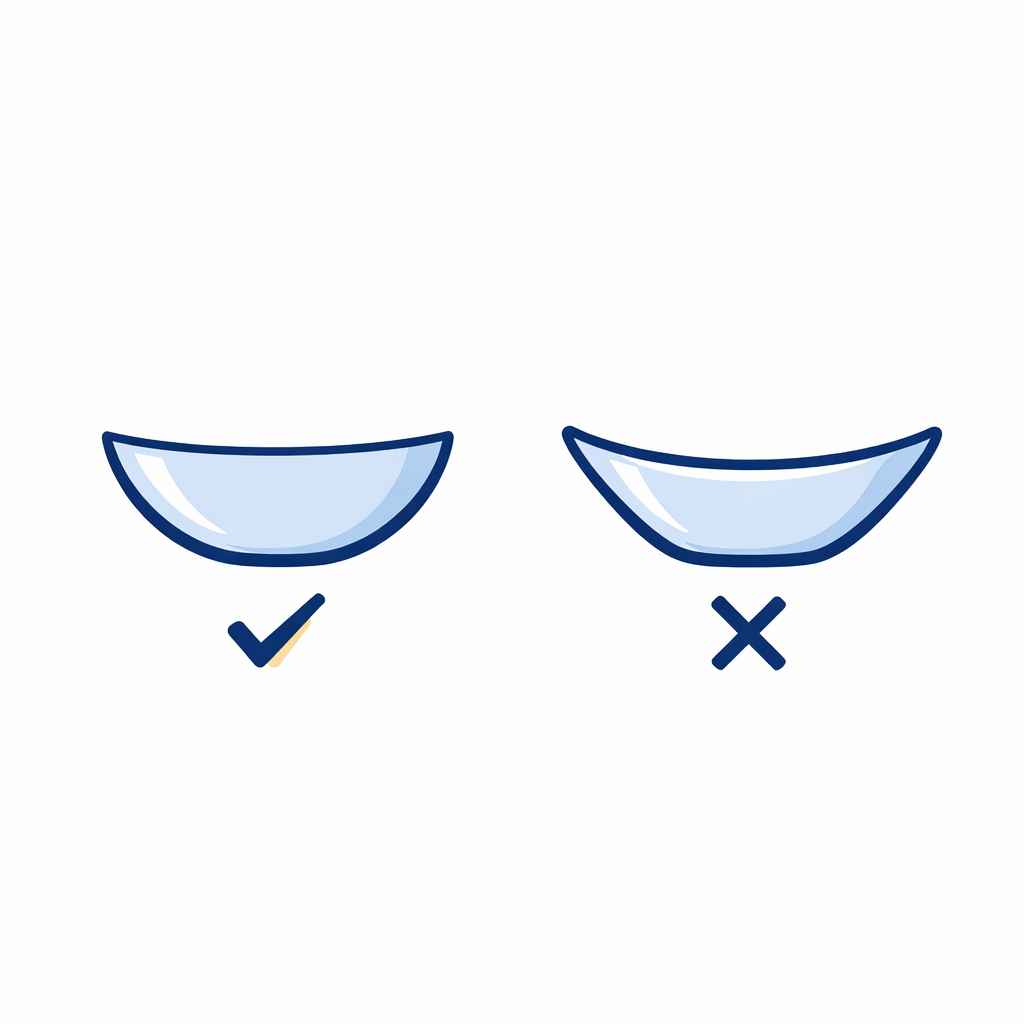
Place the lens on your fingertip and take a second to confirm it isn’t inside-out. Insert it, then blink naturally a few times and give it a brief moment to settle, reflecting the on-eye orientation behavior described in clinical summaries of toric lens alignment.
If your lenses have orientation marks and your prescriber taught you how to use them, follow that training. Those marks are commonly used during fitting to assess rotation, which fits with how toric lenses are evaluated for stable positioning.
If it’s blurry right away
- Wait 30–60 seconds: Many toric lenses sharpen as they settle into position.
- Blink and re-wet: Dryness can make a lens stick or shift; if symptoms persist, follow CDC guidance for discomfort and remove the lens.
- Remove, rinse with solution, reinsert: A trapped particle or a slightly folded edge can mimic “wrong axis” blur.
Everyday toric contact lens tips (comfort, screens, travel, and sports)
Toric lenses can be extremely comfortable, but they’re less forgiving of dryness and inconsistent wear routines because alignment matters. If your day includes travel, long screen time, or outdoor sports, the goal is to keep lenses hydrated, clean, and used as directed.
Dry offices and screen-heavy days
Reduced blinking during screens can make contacts feel drier. If you find that dryness triggers blur or awareness of the lens, take regular blink breaks and discuss rewetting drops that are compatible with your lenses with your eye care provider, while keeping hygiene and wear-time safety aligned with CDC contact lens care recommendations.
Flying and travel days
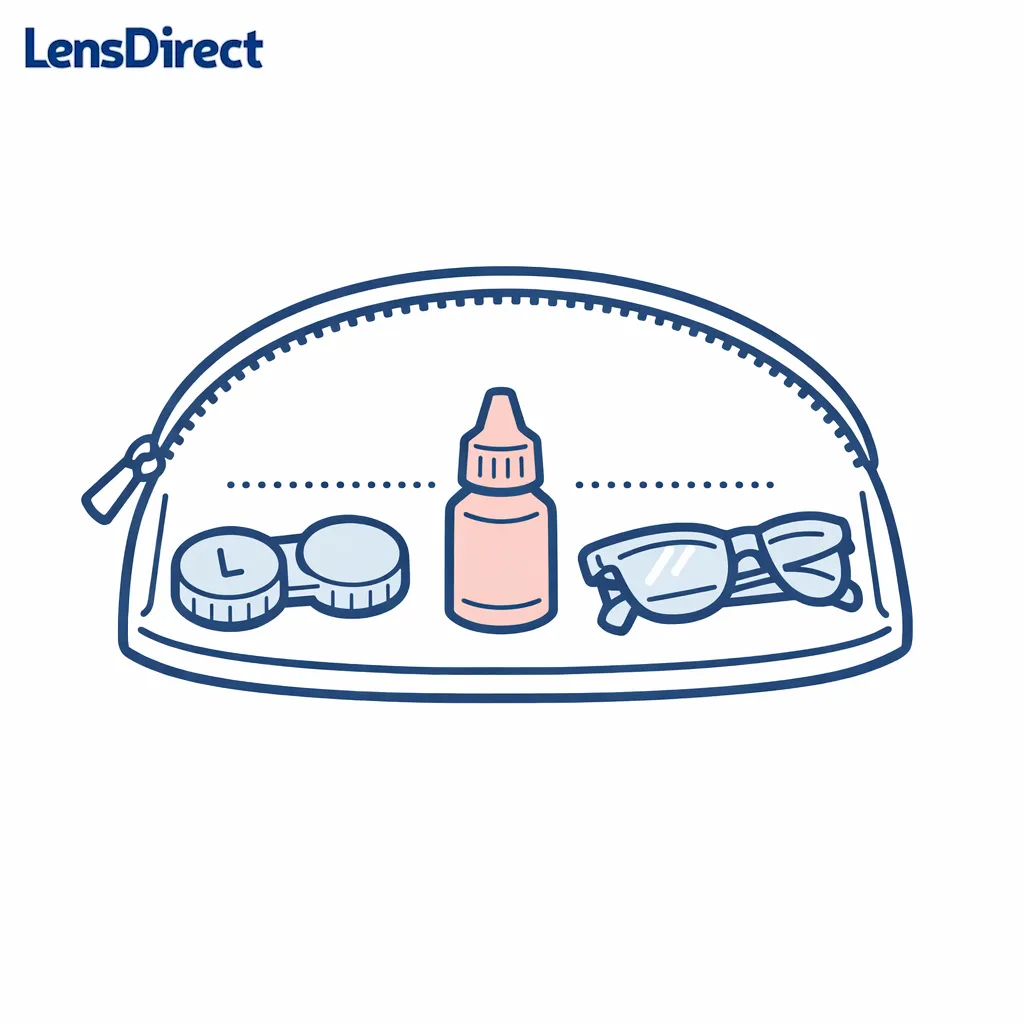
Airplane cabins and hotel HVAC can feel extra drying. Pack your glasses as a backup and bring enough lens supplies so you never need to “stretch” safe use, which supports the CDC’s emphasis on following recommended wear and care practices.
- Carry-on essentials: lens case, travel-size solution, backup pair (if applicable), and glasses.
- Avoid naps in lenses unless approved: Sleeping in contacts is a known risk factor for complications, and the CDC advises following your prescriber’s wear schedule.
Sports and outdoor use
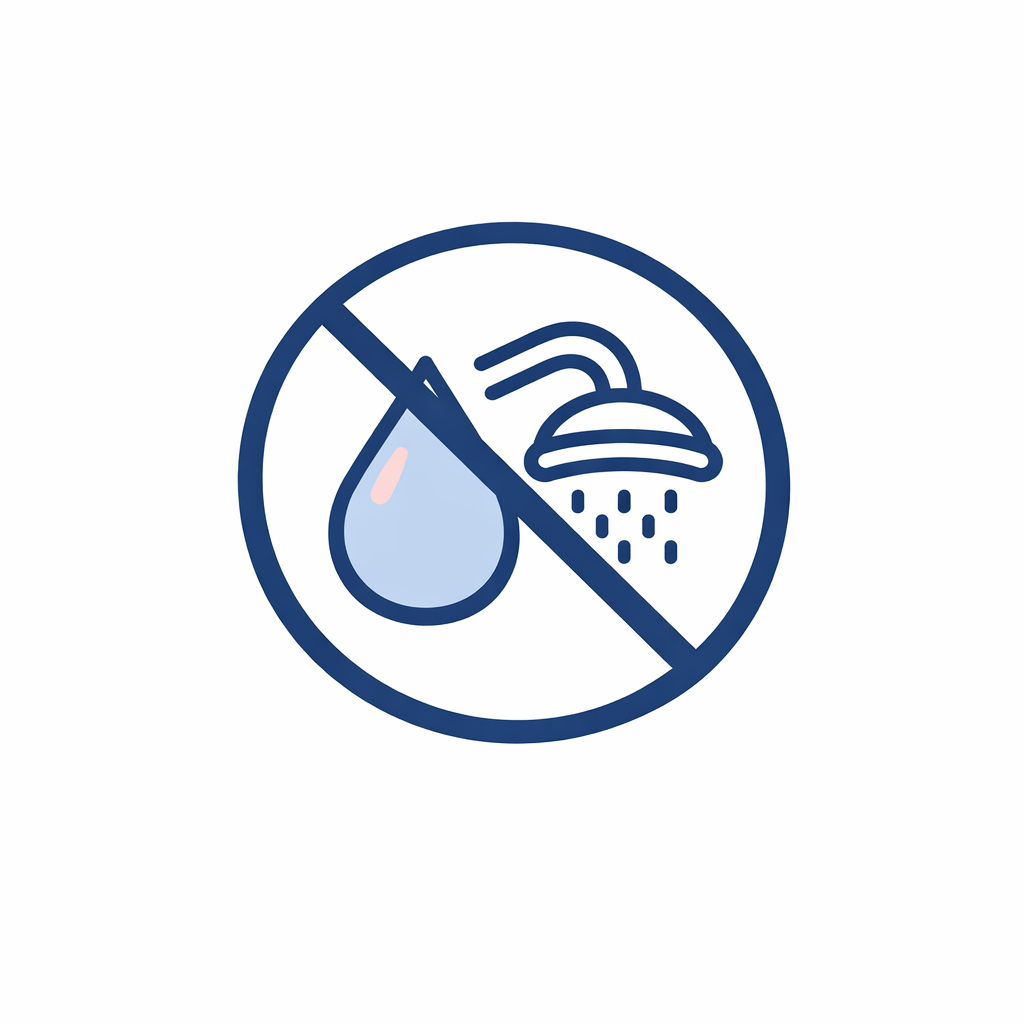
Toric contacts are popular for active days because they give a full field of view without frames slipping. For bright conditions, pairing contacts with quality sunglasses can reduce glare and eye strain, and it’s smart to avoid exposing lenses to water during activities, reflecting CDC guidance to keep contact lenses away from water.
If you’re in snow or on the road a lot, sunglasses designed for glare can be a practical upgrade. Many people alternate between contacts plus sunglasses and prescription glasses depending on the day’s activity.
How to order toric contacts online (without prescription headaches)
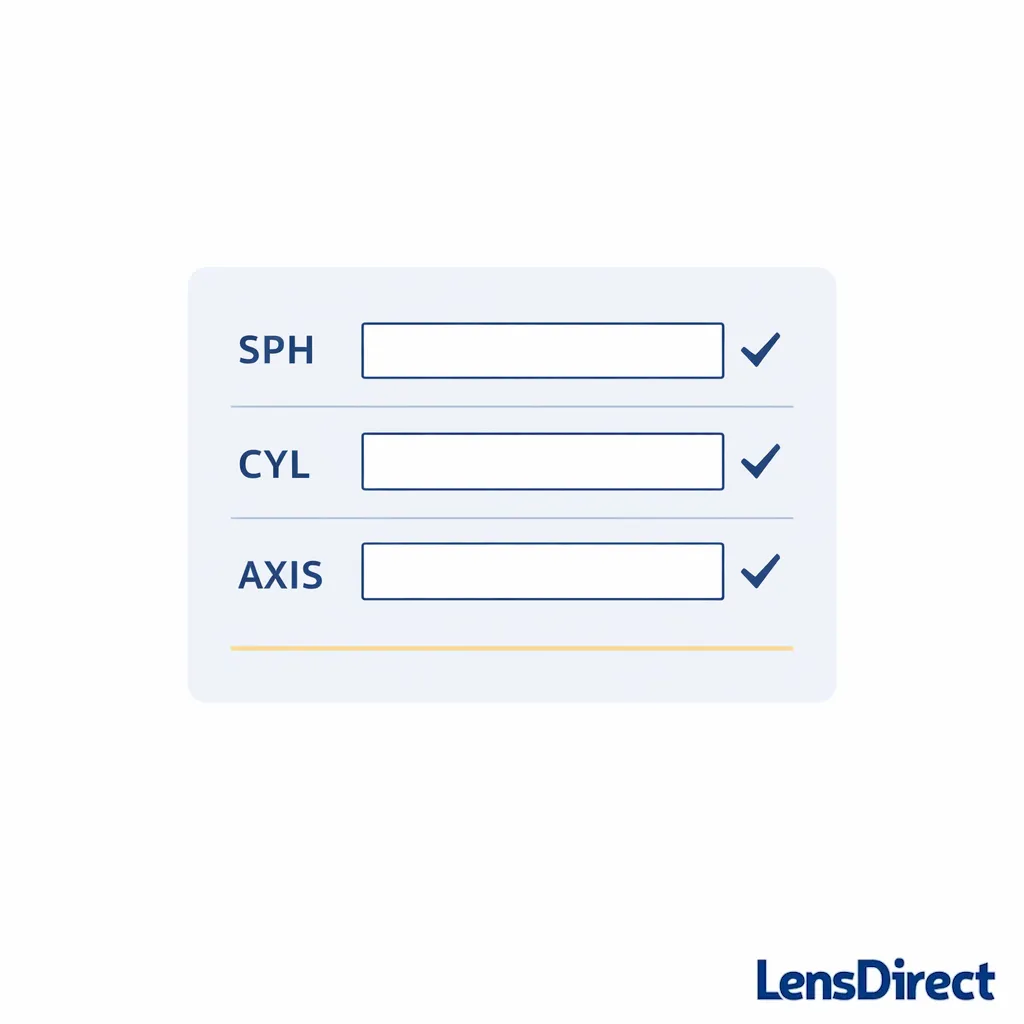
Ordering toric lenses online can be straightforward if you match the prescription details exactly and understand how verification works. In the U.S., the FTC Contact Lens Rule sets requirements around prescription release and seller verification when you buy from an online retailer.
Step-by-step: a clean online ordering process
- Get the correct prescription type: You need a contact lens prescription (not just a glasses prescription), consistent with the FDA’s guidance that contacts are prescription medical devices.
- Match SPH, CYL, and AXIS exactly: Toric ordering depends on cylinder and axis, which are described in the AAO’s explanation of astigmatism prescription components.
- Use the brand and model prescribed: Your prescriber may specify a particular lens; substitutions can change fit and rotation.
- Understand verification: Sellers can verify prescriptions through the process described under the FTC Contact Lens Rule.
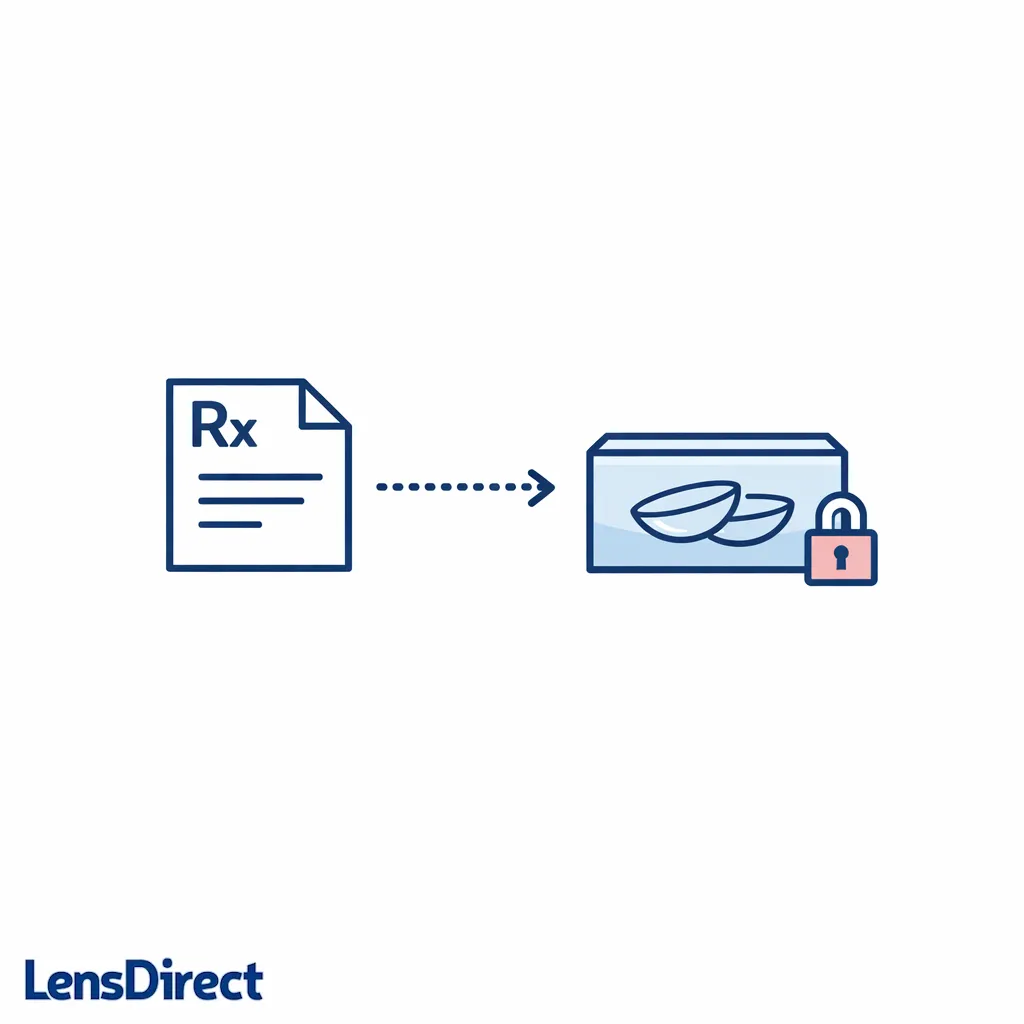
Upload a clear photo or PDF of your prescription (with your name, lens details, and expiration date visible), and make sure your prescriber’s contact info is correct. The FTC rule is designed so consumers can receive their prescription and shop where they choose, which is the purpose of the FTC’s consumer protections for contact lens buyers.
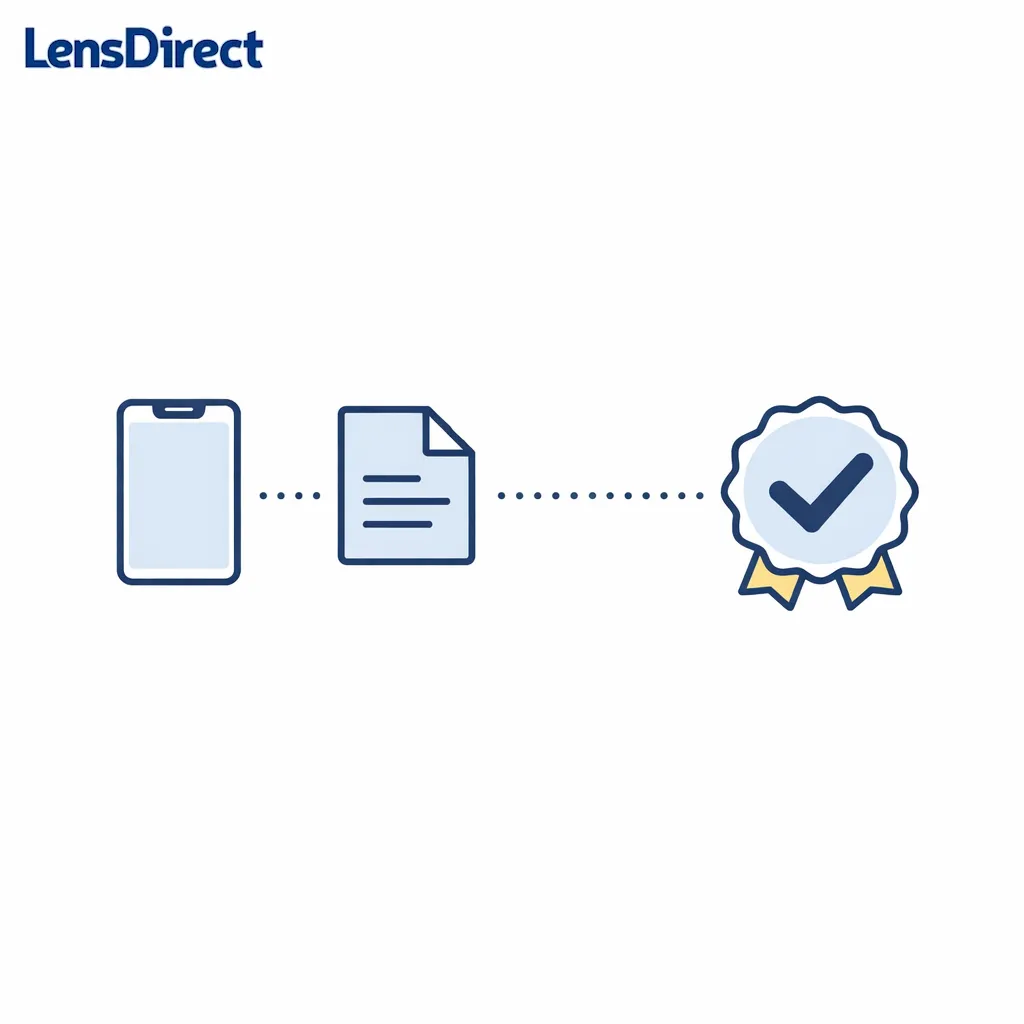
Upload a clear photo or PDF of your prescription (with your name, lens details, and expiration date visible), and make sure your prescriber’s contact info is correct. The FTC rule is designed so consumers can receive their prescription and shop where they choose, which is the purpose of the FTC’s consumer protections for contact lens buyers.
Common misconceptions (and the fixes that actually help)
Misconception: “Toric lenses are just thicker, so they’ll always feel uncomfortable.”
Toric lenses may feel different at first because they’re designed to stabilize in a specific orientation, but comfort depends heavily on fit, materials, and wear habits. If comfort is consistently poor, a refit or brand change can help, and any persistent discomfort should be handled using CDC guidance on safe wear and when to remove lenses rather than forcing longer wear time.
Misconception: “If it’s blurry, I should order a stronger prescription.”
With toric lenses, blur is not always a “more power” problem. It can be a rotation issue, a dryness issue, or an axis mismatch, which is why the orientation-specific nature of toric correction matters as explained in clinical toric lens summaries.
Misconception: “My glasses prescription is close enough for contacts.”
Contacts require their own prescription and fitting because they sit on the eye and are regulated medical devices. The FDA is explicit that contact lenses should be purchased with a valid contact lens prescription, even if you have a current eyeglasses prescription.
Misconception: “Rinsing with water is fine in a pinch.”
Water and contact lenses are a risky combo, including for rinsing or showering, because it can increase the chance of serious eye infections. Follow the CDC’s guidance to keep lenses away from water and use only appropriate contact lens solution and products recommended by your eye care provider.
What changed / what’s new for buying contacts
If you haven’t bought contacts online in a few years, it’s worth knowing the rules that protect your ability to shop around. The FTC Contact Lens Rule sets out how prescribers must provide prescriptions and how sellers can verify them, helping consumers purchase contacts from the retailer they prefer.
Practically, this means your next toric lens order should feel less like a negotiation and more like a normal online checkout, as long as you have a current prescription and select the exact lens your prescriber wrote. If you run into repeated friction, use the FTC’s description of how prescription release and verification are supposed to work to understand what steps are expected.
What to do next: a toric contacts checklist you can use today
- Confirm your prescription details: SPH, CYL, and AXIS for each eye, using the AAO prescription explainer if you want a quick refresher.
- Stick to the prescribed brand and replacement schedule: Toric performance depends on stable fit and orientation.
- Use a “settle time” routine: Insert, blink naturally, and give the lens a short moment to orient, consistent with how toric lenses align on the eye.
- Treat intermittent blur as a signal: If “astigmatism contacts blurry sometimes” becomes frequent, ask your prescriber about fit or axis refinement rather than guessing.
- Follow wear-and-care basics: Clean, store, and handle lenses as recommended, following CDC contact lens hygiene guidance.
- Order online with fewer delays: Keep a clear copy of your prescription ready and understand verification under the FTC Contact Lens Rule.
Shop contacts, glasses, and replacement lenses at LensDirect
If you’re ready to reorder toric lenses (or stock up before a trip), LensDirect makes it easy to shop by prescription and keep essentials on hand. If you’re also refreshing your look, you can pair contacts with new frames or sunglasses so you always have the right option for work, travel, and outdoor days.
- Shop Contacts
- Shop Glasses
- Shop Sunglasses
- Replace Your Lenses
- Full-Service Replacement (send-it-in option)
- Order Replacement Lenses (DIY option)
- Find Your Fit
- Learn How to Get Reimbursed by Your Insurance
- Learn How to Measure Your Pupillary Distance
Author

Subscribe to our email newsletter to get the latest posts delivered right to your email.