
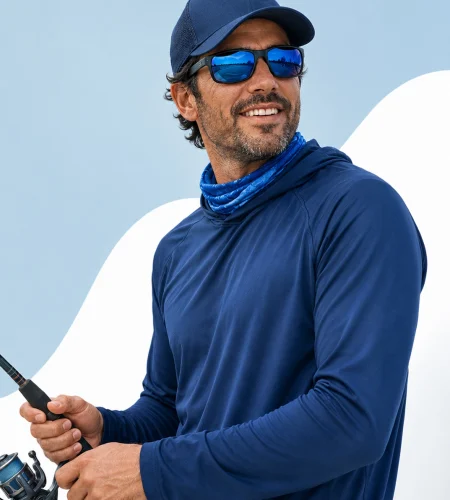
On the water, glare is not just annoying. It can hide structure, strain your eyes, and make it harder to spot hazards when the sun is bouncing off waves all day.
This guide is for anyone shopping for sunglasses online for fishing, boating, or other outdoor sports who wants clear, practical advice without the hype. You will learn how polarized sunglasses for water glare work, which fishing sunglasses lens color to choose for your conditions, and how to get a secure fit that stays comfortable from launch to sunset.
Fast way to choose the best sunglasses for fishing
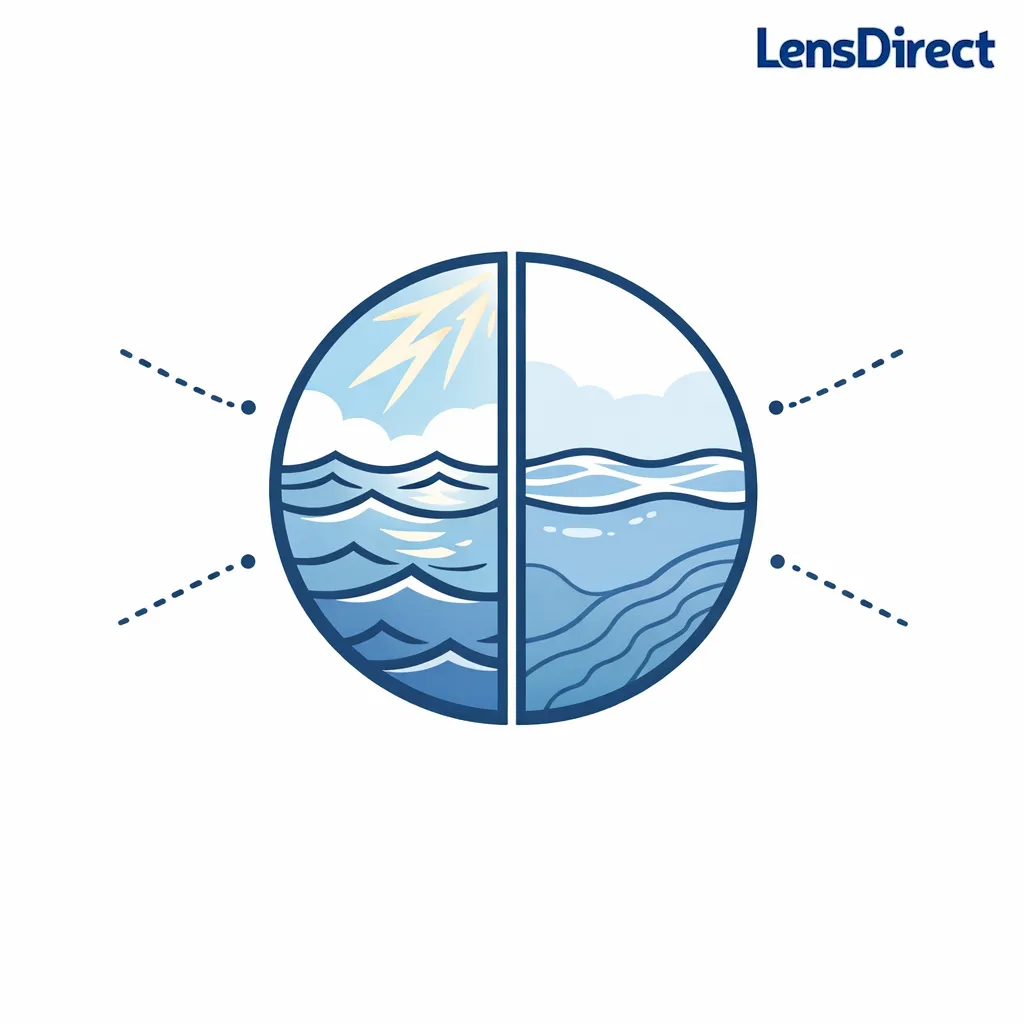
If you want a simple decision path, start with polarization, then pick a tint, then lock in fit. You can fine-tune later (mirror coatings, anti-slip details, prescription options), but these three choices do most of the work.
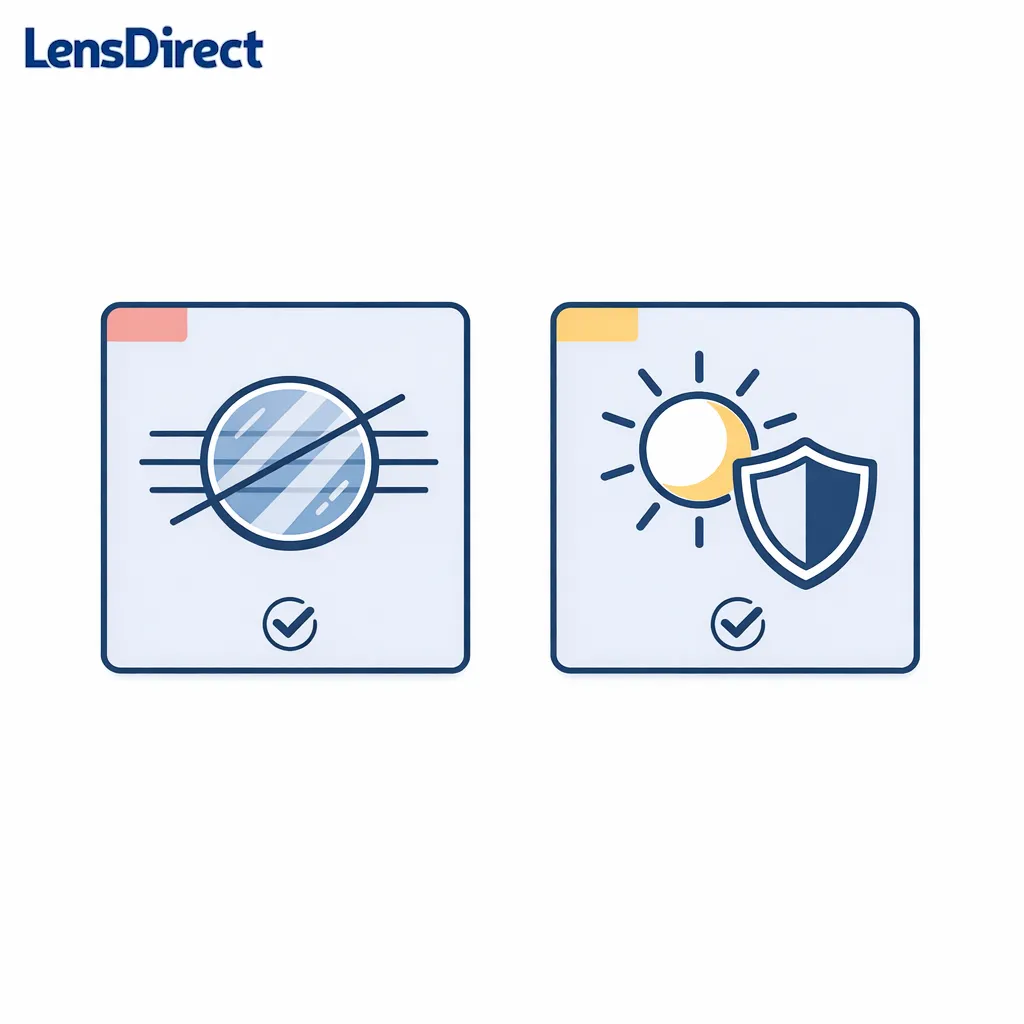
- Most fishing and boating days: Choose polarized lenses for glare control (especially on open water) and make sure you still get 100% UVA/UVB protection.
- Bright, high-sun conditions: Pick gray or brown/amber tints, and consider a mirror coating for fishing if the glare is intense.
- Variable light (clouds, early/late): Choose copper/amber or rose to boost contrast so you can read water and shoreline changes more easily.
- Windy runs or spray: Favor a wrap sunglasses for wind style for side coverage and stability.
- All-day comfort: Prioritize a secure nose fit, grippy temples, and enough coverage so you are not squinting around the edges.
Polarization for water glare: what it does (and what it does not)
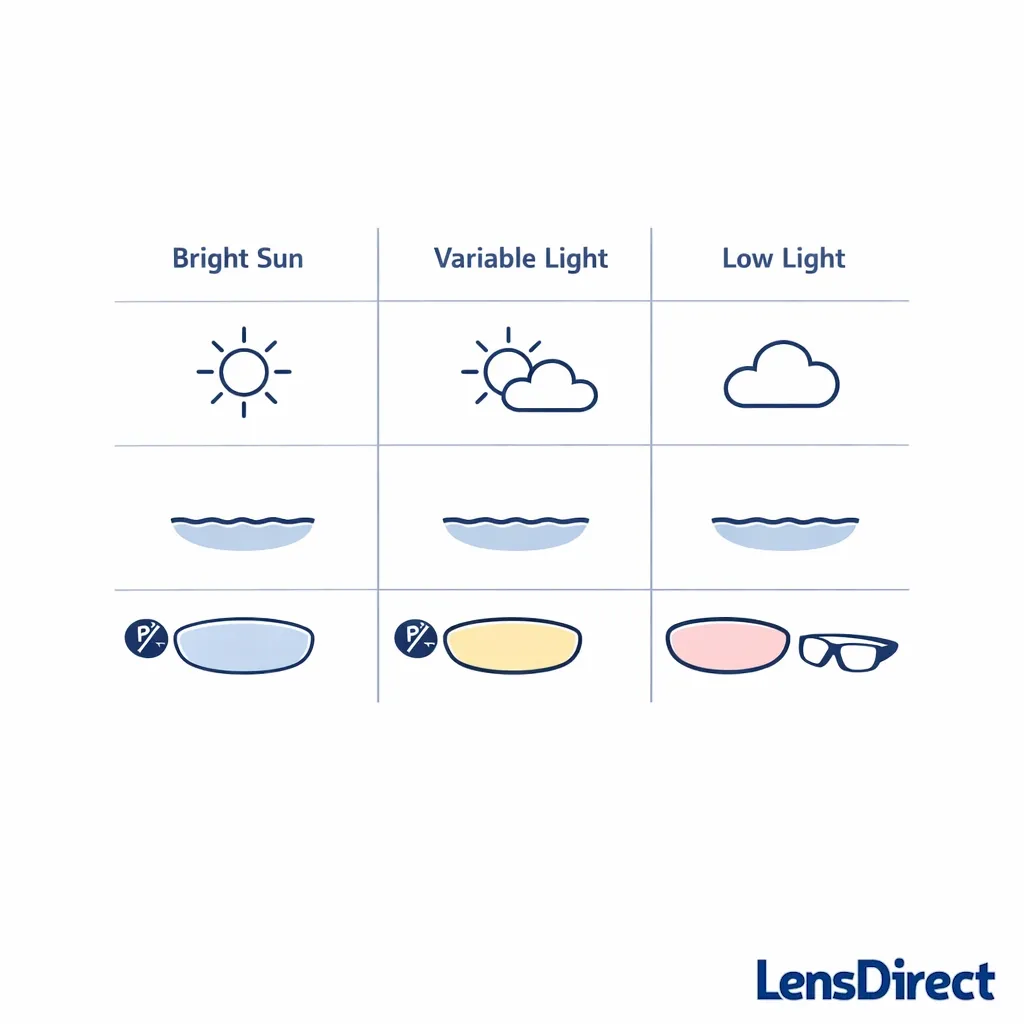
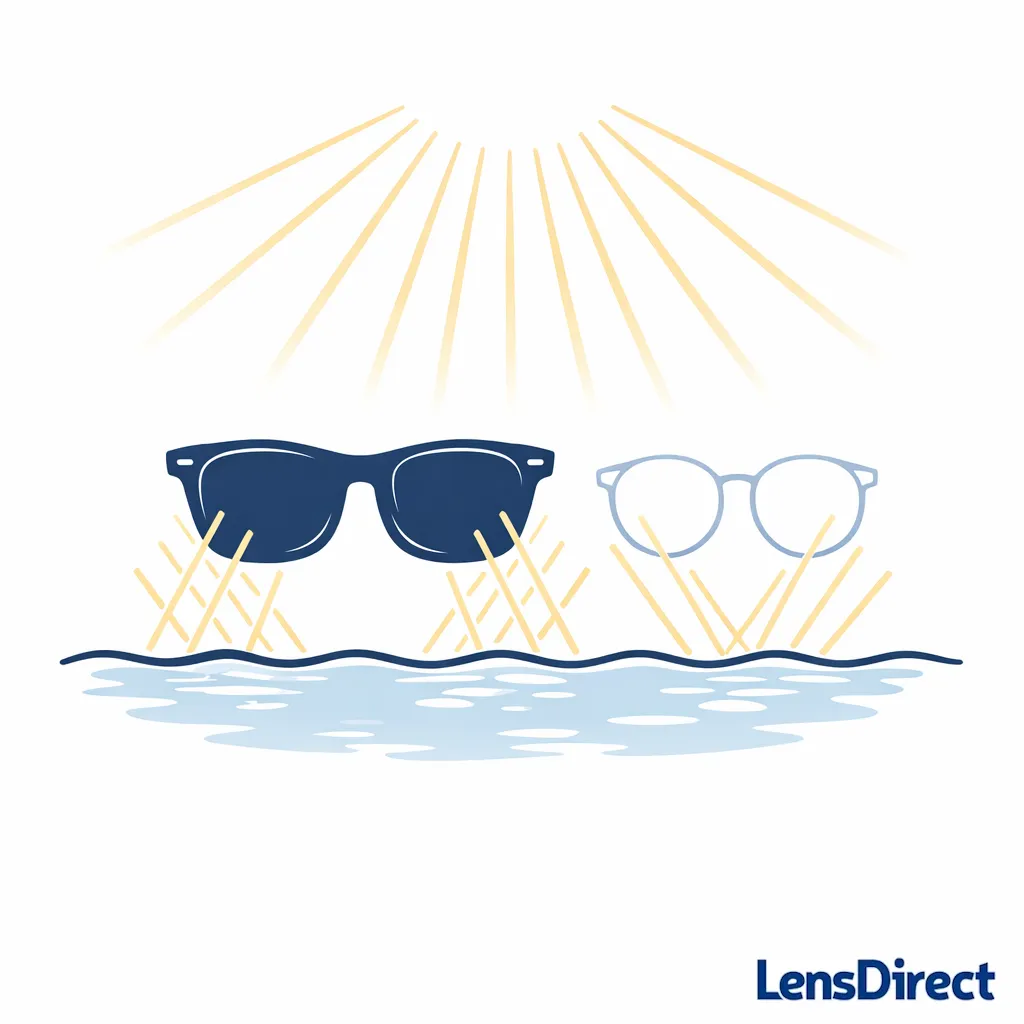
Polarized sunglasses are popular for fishing and boating because polarized lenses reduce glare from reflective surfaces like water. In practical terms, that often means you can see more detail on the water’s surface and feel less eye fatigue after long periods in bright conditions.
Polarization is not the same thing as UV protection. The safest approach is to treat them as two separate requirements and make sure you have both, since UV protection and polarization are different features.
When polarization is the best choice
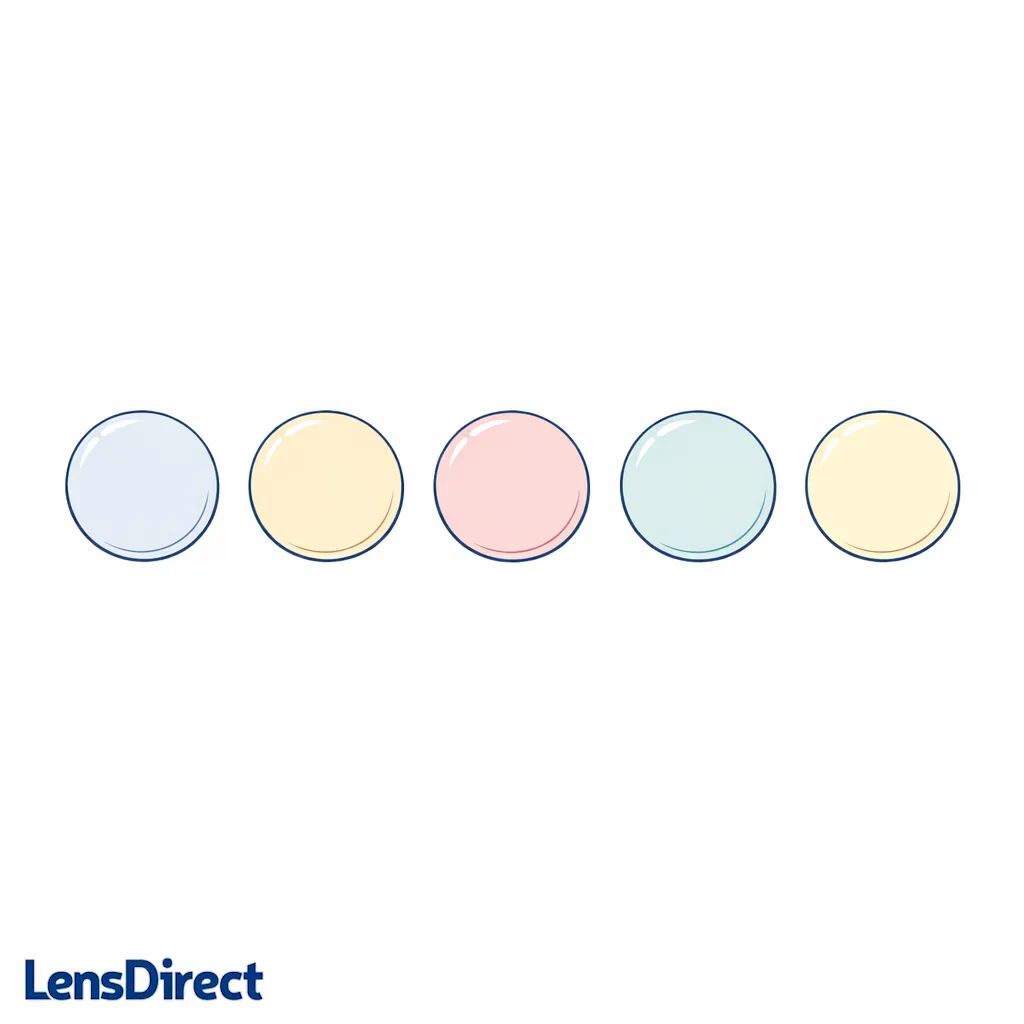
For open water, flats, lakes, and most midday boating, polarization is usually a win. It is one of the most effective ways to cut harsh surface reflections, which is why “best polarized sunglasses for fishing” is such a common search for anglers shopping for gear.
When you might want to think twice

Polarization can make certain digital displays or instrument panels harder to read at some angles. If you rely heavily on screens, try your sunglasses with your electronics during the return window so you can confirm visibility before committing.
UV protection sunglasses: the non-negotiable requirement
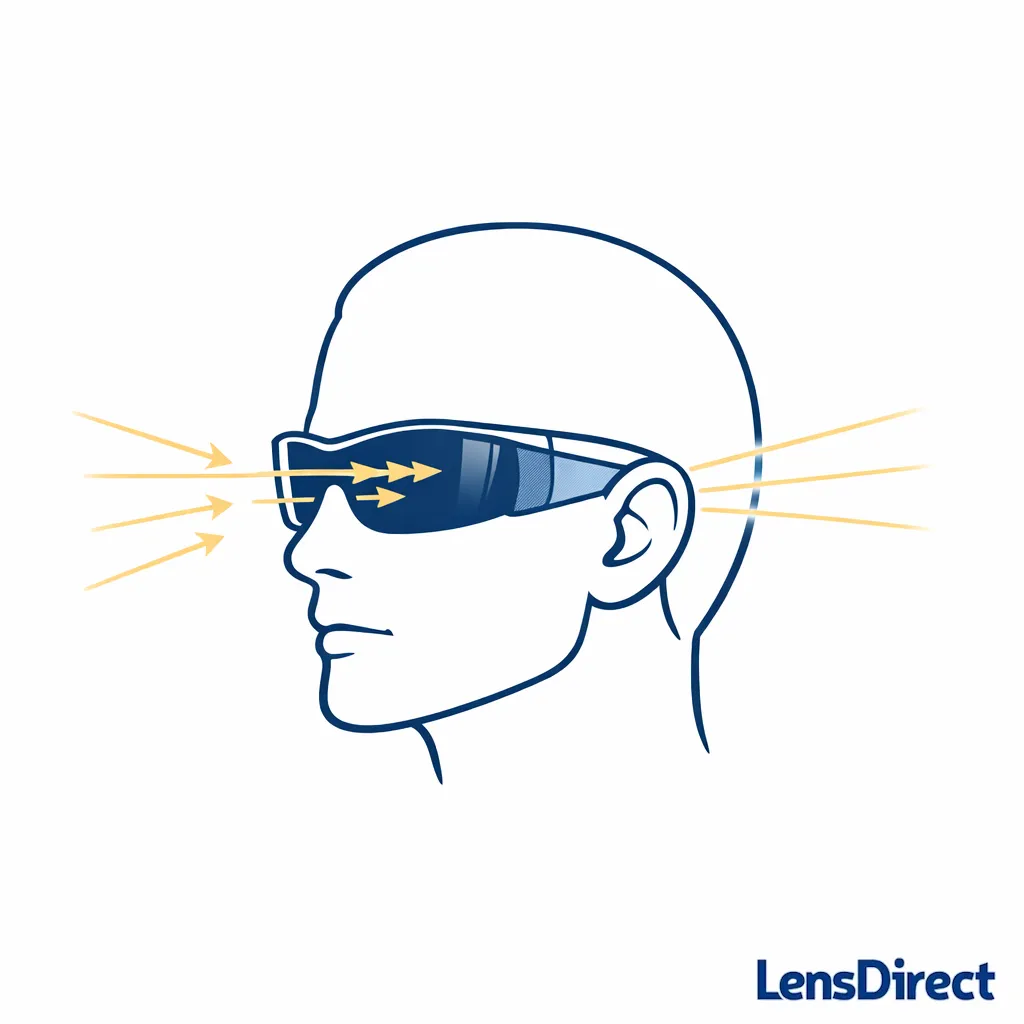
Even on cooler days, UV exposure can still be significant, and on the water it can feel more intense because reflection adds to what comes from above. The key is to buy sunglasses that block ultraviolet radiation, not just darken what you see.
When shopping, look for labeling that indicates 99% to 100% of both UVA and UVB protection. Also remember that lens darkness is not a reliable indicator of safety, because dark lenses do not necessarily provide more UV protection.
Why coverage matters as much as the lens
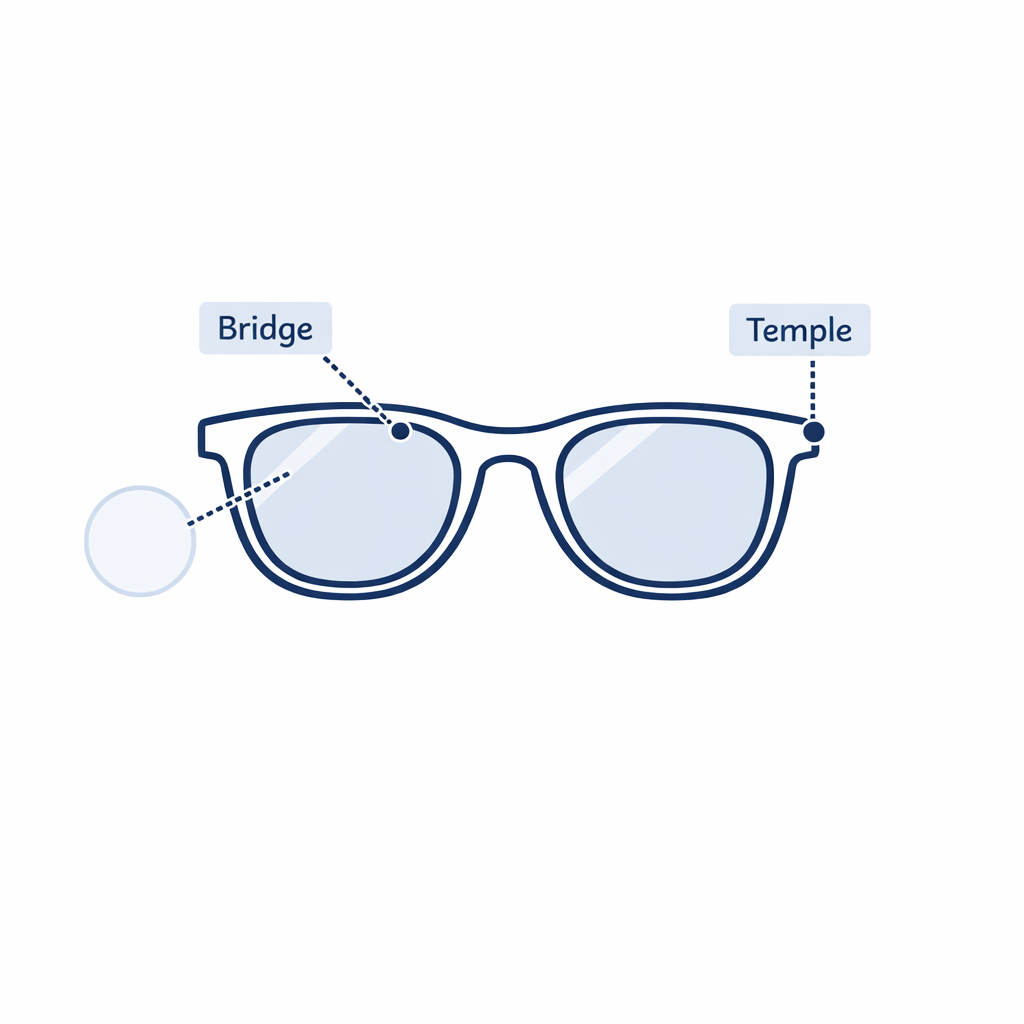
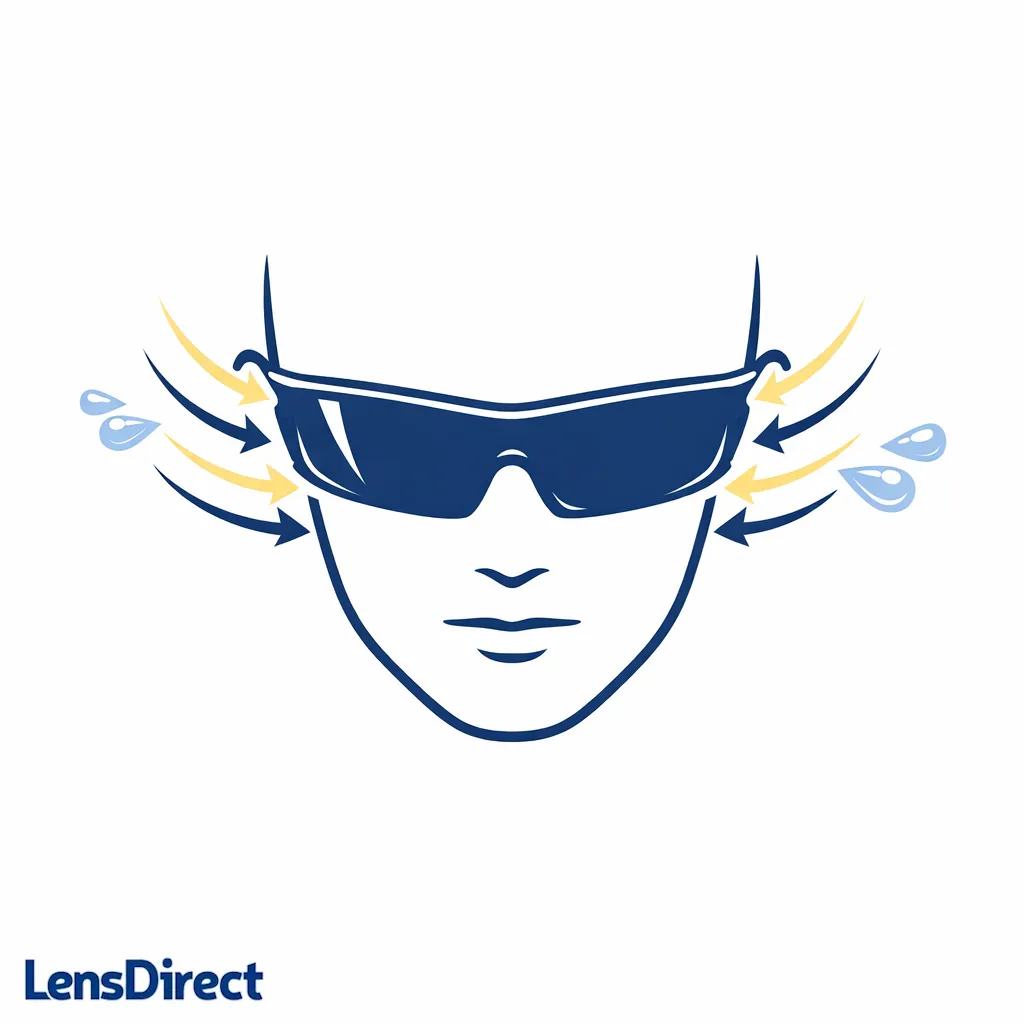
UV and glare can sneak in from the sides and from below, especially on a boat where bright surfaces surround you. That is why a larger lens shape or wraparound profile often feels better for “all-day glare” than a small fashion lens, even if both are labeled with UV protection.
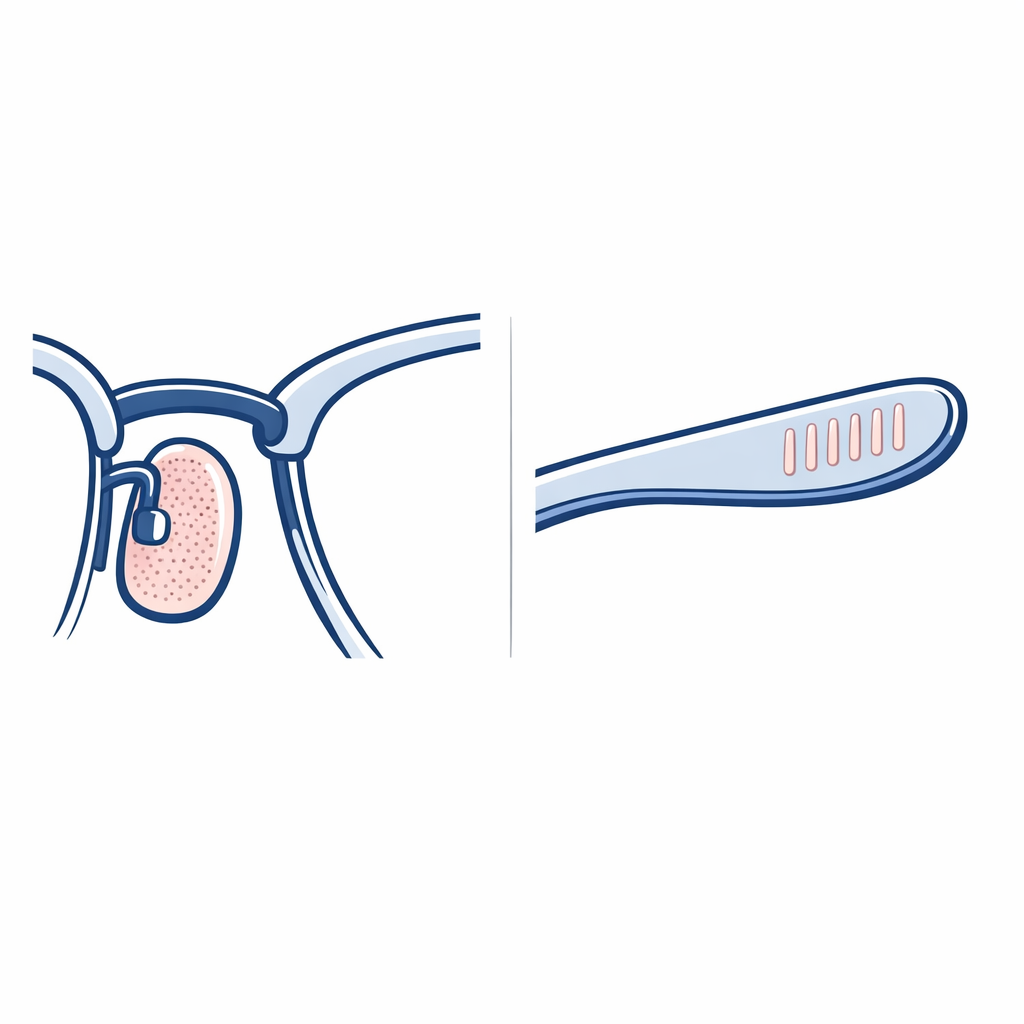
It is also worth planning around conditions: the sun’s UV can reflect off water and other surfaces, so coverage and fit help reduce stray light that makes you squint.
Fishing sunglasses lens color: picking the tint that matches your water and sky
Lens color is about contrast and comfort. The right tint can help you see subtle differences in water tone, spot weed lines, and stay relaxed when the light is changing.
Gray: true-to-color comfort for bright sun

Gray lenses are a classic “boating sunglasses glare reduction” choice because they tend to keep colors more neutral while reducing brightness. If you spend lots of time in direct sun and just want your eyes to feel calm, gray is a safe baseline.
Brown/amber: contrast and depth perception for reading water
Brown and amber tints often make details pop more than gray, which many anglers like for sight fishing and scanning structure. If you want one versatile tint for mixed conditions, brown/amber is often the easiest recommendation to live with.
Copper: a common “do-it-all” fishing tint
Copper sits in the same family as amber but can feel even more contrast-forward. If you fish early, late, or under broken clouds, copper can help maintain definition when the light is not perfectly consistent.
Green: balanced for long wear

Green tints can feel like a middle ground between gray comfort and brown contrast. If brown feels too warm to you and gray feels too flat, green is a reasonable next option, especially for long days on the water.
Yellow or very light tints: limited use
Yellow and very light tints can feel bright and “high contrast” in low light, but they are usually not the best choice for intense midday glare on open water. If you go this route, reserve it for dawn, dusk, or heavily overcast situations, and prioritize full UV protection.
Mirror coating for fishing: when it helps
A mirror coating can reduce perceived brightness by reflecting more light away from the lens. If you are on open water in high sun, a mirror finish can feel more comfortable and may reduce squinting, especially when paired with polarization and solid coverage.
Mirror is not a substitute for UV protection. Keep “UV protection sunglasses” as the requirement, then use mirror as a comfort upgrade for the brightest days.
Fit for all-day glare: keep light out, keep comfort in
The best rated fishing sunglasses are not just about optics. They are the pair you can forget about while you focus on the water, which depends heavily on fit and stability.
Go wider and more wrapped if you are fighting side glare
If you frequently squint because light is coming in from the sides, a wrap style can help. Wrap sunglasses for wind are also useful on fast boat runs because they reduce air flow across your eyes and improve stability when conditions get choppy.
Check these fit points before you buy
- Coverage: The lens should block light from above and the sides when you look forward naturally.
- Nose fit: It should feel secure without pinching; slipping leads to constant readjusting and more glare.
- Temple grip: Temples should hold without squeezing, especially if you wear a hat or buff.
- Face seal (without fogging): Extremely close wraps can trap heat; look for a balance that does not create persistent fog.
Prescription sunglasses, contacts, and switching back and forth
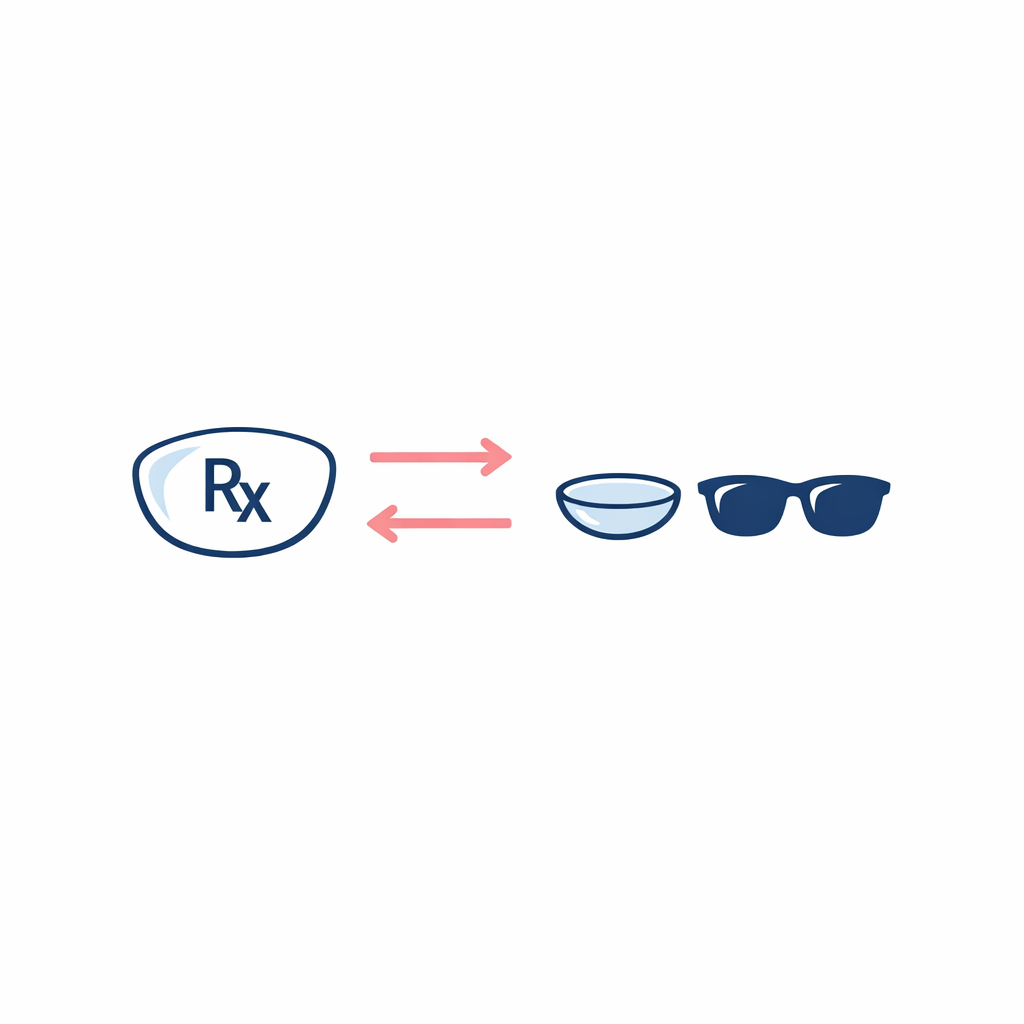
If you wear contacts, fishing and boating can be a great time to use sunglasses as your primary eye protection layer and keep your vision correction flexible. If you wear prescription eyewear, consider prescription sunglasses or updating what you already own so you are not forced to choose between clear vision and comfort on the water.
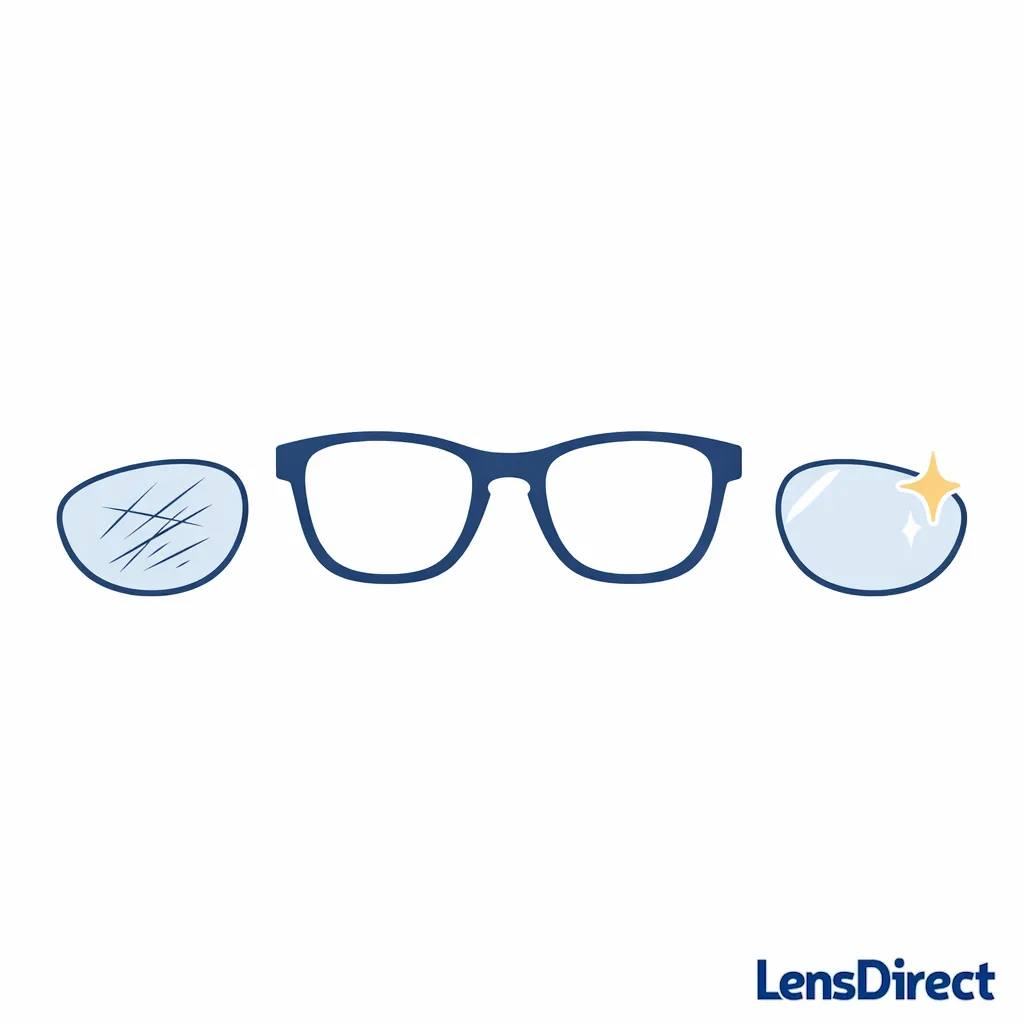
If you already love your frames, lens replacement can be a practical way to refresh performance without starting from zero, especially when scratches and coatings have seen a few seasons.
Saltwater sunglasses care: keep lenses clear and coatings intact
Salt spray, sunscreen, and boat grime are hard on lenses. Good care is mostly about minimizing rubbing when debris is on the surface and keeping your storage simple and consistent.
Boat-friendly cleaning habits
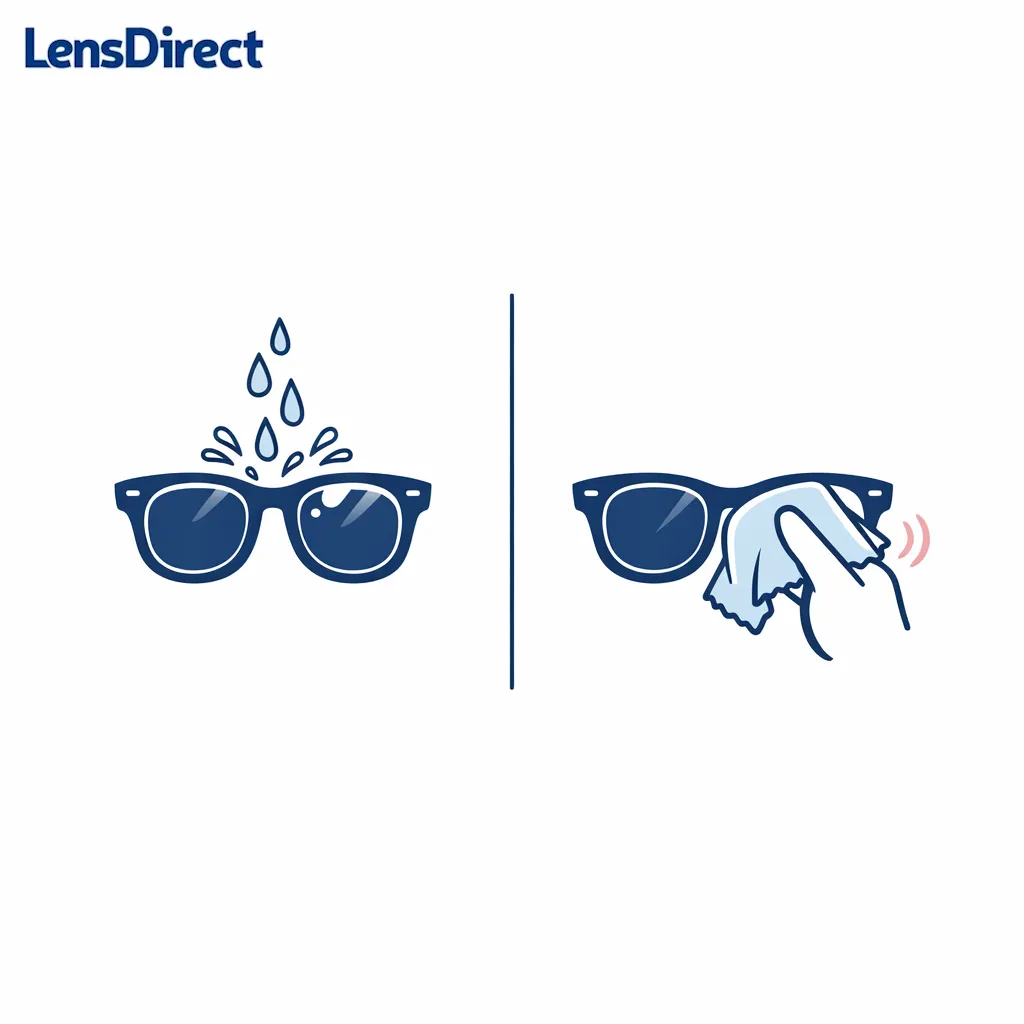
- Rinse first when possible: If you can, rinse lenses with clean water before wiping to reduce the chance of grinding particles across the surface.
- Use a clean microfiber: Keep a dedicated cloth in a small case or zip bag so it stays cleaner than the rest of your gear.
- Avoid paper products: Paper towels and shirts can leave micro-scratches over time, especially on mirrored lenses.
Storage habits that prevent “mystery scratches”
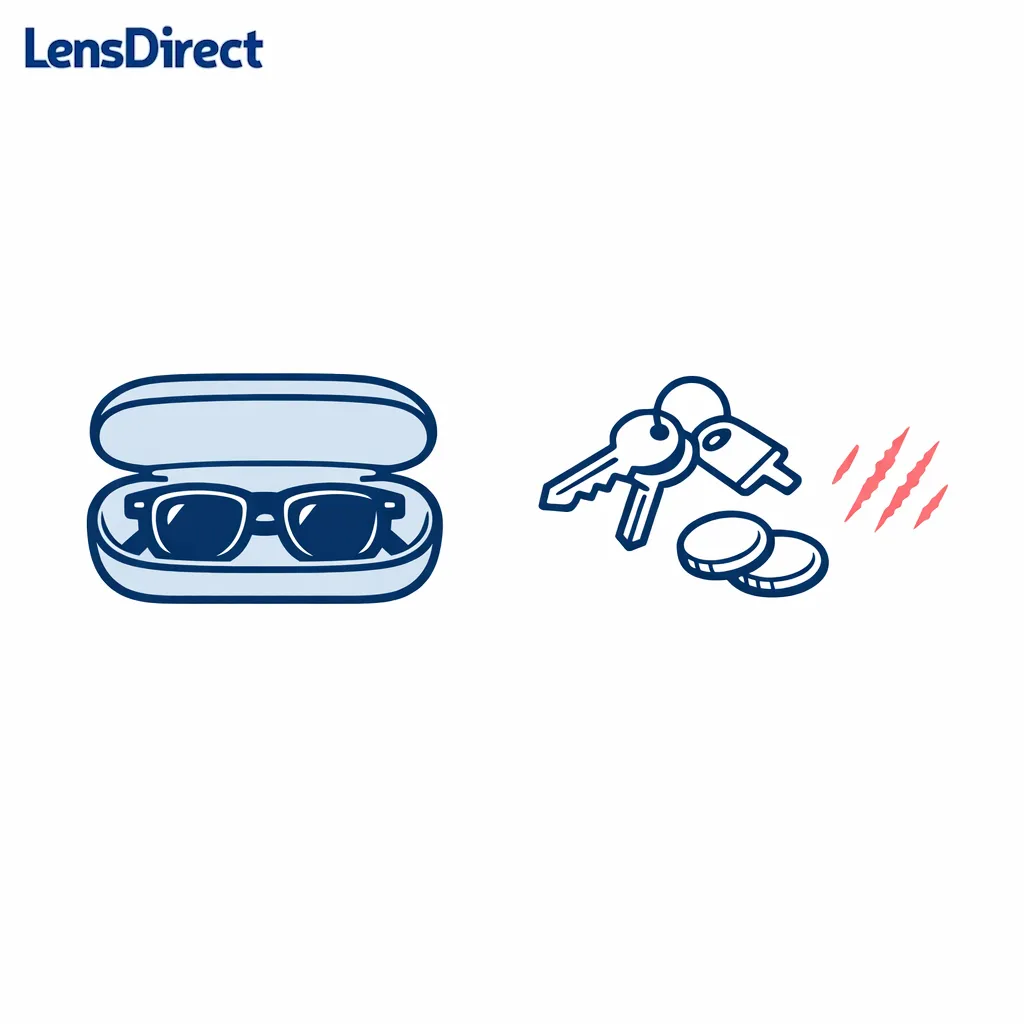
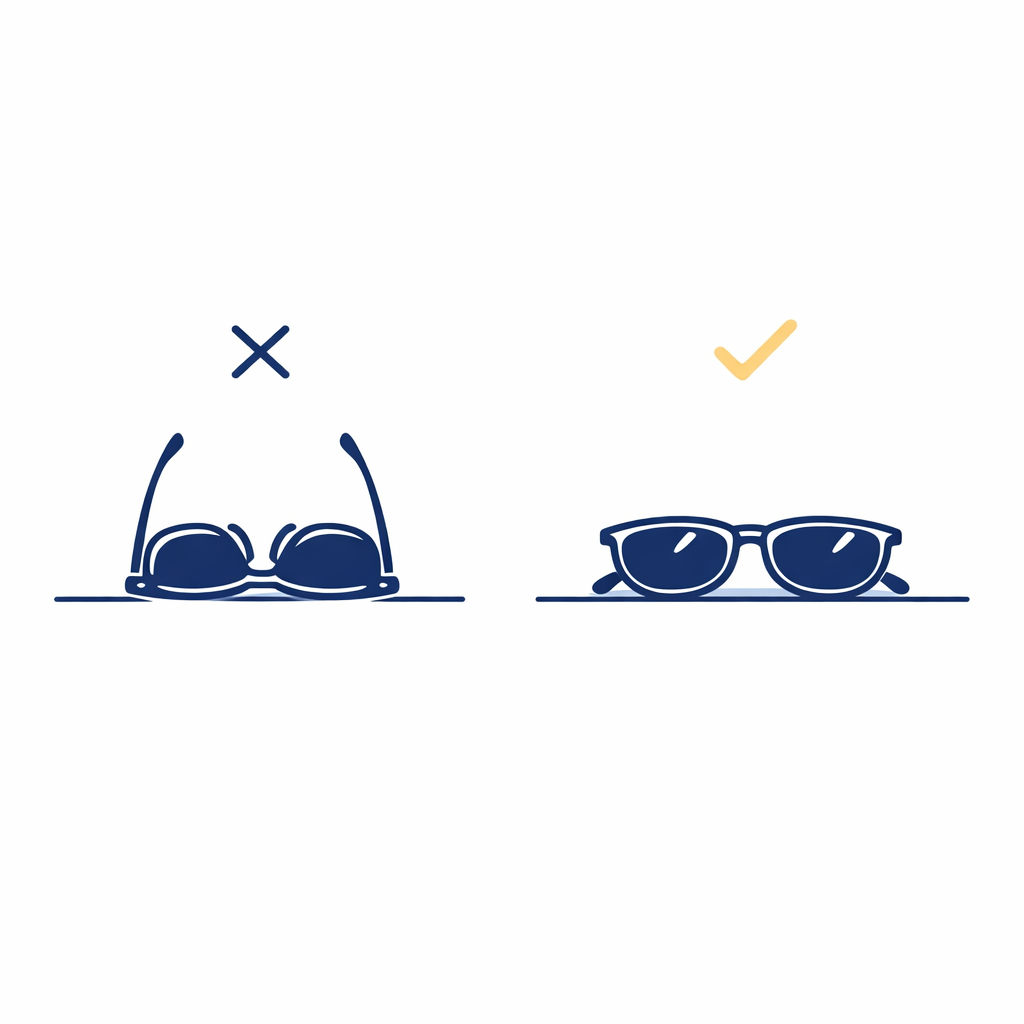
- Use a hard case: Tossing sunglasses in a console or cup holder is a fast route to scratched lenses.
- Keep lenses facing up: If you set them down briefly, place them with the lenses upward to avoid contact scratches.
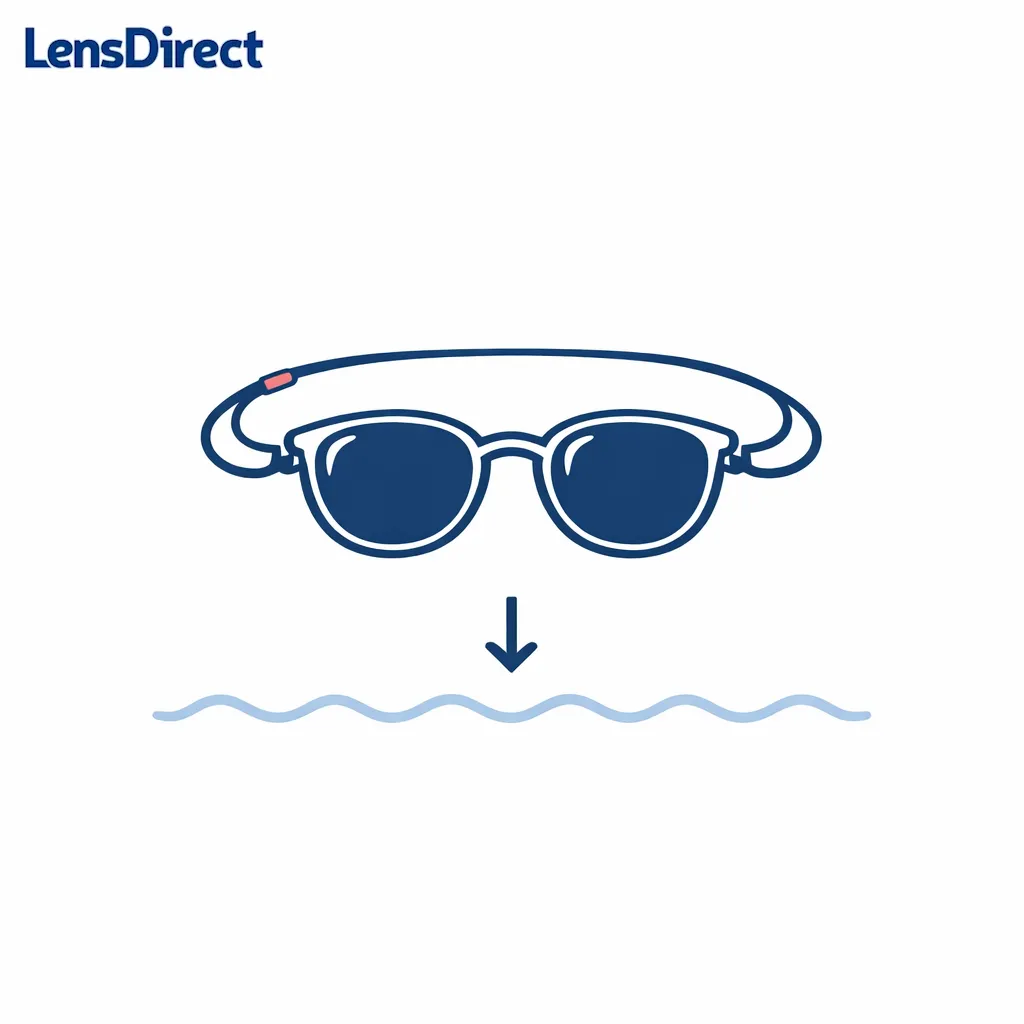
- Consider a retainer strap: On boats, keeping your sunglasses attached can prevent loss overboard and reduce handling.
When it is time to replace lenses instead of the whole pair
If your frame still fits well but your optics are hazy, scratched, or the coatings are failing, replacing the lenses can restore clarity. If you want a straightforward path, LensDirect offers lens replacement options that can be easier than re-shopping from scratch.
For convenience, you can choose full-service prescription lens replacement if you prefer to send your glasses in, or order DIY replacement lenses if you are comfortable matching parts and installing them.
What changed and what to watch in 2026
The biggest “new” shift for most shoppers is not a single breakthrough lens. It is that buying performance eyewear online is easier than ever, which makes it more important to know what labels actually mean before you check out.
Two points are worth re-emphasizing because they are still widely misunderstood: first, lens darkness is not the same as UV protection; second, polarization is separate from UV blocking. If you validate those two features, you have handled the most important “safety and comfort” requirements for fishing, boating, driving glare, and many other outdoor sports.
It is also easier to plan around the day’s conditions now. Checking the UV Index scale and what the numbers mean can help you anticipate when you will need maximum coverage and when contrast tints may be more comfortable.
Common mistakes and misconceptions (that cost anglers money)
Most frustration with fishing sunglasses comes from a few predictable missteps. Fix these, and you avoid buying a “great fishing sunglasses” pair that ends up living in the glove box.
- Mistake: “Darker is safer.” In reality, a dark tint does not guarantee UV protection, so always confirm UV labeling.
- Mistake: “Polarized means it blocks UV.” Polarization and UV protection are separate features; you want both.
- Mistake: Choosing tint based only on looks. Color affects contrast and comfort, so pick based on your most common light conditions first.
- Mistake: Too-small lenses. If you can see bright light around the edges, you will squint more and feel more fatigue on the water.
- Mistake: Ignoring fit stability. If your sunglasses slide when you look down to tie knots or land a fish, you will constantly adjust them and lose the benefits of good coverage.
What to do next: a simple checklist for buying sunglasses for fishing and boating
Use this checklist as you shop so you do not overthink it. It works whether you are buying new frames, upgrading to prescription sunglasses, or replacing lenses in a favorite pair.
- Confirm UV protection: Look for 99% to 100% UVA/UVB protection labeling.
- Add polarization for water glare: Choose polarization if you want strong glare reduction on reflective surfaces like water.
- Pick a tint for your conditions: Gray for bright sun comfort; brown/amber/copper for contrast; reserve very light tints for low light.
- Decide on mirror: Add mirror if you are frequently in intense sun and want extra perceived brightness control.
- Choose fit and coverage: Prioritize wrap/coverage if side glare and wind are constant issues.
- Plan for real-world use: If you run electronics, test for display visibility during the return period.
- Ask your eye care professional if needed: If you are unsure about UV needs, prescription options, or eye comfort, check with your optometrist.
Shop fishing-ready eyewear from LensDirect
If you are ready to upgrade for your next trip, you can start with performance-forward options and filter toward the features that matter most: polarization, lens color, and a secure all-day fit. LensDirect makes it easy to order online and keep your setup consistent across activities like fishing, boating, driving glare, and other outdoor sports.
- Shop Sunglasses for polarized, glare-cutting options you can wear on the water.
- Shop Glasses if you want everyday frames you can also outfit with sun lenses.
- Shop Contacts if you prefer pairing contacts with wraparound sunglasses for maximum coverage.
- Replace Your Lenses if your frames fit perfectly but your lenses are scratched or outdated.
- Find Your Fit to narrow down frame shapes that stay comfortable for long wear.
- Learn How to Measure Your Pupillary Distance if you are ordering prescription eyewear online.
- Learn How to Get Reimbursed by Your Insurance if you want to reduce out-of-pocket costs.
Author

Subscribe to our email newsletter to get the latest posts delivered right to your email.