

When you’re buying glasses online, lens upgrades can feel like a confusing menu of “must-haves.” Two of the most common options are anti-reflective (AR) coating (also called anti-glare or anti-reflection) and blue light filter lenses, and they solve different problems.
This guide is for anyone shopping for eyewear with value and convenience in mind: everyday glasses wearers, people on screens all day, night drivers dealing with glare, and anyone replacing lenses to refresh favorite frames. You’ll learn what AR coating does, what blue light lenses do (and don’t do), who should choose which, and how to pick the right upgrades without paying for features you won’t use.
Quick definitions (so the rest is easy)
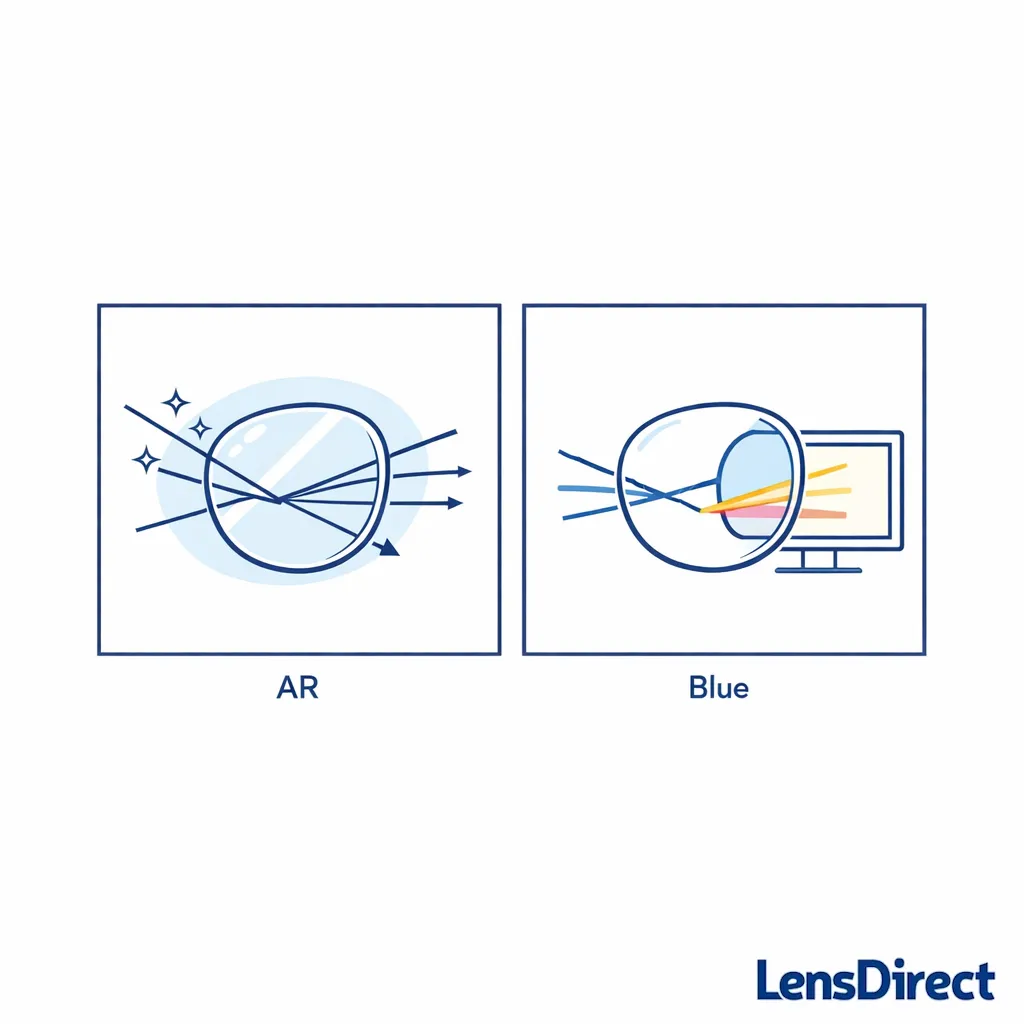
Anti-reflective (AR) coating is a thin-film coating designed to reduce reflections bouncing off the front and back of your lenses. In practical terms, it can make your lenses look clearer to other people and reduce distracting reflections you see when light hits your glasses at certain angles.
Blue light lenses are lenses (or coatings) that reduce transmission of some blue wavelengths in visible light. In most consumer products, they’re marketed for screen use, eye strain, and sleep support, but the real-world benefit depends on what problem you’re trying to solve.
For context, visible light wavelengths include the shorter, higher-energy “blue” region within the visible spectrum.
AR coating: what it is and what it’s best at

If you’re comparing anti reflective coating vs blue light lenses, AR coating is the most direct fix for one specific annoyance: reflections on glasses. AR works by reducing surface reflections, which helps more light pass through the lens instead of bouncing back.
Optics manufacturers describe anti-reflection coatings as improving transmission and reducing glare caused by reflections off lens surfaces, which is why AR is commonly recommended when you want a clearer, less “shiny” lens experience, especially under bright point-light sources. That basic mechanism is well summarized in technical guidance on anti-reflection coatings.
AR coating benefits (what you’ll notice day to day)
- Less “ghosting” and lens reflections when overhead lights, windows, or headlights hit your lenses at angles.
- Clearer appearance in photos and video calls, because the lens surface reflects less light back toward the camera.
- Better comfort in mixed lighting (office fluorescents, stores, streetlights), where reflections can be distracting.

In shopping terms, AR is a strong default if you frequently notice glare or reflections on your glasses, or if you want your lenses to look nearly invisible from the outside.
Who should prioritize AR coating
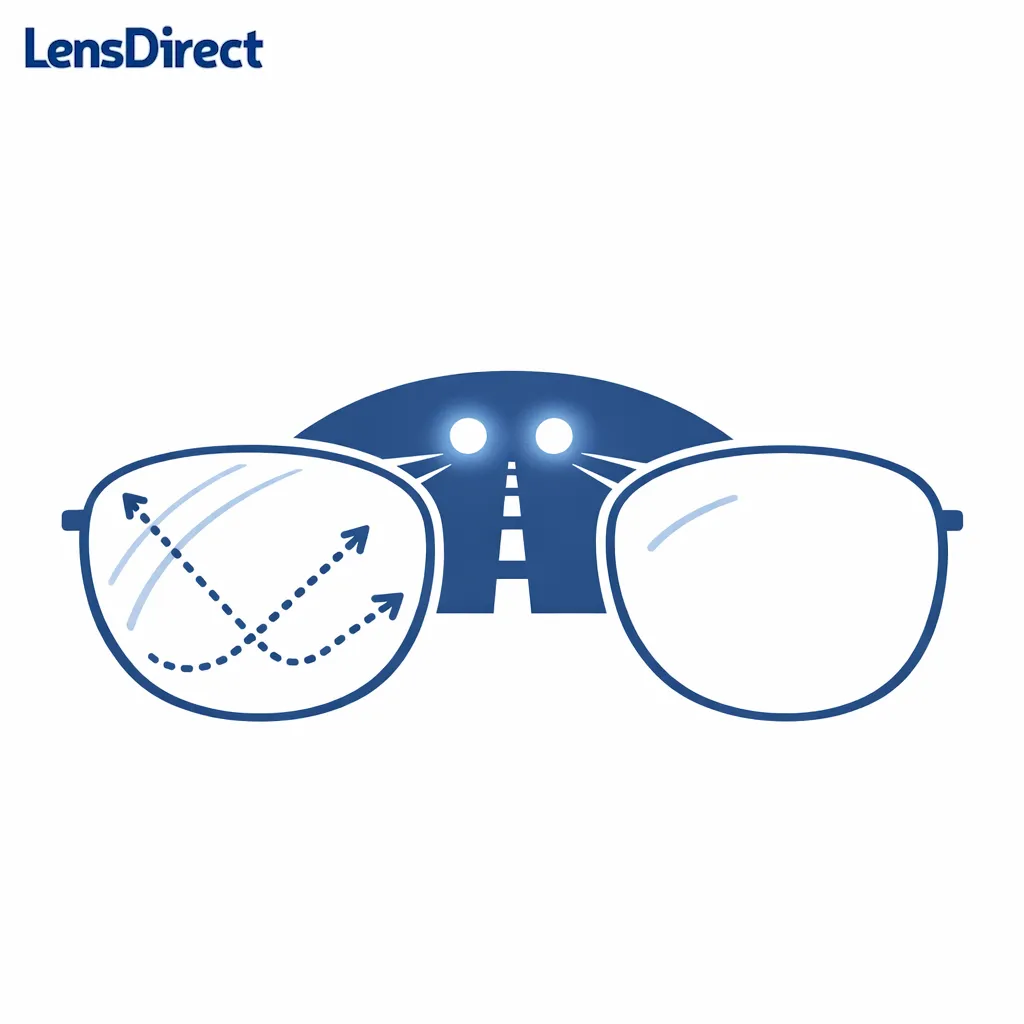
Night drivers often benefit because reflections and scattered light can be especially distracting in low light with bright point sources. While AR won’t change your prescription or “boost” night vision, it can reduce the reflective artifacts from lens surfaces that compete with what you’re trying to see.
People who work under strong overhead lighting (offices, classrooms, hospitals, retail) also tend to appreciate AR because it helps with the “I can see the lights in my lenses” effect.
Outdoor and sports sunglasses shoppers can benefit from AR too, especially for side and back reflections that bounce into your eyes. (Polarization addresses reflected glare from flat surfaces like water or roads; AR addresses reflections off the lens itself, and they can complement each other.)
Blue light lenses: what they do (and what they don’t)
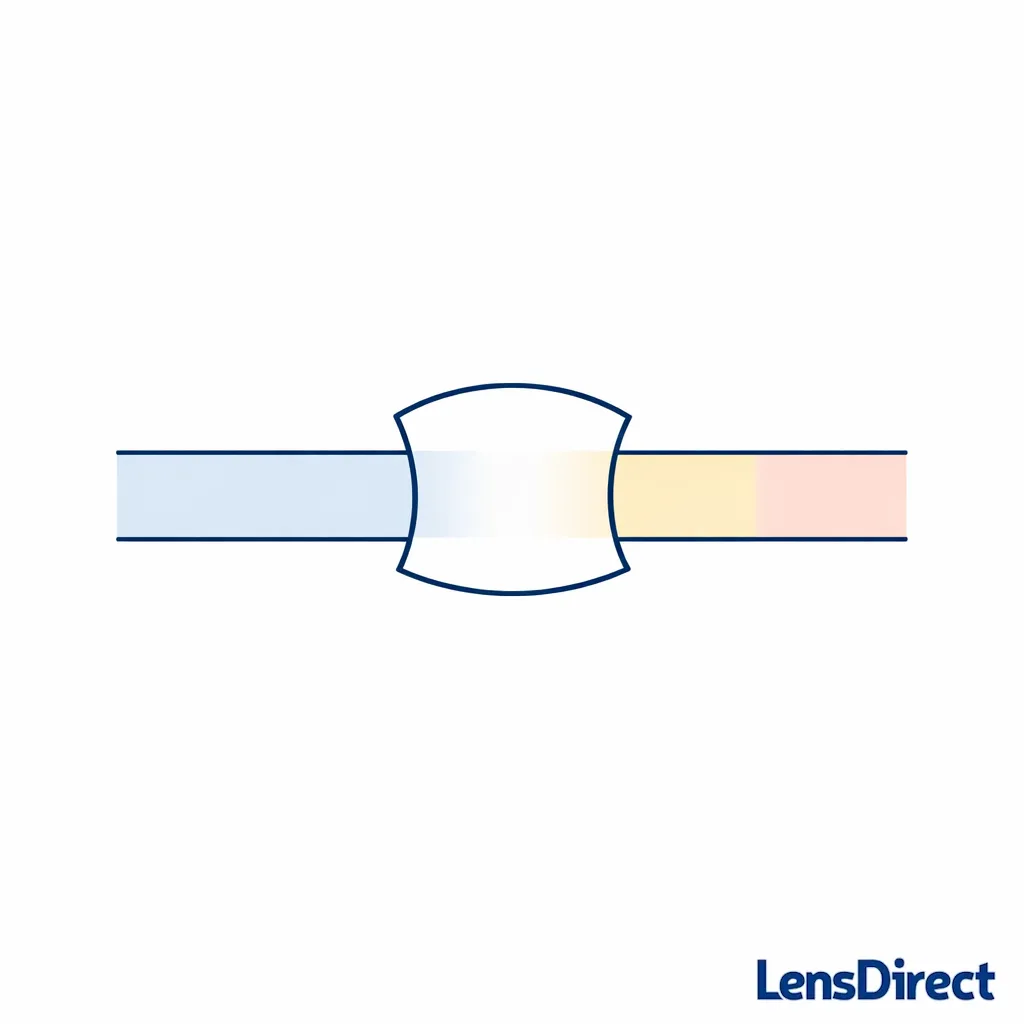
Blue light filter lenses reduce some blue wavelengths passing through the lens, usually by a coating or lens material tint. Some options look nearly clear; others have a noticeable warm or yellow cast.
The key question behind “do blue light glasses work?” is: work for what outcome. If your goal is less surface reflection, blue light filtering is not the primary tool. If your goal is changing the spectrum of light reaching your eyes, that is what blue light lenses are designed to do.
What the evidence says about blue light lenses for eye strain
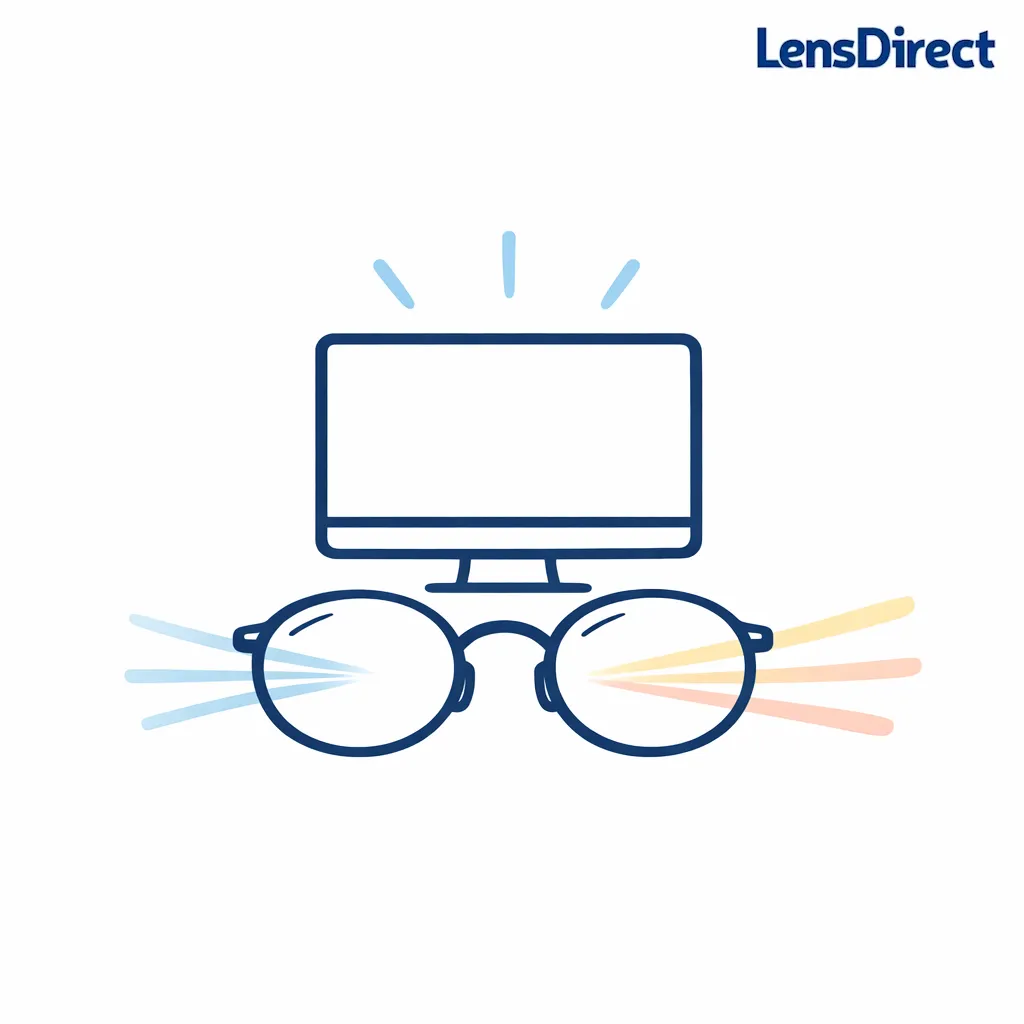
Many people buy blue light glasses for digital eye strain (burning, fatigue, headaches, blurred vision after screen time). However, research reviews have generally found limited or uncertain benefit for blue-light filtering lenses on subjective eye strain compared with clear lenses.
For example, a Cochrane systematic review on blue-light filtering spectacle lenses evaluated whether these lenses improve visual performance, sleep outcomes, and eye strain, and it found the evidence does not strongly support meaningful short-term reductions in eye strain versus non-blue-light filtering lenses.
Blue light and sleep: where it can matter more
If your main issue is sleep, the conversation changes. Light is an important cue for the body clock, and exposure timing, intensity, and spectrum can influence circadian rhythms, which is why late-evening bright light can be disruptive for some people.
This relationship is covered in NIH guidance on circadian rhythms, which explains how light can affect the sleep-wake cycle. Blue light lenses may be one of several tools people try in the evening, but screen habits (brightness, distance, breaks, and content timing) typically matter at least as much as lens choice.

Who might still like blue light filter lenses
Even with mixed evidence on “eye strain,” some people still prefer blue light lenses because they like the warmer visual tone for screens, or they find it subjectively more comfortable. If you’re sensitive to bright, cool-white lighting (some offices, some LED bulbs), you may also prefer the color shift these lenses provide.
Blue light lenses are also a reasonable choice if you want a single pair of glasses that feels more screen-friendly without changing your prescription or adding a separate “computer glasses” prescription.
AR coating vs blue light lenses: how to choose based on your problem
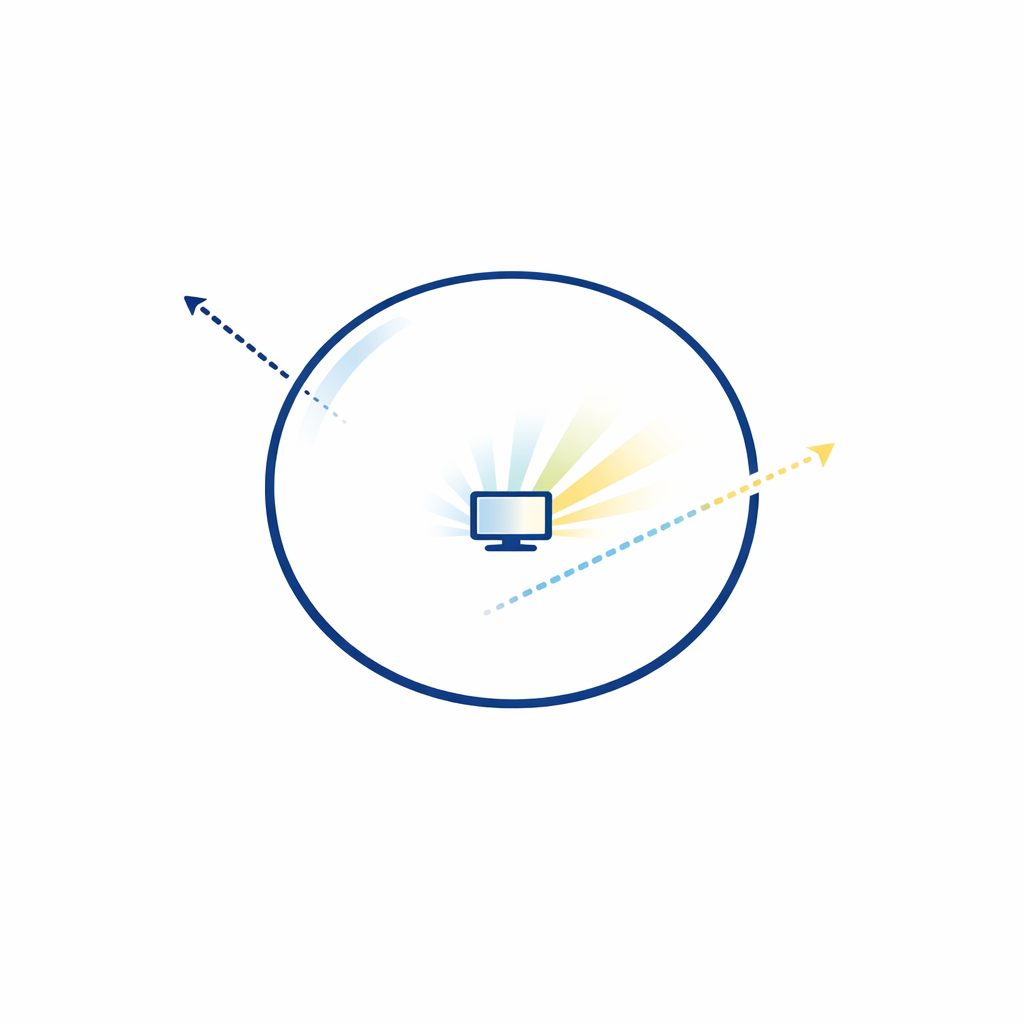
Here’s the simplest way to decide: AR is about reflections, and blue light filtering is about spectrum. If your main complaint is “my glasses reflect everything,” start with AR. If your main complaint is “screens feel harsh and I prefer a warmer view,” consider blue light filtering.
Choose AR coating if you want:
- Screen glare reduction glasses that tackle reflections from your lens surface (especially when you’re near windows or overhead lights).
- Anti reflective glasses for night driving to cut lens-surface reflections that can compete with your view of the road.
- More cosmetic clarity so your eyes are easier to see in photos, meetings, and video calls.
Choose blue light filter lenses if you want:
- A warmer, less “cool” look to screens that some people find more comfortable for long sessions.
- An evening-focused habit change to support sleep routines alongside screen dimming and earlier cutoff times.
- A single everyday pair that feels more screen-oriented without needing a second pair.
Consider both if you:
- Spend a lot of time on screens and frequently notice reflections from windows, overhead lights, or headlights.
- Want a lens that looks clear to others (AR) while also slightly warming screen color (blue light filtering).
In practice, many shoppers find AR is the higher-impact “first upgrade,” then decide on blue light filtering based on personal preference and routines.
What changed (and what’s new) in 2026 shopping for these upgrades
The biggest “new” development is not a single breakthrough feature, but clearer summaries of evidence. Recent evidence syntheses continue to report that blue-light filtering lenses do not show strong, consistent short-term benefits for reducing digital eye strain compared with clear lenses, as summarized in the Cochrane review on blue-light filtering spectacle lenses.
At the same time, screen time habits have become more varied (work, entertainment, and constant video calls), which makes reflection control more important for many people. That’s one reason AR remains a practical, widely useful upgrade even if you never buy into “blue light” marketing.
Common mistakes and misconceptions
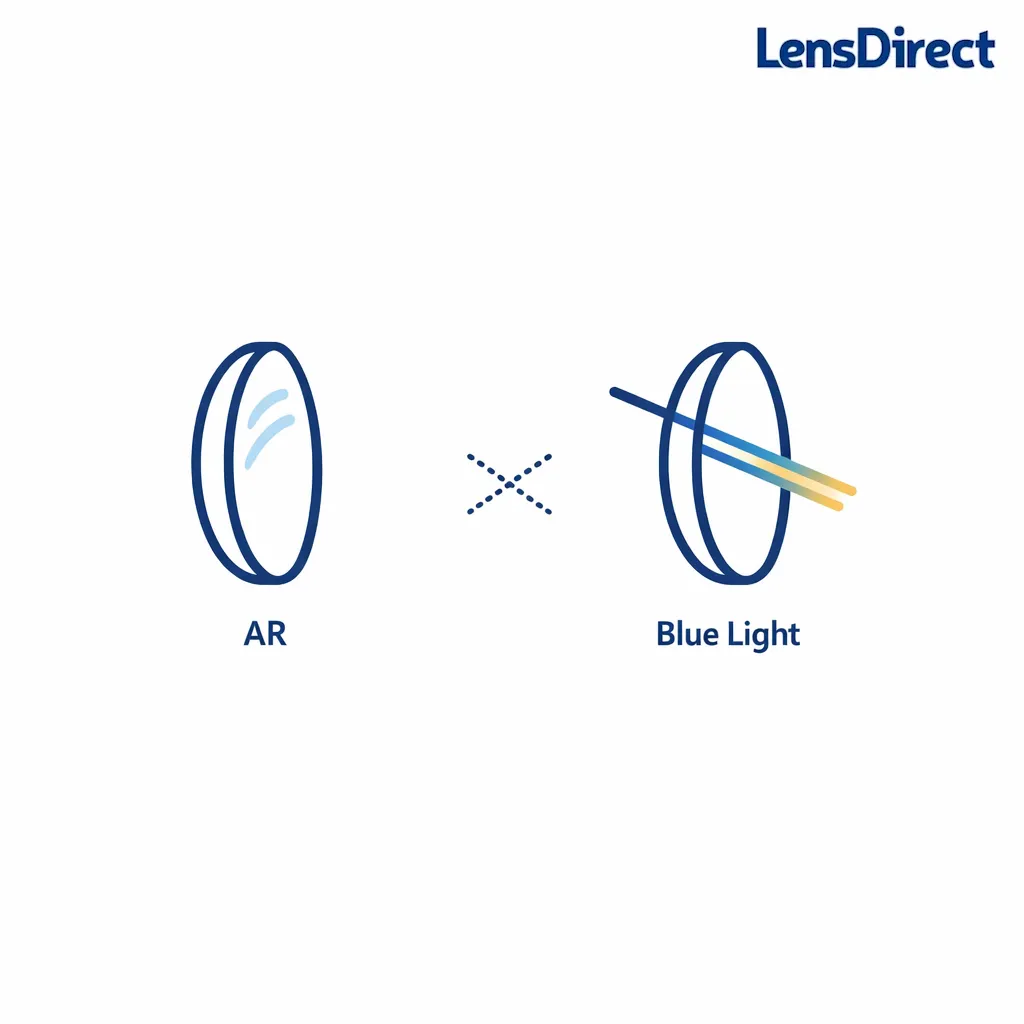
Mistake 1: Buying blue light lenses when you really want anti-glare
“Anti-glare coating glasses” is often used to describe AR coating, but some shoppers assume blue light lenses will reduce glare the same way. If your problem is reflections from lights or windows, AR targets that mechanism directly through reduced surface reflections.
Mistake 2: Expecting either option to fix an outdated prescription

Lens coatings can improve comfort and clarity in certain lighting, but they don’t correct blur caused by a prescription that no longer matches your eyes. If you’re squinting, getting headaches, or noticing persistent blur, it’s worth checking in with your optometrist before spending on upgrades.
Mistake 3: Treating digital eye strain like a “blue light” problem only

Digital eye strain is often tied to focusing demands, reduced blinking, close viewing distances, and long sessions without breaks. Eye doctors commonly recommend habits like taking regular breaks and adjusting screen setup; the American Academy of Ophthalmology’s overview of computer vision syndrome discusses these practical factors and strategies.
Mistake 4: Confusing AR coating with polarized sunglasses

Polarization is about cutting reflected glare from flat surfaces (like water, wet roads, and snow). AR is about reducing reflections off the lens itself, as described in anti-reflection coating guidance. If you’re shopping for driving, snow, or water sports, you may want polarization plus AR rather than choosing one and hoping it does everything.
Practical scenarios: what to pick for your lifestyle
If you work on a laptop all day (home or office)
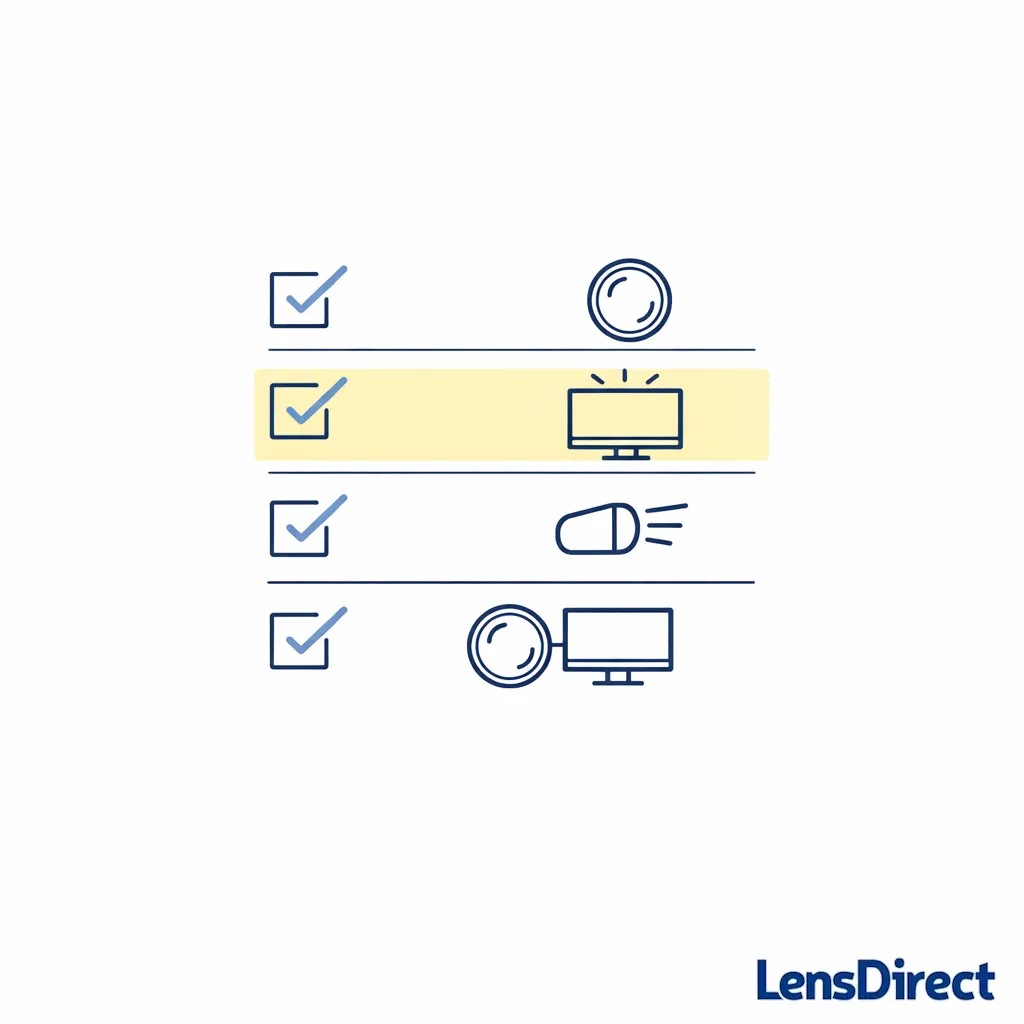
Start with AR coating if overhead lights, windows, or video calls make reflections annoying. Then consider blue light filtering if you personally prefer a warmer screen appearance or want an extra nudge toward an evening wind-down routine.
For comfort, also copy the basics from eye-care guidance: take breaks and optimize your setup, as outlined in the AAO computer vision syndrome recommendations.
If you drive at night and hate headlight glare
AR coating is usually the best first move because it reduces lens-surface reflections that can stack on top of external glare. Make sure your glasses are clean and your prescription is current, because smudges and uncorrected vision can make lights look worse regardless of coating.

If you ski, run, bike, fish, or spend time on the water
For outdoor glare, consider sunglasses choices first (lens darkness, polarization, mirror, and wrap coverage), then add AR to reduce internal reflections and improve clarity. If your main use is bright outdoor conditions, blue light filtering is typically not the deciding feature.
If you mostly wear contacts but want glasses for backup and travel
AR coating can make a backup pair feel noticeably “cleaner” and easier to wear in varied lighting, which is ideal for travel days, airports, and driving. If you’re buying a single pair of glasses primarily for screens, blue light filtering can be a preference-based add-on, but it shouldn’t replace good screen habits.
If you’re replacing lenses in a favorite frame
If your frames fit perfectly and you just want a refresh, choosing the right coating can make the “new lens” experience feel like a bigger upgrade than changing the frame. AR is often the most universally appreciated lens add-on in a lens replacement because it improves clarity across almost every environment.
What to do next: a simple checklist for choosing eyeglass lens upgrades
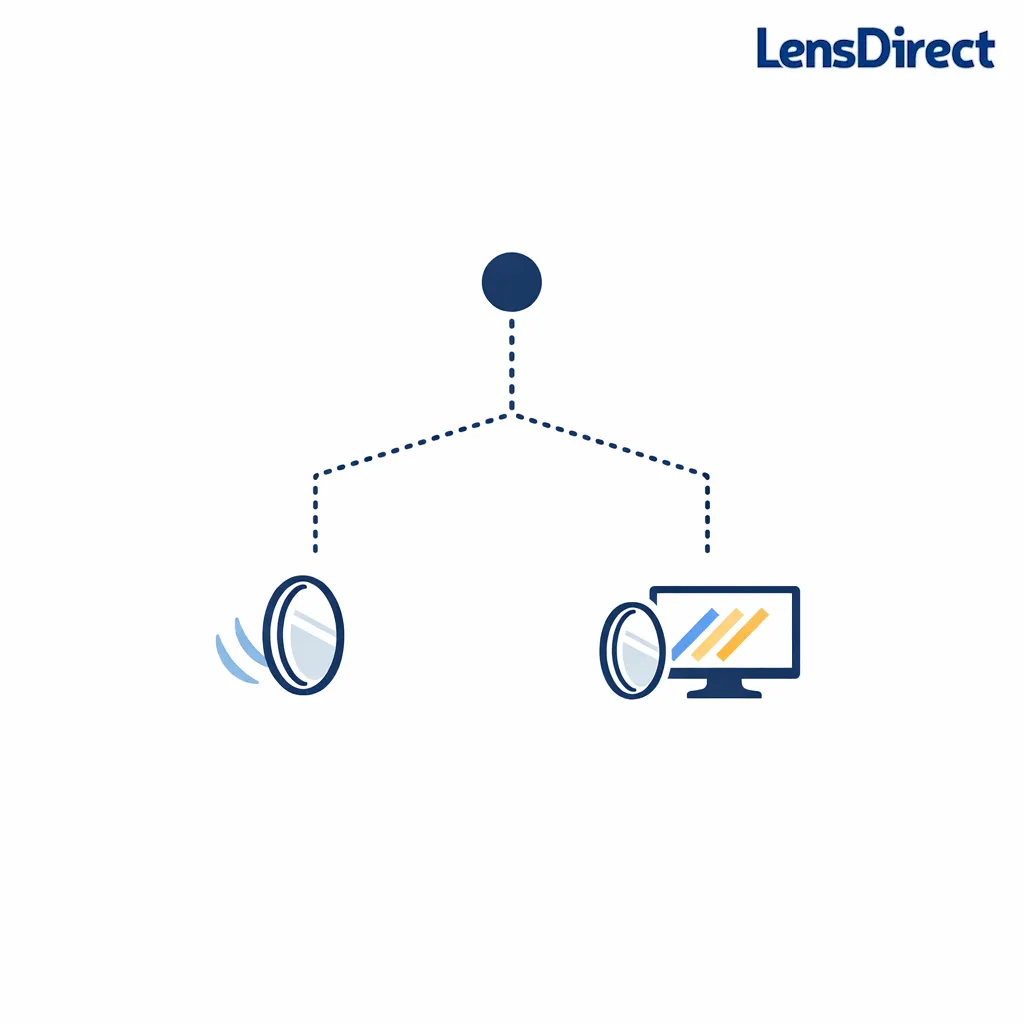
- Write down your top annoyance. Is it reflections on glasses, screen discomfort, or nighttime glare?
- If reflections are the issue, choose AR first. AR directly reduces lens-surface reflections based on how anti-reflection coatings work.
- If screens feel harsh, decide if you want a warmer view. Blue light lenses change the spectrum of visible light reaching your eyes within the visible light range, but evidence of eye-strain reduction is limited in reviews like the Cochrane summary.
- Separate eye strain from sleep goals. For sleep, focus on timing and brightness first, since light affects circadian rhythms; consider blue light filtering as a supporting tool, not a standalone fix.
- Check your prescription and use case. If symptoms persist, use eye-care guidance on digital eye strain factors from the AAO computer vision syndrome overview and talk with your optometrist.
- Don’t forget fit and measurements. Comfort and optical accuracy matter as much as coatings when you buy online.
Shop the right upgrade for your day (without overpaying)
If your priority is fewer reflections and a clearer-looking lens, start with glasses that include an AR option, then add blue light filtering only if it matches your screen habits and preferences. LensDirect makes it easy to choose upgrades when you’re buying new frames or refreshing a pair you already love.
- Shop Glasses
- Shop Sunglasses
- Shop Contacts
- Replace Your Lenses
- Full-Service Replacement (send-it-in option)
- Order Replacement Lenses (DIY option)
- Find Your Fit
- Learn How to Get Reimbursed by Your Insurance
- Learn How to Measure Your Pupillary Distance
Author

Subscribe to our email newsletter to get the latest posts delivered right to your email.