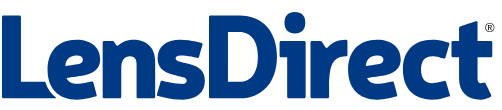

January is more than a symbolic reset. For many people, it is the most practical and financially efficient time of the year to take care of vision needs. Flexible Spending Accounts (FSA) and Health Savings Accounts (HSA) often reset or receive new contributions at the beginning of the year, creating a rare window where planning is easier, stress is lower, and decisions can be made with clarity instead of urgency.
Too often, vision spending happens reactively.
Glasses are replaced only after they become uncomfortable.
Contacts are reordered at the last minute.
Funds are spent quickly near the end of the year just to avoid losing them.
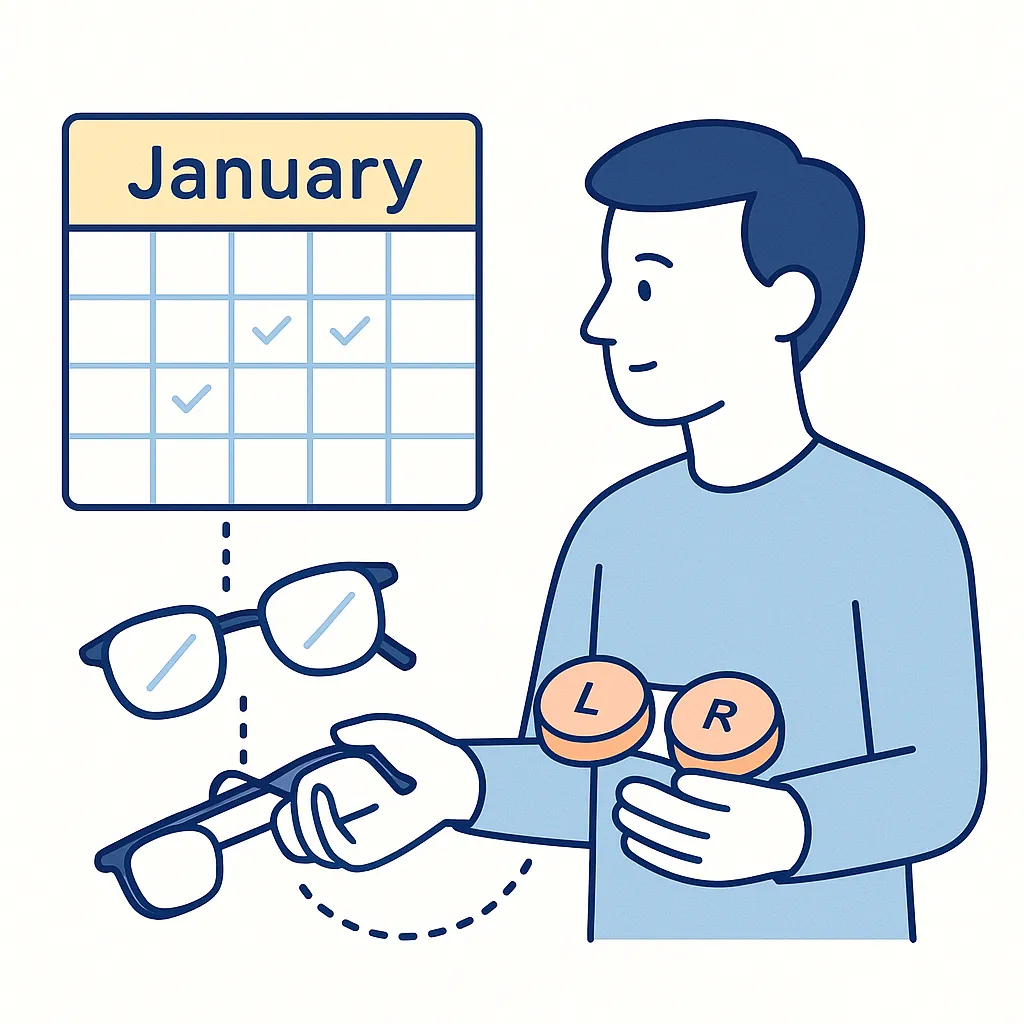
January allows for a different approach — one that prioritizes comfort, consistency, and long-term eye health.
This guide explains how to use your FSA or HSA for glasses and contacts in January, what expenses typically qualify, which misconceptions to avoid, and how to create a vision plan that supports you throughout the entire year.
Why January Is the Best Time to Use FSA or HSA Funds for Vision Care
January offers a combination of financial clarity and mental focus that does not exist later in the year. This makes it uniquely well suited for vision-related planning.
Fresh Account Balances Make Planning Easier
At the start of the year, your available FSA or HSA balance is usually at its highest and simplest.
You are not trying to calculate remaining funds or rush against deadlines.
This clarity makes it easier to prioritize quality and comfort instead of speed.
With a clear balance, you can make thoughtful decisions about what will actually improve your daily vision rather than settling for quick fixes.
Replacing Worn Eyewear Before Problems Build Up
All eyewear wears down gradually.
Lenses accumulate small scratches.
Coatings degrade.
Frames loosen or shift slightly out of alignment.
These changes often happen slowly enough that people adapt without realizing their vision has declined.
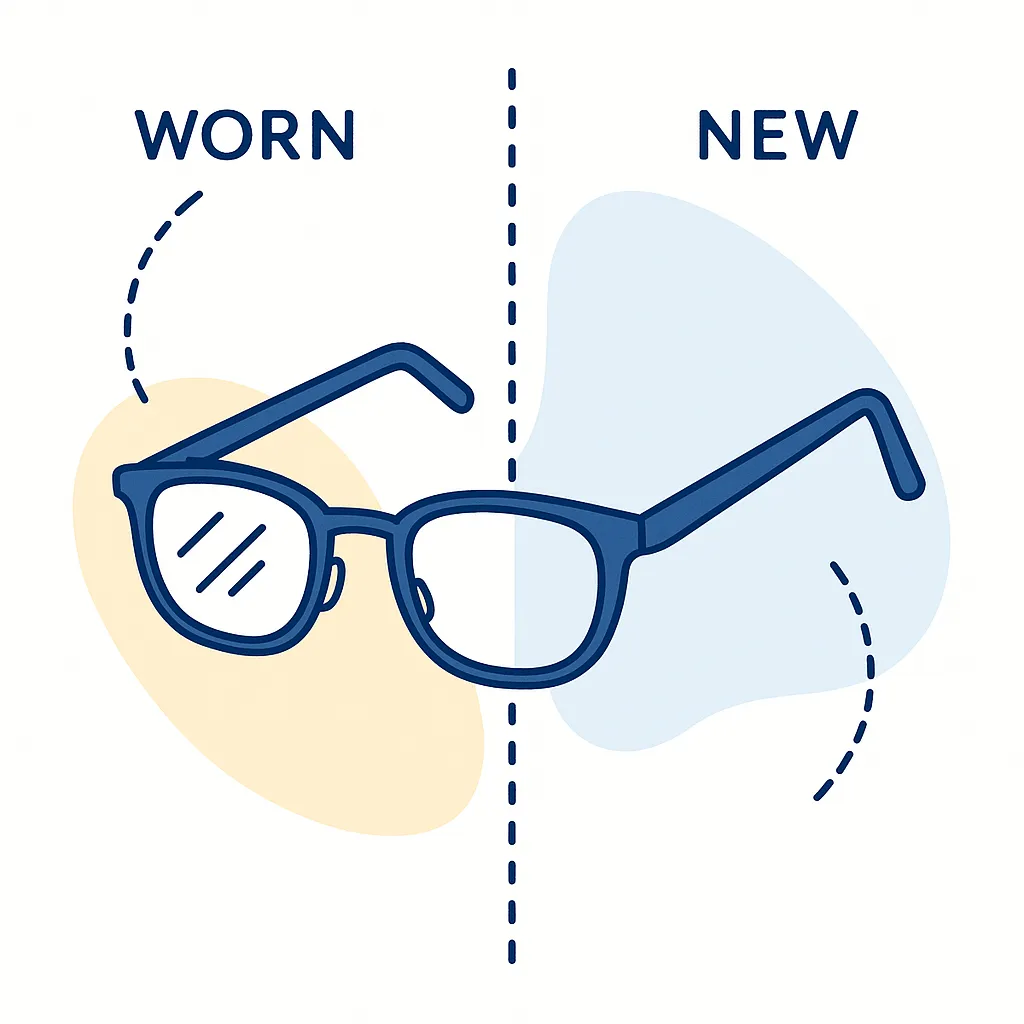
January is the ideal time to replace aging glasses or lenses before headaches, eye strain, or fatigue become part of your daily routine.
Timing Vision Spending With Annual Eye Exams
Many people schedule eye exams early in the year.
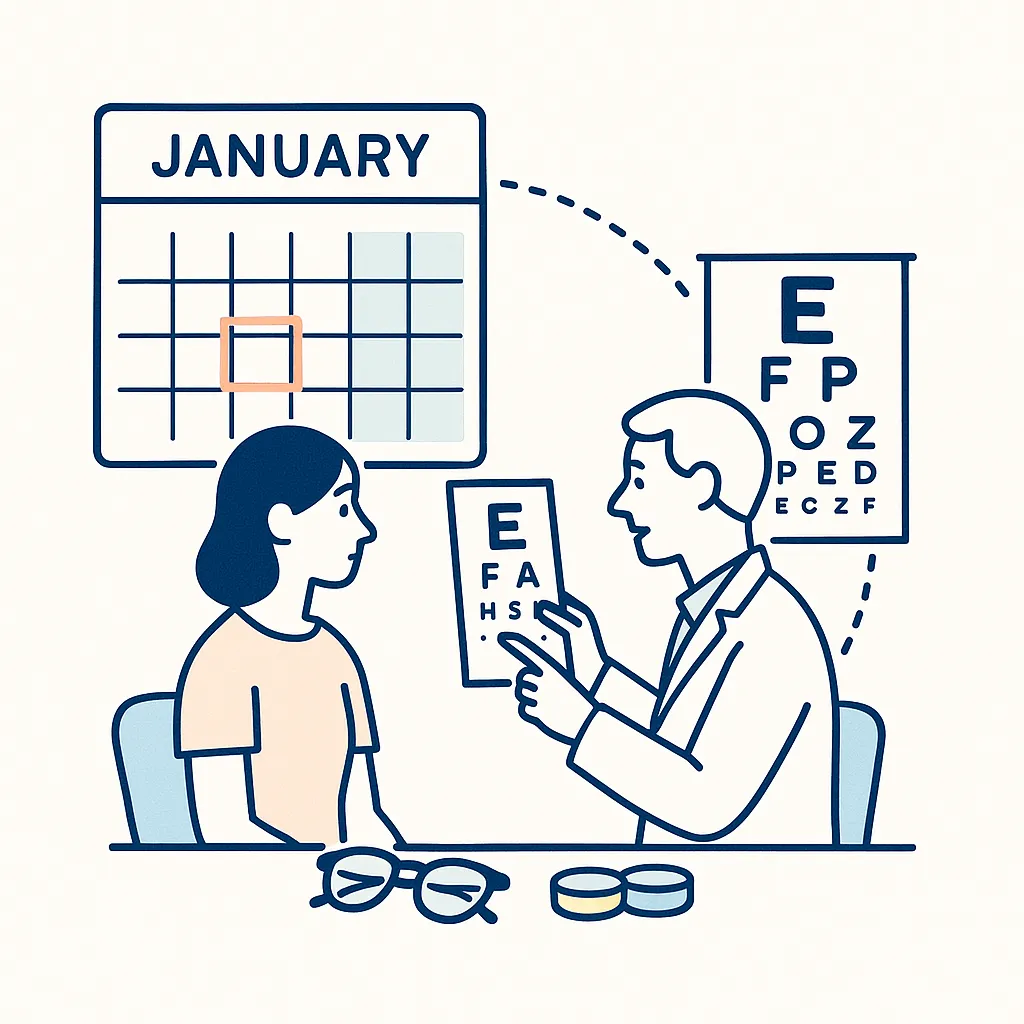
Using your updated prescription immediately ensures you get the full benefit of that exam rather than spending months compensating for outdated correction.
This timing allows your vision care to work for you throughout the year instead of lagging behind your needs.
Using New-Year Momentum to Improve Eye Health Habits
January naturally encourages healthier routines.
People reassess screen time, work habits, and overall comfort.
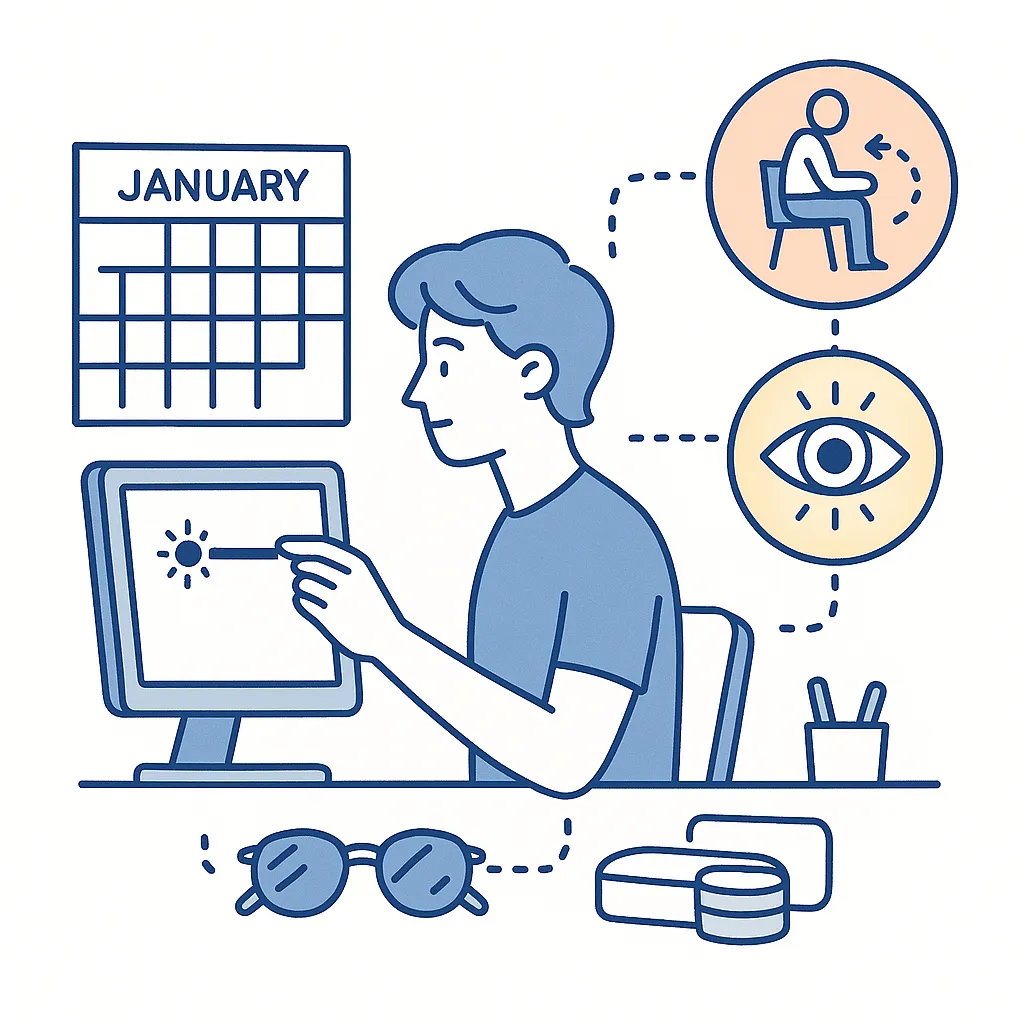
Starting the year with clear, comfortable vision supports better focus, productivity, and long-term eye health across everything else you do.
Understanding FSAs and HSAs for Vision Expenses
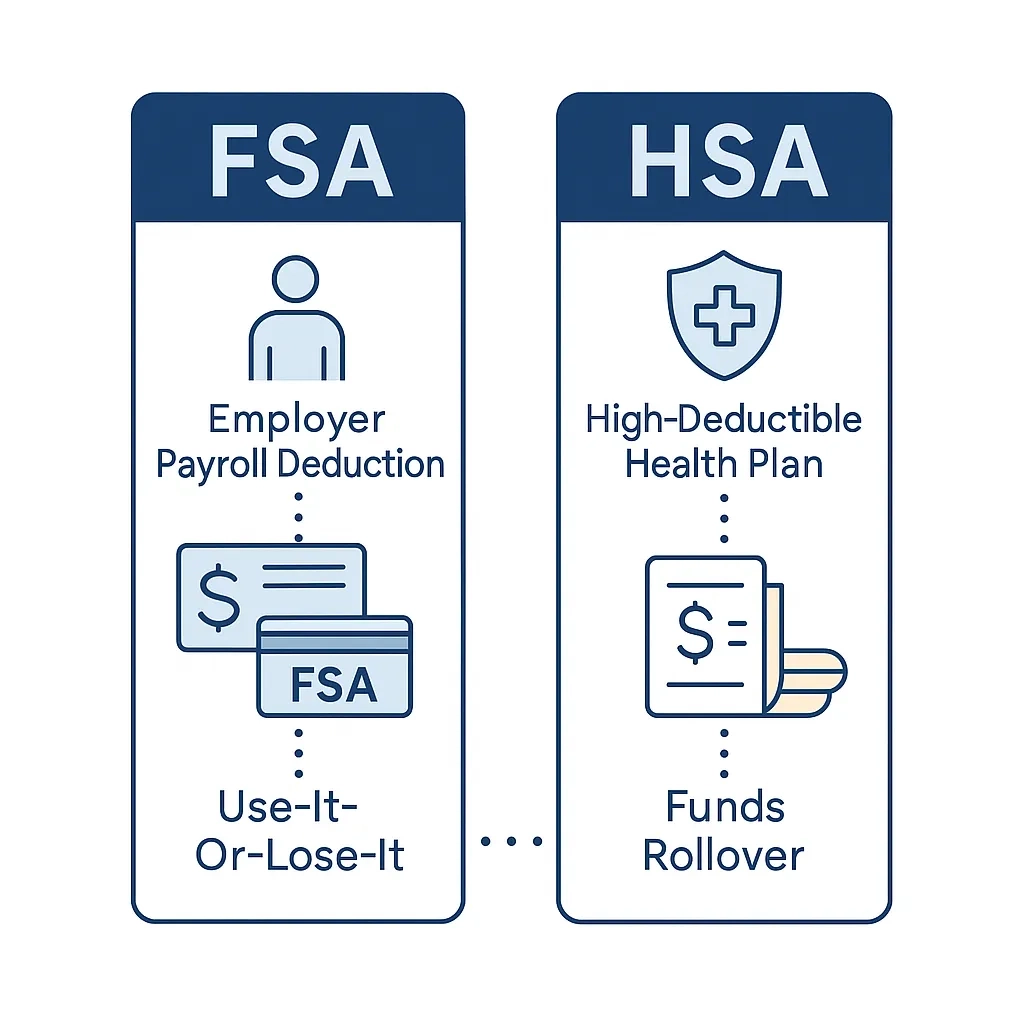
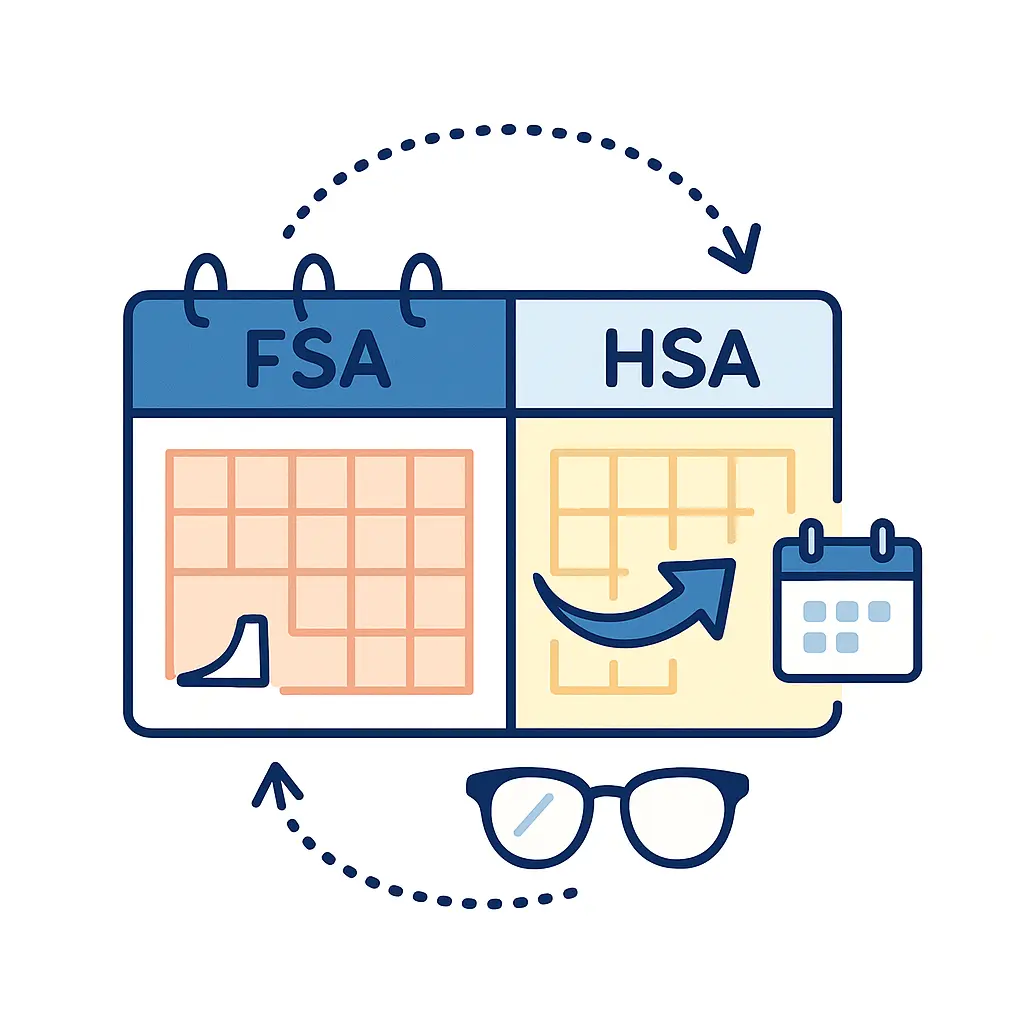
Although FSAs and HSAs are often mentioned together, they function differently. Understanding how each works helps you decide how to use them wisely.
How Flexible Spending Accounts Work for Eye Care
An FSA is typically offered through an employer and funded with pre-tax payroll deductions.
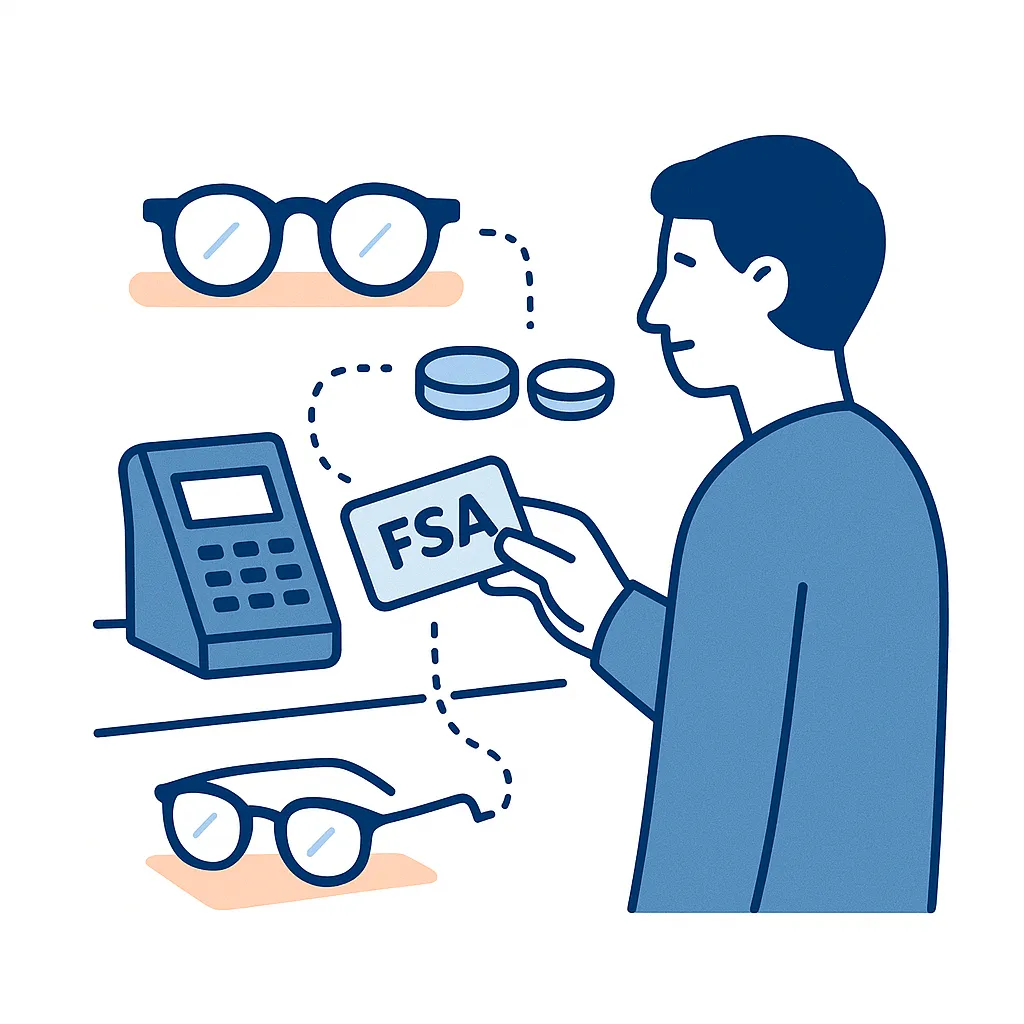
Many FSAs follow a use-it-or-lose-it structure, meaning unused funds may expire at the end of the plan year.
Because of this structure, FSAs are especially well suited for predictable expenses like glasses and contact lenses.
How Health Savings Accounts Work for Eye Care
An HSA is available to individuals enrolled in qualifying high-deductible health plans.
Funds roll over year after year and remain with you even if you change jobs.
While some people treat HSAs as long-term savings, vision care remains one of the most practical and immediately useful ways to spend these funds.
Why Vision Care Is a Practical Use of Either Account
Vision correction is not optional. Glasses and contact lenses are medical tools used daily.
Using pre-tax dollars for necessary eye care delivers immediate value and reduces out-of-pocket costs over time.
What Vision Expenses Typically Qualify for FSA or HSA Use
Uncertainty around eligibility is one of the most common reasons people delay vision purchases. In reality, qualifying vision expenses are usually straightforward.
Common Eligible Vision Purchases
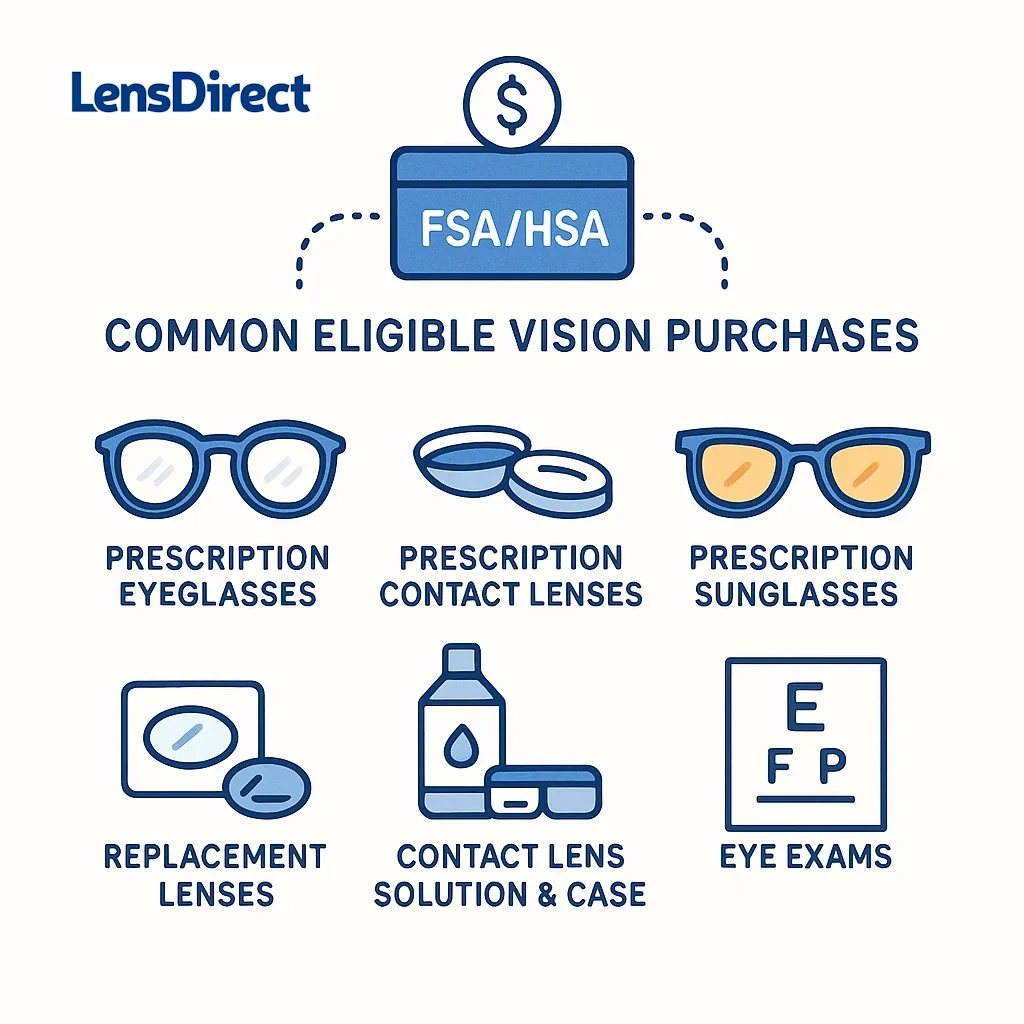
- Prescription eyeglasses
- Prescription contact lenses
- Prescription sunglasses
- Replacement prescription lenses
- Contact lens solution and cases
- Eye exams related to vision correction
These items are generally considered medically necessary rather than optional.
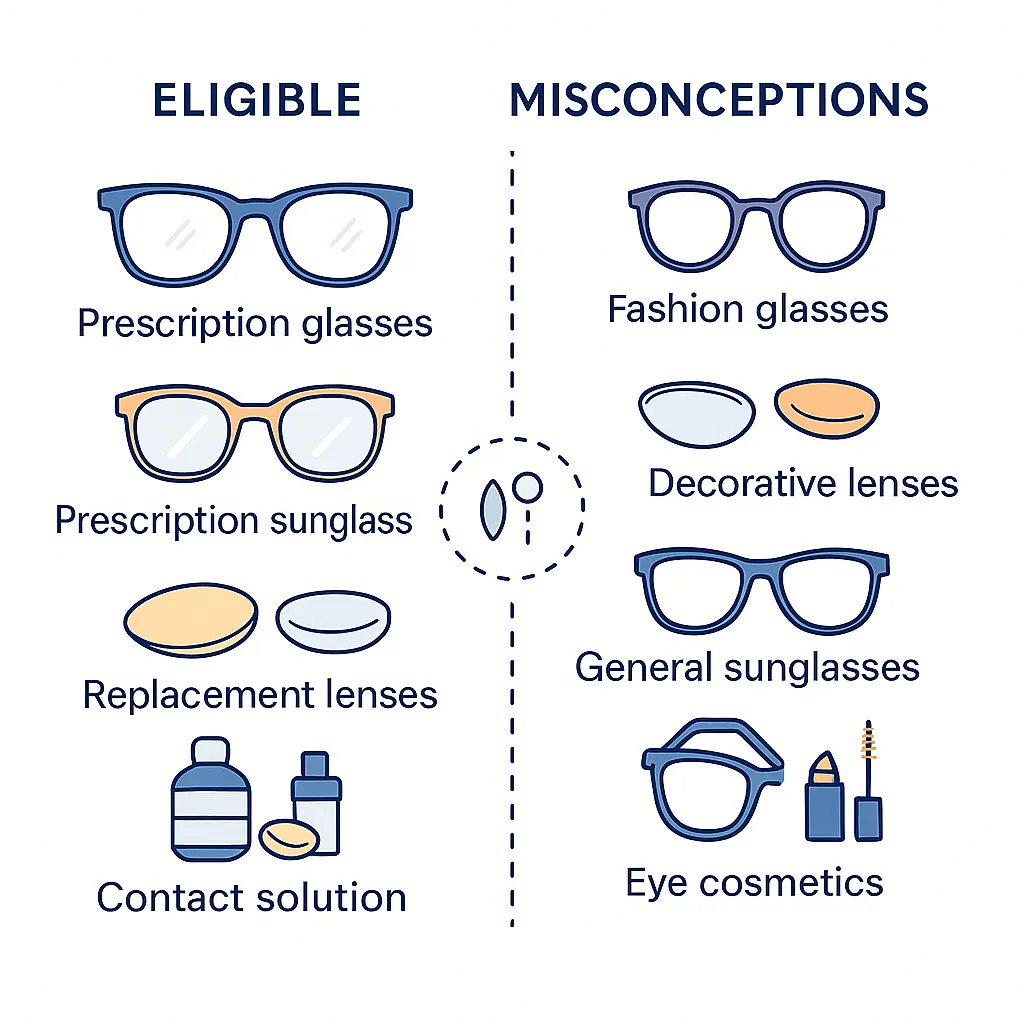
Eligible Vision Purchases vs Common Misconceptions
| Eligible Purchases | Common Misconceptions (These do not qualify) |
| Prescription eyeglasses | Non-prescription fashion glasses qualify |
| Prescription contact lenses | Decorative or cosmetic lenses qualify |
| Prescription sunglasses | All sunglasses qualify automatically |
| Replacement prescription lenses | Frame-only style upgrades qualify |
| Contact lens solution | Any eye-related product qualifies |
Understanding this distinction helps prevent hesitation and second-guessing.
How to Plan Your Vision Spending Instead of Guessing
The biggest mistake people make with FSA and HSA funds is spending reactively. January gives you the space to plan intentionally.
Evaluating How You Use Your Vision Every Day
Start by thinking about how your eyes work for you.
Do you spend long hours on screens?
Do you switch between glasses and contacts?
Do you drive frequently, especially at night?
Do you rely on a single pair of glasses?
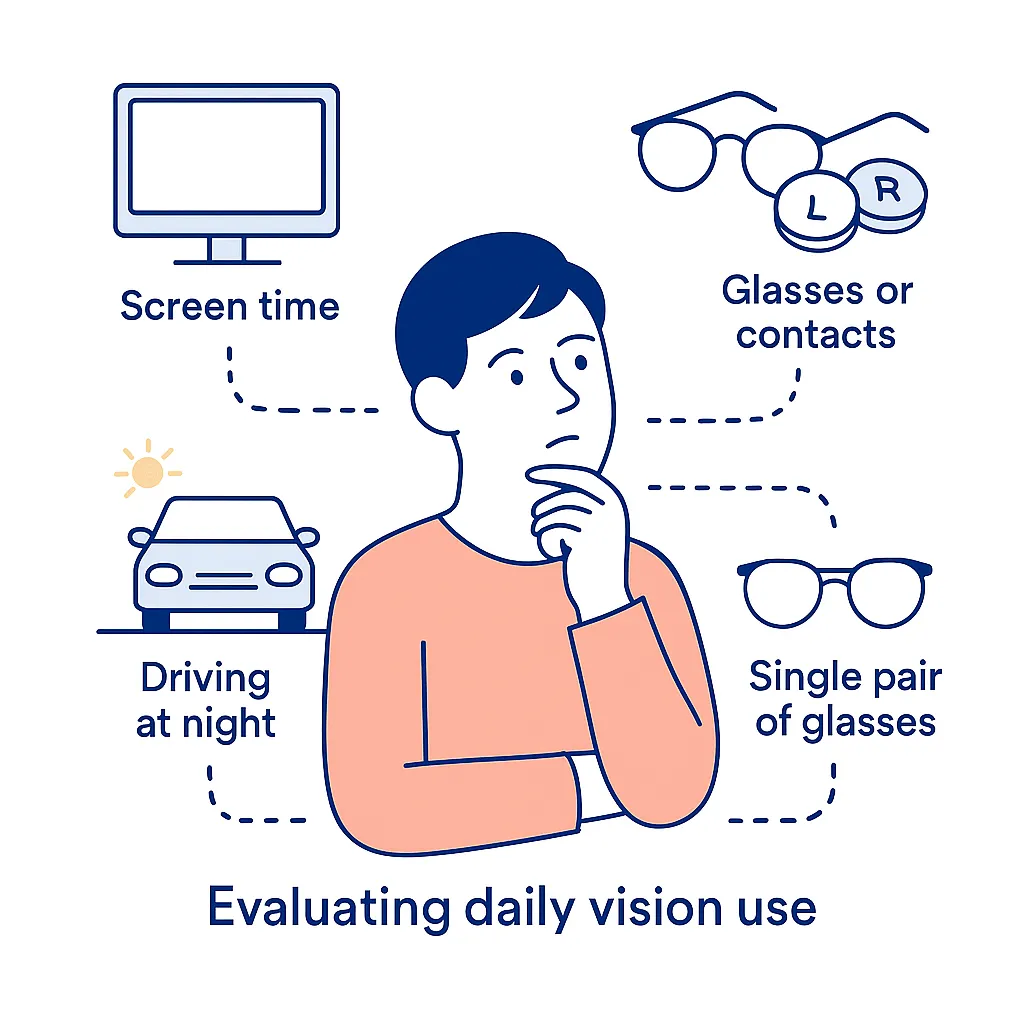
Your daily habits should guide your vision decisions.
Replacing Aging Glasses and Lenses Proactively
If you have been wearing the same glasses for several years, lens quality is often the first thing to decline. Even small imperfections can reduce clarity and increase eye strain.
Replacing lenses or ordering a new pair early in the year prevents months of subtle discomfort.
Planning Backup Options to Avoid Vision Emergencies
Broken frames and lost glasses always seem to happen at the worst possible times.
January is the best time to build redundancy into your vision setup, whether that means a backup pair of glasses or an extra supply of contact lenses.
January Vision Spending Checklist
Use this checklist to guide your FSA or HSA vision planning in January:
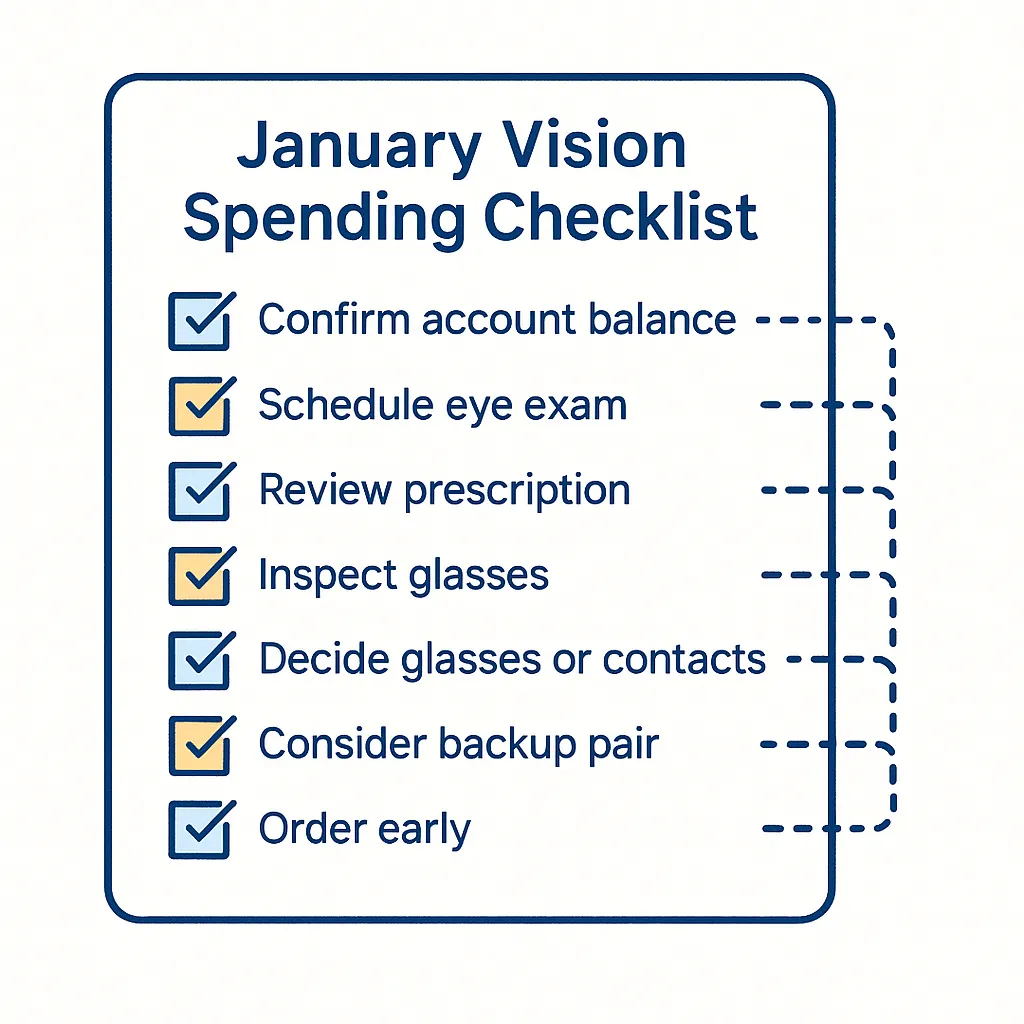
- Confirm your current FSA or HSA balance
- Schedule or complete an annual eye exam
- Review your current prescription
- Inspect existing glasses for wear or damage
- Decide whether you need glasses, contacts, or both
- Consider adding a backup pair or replacement lenses
- Order early enough to allow for adjustments
This approach turns vision spending into a system rather than a scramble.
Using FSA or HSA Funds for Prescription Glasses
Glasses remain one of the most reliable ways to correct vision. They provide consistent clarity and require minimal ongoing maintenance.
Choosing Frames That Support All-Day Comfort
Frames should fit your face and your routine. Poorly fitted frames cause slipping, pressure points, and misaligned lenses.
Using FSA or HSA funds to choose properly fitted frames improves comfort and reduces fatigue.
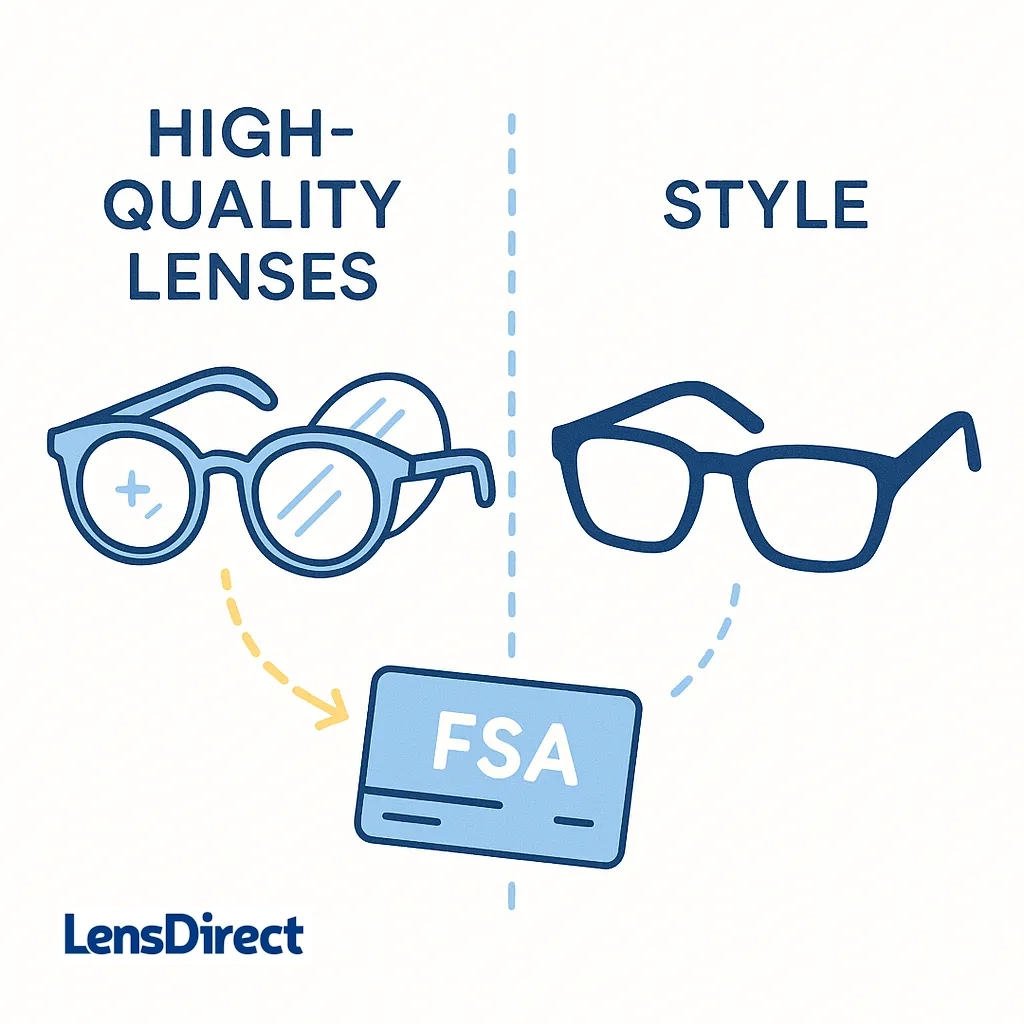
Why Lens Quality Has a Bigger Impact Than Style
Lenses do most of the work. High-quality lenses improve clarity, reduce distortion, and support long-term comfort.
Replacing lenses in January ensures better vision for the entire year.
When Prescription Sunglasses Are Worth Adding
Prescription sunglasses eliminate the need to switch between corrective glasses and non-prescription sunglasses.
They are especially useful for driving, outdoor activities, and everyday errands.
Using FSA or HSA Funds for Contact Lenses
Contact lenses offer flexibility and convenience, especially for people with active or variable routines.
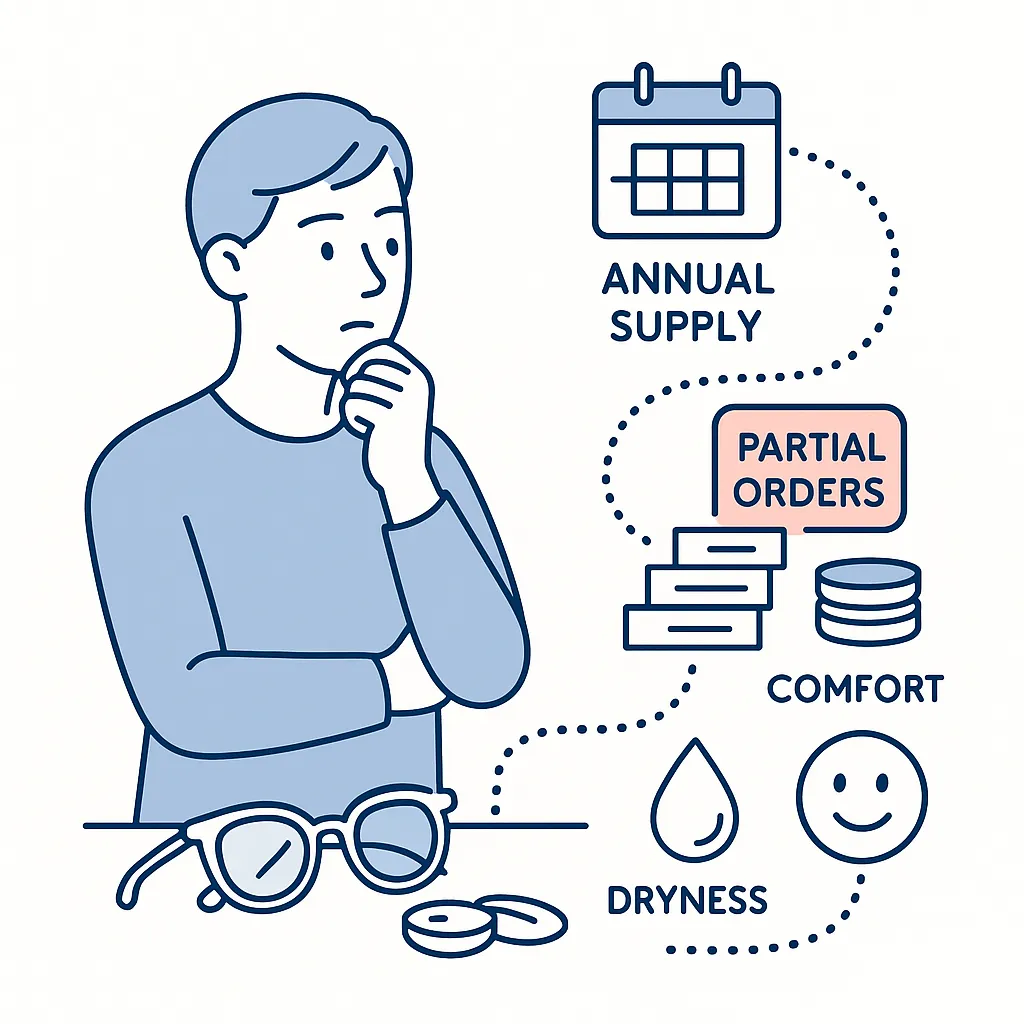
Choosing Between Annual Supplies and Partial Orders
Ordering a larger supply early in the year reduces the risk of running out and simplifies budgeting.
It also removes the need to make repeated purchasing decisions later.
Comfort, Dryness, and Long-Term Eye Health
If you experience dryness or irritation, January is a good time to reassess lens type or replacement schedules after an eye exam.
Comfort is a long-term health issue, not a minor inconvenience.
Covering Contact Lens Supplies With Pre-Tax Funds
Solution, cases, and other supplies add up over time. Covering them with FSA or HSA funds removes friction from routine maintenance.
Common Mistakes to Avoid When Using Vision Funds in January
Even with good intentions, people often make avoidable mistakes.
Waiting Too Long to Make Vision Decisions
January momentum fades quickly. Delaying action often leads to rushed or suboptimal choices later.
Spending Funds Without a Clear Plan
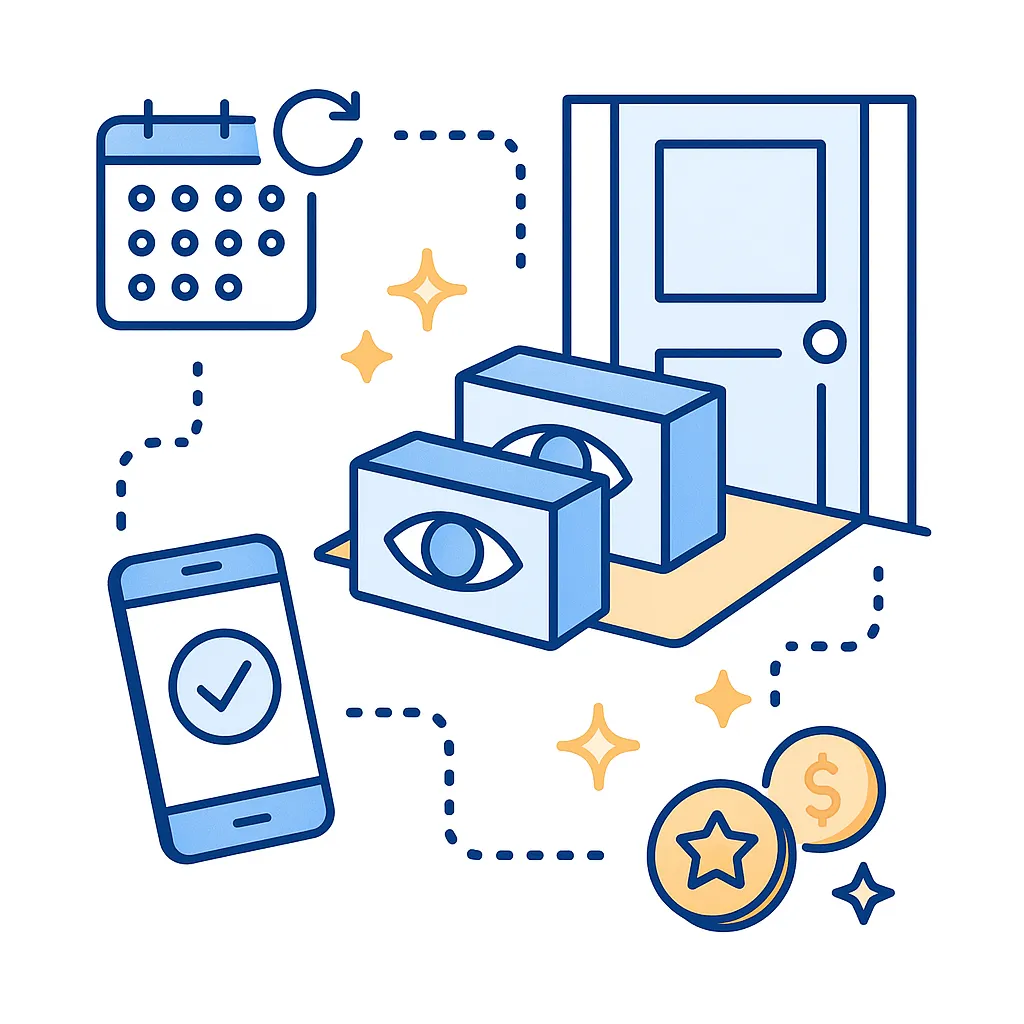
Buying items simply to use funds can result in eyewear that does not fit your lifestyle or needs.
Ignoring Fit, Comfort, and Daily Use
Vision tools should work with your routine. Comfort and usability matter more than appearance alone.

How LensDirect Fits Into January Vision Planning
For people managing FSA or HSA funds, simplicity matters. Being able to replace lenses, order glasses, or restock contacts without friction makes it easier to follow through on your plan.
LensDirect offers glasses, contact lenses, and lens replacement options that align well with January planning, allowing you to address multiple vision needs without unnecessary complexity.
Building a Year-Long Vision Strategy Starting in January
January should set the foundation, not mark the end of your vision planning.
Maintaining Vision Comfort Throughout the Year
Good habits extend the life of glasses and contacts and reduce eye strain.
Reassessing Vision Needs as Habits Change
Work patterns and screen time evolve. Reassess before discomfort builds.
Keeping Eye Care Consistent and Stress-Free
Clear vision supports better days. Consistency prevents emergencies.
A Clear and Confident Start to the Year
Using your FSA or HSA for glasses and contacts in January is about more than spending funds. It is about starting the year with clarity, comfort, and confidence.
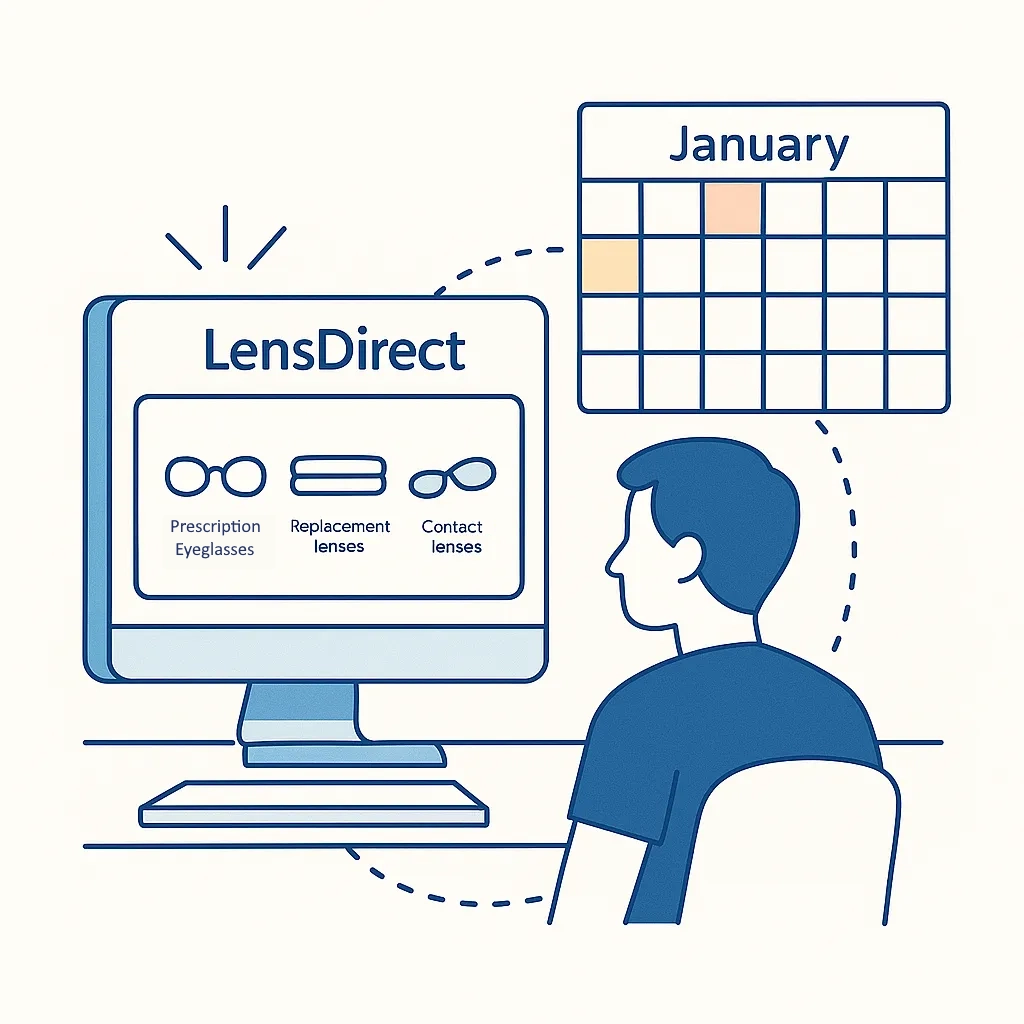
By planning early, understanding what qualifies, and prioritizing how you actually use your vision every day, you turn vision care into a proactive system rather than a last-minute task.
Clear vision supports everything that follows. Let LensDirect show you the way.
Author

Subscribe to our email newsletter to get the latest posts delivered right to your email.