

The start of a new year has a way of sharpening our focus. Calendars reset, routines feel adjustable, and habits that slipped during the past year suddenly seem fixable. Eye care often falls into that category. Many people finish the year squinting at screens, wearing outdated prescriptions, or putting off lens replacements simply because life got busy.
January offers a natural pause. It is a moment to reassess how well your eyes are actually being supported day to day and to make small, practical improvements that pay off for the rest of the year. Better eye care does not require dramatic changes. It starts with awareness, a few intentional decisions, and access to eyewear and lens options that fit your life instead of complicating it.
This guide walks through how to approach eye care at the beginning of 2026 in a way that feels realistic, sustainable, and genuinely helpful.
Why January Is a Natural Reset for Eye Care
January is one of the few times of year when people actively evaluate their health habits. The routines that carried over from the previous year are easier to question, and neglected tasks feel easier to restart.
From an eye care perspective, this matters more than most people realize.
Vision changes gradually.
Discomfort builds slowly.
By the time blurry text or headaches become obvious, your eyes have often been compensating for months.
January creates space to notice those signals and respond before they turn into daily frustrations.
Starting With a Clear Baseline
Before making any upgrades or purchases, it helps to understand where your vision stands right now.
Updating Your Prescription
Many people go longer than recommended between prescription updates, especially if their vision feels “good enough.” Small prescription changes, however, can have an outsized impact on comfort and clarity.
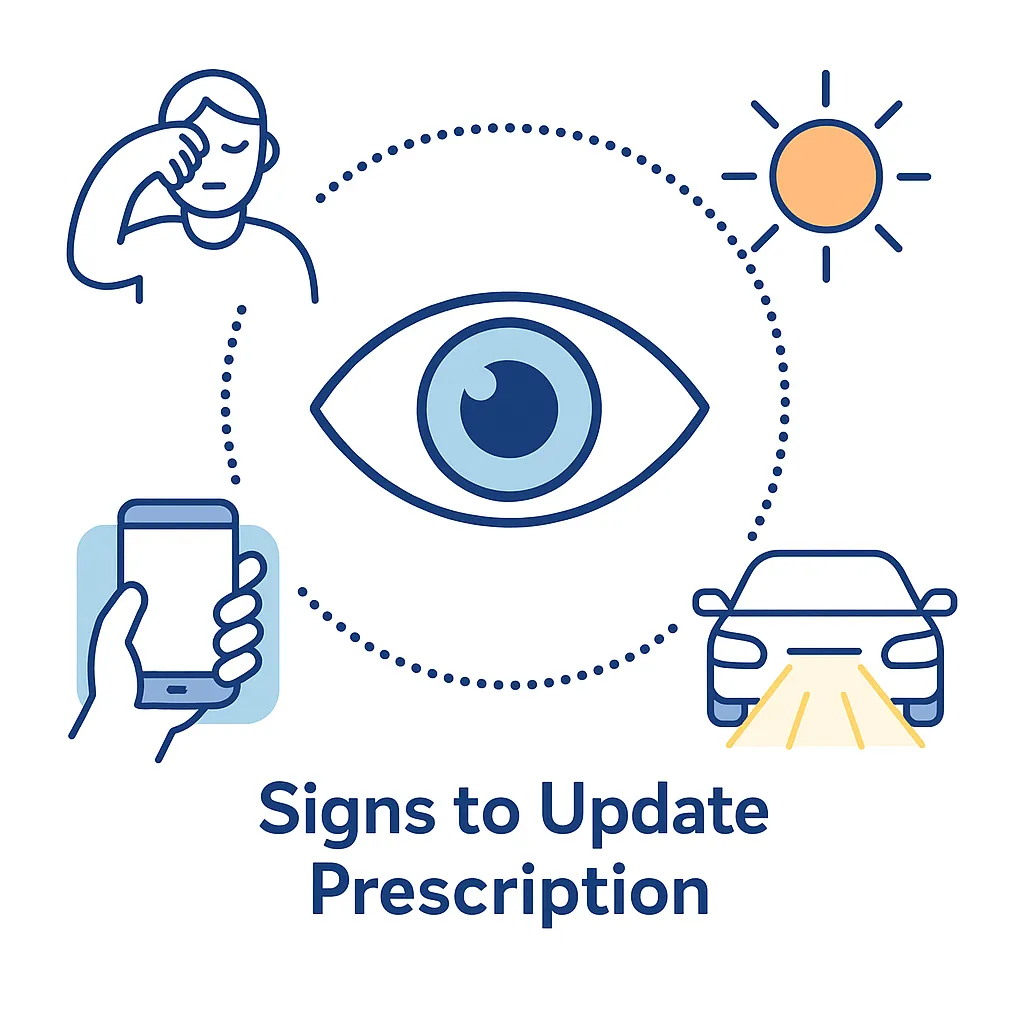
Signs it may be time to update include subtle eye strain, increased sensitivity to light, difficulty focusing at night, or needing to hold screens slightly farther away than before.
Even if these changes feel minor, correcting them early can reduce fatigue and improve long-term eye comfort.
January is a practical time to update prescriptions because it aligns with planning for the year ahead. It ensures that the glasses or contact lenses you wear daily are actually supporting your vision rather than forcing your eyes to adapt.
Reviewing Your Current Eyewear
Take an honest look at the glasses or contacts you rely on most.
Are the lenses scratched or cloudy?
Do frames slide down your nose or pinch behind your ears?
Are your contact lenses nearing the end of their recommended use cycle?
Worn lenses reduce clarity even if your prescription is correct. Frames that no longer fit properly can cause pressure points or headaches. Replacing these items is not about aesthetics alone; it is about comfort and visual consistency throughout the day.
Choosing Eyewear That Matches How You Actually Live
One of the most common eye care mistakes is choosing eyewear based on how we think we should live rather than how we actually do.
Glasses for Everyday Use
Modern eyewear is no longer one-size-fits-all. People move between screens, outdoor light, driving, and close-up work constantly. Glasses that account for these shifts can significantly reduce eye strain.
When selecting glasses, consider how often you wear them, where you wear them, and what tasks dominate your day.
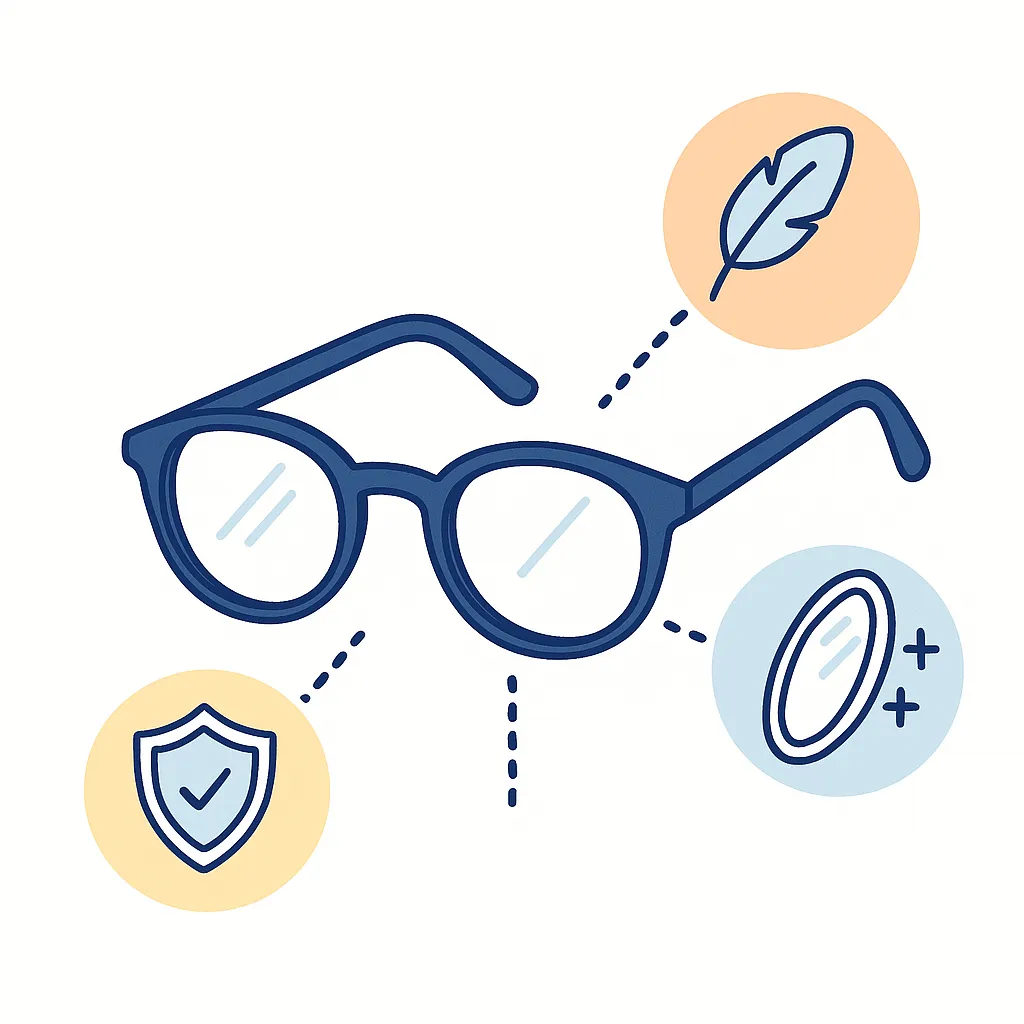
Lightweight frames, durable lenses, and coatings designed to reduce glare can make daily wear noticeably more comfortable.
LensDirect offers glasses designed for everyday use that balance style with practicality, making it easier to keep vision clear without constant adjustments or compromises.
Contact Lenses and Flexibility
Contact lenses offer a different kind of freedom. For many people, they are ideal for active days, travel, or situations where glasses feel restrictive.
January is a good time to reassess whether your current contact lens schedule fits your lifestyle. Some people benefit from switching lens types or wear schedules to improve comfort and reduce dryness.
Reliable access to contact lenses matters as much as the lenses themselves. Having a consistent system for replenishment helps avoid stretching wear times longer than recommended, which can strain your eyes.
Replacing Lenses Before They Become a Problem
Lens replacement often gets postponed until clarity is noticeably affected. By then, eyes may already be working harder than they should.
Why Lens Condition Matters
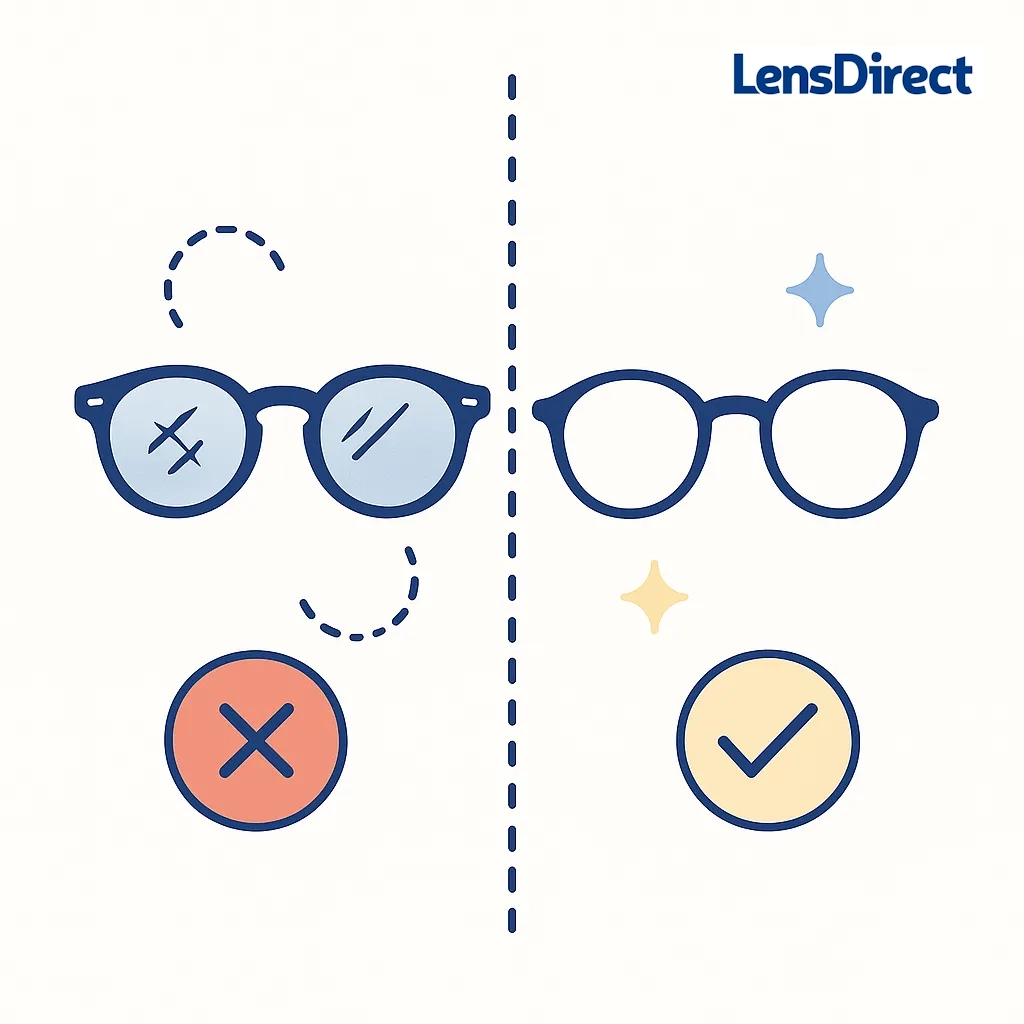
Scratches, micro-abrasions, and coating wear scatter light and reduce visual sharpness.
Even when you are not consciously aware of it, your eyes compensate by adjusting focus more frequently, leading to fatigue.
Replacing lenses proactively restores clarity and reduces strain, especially for people who spend long hours on screens or driving.
Lens replacement services provide an efficient way to refresh your existing frames without starting from scratch, making it easier to maintain optimal vision throughout the year.
Building Better Daily Eye-Care Habits
Eyewear matters, but habits matter just as much. Small daily choices add up to significant long-term comfort.
Screen Use and Visual Breaks
Screens dominate modern life.
While they are unavoidable, how you interact with them can either protect or exhaust your eyes.

Short visual breaks throughout the day help reset focus and reduce strain. Adjusting screen brightness and positioning also plays a role in maintaining comfort.
Environmental Awareness
Dry indoor air, poor lighting, and extended exposure to harsh light all affect eye comfort.
January is a good time to notice these environmental factors and make small adjustments.
Simple changes, like improving lighting at workstations or being mindful of dryness, can improve comfort without requiring major lifestyle shifts.
Simple Eye-Care Habits to Carry Into the Year
Improving eye care does not require an overhaul. Consistency matters more than intensity.
Here are a few habits that support eye health throughout the year:
- Taking short visual breaks during long periods of screen use
- Keeping lenses clean and replacing them on schedule
- Wearing eyewear that fits properly and feels comfortable
- Paying attention to subtle signs of eye strain or fatigue
- Updating prescriptions as soon as vision changes are noticed

These habits create a foundation that allows eyewear and lenses to do their job effectively.
Glasses, Contacts, or Both: A Practical Comparison
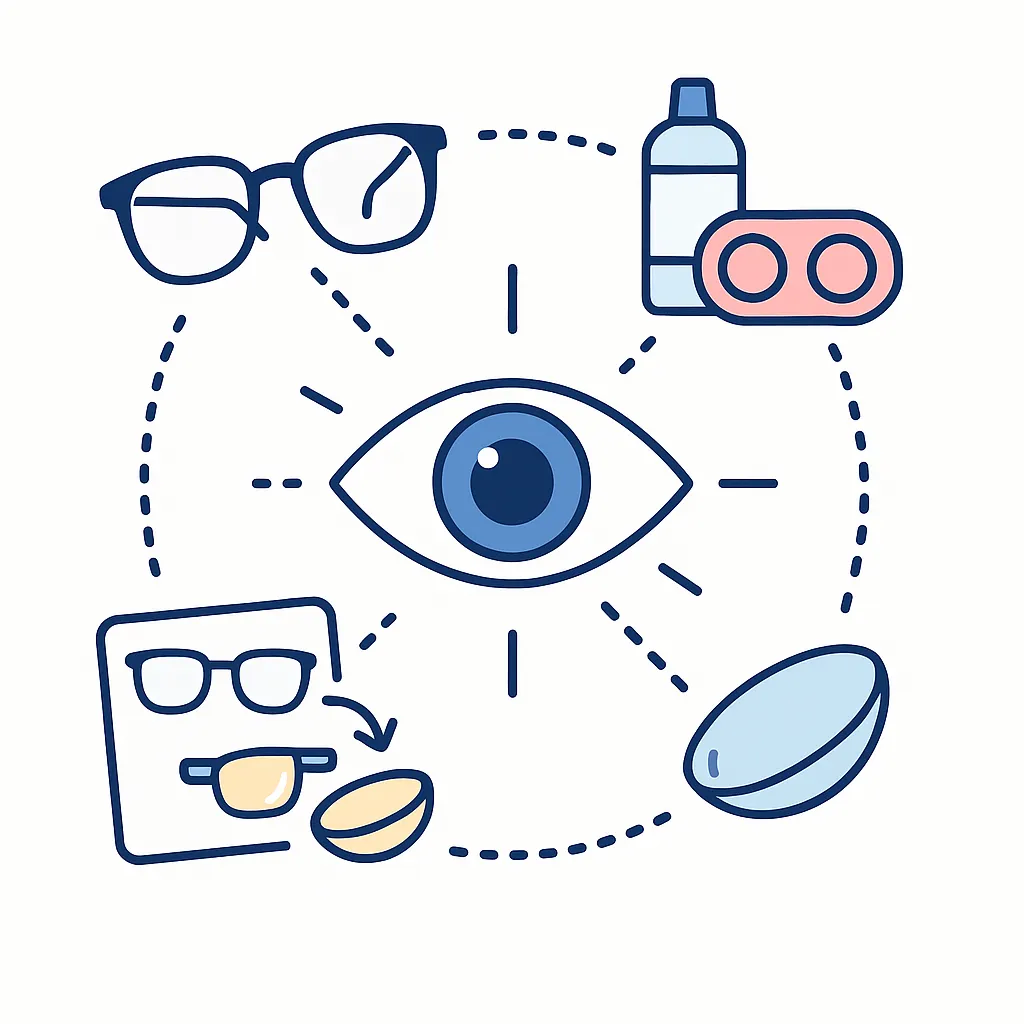
Different situations call for different solutions. Many people benefit from having both glasses and contact lenses available, depending on the day.
Below is a simple comparison to help clarify how each option fits into daily life.
| Option | Best For | Key Benefit |
| Glasses | Daily wear, screen work, driving | Consistent clarity and comfort |
| Contact Lenses | Active days, travel, flexibility | Freedom and unobstructed vision |
| Both Combined | Varied routines and environments | Maximum adaptability |
Choosing the right mix ensures that vision support adapts to your schedule instead of limiting it.
Making Eye Care Easier to Maintain
One reason eye care slips is friction. When replacing glasses, ordering contacts, or updating lenses feels complicated, people delay it.
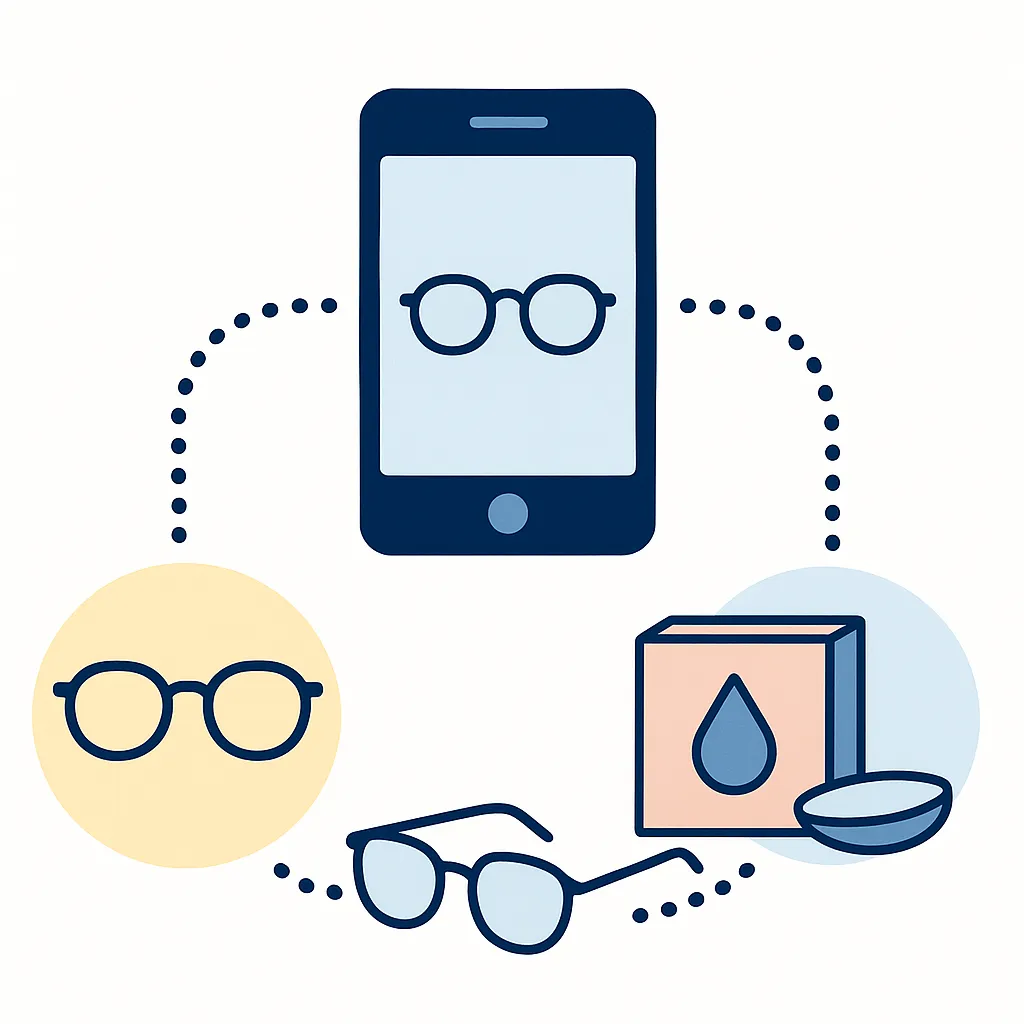
Streamlined access to eyewear and lens replacement services reduces that friction.
Having options that fit into your routine makes it easier to stay consistent without constant reminders.
LensDirect is designed to support this kind of consistency, offering glasses, contact lenses, and lens replacement services that integrate smoothly into everyday life.
Looking Ahead: Eye Care as an Ongoing Practice
Starting the year with better eye care is not about perfection. It is about setting yourself up for fewer headaches, clearer focus, and more comfortable days.
Vision supports nearly everything you do, from work and reading to driving and relaxing.
When your eyes are supported properly, many daily tasks feel easier without you having to think about why.
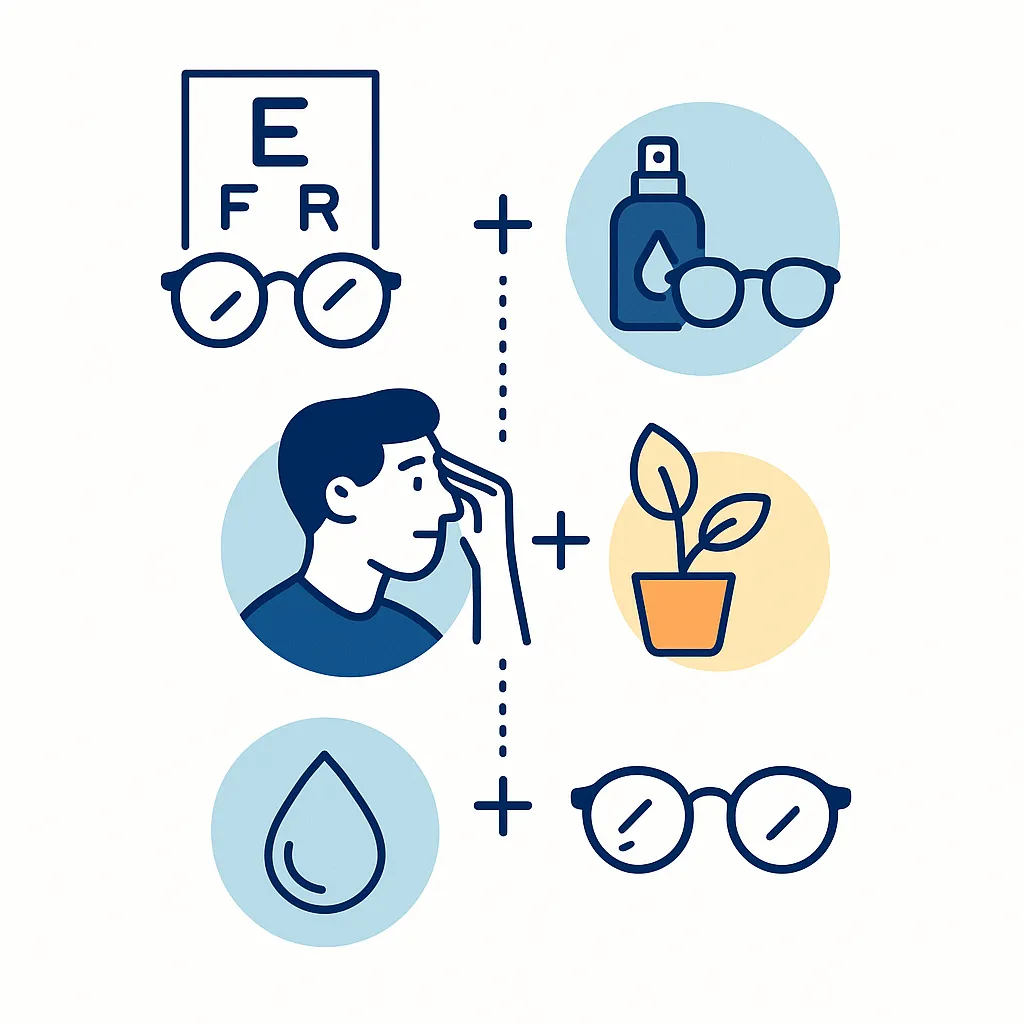
January is simply the starting point. The habits and decisions you make now can quietly improve your experience for the rest of 2026 and beyond.
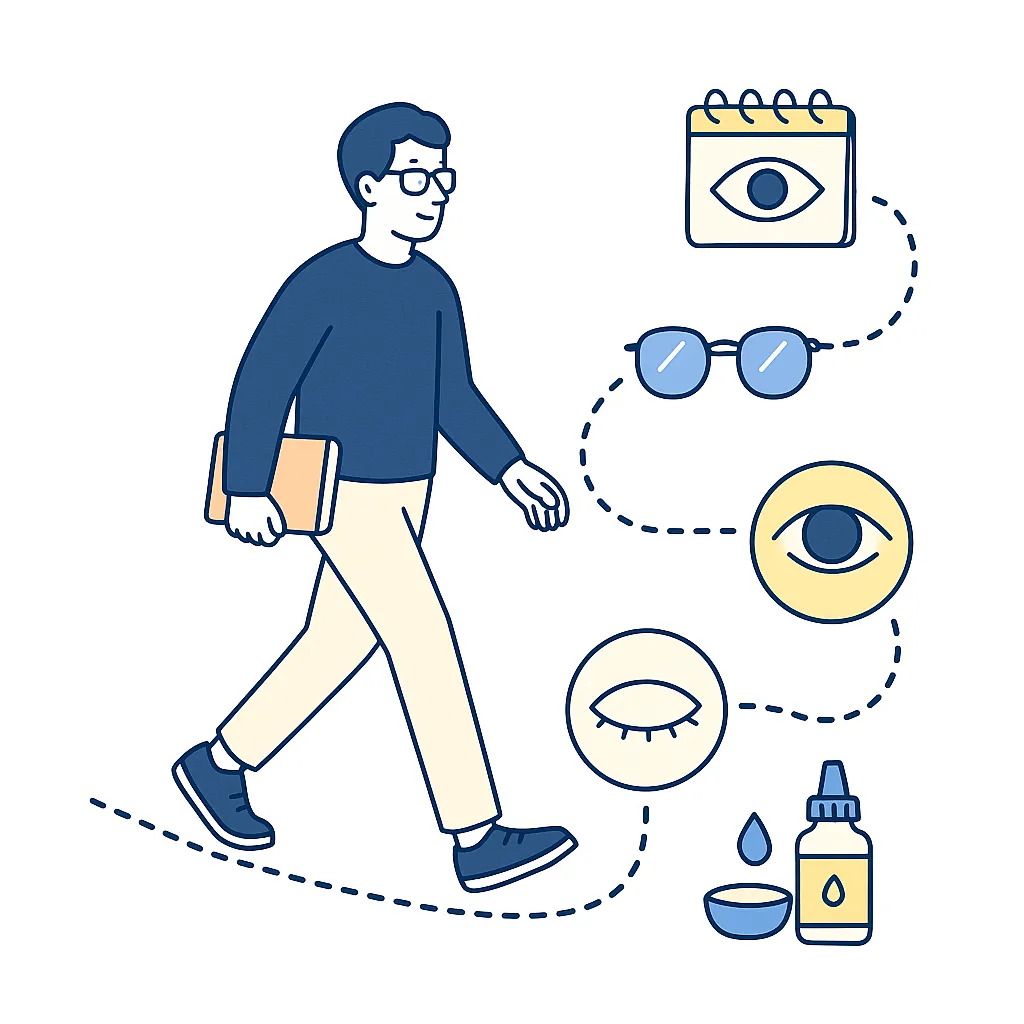
By updating prescriptions, replacing worn lenses, choosing eyewear that matches your lifestyle, and maintaining simple daily habits, you give your eyes the consistency they need to perform at their best.
Clear vision is not just a resolution. It is a foundation for the year ahead.
Author

Subscribe to our email newsletter to get the latest posts delivered right to your email.