

For most of the past two decades, eyewear trends were driven by appearance first. Bold frames, oversized silhouettes, retro revivals, and seasonal color shifts dominated how people chose their glasses. Comfort mattered, but it was often secondary — something tolerated rather than prioritized.
That hierarchy has flipped.
In 2026, comfort-first eyewear is no longer a niche preference or a technical feature buried in product descriptions.
It has become the primary decision factor for a growing share of buyers.
People are choosing glasses and contact lenses based on how they feel during long workdays, extended screen time, commutes, workouts, and everyday wear — not just how they look in a mirror.
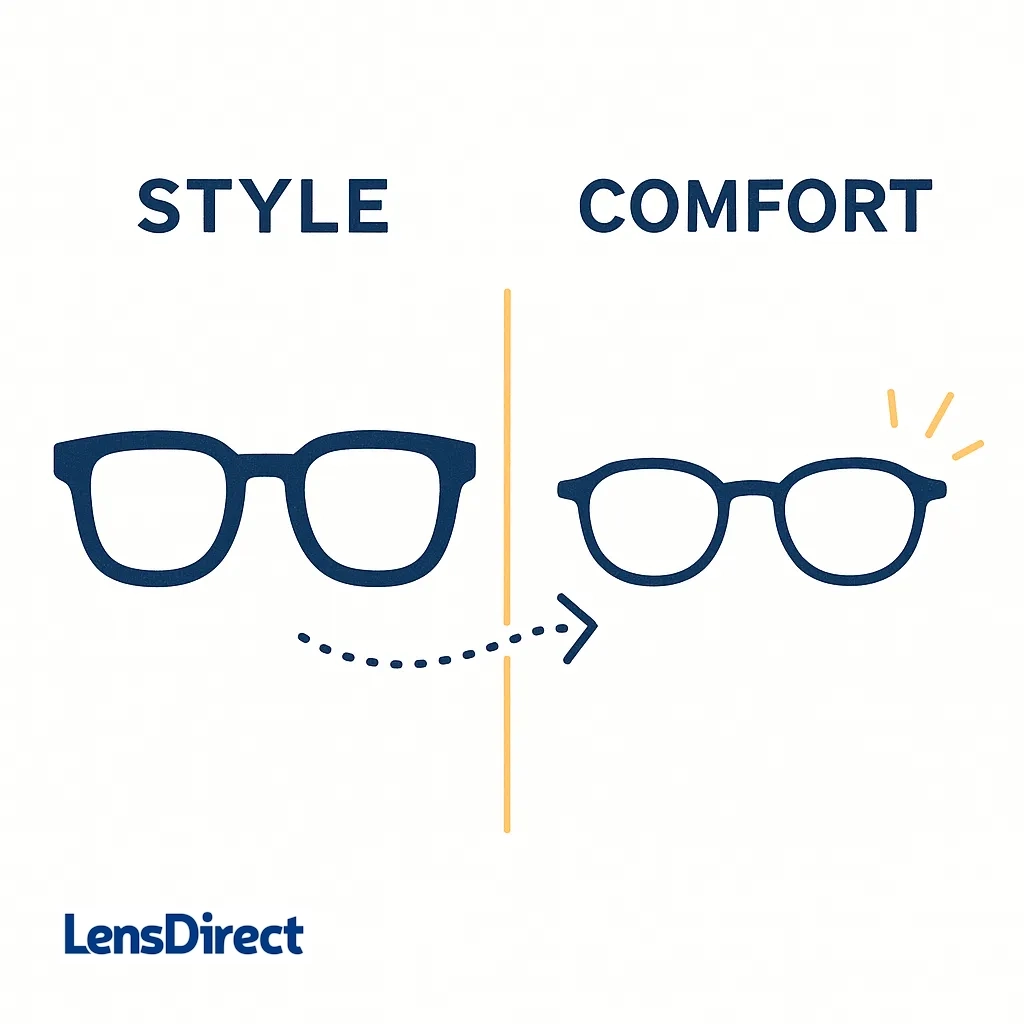
This shift is not about abandoning style. It is about redefining value. Comfort is now seen as foundational, with aesthetics layered on top rather than the other way around.
The reasons behind this change are practical, behavioral, and deeply tied to how modern life is structured. Work habits have changed. Screen exposure has increased. People wear their eyewear for longer stretches than ever before. As a result, discomfort is no longer a minor inconvenience — it is a daily friction point that buyers are actively trying to eliminate.
Comfort-first eyewear reflects this reality. It prioritizes materials that reduce pressure, fits that accommodate real facial diversity, lighter construction that minimizes fatigue, and lens technology that supports sustained visual comfort throughout the day.
The Lifestyle Forces Driving Comfort-First Decisions
Comfort-first eyewear did not emerge in isolation. It is the result of overlapping lifestyle shifts that have redefined how people use their vision.

Many adults now wear glasses or contacts for most of their waking hours.
Hybrid and remote work have normalized long screen sessions at home, while mobile devices keep visual demand high even outside work hours.
Commutes, errands, exercise, and downtime often involve the same pair of glasses worn continuously from morning to night.
This extended wear has exposed the limits of fashion-driven design. Frames that look good but pinch the nose, slide down during movement, or create pressure behind the ears become increasingly intolerable when worn for ten or twelve hours a day.
At the same time, consumers are more informed and less willing to compromise.
They expect eyewear to function like any other daily-use product — comfortable, durable, and suited to their routine.
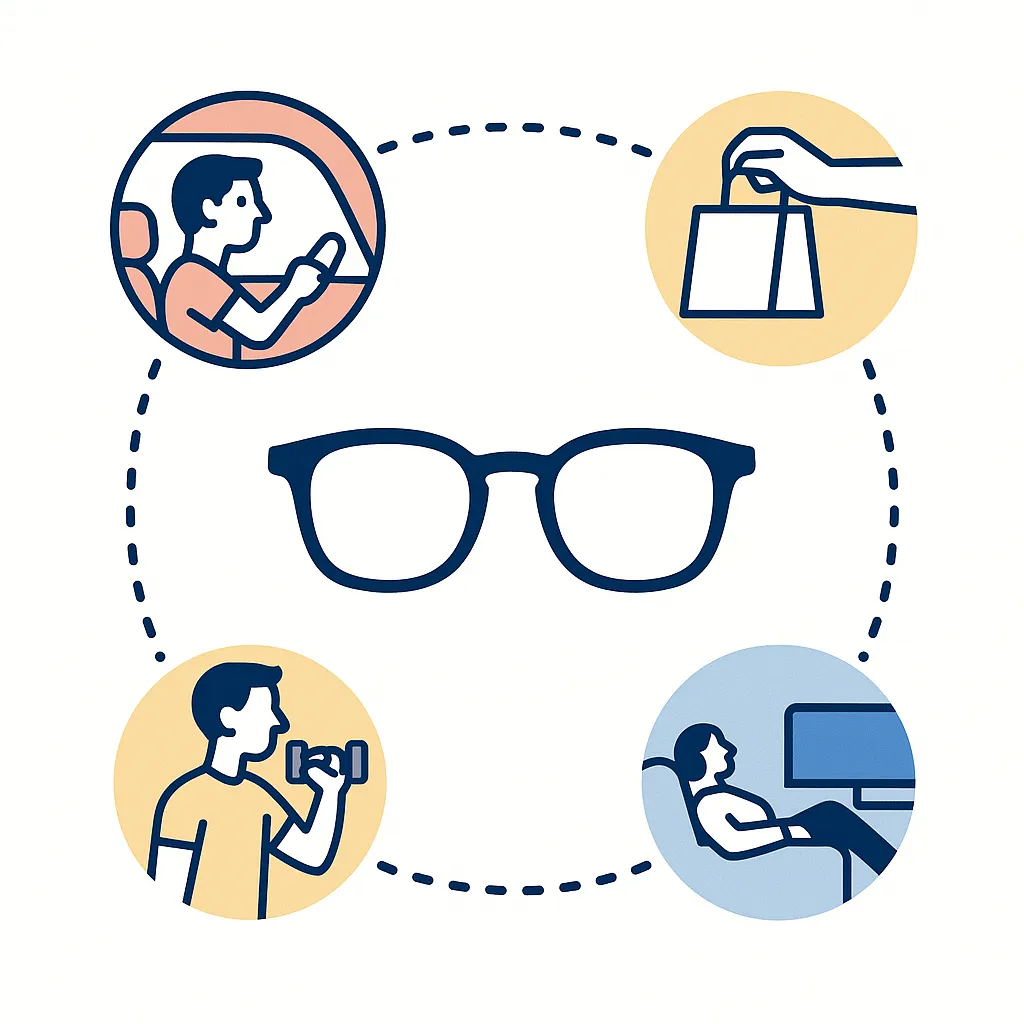
Just as people expect supportive footwear or ergonomic chairs, they now expect glasses and lenses to actively reduce strain rather than contribute to it.
Comfort-first eyewear is the industry’s response to these expectations.
Materials: The Foundation of All-Day Comfort
Materials are where the comfort-first shift becomes immediately tangible. In 2026, buyers are paying closer attention to what frames are made of, not just how they look.
Traditional plastic frames often prioritize rigidity and visual presence. While durable, they can feel heavy on the face and unforgiving over long periods. Comfort-first materials, by contrast, are selected specifically for flexibility, lightness, and skin-friendly contact.
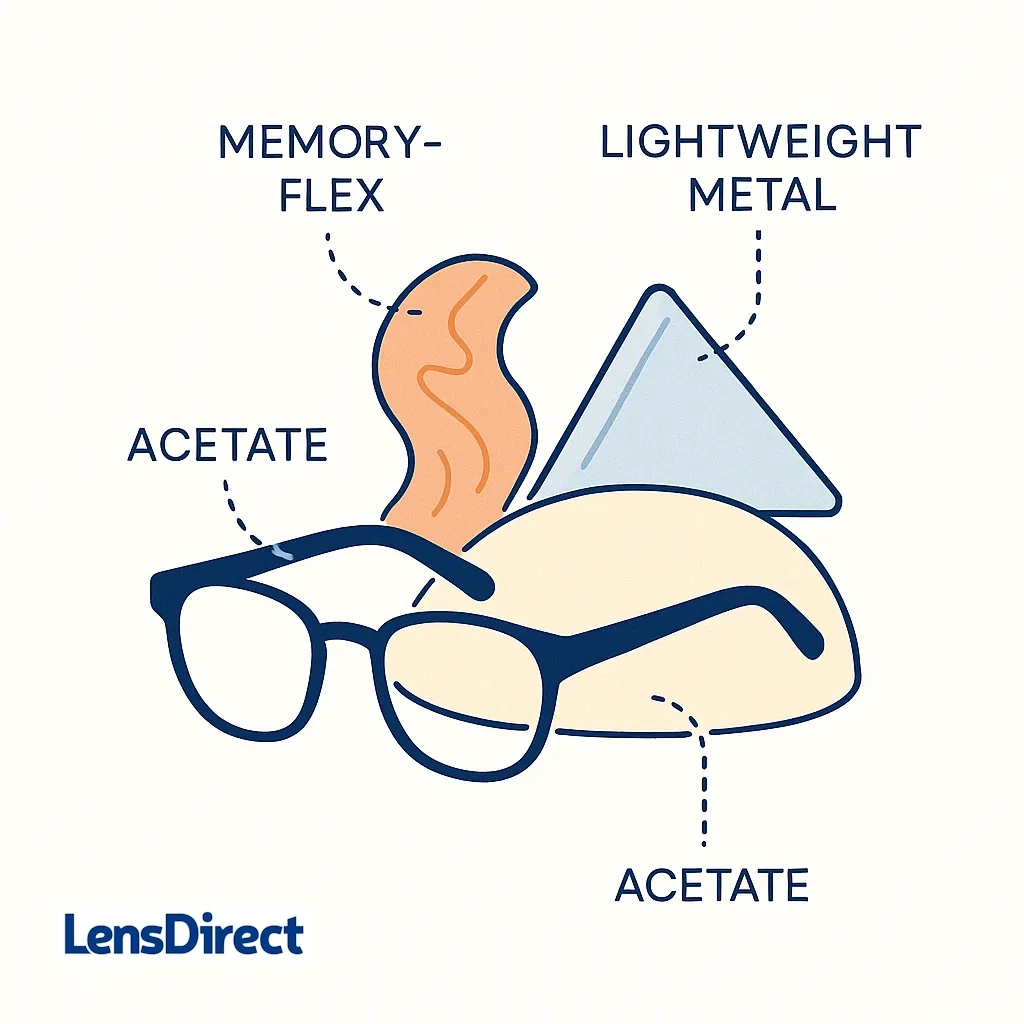
Modern acetate blends allow for thinner profiles without sacrificing strength.
Memory materials flex under pressure and return to shape, reducing pinch points at the temples.
Lightweight metals and metal alloys offer strength with significantly less mass, making them well-suited for all-day wear.
Equally important is how materials interact with skin. Smooth finishes, hypoallergenic components, and temperature-neutral surfaces all contribute to comfort that remains consistent throughout the day.
Buyers in 2026 are increasingly aware that material choice affects not only weight but also pressure distribution, heat retention, and long-term wearability.
Fit: Moving Beyond One-Size Assumptions
Fit has become one of the most critical aspects of comfort-first eyewear. Historically, many frames were designed around limited size ranges, assuming that minor adjustments would work for most faces.
That assumption no longer holds.
Comfort-first design recognizes that facial dimensions vary widely and that proper fit is essential to preventing discomfort.
Bridge width, temple length, lens height, and overall frame width all play a role in how glasses feel during extended wear.
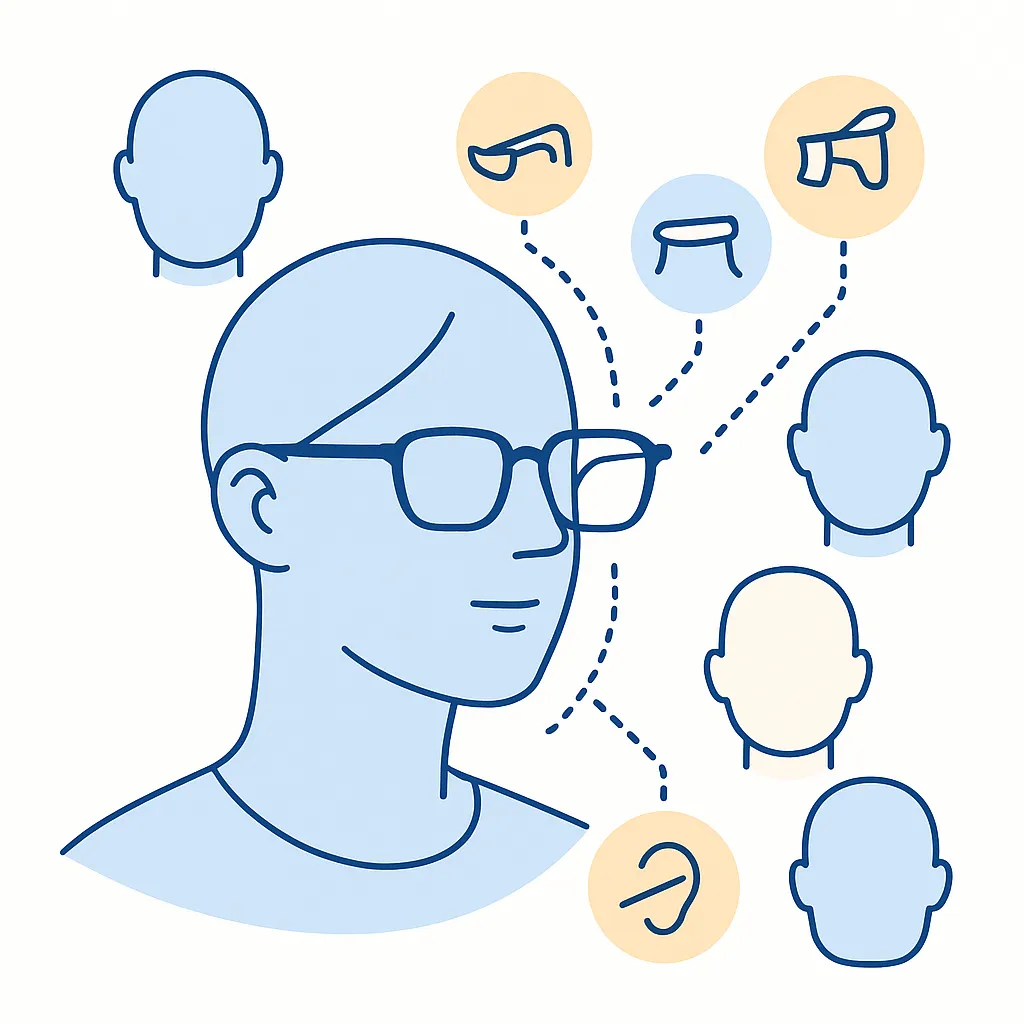
Poor fit manifests in familiar ways: slipping frames that require constant adjustment, pressure on the nose that leads to redness or soreness, and tight temples that cause headaches by the end of the day.
In 2026, buyers are more likely to seek frames that align with their specific facial proportions rather than forcing adaptation. Adjustable nose pads, flexible hinges, and multiple sizing options within the same style are no longer premium features — they are baseline expectations.
Comfort-first eyewear treats fit as a precision element, not an afterthought.
Weight: Reducing Fatigue You Didn’t Know You Had
Weight is one of the most underestimated factors in eyewear comfort. A few extra grams may seem insignificant at first, but over hours of continuous wear, they can contribute to fatigue, tension, and even posture changes.
Comfort-first eyewear in 2026 prioritizes weight reduction without compromising durability. Advances in materials and construction techniques allow frames to remain strong while feeling nearly unnoticeable on the face.
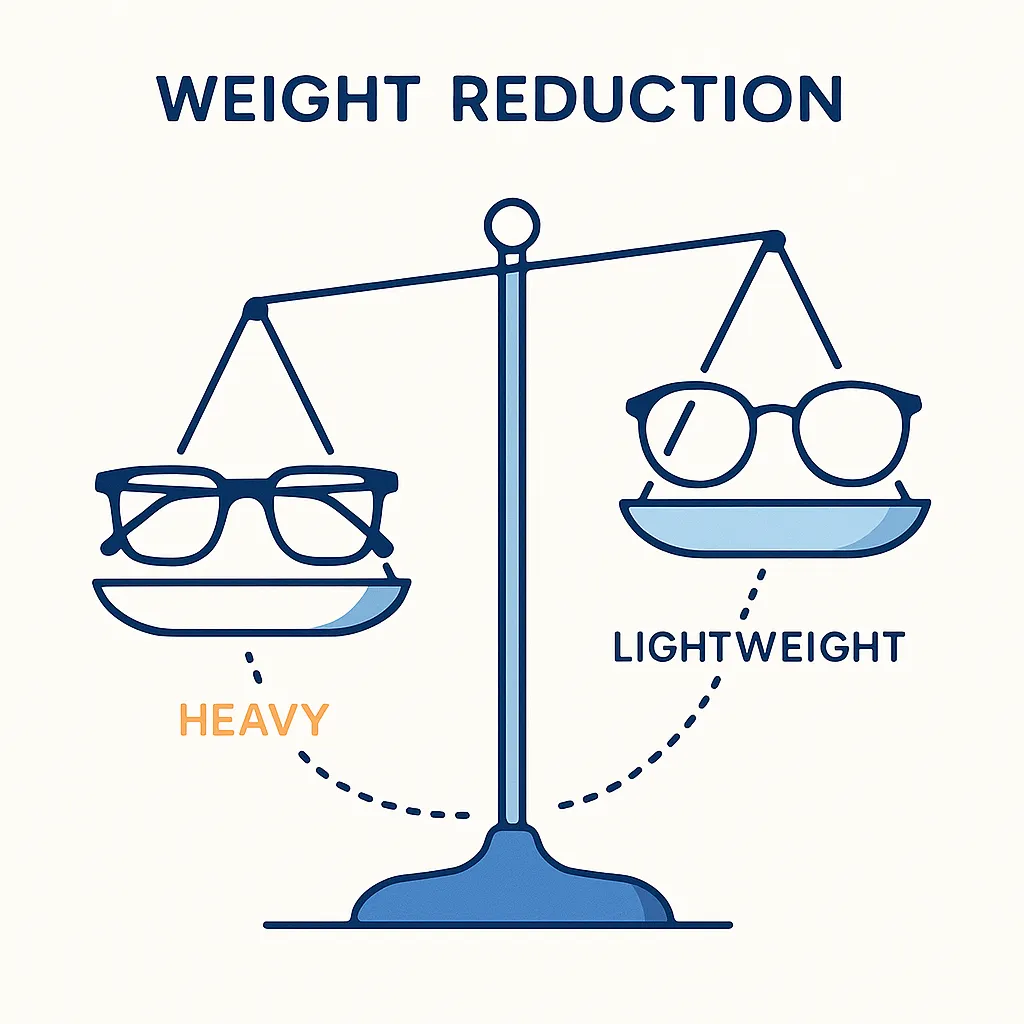
Lighter frames reduce downward pressure on the nose and ears, which in turn reduces the tendency to adjust glasses repeatedly throughout the day.
This creates a more stable, effortless wearing experience that users often only appreciate after switching from heavier designs.
For people who wear glasses from morning to night, reduced weight can make the difference between eyewear that feels like a tool and eyewear that fades into the background.
That invisibility — being able to forget you are wearing glasses at all — is one of the defining goals of comfort-first design.
Lens Technology: Comfort Is Visual, Not Just Physical
Comfort-first eyewear is not limited to frames. Lens technology plays an equally important role in how eyewear feels over time.
Increased screen exposure has elevated awareness of eye strain, dryness, and visual fatigue. Buyers in 2026 are more attuned to how lenses affect their eyes throughout the day, especially during prolonged near-focus tasks.
Modern lens designs prioritize visual clarity across a wider field of view, reducing the need for constant micro-adjustments by the eyes.
Advanced coatings help manage glare and reflections, creating a more relaxed viewing experience in both indoor and outdoor environments.
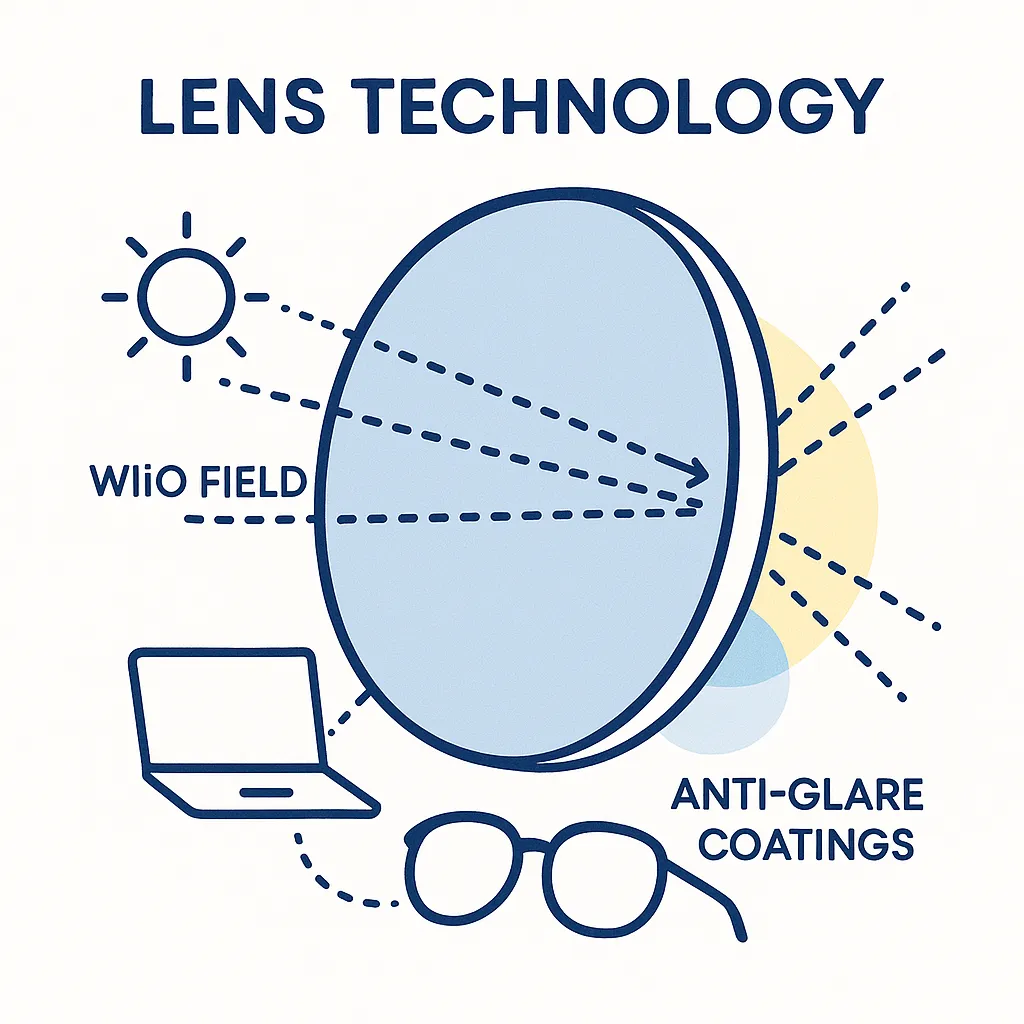
Lens thickness and weight are also considered as part of the comfort equation. Thinner, lighter lenses reduce overall frame weight and improve balance, contributing to better physical comfort as well.
Comfort-first lens technology focuses on sustaining visual ease over long periods, supporting the way people actually use their vision rather than optimizing for short bursts of activity.
Comfort as a Primary Buying Criterion
One of the most notable changes in 2026 is how buyers talk about eyewear. Comfort is no longer framed as a bonus or a nice-to-have feature. It is often the first criterion mentioned when evaluating options.
People are asking practical questions:
Will these stay comfortable all day?
Will they slide when I move?
Will I feel pressure by the afternoon?
Will my eyes feel tired after hours of use?
These questions signal a broader shift in consumer mindset. Eyewear is being evaluated less like an accessory and more like essential equipment.
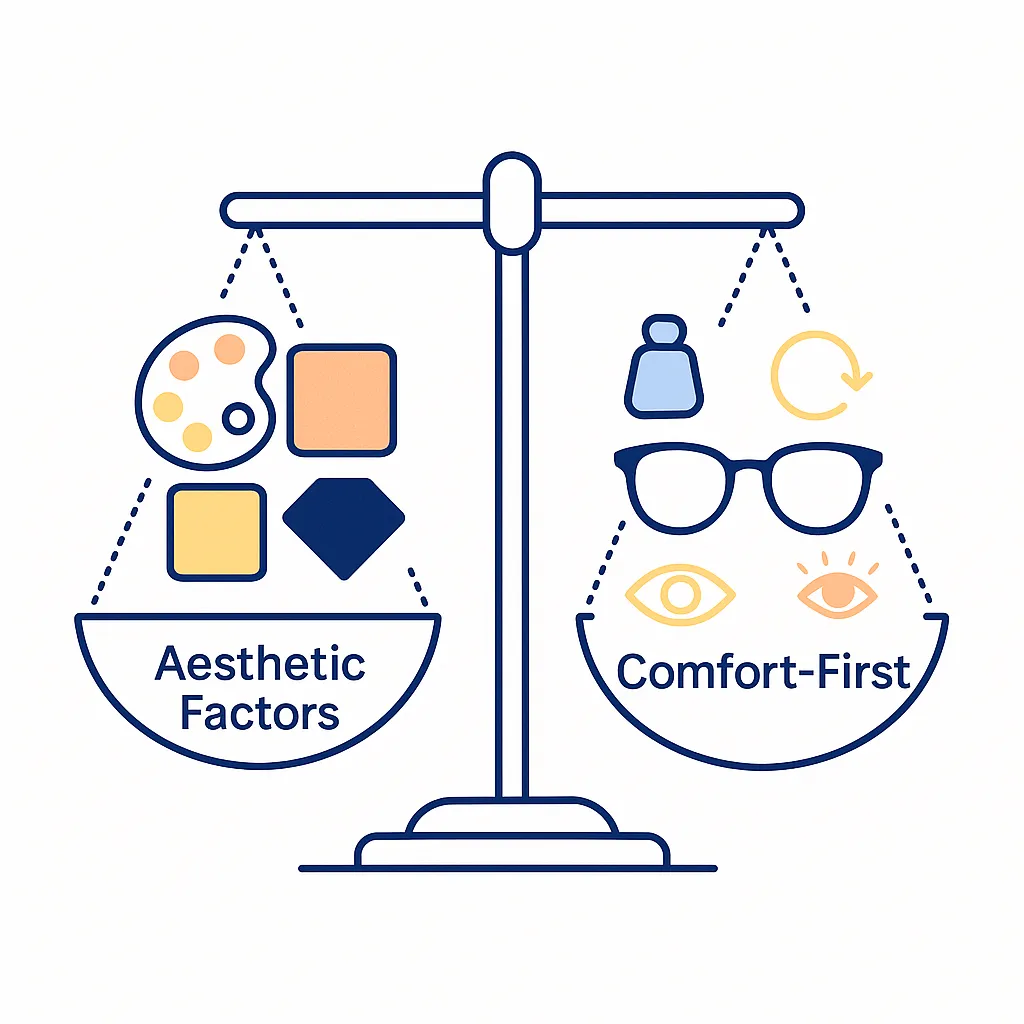
This does not mean style has disappeared. Rather, style is filtered through comfort. Frames that look good but feel uncomfortable are increasingly rejected, while designs that balance aesthetics with wearability are favored.
Comfort-first eyewear aligns with this more holistic view of value.
Checklist: How to Evaluate Comfort-First Eyewear in 2026
When choosing glasses or lenses with comfort as the priority, buyers can use a simple evaluation checklist to guide decisions.
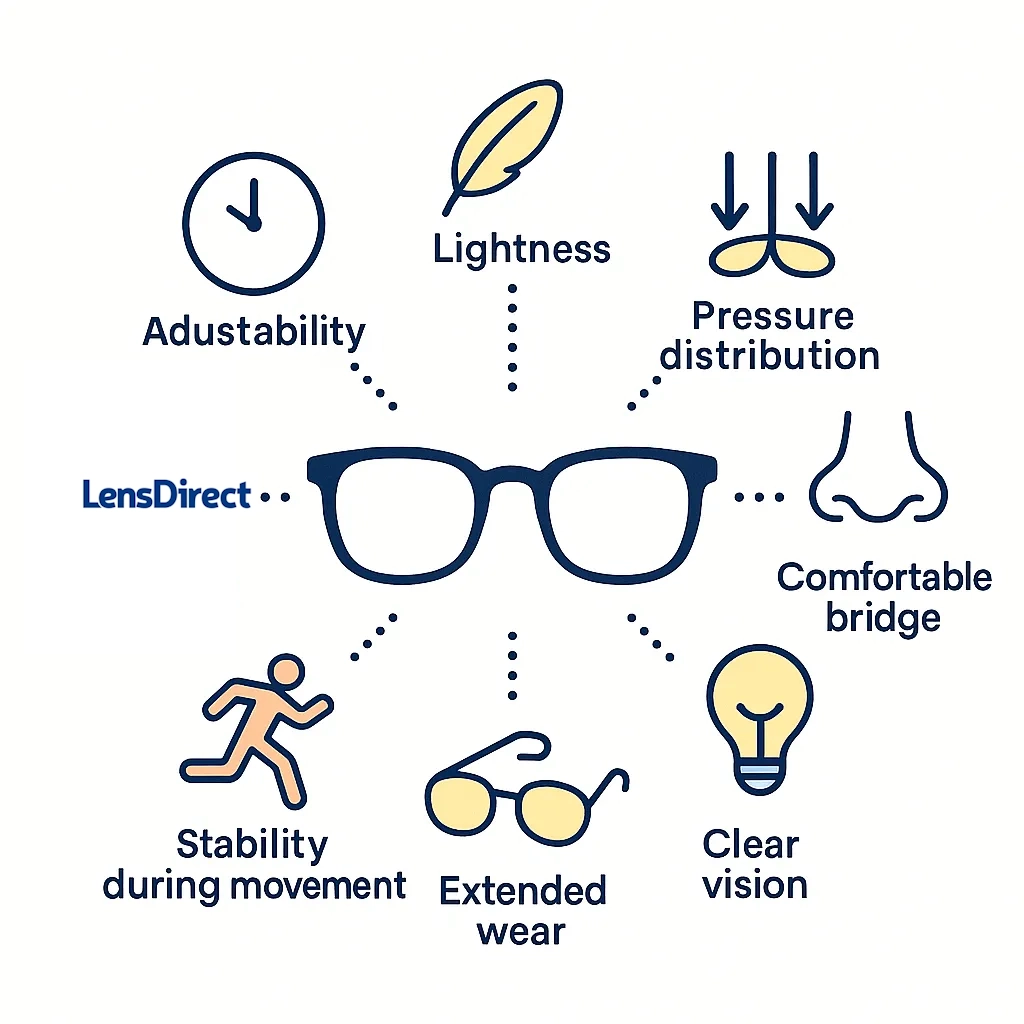
- Does the frame feel light and balanced on the face?
- Are pressure points evenly distributed across the nose and ears?
- Do the temples flex slightly without feeling loose?
- Does the bridge sit comfortably without pinching or slipping?

- Can the glasses be worn for several hours without adjustment?
- Do the lenses provide clear, relaxed vision during extended use?
- Does the eyewear feel stable during movement and daily activities?
- Is there flexibility in sizing or adjustability for fine-tuning fit?
This checklist reflects how comfort-first buyers think: not in terms of isolated features, but in terms of sustained experience.
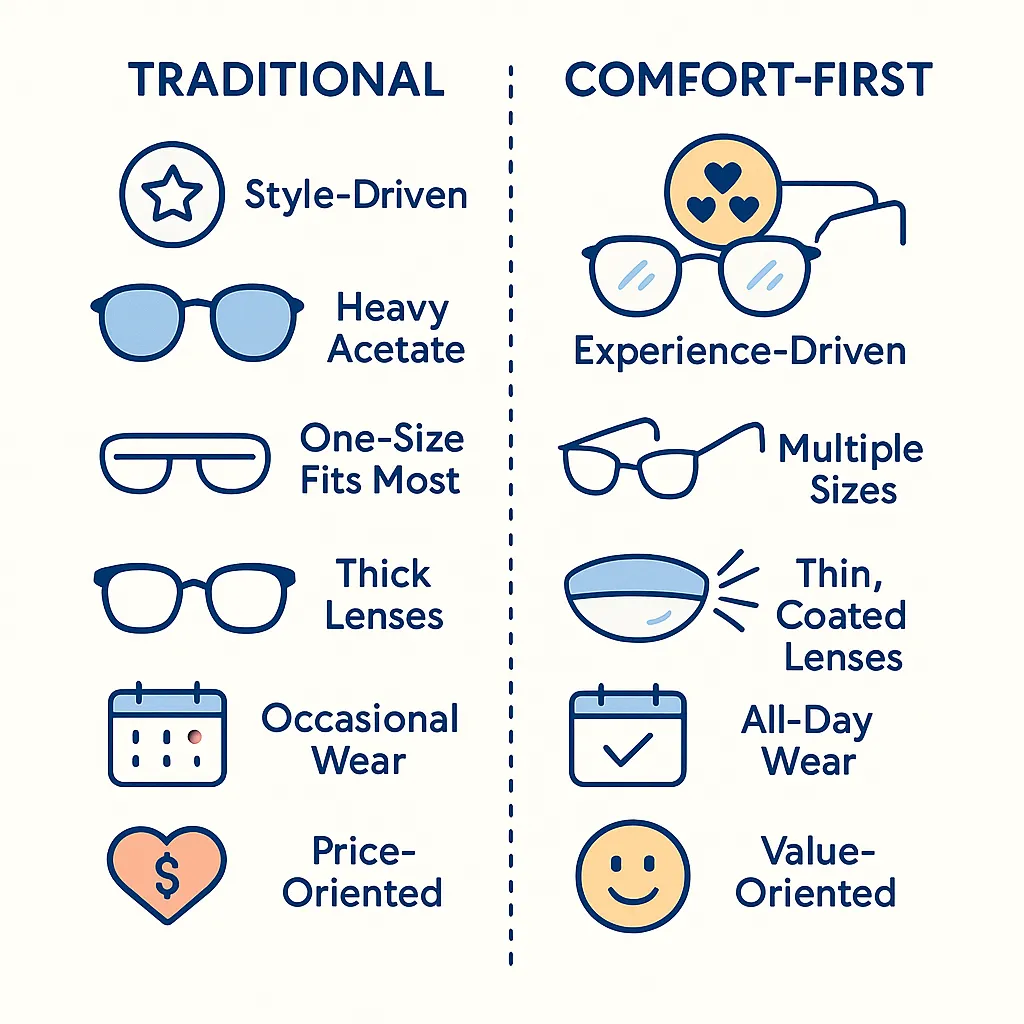
Traditional vs Comfort-First Design Priorities
| Design Focus | Traditional Eyewear | Comfort-First Eyewear |
| Primary Goal | Visual impact | All-day wearability |
| Materials | Rigid plastics, heavier builds | Lightweight, flexible, skin-friendly |
| Fit Approach | Limited sizes, minimal adjustment | Multiple sizes, adjustable components |
| Weight Consideration | Secondary concern | Core design priority |
| Lens Design | Basic clarity | Visual ease over extended use |
| Wear Duration | Short to moderate | Full-day, continuous wear |
| Buyer Mindset | Style-driven | Experience-driven |
This comparison highlights how comfort-first eyewear reorients priorities around real-world use rather than display.
Comfort Is Changing How People Replace Eyewear
Another subtle but important effect of the comfort-first trend is how often people choose to replace or update their eyewear.
When glasses are uncomfortable, wearers may tolerate them longer than they should, avoiding replacement due to inconvenience.
Comfort-first designs, by contrast, encourage more proactive replacement cycles because people notice the difference immediately.
Once someone experiences genuinely comfortable eyewear, it becomes difficult to return to older, less forgiving designs. This creates a higher standard for future purchases and raises expectations across the category.
Comfort becomes a baseline, not a differentiator.
The Role of Contacts in the Comfort-First Shift
Comfort-first thinking extends beyond frames to contact lenses as well. Wearers are increasingly focused on how lenses feel over long days, especially in dry or screen-heavy environments.
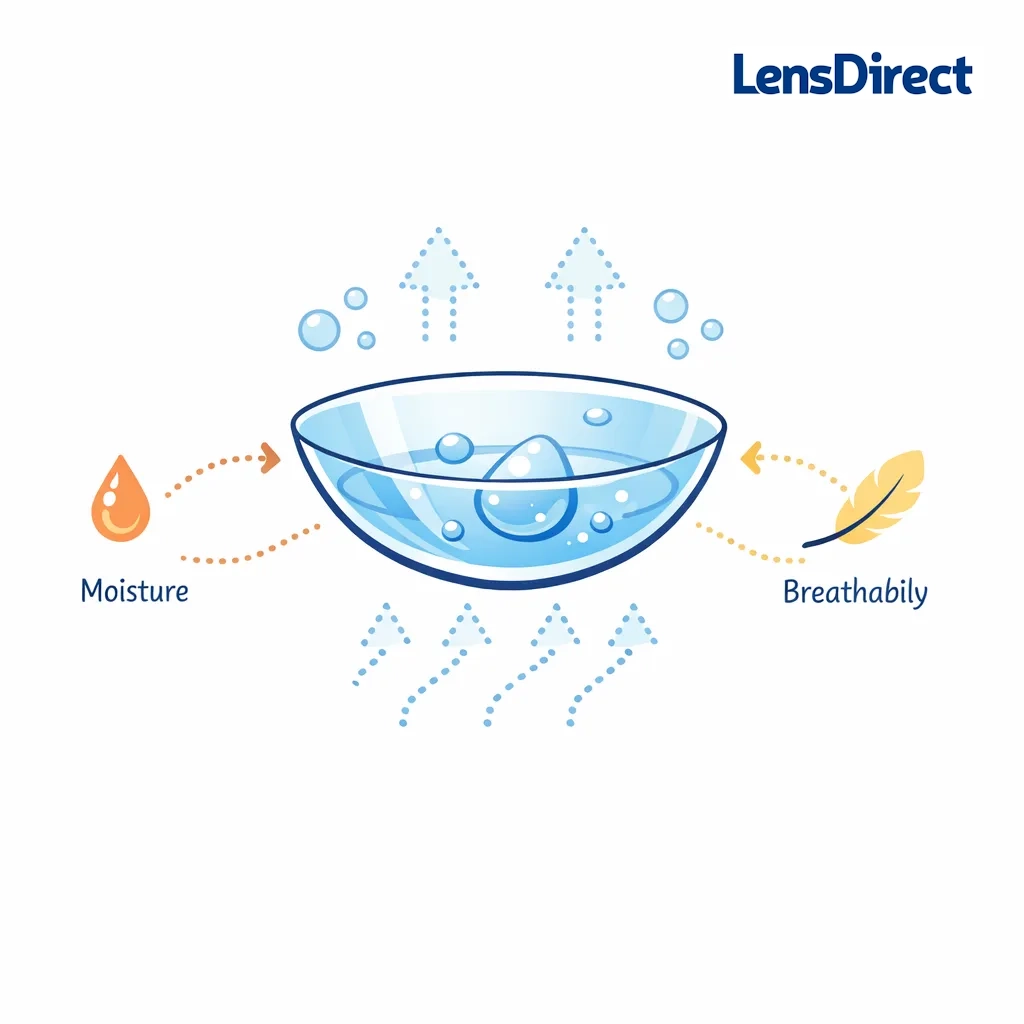
Modern contact lens technology emphasizes moisture retention, breathability, and consistent comfort from morning to night.
Comfort-first buyers are less tolerant of irritation or dryness and more willing to switch options to find a better experience.
This parallels the broader eyewear trend: visual correction should integrate seamlessly into daily life, not demand constant awareness or adjustment.
Why Comfort-First Is Not a Passing Trend
Comfort-first eyewear is not a seasonal shift or a marketing phrase. It reflects structural changes in how people live, work, and use their vision.
As long as screen use remains high, workdays remain flexible and extended, and people continue to blend professional and personal activities, comfort will remain central to eyewear decisions.
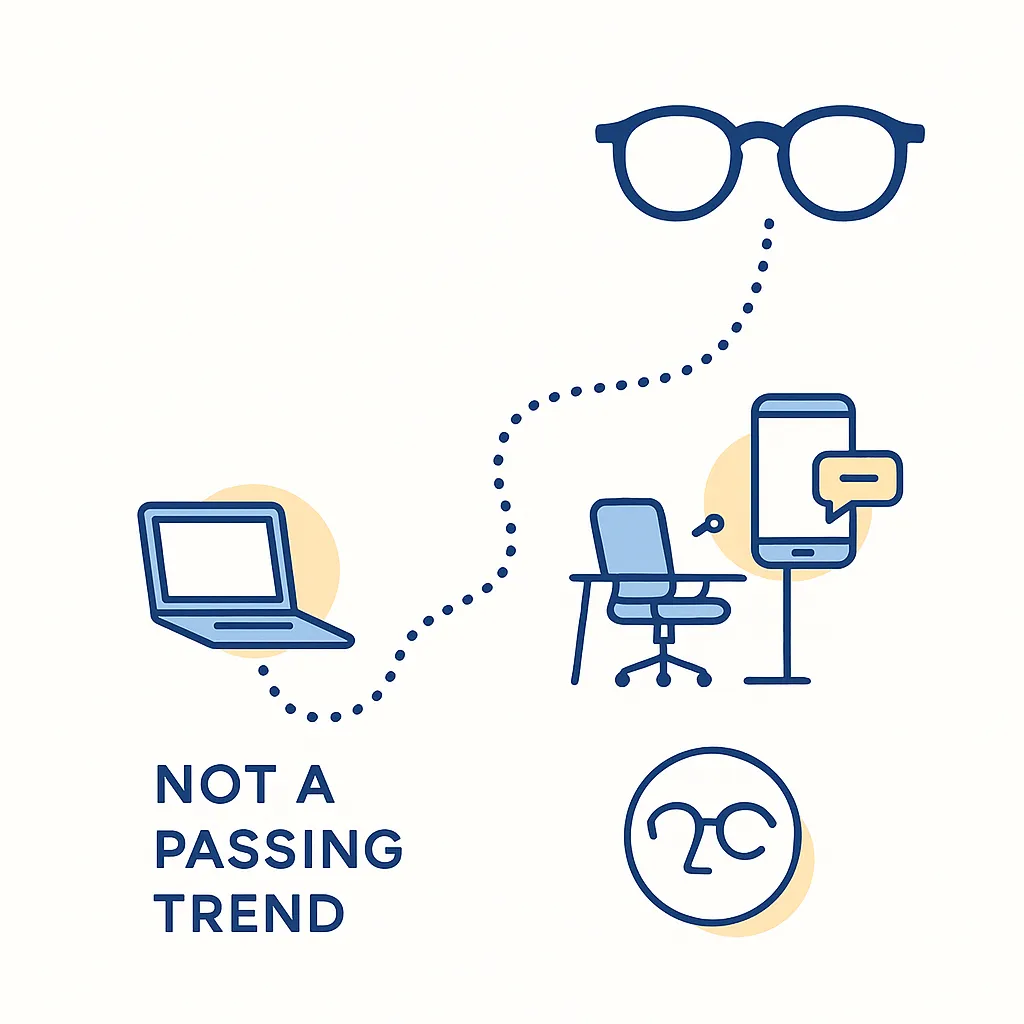
Fashion cycles may evolve, colors and shapes may change, but the expectation of comfort will persist. Once buyers experience eyewear that truly supports their routine, there is little incentive to compromise.
Choosing Comfort Without Sacrificing Personal Style
One of the misconceptions about comfort-first eyewear is that it limits style options. In reality, comfort-first design expands them.
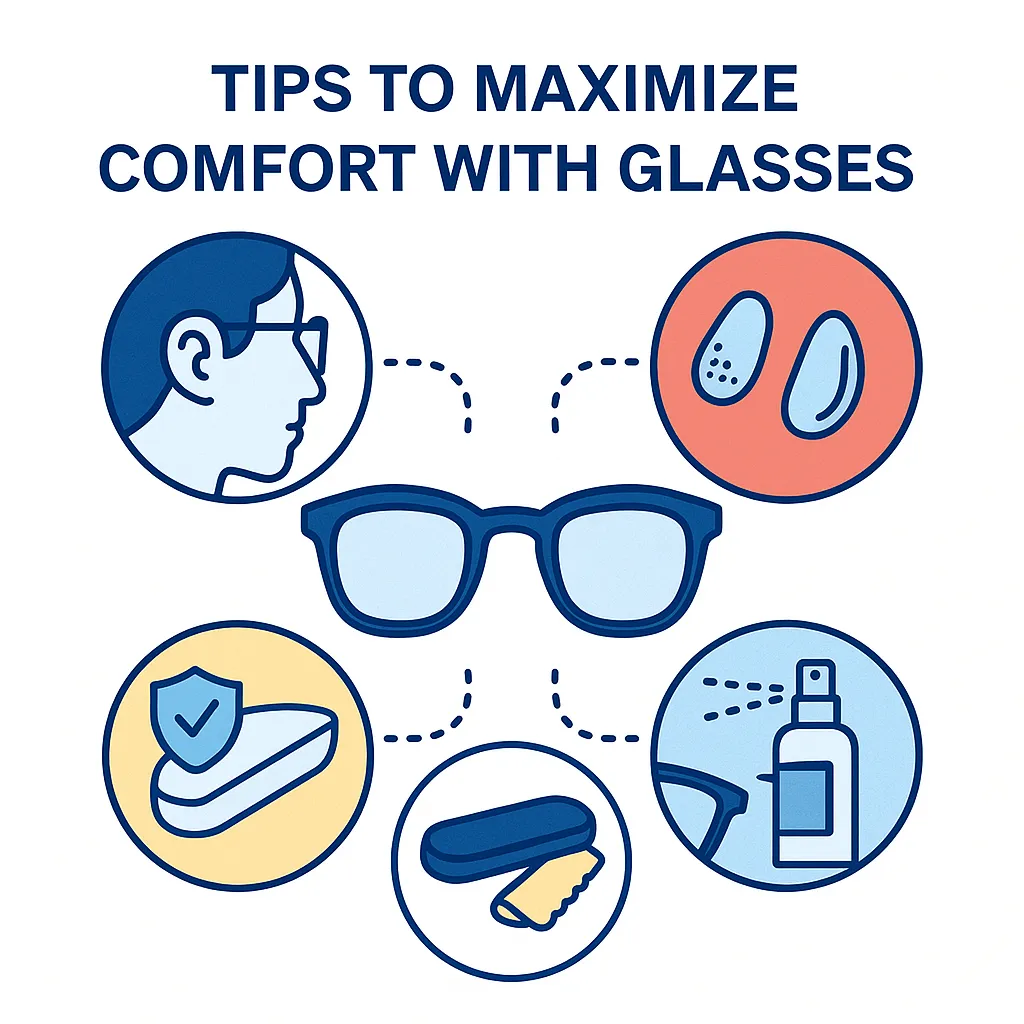
By reducing physical constraints, designers are able to explore a wider range of shapes, finishes, and profiles that remain wearable throughout the day.
Style is no longer restricted to what can be tolerated for a few hours.
In 2026, the most successful eyewear designs are those that quietly balance both — frames that look intentional and expressive while remaining easy to wear from morning to night.
Comfort does not replace style. It supports it.
The New Definition of Quality in Eyewear
Ultimately, comfort-first eyewear reflects a broader redefinition of quality. Quality is no longer measured solely by how something looks or how long it lasts. It is measured by how it performs in daily life.
Does it reduce friction?
Does it support routines?
Does it fade into the background rather than demanding attention?
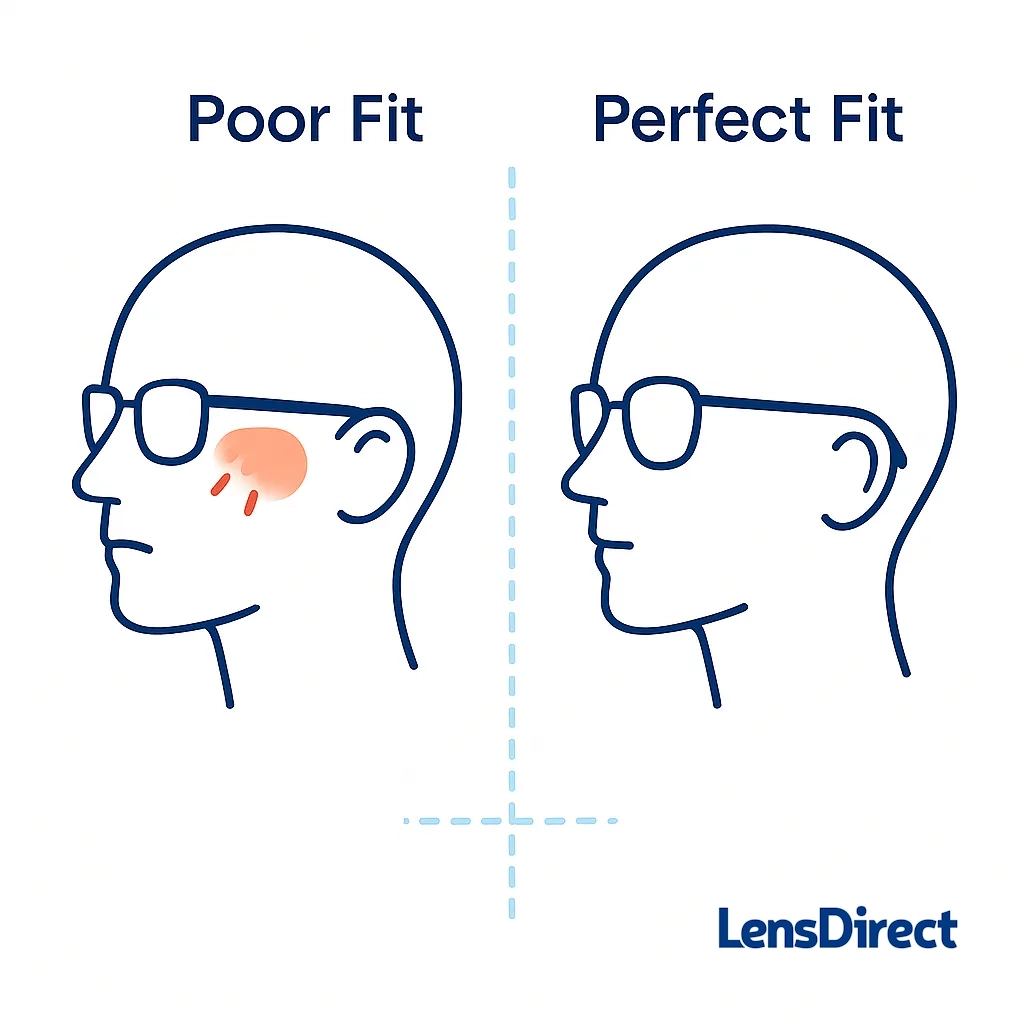
In eyewear, comfort answers all of these questions.
Comfort as the Standard, Not the Exception
Why comfort-first eyewear is the defining trend of 2026 comes down to one simple truth: people are tired of tolerating discomfort in products they use every day.

Eyewear has moved from being an occasional accessory to a constant companion.
As that shift has occurred, expectations have risen accordingly.
Materials, fit, weight, and lens technology are now evaluated through the lens of sustained comfort. Buyers are choosing eyewear that supports how they live rather than forcing adaptation.
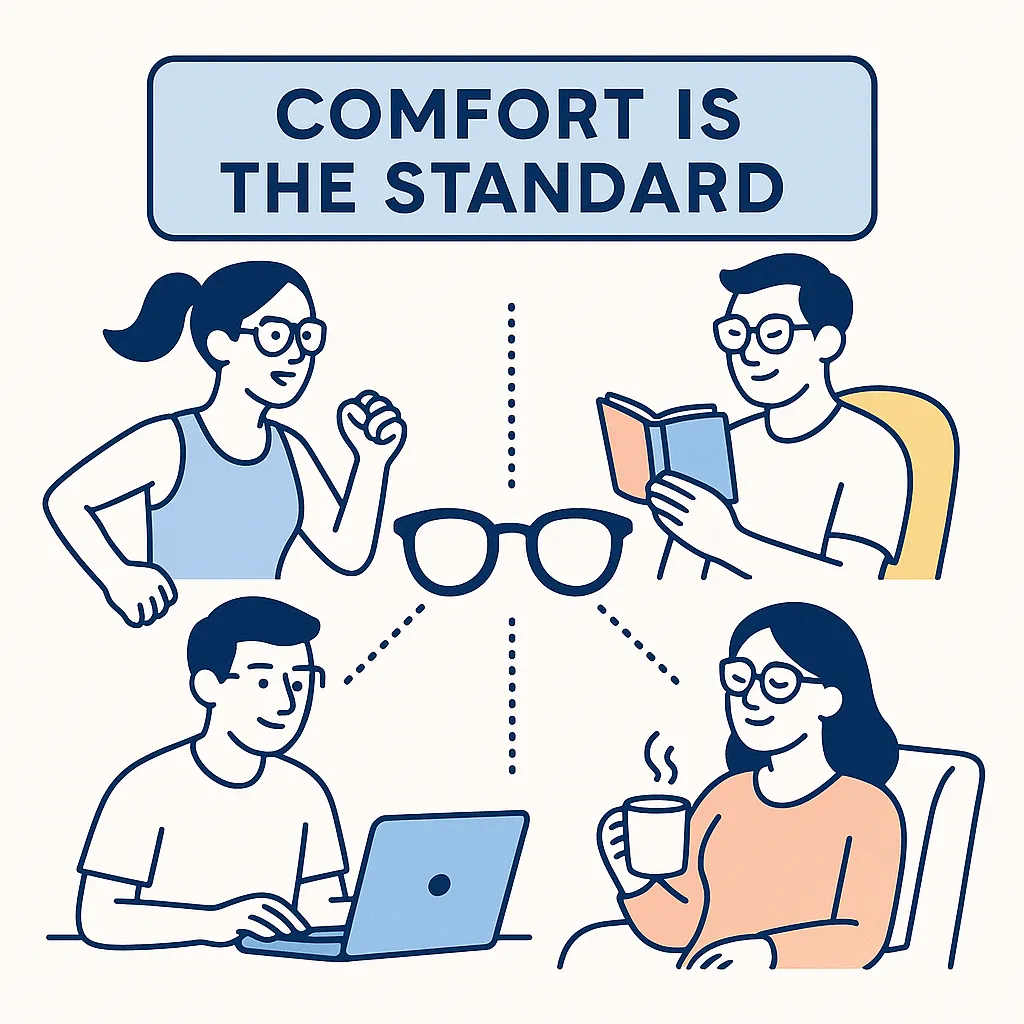
In 2026, comfort is not a feature. It is the standard by which eyewear is judged.
And once that standard is set, there is no going back.
Author

Subscribe to our email newsletter to get the latest posts delivered right to your email.