
In 2026, vision care is no longer something people think about once a year during an eye exam. For many, it has become a daily, almost subconscious routine shaped by constant screen exposure. Laptops, phones, tablets, dashboards, TVs, and wearable displays now compete for visual attention from the moment people wake up until long after sunset.
This shift has quietly but fundamentally changed how people use their eyes, how often discomfort shows up, and what they expect from glasses and contact lenses.
Vision habits today are not just about seeing clearly.
They are about managing fatigue, maintaining comfort, and adapting to a world where screens dominate work, communication, entertainment, and even rest.
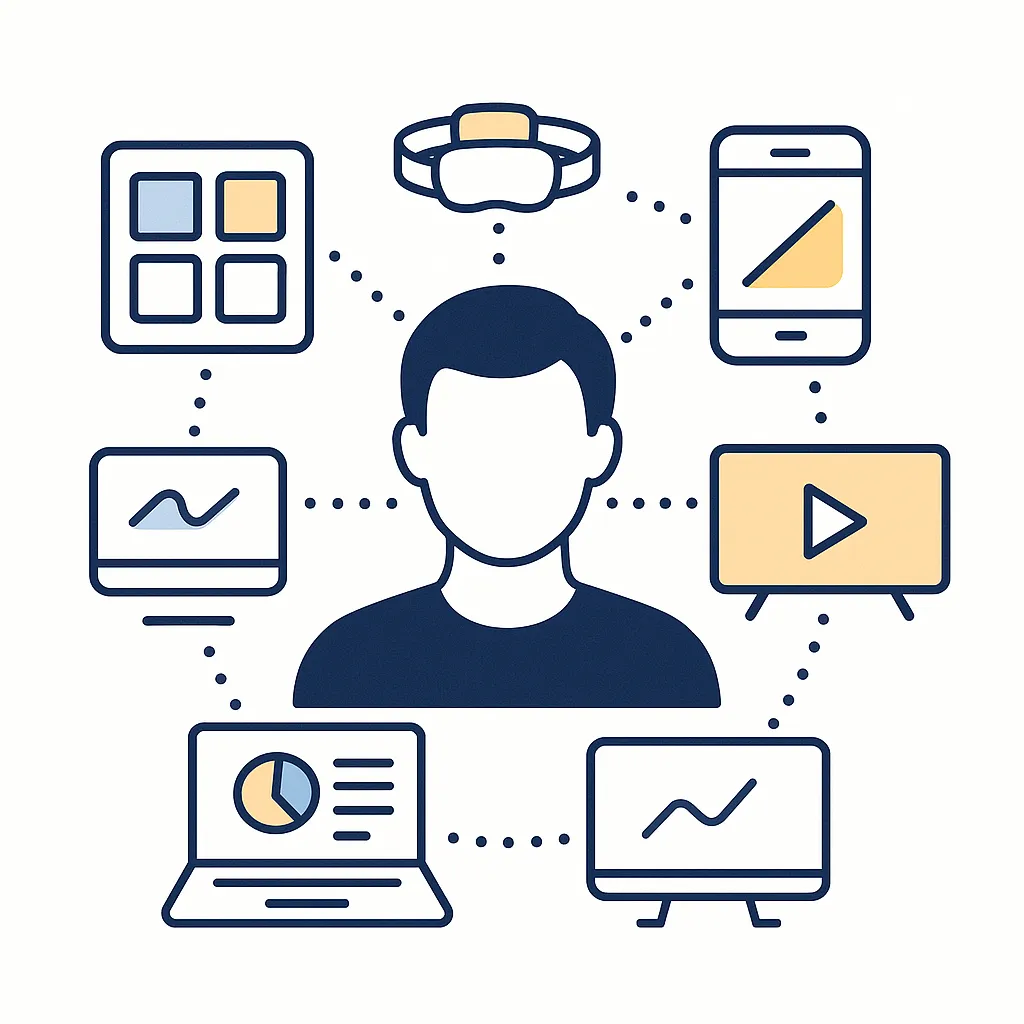
Understanding these evolving habits helps explain why eyewear choices look different in 2026 and why consumers are approaching eye care with more intention than ever before.
Vision Habits at Work: From Office Screens to Everywhere Screens
Work used to mean a single desk, a single monitor, and predictable hours. That model has largely disappeared. In its place is a mix of home offices, coworking spaces, coffee shops, airport lounges, and shared corporate environments. Vision habits have had to adapt accordingly.
Longer Continuous Focus Periods
Modern work demands sustained visual attention. Video calls, collaborative documents, dashboards, and messaging platforms keep people visually engaged for hours at a time without natural breaks.
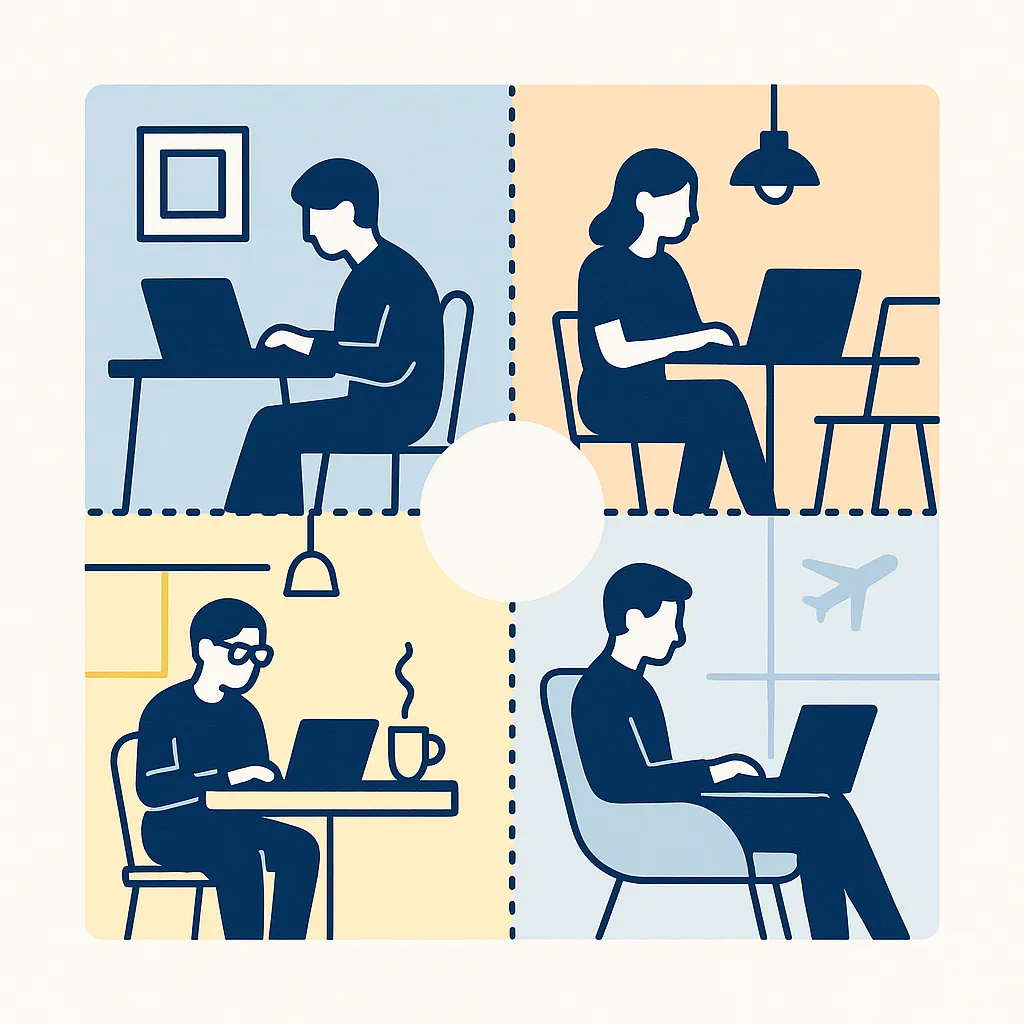
Many workers now spend entire mornings staring at screens before realizing they have barely shifted focus.
As a result, intentional blinking, scheduled breaks, and comfort-oriented eyewear have become more important parts of the workday.
Multi-Screen Workflows
It is increasingly common to work across two or three screens simultaneously. A laptop, an external monitor, and a phone often operate together, each with different distances and brightness levels.
This constant refocusing puts extra strain on the eyes, encouraging habits like:
- Adjusting font sizes rather than leaning forward
- Using screen-specific glasses during deep work sessions
- Positioning monitors to reduce extreme head and eye movement
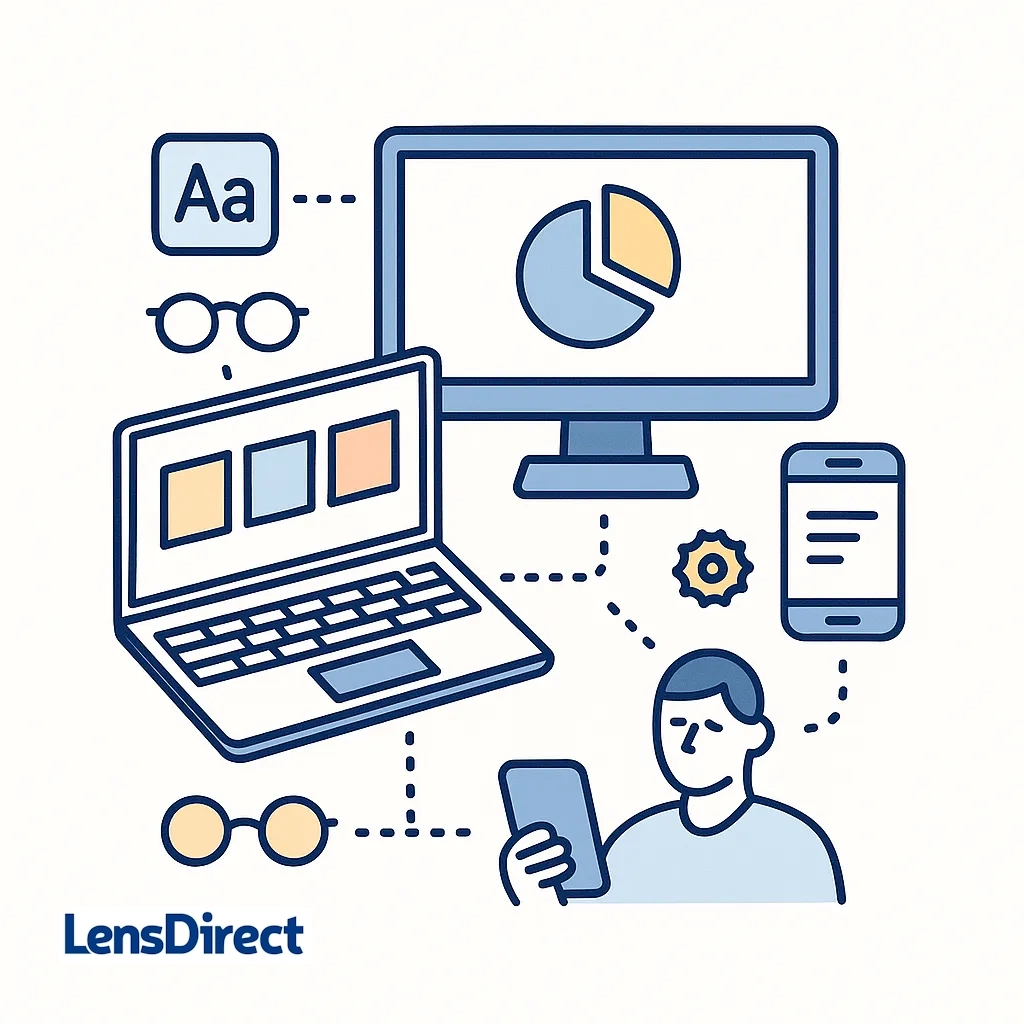
Eyewear choices in 2026 reflect this reality, with many people opting for lenses designed to support intermediate distances rather than just traditional near or far vision.
Remote and Hybrid Lighting Challenges
Not all workspaces are designed with eye comfort in mind. Glare from windows, uneven indoor lighting, and poorly positioned screens are common issues.
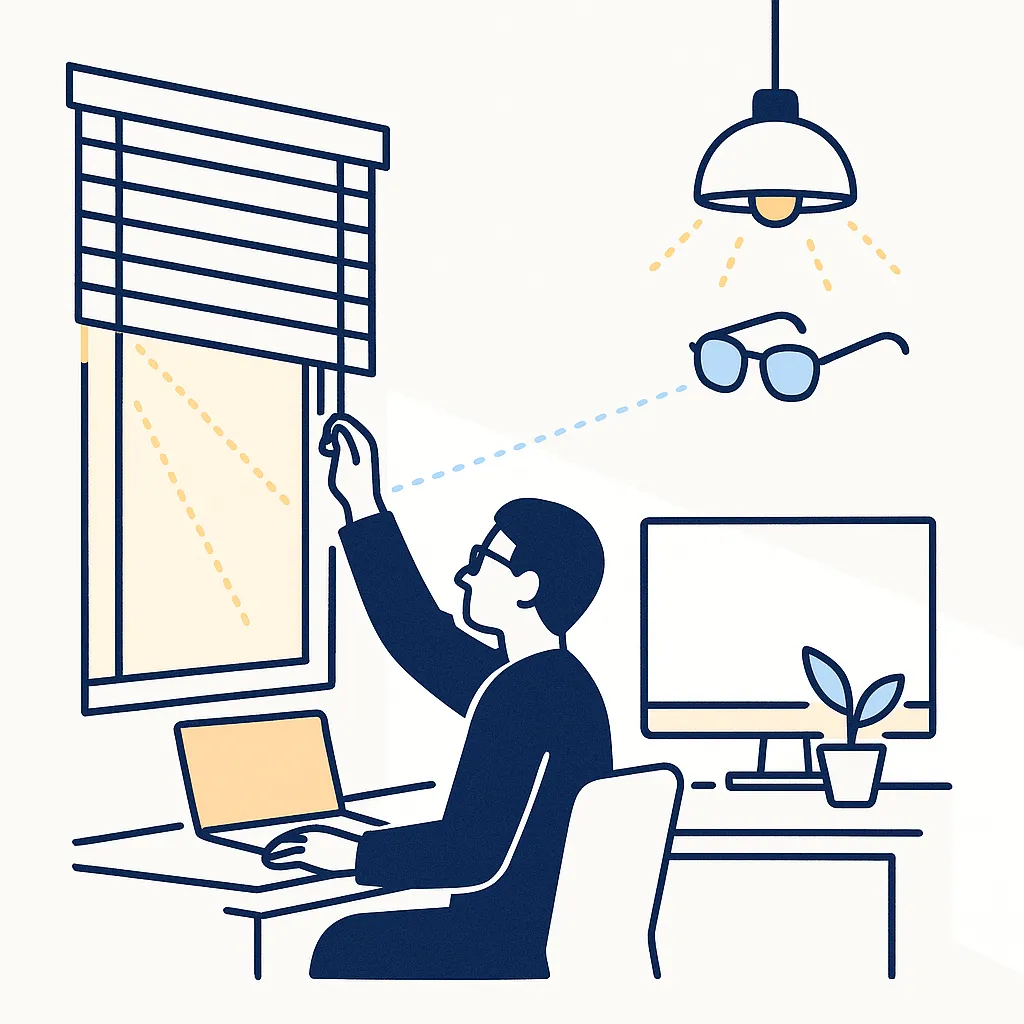
As a result, workers are becoming more aware of how lighting affects their eyes.
Many now adjust their environments first, instead of pushing through discomfort.
This has led to habits like wearing glasses optimized for indoor lighting conditions and switching lenses depending on the time of day.
Vision Habits at Home: Screens as the Default Environment
Home used to be a visual break from work. In 2026, it is often just a continuation of screen exposure in a different setting.
Entertainment Is Primarily Visual
Streaming services, gaming, social media, and online shopping all rely heavily on screens. Even relaxation often involves visual engagement rather than rest.
People are spending evenings on devices after full workdays, which has reshaped how they think about eye comfort at home.
Instead of ignoring fatigue, many now expect their eyewear to help manage it.
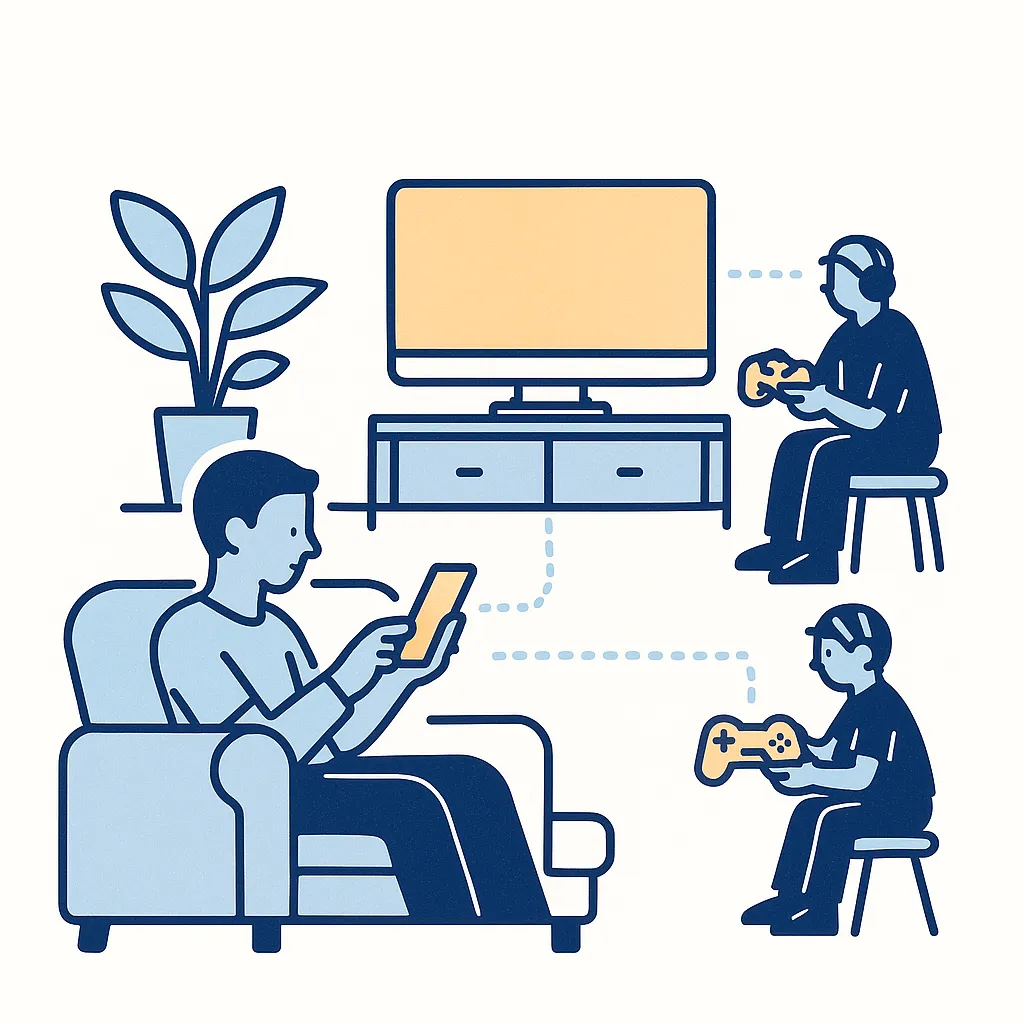
Shared Spaces, Shared Screens
Families often share screens in common areas, switching between content types and viewing distances throughout the evening. One moment may involve watching a TV across the room, the next scrolling on a phone, and later reading on a tablet.
This constant change encourages flexible vision habits, such as:
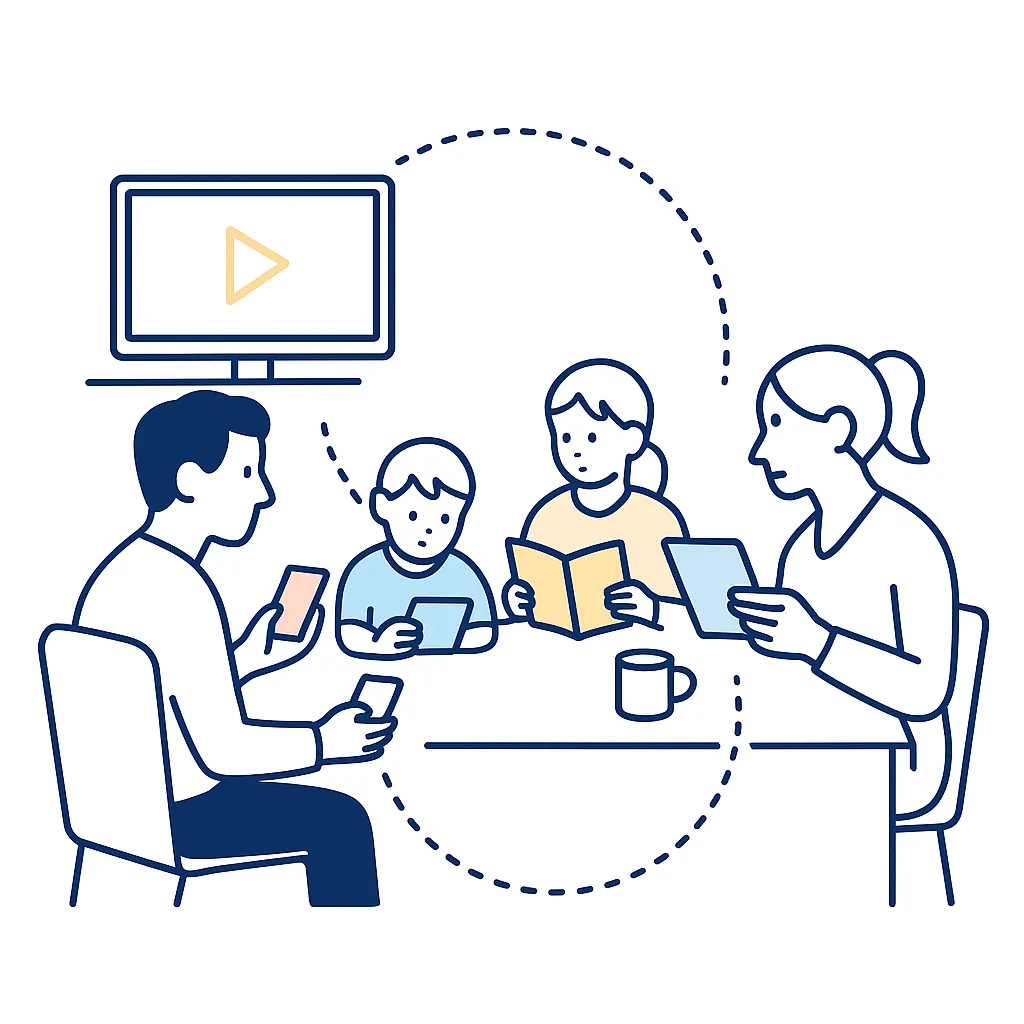
- Keeping glasses on instead of taking them off intermittently
- Choosing lenses that support multiple distances comfortably
- Being more aware of posture and viewing angles
Home vision habits in 2026 are less about perfect clarity and more about sustained ease.
Nighttime Eye Awareness
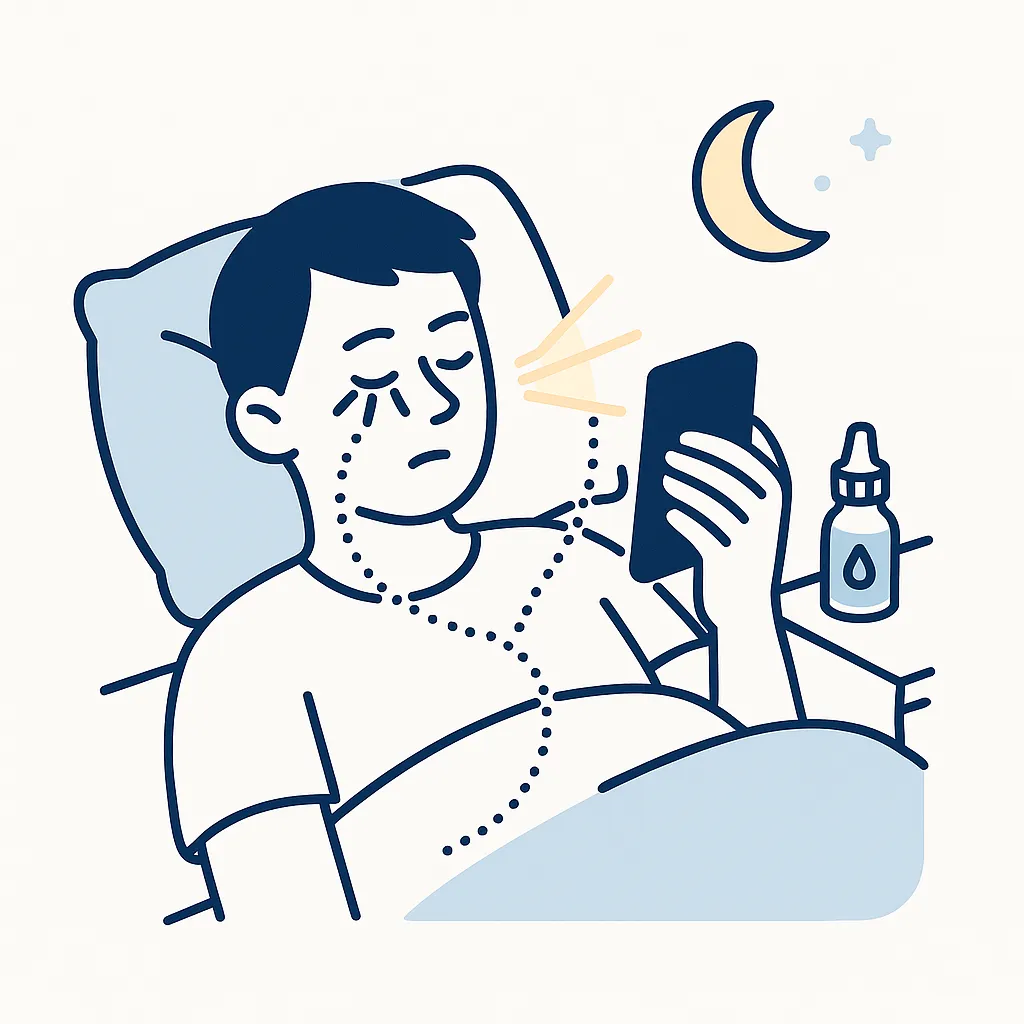
Late-night screen use has made people more conscious of how their eyes feel at the end of the day. Dryness, heaviness, and difficulty focusing are now widely recognized signs of visual overload rather than something to ignore.
As a result, many people now build small vision-care rituals into their evenings, including changing lenses, reducing screen brightness, or switching to glasses that feel lighter and less demanding on tired eyes.
Vision Habits on Mobile Devices: Small Screens, Big Impact
Mobile devices may be physically smaller than work monitors, but their impact on vision habits is often greater due to how frequently and casually they are used.
Short Bursts of Intense Focus
Phones encourage quick, repeated checks throughout the day. Each glance requires close focus, often at an awkward angle.
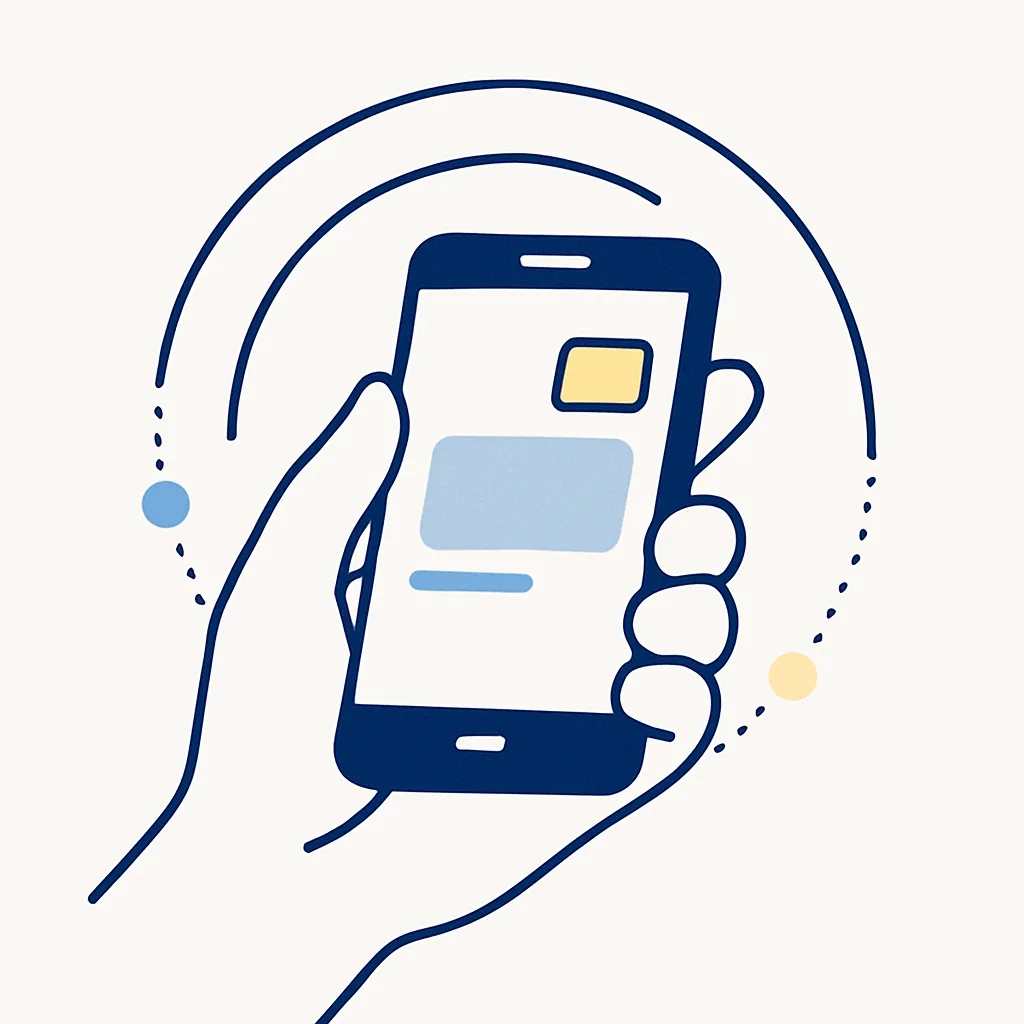
Over time, these micro-sessions add up.
People are becoming more aware that even brief phone use contributes to eye strain, especially when combined with poor posture or low lighting.
Reduced Viewing Distance
Unlike computers, phones are often held very close to the face. This increases the demand on focusing muscles and can accelerate fatigue.
In response, many people in 2026 are developing habits like:
- Holding phones slightly farther away
- Increasing text size instead of squinting
- Using eyewear that supports close-range clarity without overexertion
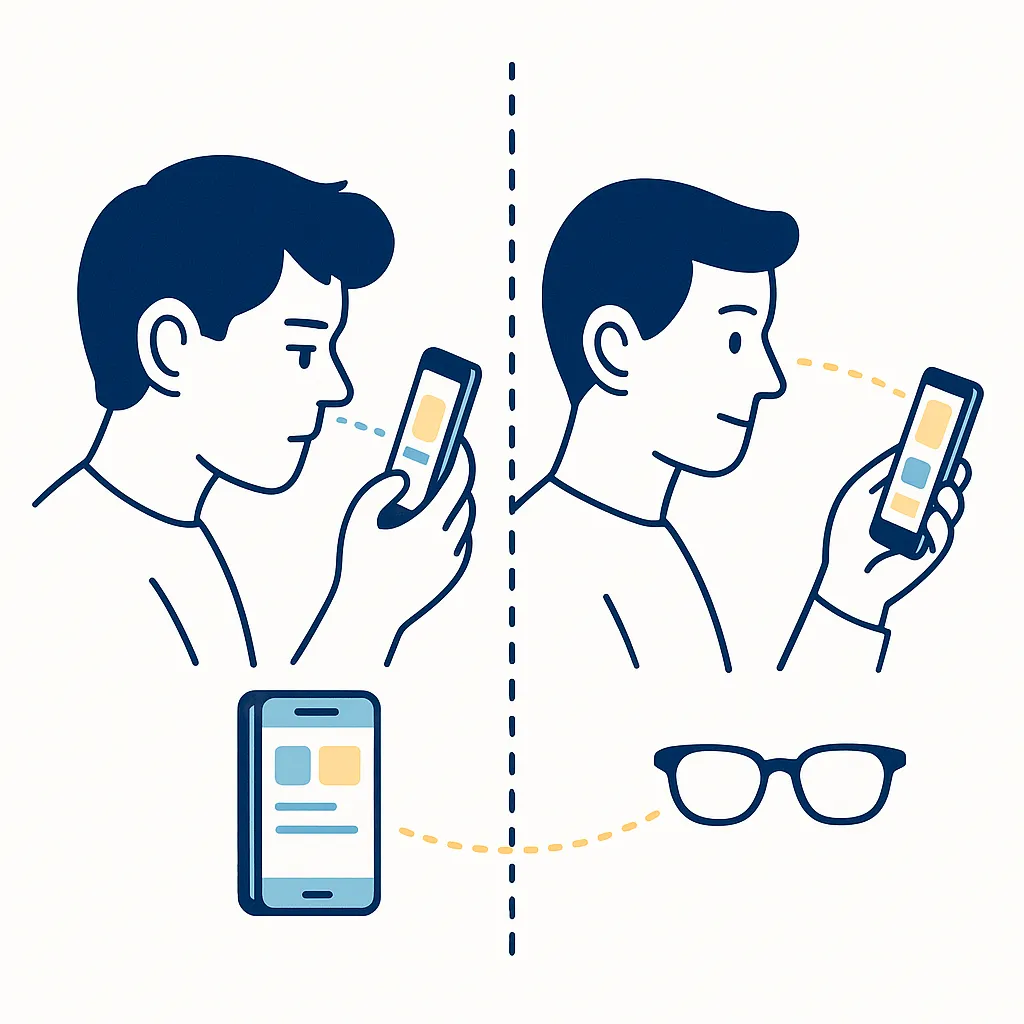
These adjustments may seem minor, but they significantly change how comfortable mobile screen use feels over a full day.
On-the-Go Vision Adaptation
Mobile screen use happens everywhere: outdoors, in cars, on public transit, and in bed. Lighting conditions change constantly.
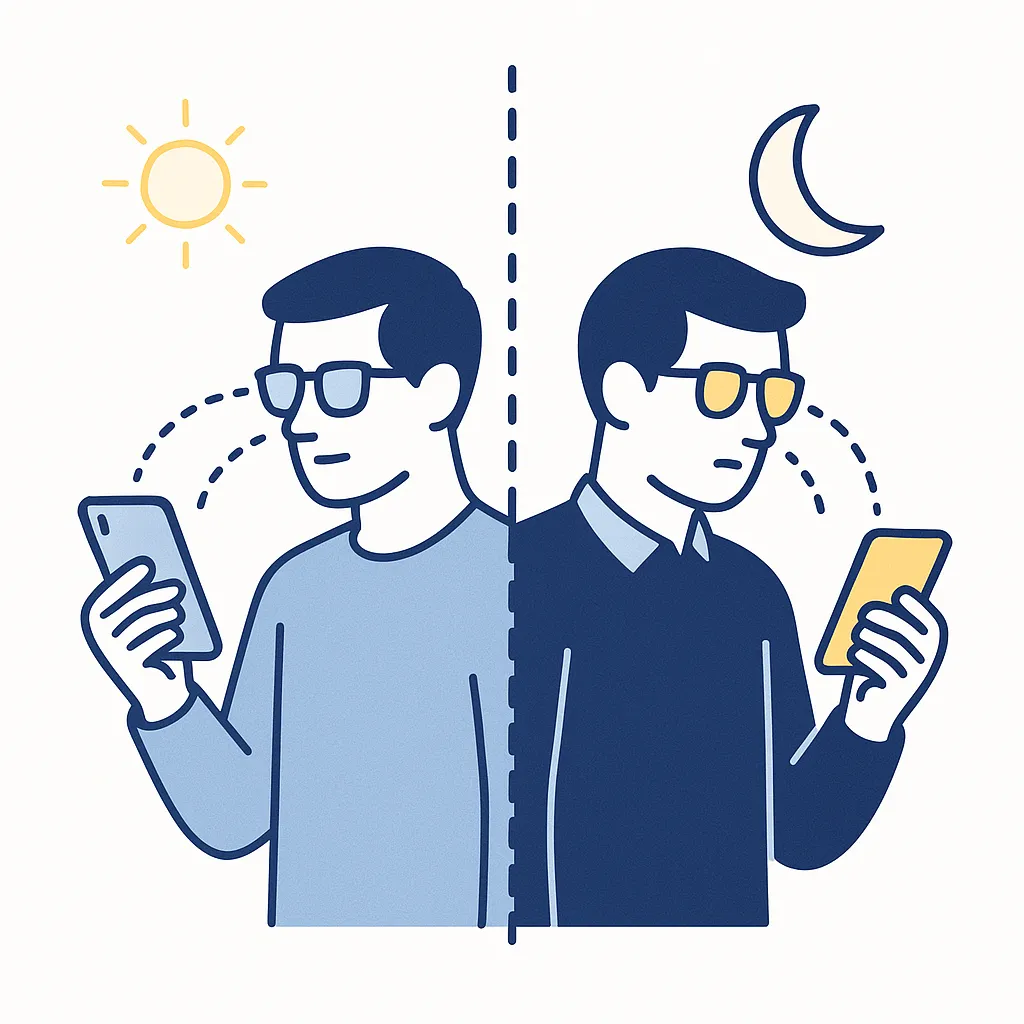
This has led to more adaptive vision habits, with people choosing eyewear that performs consistently across environments rather than optimizing for just one setting.
Hybrid Screen Use: The New Normal
The defining feature of vision habits in 2026 is not any single type of screen use, but the constant blending of them.
Seamless Transitions Between Distances
A typical day might involve switching from a laptop to a phone to a TV to printed material, sometimes within minutes.
Eyes are no longer given long periods to settle into one focal distance.
Instead, they are constantly adjusting.
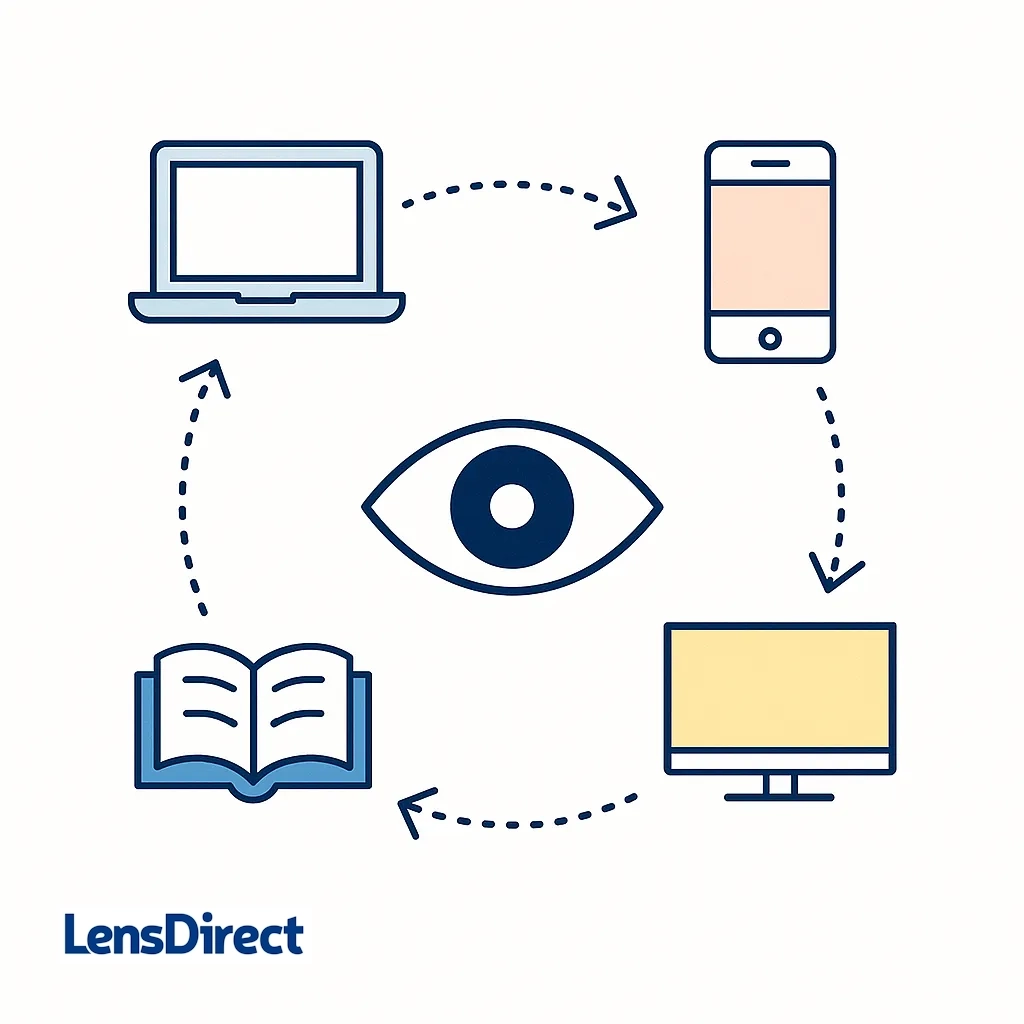
This has made people more sensitive to lenses that feel restrictive or overly specialized.
Comfort across transitions has become a priority.
Fewer Clear Boundaries Between Work and Rest
Screens no longer signal a specific activity.
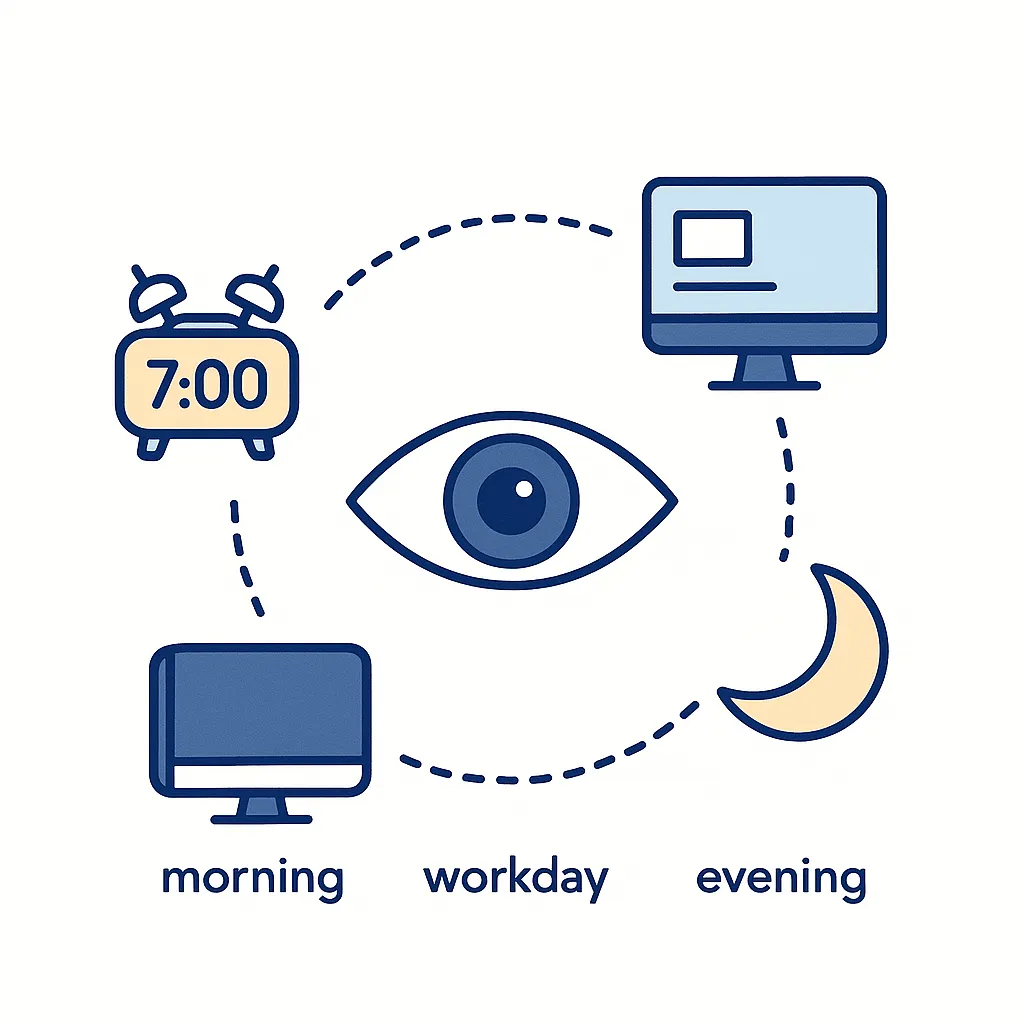
Work messages arrive during personal time, and entertainment happens during short work breaks.
As a result, people are paying more attention to how their eyes feel throughout the day rather than associating discomfort with a single activity.
Vision as an Ongoing System
Rather than thinking in terms of “work glasses” and “regular glasses,” many people now see vision care as a system that supports their full daily routine.
This mindset encourages more intentional choices and more frequent updates to eyewear and lenses as habits evolve.
Emerging Vision Habits in 2026
Across work, home, and mobile environments, several clear habits are becoming standard.
- Taking shorter but more frequent visual breaks
- Prioritizing comfort over maximum sharpness
- Adjusting screen settings before adjusting posture
- Wearing glasses more consistently throughout the day
- Choosing lenses based on daily routines rather than prescriptions alone
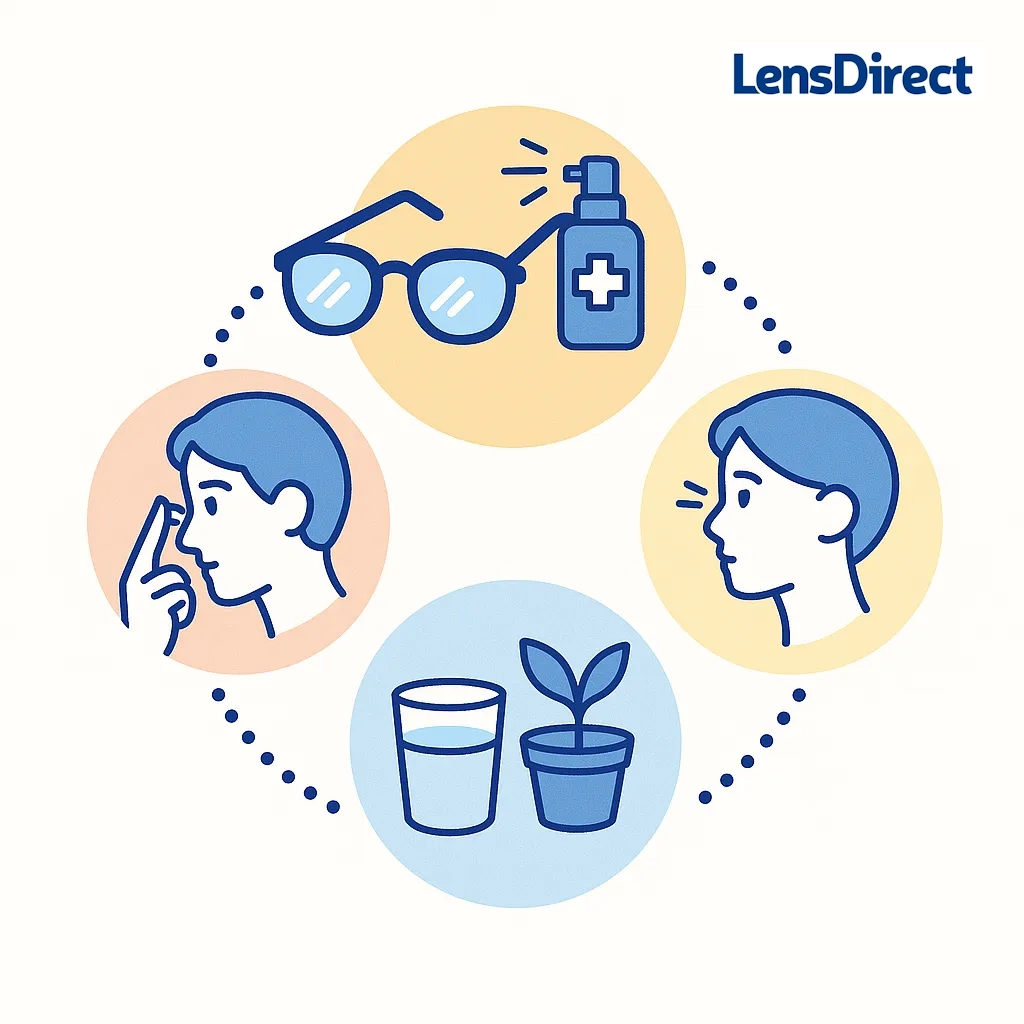
These habits reflect a broader shift toward proactive eye care instead of reactive fixes.
How Vision Habits Have Changed Over Time
The evolution of vision habits becomes clearer when comparing past, present, and emerging behaviors.
| Time Period | Typical Vision Behavior | Screen Relationship |
| Past | Vision care focused on clarity and correction | Screens limited to work or leisure |
| Present | Awareness of strain and fatigue | Screens present throughout the day |
| Emerging | Proactive comfort and routine-based choices | Screens integrated into all activities |
This progression shows that vision care is becoming more holistic, shaped by lifestyle rather than isolated tasks.
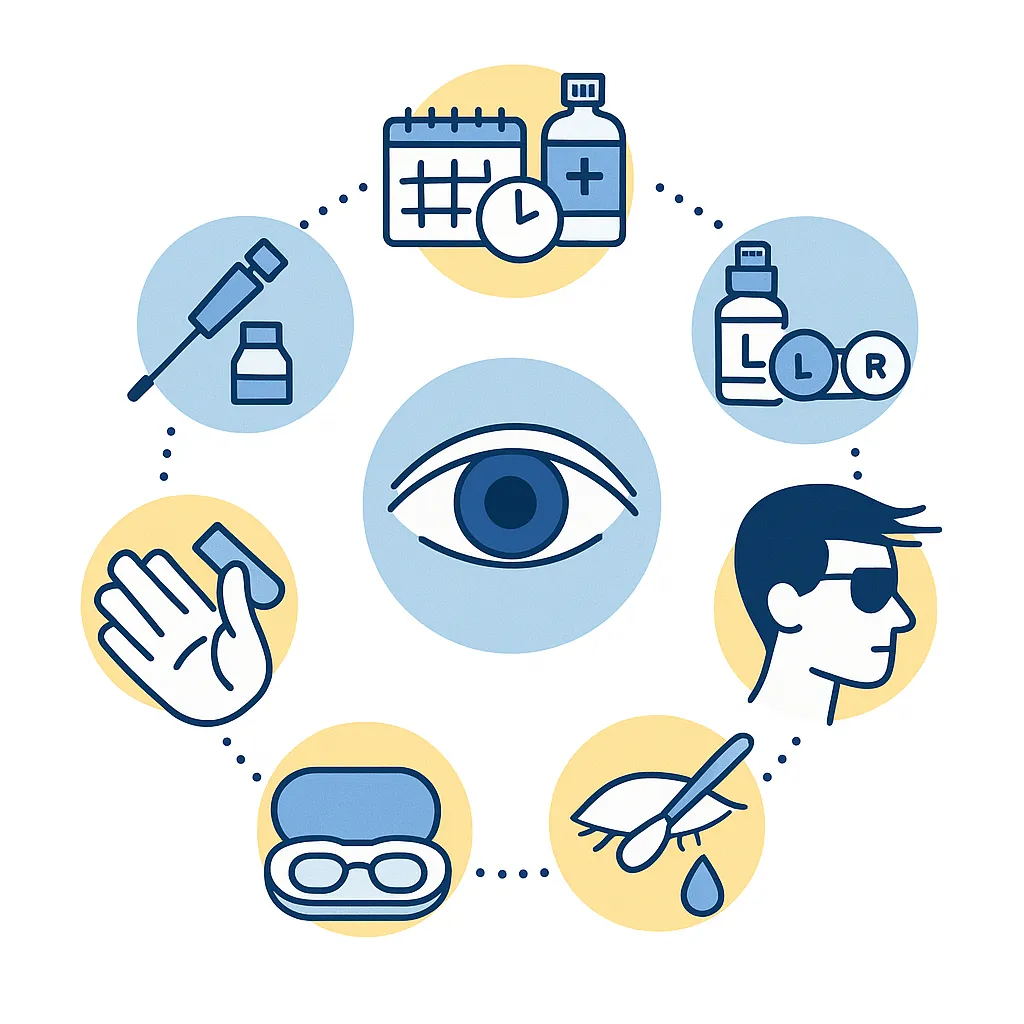
How Eyewear and Contact Lens Choices Are Adapting
As habits change, so do expectations for eyewear and contact lenses.
Comfort as a Core Requirement
In 2026, comfort is not a bonus feature. It is a baseline expectation.
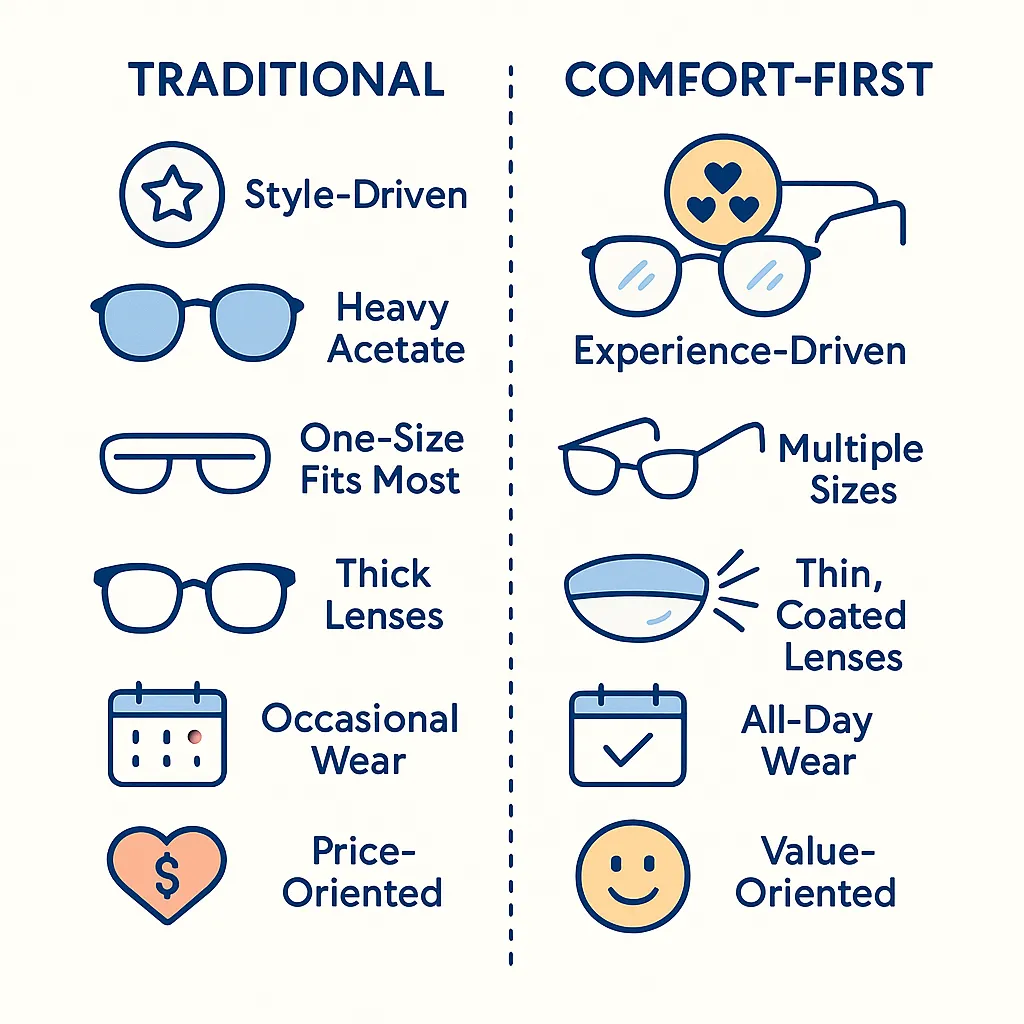
People want eyewear that feels natural over long periods, even when switching between tasks.
This has influenced frame selection, lens design, and how often people replace their glasses or contacts.
Routine-Based Selection
Rather than owning a single pair for everything, many people now choose eyewear based on how they actually live.
Some keep one pair optimized for long work sessions and another for general daily wear.
Others prefer versatile options that handle multiple scenarios reasonably well.
Increased Replacement Cycles
As awareness grows, people are less likely to hold onto outdated or uncomfortable eyewear.
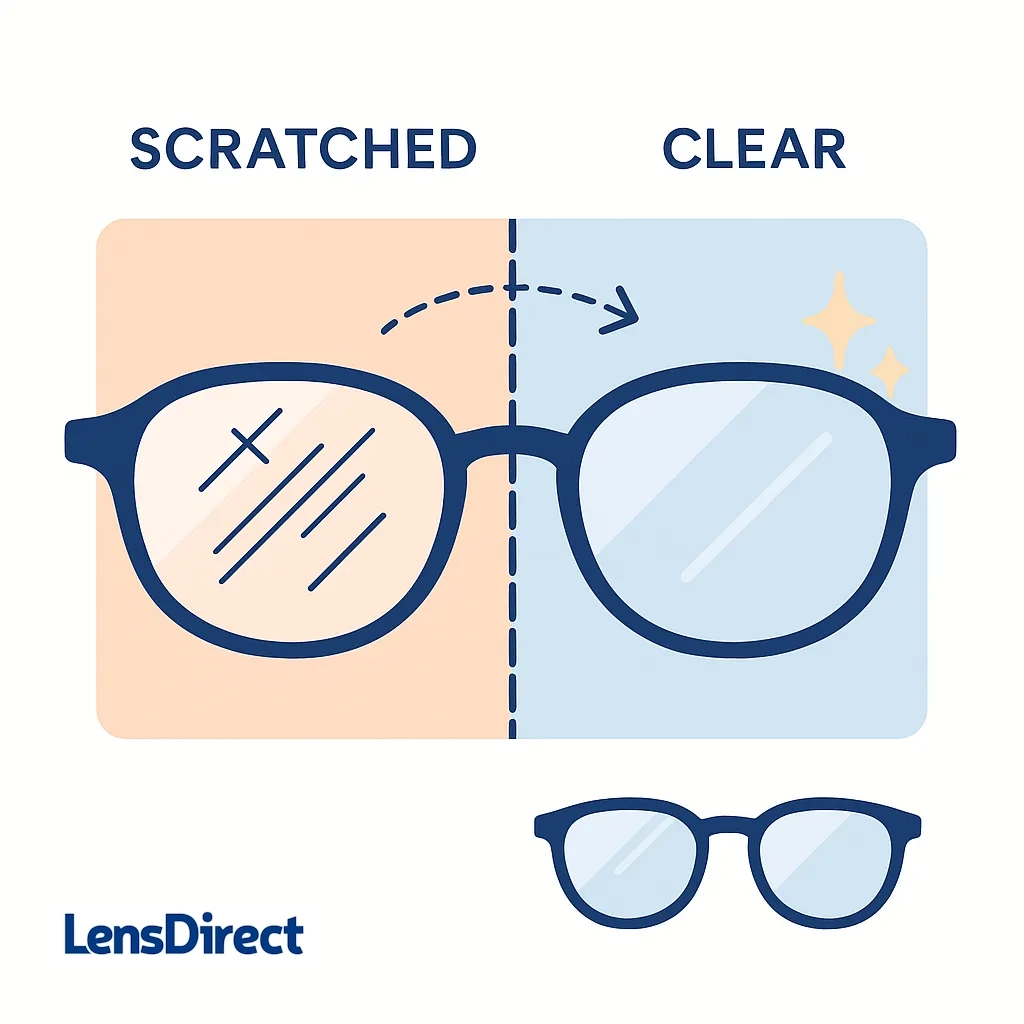
Vision habits in 2026 include more frequent updates to ensure lenses and frames still match daily needs.
This reflects a shift from viewing eyewear as a long-term purchase to seeing it as an evolving tool.
The Role of Awareness in Modern Vision Care
Perhaps the biggest change is mental rather than physical. People are more aware of their eyes.
They recognize early signs of strain.
They notice when their vision feels different at night than in the morning.
They understand that discomfort is information, not something to ignore.
This awareness shapes habits in subtle but meaningful ways, encouraging small adjustments that add up to better long-term comfort.
A Grounded Look Ahead
Vision habits in a screen-first world will continue to evolve. Screens are unlikely to disappear, but how people interact with them will keep changing.
The trend moving forward is not about avoiding screens, but about using them more thoughtfully.
Eyewear and contact lenses will increasingly support flexibility, comfort, and adaptability rather than rigid correction.
By 2026, vision care is no longer just about seeing clearly. It is about seeing sustainably. People are learning to align their vision habits with their lives, creating routines that support comfort today while protecting their eyes for the years ahead.
Author

Subscribe to our email newsletter to get the latest posts delivered right to your email.