

You shouldn’t have to pick between clear vision and sun protection. In this guide, you’ll learn how to order prescription sunglasses at LensDirect, how to choose the right tint (polarized, gradient, mirrored, and color tints), and how to use vision insurance or FSA/HSA — without the headaches.
Why Prescription Sunglasses Matter
Prescription sunglasses cut glare, block UV, and keep your vision crisp for driving, travel, sports, and everyday city life. They’re more comfortable than clip-ons and more precise than contacts + non-Rx shades.
If you’re ready to buy, jump to How to Order.
If you want to dial in your color and polarization, skip to The Tint & Polarization Guide.
How to Order Prescription Sunglasses at LensDirect
There are two easy paths — pick the one that matches your situation.
Option A: New Sunglass Frames + Rx Lenses
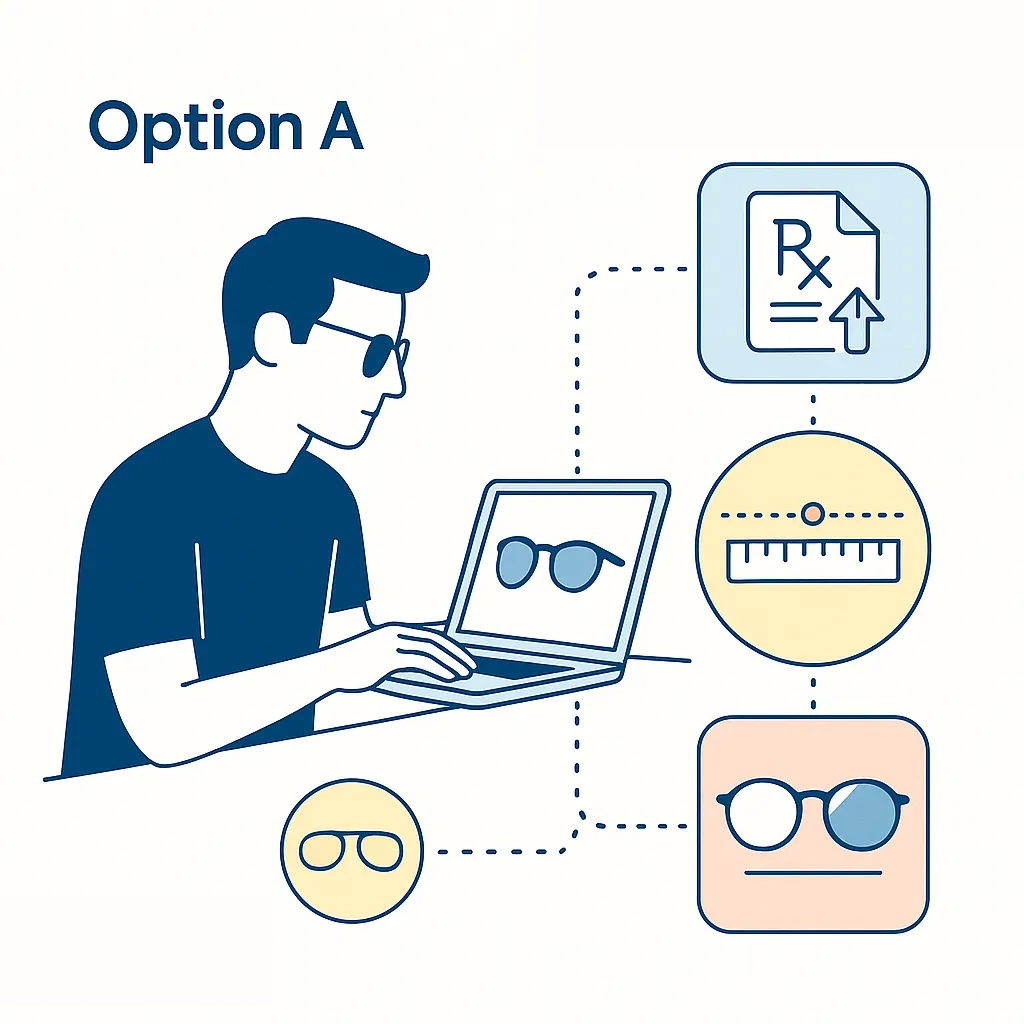
Start with the Sunglasses Best Sellers collection to find a style and fit you love.
At checkout, upload your prescription (or send it later), enter your PD (pupillary distance) via the PD Measurement Guide, and choose single-vision or progressives, lens material (polycarbonate, Trivex, high-index), and sun options (polarized, photochromic, gradient, mirrored).
You can pay with FSA/HSA funds at checkout and later file an out-of-network claim with your vision plan if eligible.
Love your current frame? Go with Option B.
Option B: Keep Your Frames — Mail-In Lens Replacement
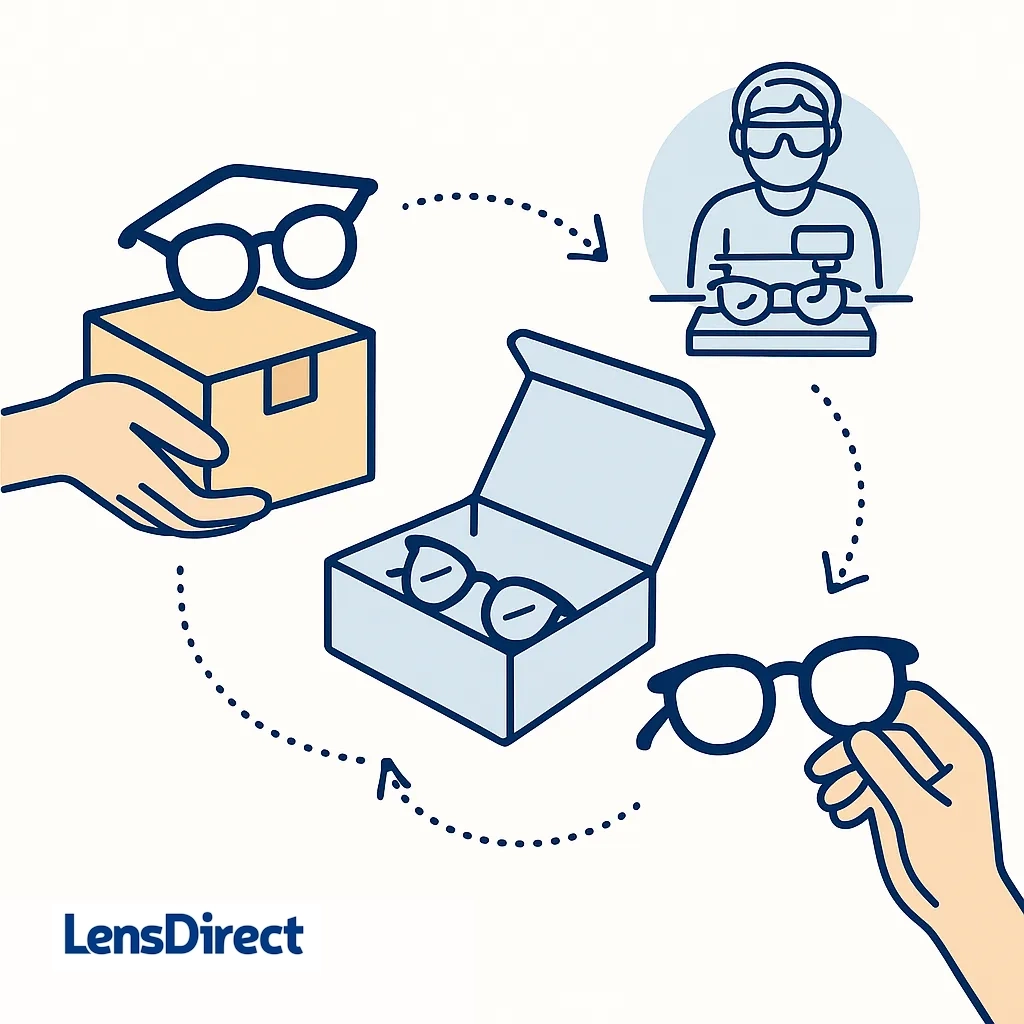
Send in your favorite frames and LensDirect’s lab will fit new prescription sun lenses, QC them, and ship your refreshed shades back.
Typical turnaround is ~12–14 business days from the day your frames are received. Start here: Prescription Sunglass Lens Replacement.
Prefer a no-mail route for non-Rx shades? Try DIY: Choose Your Brand and pop lenses in at home.
Fit & Accuracy Tips (30-Second Checklist)
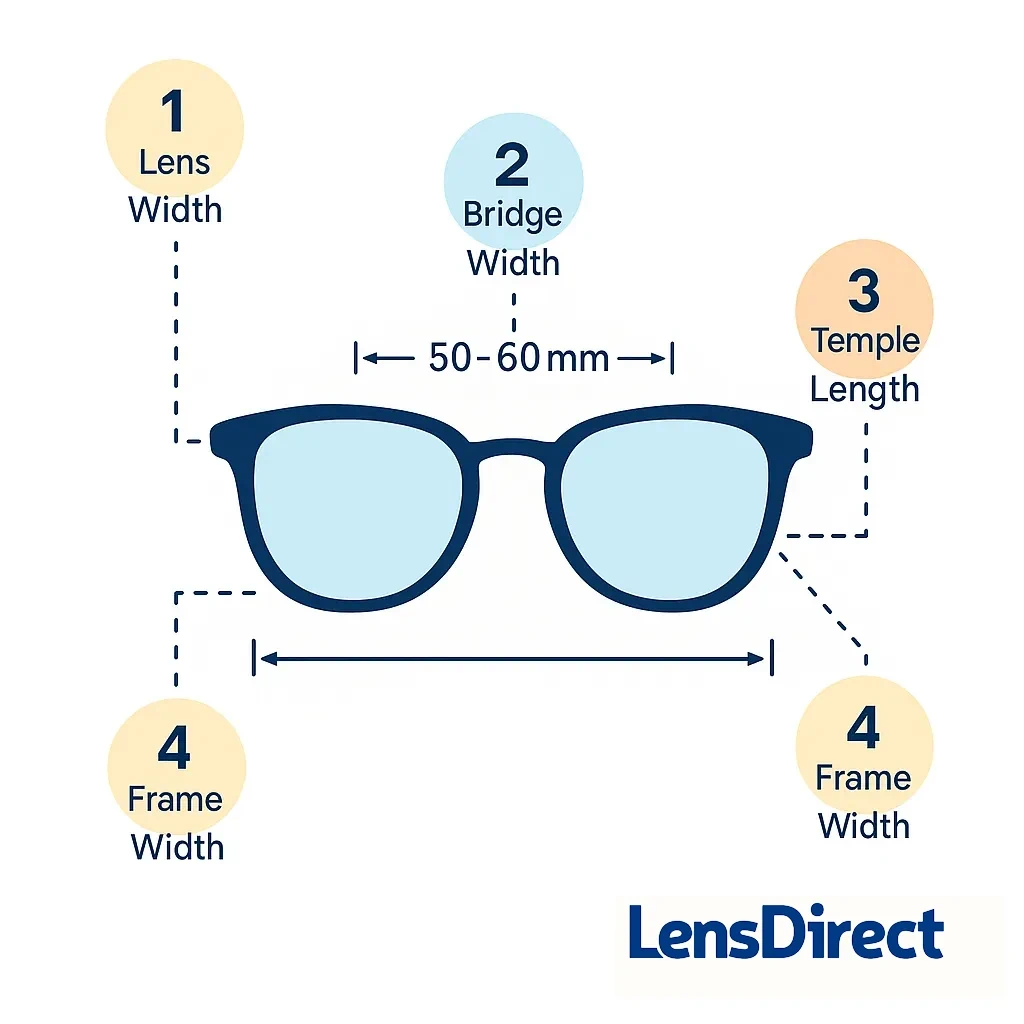
- PD: Measure once, use forever — see the PD guide + printable ruler.
- Pupil marks (for precision fits): Follow the quick visuals in How to Dot the Pupils.
- Progressives: LensDirect has a dedicated Progressive Lens Replacement flow.
- Frame compatibility: Unsure about wraps or special frames? Check Frame Eligibility.
The Tint & Polarization Guide
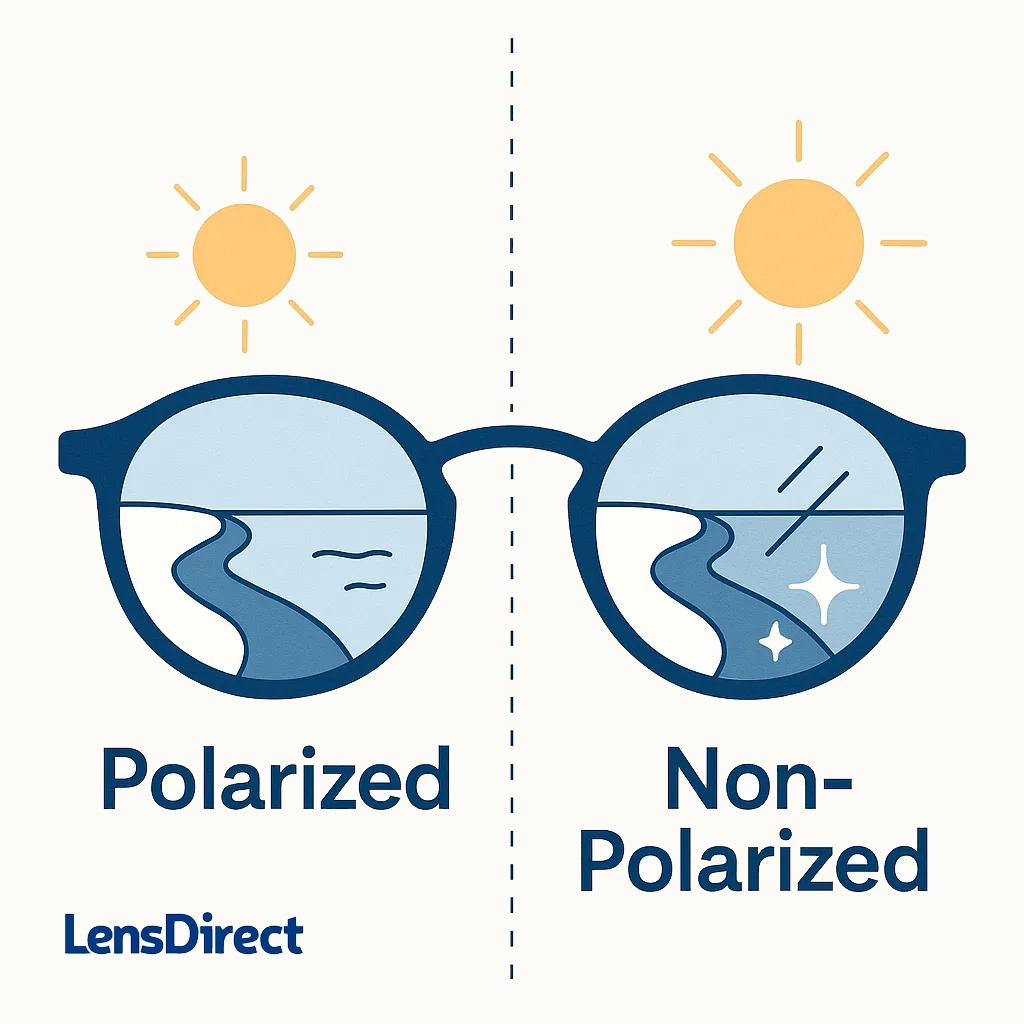
Polarized lenses cut harsh reflective glare from roads, water, and snow — ideal for driving and outdoor sports. Non-polarized can be fine for style/urban use (and when display visibility is a priority). For side-by-side visuals, see the Sunglass Lens Color Guide.
| Tint / Feature | Light Conditions | Best For | Notes |
| Gray | Bright sun | Beach, driving, everyday | Neutral color; preserves true color |
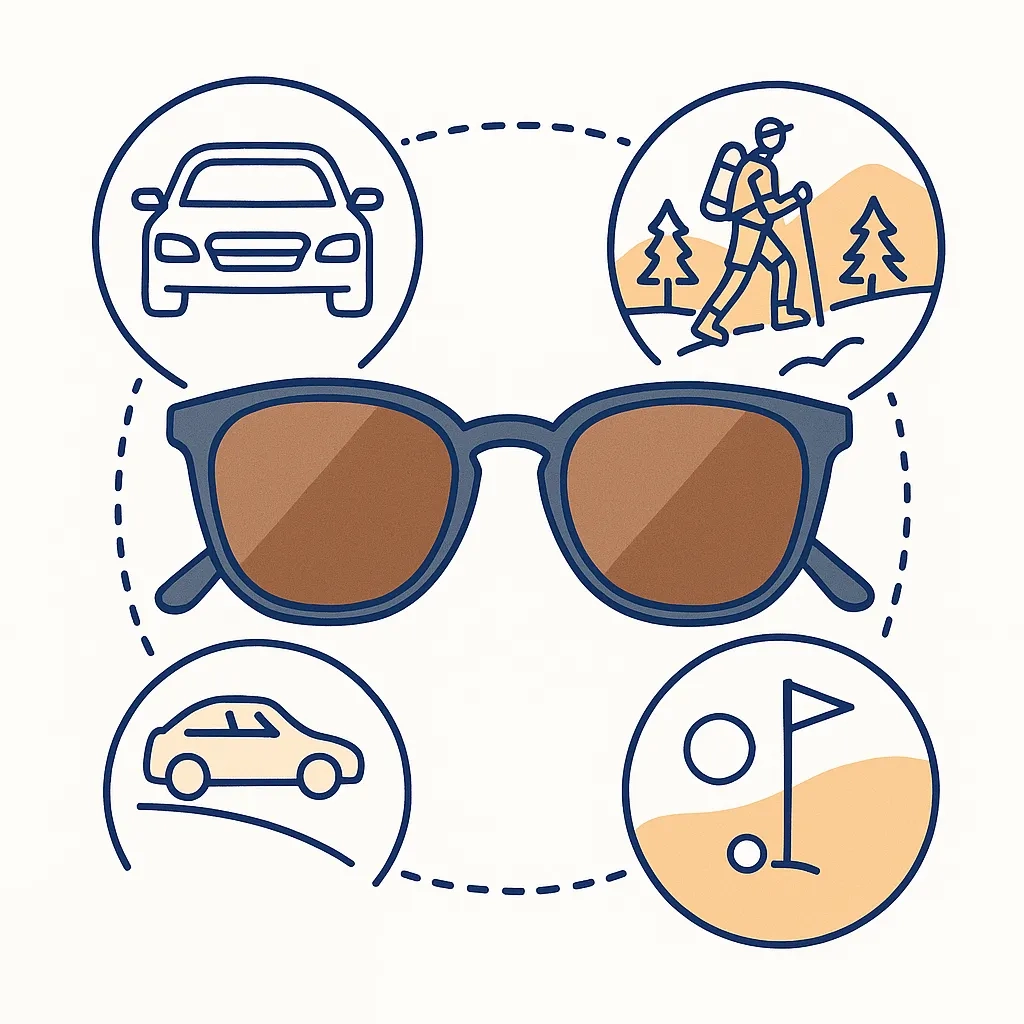
| Brown / Amber / Copper | Bright → variable | Driving, hiking, golf | Boosts contrast and depth cues |
| Green | Sunny → mixed | All-around outdoor | Balanced contrast & color |
| Rose / Copper (rose-base) | Overcast / mixed | Trail running, cycling | Enhances terrain detail |
| Yellow | Low light / dusk | Fog, early morning | Not for midday sun |
| Gradient | City & driving | Dashboard visibility + style | Dark up top, lighter below |
| Mirrored | Intense sun | Water/snow, high glare | Extra brightness cut + bold look |
| Polarized | Reflective glare | Driving, water, snow | Cuts glare; reduces eye strain |
| Photochromic | Changing light | All-day wear | May not fully darken in cars behind UV-blocking windshields; specialized versions address this. (American Academy of Ophthalmology) |
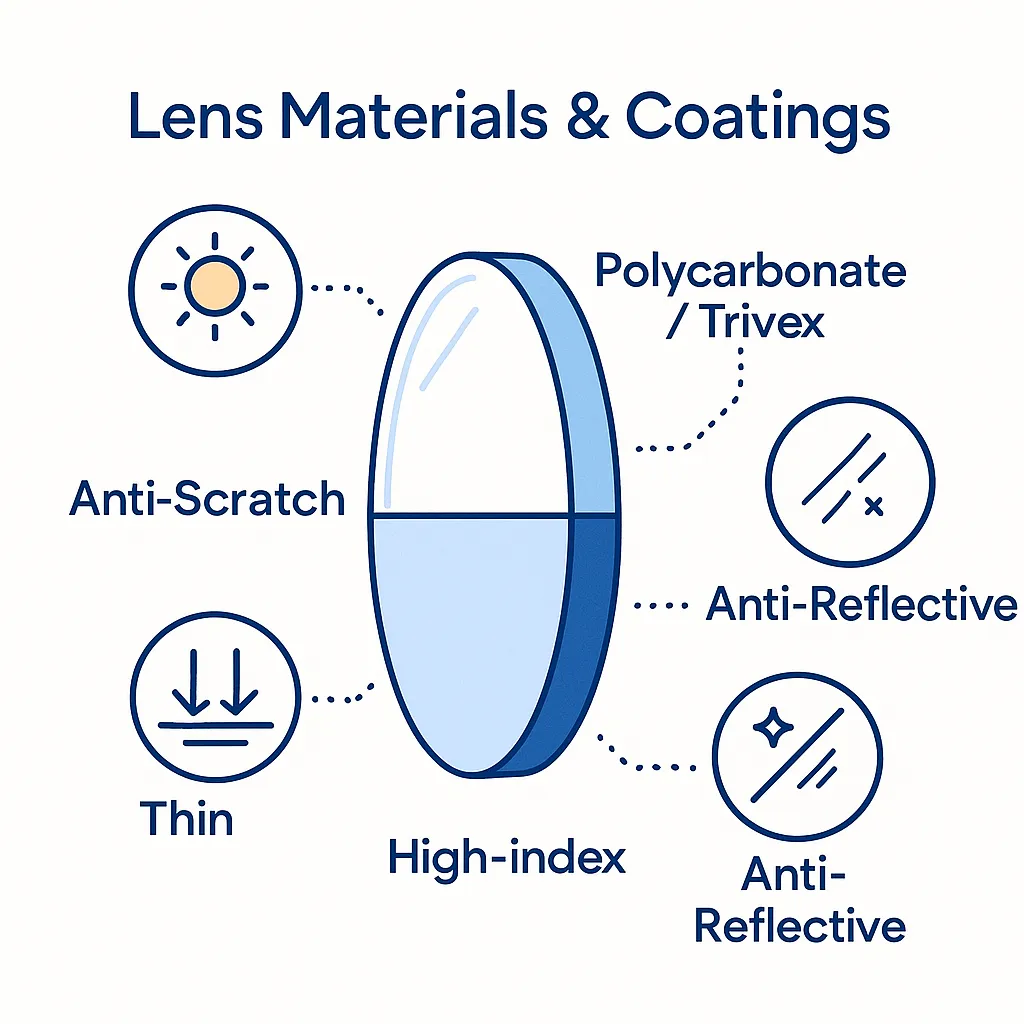
Lens Materials & Coatings (What to Pick)
- Polycarbonate / Trivex: Light and impact-resistant — great for sunglasses and sports use.
- High-Index: Thinner/lighter for stronger prescriptions.
- Coatings: Anti-scratch and back-side anti-reflective cut bounce from behind you; UV protection is standard. The LensDirect configurator walks you through these choices as you build your lenses.
Not sure where to start? Pick your frame first, then let the builder recommend material + coatings for your Rx and use case.
Prescription Ranges & What We Support
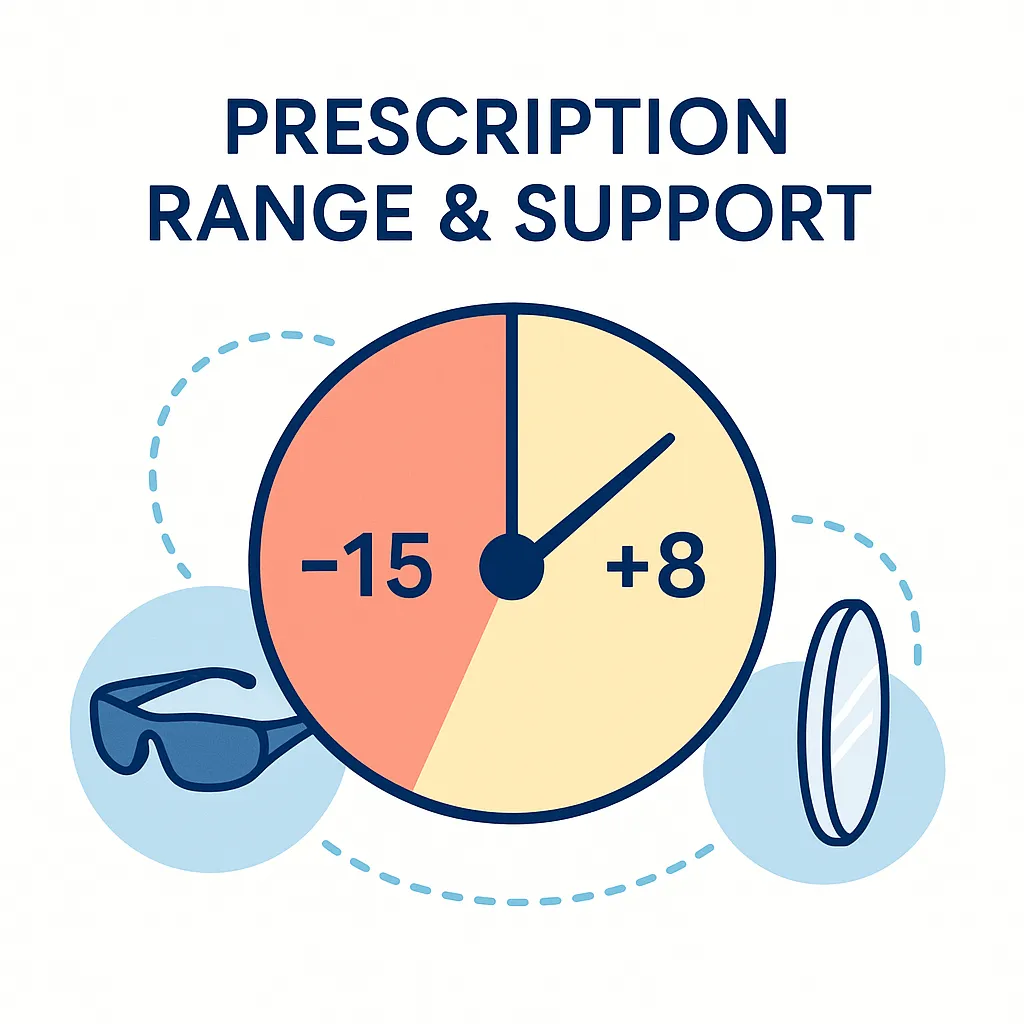
If you’re wondering whether your prescription is in range for Rx sunglasses, the short answer is: most are.
For mail-in lens replacement, LensDirect supports single-vision, progressives, and bifocals, with lab QC on power, axis, PD, and progressive alignment.
General limits apply: we’re unable to re-lens powers over −15.00 or +8.00, and prism values over 2Δ. If you’re near a limit, chat with support before ordering.
Strong Rx & Sport/Wrap Frames: What to Expect
For higher powers, consider high-index (thinner/lighter) or Trivex/Polycarbonate (impact-resistant) and add sun features like polarized, gradient, mirrors, or photochromic during the build.
High-wrap sport frames are often eligible, but extreme curvatures and strong prescriptions can be limited by optics or fit — quickly confirm with Frame Eligibility or send a photo to support.
Typical mail-in turnaround is ~12–14 business days after your frames arrive at the lab. (LensDirect)
Insurance, FSA & HSA for Rx Sunglasses
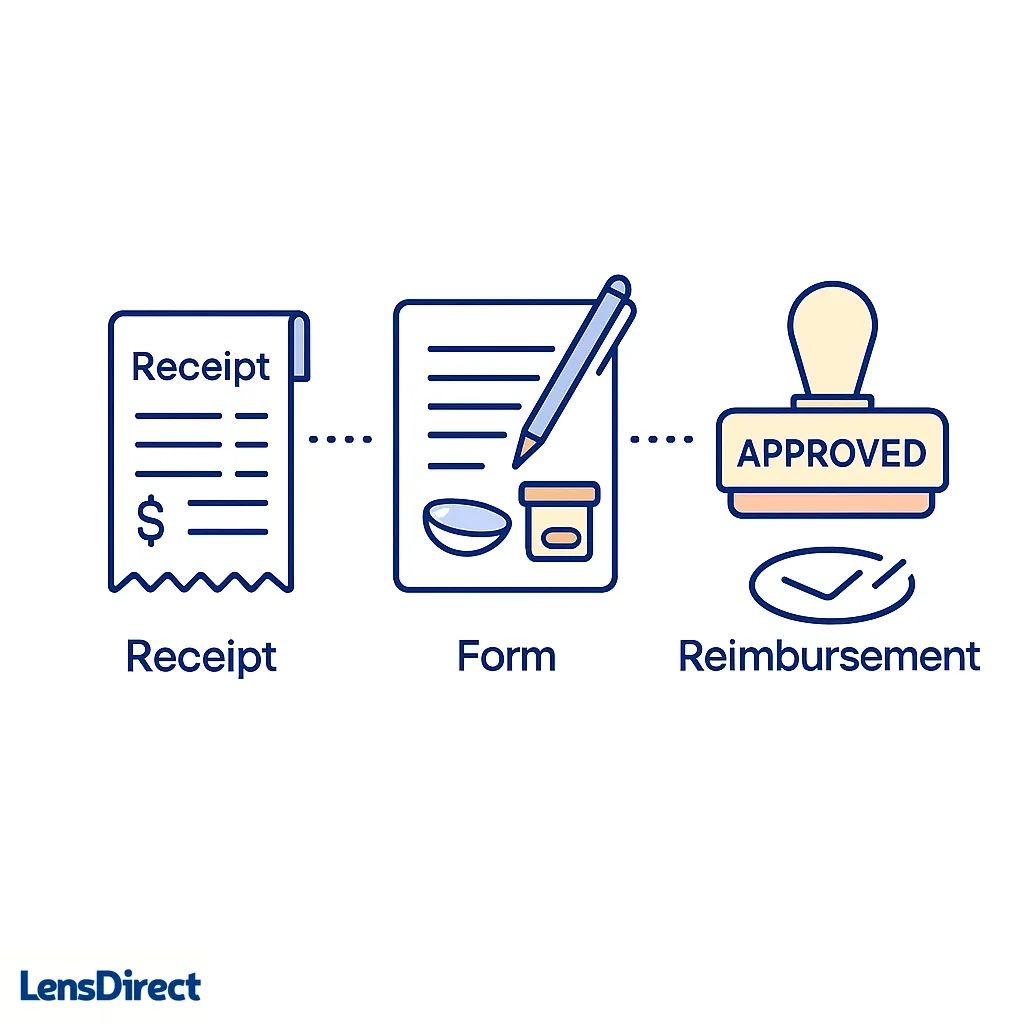
Out-of-network vision benefits: LensDirect doesn’t bill insurance at checkout, but they provide a step-by-step reimbursement guide.
Buy your Rx sunglasses → download your plan’s claim form (VSP, EyeMed, etc.) → attach your itemized LensDirect receipt + Rx → submit to your plan.
Expect processing to take a few weeks (varies by plan).
Start here: Get Reimbursed By Your Vision Insurance.
Paying with FSA/HSA: Use your FSA/HSA card directly at checkout for eligible prescription eyewear, then optionally file for vision reimbursement if your plan allows.
Here’s a quick refresher on eligibility and tactics: Maximize Your HSA: Glasses, Contacts, and Vision Care Savings.
Frame Selection & Fit Guide
Start with face shape and frame size, then sanity-check wrap/curvature if you have a strong Rx.
- Explore the Face Shape Guide for fit and style tips.
- Already own sunglasses? Confirm model/size with How to Identify Your Sunglasses.
- Not sure your frame can accept your lens type/index? Check Frame Eligibility.
Care & Maintenance
Rinse off salt/sweat with lukewarm water, pat dry with microfiber, and avoid dashboard heat.
When swapping lenses, handle by the edges and follow the step-by-step in How to Install Your Lenses for a clean fit and finish (Plastic, wire, and half-rim videos are included).

Get Started with LensDirect Today
- Shop Sunglasses → Explore styles and start customizing: Sunglasses Best Sellers.
- Replace Lenses in Your Favorite Frames → Prescription Sunglass Lens Replacement.
- Need a quick recommendation? → Talk to a real person via phone, chat, text, or email.
Frequently Asked Questions
Can I put prescription sun lenses in my existing sunglasses?
Yes — use Prescription Sunglass Lens Replacement. Typical turnaround is ~12–14 business days after your frames arrive. (LensDirect)
Do progressives work in sunglasses?
Absolutely. Start with Progressive Lens Replacement.
Polarized vs. mirrored — can I do both?
Yes. Mirror is a reflective coating; polarization is a glare-cutting filter. Many lens/material combos allow mirror + polarization together. For color inspiration, browse the Sunglass Lens Color Guide.
Are photochromic lenses good for driving?
They’re great outdoors, but standard photochromics may not fully darken in cars because windshields block UV. If you want “dark-in-car,” look into options designed to react to visible light too (e.g., Transitions® XTRActive). Many drivers still prefer dedicated polarized sunglasses. (American Academy of Ophthalmology)
What prescriptions do you support?
Most standard prescriptions are supported for mail-in lens replacement, with general limits of −15.00 to +8.00 and up to 2Δ prism. If you’re near a limit, contact support to confirm feasibility. (LensDirect)
How do I measure PD?
Use the PD Measurement Guide (there’s a printable ruler) or the LensDirect app’s PD tool.
How do I confirm my frame is eligible?
Check Frame Eligibility. If you’re unsure, send a quick photo to support for a yes/no before you ship.
Can I get help from a human?
Any time. Reach the team via Contact Us (phone, chat, text, email).
Author

Subscribe to our email newsletter to get the latest posts delivered right to your email.