
Summer is great for weekend trips and long days outside, but it is also one of the easiest times of year to accidentally damage eyewear. If you have ever wondered about leaving glasses in a hot car, sunglasses on the dashboard, or whether lens coatings get damaged by heat, you are asking the right questions.
This guide is for anyone who wears prescription glasses or sunglasses, shops for eyewear online, or is thinking about replacing lenses instead of buying a whole new pair. You will learn what heat can do to frames and lenses, how to store glasses in a car more safely, and exactly what to do after a beach day or outdoor trip.
Quick answer: yes, heat can damage glasses (even if nothing “melts”)

Most glasses will not literally “melt” in everyday summer conditions, but heat can still ruin how your eyewear looks and performs. The American Academy of Ophthalmology’s glasses care tips specifically warn against leaving glasses in a hot car because high temperatures can damage lenses and coatings.
In real life, heat damage often shows up as subtle changes you feel before you see. Your frames may fit differently, nose pads may shift, or coatings may start to look hazy or patchy in certain light.
Why heat is a problem for frames and lenses
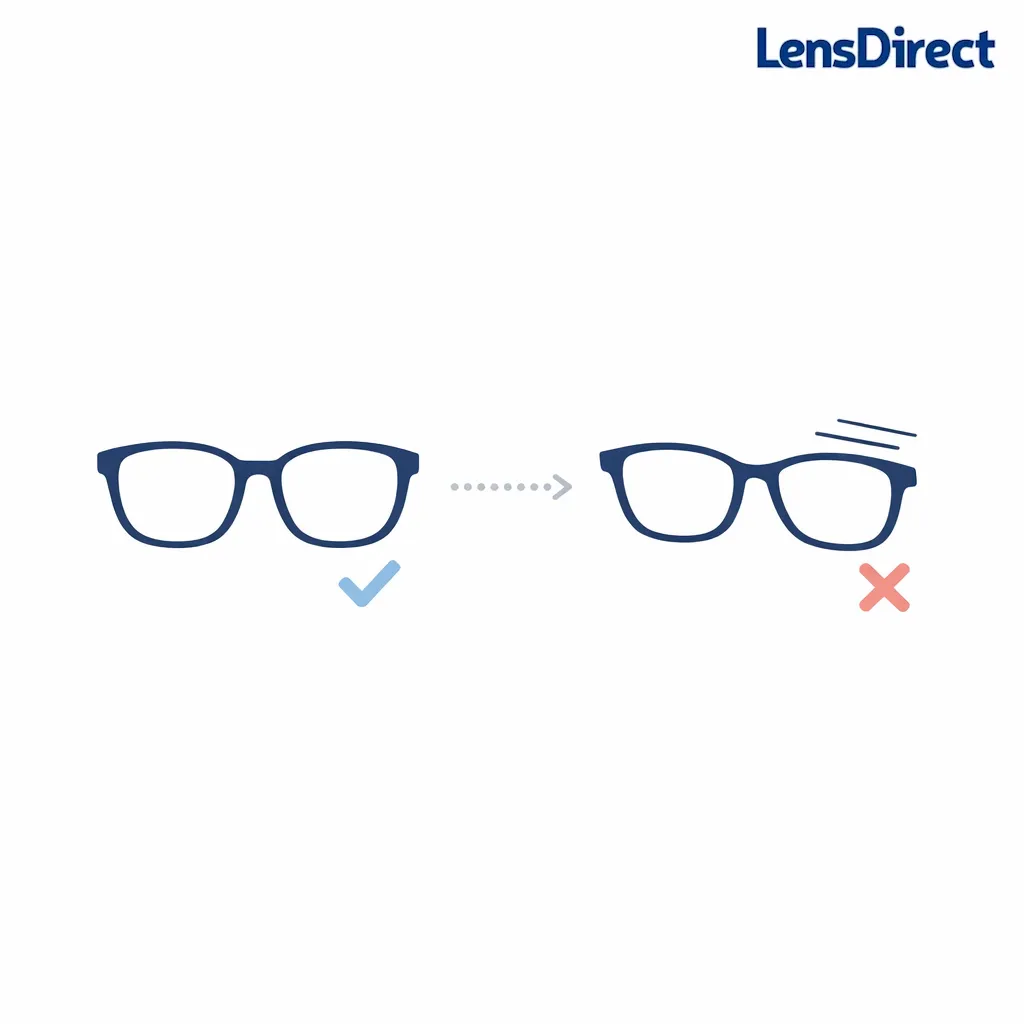
Many frames and lens systems rely on precise shaping and bonded layers. When temperatures swing high (especially inside cars), materials and adhesives can be stressed, which is why heat is such a common trigger for warped glasses frames and coating issues.
The goal is not to panic over every warm day. The goal is to avoid the worst heat traps and build a simple habit for summer eyewear care.
What changed lately: hotter summers make storage mistakes more costly
Heat is not just an occasional spike anymore in many places. The EPA’s climate indicator for heat waves documents that heat waves in the United States have become more frequent over time, which raises the odds that your “normal” errands include conditions that are rough on eyewear.
On top of that, cars are an extreme environment. The National Highway Traffic Safety Administration’s heat safety guidance emphasizes that vehicle interiors can heat up quickly, which is the same reason leaving glasses in a hot car can become a problem faster than you expect.
Leaving glasses in a hot car: the safest places (and the worst ones)
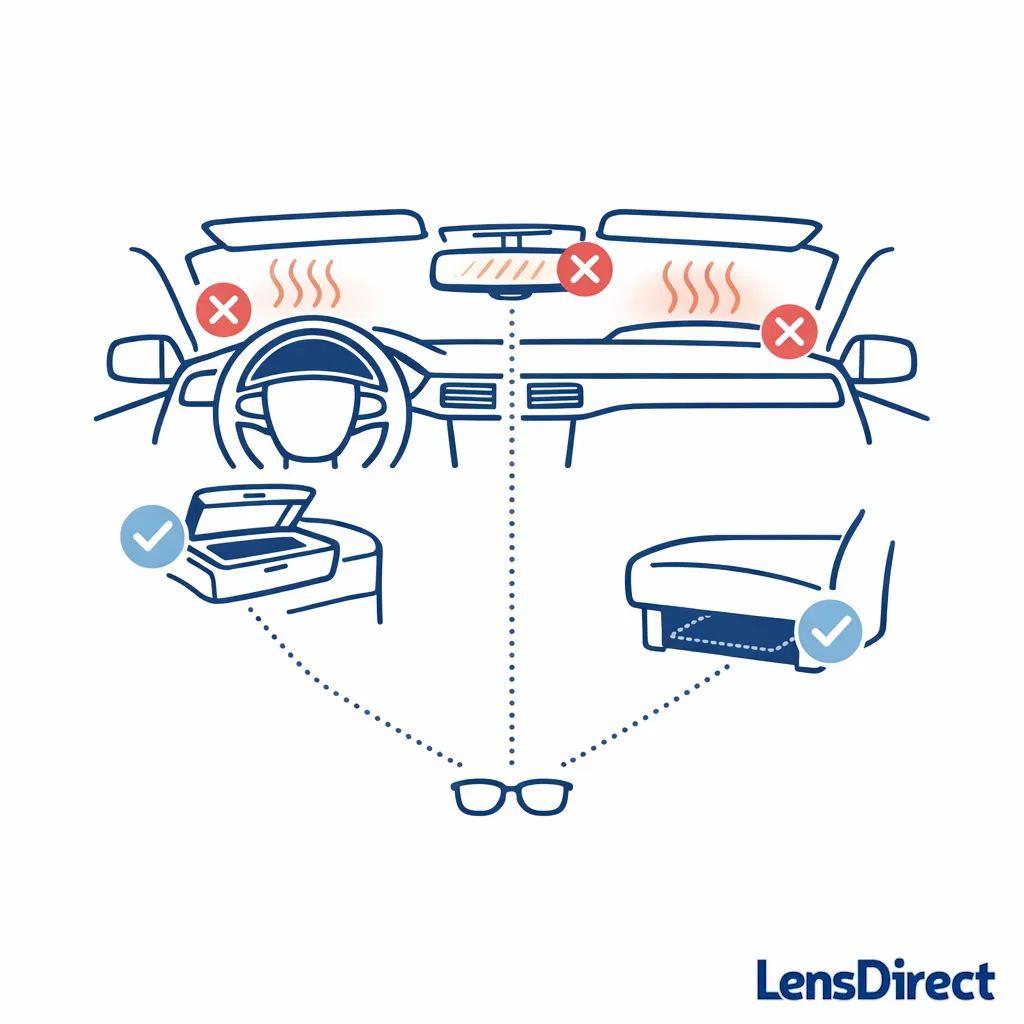
If you only remember one thing, make it this: avoid placing glasses where they get direct sun and trapped heat. Dashboard storage is one of the most common ways people end up with sunglasses dashboard damage, because it combines radiant sun with the hottest part of the cabin.
Use this simple “best to worst” ranking when you are deciding how to store glasses in a car.
Better options (when you cannot bring them inside)
- Inside a hard case stored low and out of sunlight (think center console storage bin, a closed compartment, or under a seat). A case will not “block heat,” but it helps prevent scratching and accidental bending.
- In your bag, tucked away from windows. This is often cooler than exposed surfaces, and it reduces the chance you forget them on the seat.
- On your body (yes, even if it is annoying). If the choice is “carry them” vs. “leave them in the car,” carrying them is usually the lowest-risk move.
High-risk spots to avoid
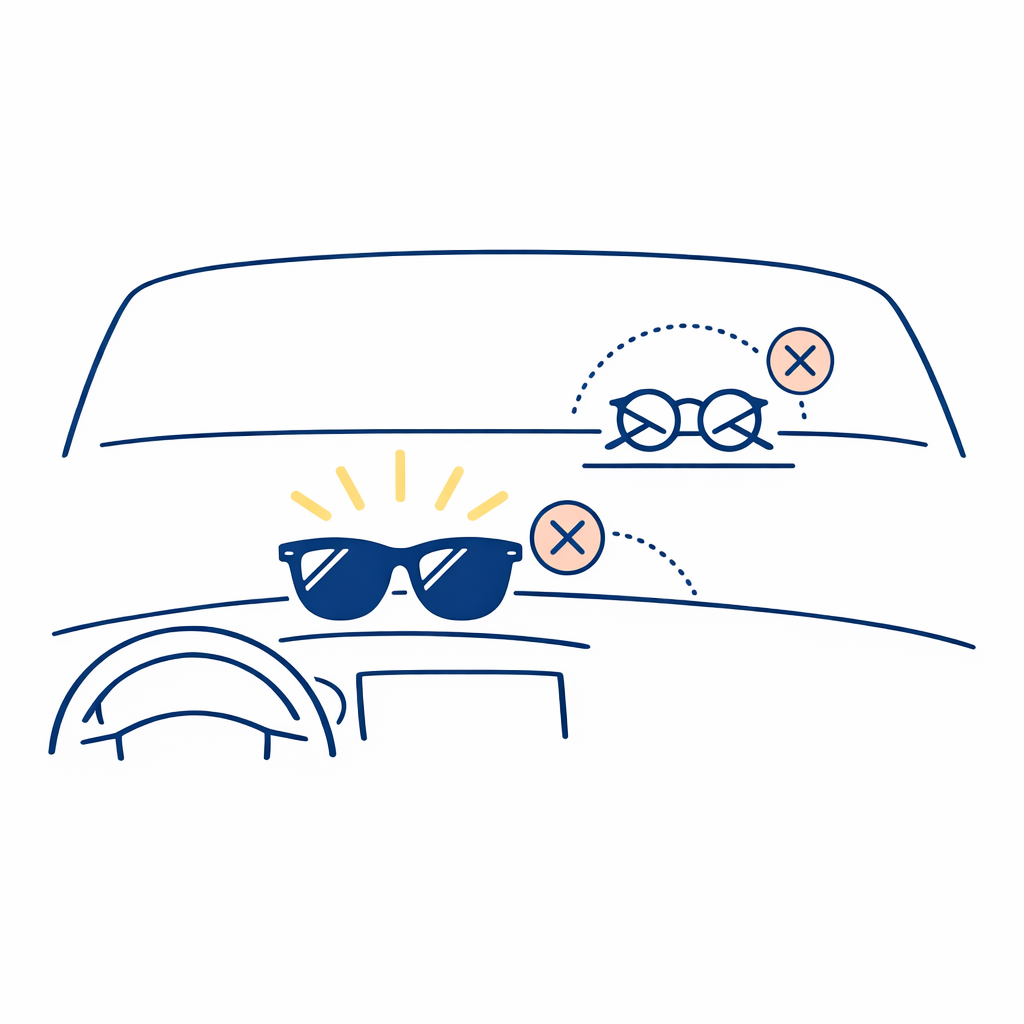
- Dashboard and rear shelf: high sun exposure and heat buildup.
- Hanging from the rearview mirror: constant sun and swinging motion that can stress frames.
- Door pockets: easy to crush when getting in and out, and they can still heat up.
Glasses case temperature: what a case helps with (and what it does not)
A good case is still worth using in summer. It reduces scratches from keys, sand, or grit, and it protects lenses from getting rubbed by fabric when you are moving fast.
But a case is not a cooler. If the air inside the car is very hot, the case will eventually become hot too, so use it as one layer of protection, not the whole plan.
Beach days: sand, salt, sunscreen, and “I’ll wipe it later” damage

The beach is tough on eyewear because you get a mix of gritty particles, oily products, and bright conditions that make smudges feel urgent. The fastest way to ruin lenses is to dry-wipe them when there is grit on the surface.
For cleaning, follow the American Academy of Ophthalmology’s steps for cleaning glasses, which emphasize rinsing lenses to remove debris and using mild dish soap and water before drying with a clean cloth.
Beach-proof routine (takes under a minute)
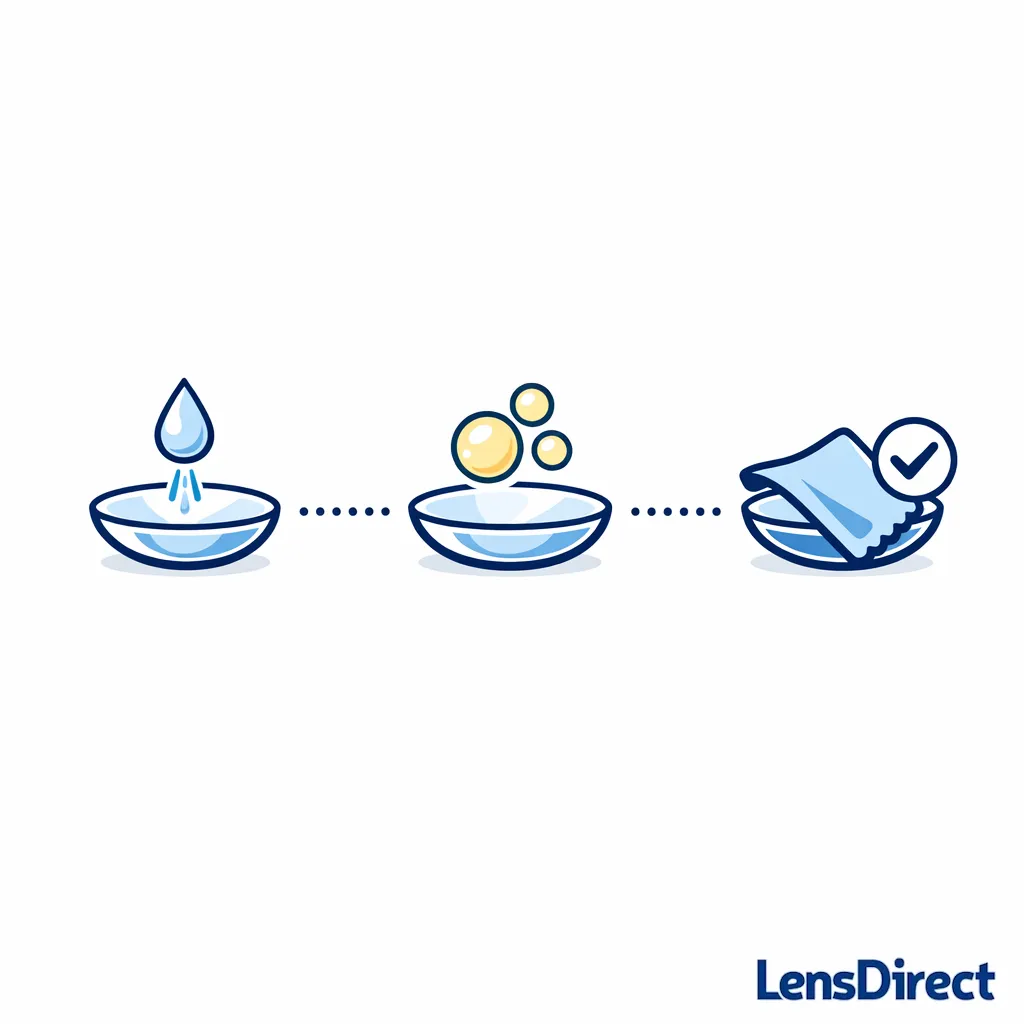
- Rinse first (fresh water is best). If you cannot rinse, wait to clean rather than grinding particles into the lens.
- Use a real microfiber cloth and keep it in a small zip pouch so it stays sand-free.
- Keep sunscreen and bug spray off lenses when you can. Apply products, let them dry, then put your eyewear back on.
- Use a case in your tote so frames do not get bent under towels, water bottles, or snacks.

If you wear contacts at the beach
Heat is not the only issue at the beach. Water exposure is a major risk factor for eye infections with contact lenses, which is why the CDC’s guidance on water and contact lenses advises keeping contacts away from water (including swimming and showering) because harmful germs can get trapped between the lens and your eye.
If you plan to swim, many people choose prescription sunglasses instead of contacts for that part of the day. If you do wear contacts near water, talk with your eye care professional about safer options for your eyes and your routine.
Outdoor trips: hiking, camping, festivals, and long driving days
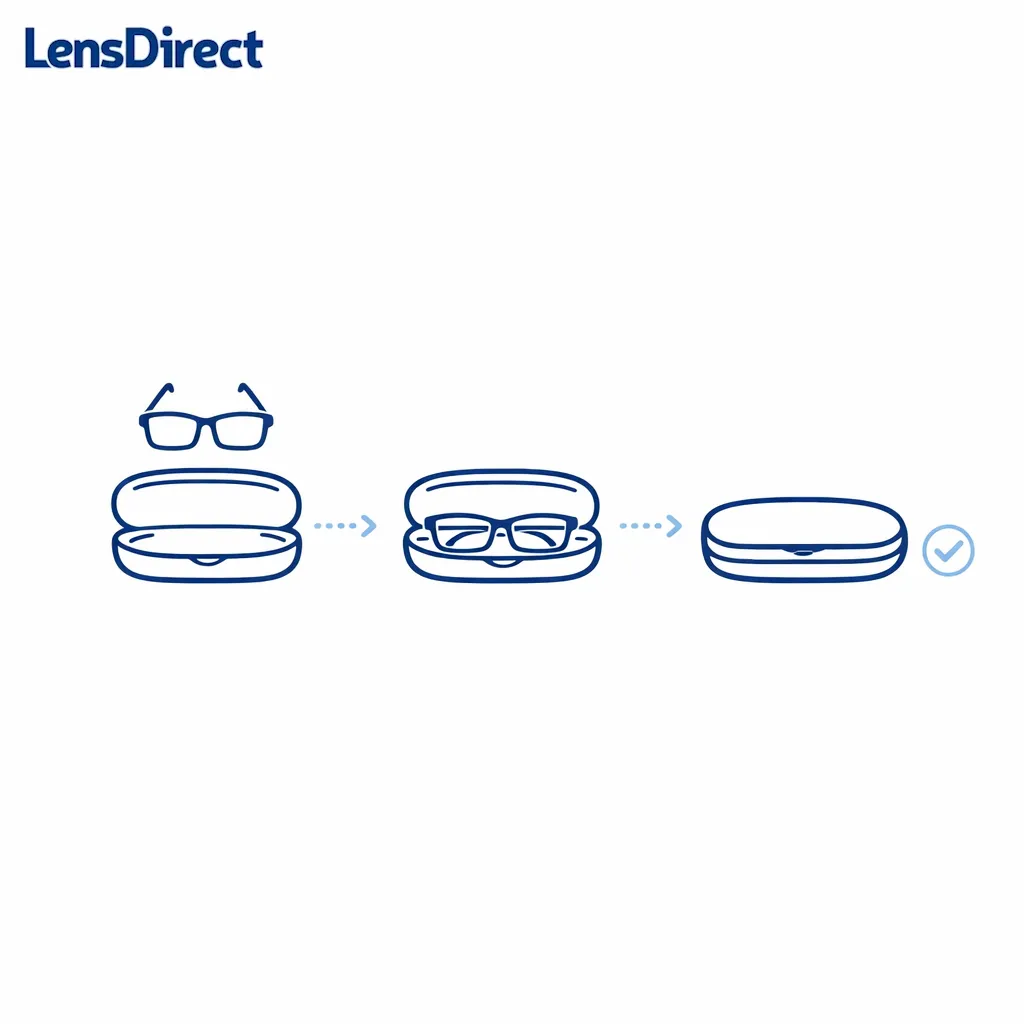
Most “outdoor trip” damage happens when glasses are repeatedly taken off and set down in the wrong place. Heat then becomes the multiplier, turning a normal mistake into warped frames or coating problems over the course of a weekend.
Build one default storage habit: when glasses are off your face, they go in a case. This prevents accidental drops, prevents lenses from rubbing against gear, and makes it harder to forget them in a hot car at the end of the day.
Simple packing list for summer eyewear care
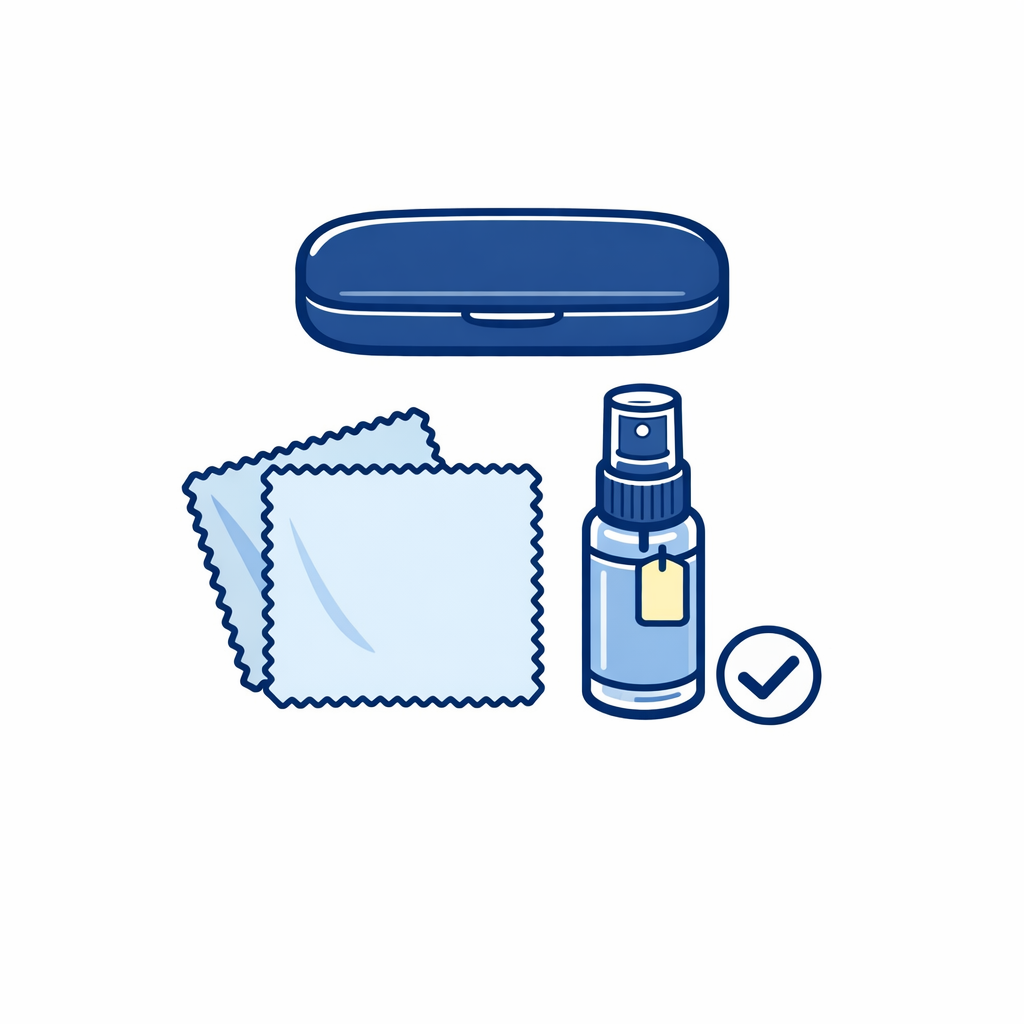
- Hard case (even for sunglasses) so they do not get crushed in a backpack or glove box.
- Two microfiber cloths so you always have a clean one.
- Small travel lens cleaner for oil and sunscreen smudges.
- Backup plan (an older pair, contacts, or a spare pair of sunglasses) if you will be far from an optical shop.
How to tell if heat damaged your glasses
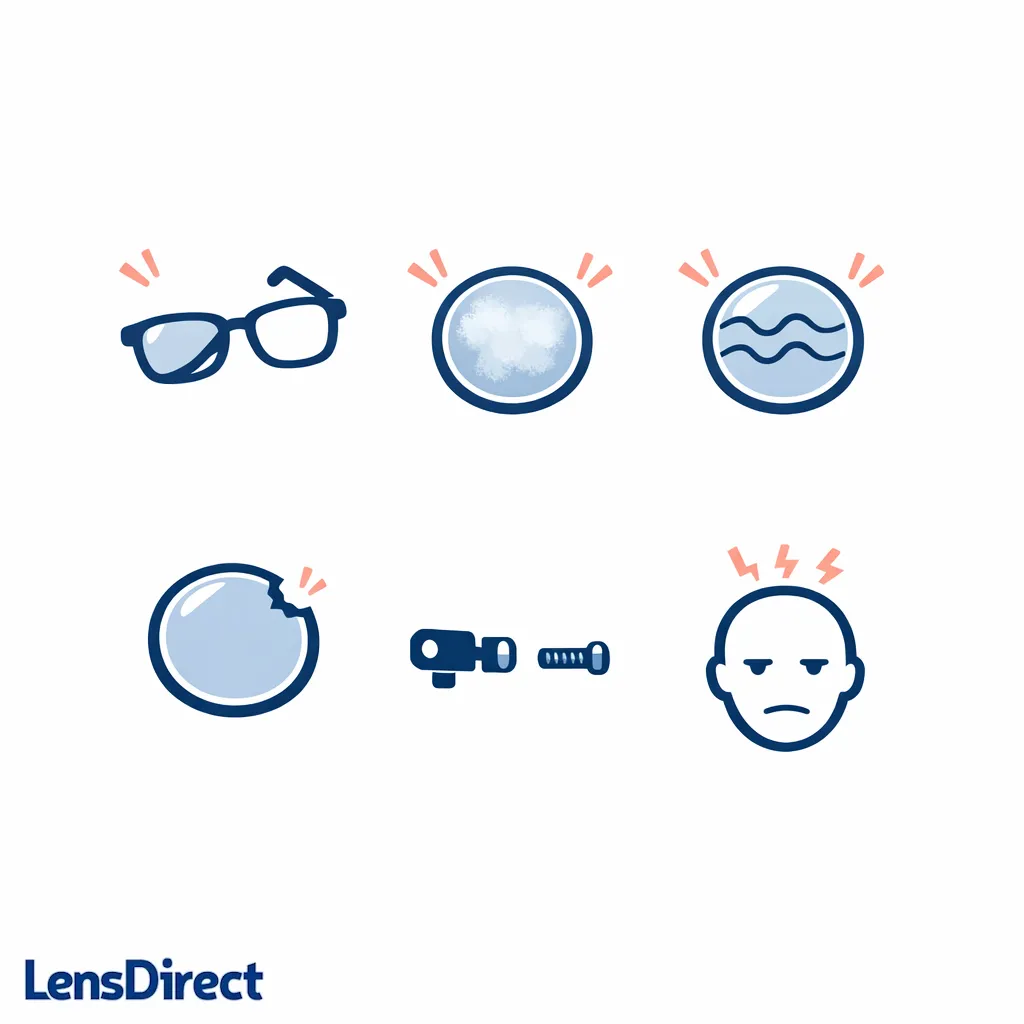
If you suspect heat damage, focus on how the glasses function, not just how they look. Heat-related issues often show up as fit changes and visual distortions that feel “off” compared to yesterday.
- Fit suddenly feels different: slipping down, pinching, or sitting crooked.
- Lenses look hazy in patches: especially noticeable in bright sun or car headlights at night.
- New ripples or distortions when you look through the lens at straight lines.
- Coating looks like it is peeling or cracking around the edges or near stress points.
- Rimless or semi-rimless hardware feels loose: screws and mounts can shift after rough handling or temperature swings.
If your vision feels different or you are getting headaches, treat it as a real issue, not just a cosmetic annoyance. An optician can check alignment and fit, and your eye doctor can confirm whether a prescription update is needed.
What to do if you left prescription glasses in a hot car
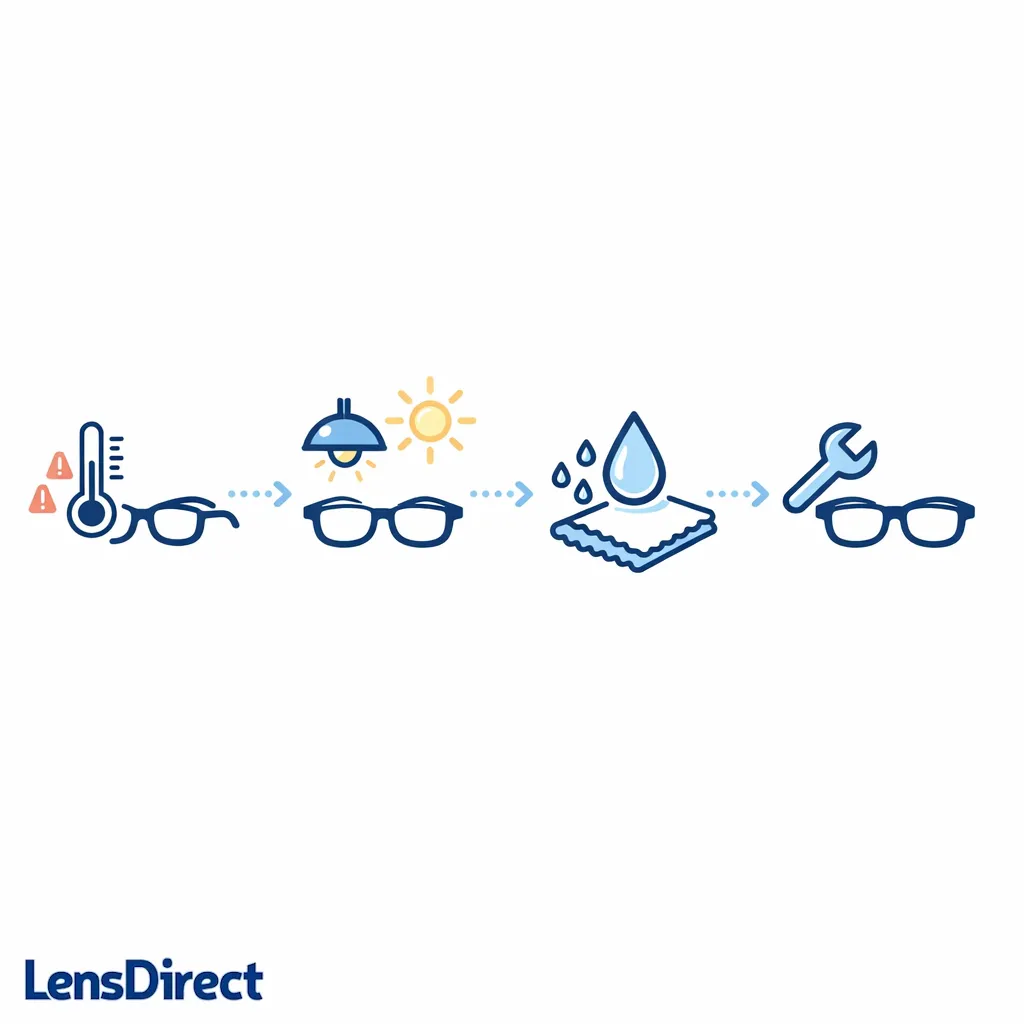
First, do not try to “fix” the shape immediately. If your frames feel soft or oddly flexible, let them return to room temperature before you judge the fit or attempt any adjustment.
- Let them cool down indoors for a while before wearing.
- Do a quick inspection in bright, indirect light for coating haze, warping, or loosened hardware.
- Clean gently using a rinse-and-soap method, not a dry wipe, especially if they were in a dusty car.
- Get a professional adjustment if they sit crooked or pinch. Small alignment errors can make vision feel worse than it is.
If the lenses look permanently damaged, replacement is often more cost-effective than trying to “live with it.” If you like your frames, you may be able to replace your lenses instead of starting over.
Common misconceptions that lead to summer damage
“A hard case makes it safe to leave glasses in a hot car.”
A case helps with scratches and crushing, but it does not stop the temperature inside the case from rising if the car interior is hot. Use a case plus a cooler storage spot, or bring glasses with you.
“My sunglasses are fine on the dashboard because the lenses are dark.”
Dark lenses do not mean the materials are immune to heat or sun exposure. If you have ever wondered “can sunglasses melt,” the bigger concern in daily life is not melting, it is gradual damage and distortion from repeated high-heat exposure.
“I can reshape warped frames myself with hot water.”
At-home adjustments can make things worse if you over-bend or twist the frame out of alignment. If the fit changed after a heat event, a quick optician adjustment is usually safer than improvising.
“It’s fine to wipe sandy lenses with my shirt.”
It feels convenient, but it is one of the easiest ways to scratch lenses. The safer approach is the rinse-and-clean method recommended in the AAO cleaning guidance, especially after the beach.
What to do next: a summer storage and care checklist
- Before you drive: put a hard case somewhere low and shaded so you always have a safe default spot.
- During errands: if you switch between prescription glasses and sunglasses, carry the “other pair” with you instead of leaving it in the car.
- At the beach: rinse before wiping, and keep cloths in a sealed pouch so they stay grit-free.
- For contact lens wearers: plan around water exposure using the CDC’s water safety guidance (bring glasses for swimming days).
- After a heat incident: cool to room temp, inspect, clean gently, then decide whether you need an adjustment or lens replacement.
- If you are replacing eyewear anyway: consider a dedicated “car pair” you can keep with you to reduce the temptation to store glasses in high-heat spots.
Upgrade or replace what heat (and summer) wore out
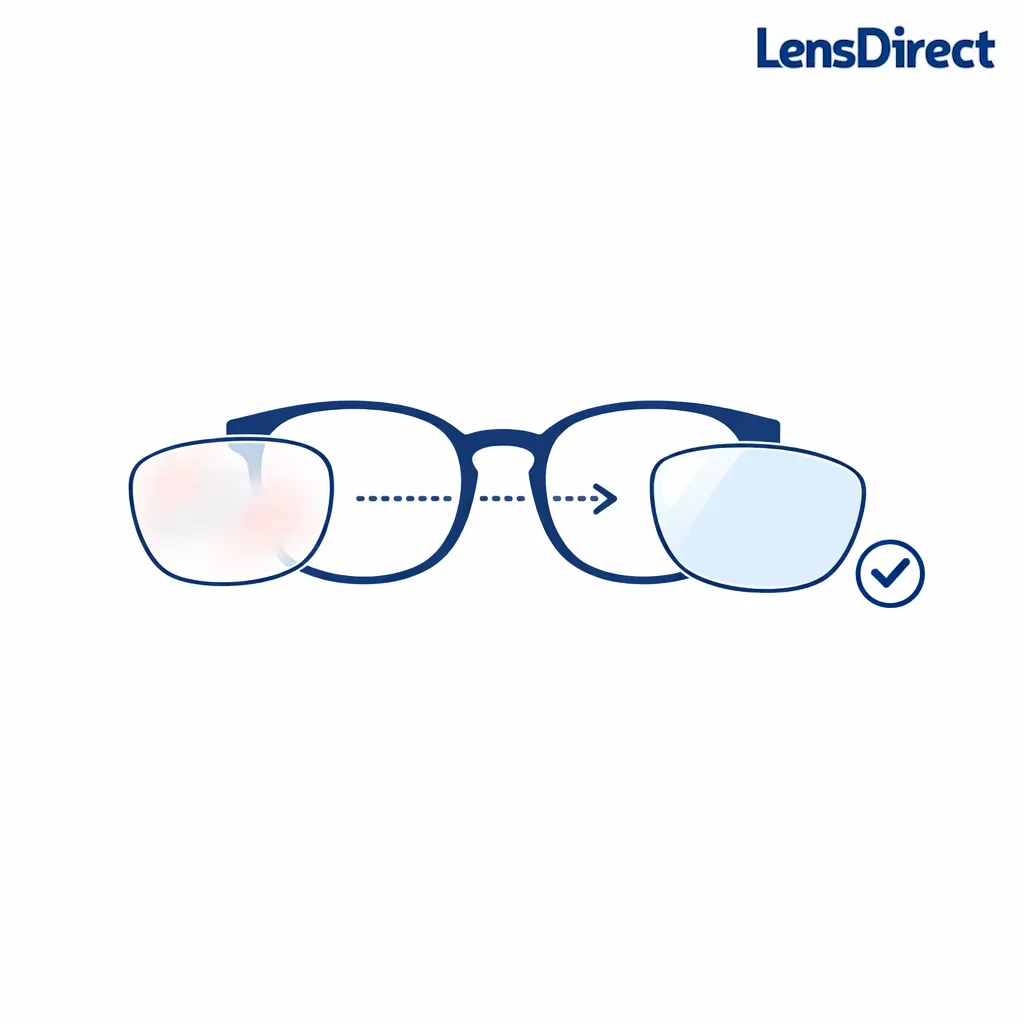
If your frames still fit but the lenses look permanently hazy, scratched, or damaged, replacing the lenses can be a smart reset for summer. LensDirect makes it easy to Replace Your Lenses, whether you want full-service replacement (send-it-in option) or prefer to order replacement lenses (DIY option) for compatible frames.
If you are shopping new pairs for travel and outdoor days, you can browse Shop Glasses, Shop Sunglasses, or pack-friendly backups from Shop Contacts.
- Need help choosing frames? Use Find Your Fit.
- Ordering online? Learn How to Measure Your Pupillary Distance so your lenses line up correctly.
- Using benefits? Learn How to Get Reimbursed by Your Insurance.
Author

Subscribe to our email newsletter to get the latest posts delivered right to your email.