

Shopping for the best 2 week contact lenses is less about finding one universal winner and more about matching a lens to your routine, comfort preferences, and budget. Because the FDA classifies contact lenses as medical devices, the best place to start is always your current prescription and the lens fit your eye doctor has already approved.
This guide is for shoppers comparing biweekly contact lenses online and trying to turn product names into everyday use cases. You will learn what two week contacts are, which options fit different priorities, how biweekly lenses compare with daily and monthly choices, and what to check before you place an order.
What 2-week contact lenses are and who they suit
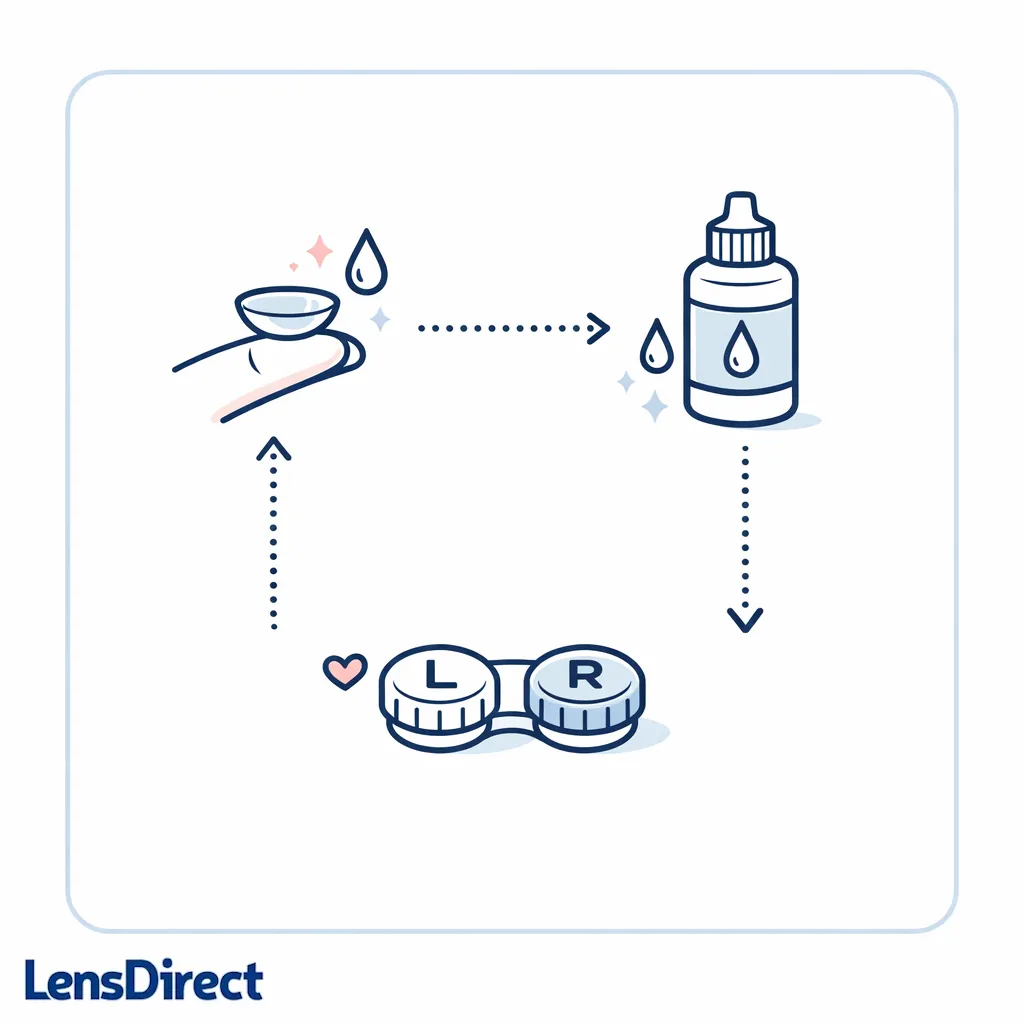
Shoppers often call them 2 week disposable contact lenses, but they are really reusable soft lenses that need cleaning, disinfection, and storage between wears, then get replaced with a fresh pair on the prescribed schedule. That makes biweekly contact lenses a strong fit for people who do not mind a simple nightly routine.
How the 14-day replacement clock works

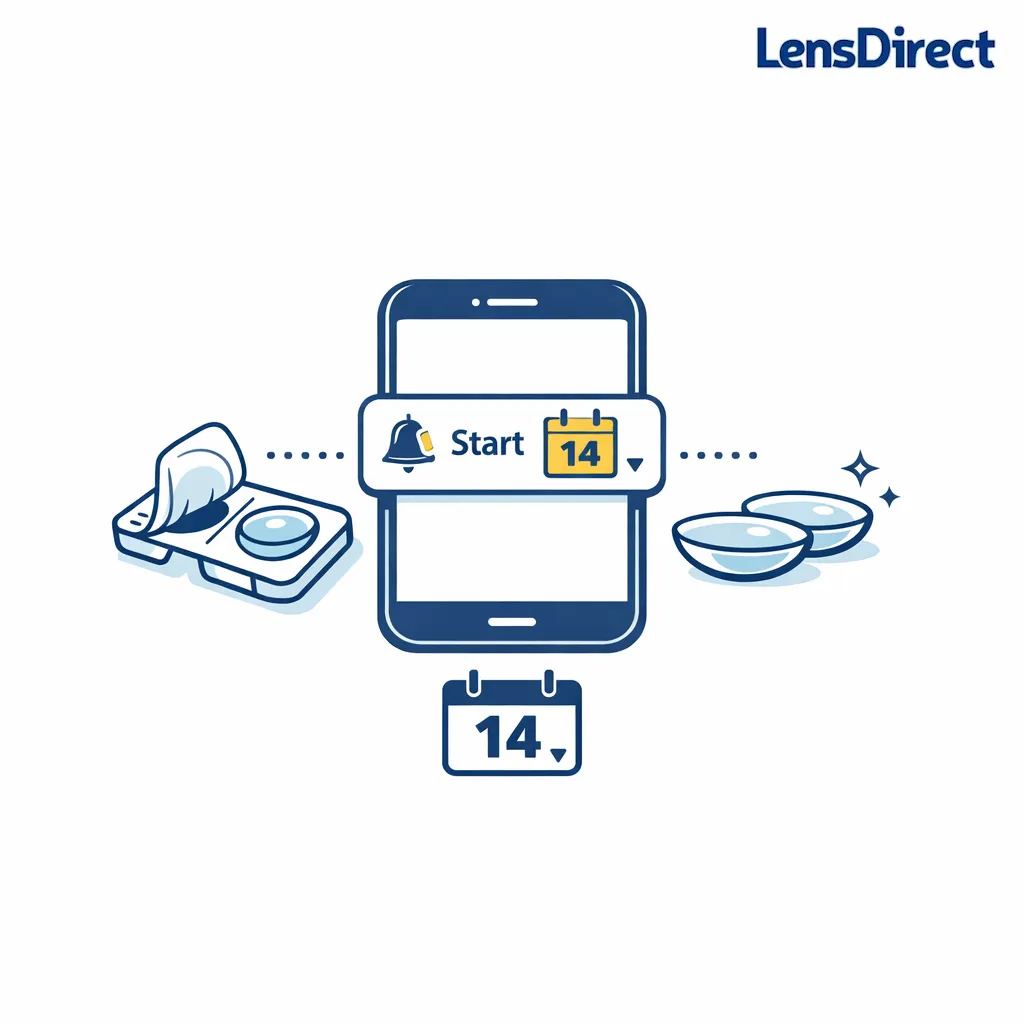
The easiest way to think about two week contacts is as calendar lenses. If structure helps you, start a phone reminder the day you open a new pair so you always know when the next swap is due.
Are 2 week contacts worth it? For many frequent wearers, yes. They can be a smart middle ground when you want a reusable option that still feels manageable, but they are usually less appealing if you only reach for contacts once in a while.
Daily wear vs occasional wear rules
Biweekly contact lenses usually fit people with a regular pattern: office days, school, commuting, workouts, or weekends out. They are a weaker match for the shopper who treats contacts like an occasional backup and then forgets when the pair was opened.
If you are changing lens type, dealing with recurring irritation, or wondering whether a toric or multifocal design would fit your prescription better, get your optometrist involved before you switch. The best biweekly contacts are the ones that fit both your prescription and your real-life habits.
Best 2 week contact lenses by shopper priority
Best overall for comfort
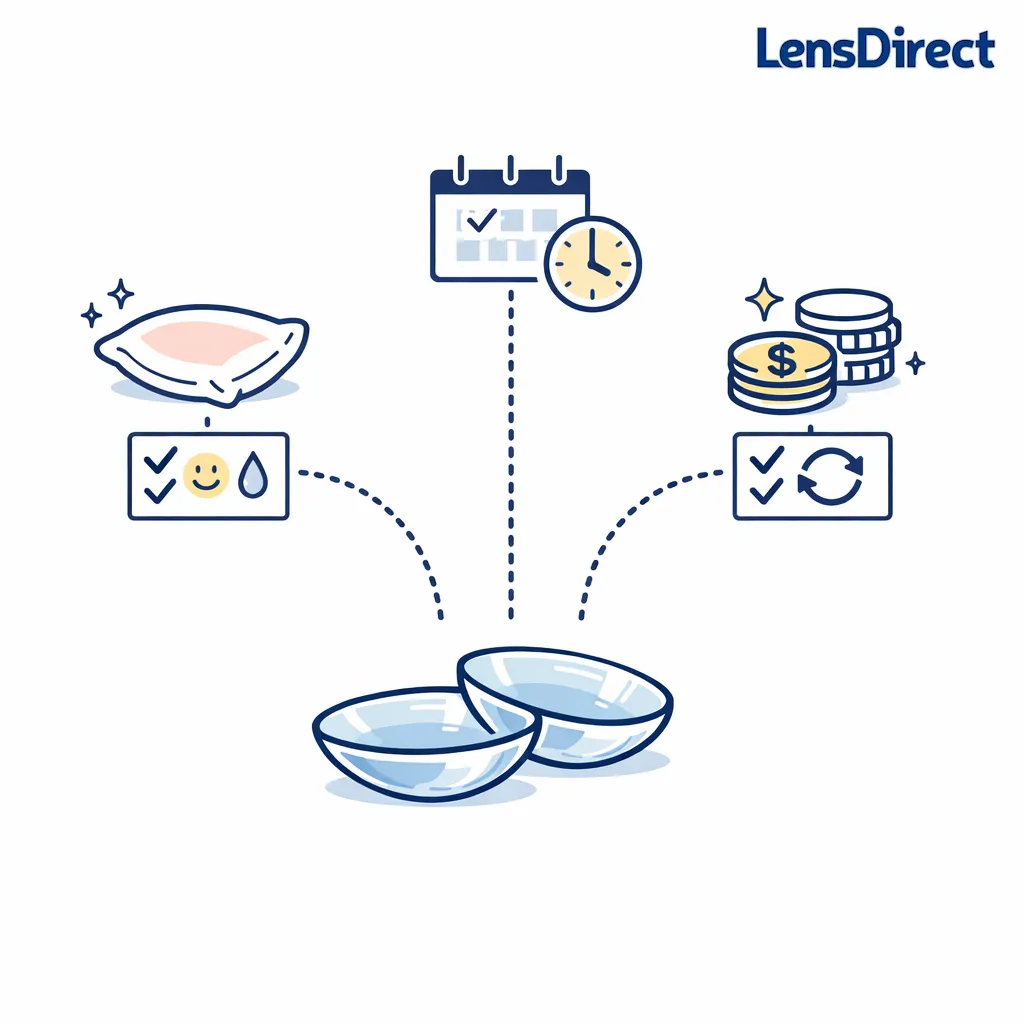
ACUVUE OASYS is the comfort-first pick for most shoppers. If you want the biweekly lens that feels like the safest all-around starting point, this is usually the first one to compare with your current prescription in hand.
- Best for frequent wearers who want a more premium feel
- Best for people who notice lens comfort late in the day
- Best for shoppers willing to pay a bit more for an easier overall wearing experience
Best for routine and easy handling
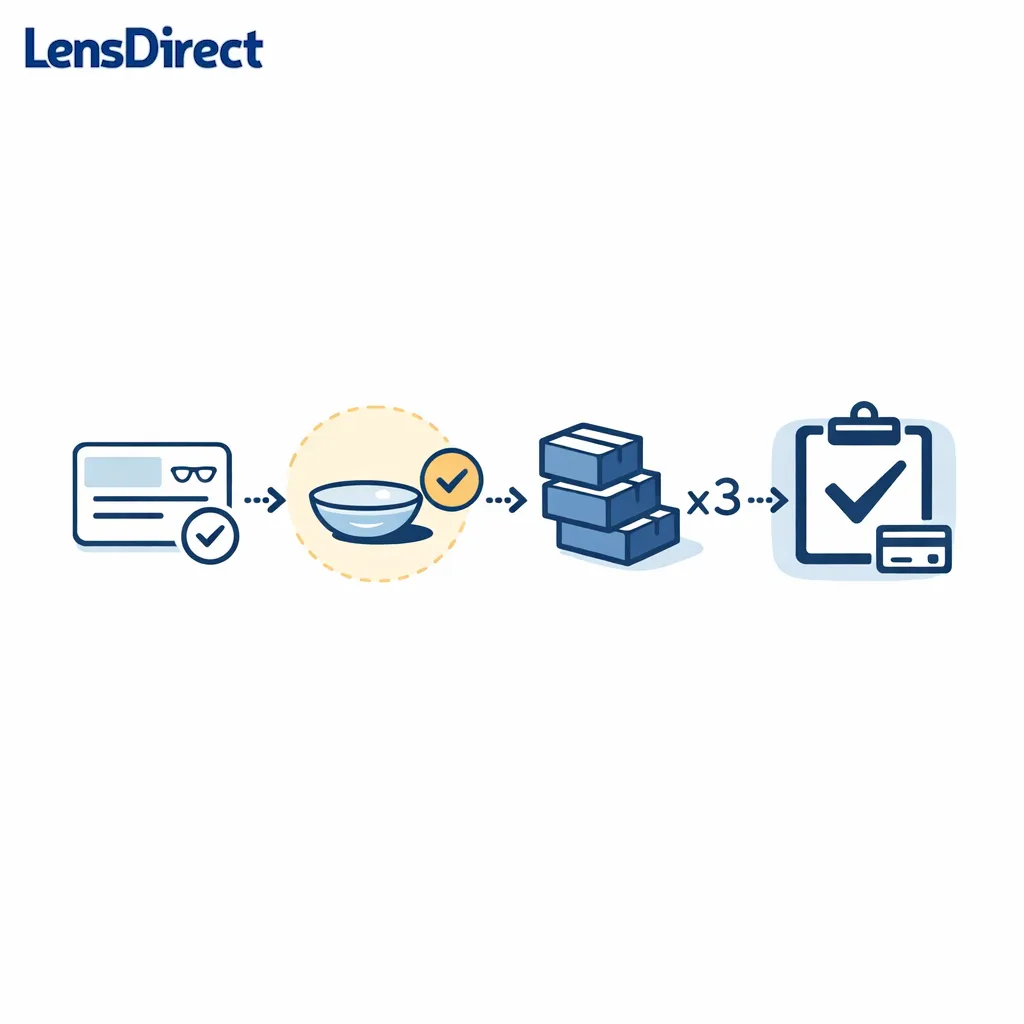
ACUVUE 2 is the straightforward choice. It appeals to shoppers who want a familiar, no-drama biweekly lens and would rather keep reordering simple than sort through a long list of feature terms.
- Best for established wearers who like a classic reusable lens
- Best for people who value a simple replacement habit
- Best for shoppers who want a practical baseline option
Best value pick

For value, start by price-checking ACUVUE 2 against your insurance benefit, any current promotion, and the number of boxes you actually need. The smart question is not just which box is cheaper today, but which exact lens gives you the lowest real cost over time without moving away from your prescribed brand.
- Best for budget-focused reorders
- Best for shoppers who think in annual cost, not just single-box price
- Best for people who want savings without complicating their routine
Best for screen-heavy days

If long computer sessions are when you become most aware of your lenses, go back to ACUVUE OASYS. It is the most obvious comfort-led option to compare when your day involves lots of hours indoors and a predictable weekly routine.
- Best for desk jobs and long workdays
- Best for shoppers who prioritize feel over the lowest upfront price
- Best for people who want a lens that fades into the background of the day
Best option for light sensitivity
This is the one priority where the answer is usually bigger than the lens itself. If bright light bothers you, the better plan is to ask your doctor which prescribed biweekly lens fits your eyes best, then build in sunglasses and outdoor comfort tools instead of expecting a contact lens alone to do everything.
- Best for drivers, commuters, and outdoor walkers
- Best for shoppers who already know they prefer a contact-and-sunglasses routine
- Best for anyone who wants better outdoor comfort without guessing at specialty options
Side-by-side comparison of leading biweekly lenses
Because seller box configurations can vary, use this as a quick spec snapshot rather than a price sheet. Compare the lens type first, then the total number of boxes you need for your prescription.
- ACUVUE OASYS: senofilcon A spherical biweekly lens with HYDRACLEAR PLUS Technology. Best for: all-around comfort. Value angle: a strong choice when feel matters more than finding the absolute lowest box price.
- ACUVUE 2: etafilcon A spherical two-week lens. Best for: simple routines and classic reusable-lens shoppers. Value angle: often the first place to look when you want a practical, less feature-heavy pick.
- ACUVUE OASYS for Astigmatism: senofilcon A toric biweekly lens for astigmatism. Best for: wearers who need stable, prescription-specific correction without leaving the 2-week category. Value angle: worth prioritizing when the right fit matters more than the cheapest headline price.
- ACUVUE OASYS Multifocal: senofilcon A biweekly multifocal lens for presbyopia. Best for: shoppers who want near-and-far convenience in one reusable lens. Value angle: usually the better buy when it helps you stay in the correct lens design instead of forcing compromises.
2 week contacts vs daily vs monthly
Comfort and convenience
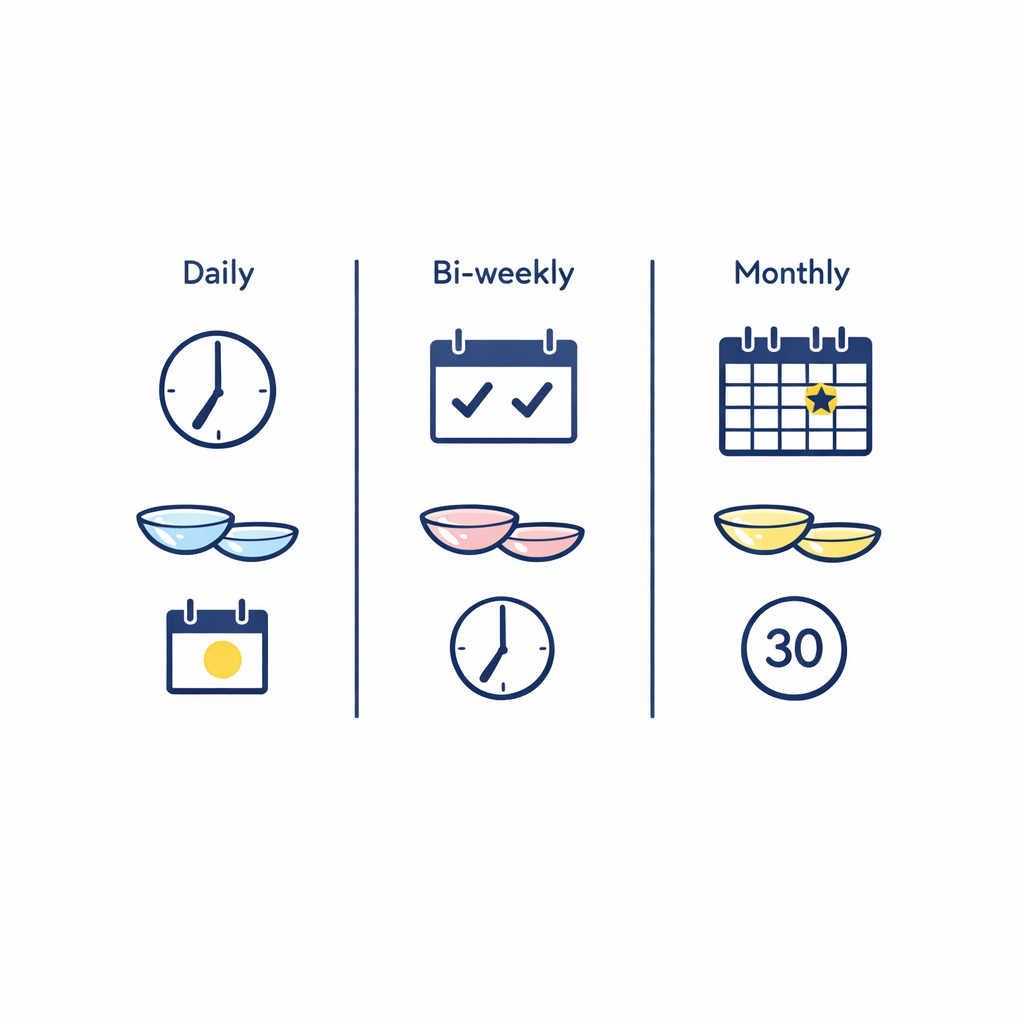
The broad tradeoff is simple: daily disposables minimize cleaning, while reusable lenses add care steps between wears. In everyday life, that means dailies win on simplicity, biweekly lenses win when you like a repeatable routine, and monthlies make the most sense for shoppers who are highly consistent and already know that schedule works for them.
Replacement habits
If you are great with reminders, biweekly lenses can feel efficient and easy. If you know you lose track of dates, daily disposables may save you from the small mistakes that make contact-lens shopping more annoying than it needs to be.
Budget and long-term value
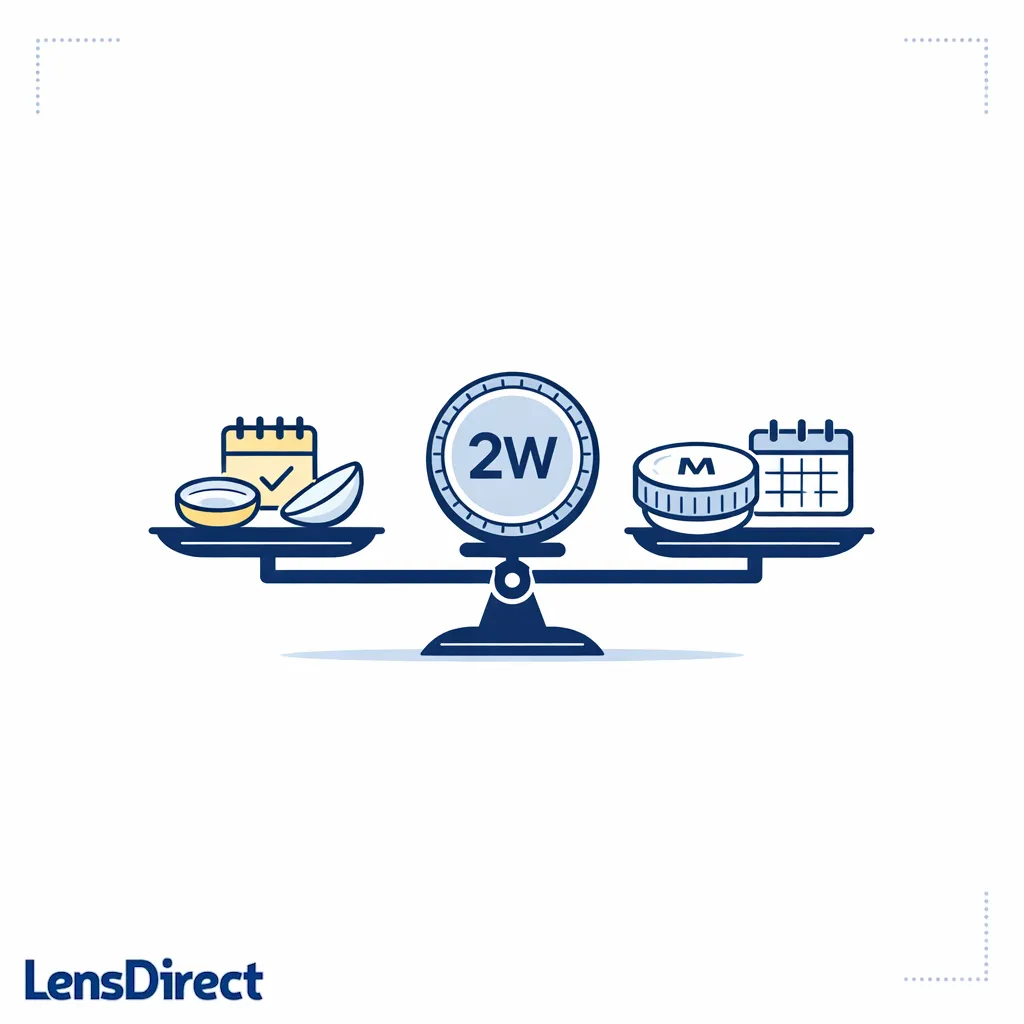
For many shoppers, biweekly contact lenses feel like the middle path. They give you a reusable schedule without asking you to live with one pair for as long as a monthly lens, which is why they often appeal to people who want a balance of routine and refresh rate.
How much do biweekly contacts cost?
Box pricing vs annual supply thinking
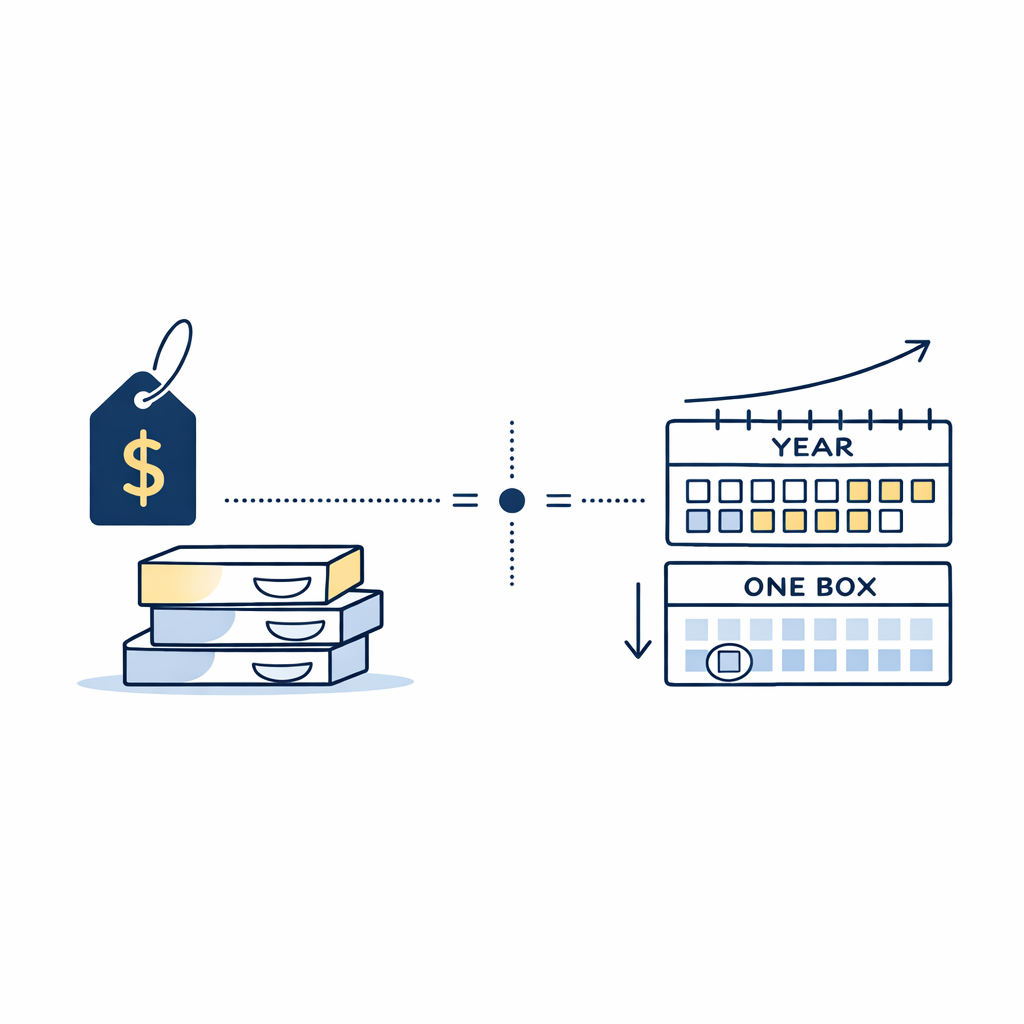
Do not judge two week contacts by one box alone. Your real cost depends on the exact lens family, whether both eyes use the same prescription, how many boxes you need for the period you are buying, and whether you are comparing spherical, toric, or multifocal designs.
A cheaper-looking box can stop being the better deal once you account for how many total boxes you need over time. That is why budget-focused shoppers do better when they compare cost per wearing month or full supply, not just the first price they see.
Rebates, promos, and subscription savings
Before you place a larger order, check whether your vision benefits or reimbursement options change the math. If you are ordering through LensDirect, Learn How to Get Reimbursed by Your Insurance before you buy so you are comparing net cost, not just shelf price.
How to choose the right biweekly lens for your routine
New wearers
If you are new to reusable contacts, keep the decision simple. Start with the exact lens family your doctor prescribed, decide whether you want a more comfort-forward or more budget-forward option within that approved lane, and build a reminder habit early.
Budget-focused shoppers
Look at total ownership, not marketing language. The best value pick is usually the lens you can reorder consistently, replace on time, and afford without waiting until you are down to your last usable pair.
Dryness-conscious shoppers
If comfort is your top concern, lean toward the more comfort-led end of the category and be honest about your day. Long office hours, air conditioning, and heavy screen time are all good reasons to prioritize how a lens feels over chasing the lowest upfront price.
Astigmatism and multifocal shoppers
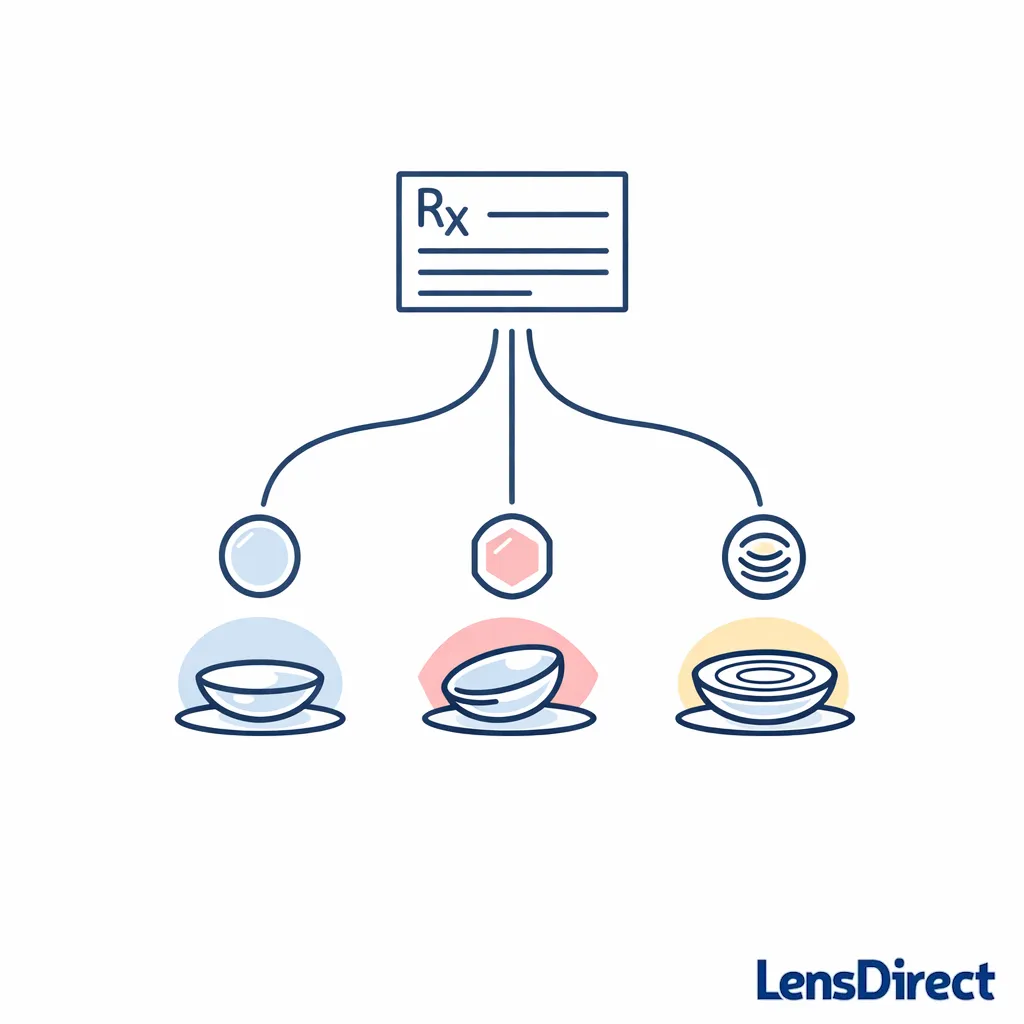
This is where the headline phrase best biweekly contacts matters less than the actual lens design. If your prescription includes astigmatism or you need multifocal help for near and distance vision, stay with the doctor-approved toric or multifocal option instead of trying to force a standard spherical lens to do a job it was not prescribed to do.
Buying 2 week contacts online
Prescription reminder
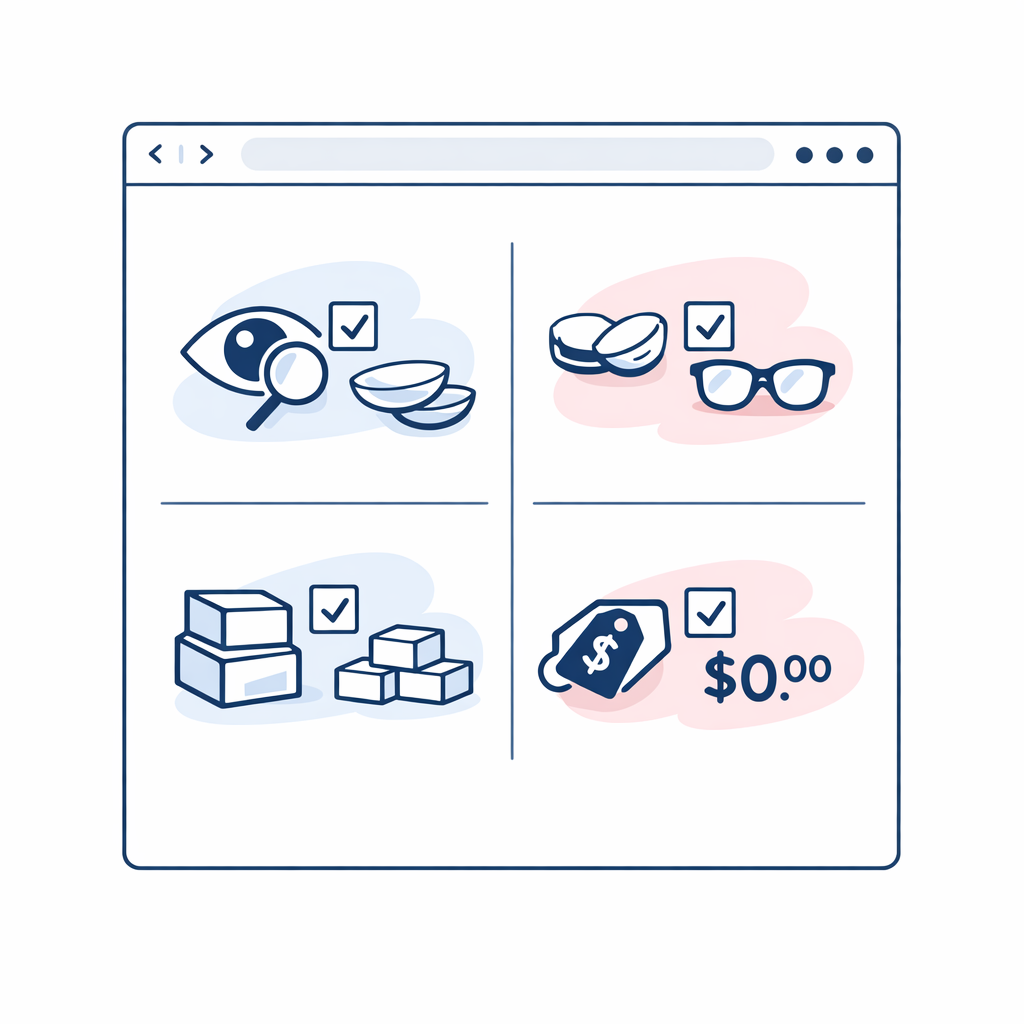
Keep your current brand, lens type, and prescription details in front of you while you shop. Since the FDA says contact lenses are medical devices that require a prescription, online ordering works best when you are reordering the exact lens you already know fits.
What to check before ordering
- Make sure the brand name matches exactly
- Confirm whether your prescription is spherical, toric, or multifocal
- Check how many boxes you need for the period you are buying
- Compare your true after-benefit cost, not just the listed box price
- Order before your final pair is already in rotation
Common mistakes shoppers make with biweekly contact lenses
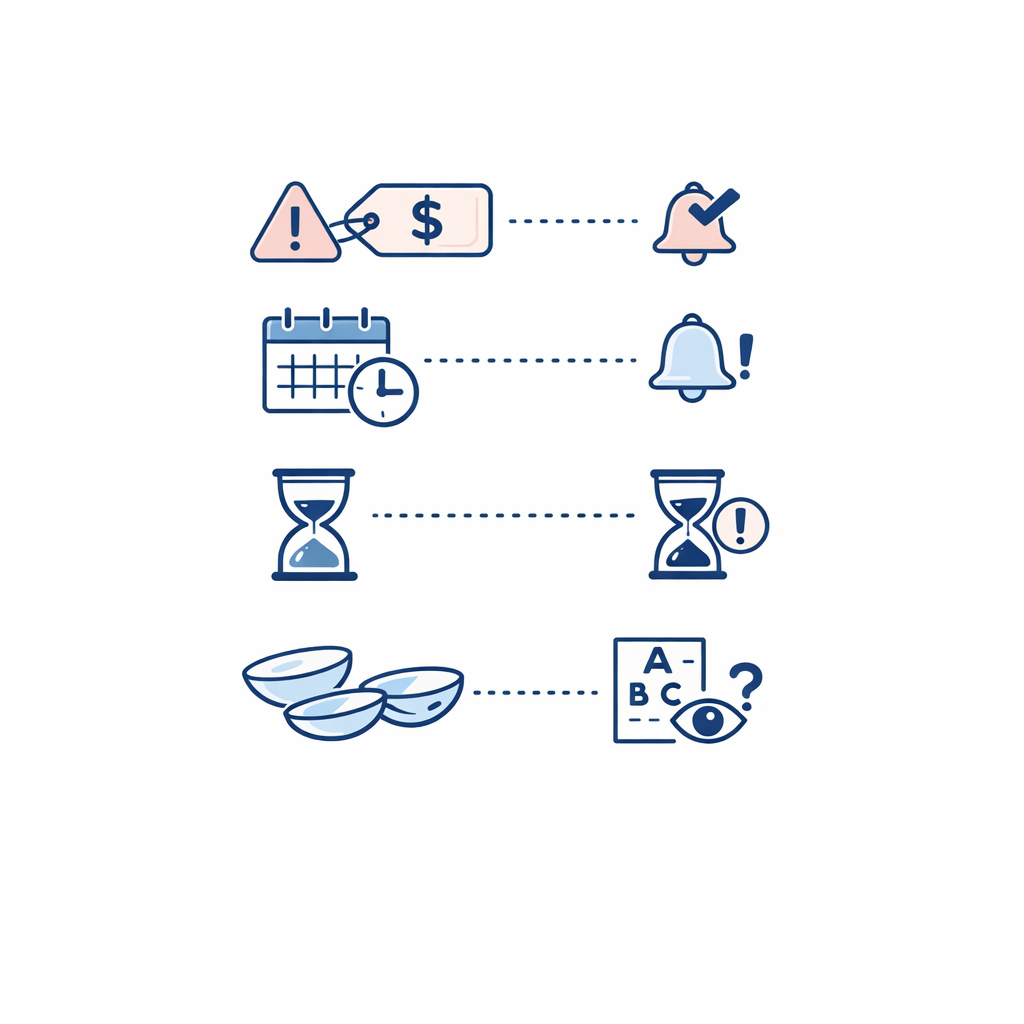
- Buying on price alone. The better lens for you is the one that fits your prescription, your routine, and your reorder habits.
- Treating a 2-week lens like an occasional backup. If your wear pattern is irregular, you may be happier with a simpler modality.
- Switching into a toric or multifocal style on your own. Specialized designs should follow your doctor-approved prescription, not a guess.
- Waiting too long to reorder. Running out turns every comparison into a rush decision.
- Assuming comfort, value, and convenience always point to the same lens. In biweekly contacts, they often overlap, but not perfectly.
What to do next
- Decide whether your priority is comfort, routine simplicity, or lowest total cost
- Match that priority to the exact lens family already written on your prescription
- Think in total supply, not just one box
- Use insurance or reimbursement options before you place a larger order
- Set a replacement reminder as soon as you open a new pair
- Ask your optometrist before changing lens design, especially for astigmatism or multifocal needs
Ready to compare your next biweekly lens?
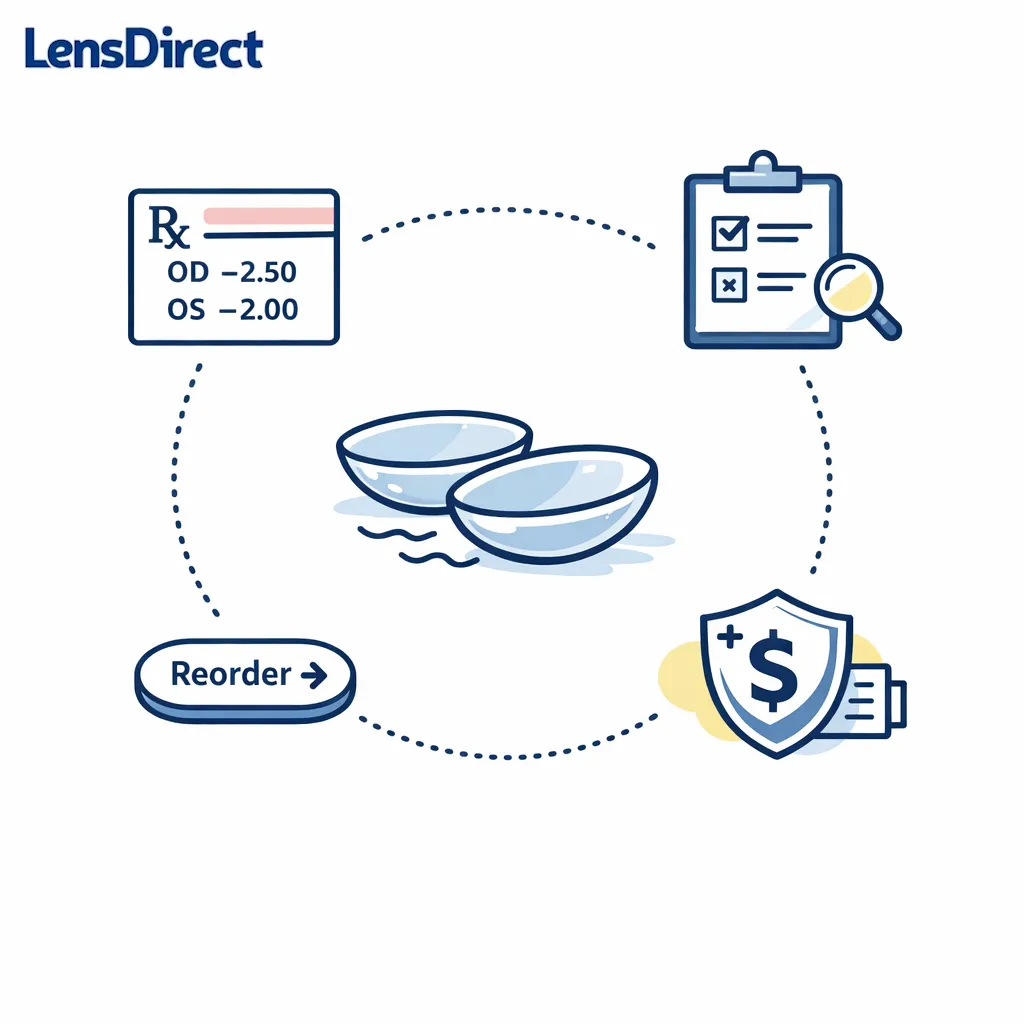
If you already know your prescription and want a cleaner way to shop, LensDirect makes it easy to compare contact-lens options without turning a simple reorder into a research project.
- Shop Contacts to reorder your current lens or compare biweekly options
- Learn How to Get Reimbursed by Your Insurance if you want to reduce out-of-pocket cost on a larger order
- Shop Sunglasses if outdoor comfort is part of your everyday lens routine
- Shop Glasses if you want a reliable backup pair for days you skip contacts
Author

Subscribe to our email newsletter to get the latest posts delivered right to your email.