

Gaming in 2026 looks very different from even a few years ago. Screens are sharper, sessions are longer, and gaming has become more socially and professionally integrated into daily life. For many players, gaming is no longer a short break — it is a nightly routine, a competitive pursuit, or a creative outlet that stretches for hours at a time.
As gaming habits have evolved, so has the conversation around eye comfort.
Blue light glasses are still widely discussed, but expectations are more grounded than they once were.
Instead of searching for a single fix, gamers are asking smarter questions about what actually helps, what matters less than advertised, and how to build a setup that supports long-term comfort.
This article takes a practical, gamer-first look at blue light glasses in 2026 — what they realistically do, where they fall short, and how they fit into a bigger picture of comfort, habits, and smart eyewear choices.
How Gaming Habits Have Changed Since Early Blue Light Debates
From Short Sessions to Daily Screen Exposure
Early discussions about blue light often focused on occasional screen use: a few hours of gaming after work or school, followed by time away from screens. That model no longer reflects reality for most gamers.
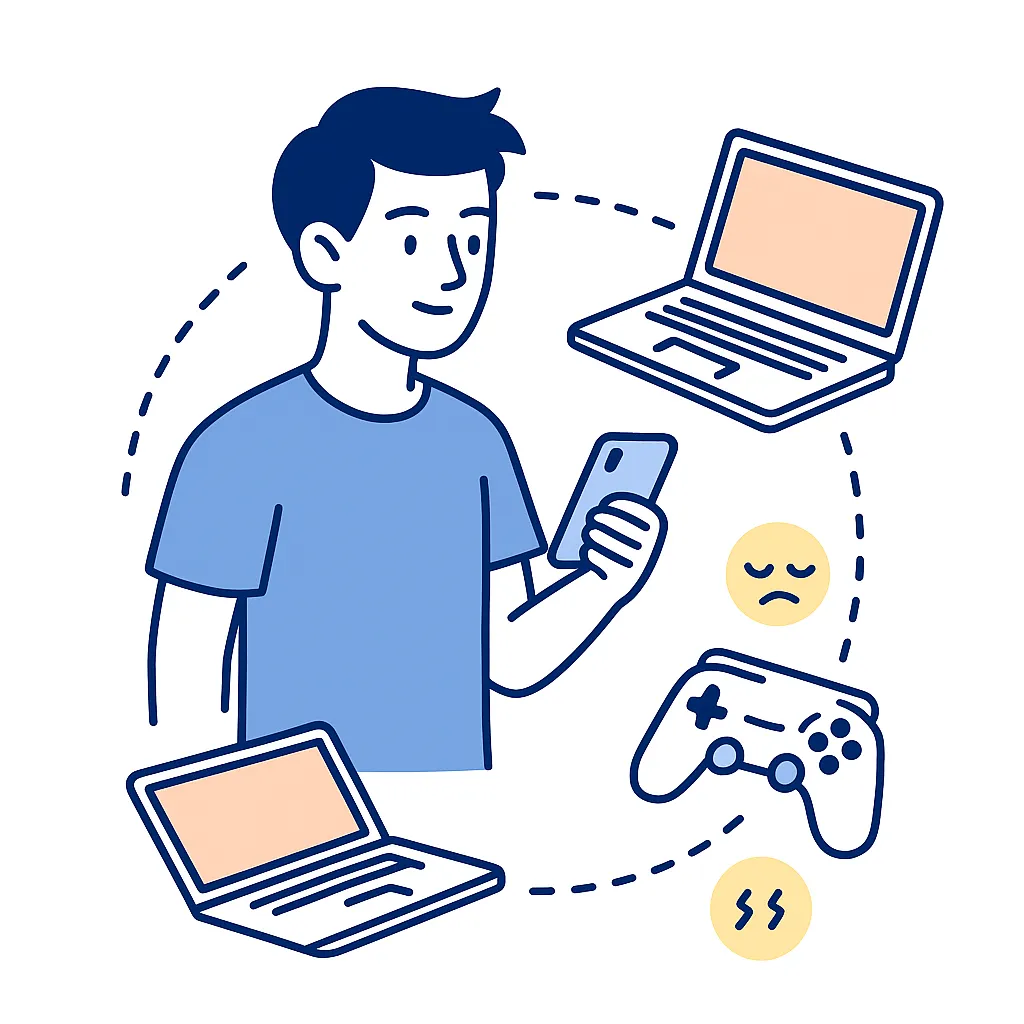
In 2026, many players move between devices all day.
Work screens blend into gaming screens, which blend into phones, tablets, and streaming devices.
By the time a gaming session starts, the eyes may already be fatigued from hours of prior exposure.
This shift changes the role of blue light glasses. They are no longer just about gaming itself but about cumulative screen exposure across an entire day.
Higher Refresh Rates and Brighter Displays
Modern gaming displays are brighter, larger, and more immersive.
High refresh rates, ultra-wide monitors, and HDR visuals improve gameplay but also increase visual intensity.
While these features enhance performance and realism, they can demand more from the eyes.
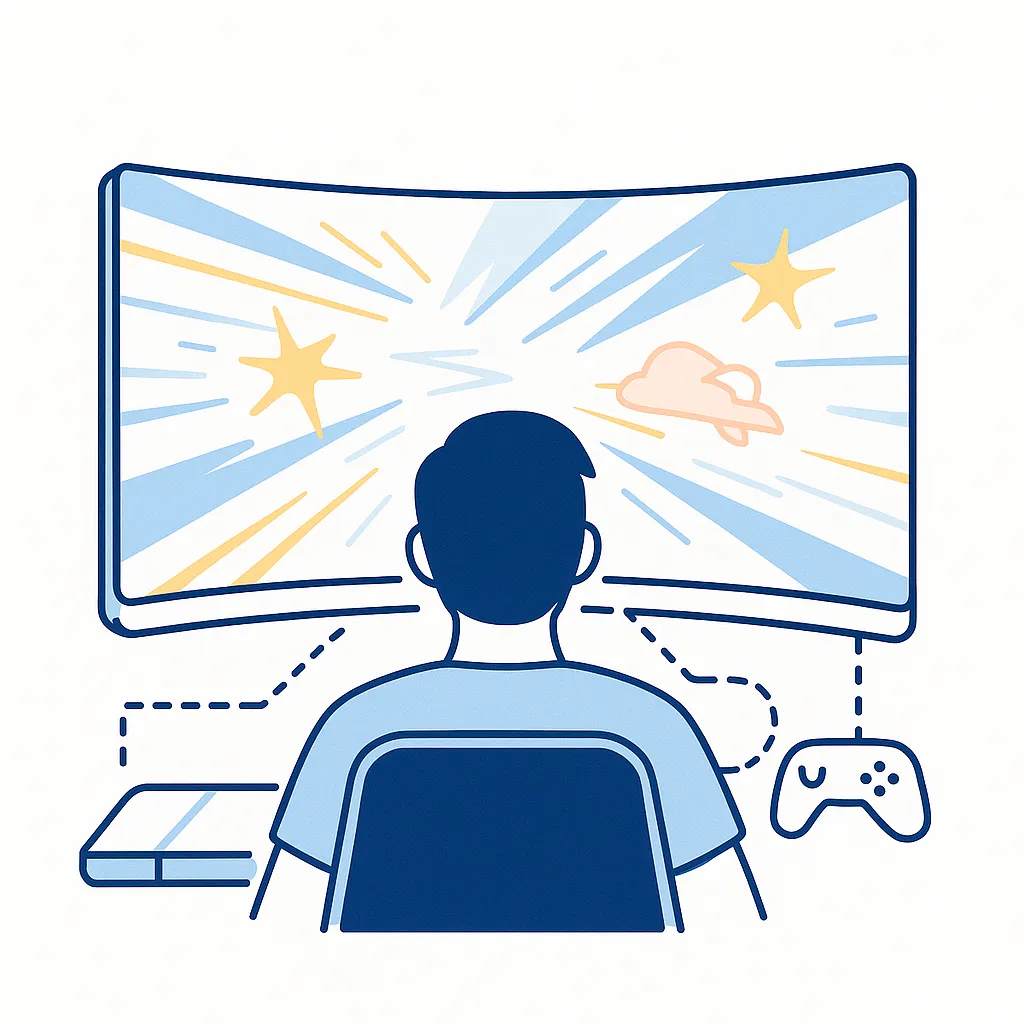
Bright highlights, fast motion, and constant focus adjustments make visual comfort more important than ever, especially during longer sessions.
Gaming as a Social and Competitive Activity
Gaming is now deeply social. Voice chat, streaming, competitive ladders, and content creation all encourage longer sessions and fewer natural breaks.
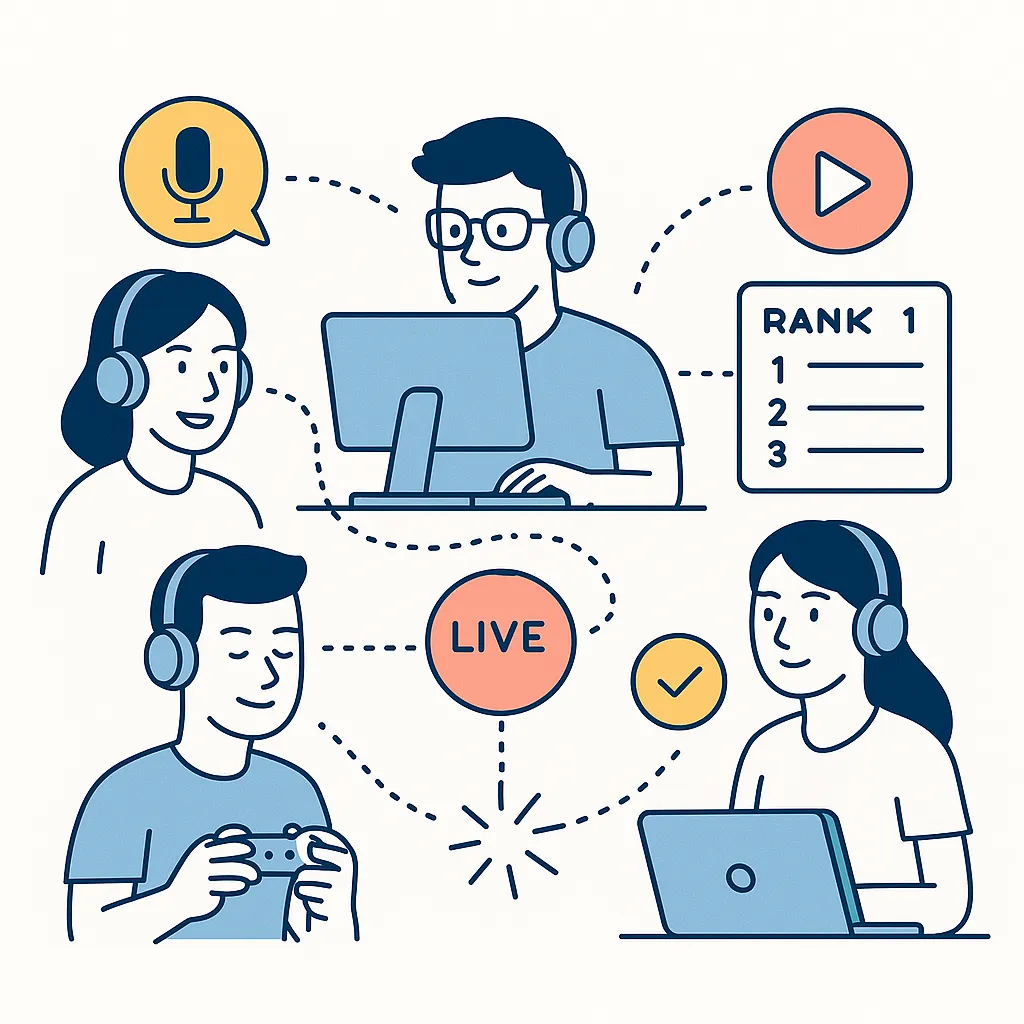
For competitive players, stopping early due to eye fatigue can feel like falling behind.
Comfort solutions, including eyewear, are increasingly seen as performance-support tools rather than accessories.
Casual, Competitive, and Marathon Gaming: Why Context Matters
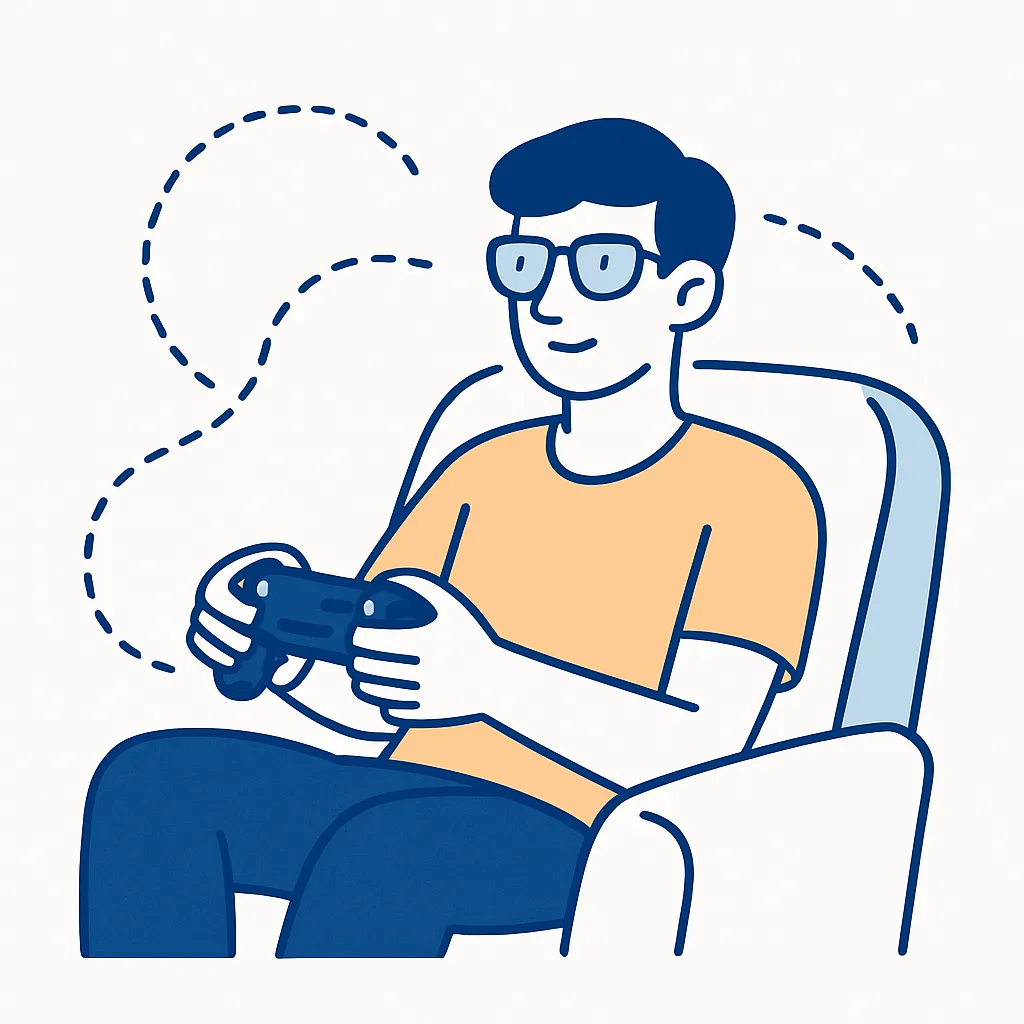
Casual Gaming Sessions
Casual gamers typically play for shorter periods, often on consoles or handheld devices. These sessions may last one to two hours and are often more relaxed in posture and pace.
For casual gamers, blue light glasses may offer subtle comfort benefits, particularly if gaming happens late in the evening or after a full day of screen use.
However, the impact is usually modest and closely tied to overall habits rather than the glasses alone.
Competitive Gaming Sessions
Competitive gaming introduces different demands. Players focus intensely, track fast-moving targets, and react quickly for extended periods.
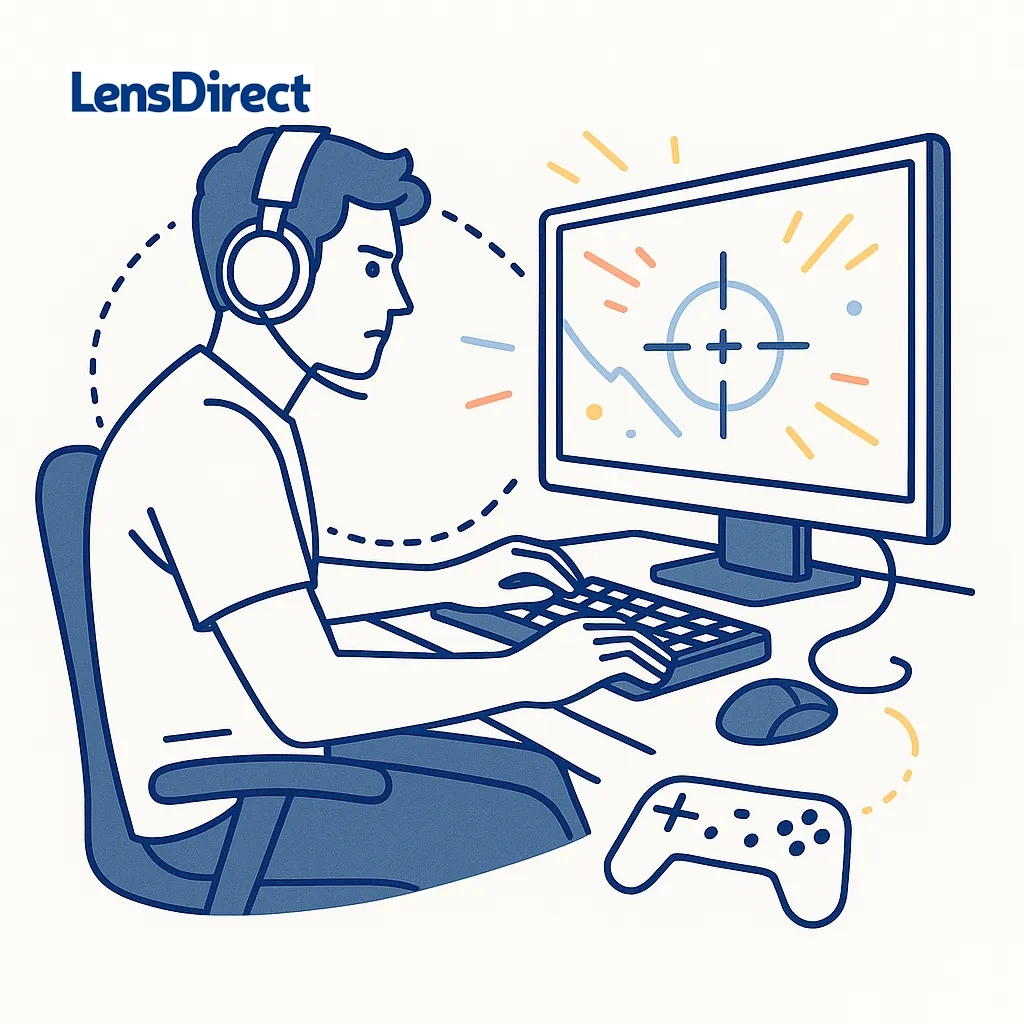
In this context, visual comfort matters not just for the eyes but for sustained concentration.
Even mild discomfort can affect reaction time, decision-making, and consistency.
Blue light filtering lenses can play a supporting role here, but fit, lens clarity, and coatings often matter more than the level of blue light filtration itself.
Marathon Gaming Sessions
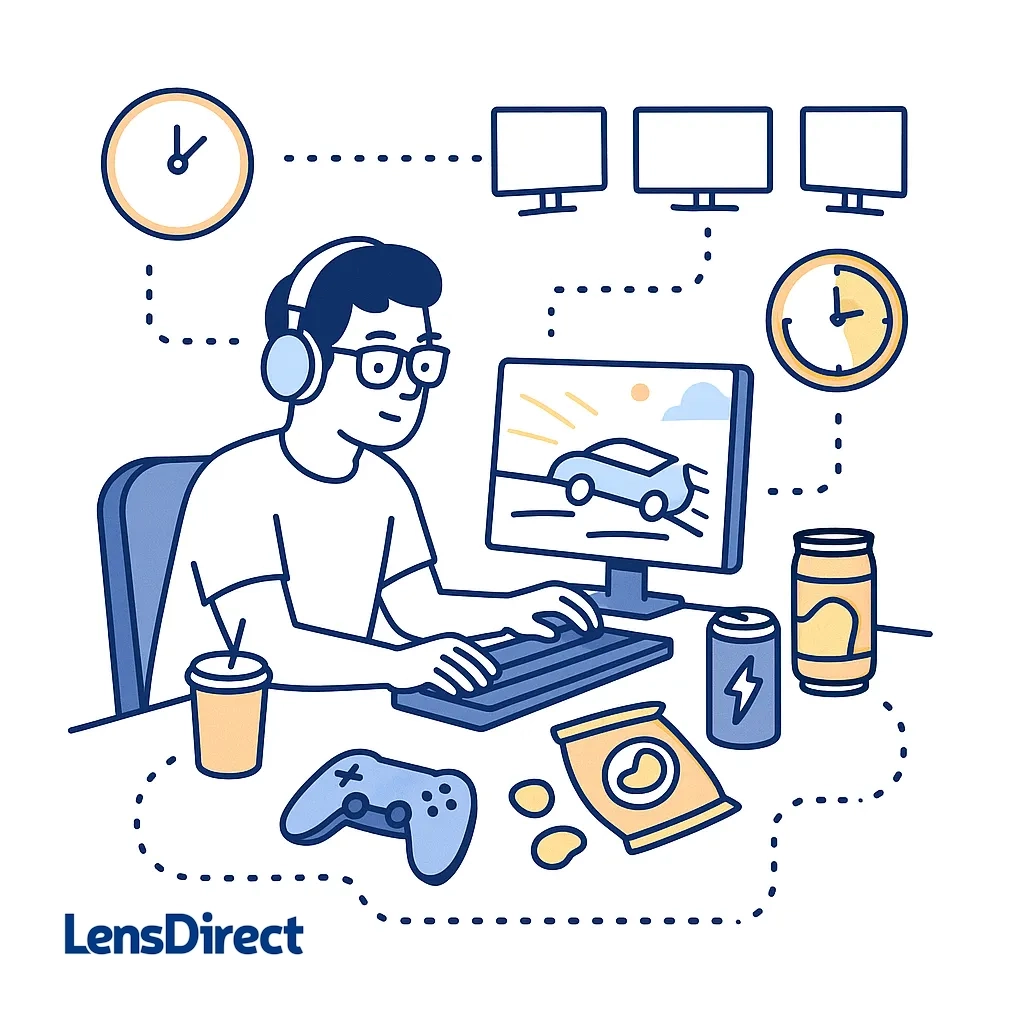
Marathon sessions — long weekends, launches, tournaments, or streaming events — place the greatest strain on the visual system.
During these sessions, eye comfort becomes cumulative.
Small inefficiencies in lighting, screen distance, or eyewear fit can add up over many hours.
For marathon gamers, blue light glasses are most effective when combined with intentional breaks, environmental adjustments, and lenses designed for extended wear.
Common Eye-Strain Challenges Gamers Face
- Dry or irritated eyes during long sessions
- Difficulty refocusing when looking away from the screen
- Headaches after extended play
- Increased sensitivity to bright highlights or contrast
- General visual fatigue that builds over time
These challenges are rarely caused by a single factor. Instead, they emerge from a combination of screen use patterns, environment, and physical setup.
What Blue Light Glasses Can and Cannot Do
What They Can Do
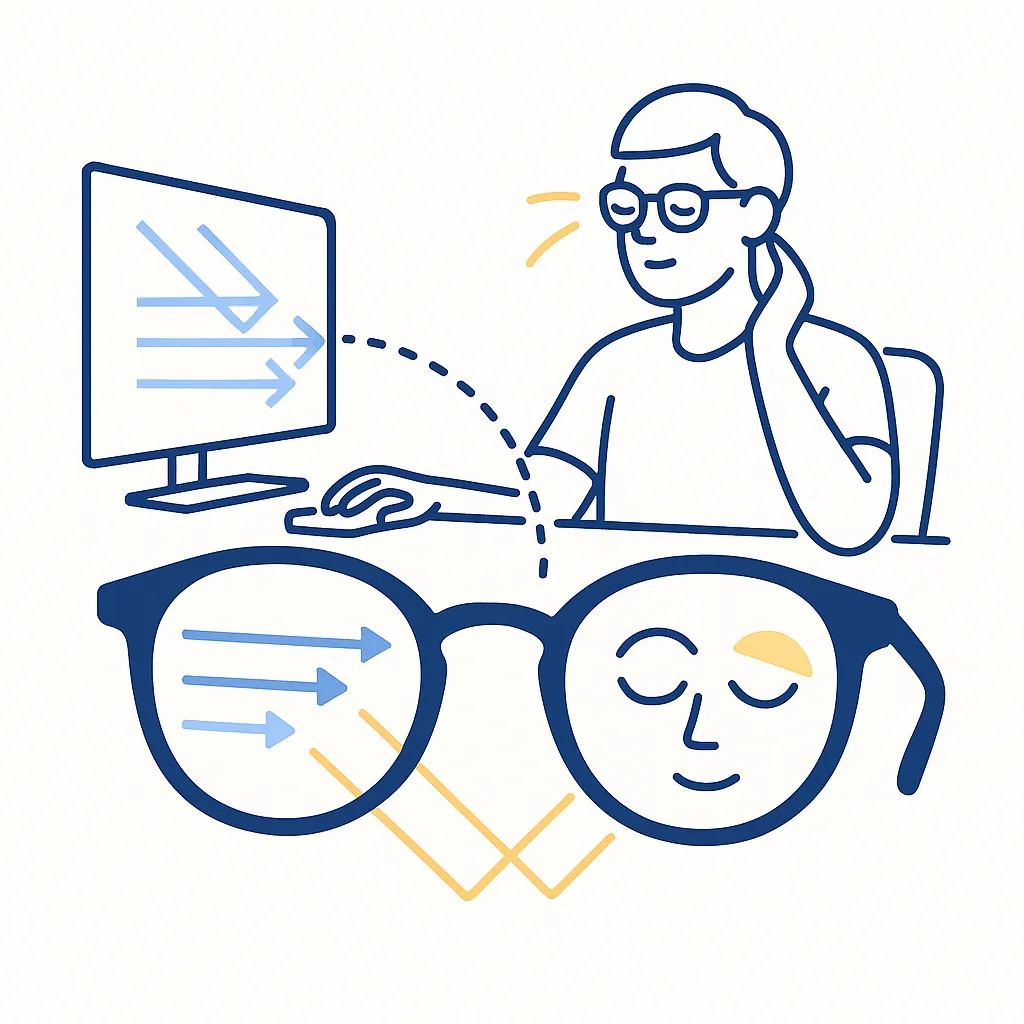
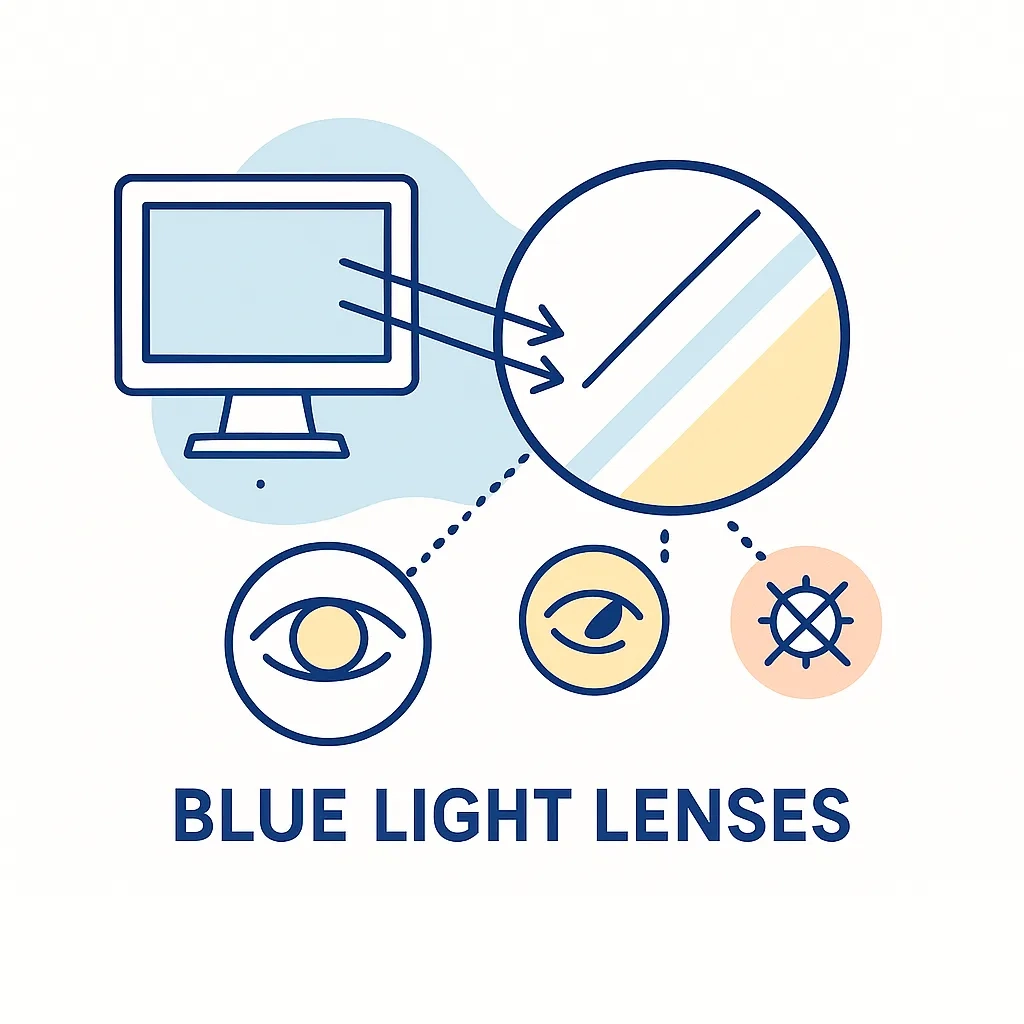
Blue light filtering lenses can reduce the intensity of certain high-energy light wavelengths emitted by screens. For some gamers, this reduction can feel more comfortable, particularly during long or late-night sessions.
Many players report that blue light glasses make screens feel slightly softer or less harsh.
This perception can contribute to reduced visual tension, especially in darker environments.
Blue light lenses can also encourage better habits. Wearing designated gaming glasses can serve as a cue to adjust posture, lighting, or break timing.
What They Cannot Do
Blue light glasses do not eliminate eye strain entirely. They cannot compensate for poor lighting, extreme screen brightness, or marathon sessions without breaks.
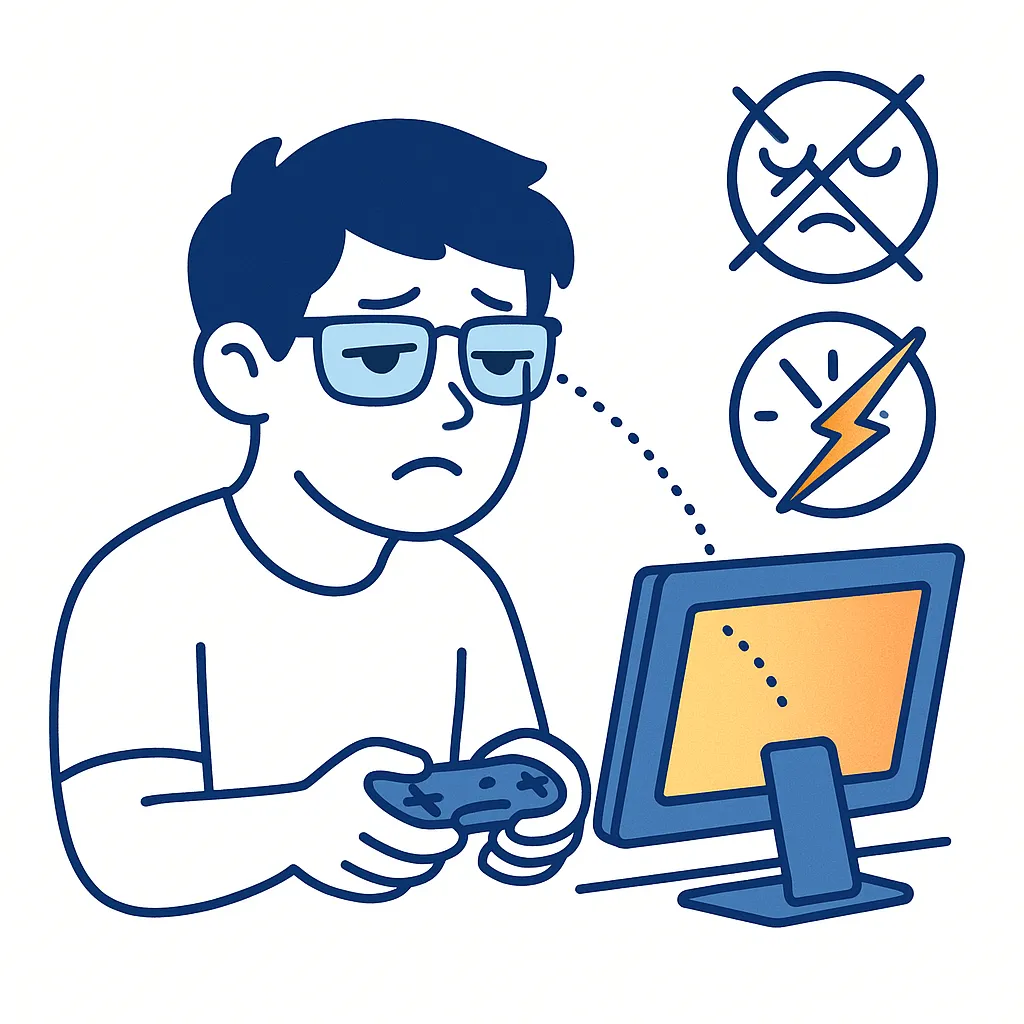
They also do not prevent fatigue caused by focusing at a fixed distance for long periods.
Accommodation fatigue — the strain from keeping the eyes focused on one plane — remains a major factor regardless of lens type.
Blue light glasses are not performance enhancers in the traditional sense. They do not improve reaction time, visual acuity, or in-game skill on their own.
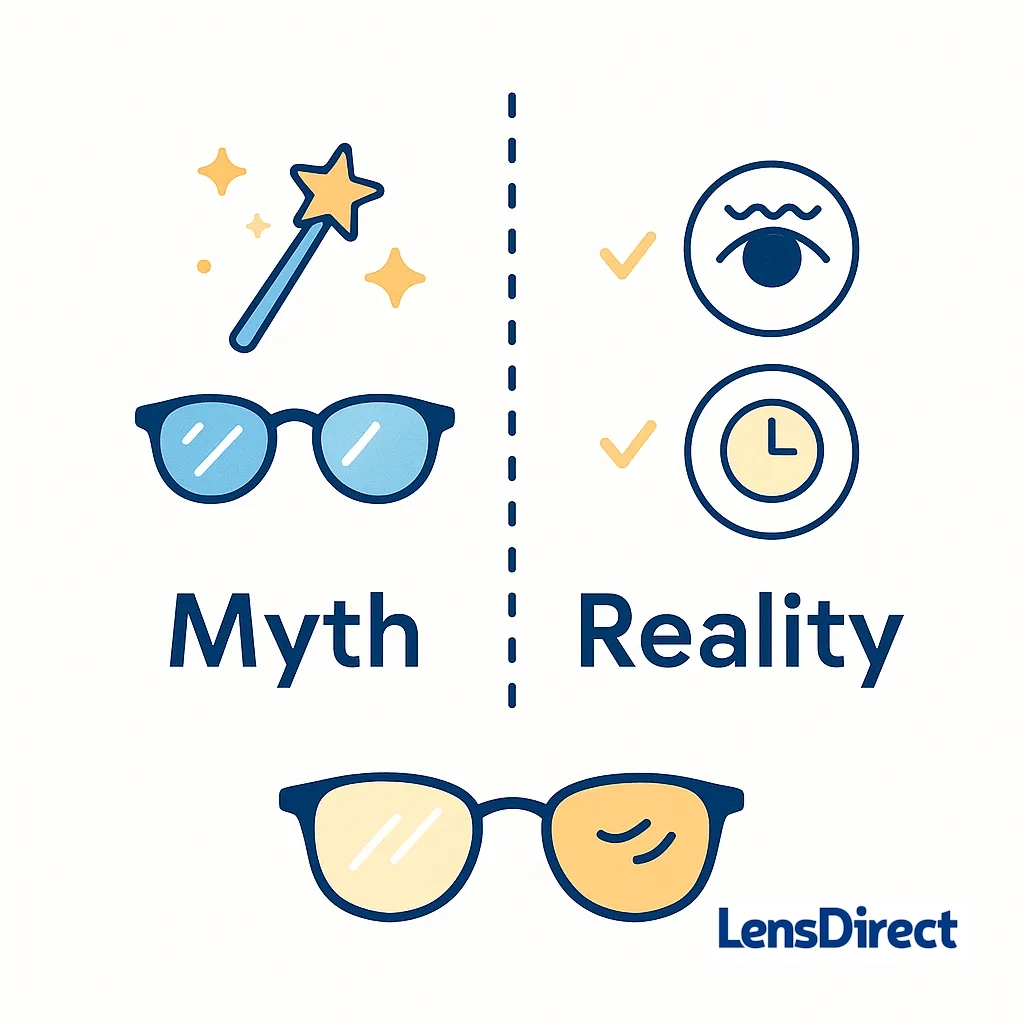
Myth vs Reality: Blue Light Glasses and Gaming
| Myth | Reality |
| Blue light glasses eliminate eye strain | They may reduce certain discomforts but do not remove all causes of fatigue |
| Stronger blue light filtering is always better | Excessive filtering can alter color perception and is not always more comfortable |
| Only gamers need blue light glasses | Anyone with heavy daily screen use may benefit similarly |
| Blue light glasses replace good habits | They work best alongside breaks, lighting, and ergonomic setup |
| All blue light glasses feel the same | Lens quality, coatings, and fit make a significant difference |
The Role of Lens Coatings Beyond Blue Light
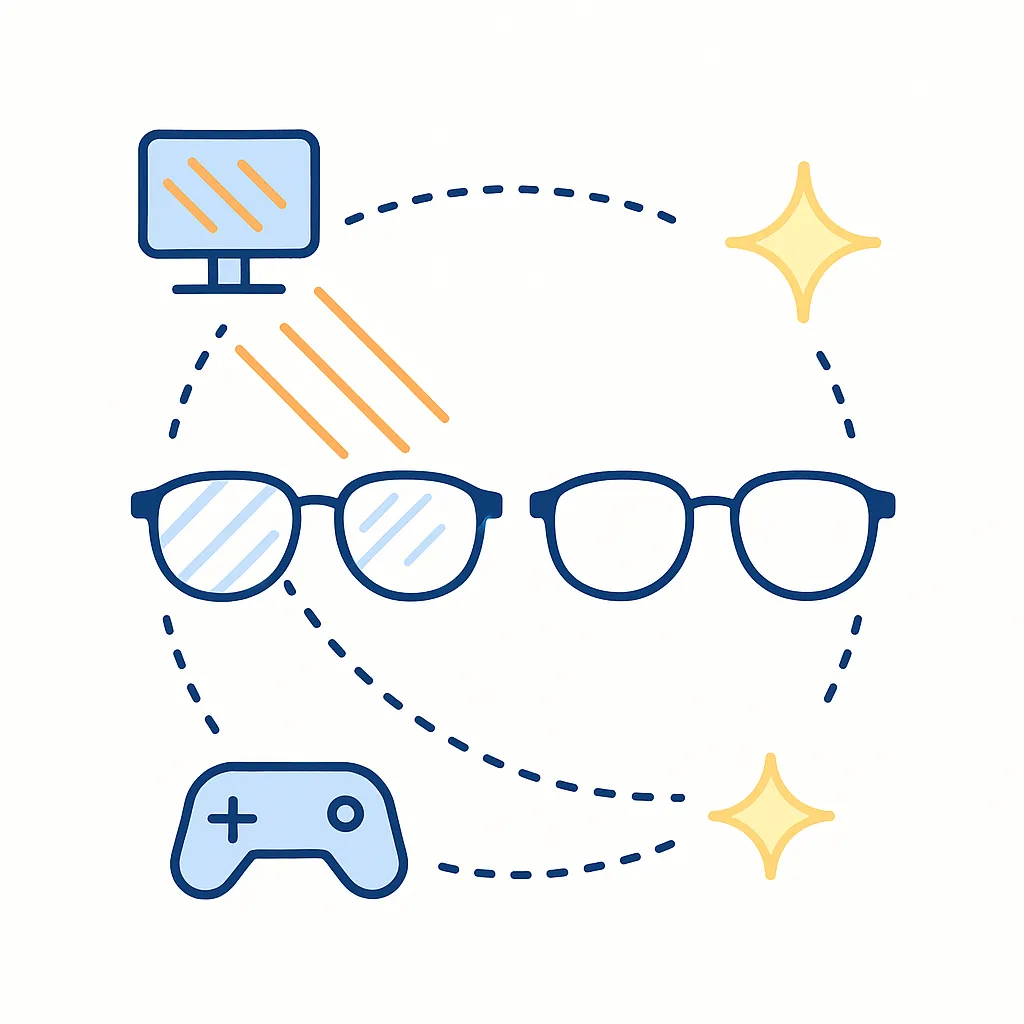
Anti-Reflective Coatings
Reflections are a major source of visual distraction during gaming.
Anti-reflective coatings reduce glare from screens and ambient lighting, allowing the eyes to focus more comfortably.
For many gamers, anti-reflective coatings provide more noticeable comfort benefits than blue light filtering alone.

Smudge and Dust Resistance
Gaming sessions often involve headsets, controllers, and frequent adjustments.
Lenses that resist smudges and dust reduce the need for constant cleaning and help maintain consistent visual clarity.
Clarity and Color Accuracy
In fast-paced games, clarity matters.
High-quality lenses minimize distortion and maintain accurate color representation, which is especially important for competitive and immersive titles.
Screen Distance, Lighting, and Environment
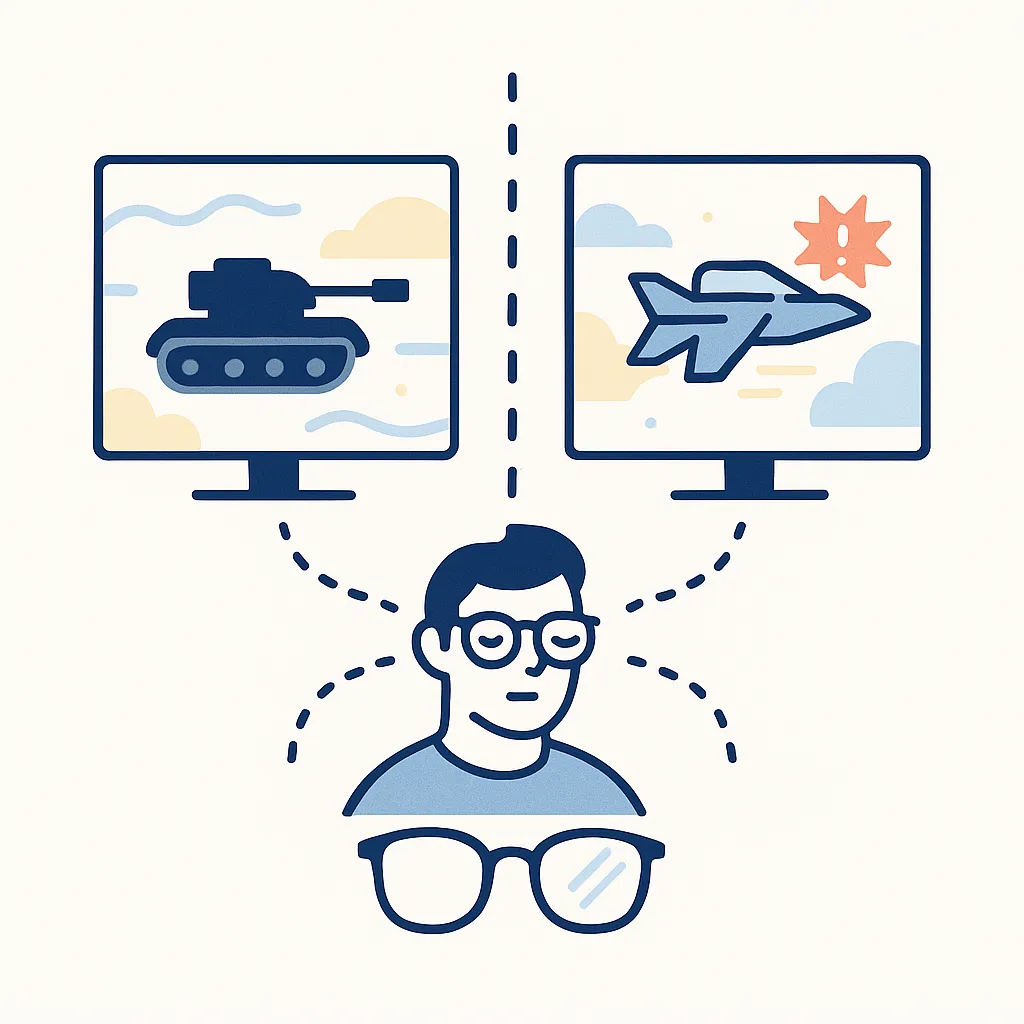
Optimal Screen Distance
Sitting too close to the screen increases visual demand.
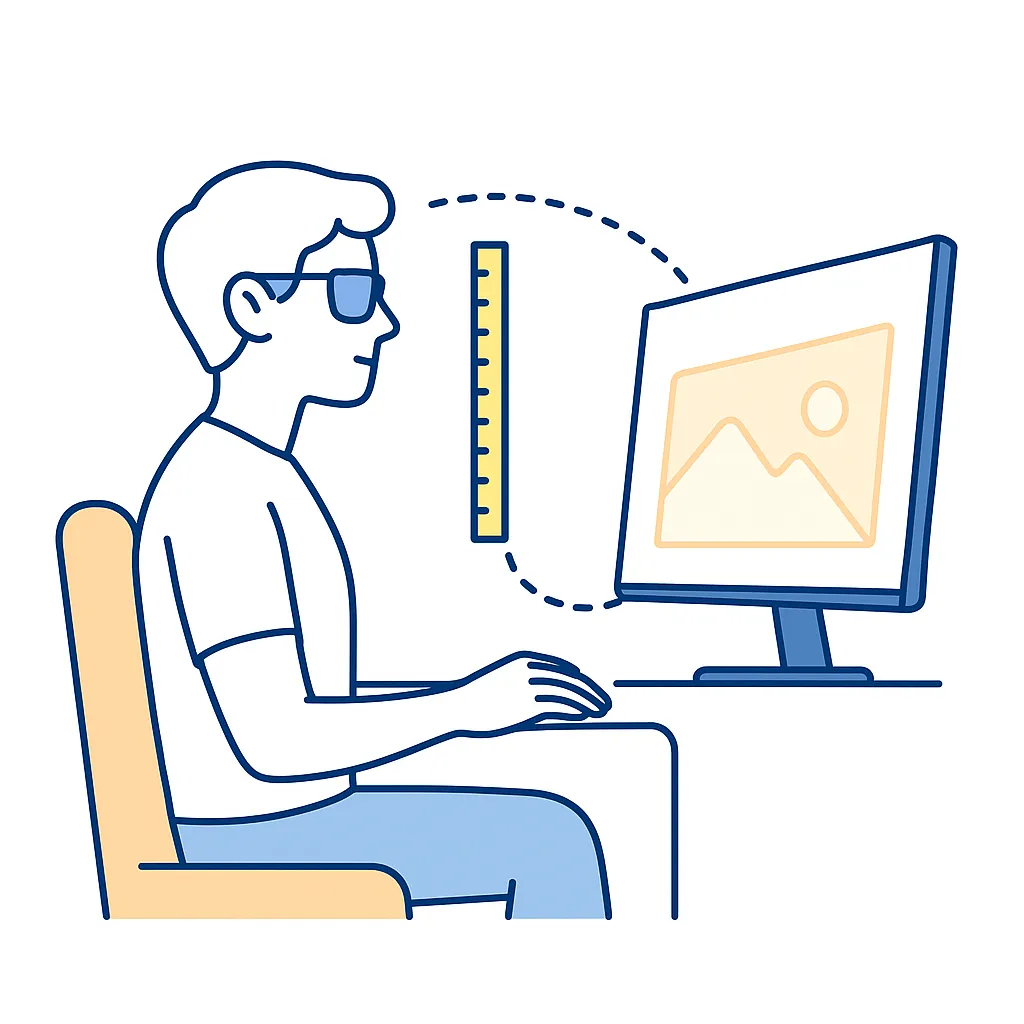
Modern large displays can tempt gamers to sit closer than necessary, especially on desks.
Maintaining a comfortable viewing distance helps reduce focusing strain and allows the eyes to relax more naturally between moments of intense focus.
Ambient Lighting Matters
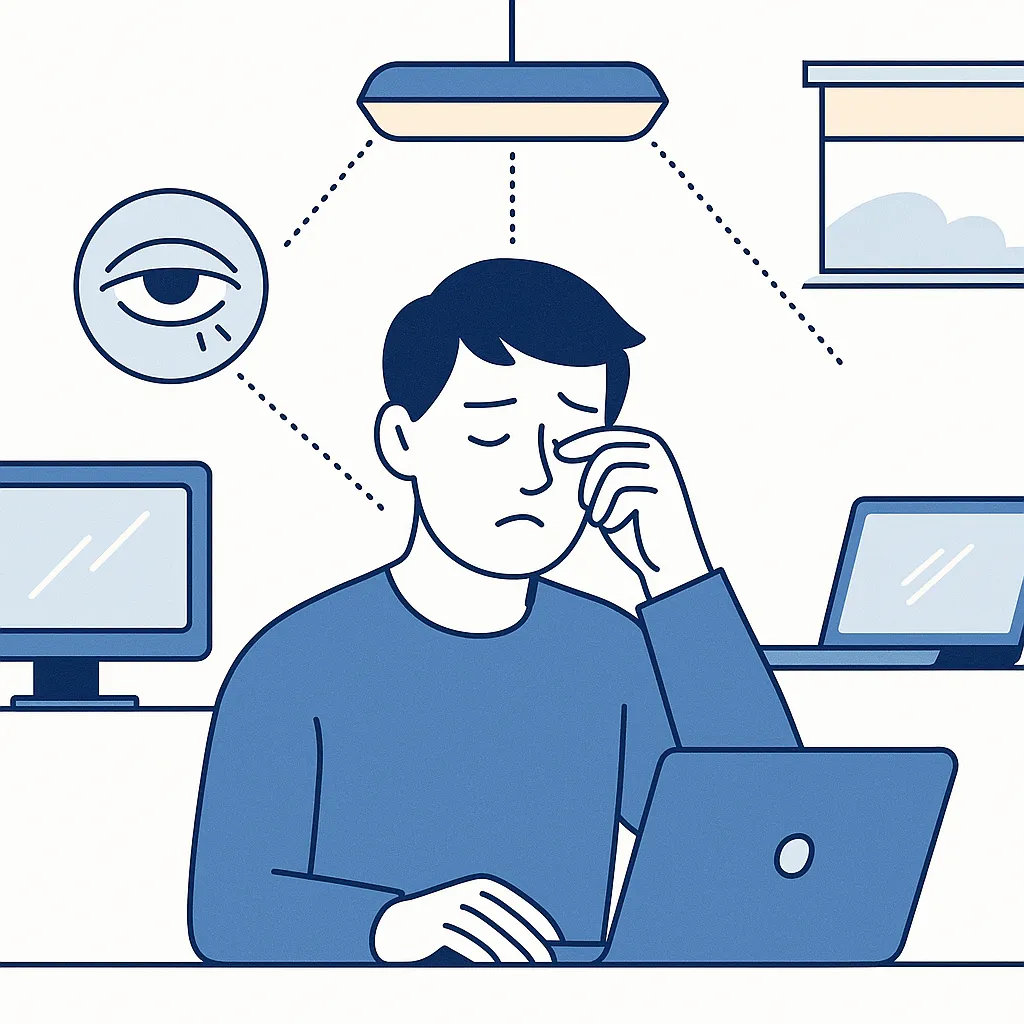
Gaming in complete darkness may feel immersive, but it increases contrast between the screen and surroundings.
This contrast can accelerate fatigue.
Soft ambient lighting behind or around the screen reduces strain by balancing brightness levels and giving the eyes a reference point beyond the display.
Screen Settings and Adjustments
Brightness, contrast, and color temperature settings play a significant role in comfort.
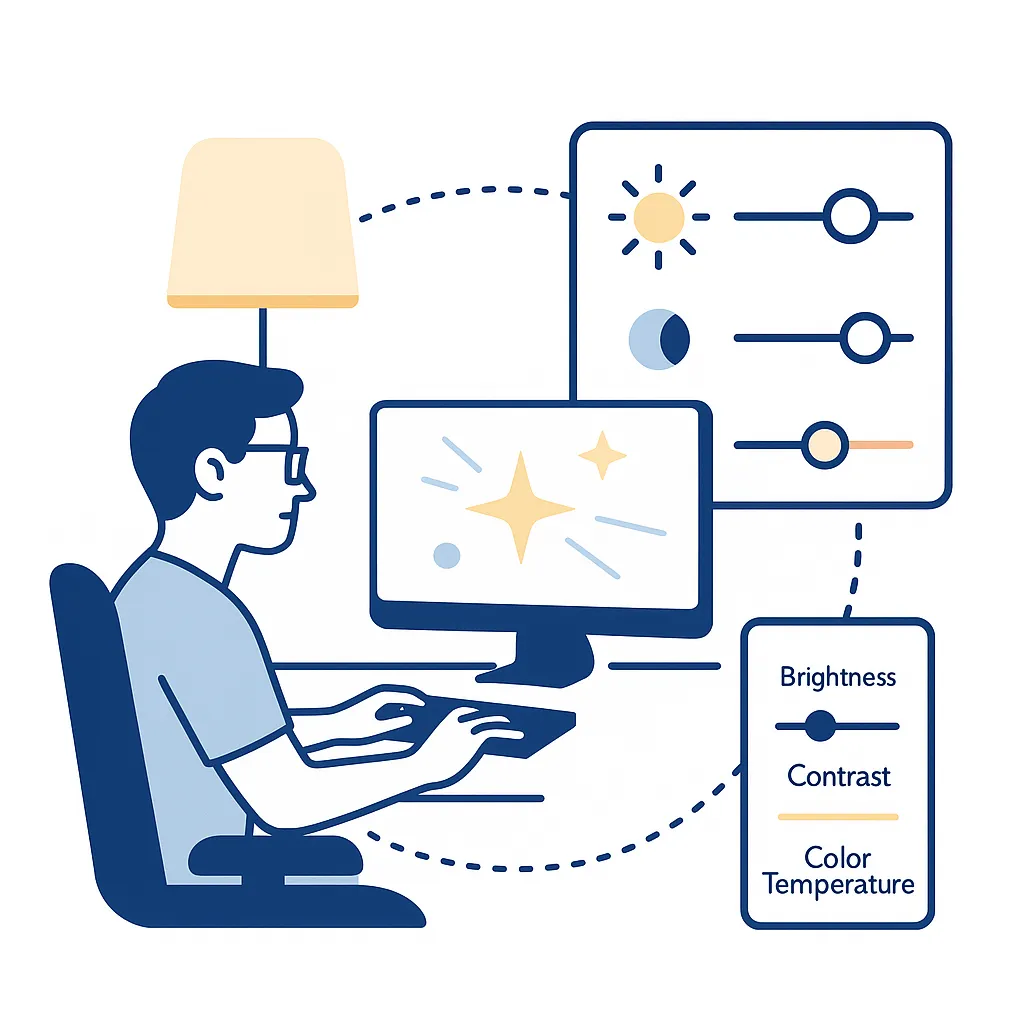
Blue light glasses work best when screen settings are already optimized rather than pushed to extremes.
Glasses vs Contact Lenses for Gaming
Glasses for Long Sessions
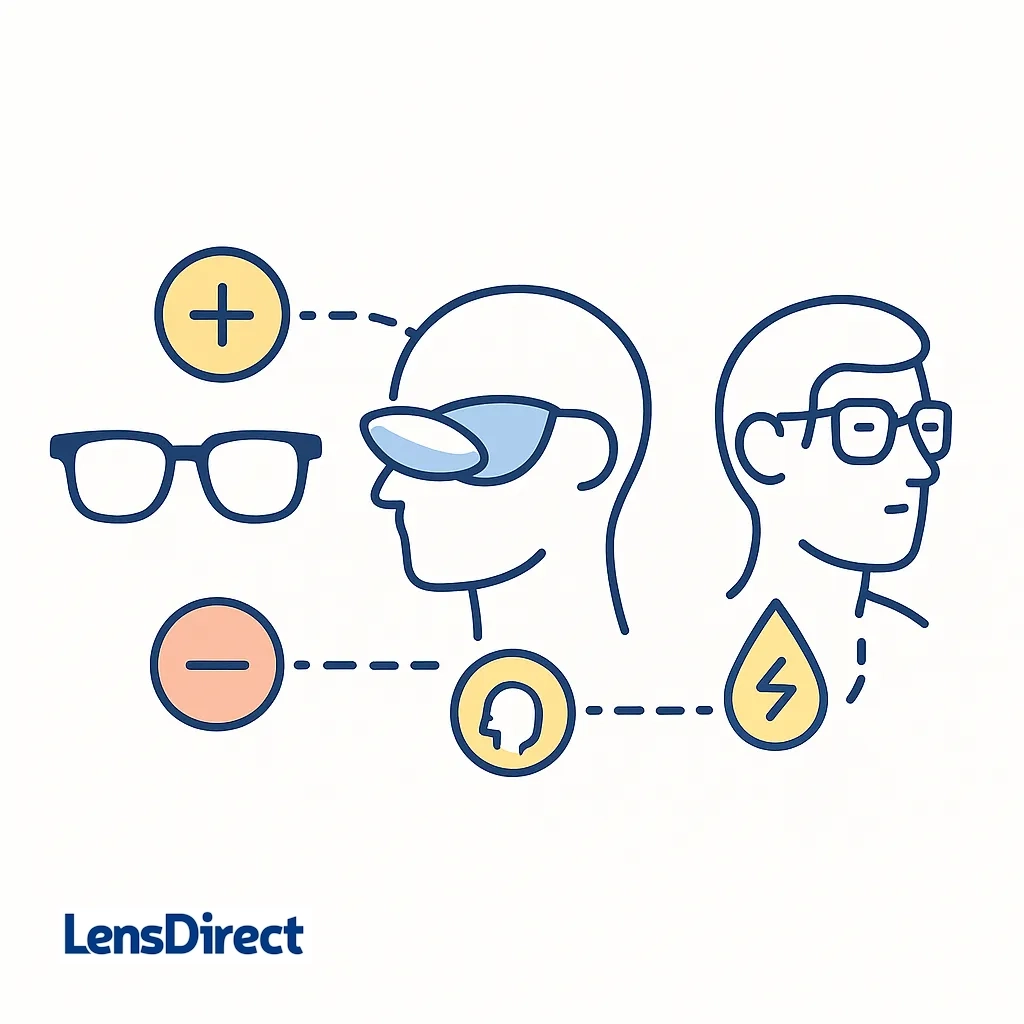
Glasses provide a stable optical correction without drying the eyes. For long gaming sessions, this stability can be more comfortable than contact lenses.
Modern frames designed for extended wear distribute weight evenly and accommodate headsets more comfortably than older designs.
Contact Lenses and Gaming
Contact lenses offer a wider field of view and eliminate frame interference. However, they can contribute to dryness during long sessions, especially in air-conditioned or heated environments.
Some gamers alternate between contacts during shorter sessions and glasses for longer play periods to balance comfort and convenience.
Hybrid Approaches
Many players keep a dedicated pair of gaming glasses even if they primarily wear contacts. Switching to glasses during extended sessions can give the eyes a break from contact lens wear.
Comfort Considerations for Headsets and Long Wear
Frame Fit and Pressure Points
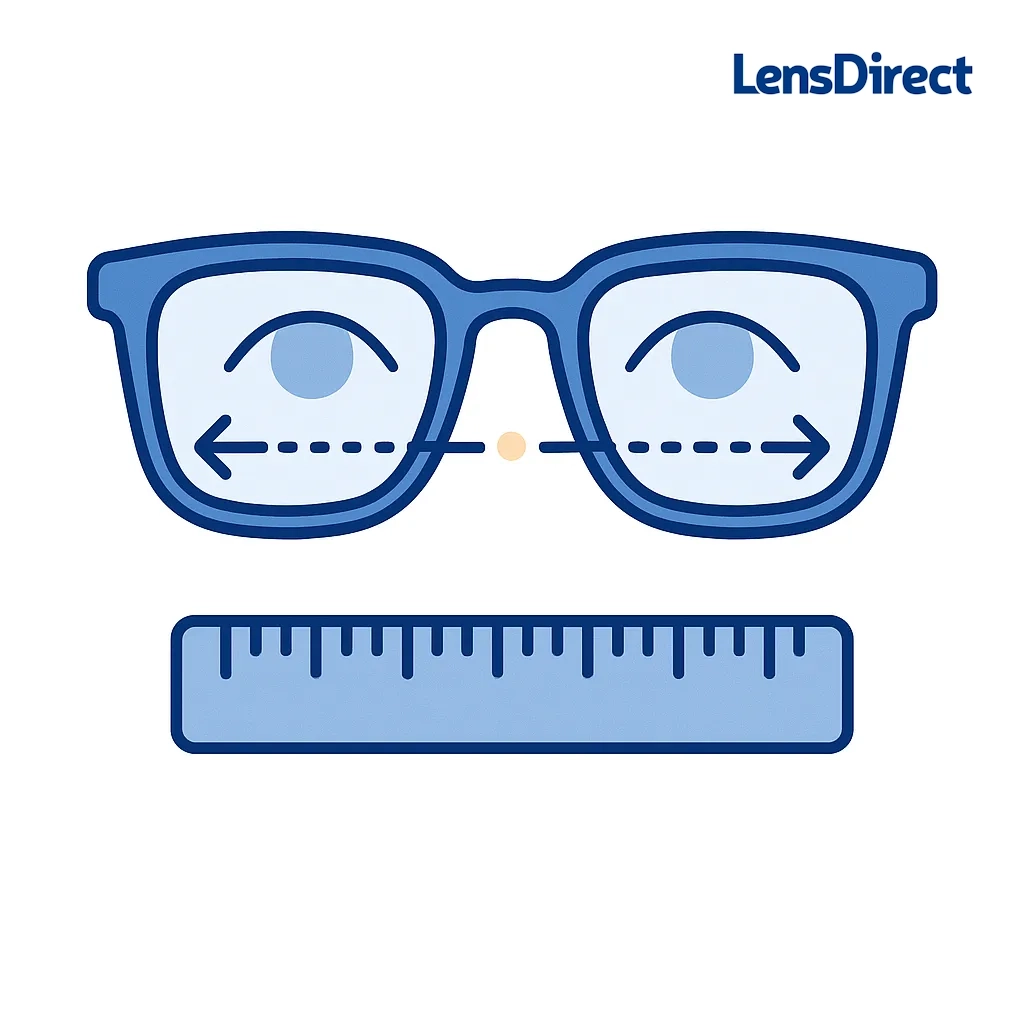
Poorly fitting frames can cause pressure around the temples and ears, especially when combined with headsets.
This discomfort often becomes noticeable only after extended wear.
Frames designed with slimmer temples and flexible materials integrate more comfortably with gaming headsets.
Weight and Balance
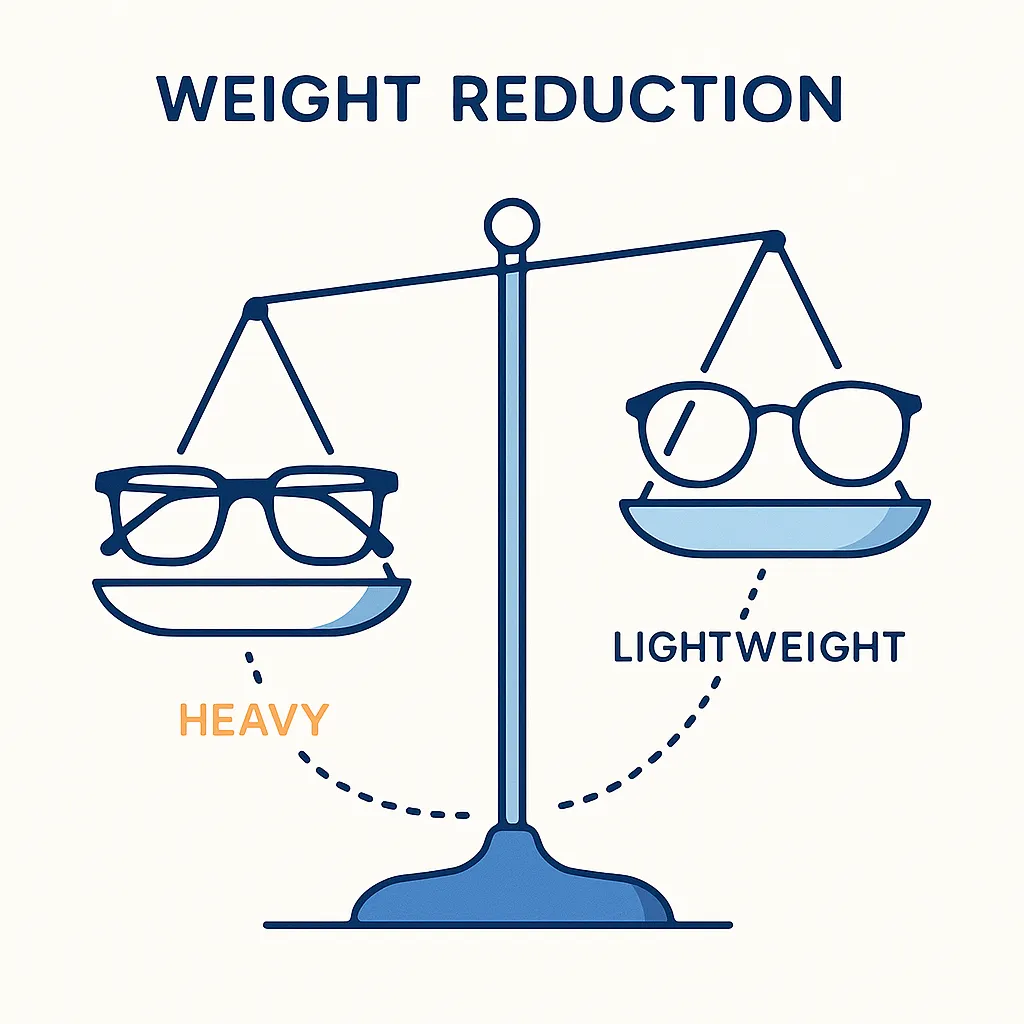
Heavier frames increase awareness of eyewear over time.
Lightweight materials reduce pressure on the nose and ears, making glasses easier to forget during long sessions.
Posture and Neck Position
Eye comfort is closely tied to posture.
Screens positioned too high or too low can strain both the eyes and neck, compounding fatigue.
Adjusting chair height, monitor position, and headset fit can significantly improve overall comfort.
How LensDirect Fits Into a Practical Gaming Setup
LensDirect eyewear is designed with everyday screen use in mind, which aligns naturally with modern gaming habits. Rather than positioning glasses as specialized gaming gear, they function as versatile tools that support comfort across work, play, and downtime.

Blue light filtering options, combined with lightweight frames and clarity-focused lenses, allow gamers to choose eyewear that fits their broader routine rather than locking into a single-use solution.
This flexibility reflects how gaming fits into life in 2026 — not as an isolated activity, but as part of a continuous screen-based experience.
Building a Comfort-First Gaming Routine
Consistency Over Quick Fixes
Comfort builds over time. Wearing glasses inconsistently or only when discomfort becomes severe limits their effectiveness.
A consistent setup — same lighting, screen position, and eyewear — helps the eyes adapt and reduces surprise strain.
Breaks as a Performance Tool
Short, regular breaks allow the eyes to reset focus and reduce dryness. Even brief pauses can improve comfort and concentration during long sessions.
Blue light glasses complement breaks but do not replace them.
Listening to Early Signals
Mild discomfort is easier to address than severe fatigue. Adjusting settings, posture, or eyewear early prevents small issues from escalating.
Making Smart Choices About Blue Light Glasses and Gaming
Blue light glasses in 2026 are best understood as part of a broader comfort strategy rather than a standalone solution. They can reduce certain visual stressors, soften screen intensity, and support longer, more comfortable gaming sessions when used thoughtfully.
For gamers deciding whether blue light glasses make sense, the key questions are practical ones:
How long do you play?
How often do you use screens outside gaming?
Does your current setup already support comfort?
The most effective approach prioritizes comfort, consistency, and smart habits.
Blue light glasses can play a helpful role, but they work best alongside good lighting, proper screen distance, well-fitting frames, and regular breaks.
Gaming has evolved, and so has the conversation around eye comfort. In 2026, the goal is not to eliminate every strain, but to build a setup that lets you play longer, feel better, and enjoy the experience without relying on quick fixes or unrealistic promises.
Author

Subscribe to our email newsletter to get the latest posts delivered right to your email.