
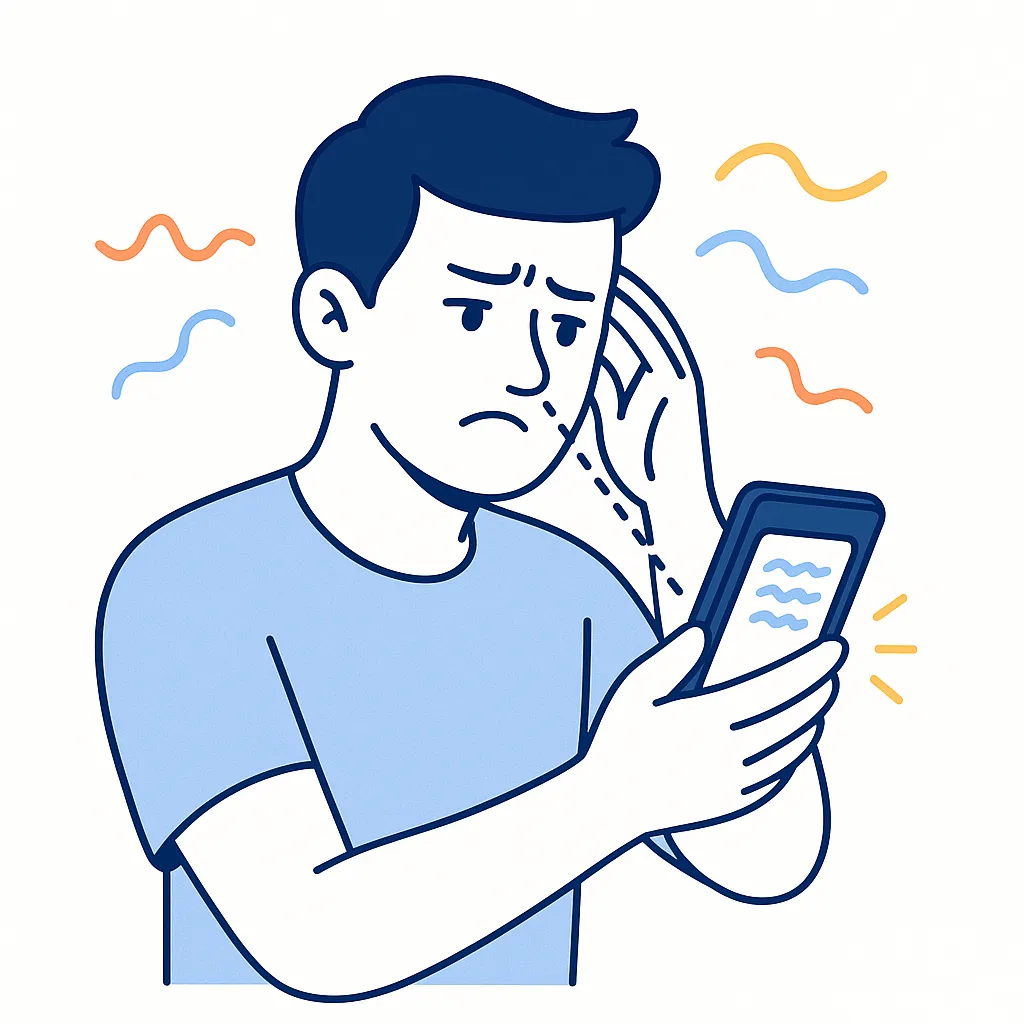
Many men don’t think about their vision until something goes wrong.
Blurry text, headaches, eye strain, or glasses that feel uncomfortable often get brushed off as minor annoyances rather than signals that something needs attention.
Over time, these habits compound, affecting work performance, driving safety, screen comfort, and overall quality of life.
This article breaks down the most common vision mistakes men make and offers clear, practical ways to fix them. Each section focuses on a specific issue, why it happens, and how to correct it without overcomplicating the process. The goal is not perfection, but consistency and smarter choices that support long-term eye health.
1. Skipping Regular Eye Exams
Many men only schedule an eye exam when their vision becomes noticeably worse. If reading street signs becomes difficult or headaches start interfering with daily life, that’s often the first trigger. Unfortunately, waiting for obvious symptoms means subtle problems can go unnoticed for years.
Vision changes gradually.
Small prescription shifts, early eye strain, or developing conditions often progress quietly.
By the time they become disruptive, adaptation has already occurred, masking how much clarity has been lost.
Skipping exams also means missing early detection of issues that are easier to manage when caught early. Even men with “good vision” benefit from routine checkups to establish a baseline and track changes over time.
The fix is simple: treat eye exams like routine maintenance rather than emergency repair. Scheduling regular check-ins helps ensure prescriptions stay accurate and eyes remain healthy.
2. Wearing an Outdated Prescription
One of the most common vision mistakes men make is holding onto the same glasses for far too long. If frames still look fine and lenses aren’t scratched, it’s easy to assume they’re still doing the job.
The problem is that eyes change incrementally.
Wearing a slightly outdated prescription forces your eyes to compensate, leading to fatigue, squinting, and headaches that feel unrelated to vision.

Outdated prescriptions are especially problematic for men who spend long hours at a computer, drive frequently at night, or switch between near and far focus throughout the day.
Fixing this mistake doesn’t always require a dramatic change. Even a small prescription update can noticeably reduce strain and improve clarity, especially during long workdays.
3. Ignoring Eye Strain From Screens
Screens dominate modern life. Work, entertainment, navigation, and communication all rely on digital displays. Many men assume eye strain is unavoidable and simply push through it.
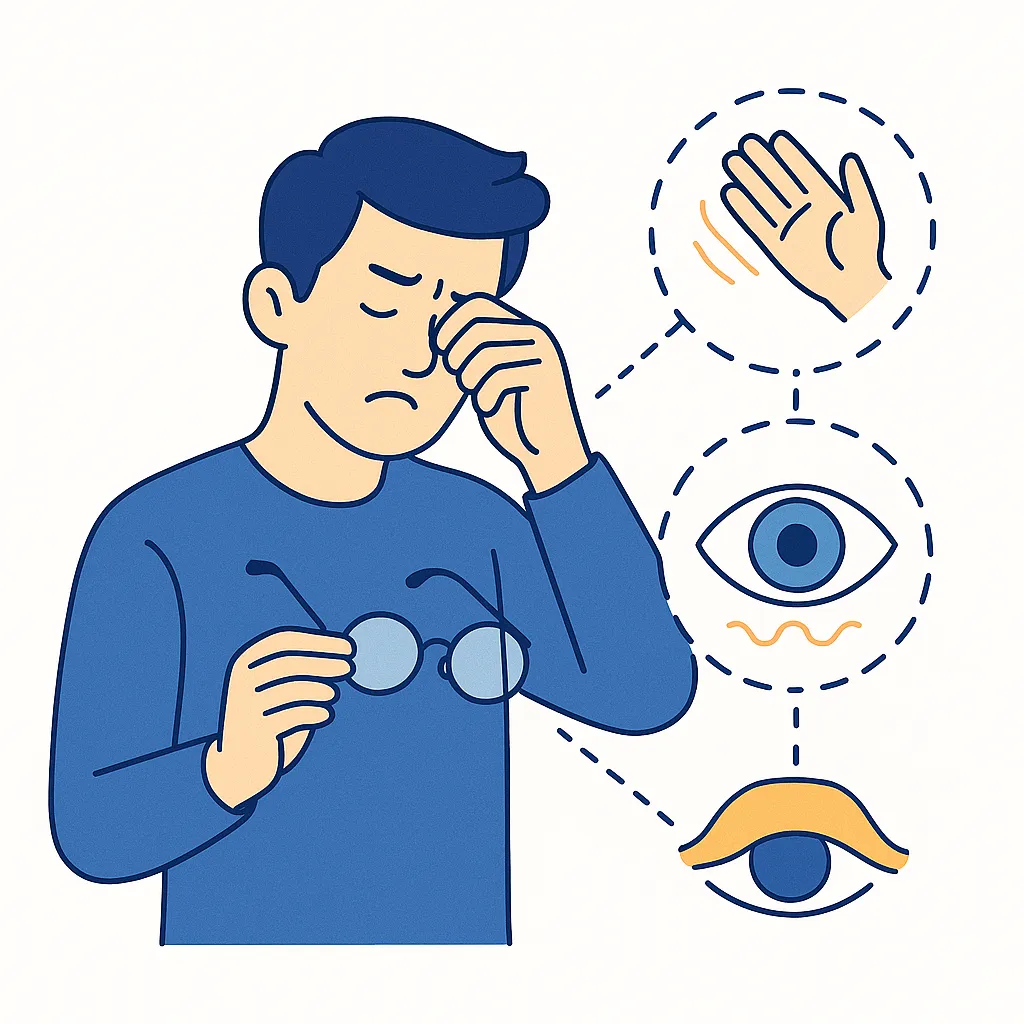
Extended screen time reduces blinking, dries out eyes, and forces sustained focus at a fixed distance.
Over time, this leads to discomfort, blurred vision, and difficulty refocusing when looking away.
The mistake isn’t screen use itself, but failing to manage it intentionally. Without breaks, proper lenses, or adjustments, strain builds quietly and persistently.
Correcting this habit involves adjusting both behavior and eyewear. Small changes can significantly reduce fatigue and make screen-heavy days more comfortable.
4. Choosing Style Over Fit
Glasses are often treated as a style accessory first and a functional tool second. While appearance matters, poor fit undermines comfort and clarity no matter how good the frames look.
Frames that slide down the nose, pinch behind the ears, or sit too low distort the optical center of the lenses.
This forces the eyes to work harder and leads to discomfort over time.
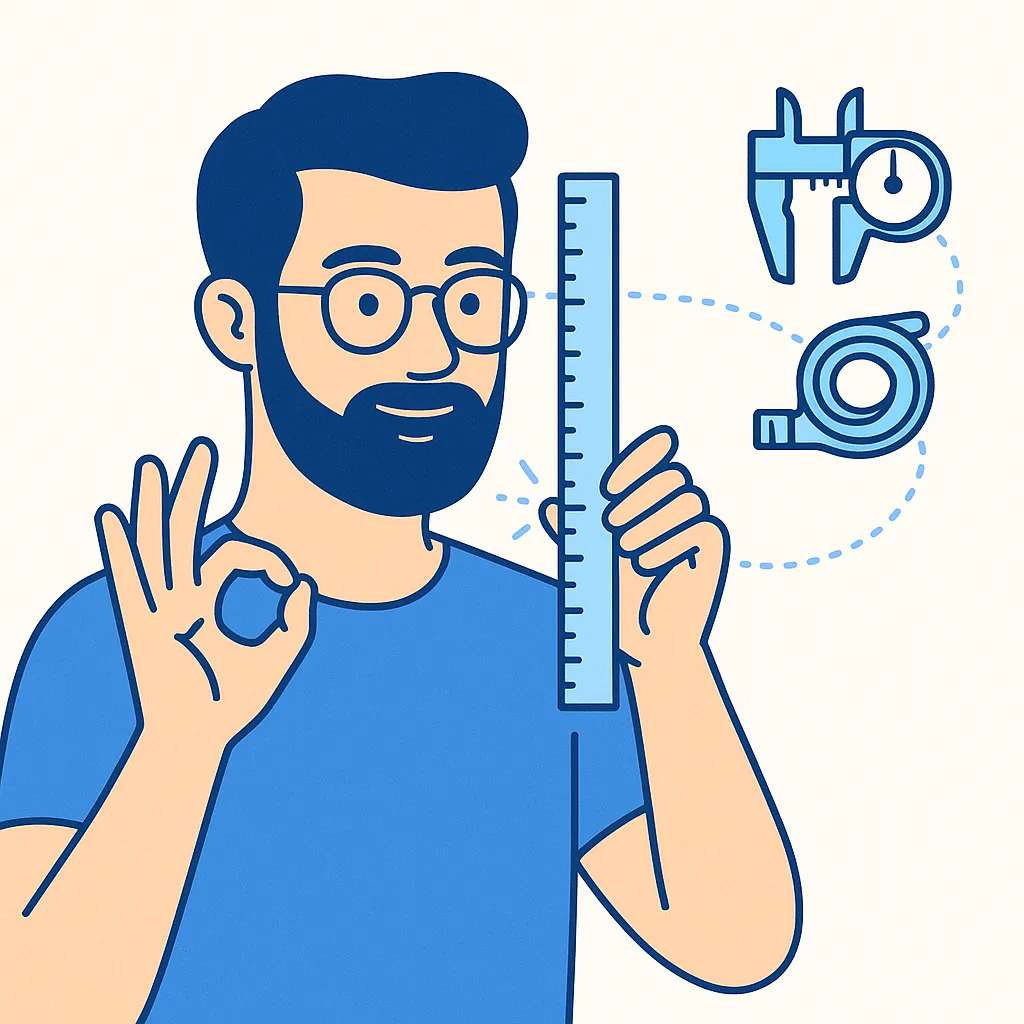
Many men tolerate poor fit because they assume glasses are supposed to feel slightly annoying. In reality, properly fitted eyewear should fade into the background during daily wear.
The fix involves paying attention to measurements like bridge width, lens width, and temple length, as well as how frames sit on the face during movement.
5. Using One Pair of Glasses for Everything
Another common mistake is relying on a single pair of glasses for all activities. While all-purpose eyewear works in some situations, it often falls short in others.

Driving, computer work, reading, and outdoor activities place different demands on vision.
A single pair may technically work, but it won’t optimize comfort or clarity across contexts.
Men who notice eye fatigue in specific situations often assume the issue is unavoidable, rather than recognizing a mismatch between lenses and tasks.
Fixing this means thinking of eyewear as task-specific tools rather than one-size-fits-all solutions.
6. Neglecting Lens Quality and Features
Frames get most of the attention, but lenses do the actual work. Many men choose the most basic option without understanding how lens quality affects daily comfort.
Low-quality lenses may distort vision at the edges, reflect glare, or fail to protect against long-term exposure to light sources.
Over time, this contributes to strain and reduced visual clarity.
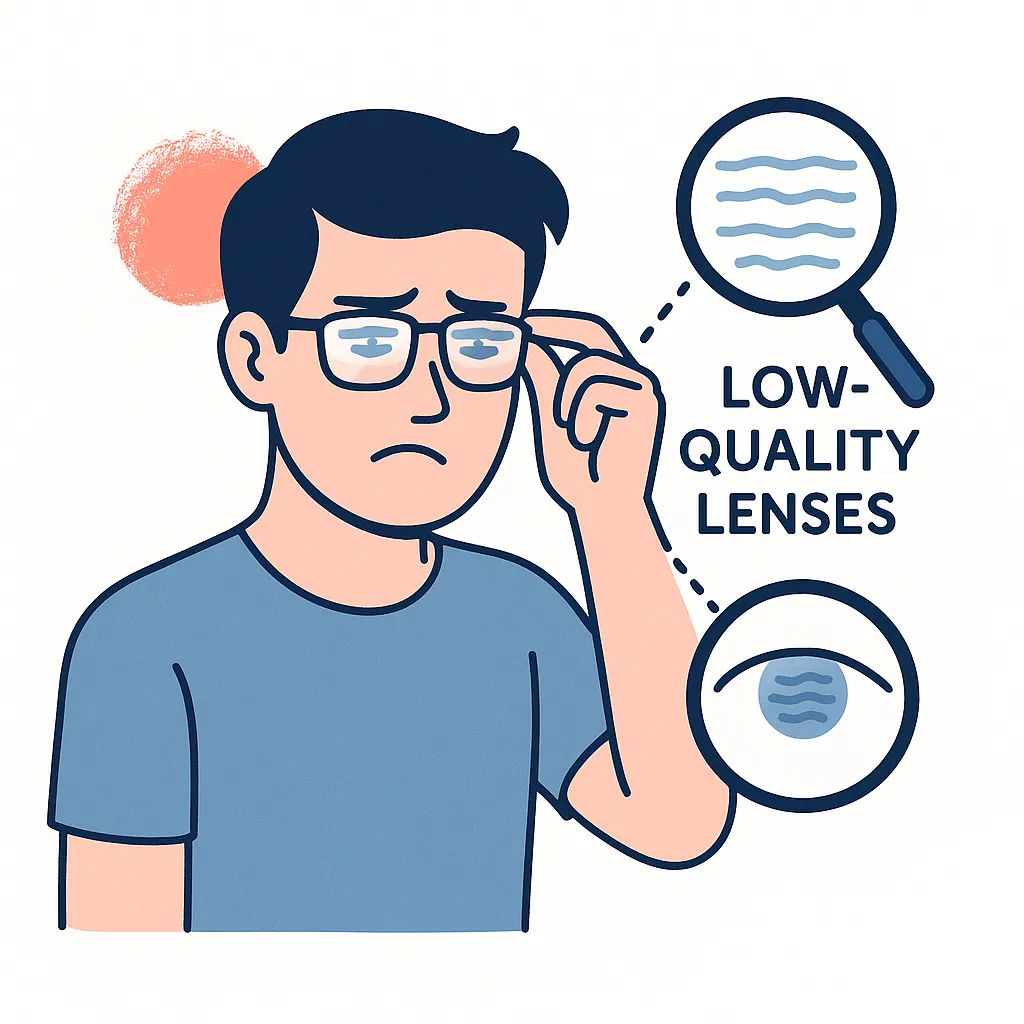
Lens coatings and materials can significantly improve the experience, especially for men who wear glasses all day.
Correcting this mistake involves learning what lens features matter for your lifestyle and prioritizing function over shortcuts.
7. Wearing the Wrong Glasses While Driving
Driving places unique demands on vision, especially at night or in changing light conditions. Many men drive with glasses that work fine indoors but struggle outdoors.
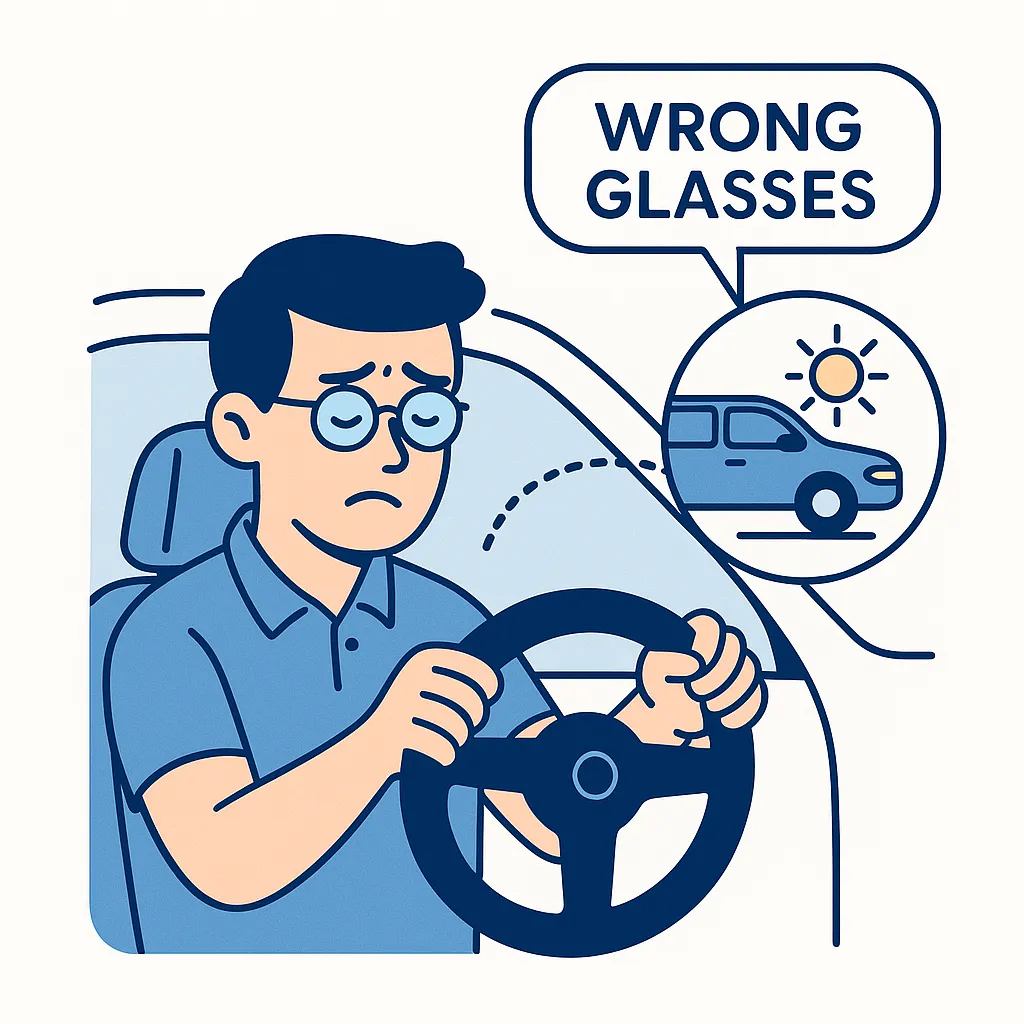
Glare from headlights, reduced contrast, and delayed focus changes can all increase fatigue and reduce reaction time.
These issues often go unnoticed because they develop gradually.
The fix is recognizing that driving vision deserves specific attention, particularly for men who commute frequently or drive long distances.
8. Ignoring Early Warning Signs
Eye discomfort often starts subtly. Occasional headaches, dry eyes, or slight blurriness may seem insignificant, but they’re often early signals of larger issues.
Many men ignore these signs, assuming they’re related to stress, sleep, or aging rather than vision.
Over time, the body compensates, masking the root cause.
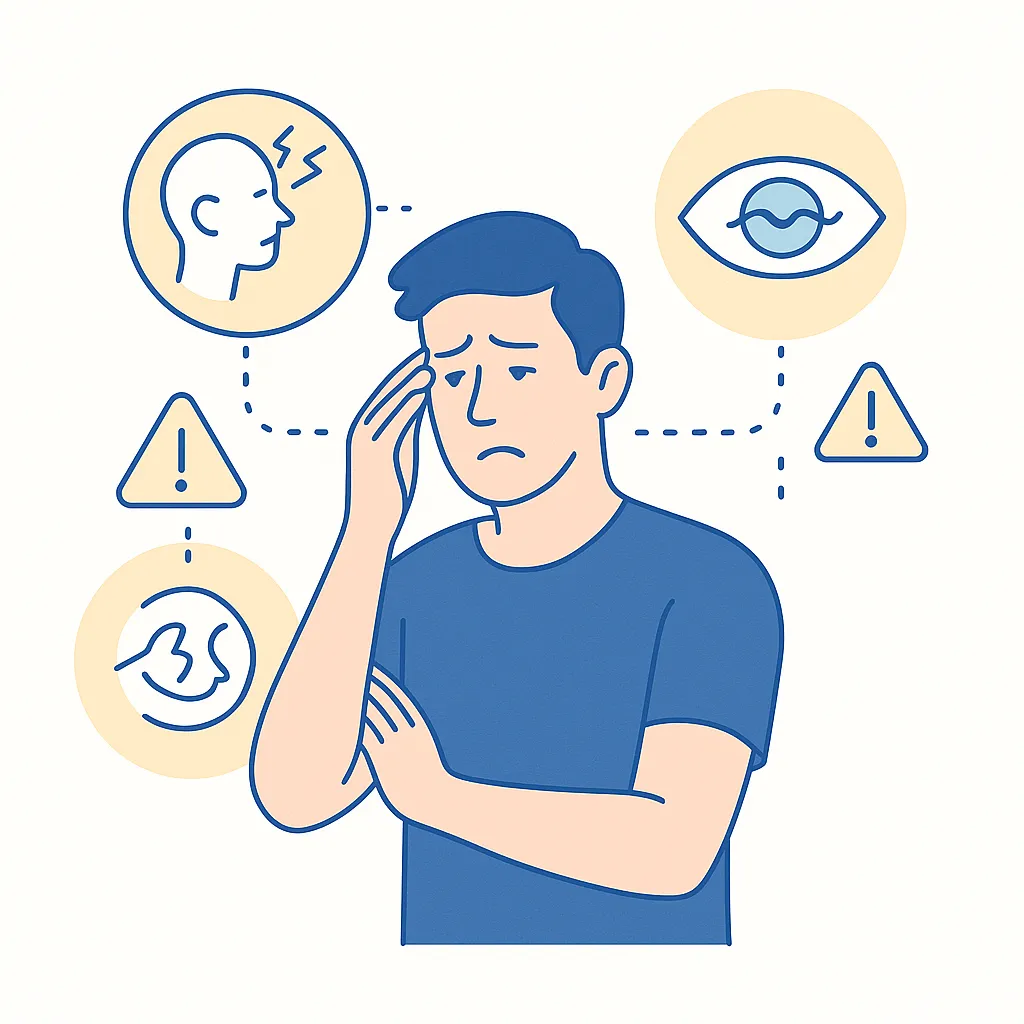
Fixing this habit involves paying attention to patterns rather than isolated symptoms. Consistency is the clue that something needs adjustment.
9. Not Protecting Eyes During Physical Activities
Whether it’s sports, yard work, or home projects, many men skip eye protection unless it feels obviously necessary. This increases the risk of injury and long-term damage.
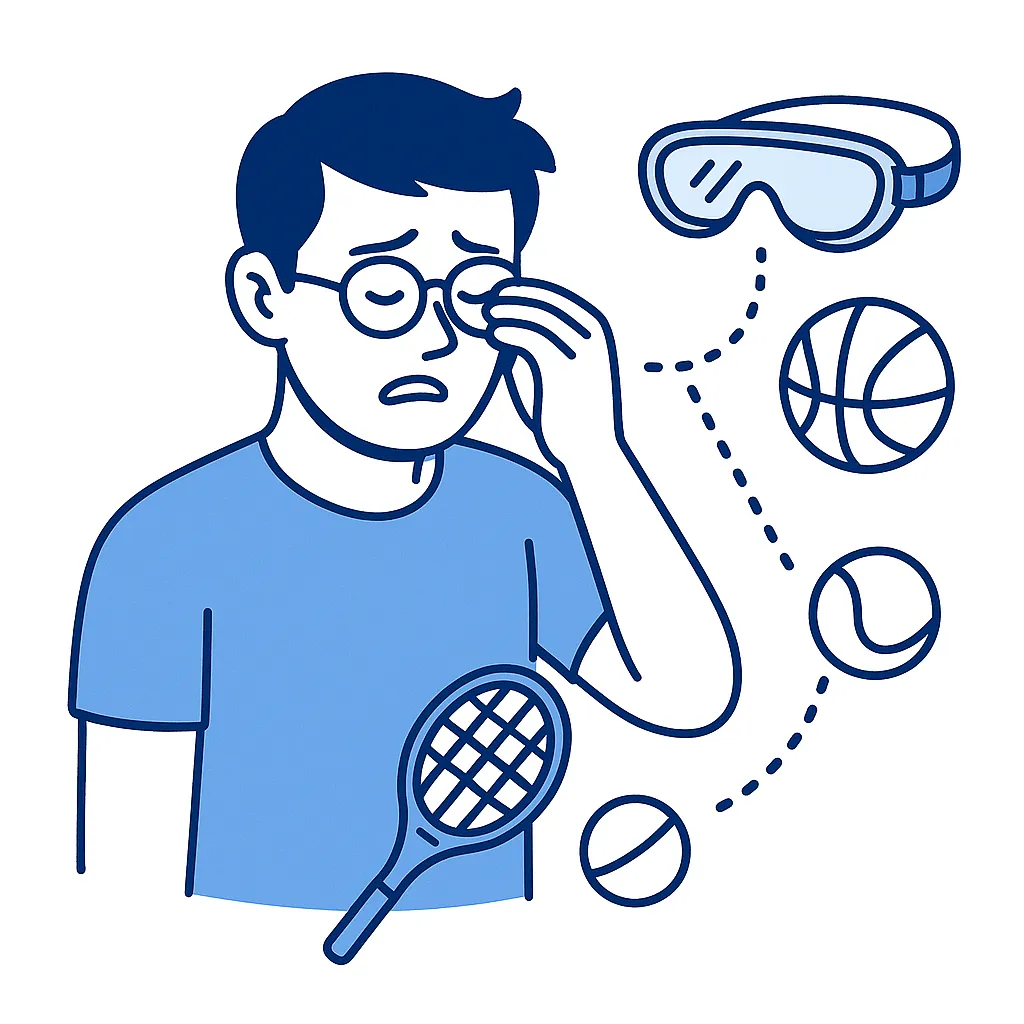
Even casual activities can expose eyes to debris, impact, or prolonged UV exposure.
Regular glasses often aren’t designed to handle these conditions safely.
The solution is recognizing that eye protection is part of overall safety, not an optional add-on.
10. Treating Vision Care as Optional Maintenance
The underlying mistake behind many others is treating vision care as optional rather than essential. When life gets busy, eye health is often the first thing deprioritized.
Vision affects nearly every daily task.
When it’s compromised, productivity, comfort, and safety all decline subtly.

Fixing this mindset means integrating vision care into regular routines, just like dental or physical health.
Corrective-Action Checklist
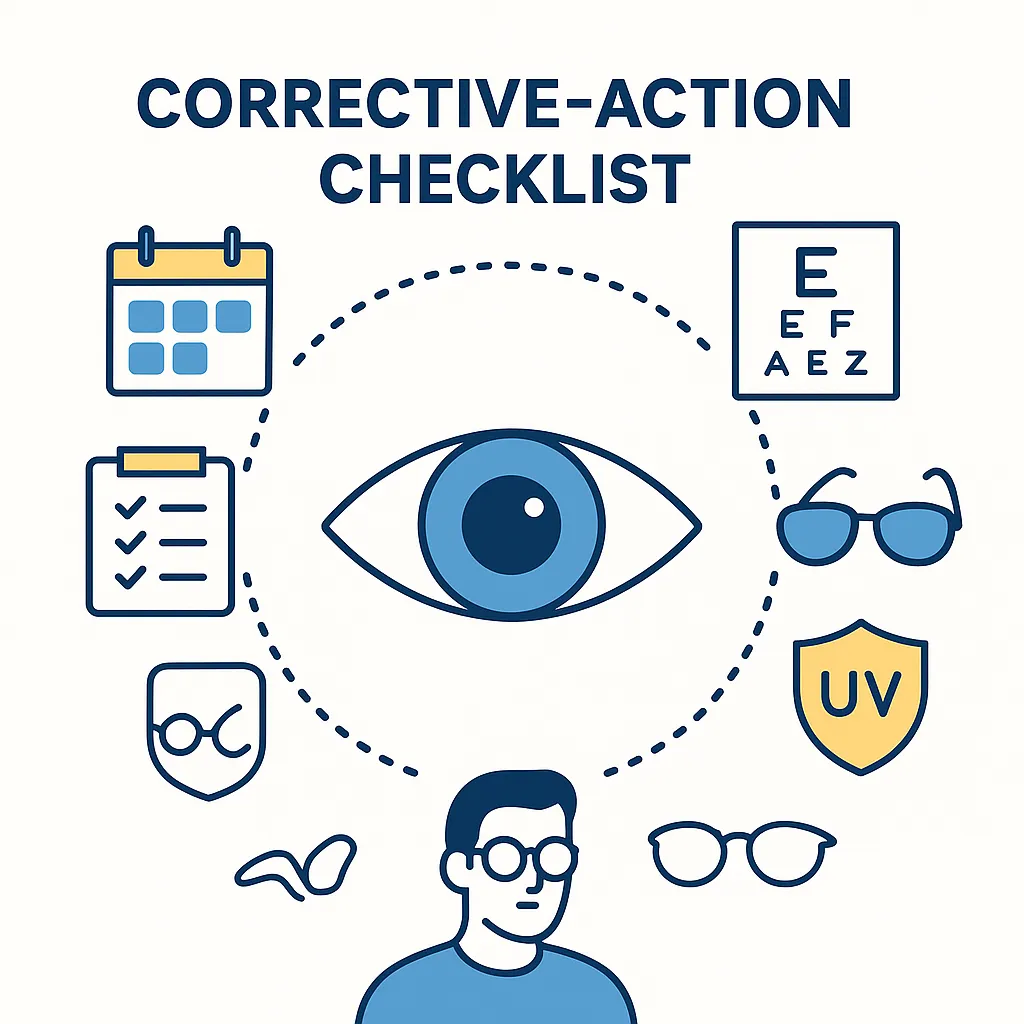
- Schedule routine eye exams even if vision feels stable
- Update prescriptions promptly when changes are recommended
- Use appropriate lenses for screen-heavy work
- Choose frames based on fit first, style second
- Consider multiple pairs for different activities
- Invest in quality lenses and coatings
- Pay attention to glare and night-driving clarity
- Address recurring eye discomfort early
- Use protective eyewear during physical activities
- Treat vision care as a long-term habit, not a one-time task
Common Mistakes and Practical Fixes
| Vision Mistake | Common Impact | Practical Fix |
| Skipping eye exams | Undetected vision changes | Schedule regular checkups |
| Outdated prescriptions | Eye strain and headaches | Update lenses as recommended |
| Excessive screen strain | Fatigue and blurred vision | Use screen-optimized lenses |
| Poor frame fit | Discomfort and misalignment | Choose proper measurements |
| One-pair-only mindset | Reduced task comfort | Match glasses to activities |
| Low-quality lenses | Glare and distortion | Upgrade lens materials |
| Driving with wrong lenses | Reduced night clarity | Use driving-appropriate lenses |
| Ignoring warning signs | Worsening strain | Address symptoms early |
| No eye protection | Injury risk | Use task-specific protection |
| Treating care as optional | Long-term decline | Build consistent habits |

Final Thoughts
Most vision problems men experience aren’t sudden or dramatic.
They develop slowly, reinforced by habits that feel normal until they’re not.
The good news is that these mistakes are fixable with small, intentional changes.
Better vision doesn’t require perfection. It requires attention, consistency, and choices that support how you actually live and work. When vision care becomes part of your routine rather than a reaction to discomfort, clarity and comfort follow naturally.
Author

Subscribe to our email newsletter to get the latest posts delivered right to your email.