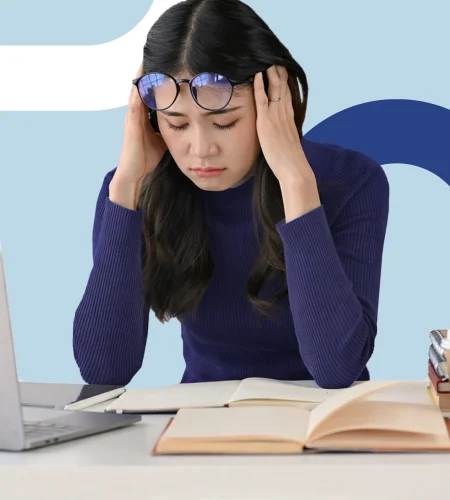
Eye comfort is not a luxury.
For many women, it is a daily challenge shaped by long work hours, constant screen exposure, household responsibilities, and the mental load of juggling multiple roles at once.
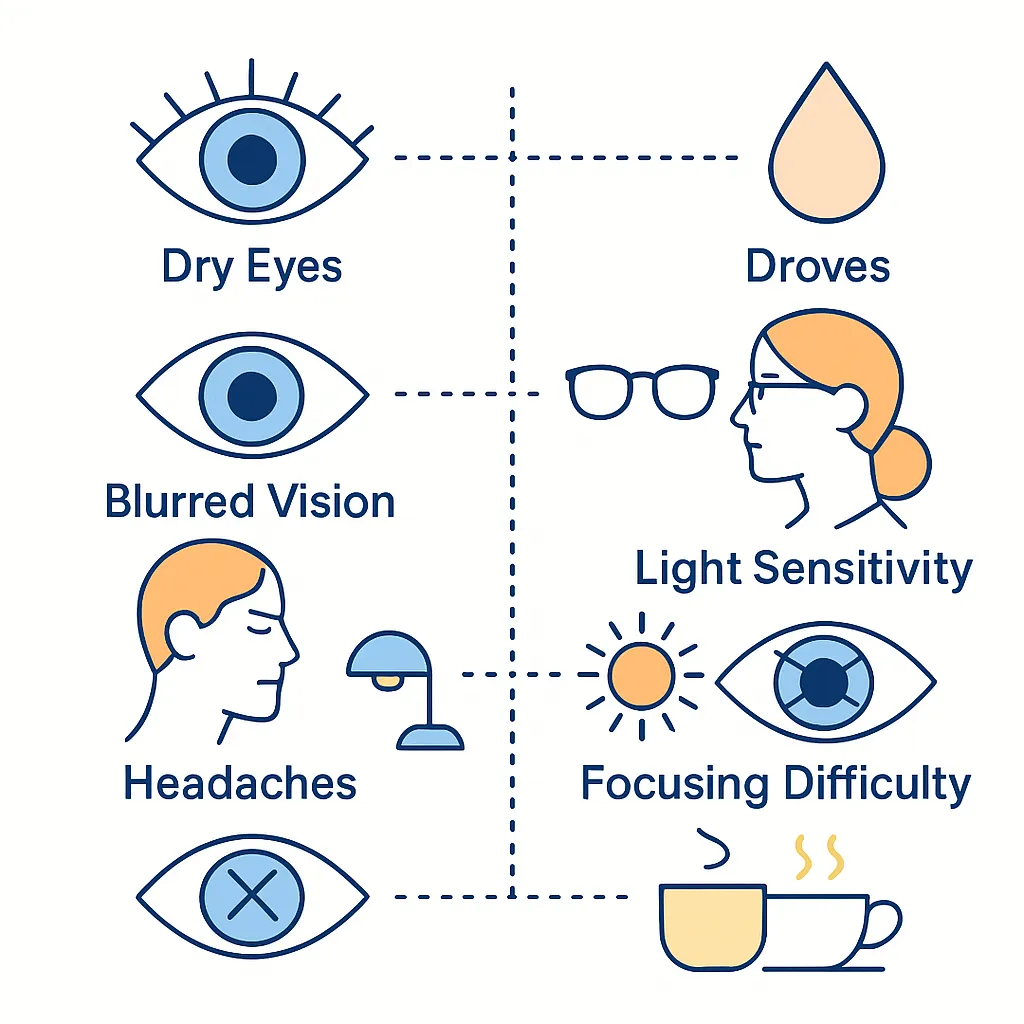
Eye strain and fatigue often build quietly, showing up as headaches, blurred vision, dry eyes, or a sense of visual exhaustion that lingers even after rest.
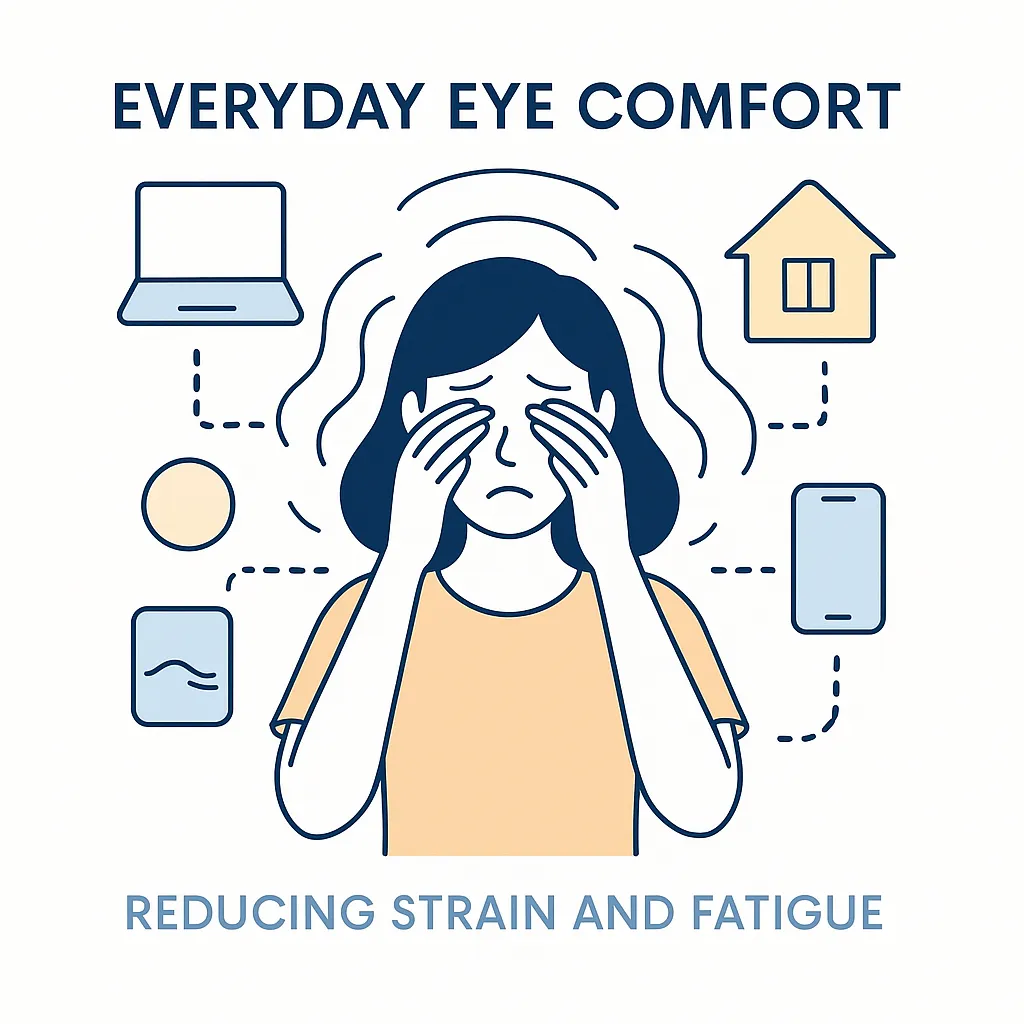
This guide focuses on practical, realistic ways women can reduce eye strain and protect daily visual comfort. It does not rely on extreme lifestyle changes or unrealistic routines. Instead, it addresses how eyes are actually used throughout the day — at work, at home, and on screens — and how small adjustments can make a meaningful difference over time.
Understanding Why Eye Strain Is So Common for Women
Eye strain is rarely caused by a single habit. It develops through repeated visual stress combined with environmental and physiological factors.
Women often experience eye fatigue more frequently due to a combination of:
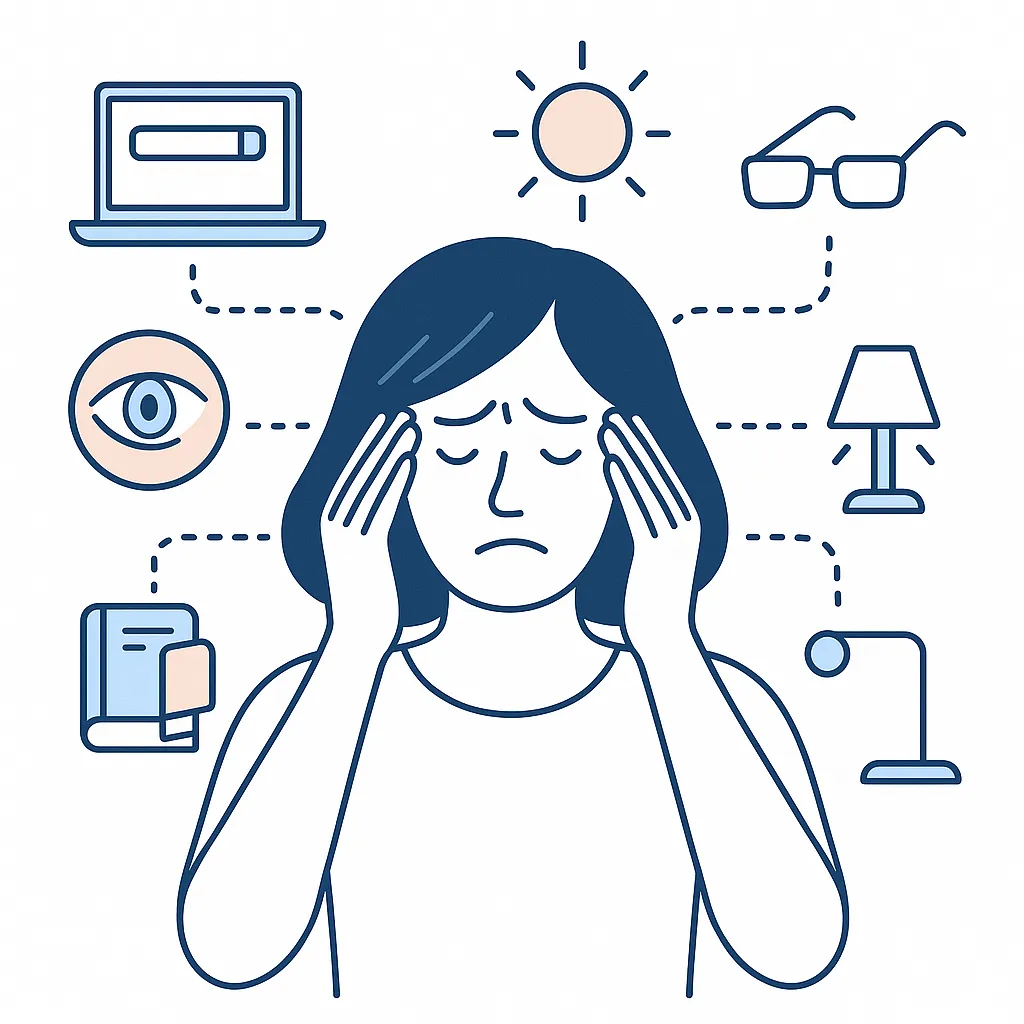
- Extended near-vision tasks such as computer work, reading, or phone use
- Dry eye tendencies influenced by hormones, environment, and contact lens wear
- Poor lighting conditions at work or at home
- Vision correction that is outdated or not optimized for daily tasks
Eye strain does not always mean something is “wrong” with vision. In many cases, the eyes are simply being asked to work harder than they should.
Common Signs of Daily Eye Strain and Fatigue
Eye discomfort does not always present as obvious pain. Many women dismiss early symptoms as normal tiredness.
Common signs include:
- Heavy or sore-feeling eyes
- Blurred or fluctuating vision
- Headaches, especially late in the day
- Dryness, burning, or watering
- Sensitivity to light
- Difficulty focusing after prolonged tasks
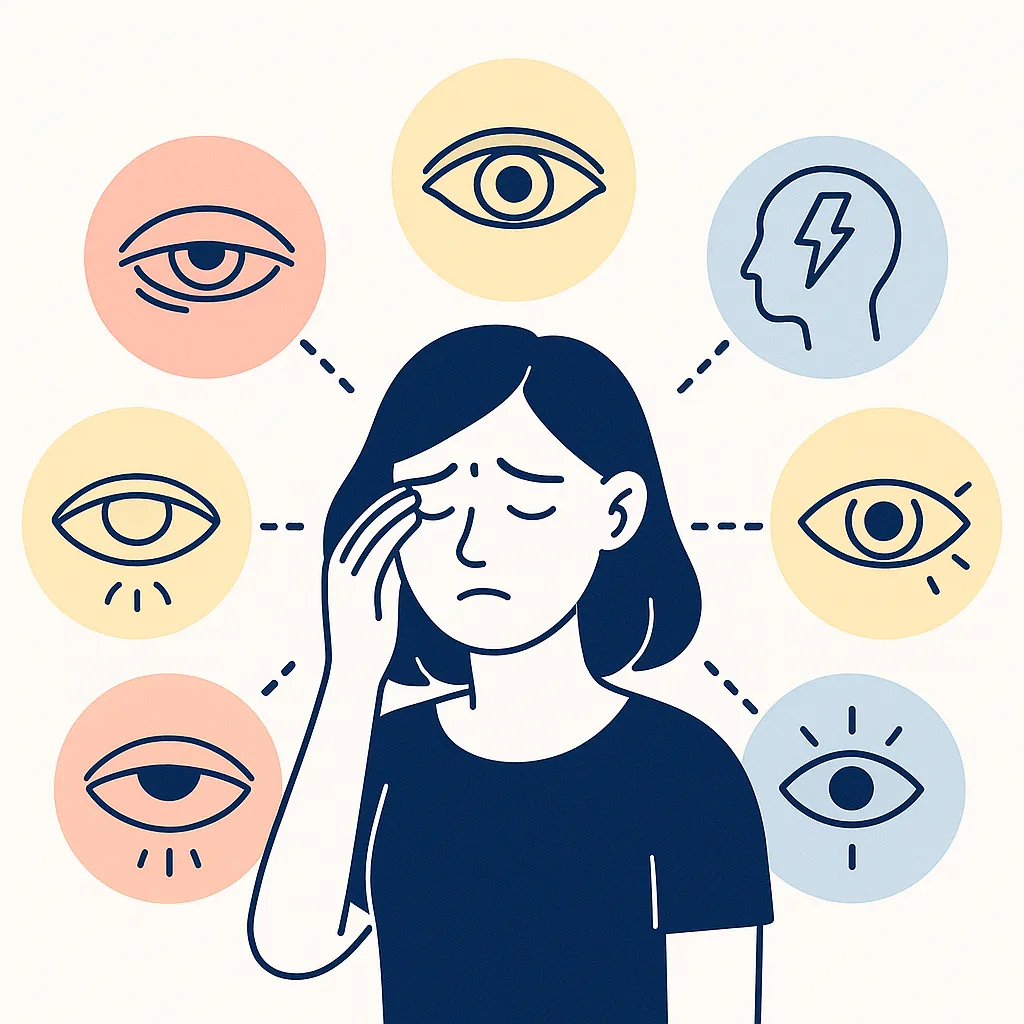
Recognizing these signals early is essential. Persistent strain tends to worsen if left unaddressed.
Eye Comfort at Work: Reducing Strain During the Day
Work environments are one of the biggest contributors to daily eye fatigue. Whether working in an office, at home, or in a hybrid setup, visual stress accumulates quickly.
Screen Position and Visual Distance
Many women work with screens positioned too high, too close, or off-center. These subtle issues force the eyes and neck into constant adjustment.
A more comfortable setup includes:
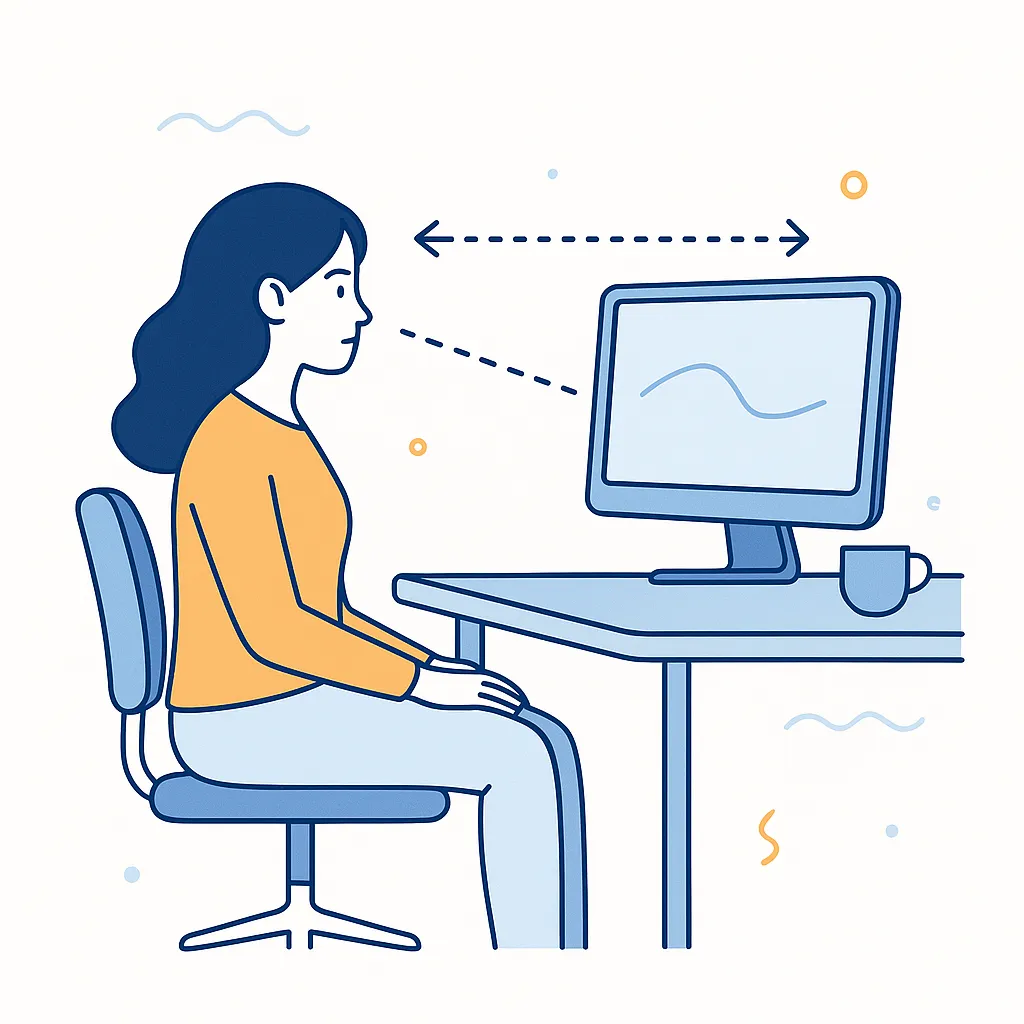
- Screen positioned slightly below eye level
- Viewing distance roughly an arm’s length away
- Screen centered directly in front of the face
This positioning allows the eyes to relax naturally and reduces strain on both vision and posture.
Lighting and Glare Control
Poor lighting forces the eyes to work harder to distinguish contrast. Glare from windows or overhead lights adds another layer of visual stress.
Helpful adjustments include:
- Using soft, indirect lighting rather than harsh overhead lights
- Positioning screens perpendicular to windows
- Adjusting brightness so screens match ambient light
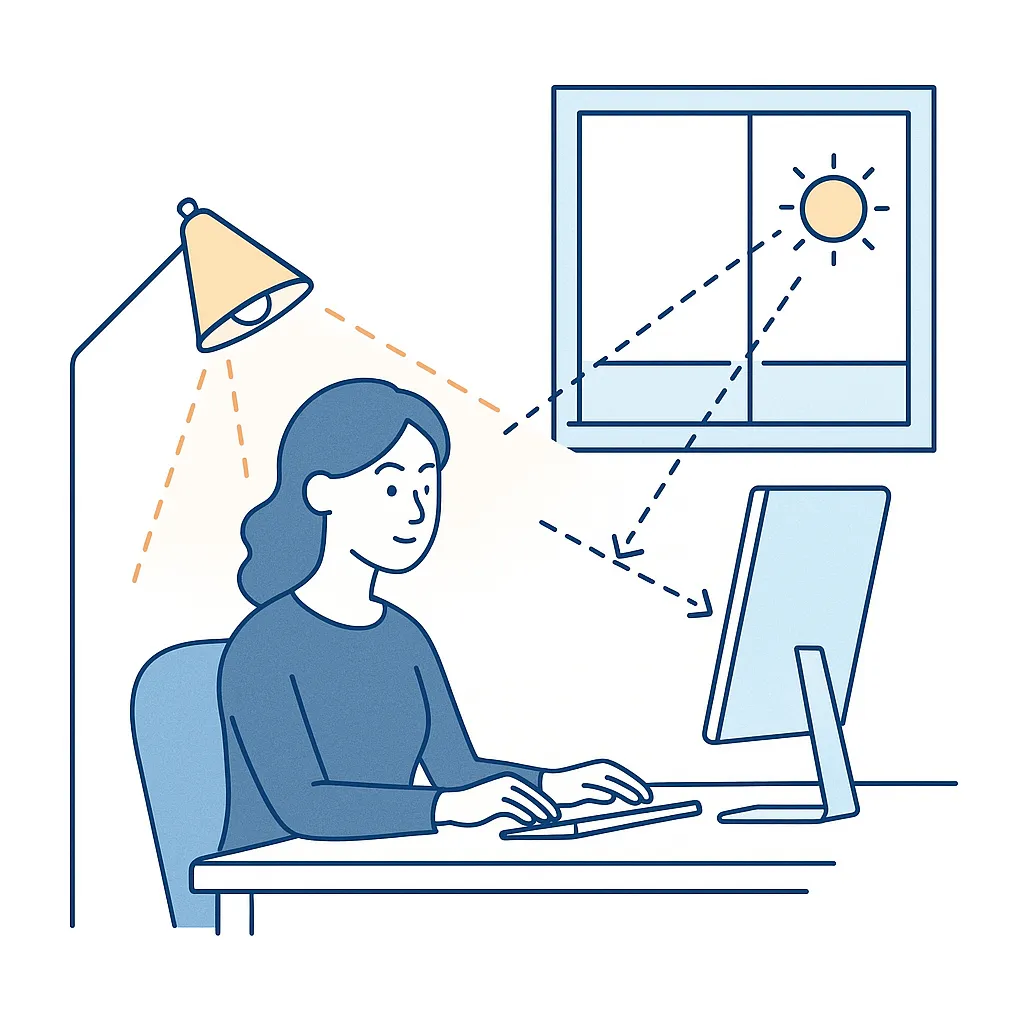
Balanced lighting supports steady focus and reduces the need for constant squinting.
Vision Correction for Work Tasks
Many women rely on one pair of glasses for everything, even when their daily tasks require different visual demands.
Work-related eye strain often increases when:

- Prescriptions are outdated
- Lenses are not designed for prolonged screen use
- Near-vision needs change with age
Using glasses tailored for work and screen distance can significantly reduce fatigue by allowing the eyes to focus without constant effort.
Eye Comfort at Home: Supporting Vision Outside of Work Hours
Eye strain does not end when the workday does. Home environments introduce different visual challenges that are often overlooked.
Reading, Cooking, and Close-Up Tasks
Activities such as reading, cooking, crafting, or helping children with homework all require sustained near vision.
To support eye comfort during these tasks:
- Use focused task lighting instead of relying on ambient light
- Avoid reading in dim or uneven lighting
- Take short visual breaks during extended close-up work
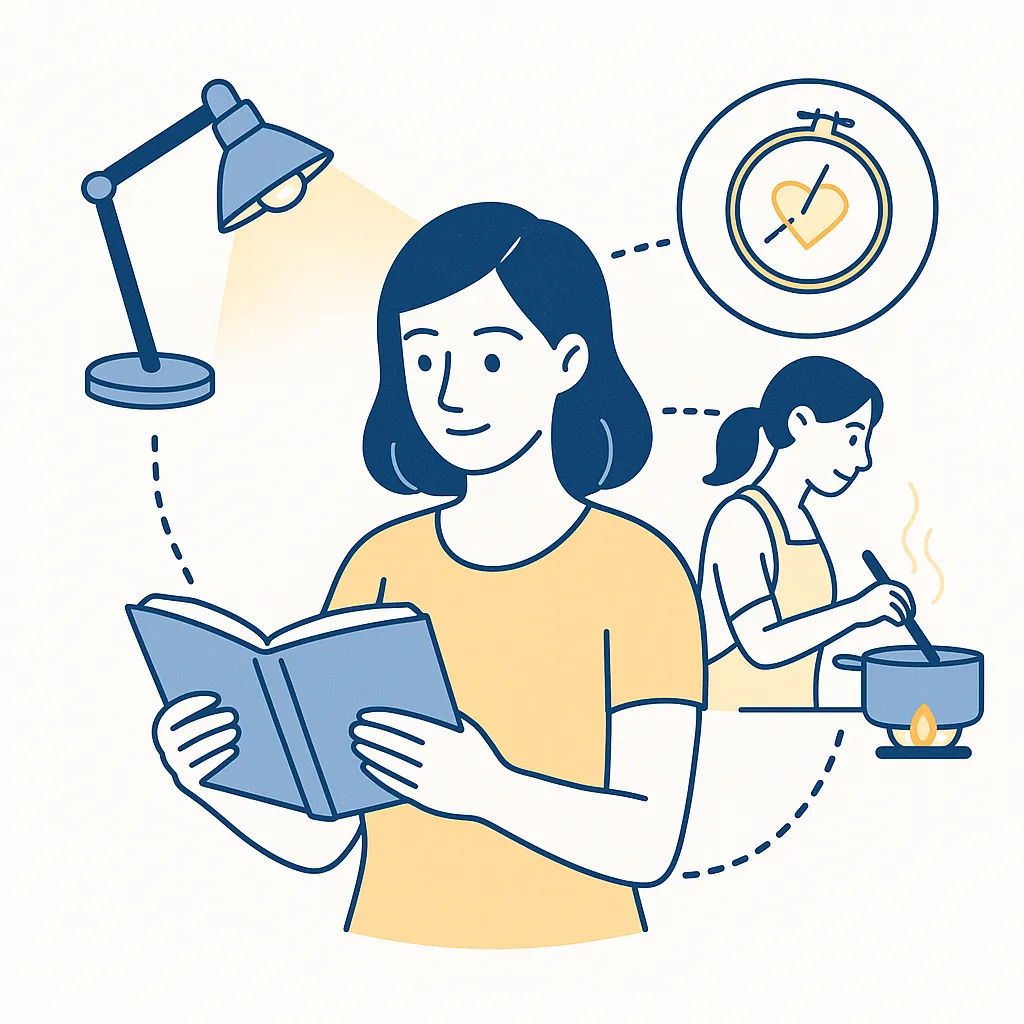
Clear, consistent lighting helps the eyes maintain focus without strain.
Evening Eye Fatigue and Recovery
Many women experience eye discomfort most strongly in the evening. This is often when accumulated strain becomes noticeable.
Gentle ways to support recovery include:
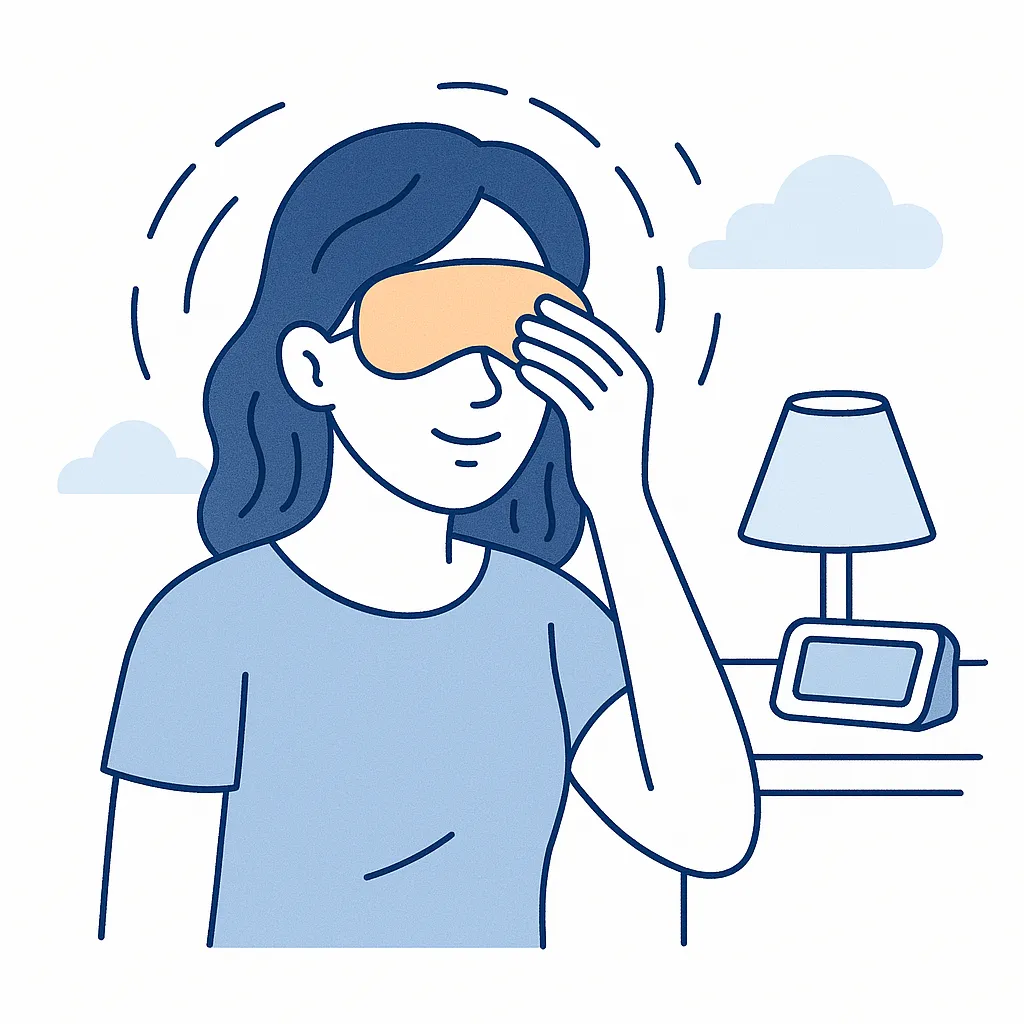
- Reducing screen use before bedtime
- Using warm compresses to encourage tear production
- Allowing eyes to rest without visual stimulation
Even small periods of visual rest can help reset tired eyes.
Home Environment and Dry Eyes
Indoor environments can contribute significantly to dryness and irritation.
Common contributors include:
- Air conditioning or heating
- Low humidity levels
- Prolonged indoor screen use
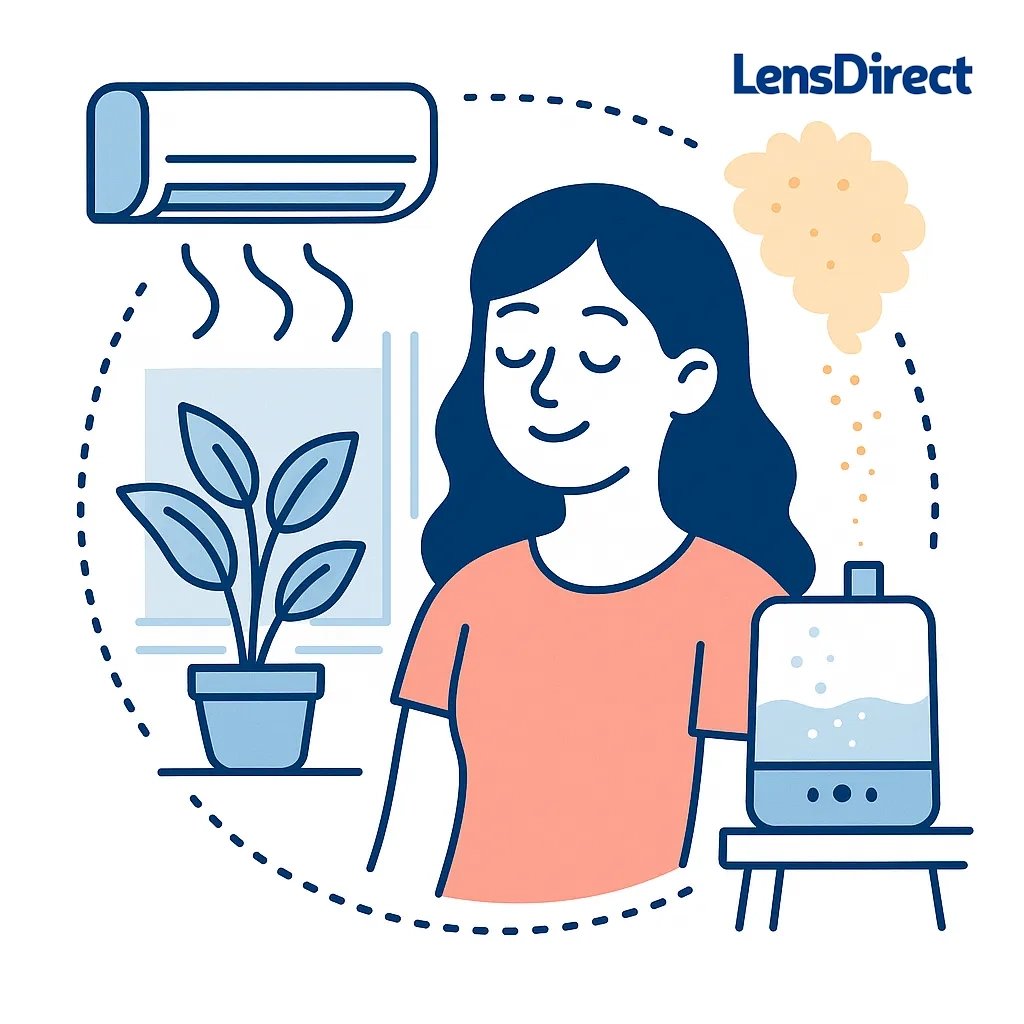
Maintaining adequate humidity and staying hydrated supports tear stability and overall comfort.
Screen Use: Managing the Biggest Source of Modern Eye Strain
Screens are unavoidable for most women. Phones, tablets, laptops, and televisions all demand prolonged focus at fixed distances.
Why Screens Are So Fatiguing
Screens require constant micro-adjustments in focus and blink rate. Over time, this reduces tear coverage and increases muscular fatigue.
Common issues caused by extended screen use include:
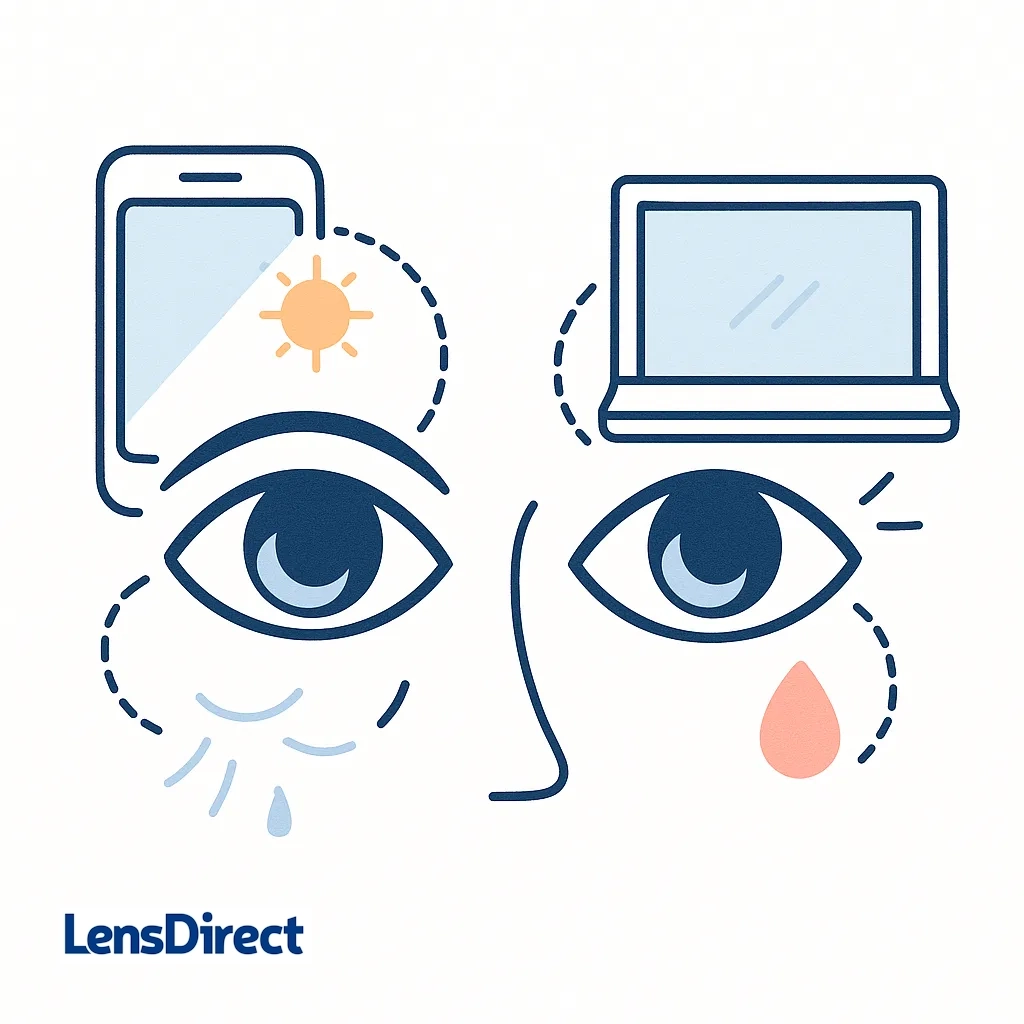
- Reduced blinking
- Increased dryness
- Difficulty shifting focus to distance
Understanding this makes it easier to approach screen use more intentionally.
Healthy Screen Habits That Actually Work
Rather than eliminating screens, the goal is to reduce their impact.
Helpful habits include:
- Looking away from screens regularly
- Blinking consciously during focused tasks
- Adjusting text size to avoid squinting
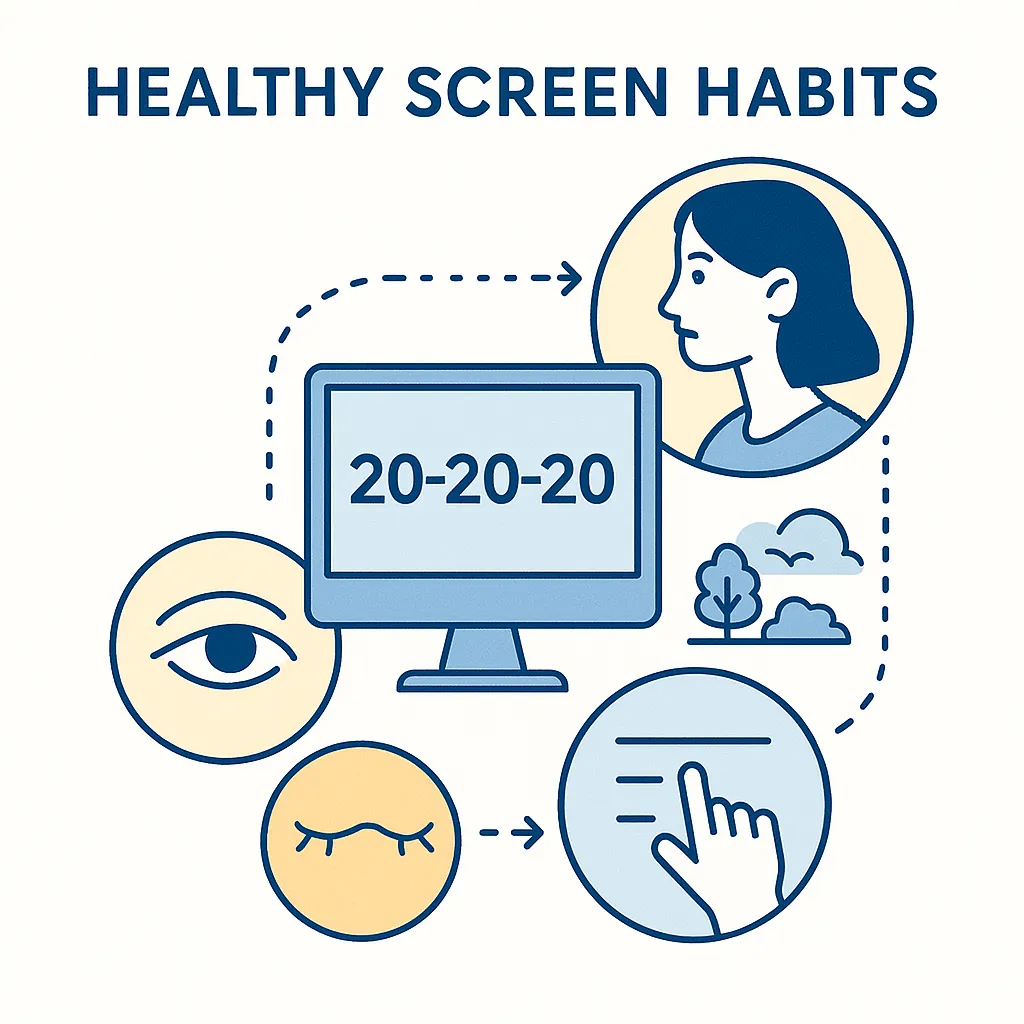
These small actions reduce cumulative strain without disrupting productivity.
Daily Comfort Habits That Support Eye Health
Consistency matters more than intensity when it comes to eye comfort. Small, repeatable habits often have the biggest long-term impact.
Everyday Comfort Checklist
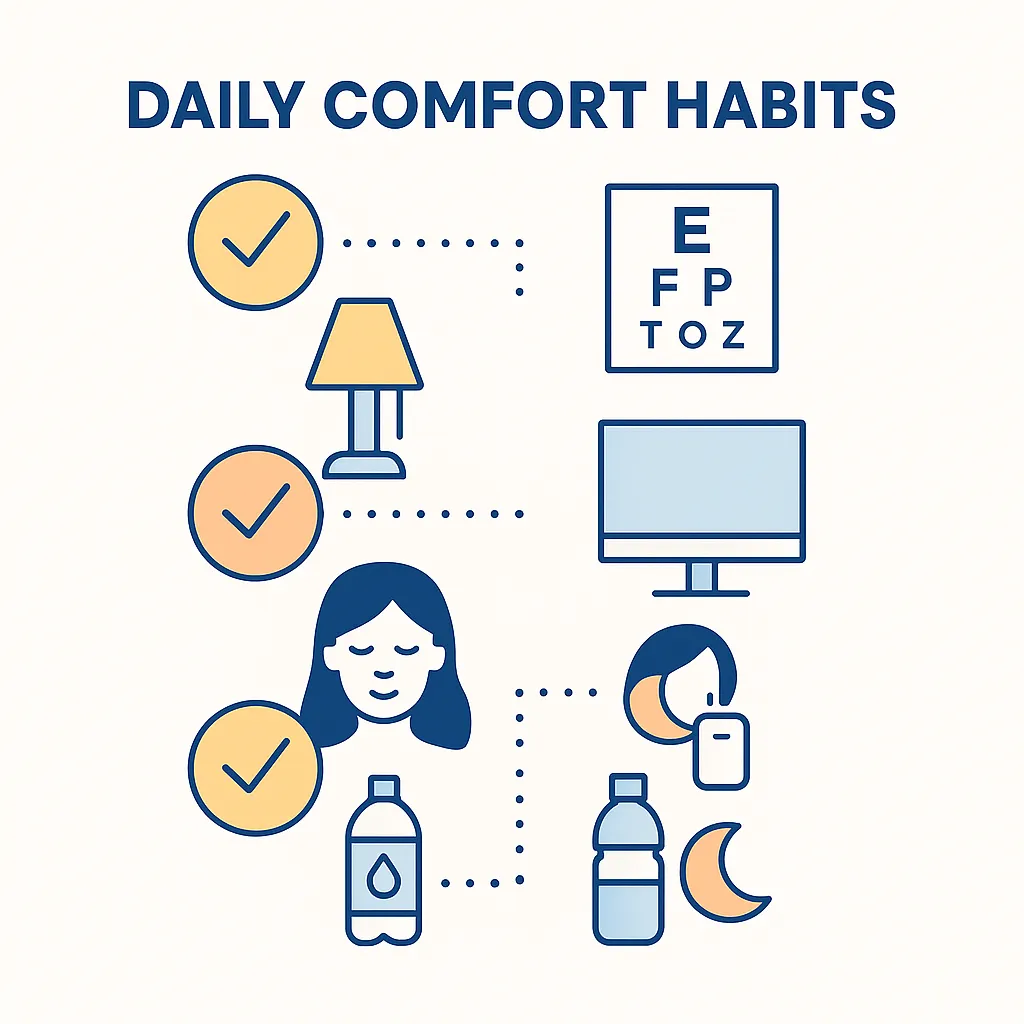
- Keep prescriptions current and accurate
- Use appropriate lighting for each task
- Adjust screens for height and distance
- Take visual breaks throughout the day
- Stay hydrated to support tear production
- Limit unnecessary screen time in the evening
These habits work best when practiced daily rather than occasionally.
Mapping Common Eye Problems to Practical Solutions
| Common Problem | Likely Cause | Practical Comfort Solution |
| Dry, burning eyes | Reduced blinking, dry environment | Conscious blinking, improved humidity |
| Blurred vision late in the day | Eye muscle fatigue | Visual breaks, updated prescription |
| Headaches after screen use | Poor ergonomics or glare | Adjust screen position and lighting |
| Light sensitivity | Eye fatigue or dryness | Balanced lighting, reduced screen brightness |
| Difficulty focusing | Visual overload | Task-specific eyewear, scheduled rest |
This table highlights how most eye discomfort has manageable solutions when the cause is identified.
The Role of Eyewear in Everyday Eye Comfort
Proper eyewear plays a central role in reducing strain and fatigue. Glasses are not just for correcting vision — they help guide how the eyes work throughout the day.
Comfort-focused eyewear should:
- Match daily visual demands
- Fit securely without pressure points
- Use lenses appropriate for screen and near work
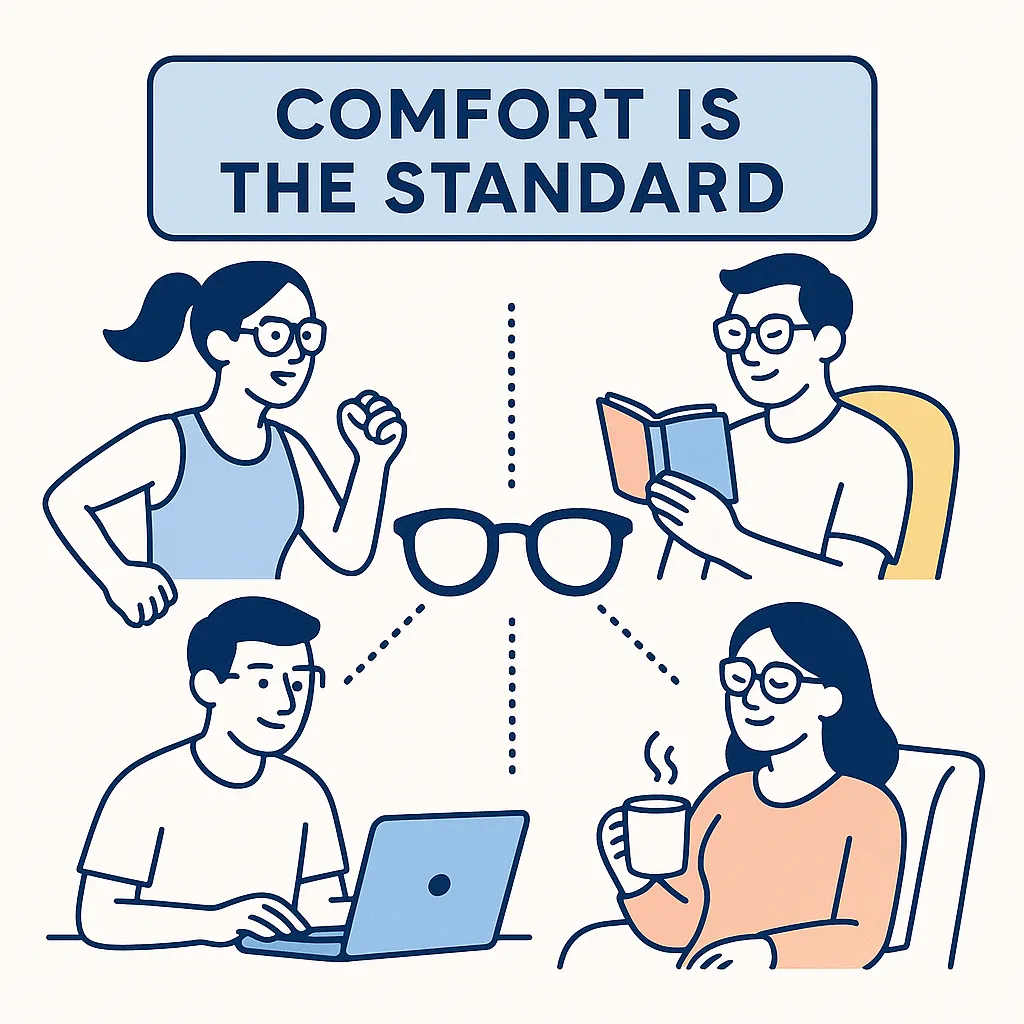
When eyewear aligns with lifestyle needs, the eyes no longer have to compensate unnecessarily.
Why Eye Comfort Changes Over Time
Eye comfort is not static. Hormonal changes, aging, work demands, and lifestyle shifts all influence how eyes feel day to day.
Women may notice changes during:
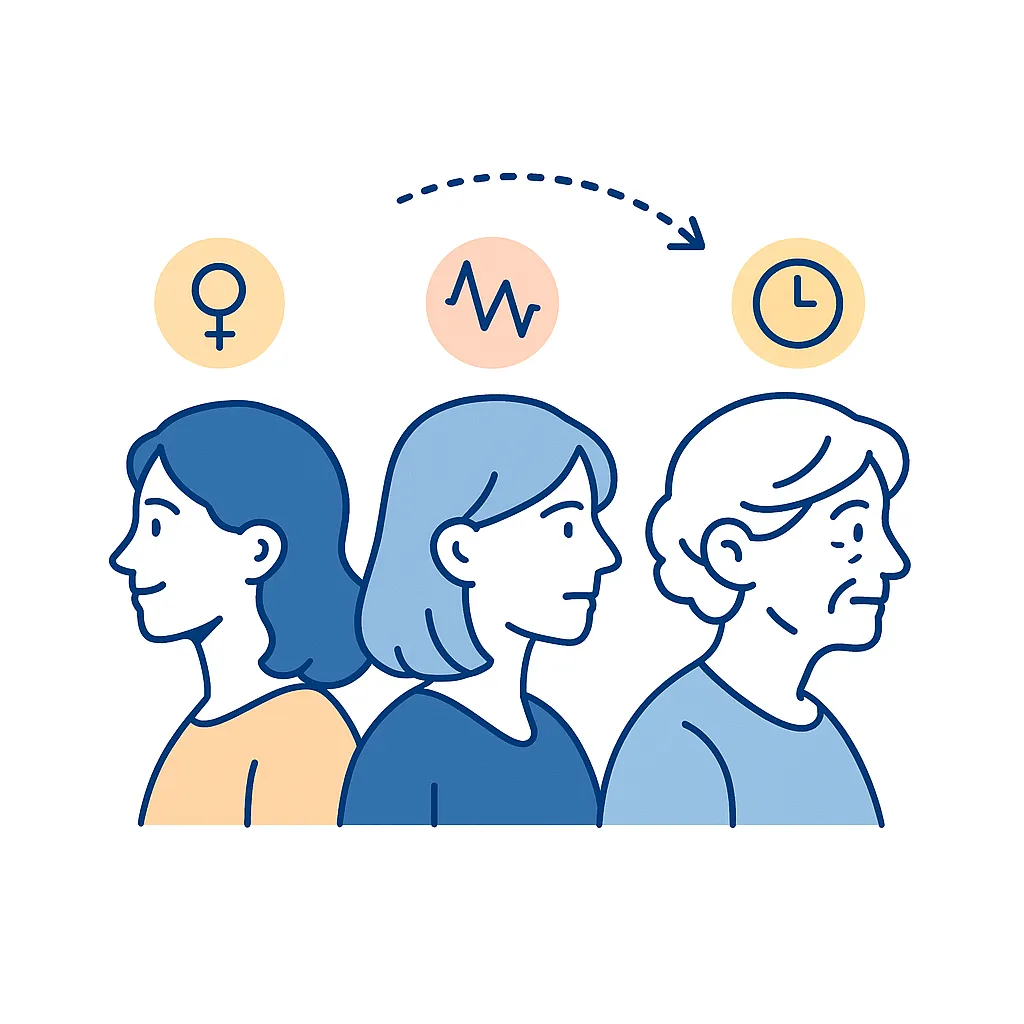
- Career transitions involving more screen use
- Periods of increased stress or fatigue
- Natural age-related vision changes
Recognizing that eye comfort evolves helps normalize adjustments rather than ignoring symptoms.
Building a Sustainable Eye Comfort Routine
The most effective approach to eye comfort is sustainable and realistic. Rather than focusing on perfection, aim for awareness and gradual improvement.
A sustainable routine includes:
- Regular vision check-ins
- Thoughtful workspace setup
- Intentional rest periods
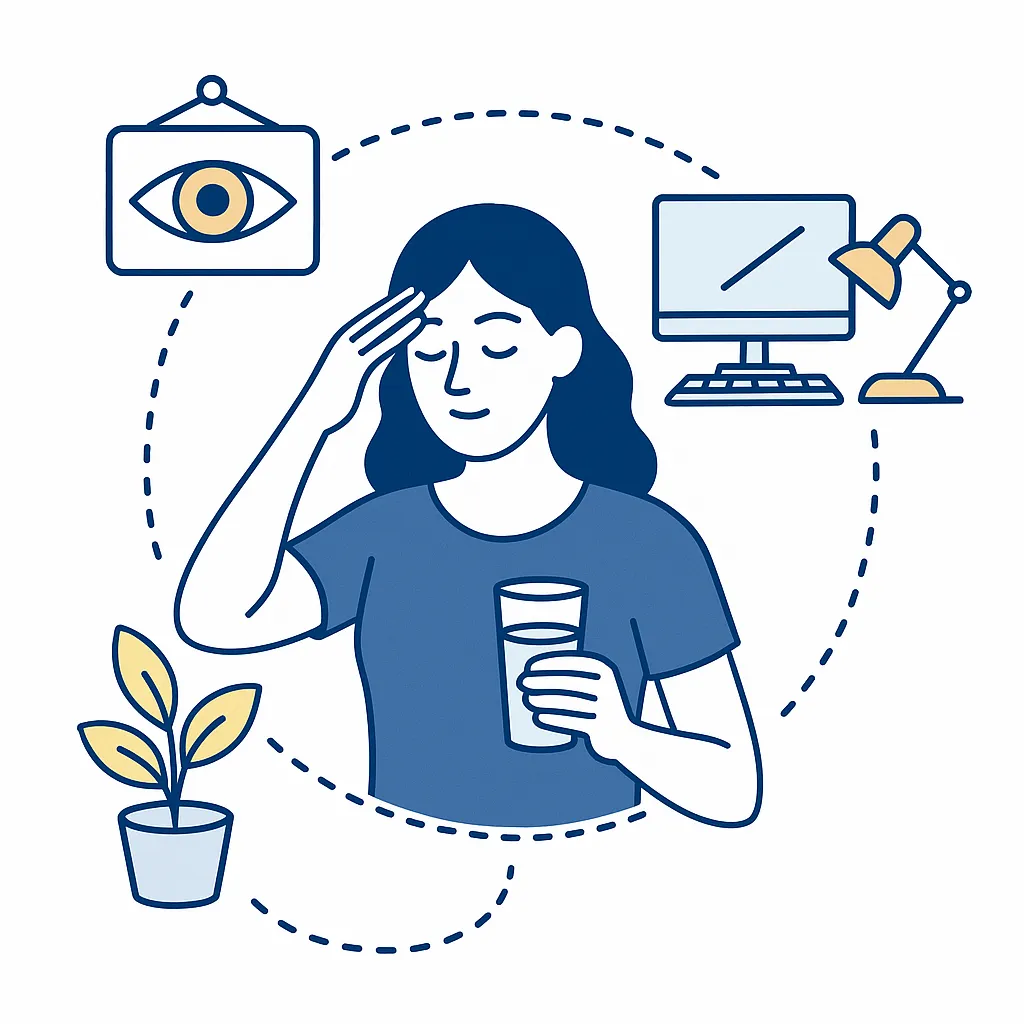
Over time, these choices reduce strain and protect long-term comfort.
Final Thoughts: Prioritizing Everyday Eye Comfort
Eye strain is not something women should accept as inevitable. Daily eye comfort is achievable through practical adjustments, supportive eyewear choices, and awareness of how eyes are used throughout the day.
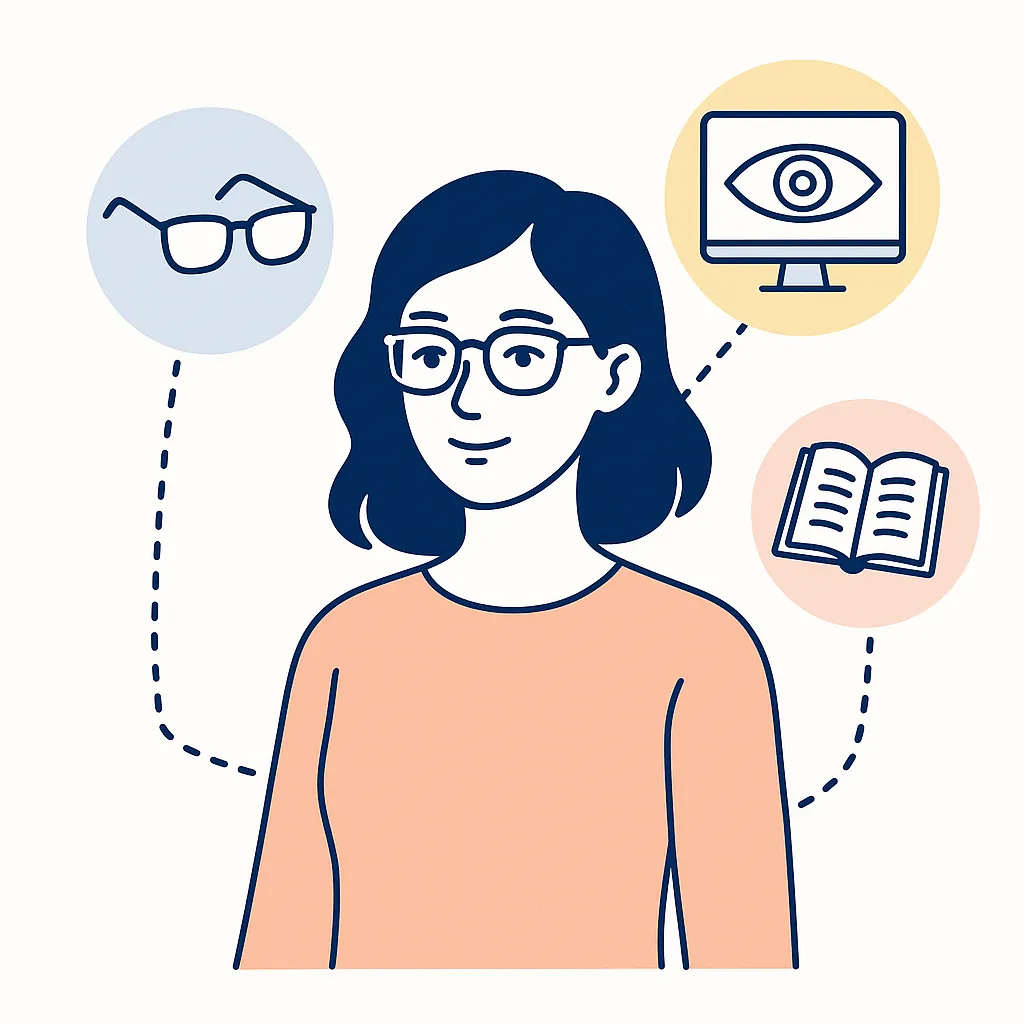
By addressing work environments, home habits, and screen use together, women can reduce fatigue, improve focus, and protect visual well-being without sacrificing productivity or comfort.
Clear, comfortable vision supports everything else you do. Making eye comfort part of your daily routine is an investment in long-term quality of life.
Author

Subscribe to our email newsletter to get the latest posts delivered right to your email.