
Sunglasses that keep sliding down your nose are more than annoying. They can distract you while driving, break your focus during a run, and leave you constantly pushing frames back into place with sweaty hands.
This guide is for anyone buying eyewear online, replacing lenses in a favorite frame, or shopping for sport and outdoor sunglasses that stay put. You’ll learn why sunglasses keep slipping, how to stop sunglasses from sliding with simple at-home fixes, how to choose the right nose pads for sunglasses and ear grips, and when a sports strap is the smartest solution.
Why sunglasses keep slipping (the fast diagnosis)
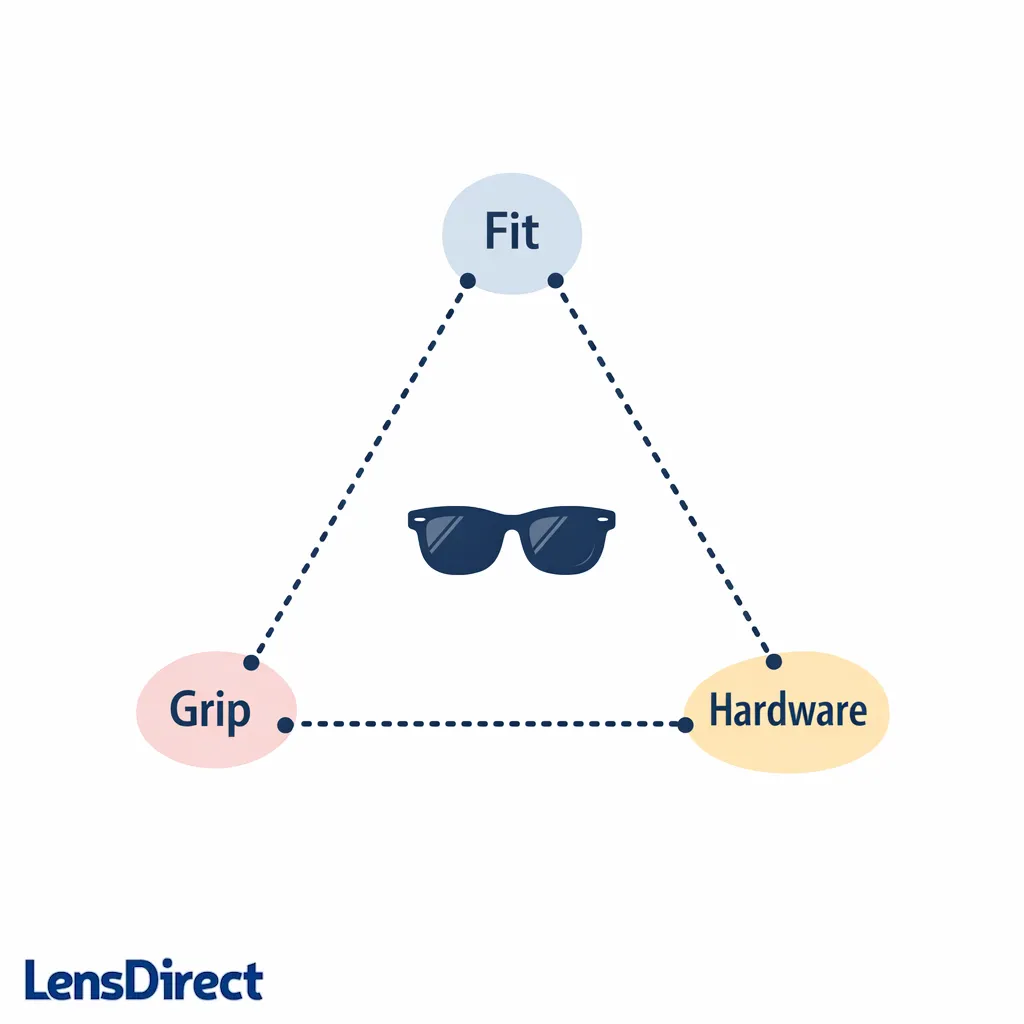
Most slipping comes down to one of three things: the frame is the wrong size for your face, the contact points (nose and ears) do not have enough friction, or the frame has loosened over time. The good news is you can usually pinpoint the cause in a minute.
Fit problem: the frame is a little too wide, too flat, or too heavy in front
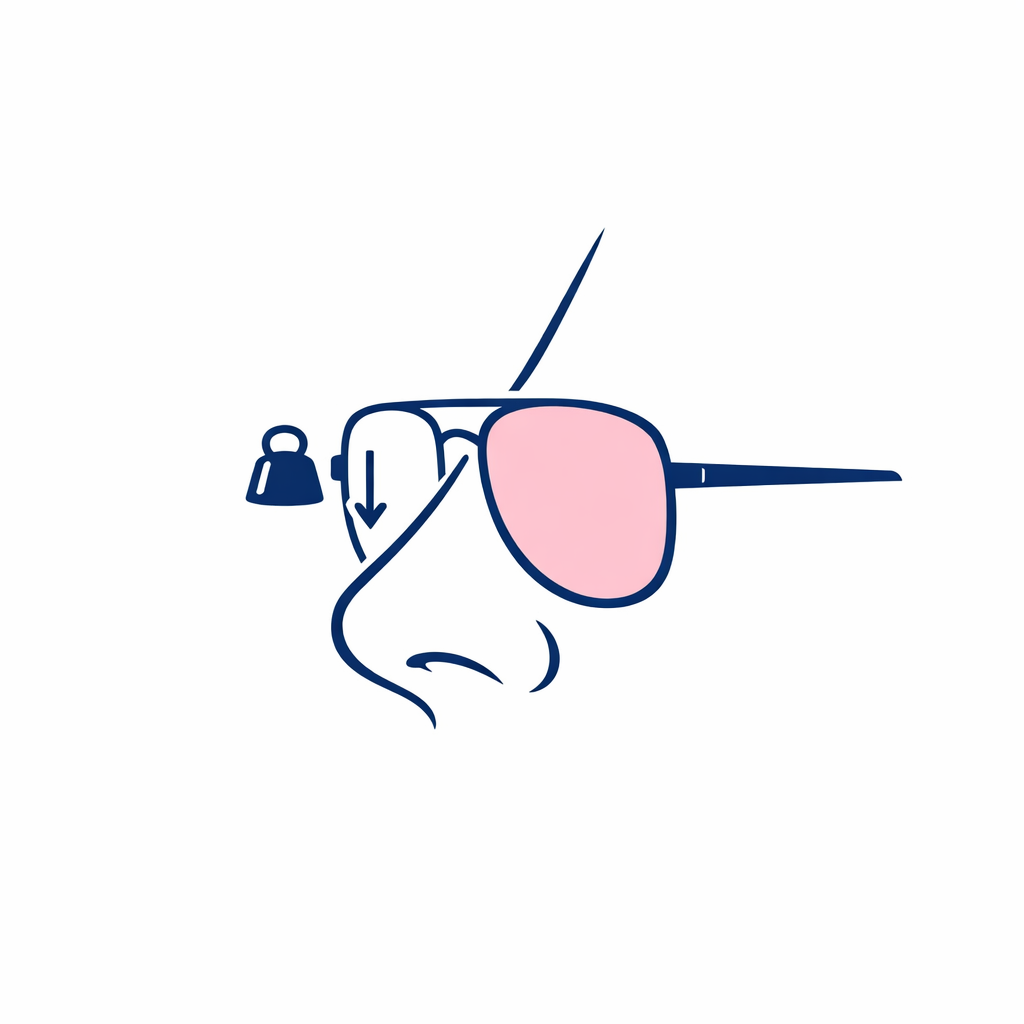
If your sunglasses slide forward when you look down, the bridge is often too wide or the temples (arms) are not providing enough gentle “hug” behind your ears. If the lenses feel front-heavy, the weight can pull the frame down even if the size is close.
Wrap styles can help because they distribute grip around your head, but only if the wrap fits your face. If a wrap frame is too wide, it can still creep forward, especially during sweating.
Grip problem: sweat, sunscreen, and smooth materials reduce friction

Sweat and oily skincare can make even a well-fitting pair feel slippery. The slickness usually shows up at two points: the nose bridge area and the temple tips behind your ears.
If you sweat a lot, look for sport designs that use grippy rubber at the contact points. Some brands use hydrophilic rubber compounds designed to grip more when wet, like Oakley’s Unobtainium material technology.
Hardware problem: loose screws, worn pads, or bent alignment
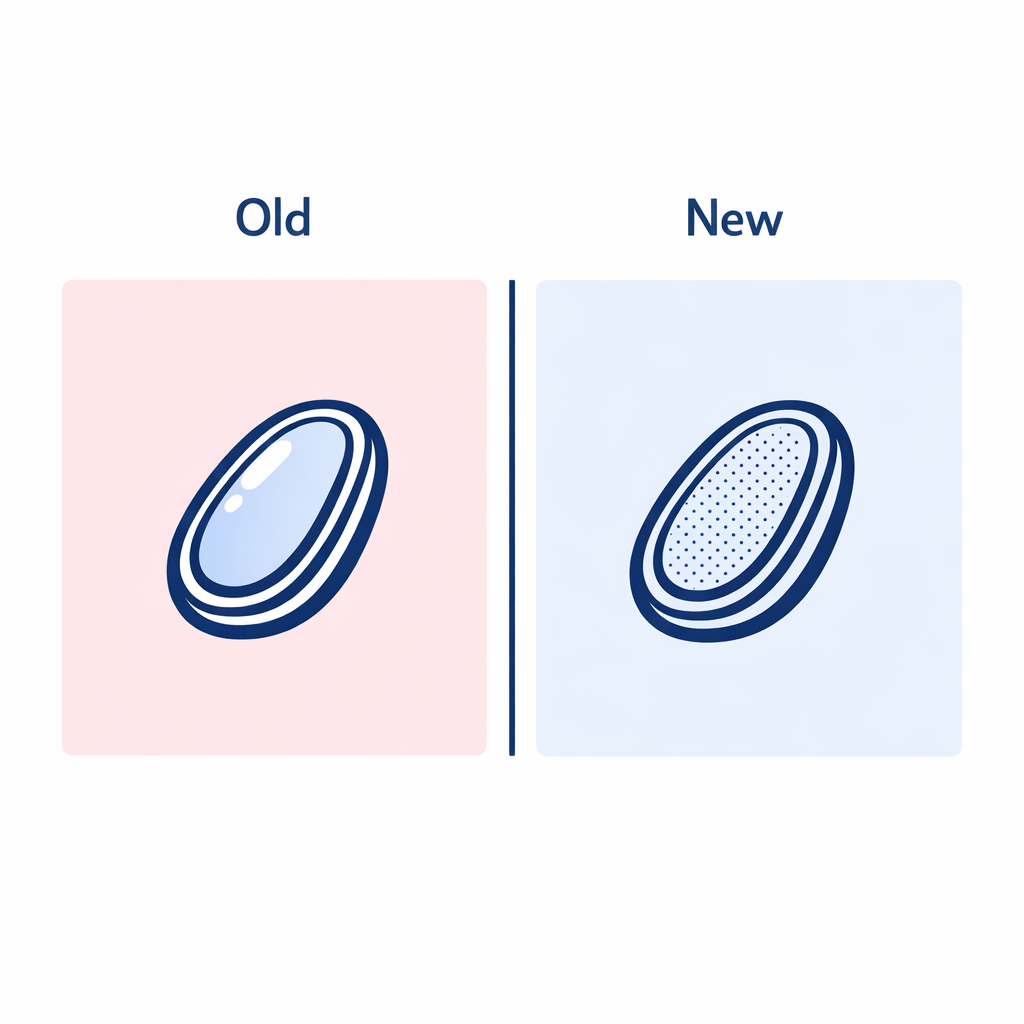
Over time, hinge screws can loosen and nose pads can harden or glaze over. Even a small change can shift how the frame sits, which changes the pressure and the “balance point” on your nose.
If one lens looks higher than the other or the sunglasses feel crooked, the frame may be out of alignment. That often leads to slipping plus pressure points, because only one side is doing the work.
What’s new: sport-first features that help sunglasses stay put
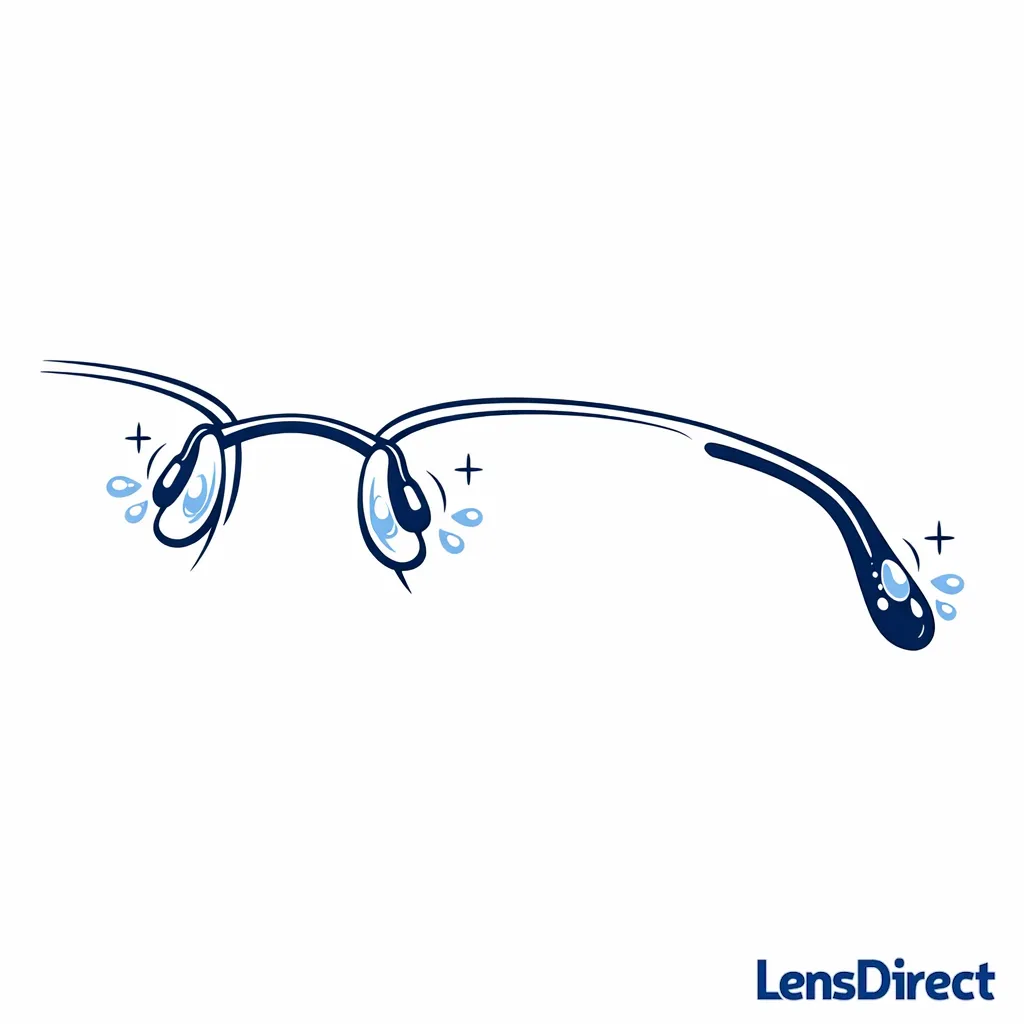
Modern sport and outdoor sunglasses are built around stability, not just style. The biggest improvements are better grip materials at the nose and ears, and frame shapes that keep contact points consistent when you move.
- Grippier nose and ear materials that increase friction during sweat (often rubberized or hydrophilic, like Unobtainium).
- More adjustable contact points (especially on sport metal frames), so you can fine-tune where the weight rests.
- Secure-fit accessories (ear grips for glasses and glasses straps for sports) that let you “lock” a frame in place without over-tightening.
If you’re shopping online, these features matter more than a “tight” feel. A frame that is too tight can cause headaches, while a stable frame is usually about friction and balanced contact points.
Two-minute fixes: stop sunglasses from sliding right now
1) Clean the contact points (nose and temple tips)
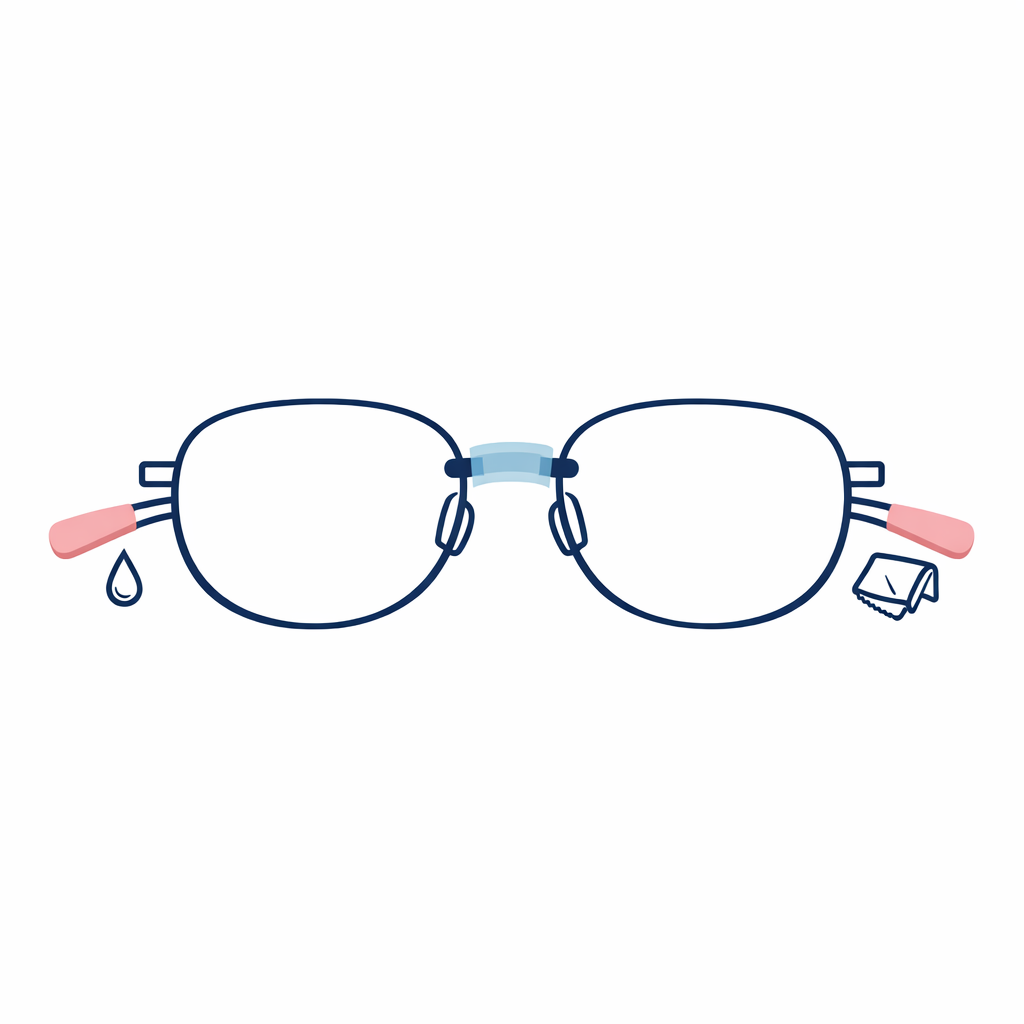
Before you buy accessories, remove the stuff that is making your sunglasses slick. Wash your face (especially the bridge of your nose), then clean the frame where it touches skin.
If you use sunscreen daily, you may need to do this more often. Many sunscreens and moisturizers leave a film that reduces grip, even when the frame “fits” well.
2) Dry, then test the “look down” slip
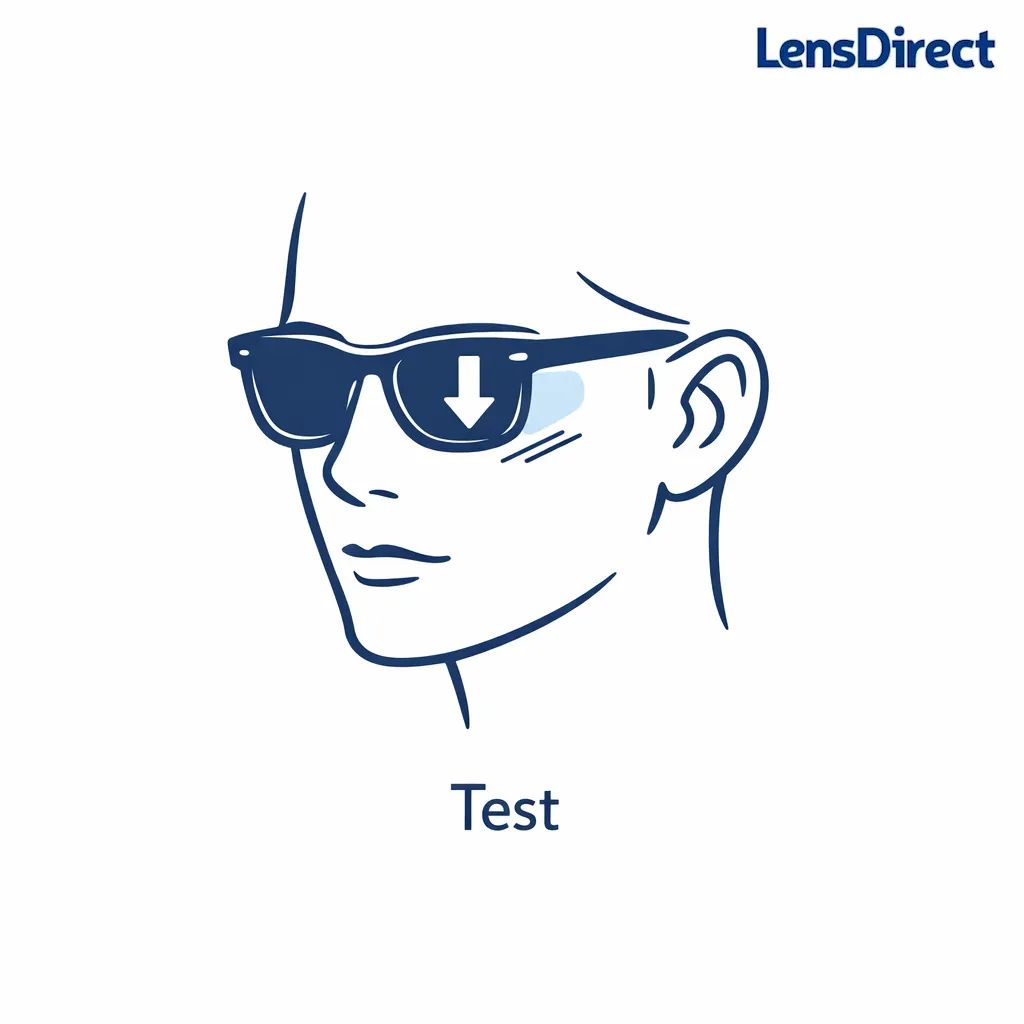
Put the sunglasses on, look down at the floor, and gently shake your head once. If the frame starts moving immediately, you likely need more grip (pads, ear grips, or a strap) or a smaller bridge/width.
If it only slips after a few minutes of activity, sweat is your main trigger. Focus on no-slip nose pads, rubberized temple tips, or a sports strap.
3) Snug the hinge screws (don’t crank them)
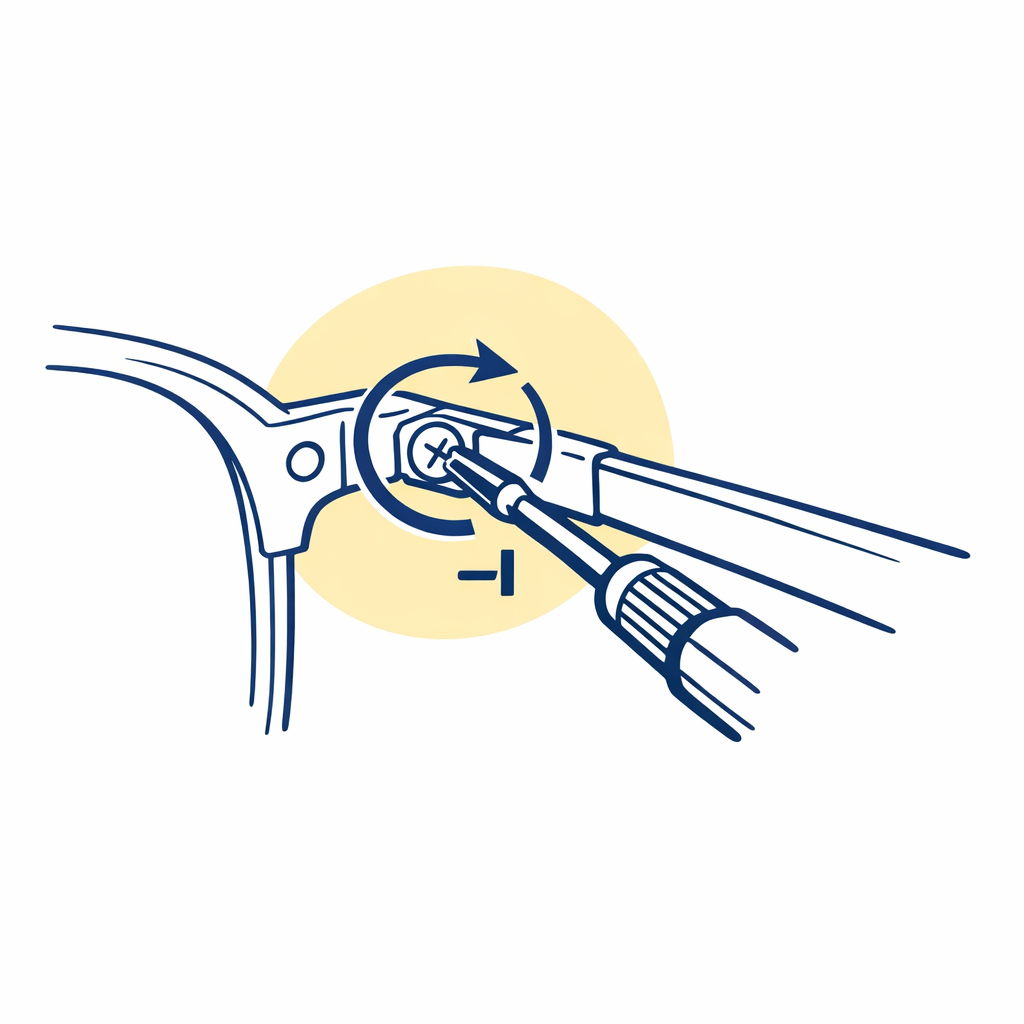
If your sunglasses feel “wobbly” when you open and close the arms, the hinge screws may be loose. Use a small eyeglass screwdriver to snug them up just until the wobble stops.
Avoid overtightening. Too much tension can stress the hinge and make the arms feel stiff, which can lead to discomfort and more sliding because the frame sits oddly.
Nose pads for sunglasses: the best no-slip options (by frame type)
Nose pads work because they increase friction and fine-tune how high the sunglasses sit. The right nose pad setup can be the difference between “constant sliding” and “set it and forget it.”
If your sunglasses already have nose pads (replace or upgrade them)
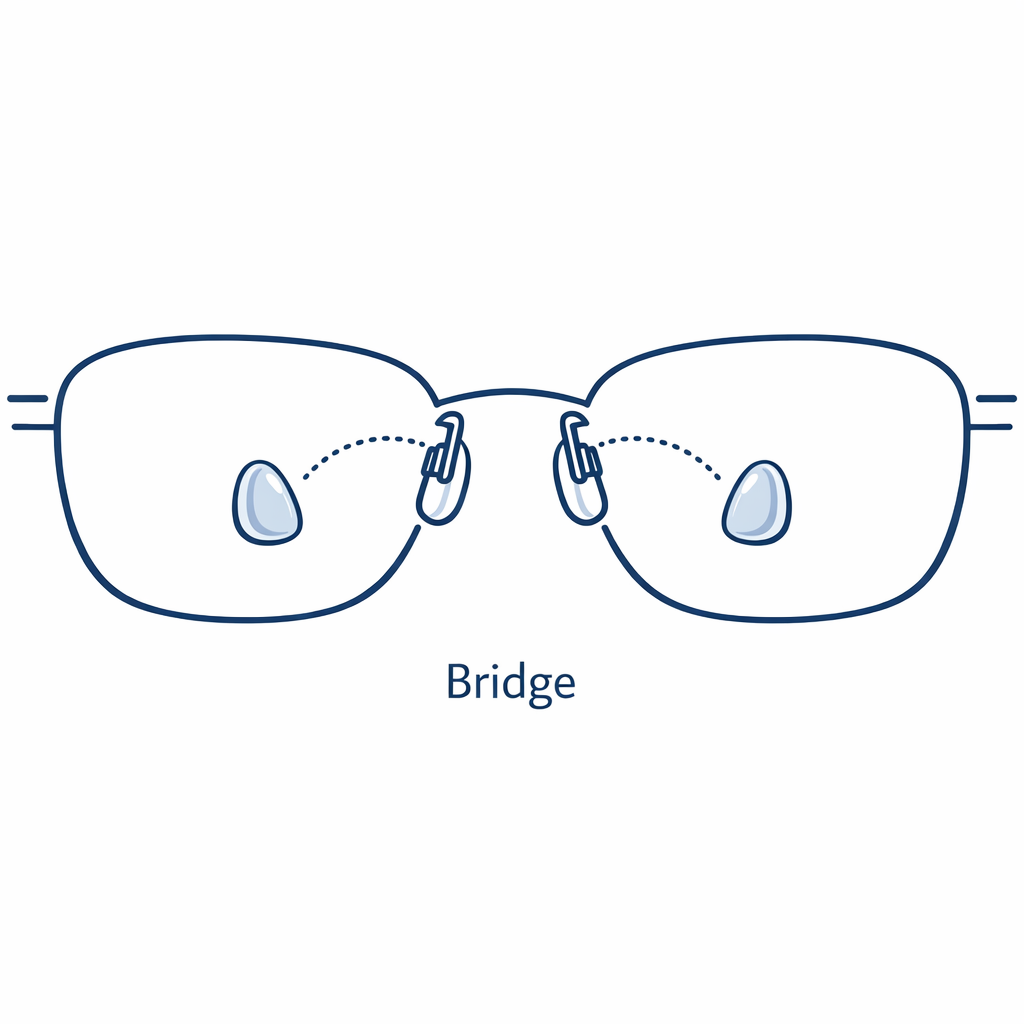
If your frame has nose pads, you can often improve grip by switching to softer silicone or slightly larger pads. Larger pads spread the weight out, which can reduce sliding and also reduce red marks for many people.
When you replace pads, match the shape and attachment style already on your frame. If you are unsure, a local optician can identify the correct style quickly and install them safely.
- Choose silicone if you want more grip and comfort for sweating.
- Choose a slightly larger pad if the frame feels front-heavy or leaves deep marks.
- Choose textured/vented pads if you sweat heavily and want extra friction.
If your sunglasses have a molded plastic bridge (use adhesive nose pads)
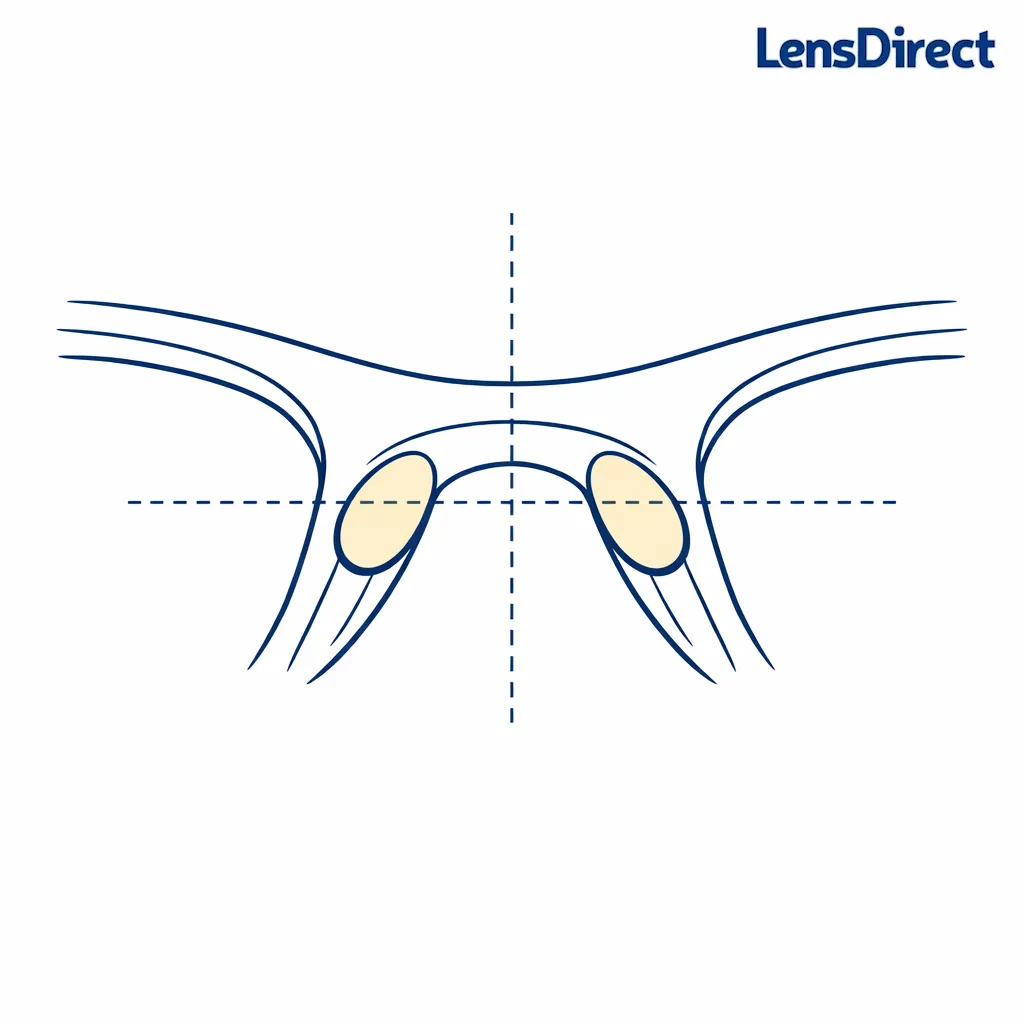
Many plastic frames do not have built-in nose pads, so your best option is usually adhesive silicone pads (sometimes called “glasses nose pad cushions” or “anti slip nose pads”). These add grip and can also create a little lift, which helps if the frame sits too low.
Place them symmetrically on the underside of the bridge where your nose makes contact. Clean and fully dry the area first; adhesive pads tend to fail early if you apply them over skincare residue.
If you have sensitive skin, go slowly with adhesives. Skin irritation can be triggered by friction, sweat, and adhesives, and the American Academy of Dermatology’s overview of contact dermatitis is a helpful reference for spotting irritation early.
- Best for: plastic sunglasses that slide when you sweat
- Tradeoff: adds a little thickness at the bridge (some people love it, some don’t)
- Pro tip: replace when the surface looks shiny or the edges start lifting
If you sweat a lot (prioritize grip materials, not pressure)
For “sunglasses for sweating,” the goal is grip that improves with moisture, not a tighter squeeze. If the frame is stable only when it is very tight, you’ll often end up with headaches or sore spots.
Look for nose contact points described as grippy rubber or sweat-activated grip. Sport frames that use materials like hydrophilic grip compounds are designed for this exact problem.
Ear grips for glasses: stop sliding behind the ears
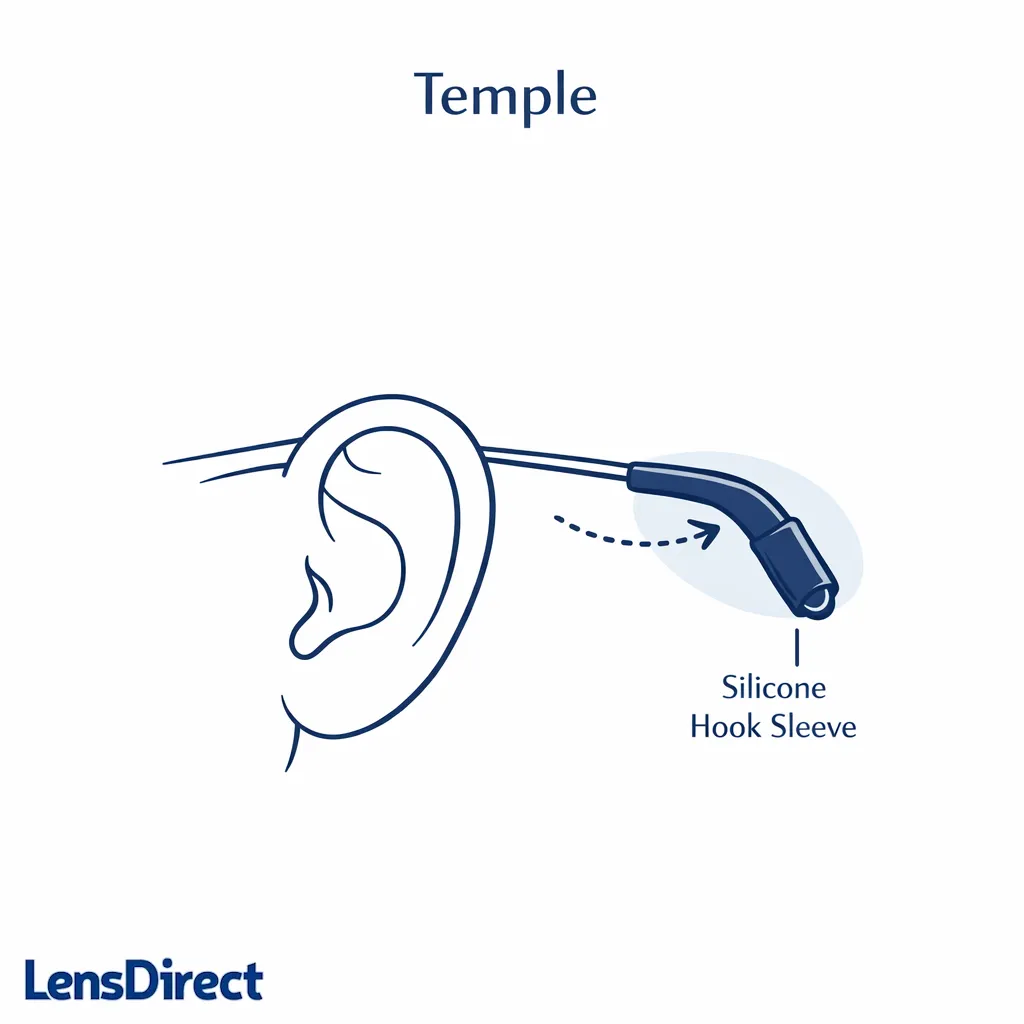
If your sunglasses slip forward but the bridge feels okay, the problem may be behind your ears. Ear grips (also called ear hooks, temple grips, or silicone eyeglass ear grips) add friction and create a “stop” so the arms do not creep forward.
When ear grips work best
Ear grips are a great choice when you want stability without adding bulk on the nose. They also help when your nose is narrow or your bridge is low, since the frame needs more help staying anchored.
- Best for: running, hiking, gym workouts, everyday “push them up” frustration
- Especially helpful if: your sunglasses slide more when you talk, chew, or smile
- Less ideal if: you wear helmets or over-ear headphones for long periods (they can add pressure)
How to size and place silicone ear hooks
Most silicone ear hooks slide onto the temple tips. Choose a size that fits snugly without stretching excessively; too loose will slide, too tight can pinch.
After you install them, put the sunglasses on and check that the hook sits comfortably in the crease behind your ear. If it presses hard, try repositioning or switching styles before you decide the frame “doesn’t work.”
Glasses strap for sports: the most secure no-slip solution
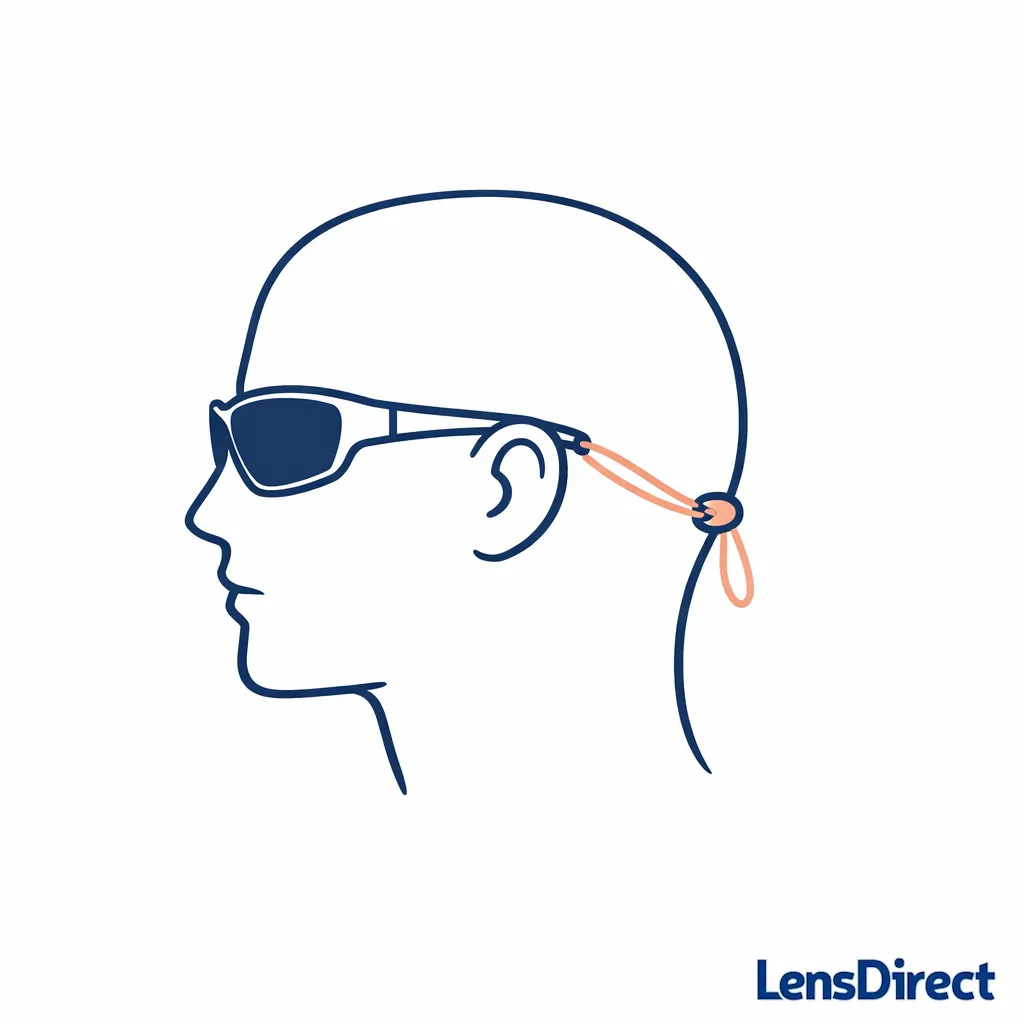
If you need a guaranteed hold, a glasses strap for sports is often the simplest fix. Straps are popular for trail running, water sports, skiing, and travel because they keep sunglasses attached even if you get bumped.
Choose the right strap style for your activity
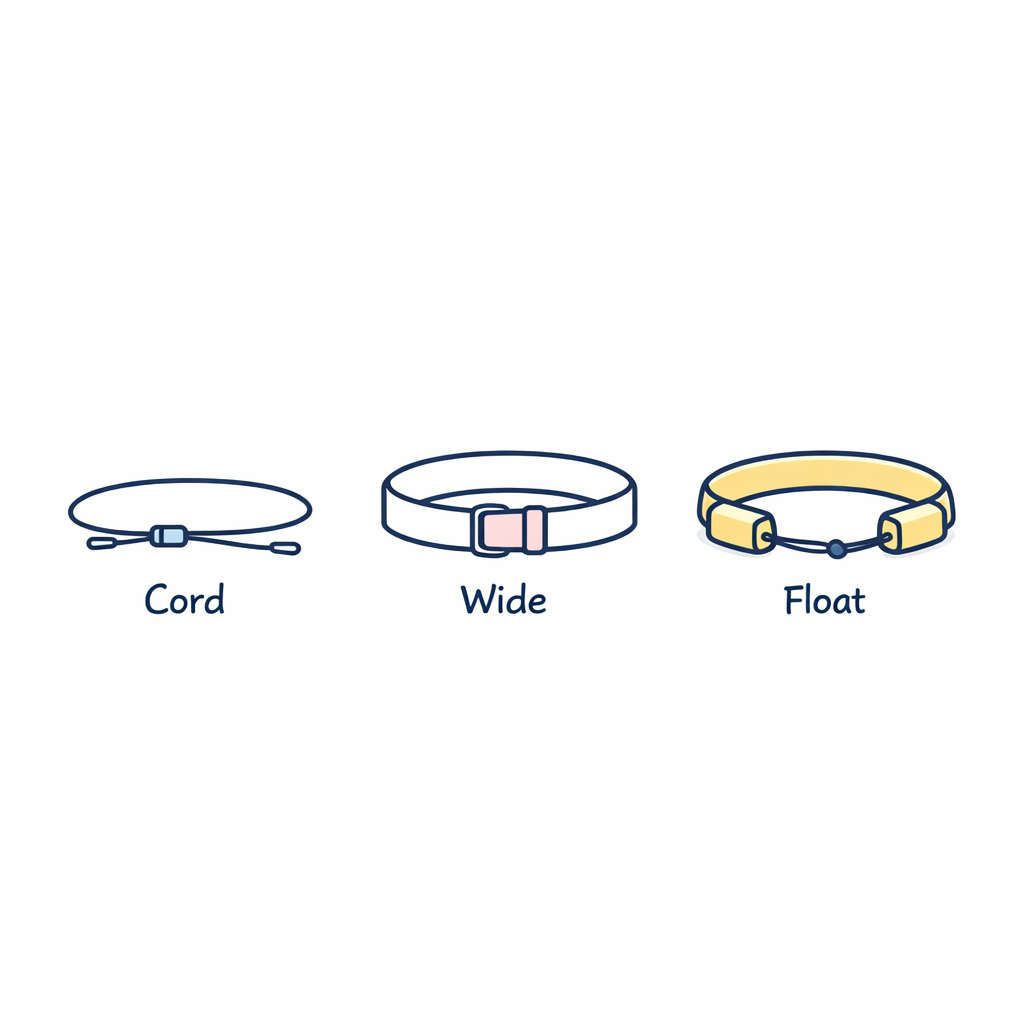
- Adjustable cord retainers: lightweight and versatile for running and hiking
- Neoprene or wider straps: more comfortable for long wear and higher speeds
- Floating straps: useful for boating and paddle sports
If your activity has impact risk (flying debris, tools, or high-speed projectiles), sunglasses alone may not be enough. For occupational or high-impact protection, the CDC/NIOSH eye safety guidance discusses protective eyewear and references safety standards used for impact-rated eye protection.
How to tighten sunglasses at home (without damaging them)
You can do a few safe adjustments at home, but you do not have to “muscle” your frames into place. If the frame feels significantly bent, cracked, or misaligned, an optician adjustment is the safer move.
Step 1: Tighten what’s meant to be tightened
Start with hinge screws. Hold the frame steady, then turn the screwdriver slowly until the arm feels secure and the screw stops turning easily.
If your sunglasses have nose pads with screws, check those too. A loose nose pad can rotate and reduce friction, which makes the whole frame feel unstable.
Step 2: Use accessories before you try bending
If tightening screws does not solve the slip, try grip solutions next: nose pads for sunglasses, ear grips for glasses, or a sports strap. These changes are reversible, inexpensive, and low-risk.
Bending temples or reshaping a bridge can work, but it is easier to overdo than people expect. If you rely on your sunglasses daily, a quick optician visit can prevent accidental cracks or stress marks.
Step 3: Check alignment with a flat-surface test
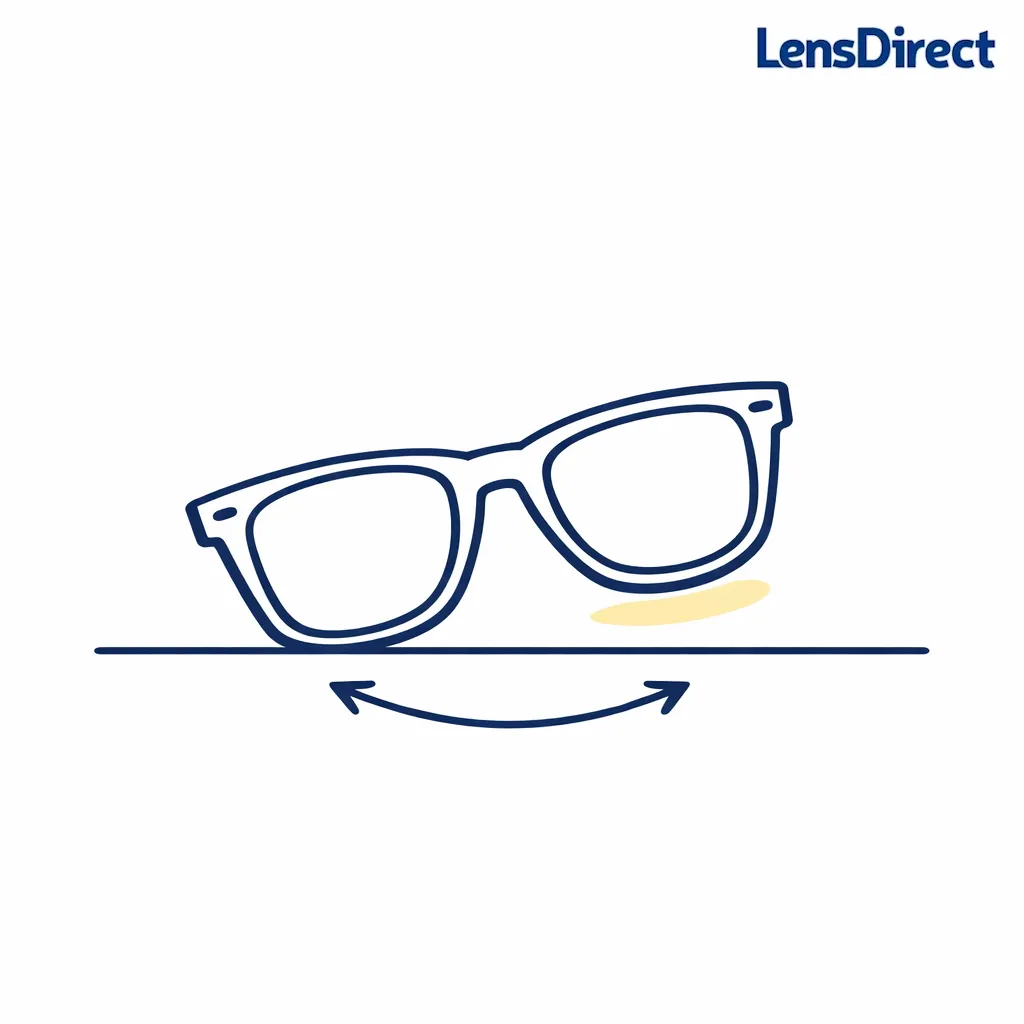
Set your sunglasses on a flat table with the lenses facing up and the arms open. If one side sits higher or rocks, the frame is likely out of alignment.
Alignment issues often create a “one-sided slip,” where the frame drifts toward one cheek. That is a strong sign to use professional adjustment instead of forcing an at-home bend.
Buying no-slip sunglasses online: what to look for (and what to measure)
When you shop online, stability comes from matching your face and your habits. The easiest way to get this right is to compare measurements from a pair you already like.
Key fit details that reduce slipping
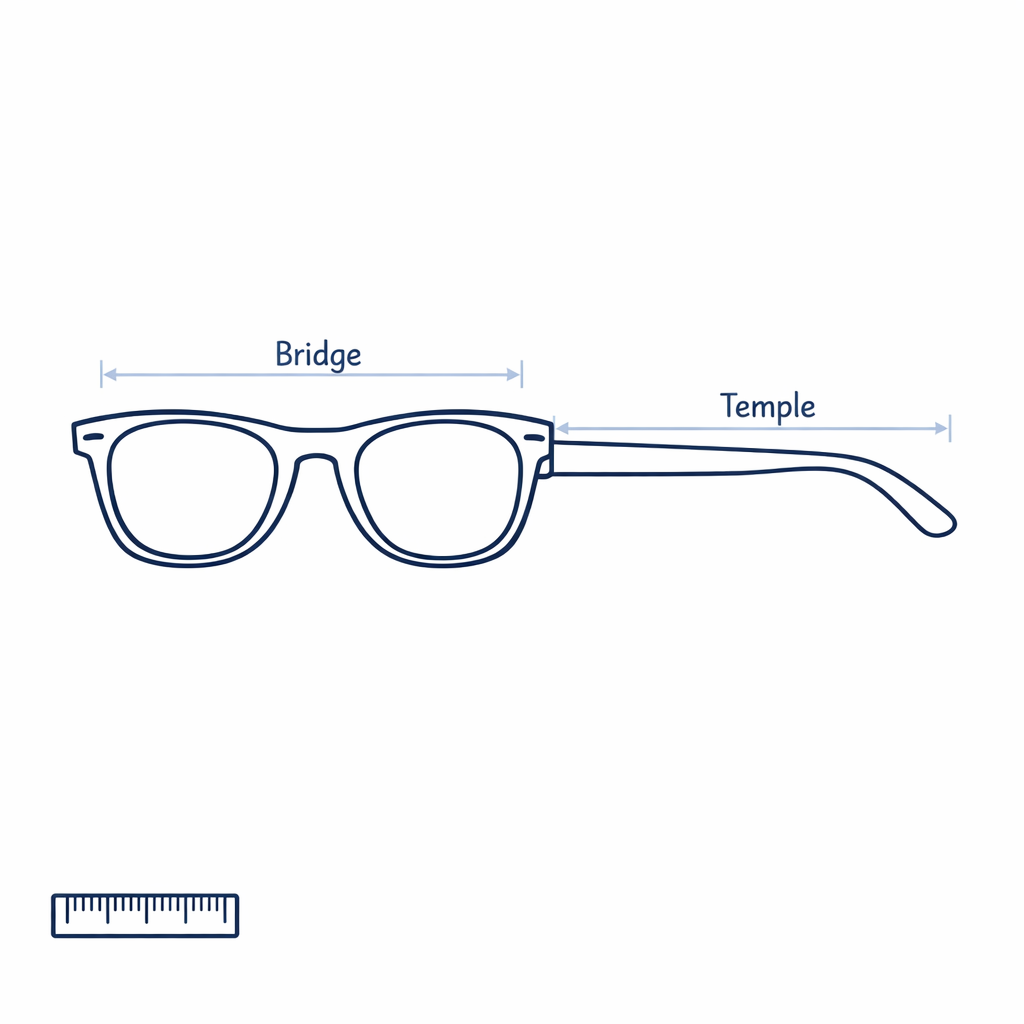
- Bridge fit: if the bridge is too wide, the frame will migrate down your nose
- Temple length: if the arms are too long, the “hook” behind your ear may not engage well
- Frame width: too wide reduces side grip; too narrow can pinch and still slide from discomfort-driven repositioning
- Contact materials: rubberized or textured nose/temple contact points help with sweat
Wrap fit sunglasses tips for sports and driving
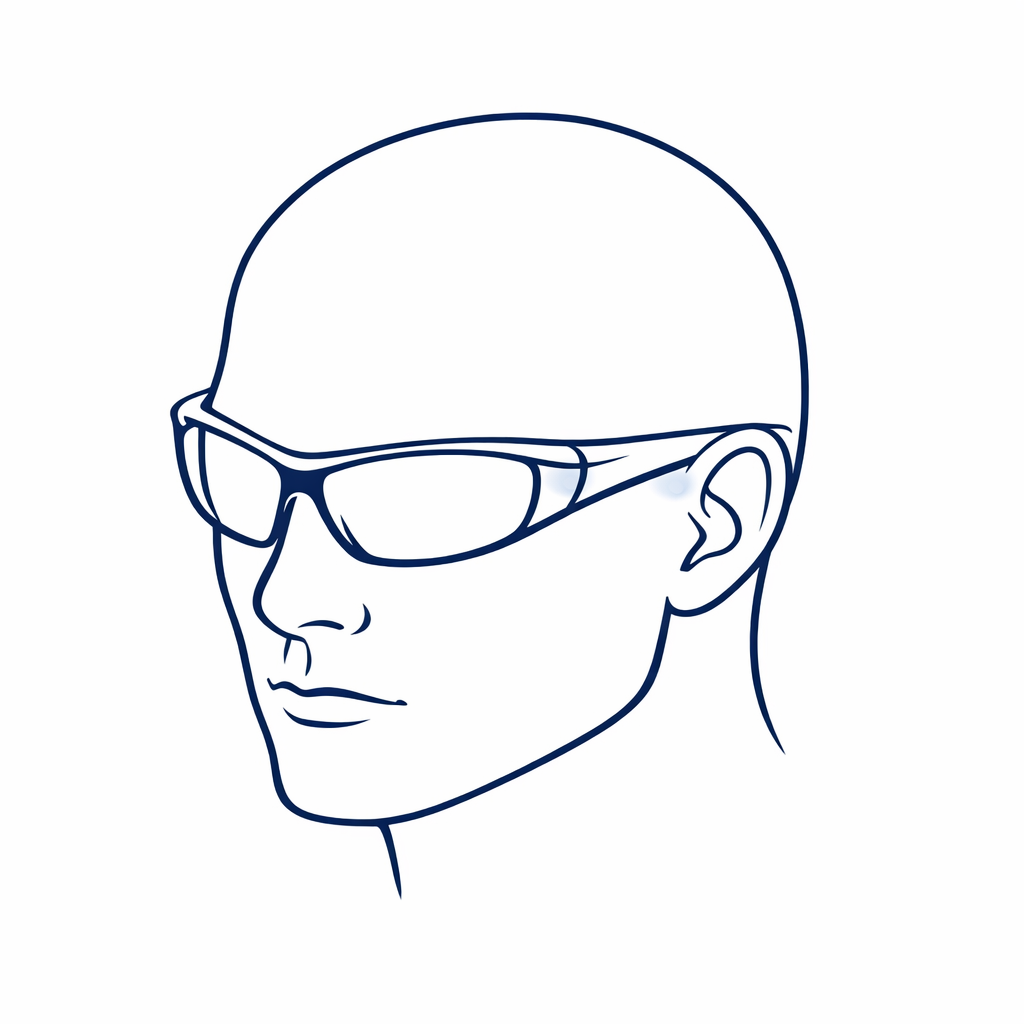
Wrap frames can feel more secure because they increase side contact and reduce bounce. They can also help reduce light coming in from the sides, which many people prefer for driving glare and bright outdoor conditions.
For sun protection, choose sunglasses that block UV and fit in a way that reduces stray light. The National Eye Institute’s sunglasses guidance explains why UV protection and coverage matter.
If you are ordering prescription sunglasses
Prescription sunglasses that slip can feel worse than non-prescription pairs because your visual “sweet spot” moves with the frame. Accurate measurements help, especially for stronger prescriptions.
If you do not know your number, use LensDirect’s guide to learn how to measure your pupillary distance. If you are between sizes or want a more confident match, LensDirect’s Find Your Fit resource can help narrow down shapes that tend to sit more securely.
Common mistakes that make slipping worse
Buying wider frames to “feel comfortable”
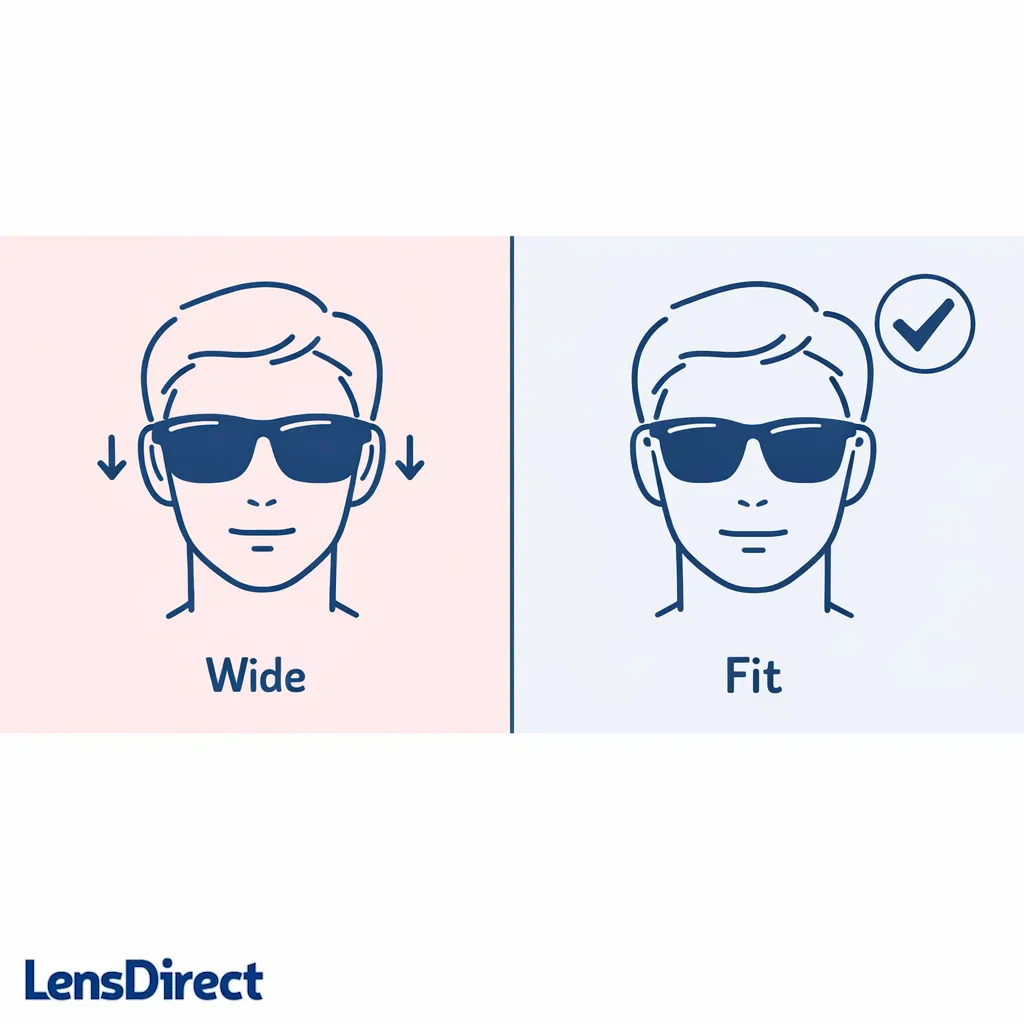
A frame can feel roomy in a good way or just be too wide. If it is too wide, it will rely on your nose to support most of the weight, which increases slipping when you sweat.
If you want comfort, aim for balanced contact at the nose and behind the ears, not extra width. Many “no slip eyewear tips” are really about distributing pressure, not increasing it.
Over-tightening to compensate for low grip
If you keep tightening your sunglasses but they still slide, friction is the real issue. Over-tightening can cause sore spots, headaches, and a constant urge to adjust the frame, which ironically makes slipping feel worse.
Try grip upgrades first: nose pads for sunglasses, ear grips, or a glasses strap for sports. Then, if needed, do small screw tightness checks to keep the frame stable.
Sticking adhesive pads onto dirty or oily surfaces
Adhesive silicone nose pads for glasses are only as good as the surface underneath. If you apply them over sunscreen residue, they may peel quickly, shift, and create an uneven fit.
Clean and dry the bridge area thoroughly, then press and hold the pad firmly during application. If you notice itching, rash, or persistent redness, stop using the adhesive and review the contact dermatitis signs and triggers described by the American Academy of Dermatology.
Ignoring a bent frame that needs alignment
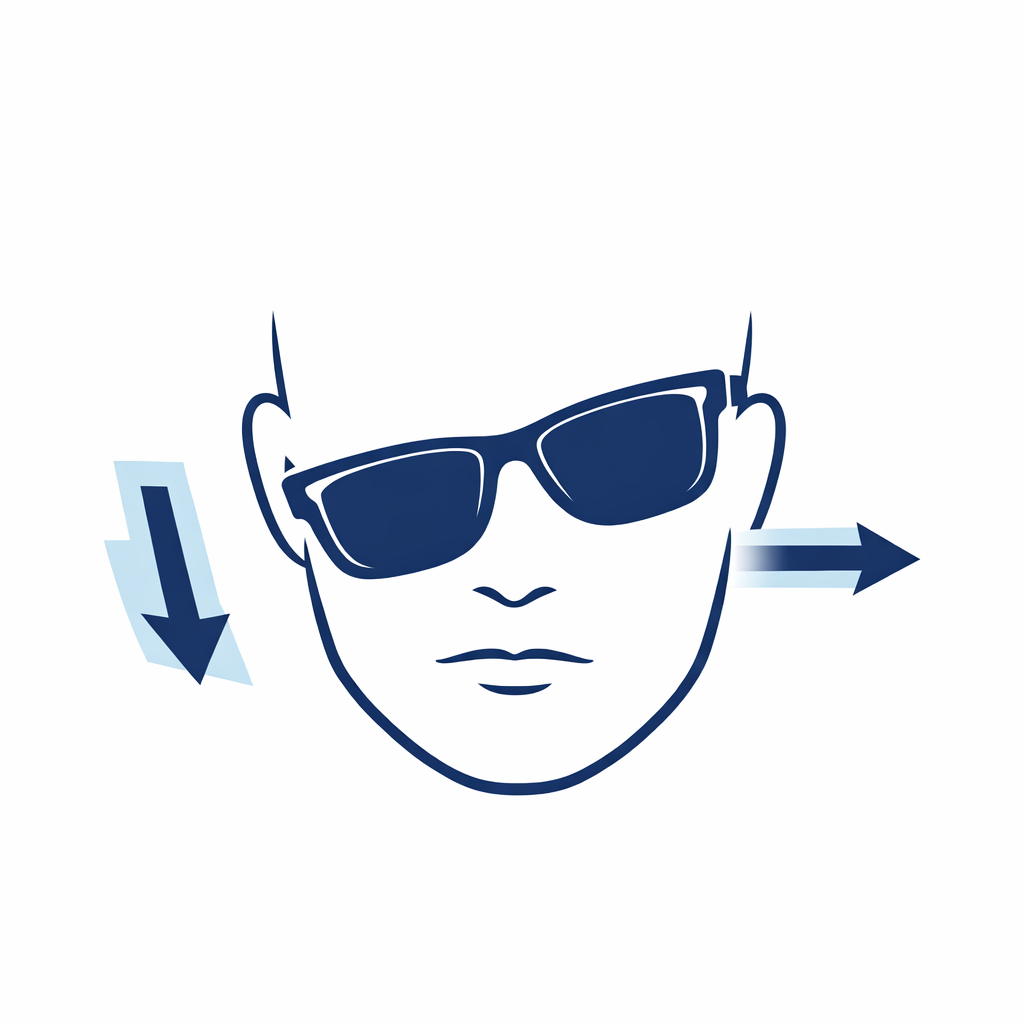
If your sunglasses are visibly crooked, accessories may not fix the root cause. Misalignment changes how pressure is distributed, so one side slips while the other side presses too hard.
In that case, a professional adjustment is often faster than experimenting with multiple add-ons. You can still use nose pads or ear grips afterward for extra stability during sports and sweat.
What to do next (simple checklist)
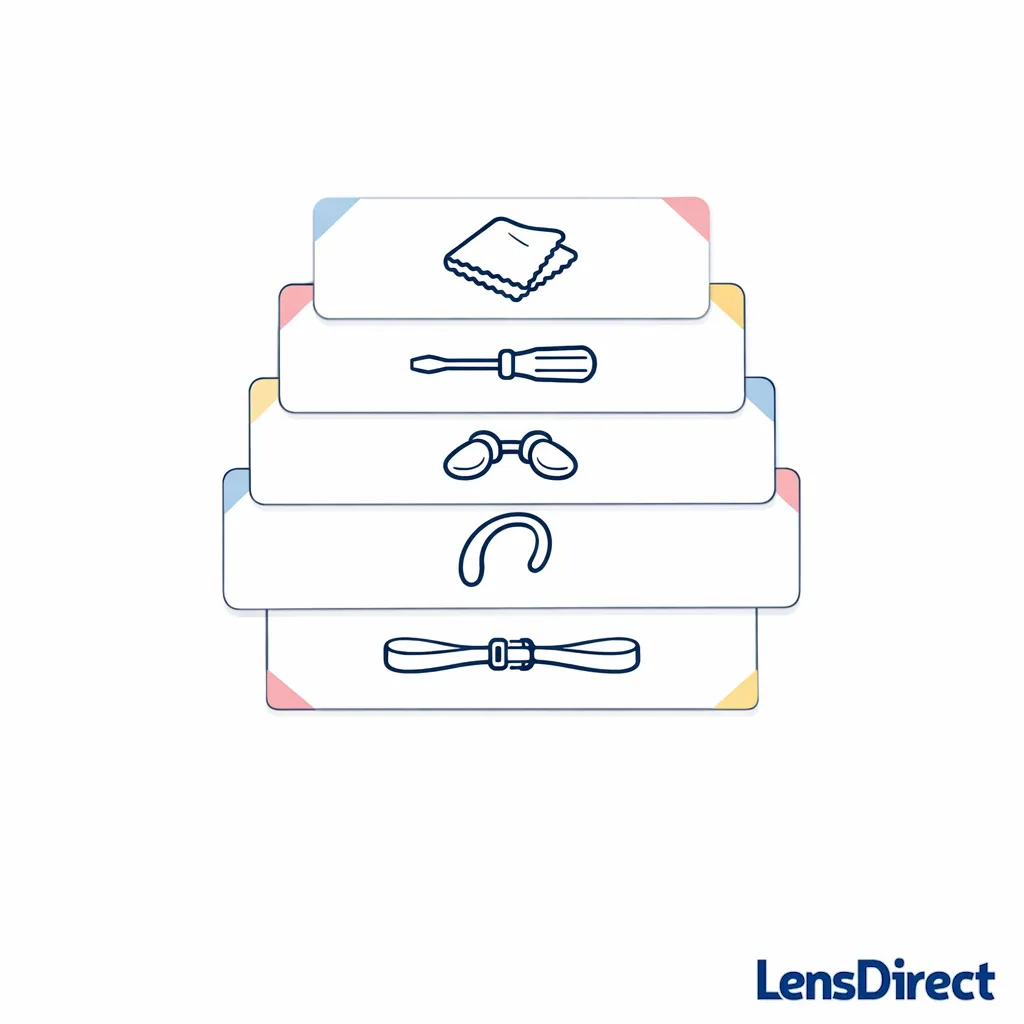
Use this checklist to fix slipping in the right order, from easiest to most secure. Most people solve it by step 3 or 4.
- Confirm the cause: does it slip immediately (fit) or only during sweating (grip)?
- Clean contact points: wash face, clean the bridge and temple tips, then dry.
- Tighten hardware: snug hinge screws and any nose-pad screws.
- Add nose grip: replace nose pads (if your frame has them) or add adhesive silicone pads (if it does not).
- Add ear grip: try silicone ear hooks if slipping starts behind the ears.
- Go maximum secure: use a glasses strap for sports for running, skiing, water, or travel.
- Get alignment help: see an optician if the frame is crooked, cracked, or uncomfortable.
- Upgrade strategically: shop for features like grippy contact points and stable wrap fit if you are replacing an old pair.
Shop stable-fit sunglasses or upgrade the pair you already love
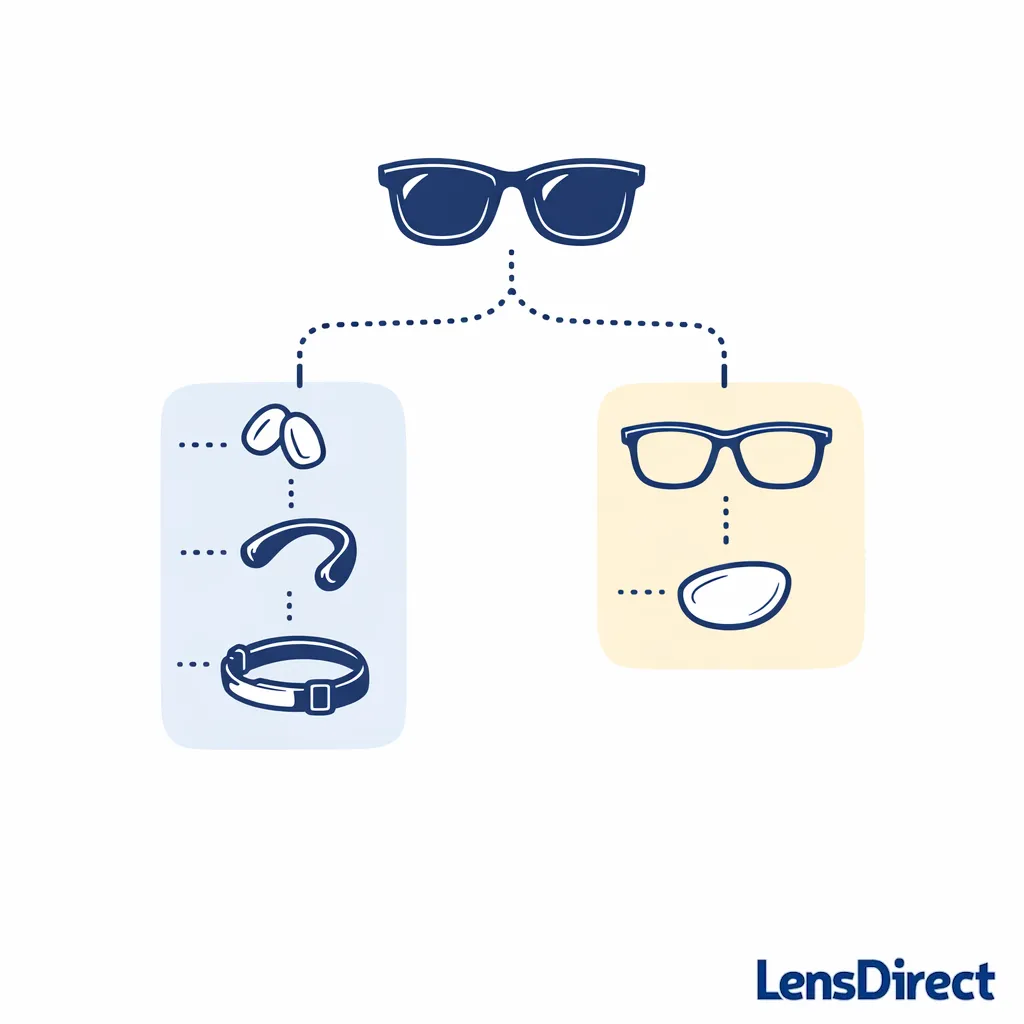
If your current sunglasses fit your style but not your sweat, you do not always need a whole new frame. Sometimes the best move is a small upgrade, like replacing worn parts or refreshing lenses to get back to a secure, comfortable daily wear.
- If you are ready for a new pair built for everyday and outdoor wear, explore Shop Sunglasses.
- If you want an everyday pair that fits right and stays put, browse Shop Glasses.
- If you switch between sunglasses and contacts for sports or travel, check out Shop Contacts.
- If your frames still fit but your lenses are scratched or outdated, start with Replace Your Lenses, including Full-Service Replacement or Order Replacement Lenses.
To make online ordering easier, use Find Your Fit and Learn How to Measure Your Pupillary Distance. If you plan to use benefits, learn how to get reimbursed by your insurance so you can focus on getting a pair that stays comfortable from the first wear.
Author

Subscribe to our email newsletter to get the latest posts delivered right to your email.