

Buying kids glasses online can save time and money, but it also puts you in charge of details an optician might normally double-check in person. The good news is that most “bad online glasses experiences” come down to a small set of avoidable fit, sizing, and lens-choice mistakes.
This guide is for parents and caregivers who want to buy children eyeglasses online with confidence, especially if your child is active, hard on frames, or new to glasses. You’ll learn a practical kids eyeglass sizing method, a durability checklist for everyday wear, and how to choose lens materials and coatings that match real life.
What changed (and why buying kids glasses online is easier now)
If you feel like buying children’s prescription glasses online has become more common, you’re not imagining it. The rules around getting your prescription are designed to make it easier to shop where you want.
Under the FTC’s Eyeglass Rule, prescribers must provide a copy of the patient’s eyeglass prescription at the end of a refraction. For parents, that means you should be able to take the prescription and compare options for kids glasses online instead of feeling locked into buying only at the exam office.
In 2024, the FTC finalized updates that removed the requirement for prescribers to obtain a signed confirmation that patients received their prescription, while keeping the prescription release requirement in place, as described in the FTC’s announcement of the final rule amending the Eyeglass Rule. Practically, that change reduces paperwork friction and helps families move faster from exam to ordering.
Before you start: confirm the prescription details you actually need
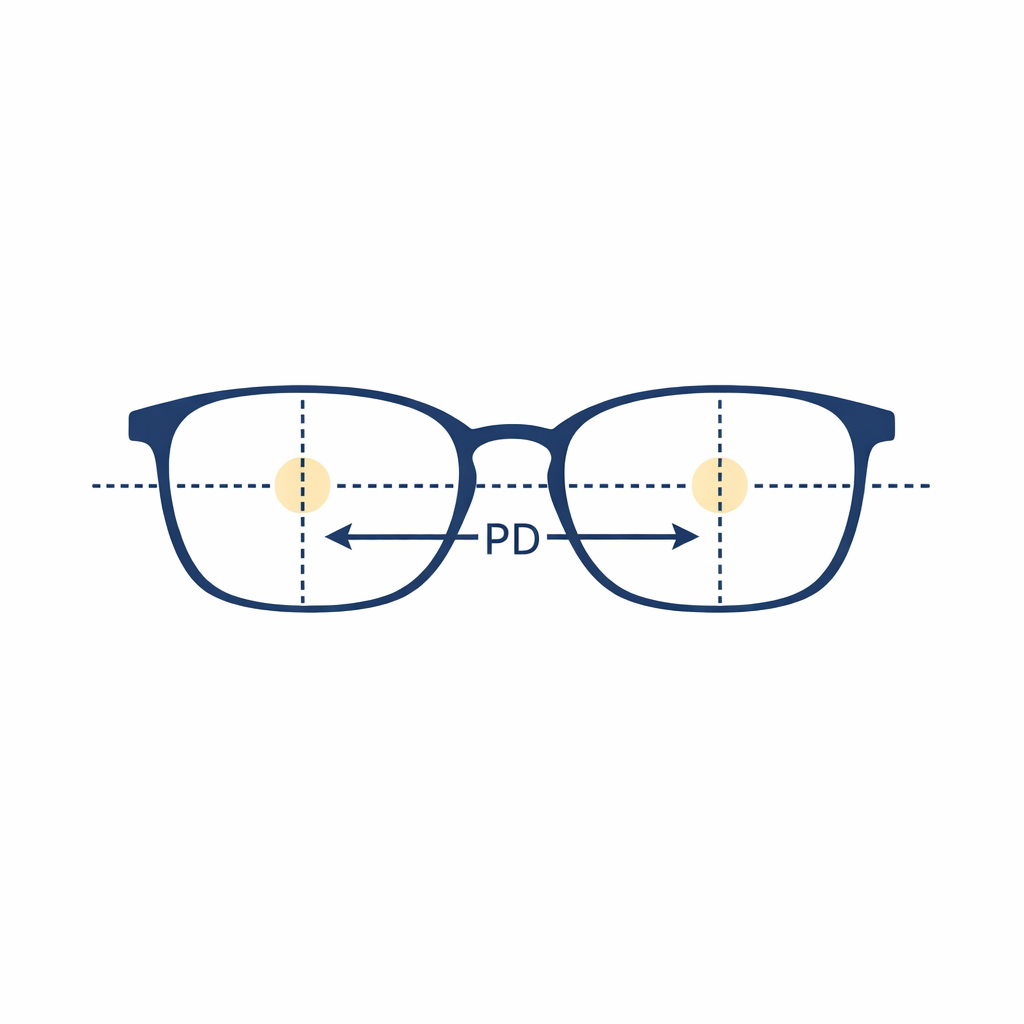
For kids eyeglasses, a small detail can make a big comfort difference, especially when a child wears glasses all day at school. Before you click “add to cart,” pause and make sure you have a current prescription and the measurements needed to place the optical center correctly.
If your child is due for an exam or has new symptoms (headaches, squinting, tilting the head, avoiding reading), schedule a check-in. The American Academy of Ophthalmology’s guidance on children’s eye exams is a helpful starting point for understanding when kids should be evaluated and why follow-up matters as they grow.
Quick prescription checklist (parent-friendly)
- Is the prescription still valid? If you are unsure, call the eye doctor’s office and ask what they recommend for your child’s age and situation.
- Do you have the full Rx? You will typically see values like SPH, CYL, AXIS, and sometimes ADD or prism. If any field is unclear, ask the prescriber to clarify before ordering.
- Do you have a pupillary distance (PD)? PD helps center the lenses in the frame. If it is not on the prescription, you can ask for it or measure it carefully.
- Any special instructions? Some kids need specific lens designs, slab-off, prism, or a doctor-recommended material for safety. If that applies, keep the ordering notes aligned to the doctor’s instructions.
Kids eyeglass sizing: the simple way to get close on the first try
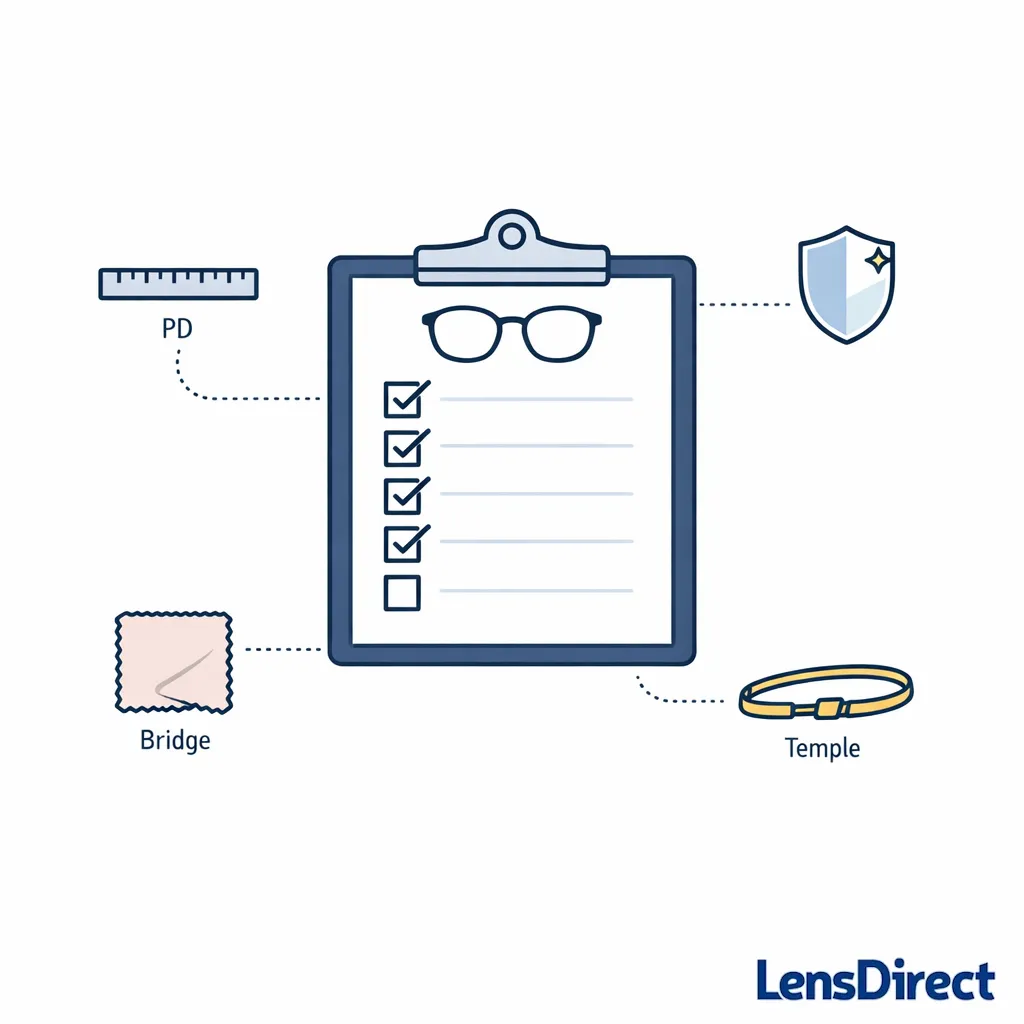
When parents search “kids eyeglass sizing,” they’re often looking for one magic number. In reality, sizing is a combination of frame width, bridge fit, and temple length, plus how the frame sits relative to the child’s eyes.
A reliable shortcut is to start from a pair that already fits well (even if the prescription is old). If your child has no current pair, you can still size from face measurements, but using an existing frame is usually faster and more accurate.
Step 1: use the “three numbers” on the frame (when available)
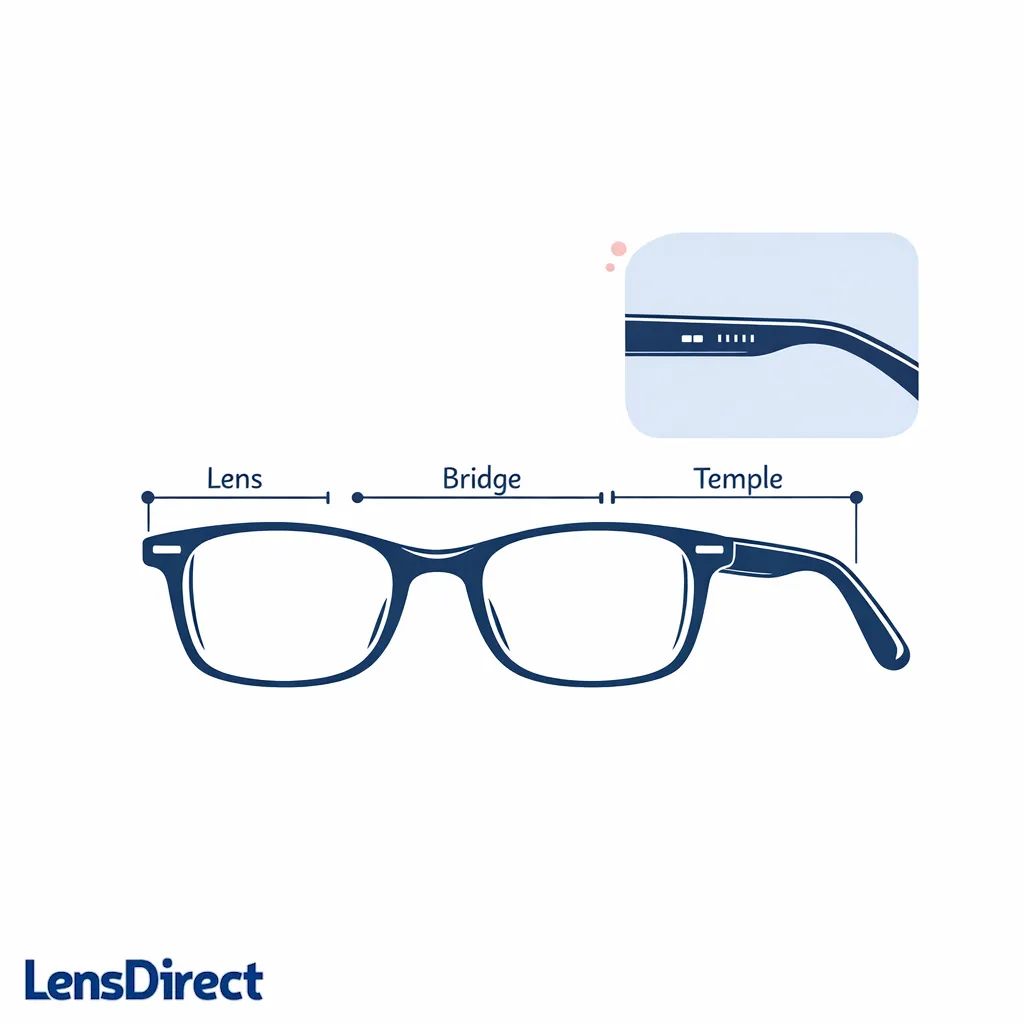
Many frames list a set of measurements on the inside of the temple arm. You’ll often see something like “48-16-135,” which generally corresponds to lens width, bridge width, and temple length.
- Lens width: helps determine how wide each lens opening is.
- Bridge width: affects how the frame sits on the nose and whether it slides.
- Temple length: influences whether the arms reach comfortably behind the ears.
If your child’s current glasses fit, aim to stay close to those measurements when you buy children eyeglasses online. Small changes can be fine, but big jumps often create slipping, pressure points, or crooked sit.
Step 2: check total frame width (the “no-squeeze, no-slide” test)
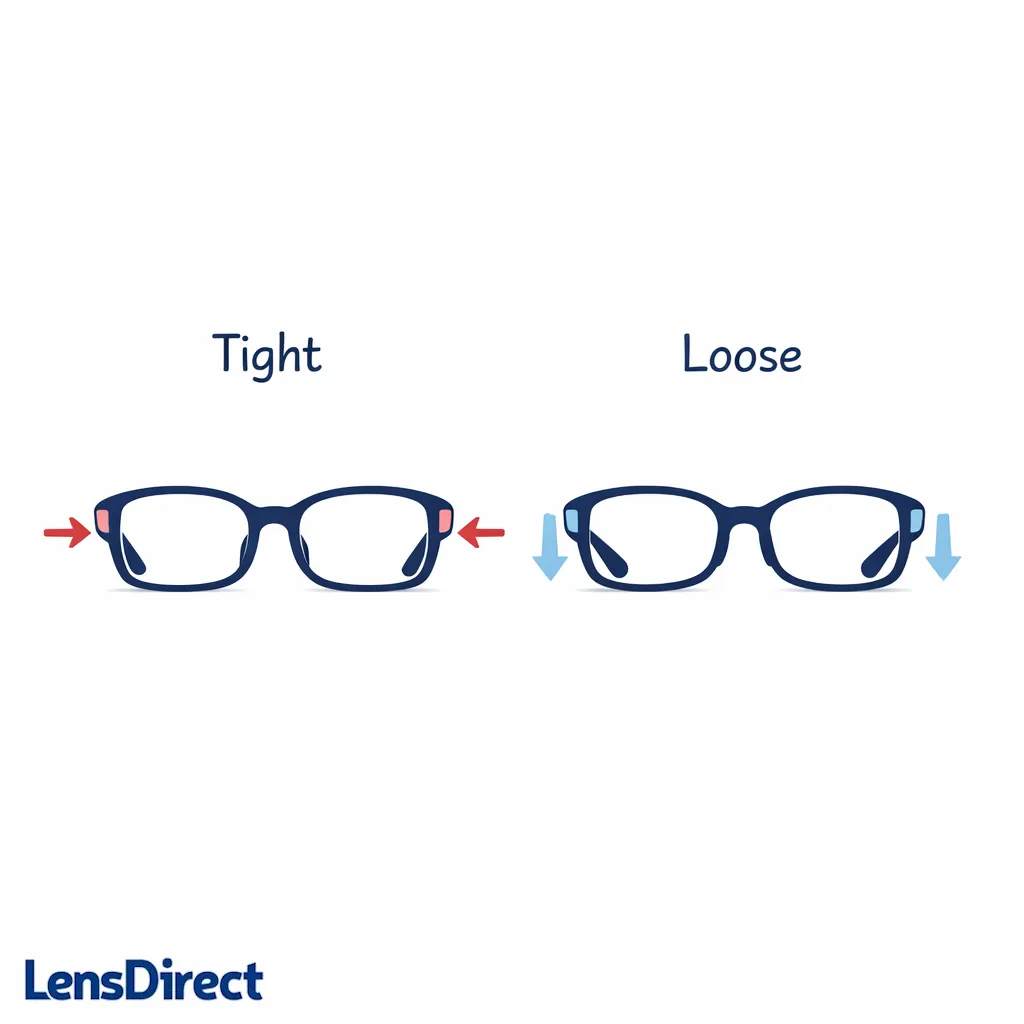
For durable kids frames, comfort matters because discomfort leads to constant taking-off and bending. Your goal is a frame that is snug enough not to slide down, but not so tight it leaves marks or squeezes the temples.
- Too narrow: arms flare outward, temples press, red marks after short wear.
- Too wide: frame drifts down the nose, lenses sit low, child pushes them up repeatedly.
If your child is between sizes, prioritize stable bridge fit first, then adjust with temple tips or straps if needed.
Step 3: get bridge fit right (especially for little noses)
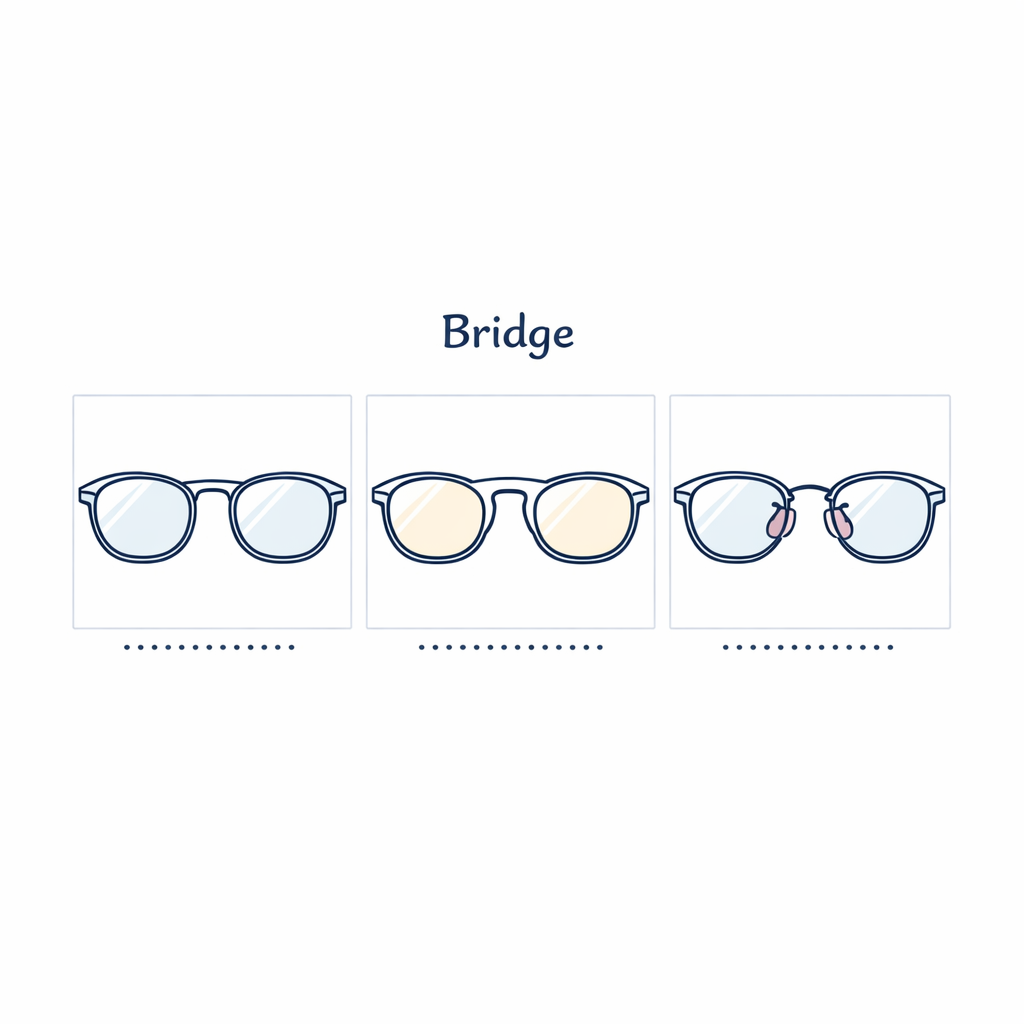
Bridge fit is one of the biggest challenges when ordering childrens glasses online. Many kids have lower, flatter bridges, which can make adult-style bridges slide.
Look for design features that help the frame “lock in” gently: a more supportive saddle bridge, a well-shaped keyhole bridge, or adjustable nose pads (more common on metal frames). If your child has sensory sensitivity, prioritize smooth contact points and lighter overall frame weight.
Step 4: confirm temple length and ear comfort
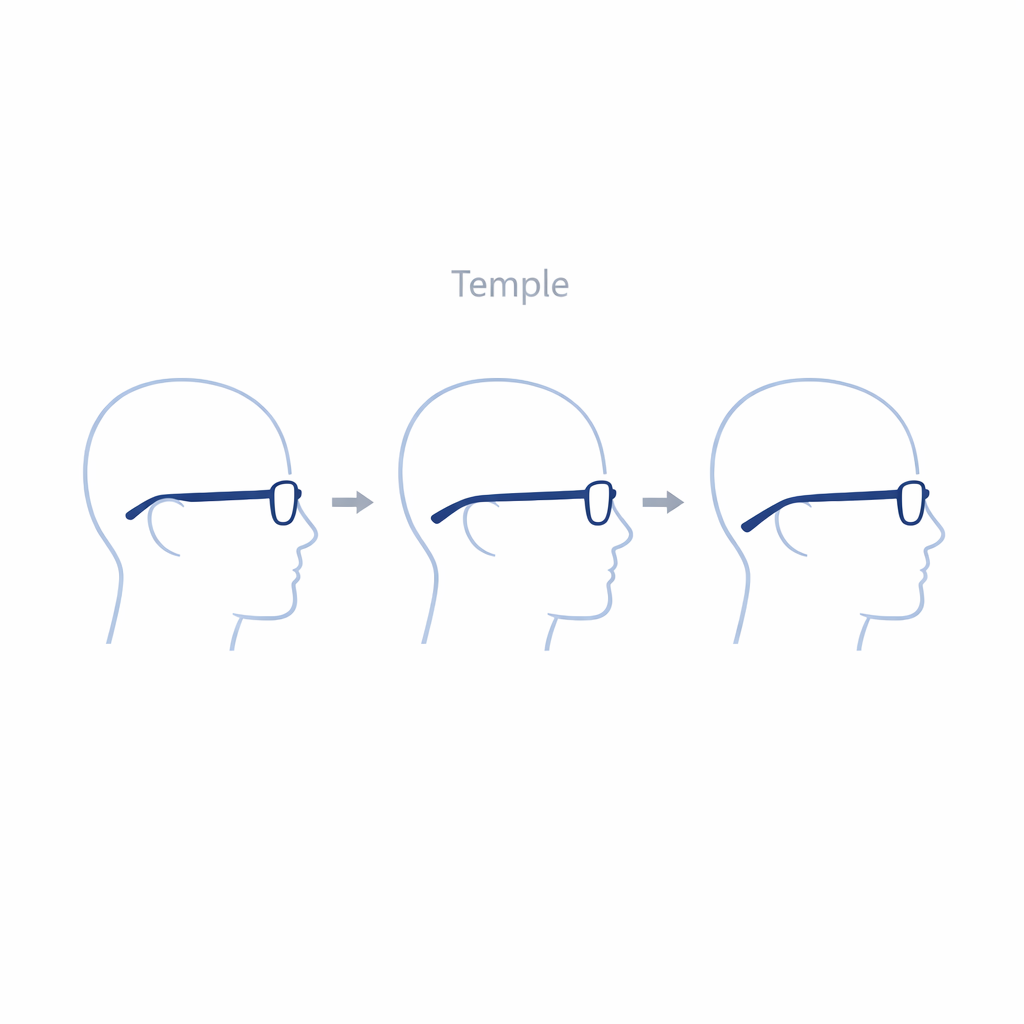
Temple length is not just about reaching the ears. The angle and the way the tips curve also influence whether glasses stay put during recess, sports, or playground time.
- Too short: pulls behind the ears and can cause soreness.
- Too long: slides and can make the frame feel loose even if the front width is correct.
- Active kids: consider add-ons like a soft strap or cable-style tips if slipping is a daily issue.
Children glasses fit guide: a 60-second at-home fit check
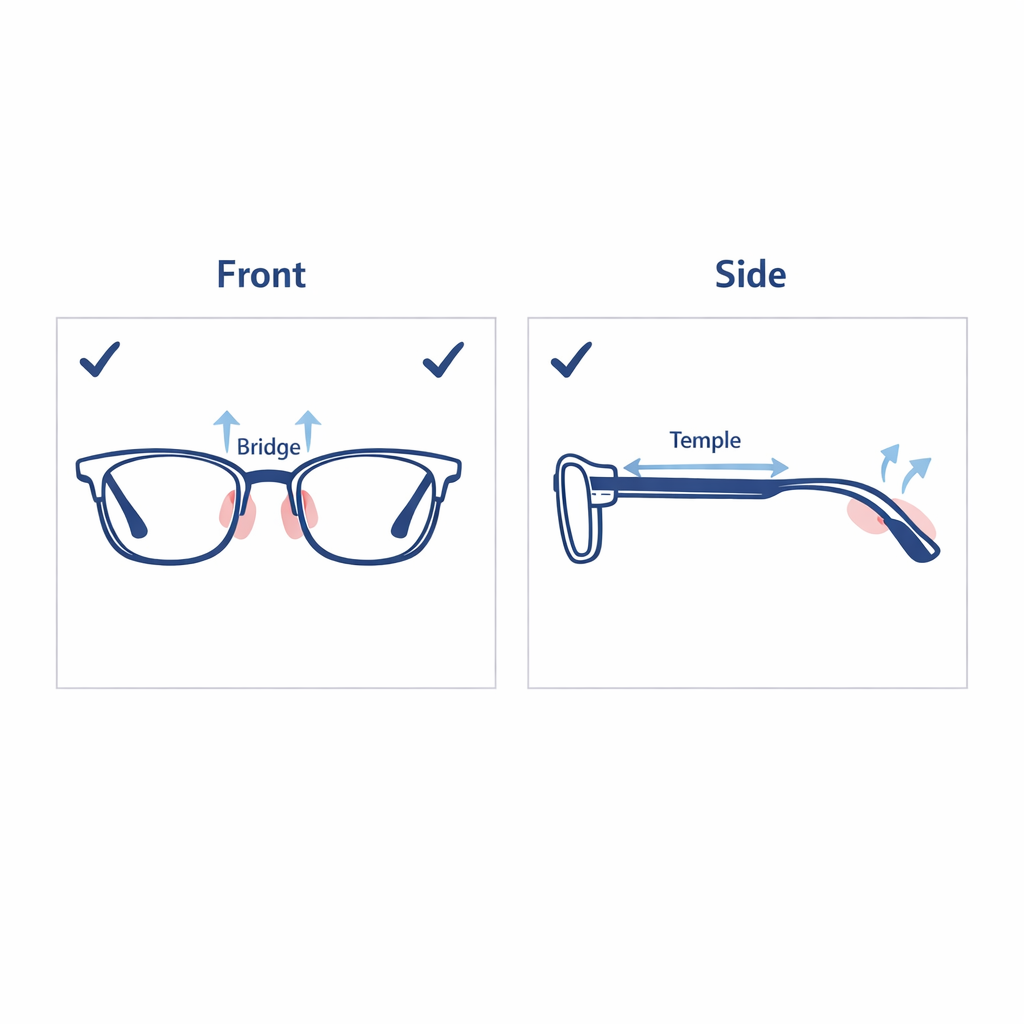
Once the glasses arrive, do a quick fit check before your child wears them all day at school. Small fit problems can feel “normal” to kids, so it helps to observe, ask simple questions, and watch what their hands do.
Front view checks (alignment and coverage)
- Eyes centered in the lenses: Pupils should appear reasonably centered left-to-right and not sitting at the very top or bottom edge.
- Frame level: The glasses should not look tilted or significantly higher on one side.
- Eyebrow and cheek clearance: Minor touch is not always a dealbreaker, but constant cheek contact often means the frame will smudge and feel annoying.
Side view checks (slip and pressure)
- No sliding test: Have your child look down at their shoes and then look up. The glasses should not slide dramatically.
- No pressure points: Check for redness at the nose and behind the ears after 10 to 15 minutes.
- Comfort language: If your child says “heavy,” “pinchy,” or “itchy,” trust that feedback and adjust sizing or style.
If the fit is close but not perfect, many issues can be corrected with small adjustments. For significant slipping, crooked sit, or discomfort, consider trying a different size or bridge style rather than hoping your child “gets used to it.”
Durable kids frames: what matters for real everyday wear
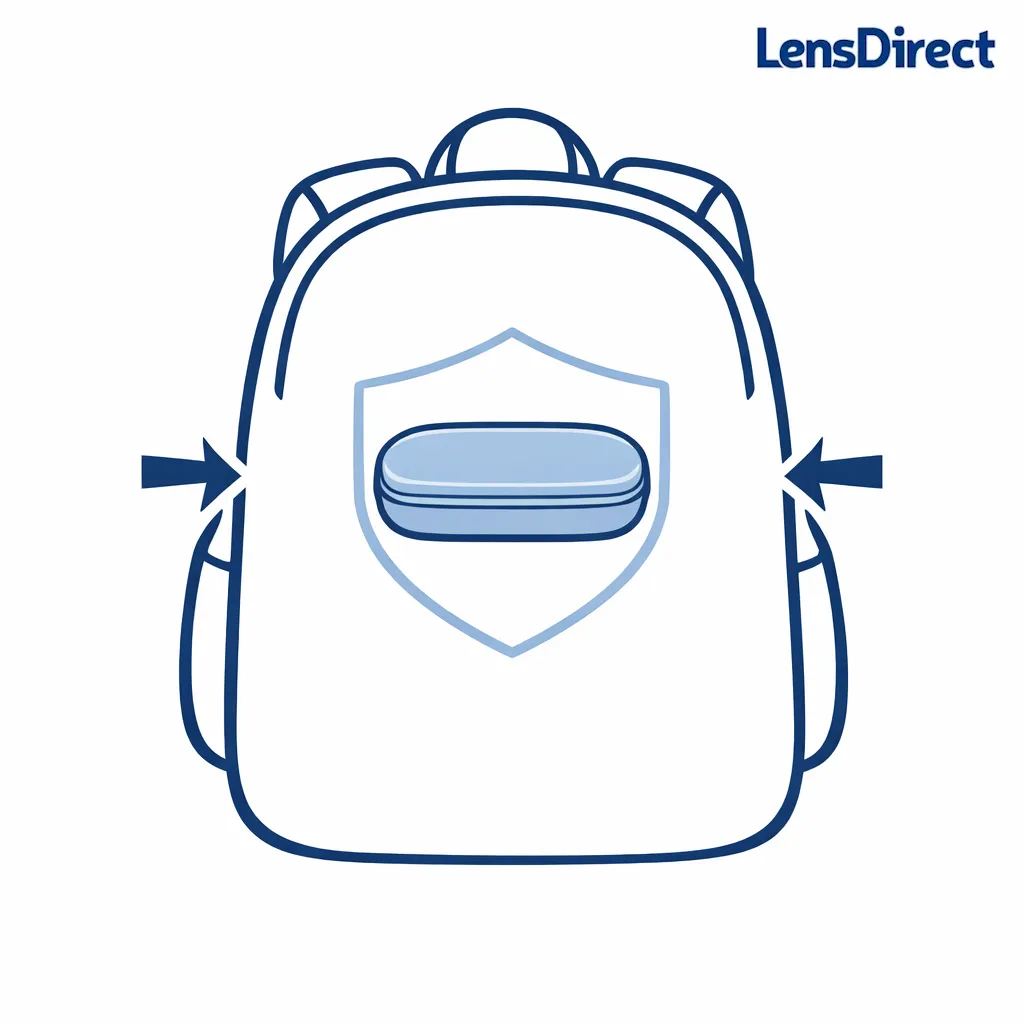
Durability is not only about “won’t break.” For pediatric eyeglasses, durability means surviving common failure points: drops, backpack compression, one-handed removal, and playground collisions.
Also keep baseline safety in mind. In the U.S., eyeglass lenses are required to meet impact-resistance rules described in FDA regulations for impact-resistant lenses, which is one reason kids’ lenses are commonly discussed in the context of safety and materials.
Frame durability checklist (what to look for)
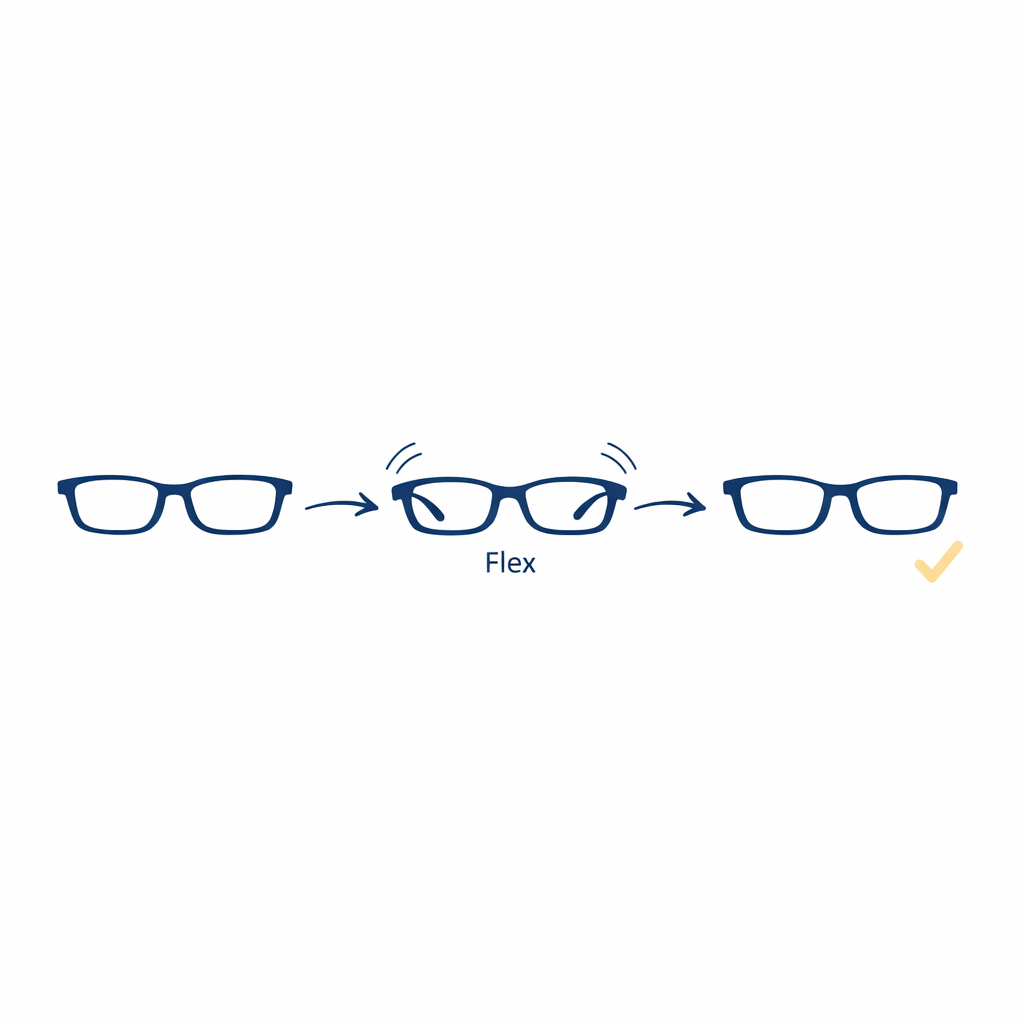
- Resilient material: Look for frames designed to flex without staying bent out of shape. This can be helpful for toddlers and rough-and-tumble kids.
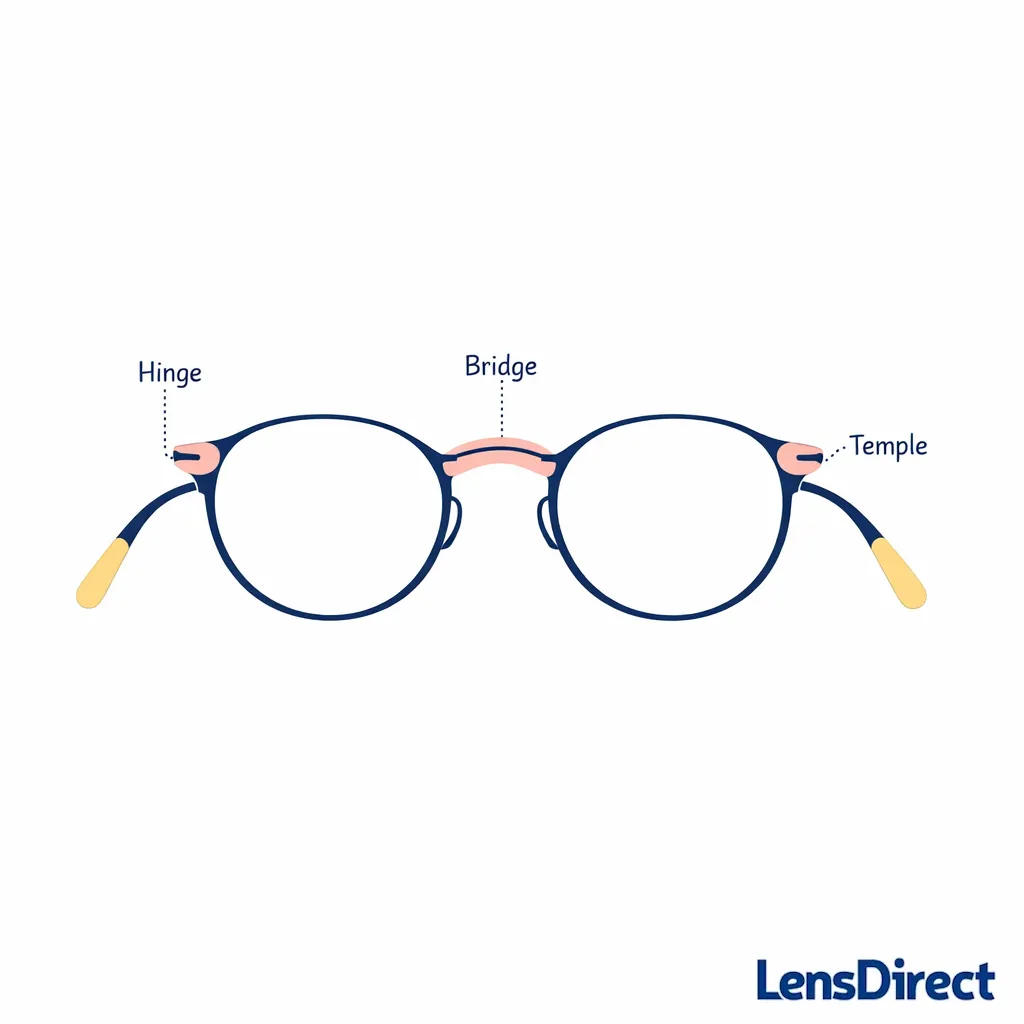
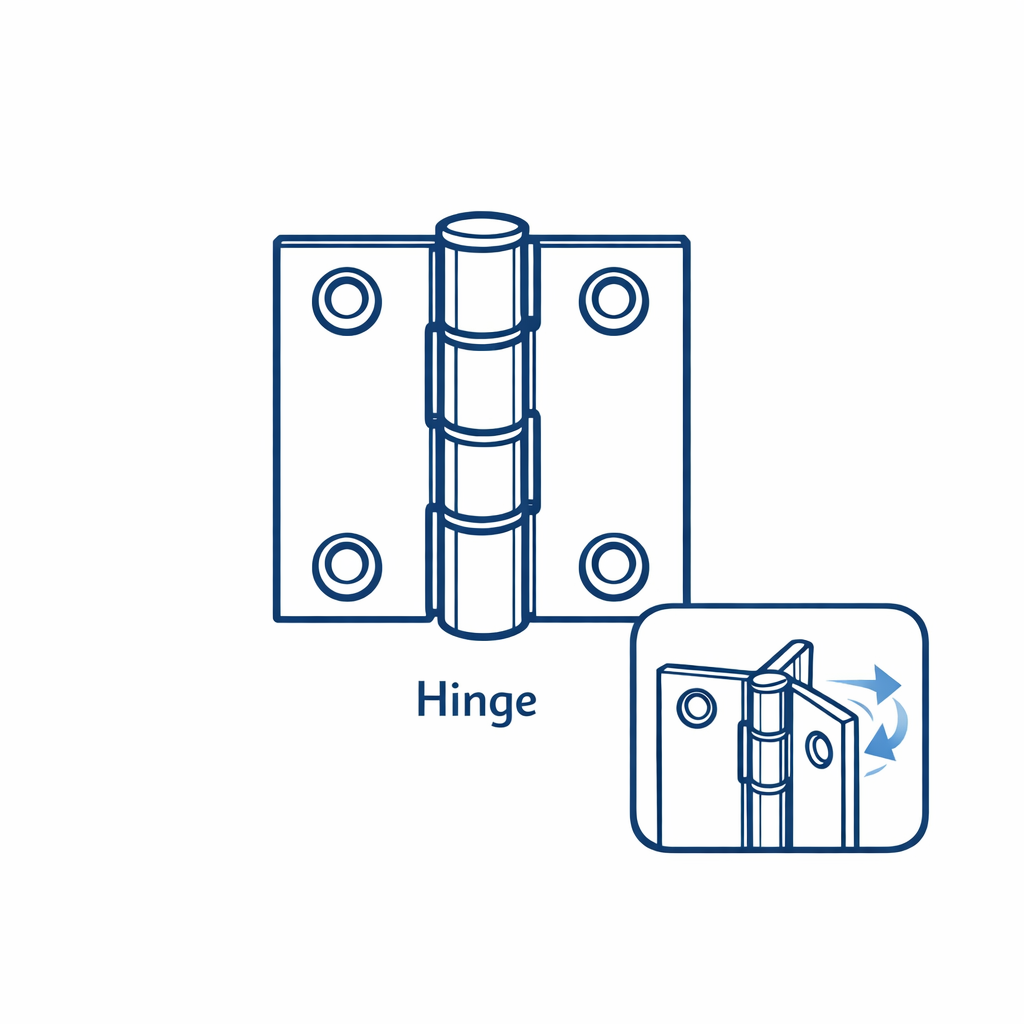
- Hinge strength: Hinges are a common break point. If your child frequently removes glasses with one hand, consider frames with sturdier hinge construction or spring hinges.
- Comfortable contact points: A frame that hurts will get twisted, bent, and shoved into pockets. Comfort is a durability feature.
- Secure fit options: For sports and high activity, a strap can prevent drops and accidental stepping.
Age-and-stage durability tips
Infants and toddlers: Prioritize soft, lightweight frames with a stable bridge and an optional strap. At this age, a “perfect style” matters less than a “stays on, doesn’t irritate” fit.
Elementary school kids: Choose frames that can handle backpacks and after-school activities. Consider a second pair if the glasses are essential for schoolwork and you want a backup ready.
Tweens and teens: Durability still matters, but buy-in matters too. If the style feels “babyish,” the glasses may live in a locker. Let them choose within parent-approved fit and lens boundaries.
Best lens material for kids glasses: how to choose without overthinking it
Lens choice affects weight, thickness, and how well the glasses stand up to daily wear. For many families shopping for kids glasses online, the simplest approach is to prioritize impact resistance, lighter weight, and clear optics, then add coatings that match your child’s routines.
For general kid use, polycarbonate lenses are widely recommended because they are lightweight and impact resistant, as described by the American Academy of Ophthalmology’s overview of polycarbonate lenses. If you’re comparing polycarbonate lenses for kids versus other options, start by asking what your child will do most while wearing the glasses (classroom, sports, outdoor time, screen-heavy homework).
Polycarbonate vs. Trivex (and why parents compare them)
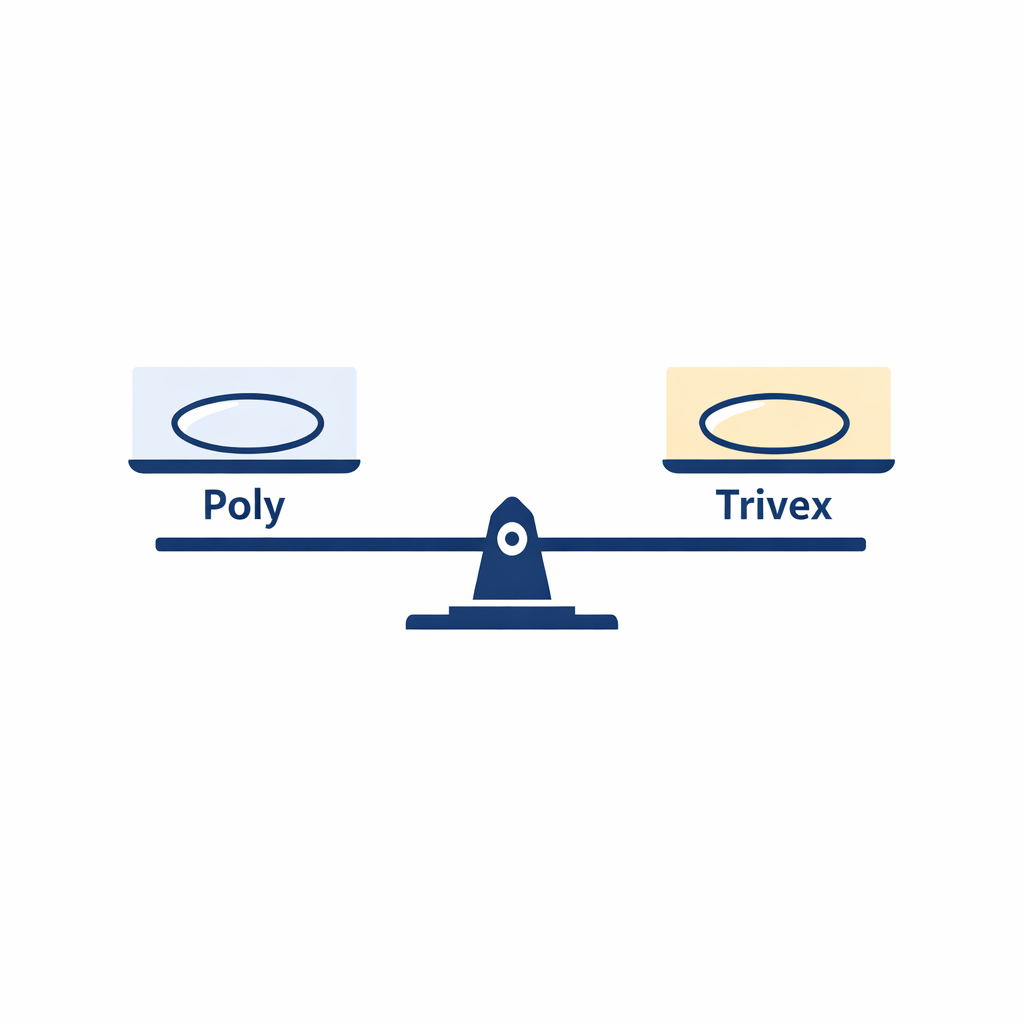
You’ll often see polycarbonate and Trivex mentioned together in “children glasses fit guide” discussions because both are commonly positioned as kid-friendly options. The practical difference for parents usually comes down to your child’s prescription, how sensitive they are to lens weight, and your preference for optical clarity and cost.
If you’re considering Trivex lenses for kids, a good approach is to ask your eye care professional whether Trivex offers meaningful benefits for your child’s specific prescription and activities. When you buy children eyeglasses online, you can often choose the material at checkout, but the “right” choice is the one that balances safety, comfort, and budget for your household.
Scratch resistant coating kids glasses: set expectations correctly
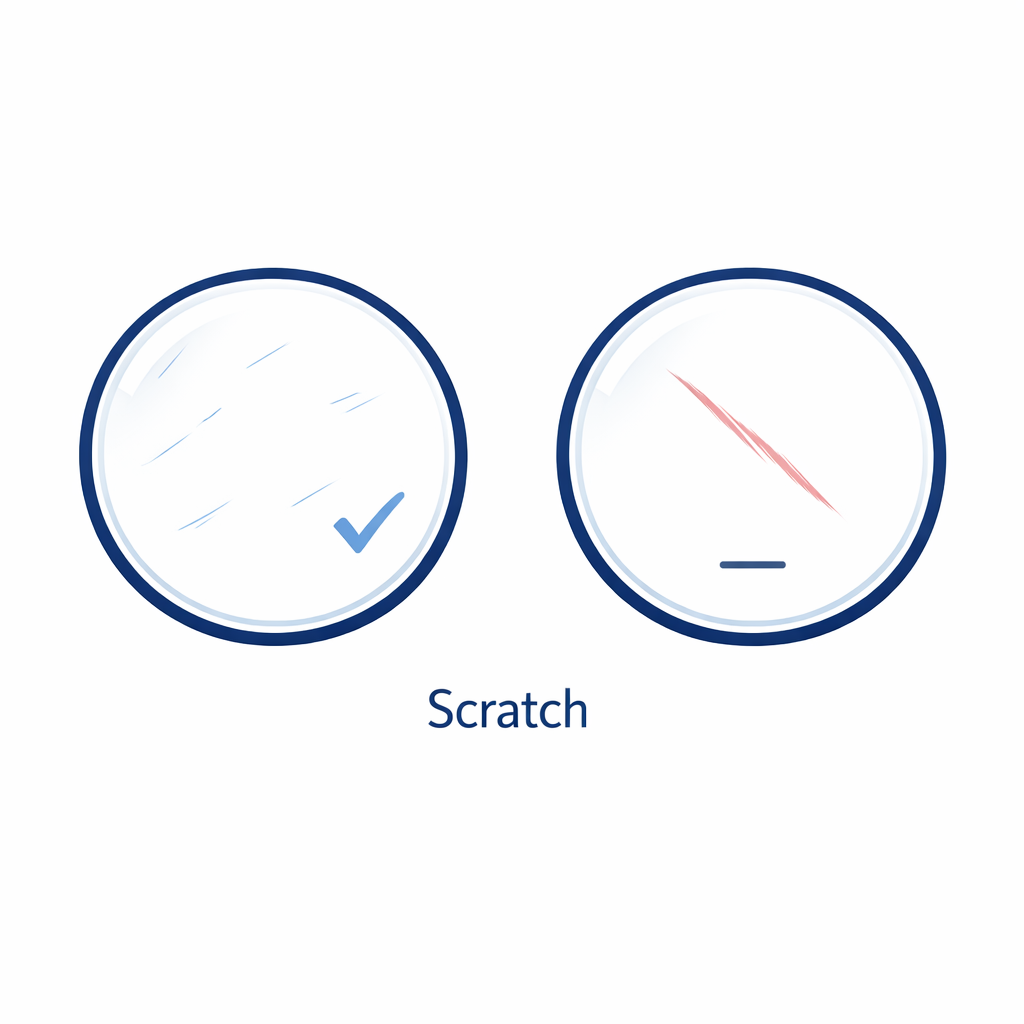
A scratch-resistant coating is one of the most parent-friendly upgrades because kids are not gentle with lenses. The key mindset: scratch-resistant is not scratch-proof, so pair coatings with routines that reduce damage.
- Cleaning habits: Teach kids to rinse dust off first and use a microfiber cloth, not a shirt hem.
- Storage: Use a hard case for backpacks and sports bags.
- Spare cloth: Keep one in the classroom backpack and one at home.
If your child’s lenses get scratched quickly every year, it may be worth budgeting for better coatings or planning ahead for replacement lenses rather than replacing the whole frame.

Anti-reflective (AR) coating: when it’s worth it for kids
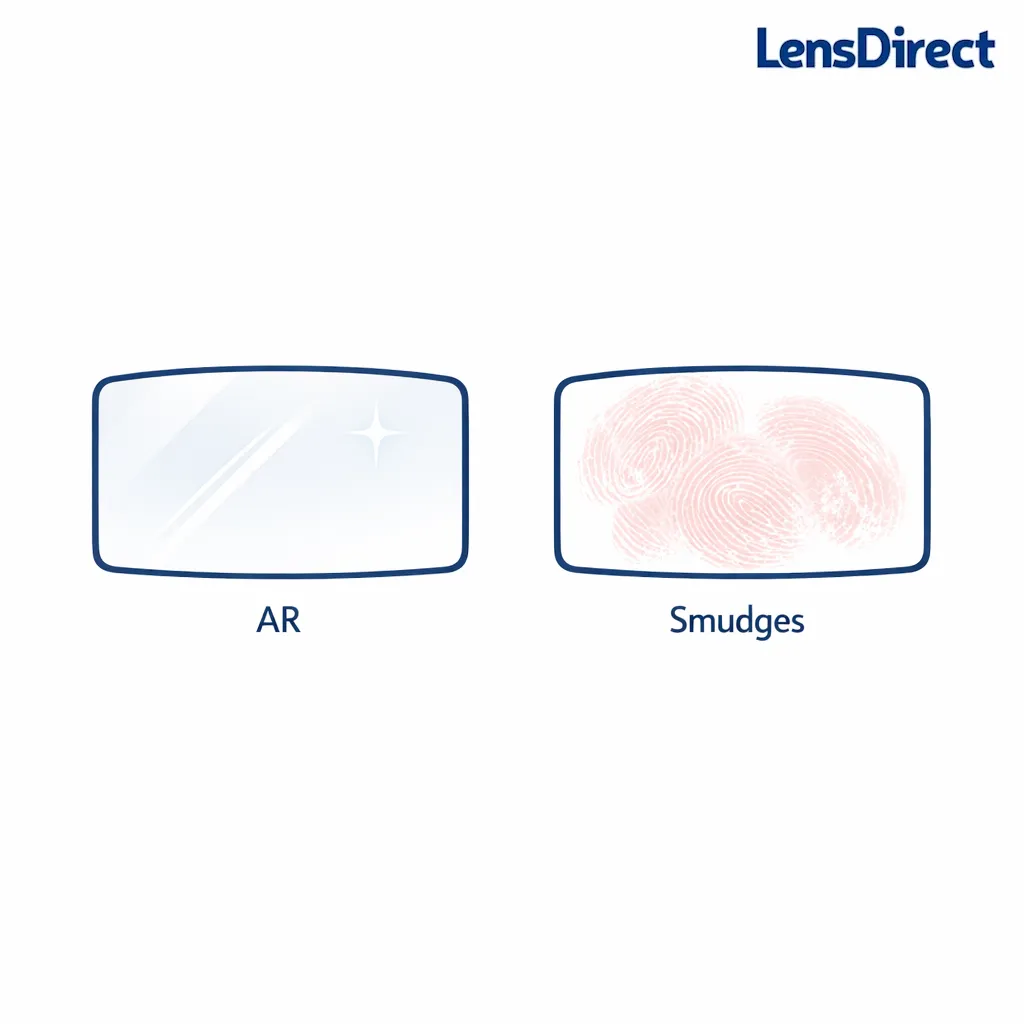
AR coating can reduce distracting reflections and improve clarity, especially in classrooms with overhead lights and for night driving as teens get older. It can also make the lenses look clearer in photos, which matters to many tweens.
The tradeoff is that AR lenses show smudges more easily, so the family has to be on board with regular cleaning. If your child hates cleaning, prioritize durability first and add AR when they’re ready.
Everyday wear realities: school, screens, and outdoor time
Most kids do not wear glasses in a controlled environment. They wear them during reading, running, sweating, changing clothes, putting on hoodies, and getting in and out of car seats.
When you choose kids eyeglasses online, match features to routines. If your child plays outside daily, consider how well the frame stays put with sweat. If they do after-school sports, think about a protective option they can wear confidently.
Sports and play: don’t treat everyday glasses as sports protection
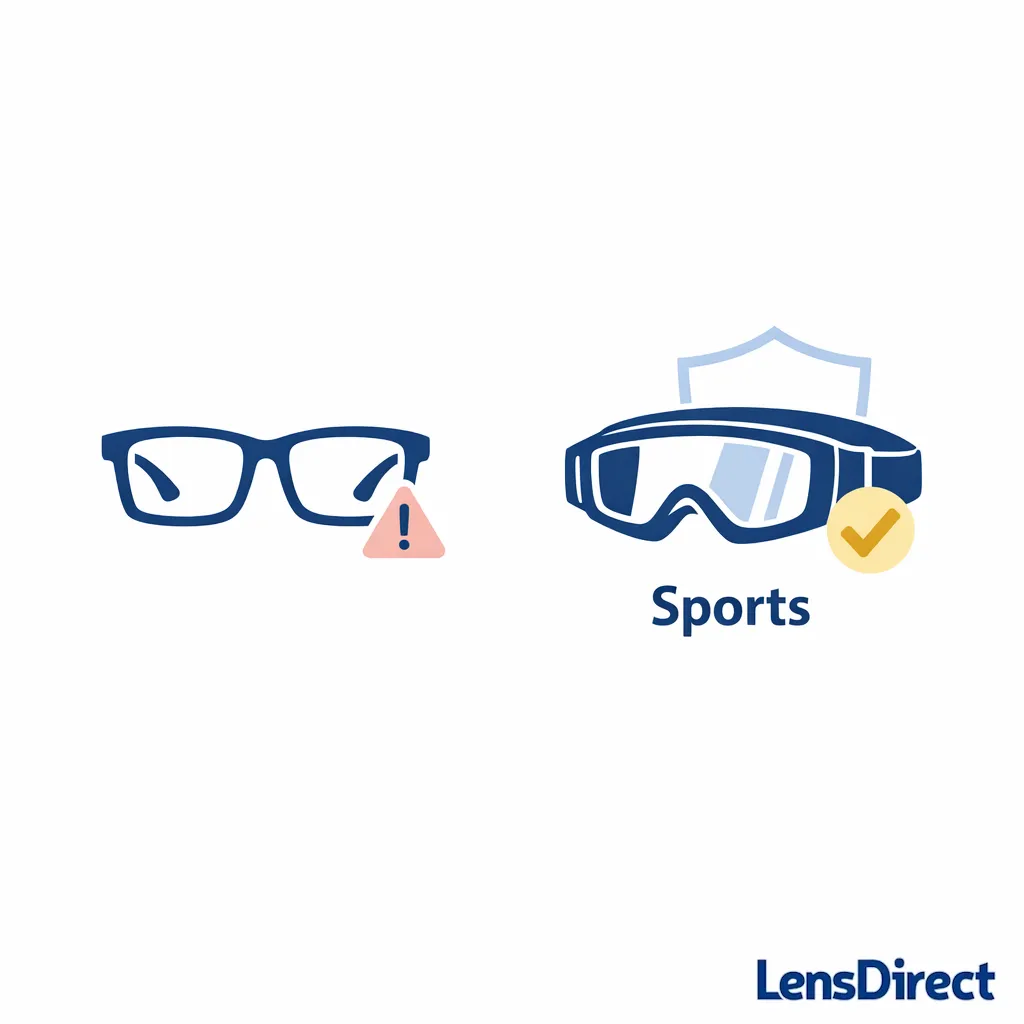
Regular prescription glasses may not be designed for impact risks in sports. For sports where eye protection is advised, consider dedicated protective eyewear or sports goggles that fit securely and are made for activity.
The American Academy of Ophthalmology’s sports eye safety guidance explains why sport-appropriate protective eyewear matters and how it can reduce injury risk during certain activities. If your child needs vision correction for sports, ask the eye doctor what type of protective option is appropriate for that sport.
Sunglasses and outdoor glare (especially for car rides and snow)
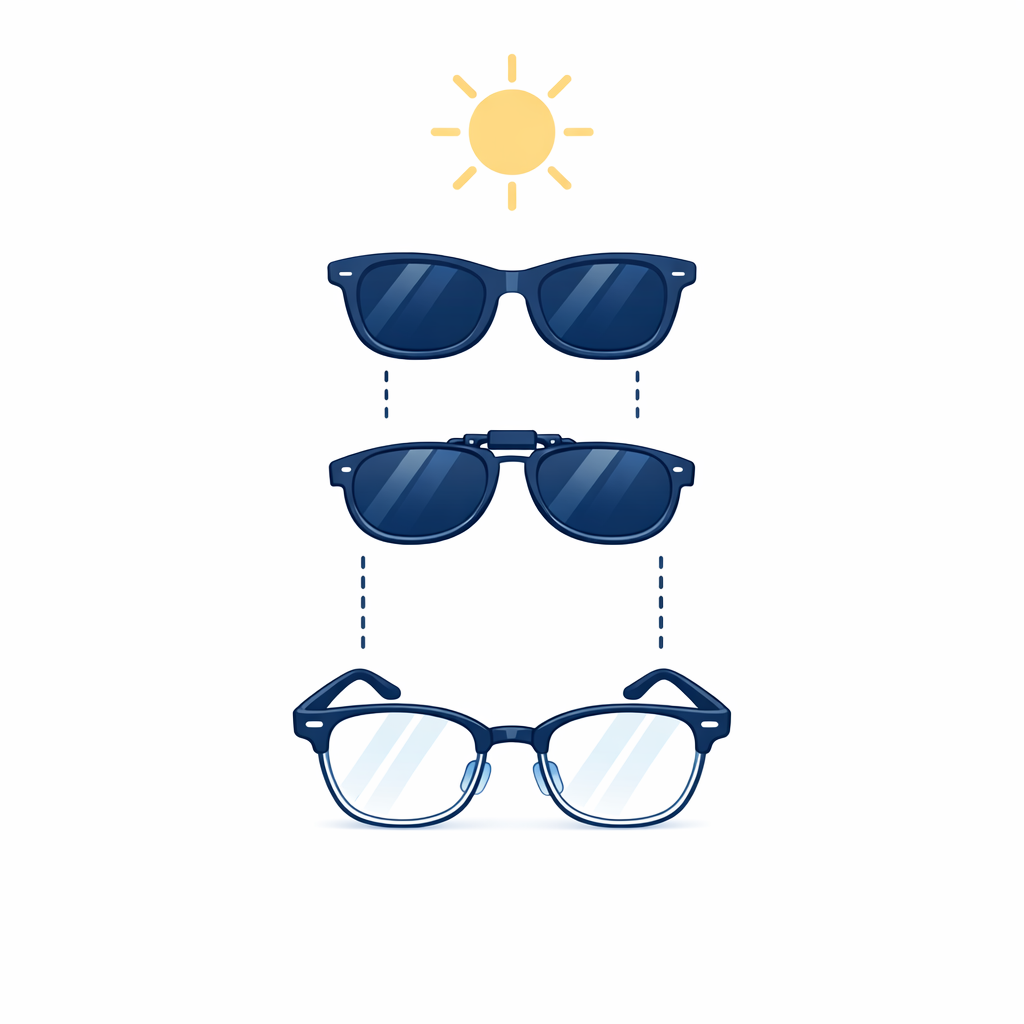
Kids squinting in bright sun or complaining about glare may benefit from prescription sunglasses or clip-ons, depending on what your child will actually tolerate. For families who ski, play on snow, or spend time near water, glare can be intense, so secure fit matters as much as lens tint.
If you’re buying youth glasses online for both indoors and outdoors, consider whether a second pair (clear everyday glasses plus sunglasses) will get more real use than one “do-it-all” solution.
Common mistakes when ordering kids glasses online (and how to avoid them)
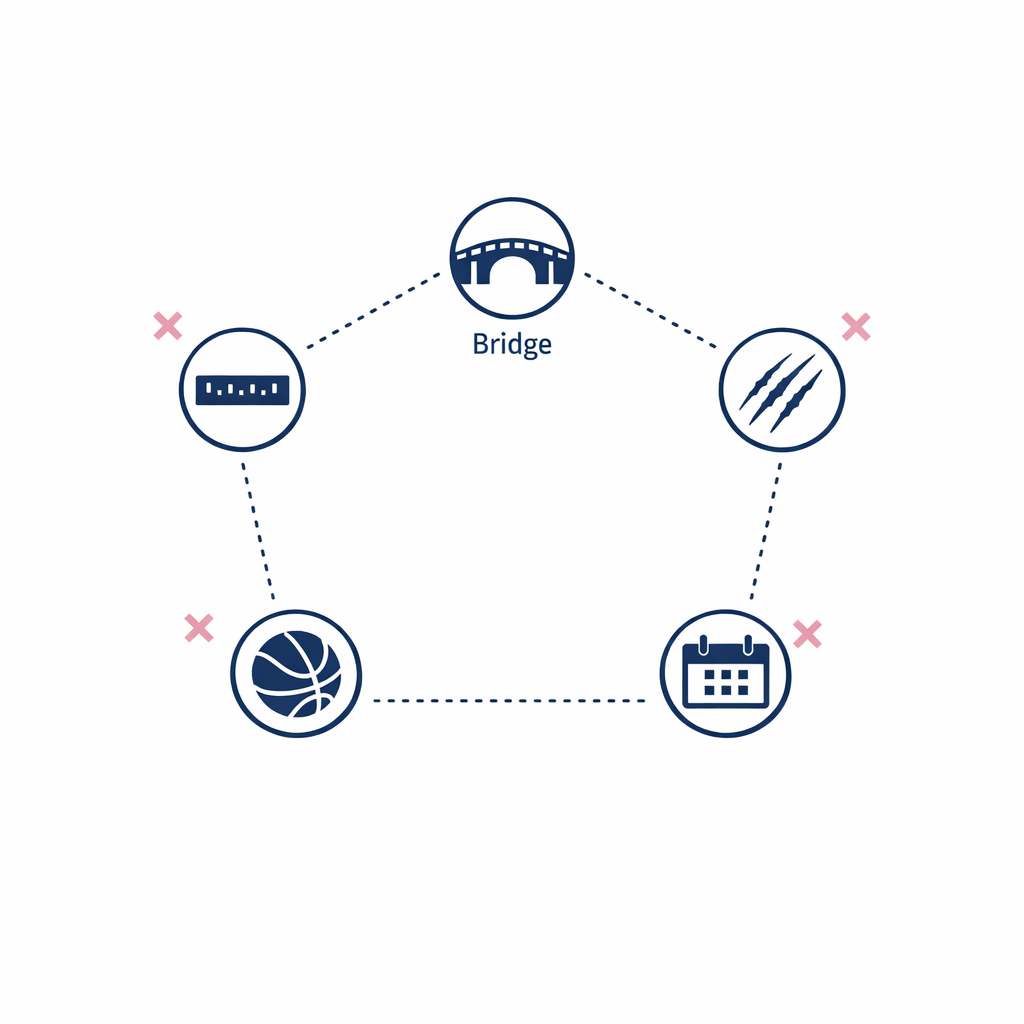
Most problems are predictable. If you handle these few items up front, your odds of a great first order go way up.
Mistake 1: choosing a frame based on age label instead of measurements
“Ages 6–8” is a rough suggestion, not a guarantee. Use frame measurements and fit checks, because kids’ heads and bridges vary widely at the same age.
Mistake 2: ignoring bridge fit because the frame looks cute
If the bridge is wrong, the glasses will slide, lenses will sit too low, and your child will constantly push them up. Prioritize bridge stability first, then style.
Mistake 3: assuming scratch-resistant means worry-free
Coatings help, but daily habits matter more. If your child throws glasses into a backpack without a case, scratches are still likely over time.
Mistake 4: using everyday glasses as sports goggles
If your child plays a sport with impact risk, ask about protective eyewear options. Everyday glasses can be uncomfortable and potentially unsafe for certain activities, and they often won’t stay secure during high movement.
Mistake 5: waiting until the glasses are unwearable to act
If lenses are heavily scratched or the frame is constantly crooked, your child may be “getting by” with compromised vision and comfort. Planning for a mid-year lens refresh can be cheaper than repeated emergency replacements.
What to do next: a parent’s fit + durability checklist
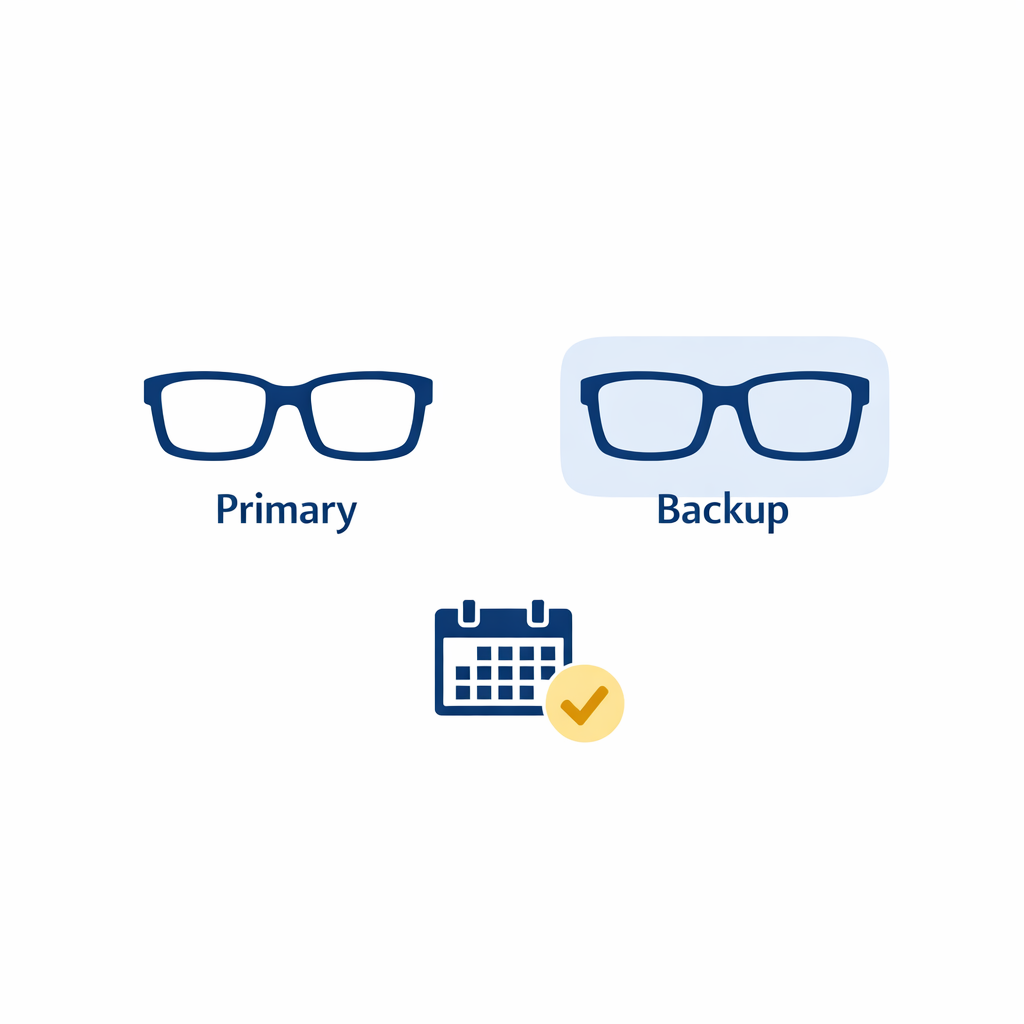
Use this as your scannable plan for buying childrens prescription glasses online without second-guessing every option. You can screenshot it or keep it in your notes for future orders.
- Confirm the prescription and ask the doctor to clarify anything you don’t understand (especially if your child is new to glasses).
- Get PD from the doctor or measure carefully before ordering.
- Start from a pair that fits and match the key frame measurements when possible.
- Prioritize bridge fit to reduce sliding and daily annoyance.
- Choose kid-friendly lens material with safety and weight in mind (polycarbonate is a common starting point for many kids).
- Add practical coatings like scratch resistance if your budget allows, and set expectations that coatings reduce scratches but do not eliminate them.
- Plan for activity: if your child plays sports, consider a separate protective option.
- Do a 60-second fit check on arrival before your child wears the glasses all day.
- Have a backup strategy if your child relies on glasses for school (a spare pair or a plan for quick lens replacement).
Shop kids-ready eyewear and easy replacements at LensDirect
If you’re ready to buy kids glasses online with a fit-first approach, you can browse options and order at your pace. LensDirect also makes it straightforward to handle the most common parent problem: lenses that get scratched or frames that are still fine but need a refresh.
- Shop Glasses for everyday kids eyeglasses and youth styles.
- Shop Sunglasses for outdoor glare and sports-friendly sun options.
- Shop Contacts if your older child or teen is switching between glasses and contacts for sports or travel.
- Replace Your Lenses if the frame still fits but the lenses are scratched or the prescription changed.
- Full-Service Replacement (send-it-in option) when you want the simplest hands-off process.
- Order Replacement Lenses (DIY option) if you prefer to replace lenses yourself for select frame brands.
If you want extra help dialing in sizing and measurements before ordering, these guides can help you reduce returns and get a better first fit: Find Your Fit, Learn How to Measure Your Pupillary Distance, and Learn How to Get Reimbursed by Your Insurance.
Author

Subscribe to our email newsletter to get the latest posts delivered right to your email.