
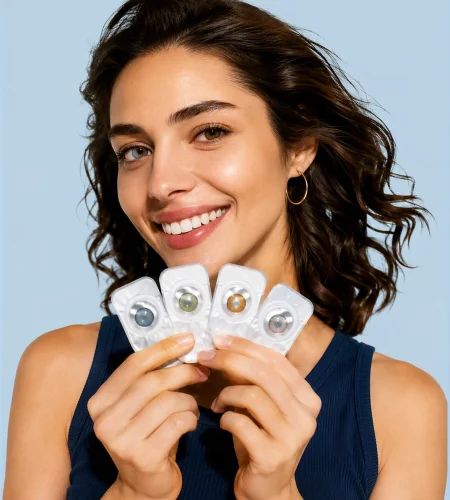
The smartest way to compare cheap colored contacts is to evaluate them in this order: prescription legitimacy, replacement schedule, real cost per wear, and shade performance on eyes like yours. A low sticker price only helps if the lenses are sold the right way, fit your needs, and still give you the look and comfort you want.
This guide is for shoppers browsing colored contact lenses online who want affordability without turning the process into guesswork. You will learn how to compare cheap prescription colored contacts, zero-power color lenses, daily versus monthly value, and the design details that matter most before checkout.
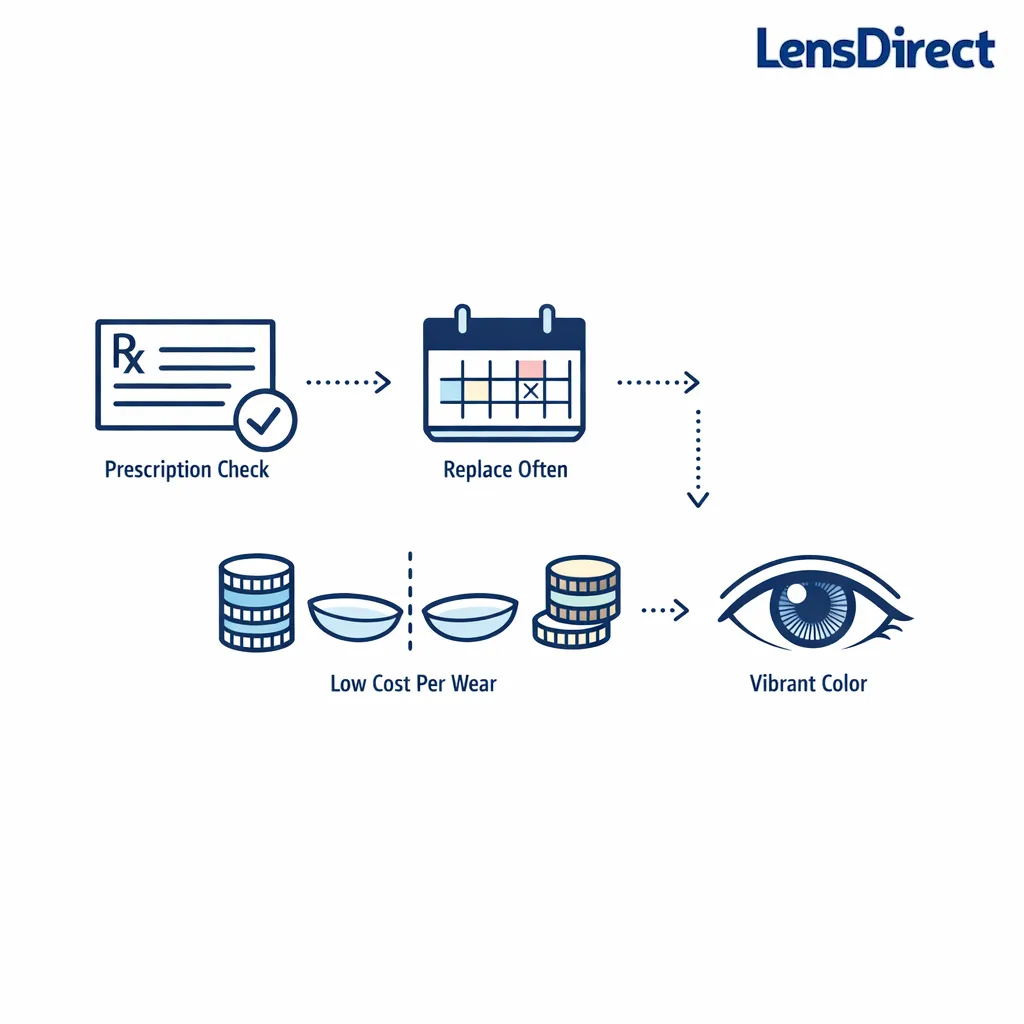
- Start with legitimacy. If the store does not treat contacts like medical devices, stop there.
- Compare cost per wear. The cheapest box is not always the cheapest routine.
- Check prescription options early. Color is irrelevant if your correction is not available.
- Judge shades on similar eyes. Dark-eye photos matter more than perfect studio images.
- Review checkout value. Shipping, verification, and service can change the real deal.
How to compare cheap colored contacts online safely
Why colored contacts still require a valid prescription

In the United States, colored contact lenses are medical devices that require a valid prescription, even when they do not correct vision. That means the real comparison is not “medical” versus “cosmetic.” It is whether the seller handles a medical product responsibly.
If a site asks for your Rx, waits for prescriber confirmation, or pauses fulfillment until verification is complete, that is a good sign. Under the FTC Contact Lens Rule, sellers must obtain and verify your prescription before dispensing contact lenses.
Red flags to avoid when prices seem too low
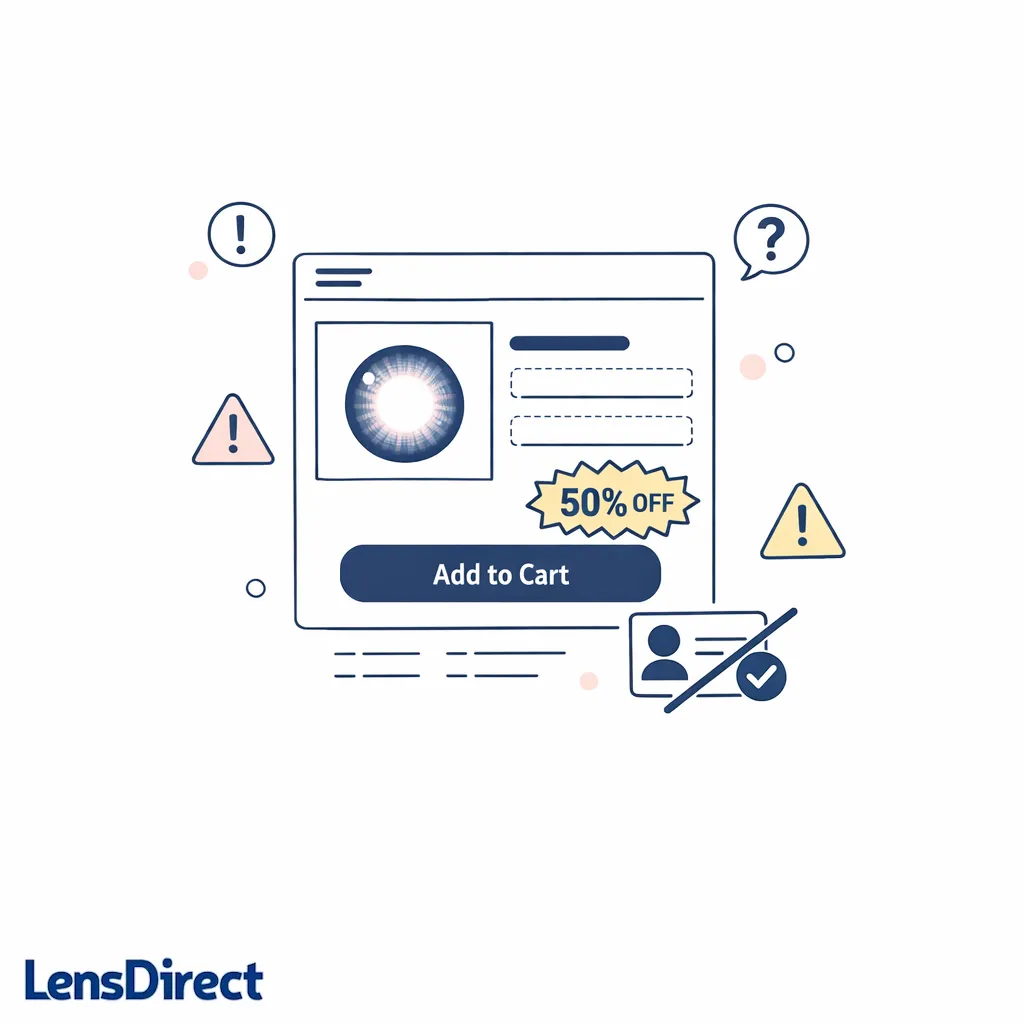
Cheap colored contacts are not automatically unsafe, but deep discounts can become a problem when they come with missing safeguards. The FDA warns that decorative lenses sold without proper fitting and oversight can cause serious eye problems and vision loss.
- No prescription check. If checkout feels too easy for a medical device, that is the point.
- Thin product details. You should be able to see brand, replacement schedule, wear instructions, and lens parameters before paying.
- Only glam photos, no basics. A trustworthy listing explains care as clearly as it shows shade.
- Pressure to stretch wear time. That conflicts with healthy contact lens wear and care guidance.
Compare price the right way
Cost per pair vs cost per wear
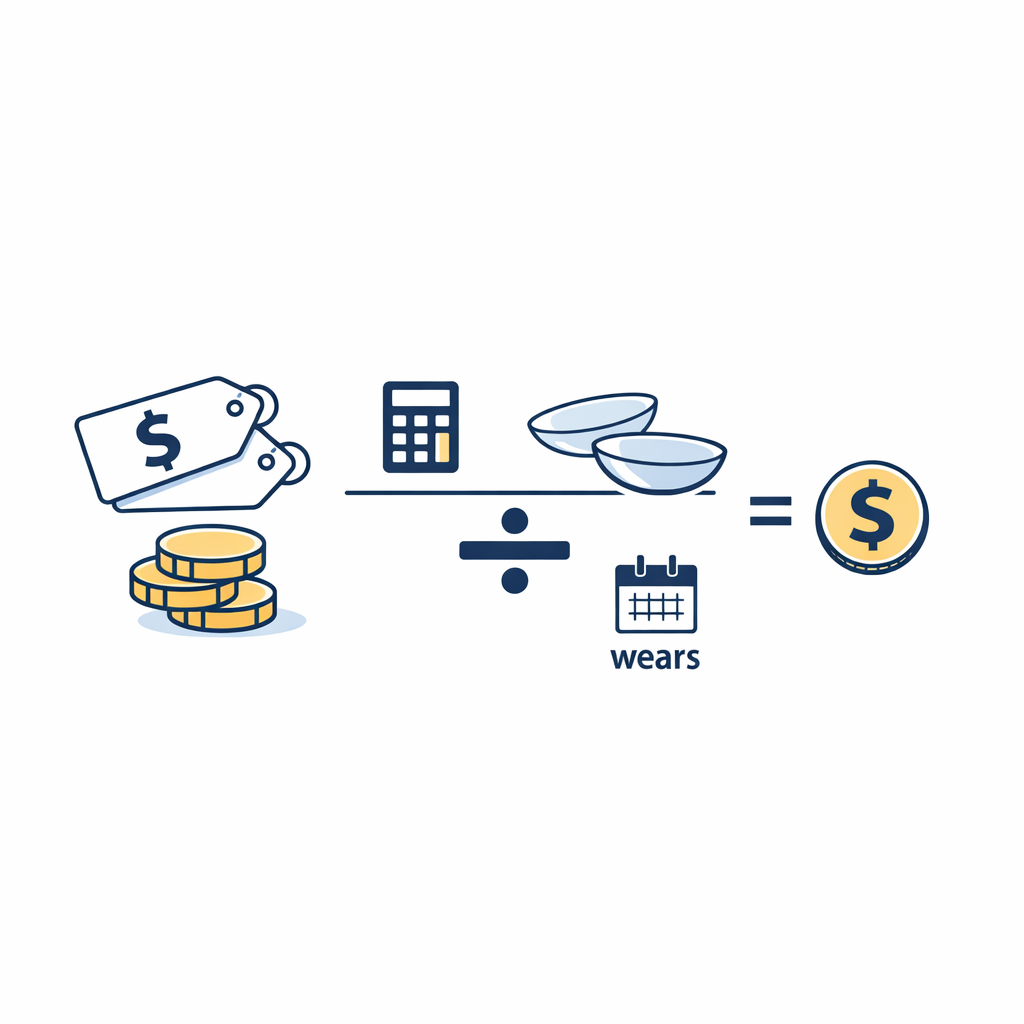
When shoppers search for the cheapest colored contacts, they often compare only the box price. A better formula is total order cost divided by expected wears. That simple shift helps you spot when a “budget” pair is actually expensive because of shipping, care products, or wasted unused days.
For example, a monthly pair can look cheaper than daily colored contacts at first glance, but the math changes if you only wear color twice a week. In that case, paying slightly more per lens for single-use convenience may cost less overall than opening reusables you barely use.
Daily vs monthly vs 90-day vs yearly replacement value
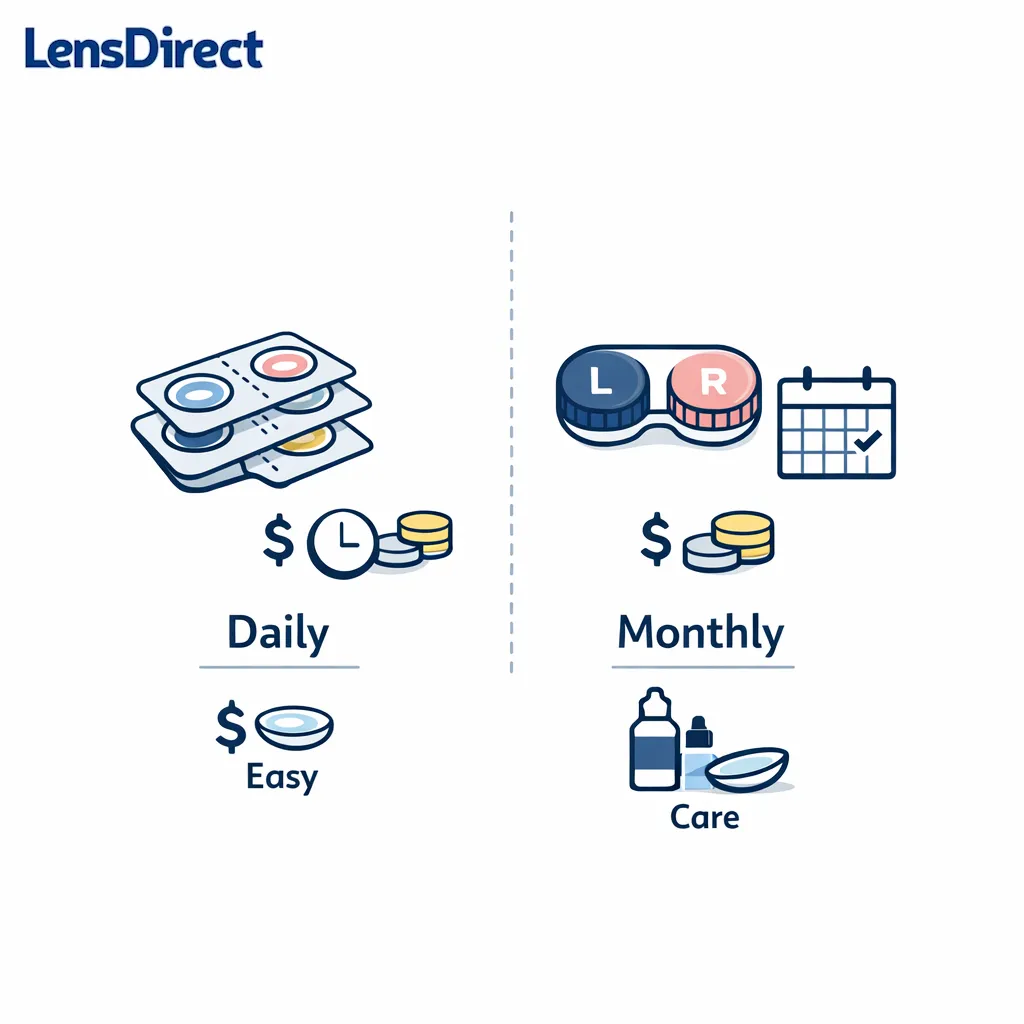
Use your lifestyle before you use the price filter. If you wear colored contacts occasionally, daily lenses can be the cleanest and most efficient choice. If you wear them often enough to justify the routine, monthly colored contacts may lower cost per wear.
If a retailer offers 90-day or yearly options, compare discipline as well as dollars. Longer-cycle lenses only look cheaper when you are realistic about cleaning time, replacement habits, and whether you truly want that exact shade often enough to keep reordering it.
Shipping thresholds, bundle deals, and coupon stacking
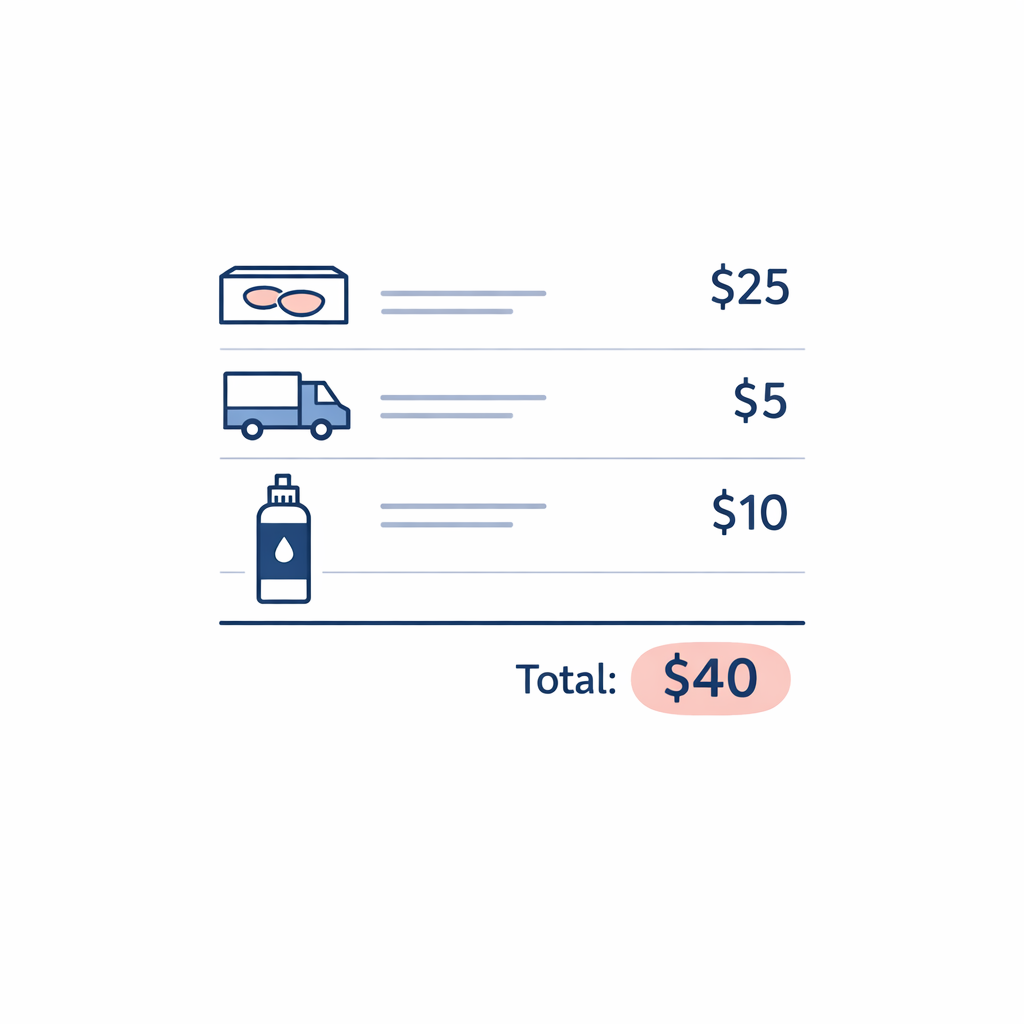
Always compare the final cart, not the product tile. A low item price can lose to a higher-priced option once you add shipping, tax, solution, or a second box because each eye has a different prescription.
Bundle deals matter most when you already know the lens works for you. If you are trying a new color or new brand, a smaller first order can be the better value because it limits the cost of getting the shade wrong.
Compare prescription options before you buy
Prescription vs non-prescription availability
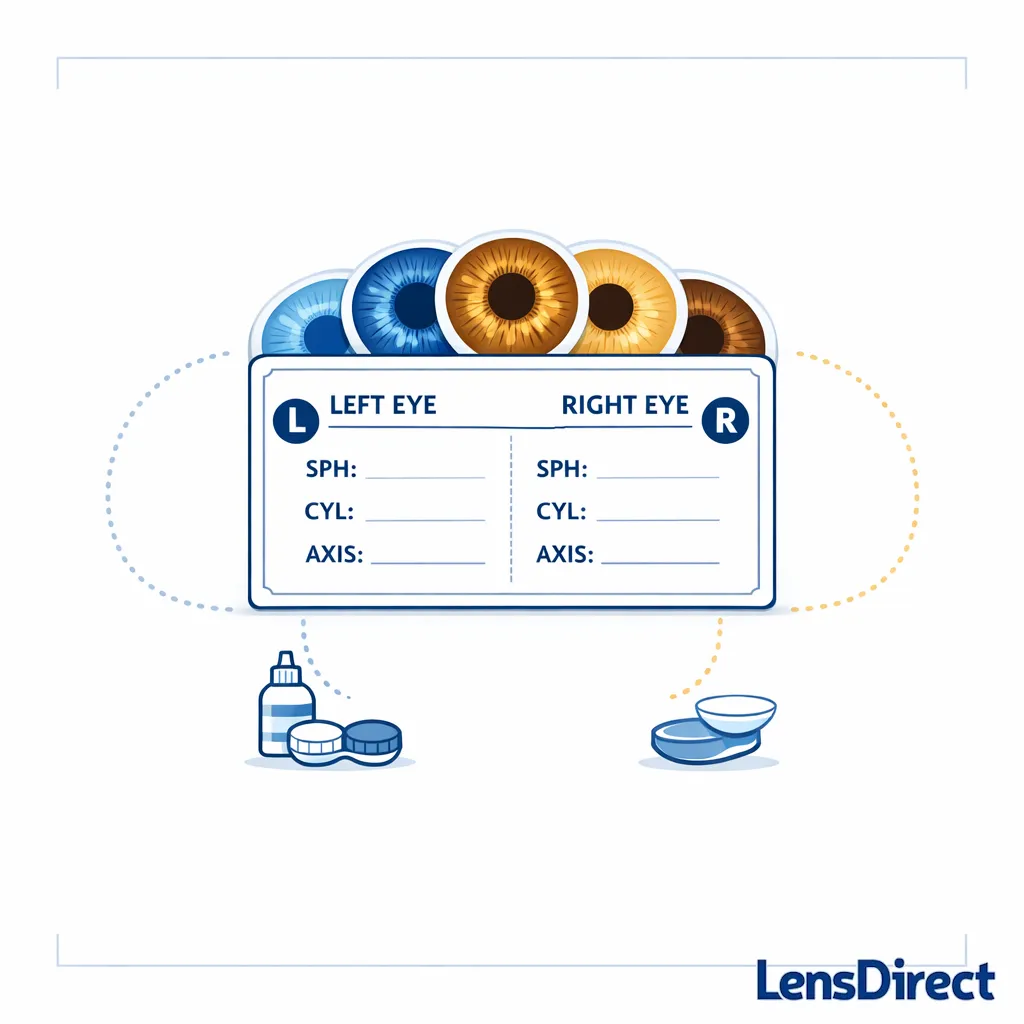
Many shoppers use “non-prescription colored contacts” to mean zero-power lenses. From a buying standpoint, the better question is whether the retailer offers the shade you want in the exact version you need, with a legitimate verification process built in.
That matters because affordable colored contacts are only a deal when the lens is both wearable and legally sold. If the store treats zero-power color as a loophole instead of a proper contact lens order, move on.
What powers and correction options matter
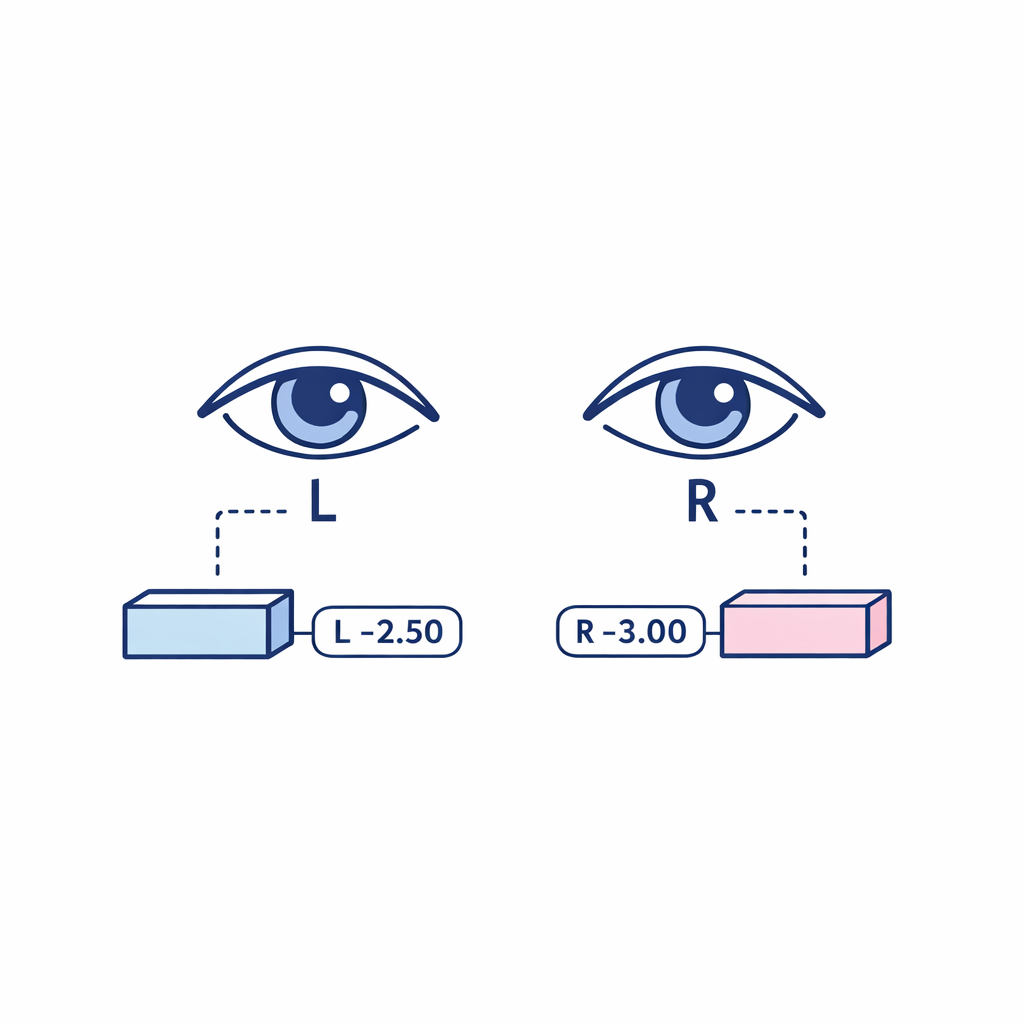
Check each eye separately and read the product page before you fall for the color gallery. Some shoppers need different powers between left and right eyes, and some will care more about whether a line supports their correction than whether it has twelve shades instead of six.
This is especially important when you want cheap prescription colored contacts. The lowest-price listing is useless if it does not support the lens type you can actually wear, so confirm usability first, then compare price, then compare color.
When shoppers with astigmatism need different options
If your prescription includes astigmatism correction, compatibility has to come first. Astigmatism affects how the eye focuses light, so it is worth confirming with your eye doctor that a colored lens is available in the design you need before you chase the lowest price.
Compare shade selection and realism
Natural shades vs vibrant or costume shades

There is a big difference between “I want my eyes to look a little brighter” and “I want a dramatic color change.” Natural everyday shoppers usually do better with brown, hazel, gray, or muted green patterns that blend with the iris. Statement shoppers can prioritize higher contrast and a more obvious transformation.
A practical test is to ignore the product name and read the effect. If the listing leans on words like subtle, blend, or enhancement, expect a softer result. If it emphasizes vivid, cosplay, or opaque coverage, expect a more noticeable shift.
Best lens traits for dark eyes
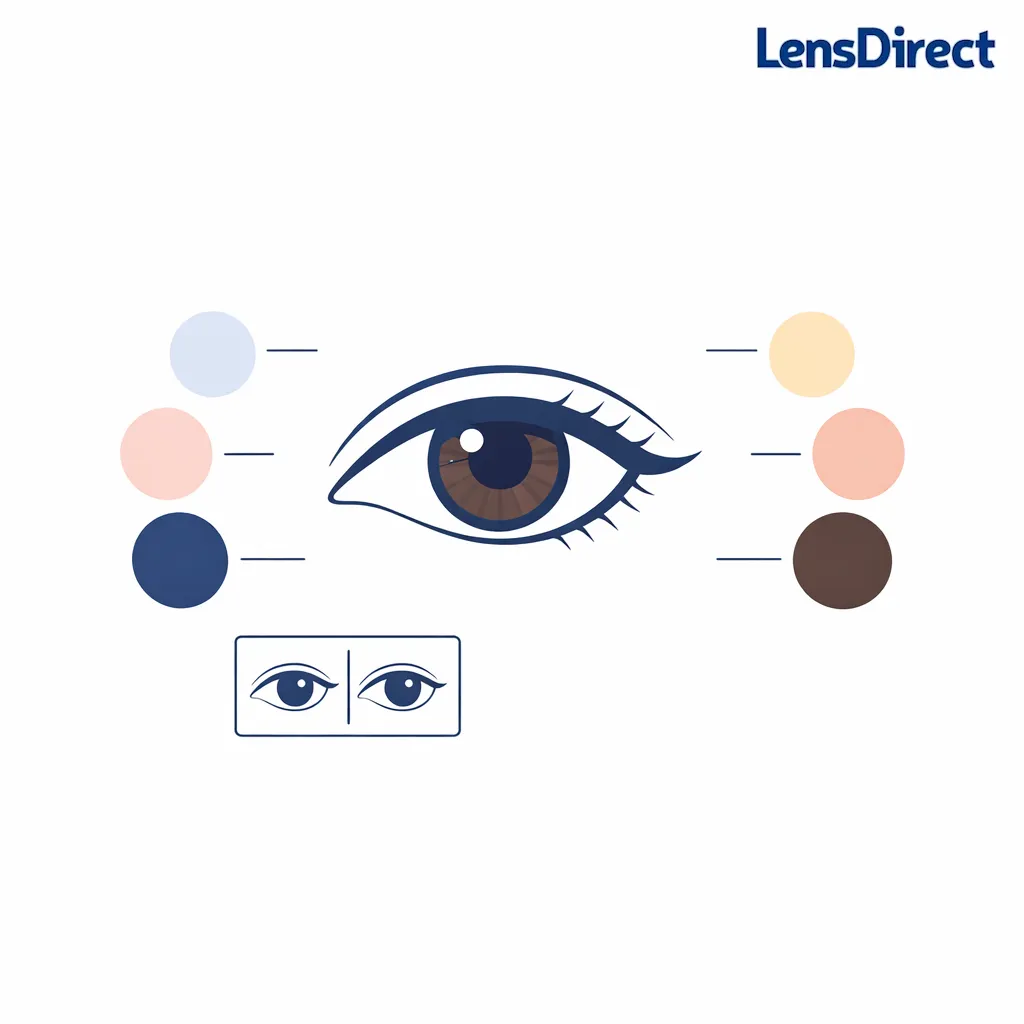
If you are shopping for colored contacts for dark eyes, judge colors using photos and reviews from people with a similar starting eye color. That is often more useful than the official product image, which may be shot on lighter eyes or under studio lighting.
For stronger visibility, look for descriptions that suggest fuller coverage rather than a barely-there tint. If your goal is realism, focus on how the center blends and whether the design looks believable up close, not just across a room.
Limbal ring, opacity, and enlargement effect
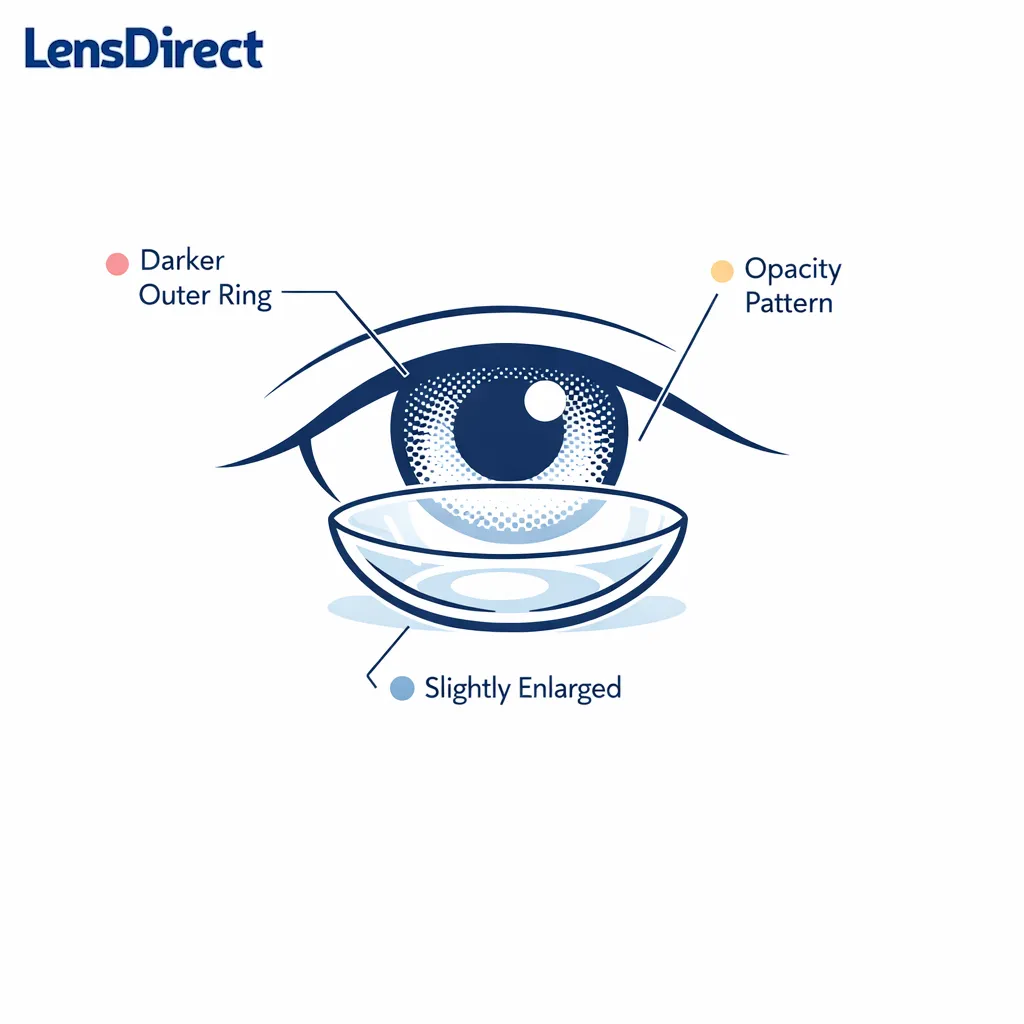
Retailers often describe design features rather than just shade names. You may see a darker outer edge marketed for a more defined look, a more opaque print marketed for a stronger color shift, or a larger-looking design marketed for a doll-eye effect.
The best cheap colored contacts for you are not the ones with the longest shade menu. They are the ones whose design notes match the result you actually want on your own eye color.
Compare comfort and wear schedule
Daily disposables vs reusable lenses
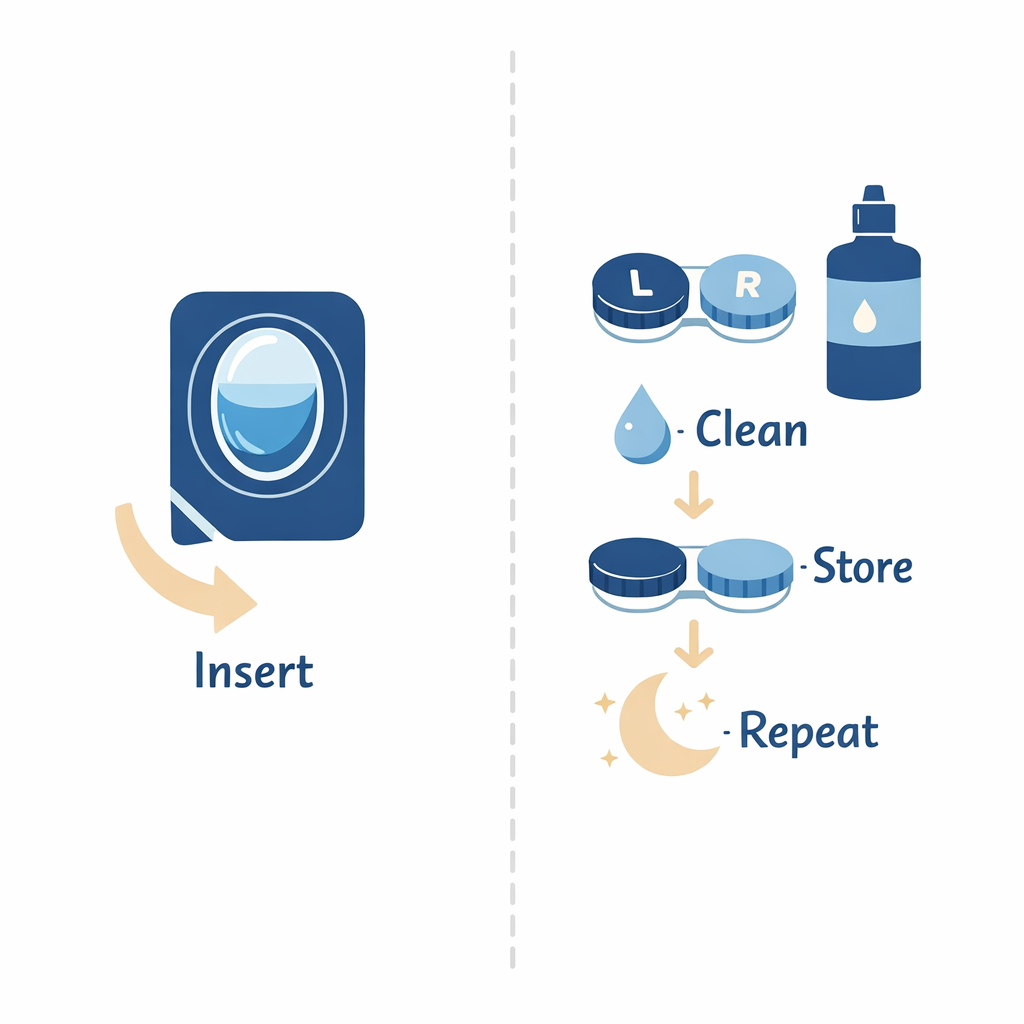
If you want the simplest routine, focus on single-use options and build your decision around contact lens wear and care guidance. Reusable lenses can lower cost per wear, but they also add cleaning, storage, and replacement tasks.
Materials, breathability, and dryness considerations
Comfort is personal, so avoid assuming the cheapest colored contacts will feel the same as your usual clear lenses. If your eyes run dry, you wear lenses for long days, or you already know you are sensitive to certain products, make comfort part of the filter instead of treating it as an afterthought.
A useful shortcut is to favor what has already worked for your eyes. If your doctor has fitted you successfully in a certain lens type or wear pattern before, staying close to that experience usually beats experimenting only for price.
Why replacement schedule affects both comfort and total cost
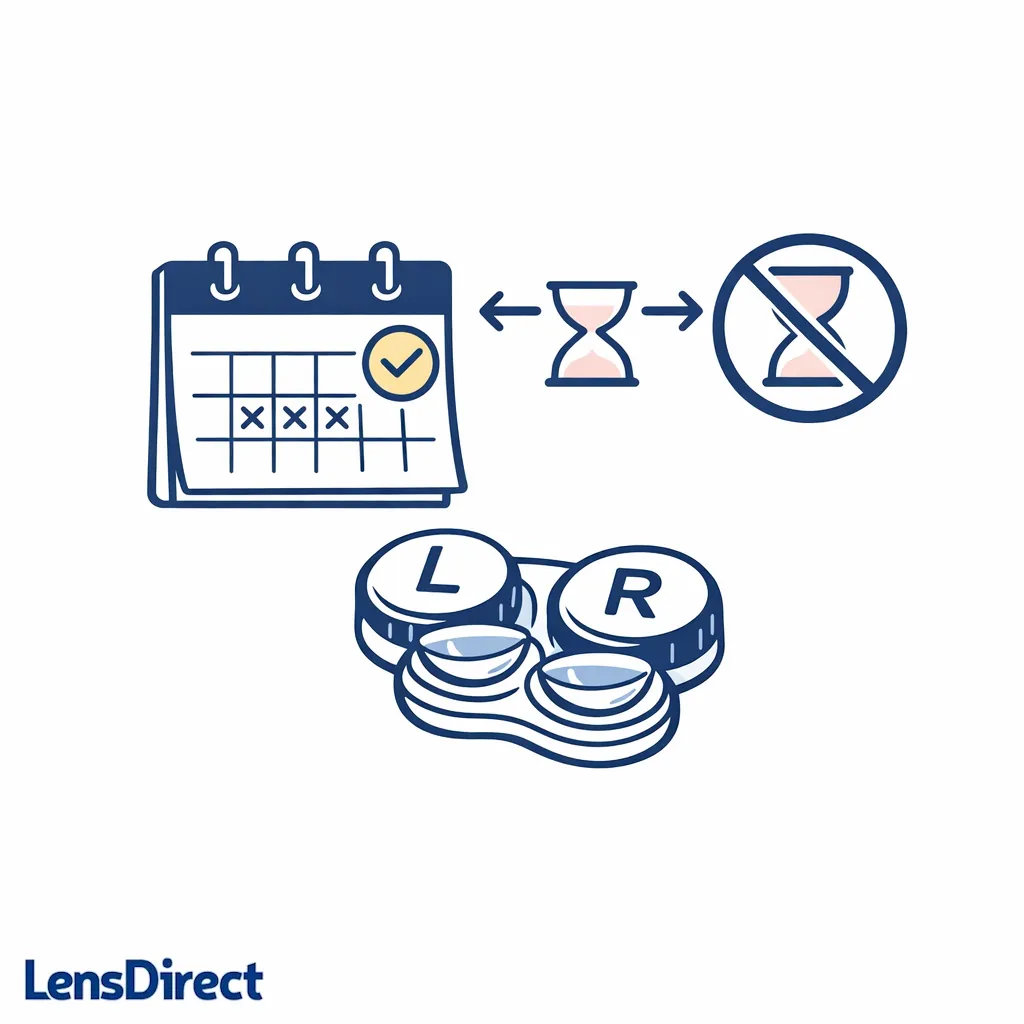
Trying to force extra life out of a lens is false savings. The more reusable the lens, the more your real value depends on sticking to the care and replacement routine you were given, not inventing a cheaper one halfway through the month.
Compare checkout value beyond list price
Free shipping thresholds and delivery times

Free shipping matters, but only after you know the lens is right. It is often smarter to pay slightly more for a retailer with clear fulfillment timing and reliable prescription handling than to save a few dollars on a cart that leaves you guessing about when your order will actually ship.
Return, verification, and Rx upload friction
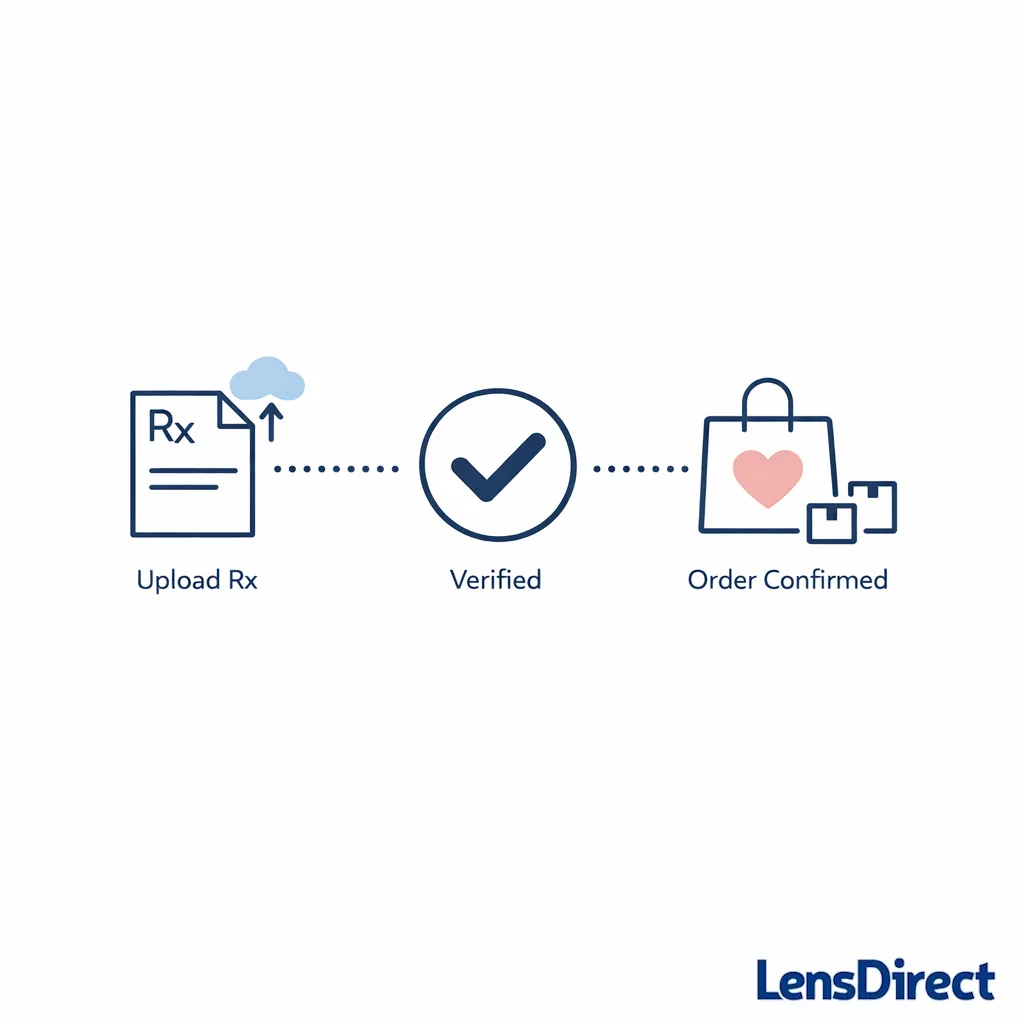
The best colored contact retailer is not necessarily the one with the fewest checkout steps. A little friction can protect you from a bad purchase. Clear prescription upload instructions, visible order status updates, and realistic policies are better signs of value than a one-click order for a product that should never be treated casually.
What makes an online colored contact retailer worth it
- Clear lens details. You can see replacement schedule, shade options, and ordering steps before checkout.
- Transparent pricing. The final total is easy to understand.
- Legitimate prescription handling. Verification feels built in, not avoided.
- Useful shade merchandising. The site helps you judge natural versus dramatic results.
- Low-friction support. It is easy to understand what happens if you need help.
Common mistakes that make cheap colored contacts more expensive
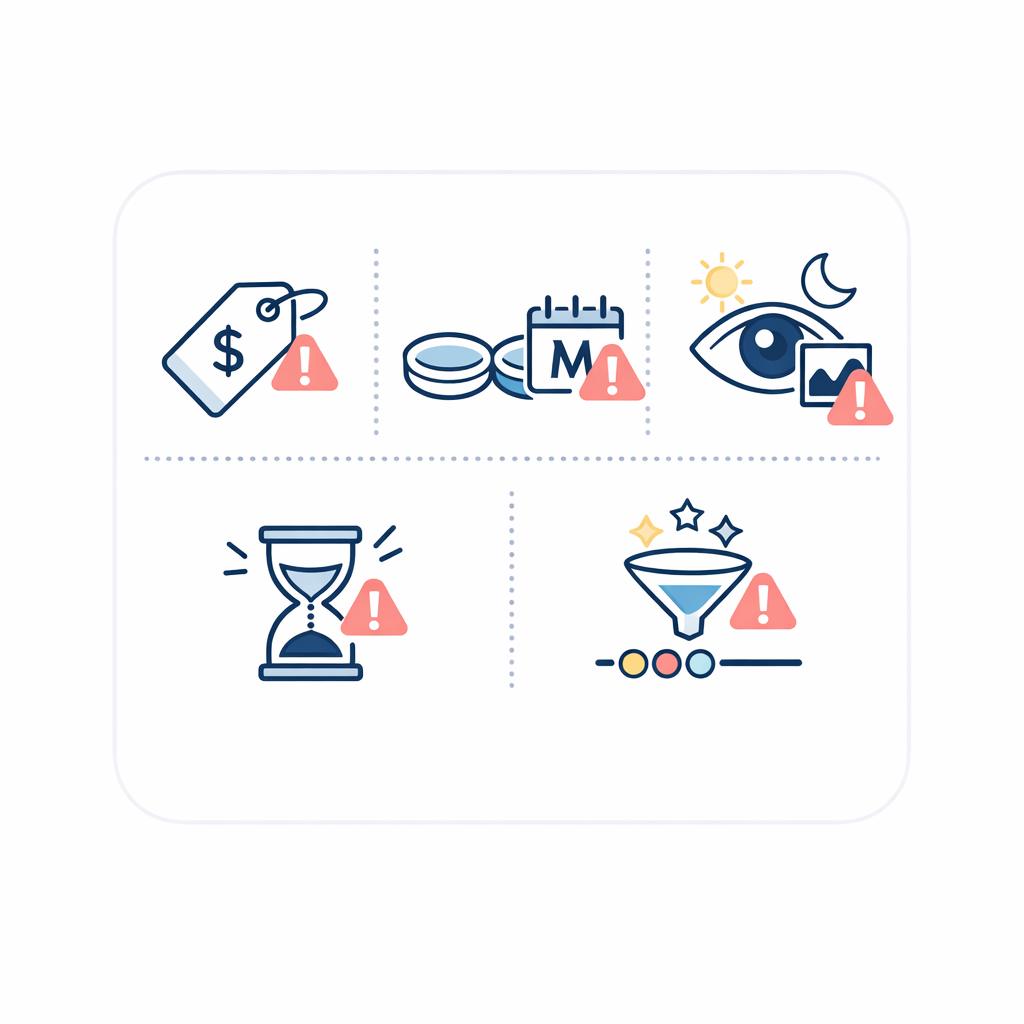
- Buying by sticker price alone. Real value comes from cost per wear, not the first number you see.
- Choosing monthly lenses for very occasional use. A lower upfront price can still create waste.
- Using light-eye photos to judge dark-eye results. That is how shoppers end up disappointed with “invisible” colors.
- Treating verification as a nuisance. Legitimate sellers are supposed to slow down long enough to get the prescription step right.
- Making color the first filter. Start with wearability, then compare shade.
Best affordable colored contacts by shopper type
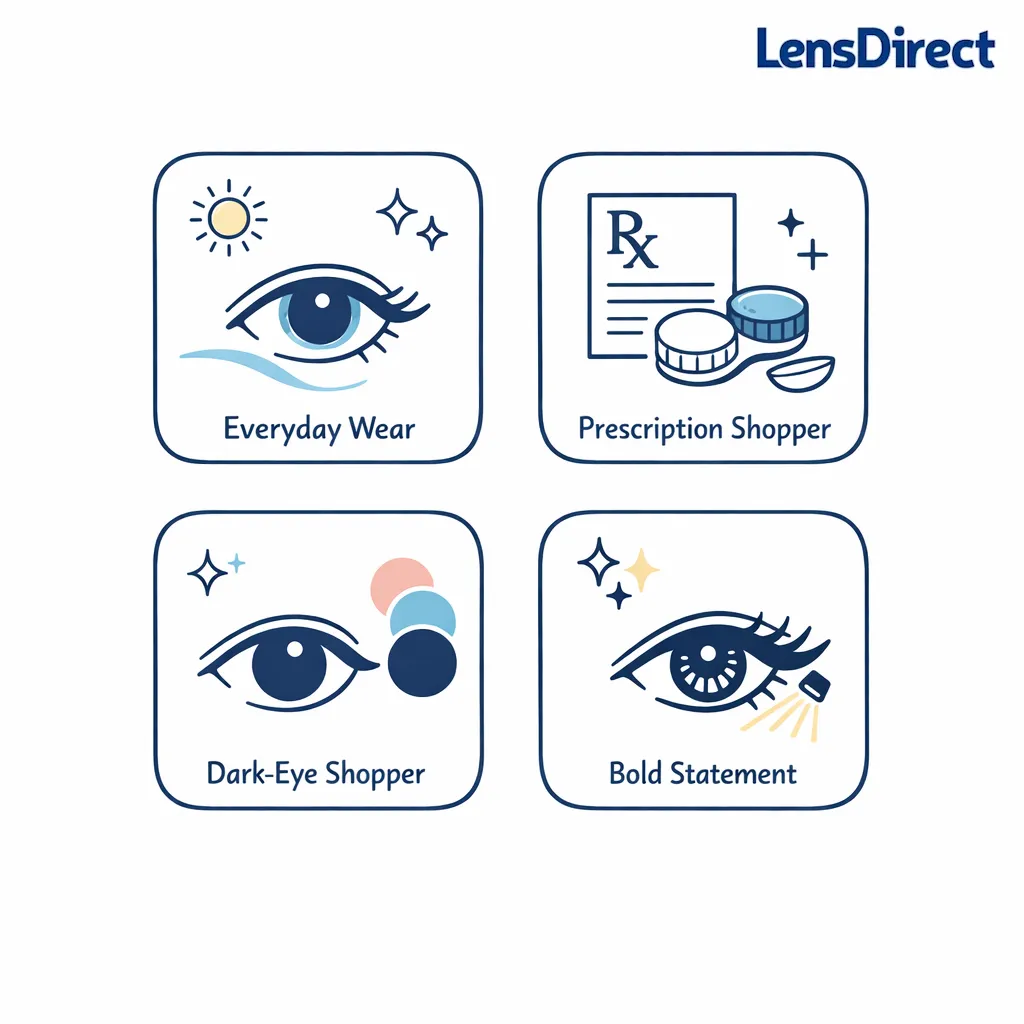
Best for natural everyday wear
Look for softer shades, believable patterning, and a replacement schedule that matches how often you will really wear them. For many everyday shoppers, the sweet spot is not the loudest color or the biggest catalog. It is the lens that looks polished without requiring you to overthink every outfit.
Best for prescription shoppers
Prioritize exact correction availability and a smooth verification process. If a site makes it easy to confirm your usable lens first and your favorite color second, that is usually a better shopping experience than a huge shade range with limited prescription support.
Best for dark eyes
Focus on on-eye examples from similar eye colors, stronger coverage descriptions, and realistic close-up photos. The best option for dark eyes is usually the shade that still looks intentional in normal daylight, not just under bright studio lighting.
Best for costume or statement looks
Go bold only after the basics are covered. If the lens is for an event or a one-off look, simplicity matters: clear legitimacy, clear care instructions, and a wear schedule you can follow without trying to squeeze extra value out of a specialty pair.
FAQ
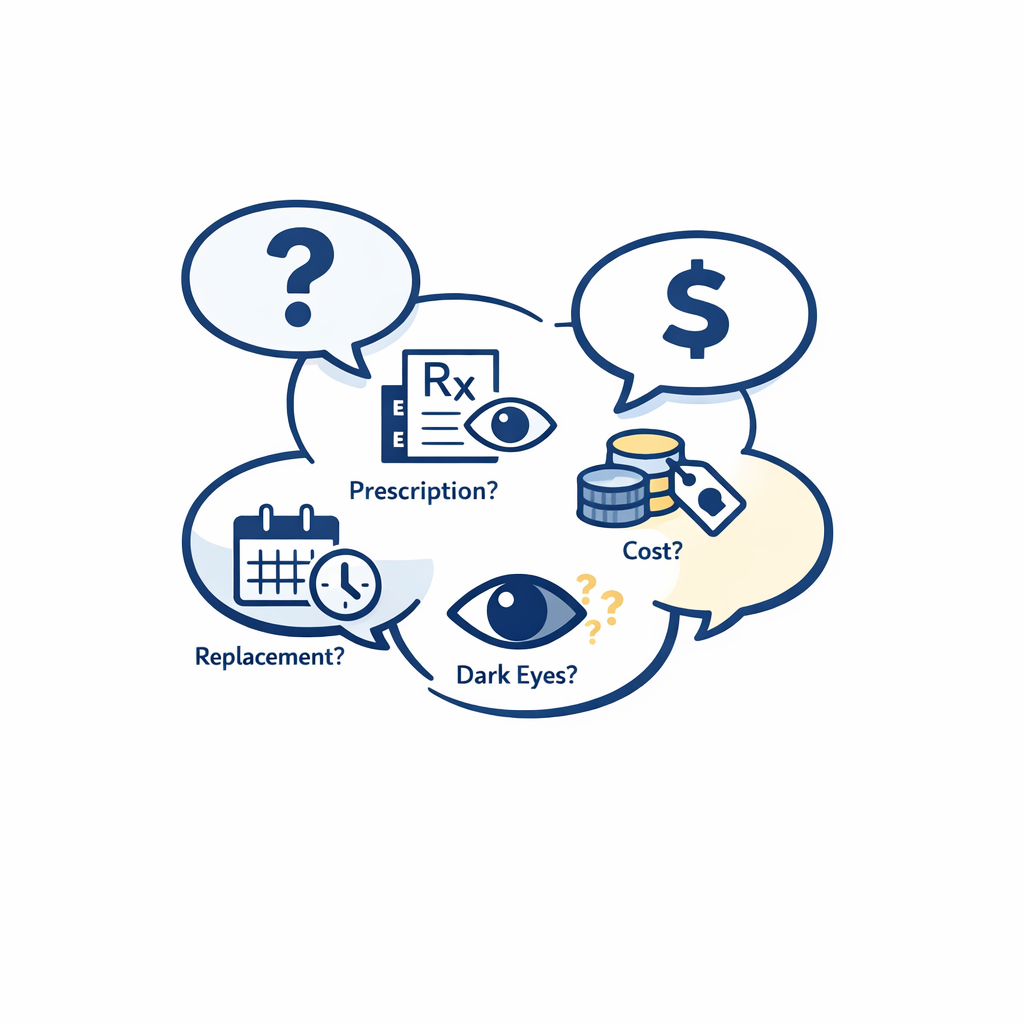
Are cheap colored contacts safe?
They can be, but only when price is not the only filter. Safe shopping means a real prescription process, a lens you have been properly fitted for, and wear habits that match the care instructions. Cheap and legitimate can exist together. Cheap and careless is where shoppers get into trouble.
Do you need a prescription for colored contacts?
Yes. In the United States, decorative or colored contact lenses still require a valid prescription even when they have no corrective power. If a seller presents color-only lenses as exempt from that rule, treat it as a serious warning sign.
How much should colored contact lenses cost?
There is no single “correct” price. The better benchmark is total value: cost per wear, shipping, care products, shade success, and whether the lens actually matches your prescription needs. A slightly higher price can be the better deal if it prevents waste, returns, or disappointment.
What replacement schedule is cheapest long term?
That depends on how often you will truly wear the lenses. Daily colored contacts often win for occasional use because there is less waste. Monthly colored contacts can win for frequent wear if you stay consistent with the care routine and replacement schedule.
Which shades show up best on dark eyes?
Shades with stronger coverage usually create a more visible change on dark eyes than very subtle enhancement tones. But the most useful shortcut is still visual proof: compare product photos and reviews from shoppers whose starting eye color looks like yours.
What to do next
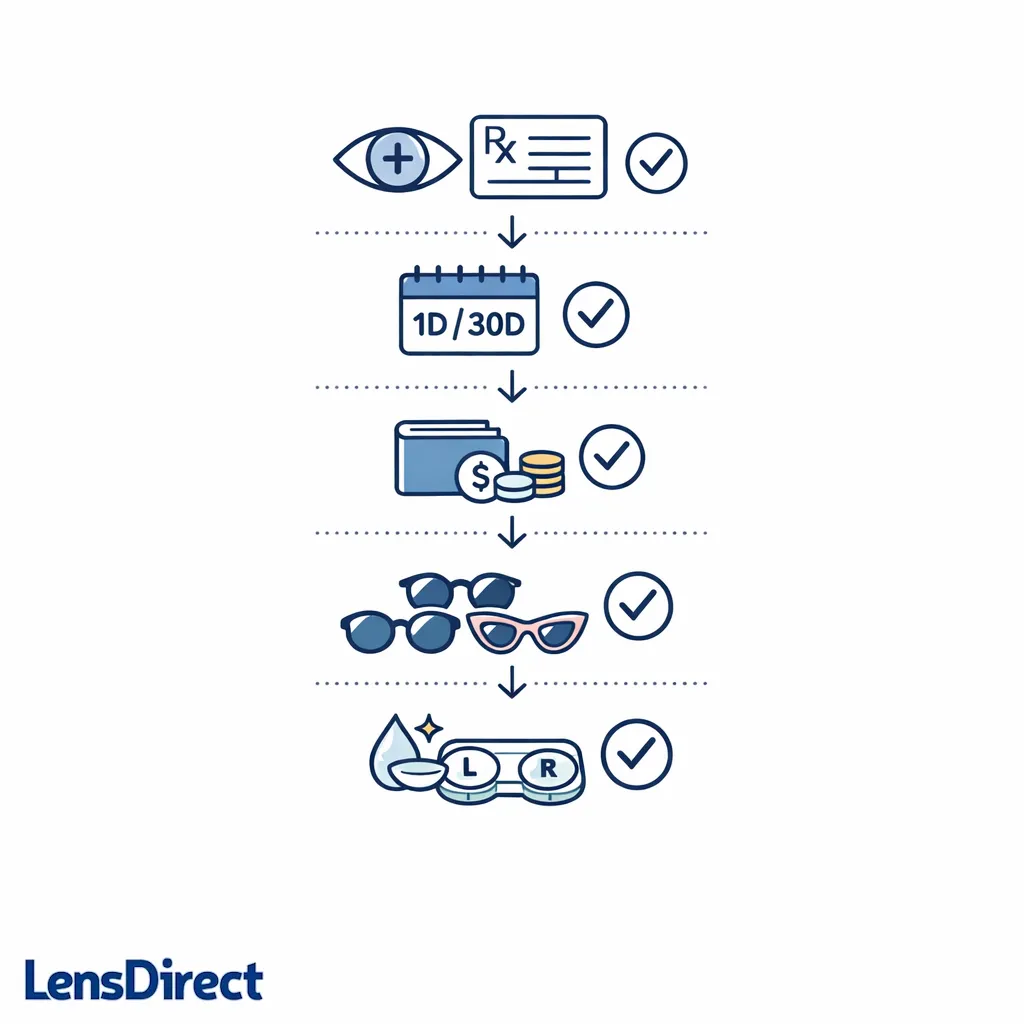
- Confirm your current contact lens prescription. Start with the lens you can actually wear.
- Decide how often you will use color. That usually tells you whether daily or reusable lenses make more sense.
- Set a real budget. Include shipping and care products, not just the box price.
- Shortlist two or three shades. Use dark-eye or similar-eye photos when possible.
- Only buy from a retailer that handles verification clearly. Good checkout friction is better than risky speed.
Find affordable colored contacts at LensDirect
If you are ready to move from research to shopping, LensDirect can help you compare options without losing sight of prescription fit and overall value.
Author

Subscribe to our email newsletter to get the latest posts delivered right to your email.