

If you are shopping for glasses online, transition lenses can sound like the perfect shortcut: one pair that stays clear indoors, darkens outside, and saves you from carrying sunglasses everywhere. The catch is that the real-life experience depends a lot on where you wear your glasses most, especially if your day includes driving, screen time, or bright outdoor glare.
This guide is for shoppers trying to decide whether transition lenses are actually worth the upgrade. You will learn what they do well, where they fall short, who tends to love them, and when a separate pair of sunglasses is still the smarter buy.
Short definition: photochromic lenses darken with light exposure, and Transitions is one well-known brand in that category. In everyday speech, people often use “transition lenses” as the generic term, even when they are talking about the whole photochromic category.
Quick answer

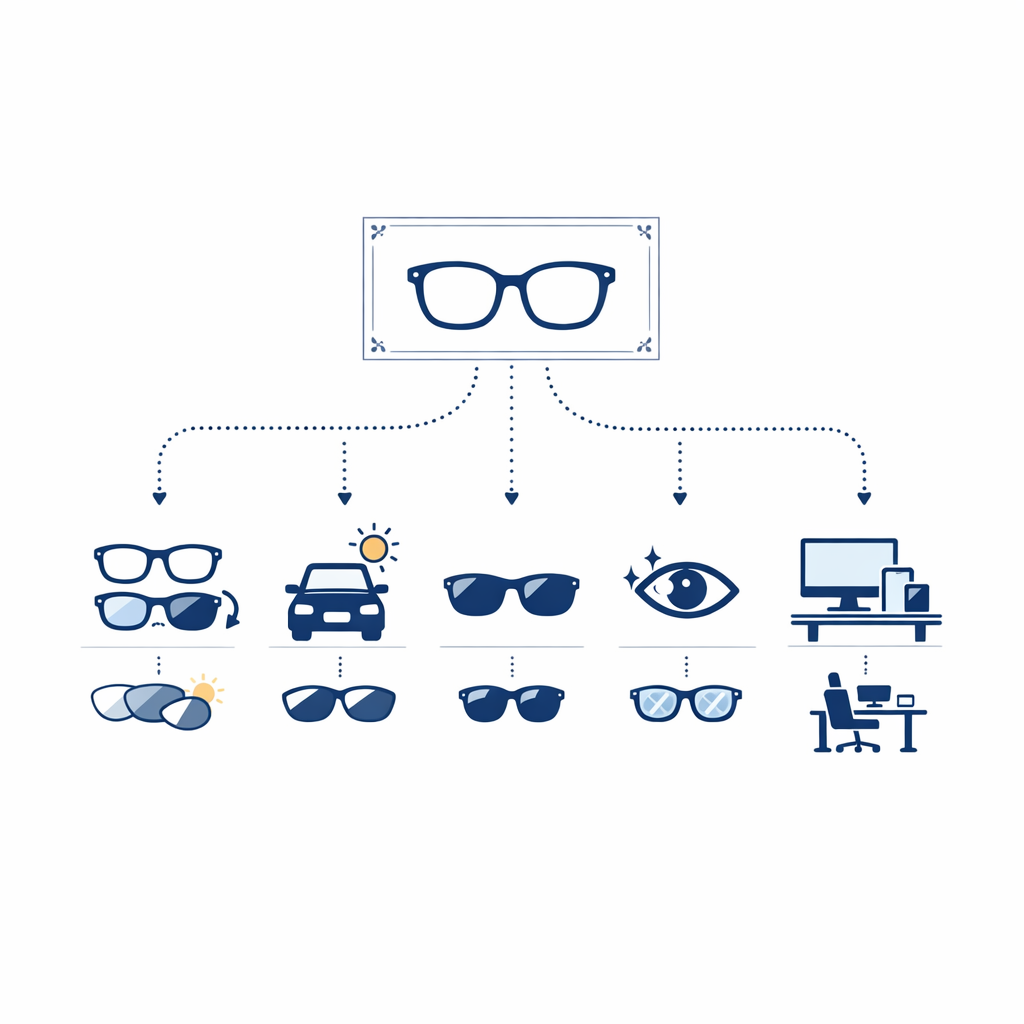
Are transition lenses worth it? Usually yes for mixed indoor and outdoor days, but not if you expect them to solve every light problem. The biggest limitation is that standard photochromic lenses respond mostly to UV light, so they often do not get very dark behind a UV-blocking windshield, and they are also different from polarized lenses that reduce reflected glare.
- Best when: you want one-pair convenience for errands, school runs, walking, campus life, or frequent trips in and out of buildings.
- Less ideal when: you drive in bright sun, spend time around water or snow, or want a consistent indoor look with no tint change.
- The simple test: if your main annoyance is switching pairs, transition lenses help. If your main annoyance is strong glare, you may still want dedicated sunglasses.
What transition lenses are and how they work
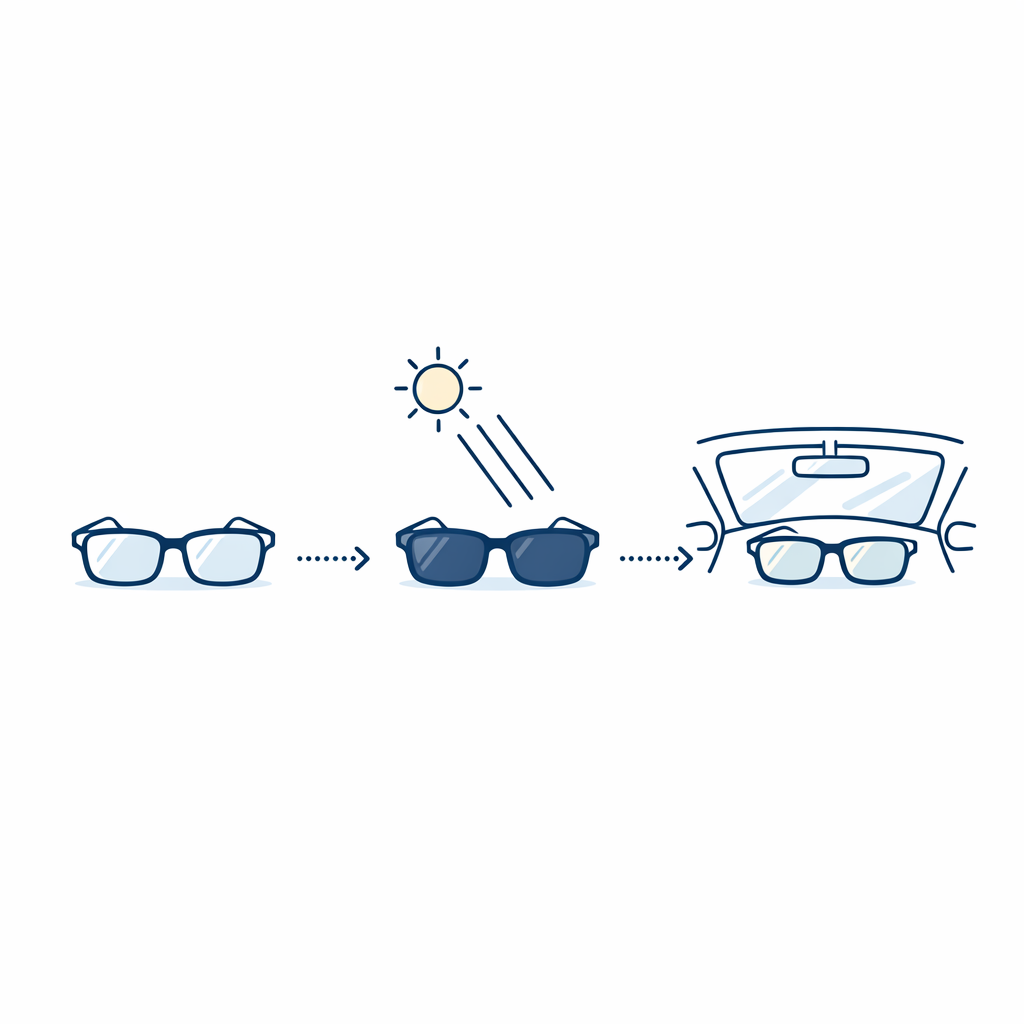
Transition vs photochromic vs Transitions brand
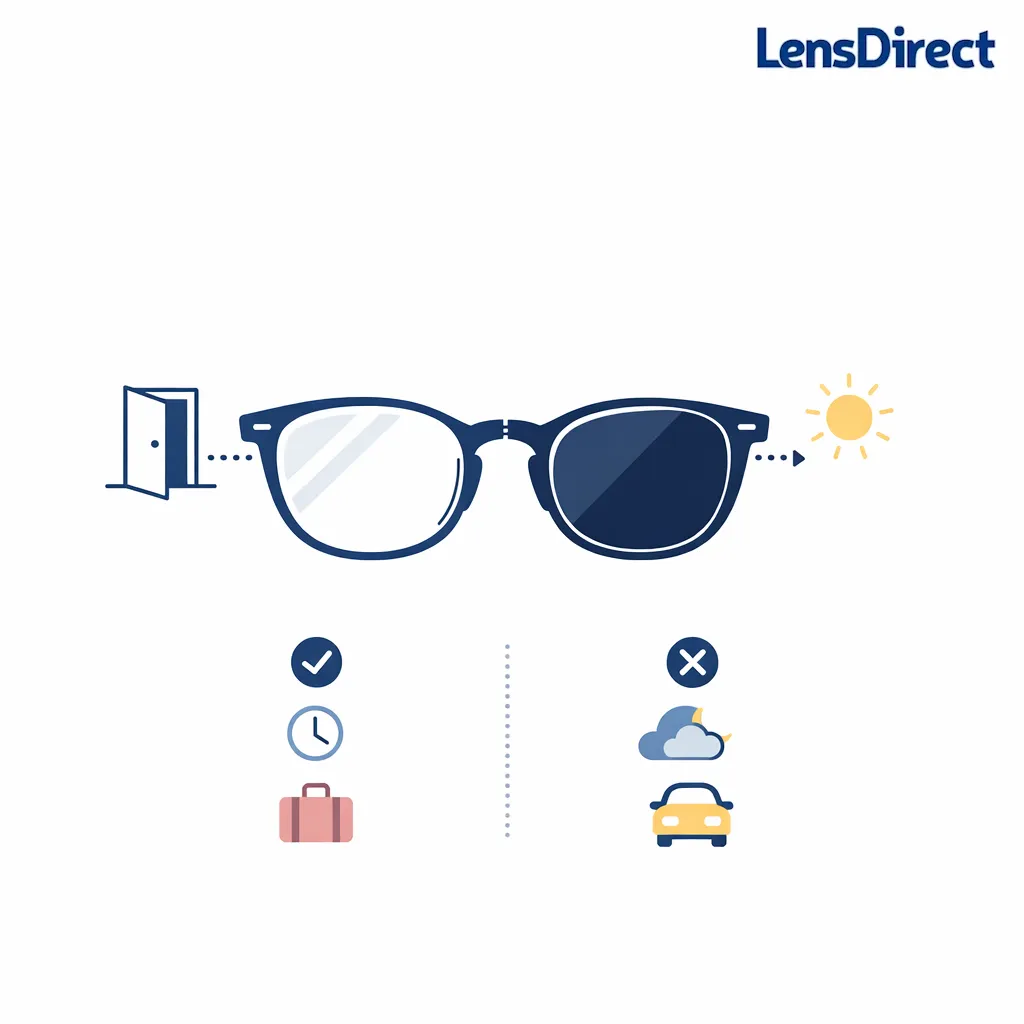
Shoppers often use all three terms interchangeably, which is why product pages can feel confusing. The easiest way to think about it is this: photochromic describes the lens behavior, transition lenses is the everyday generic phrase most people use, and Transitions is a specific brand name.
That naming detail matters because two products can both be called transition lenses while behaving a little differently in speed, darkness, and in-car performance. So when you compare options, focus less on the buzzword and more on what the lens is designed to do in your actual routine.
Why they darken outdoors but not always in the car
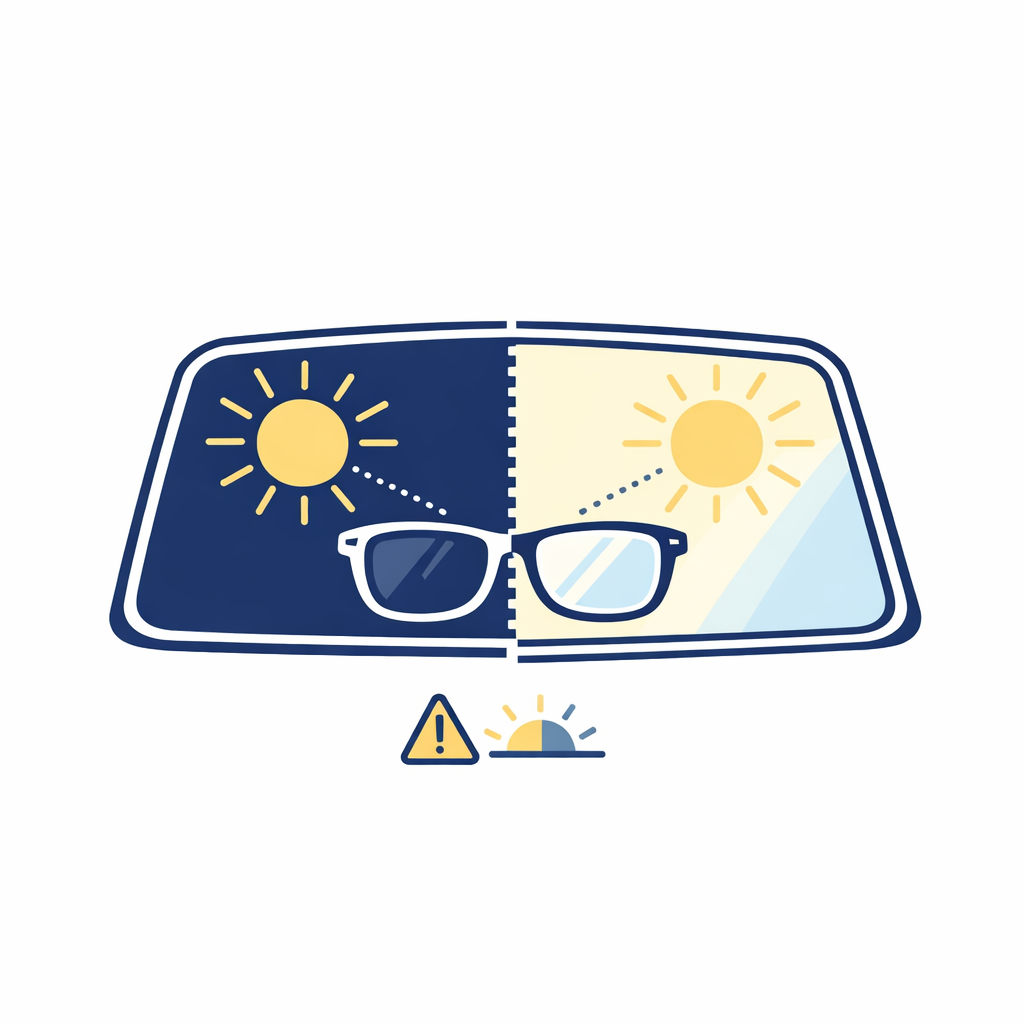
This is the part that surprises first-time buyers most. Standard photochromic lenses usually feel strongest when you are outside on foot, but a commute can feel underwhelming because the windshield changes the light environment before it reaches your lenses.
That does not make transition lenses bad. It just means the best use case is everyday outdoor movement, not automatically “driving sunglasses replacement.”
Pros of transition lenses for everyday wear
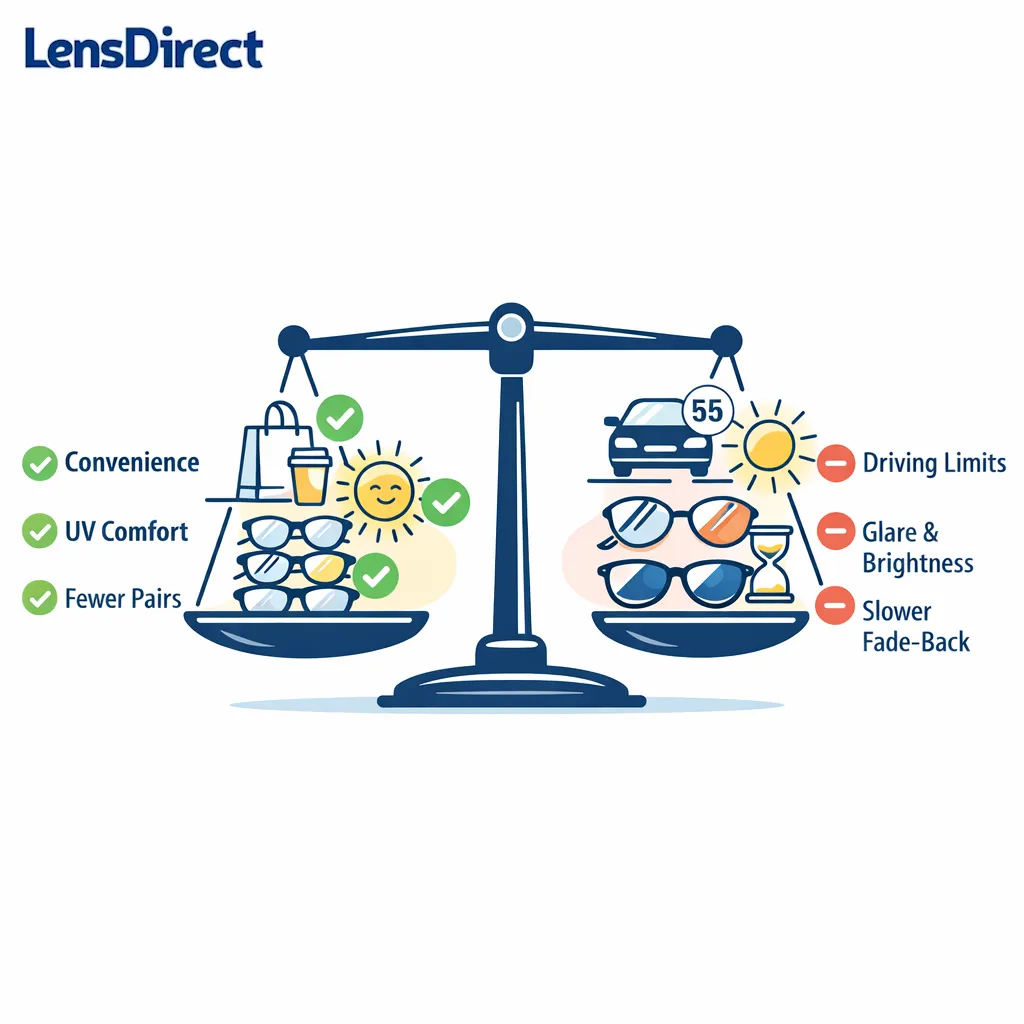
Convenience and fewer pairs to carry
This is the biggest reason people buy them and the biggest reason happy owners stay loyal. If you move between home, office, sidewalk, store, and school pickup all day, not having to swap between clear glasses and sunglasses feels easier, faster, and less annoying.
That convenience is especially useful for parents, students, commuters on foot, and anyone who already knows they forget or lose sunglasses. A lens that adapts on its own removes one small friction point from the day, and that can matter more than perfect performance in every setting.
UV protection and outdoor comfort
Even if you care more about comfort than eye-health terminology, UV protection is not a small bonus. The National Eye Institute notes that long-term UV exposure is a risk factor for cataracts, which is one reason outdoor-ready eyewear matters beyond simple brightness.
In practical terms, transition lenses can make it easier to stay in your glasses outdoors instead of squinting through a sunny walk or parking lot. They are not the only way to manage sunlight, but they are one of the easiest ways to make a daily pair feel more outdoor-friendly.
Blue-light and digital screen considerations
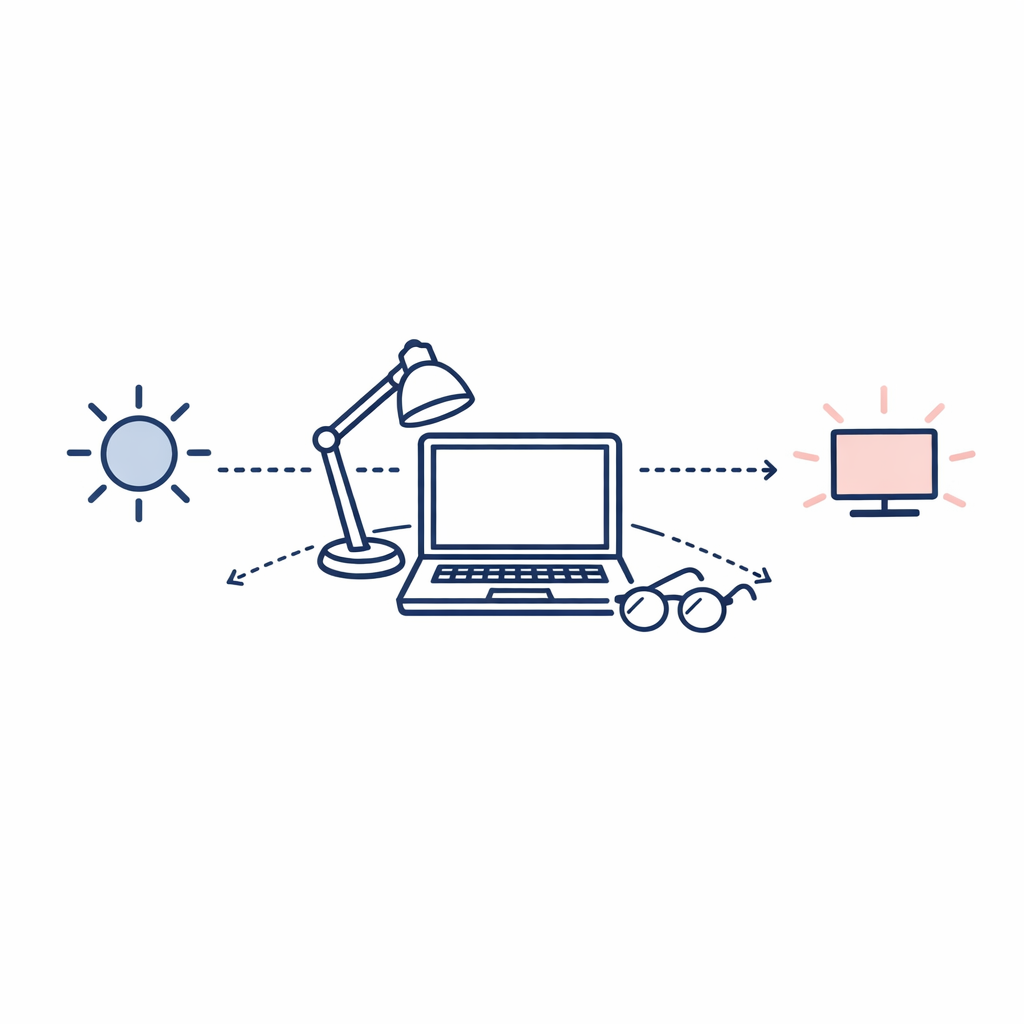
Here is the realistic answer many shoppers want: transition lenses are not a magic screen solution. The American Optometric Association explains that digital eye strain is usually driven by screen habits and viewing conditions rather than lens tint alone.
So if your biggest complaint is dry, tired eyes after hours at a laptop, transition lenses may help only a little, or not in the way you expect. They are better understood as an outdoor light-management upgrade than as a cure for indoor screen fatigue.
Cost tradeoff versus separate prescription sunglasses
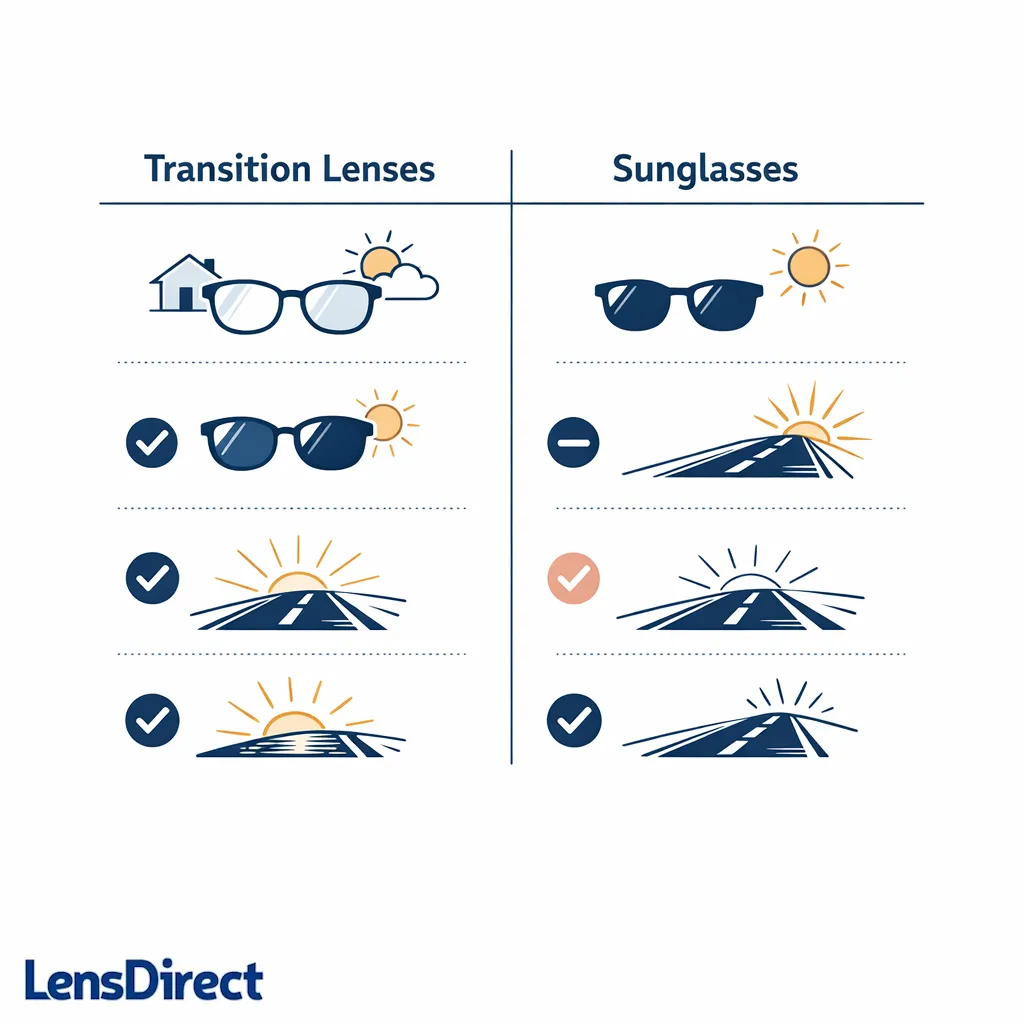
This is where the math becomes personal. A photochromic upgrade can be a smart value if it lets one everyday pair do enough of the job that you skip buying a second prescription pair right away.
But if you already know you still want strong driving sun protection, beach sunglasses, or sports sunglasses, the savings argument gets weaker. In that situation, the better comparison is not “upgrade versus nothing,” but “upgrade versus buying the right two-pair setup from the start.”
Cons of transition lenses
Driving limitations behind UV-blocking windshields
For many shoppers, this is the deal-breaker. If most of your bright-light discomfort happens while driving, standard transition lenses can feel disappointing because the moments when you want deep tint most are often the exact moments when they are least impressive.
That is why heavy drivers often do better with a driving-first solution rather than assuming any photochromic lens will replace sunglasses automatically.
Slower fade-back indoors
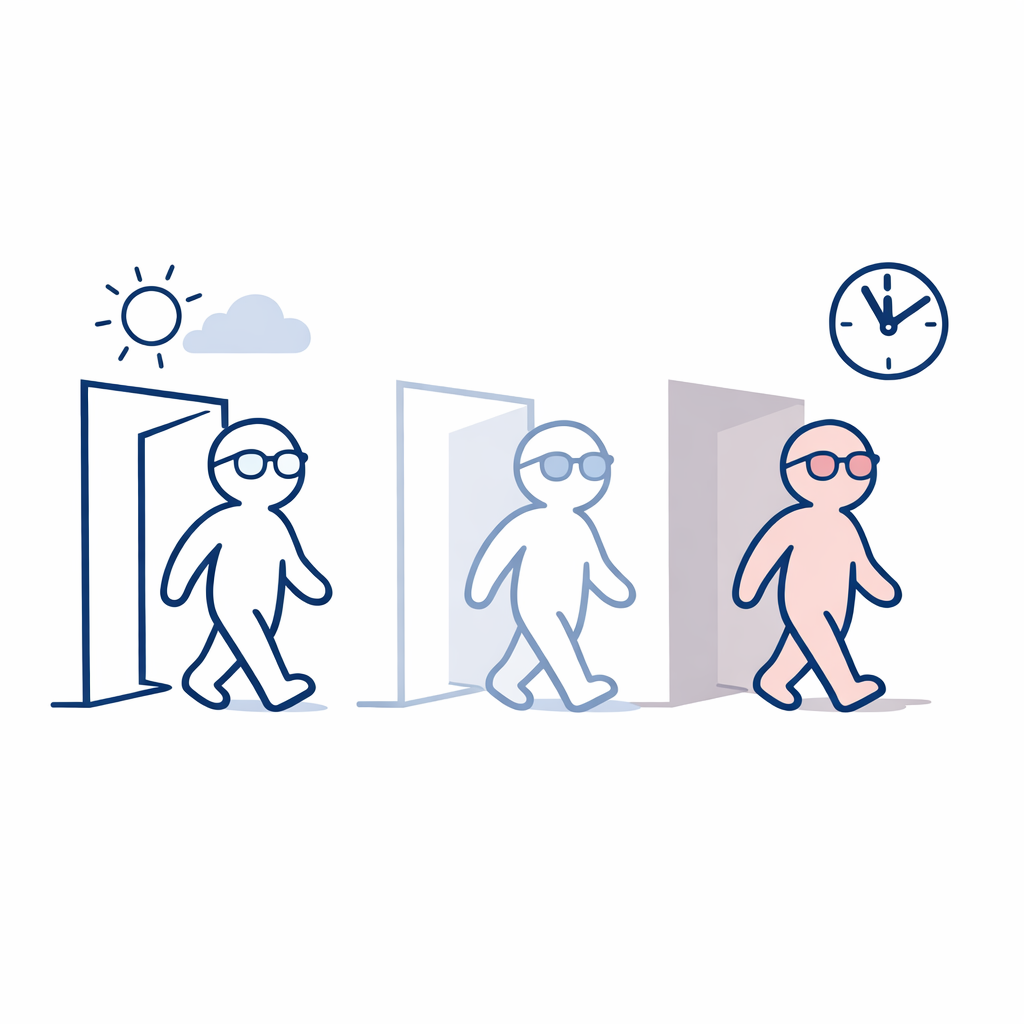
No light-changing lens is instant in every condition. According to Transitions FAQs, activation and fade-back speed can vary with temperature and lens design, which helps explain why some wearers notice an awkward in-between stage when they walk into a store, office, or restaurant.
For some people, that delay is minor. For others, especially those who care about a fully clear indoor look right away, it becomes the main reason they prefer clear lenses plus a separate sunglass pair.
Temperature sensitivity and residual tint

If you read reviews that seem to disagree with each other, this is one reason why. Lens performance can feel different in summer heat, winter cold, or highly variable weather, so one person may call them fast and another may call them frustrating.
That does not mean either person is wrong. It means transition lenses are a category where environment and expectations matter almost as much as the lens itself.
Polarization and glare limitations
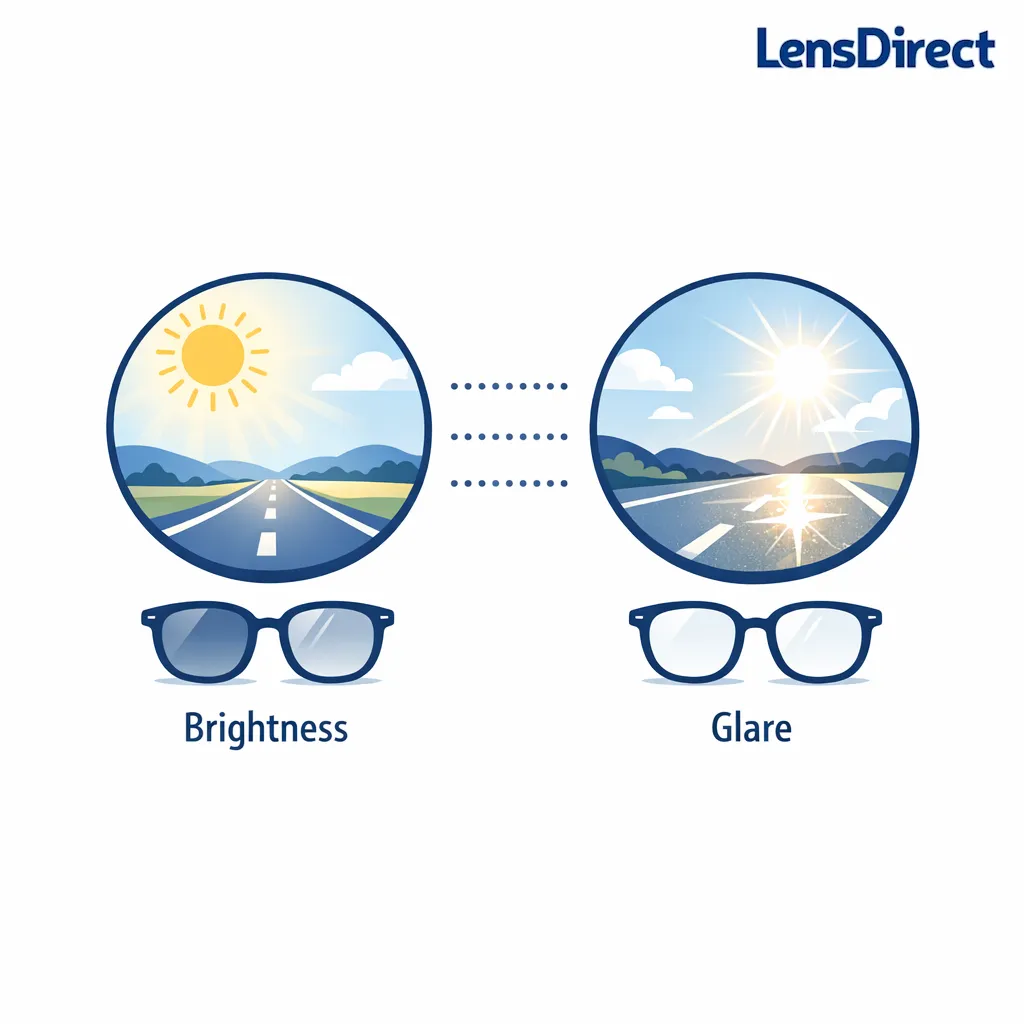
Brightness and glare are not the same problem. Some people mainly want less overall sunlight, while others want road glare, water glare, or snow glare to calm down in a more dramatic way.
If glare is your main complaint, standard transition lenses may not feel decisive enough even when the tint itself is acceptable. This is why many buyers who love transition lenses for walking still reach for dedicated sunglasses when they drive or spend time around highly reflective surfaces.
Style or aesthetic objections
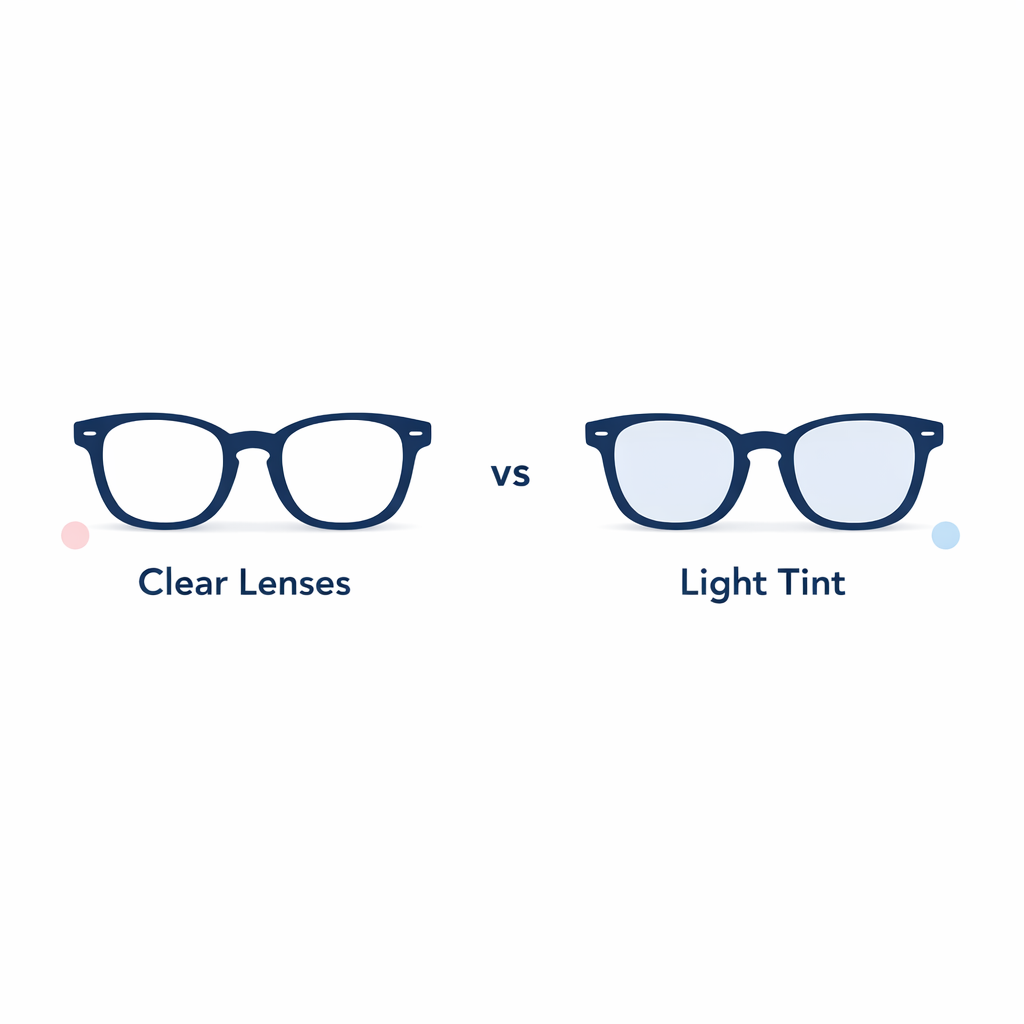
Some buyers simply do not like the changing look. They may dislike the brief lightly tinted stage indoors, prefer the crisp appearance of always-clear lenses, or just feel that transition lenses do not match their style goals.
That is not shallow. Glasses sit on your face all day, so how they look matters almost as much as how they perform.
Are transition lenses worth it?

Direct answer: transition lenses are worth it when convenience is the main win you are buying. They are less worth it when you care most about driving performance, heavy glare control, or a perfectly clear look indoors at all times.
Best fit for commuters, outdoor walkers, parents, and students
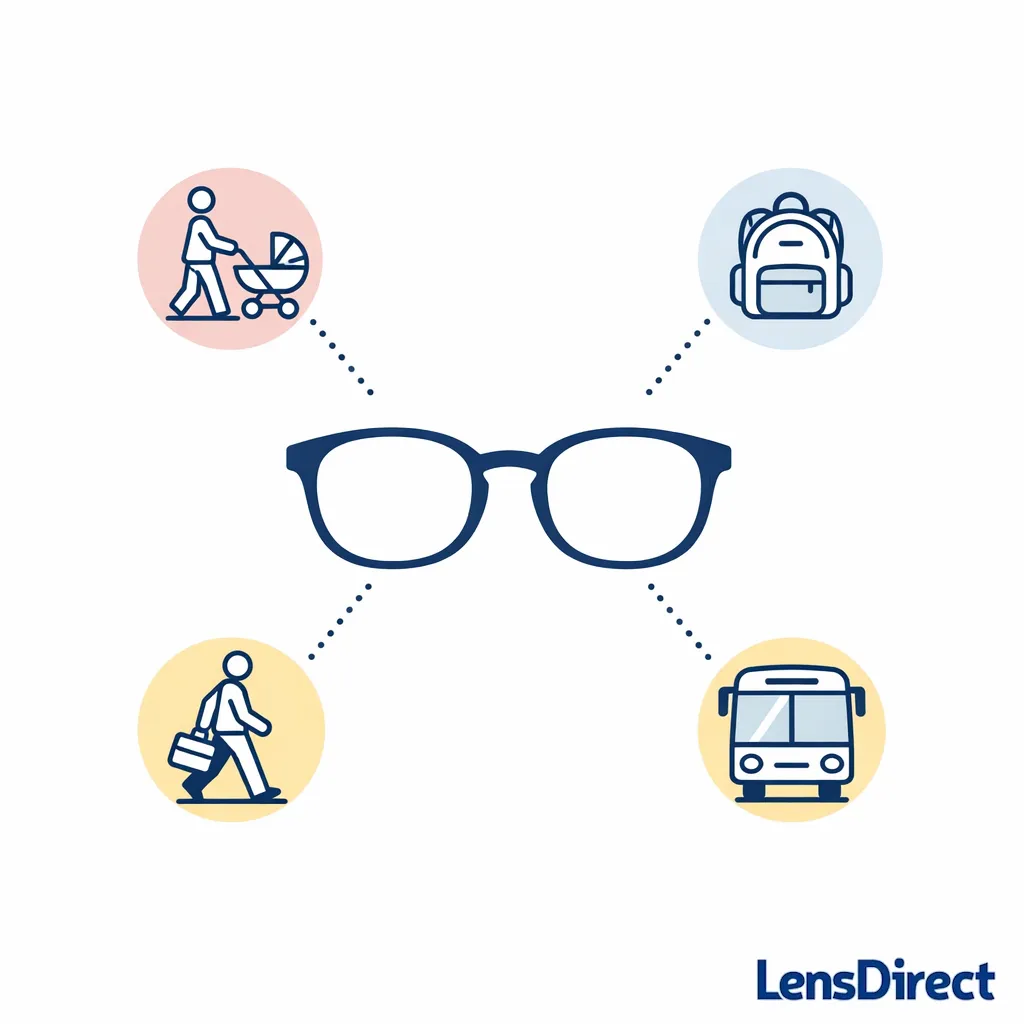
- Commuters on foot or public transit: good match because your lenses spend real time outdoors.
- Parents: good match for school drop-offs, errands, playground time, and constant in-and-out movement.
- Students: good match if you bounce between dorms, classrooms, libraries, and outdoor walks all day.
- Anyone who forgets sunglasses: very good match, because the convenience benefit is immediate.
When separate sunglasses are still the better option
If you spend long stretches driving in bright sun, do a lot of beach or snow time, or care about maximum comfort in harsh reflective light, separate sunglasses are still tough to beat. In those situations, a compromise lens often feels like exactly that: a compromise.
The good news is that this does not have to be an all-or-nothing decision. Many people end up happiest with transition lenses for everyday wear and a dedicated sunglass pair for specific bright-light situations.
Transition lenses for driving and screens
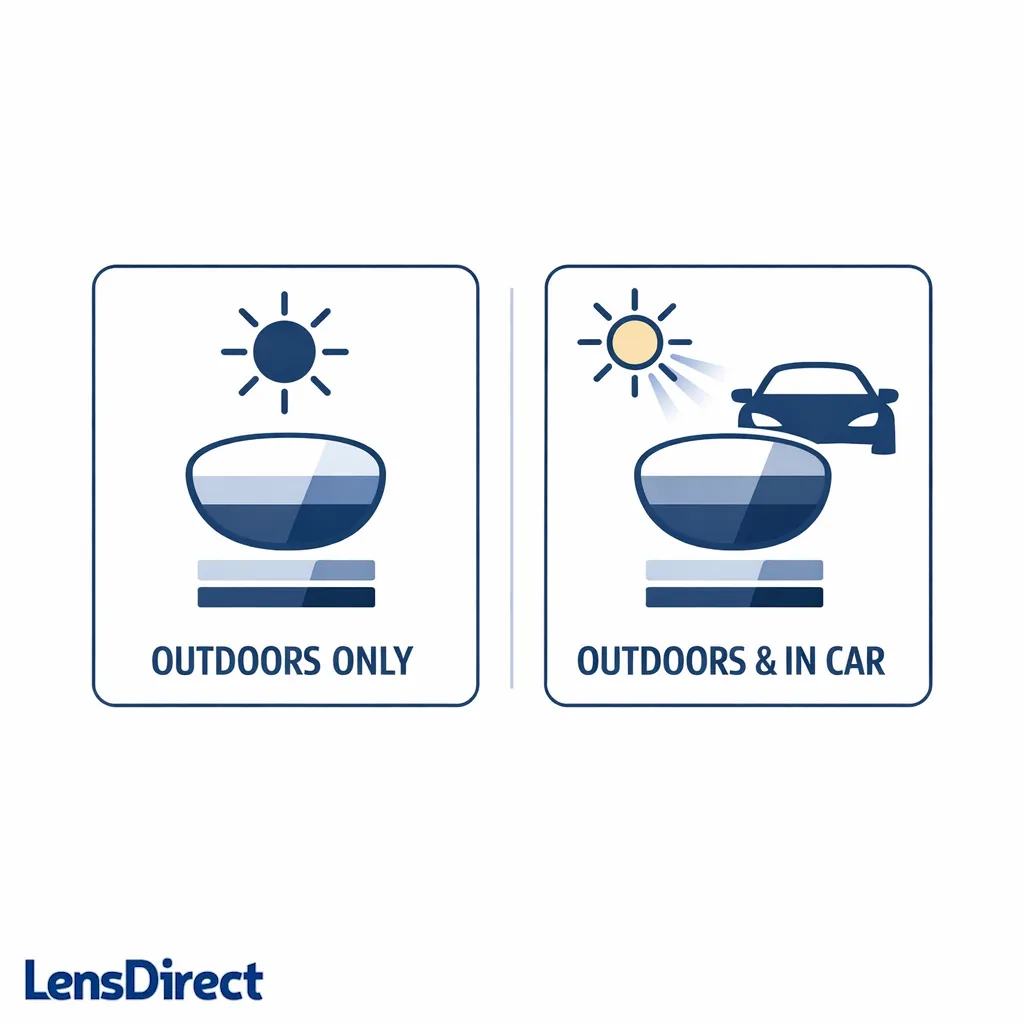
Standard lenses vs XTRActive and driving-first options
If driving is central to your decision, product details matter more than usual. For example, XTRActive lenses are designed to activate outdoors and in the car, which makes them more relevant for drivers than a standard photochromic option.
You may also see driving-focused or Drivewear-style products discussed in reviews and forums. The practical takeaway is simple: do not assume every transition lens behaves the same in a vehicle, and do not buy by generic category name alone.
Screens: what they do and do not help with indoors
For screen-heavy days, keep your expectations modest. Transition lenses can make moving between outdoor brightness and indoor workspaces feel smoother, but they are not the core fix for long hours of screen fatigue.
If screens are your real pain point, focus on room lighting, working distance, break habits, and whether your prescription is current. That is usually a better path than expecting a light-responsive lens to solve a workstation problem.
Night driving considerations

Night driving is one place to be extra practical. If you are sensitive to halos, oncoming headlights, or any lingering tint effect, ask your optometrist whether a separate clear pair makes more sense for nighttime use.
For many shoppers, the best setup is not one “perfect” lens for every hour of the day. It is a primary pair that handles most situations well and a second pair for the situations where you care most about clarity or glare control.
Transition lenses vs alternatives
Is it better to get prescription sunglasses or transition lenses?
If your top priority is one-pair convenience, transition lenses usually win. If your top priority is the strongest possible outdoor comfort, prescription sunglasses usually win, especially because polarized sunglasses are especially useful for reducing reflected glare.
- Transition lenses: best for everyday wear, errands, walking, and mixed indoor-outdoor schedules.
- Prescription sunglasses: best for driving, long outdoor sessions, beaches, boats, snow, and sports.
- Clip-on shades: best for budget-minded shoppers who want flexibility without buying a full second pair.
Prescription sunglasses
These are the strongest choice when sunlight is not occasional but central to the activity. They are also the easiest recommendation for people who already know they hate compromise in bright conditions.
Clip-on shades
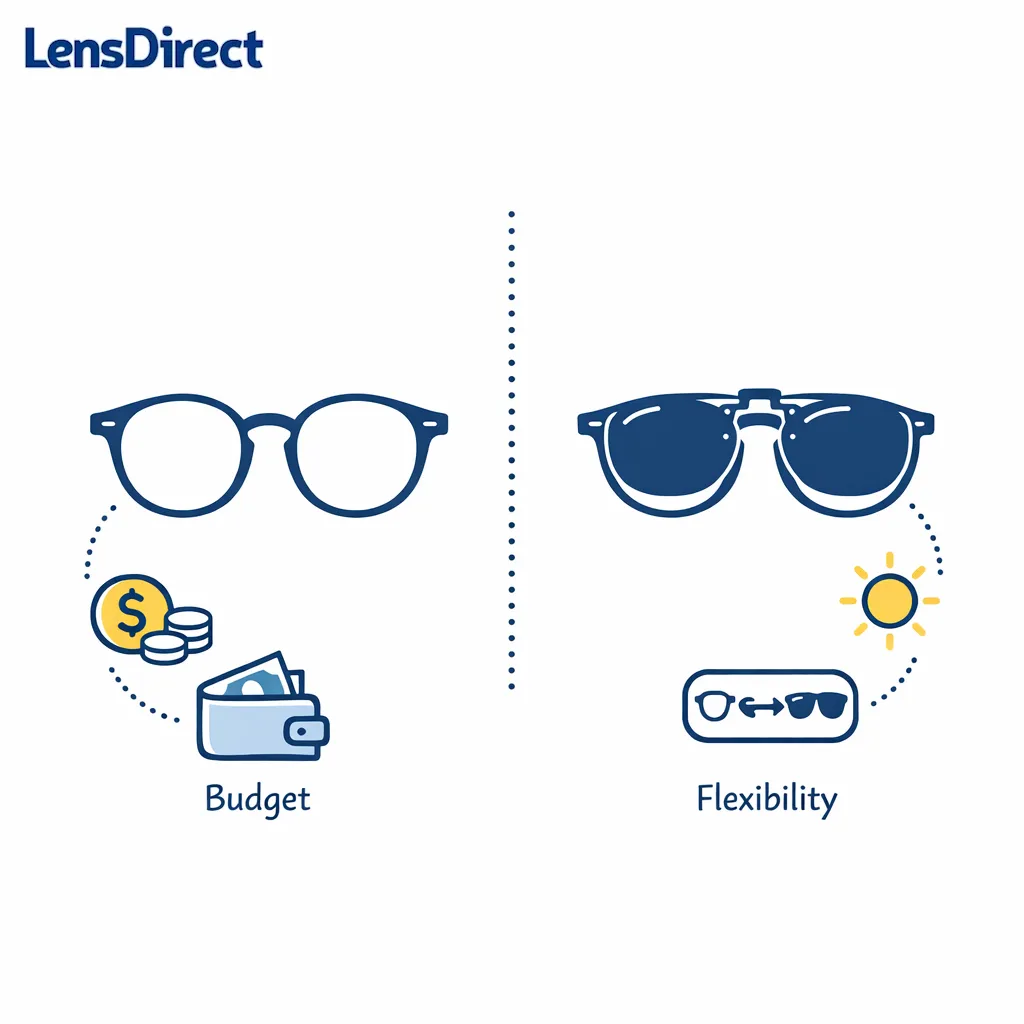
Clip-ons are less elegant, but they solve a real problem at a lower cost. If you like your current glasses and want sun coverage without a full second pair, they are still a practical option.
Polarized sunglasses
For shoppers bothered by glare more than simple brightness, this category deserves serious attention. If road glare is what makes you squint, feel tense, or avoid certain conditions, a dedicated polarized sunglass often feels more immediately satisfying than a standard transition lens.
Common mistakes and misconceptions
- Buying them for driving only: this is where disappointment usually starts.
- Expecting them to fix screen fatigue: they are better at outdoor light changes than workstation comfort.
- Ignoring style preference: if you know you dislike any indoor tint, trust that instinct.
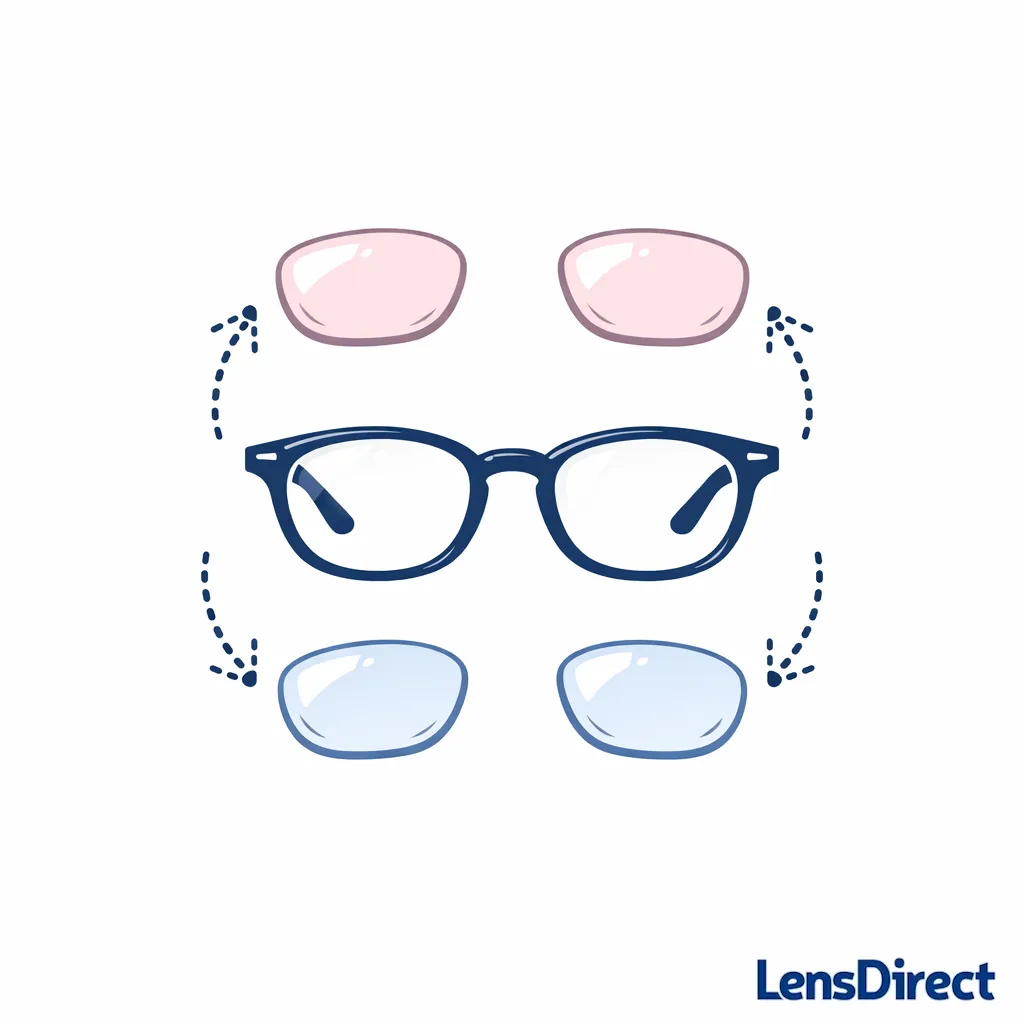
- Forgetting lens replacement is an option: you may not need brand-new frames to change how your glasses perform.
What to do next
- Start with your real problem. Is it pair-switching, driving glare, screen fatigue, or all-day outdoor time?
- If driving is the main issue, compare dedicated sunglasses with in-car-responsive options before you buy.
- If you already love your frames, consider Replace Your Lenses instead of starting over with a whole new pair.
- If you are ordering online, use Learn How to Measure Your Pupillary Distance and Find Your Fit to reduce guesswork.
- If you plan to submit benefits, check Learn How to Get Reimbursed by Your Insurance before checkout.
- If you have light sensitivity, night-driving concerns, or a complicated prescription, ask your optometrist to sanity-check your lens choice.
FAQs
Is there a downside to transition lenses?
Yes. The main downsides are compromise and expectation mismatch. They are excellent for convenience, but not always the best answer for bright driving, strong glare, or shoppers who want a fully clear indoor look immediately.
Can you wear transition glasses all the time?
Yes, if you like how they behave in your daily routine. Many shoppers use them as their default pair and keep a second pair only for driving, sports, or intense sun.
How many years do transition lenses last?
Instead of chasing a generic lifespan number, judge them by performance. If your prescription feels off, the coatings are worn, or the light change no longer matches your needs, it is time to replace them.
How much should a pair of transition glasses cost?
Think about total value, not a random internet average. The right comparison is whether the upgrade gives you enough flexibility to avoid buying a second full prescription pair right away.
Are transition lenses good for driving?
Usually not as your only driving solution. If road comfort is your top priority, compare prescription sunglasses or a driving-oriented photochromic option rather than assuming a standard pair will do everything.
Are transition lenses still dorky?
Style is personal, and the bigger issue is usually not “cool versus uncool.” It is whether you mind the changing tint look enough to notice it every day.
Shop the option that matches your day
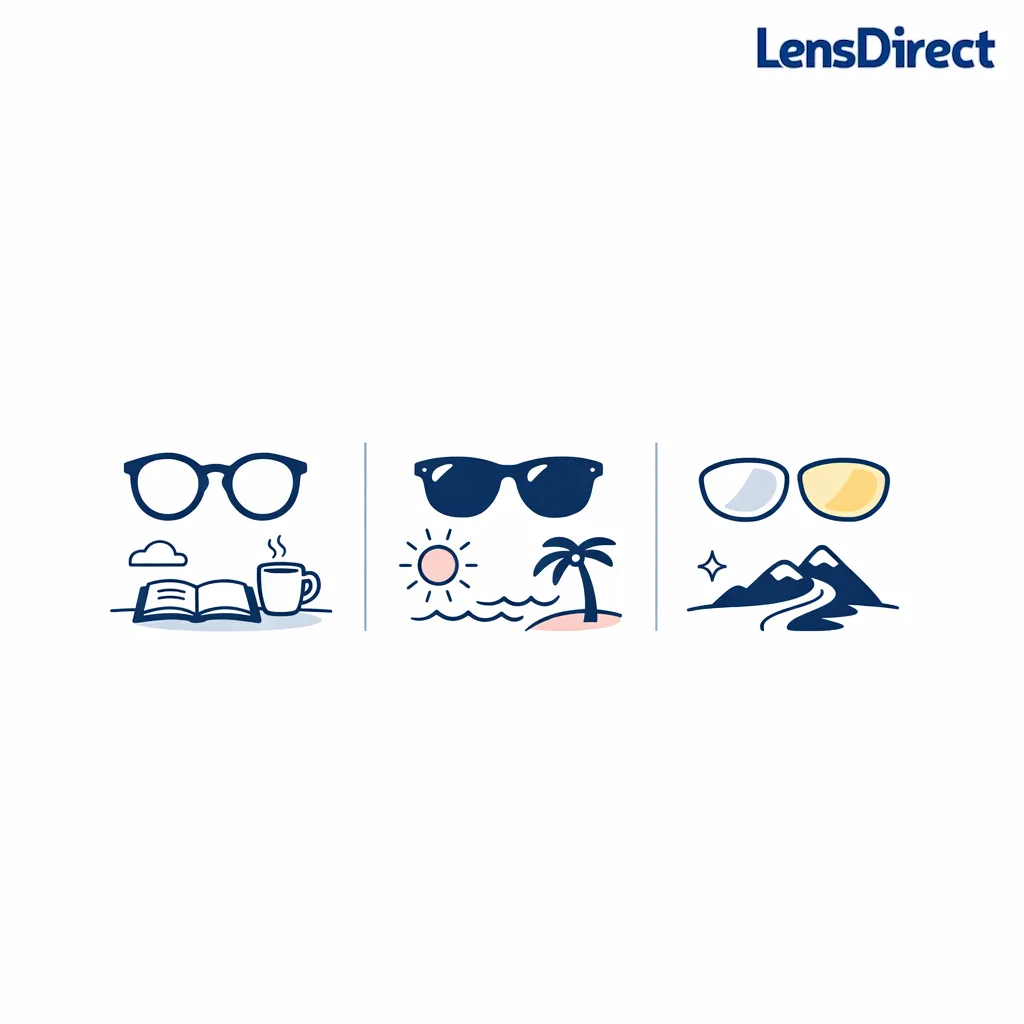
If you want one flexible everyday pair, LensDirect makes it easy to compare options based on how you actually live, not just how a lens sounds on a product page. Start with Shop Glasses if you want a new everyday pair, or Shop Sunglasses if you already know bright-light comfort matters more than all-in-one convenience.
- Need a fresh everyday pair? Shop Glasses
- Need stronger sun and glare control? Shop Sunglasses
- Already love your frames? Replace Your Lenses with full-service replacement or order DIY replacement lenses
- Wear contacts some days too? Shop Contacts
- Still narrowing it down? Find Your Fit, measure your PD, and check reimbursement options
Author

Subscribe to our email newsletter to get the latest posts delivered right to your email.