
Shopping for glasses for wide faces can feel oddly frustrating. A frame can look great in a product photo, then arrive feeling tight at the temples, short at the sides, or just visually too small for your face.
This guide is for anyone buying eyewear online who needs more room, whether you search for wide face frames, extra wide glasses, large frame glasses, or frames for big heads. The goal is simple: help you find frames that are comfortable, balanced, and easier to choose without guessing.
You’ll learn how to tell if your current pair is too narrow, which measurements matter most, which shapes tend to work best, and how to shop more confidently online. If you need prescription lenses, you’ll also see how to use your existing measurements, your eyeglass prescription rights under the FTC’s Eyeglass Rule, and LensDirect’s guide to measuring your pupillary distance to make the process easier.
How to Tell If You Need Glasses for a Wide Face
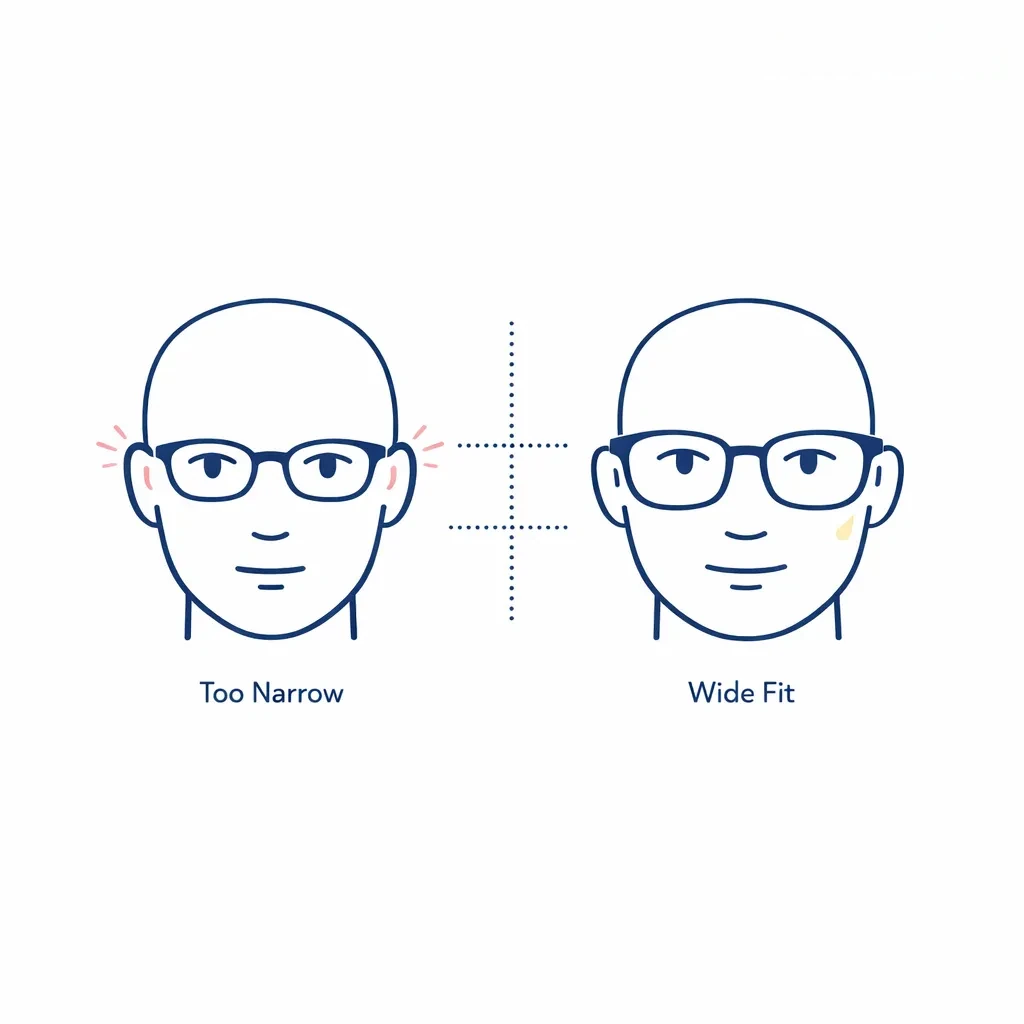
A wide-fit frame solves a comfort problem first and a style problem second. If your glasses constantly feel like they are working against your face, you probably do not need a trendier frame. You need a better fit.
Signs your current frames are too narrow
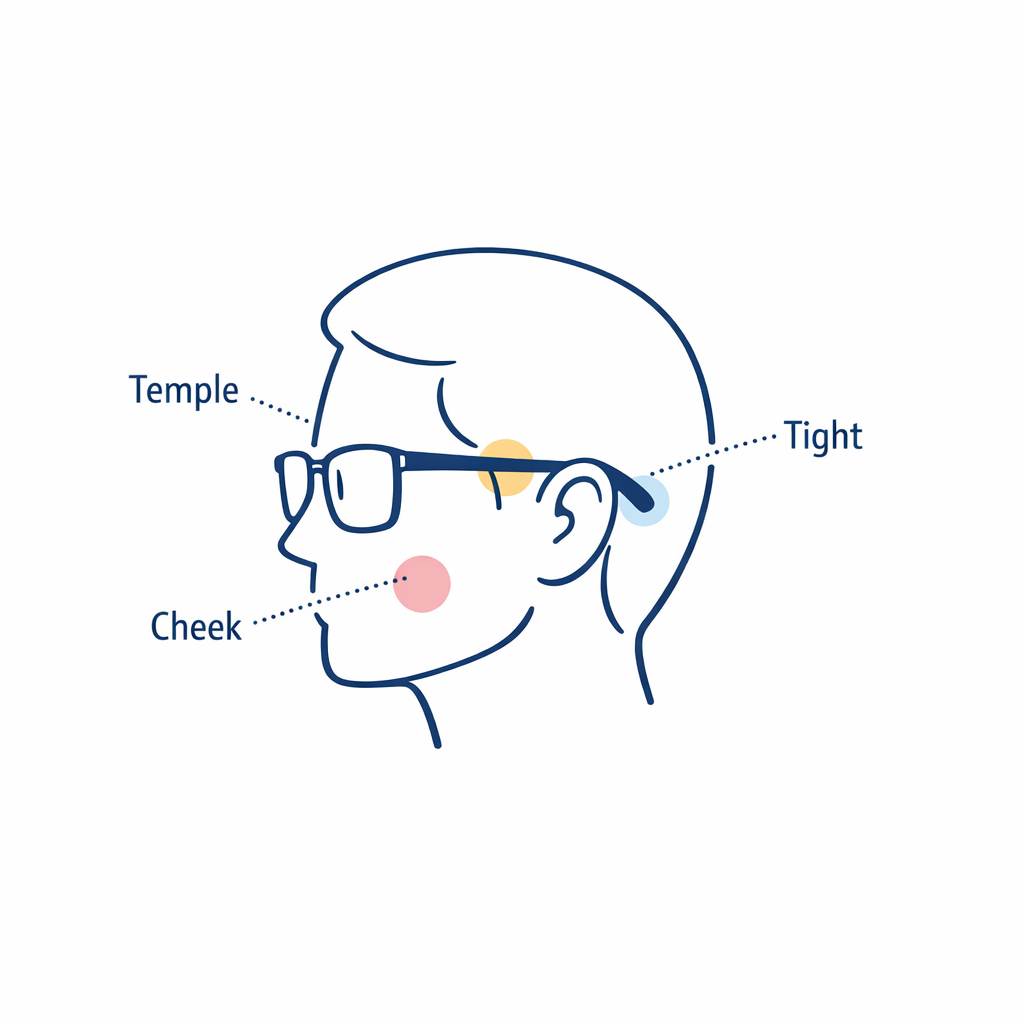
If your glasses squeeze at the temples, feel tight behind the ears, or look visually cramped across your face, that is usually a sign to size up. In practical frame-measurement guides used by online eyewear retailers, shoppers are encouraged to compare fit dimensions rather than rely only on how a frame looks on a model.
Another giveaway is cheek contact. A frame should feel secure without digging in, and in basic glasses-fit guidance, a poor fit often shows up as sliding, pinching, or a front that sits awkwardly on the face.
If you like the style of your current pair but never forget that you are wearing it, comfort is the issue. Good wide-fit glasses should feel stable and centered, not tense or squeezed.
Wide face vs big head vs oversized style
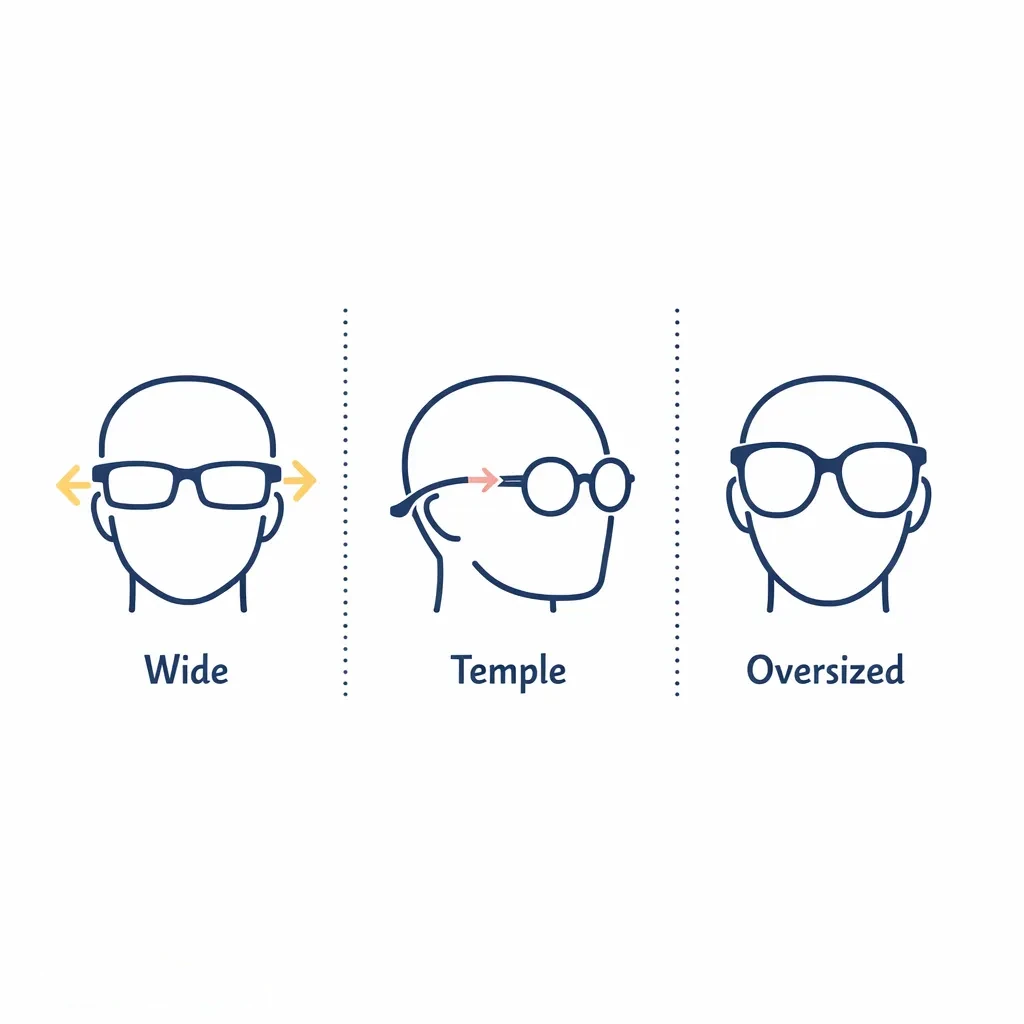
These terms overlap, but they are not the same. A wide face usually means you need more front width, a bigger head can also mean you need more side length or flexibility, and an oversized style may look large while still fitting narrow.
This is also why search terms like “glasses for round face” or “glasses for chubby face” can be confusing. Face shape and face width are separate decisions, and LensDirect’s face-shape guide is a useful reminder that a round or fuller face can still need a wide fit.
The Measurements That Matter Most
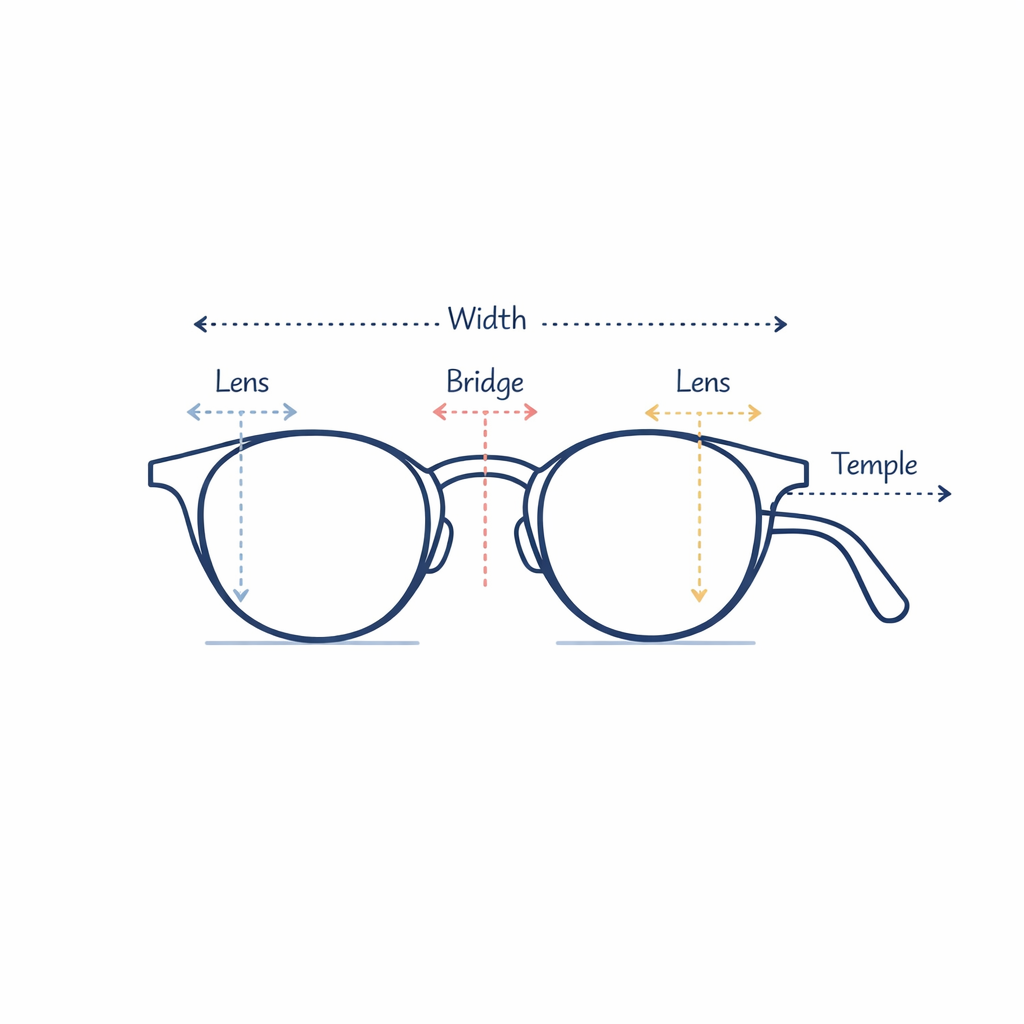
The fastest way to shop smarter is to stop judging frames by photos alone. Standard eyeglasses measurements give you a much more reliable starting point.
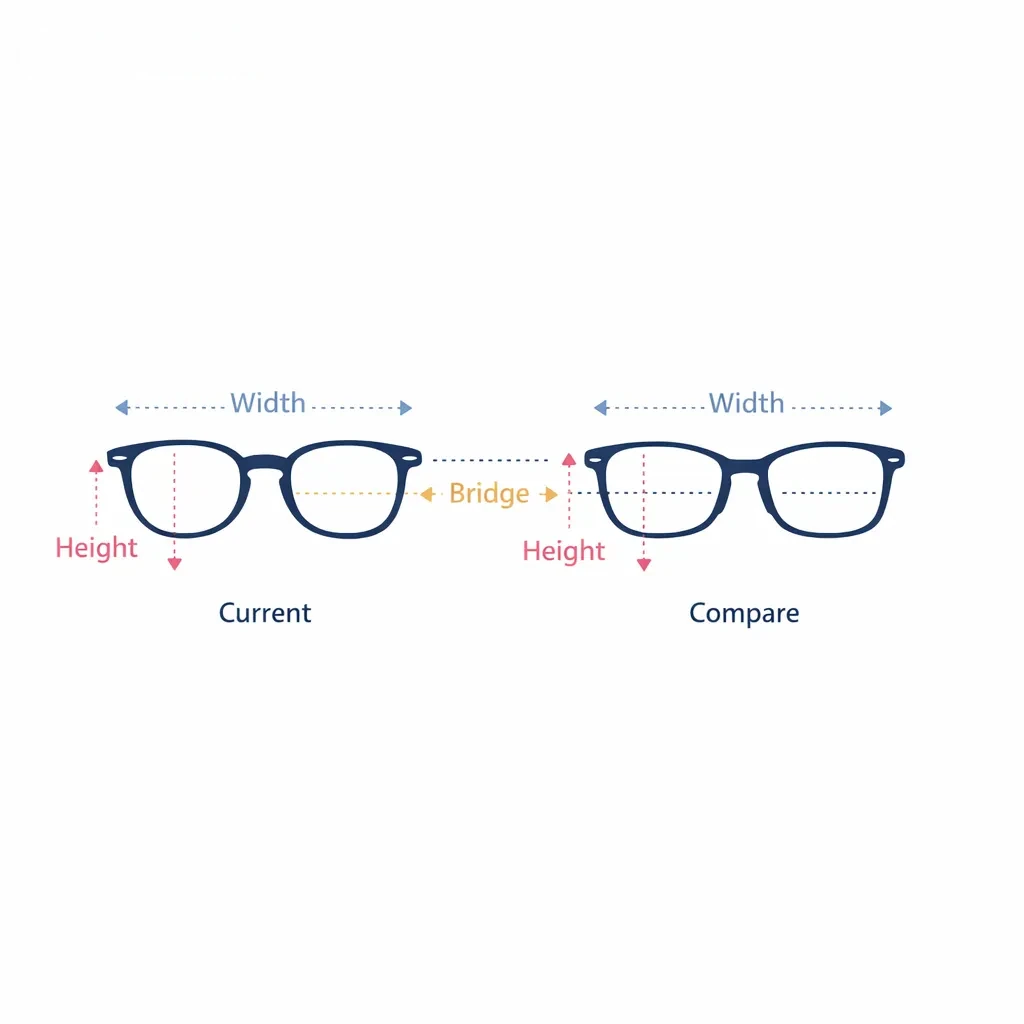
Total frame width
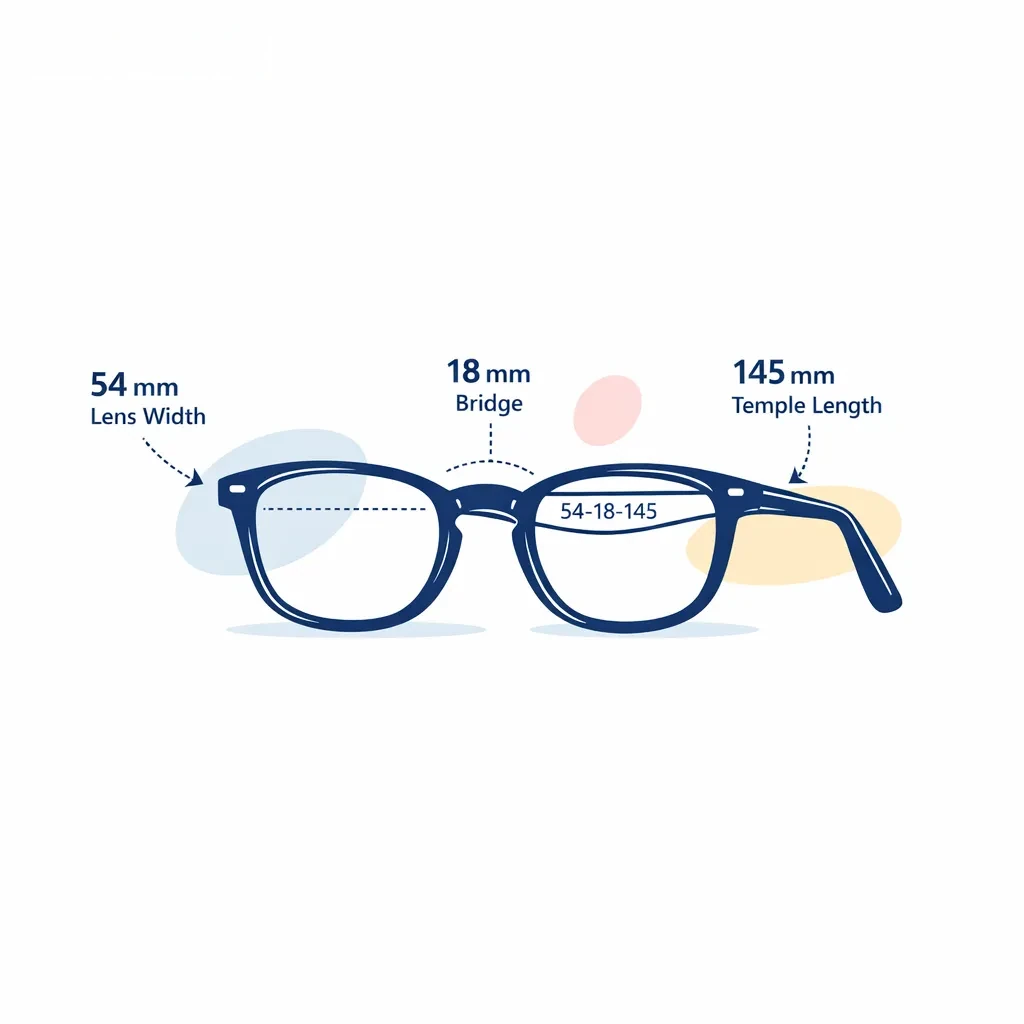
For wide faces, total frame width is often the first thing to care about. If the front of the frame is too narrow, even a flattering shape can feel off because the whole pair looks undersized and may press outward at the sides.
Not every product page lists total frame width, but when it does, use it. Compare that number to a pair you already wear comfortably, or at least use it as a quick way to rule out frames that are clearly too small.
Lens width, bridge width, and temple length
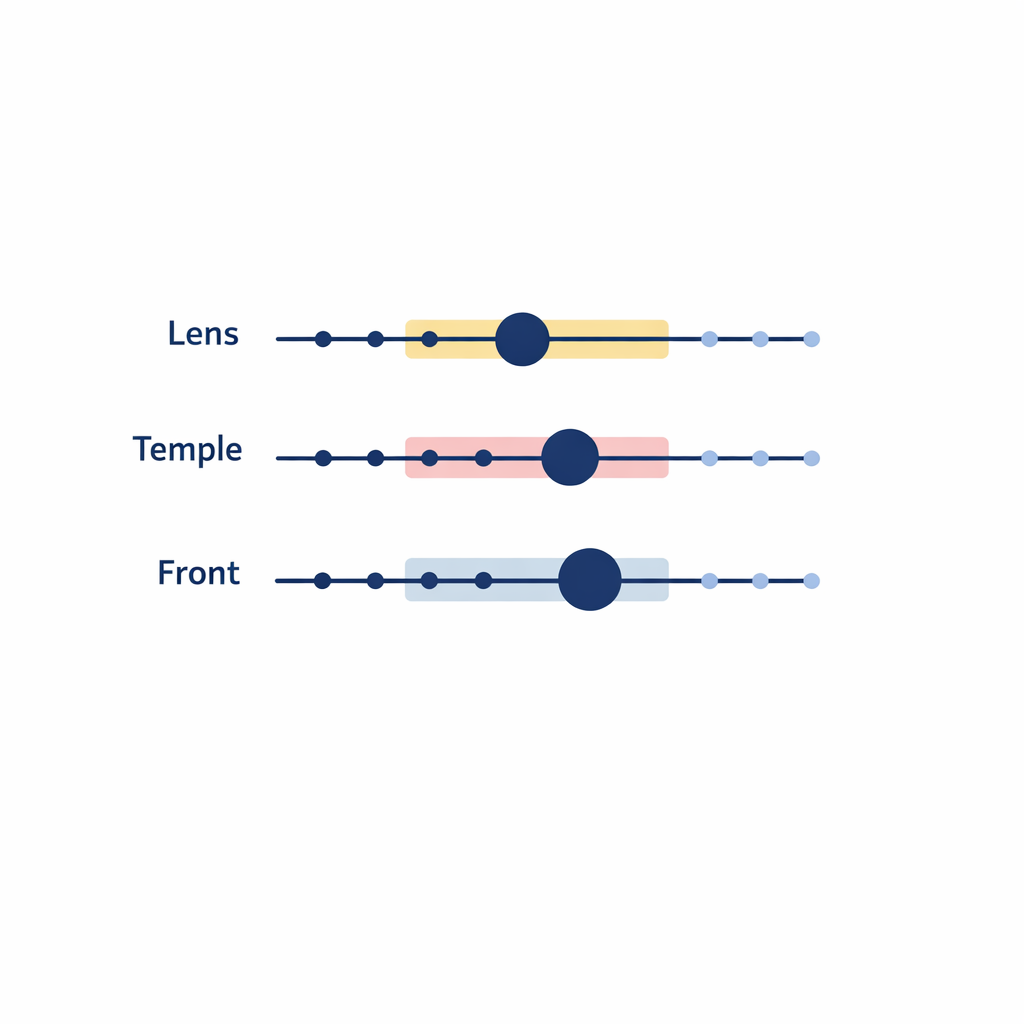
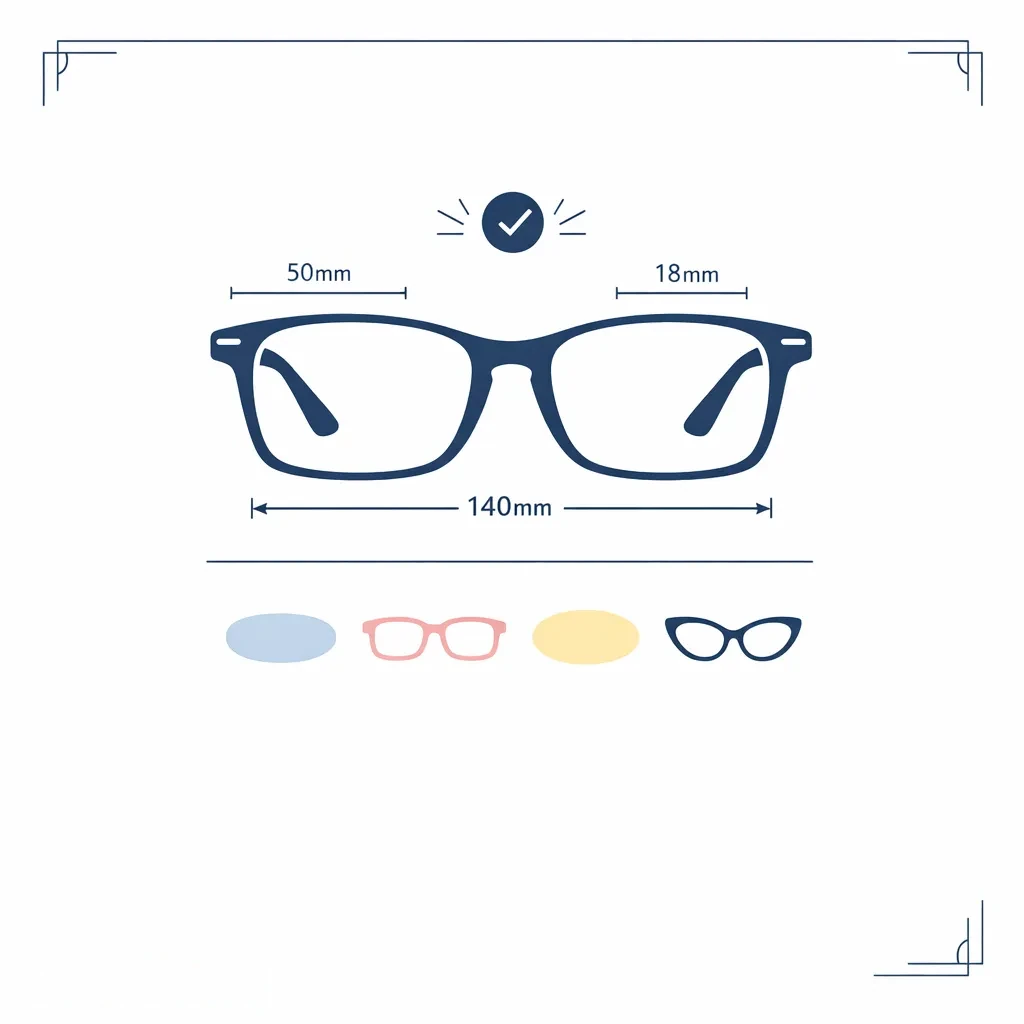
Most frames use three core dimensions, explained in common eyeglasses measurement systems: lens width, bridge width, and temple length. If you see numbers like 54-18-145 printed inside the frame, that usually means a 54 mm lens width, an 18 mm bridge, and a 145 mm temple.
For wide-fit shopping, lens width helps you understand how much horizontal room the front gives you. Bridge width affects how the frame sits between your eyes, and temple length matters because short temples can make a pair feel pulled forward or tight behind the ears.
Do not judge fit from lens width alone. A frame can have a decent lens width and still feel wrong if the bridge, overall front, or temples do not suit your face.
Quick answer: practical fit ranges

There is no single official cutoff for “wide” or “extra wide.” But in everyday online shopping, the sizing logic used in retailer frame-measurement guides and measurement explainers can help you narrow your search fast.
- If your current pair feels tight, start by moving up in lens width or temple length instead of guessing randomly.
- For many wide-fit shoppers, the search often shifts toward upper-50s lens widths and 145 mm or longer temples.
- When a brand lists overall frame width, wide-fit shoppers often use the high-130s mm as a practical starting point and go higher for truly extra-wide frames, using the same comparison approach described in frame-size guides.
- If you already own a pair that fits well, your best shortcut is to compare every new frame back to that baseline.
Think of these numbers as a filter, not a guarantee. Two frames with similar measurements can still fit differently because of hinge design, material, nose fit, and how curved the front is.
Best Frame Shapes for Wide Faces
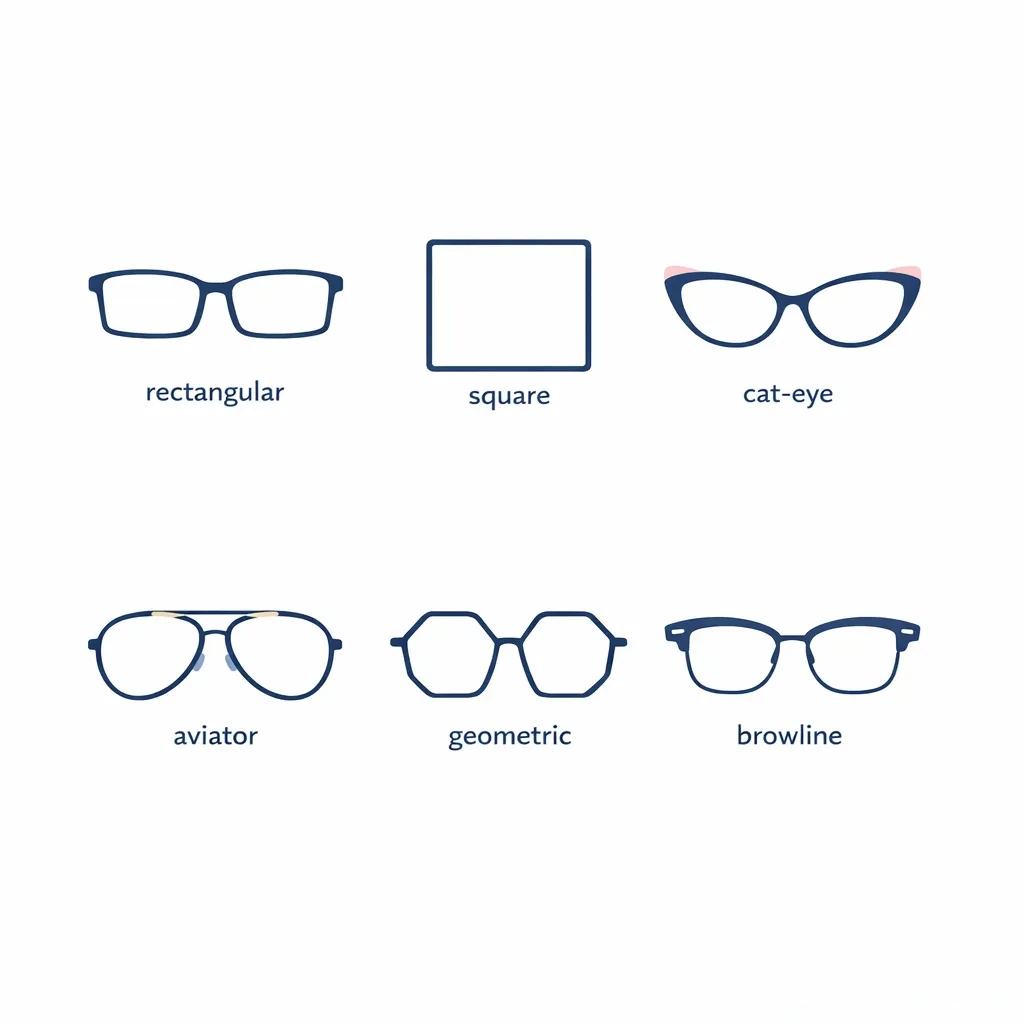
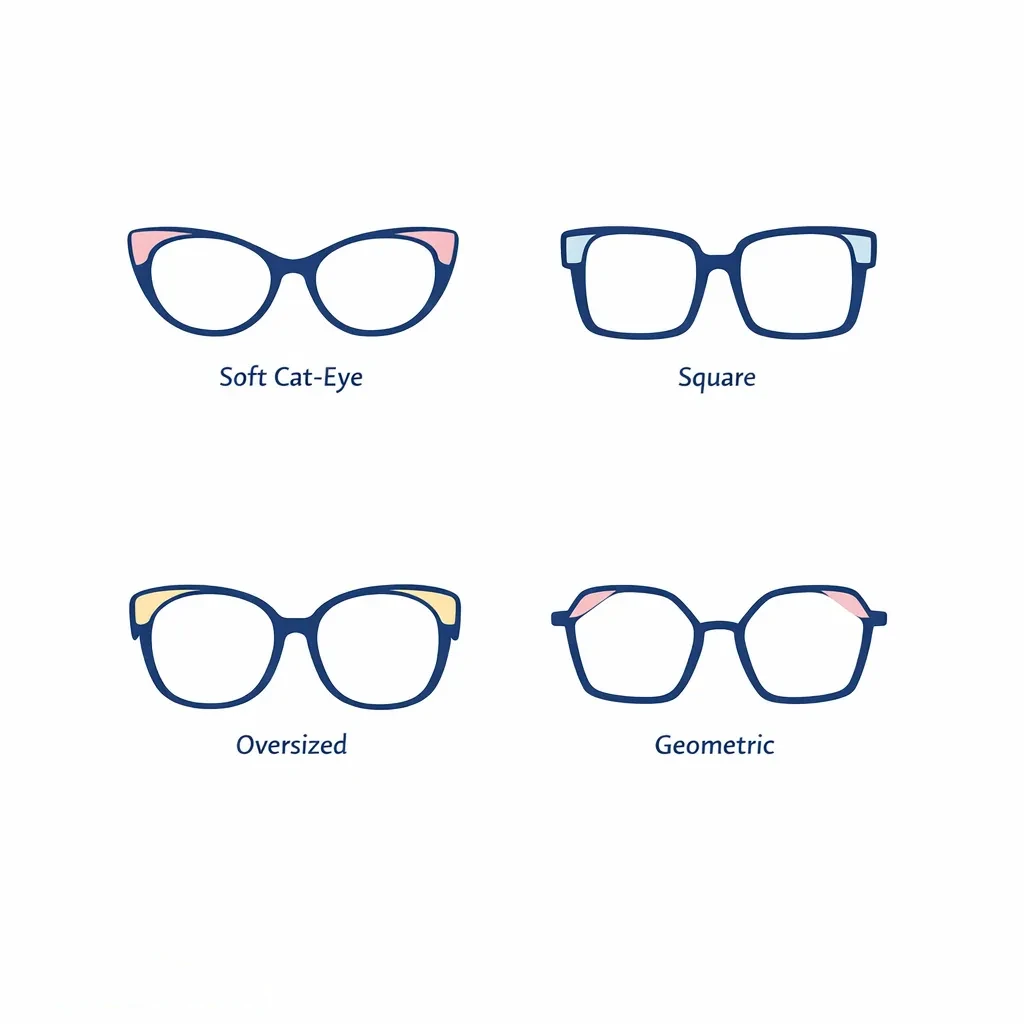
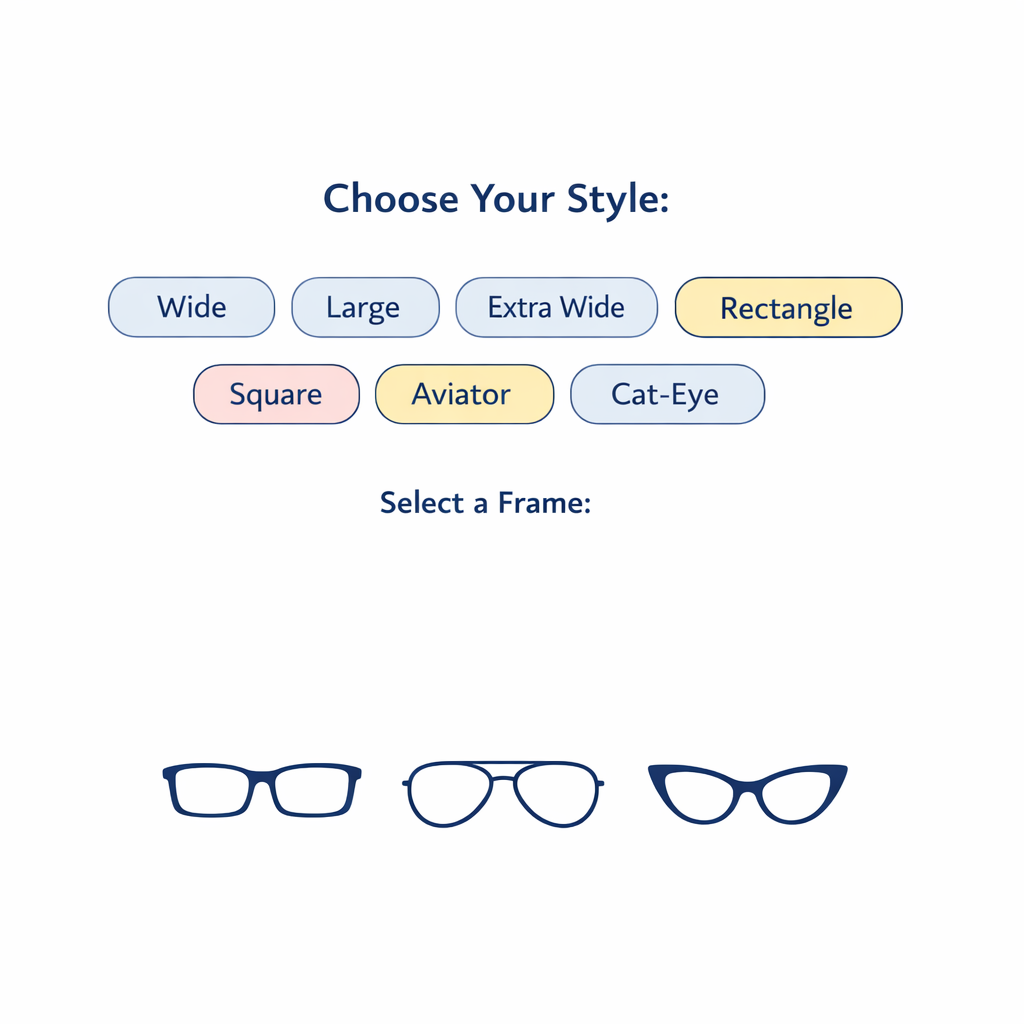
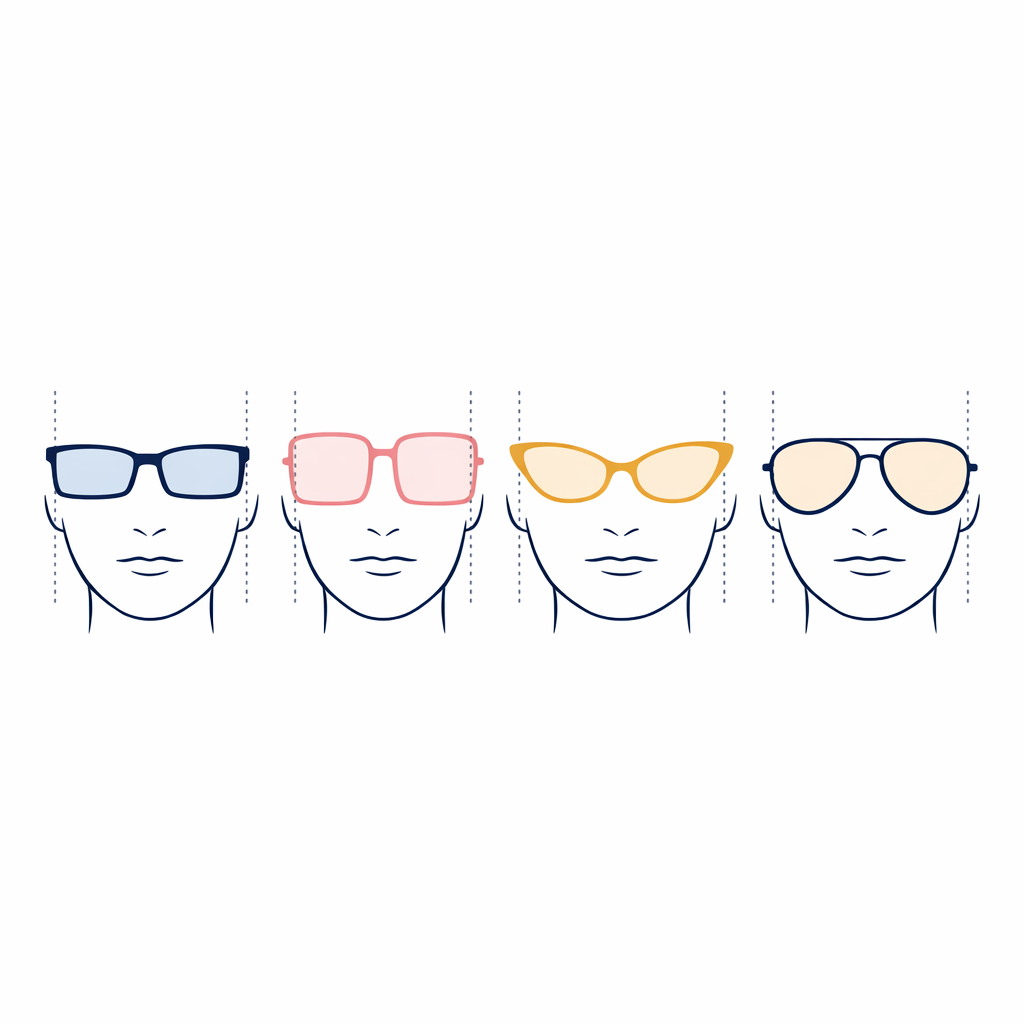
What glasses shape for a wide face? Usually, the best choice is a frame that matches your width and adds a little structure. In most cases, that means rectangular, square, soft cat-eye, aviator, geometric, or browline styles rather than a tiny, narrow frame that gets lost on your face.
- Rectangular frames
- Square frames
- Soft cat-eye or upswept styles
- Aviators
- Geometric frames
- Browline styles
Rectangular and square frames
Rectangular and square frames are often the easiest place to start. They add definition, balance wider features well, and tend to look intentional instead of undersized.
If you have a rounder or fuller face and a wide fit issue at the same time, these shapes are especially useful. They can add cleaner lines while still giving you enough coverage across the front.
Cat-eye and upswept styles
For shoppers who want something more styled, cat-eye and upswept frames can work beautifully on a wide face. The outer lift draws the eye upward and can make the frame feel more shaped instead of simply bigger.
The key is proportion. A soft cat-eye that is wide enough across the front usually looks polished, while a narrow cat-eye can feel pinched and decorative rather than wearable.
Aviators, geometric, and browline options
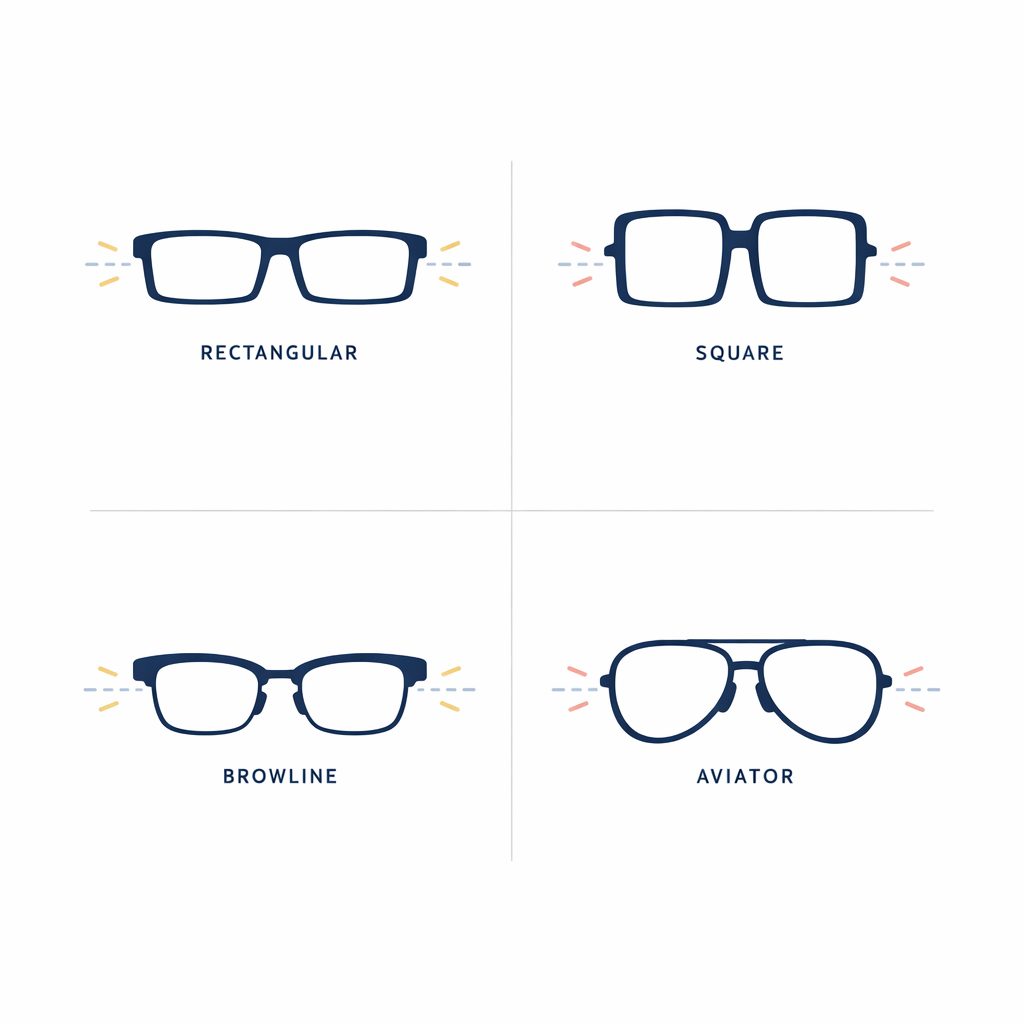
Aviators are a strong option when you want width without bulk. They often provide a roomy front and a lighter visual feel, especially in thinner metal styles.
Geometric frames can add edge if you want something less expected than a classic rectangle. Browline styles are also worth trying because they add emphasis across the top of the face, which can look balanced and confident on wider proportions.
Shapes to approach carefully
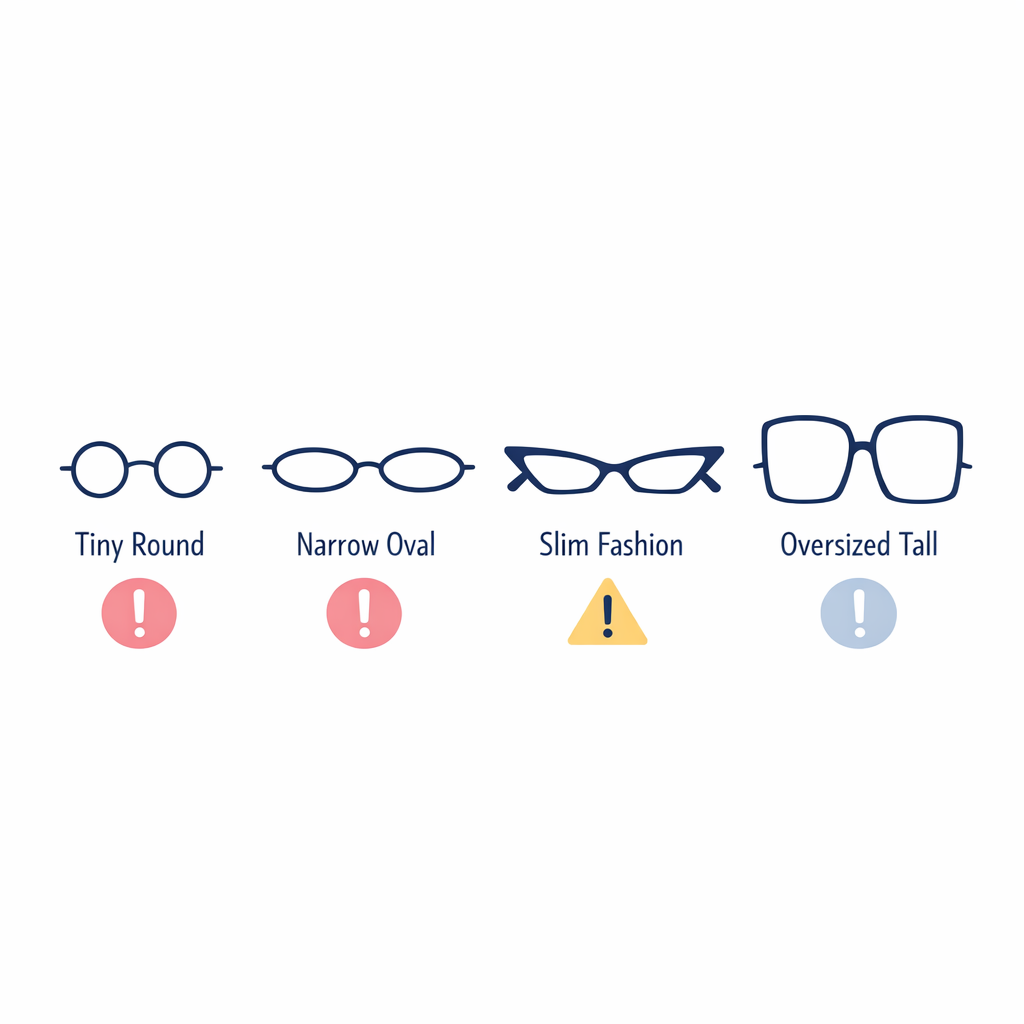
Tiny round frames, very narrow ovals, and sharply slim fashion frames can be harder to fit on a wide face. They are not off-limits, but they demand better sizing than most people expect.
Oversized glasses can also be misleading. Some oversized styles are tall, not wide, so they give you more lens area without actually giving you a more comfortable fit.
How Glasses Should Fit on a Wide Face
Temple pressure, cheek contact, and bridge comfort
A good fit should feel secure, centered, and easy to wear for hours. In everyday glasses-fit guidance, common warning signs include pressure at the temples, slipping at the bridge, and a frame front that sits awkwardly or rides on the cheeks.
For wide faces, temple pressure is often the first issue you notice. If the arms flare outward dramatically, the frame is probably working too hard to fit your head.
Cheek contact matters too, especially in oversized or deeper frames. A little closeness is not always a dealbreaker, but heavy resting on the cheeks usually means the fit is off or the frame sits too low.
Bridge comfort is equally important. If the nose area pinches, leaves strong marks, or makes the frame slide because it cannot settle properly, the pair may be wrong even if the width seems right.
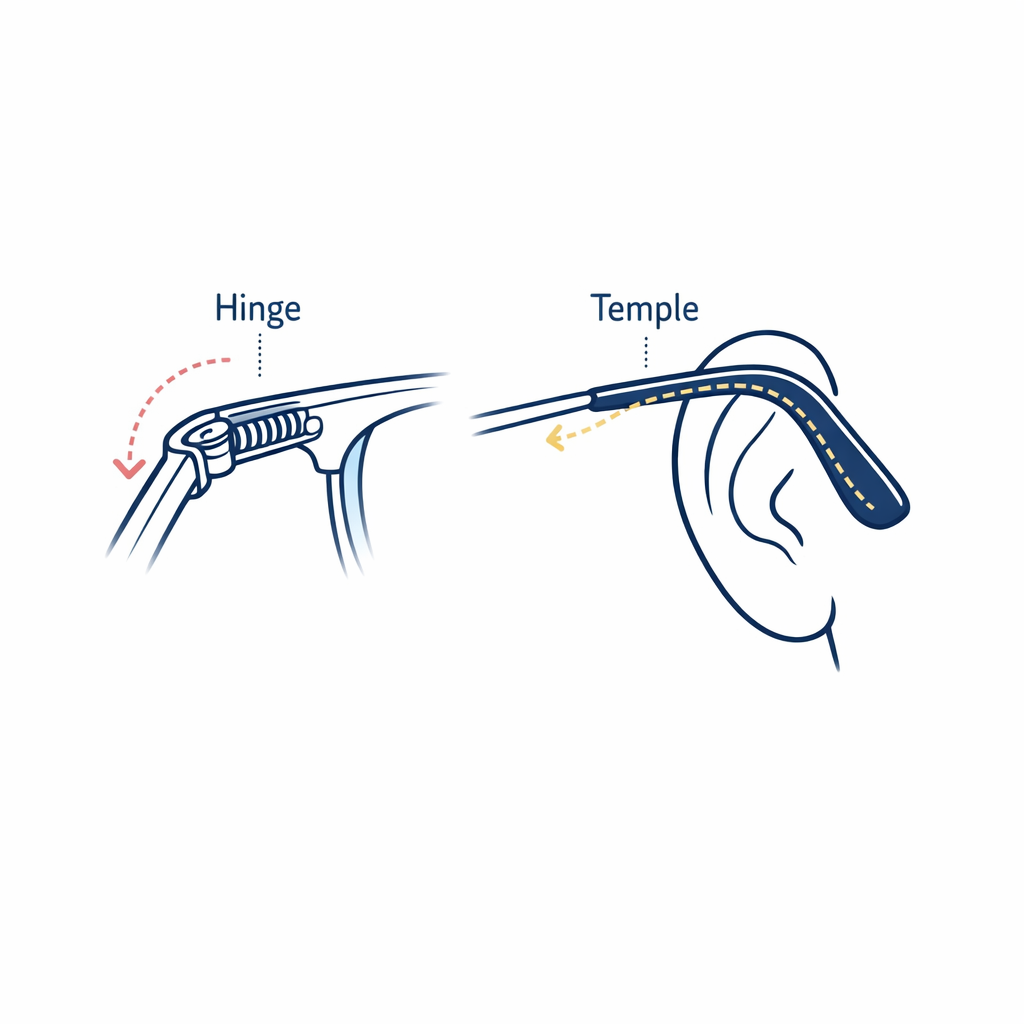
Why spring hinges and longer temples help
If you are between sizes, small design details can make a big difference. Longer temples can help the frame sit more naturally around the ears, and spring hinges can make a borderline fit feel more forgiving at the sides.
That said, these features are helpers, not magic fixes. A rigidly narrow front will still feel narrow, even if the temples flex a little more.
Best Glasses for Wide Faces by Style Goal
For men
For men shopping wide-fit styles, rectangular, square, browline, and aviator frames are usually the lowest-risk picks. They look proportionate, offer clean structure, and work well in both casual and work settings.
If you like a sportier look, look for a wider front and longer temples before you focus on color or material. Fit makes a bigger difference than style details when a frame is sitting on your face all day.
For women
For women, the best glasses for wide faces often include soft cat-eye, square, oversized-but-balanced, and geometric frames. The sweet spot is a frame that gives presence without squeezing or swallowing your features.
If you want a slimmer-looking effect, choose frames with a bit of lift or definition at the outer corners. If you want a softer look, try rounded-square shapes rather than very small circles.
For prescription, blue-light, and reading glasses
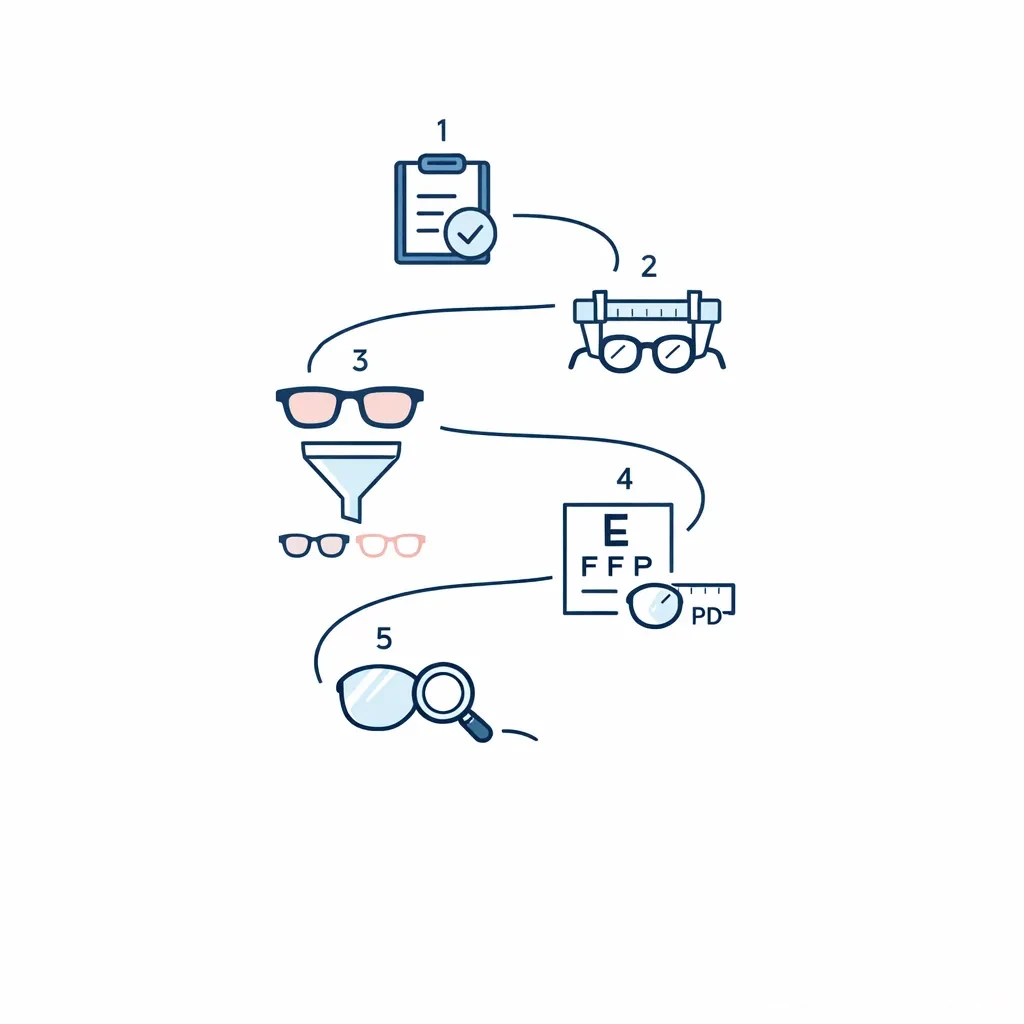
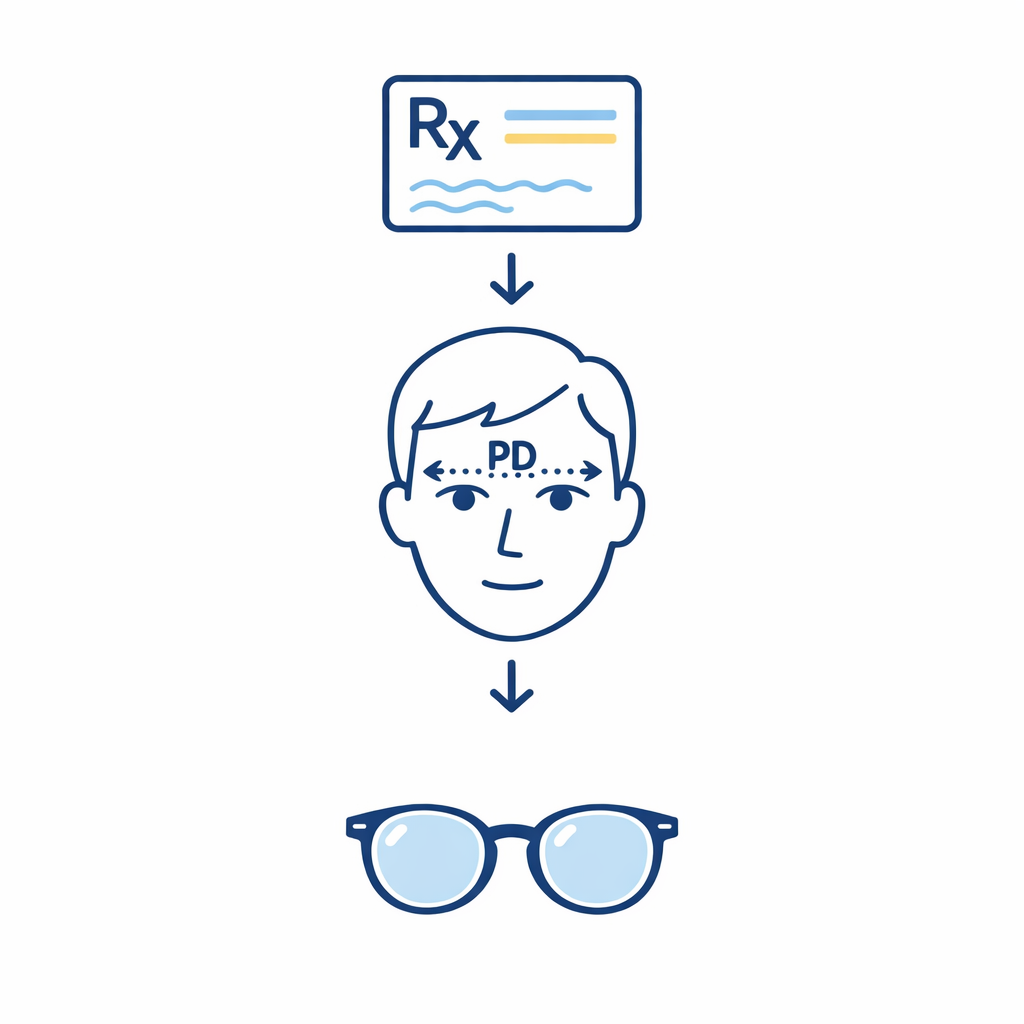
If you need prescription glasses, remember that you have the right to get your prescription from your eye doctor after the exam under the FTC’s Eyeglass Rule. Once you have it, the next practical step is to measure your pupillary distance so your lenses can be centered correctly.
For blue-light or reading glasses, the same fit rules still apply. Do not settle for a narrow frame just because the lenses are simple. Comfort matters just as much on screen-time pairs and quick grab-and-go readers.
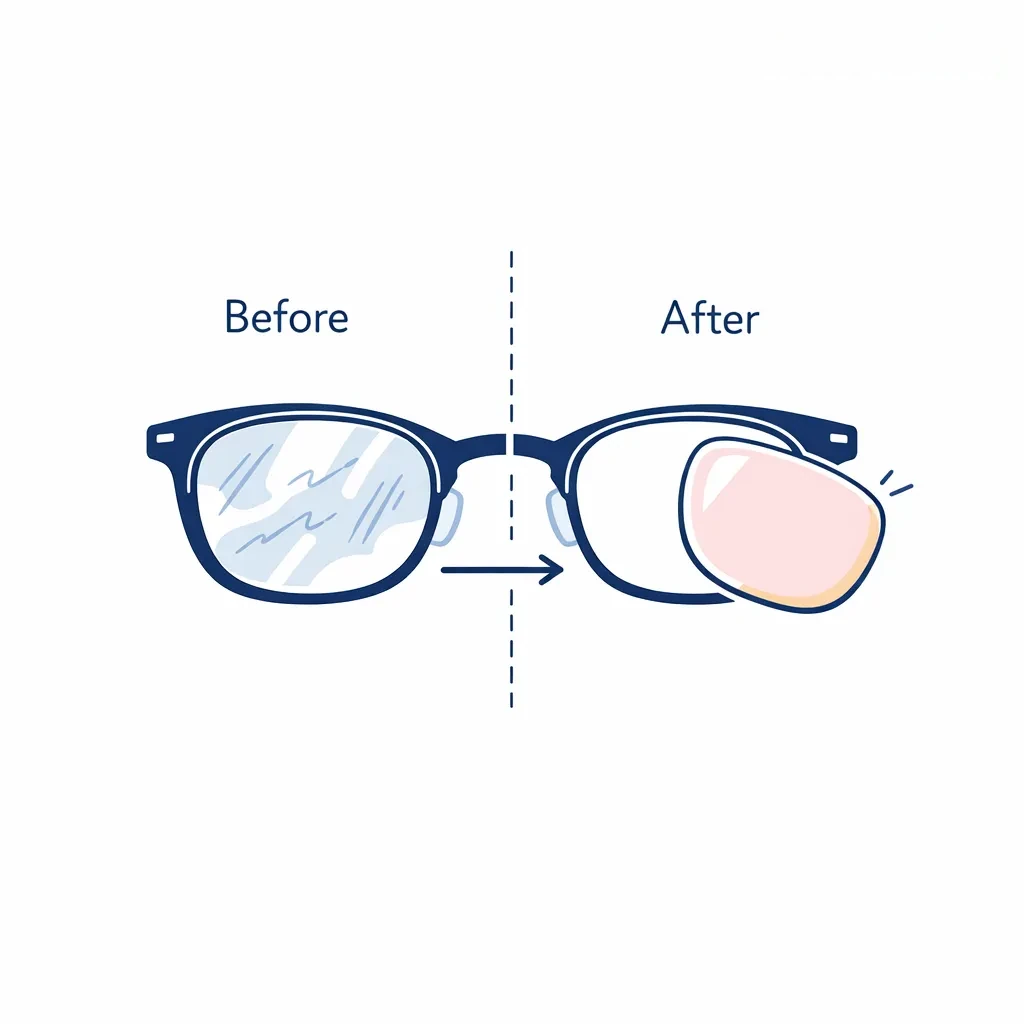
If your current frame already fits your wide face well, you may not need a whole new pair. A frame you already love can often be refreshed through lens replacement, including full-service replacement or the DIY option.
How to Shop Online Without Guessing
Use your current pair as a baseline
Your best measuring tool is often the pair you already wear comfortably. Check the inside of the temple for the frame-size numbers commonly used on eyeglasses, then compare those numbers to the frames you are considering.
If your current pair feels a little tight, use that information too. For example, if 54-18-140 feels cramped, try moving toward a slightly roomier front or a longer temple instead of ordering the same size again in a different shape.
What to filter for on product/category pages
When you shop online, start with filters and keywords that reflect fit, not just style. Look for terms like wide, large, extra wide, or extended fit, then compare the actual measurements.
Next, narrow by shape. If you are not sure what flatters you, LensDirect’s Find Your Fit guide can help you separate face-shape preferences from true width needs.
Finally, think about the rest of your order. If you need prescription lenses, use LensDirect’s PD measurement guide, and if you plan to use out-of-network vision benefits, review how insurance reimbursement works before you buy.
If you wear progressives, have a stronger prescription, or regularly struggle with bridge fit, it is smart to get optician or optometrist input before ordering. Wide-fit shopping is much easier when the frame and lens plan work together.
Common mistakes that make wide-fit shopping harder
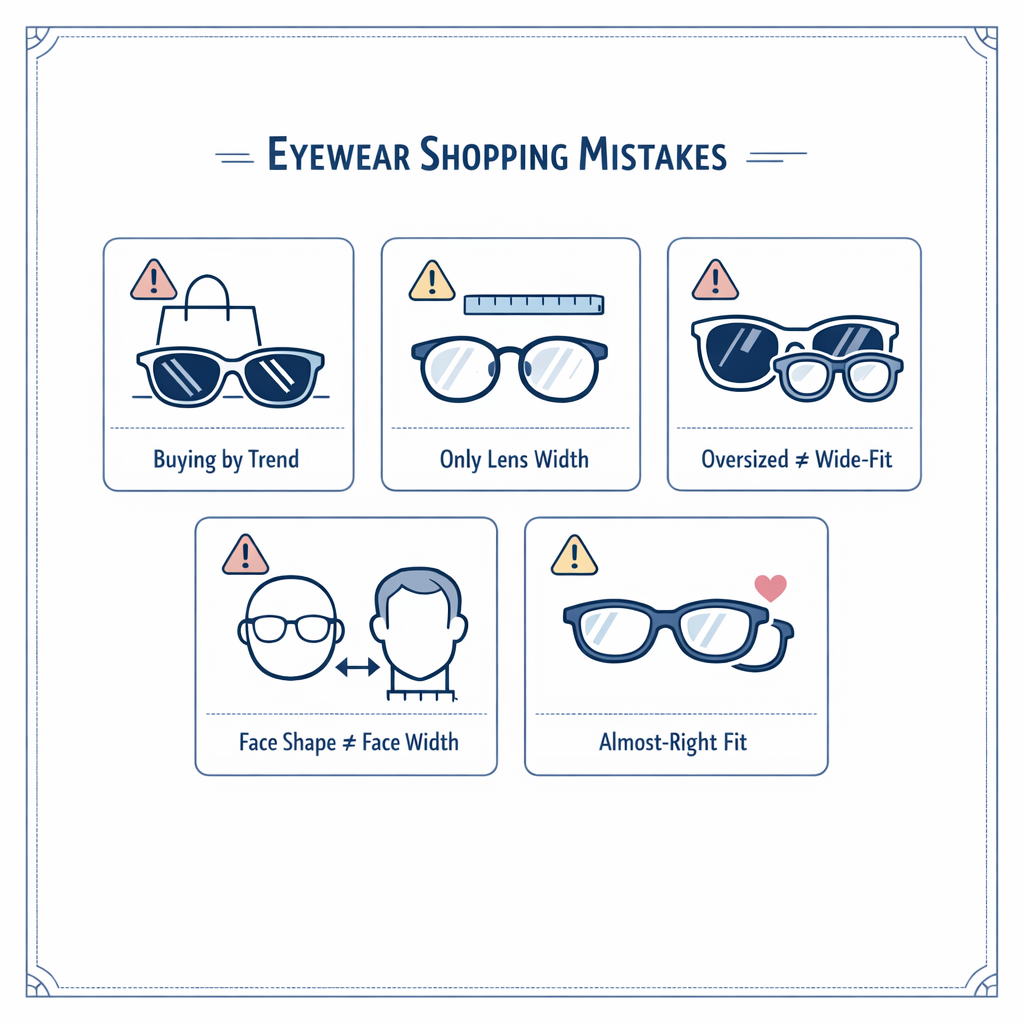
- Buying by trend alone. A stylish frame that is too narrow will still feel wrong.
- Looking only at lens width. Bridge fit, overall width, and temple length matter too.
- Confusing oversized with wide-fit. Big-looking glasses are not always wider where you need them.
- Assuming round face and wide face mean the same thing. Shape and fit overlap, but they are not identical problems.
- Keeping a bad fit because the frame “almost works.” If it pinches, slides, or sits crooked, keep shopping.
What to do next
If you know your baseline measurements and the style direction you want, LensDirect makes it much easier to move from “maybe” to a pair you’ll actually wear. Start with the option that matches your job to be done right now.
- Shop Glasses if you want a new everyday pair with a better wide-face fit.
- Shop Sunglasses if you want more coverage and comfort for driving, travel, or bright outdoor days.
- Shop Contacts if you switch between glasses and contacts or want a backup option for sports and travel.
- Replace Your Lenses if your current frame already fits well and only the lenses need an update.
- Full-Service Replacement is the easiest send-it-in option.
- Order Replacement Lenses if you prefer the DIY route.
- Find Your Fit, Learn How to Measure Your Pupillary Distance, or Learn How to Get Reimbursed by Your Insurance if you want a little more guidance before ordering.
Author

Subscribe to our email newsletter to get the latest posts delivered right to your email.