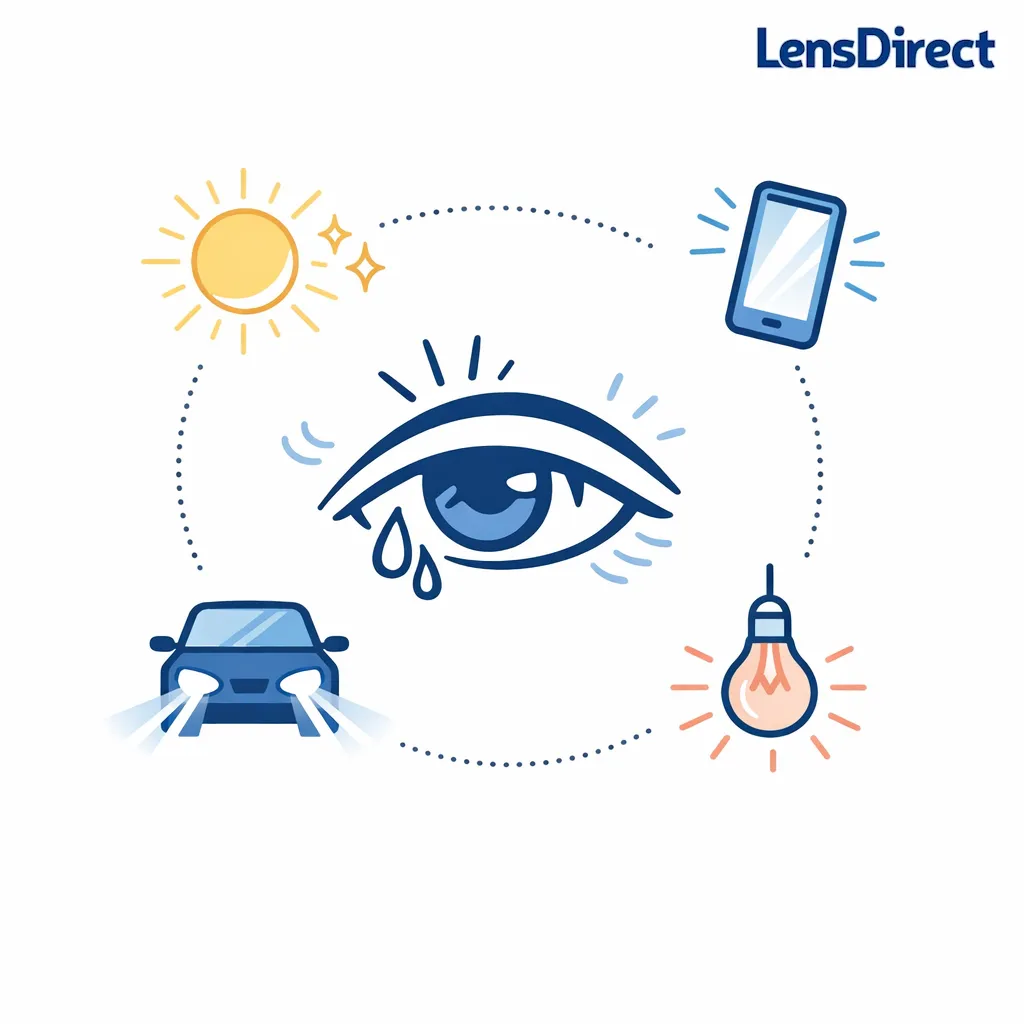
Bright sun, headlights, screens, and even ordinary indoor bulbs can feel brutal when your eyes are sensitive to light. If your eyes hurt in bright light, if you are suddenly more sensitive to light than usual, or if one eye seems much worse than the other, it helps to think about the pattern instead of guessing.
This guide is for anyone trying to understand light sensitivity causes, especially contact lens wearers, glasses shoppers, and people deciding whether they need simple home relief, a routine eye exam, or urgent care.
You will learn what photophobia means, the most common triggers, what sudden light sensitivity can signal, and what to do next.
Photophobia is discomfort or pain from light, and it is a symptom rather than a disease. It can show up with eye-surface problems, inflammation, injury, migraine, head trauma, or other conditions, so the real goal is finding the cause instead of only avoiding brightness.
What is light sensitivity (photophobia)?
In plain language, photophobia means light feels harsher than it should.
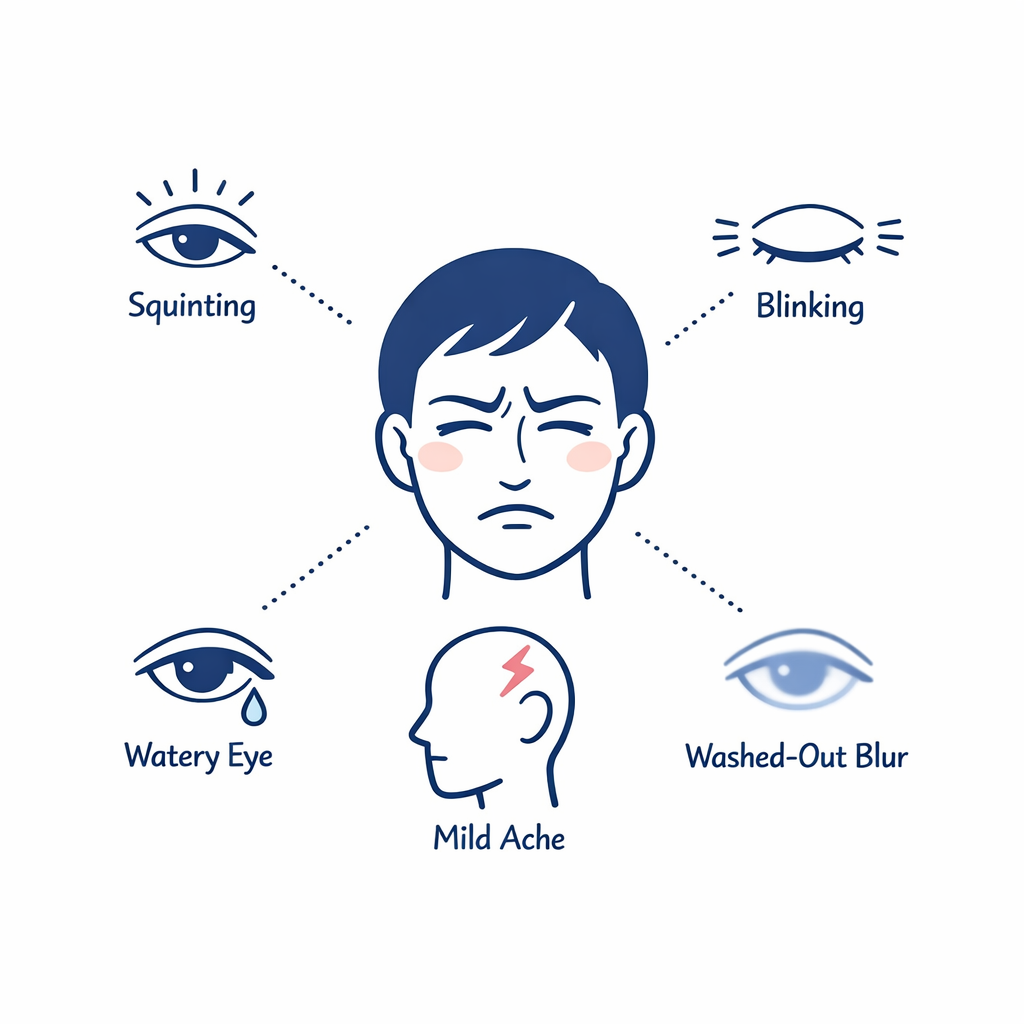
Some people mainly notice squinting outdoors. Others feel eye ache, headache, or an almost immediate urge to close their eyes when they walk into sun, face headlights, or look at a bright screen.
People often use photophobia and photosensitivity loosely, but in everyday eye-care conversations, the key is describing exactly what you mean. Tell your doctor whether light hurts the eye itself, triggers a headache, causes watering, or makes vision seem washed out or blurry.
Common symptoms of light sensitivity
What bright light discomfort feels like
Light sensitivity is not just “I prefer dim rooms.”
It can feel like burning, aching, glare that seems out of proportion to the room, or an intense need to squint, blink, or look away.
Some people only notice it outdoors, while others struggle with office lighting, headlights, or device screens.
Related symptoms like headache, tearing, redness, blurred vision
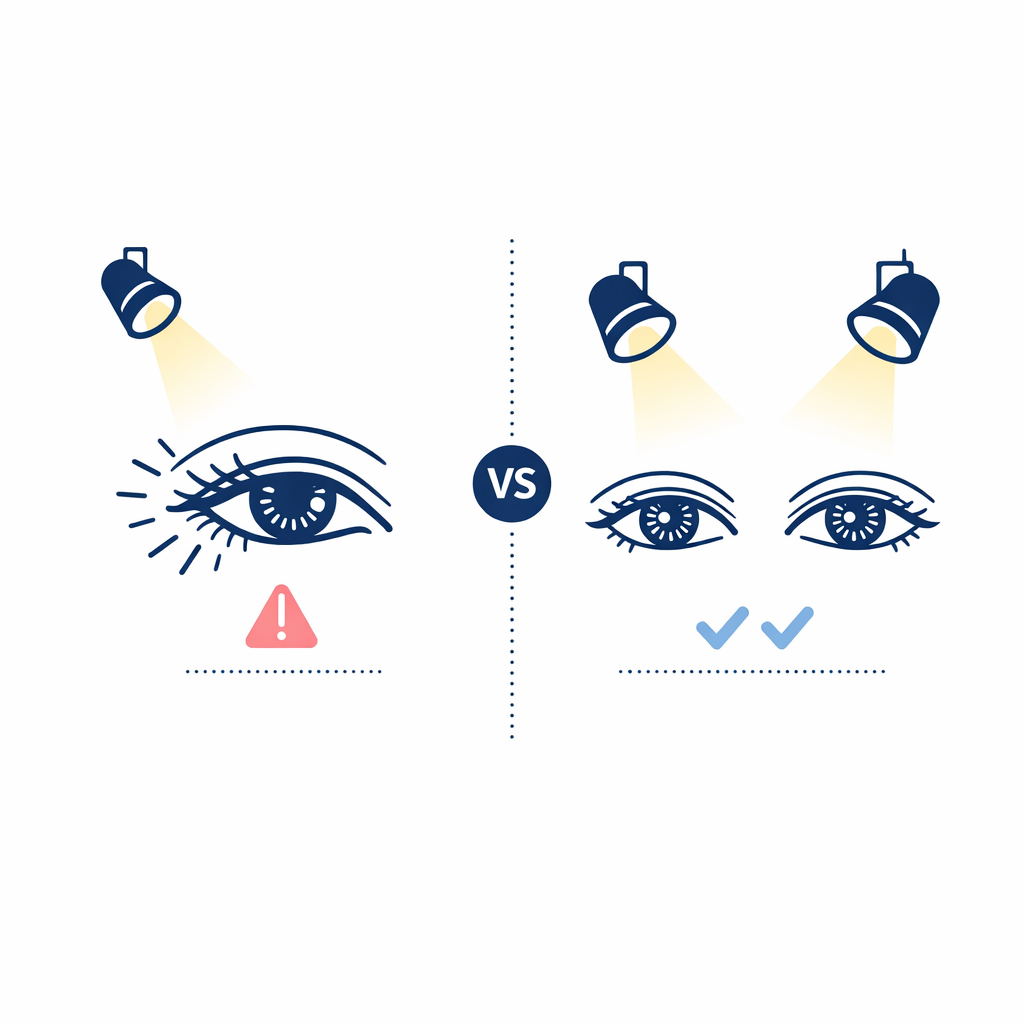
The extra clues matter.
Headache, nausea, sound sensitivity, tearing, redness, discharge, or a scratchy feeling can completely change what light sensitivity means.
That is why the full pattern matters more than brightness alone.
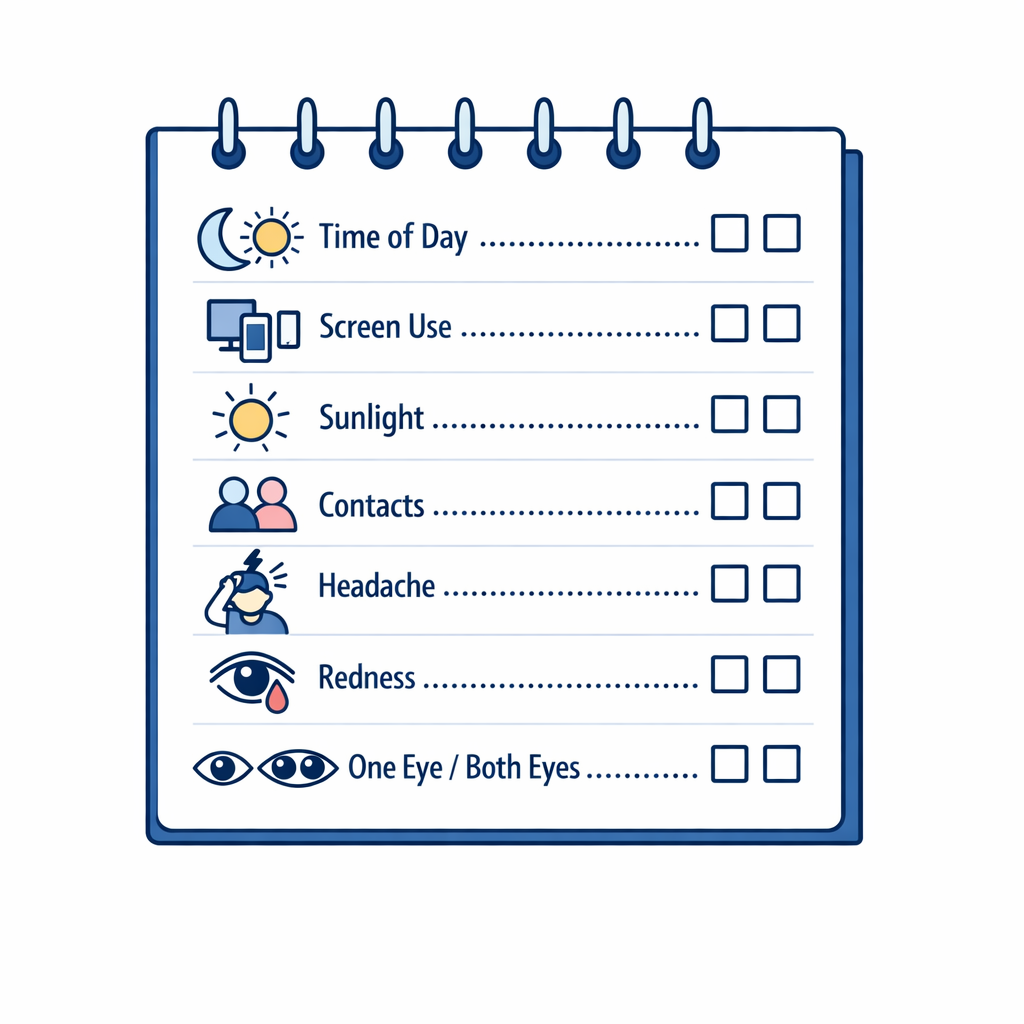
Pay attention to timing too. Write down whether the symptom follows screens, sun, contacts, eye pain, trauma, or headache. Those details make it much easier to sort out whether the problem sounds mild, recurring, or urgent.
What causes light sensitivity?
- Dry eye and other eye-surface irritation
- Corneal injury, infection, or inflammation
- Migraine and other neurological triggers
- Contact lens irritation or overwear
- Age-related glare problems such as cataracts
Eye-related causes
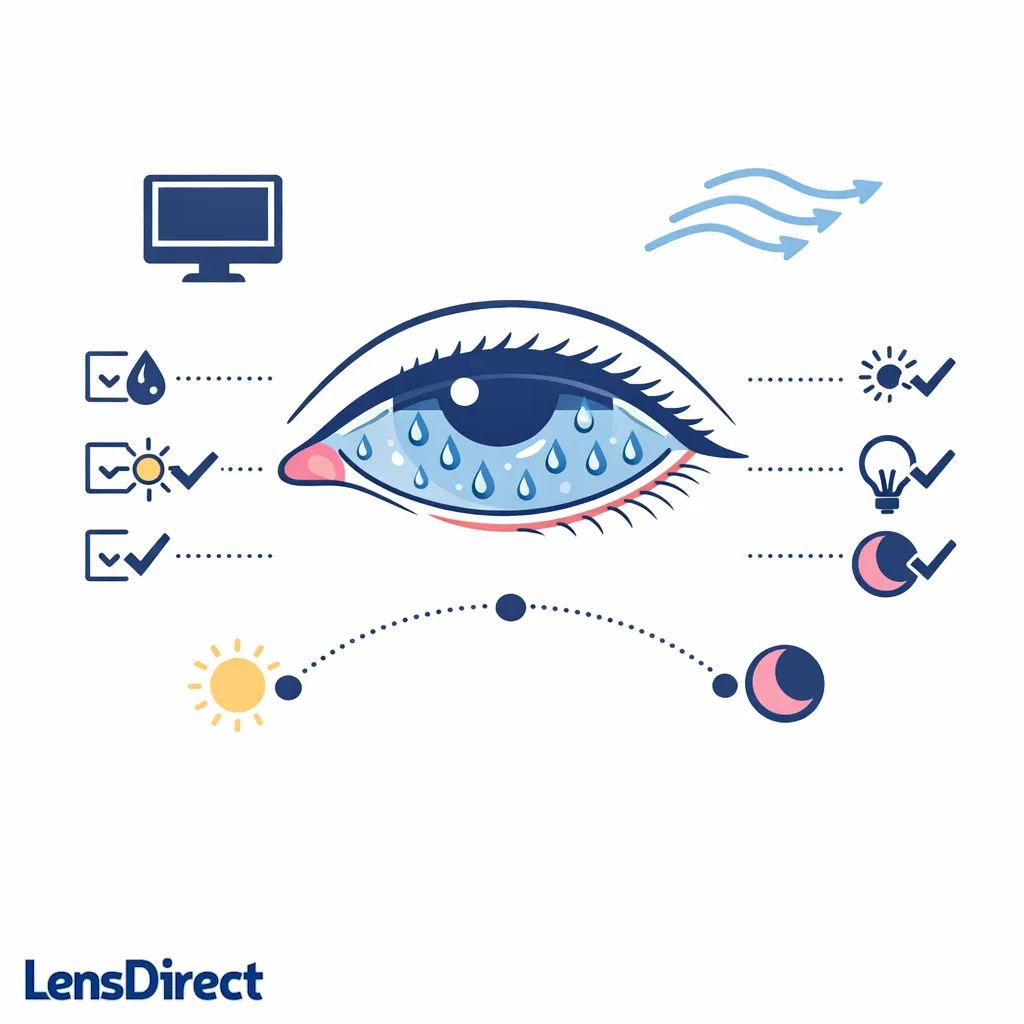
Dry eye is a very common explanation when bright light feels worse later in the day, after heavy screen use, in air conditioning, or when you have been blinking less than usual.
Eye-surface injury or inflammation usually feels different from ordinary dryness. It is often more abrupt, more noticeable, and harder to ignore. When someone says one eye is suddenly sensitive to light, that is one reason an eye doctor thinks carefully about scratches, irritation, infection, or inflammation.
A brief note for contact lens wearers
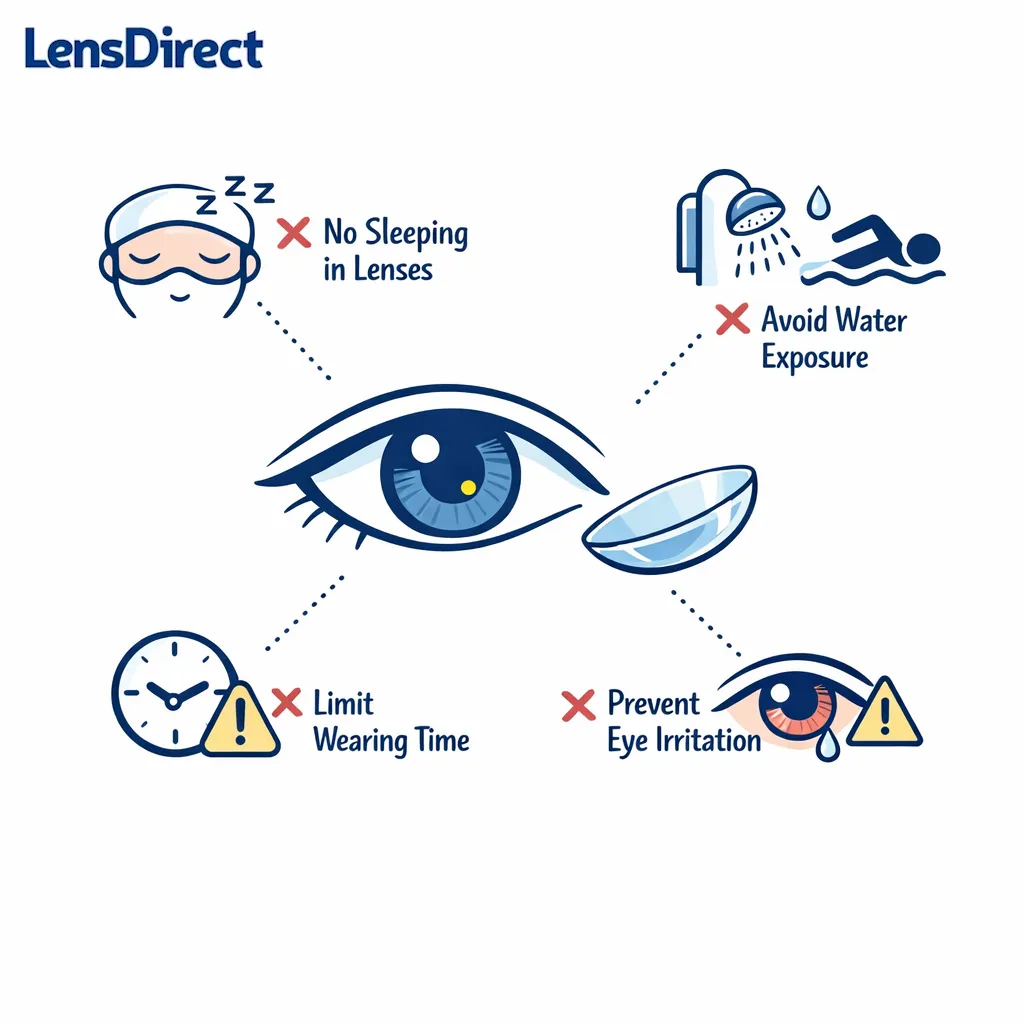
If you wear contacts and bright light suddenly becomes hard to tolerate, do not assume you just need a fresher pair. Remove the lenses and think seriously about irritation, fit, or infection.
For lens wearers, pattern recognition helps. Symptoms that show up at the end of a long wear day, after a nap in lenses, after showering or swimming, or after switching brands without a refit are worth mentioning at your appointment. The goal is not to blame contacts automatically, but to notice when the lens routine and the discomfort line up.
Neurological and systemic causes
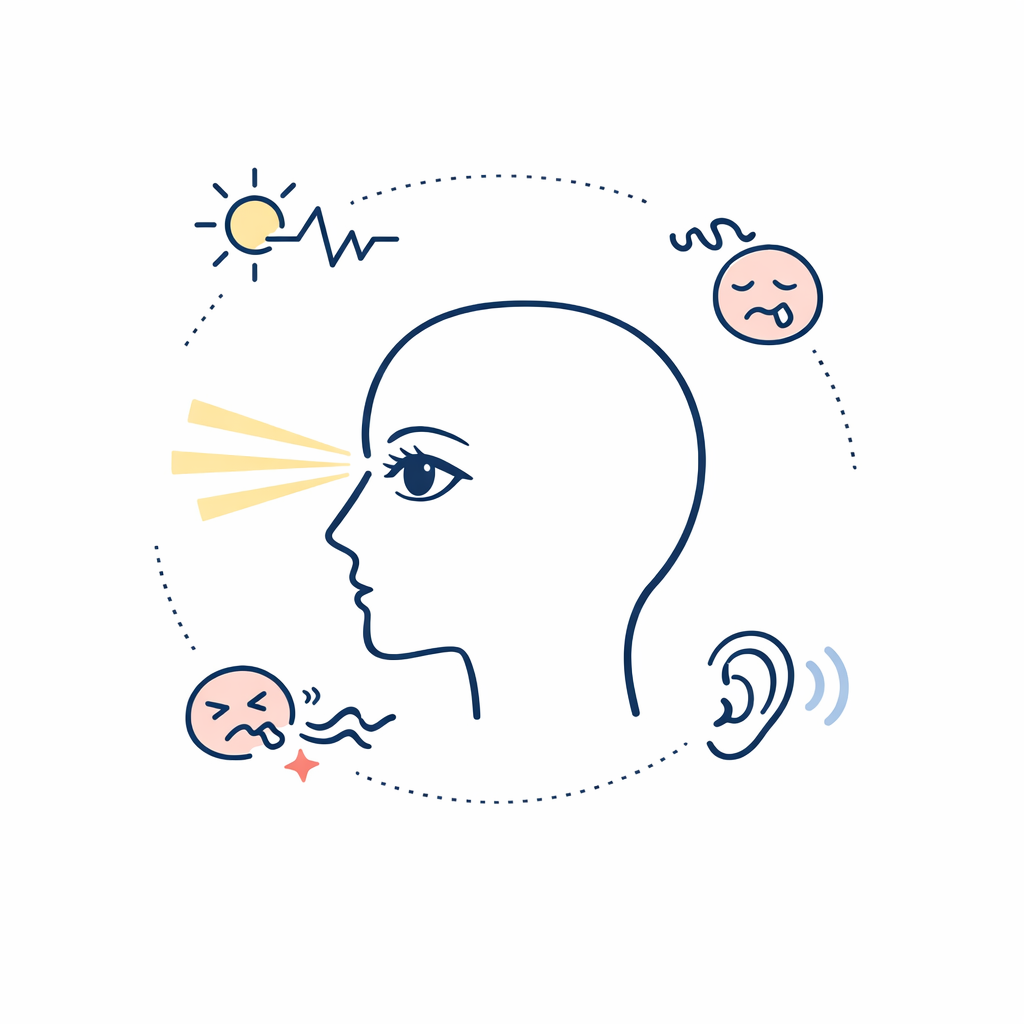
For many people, photophobia is not a separate eye problem at all. The eyes feel overloaded because the brain is in a migraine state.
The CDC says concussion symptoms can include sensitivity to light and noise, headache, balance problems, and trouble concentrating. If light sensitivity starts after a hit to the head, fall, sports injury, or car accident, treat that history as important even if the eye itself looks normal.
Because a few causes are emergencies, red-flag symptoms matter. A severe headache, major confusion, fever, stiff neck, or a sudden change after trauma should never be brushed off as “just eye strain.”
Medication and temporary causes
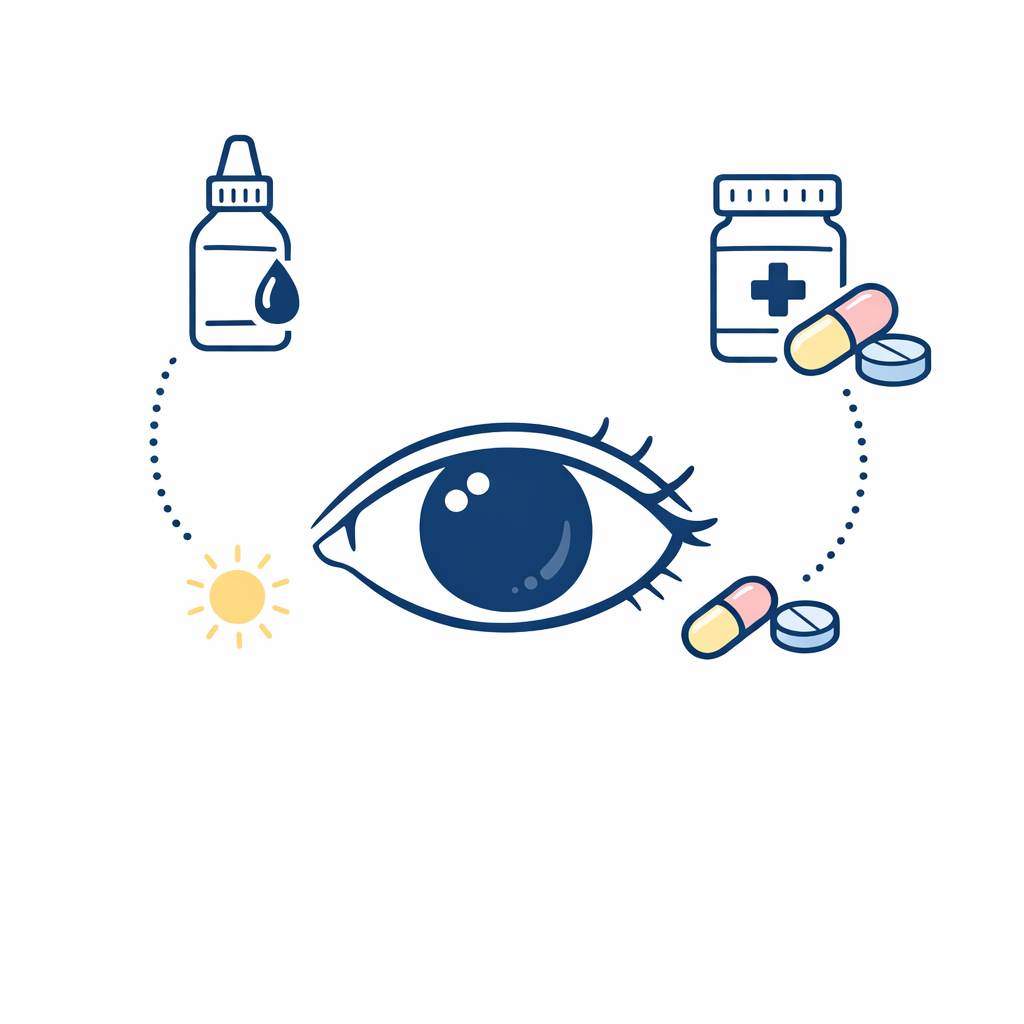
Sometimes the trigger is temporary.
Your eyes may feel more sensitive right after dilation, and some medications can also play a role.
That is why it helps to bring a current medication list if symptoms are new, sudden, or much worse than usual.
Quick answers about causes
Why are my eyes suddenly sensitive to light?
Think first about what changed.
A sudden episode is worth matching to recent contact lens wear, a new headache pattern, a recent eye exam with dilation, an injury, illness, or a new medicine. Sudden light sensitivity matters more when it arrives with pain, redness, or a change in vision.
What about one eye vs both eyes?
If only one eye is sensitive to light, a local eye problem becomes more important to rule out.
A scratch, contact lens issue, or inflammation can affect one side much more than the other.
If both eyes are affected, the list is broader and can include dryness, migraine, medication effects, and environmental glare.
Can stress cause photophobia?
Stress by itself is not a diagnosis, but it can overlap with dry-eye habits, poor sleep, tension, and migraine triggers.
If you notice repeated episodes, it is more useful to identify the pattern than to label everything as stress.
Why are my eyes suddenly sensitive to light?
One eye vs both eyes
Use this as a clue, not a self-diagnosis.
One-eye symptoms push eye doctors to look more closely for surface injury, infection, or inflammation.
Two-eye symptoms suggest a wider list of possibilities, from dryness and screens to migraine or something affecting the nervous system.
Sudden vs gradual onset
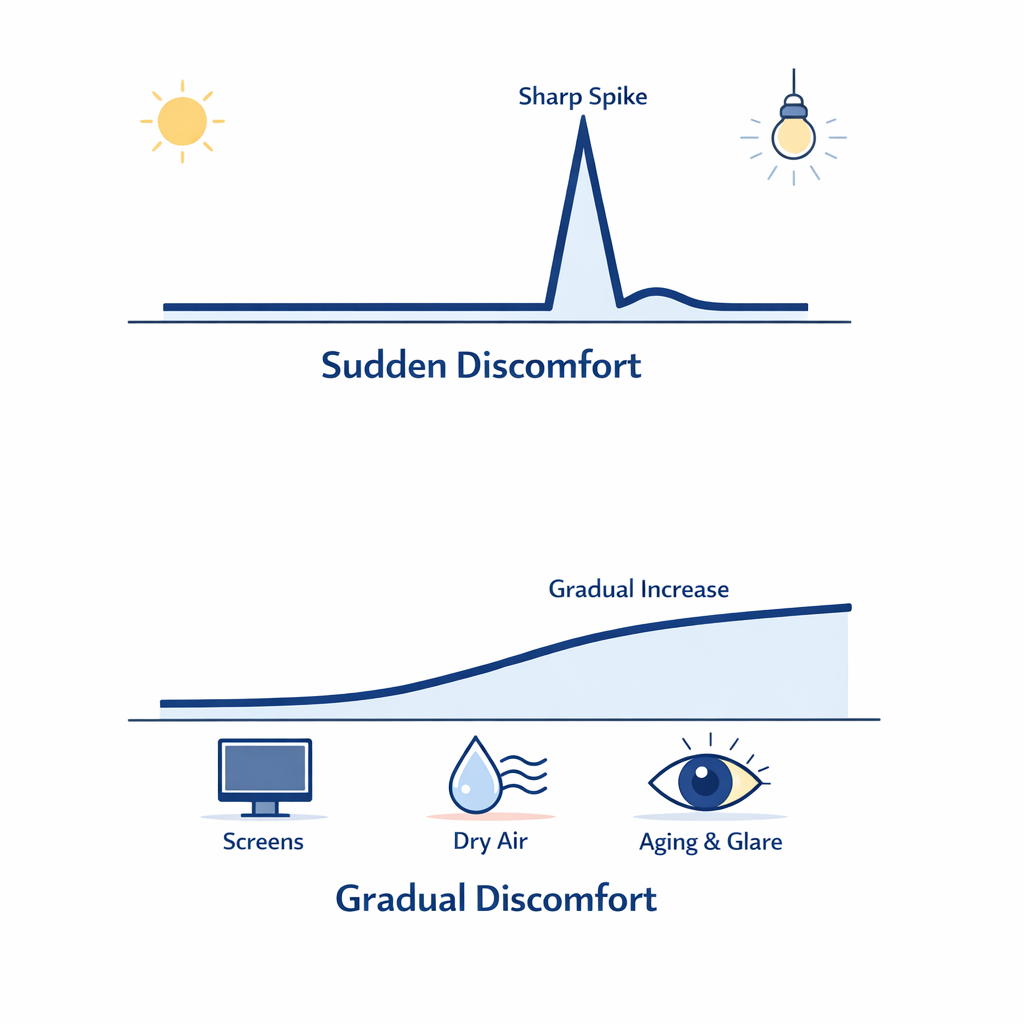
A gradual change often feels more like a pattern: worse at night, worse after screens, worse in dry indoor air, or worse with aging-related glare.
A sudden change feels different.
It is more obvious, more out of character, and harder to explain away. That is the kind of change that deserves faster attention.
How to get relief from light sensitivity
At-home relief
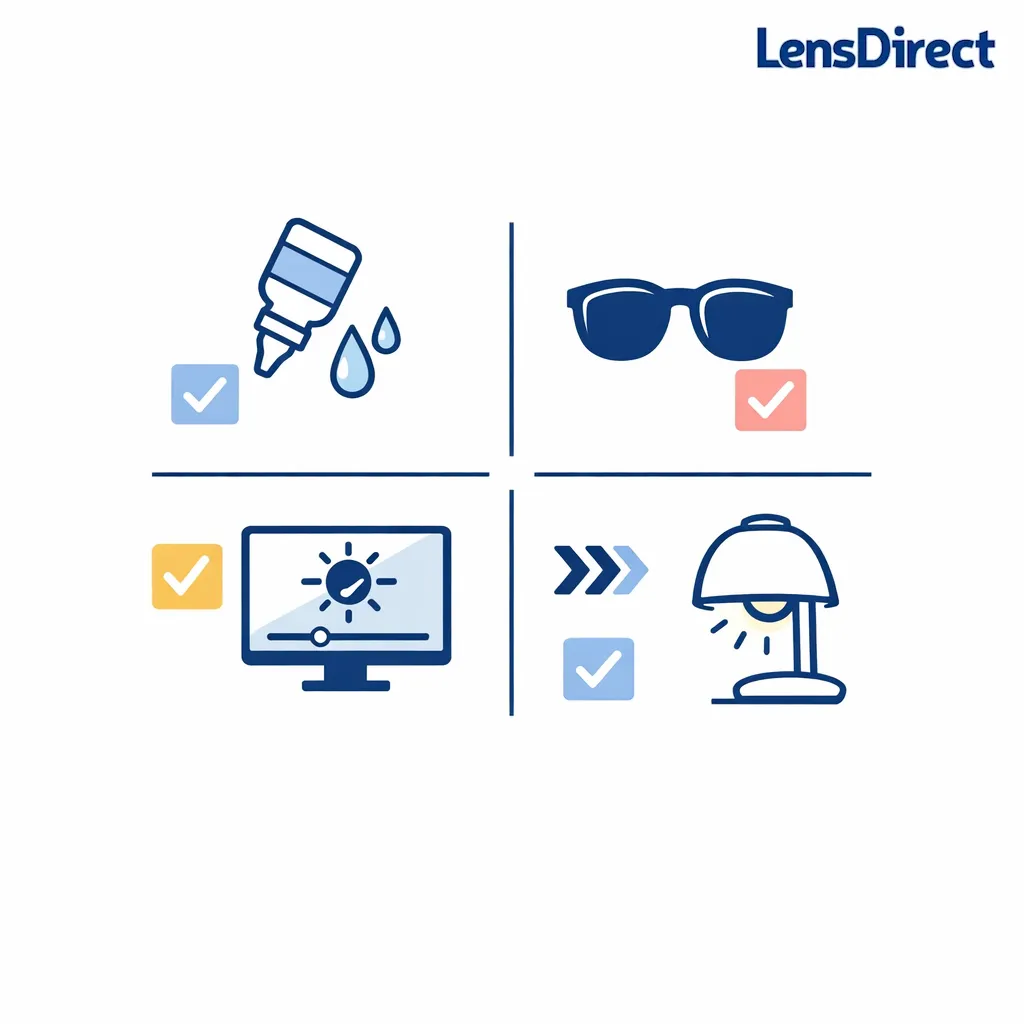
Start simple.
If dryness seems likely, lubricating drops, more deliberate blinking, shorter screen sessions, and warmer or dimmable indoor lighting are sensible first steps.
Outdoors, many people feel better in sunglasses that block UV and cut glare rather than trying to avoid daylight completely.
At home, think in layers instead of one magic fix. A slightly dimmer screen, a few more blinks per minute, better room lighting, cleaner contact lens habits, and the right outdoor eyewear can each take a little edge off. Small improvements add up when the cause is mild.
If contacts are bothering you, stop wearing them until the eye feels normal and you understand why the symptom started. Do not sleep in lenses, do not rinse them with water, and do not keep pushing through discomfort just because you need them for the day.
Medical treatment depends on the cause
There is no one-size-fits-all fix for photophobia.
Relief may come from treating dry eye, calming inflammation, addressing a contact lens complication, managing migraine, or getting urgent help for injury or infection.
The symptom improves fastest when the underlying cause is handled directly.
More answers about relief and testing
Can light sensitivity be cured?
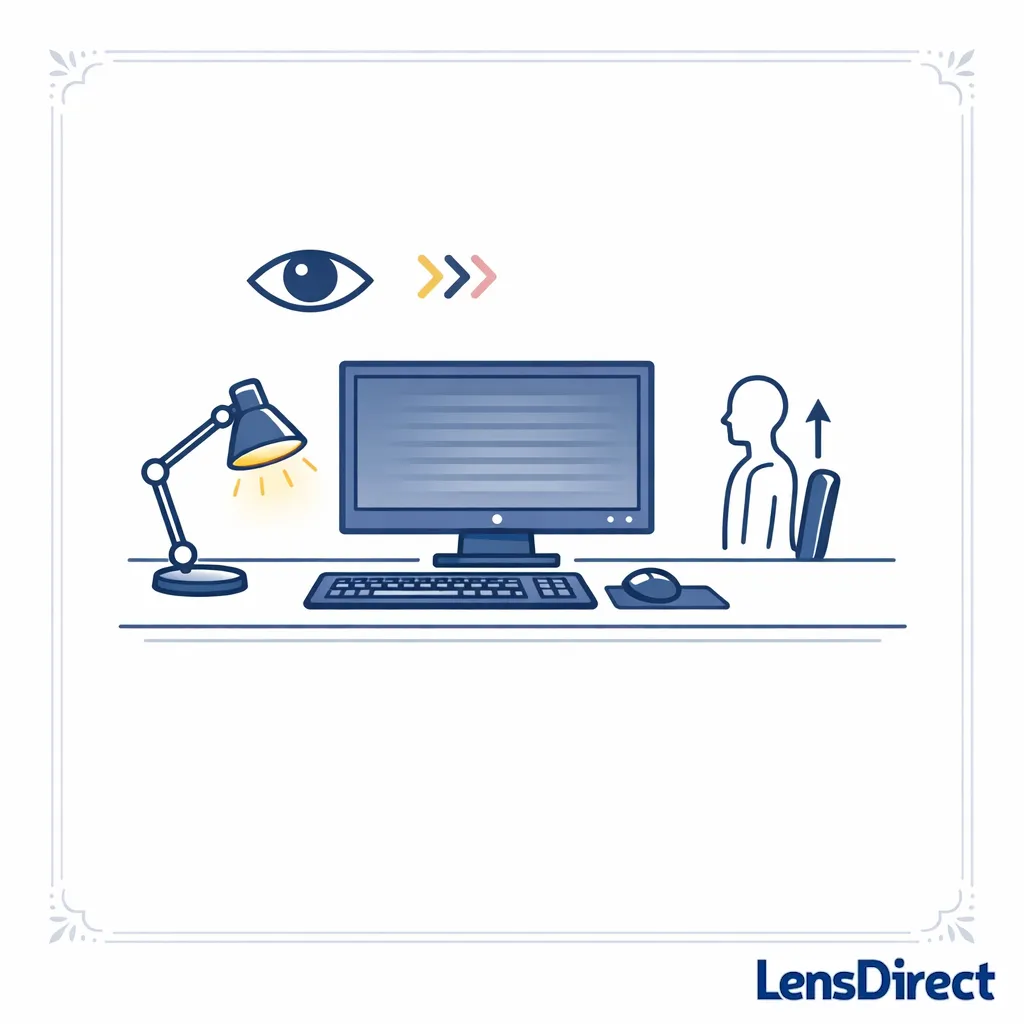
Sometimes it goes away once the trigger is gone.
That is common when the cause is temporary, such as dilation, a brief dry-eye flare, or short-term irritation.
If the source is chronic, like recurring migraine or ongoing dryness, the goal is usually better control rather than a permanent one-time fix.
How do you test for light sensitivity?
There is not a single home test that tells you why you are sensitive to light.
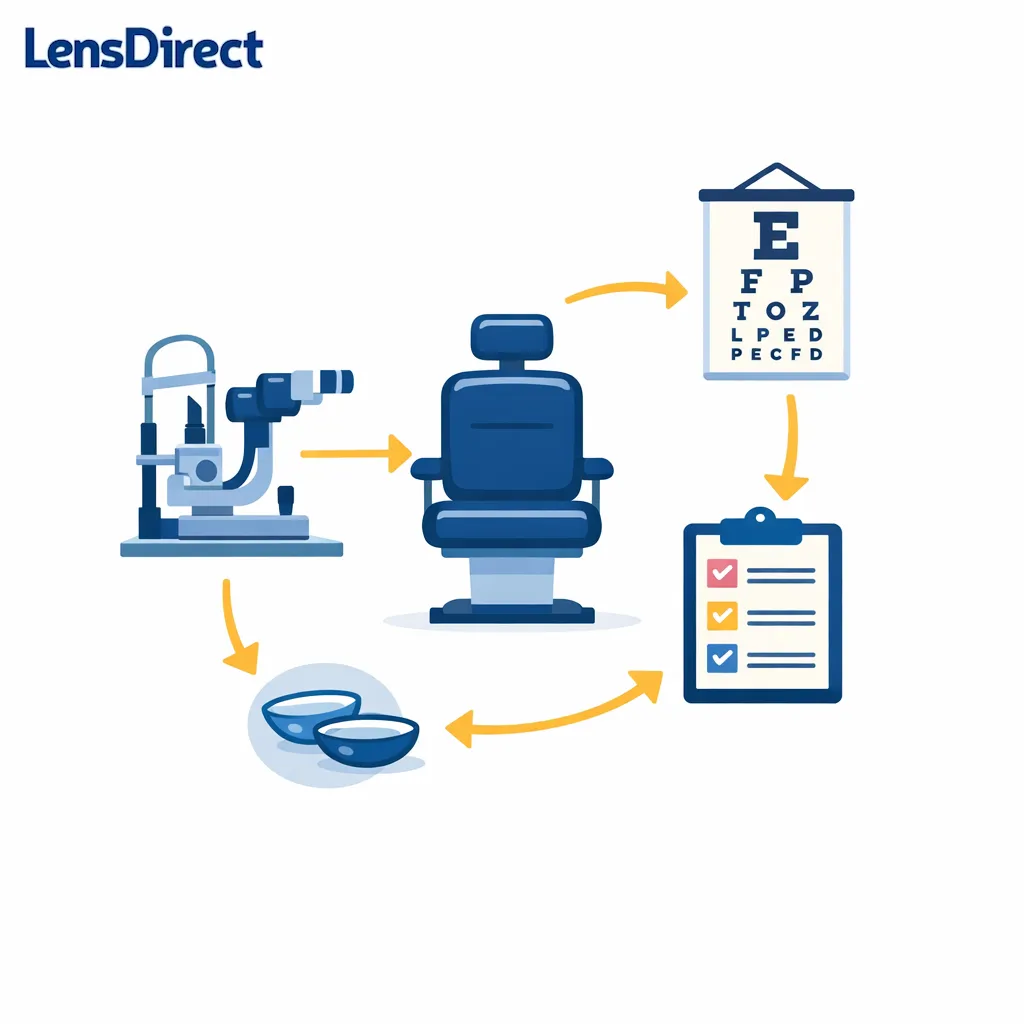
An eye doctor usually starts with your story: when it began, one eye or both, what makes it worse, what medications you take, and whether you wear contacts.
From there, the exam can focus on the eye surface and any signs that the problem may be coming from the eye itself or from something broader.
How to make eyes less light sensitive?
Focus on reducing triggers and fixing the likely cause.
Keep the eye surface comfortable, reduce glare, stay current with your prescription, and do not ignore new symptoms that feel stronger than your usual dryness or headaches.
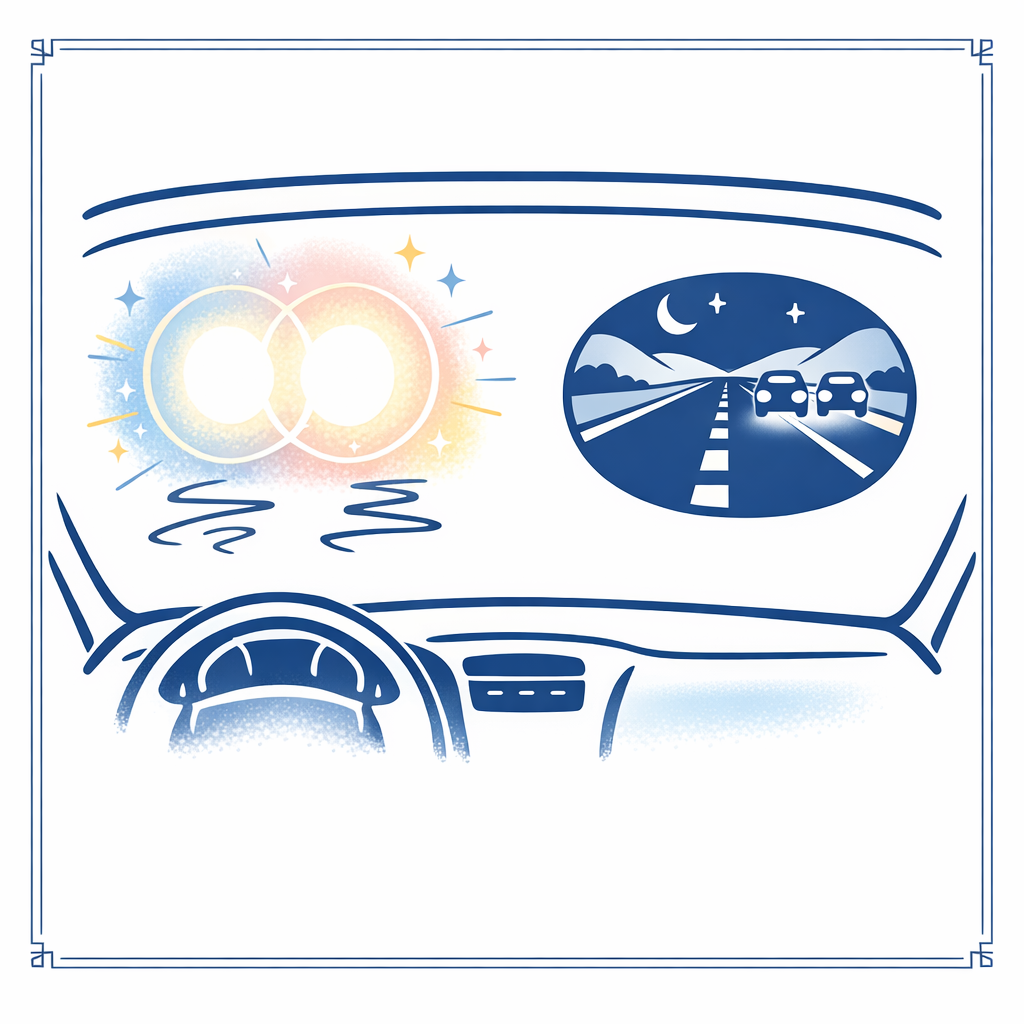
Do eyes get more light sensitive with age?
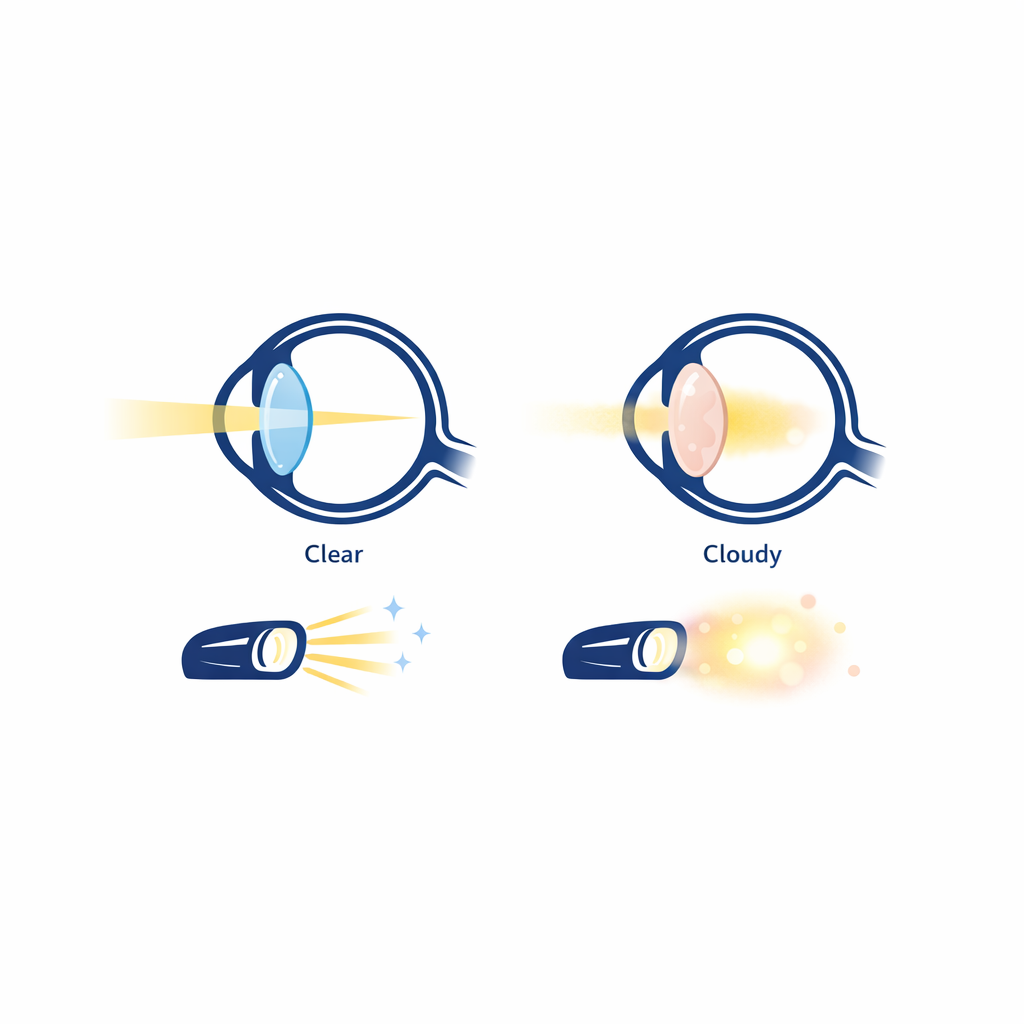
That is one reason some people feel more light-sensitive with age, especially at night or while driving.
What vitamin deficiency causes light sensitivity?
Do not jump straight to supplements.
Because photophobia has many possible causes, guessing based on a vitamin list can delay the care you actually need.
If you are wondering about a deficiency, bring it up with your doctor as part of a full eye and health review.
When light sensitivity is an emergency
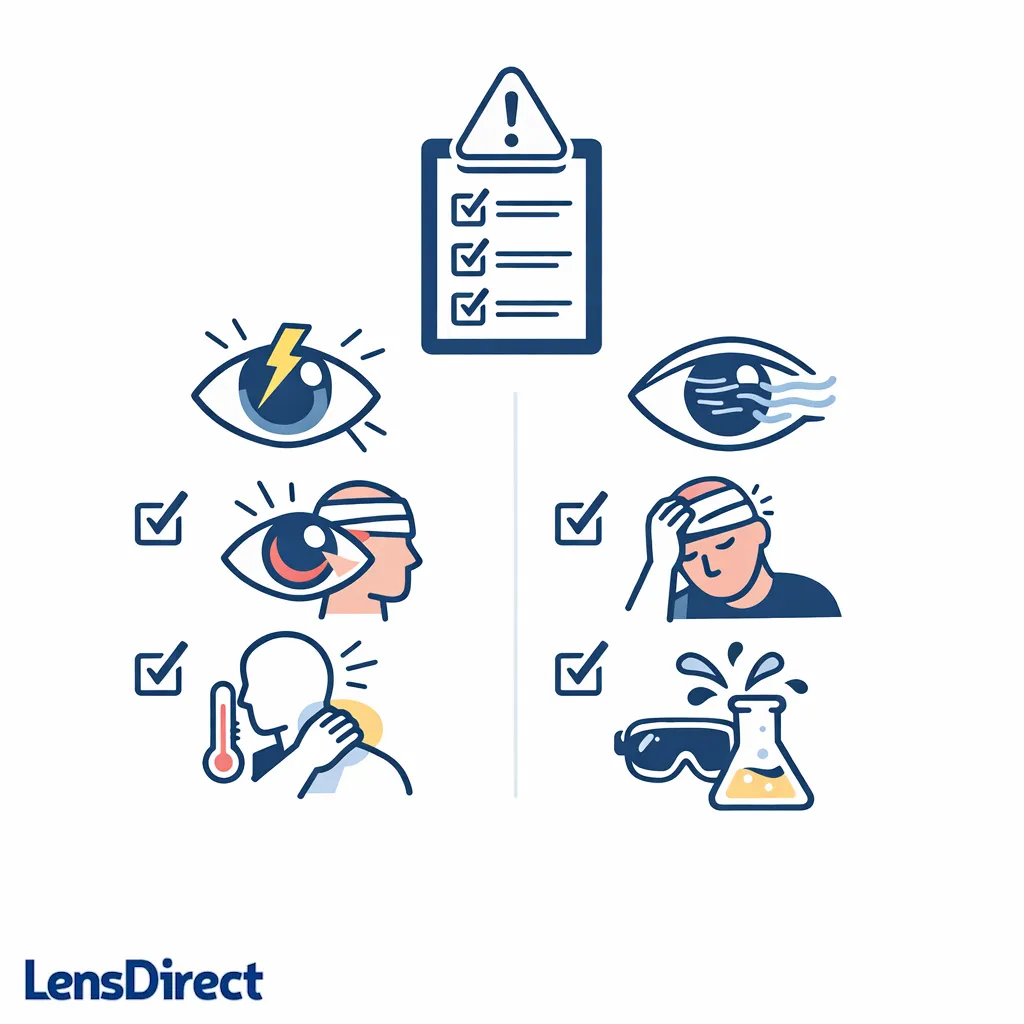
It is also urgent when photophobia appears after head trauma, after an eye injury or chemical splash, or with a very painful, very red eye or sudden vision change.
Red flags that should not wait
- Severe eye pain or a noticeable drop in vision
- A red eye with discharge, swelling, or contact lens pain
- Recent trauma to the head or eye
- Fever, stiff neck, confusion, or an unusually severe headache
- Chemical exposure to the eye
How an eye doctor diagnoses photophobia
Diagnosis starts with context.
Expect questions about timing, headache history, dryness, recent illnesses, screen habits, injuries, medication changes, and contact lens use.
Those clues often narrow the list quickly.
It also helps to be specific about your environment. Say whether the problem is worse in sunlight, at night with headlights, under office LEDs, or only on screens. That kind of detail can be surprisingly useful when your doctor is sorting out dryness, glare, and other possible triggers.
Your doctor may then decide whether the symptom looks most like a surface problem, inflammation, a contact lens issue, migraine-related sensitivity, or something that needs broader medical follow-up. The exact testing depends on what the pattern suggests.
Common mistakes and misconceptions
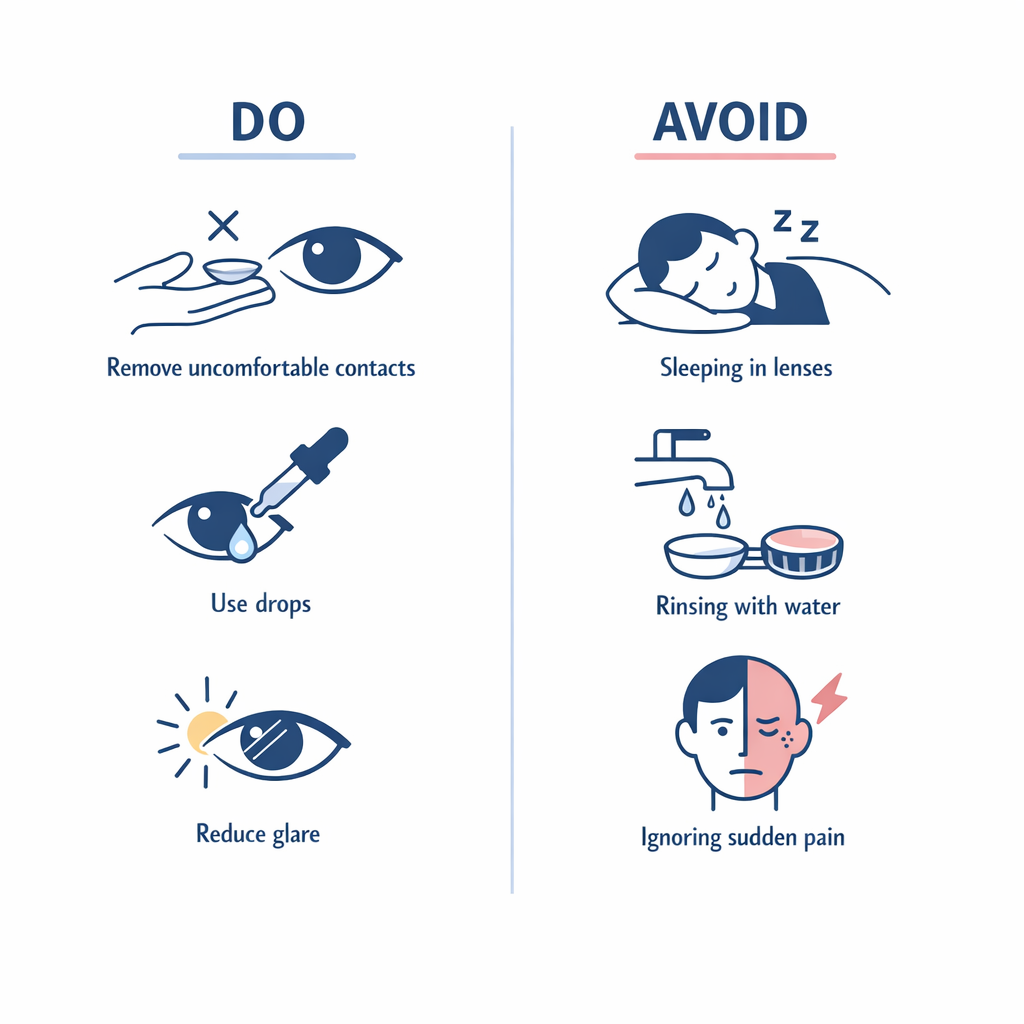
- Thinking photophobia is a disease on its own. It is usually a clue that something else is going on.
- Pushing through contact lens discomfort. If light suddenly hurts while wearing lenses, remove them instead of trying to outlast it.
- Assuming it is “just screens.” Screens can make symptoms more noticeable, but sudden or one-sided symptoms deserve a closer look.
- Focusing only on darkness. Comfort often comes from treating the cause and reducing glare, not from hiding in the darkest room possible.
What to do next
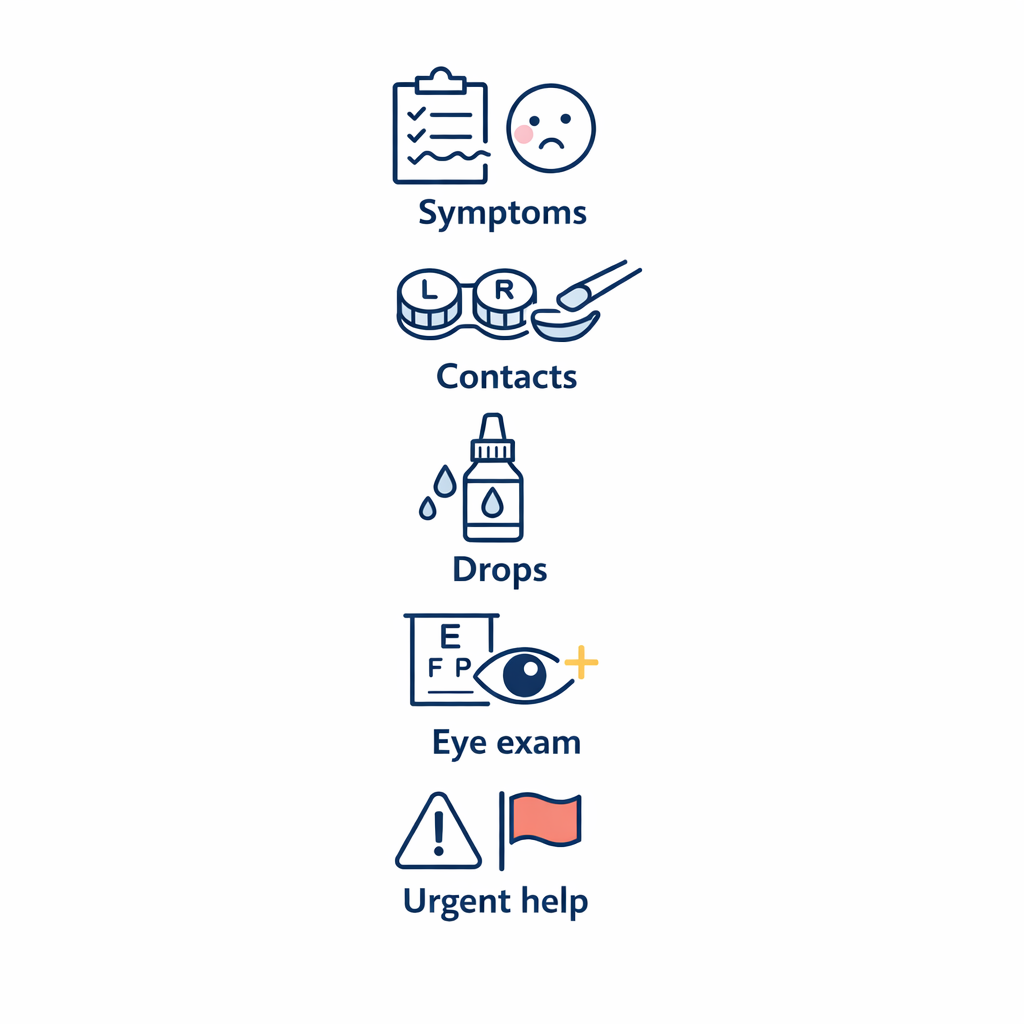
- Write down when the light sensitivity started and whether it affects one eye or both.
- Note other symptoms such as headache, redness, tearing, blurred vision, or recent illness.
- If you wear contacts, remove them and do not sleep, swim, or shower in lenses.
- Try lubricating drops if dryness seems likely, but book an eye exam if symptoms keep returning.
- Seek urgent care now if you have severe pain, vision changes, trauma, fever, stiff neck, or confusion.
- Bring your medication list and a record of any recent eye exam, injury, or new health issue.
Find more comfortable everyday vision
If bright outdoor light is part of the problem, LensDirect can help you Shop Sunglasses that make glare easier to manage.
If contact lens comfort is part of your routine, you can also Shop Contacts or use Find Your Fit if you are deciding between frame styles.
If your frames still fit but your lenses need an update, it may be easier to Replace Your Lenses instead of starting over. You can also Shop Glasses, Learn How to Measure Your Pupillary Distance, or Learn How to Get Reimbursed by Your Insurance as you plan your next pair.
Author

Subscribe to our email newsletter to get the latest posts delivered right to your email.