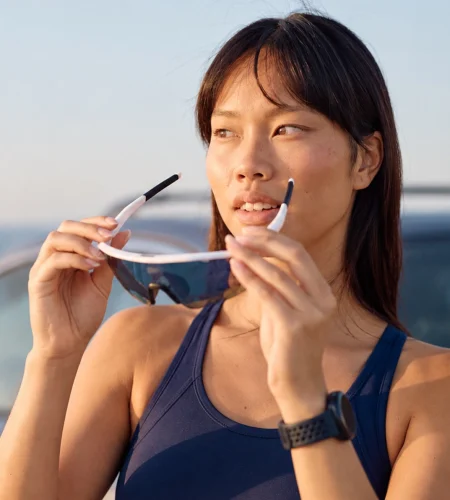
The best online sunglasses are not always the most expensive pair or the trendiest shape. They are the pair that matches how you actually use them, whether that means cutting highway glare on your commute, staying put on a run, or looking good on a Saturday without giving you a headache by lunch.
This guide is for shoppers who want to buy sunglasses online with more confidence, especially commuters, athletes, travelers, prescription wearers, and anyone comparing polarized sunglasses online. You will learn how to choose by use case, what lens features matter, where shoppers get tripped up, and how to decide whether you need a new frame, prescription sunglasses, or simply new lenses in a frame you already love.
The best online sunglasses are the pairs that match your real use case, offer 99% to 100% UVA and UVB protection, use the right lens tint for the job, fit securely, and come from a retailer with clear prescription, return, and replacement options.
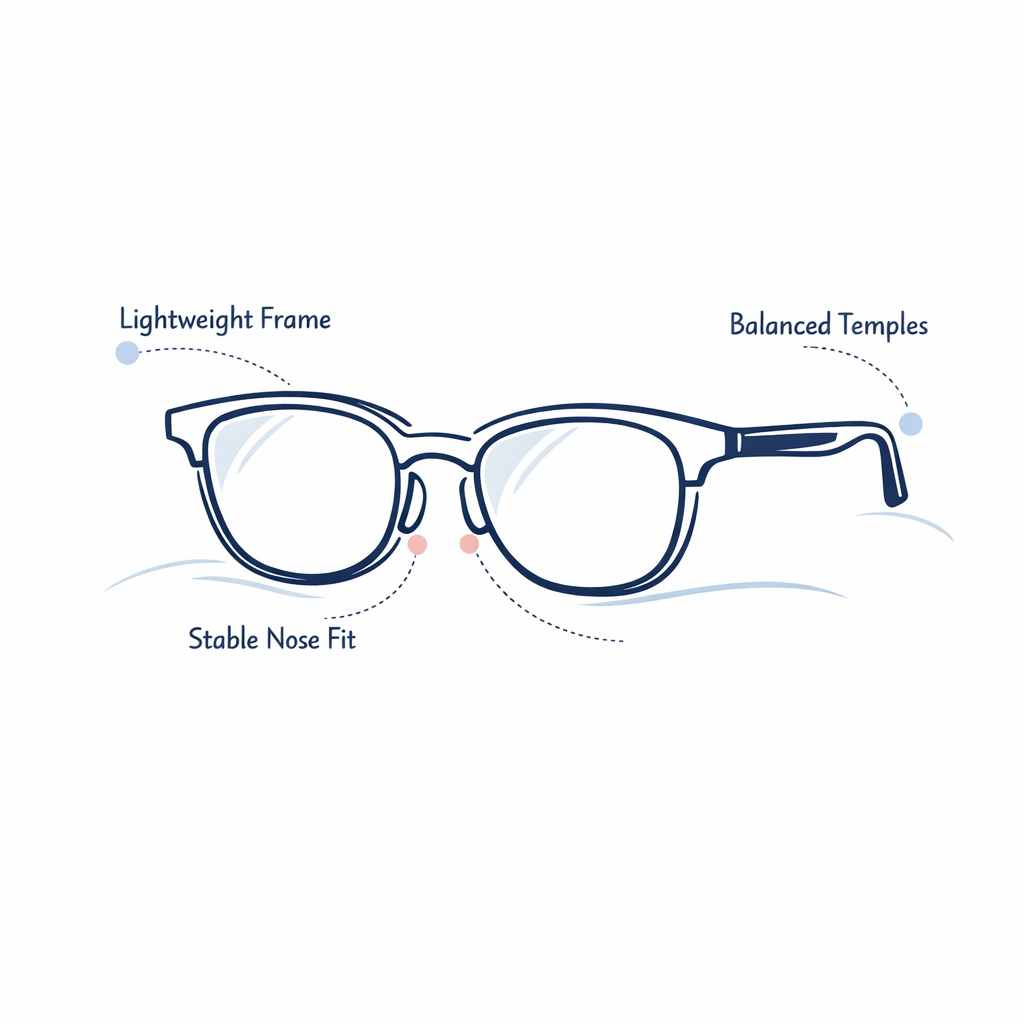
If you want a short answer on everyday wear, start here: the best sunglasses for everyday use are lightweight, comfortable for long stretches, easy to pair with most outfits, and not so specialized that they only work in one setting. A versatile pair usually beats an ultra-technical pair if you plan to wear it from errands to outdoor lunches to weekend travel.
- UV protection: Prioritize lenses with 99% to 100% UVA and UVB blocking.
- Polarization: Useful when reflected glare off roads, water, snow, or other flat surfaces is the main problem.
- Lens tint: Choose a color that matches your use case, not just your style preference.
- Fit: A great frame should stay put, avoid cheek rub, and feel balanced across the bridge and temples.
- Retailer support: Clear returns, prescription options, and lens replacement flexibility matter when you buy sunglasses online.
Best online sunglasses by use case
Best sunglasses for driving
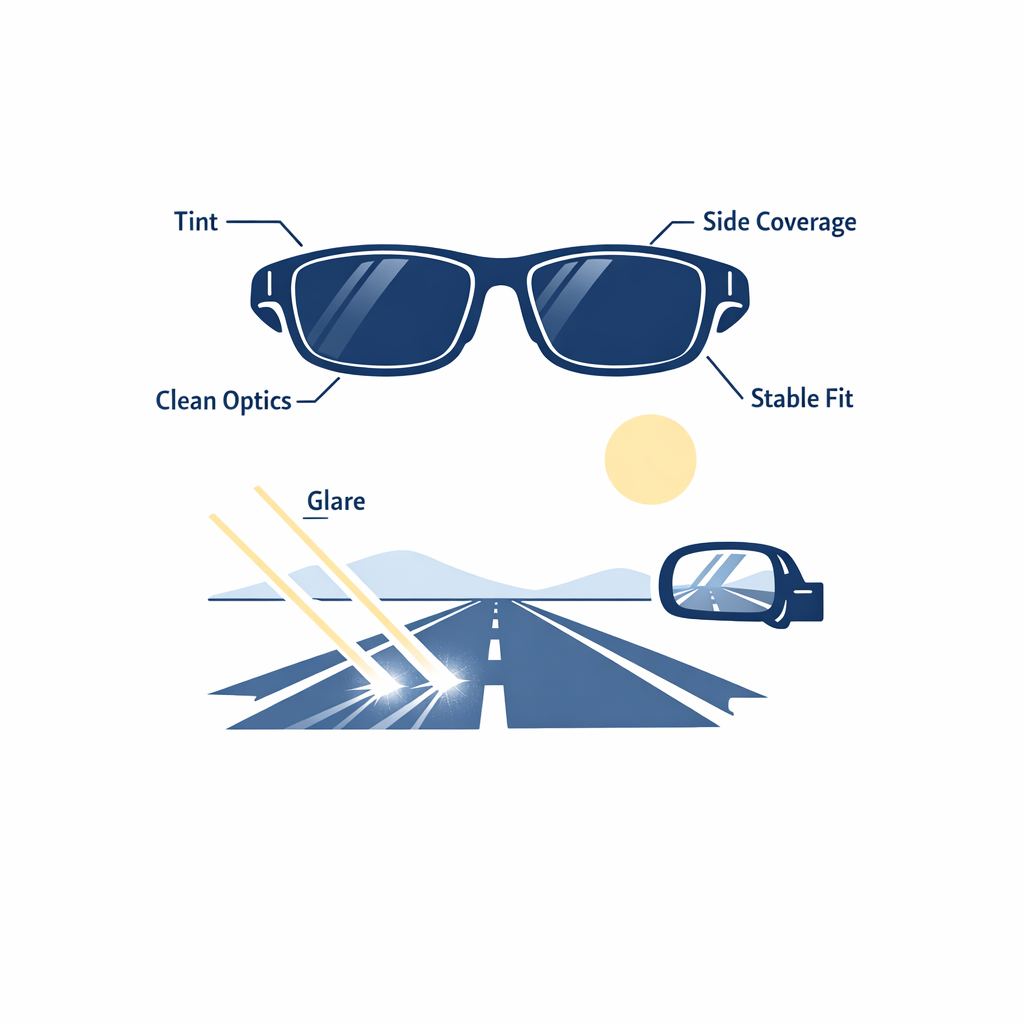
If you spend real time behind the wheel, the best sunglasses for driving help you see the road clearly without turning everything too dark or distracting. For most daytime drivers, that means starting with a gray or brown lens, a moderate tint, and a frame that gives decent side coverage without feeling oversized.
For many drivers, polarized lenses can cut reflected road glare but may also affect how some LCD dashboards or screens appear. That tradeoff is why driving sunglasses are not one-size-fits-all. If glare is your biggest complaint, polarization is often worth it. If you rely heavily on a car display, test that feature before making it your only pair.
Driving frames should also feel stable when you turn your head, check mirrors, or wear them for an hour or more. Thin, slippery temples and heavy fashion frames often look great in photos but can become annoying fast on daily commutes.
- Best for: commuters, long-distance drivers, bright daytime travel
- Look for: medium tint, clean optics, optional polarization, comfortable nose fit
- Usually avoid: very dark lenses, tiny lenses with poor coverage, bulky frames that interfere with mirror checks
- Prescription tip: If you already wear glasses to drive, prescription sunglasses online are usually better than constantly switching between clear glasses and clip-ons
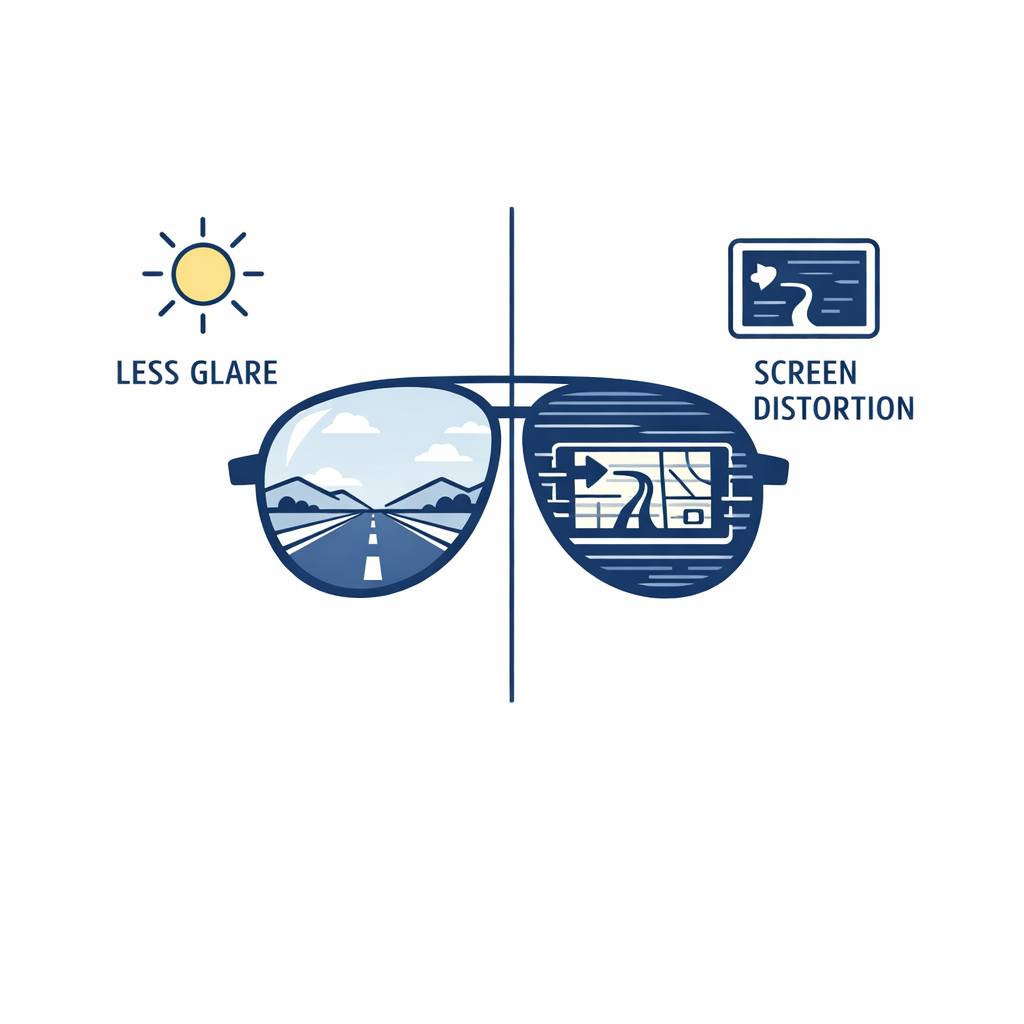
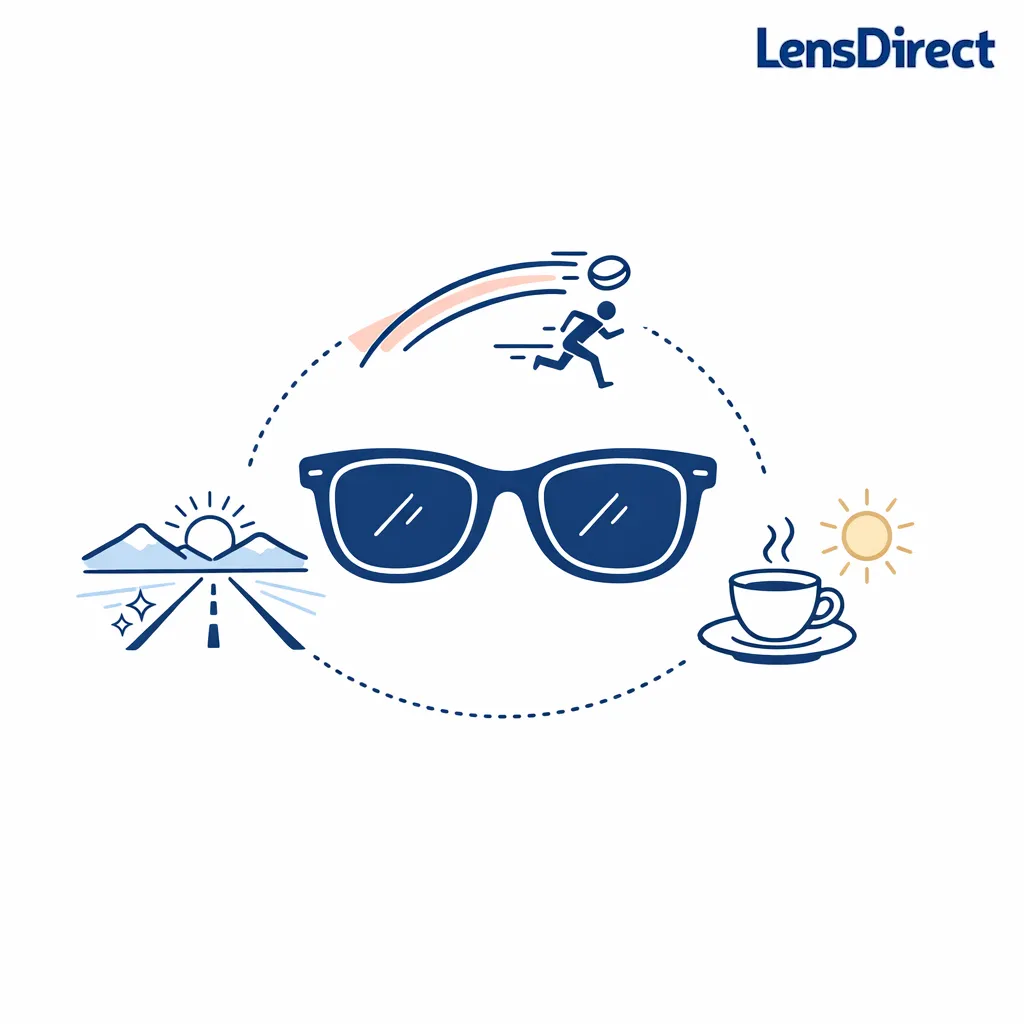
Which sunglass lenses are best for driving? In plain English, start with a neutral or warm tint you can tolerate for long wear, then decide if glare reduction matters enough to add polarization. If you only want one pair, do not over-specialize. A good driving pair should still work when you stop for coffee, walk across a parking lot, or spend time outside after you arrive.
Best sunglasses for sports
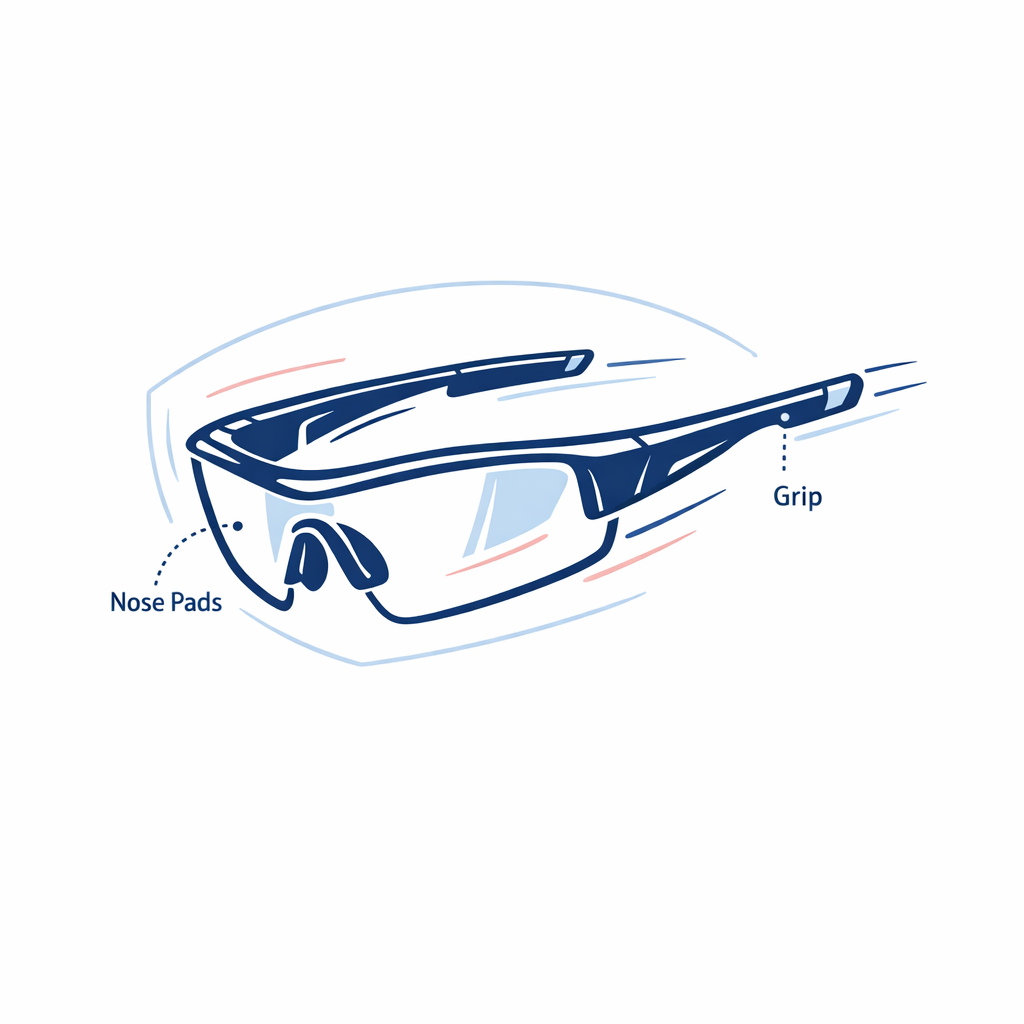
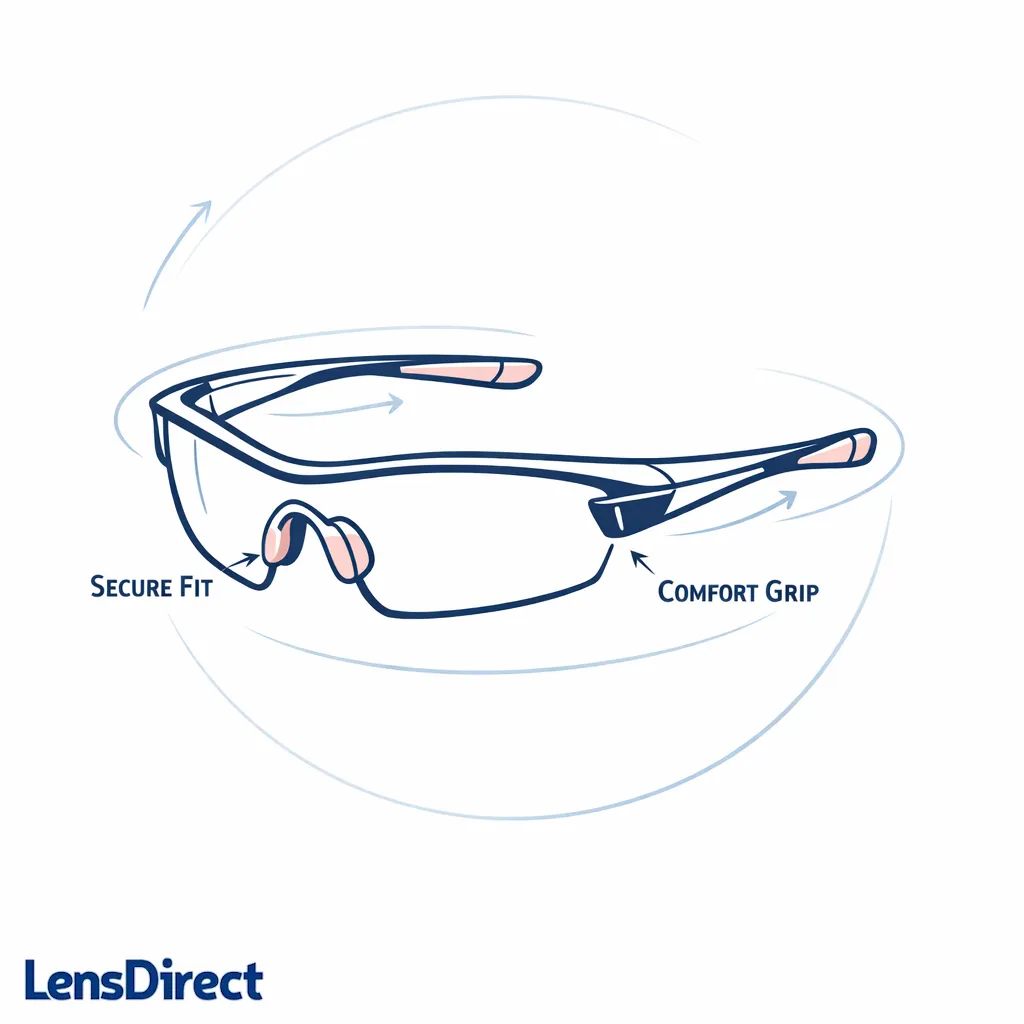
The best sunglasses for sports are built around movement. That means secure grip, enough coverage to protect your eyes from wind and sun, and a shape that stays put when you sweat, sprint, jump, or look down at the ground in front of you.
Sport sunglasses fit matters more than most shoppers expect. A frame that looks fine standing still can bounce on a run, slide down your nose on a humid day, or leave gaps that let in too much light. If you are shopping for cycling, running, skiing, pickleball, golf, or beach activity, prioritize hold and coverage before style details.
- Best for: running, cycling, hiking, court sports, snow days, water use
- Look for: lightweight frame, grippy nose pads or temple tips, wrap or semi-wrap coverage, larger lens area
- Usually avoid: loose low-bridge fits, very flat fashion fronts, heavy acetate if you mainly wear them for training
- Prescription tip: If you need vision correction, compare direct prescription sport frames against replacing lenses in an existing favorite frame
If your sport involves reflected glare off pavement, water, or snow, polarization can be a big upgrade. If your sport involves quick head movement, heat, or frequent indoor-outdoor transitions, comfort and stability often matter even more than lens extras. The best sports sunglasses are the pair you forget you are wearing.
Best sunglasses for everyday wear
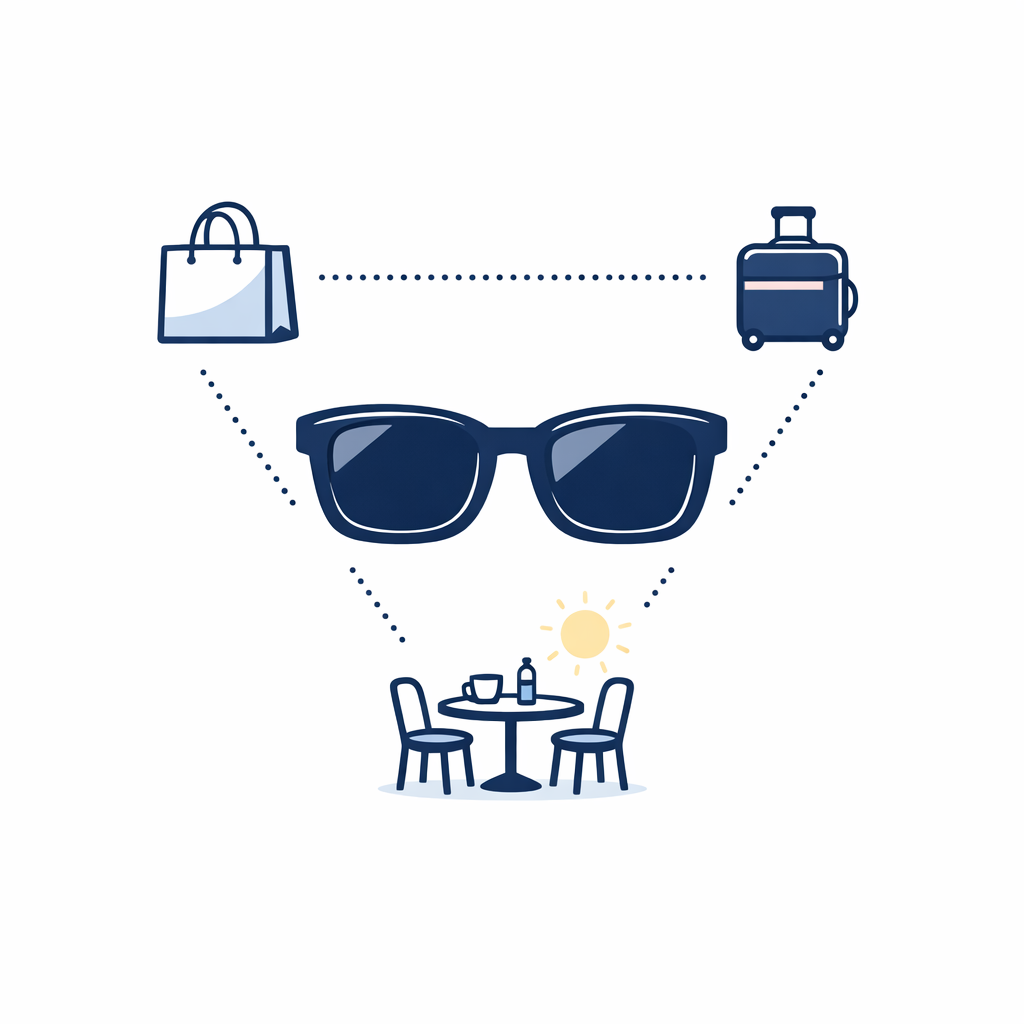
For everyday use, the best online sunglasses are usually the most versatile pair in your rotation. They work with casual clothes, fit easily in your bag or car, and feel natural enough that you reach for them without overthinking it.
This is where many shoppers should start, especially if they are buying one primary pair. Look for a frame with balanced coverage, a moderate lens tint, and a shape that suits your face without feeling costume-like. A classic square, soft round, wayfarer-inspired, or gently oversized frame tends to be easier to wear across more settings than a highly wrapped sport shield or a tiny trend frame.
- Best for: errands, patio dining, walking, travel, weekend wear
- Look for: lightweight comfort, versatile shape, all-day wearability, simple tint choice
- Usually avoid: highly specialized performance geometry if you want one do-everything pair
- Prescription tip: Everyday prescription sunglasses are often the best first purchase because they cover the most situations
What makes the best sunglasses for everyday use? Comfort comes first, then versatility. If a pair pinches, slips, fogs on your face, or feels too dramatic for most of your life, it will not become your best pair no matter how good it looks on the product page.
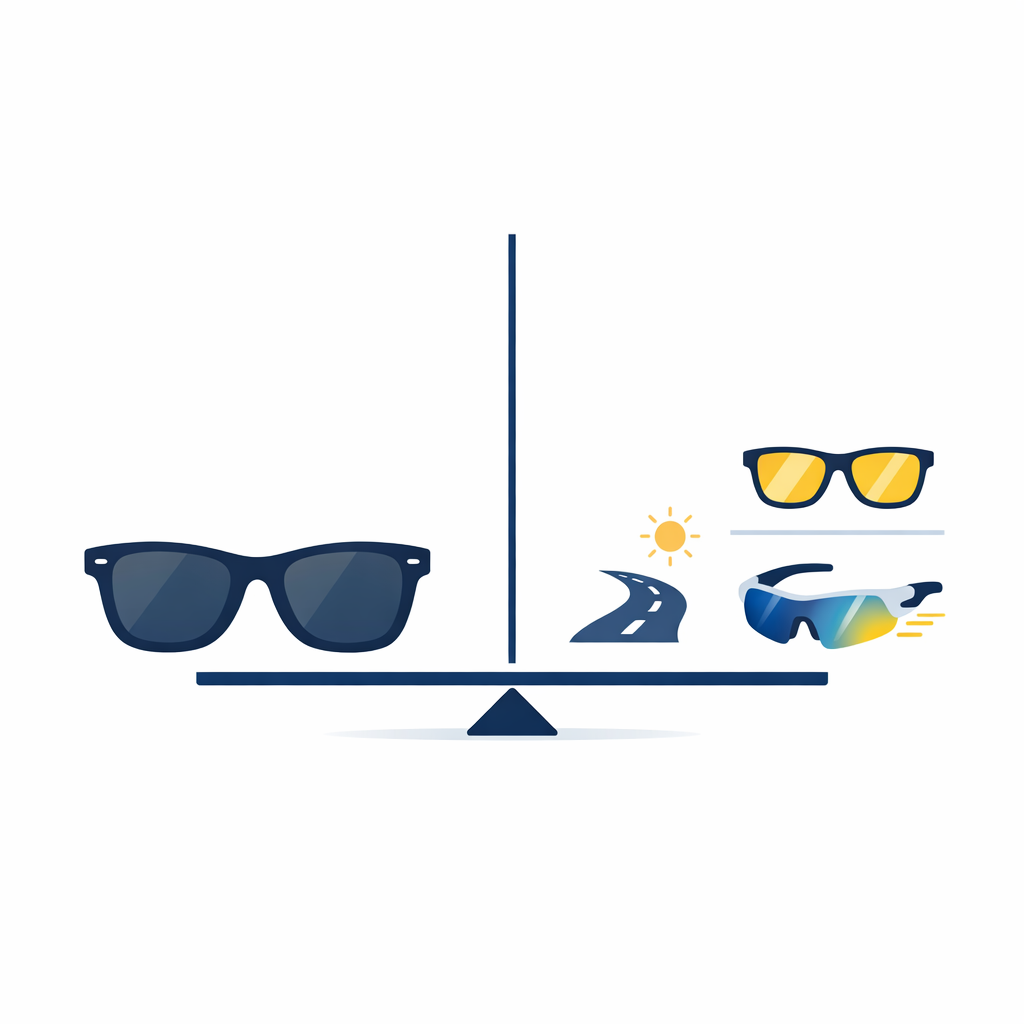
How to choose the right sunglasses online
Polarized vs non-polarized
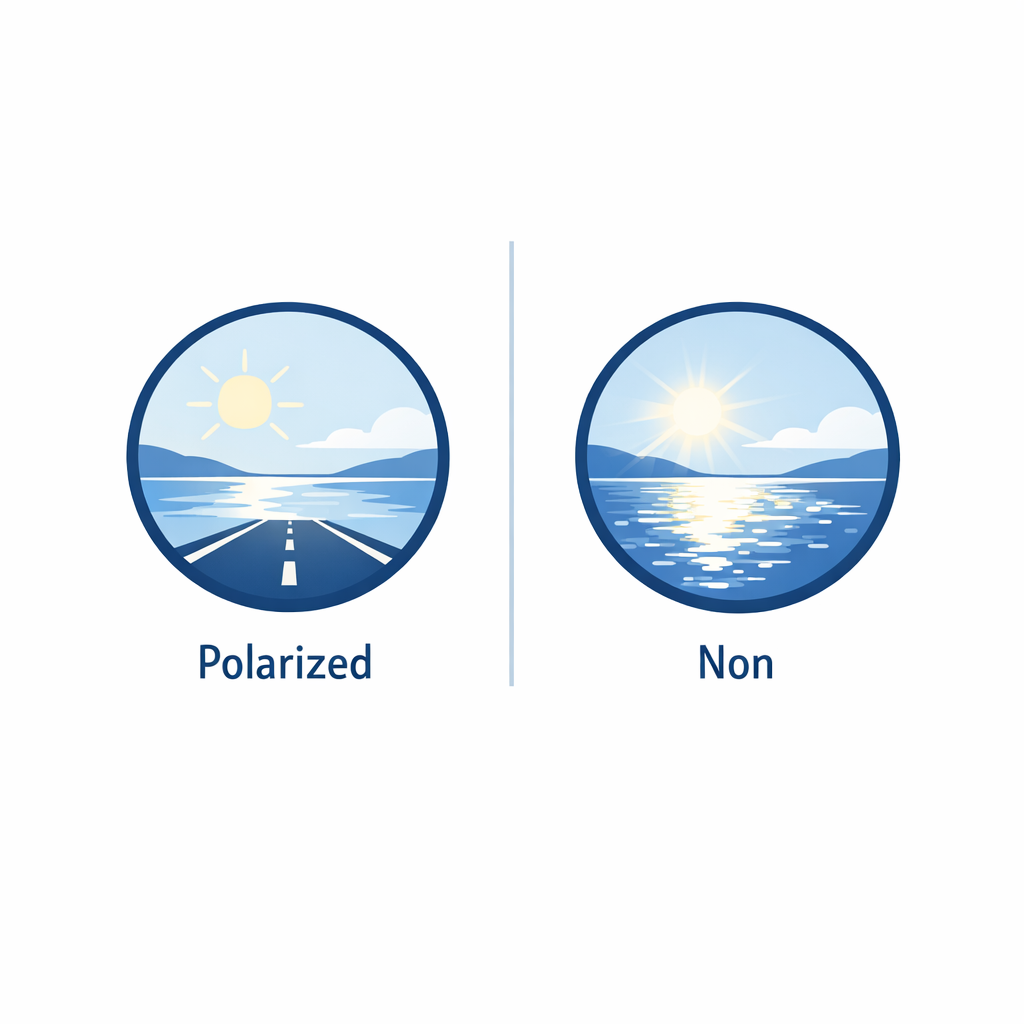
Polarization is a filter that targets intense reflected glare. It is most useful when light is bouncing off flat surfaces like roads, water, snow, and car hoods. That is why polarized sunglasses online are especially popular for driving, boating, fishing, beach use, and bright open environments.
Non-polarized lenses are not worse by default. They can still be an excellent choice if you want simple sun protection, if you are price-sensitive, or if you prefer not to deal with possible screen visibility quirks.
Which is better, UV or polarized? They do different jobs. UV-blocking lenses protect your eyes from harmful ultraviolet radiation, while polarized lenses reduce reflected glare. If your budget allows, the better answer is usually both, because glare control does not replace sun protection.
Best lens colors for driving, sports, and daily wear
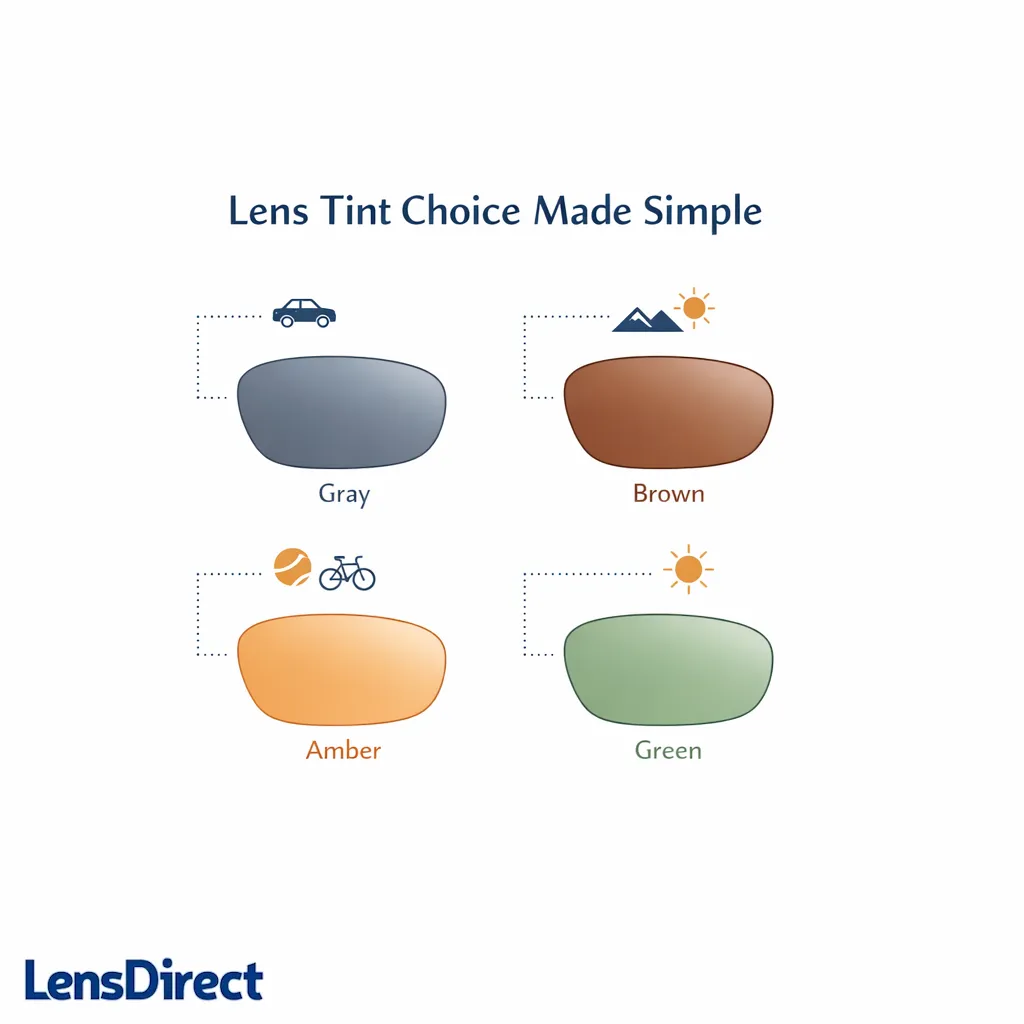
If you want the simplest everyday answer, start with gray. It is the easiest all-around pick for shoppers who want one pair that works in lots of settings without feeling overly warm, sporty, or stylized.
For driving and many outdoor activities, brown or amber can be appealing if you like a little more contrast. For sports, that extra contrast can make terrain, pavement, or ball tracking feel more defined. Green can be a nice middle ground if you want something versatile but a little less flat than gray.
What color sunglass lenses are best for everyday use? If you are unsure, choose gray first, then branch into brown, amber, or green only if you know you prefer a more contrast-forward view. For most shoppers buying sunglasses online, a neutral tint is the lowest-risk choice.
UV protection, lens material, and durability
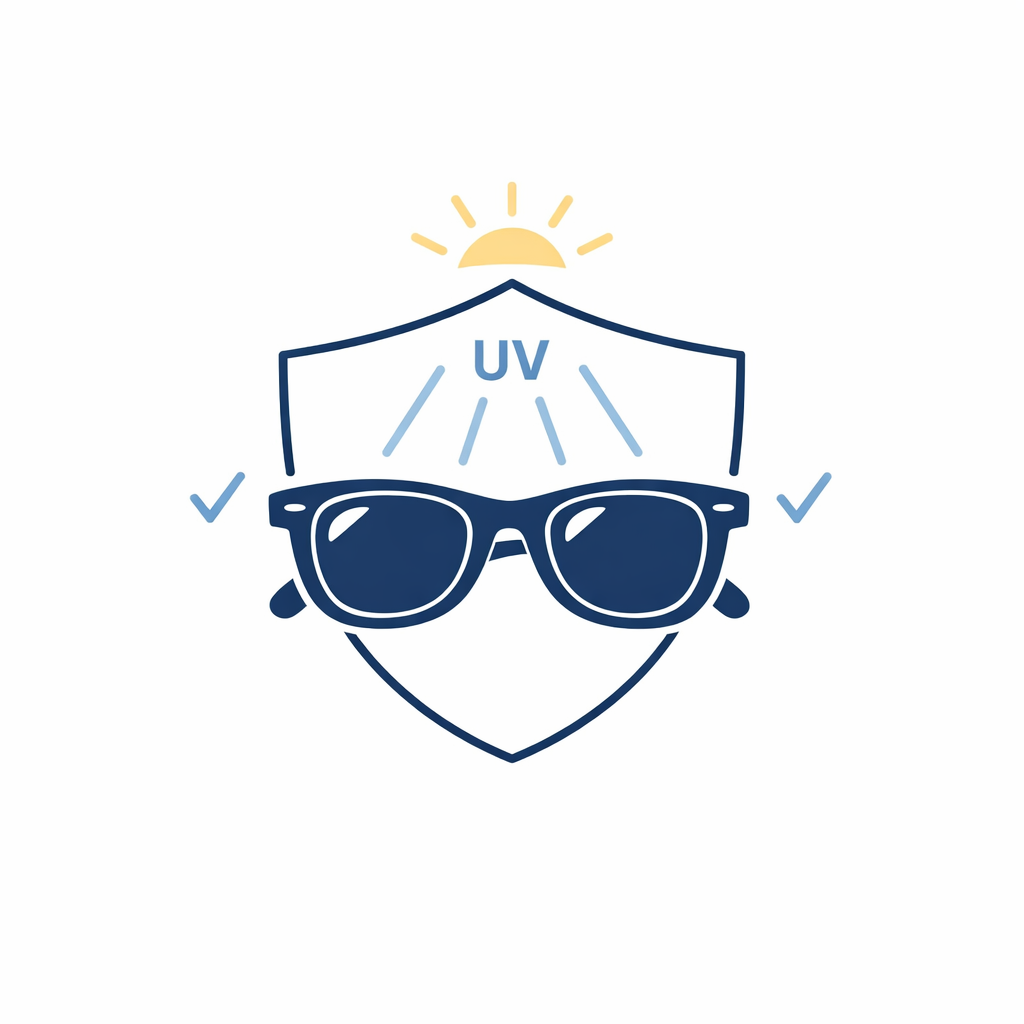
At minimum, your sunglasses should block 99% to 100% of UVA and UVB rays. This matters more than brand prestige, logo size, or whether the frame is trendy. If a product page does not clearly state the level of UV protection, keep shopping.
It also helps to know that consumer eyewear in the United States is subject to an impact-resistance standard for eyeglass and sunglass lenses sold in the U.S. That is a baseline, not a reason to stop comparing quality. In real life, durability still comes down to frame construction, hinge quality, lens thickness, and whether the pair was designed for casual wear or active use.
If you are choosing between lens upgrades, prioritize what affects daily use first. Good UV protection, a tint you enjoy, and the right glare control usually matter more than stacking every possible add-on. For active shoppers, scratch resistance and stable fit often beat cosmetic extras.
Fit, face shape, and comfort
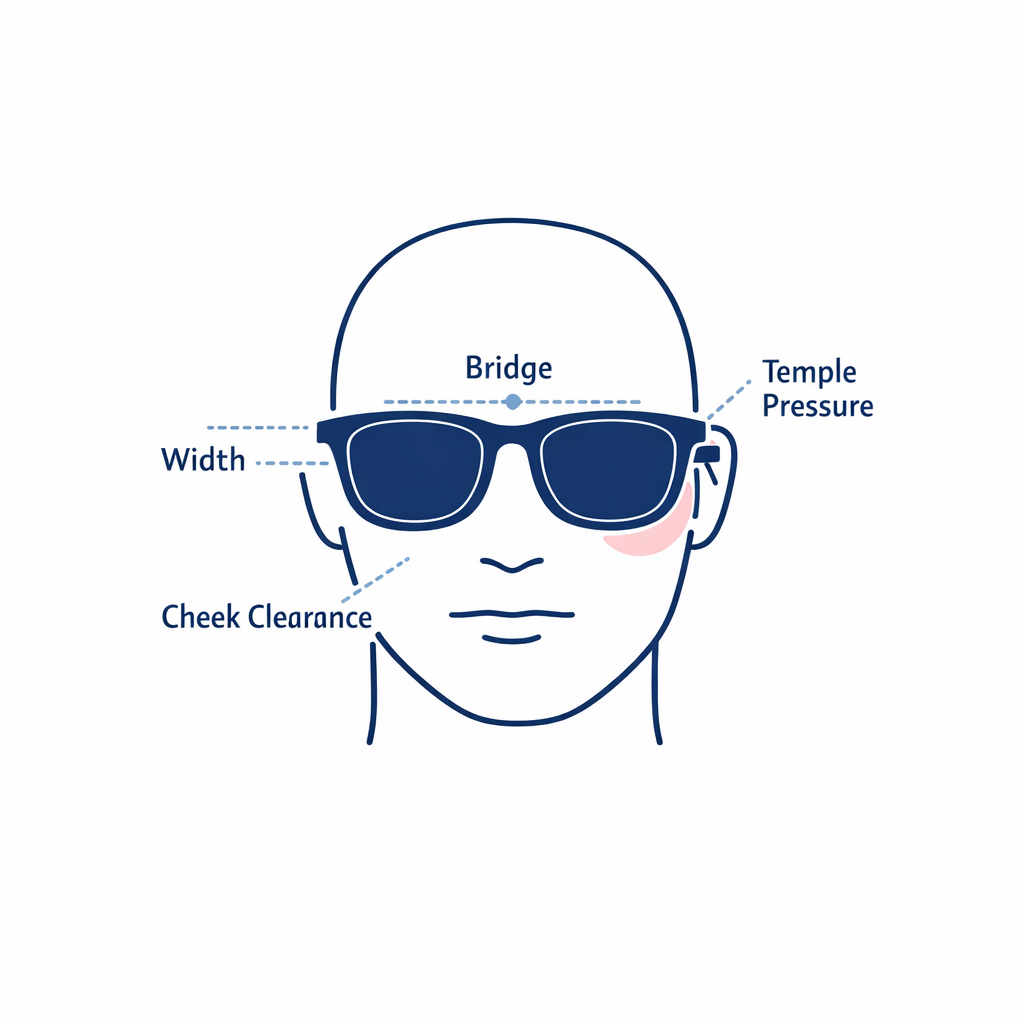
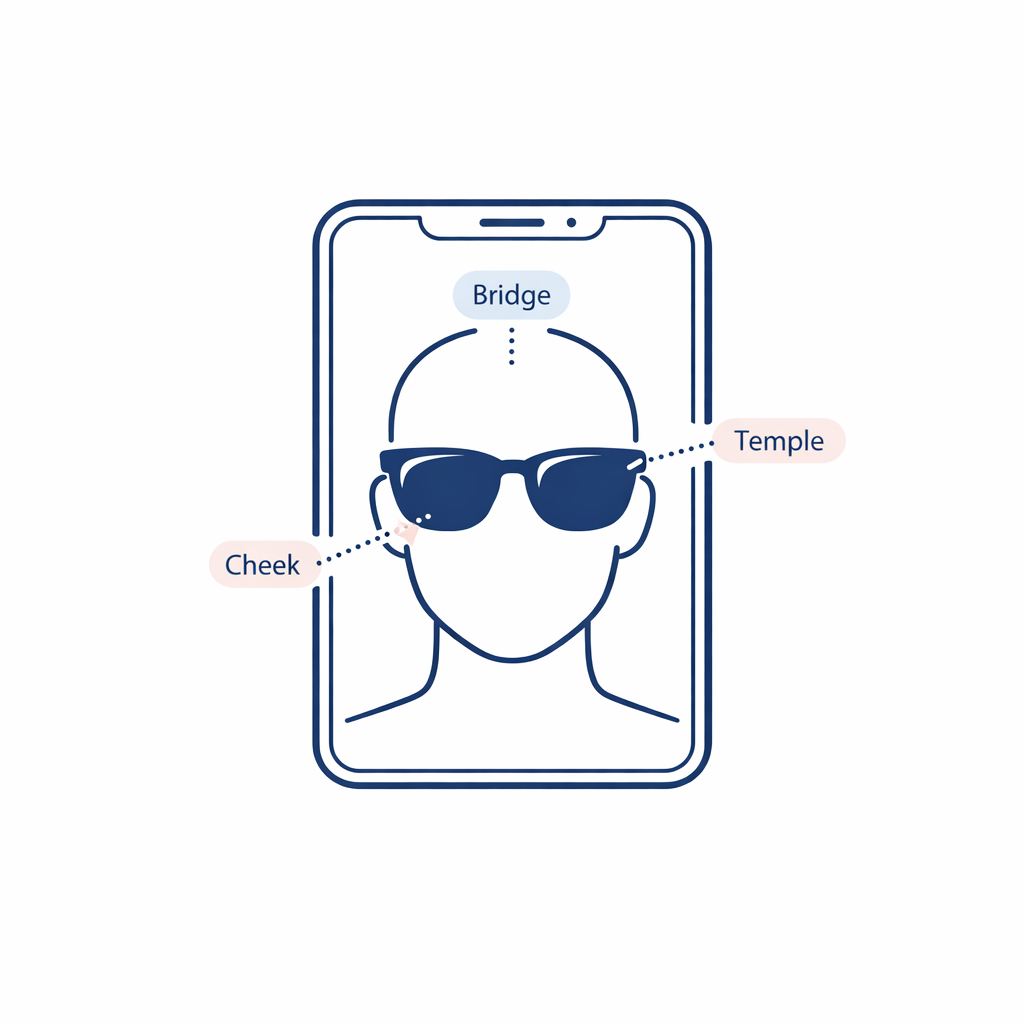
When people search for the best online sunglasses, they often focus on style first and dimensions second. That usually leads to returns. Fit is what determines whether a pair feels secure and flattering after the first five minutes.
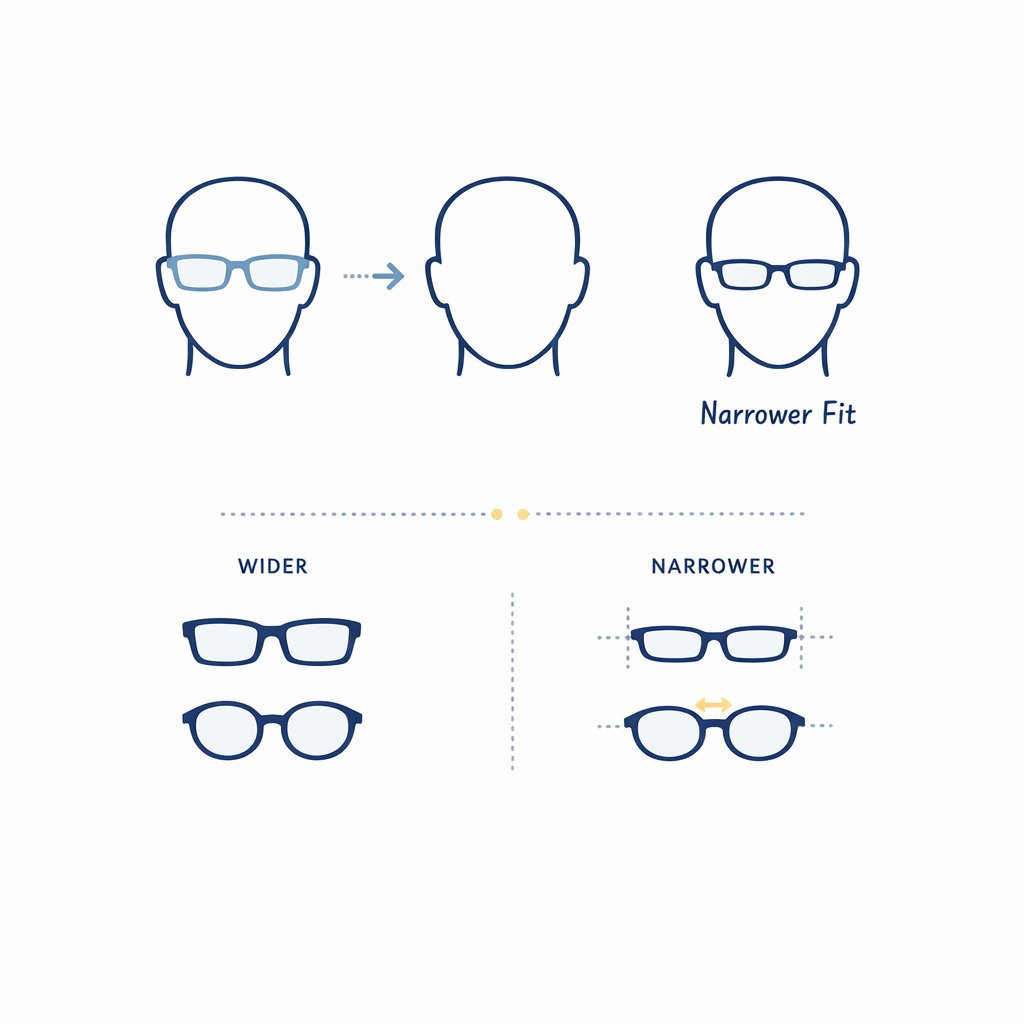
Pay attention to overall width, bridge shape, temple pressure, and where the frame sits on your cheeks. If the bottom edge touches your face every time you smile, the fit is probably wrong. If the frame slides when you look down, it will likely be worse outside in heat or sweat.
Face shape guides can help you narrow options, but measurements and comfort cues are what finish the job. If you want a faster way to sort styles, LensDirect offers tools to Find Your Fit before you commit.
What matters most when buying sunglasses online
Prescription options and lens replacement flexibility
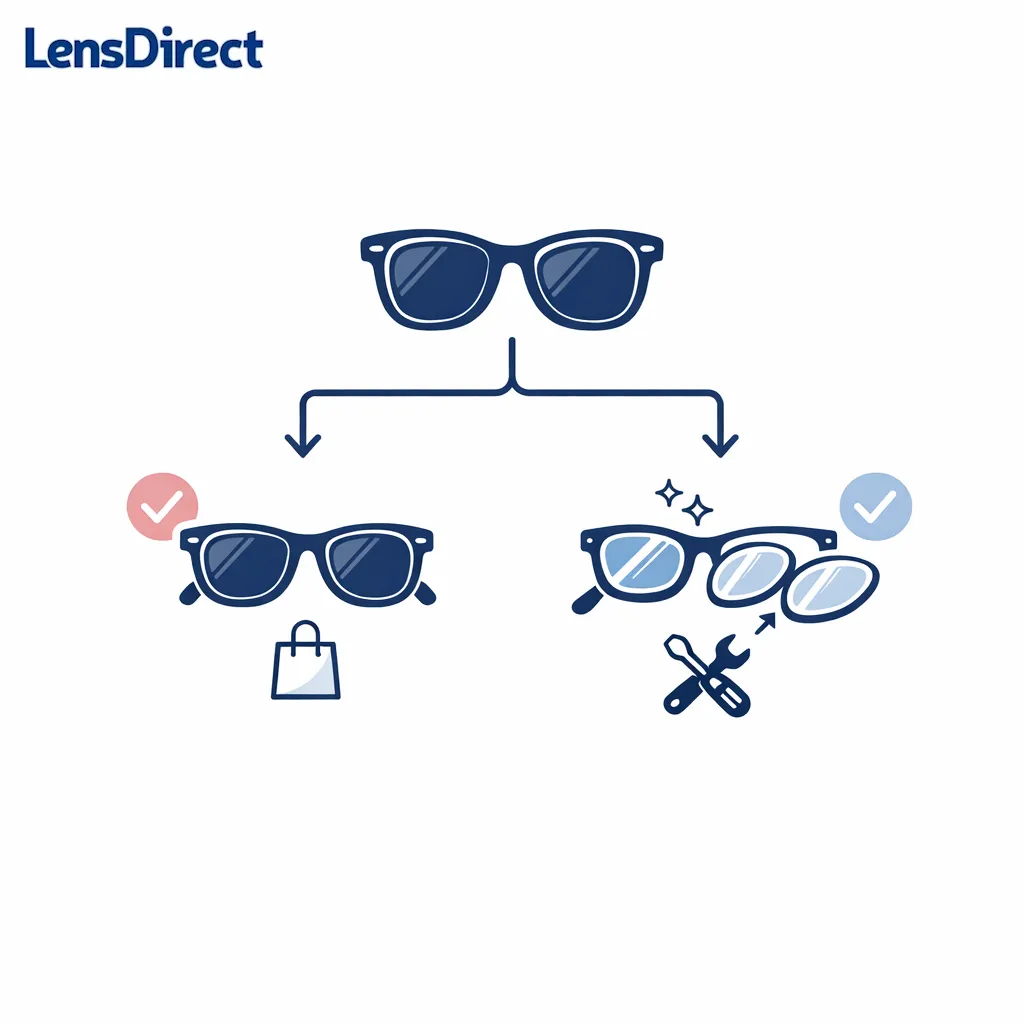
If you wear corrective lenses, your best online sunglasses decision may be less about the frame and more about the lens path. Some shoppers need a fully new pair of prescription sunglasses online. Others already own a frame they love and just need better lenses for driving, sports, or daily wear.
That is where flexibility matters. Instead of replacing the whole pair, you may be better off choosing to Replace Your Lenses. LensDirect also offers a full-service send-it-in option and a DIY replacement lens option if you want to refresh frames you already own.
Before ordering prescription sunwear, make sure you have a current prescription and your pupillary distance. If you still need that measurement, you can Learn How to Measure Your Pupillary Distance first.
Price tiers: budget, mid-range, premium
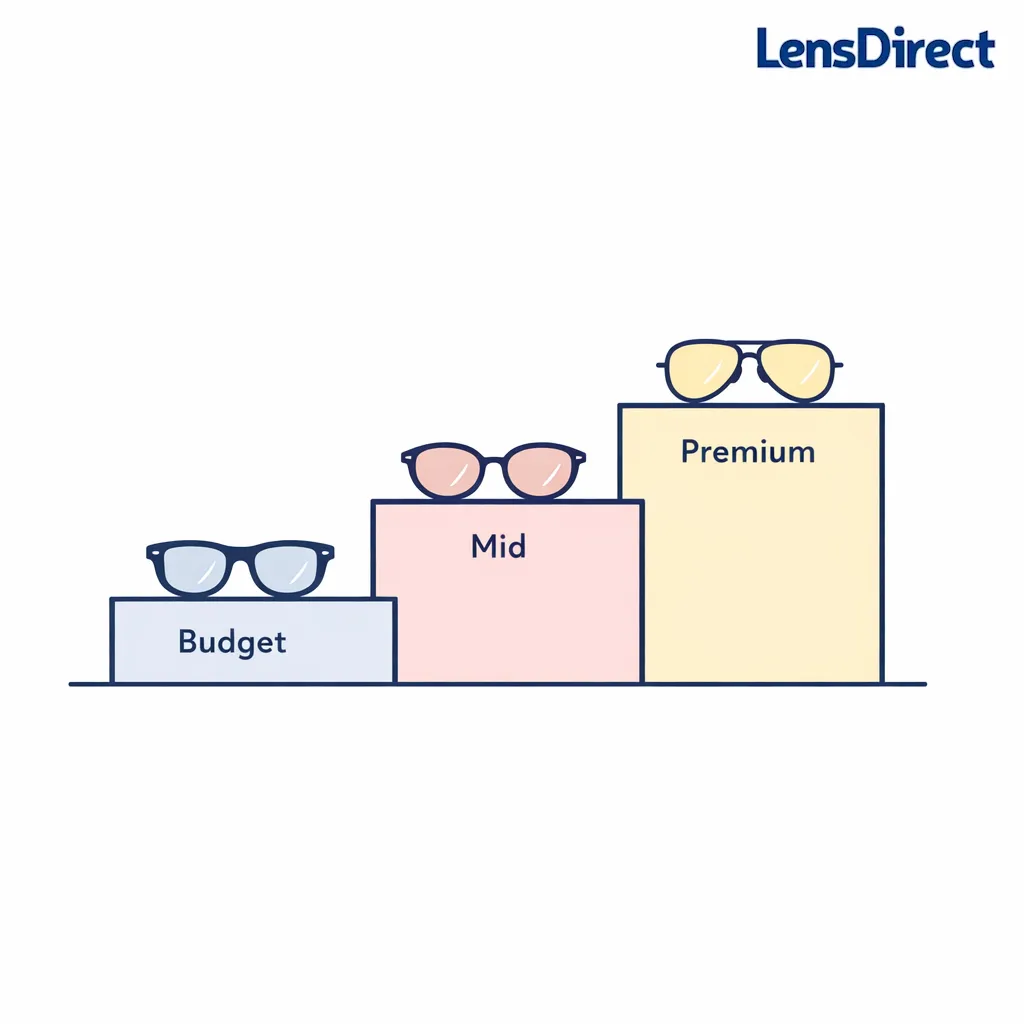
Budget sunglasses are great for backups, travel, trend testing, and occasional use. The catch is that low prices only feel like a win if the pair still fits well and clearly states its core lens protection.
Mid-range sunglasses are where many shoppers find the best value. This is often the sweet spot for better frame finishes, more lens choices, stronger consistency, and more useful prescription options without moving into luxury pricing.
Premium sunglasses make sense when fit is difficult, style matters a lot to you, or you want to keep a frame for years and possibly update the lenses later. More expensive does not automatically mean better for driving or sports. The wrong tint in a luxury frame is still the wrong pair.
Return policies, warranties, and virtual try-on
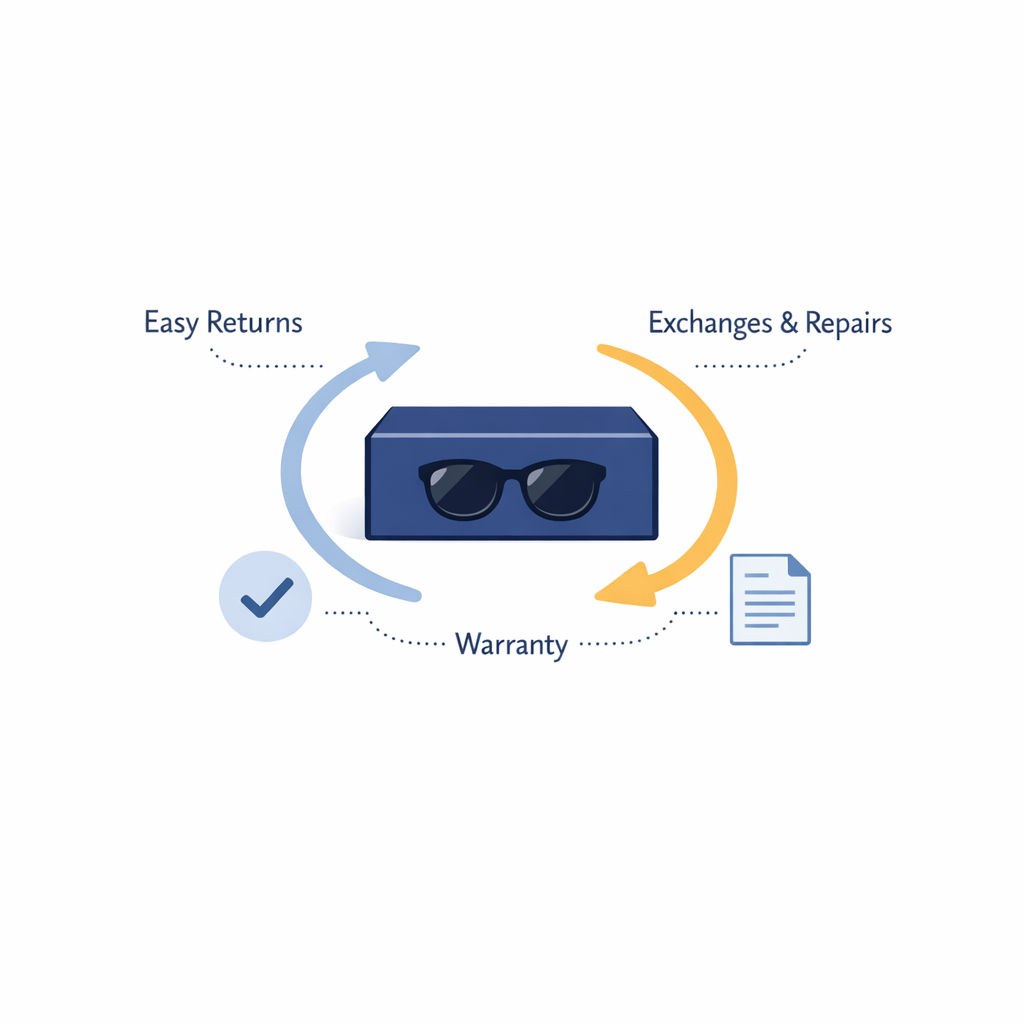
Buying sunglasses online gets easier when the retailer makes corrections easy. Check the return window, whether prescription lenses have a remake policy, whether warranty language is clear, and whether replacement lenses are available later.
Virtual try-on is helpful for shape and scale, but it does not tell you everything. It cannot fully predict cheek contact, temple squeeze, or how the frame will feel after a long drive or a hot walk. Use it as a filter, not a final answer.
If you use out-of-network vision benefits, reimbursement can also change the value equation. LensDirect makes it easy to Learn How to Get Reimbursed by Your Insurance before you place an order.
Common mistakes shoppers make
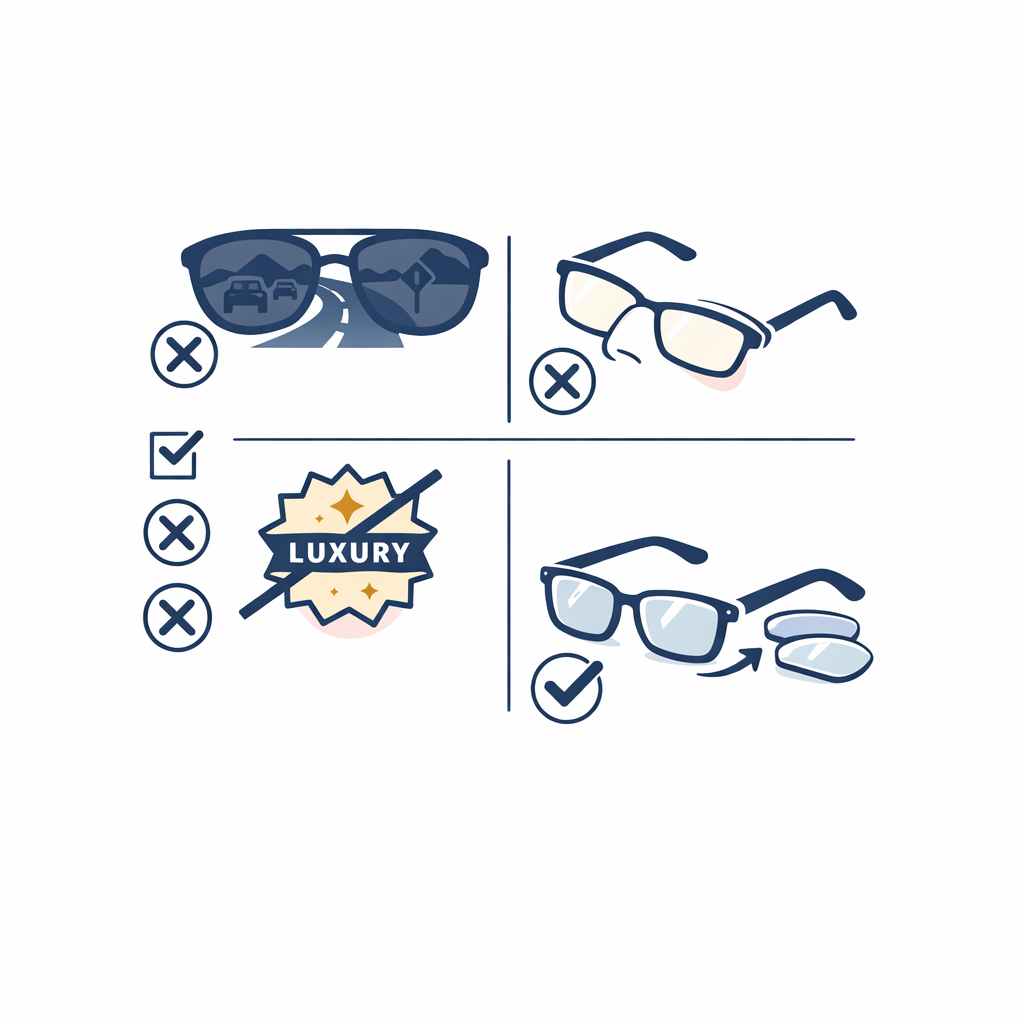
- Buying by brand alone: A recognizable logo does not tell you whether the pair is right for highway glare, weekend sports, or all-day comfort.
- Confusing UV protection with polarization: Remember that UV protection and polarization solve different problems.
- Choosing your only pair as if it were a specialty pair: A highly wrapped sport frame may be perfect for cycling but awkward for office-to-dinner use.
- Going too dark: Darker is not always better. A tint that feels too heavy can make a pair less usable in everyday life.
- Ignoring replacement options: If you love your frame, changing the lenses may be smarter than starting over.
Best picks comparison
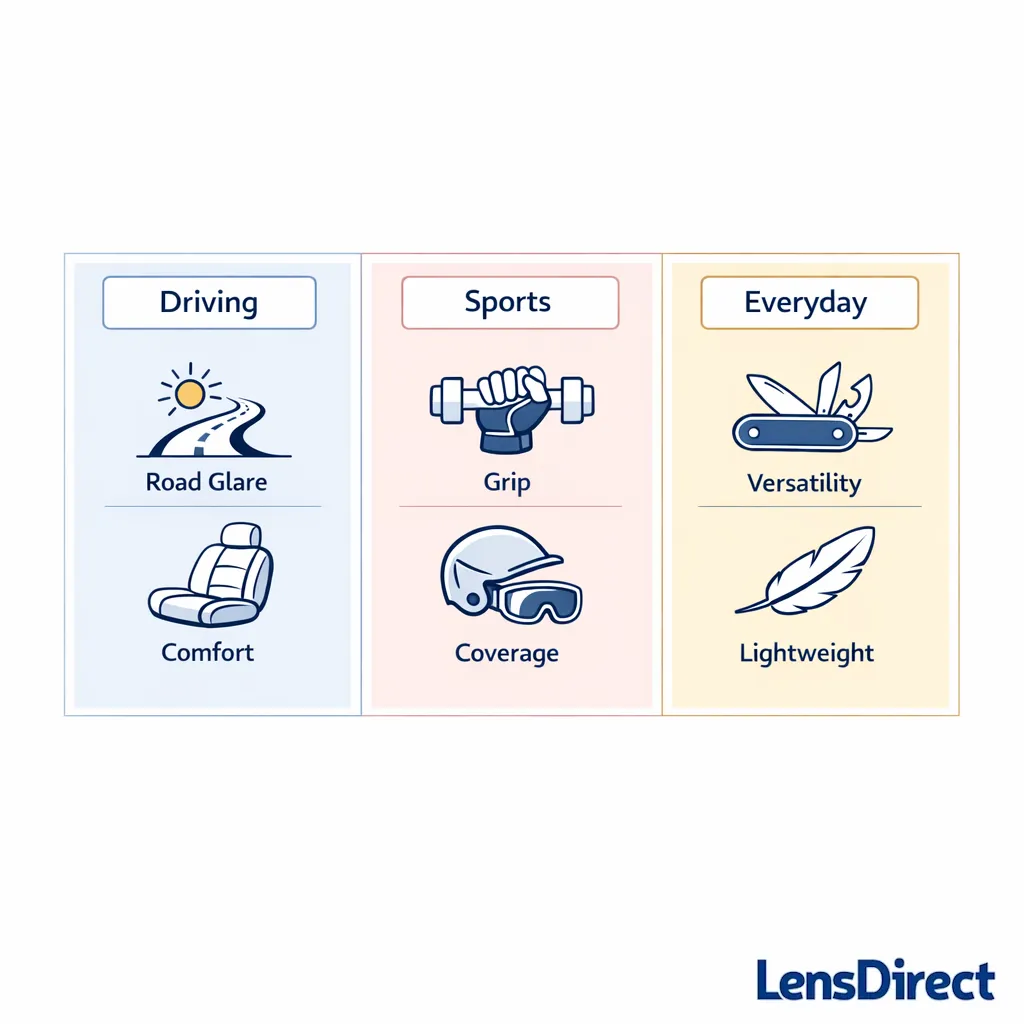
Driving
- Choose this if: you commute often, drive in bright daylight, or hate windshield and road glare
- Top priorities: clean optics, moderate tint, comfort for long wear, optional polarization
- Best one-pair strategy: keep the frame classic and the tint versatile
Sports
- Choose this if: you run, cycle, hike, ski, play court sports, or want a secure active fit
- Top priorities: grip, coverage, stability, lightweight design
- Best one-pair strategy: avoid going too technical unless activity is your main use
Everyday wear
- Choose this if: you want the broadest value from one pair
- Top priorities: lightweight comfort, easy styling, simple tint, versatile shape
- Best one-pair strategy: start with neutral tones and classic proportions
What to do next
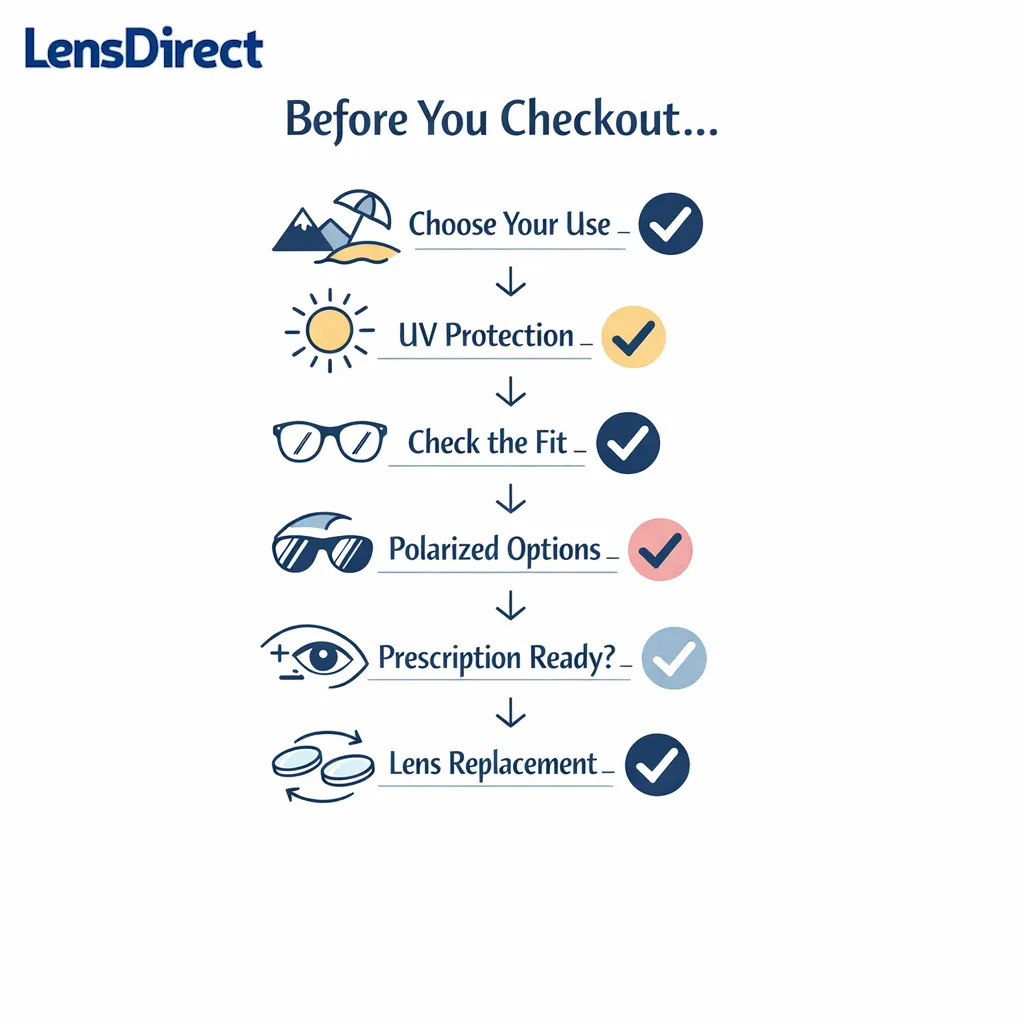
- Pick the use case first: driving, sports, or everyday wear
- Decide if you need one pair or two: one versatile pair is often smarter than one overly specialized pair
- Confirm the basics: UV protection, comfortable fit, and a tint you will actually wear
- Add polarization only when it solves a real problem: mainly reflected glare
- If you need prescription lenses: have your prescription and pupillary distance ready
- If you already own a frame you like: compare a new pair against the option to replace your lenses
- Before checkout: review returns, remakes, and whether you can get reimbursed by your insurance
Find your next pair with LensDirect
If you are ready to narrow your options, LensDirect is a practical place to start because it supports more than one shopping path. You can buy a new pair, order prescription sunwear, or refresh frames you already own with new lenses based on how you actually use them.
- Shop Sunglasses if you want a fresh pair for driving, sports, or daily wear.
- Shop Glasses if you also want a clear everyday pair to rotate with your sunglasses.
- Shop Contacts if you prefer switching between contacts and non-prescription shades.
- Replace Your Lenses if your current frame still fits and you just want better sunglass performance.
- Find Your Fit if you want help narrowing styles before you order.
- Learn How to Get Reimbursed by Your Insurance if you plan to use vision benefits.
- Learn How to Measure Your Pupillary Distance if you are ordering prescription sunglasses online.
Author

Subscribe to our email newsletter to get the latest posts delivered right to your email.