

Starting contacts is exciting — hello, frames-free vision! — but it also comes with real responsibilities. Contact lenses are regulated medical devices, and healthy habits make the difference between crisp, comfortable vision and a miserable eye infection. Use this beginner-friendly guide to move from “uhh, how do I do this?” to confident daily wear.
Before you begin
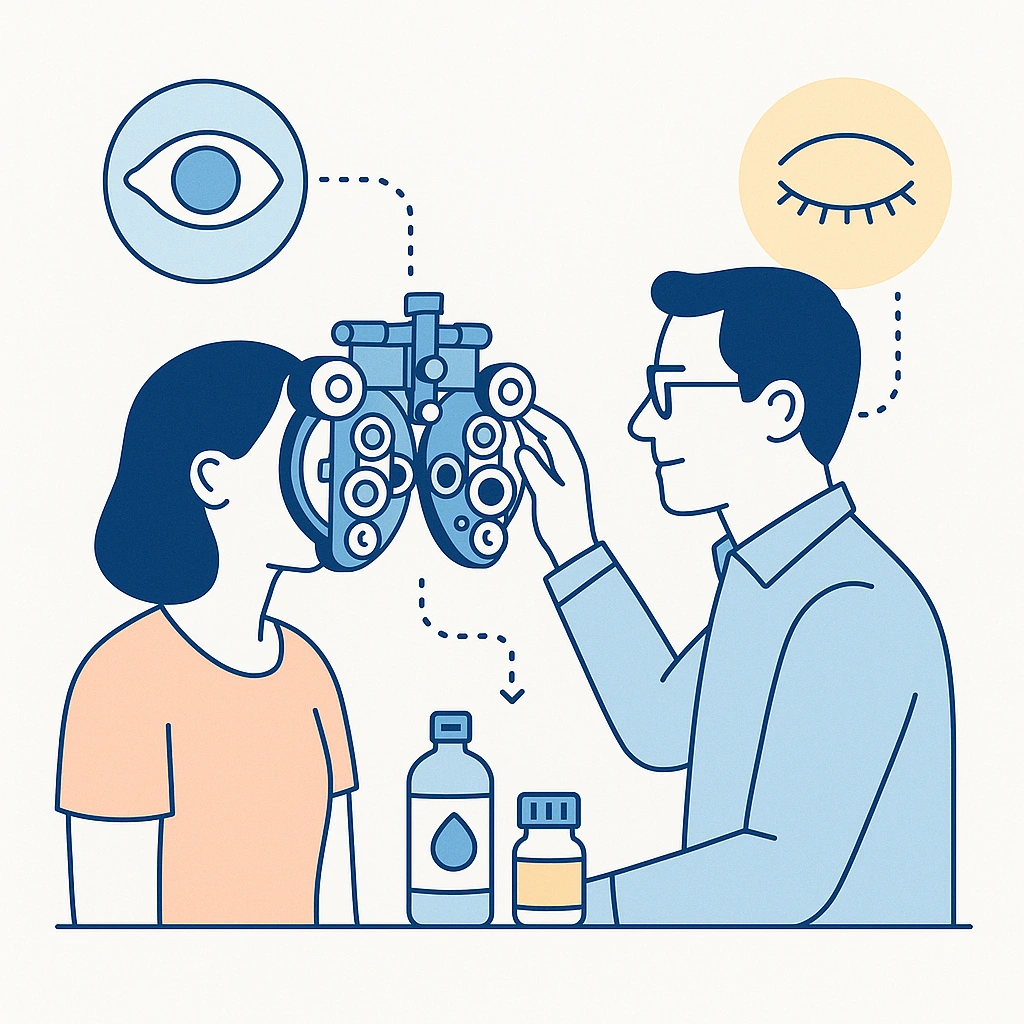
Book a comprehensive eye exam. An optometrist will evaluate your overall eye health, measure your cornea, assess your tear film, and confirm whether contacts are right for you. Expect a history, refraction, slit-lamp evaluation, and additional testing as needed. (American Osteopathic Association)
Get a valid prescription — always. In the U.S., all contacts (including purely decorative “cosmetic” lenses) require a prescription. Selling or buying lenses without one is illegal and unsafe. The FDA explicitly classifies decorative lenses as medical devices, and federal rules require dispensing only with a prescription. (fda.gov+2fda.gov+2)
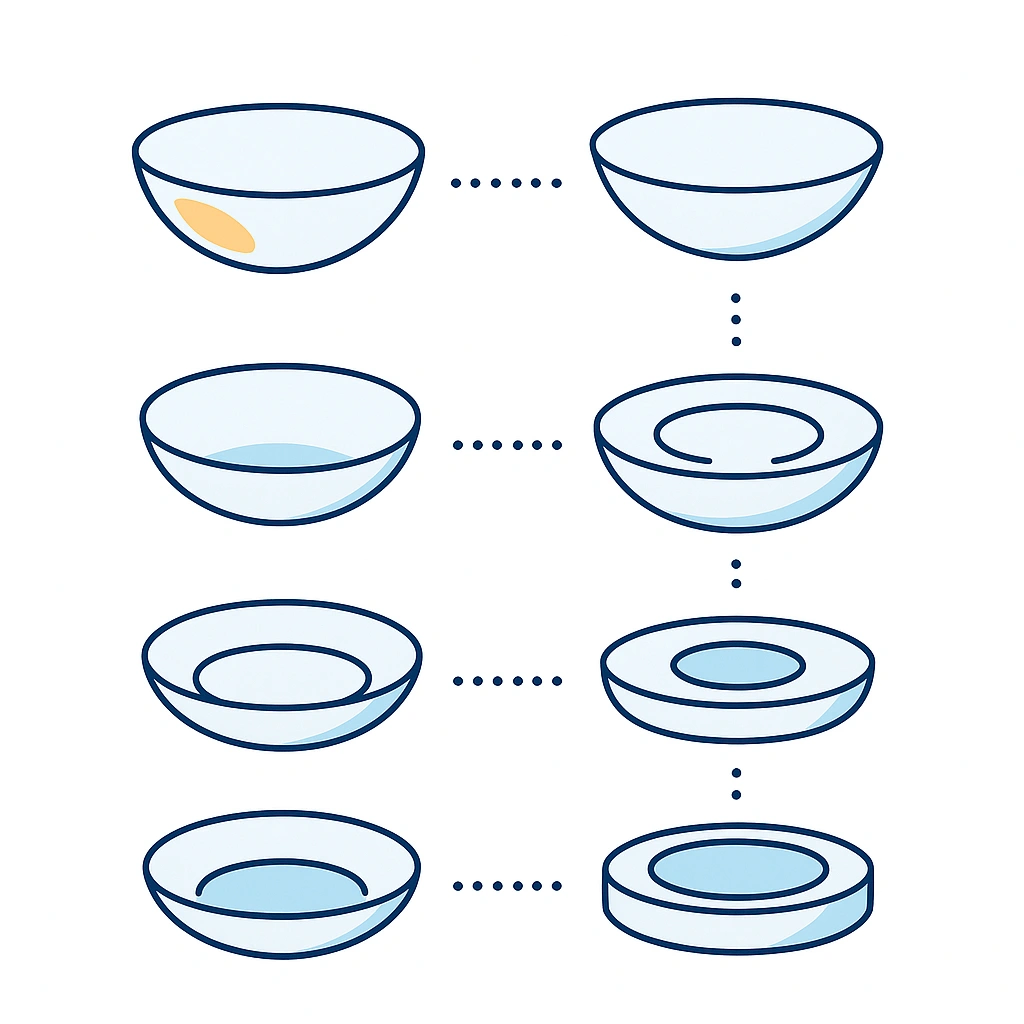
Choose the right lens type with your doctor. From soft dailies to monthlies, toric lenses for astigmatism, multifocals, rigid gas permeables (RGPs), hybrids, and sclerals — each has pros and cons. Your eye care professional will match material, replacement schedule, and design to your eyes and lifestyle. (American Osteopathic Association)
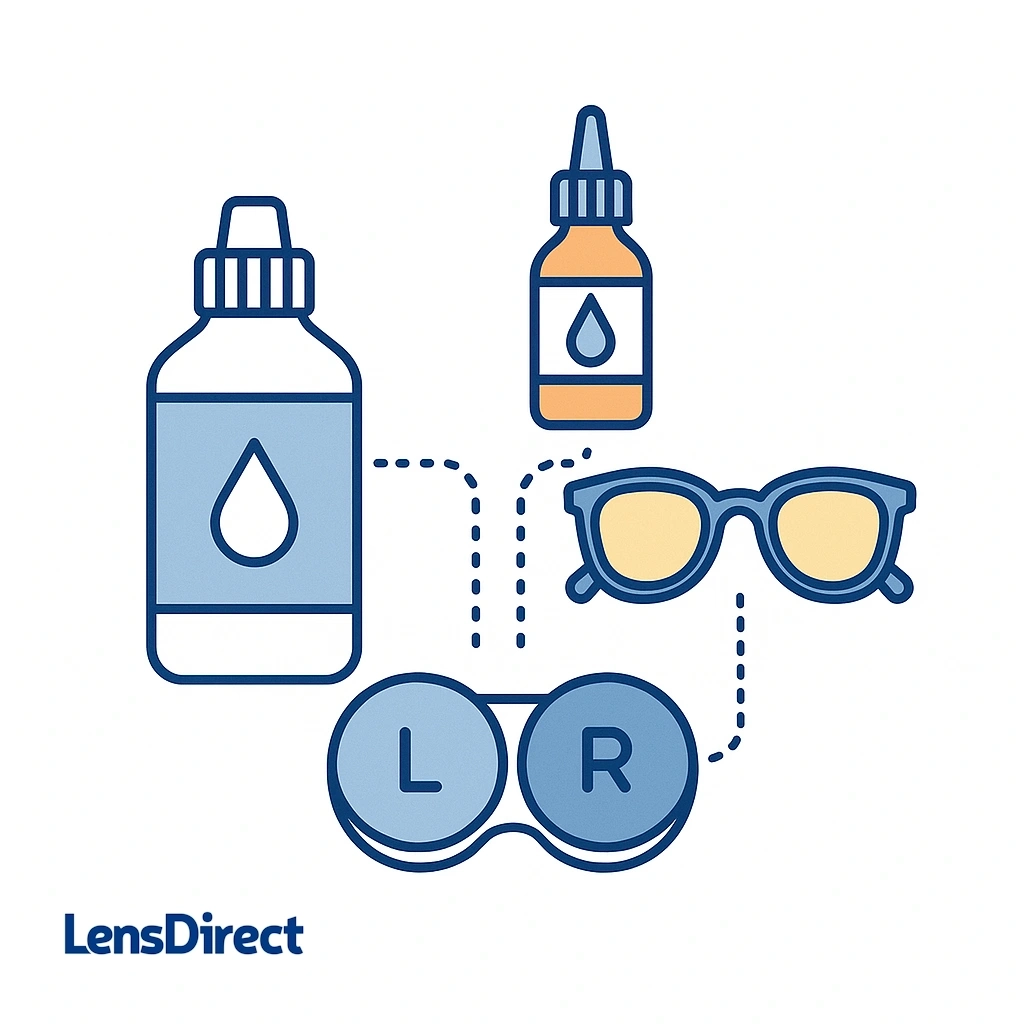
Stock the essentials. Keep your lenses’ recommended solution, a clean case (for reusable lenses), rewetting drops labeled “for use with contact lenses,” and a backup pair of glasses. The CDC even suggests packing spare supplies if you’re on the go. (CDC)
How to put in contact lenses (soft lenses)
Follow these step-by-steps for a smooth insert every time:
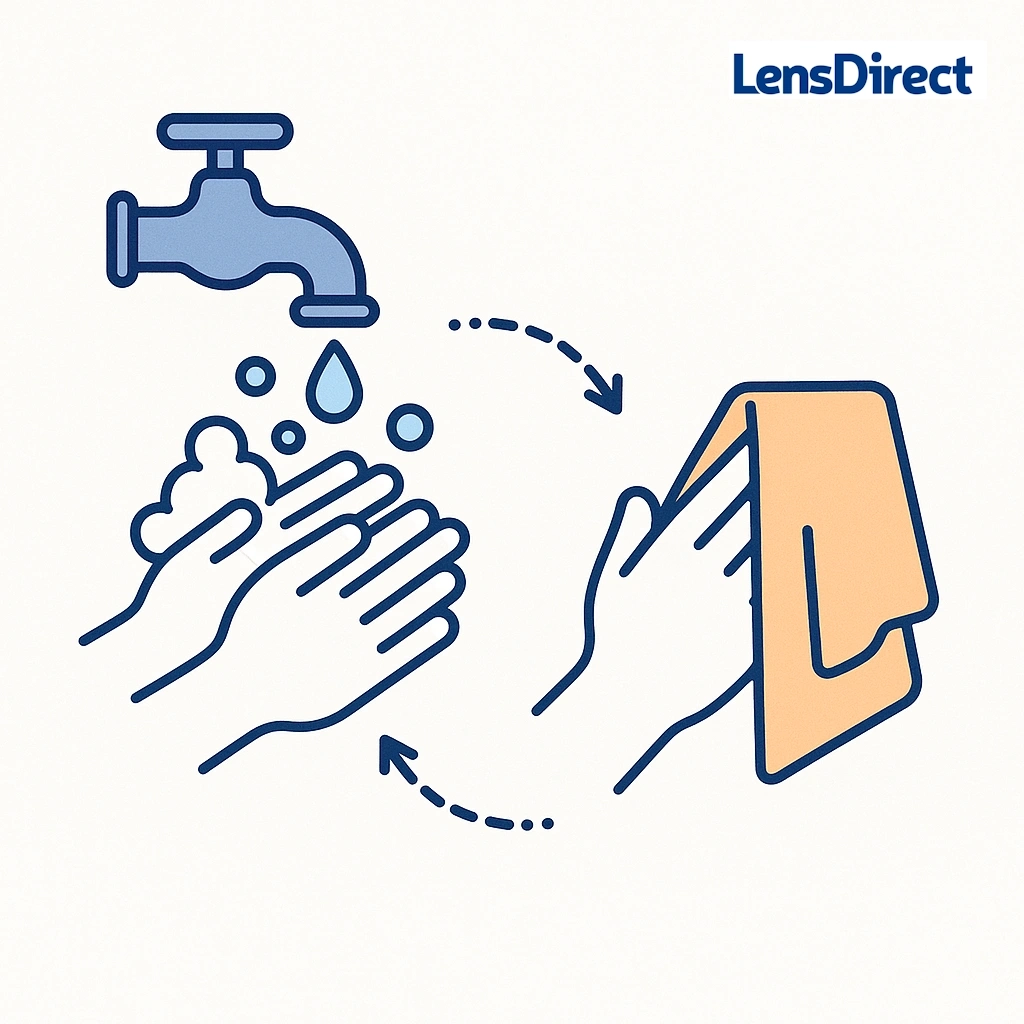
1. Wash and dry hands thoroughly. Use plain soap (avoid oily/fragranced soaps), then dry with a lint-free towel so you don’t trap fibers under the lens. (All About Vision)
2. Start with the same eye each time. This prevents mix-ups if your prescription differs right vs. left.
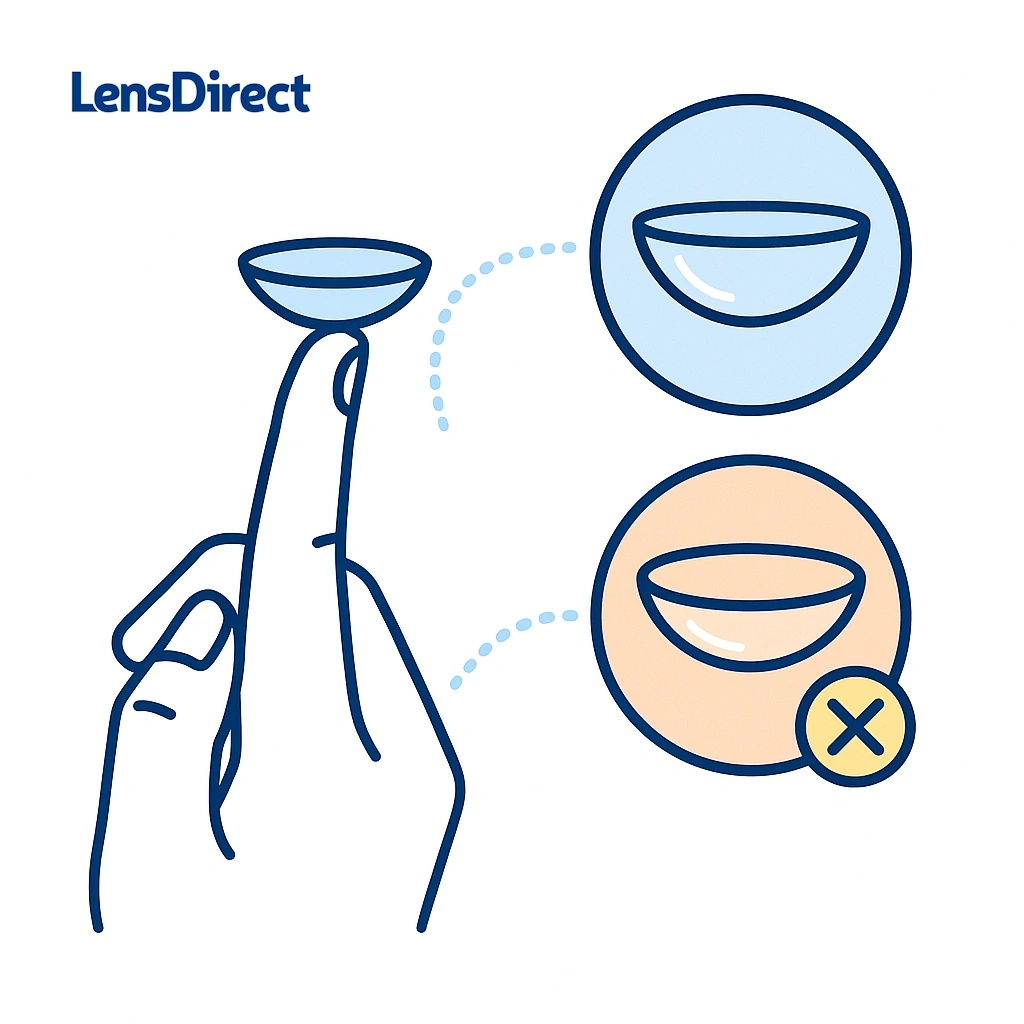
3. Place the lens on your fingertip and inspect it. It should look like a perfect bowl; if the rim flares outward like a saucer, it’s inside-out — flip it. (All About Vision)
4. Rinse with fresh solution (never water) if the lens needs a quick refresh. (CDC)
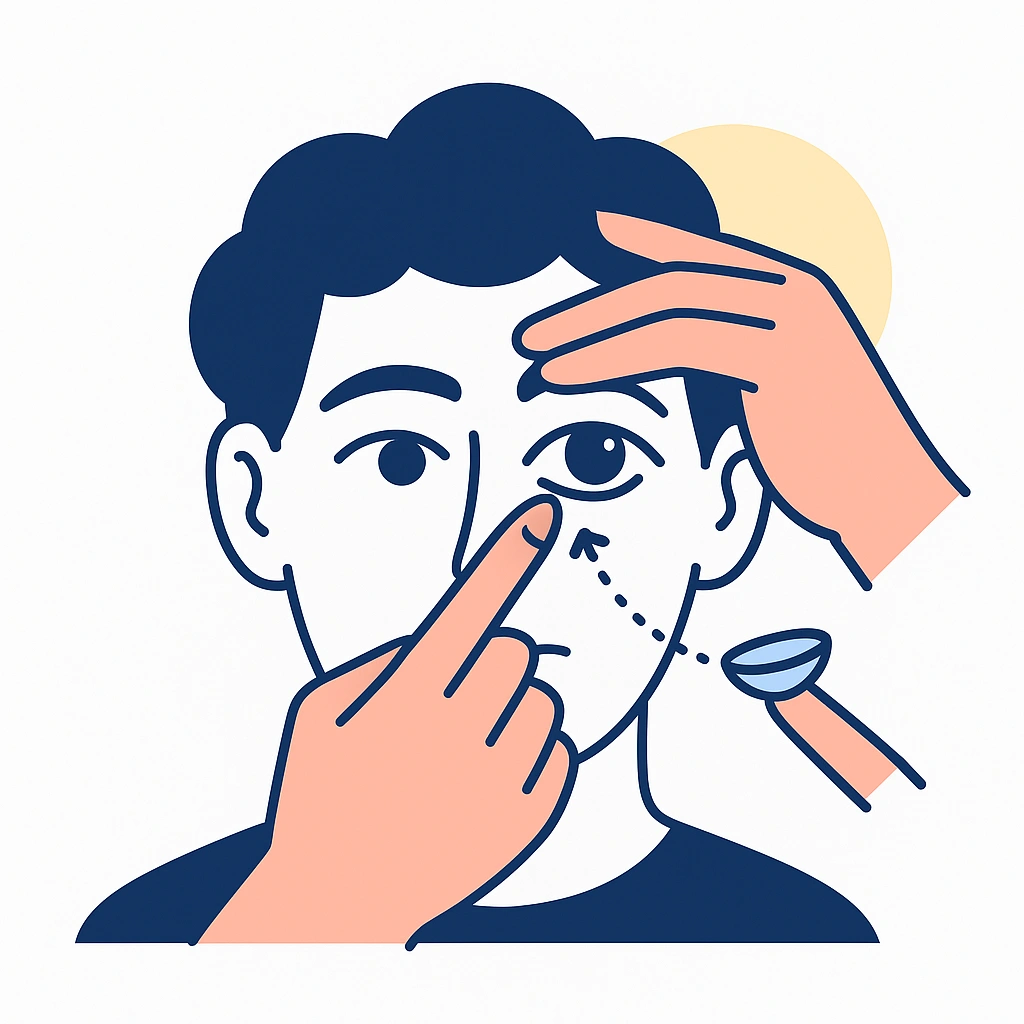
5. Hold lids open: Non-dominant hand holds the upper lid; dominant hand’s middle finger pulls the lower lid down. Look straight ahead or slightly up.
6.Place, close, and center. Touch the lens gently to the cornea, close your eye, roll your eyes in a circle, and blink to center. Repeat for the other eye. (All About Vision)
Pro tip: Insert lenses before makeup and after washing/drying hands. This reduces the chance of getting oils or pigments onto your lenses.
How to take out contact lenses
Removal feels tricky at first — but it’s easy with a little technique:
- Wash and dry hands.
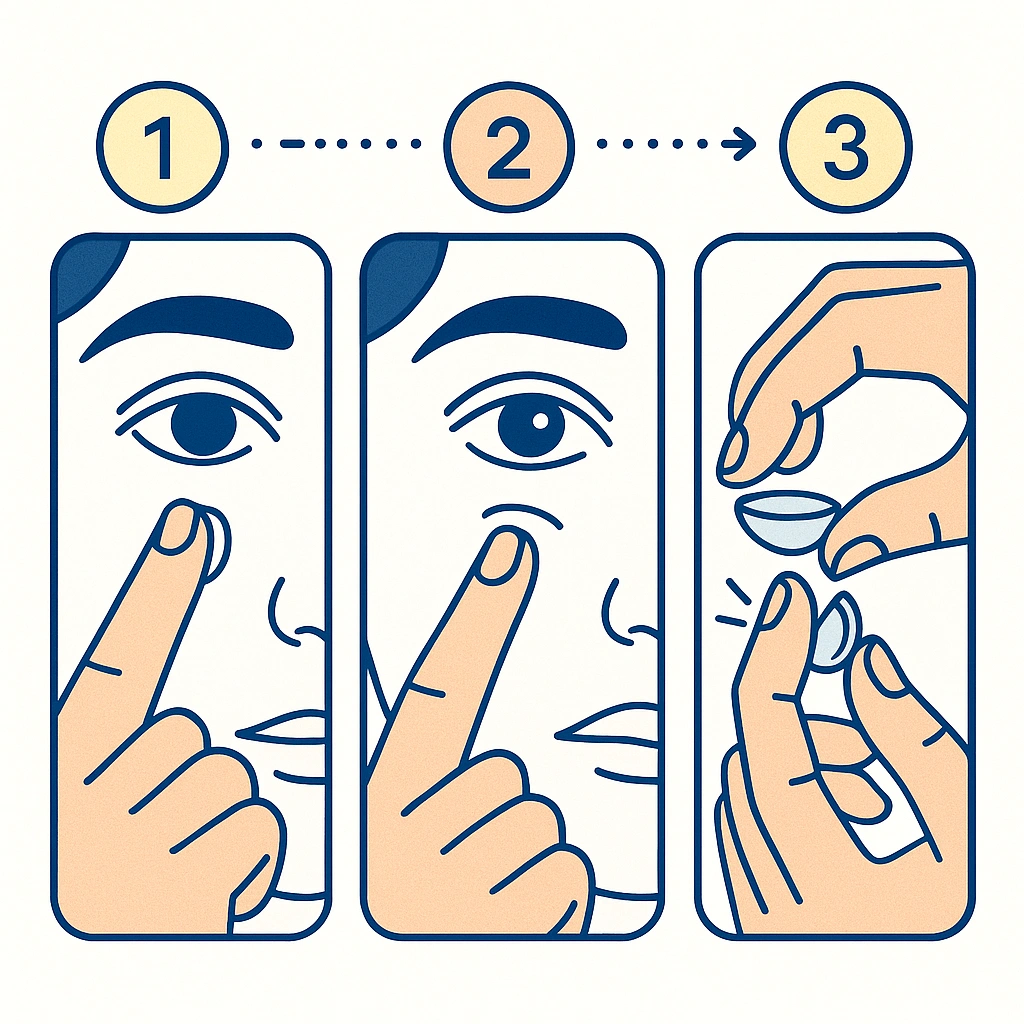
- Look up and pull the lower lid down with your middle finger.
- Slide the lens down to the white of the eye with your index finger.
- Pinch gently with the pads (not nails) of your thumb and index finger to remove. Repeat for the other eye. (All About Vision)
If a lens seems “stuck”: Don’t panic or pinch a dry eye. Flood the eye with sterile saline or rewetting drops, blink, and gently massage the closed upper lid until the lens moves to a removable spot. It can take a few minutes for a dry lens to rehydrate and slide — be patient.
Daily care & smart hygiene
Healthy habits keep contacts comfy and your eyes protected.
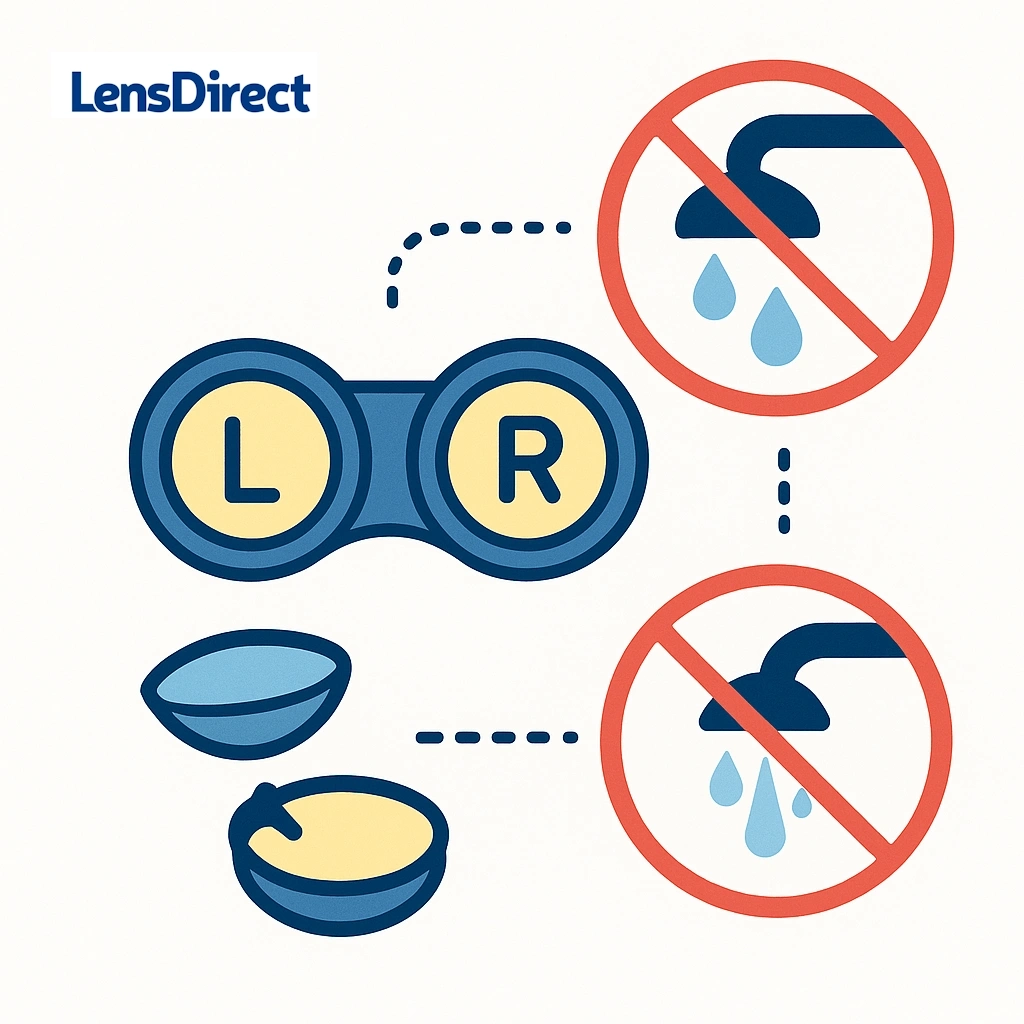
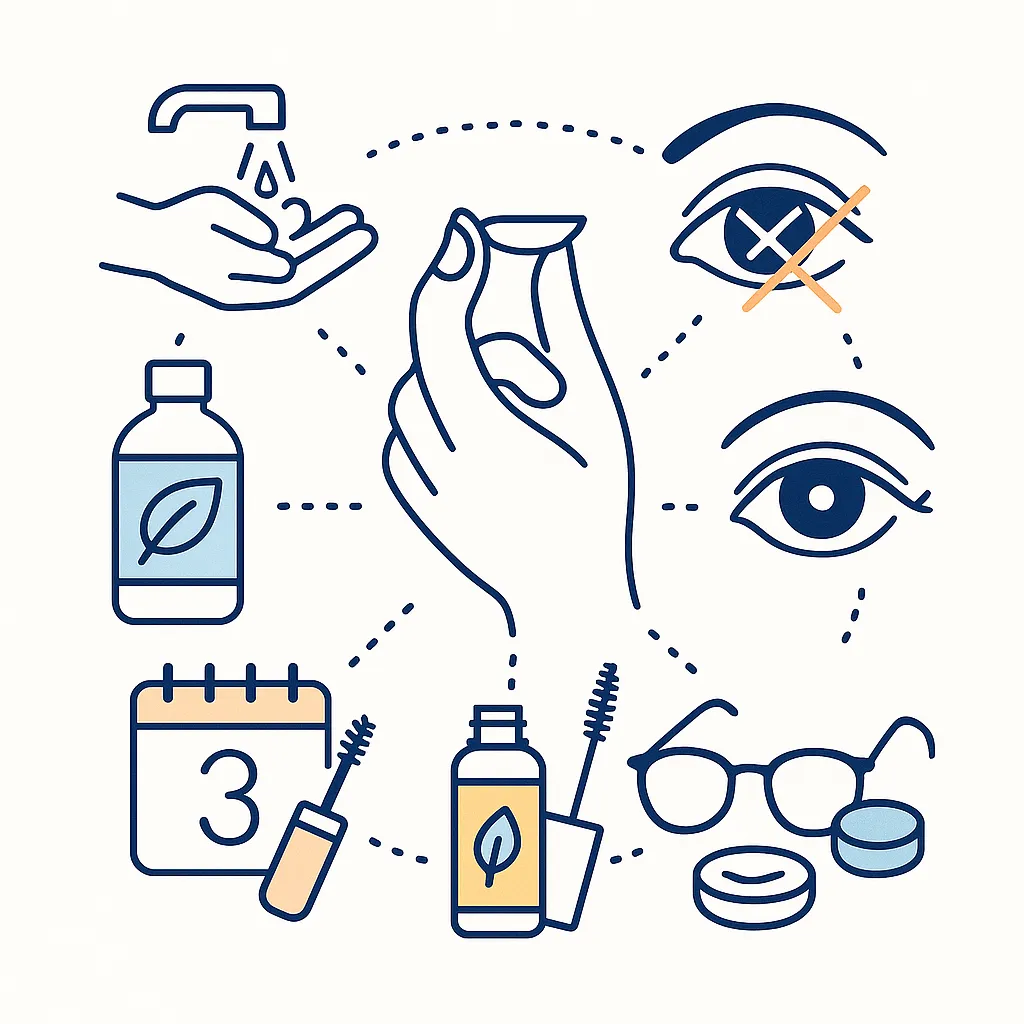
Keep water away from lenses and cases. Water (even shower, pool, and hot-tub water) can harbor organisms like Acanthamoeba that cause sight-threatening infections. If lenses contact water for any reason, remove them and either disinfect per instructions or discard (dailies are best discarded). Don’t swim or shower in lenses. (CDC+2CDC+2)
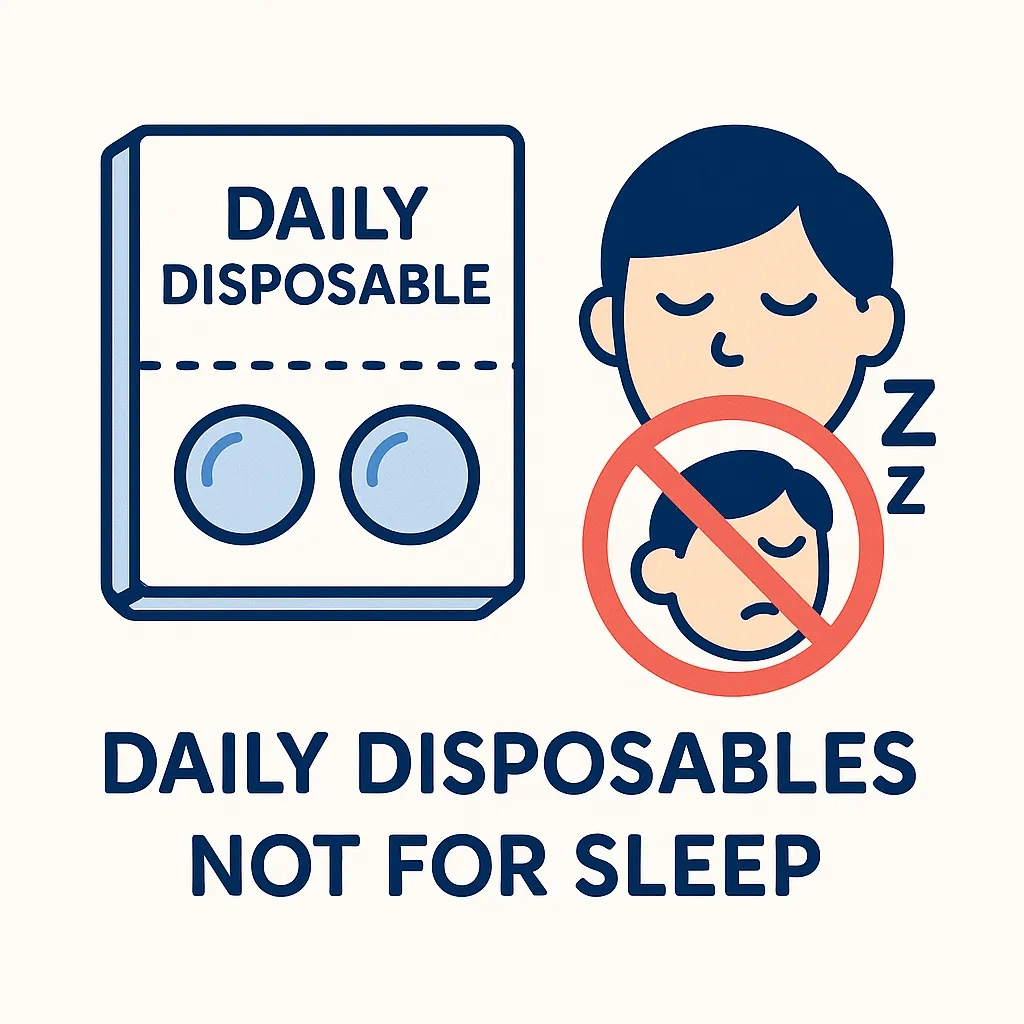
Never sleep in lenses unless your doctor okays it. Overnight wear raises infection risk; extended-wear approval is specific, and even “approved” lenses increase risk when worn overnight. (CDC)
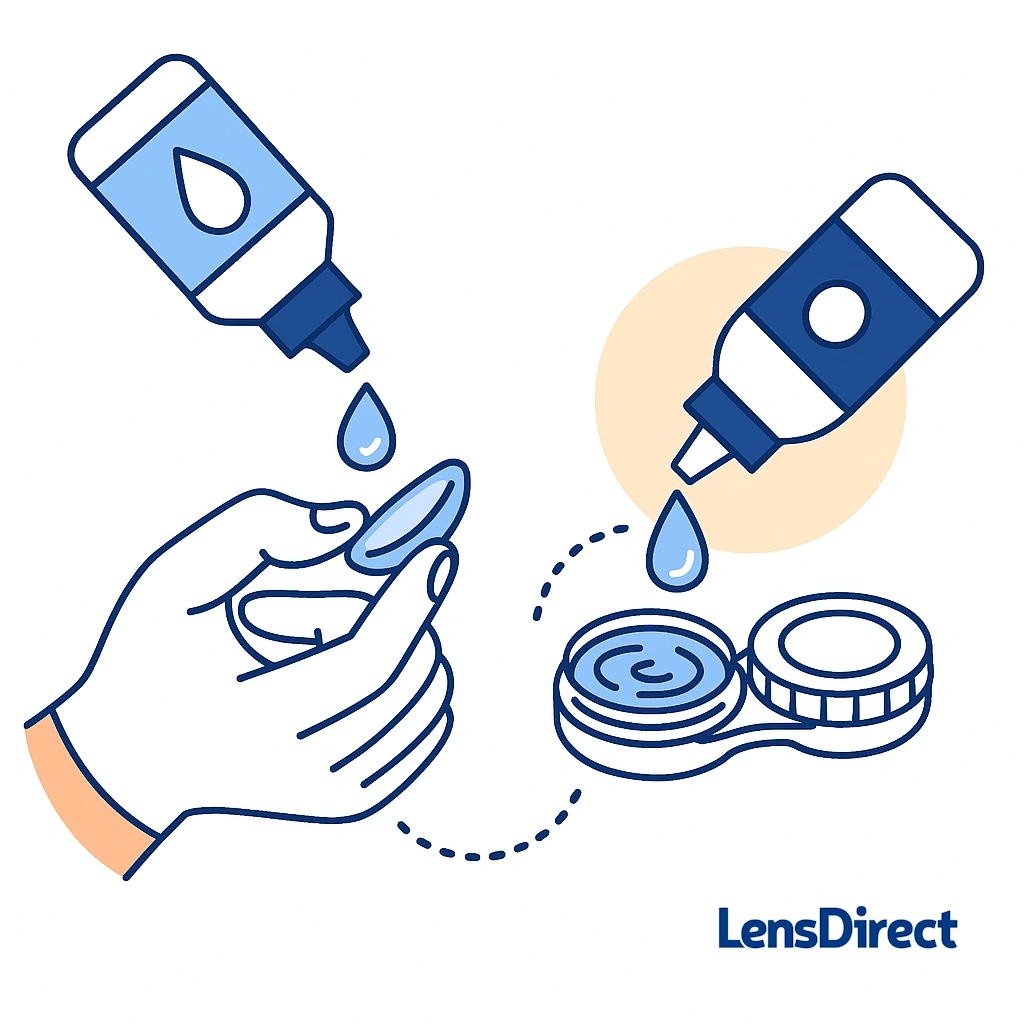
Rub & rinse — don’t “soak and hope.” For reusable lenses, rub each side ~20 seconds with your multipurpose disinfecting solution, then rinse; rubbing physically removes deposits and microbes. Never top off old solution — discard, refill fresh every time. (CDC)
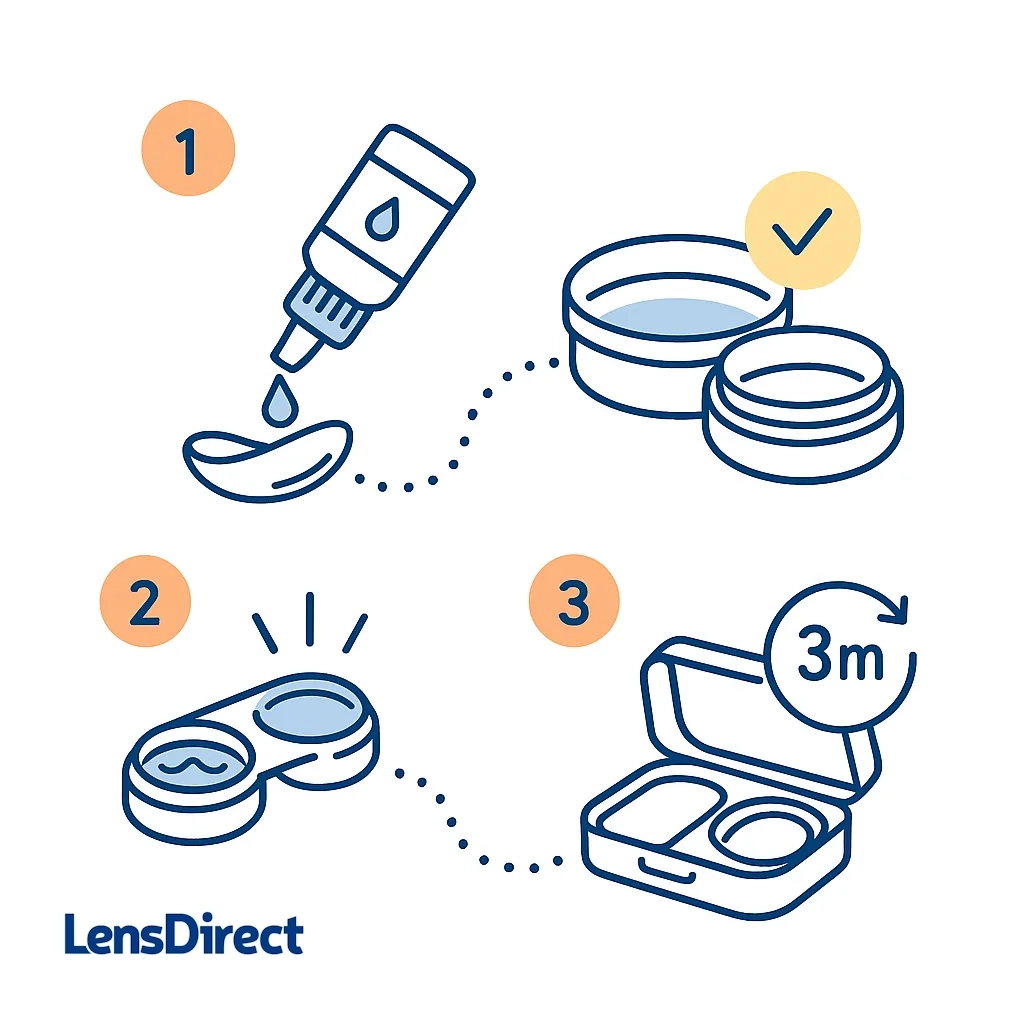
Clean the case the right way (no tap water). After inserting lenses, empty the case, rub and rinse the wells with fresh solution, wipe dry with a clean tissue, and store upside down with caps off. Replace the case at least every 3 months. (CDC+1)
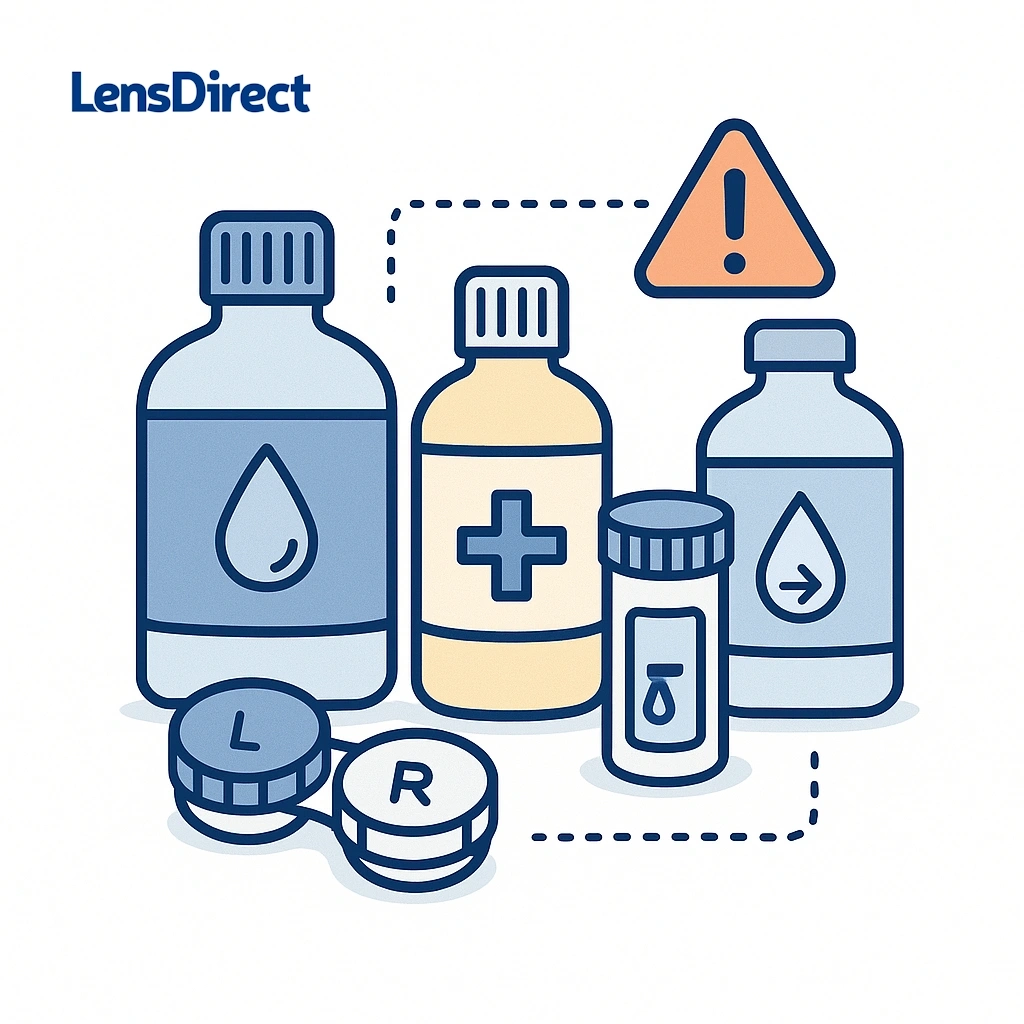
Know your contact solutions:
- Saline is not a disinfectant; it’s only for rinsing when your care system calls for it. (CDC
- Multipurpose solutions clean, rinse, disinfect, and store in one.
- Hydrogen-peroxide systems can be great for sensitivities, but require neutralization in a special case. Never put peroxide directly in the eye or rinse a lens with it before insertion. Always follow the labeled soak time. (fda.gov+1)
Only use drops safe for contacts. Preservative-free lubricating/rewetting drops marked “for use with contact lenses” are generally safe; avoid redness-relief vasoconstrictor drops with lenses unless your doctor says otherwise. (American Osteopathic Association+1)
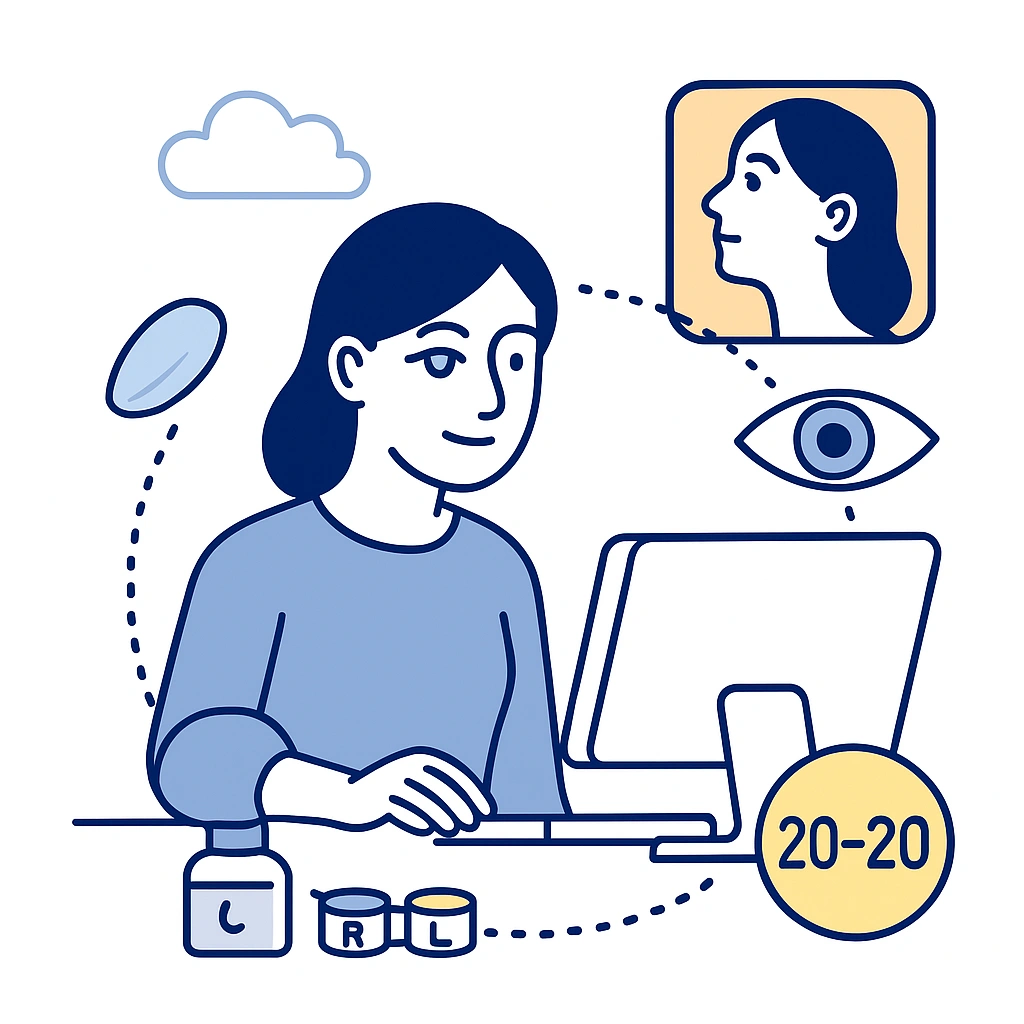
Blink and take screen breaks. Dryness ramps up during screen time because we blink less. Follow the 20-20-20 rule: every 20 minutes, look at something 20 feet away for 20 seconds. (American Osteopathic Association)
Troubleshooting: quick fixes & when to call
Uncomfortable lens? Remove, rub/rinse with solution, and reinsert. If discomfort persists, replace the lens (if disposable) or wear glasses and call your provider. Persistent irritation can signal dryness, allergy, a tear in the lens, or an eye issue. (All About Vision)
Lens fell on the sink or floor? Don’t just “rinse and stick it back.” Either disinfect fully per the solution’s instructions (rub/rinse/soak for the labeled time) or, for dailies, discard and open a fresh lens. (CDC)
Burning after insertion? Common culprits: soap residue on hands, a damaged/inside-out lens, or (for peroxide users) a not-yet-neutralized lens. Remove immediately, flush with sterile saline or lubricating drops, and call your provider if burning persists. (fda.gov)
Redness, pain, light sensitivity, or blurred vision? Take lenses out now and contact your eye doctor — those are warning signs of possible infection or corneal injury. (CDC)
Safe wear & replacement schedules
Follow the exact schedule your prescriber sets — don’t stretch lenses beyond their intended replacement (daily/bi-weekly/monthly/etc.). Also follow the daily wear time guidance while your eyes adapt. These directions minimize hypoxia (oxygen deprivation) and deposit build-up that can inflame the eye’s surface. (CDC)
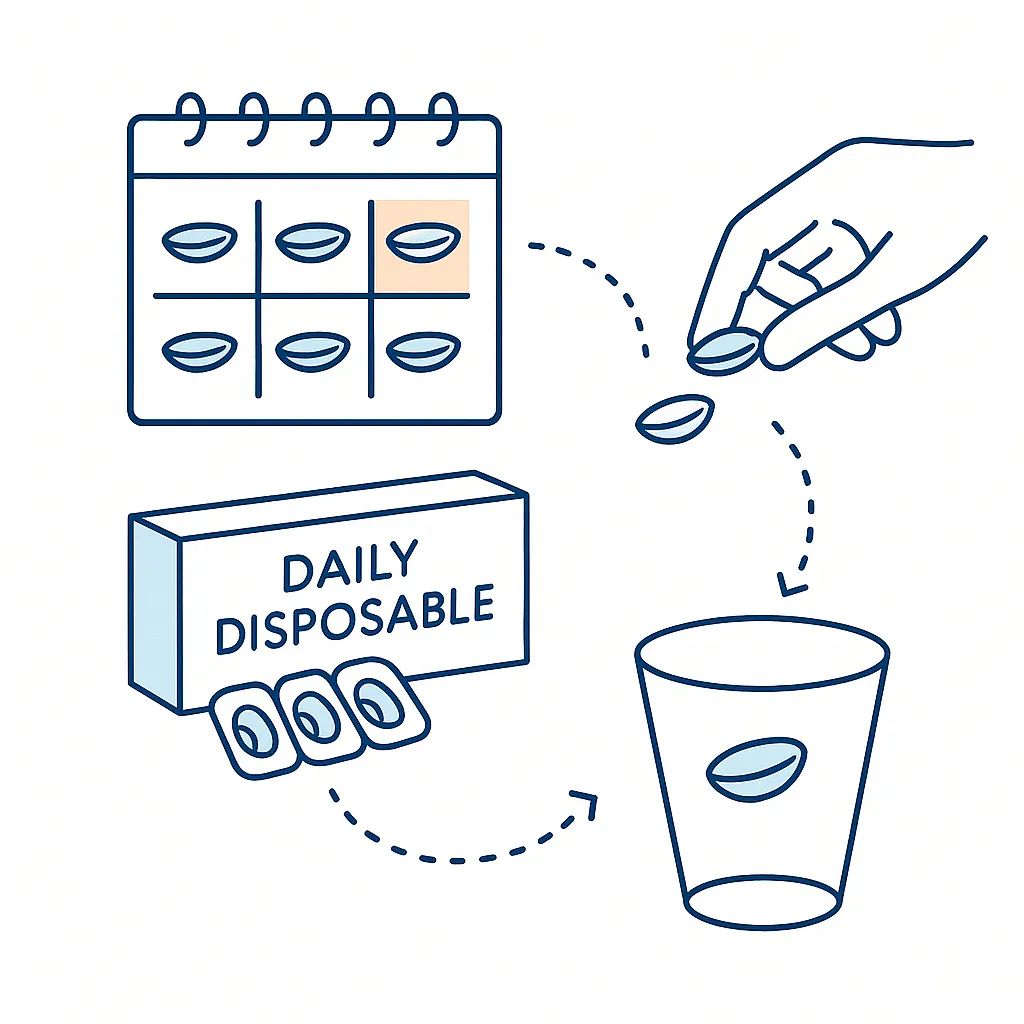
Never share lenses. Sharing spreads pathogens and bypasses essential fit/safety checks. Only wear lenses prescribed for you. (CDC)
See your eye doctor regularly. Even if you feel great, a yearly contact lens exam helps catch subtle corneal or tear-film changes and keeps your prescription current. (CDC)
Smart shopping & benefits
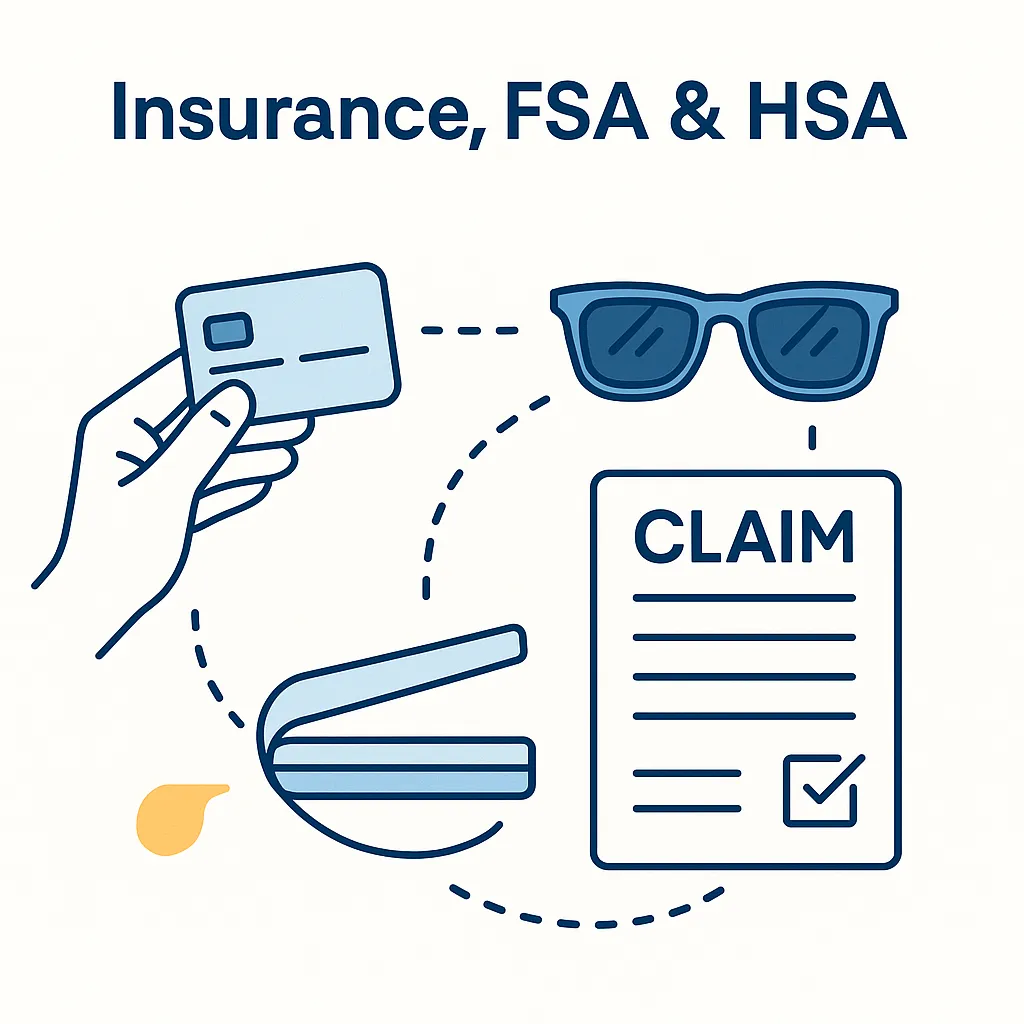
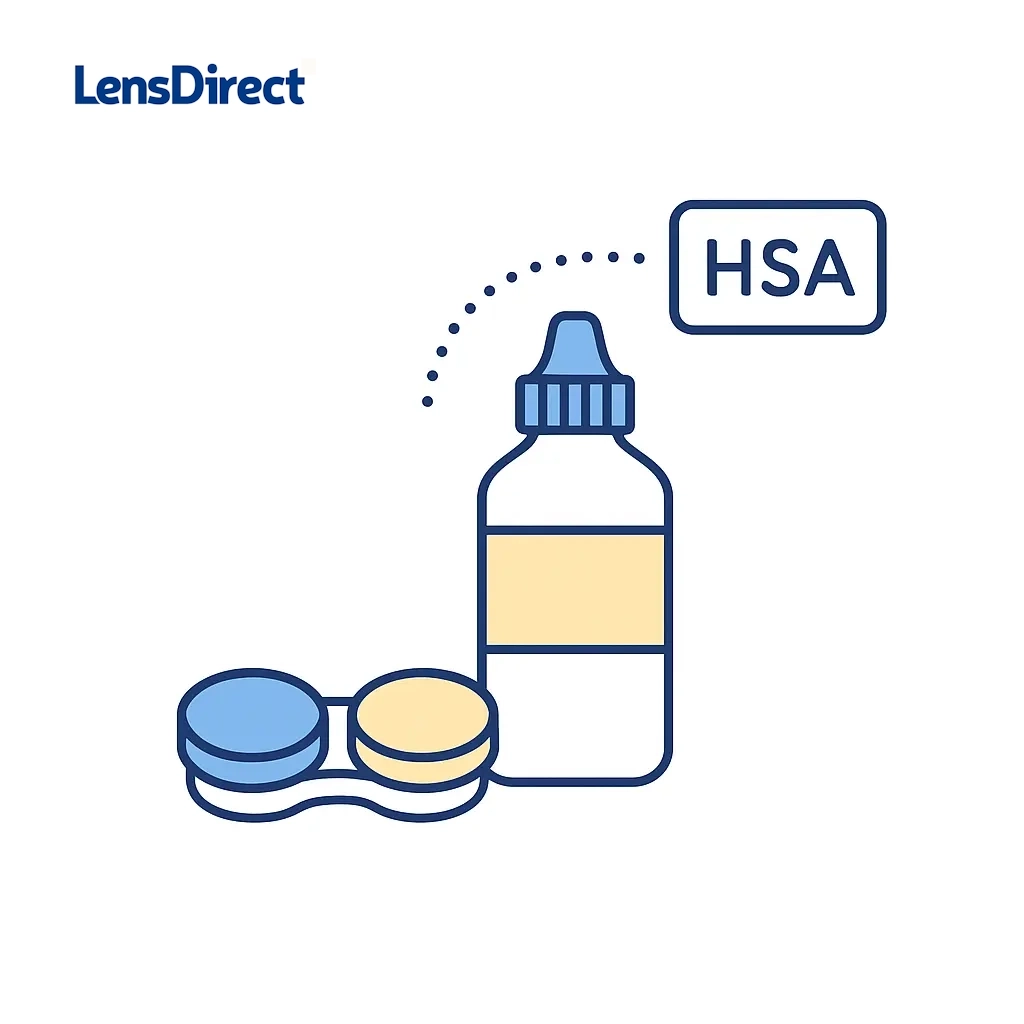
Use FSA/HSA dollars before they expire. Contact lenses, solution, saline, and related supplies (and eye exams) are eligible expenses under IRS rules — handy as year-end approaches. (IRS)
Beginner’s quick-checklist (print or save)
- Exam & Fit: Get fit, trained on insertion/removal, and prescribed by an eye doctor. (American Osteopathic Association)
- Wash/Dry Hands: Every time before handling lenses. (All About Vision)
- Insert Safely: Check for the “bowl” shape; place gently; blink to center. (All About Vision)
- Remove Correctly: Look up → slide to white → pinch with pads, not nails. (All About Vision)
- No Water / No Spit: Never rinse lenses or case with tap water; never use saliva. Don’t wear lenses in shower, hot tub, or pool. (CDC+2CDC+2)
- Rub, Rinse, Replace: Rub/rinse reusable lenses; use fresh solution — don’t top off. Replace the case every 3 months. (CDC)
- Peroxide users: Only with the special case; neutralize fully; never put peroxide in your eyes. (fda.gov)
- Drops: Use lubricating/rewetting drops that are labeled safe for contacts; avoid “get-the-red-out” drops with lenses. (American Osteopathic Association+1)
- Screen time: Follow 20-20-20 to reduce dryness and strain. (American Osteopathic Association)
- Sick or pink-eye symptoms: Switch to glasses; if red/painful/light-sensitive/blurred, remove lenses and call your doctor. (All About Vision+1)
- Stick to your schedule: Replace lenses on time; don’t sleep in them unless specifically prescribed. (CDC+1)
- Annual exam: Keep your contact lens checkup on the calendar. (CDC)
Be Confident with LensDirect
You’ve got this.
At LensDirect, we know that putting in your first pair of contacts can feel a little intimidating — but it doesn’t have to be. We’re here to make the process simple, safe, and stress-free from day one.
Whether you’re learning how to insert and remove your lenses or just figuring out how to care for them properly, we’ve got you covered.
With clean hands, the right products, and a few repeatable routines, insertion and removal become second nature.
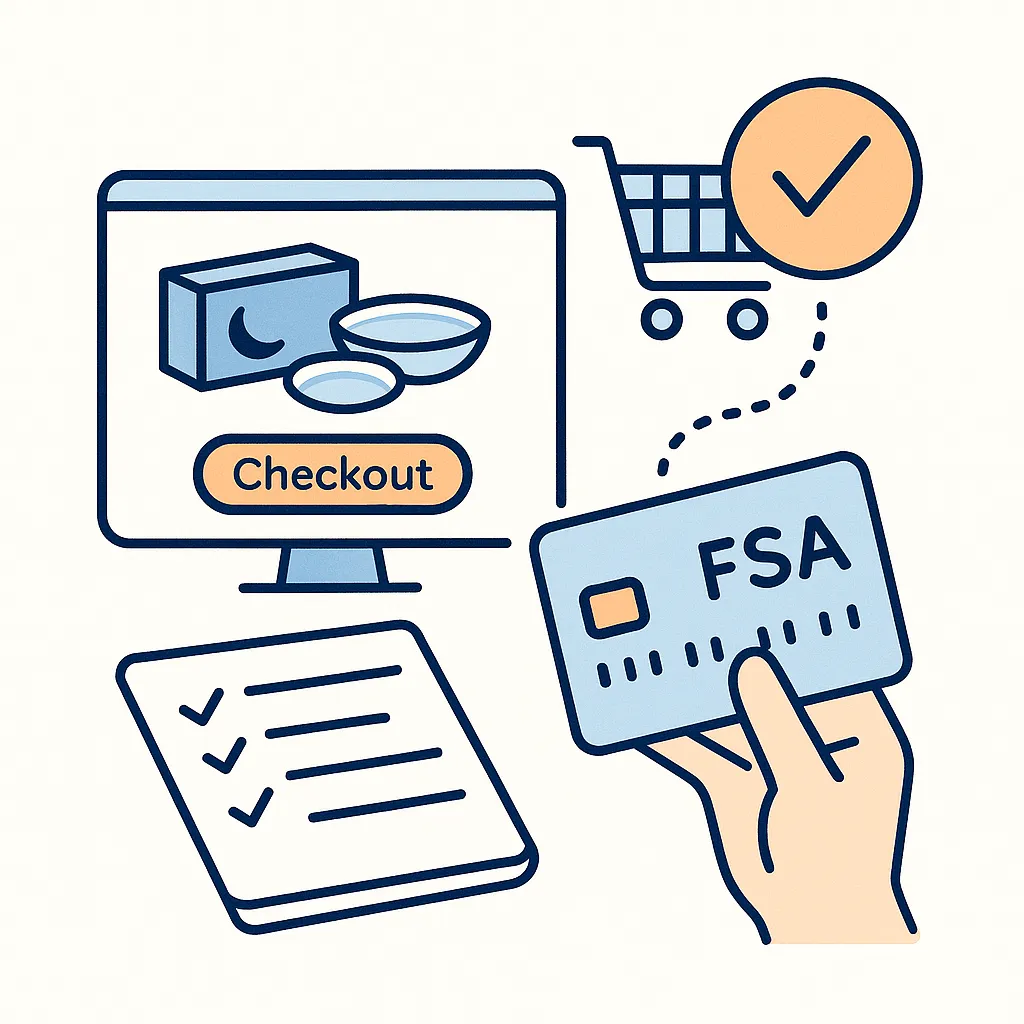
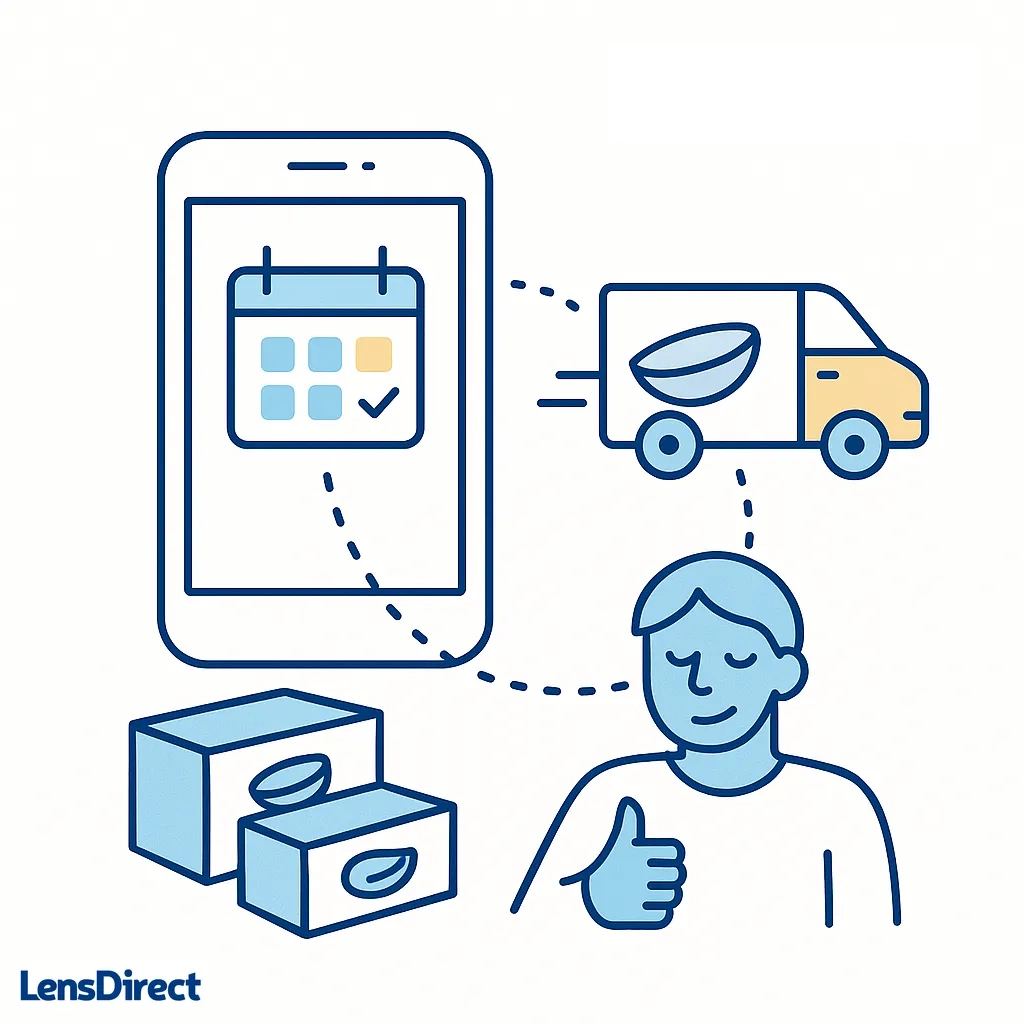
With trusted contact lens brands, easy reordering, and subscription options that keep your supply stocked, LensDirect takes the guesswork out of eye care.
And if you ever need help, our team is always here with guidance and resources designed for beginners like you.
Because your first experience with contact lenses should be comfortable, confident, and clear — just like your vision.
Author

Subscribe to our email newsletter to get the latest posts delivered right to your email.