

Golf asks your eyes to do a lot at once: track a small ball in flight, pick out subtle breaks on the green, and stay comfortable through long stretches of bright sun. The “best sunglasses for golf” are the pair that helps you see clearly and keeps you comfortable enough that you forget you’re wearing them.
This guide is for anyone buying eyewear online who wants practical, no-hype advice on golf sunglass lens color, whether polarized sunglasses for golf are actually better, and how to choose a fit that works with hats and all-day walking. You’ll learn how to match lens features to your course conditions, your vision needs (including prescription), and your personal preference for reading greens.
What your sunglasses need to do on the course
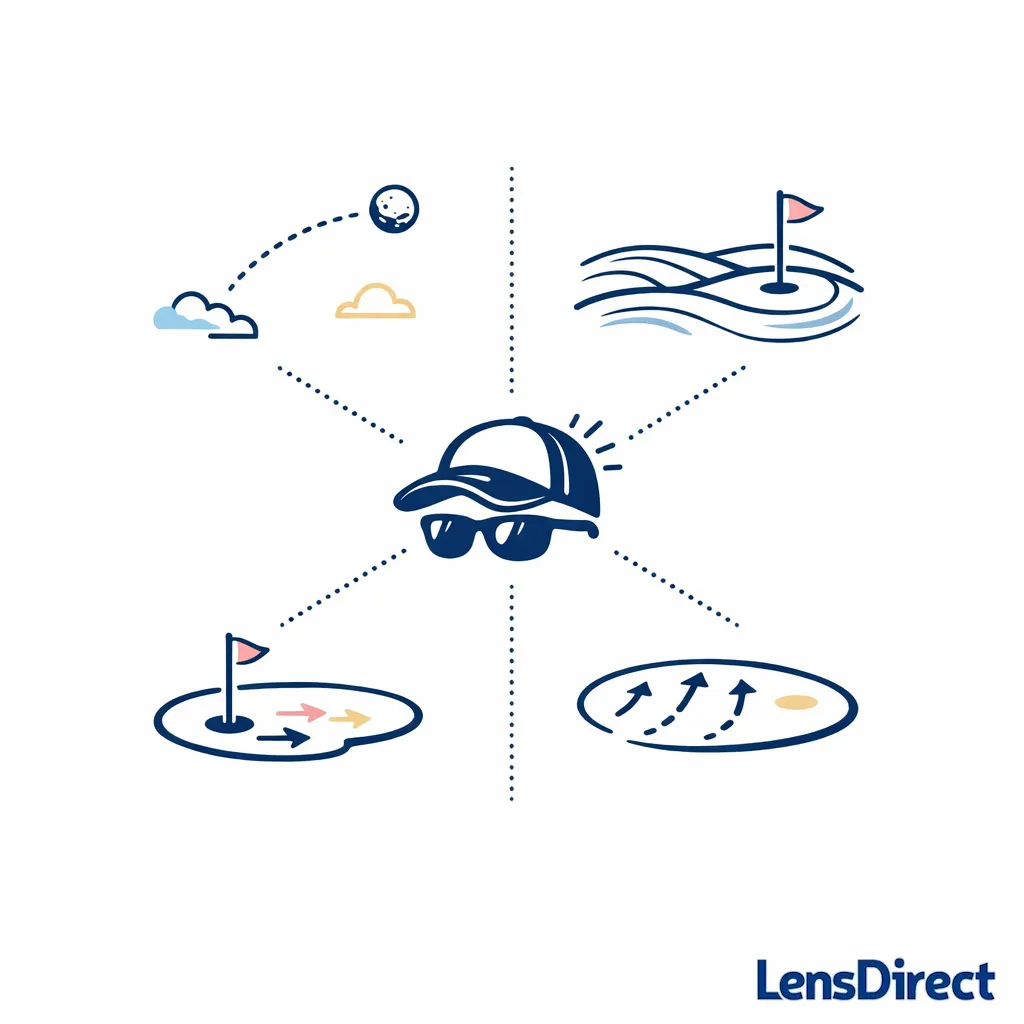
Before you compare styles, it helps to name the actual “jobs” your golf sunglasses need to handle. Golf is a mix of distance vision, near vision, and fast transitions between lighting conditions.
When you focus on these jobs, choosing between “cool golf sunglasses” and truly good golf sunglasses becomes much easier.
- Spot the ball off the tee and in the sky without distracting glare.
- Pick up fairway texture (grain, shadows, undulation) when you’re walking and planning shots.
- Read greens where tiny contrast changes matter more than raw darkness.
- Stay comfortable under a hat with no slipping, pressure points, or fogging.
Non-negotiable: UV protection (even if you change nothing else)
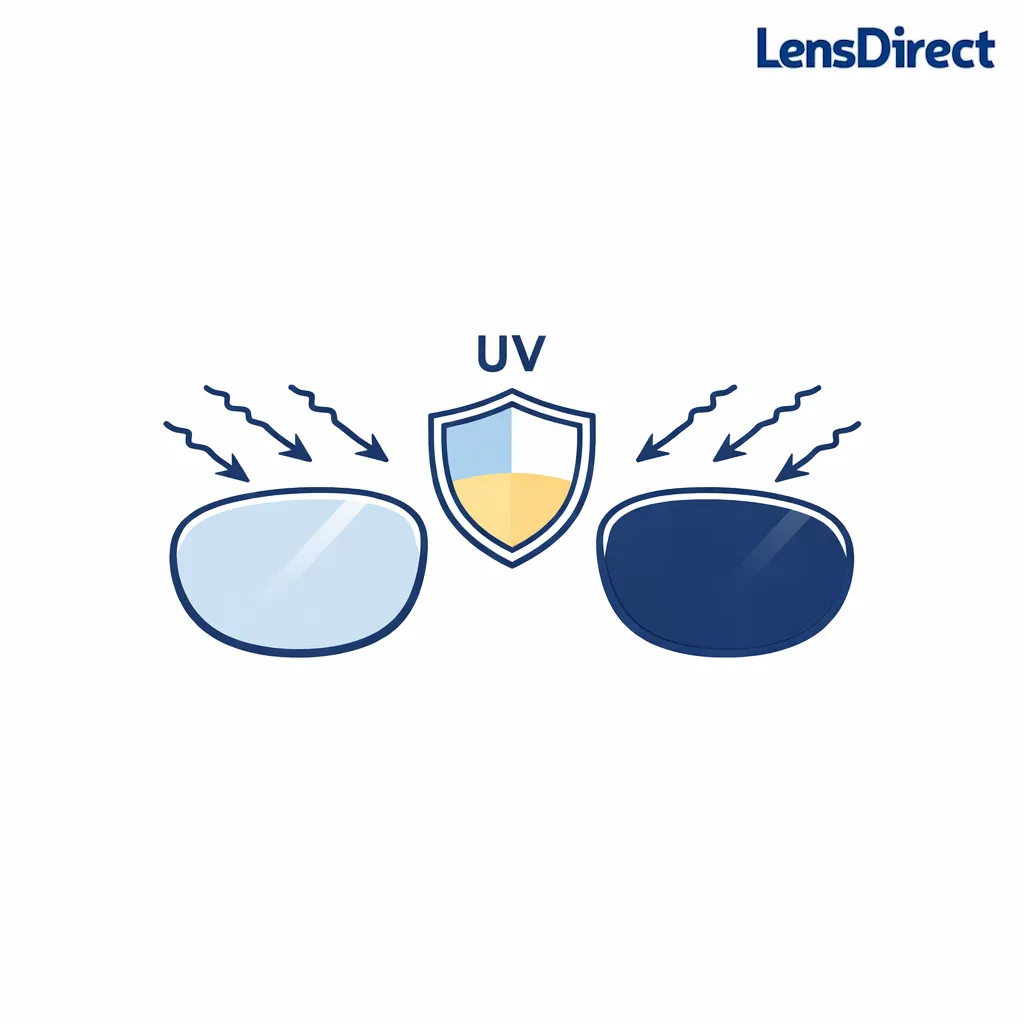
Whether you prefer dark, medium, or lighter tints for golf, make sure your lenses are labeled for strong UV blocking. The American Academy of Ophthalmology’s guidance on UV protection in sunglasses recommends choosing lenses that block 99% to 100% of UVA and UVB.
UV protection matters for long-term eye health, not just comfort. The National Eye Institute’s cataracts overview lists ultraviolet (UV) radiation from sunlight as a risk factor for cataracts, which is a good reminder that “golf sunglasses for bright sun” should be about protection as much as performance.
One common misconception is that darker lenses automatically protect better. The American Academy of Ophthalmology notes that UV protection is not determined by lens darkness, so prioritize the UV label first, then fine-tune tint and polarization for your game.
Polarized or non-polarized for golf?
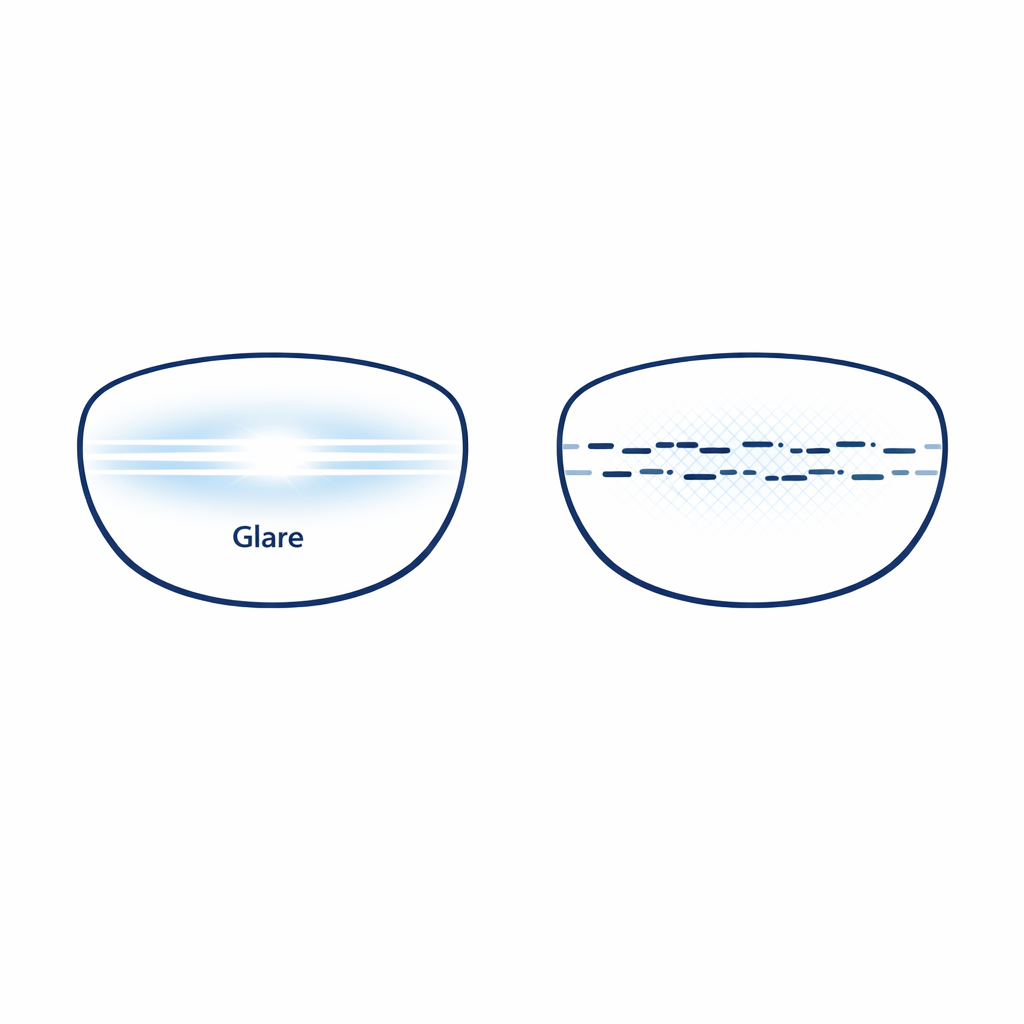
Searching “polarized sunglasses and golf” will bring up strong opinions, and the truth is that polarized sunglasses for golf are excellent for some players and annoying for others. Polarization is a filter that can reduce glare from reflective surfaces; the American Academy of Ophthalmology’s explanation of polarized lenses describes how polarization is designed to cut glare, especially in bright conditions.
When polarized sunglasses are a great fit
Polarized lenses can feel like instant relief if glare is the main thing bothering you. Many golfers like polarization for wide-open courses with bright fairways where “washed-out” vision is the bigger problem than subtle green texture.
- You’re sensitive to glare and feel like you squint through tee shots.
- You play in very bright sun and want a calmer, less harsh view.
- You also use the same sunglasses for driving and want consistent glare control.
When non-polarized golf sunglasses can be better

If your top priority is reading greens, you may prefer a non-polarized lens or a “less aggressive” glare approach. Some golfers feel polarization slightly changes how they perceive sheen, grain, or subtle shading on the green, and they’d rather keep the view more natural.
Another practical note: the American Academy of Ophthalmology notes that polarized lenses can make some digital screens harder to see, which can matter if you check a phone, GPS, or cart display mid-round.
A simple decision rule
- Choose polarized if glare control is your #1 comfort issue and you want “bright fairways” to look calmer.
- Choose non-polarized if you’re very focused on green reading and prefer the most “unfiltered” view.
- If you’re unsure, prioritize the lens color and fit first, then decide on polarization after you’ve narrowed to two finalists.
Best lens color for golf: how to choose by what you want to see
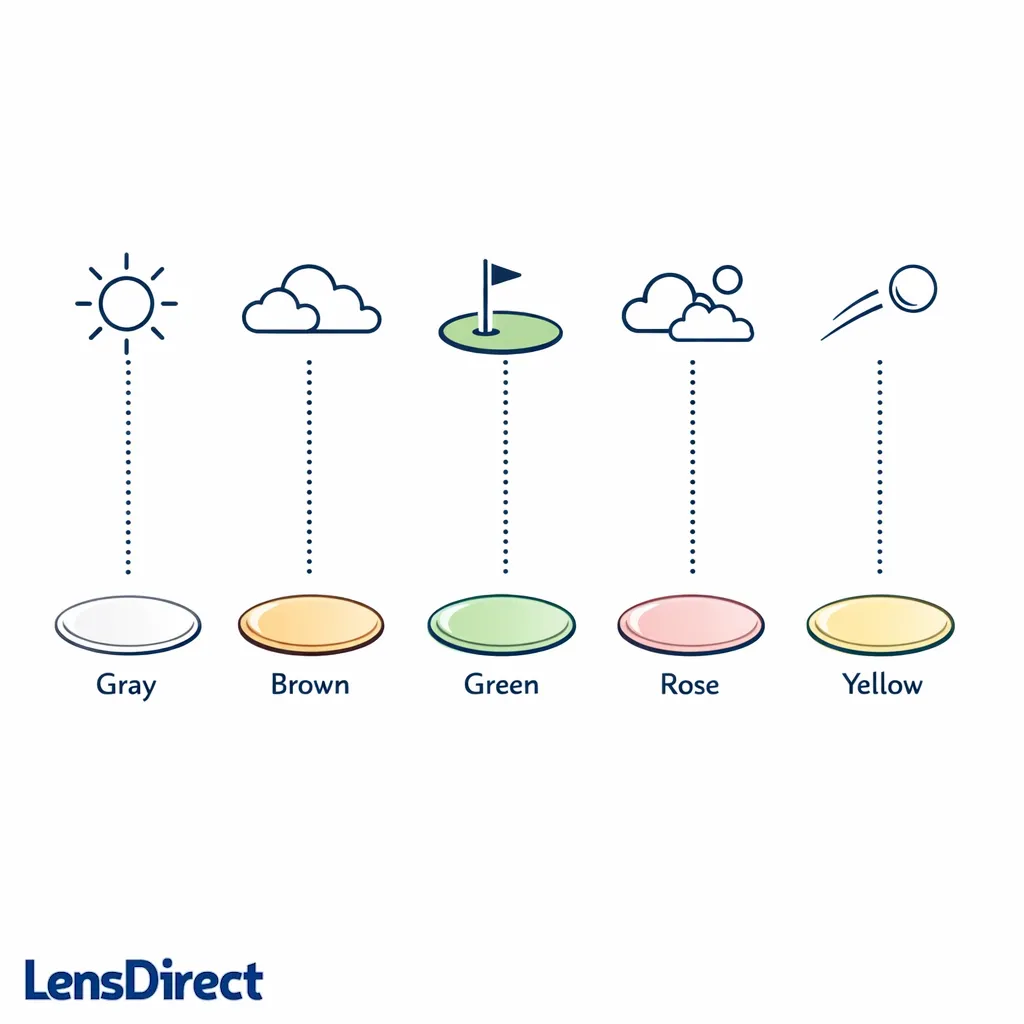
There is no single “best sunglass tint for golf” for everyone, because lens color is about what your brain finds easiest to interpret. The goal is usually some mix of better contrast, comfortable brightness, and a clear view of the ball against the sky and background.
Here’s a golfer-friendly way to think about golf sunglasses lens color without overcomplicating it.
Gray (neutral): for true-to-life color and all-purpose play
Gray lenses are a classic choice when you want the course to look natural and you don’t want the tint to “push” contrast too much. If you rotate between different courses and lighting conditions, gray is a steady, predictable option for “best rated golf sunglasses” shoppers who want versatility.
- Try gray if: you want a neutral look and you’re not specifically chasing extra contrast.
- Often feels best for: bright, clear days when you just need comfortable light reduction.
Brown or amber: for a contrast-forward view in bright sun
Brown or amber lenses are popular when you want the course to look more defined, especially in strong sunlight. If you often play midday rounds and you feel like the fairway looks “flat” in harsh light, this is a common direction to try for “golf sunglasses for bright sun.”
- Try brown/amber if: you like a warmer view and want terrain to look more separated.
- Often feels best for: bright conditions where you’re trying to pick up shape in the fairway and around the green.
Rose or copper: for golfers who prioritize seeing subtle changes on greens
Rose and copper tints are often chosen by golfers who want a lens that feels “contrast-aware” without going too dark. If your search history includes “green reading sunglasses” or “best sunglasses for reading greens,” this family of tints is worth considering because many golfers find it easier on the eyes for detail work around the green.
- Try rose/copper if: you want help seeing small differences in shading and texture.
- Often feels best for: players who want to keep a lively view while reducing harshness.
Green: a classic outdoor tint for balanced comfort
Green lenses are a traditional outdoor choice when you want a comfortable view that still feels “sporty” and clear. If you want something different from gray but don’t want a heavy warm tint, green can land in a nice middle zone.
- Try green if: you want a balanced tint that stays comfortable through a full round.
- Often feels best for: golfers who dislike very warm or very cool lens looks.
Yellow or light tints: for low-light rounds and contrast seekers

Yellow and very light tints can be useful if you play early or late and you dislike how darker sunglasses dim the course. They are not the typical pick for peak “bright fairways” sun, but they can be a smart tool for certain tee times.
- Try light tints if: your rounds start or end in lower light and you still want eye comfort.
- Often feels best for: golfers who hate losing brightness and want a more open view.
How bright is “bright”? Use the UV Index to plan your lens choice
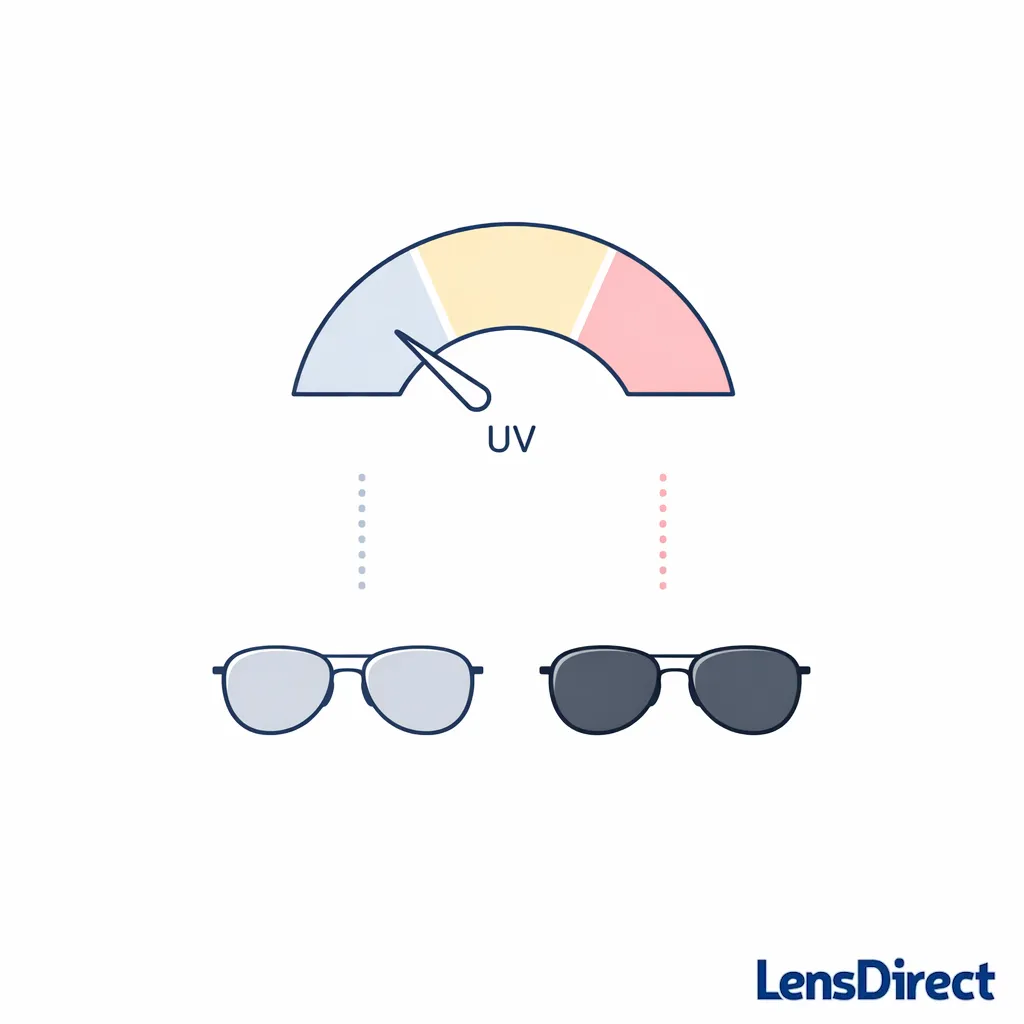
If you want a simple, practical way to anticipate sun intensity for your tee time, check the UV forecast. The U.S. Environmental Protection Agency’s UV Index overview explains the UV Index and how it’s used to communicate daily UV intensity.
This is useful because some golfers only own one pair and end up forcing “very dark” sunglasses in mixed light, or “too light” sunglasses in intense sun. If you frequently play both morning and noon rounds, consider owning two golf-ready lens options so you can match the day instead of compromising.
Fit and frame shape: wraparound vs standard (and what works under a hat)
When golfers complain about sunglasses, it’s often not the lens. It’s the fit. If you want truly comfortable sunglasses under a hat, your frame needs to stay put when you sweat, tilt your head, and walk 18 holes.
Wraparound golf sunglasses: why they feel so “locked in”
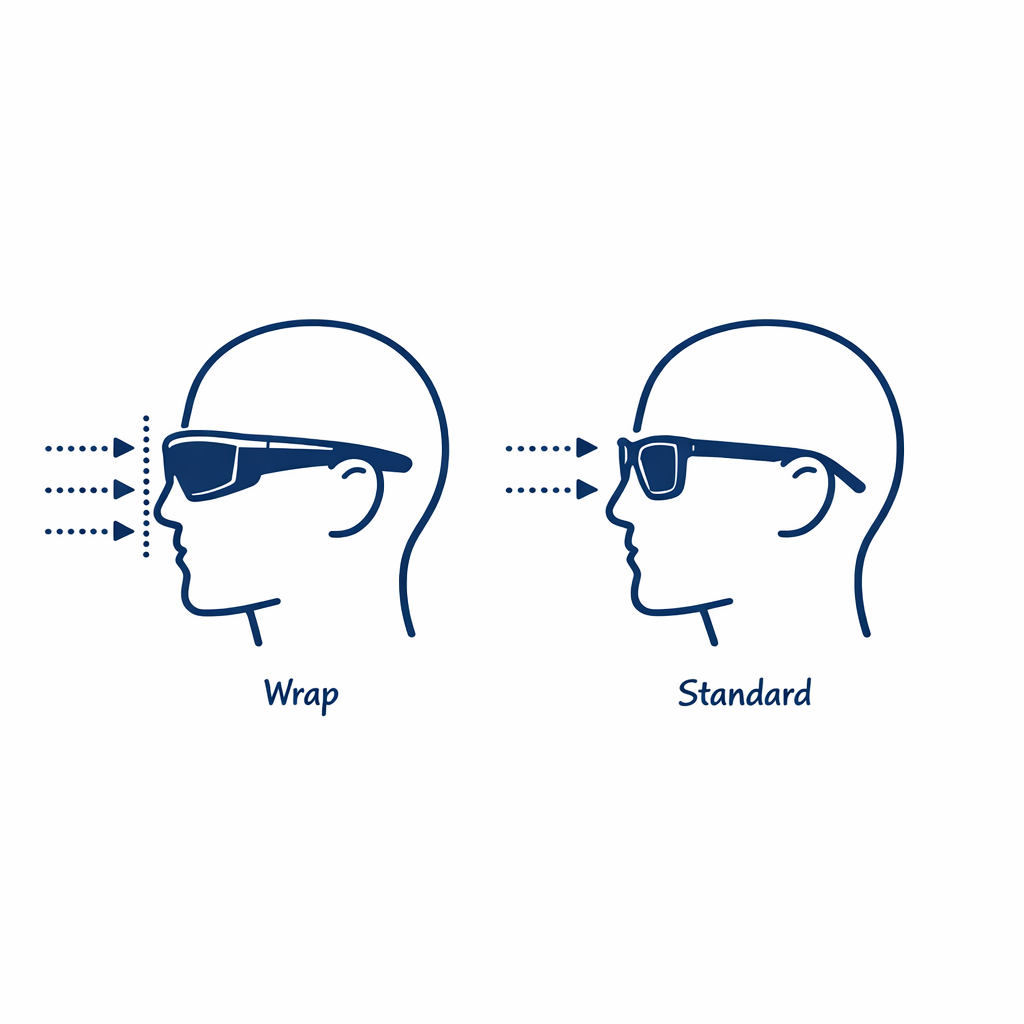
Wraparound golf sunglasses can feel more stable because they follow the face and reduce side light. If you’re distracted by light leaking in from the sides, or you play in windy conditions, a wrap style is worth trying.
- Look for: a gentle wrap (not overly tight) and temples that don’t pinch under your cap.
- Great for: bright courses, wind, and players who want maximum on-face stability.
Standard frames: lighter feel, easier to wear all day
Standard (non-wrap) frames can be excellent golf sunglasses if they fit well and don’t slide. Many golfers prefer them because they feel more like everyday eyewear, especially if you plan to wear the same pair off the course.
- Look for: comfortable nose support and temple tips that grip without pressure.
- Great for: golfers who dislike a “helmet-like” wrap feeling.
Small fit tweaks that matter on the course
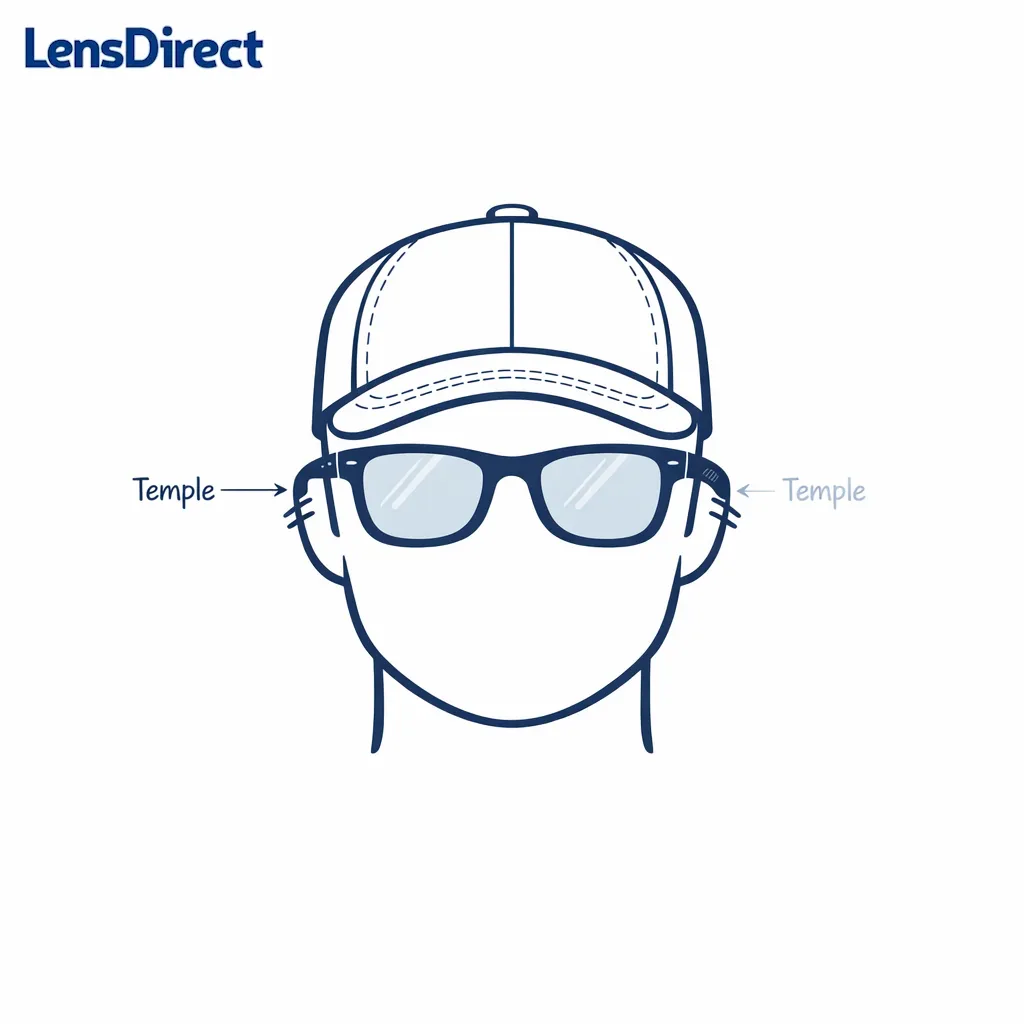
- Temple comfort under a cap: choose slimmer temples if your hat feels tight with sunglasses on.
- No-slip stability: if you constantly push glasses up, prioritize a better-fitting bridge and temple grip.
- Coverage: a slightly taller lens can help when the sun is high and you’re looking down at putts.
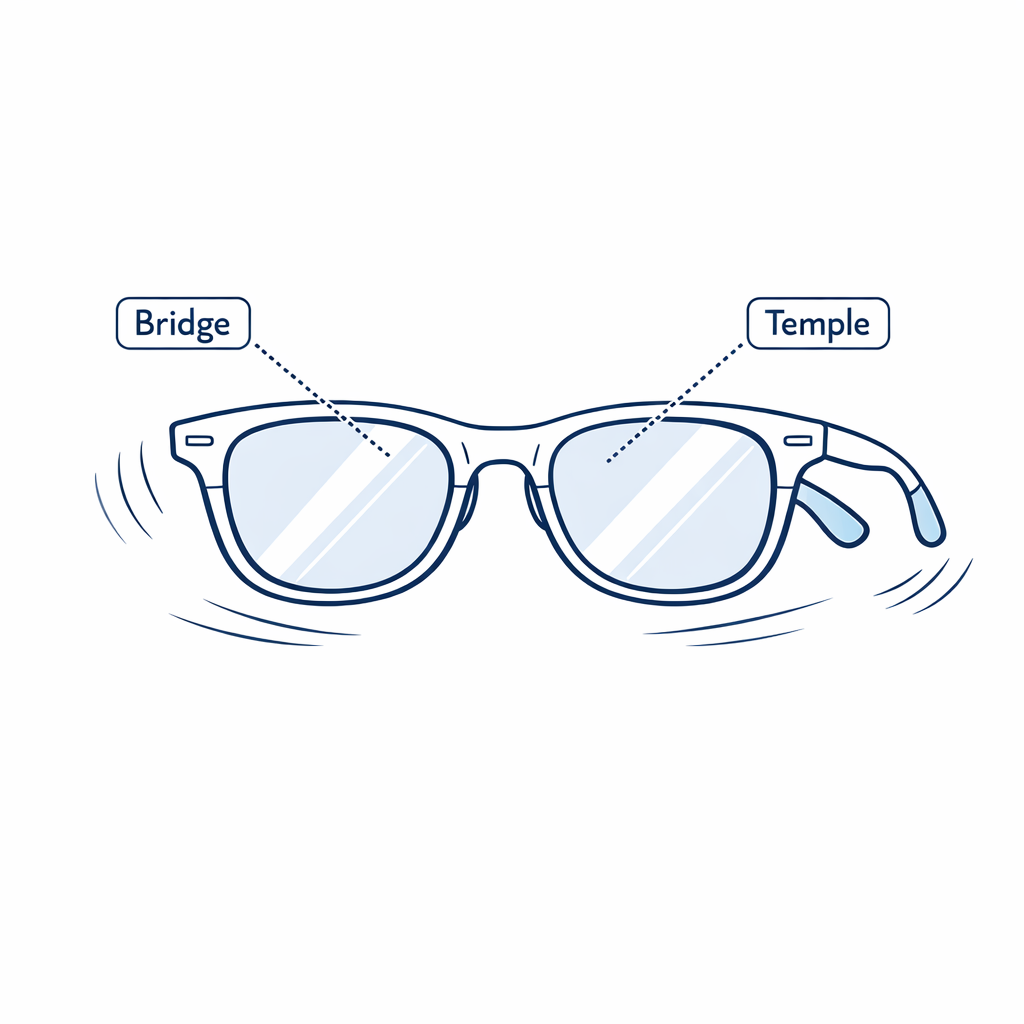
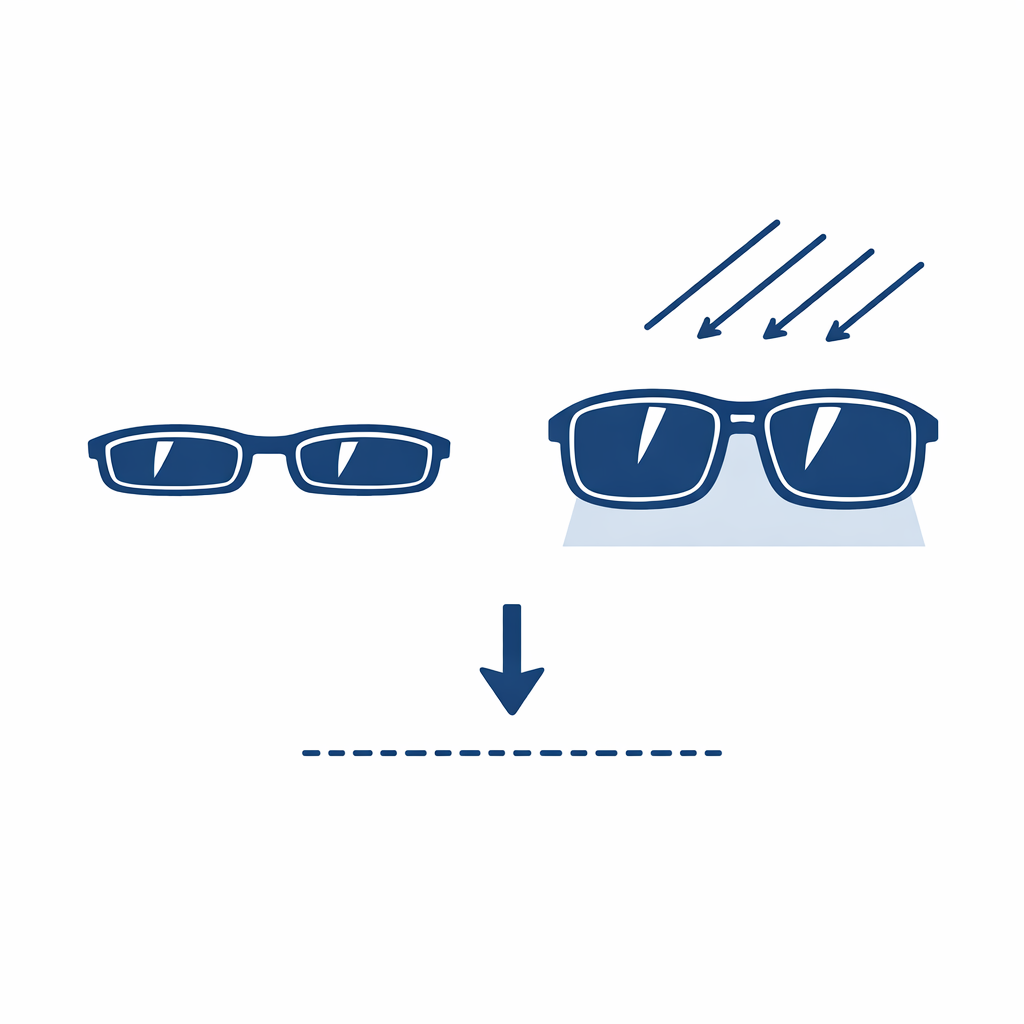
If you’re ordering online, LensDirect’s Find Your Fit guide can help you narrow shapes that tend to sit well on your face before you decide on lens features.
Prescription sunglasses for golf: what to consider before you order
If you wear prescription glasses, the “best prescription sunglasses for golf” are the ones that match how you actually see the course. Start with your prescription needs (distance clarity, astigmatism correction, or near support), then choose tint and polarization to complement that.
Single-vision vs progressives for golf
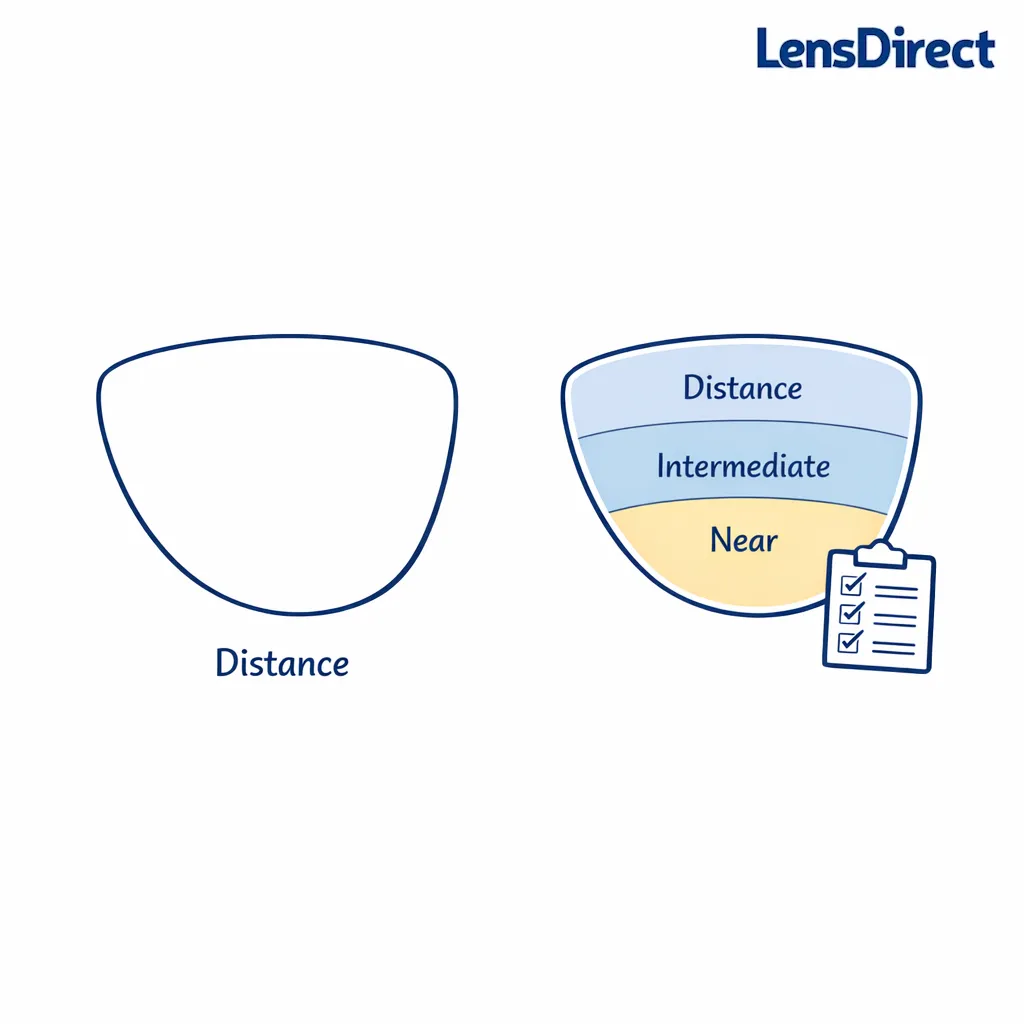
Many golfers like single-vision distance lenses because they’re straightforward for tracking the ball and scanning the fairway. If you need help up close, progressives can be convenient, but you’ll want a fit and lens design that feels natural when you’re reading putts and checking scorecards.
If you’re unsure what you’ll like, it’s smart to ask your eye doctor which lens type best matches your visual habits on the course. You’re not just buying sunglasses. You’re buying a “seeing system” for four hours at a time.
Don’t skip your PD
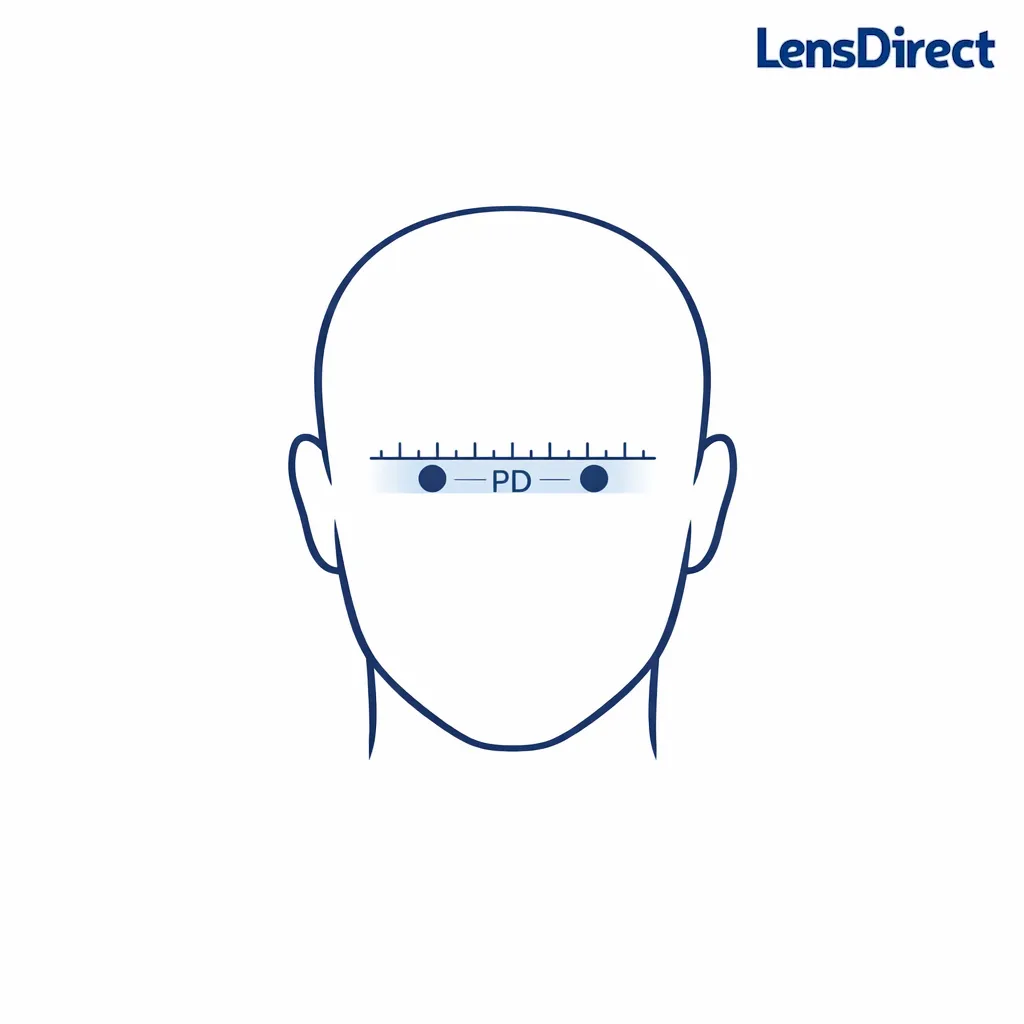
If you’re ordering prescription sunglasses online, accurate pupillary distance helps your lenses line up with your eyes the way they’re intended to. If you don’t know yours, use LensDirect’s guide on how to measure your pupillary distance before you check out.
Coatings and add-ons that golfers actually notice

You don’t need to memorize lens-coating jargon to get a great result. Focus on the options that change your day-to-day experience on the course.
- Anti-reflective options: helpful if reflections distract you, especially when the sun is behind you.
- Smudge and water resistance: useful for sweaty rounds, humid climates, and sudden weather changes.
- Scratch awareness: golf is hard on lenses if you toss sunglasses in a bag pocket with tees and coins, so a case is a real “performance upgrade.”
If your current frames fit perfectly but the lenses are scratched or outdated, replacing the lenses can be the simplest path to “top rated golf sunglasses” performance without relearning a new fit.
Common mistakes and misconceptions (that cost golfers strokes and comfort)
Mistake: assuming “polarized” automatically means “best sunglasses for golf”
Polarization is a tool, not a guarantee. The American Academy of Ophthalmology explains polarization as glare reduction, which is great when glare is the issue, but not every golfer wants that filtering effect when reading greens.
Mistake: buying the darkest lenses and calling it “UV protection”
Darkness is about comfort, not safety. The American Academy of Ophthalmology notes that UV protection is separate from lens darkness, so always check for strong UV blocking first, then pick the tint depth you enjoy for your tee times.
Mistake: ignoring fit until the back nine
Slipping, pressure behind the ears, and fogging are “slow burns” that get worse as the round goes on. If your sunglasses aren’t stable on the range, they won’t feel better on the 16th tee in heat and sweat.
Mistake: playing with scratched lenses because “they’re still usable”
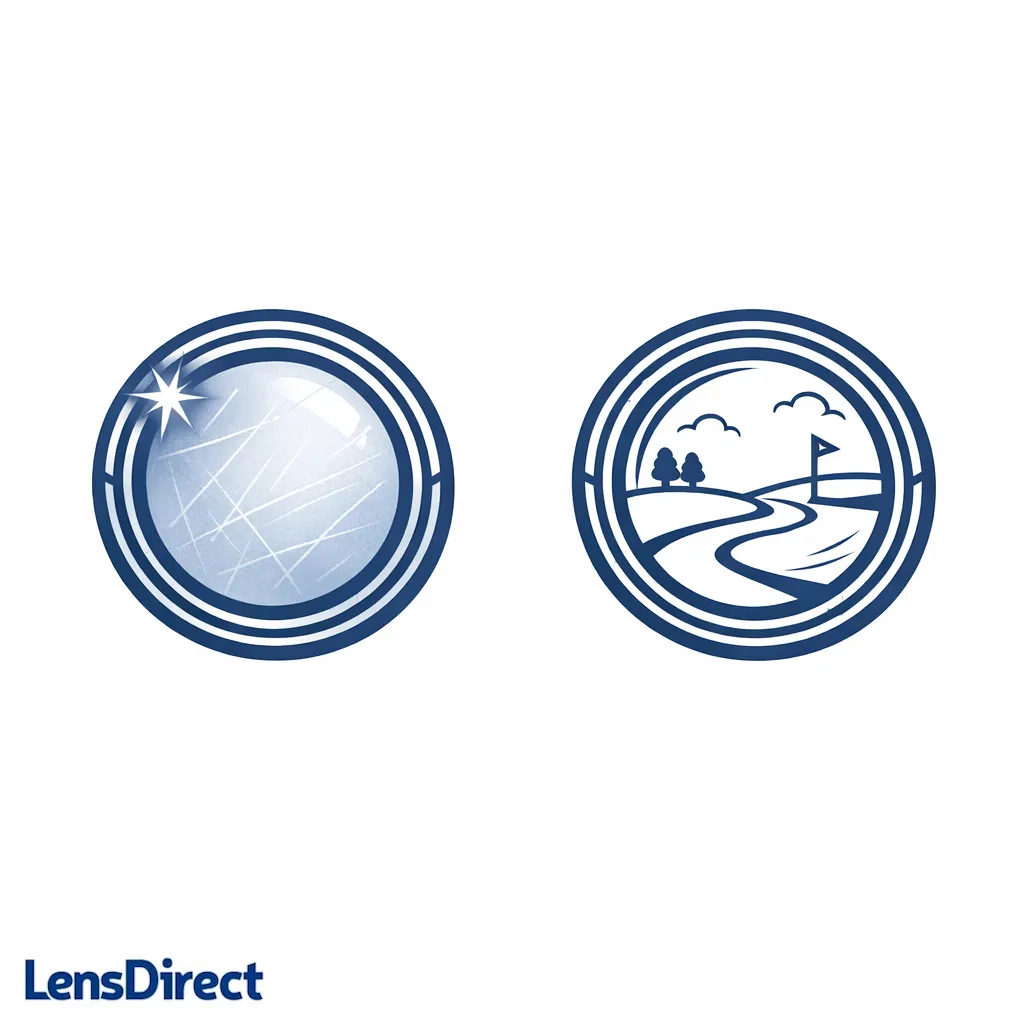
Micro-scratches can create extra haze and distracting flare in bright sun. If you catch yourself constantly cleaning your lenses or feeling like the course looks slightly “milky,” it may be time for a refresh.
What’s new for golf sunglasses shopping in 2026
The biggest change for most golfers is not a single “miracle lens.” It’s how easy it has become to build a golf-ready setup around your routine: one option for peak sun, another for variable light, and a clear plan for replacing worn lenses without replacing everything.
Golfers are also getting better at planning sun conditions instead of guessing. Checking a daily UV forecast is now a quick habit, and the EPA’s UV Index information makes it easier to understand when you might want darker comfort, more glare control, or simply a backup pair in the bag.
What to do next: a simple checklist for choosing golf sunglasses online
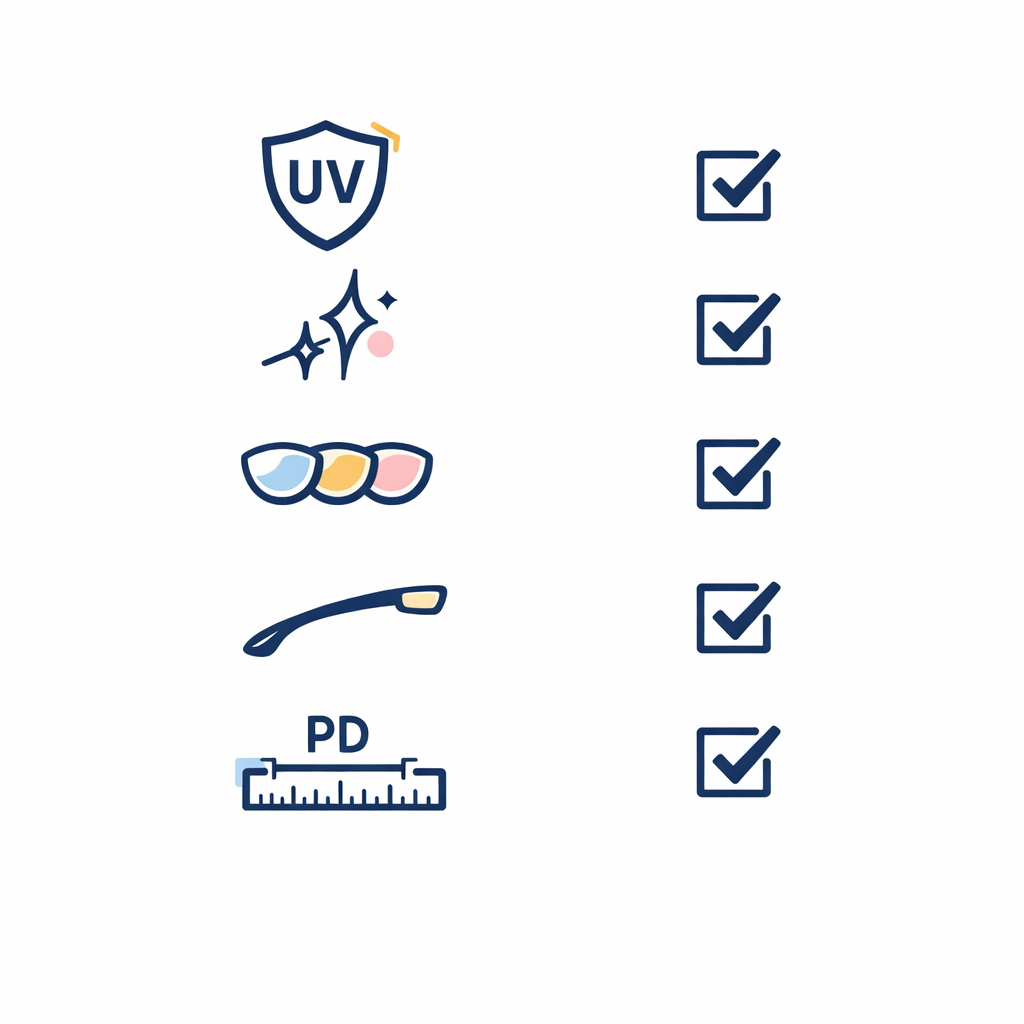
If you already love your frames, a lens refresh can be the fastest way to get that “best golf shades” clarity back.
- Confirm UV protection first: look for labeling consistent with the AAO’s recommendations for UVA/UVB protection.
- Decide on polarization based on your priority: glare comfort vs the most natural green-reading view.
- Pick a lens color for how you like to see: neutral (gray), warm/contrast-forward (brown/amber), detail-friendly (rose/copper), or balanced (green).
- Choose a fit strategy: wraparound for coverage and stability, or standard frames for a lighter everyday feel.
- If ordering prescription: get your Rx details right and measure your pupillary distance.
- Think in seasons: if you play a lot, plan for lens wear and have a replacement path ready.
Shop golf-ready eyewear at LensDirect
If you’re ready to upgrade your on-course comfort, start with sunglasses that match your playing conditions and vision needs. You can browse options and build a pair that works for bright fairways, variable light, and long rounds.
- Shop Sunglasses for golf-friendly lens options and styles.
- Shop Glasses if you want an everyday frame you can also outfit with sun lenses.
- Shop Contacts if you like the flexibility of wearing sunglasses over contacts on the course.
- Replace Your Lenses to update scratched or outdated lenses.
- Full-Service Replacement (send-it-in option) if you want a hands-off process.
- Order Replacement Lenses (DIY option) if you prefer to swap lenses yourself.
If you’re also trying to nail the fit before you order, use Find Your Fit, and if you plan to use benefits, you can learn how to get reimbursed by your insurance.
Author

Subscribe to our email newsletter to get the latest posts delivered right to your email.