
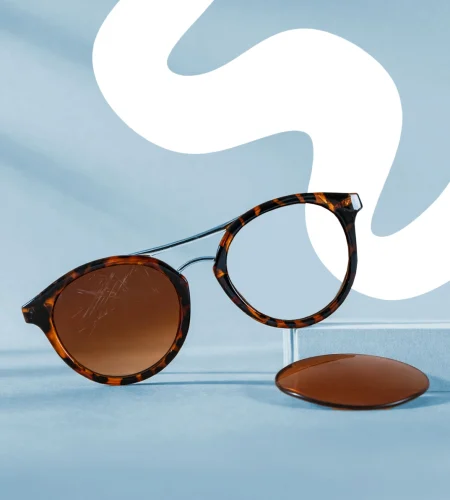
Scratched lenses are one of the most common reasons people stop wearing otherwise-great frames. If you like your current glasses or sunglasses (especially a favorite pair for driving, skiing, or everyday errands), replacing the lenses can be faster and less wasteful than buying a whole new pair.
This guide is for anyone shopping eyewear online who wants value and convenience, plus anyone deciding between a mail-in lens replacement service and DIY replacement sunglass lenses. You’ll learn how each option works, what frame types each one fits best, what to watch for with prescription details, and a simple checklist to choose confidently.
Two options, defined in plain English
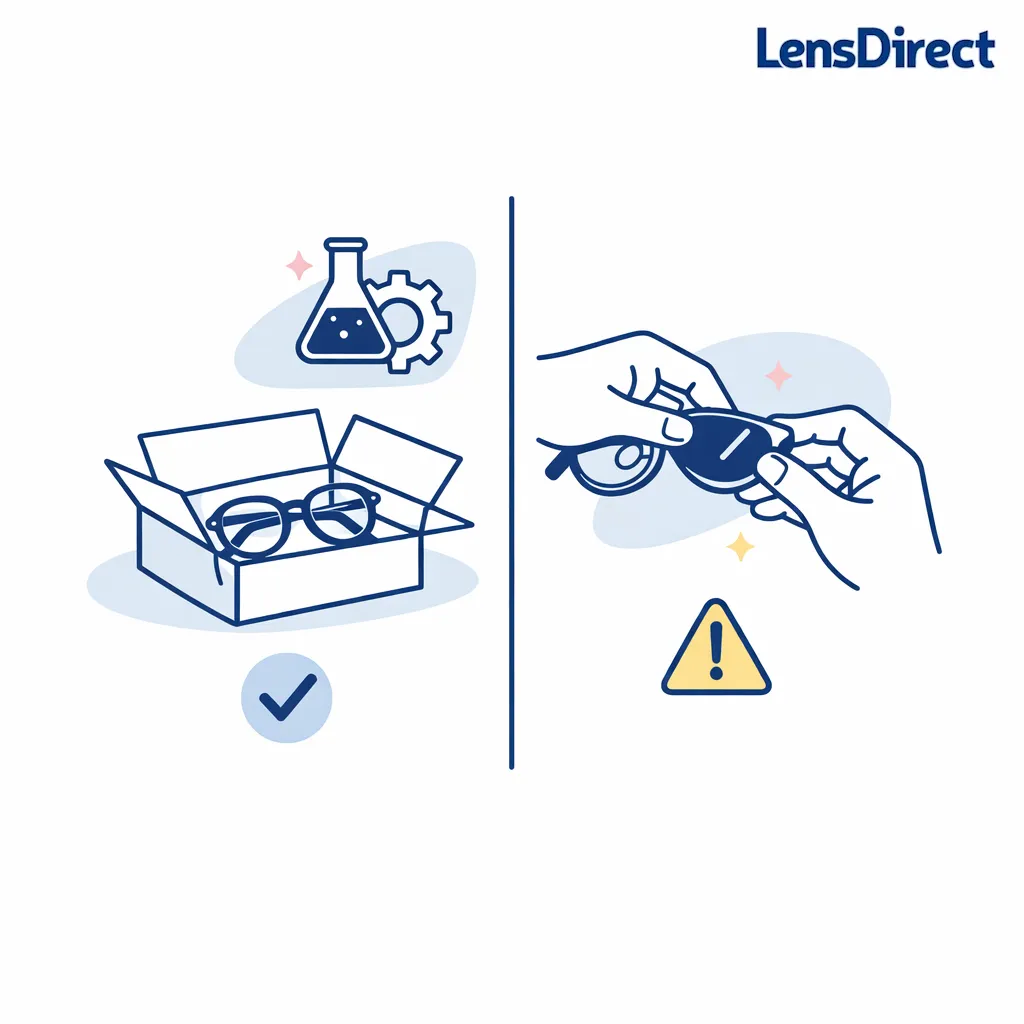
Mail-in lens replacement means you send your frames to a lab, and the lab cuts and installs new lenses made specifically for your frames and prescription. This is the “made-to-order” route and can work for prescription lens replacement or non-prescription sunglass lens replacement.
DIY replacement sunglass lenses usually means you buy pre-cut lenses made for a specific sunglass model (or a “close fit” lens) and install them yourself. This is most common for popular sport and fashion sunglasses that use swappable lenses.
At-a-glance: which one typically wins?
- Best for prescription accuracy: Mail-in lens replacement
- Best for speed if you already have compatible lenses in hand: DIY
- Best for tricky frames (rimless, semi-rimless, high-wrap): Mail-in lens replacement
- Best for simple sunglass swaps (some sport frames): DIY
- Lowest risk of cracking or misfitting lenses: Mail-in lens replacement
- Lowest “effort” if you hate tools and fiddly installs: Mail-in lens replacement
Mail-in lens replacement: what you’re really paying for
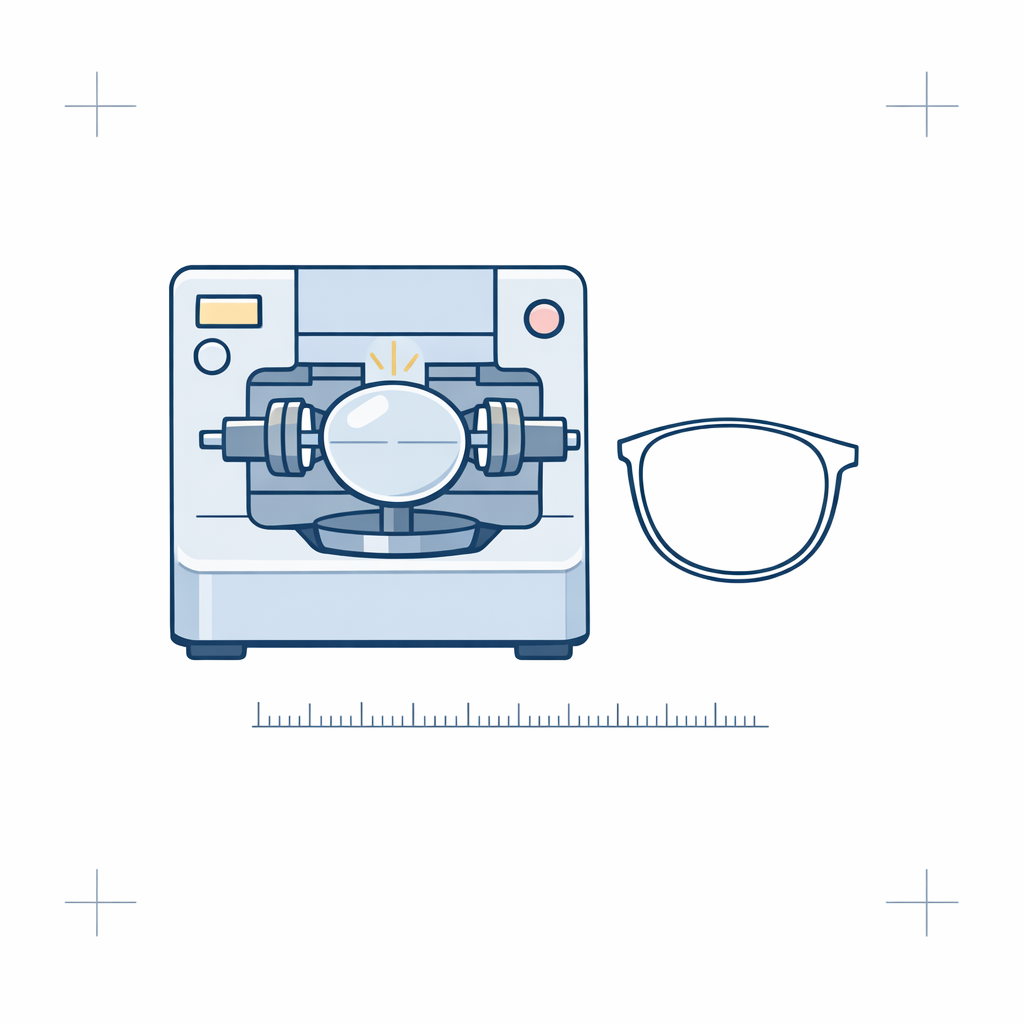
Mail-in replacement is less about shipping and more about precision. A lab can edge lenses to match your exact frame shape, groove, bevel, and mounting style, then verify the final fit and alignment.
This approach is often the most reliable choice when you want prescription lens replacement in frames you already love, or when your sunglasses have a wrap shape that’s hard to match with off-the-shelf lenses. If you need your prescription details, the FTC Eyeglass Rule requires prescribers to provide you a copy of your eyeglass prescription so you can shop where you want.
Mail-in lens replacement is a strong fit if you have:
- Progressives, bifocals, prism, or a stronger prescription where positioning matters
- Semi-rimless frames (nylon “string” groove) or rimless drill-mount frames
- High-wrap sports sunglasses or frames with unusual base curves
- Lenses with premium coatings (anti-reflective, mirror, polarized, photochromic)
DIY replacement sunglass lenses: when it’s smart (and when it isn’t)
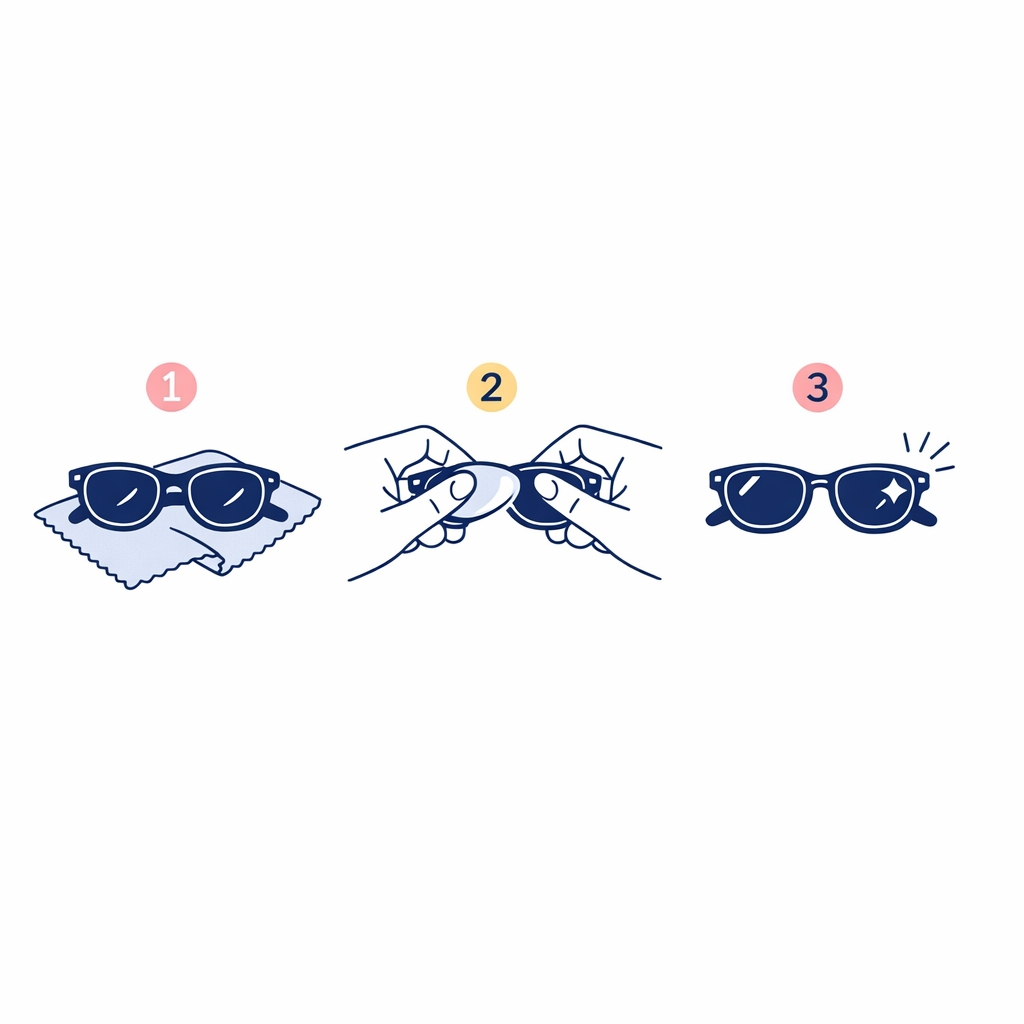
DIY replacement lenses can be a good option when your sunglasses are designed for quick lens swaps and you’re comfortable applying even pressure without twisting the frame. The biggest upside is convenience when you can order a lens that’s already made for your exact model.
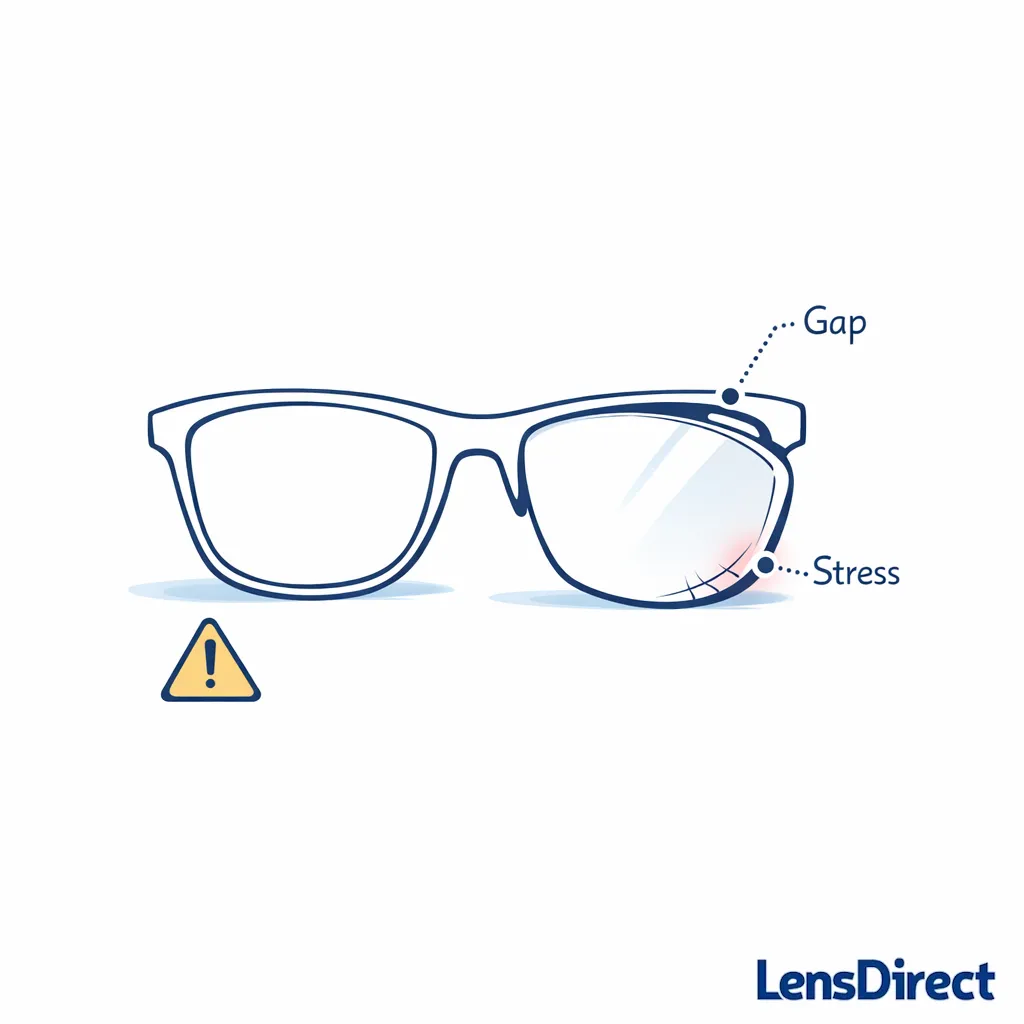
The tradeoff is that DIY assumes the lens you buy truly matches your frame’s shape, thickness, and locking mechanism. If the fit is slightly off, you may get gaps, popping, stress marks, or a lens that won’t seat correctly.
DIY tends to work best for:
- Non-prescription sunglass lens swaps (tinted, mirrored, or polarized)
- Frames advertised by the manufacturer as having interchangeable lenses
- People who want a second lens color for different conditions (driving glare vs. overcast)
DIY tends to be risky for:
- Prescription lenses (especially progressives), where optical center placement matters
- Older frames with brittle plastic or worn locking tabs
- Very curved wrap frames, where “close enough” lenses can distort vision
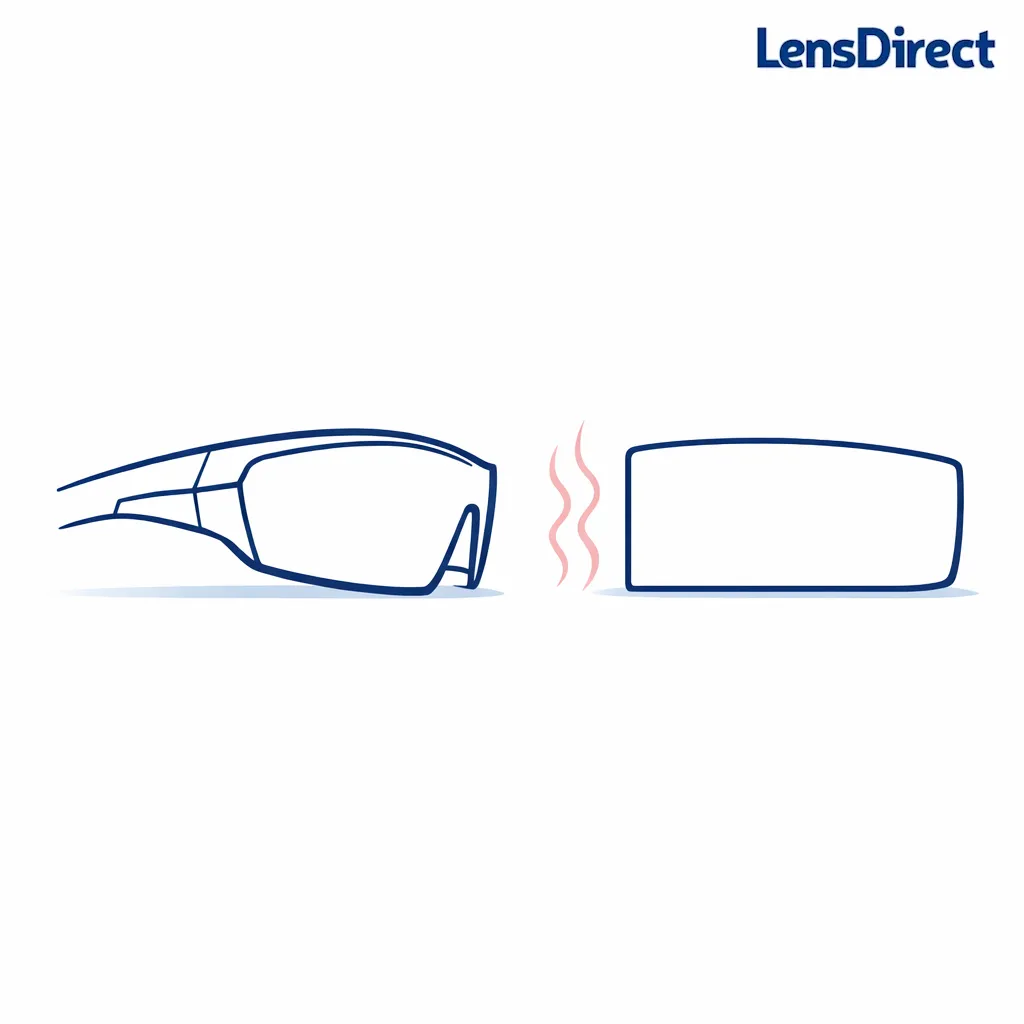
Frame fit: the real deciding factor
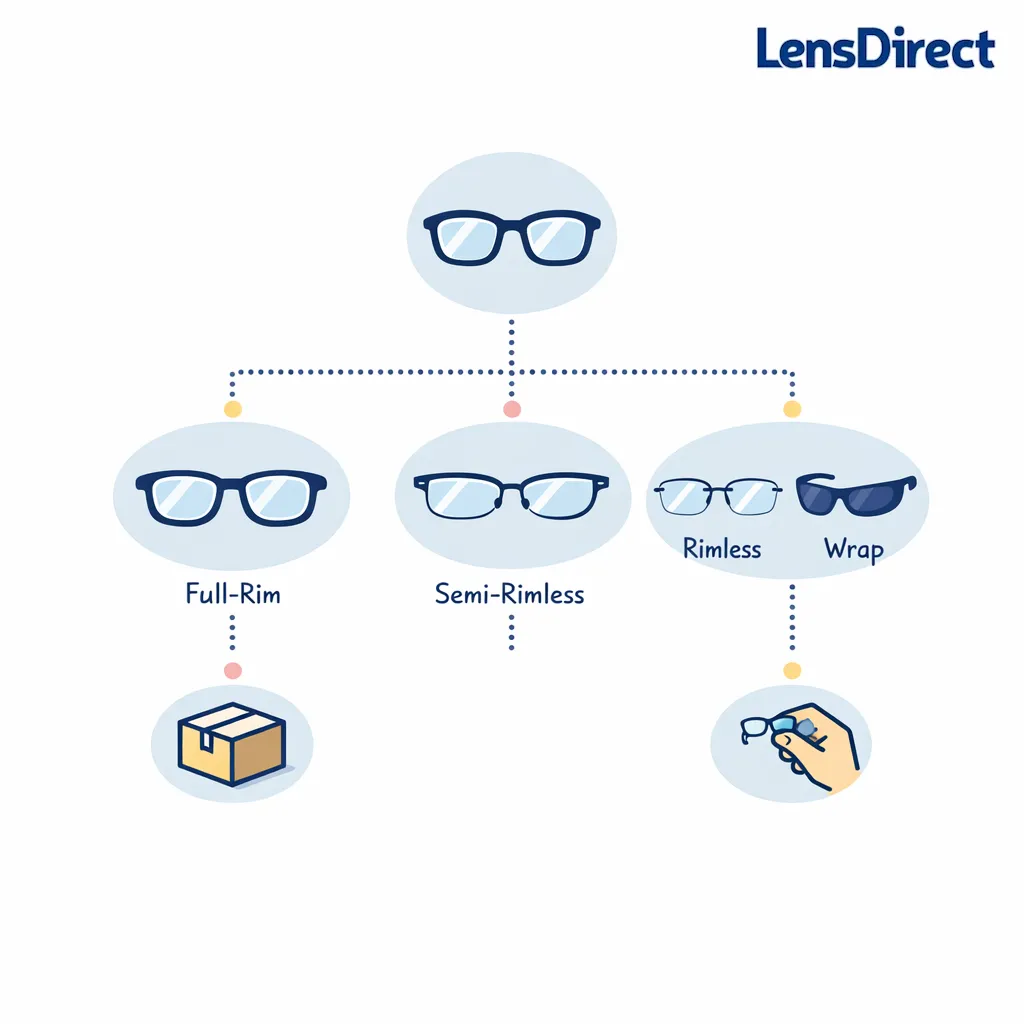
If you’re deciding between “replace sunglass lenses” at home vs. mailing them in, start with frame construction. Lens installation can range from easy pop-in to “one wrong move and the frame snaps.”
Typically DIY-friendly frame styles
- Some full-rim sports frames with designed-for-swap lenses and flexible rims
- Some fashion sunglasses with accessible lens channels and minimal tension
Typically mail-in-friendly (or pro-only) frame styles
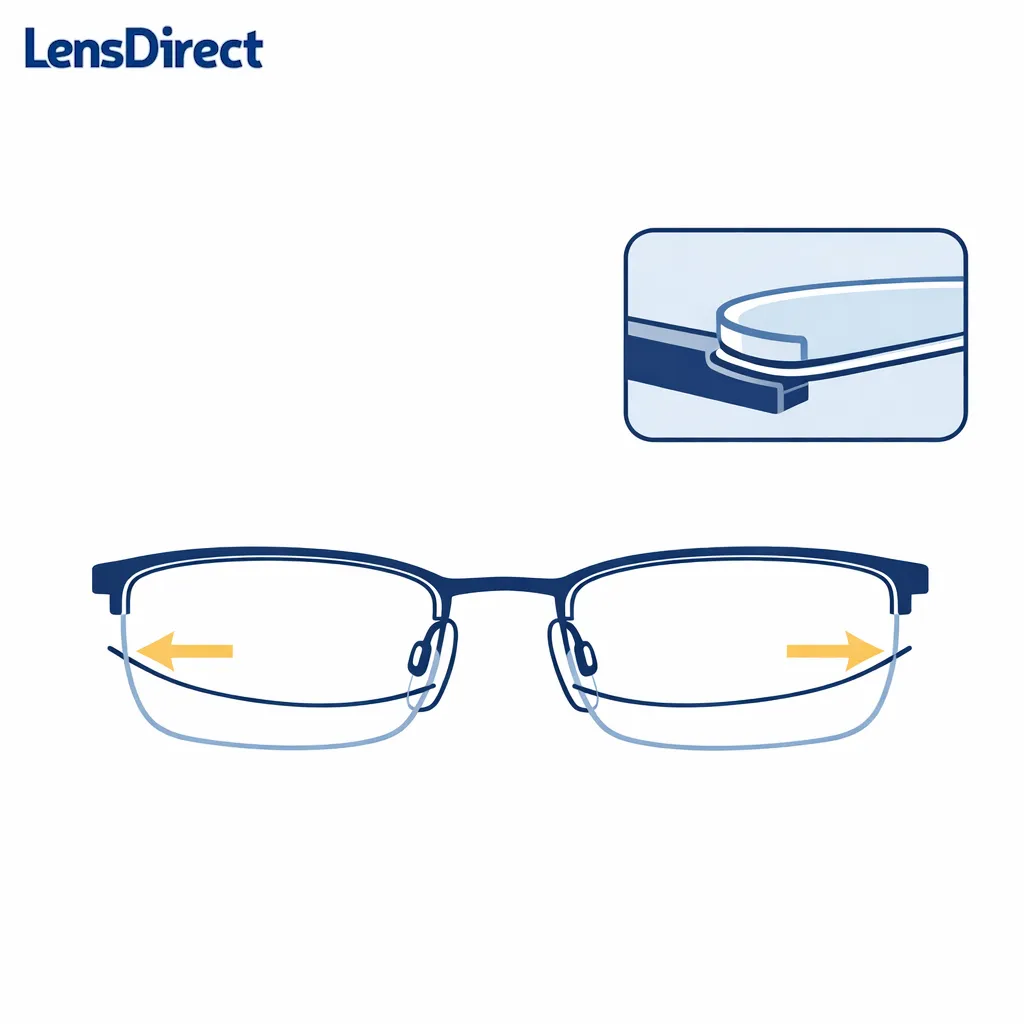
- Semi-rimless frames that rely on a tight groove and nylon cord tension
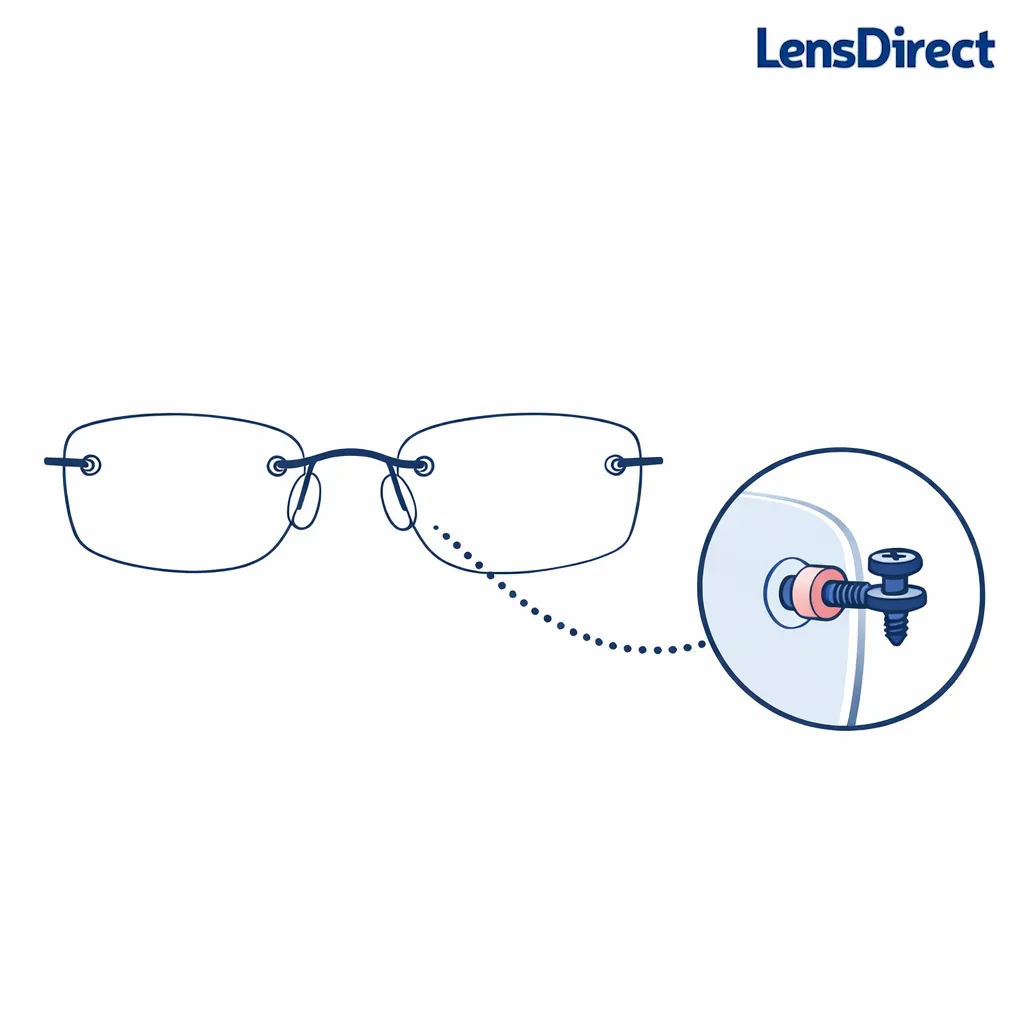
- Rimless frames where the lens is drilled and hardware-aligned
- High-wrap sunglasses where base curve and lens thickness affect fit and optics
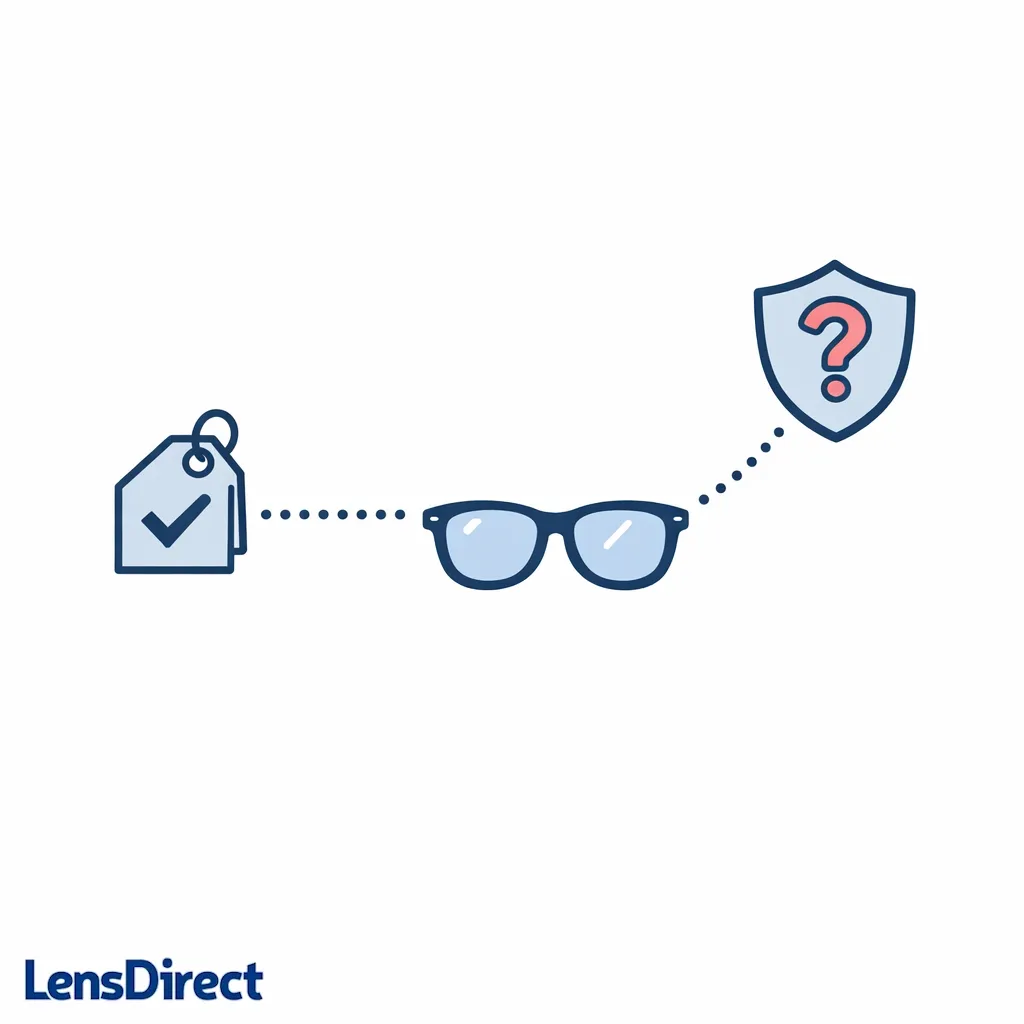
If you care about keeping any manufacturer warranty intact, read the brand’s warranty language before installing third-party lenses. For example, many brands limit coverage based on how the product is modified, so it’s worth checking the Oakley warranty terms or the Ray-Ban warranty terms for your specific pair.
Prescription complexity: why mail-in often wins for “lens replacement”
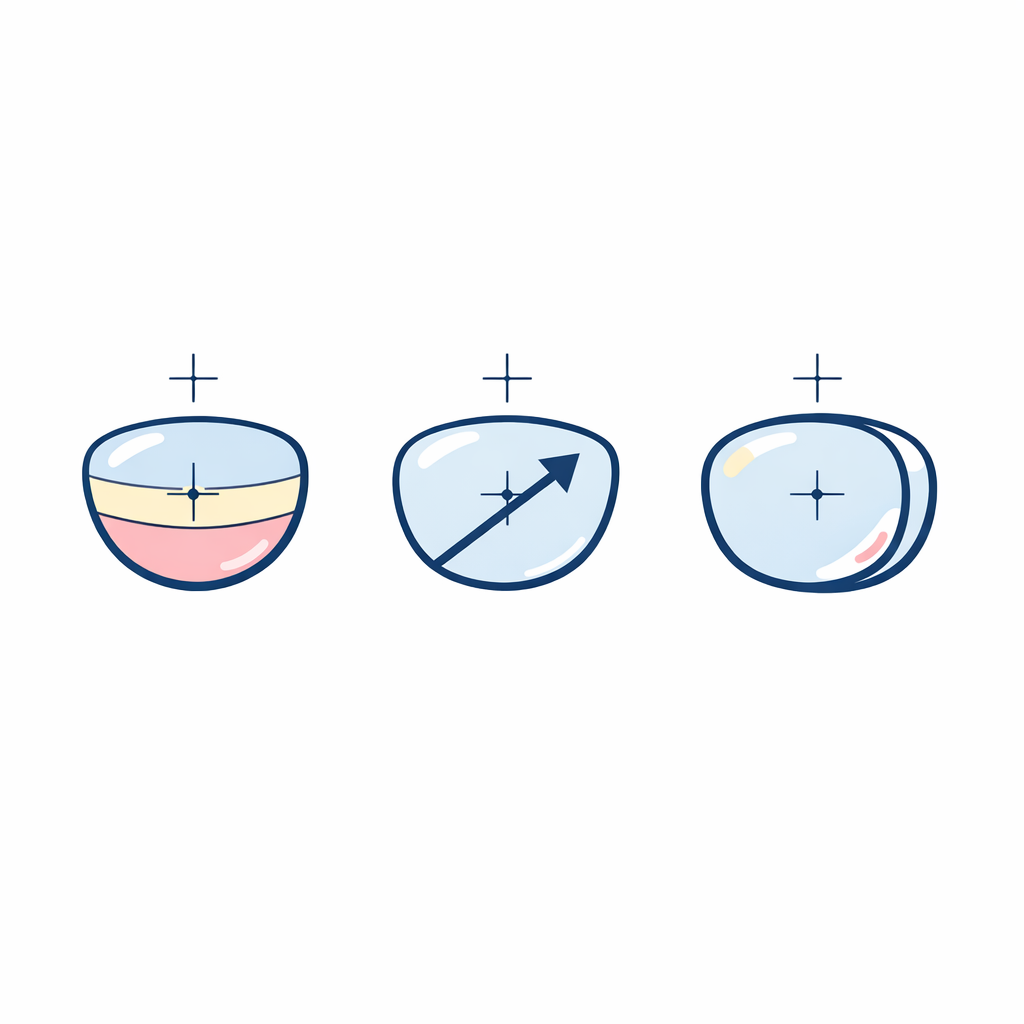
With prescription eyeglass lenses, the question is not just “Will the lens fit?” It’s also “Will the lens perform correctly when worn?” Small placement differences can matter more with higher prescriptions and with multifocal designs.
Mail-in replacement can be the safer route when you want to replace eyeglass lenses with progressives, add photochromic options, or choose specialty coatings. If you’re shopping online and want to understand your rights and the basics of buying prescription eyewear, the FTC’s guide to buying prescription glasses or contact lenses is a helpful reference.
Lens features that matter most for sunglasses
UV protection (non-negotiable)

For sun wear, UV protection should be your baseline requirement, whether you go mail-in or DIY. The FDA’s consumer guidance on sunglasses recommends choosing lenses that block 99% to 100% of both UVA and UVB radiation.
Polarization (great for glare, but not the same as UV)
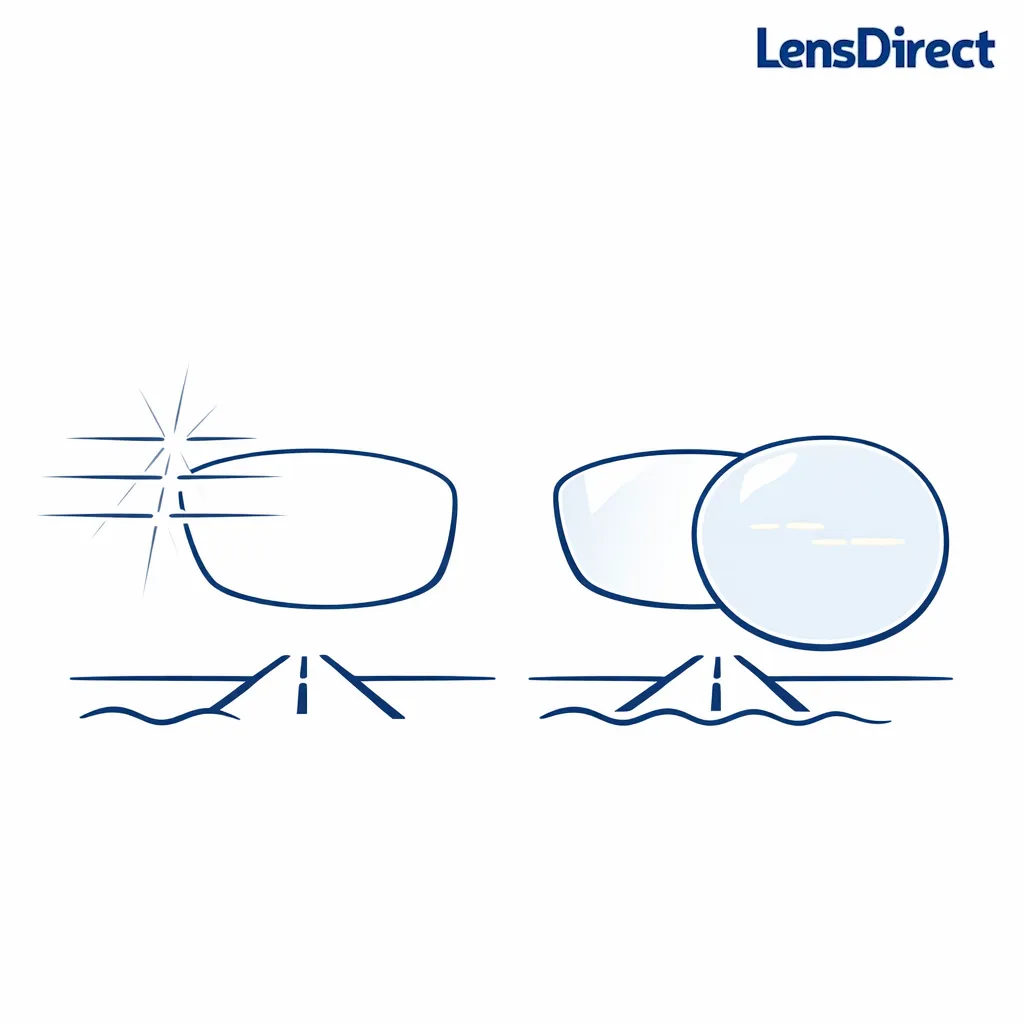
Polarized lenses can make driving, water sports, and snow days feel dramatically more comfortable by cutting reflected glare. But polarization does not automatically mean UV protection, so you still want lenses labeled for UV blocking, as explained by the American Academy of Ophthalmology’s sunglasses guidance.
Tints, mirrors, and “what you do outside”
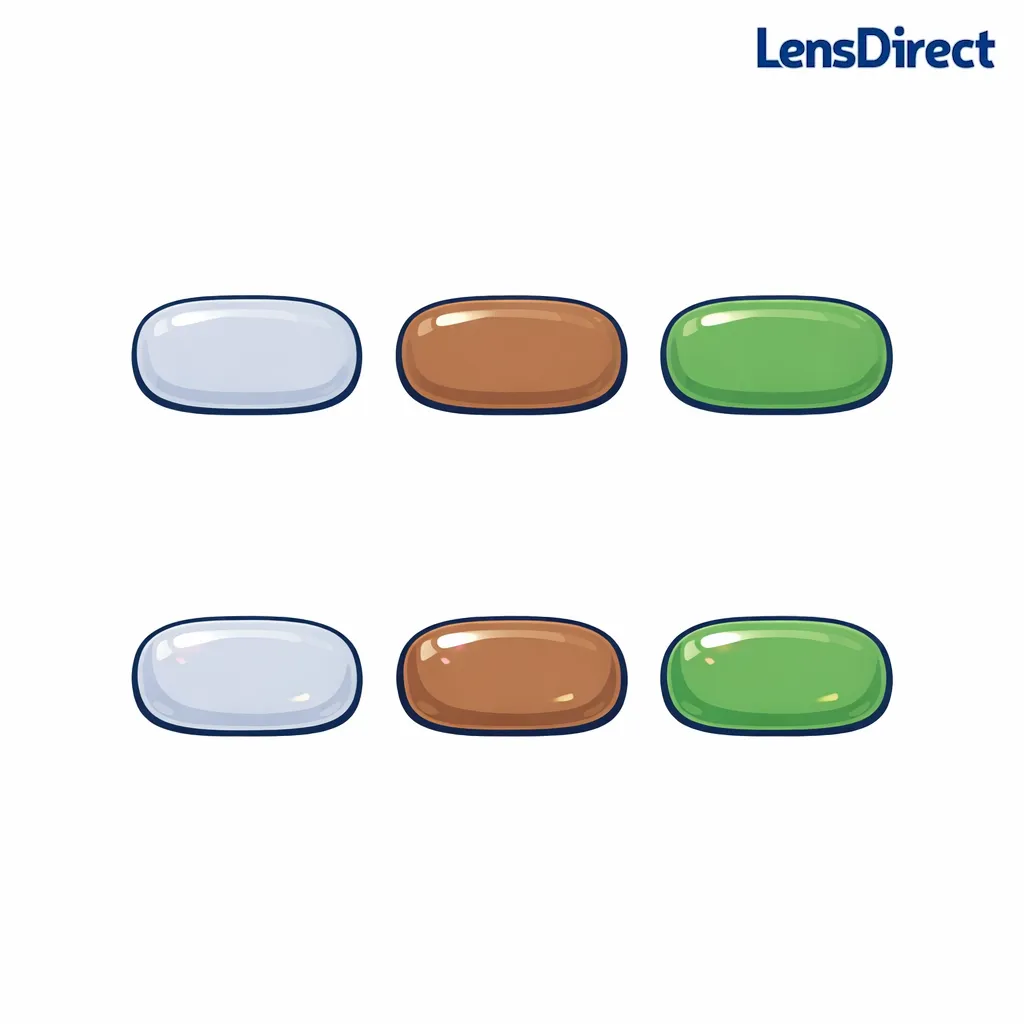
Different tints can change contrast and comfort depending on conditions. Darker is not always better, and mirror coatings are often more about glare management and comfort than “extra protection.” If you mainly switch lenses for changing weather or sports, DIY can be appealing, as long as the fit is truly exact.
Speed, cost, and risk: how to think about the tradeoffs
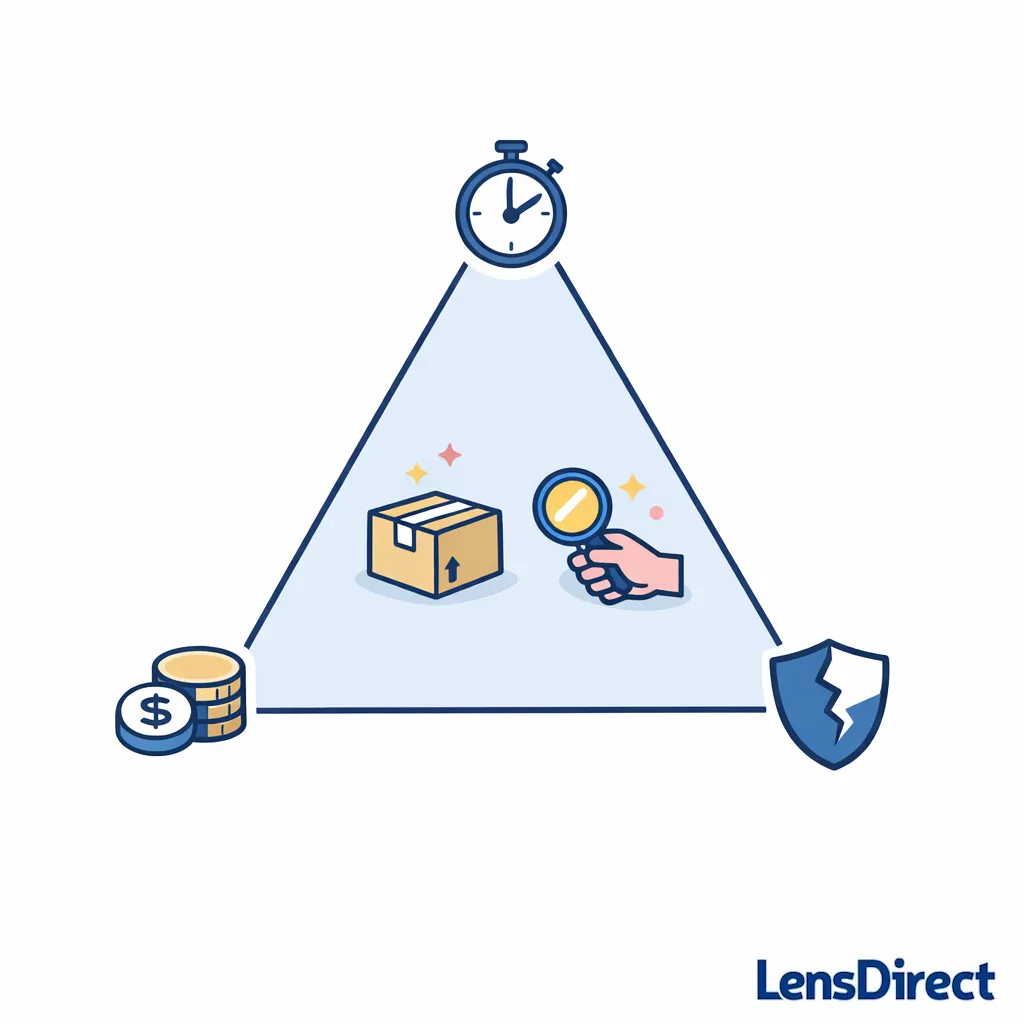
DIY usually optimizes for speed and convenience when the lens is readily available for your exact model. Mail-in usually optimizes for precision, broader lens choices, and reduced “oops” risk.
Also consider the “hidden costs” of a DIY mistake. A lens that doesn’t seat properly can scratch coatings, stress the frame, or pop out at the worst time. If you only have one pair you rely on daily, downtime can matter as much as price.
What’s new (2025–2026): small rule details that can make buying easier
If you haven’t replaced lenses in a few years, one practical update is that consumer protection rules and guidance are easier to find and reference when you’re shopping online. The FTC Eyeglass Rule is still the key regulation that supports your ability to take your prescription and shop around, which makes lens replacement services and online eyewear more accessible.
Another “new” reality is behavioral: more people now keep a favorite pair of frames longer and refresh them with prescription lens replacement instead of buying a whole new frame. That shift makes it worth getting your prescription copy and comparing options based on fit, coatings, and intended use instead of only comparing price.
Common mistakes and misconceptions (that can waste money)
“Polarized lenses always protect against UV.”
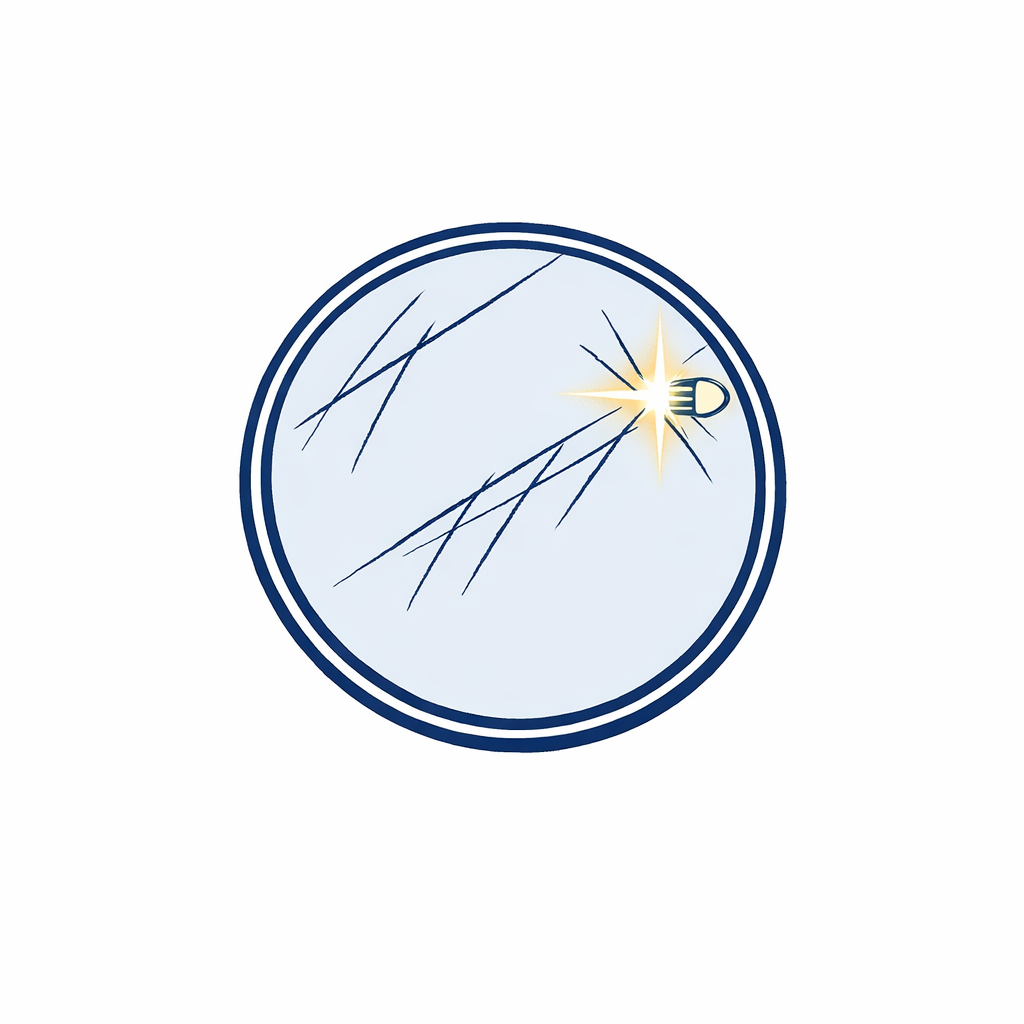
Polarization helps with glare, not necessarily UV. Use the lens labeling and seller specs to confirm UV blocking, consistent with the American Academy of Ophthalmology’s advice on choosing sunglasses.
“Any replacement lens for my brand will fit my frame.”
Even within a brand, lens shapes can vary by model name, size, and generation. If your frame has a size marking (often on the inside of the temple), match that exactly, and avoid “close fit” lenses if you’re not prepared for returns or fiddly installs.
“I can buff out scratches and keep going.”
Many modern lenses include coatings that can be damaged by abrasive polishing or household “scratch remover” hacks. If the scratch is in your line of sight or you see glare halos at night, lens replacement is often the clearer and safer fix.
“If I have my prescription, I’m done.”
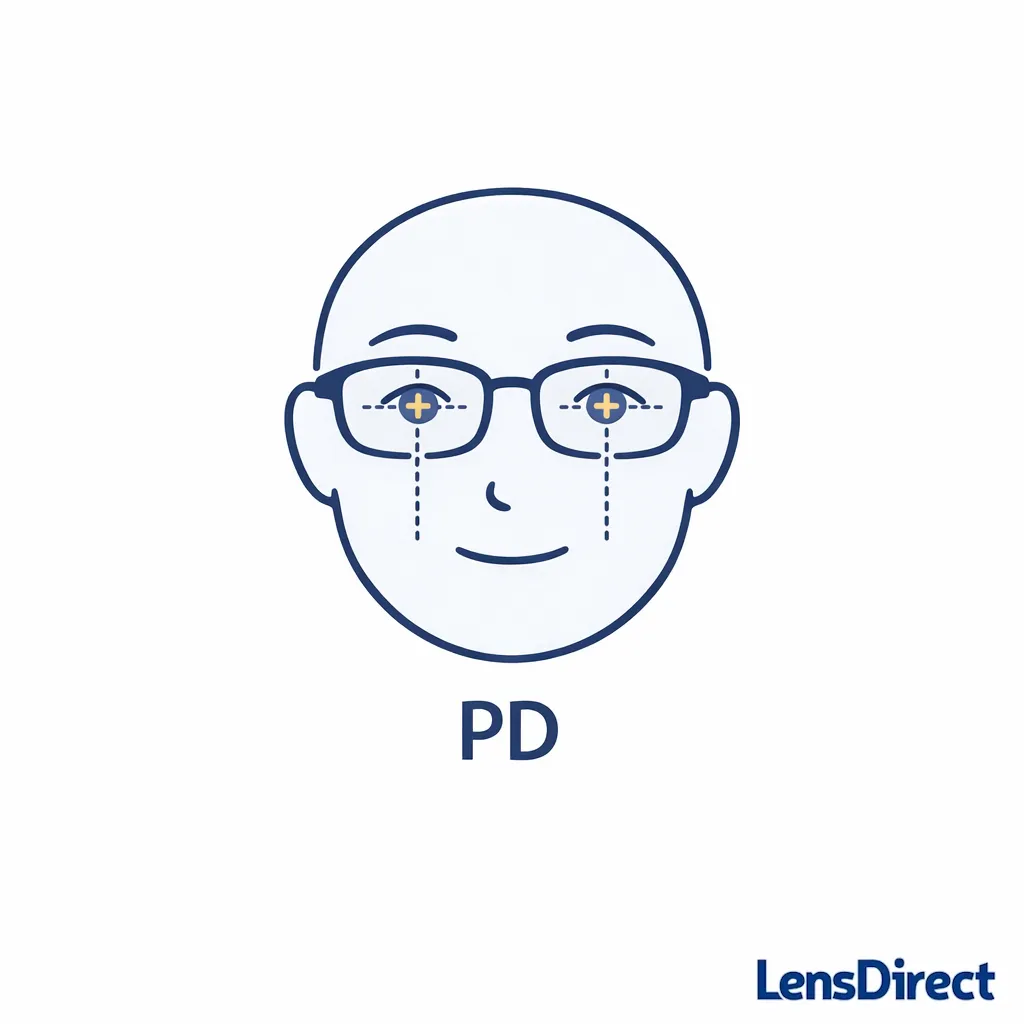
Your prescription is essential, but comfort and clarity also depend on measurements and frame geometry. If you’re unsure, ask your eye care provider questions during your exam and remember you’re entitled to receive your Rx under the FTC rule for eyeglass prescriptions.
Step-by-step: how to do each option successfully
Mail-in lens replacement checklist
- Confirm your frames are worth saving: Check hinges, nose pads, and frame cracks.
- Gather your prescription: Make sure it’s current and readable (ask your doctor for a copy if needed).
- Decide your lens goals: Everyday clarity, driving glare, snow sports contrast, screen comfort, or all of the above.
- Choose features intentionally: UV protection for sun wear, polarization for glare, and coatings based on your lifestyle.
- Plan for downtime: If these are your only glasses, consider having a backup pair during the replacement window.
- Pack carefully: Use a hard case and protective padding to avoid shipping damage.
DIY replacement sunglass lenses checklist
- Identify the exact model and size: Match the frame code and size marking if available.
- Pick the right lens type for your use: Driving glare, water glare, snow glare, or everyday sun.
- Confirm UV protection in the specs: Follow guidance like the FDA’s recommendations on UV-blocking sunglasses.
- Use clean hands and a soft surface: A microfiber towel helps prevent new scratches.
- Apply even pressure: Avoid twisting the frame; work slowly around the rim.
- Inspect the seat: Check for gaps, rattle, or stress whitening in plastic before you wear them outdoors.
What to do next (quick decision checklist)
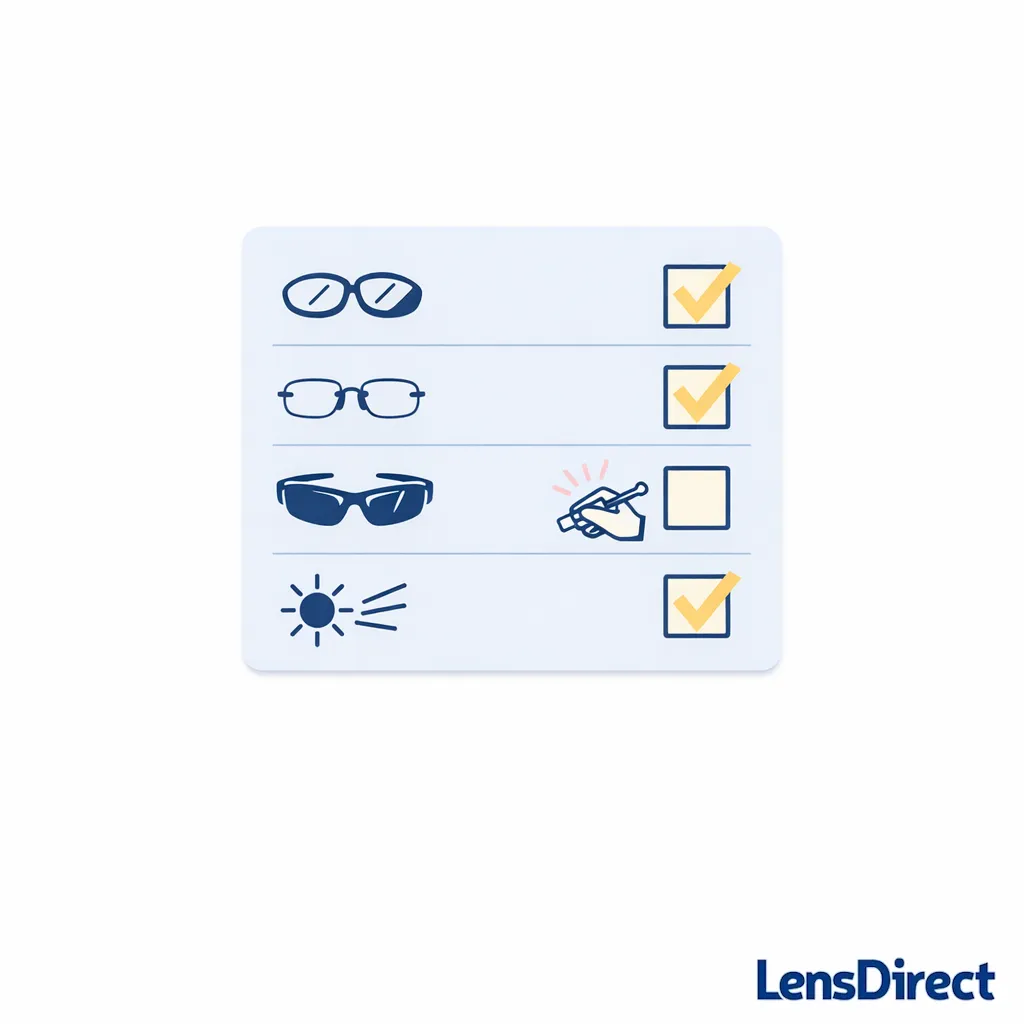
- If the lenses are prescription: Lean mail-in replacement unless your frame is specifically built for prescription swappable inserts and you’re experienced.
- If the frame is rimless or semi-rimless: Choose mail-in replacement to avoid hardware alignment issues.
- If the sunglasses are made for quick swaps: DIY can be a solid choice for non-prescription lens changes.
- If your main problem is glare: Prioritize polarization and verify UV blocking (they are not the same feature).
- If you want the best chance of “like new” clarity: Replace scratched lenses instead of trying to polish them.
- If warranty matters: Read your brand’s terms (for example, Ray-Ban’s warranty terms) before installing third-party lenses.
Ready to see clearly again?
If you want a simple way to refresh a favorite pair, LensDirect is a convenient starting point for online eyewear shopping and everyday essentials. Pick the path that matches your frames and how you actually use them, then prioritize comfort, UV protection, and a fit that won’t distract you mid-day.
- Shop Glasses (great if you want a fresh frame and new lenses together)
- Shop Contacts (ideal for travel, sports, and backup vision)
- Replace Your Lenses (keep the frames you love and restore clear vision)
- Browse Best Sellers (a quick way to compare popular options)
- Find Your Fit (helpful if you’re not sure what size or style works)
- Compare Options (useful when deciding between lens features like polarization and coatings)
- Learn More (good if you want to understand lenses before you buy)
Author

Subscribe to our email newsletter to get the latest posts delivered right to your email.