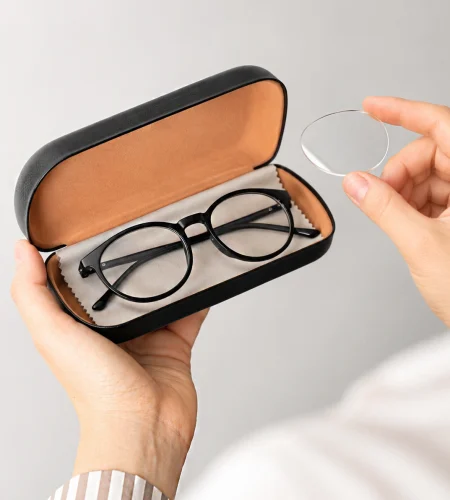
If you are asking can I get new lenses in old frames, the answer is often yes. For many people, replacing the lenses while keeping the frame is the best mix of value, convenience, and keeping a pair that already fits well.
This guide is for shoppers comparing online lens replacement, local opticians, and big-box optical departments. You will learn when new prescription lenses for old glasses usually make sense, what to inspect before you order, how a mail-in process works, which lens options matter most, and when buying a new pair is the smarter call.
Quick answer
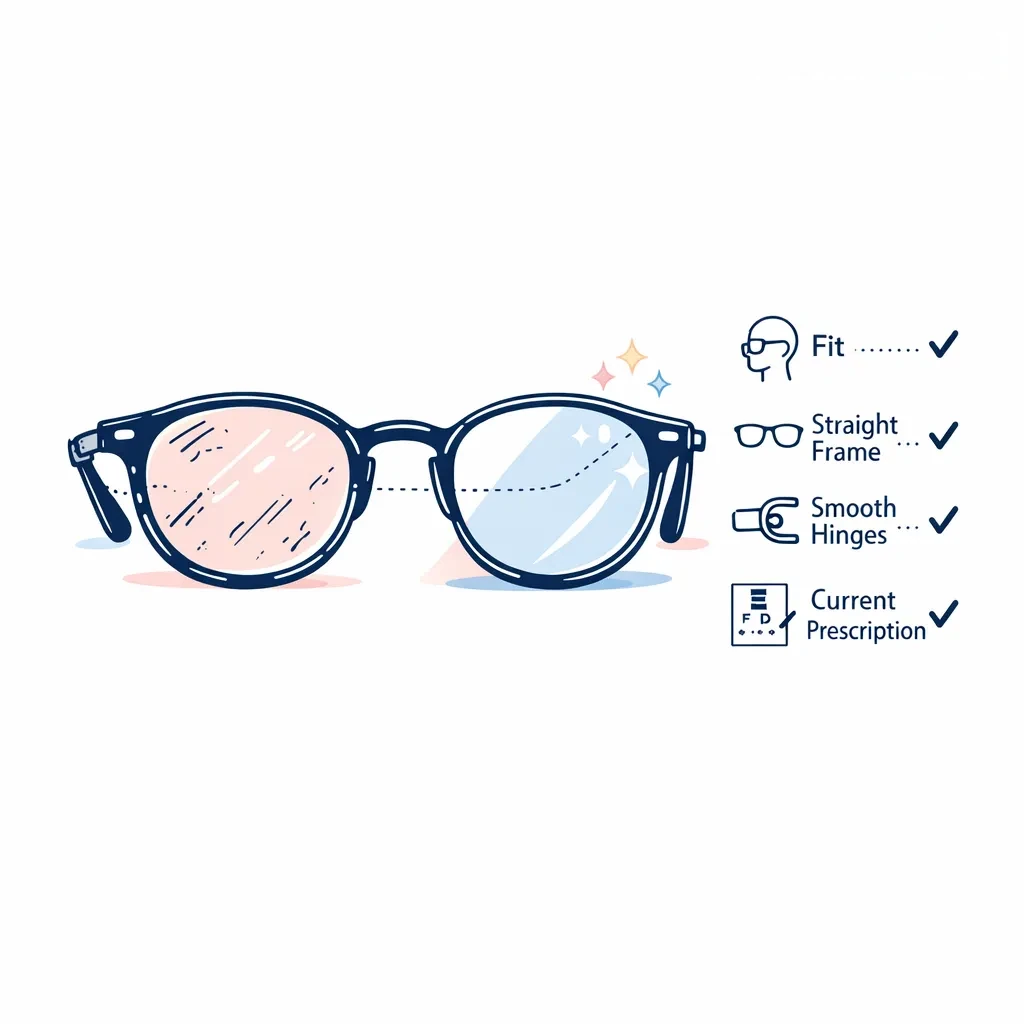
Yes, you can often put new prescription lenses in old frames. The best candidates are frames that are still structurally sound, fit comfortably, and make sense for the prescription you need now. The biggest reasons orders get rejected are frame damage, worn hardware, and an old frame that is no longer worth the lens investment.
Price is driven mostly by the lenses, not by the idea of reusing the frame. Choices like single-vision, progressive, high-index, polarized, and coated lenses usually have a bigger effect on total cost than the frame you already own.
Can you put new prescription lenses in old frames?
Short answer
Yes. If you have a current prescription, a lab can often cut and fit new lenses into your existing glasses. In the U.S., the FTC Eyeglass Rule says your prescriber must give you a copy of your eyeglass prescription after your exam, which makes it easier to compare lens replacement services.
You may also see this sold as a lens replacement or bring-your-own-frames service. The basic idea is simple: keep the frame, replace the lenses, and let a lab decide whether the frame is safe to work on.
When it usually works
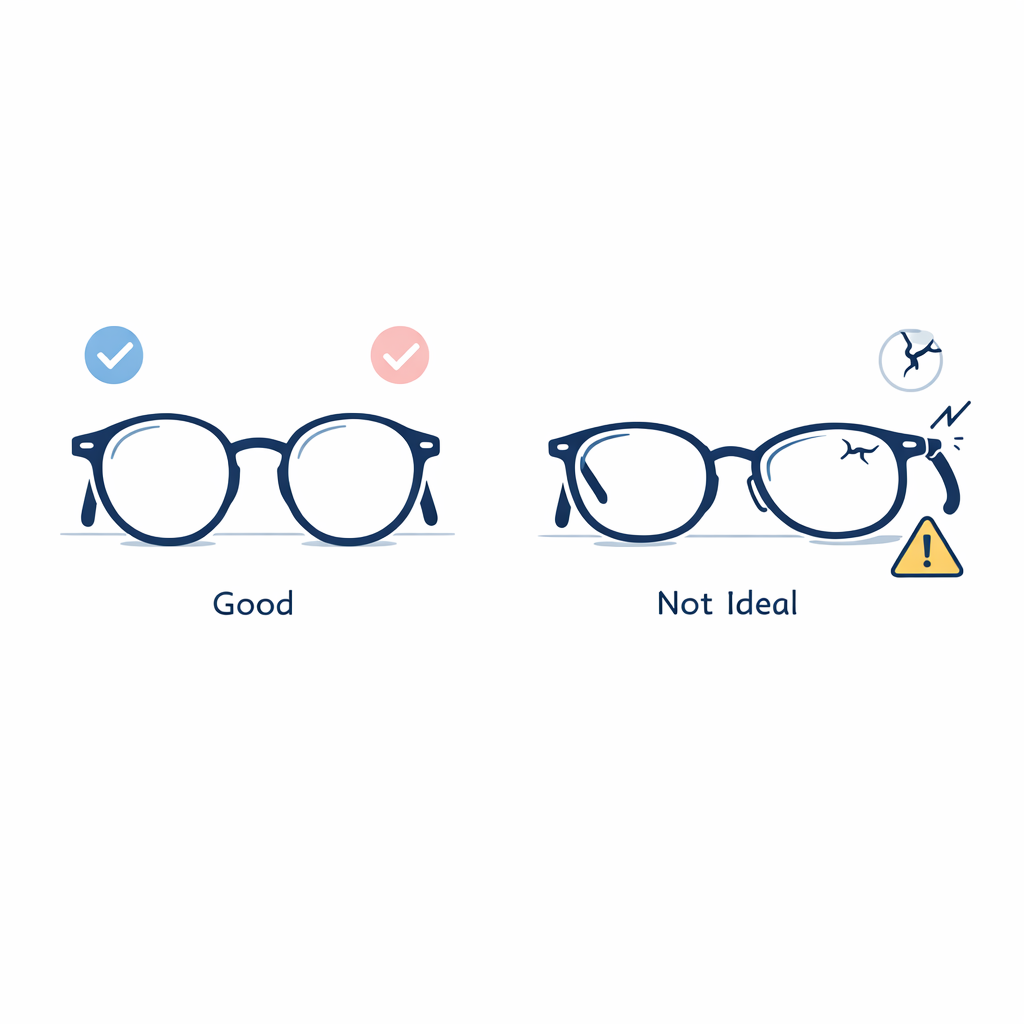
- Your frame still fits well and feels comfortable on your face.
- The front of the frame sits straight and the hinges still open and close smoothly.
- You like the style enough to keep wearing it for another prescription cycle.
- Your new prescription is a sensible match for that frame shape and size.
- You want to refresh clear lenses, sunglasses lenses, or coatings without starting from scratch.
When it usually does not
- The frame has visible cracks, stripped screws, missing parts, or a badly bent front.
- The style is so worn that even great new lenses would leave you with an uncomfortable pair.
- You are moving into a very different lens design and want expert guidance on whether the old frame is still a good match.
- You are unsure whether your prescription is current and should start with an eye exam instead of an order.
What to check before you order lens replacement
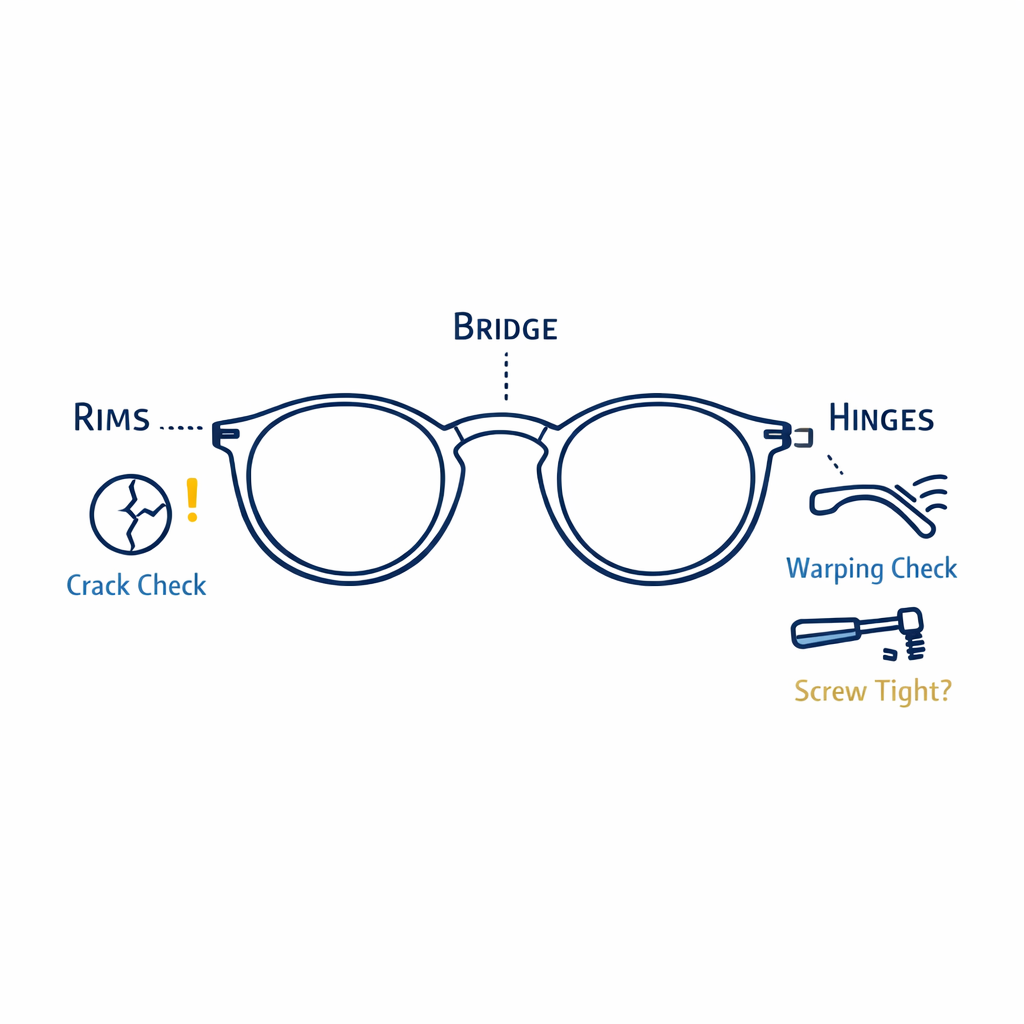
Before you pay for a lens replacement service, inspect the frame like a lab would. A scratched old lens is not a problem by itself, but a stressed frame can turn a simple job into a bad bet.
Frame material and age
Think about how the frame has aged, not just how it looks from the front. In a mail-in lens replacement process, the old lenses have to come out and the new lenses have to be cut and mounted back into the same frame, so a frame that already feels fragile deserves extra caution.
A newer frame in good condition can be a great relens candidate. An older frame can still work too, but only if it has kept its shape and does not show signs of stress around the bridge, rims, or hardware.
Hinge condition, warping, cracks, and loose screws
Open both temples and compare how they move. If one side is much looser than the other, if the frame front looks twisted, or if a screw no longer holds tension, fix that first or ask whether the lab can inspect it before proceeding.
Also look closely at the bridge, around the lenses, and anywhere a screw or drill point meets the frame. Tiny cracks have a way of becoming big problems once a frame is handled again.
Full-rim vs semi-rimless vs rimless compatibility
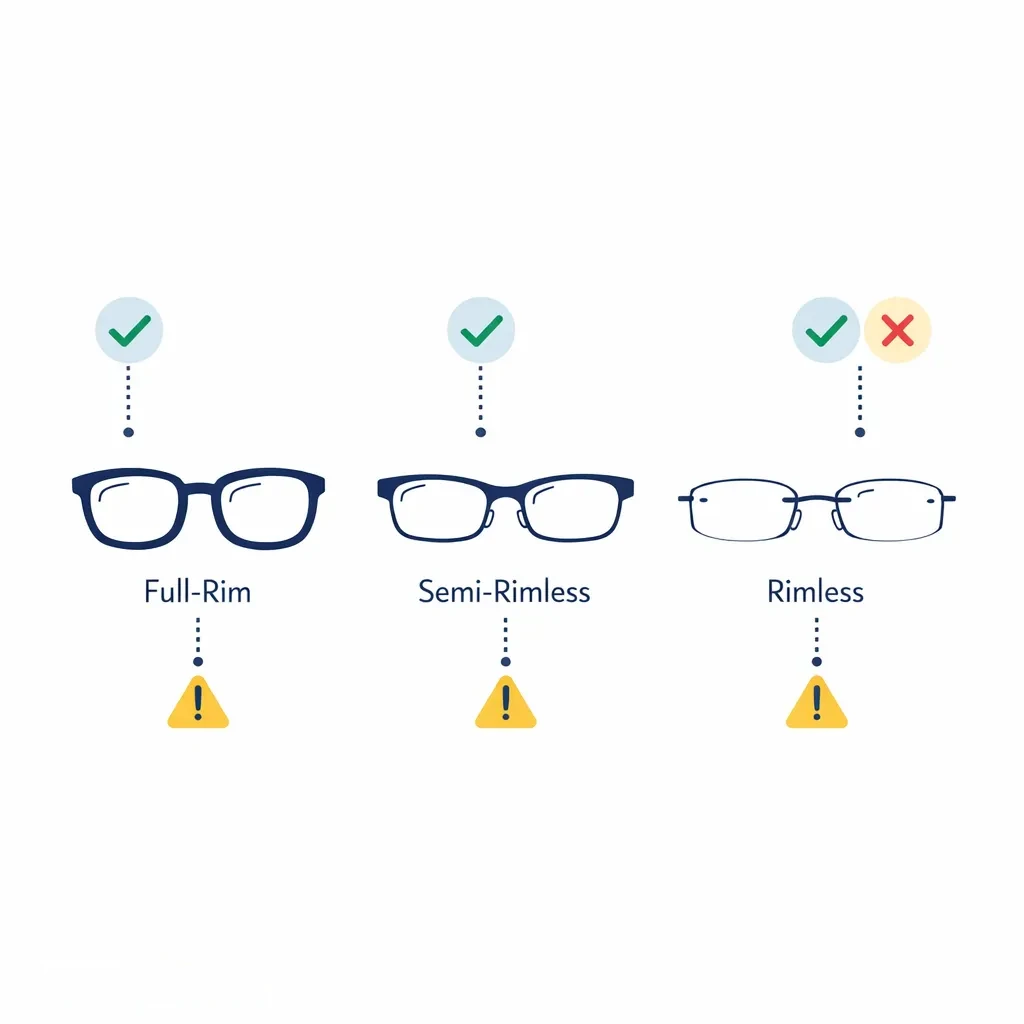
Tell the lab exactly what kind of frame you have before you order. Full-rim, semi-rimless, and rimless frames can all be relensed, but they are not always accepted under the same rules, so it is smart to confirm style compatibility up front.
If your frame has specialty hardware, decorative elements near the lens edge, or past repairs, mention that too. The more specific you are before shipping, the less likely you are to lose time on a frame that would fail inspection anyway.
Whether your prescription is suitable for the frame shape
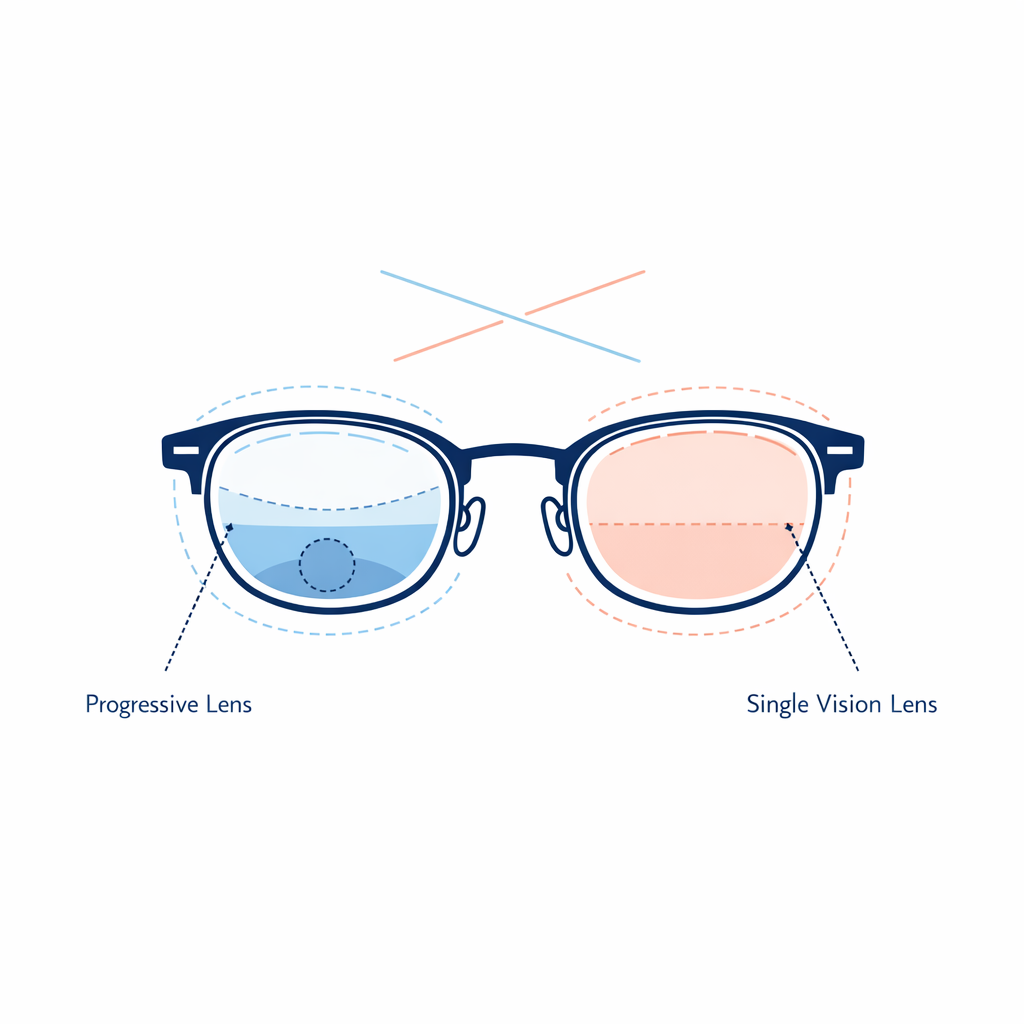
Your frame and your prescription work together, not separately. If your prescription has changed a lot, or if you are switching to a different lens design, ask whether the old frame is still a good candidate for the finished look and feel you want.
This matters even more if you need multifocal lenses. Presbyopia is the age-related loss of near focusing ability, and people managing it often choose bifocals or progressives, so it is worth confirming that your old frame still suits that type of lens.
Pre-order checklist
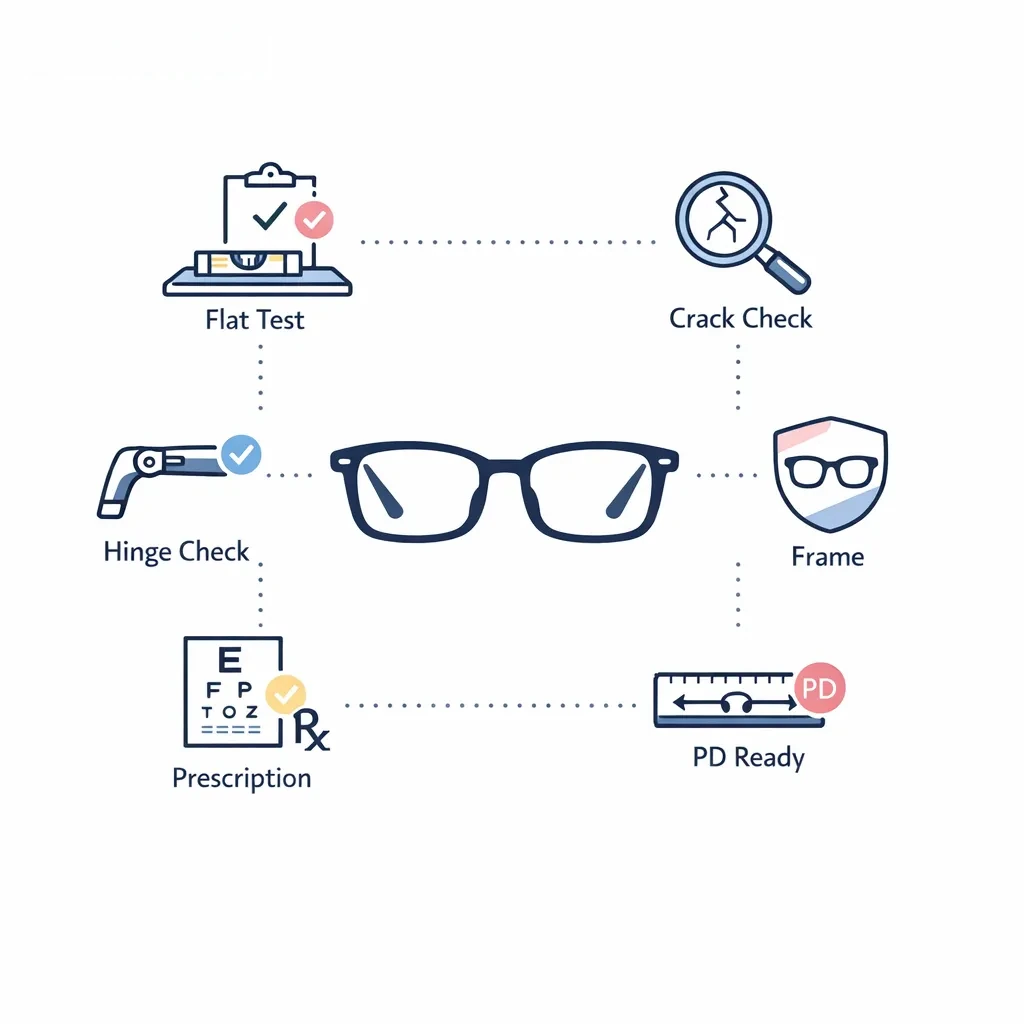
- Set the frame on a flat surface and see whether it rocks or sits twisted.
- Check the bridge and lens openings for hairline cracks.
- Make sure both hinges feel secure and even.
- Confirm the lab accepts your frame style and condition.
- Have your prescription ready and verify your PD.
- If you wear progressives or have a stronger prescription, ask whether the frame is still a smart match.
How the lens replacement process works
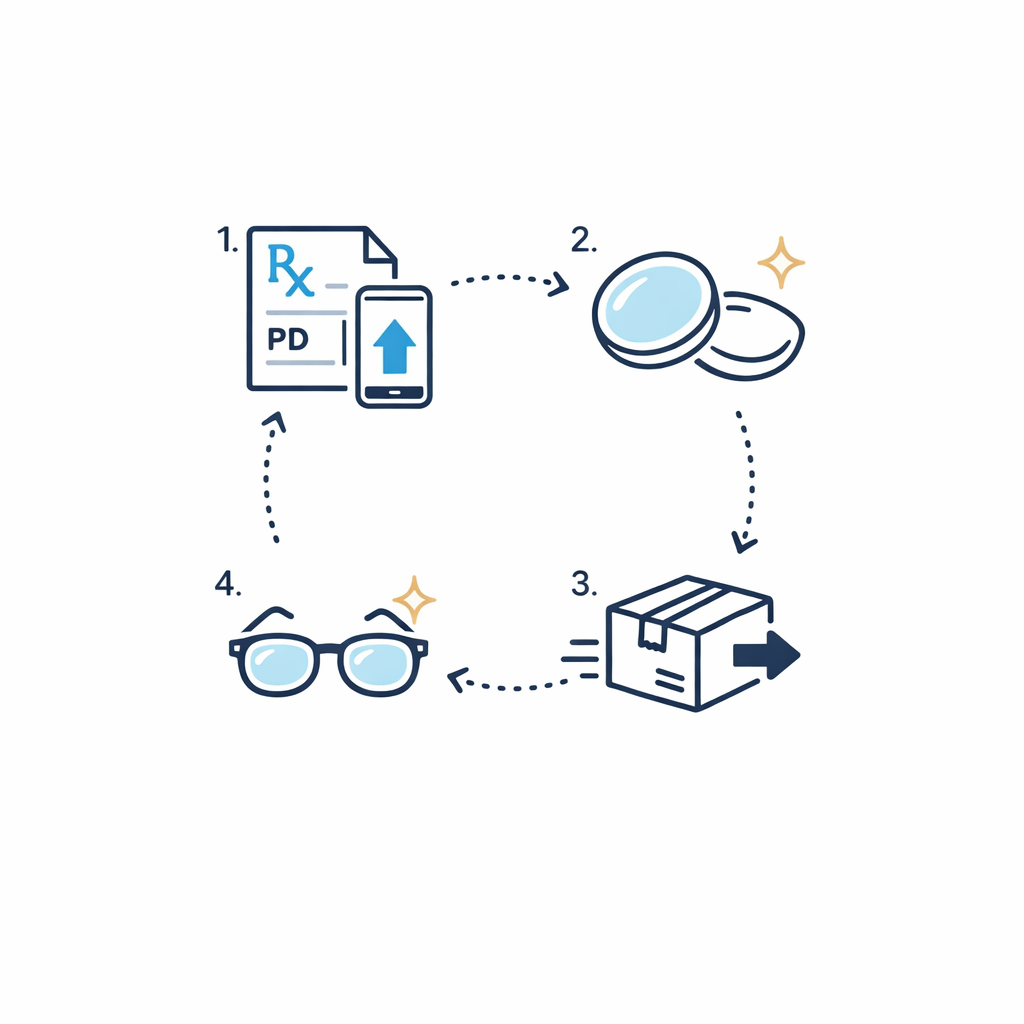
Most bring-your-own-frames orders follow the same basic flow. You submit your prescription details, choose your lenses, ship the frame, and wait for the lab to inspect, make, fit, and return the finished pair.
Upload prescription and PD
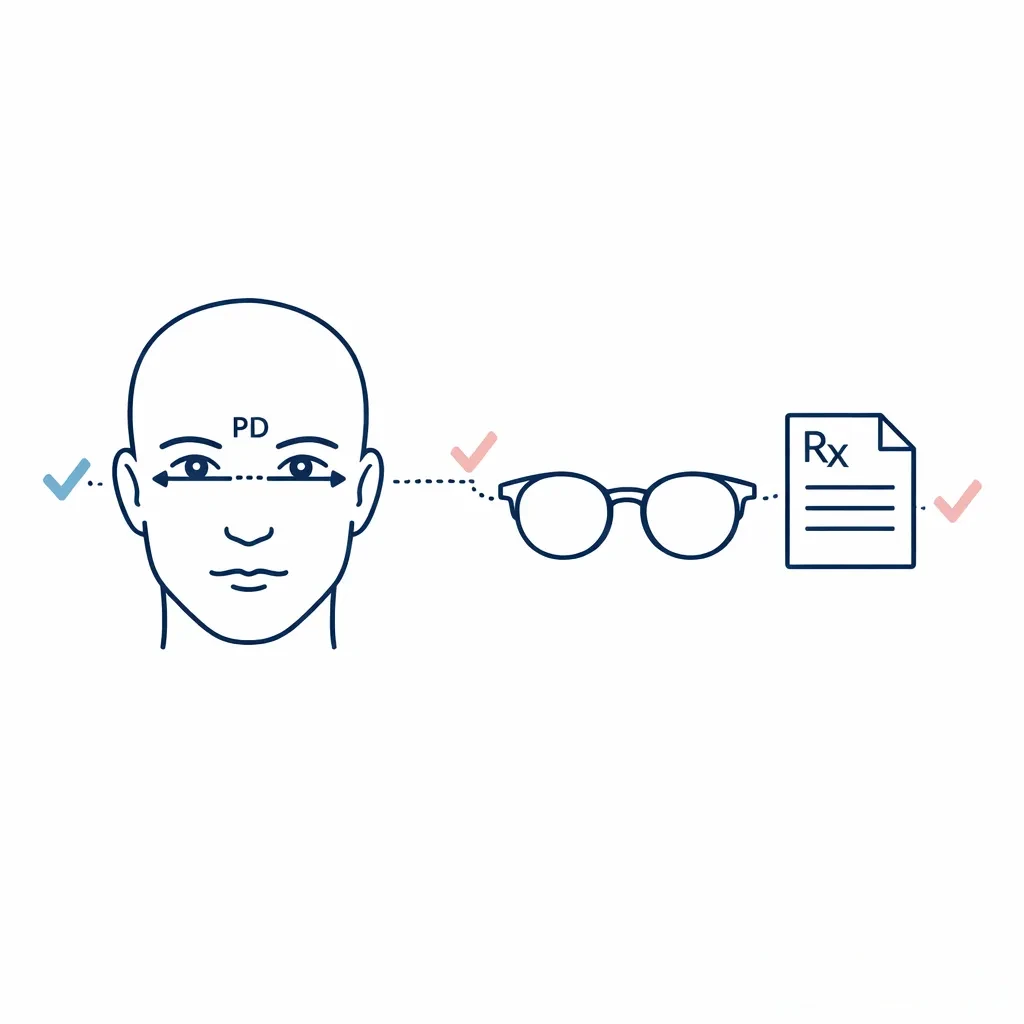
Your order usually starts with your prescription and your pupillary distance, or PD, which is the measurement used to center the lenses properly in front of your eyes. If you do not already have a PD, measure carefully or ask your eye care office for help.
Choose lens type and coatings
Next comes the lens setup. A typical lens replacement order lets you choose the lens design, material, tint, and coatings that fit how you actually use the glasses.
Do not feel pressured to add every upgrade. The American Academy of Ophthalmology says blue-light-blocking glasses are not recommended for preventing eye disease or digital eye strain, so blue-light filtering is better treated as a personal preference than a must-have.
Ship frames for lab fitting
With a true mail-in service, you send the frame to the lab after placing the order so it can be inspected in person. LensDirect’s Full-Service Replacement is designed for that kind of send-it-in workflow, which can be a good fit if you want the lab to handle the mounting.
Inspection, cutting, mounting, and return timeline
After the frame arrives, the lab checks its condition, makes the lenses to your order, mounts them, and returns the finished glasses. Services differ on timing, so ask about turnaround before mailing the pair you rely on every day.
If you already know your frame details and want a more self-directed path, compare that with the DIY replacement lens option. The right choice depends on whether you want a lab to do the fitting or you already know exactly what you need.
Lens options for old frames
Single-vision, bifocal, and progressive lenses

For many shoppers, the first decision is lens design. On a replacement lens menu, single-vision lenses are the simplest option, while bifocals and progressives are common when you need help at more than one distance.
If you are new to multifocal wear, slow down and ask questions before reusing a favorite frame. A frame that felt perfect with old single-vision lenses may or may not be the frame you want for your first progressive experience.
High-index, polycarbonate, Trivex, and CR-39
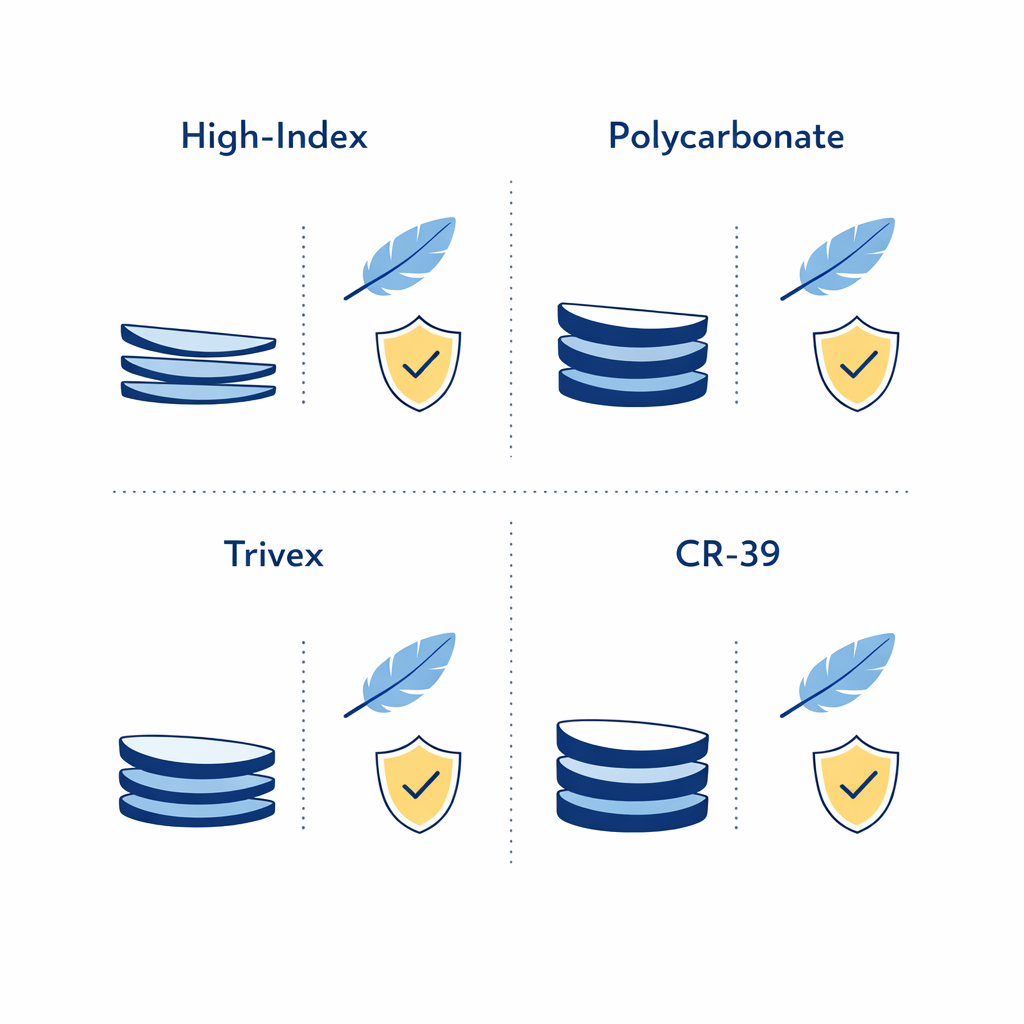
Material choice affects thickness, weight, feel, and durability. In the U.S., prescription dress eyewear sold to consumers must meet the FDA impact-resistant lens requirement, but material differences still matter for comfort and cosmetics.
If your goal is a lighter or slimmer result, compare your material options carefully on the lens selection page. If your goal is simply to get a comfortable everyday pair back into rotation, a more basic material may be enough.
Anti-reflective, scratch-resistant, UV, blue-light, Transitions, and polarized

The best extras depend on how you wear the glasses. Anti-reflective coating can make sense for everyday clear lenses, while polarized or photochromic options may matter more for outdoor use, driving, or prescription sunglasses.
Try to build around your routine instead of checking every box. The frame you wear at a desk all day does not need the same setup as the pair you use on bright weekends outside.
How much does it cost to put new lenses in old frames?

There is no one-size-fits-all price for eyeglass lens replacement. In most cases, the total changes with the lens design, material, tint, and coatings you choose, plus how straightforward the frame is to work with.
What affects price
- Single-vision versus bifocal or progressive design
- Basic material versus thinner or more specialized materials
- Clear lenses versus sunglass tints, polarization, or photochromic options
- Add-ons such as anti-reflective or other coatings
- Whether the frame needs extra handling or may fail inspection
Frame style complexity
The more complicated the frame, the more important the inspection becomes. If your frame has delicate hardware, rimless components, or obvious wear, the lab may need more care, more time, or may decline the job altogether.
Lens material and coatings
If you are shopping for value, compare the lens choices line by line instead of focusing only on the phrase “replace lenses in existing frames.” A simple clear-lens order and a premium progressive sunglass order are both lens replacements, but they are very different purchases.
When buying a new pair may be cheaper
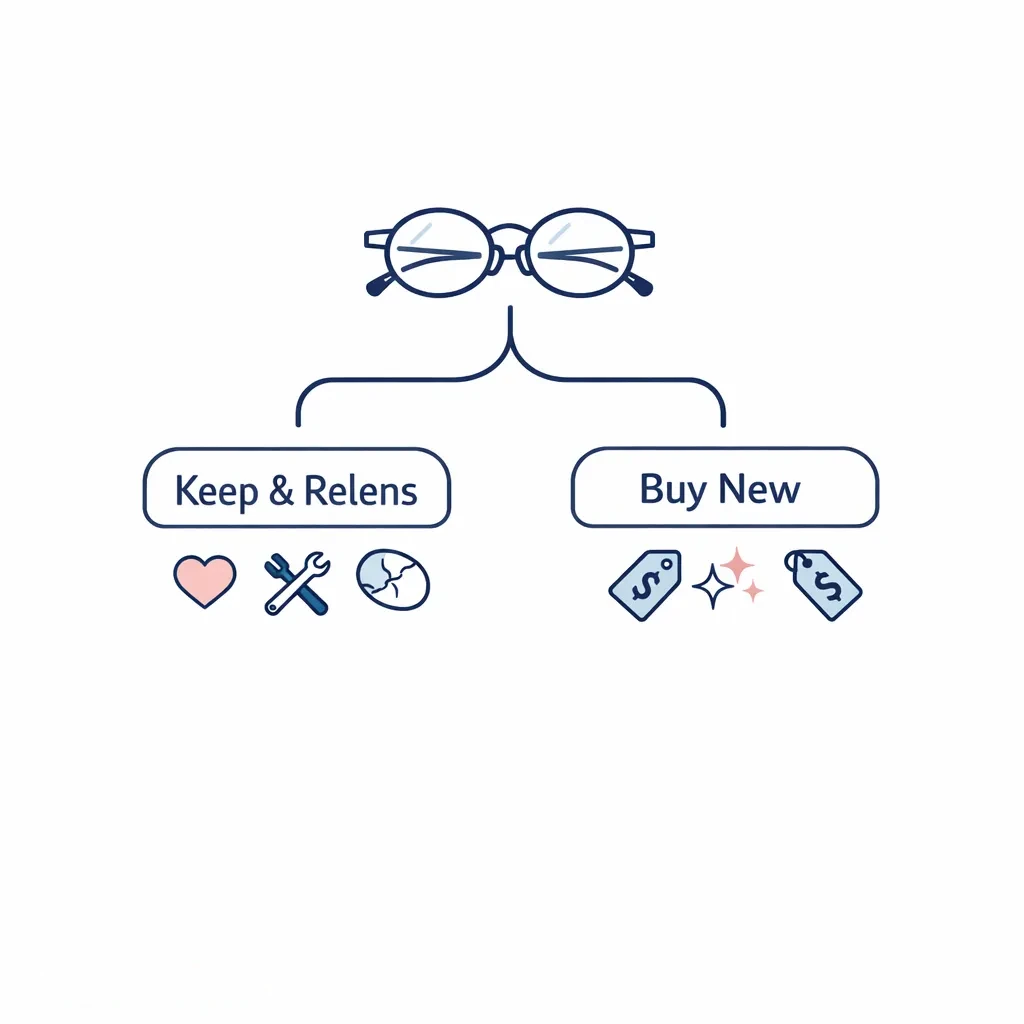
If your frame was inexpensive, already uncomfortable, or visibly worn out, new lenses may not be the best investment. In that situation, buying a fresh frame with the right lenses can be the cleaner long-term value play.
FAQs
Why won’t opticians put new lenses in old frames?
The issue is usually risk. If a shop thinks the frame may break during removal, fitting, or normal wear after the job is done, it may decide the frame is not worth relensing, especially when the frame is customer-owned and hard to replace.
Will Costco replace lenses in existing frames?
Policies can change by location, frame type, and the condition of the pair you bring in. Instead of relying on a blanket yes or no, ask the specific optical department whether it accepts customer-owned frames, which frame styles it relenses, what warranty applies, and what happens if the frame fails inspection.
Will Walmart put new lenses in old frames?
Use the same approach here. Ask the store whether it accepts outside frames, whether rimless or semi-rimless pairs are handled differently, and whether the store can quote the job only after seeing the frame in person.
Can I just replace lenses in existing frames?
Yes, if the frame is in good condition and your prescription is appropriate for that frame. That is why the frame check matters so much: the decision is not just about whether you can replace lenses, but whether the finished pair will still be comfortable, durable, and worth the money.
Is it worth replacing lenses in existing frames?
Best-case scenarios
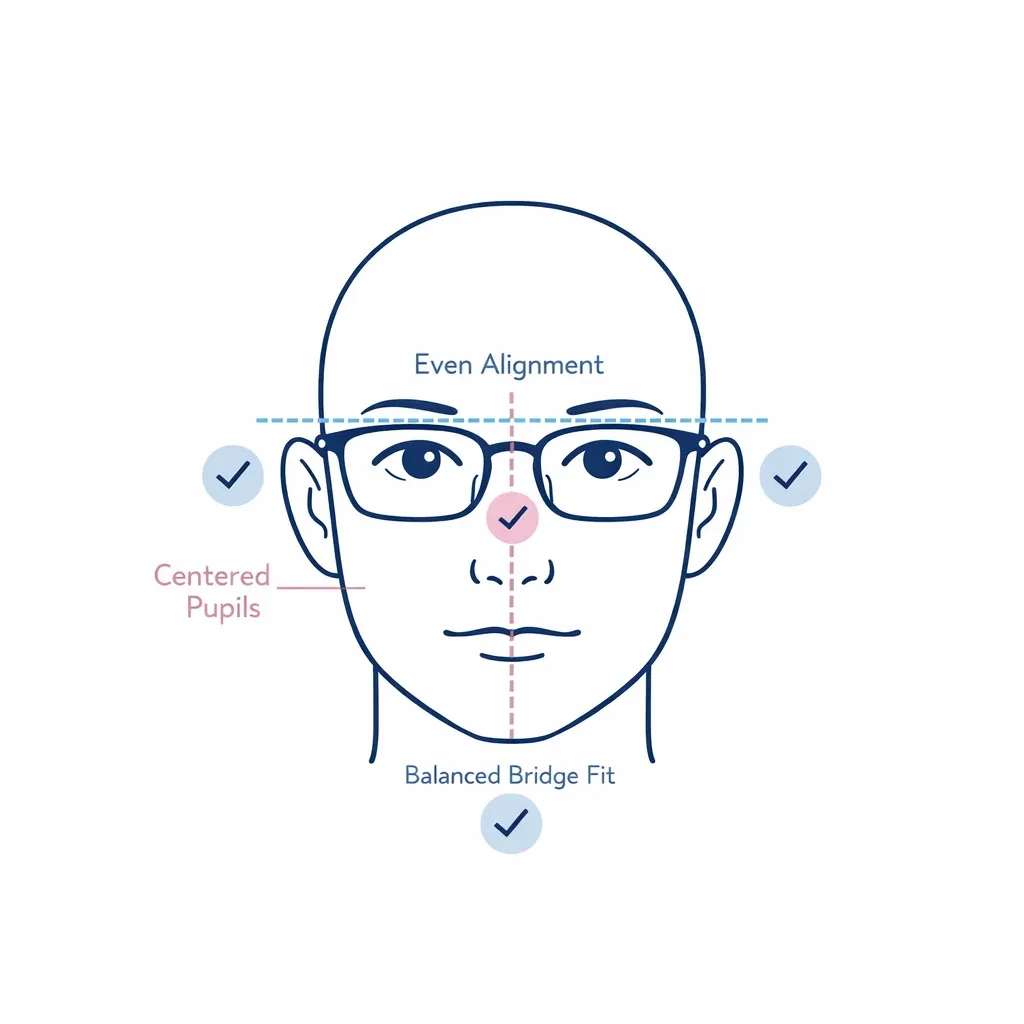
- You love the fit and do not want to start over with frame shopping.
- The frame is high quality, sentimental, or hard to replace.
- Your prescription changed, but the frame still makes sense for daily wear.
- You want to refresh a sunglass frame or backup pair without paying for a full new set.
Red flags that mean replace the whole pair
- The frame pinches, slides, or no longer sits level on your face.
- The hardware is loose, stripped, or missing.
- The frame has visible stress marks, cracks, or repeated past repairs.
- You only like the idea because it feels wasteful to let go, not because the pair is still a good one.
Cost, comfort, sustainability, and sentimental value

Relensing can be a smart choice when the frame is genuinely worth saving. It can also feel better than discarding a pair you still enjoy. But if you are about to spend heavily on premium lenses for a frame you only sort of like, it is worth stepping back and asking whether new glasses would serve you better.
Where can you get new lenses in old frames?
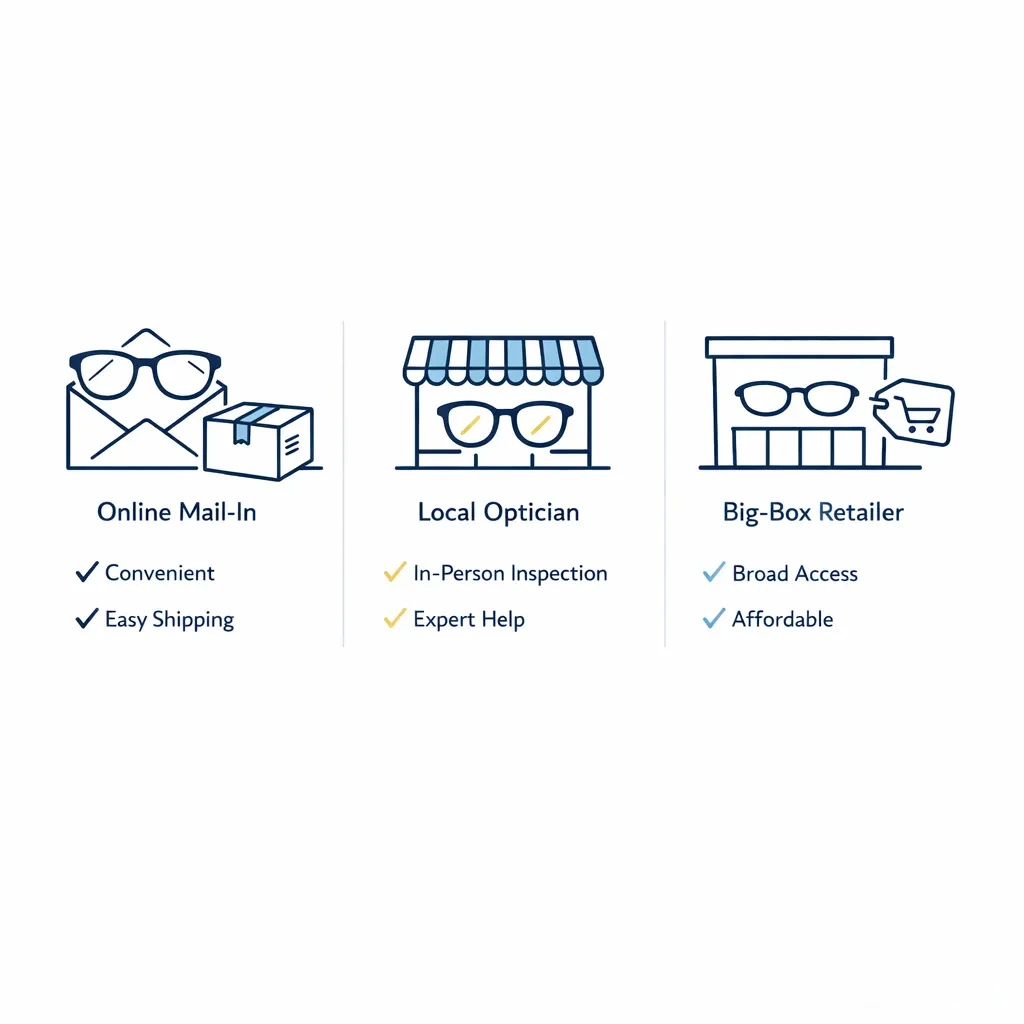
If convenience matters most, an online mail-in lens replacement service is often the easiest path. It works well when you already know you want to keep the frame and you are comfortable shipping it out for lab fitting.
Local opticians and big-box retailers
If you want someone to look at the frame before you commit, local shops and retail optical departments can be useful. The advantage is immediate inspection. The tradeoff is that customer-owned frame policies can vary a lot.
What questions to ask before sending your frames

- Do you accept my frame style and material?
- Do you relens rimless or semi-rimless frames?
- What happens if the frame fails inspection?
- What happens if the frame breaks during the process?
- How long will the job take from shipping to return?
- What prescription details and PD do you need from me?
Common mistakes
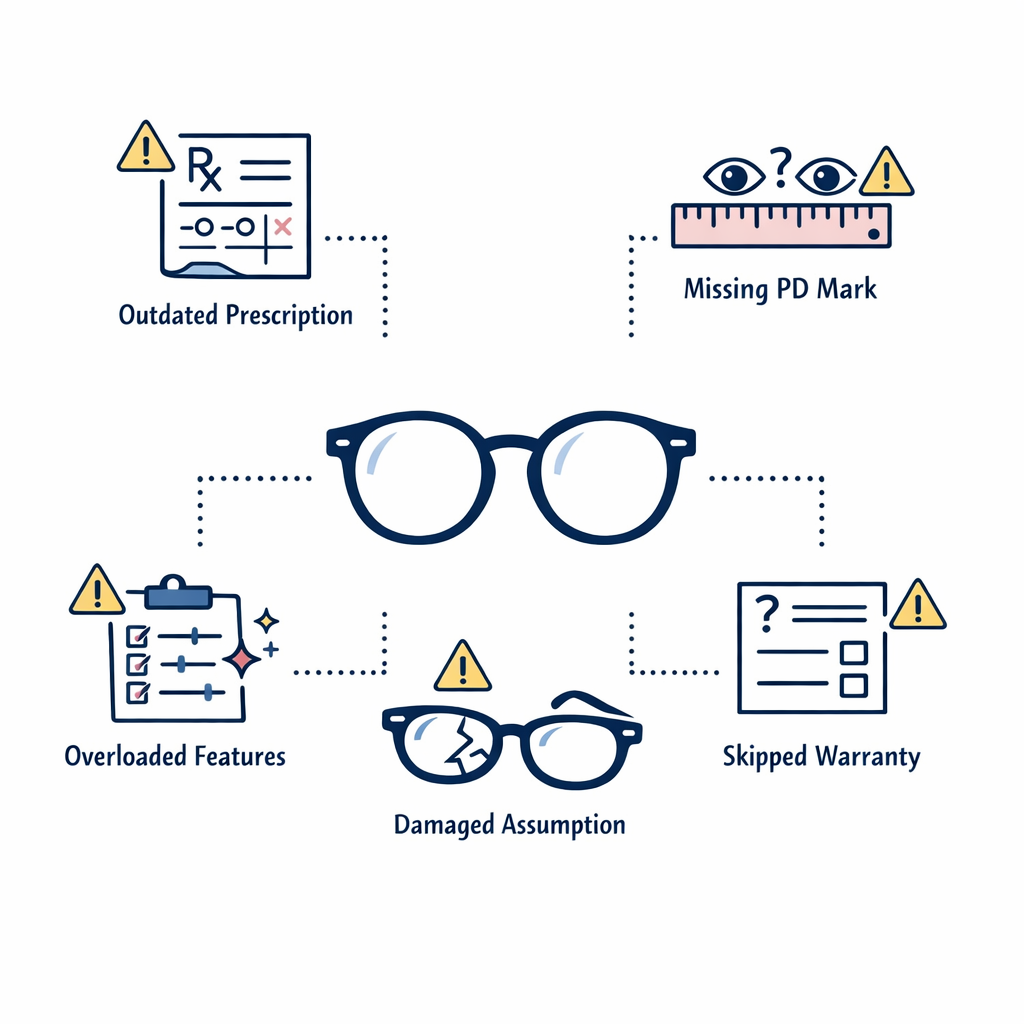
- Assuming any old frame can be saved. A frame can look fine from the front and still be a poor candidate once it is handled again.
- Using an old prescription to save time. If your vision feels off, update the prescription first and shop second.
- Forgetting PD. Your PD measurement is small, but it matters.
- Overbuying lens features. Build around your real routine, not around internet checklists.
- Skipping the warranty question. Always ask what protections apply to customer-owned frames before you ship them anywhere.
What to do next
- Inspect your frame carefully for twist, cracks, loose hardware, and comfort issues.
- Make sure you have a current prescription and a usable PD measurement.
- Decide what matters most: lowest cost, thinner lenses, sunglass features, or a specific everyday coating.
- Compare your lens options before you choose a service.
- Ask how inspection, breakage, turnaround, and returns are handled for customer-owned frames.
- If you plan to use benefits, see whether you can get reimbursed by your insurance.
Ready to refresh the pair you already love?

If your frame passes the checklist, LensDirect gives you a few practical ways to move forward. You can keep the frame and update the lenses, or start fresh if the old pair no longer makes sense.
- Keep your current frame with Replace Your Lenses, or use Full-Service Replacement if you want the lab to handle the fitting.
- If you already know your frame details, compare the DIY replacement lens option.
- If the frame is not worth saving, start over with Shop Glasses or Shop Sunglasses.
- If you switch between glasses and lenses, explore Shop Contacts.
- If you want help first, use Find Your Fit, Learn How to Measure Your Pupillary Distance, and Learn How to Get Reimbursed by Your Insurance.
Author

Subscribe to our email newsletter to get the latest posts delivered right to your email.