If you have trouble seeing at night, feel less confident driving after dark, or need much longer than you used to adjust in dim spaces, you may be dealing with night blindness, also called nyctalopia, which is a symptom rather than a disease. This guide is for people who wear glasses or contacts, shop for eyewear online, or simply want a clearer, safer explanation of why poor night vision happens and what to do next.
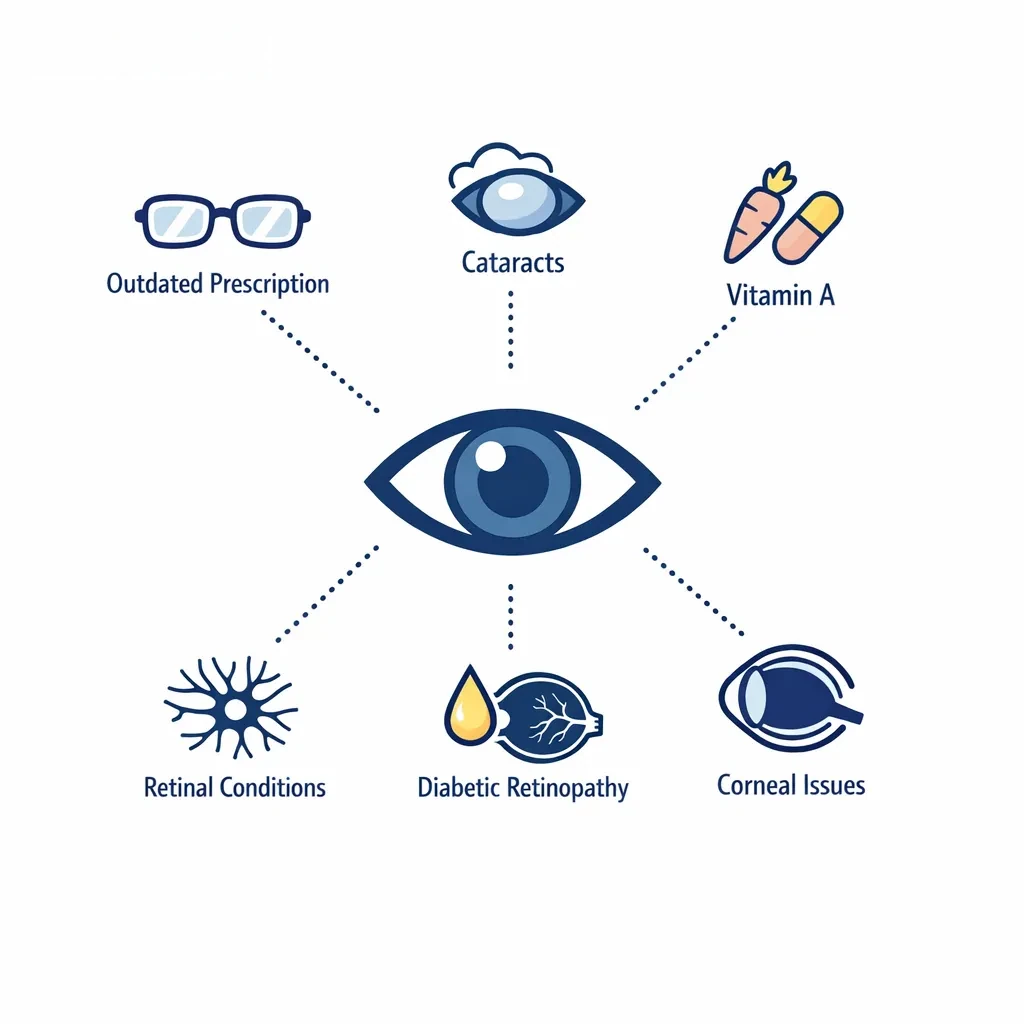
What causes night blindness? Night blindness usually happens when something reduces low-light vision or makes glare harder to handle. Common night blindness causes include refractive blur, cataracts, vitamin A deficiency, inherited retinal problems, diabetes-related eye disease, and sometimes glaucoma or glaucoma medicines.
- Outdated glasses or contact lens prescription
- Cataracts
- Vitamin A deficiency
- Inherited retinal conditions
- Diabetes-related retinal damage
- Glaucoma or certain glaucoma treatments
- Corneal problems such as keratoconus
You will learn what night blindness is, how night vision works, which symptoms matter most, when night blindness may be dangerous, and which fixes are most likely to help. The goal is not to scare you. It is to make the next step clear.
What night blindness is
Night blindness vs normal difficulty seeing in the dark
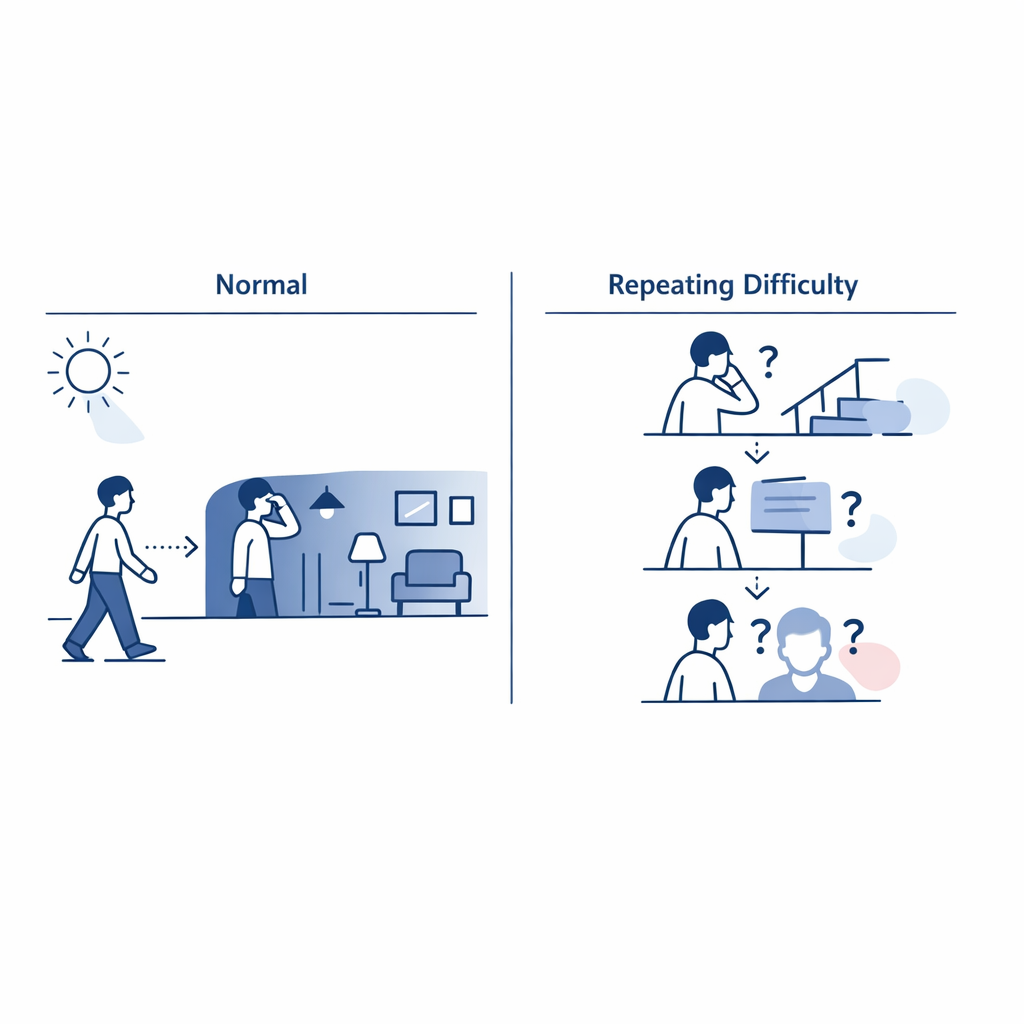
It is normal to need a little time to adapt when you move from bright sunlight into a darker place. Night blindness is more than that. It usually shows up as a repeating pattern where driving, reading signs, spotting curbs, or recognizing faces in dim light feels much harder than it should.
Why nyctalopia is a symptom, not a disease
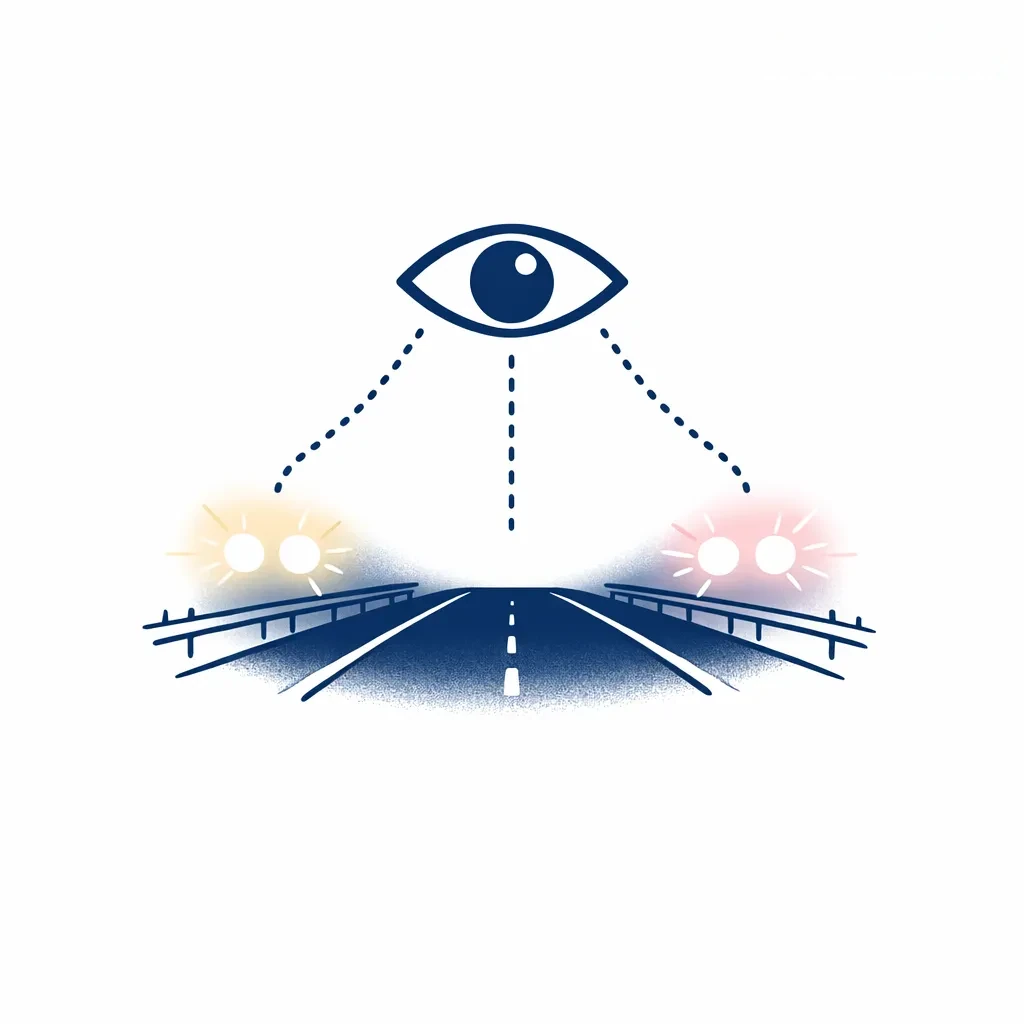
Nyctalopia is the medical term for poor vision in low light. The important point is that the term describes what you are experiencing, not why it is happening. The real question is which part of the visual system is struggling: your prescription, the front of the eye, the lens, or the retina.
How night vision works
Role of rod cells and rhodopsin
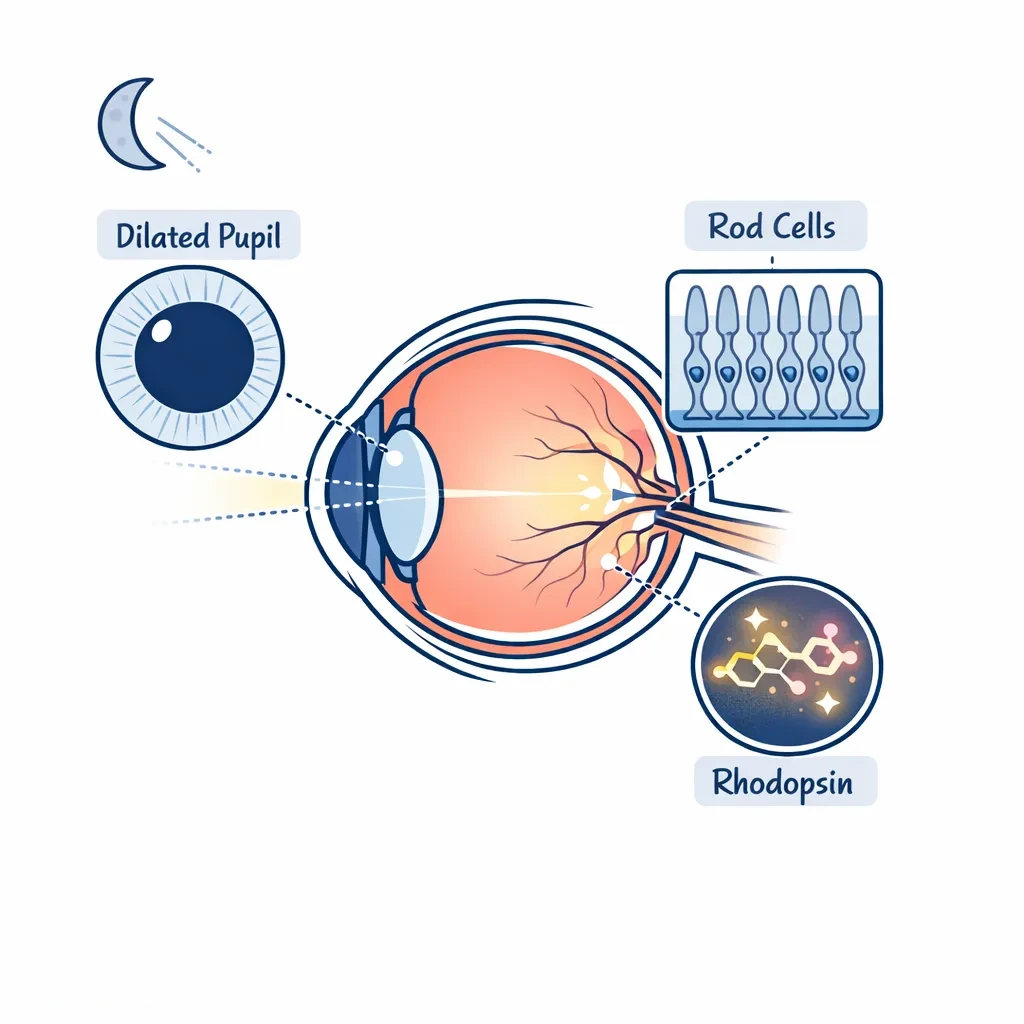
Low-light vision depends heavily on rod cells, rhodopsin, and the pupil. Rod cells are the retinal cells that work best in dim conditions, while rhodopsin is the light-sensitive pigment that helps those cells respond when there is not much light available.
Why pupil size and light adaptation matter
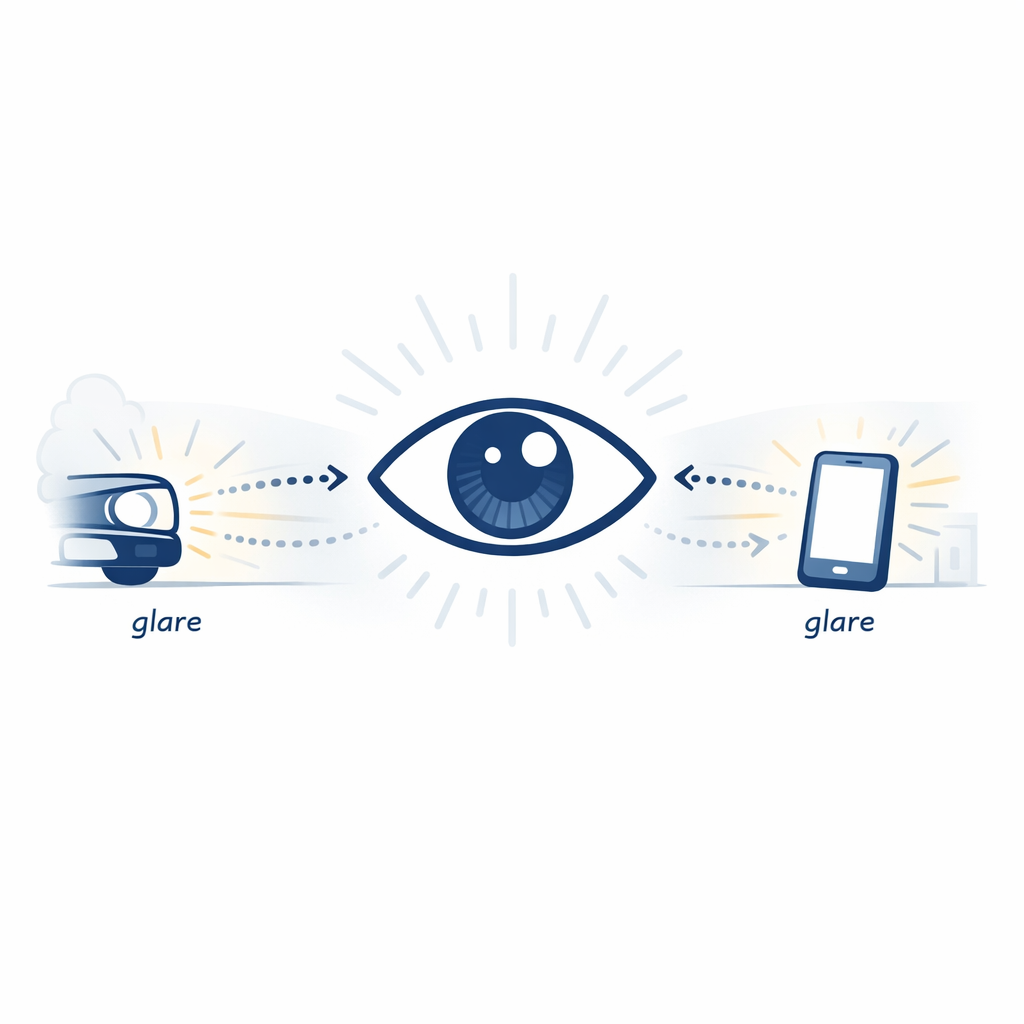
Your pupil widens in the dark to let more light in, but your eyes also need time to adapt after bright exposure. That is why oncoming headlights, a bright phone screen, or walking out of a well-lit store can temporarily make everything around you feel much darker. When your visual system is already underperforming, that recovery can feel slow and frustrating.
Common causes of night blindness
Nearsightedness and outdated prescriptions
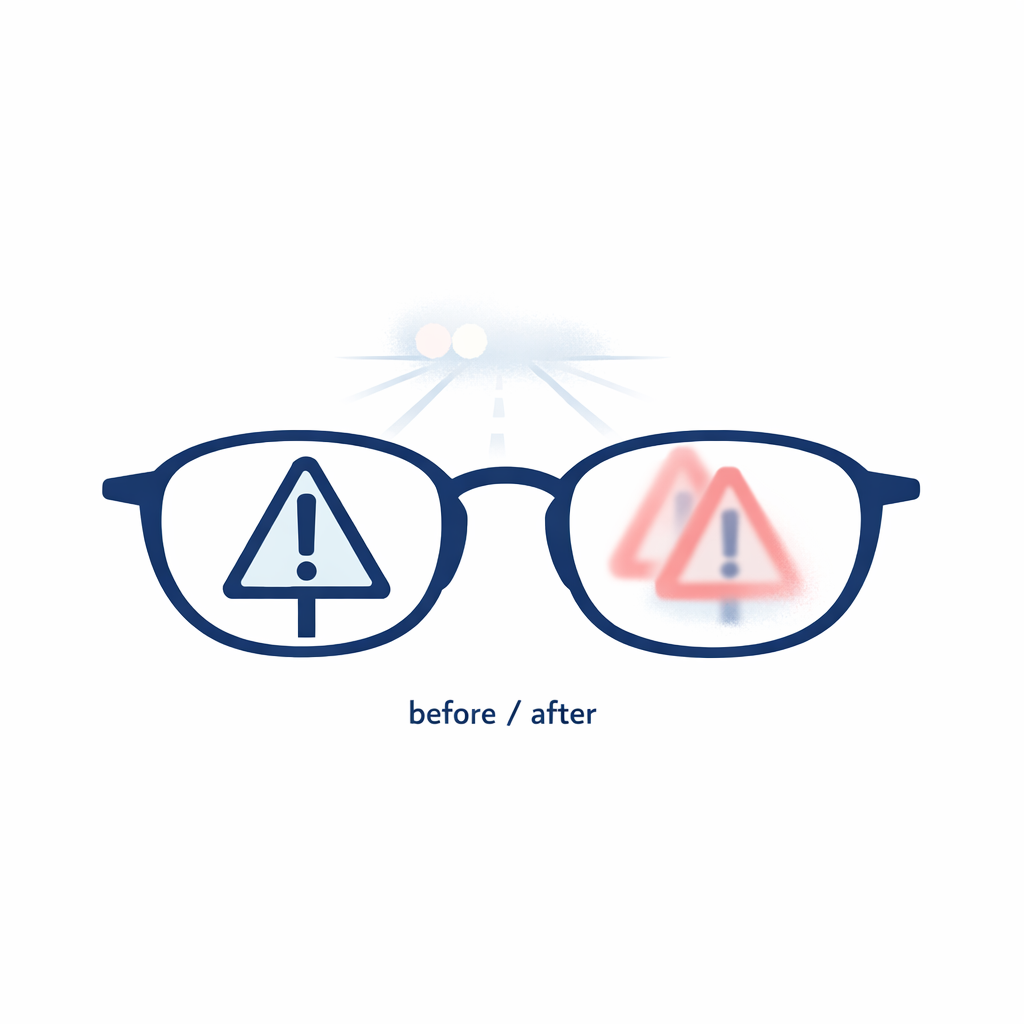
Common causes include nearsightedness, keratoconus, glaucoma, and some glaucoma medicines. In everyday life, one of the simplest explanations is an outdated prescription. If daytime vision feels passable but signs, lane markings, and headlights look smeared after dark, a fresh prescription check is a smart first step.
Cataracts
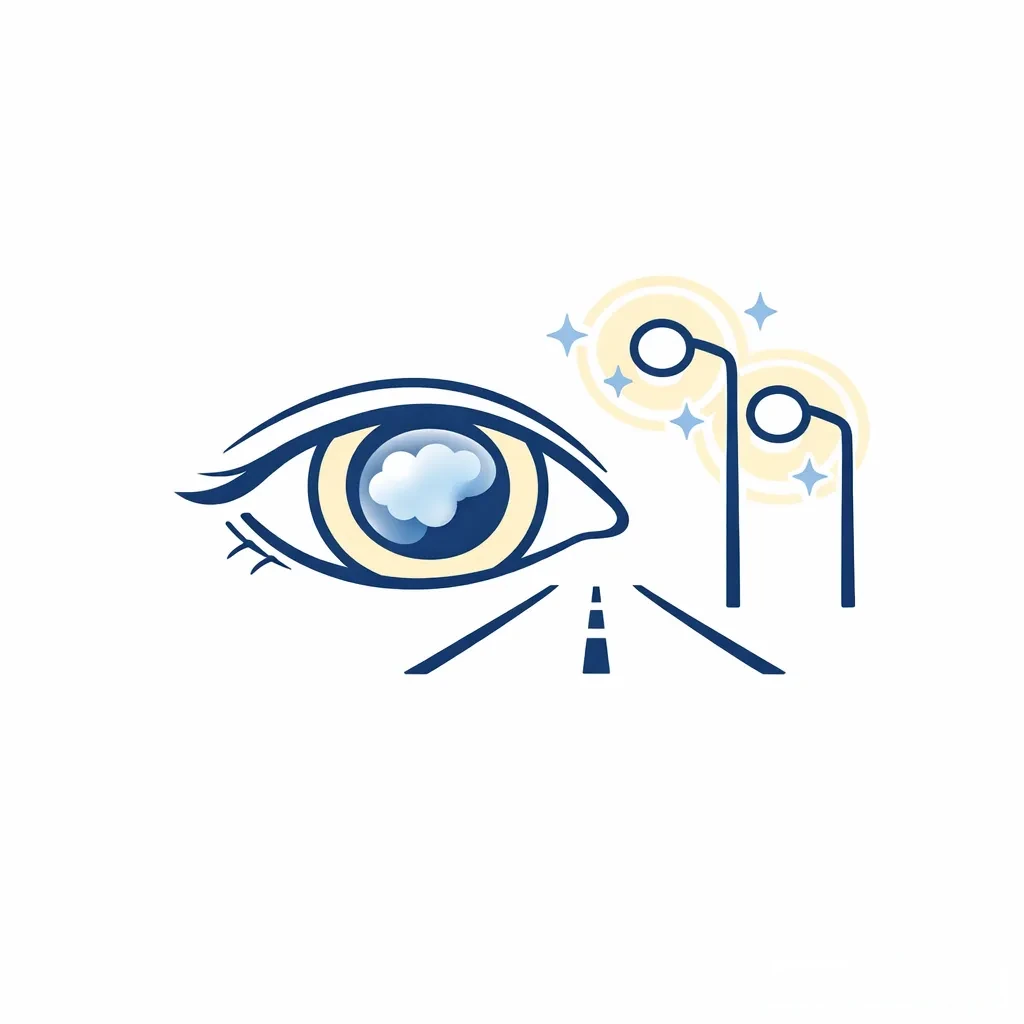
When the eye’s natural lens becomes cloudy, cataracts can cause glare, halos, and worse night driving. Many people notice this as “I can still get around in the daytime, but I hate driving at night” long before they think of the word cataract.
Vitamin A deficiency
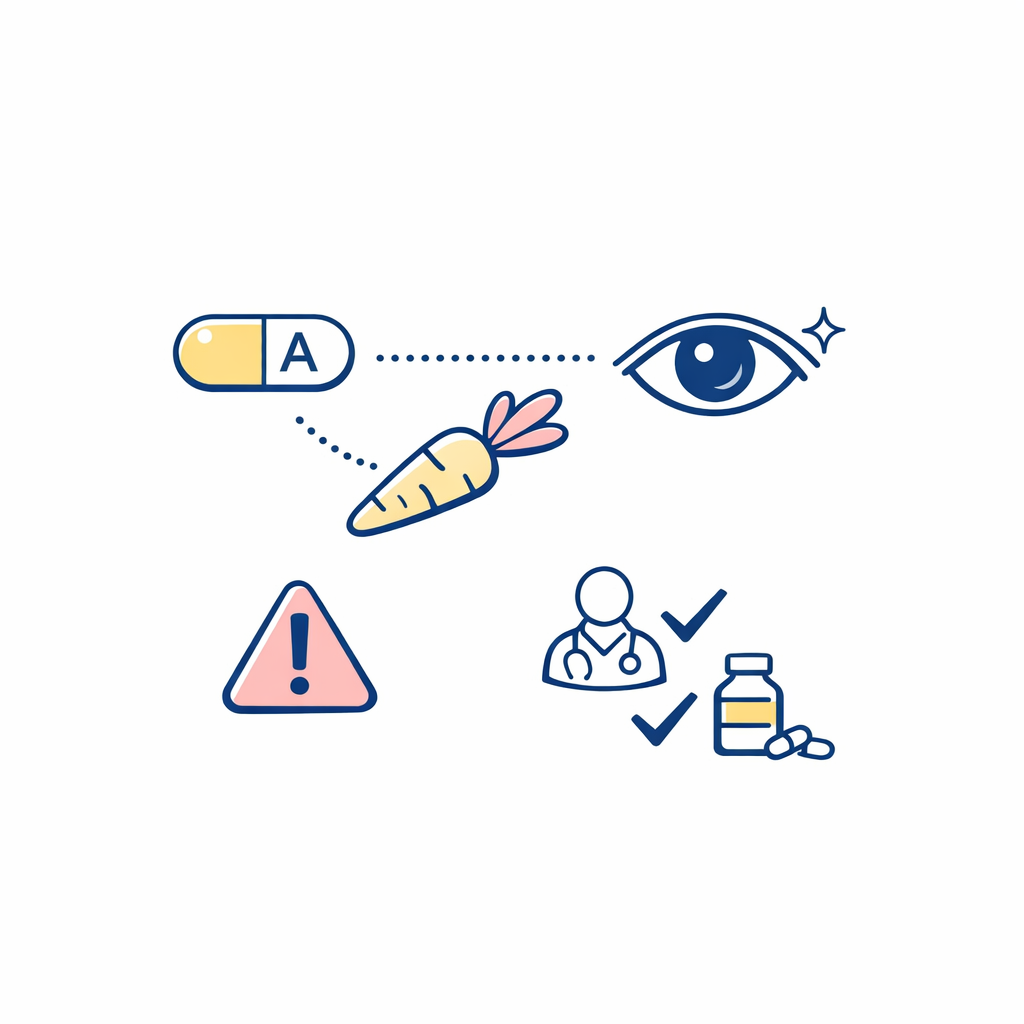
Vitamin A is essential for normal vision, and deficiency is a classic medical cause of night blindness. That does not mean everyone with trouble seeing at night should start supplements on their own. Too much vitamin A can also be harmful, so this is something to discuss with a clinician when deficiency is truly possible.
Retinitis pigmentosa and congenital stationary night blindness
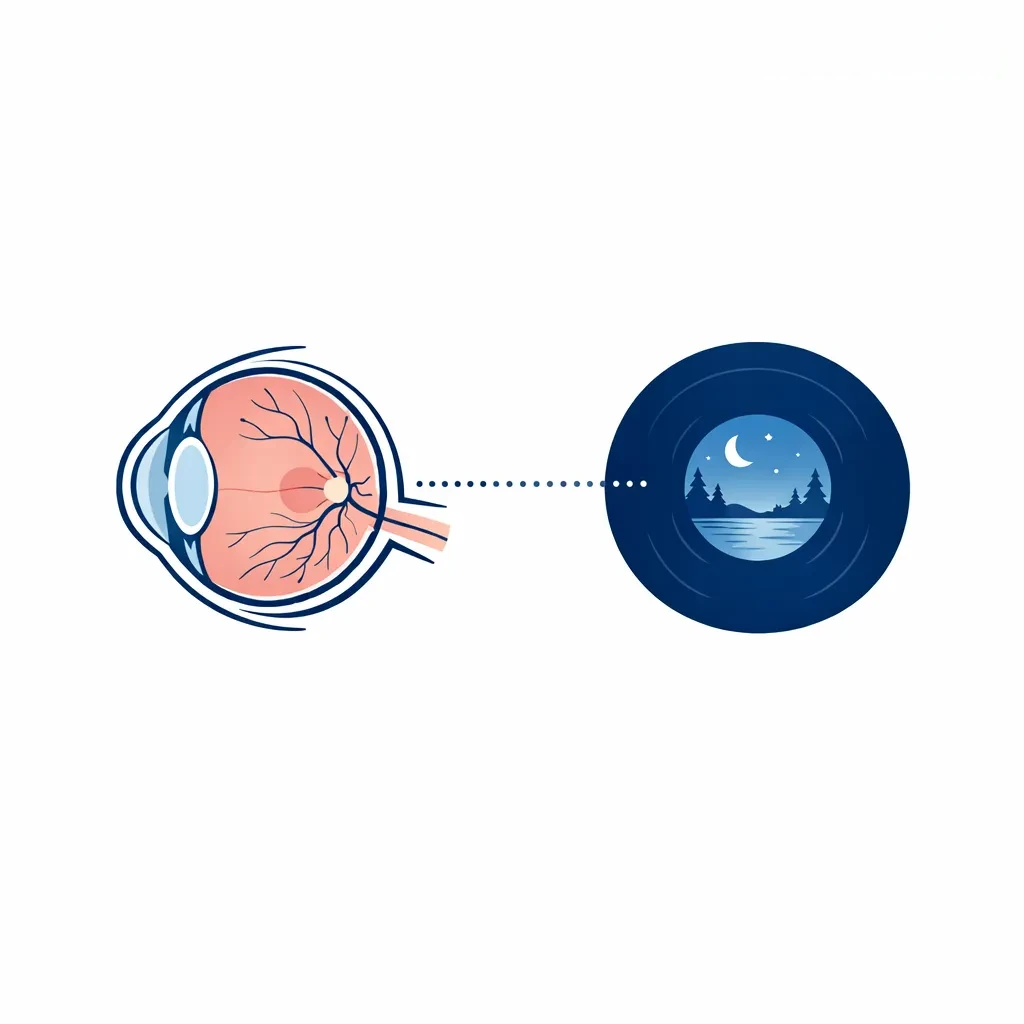
Retinitis pigmentosa often starts with night blindness and can later affect side vision, which is why some people also describe bumping into things, missing steps, or feeling like their visual field is narrowing. Another inherited form, congenital stationary night blindness, starts early and is usually stable, which means the night-vision problem may show up in childhood instead of appearing later in life.
Glaucoma and glaucoma medications
Glaucoma can be part of the story in two ways. The disease itself can affect how you use your vision, and some glaucoma medicines can make low-light seeing harder by reducing how much light gets into the eye. If you already have glaucoma and night driving is getting worse, bring that up directly instead of assuming it is just age.
Diabetes and diabetic retinopathy
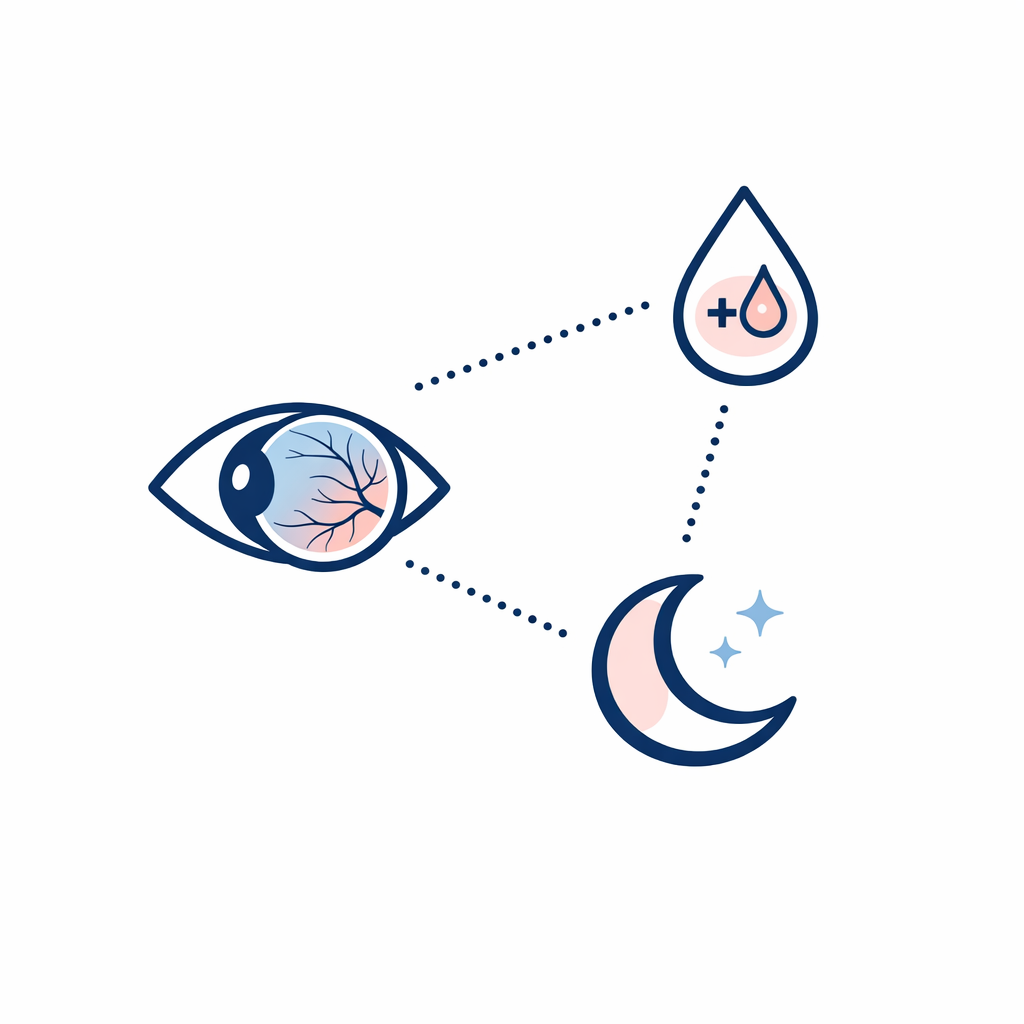
Diabetic retinopathy damages the retina, and changes in retinal health can show up as increasing difficulty in low-light conditions. If you have diabetes and your night vision feels different, treat that as a reason to check in sooner rather than later.
Keratoconus, dry eye, and post-refractive surgery glare
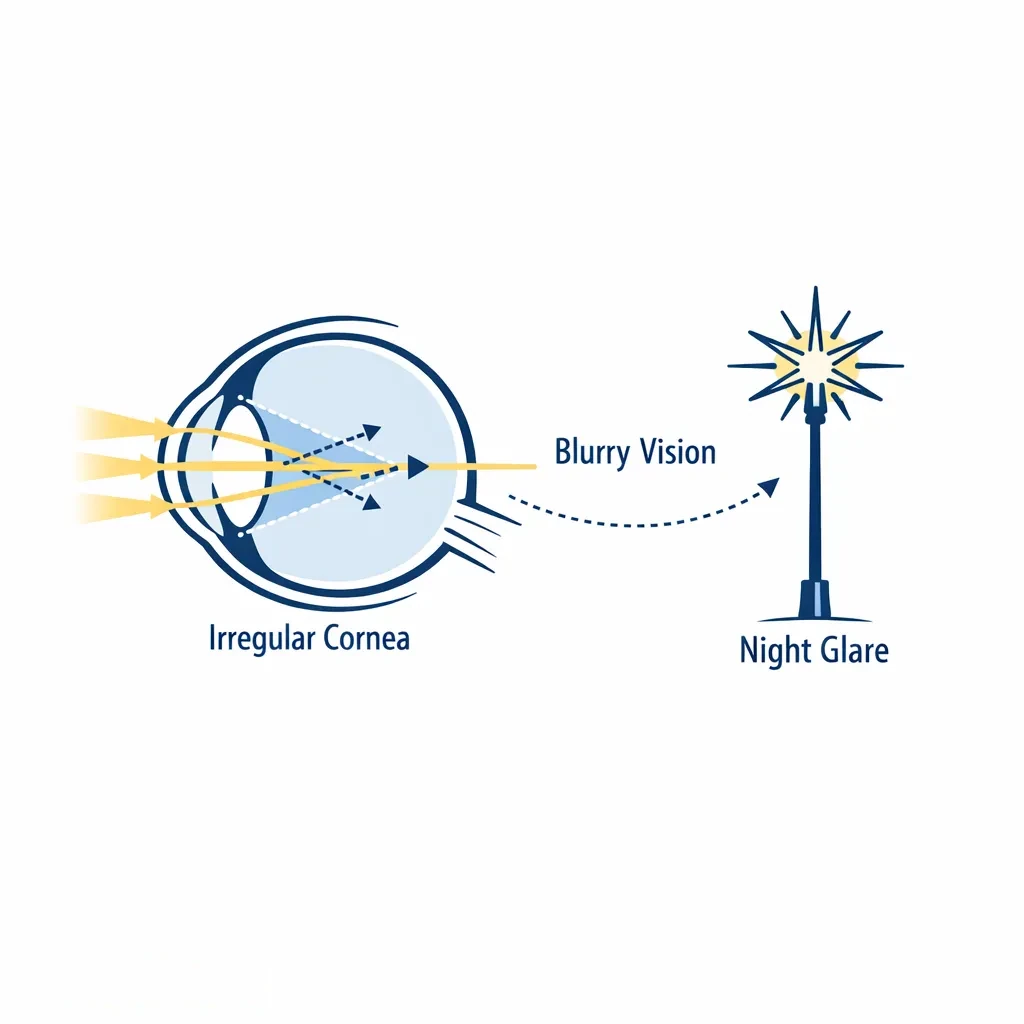
Corneal problems such as keratoconus can create distorted, unstable vision that becomes more obvious at night. Some people with dry-eye flares or post-refractive glare describe a similar real-world complaint even when the root cause is not classic nyctalopia: lights look more scattered, and the road feels harder to read after dark.
Symptoms to watch for
Trouble driving at night
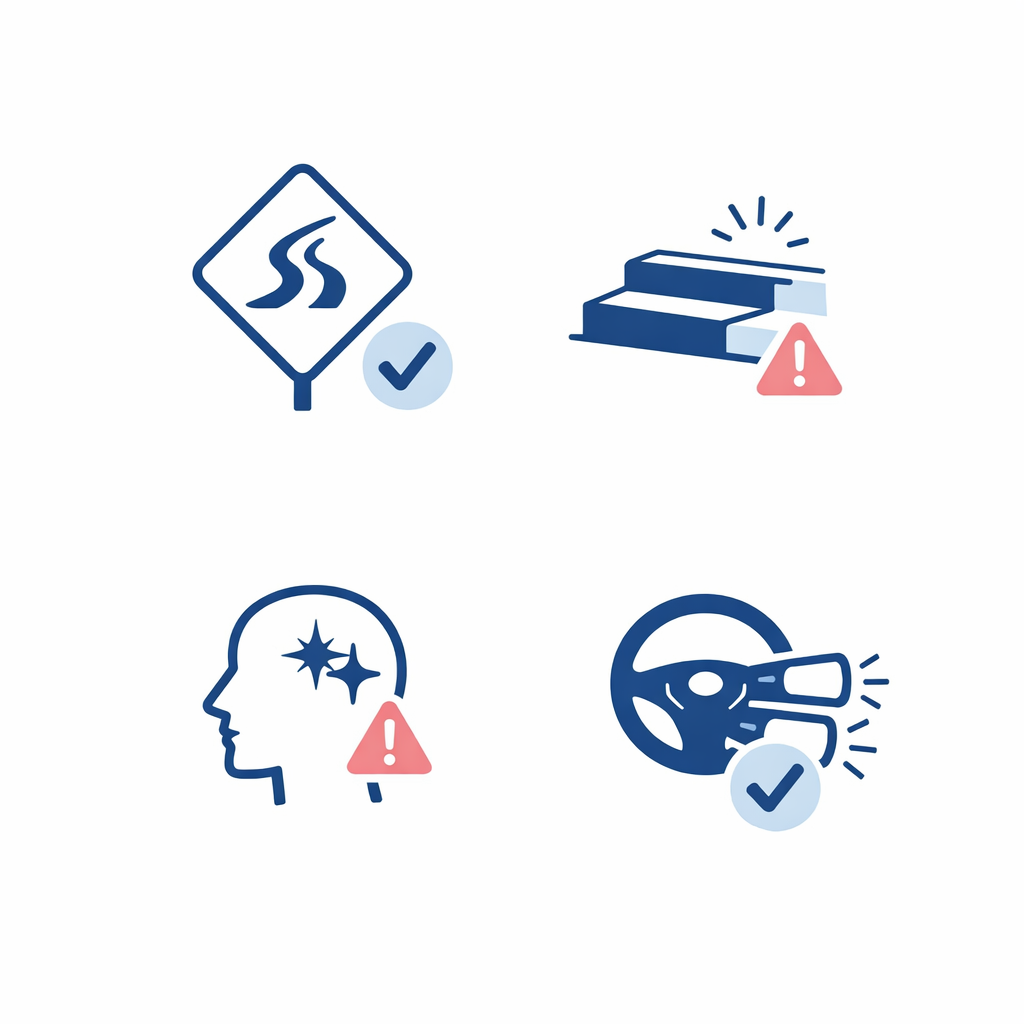
The most common complaint is simple and specific: you can’t see while driving at night as well as you used to. That may feel like being blinded by headlights, missing street signs until the last second, avoiding unfamiliar roads, or feeling tense the entire drive.
Halos, glare, starbursts, and slow dark adaptation
People describe poor night vision in different ways. Some say they see halos or starbursts around lights. Others say they can see the lights themselves, but the area around them looks washed out, or that it takes too long to recover after a bright glare source passes.
Difficulty seeing faces, signs, stairs, or obstacles in dim light

Night blindness is not only a driving issue. You may notice it in restaurants, theaters, parking lots, unlit sidewalks, stairwells, or while walking the dog at dusk. If you are repeatedly having trouble with faces, curbs, steps, or objects in dim spaces, that pattern matters.
Quick answers after the symptoms
How can I tell if I have night blindness?
You cannot confirm the cause at home, but a repeating low-light pattern is meaningful. If dim spaces feel much harder than they used to, or if the difference between daytime and nighttime vision is becoming obvious, book an eye exam instead of guessing.
Is night blindness serious?
Sometimes it turns out to be a fixable prescription issue. Sometimes it points to cataracts, a retinal problem, a medication effect, or a nutrient deficiency. The safest approach is to treat worsening night vision as worth evaluating, especially if it affects driving.
When night blindness may be dangerous
When to stop driving at night
If headlights feel blinding, lane lines disappear, or you no longer trust yourself to spot pedestrians, cyclists, animals, or stalled cars in time, stop night driving until you know what is going on. That is a practical safety decision, not an overreaction.
Sudden worsening, tunnel vision, flashes, or new floaters
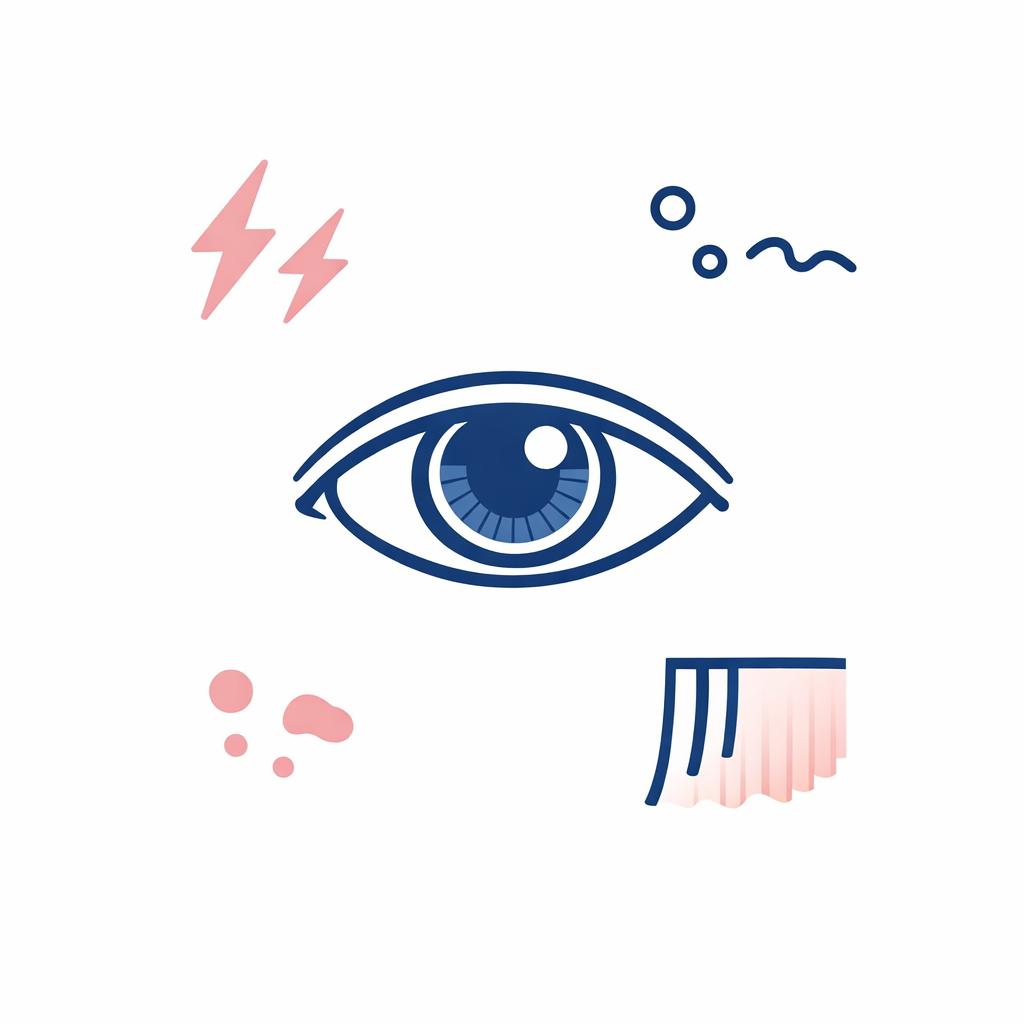
New flashes, floaters, or a curtain-like shadow can signal retinal detachment and deserve urgent attention. A rapid change in one eye, sudden tunnel vision, or a dramatic drop in night vision should not wait for your next routine visit.
Common mistakes and misconceptions
- Assuming it is always normal aging. Aging can make nighttime seeing feel less comfortable, but it is not the only explanation.
- Thinking it only matters if you drive. Trouble on stairs, sidewalks, and in dim indoor spaces counts too.
- Blaming everything on glare. Glare is a symptom. The real question is what is causing it.
- Trying supplements before getting evaluated. Vitamin A helps when deficiency is actually part of the problem, not as a universal fix.
- Buying more gear before checking the basics. A current prescription and a proper exam usually matter more than trying random night-driving products.
How eye doctors diagnose the cause
Eye exam, refraction, slit lamp exam
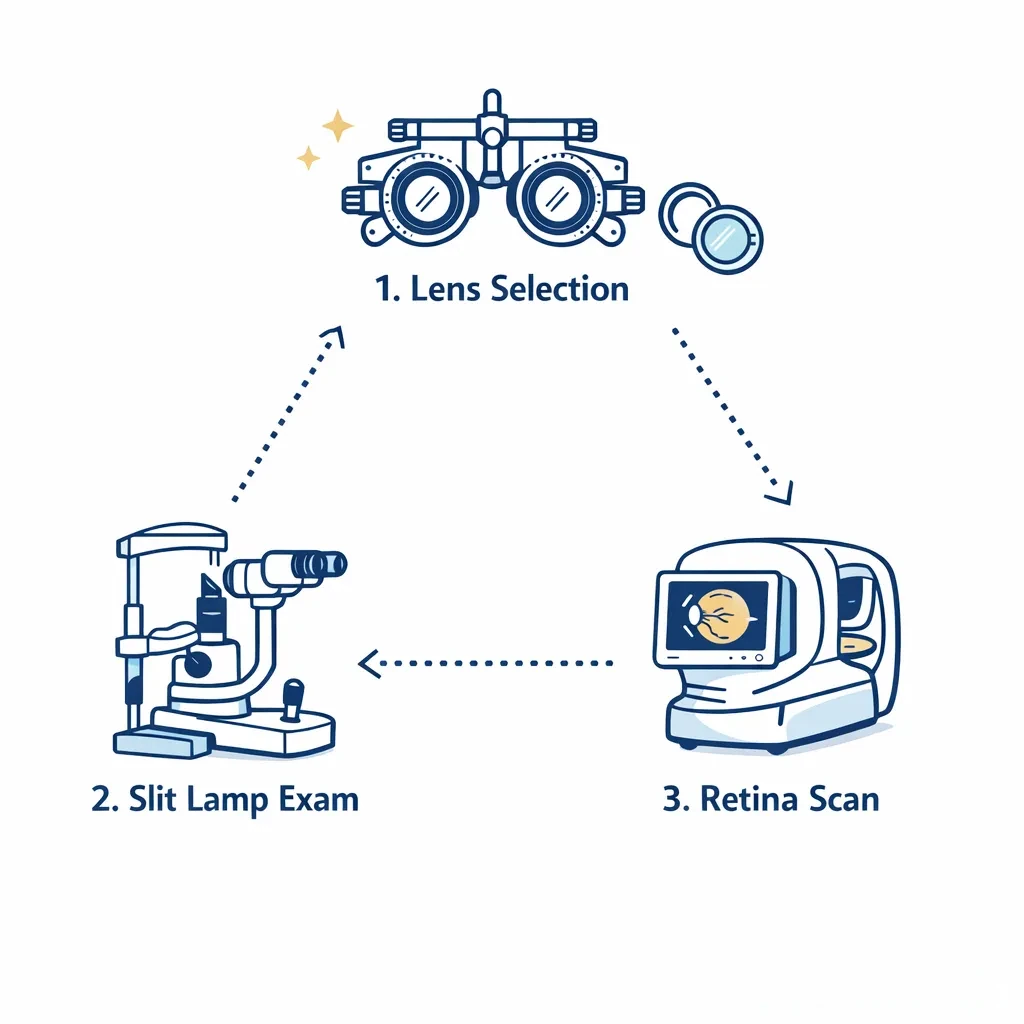
Expect the visit to focus on both clarity and eye health. A refraction is the prescription check most people know as “which is better, one or two?” A slit lamp is the bright microscope used to inspect the front of the eye, where problems such as cataracts or corneal irregularity can create blur and glare.
Retinal testing and bloodwork when needed
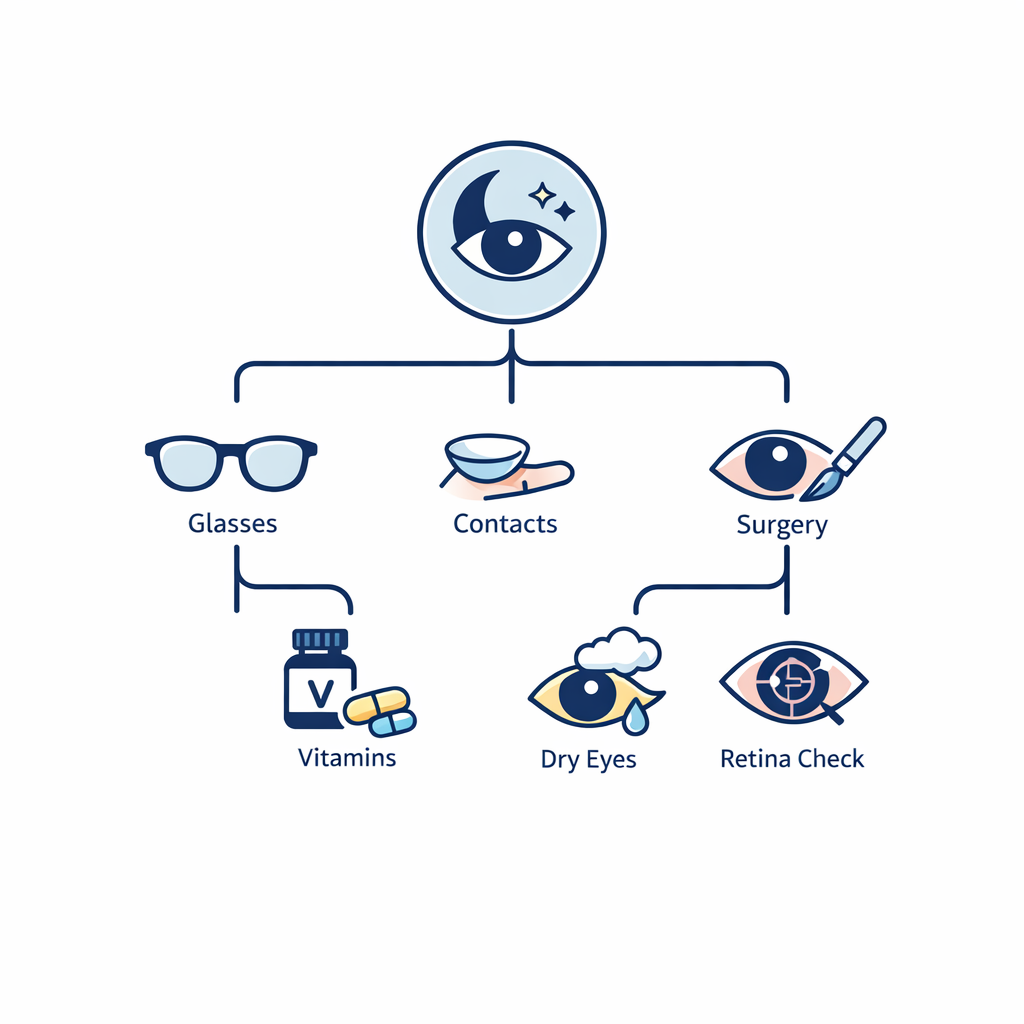
If the pattern suggests a retinal problem, inherited condition, diabetes-related damage, or possible vitamin deficiency, your eye doctor may recommend more testing or coordinate with your primary care clinician. The goal is not just to label the symptom as night blindness. It is to find the cause you can actually treat or manage.
Treatment depends on the cause
Updated glasses or contacts
If blur is the main issue, updated glasses or contacts may be the biggest improvement. Many people first notice an expired prescription when nighttime signs, lane markings, and facial detail stop looking crisp even though daytime vision still feels “good enough.”
Cataract surgery
If cataracts are driving the glare and low-contrast problem, surgery is often the step that changes the experience most. The practical question is whether night driving, reading signs, or moving around after dark feels limited enough that you are changing your behavior.
Vitamin A supplementation when deficiency is confirmed
If a clinician confirms or strongly suspects deficiency, targeted supplementation may help. The key word is targeted. This is not a more-is-better situation, and self-treating can create problems of its own.
Managing diabetes, glaucoma, or retinal disease
When night blindness comes from disease, the real treatment is managing the disease itself and keeping follow-up appointments. Eyewear may still improve comfort and clarity, but it does not replace medical care for retinal damage, glaucoma-related issues, or inherited vision loss.
Short treatment questions people ask
Can night blindness be cured?
Sometimes, yes. A prescription update, cataract treatment, or a corrected deficiency can improve symptoms a lot. Inherited retinal disease is different, and the goal may be management and safety rather than a complete fix.
What is the best treatment for night blindness?
The best treatment is the one that matches the cause. That is why the right first move is usually an eye exam, not picking a lens tint or searching for a single product answer.
Tips to see better at night safely
Anti-reflective lenses and glare reduction
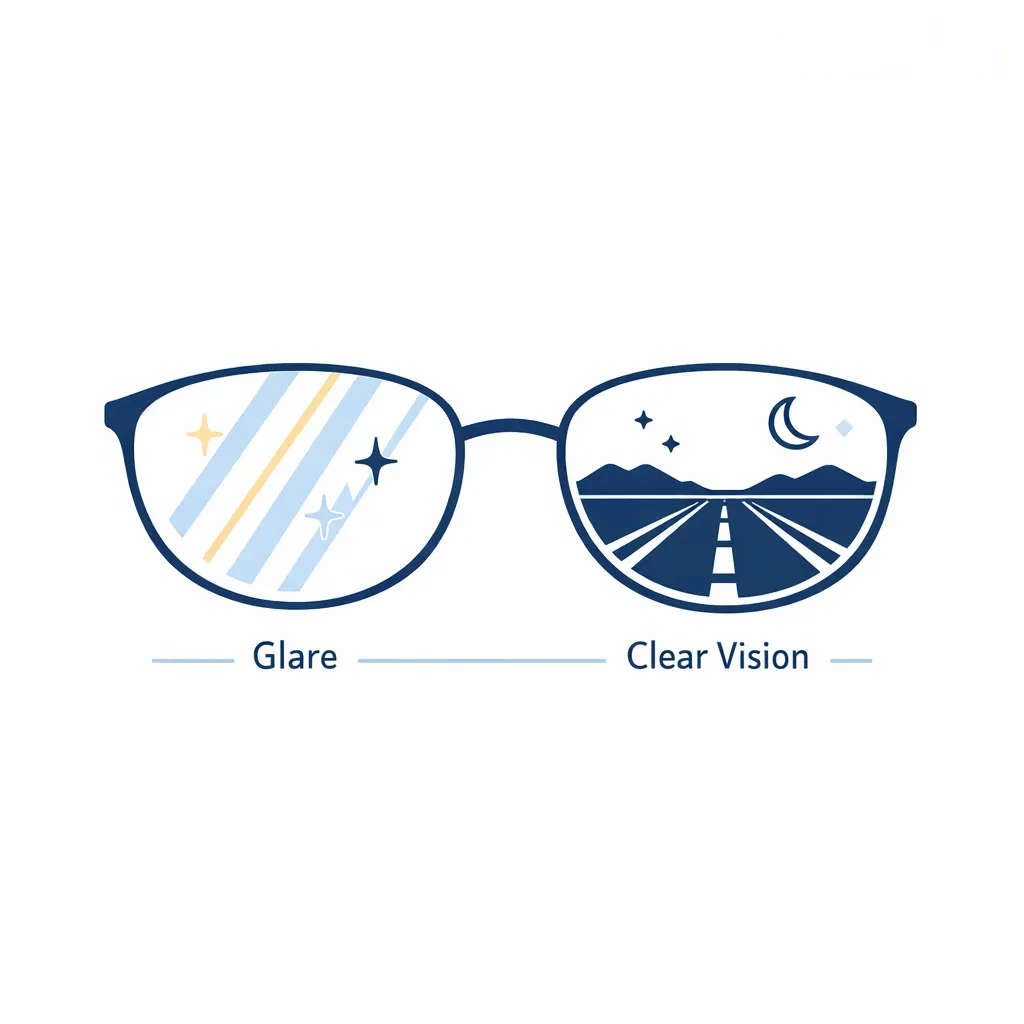
If your prescription is current, ask about lens options that reduce distracting surface reflections and improve comfort. That will not treat a medical cause, but it can make a corrected pair easier to wear in difficult lighting.
Clean windshield, headlights, and mirrors
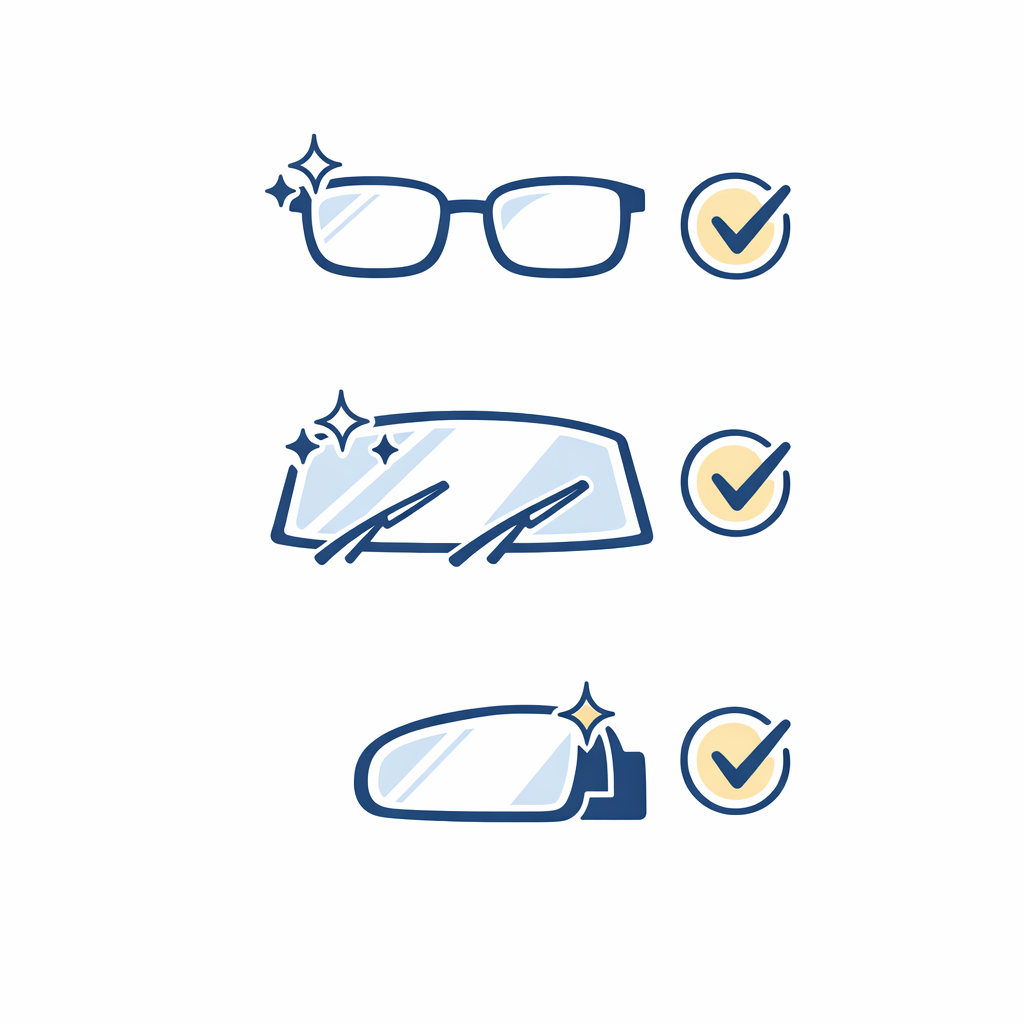
A dirty windshield can turn every headlight into a bigger smear. Clean the inside and outside of the glass, wipe mirrors, and make sure your lenses are clean before assuming your eyes alone are the problem.
Avoid looking directly at headlights
Keep your focus where you need to steer, not on the brightest oncoming light. Even a small shift in gaze can make glare recovery feel easier.
Limit night driving if vision feels unsafe
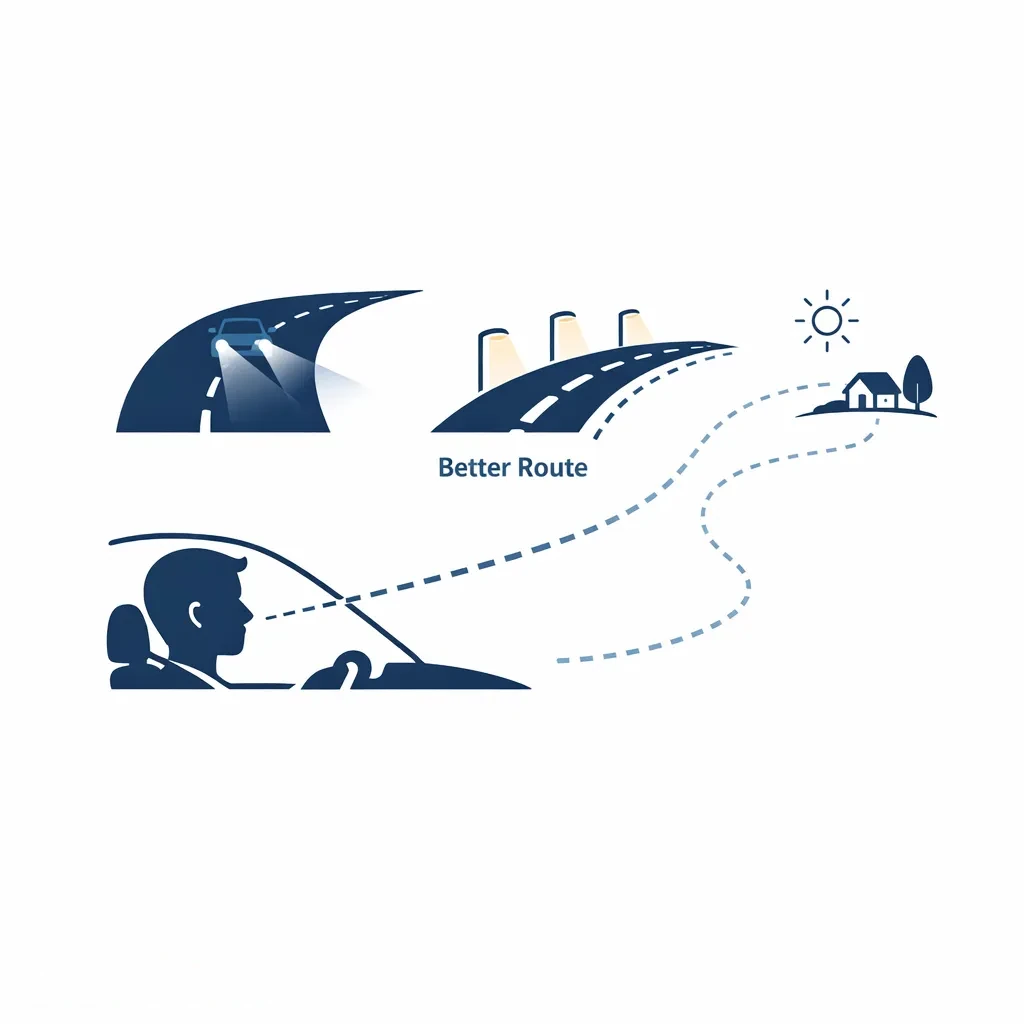
Use daylight routes when you can, choose better-lit roads, or let someone else drive if that is the safer option. Temporary workarounds are smart when they lower risk.
FAQs
What vitamin deficiency causes night blindness?
Vitamin A deficiency is the classic answer. It is important, though, not to assume that every case of poor night vision comes from diet or can be fixed with supplements.
At what age does night vision decline?
There is no single age when it starts for everyone. What matters more is noticing a change. If night driving is clearly harder than it was before, that change itself is enough reason to get checked.
Can you improve your night vision?
You can often improve how you function at night by updating your prescription, treating the actual cause, reducing glare, and changing driving habits. The right fix depends on why your eyes are struggling in low light.
Can you still drive with night blindness?
Only if you can do it safely. If you are missing hazards, feeling blinded by headlights, or avoiding routes because you do not trust what you can see, pause night driving until you have been evaluated.
What to do next
- Schedule an eye exam if the problem is new, getting worse, or affecting driving.
- Bring your current glasses, contact lens information, and a list of medications.
- Write down when the symptoms happen most: rain, highways, restaurants, stairs, one eye only, or both eyes.
- Do not start vitamin A unless a clinician thinks deficiency is plausible.
- Stop night driving if you no longer feel safe behind the wheel.
- Clean your lenses and windshield before testing whether a new prescription helps.
- Ask whether the problem sounds more like blur, glare, cataract, or retinal disease.
Find a clearer next step with LensDirect
If your eye exam points to a prescription update, a better everyday pair, or a lens refresh for frames you already love, LensDirect can help you make the practical fix without overcomplicating it. The goal is simple: clearer vision, less hassle, and eyewear that matches how you actually use your eyes day to day.
- Shop Glasses if you need an updated pair for everyday wear.
- Shop Contacts if you want fresh lenses or are comparing comfortable options.
- Replace Your Lenses if your frames are fine but your prescription or lens condition is not.
- Full-service lens replacement is useful if you want to send your frames in and let the work get handled for you.
- Order replacement lenses if you prefer a DIY option for compatible frames.
- Find Your Fit if you are choosing new frames.
- Learn how to get reimbursed by your insurance if you want to use out-of-network benefits.
- Learn how to measure your pupillary distance before ordering prescription eyewear online.
Author

Subscribe to our email newsletter to get the latest posts delivered right to your email.