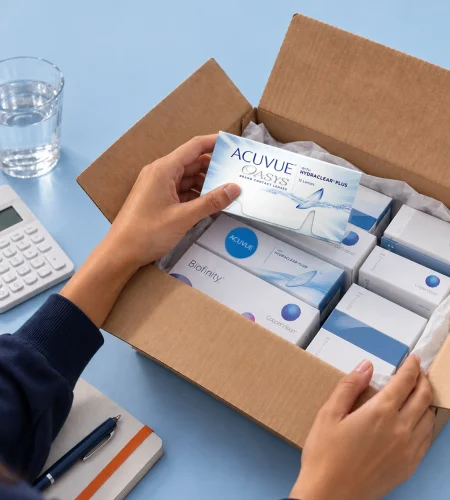
An annual supply of contacts can be a smart buy, but only if the box count, rebate rules, and timing all work in your favor. Because contact lenses are medical devices that are sold by prescription and worn on specific replacement schedules, the cheapest-looking offer is not always the lowest real cost.
In plain English, an annual supply means enough lenses to cover roughly 12 months of wear based on your prescribed lens type and how often you actually wear it. This guide is for online shoppers who want to save money, avoid reorder stress, and compare annual supply contact lenses with confidence before placing a larger order.
You will learn when a year supply of contacts is worth it, how to do the box math, how to compare rebates against instant discounts, and what to double-check before you commit. If convenience matters to you, this is the practical checklist to use before you buy contacts in bulk.
When buying an annual supply of contacts actually saves money
The three savings levers: lower per-box pricing, rebates, shipping/benefit stacking
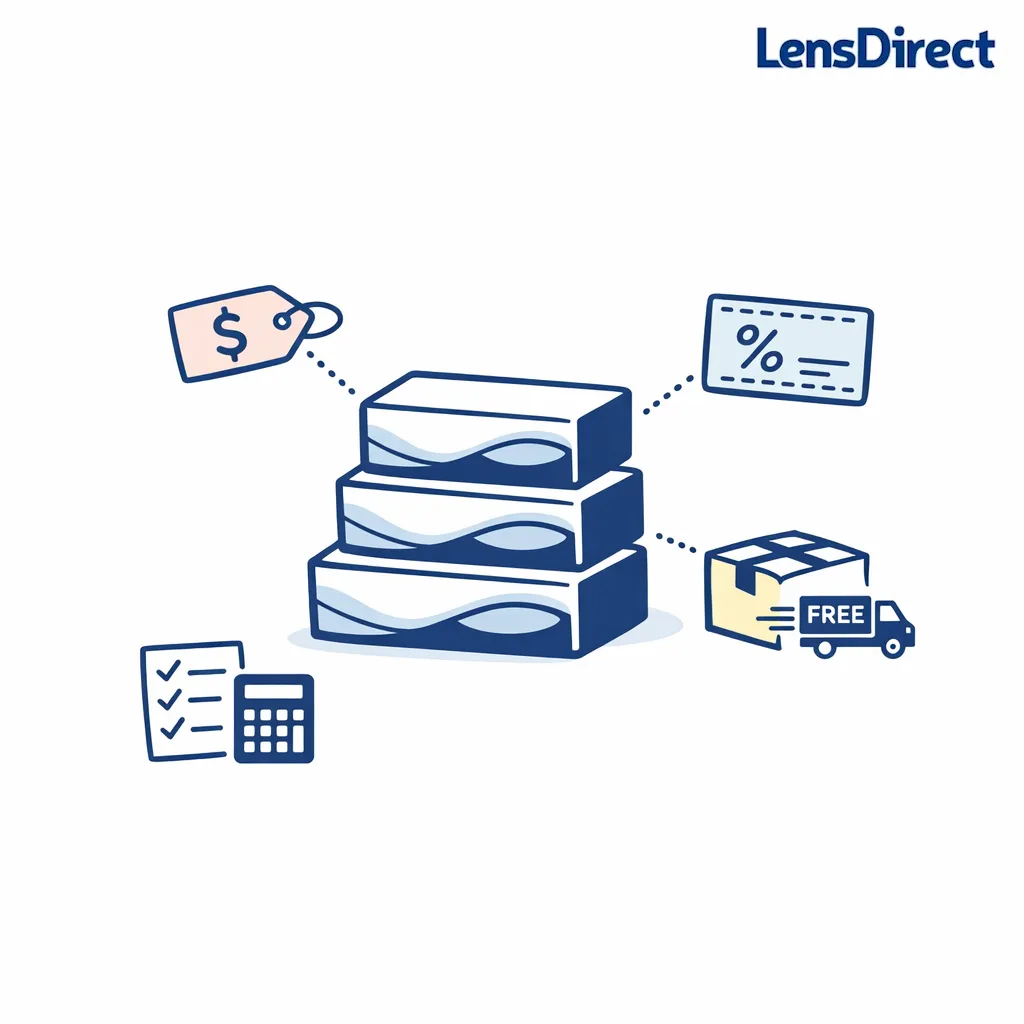
Most annual-supply savings come from three places working together, not from one giant headline discount. The real question is not “Is this box on sale?” It is “What is my final out-of-pocket total for the full year?”
- Lower per-box or per-lens pricing: Some sellers price larger quantities more aggressively, so the cost per lens drops when you move from a short supply to a year-at-once reorder.
- Manufacturer rebates: A rebate can reduce your net cost, but only if your exact product and quantity qualify and you complete the steps on time.
- Shipping and benefit stacking: Free shipping, vision benefits, and HSA or FSA dollars can matter as much as the advertised product price.
A year-at-once purchase usually works best when you already know the exact lens that fits you well, wear it consistently, and are likely to use the full supply before anything changes. It is especially appealing for people who travel often, dislike emergency reorders, or want to use benefits efficiently in one purchase.
When a year-at-once purchase may not be the best move
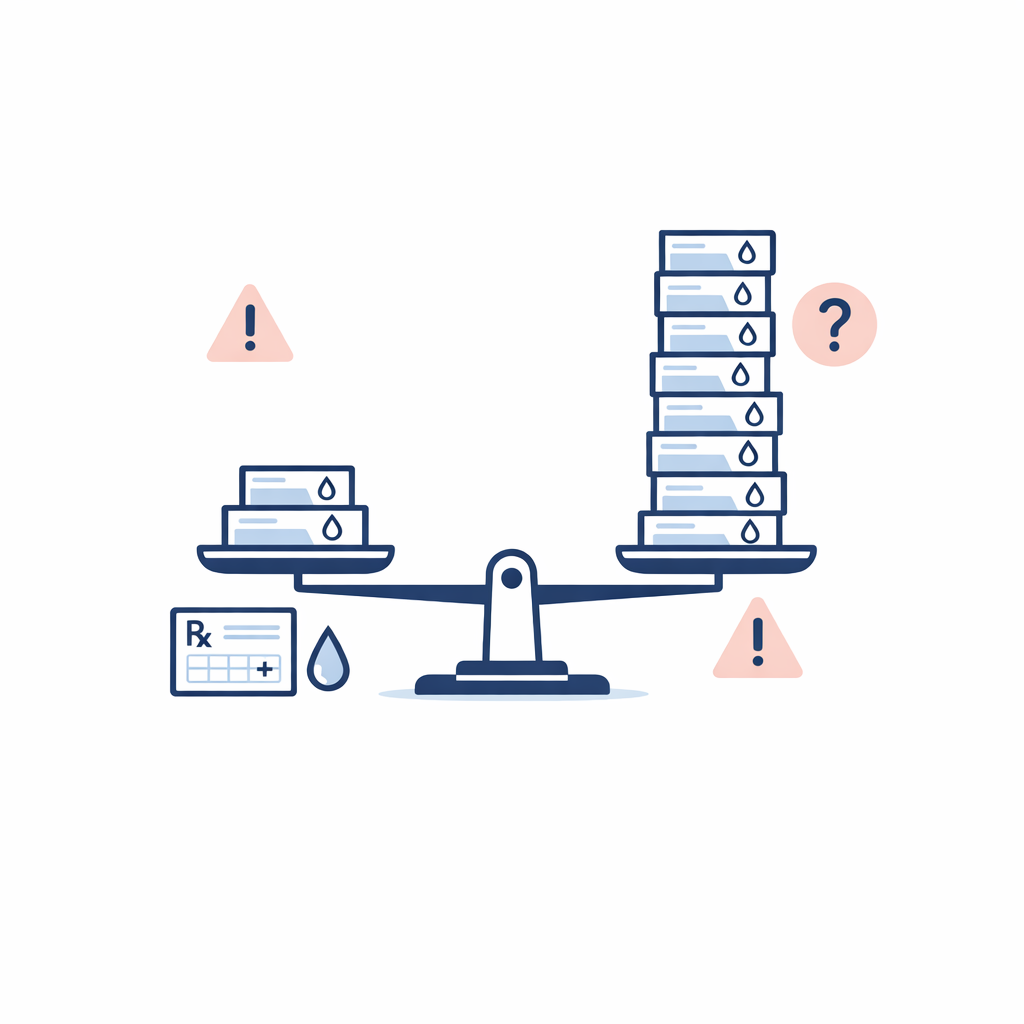
Buying a year supply of contacts is not automatically the best deal. If you are still trialing a new lens, recently changed prescriptions, only wear contacts part-time, or are unsure about a store’s return policy, a smaller reorder can be the safer move.
This is also where comfort matters more than the spreadsheet. If your vision has changed, your eyes feel dry, or your doctor is adjusting your fit, talk with your optometrist before locking in 12 months of the same lens.
How much is a year supply of contacts?
Typical cost ranges by lens type
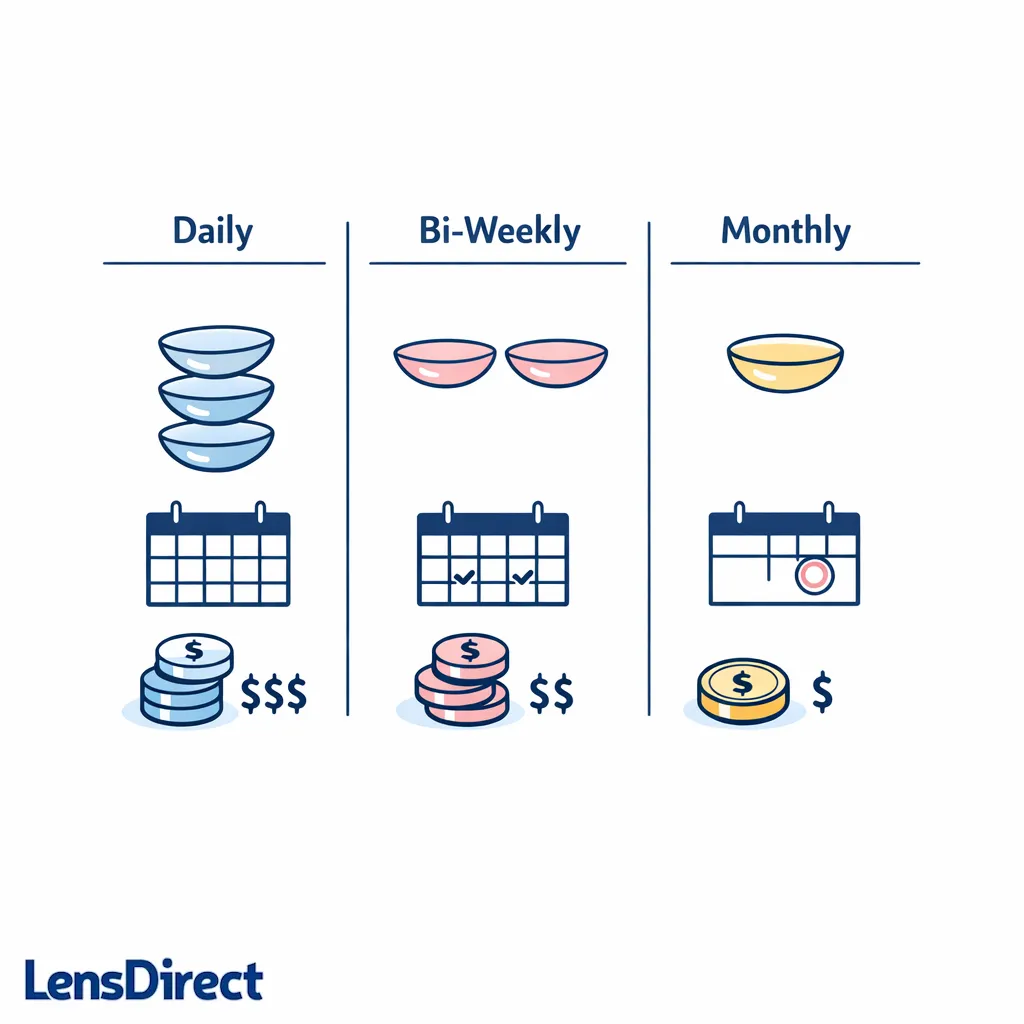
There is no single “normal” price for a year supply of contacts because the total depends on lens category, brand, replacement schedule, and any discounts or rebates you qualify for. The better way to shop is to compare the full-year total, not the sticker price of one box.
As a rule of thumb, daily disposables often carry a higher annual product spend because you use many more individual lenses over the year. Monthly lenses may look less expensive on an annual basis, but they are not a one-to-one substitute if your doctor prescribed a different wearing schedule or product design.
Daily vs biweekly vs monthly cost differences
- Daily lenses: Highest unit use, usually the easiest to understand for daily wearers, and often the strongest reason to check annual-supply pricing carefully.
- Biweekly lenses: The cost sits in the middle for many shoppers, but the box math can be awkward because replacement timing does not divide neatly into a calendar year.
- Monthly lenses: Often simpler to count for a full year, but the lowest annual product total does not always mean the best choice for comfort, convenience, or your prescription needs.
Instead of asking only “How much are monthly contacts?” or “What is the daily contacts cost?” use one formula for every product: product total + shipping + tax – instant discount – rebate – benefits. That is the number worth comparing.
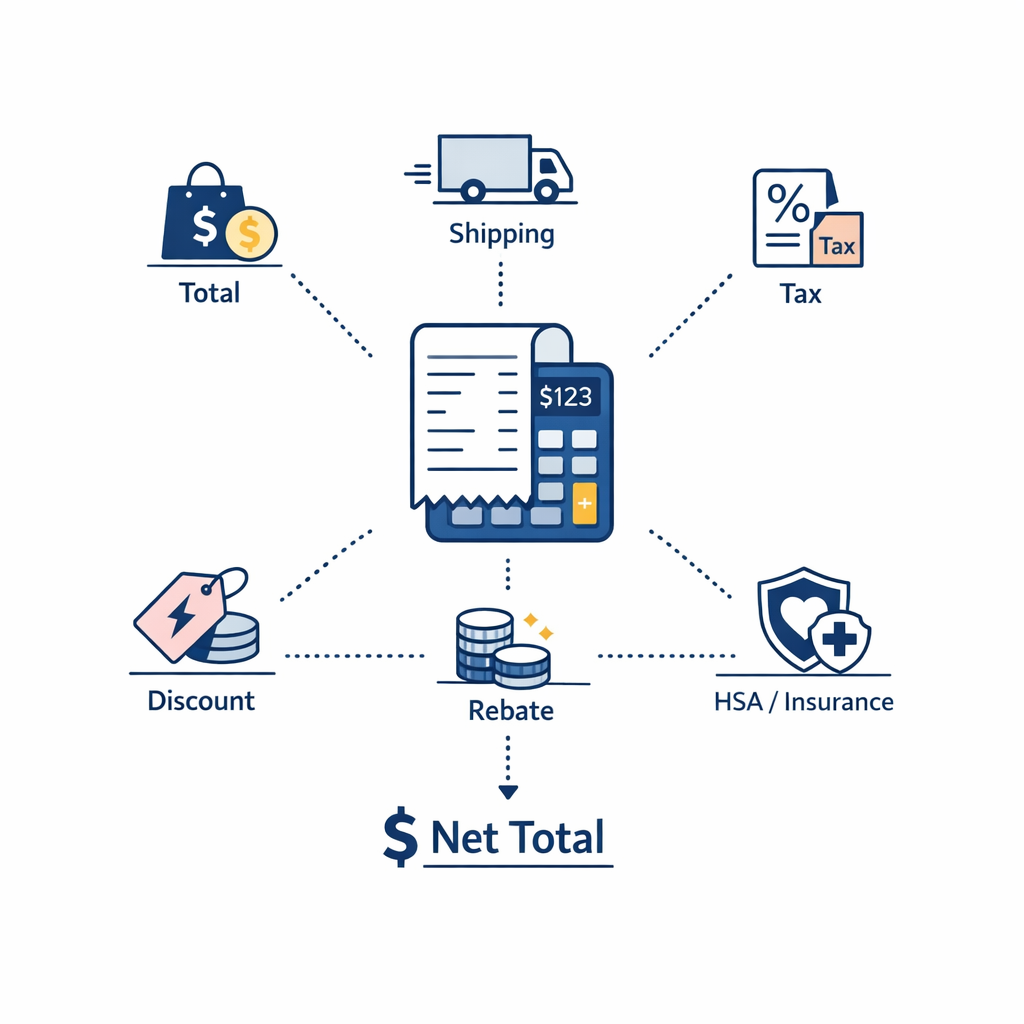
How insurance changes out-of-pocket cost
Insurance can turn an average deal into a strong one, especially when you have a materials allowance or reimbursement option. Before checkout, confirm whether your benefit applies directly at purchase, whether you will file afterward, and whether your plan resets soon.
If you use an HSA or FSA, factor that into the decision too. A larger reorder is often easier to justify when you can use available benefit dollars now instead of paying fully out of pocket later.
Contact lens box math explained
The fastest way to compare a year supply of contacts is to ignore the marketing label and start with your prescribed replacement schedule. Count how many lenses you need for one year, then divide by the number of lenses in each box and round up where needed.
- Daily disposable lenses: About 365 lenses per eye for a literal 365-day year.
- Biweekly lenses: About 26 lenses per eye for 52 weeks of wear.
- Monthly lenses: 12 lenses per eye for 12 months of wear.
How many boxes equal a year supply for daily disposables
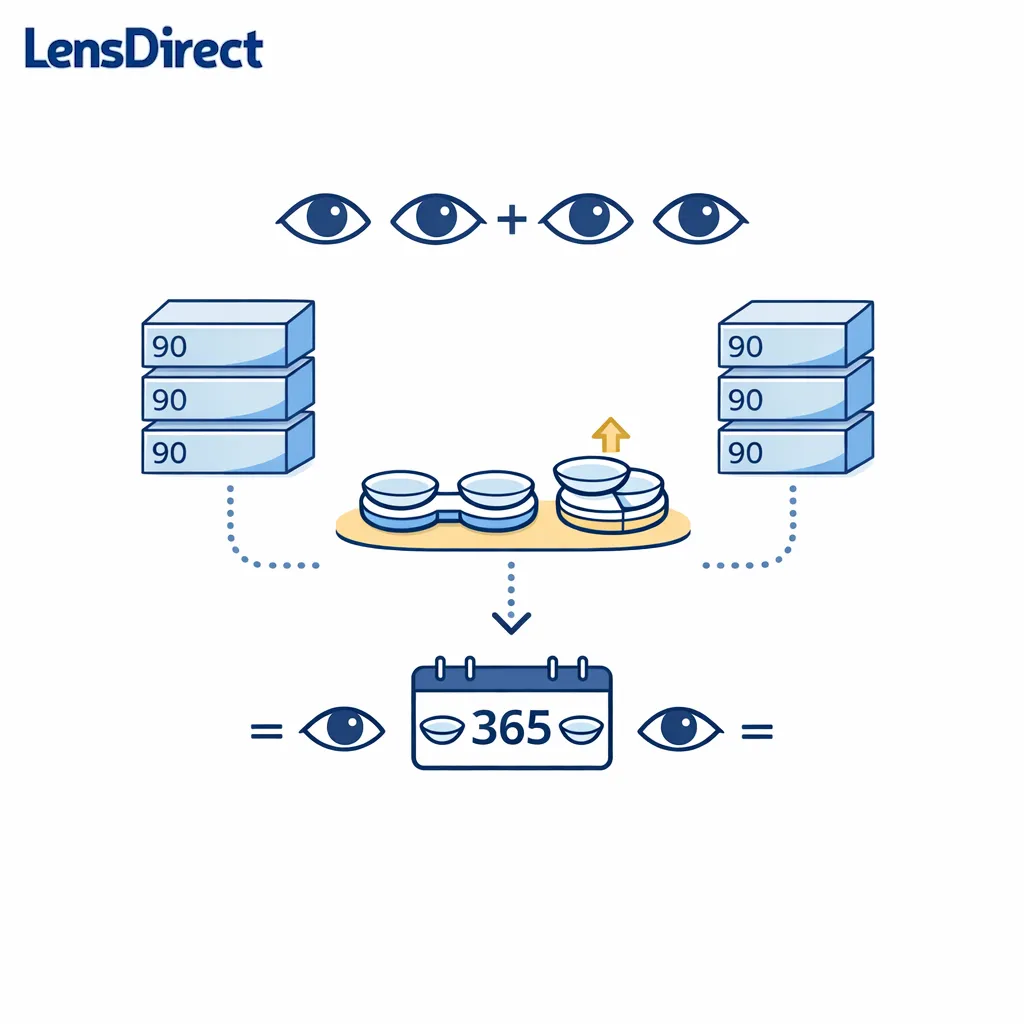
For one eye, a 90-lens box lasts 90 days if you wear one lens each day. For both eyes, a full 365-day year means about 730 lenses total, so your exact box count depends on the pack size and whether both eyes share identical parameters.
Here is the easy version. If your right and left eyes have different prescriptions, divide each eye separately and round up. With 90-lens boxes, that usually means five boxes for the right eye and five for the left eye to cover a literal year.
If both eyes happen to share the exact same lens parameters, you can count the total number of lenses across the order instead of rounding each eye separately. In that case, divide 730 by the total lenses per box and round up once.
How many boxes equal a year supply for monthly lenses
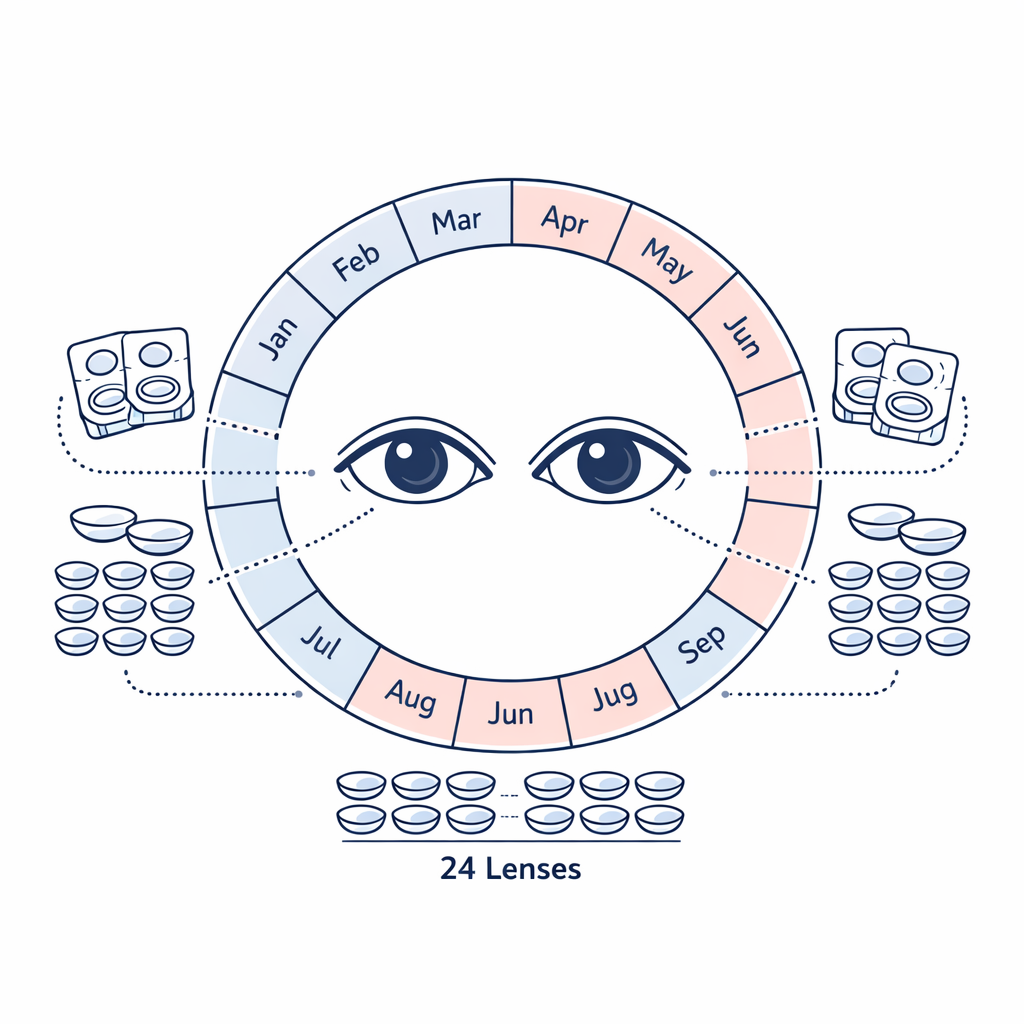
Monthly lenses are simpler. One lens covers one month for one eye, so one eye needs 12 lenses per year and both eyes need 24 total.
That means a 24-pack of monthly contacts can be a true year supply only when it contains 24 lenses total and the product matches your prescription. If your lenses come in 6-packs and your eyes need different parameters, you will usually need four boxes total for the year.
How many boxes equal a year supply for biweekly lenses
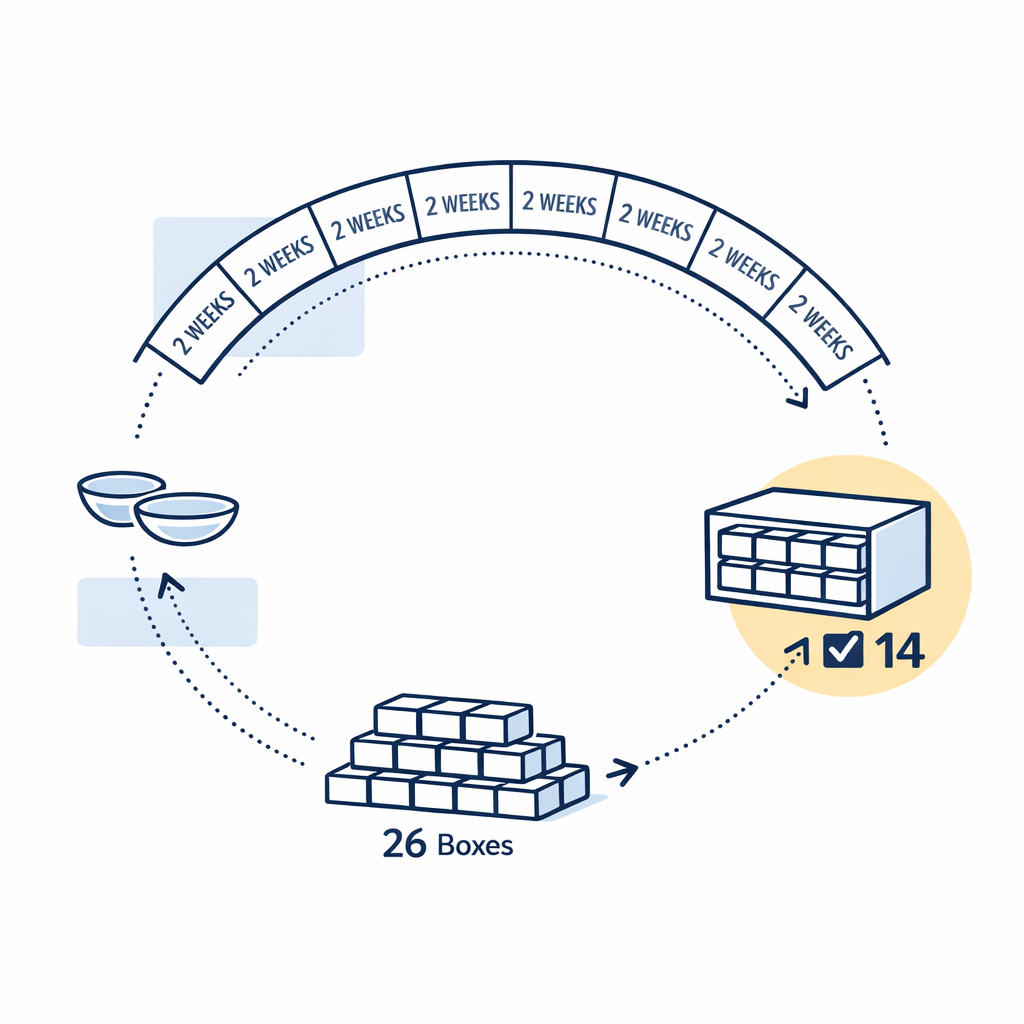
Biweekly contacts need a little more attention because a calendar year is not a clean multiple of two weeks. One eye needs about 26 lenses for 52 weeks of wear, so both eyes need about 52 total.
The safest method is to ignore the words “annual supply” and divide 26 by the number of lenses in one box for each eye, then round up. That gives you the real box count for your product instead of relying on a generic label.
Why right-eye and left-eye prescriptions can change the count
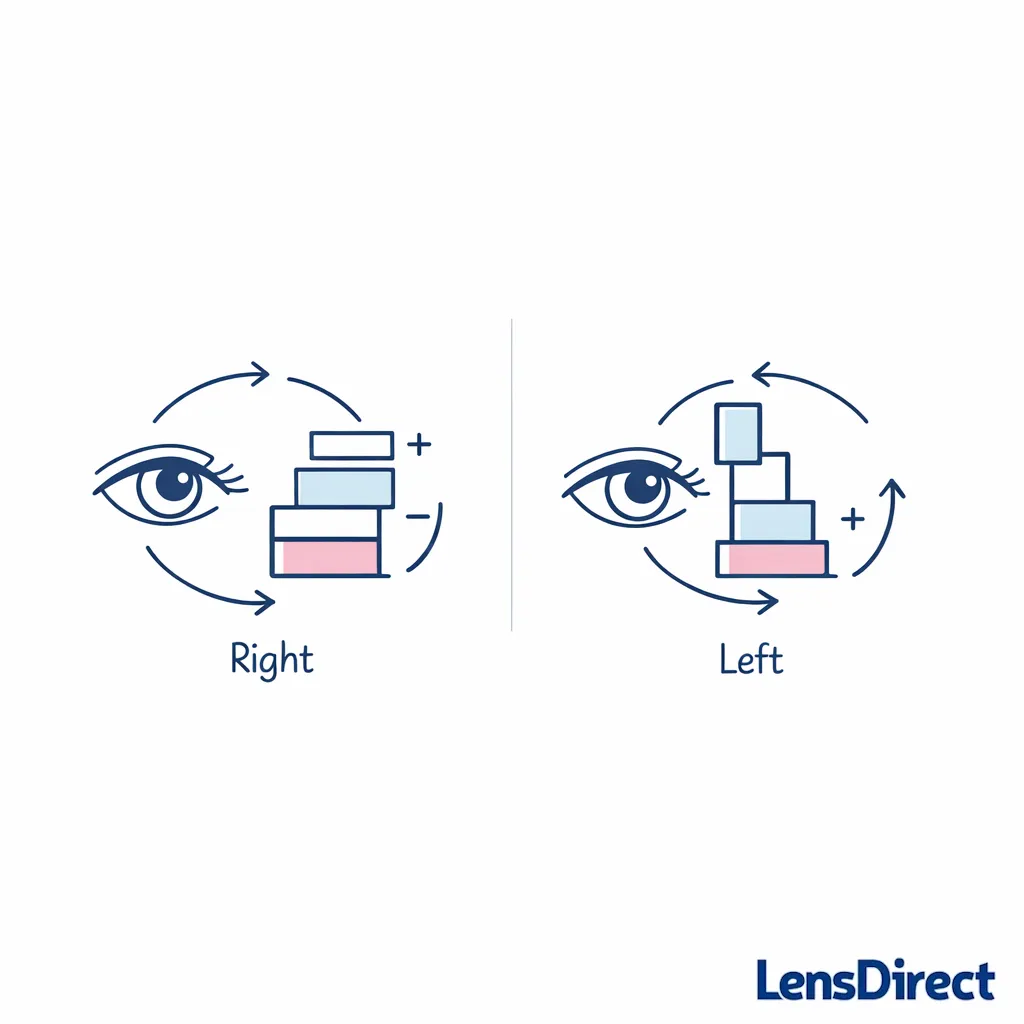
Many shoppers compare deals by looking only at the number of boxes in the cart. That can be misleading, because your right and left eyes may require different powers or other lens details, which means each eye has to be calculated separately.
This is one of the biggest contact lens box math mistakes online. When the two eyes differ, rounding happens twice, and that can change whether a supposed annual supply is truly enough for the full year.
Quick answers to the most common box-math questions
How many contact lenses is a year supply? It depends on the replacement schedule. For everyday wear in both eyes, think in round numbers: about 730 daily lenses, about 52 biweekly lenses, or 24 monthly lenses.
How much should an annual supply of contacts cost? There is no universal target price. The smart comparison is your final net total after box pricing, shipping, discounts, rebates, and any insurance or reimbursement.
Is a 24 pack of contacts a year supply? It can be for monthly lenses, because 24 monthly lenses cover both eyes for 12 months. It is not a year supply for daily disposables.
How many boxes of 90 contacts is a year supply? For daily disposables, start with 730 lenses for both eyes and divide by 90. If your eyes have different prescriptions, rounding by eye usually means 10 boxes total for a literal 365-day year.
How to compare annual supply deals the smart way
Price per lens vs price per box
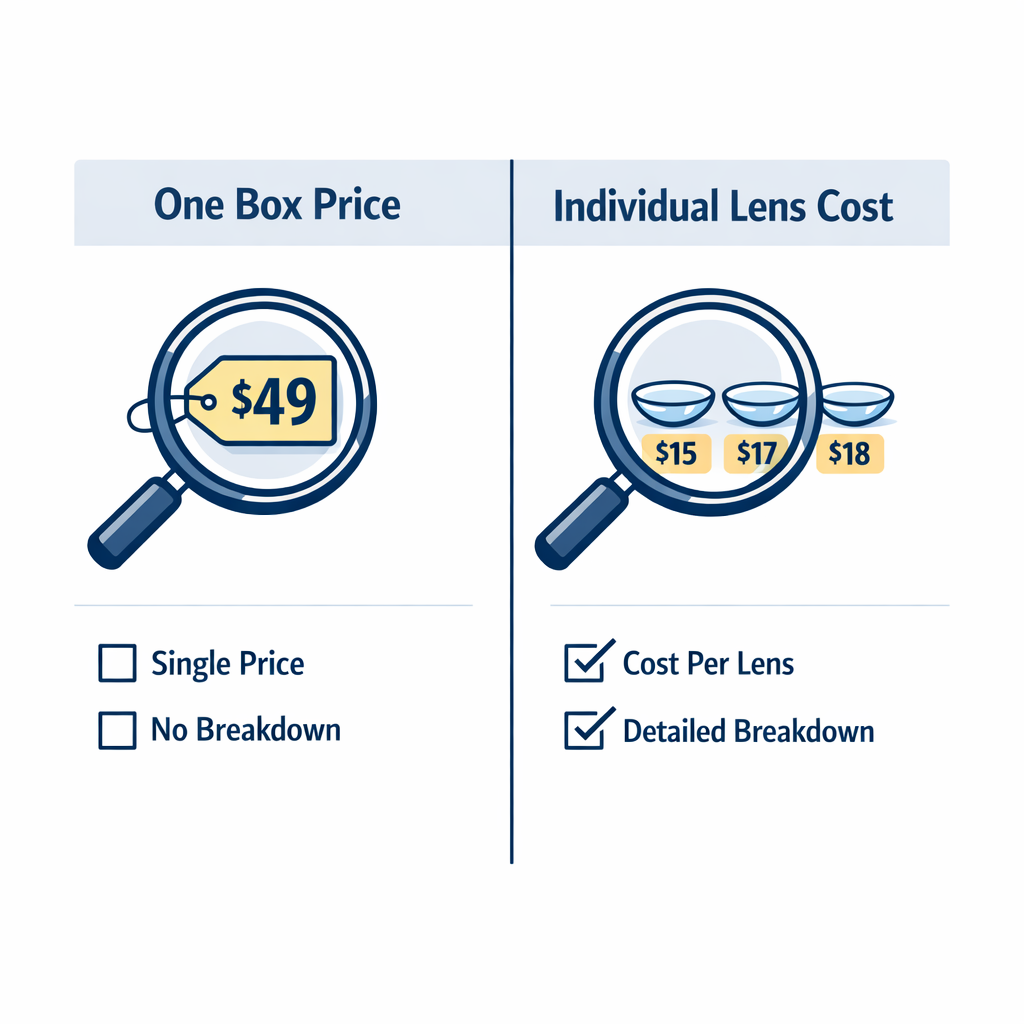
Do not compare annual supply contact lenses by box price alone. Compare the cost per lens, then compare the total lens count you are actually getting.
A bigger box is not automatically a better deal, and a lower box price can hide a higher per-lens cost. The easiest method is to write down three numbers for every option: total lenses, final checkout total, and final net total after any rebate.
Instant discount vs mail-in rebate vs promo code
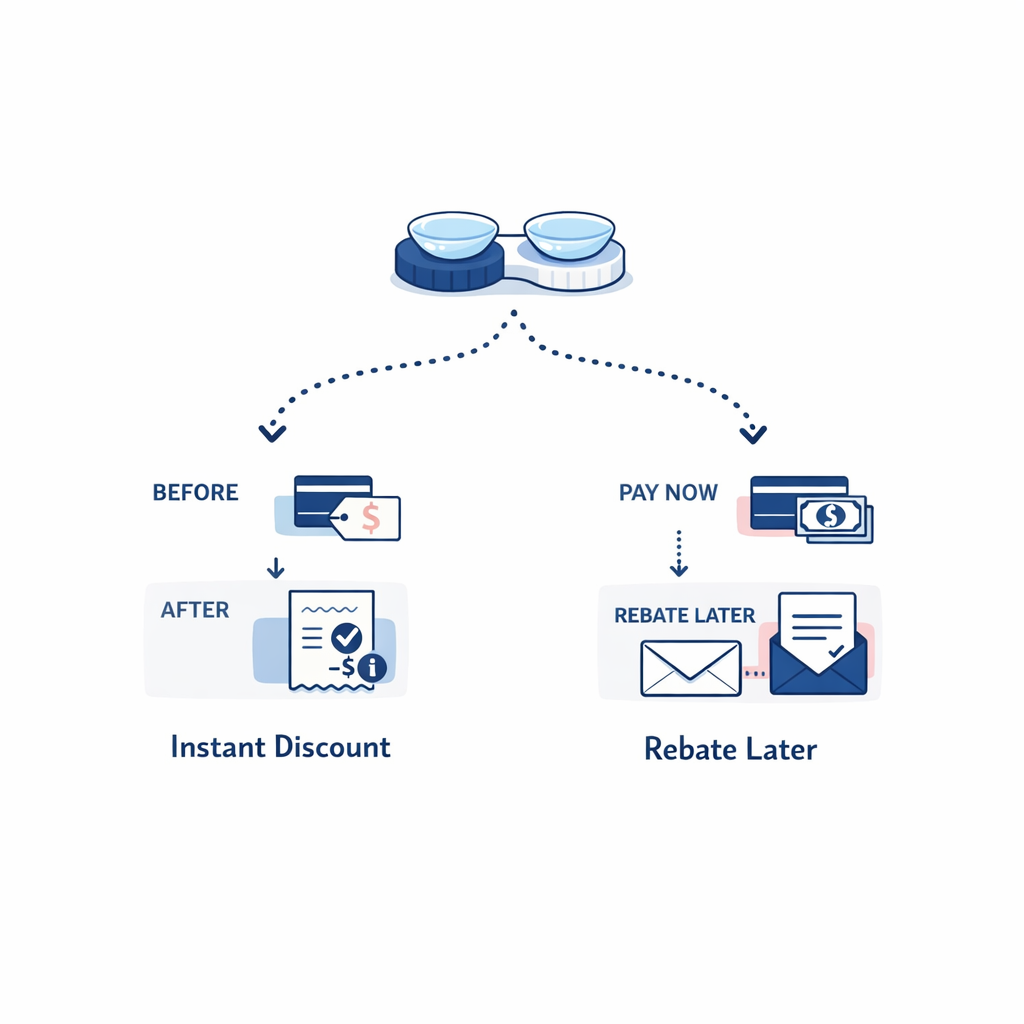
Treat these as three different things. An instant discount changes what you pay today, a promo code may change checkout if it applies, and a rebate lowers your net cost later only if you qualify and submit correctly.
If you want the simplest comparison, build two totals for each offer: today’s payment and final net cost. That helps you spot deals that look cheap after rebate but require a much larger upfront spend.
When annual supply discounts beat shorter-supply pricing
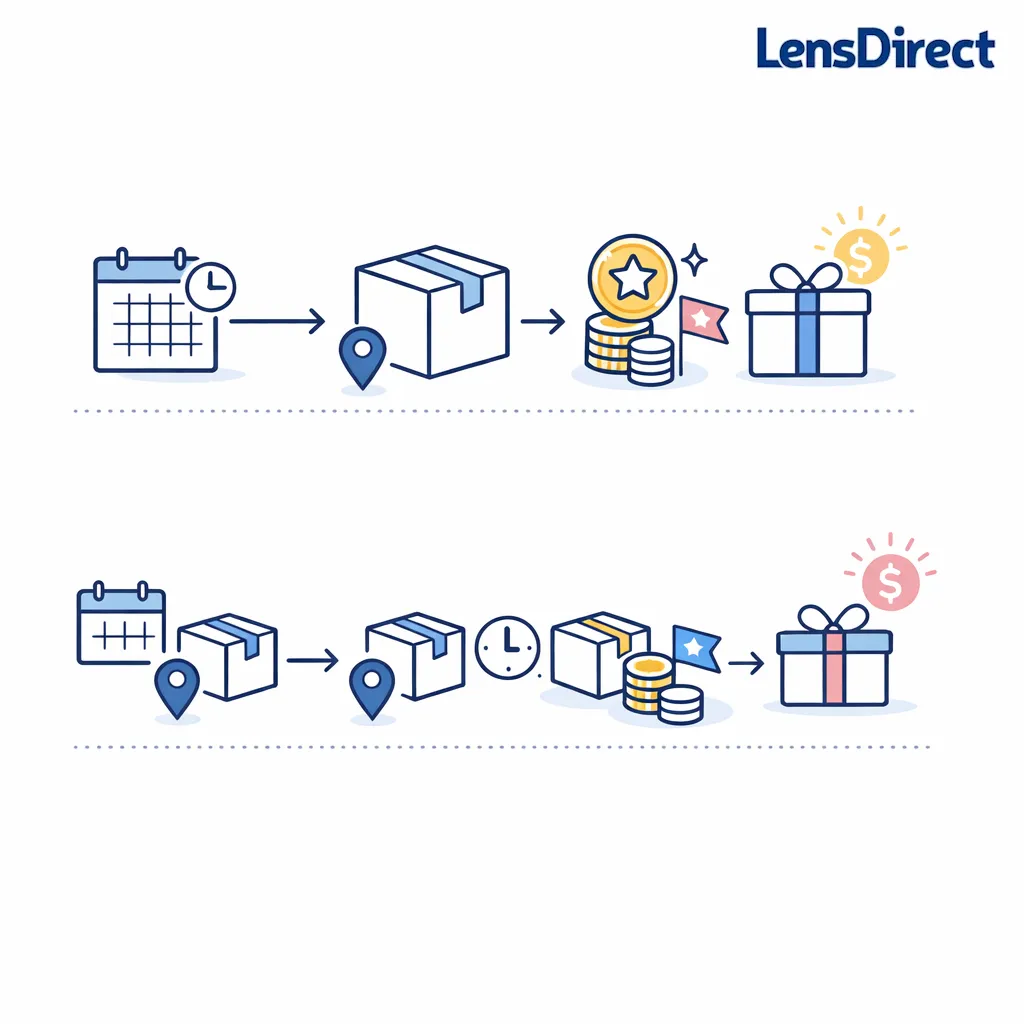
An annual-supply deal wins when the lower per-lens price and any rebate are large enough to outweigh the extra upfront spend. It also wins when it saves you a second order later, especially if a future reorder would miss a rebate threshold, shipping minimum, or benefit deadline.
- 1. Confirm the exact lens and replacement schedule on your prescription.
- 2. Count the total lenses you need for your actual wearing pattern, not an idealized one.
- 3. Check the per-lens cost, not just the per-box price.
- 4. Subtract only the discounts and rebates you truly qualify for.
- 5. Compare the final net total with a six-month reorder path, not with one box in isolation.
On LensDirect or any other retailer, this simple comparison usually tells you very quickly whether the year-at-once purchase is real savings or just larger volume.
Contact lens rebates: what to check before you buy
Which brands commonly offer rebates
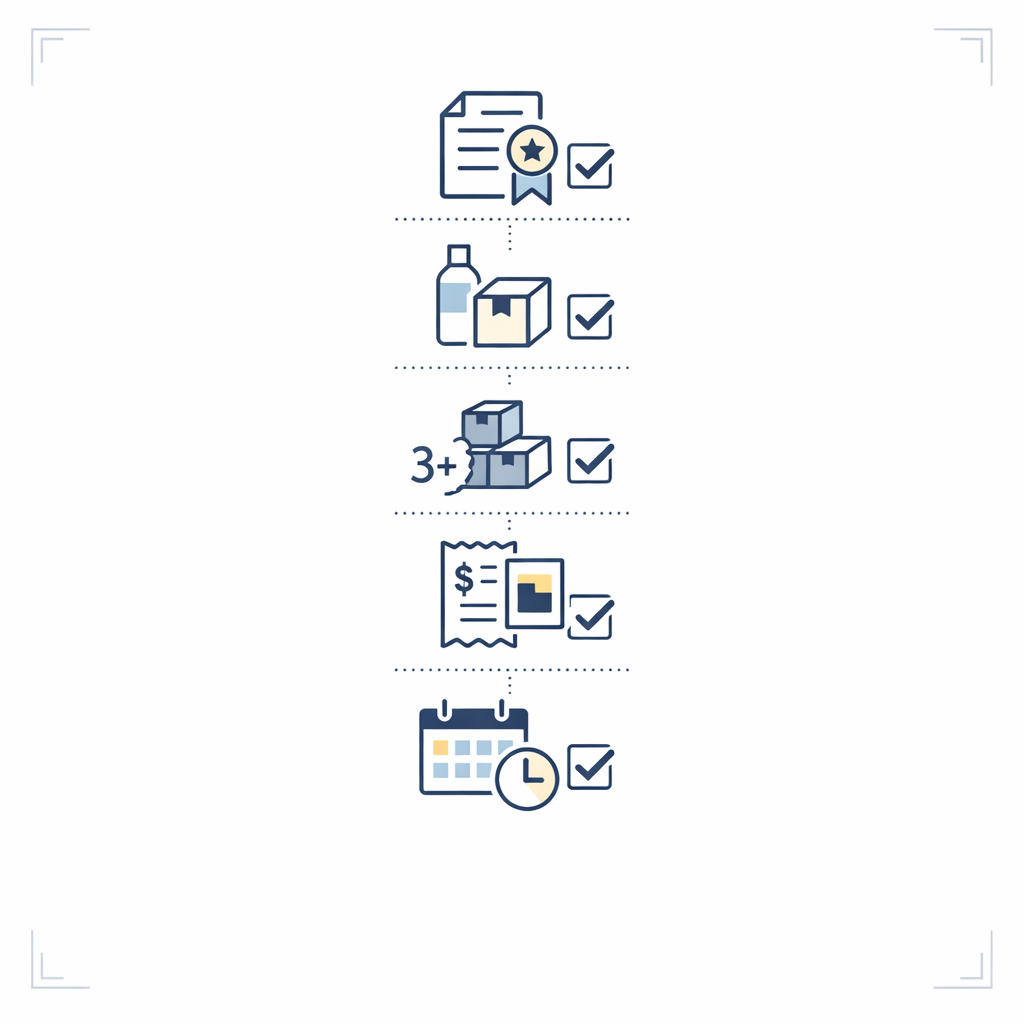
The safest place to start is the brand’s own program page, such as ACUVUE special offers and rebates, the CooperVision promotions site, or Bausch + Lomb rewards. Those official pages are where you can confirm the exact products, purchase quantities, and current terms before you order.
Submission windows and proof-of-purchase requirements
Treat rebate paperwork as part of the purchase, not as an afterthought. Save your order confirmation, itemized receipt, and a screenshot of the offer details so you can match the form to what you actually bought.
The simplest habit is to submit as soon as your order is complete or eligible, rather than waiting until you have forgotten the details. A rebate only helps if it turns into money back.
New wearer vs existing wearer rules
Read the eligibility line carefully if you are switching brands, reordering the same product, or using a first-time-wearer style offer. If the terms feel even slightly unclear, verify them before you place a larger order instead of assuming you will sort it out later.
Quick answers to common rebate questions
How do you get a rebate on contact lenses? Start on the official brand offer page, confirm that your exact lens and quantity qualify, buy from an eligible seller, keep your receipt, and submit promptly.
How much is a contact lens rebate? The amount varies by brand, product, and quantity, so use the current official offer as your source of truth instead of an old blog post or outdated screenshot.
Are contact rebates worth it? Yes, if you are already committed to that exact lens and will complete the steps. They are less valuable when you may switch products, miss the deadline, or compare a post-rebate price against another seller’s immediate discount.
What changes most from one rebate season to the next
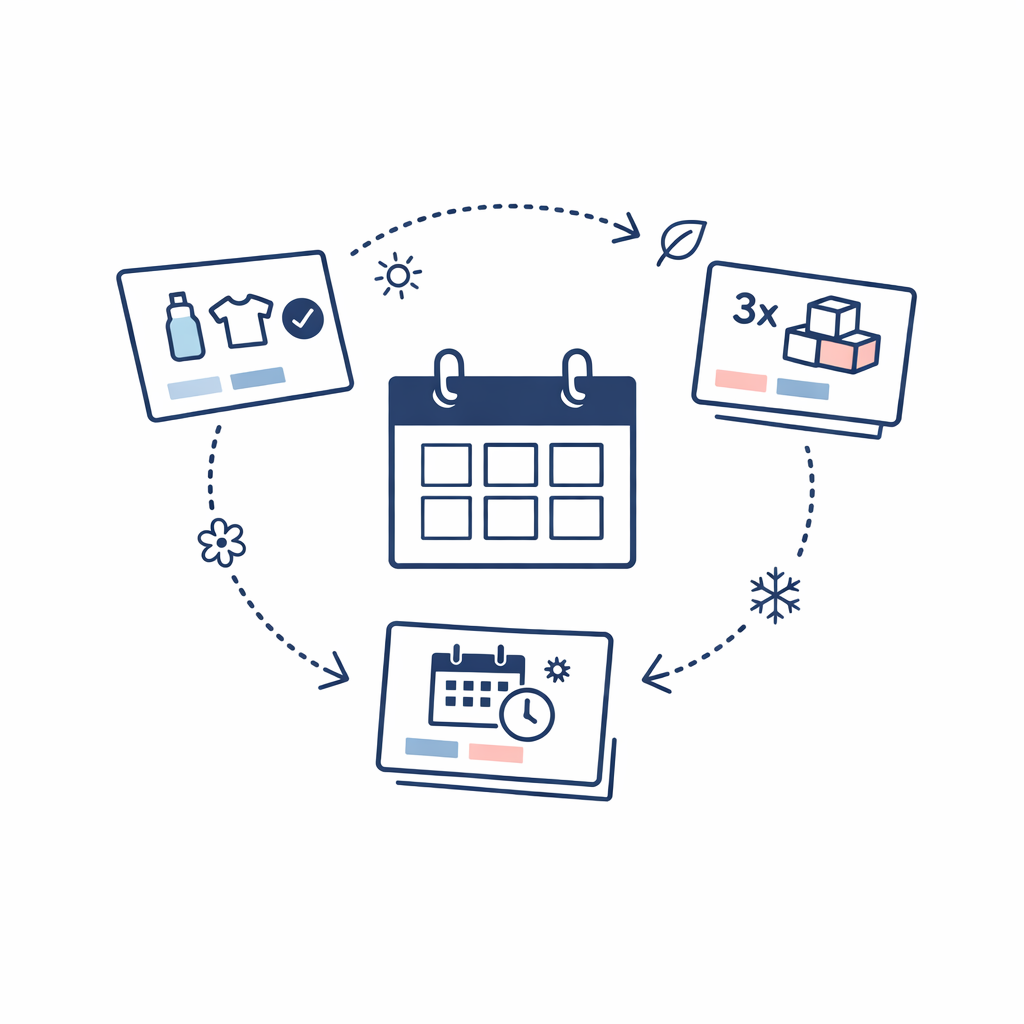
The part that moves most often is not the idea of a rebate. It is the list of eligible products, minimum purchase quantities, stacking rules, and submission dates shown on the official brand pages.
That is why “contact lens rebates 2025” or “contact lens rebates 2026” searches can be misleading if the article you found is older than the current offer. Before you buy a year supply of contacts, open the live manufacturer page and check the current terms for your exact lens.
Questions to ask before placing a larger reorder
Is your prescription still valid?
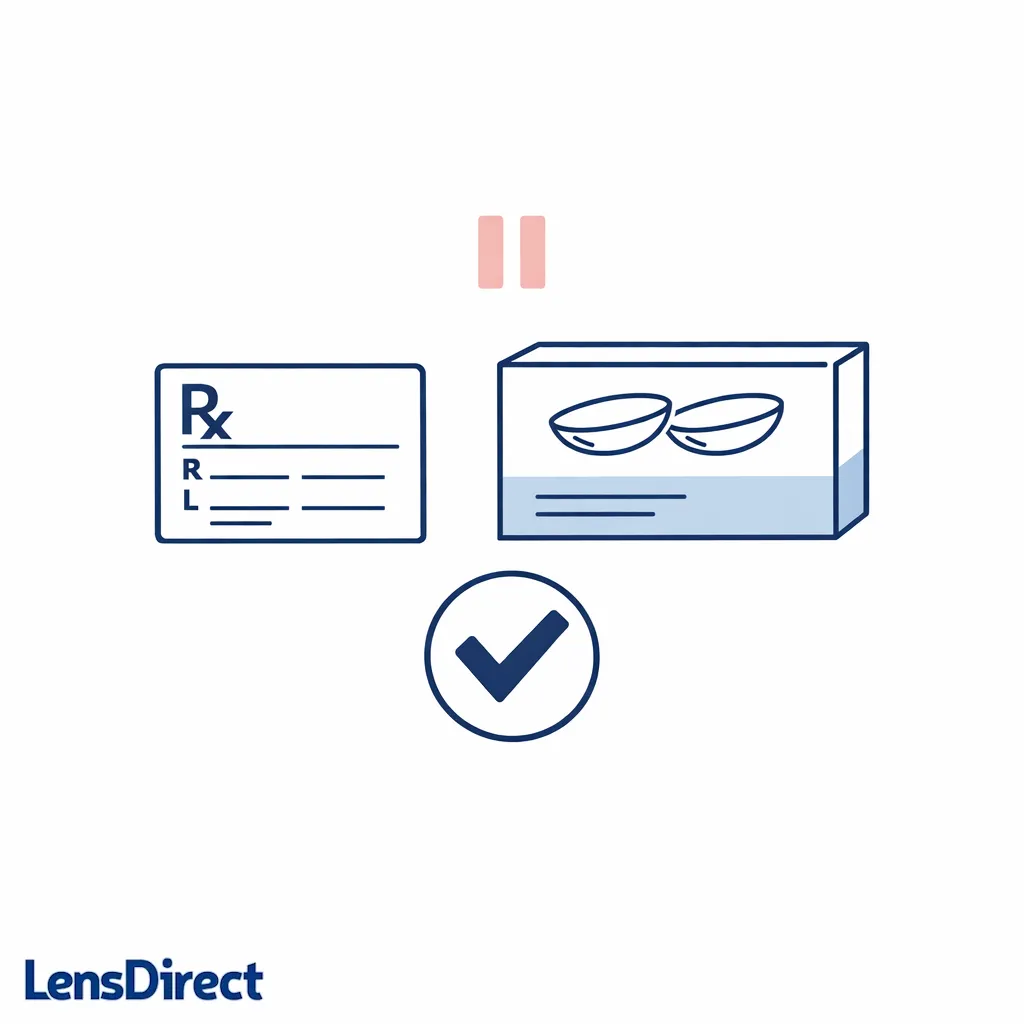
Before you buy a year supply of contacts online, make sure you have the exact lens on your current prescription. Under the FTC’s Contact Lens Rule, sellers use prescription information to verify contact lens orders, so a mismatch can delay or stop the order.
If your doctor has changed your lens, your fit, or how often you should replace it, do not assume another product in the same brand family is interchangeable. When in doubt, confirm with your eye doctor first.
Will your benefits reset soon?
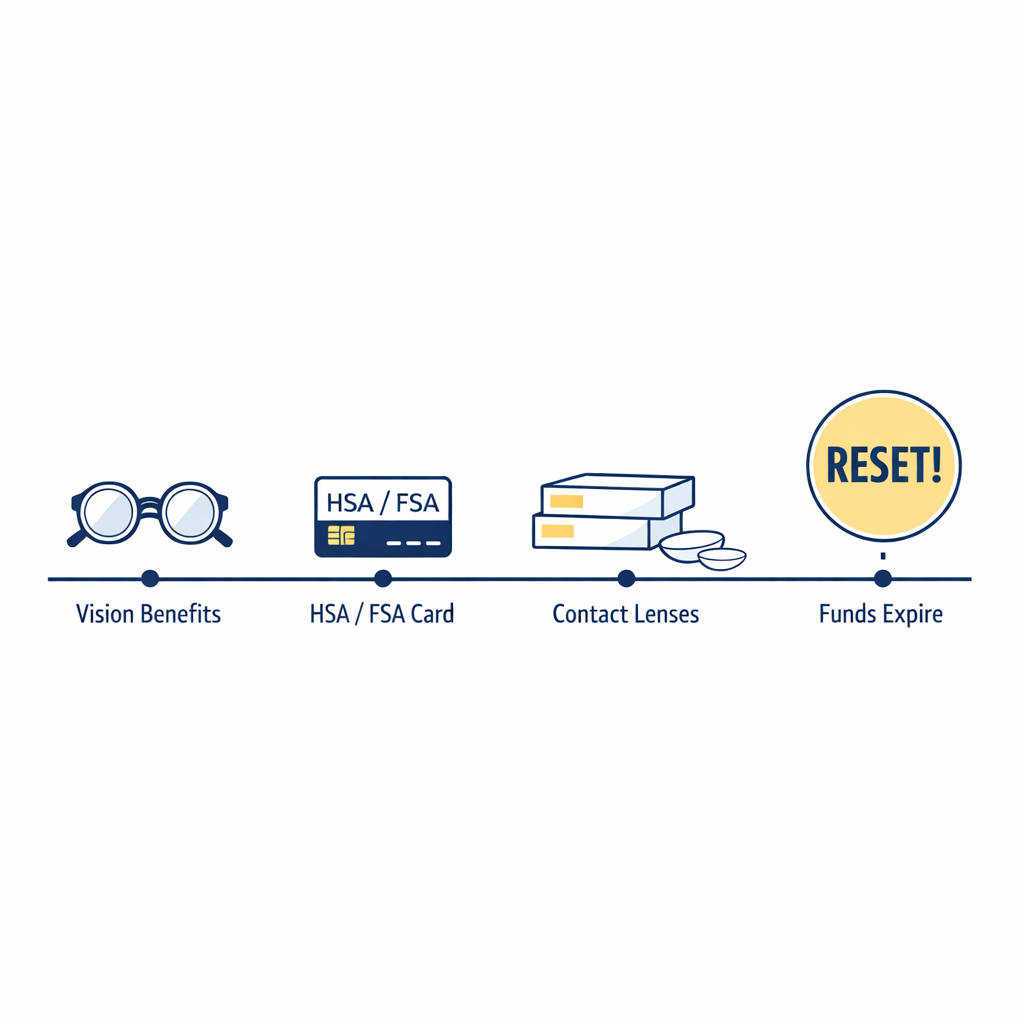
This question matters more than many shoppers realize. If your vision benefits, reimbursement window, or flexible spending balance resets soon, a larger reorder may help you use money that would otherwise go unused.
If the reset is far away and your prescription may change first, waiting can be smarter. Timing is part of the deal.
Are returns or exchanges allowed if your prescription changes?
Before you commit to a large reorder, read the seller’s return and exchange policy with the same care you use for the product page. The more boxes you buy, the more important flexibility becomes if your prescription changes or you accidentally order the wrong quantity.
Also check shipping timing. A good annual-supply purchase is not just cheaper. It is easier to receive, manage, and use without surprise follow-up costs.
Common mistakes and misconceptions
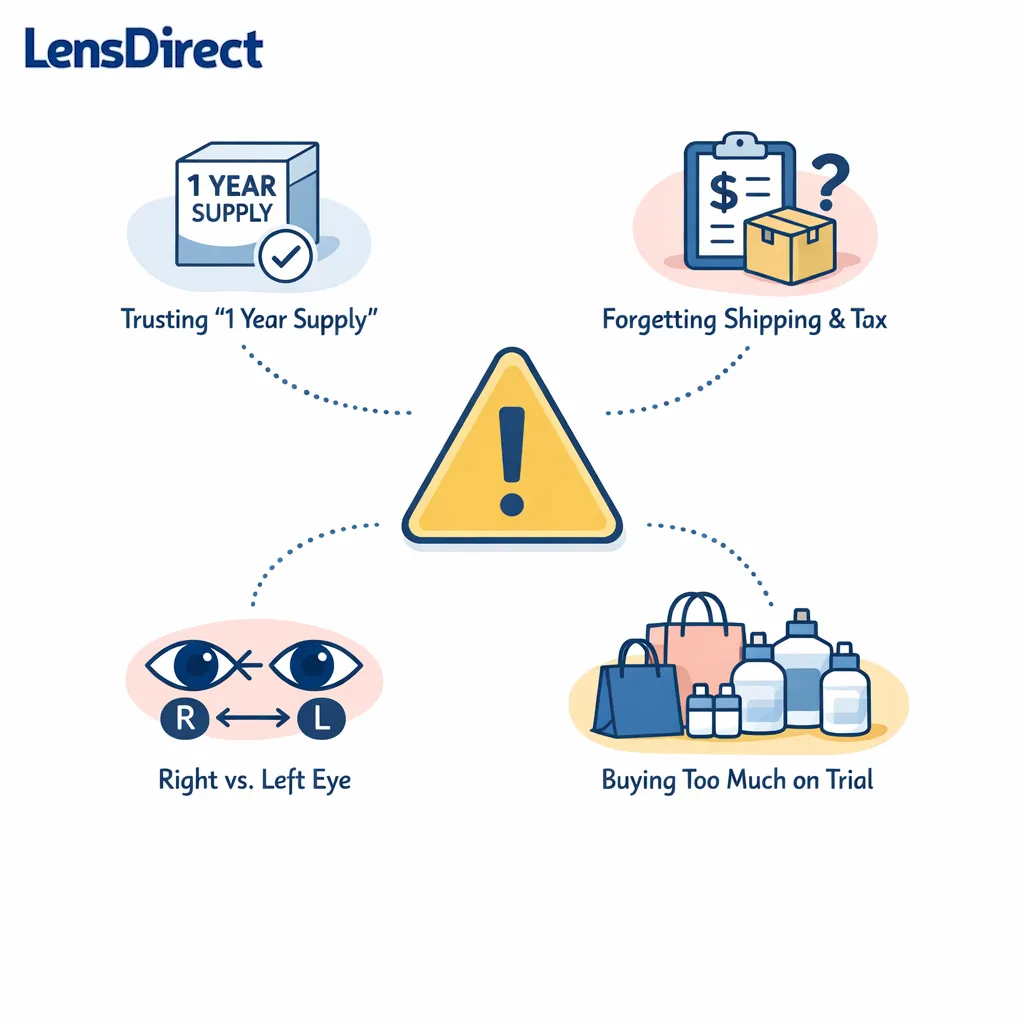
- Assuming “annual supply” always means the same thing: Count lenses, not marketing labels.
- Comparing one seller’s pre-rebate price with another seller’s post-rebate price: Compare net totals on the same basis.
- Ignoring right-eye and left-eye differences: Separate calculations can change the box count.
- Buying too much during a trial period: If you are still testing comfort, smaller is often safer.
- Forgetting shipping, tax, and benefit timing: These can easily change which deal is actually best.
- Thinking the lowest annual cost always wins: The best value is the lens you will comfortably and consistently wear as prescribed.
Annual supply checklist for online shoppers
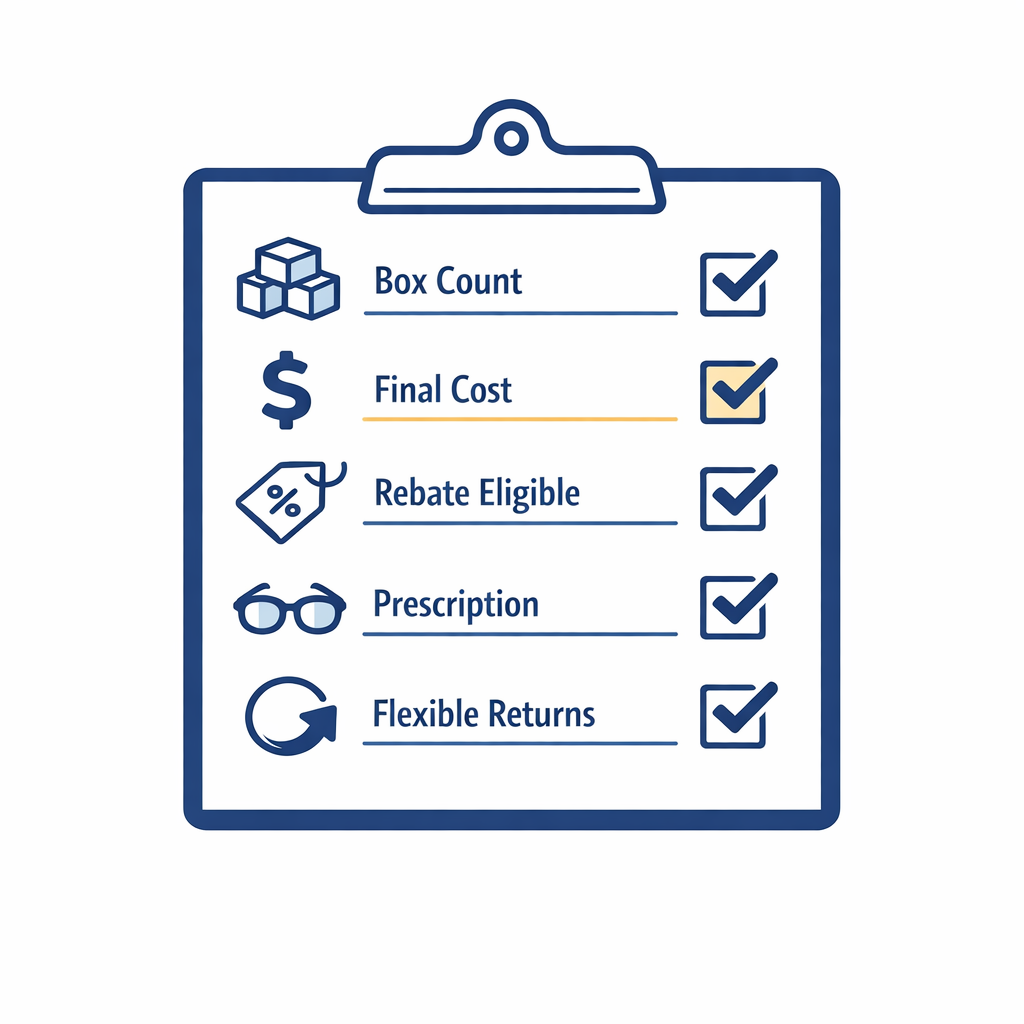
Use this list before you hit checkout on annual supply contact lenses.
- Box count: Did you calculate by lens count and replacement schedule, not by headline wording?
- Final out-of-pocket total: Did you include shipping, tax, discounts, benefits, and the realistic rebate outcome?
- Rebate eligibility: Does your exact brand, quantity, and purchase path qualify right now?
- Prescription timing: Is your prescription current, and are you confident this is still the right lens for you?
- Return flexibility: Do you know what happens if you ordered too much or your prescription changes?
- Shipping and convenience: Will this order reduce future hassle enough to justify the upfront spend?
If you can answer yes to most of those questions, a year supply of contacts may be the most efficient choice. If not, a shorter supply can still be the smarter buy.
Order with less guesswork at LensDirect
If you already know your exact lens and want a simpler way to compare your options, LensDirect can help you move from “maybe this is a deal” to “I know my total.” Start with the product you wear, then use your benefits and fit information to build the order that matches your budget and routine.
- Shop Contacts when you are ready to price out your exact annual or shorter-supply reorder.
- Learn How to Get Reimbursed by Your Insurance before checkout so you can estimate your true out-of-pocket cost.
- Learn How to Measure Your Pupillary Distance if you also want to update backup glasses.
- Find Your Fit if you are pairing your contacts order with a new everyday frame.
- Shop Glasses and Shop Sunglasses if you want reliable backups for work, driving, travel, or outdoor time.
- Replace Your Lenses if your frames are still in good shape and you only need a refresh, whether that is full-service replacement or DIY replacement lenses.
Author

Subscribe to our email newsletter to get the latest posts delivered right to your email.