
When cold and flu season hits, your eyes can feel it. Viral illnesses (and many cold medications) throw off your tear film, make your eyes drier, and increase mucus and debris — exactly the conditions that contacts dislike. If you wear lenses, a few small missteps can snowball into irritation or, in rare cases, a serious infection. The good news: with smart hygiene and a “when in doubt, take them out” mindset, you can get through the season comfortably.
Below you’ll find why your eyes are more vulnerable when you’re sick, the eight mistakes to avoid (and what to do instead), plus extra tips, a sick-day checklist, and quick answers to common questions.
Why your eyes are extra vulnerable when you’re sick
- Dryer eyes. Illness and decongestants/antihistamines reduce tear production. A thinner tear film means less lubrication between your lens and cornea, more friction, and blurrier vision.
- More discharge. Colds often increase mucus. Those strands can cling to lenses and trap germs.
- Lowered defenses. When you’re run-down, your eyes’ natural antimicrobial defenses are less robust — making great hygiene non-negotiable.
- More face-touching. Coughing, sneezing, and nose-wiping means more hand-to-face contact. If hands aren’t clean, it’s easy to transfer germs to your lenses.
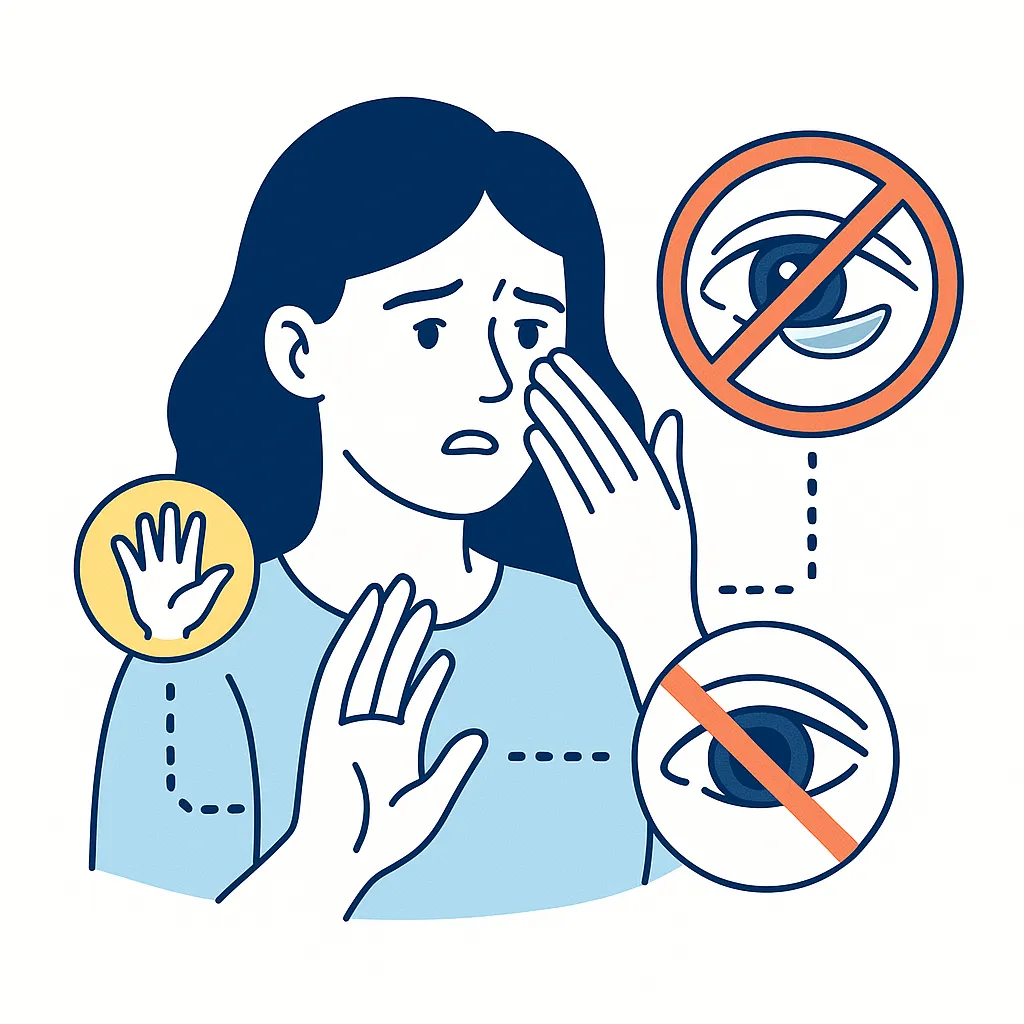
8 contact lens mistakes to avoid (and what to do instead)
1) Wearing contacts while sick
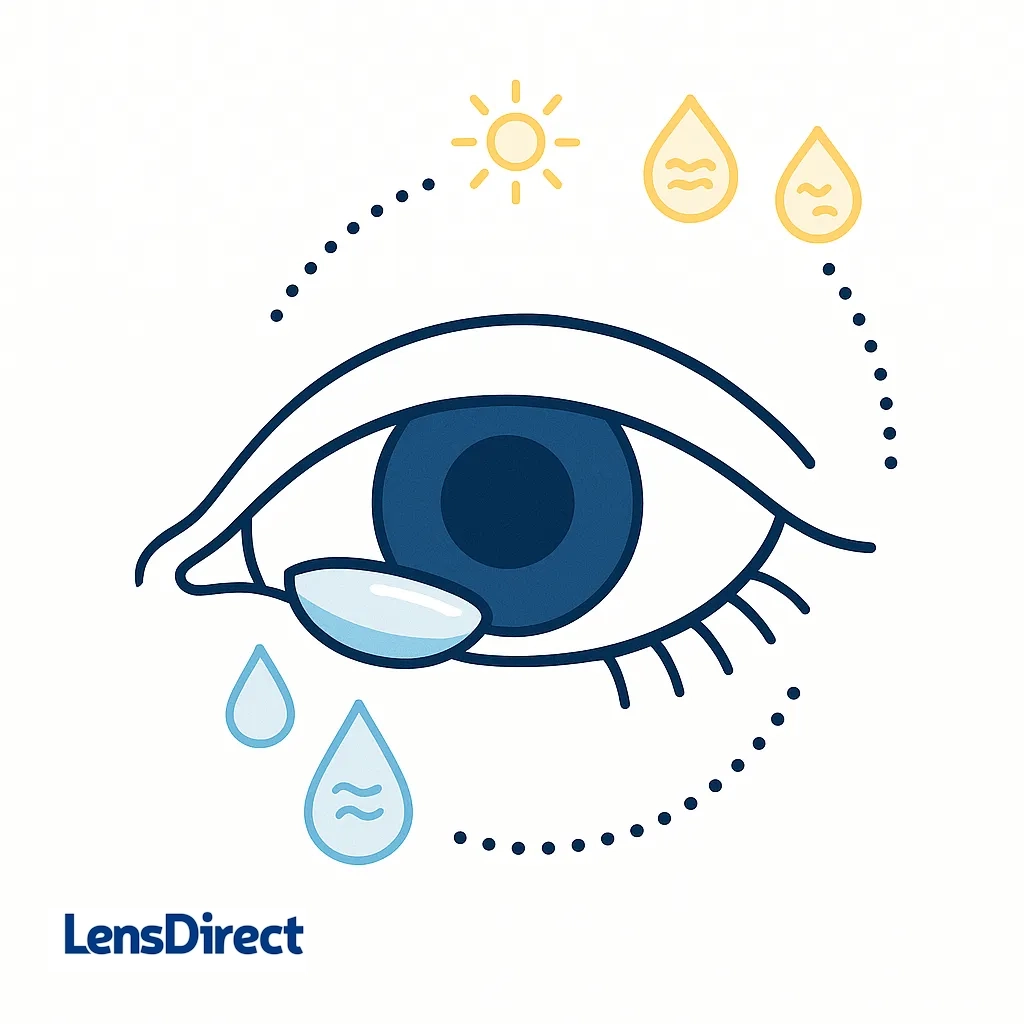
Why it’s a problem: Illness alters tear chemistry and volume, so lenses dry faster and may become filmy or uncomfortable. You’re also more likely to rub your eyes or handle lenses with hands that just touched tissues or doorknobs.
Do this instead: Take a contact break and wear glasses until you feel better and your eyes are comfortable again. If you must wear lenses briefly (e.g., for a short event), use a fresh pair, keep rewetting drops handy (labeled safe for contact lenses), wash and dry your hands before every lens touch, and switch back to glasses as soon as you’re home.
2) Skipping hand washing
Why it’s a problem: Hands are vectors for viruses and bacteria. Even quick “just-a-second” lens adjustments can transfer microbes to your eye.
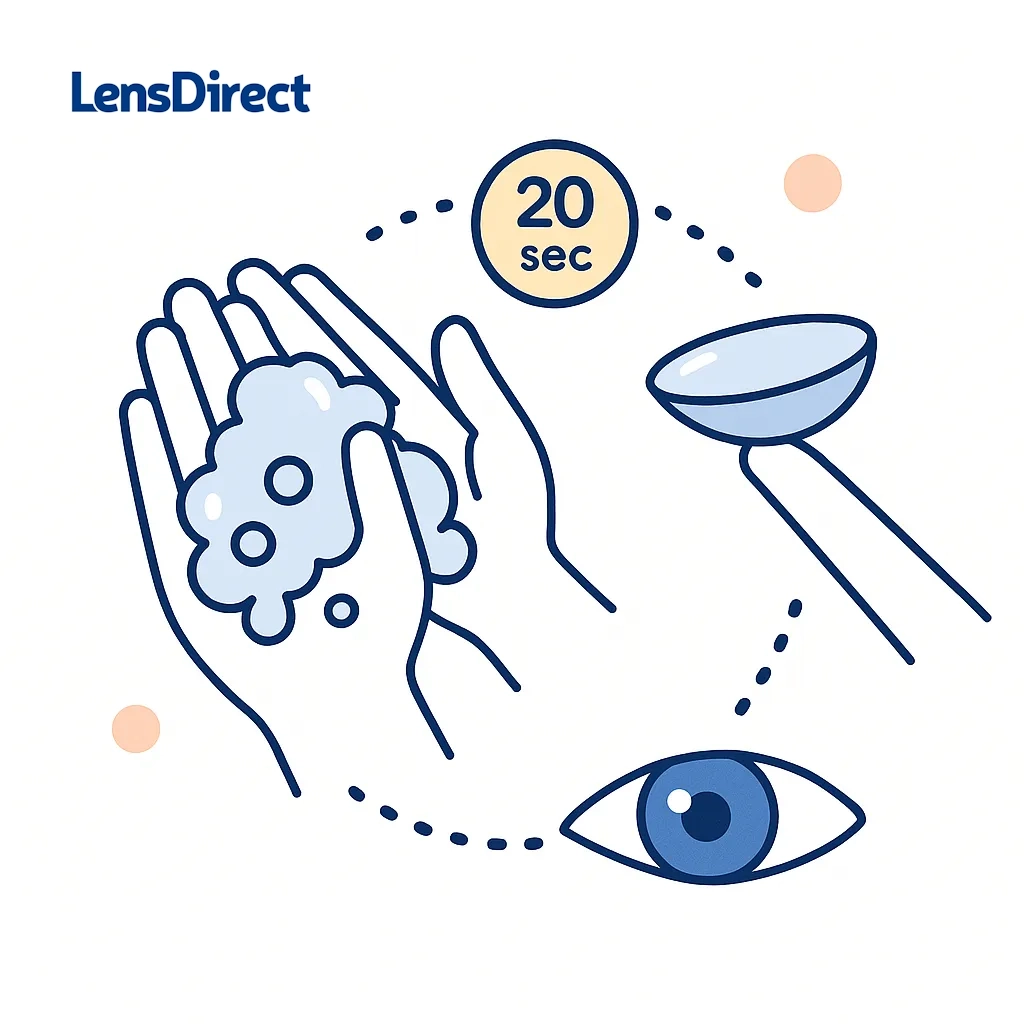
Do this instead: Wash with soap and water for at least 20 seconds before handling lenses or touching your eyes. Rinse well, then dry with a clean, lint-free towel so fibers don’t stick to lenses. If soap and water aren’t available, use alcohol-based sanitizer and wait until hands are completely dry before you touch your lenses. Avoid lotions immediately before handling — oils smear lenses.
3) Sleeping in lenses
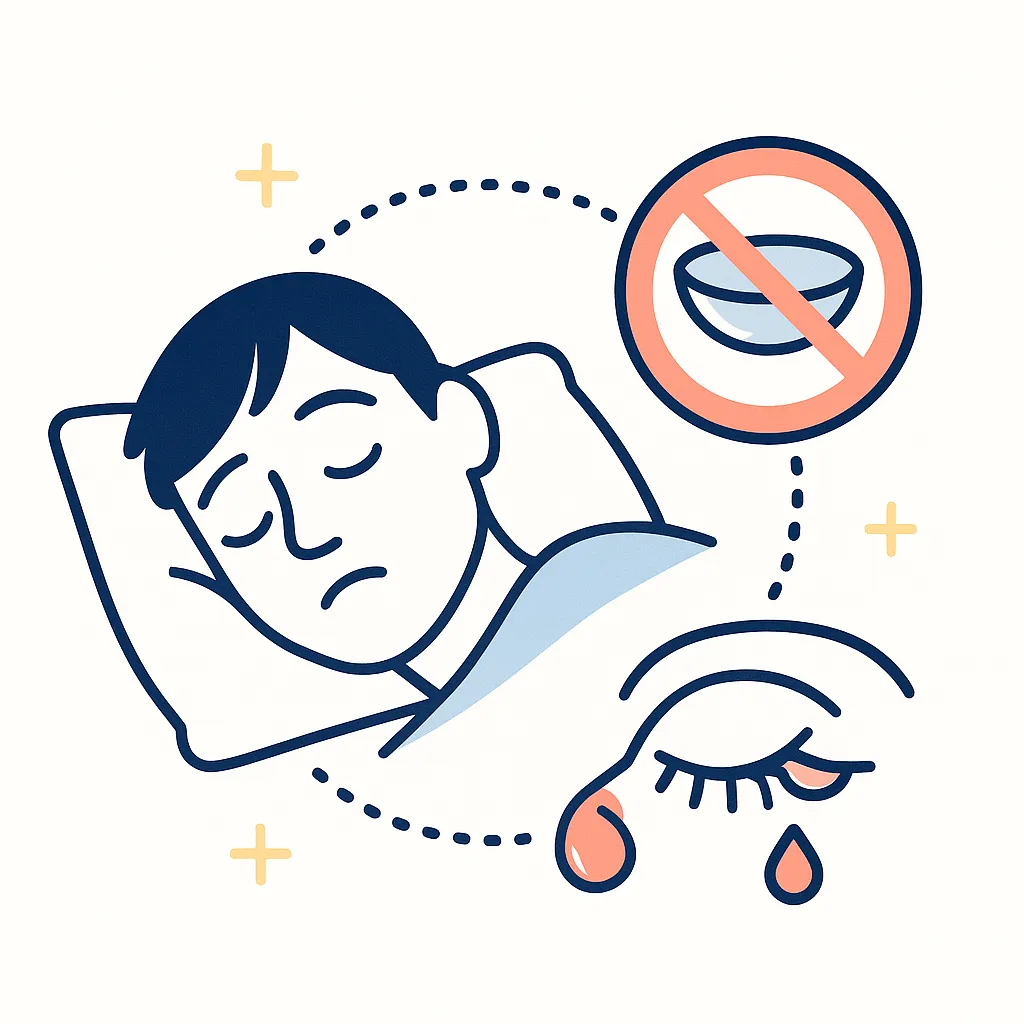
Why it’s a problem: Unless your eye doctor has prescribed a specific extended-wear lens, sleeping in contacts reduces oxygen to the cornea, increases dryness, and boosts infection risk. This risk climbs when your immune system is already busy fighting a cold.
Do this instead: Remove lenses before every nap or night’s sleep. Accidentally dozed off? Take the lens out as soon as you wake, give your eyes a day off in glasses, and use lubricating drops if approved for use with contacts. If you’re routinely napping, talk to your provider about whether a different wearing schedule — or lens type — fits your habits.
4) Exposing lenses to water (shower, pool, hot tub, sink)
Why it’s a problem: Water — yes, even “clean” tap water — can harbor microorganisms (like Acanthamoeba) that don’t belong on your lenses. These organisms can stick to soft contacts and cause severe infections.
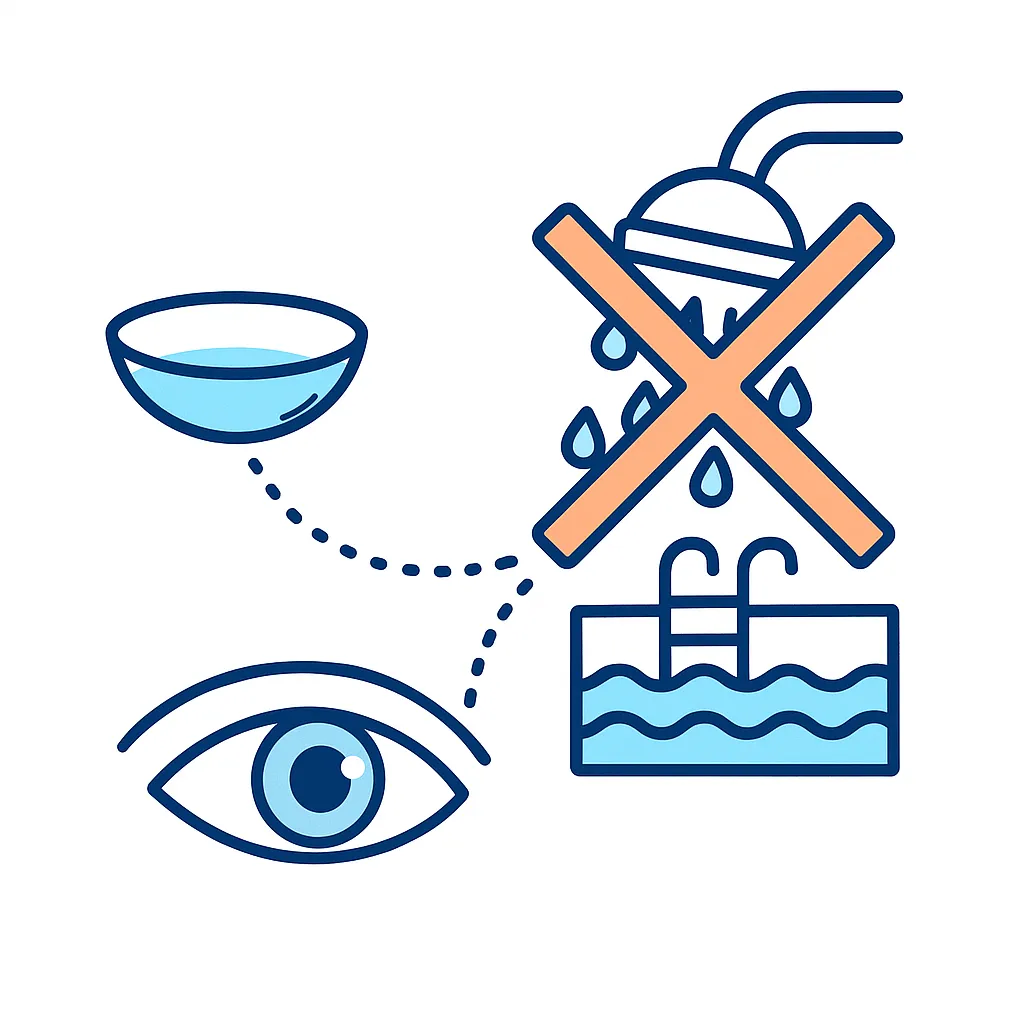
Do this instead: Take lenses out before showering, swimming, or using a hot tub. If water touches a lens, remove it immediately. For daily disposables, discard and open a new pair. For reusable lenses, rub and rinse with disinfecting solution and complete a full disinfection cycle before wearing again. If you develop pain, light sensitivity, or persistent redness after water exposure, stop wearing lenses and call your eye care provider.
5) Using saliva or tap water to “moisten” a lens
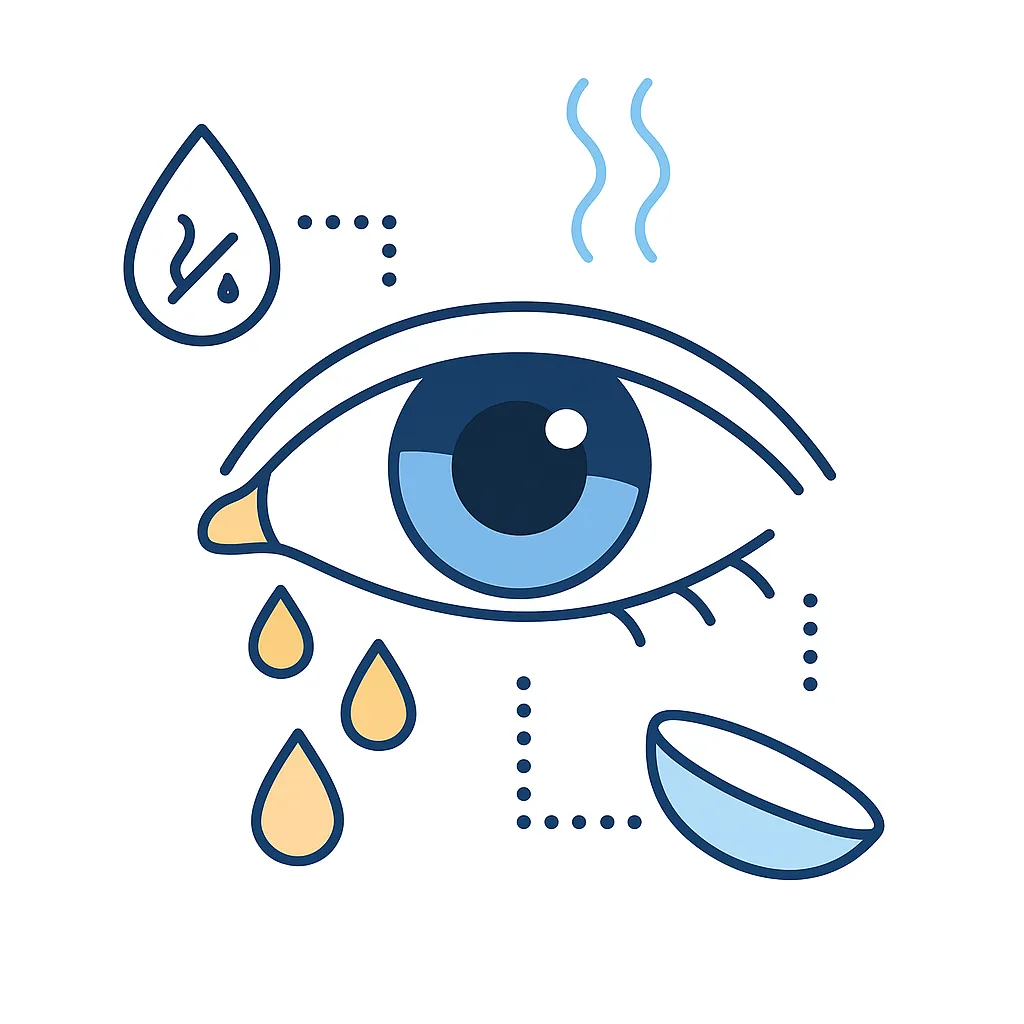
Why it’s a problem: Saliva contains oral bacteria, and tap water carries microorganisms and minerals — neither is sterile or safe for lenses. This is one of the fastest routes to contamination.
Do this instead: Keep a mini contact-safe rewetting drop or sterile saline in your bag, car, or desk. If a lens feels dry, apply drops or remove, clean with proper solution, and reinsert. If you can’t clean it properly, switch to glasses.
6) Reusing or “topping off” solution
Why it’s a problem: Old solution loses disinfecting power. Topping off dilutes fresh solution and lets microbes (and biofilm) linger in your case.
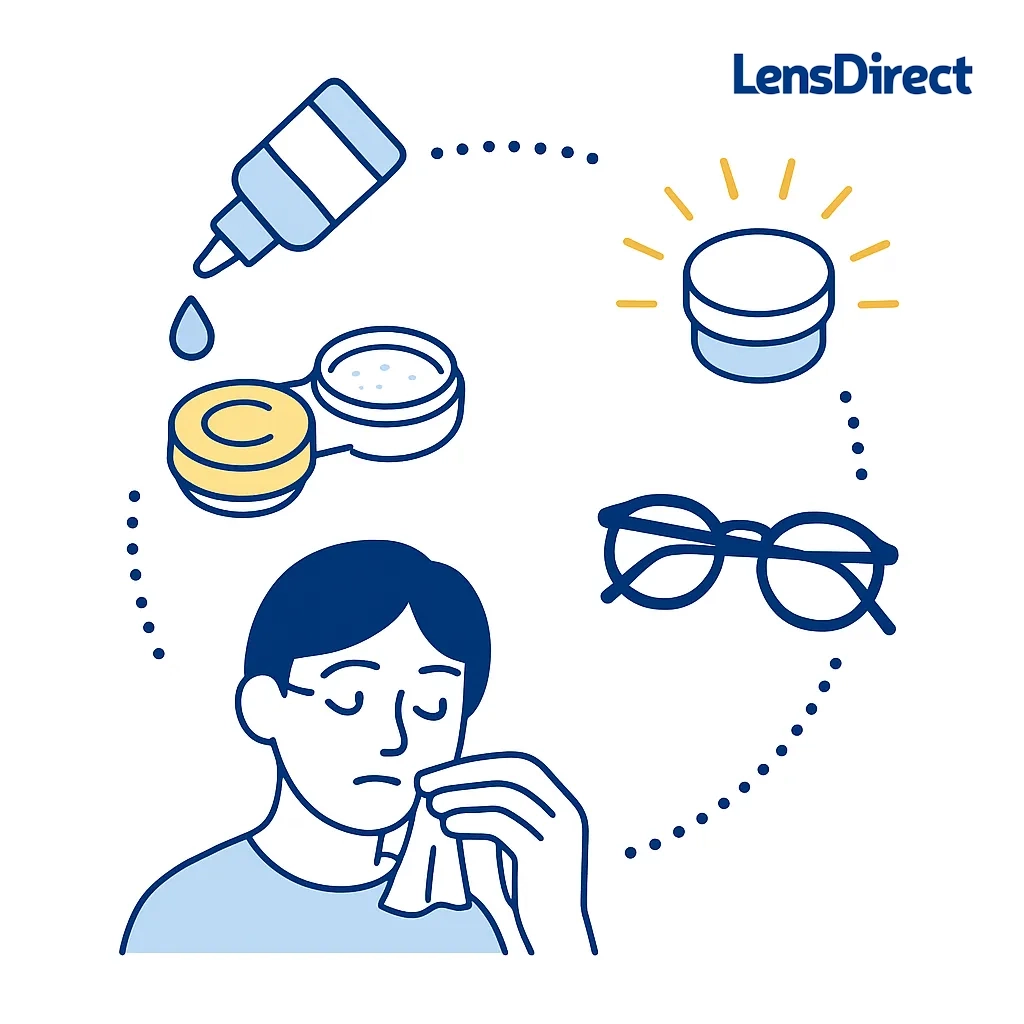
Do this instead: Every time you store lenses, dump, rub, rinse, and refill with fresh solution. After inserting your lenses, empty the case, rinse with fresh solution (not water), wipe with a clean tissue, and leave the wells air-drying face down with caps off. Replace your case at least every 3 months — more often if you’ve been sick. Don’t pour solution back into the bottle and never use homemade saline.
7) Overwearing or not replacing lenses on schedule
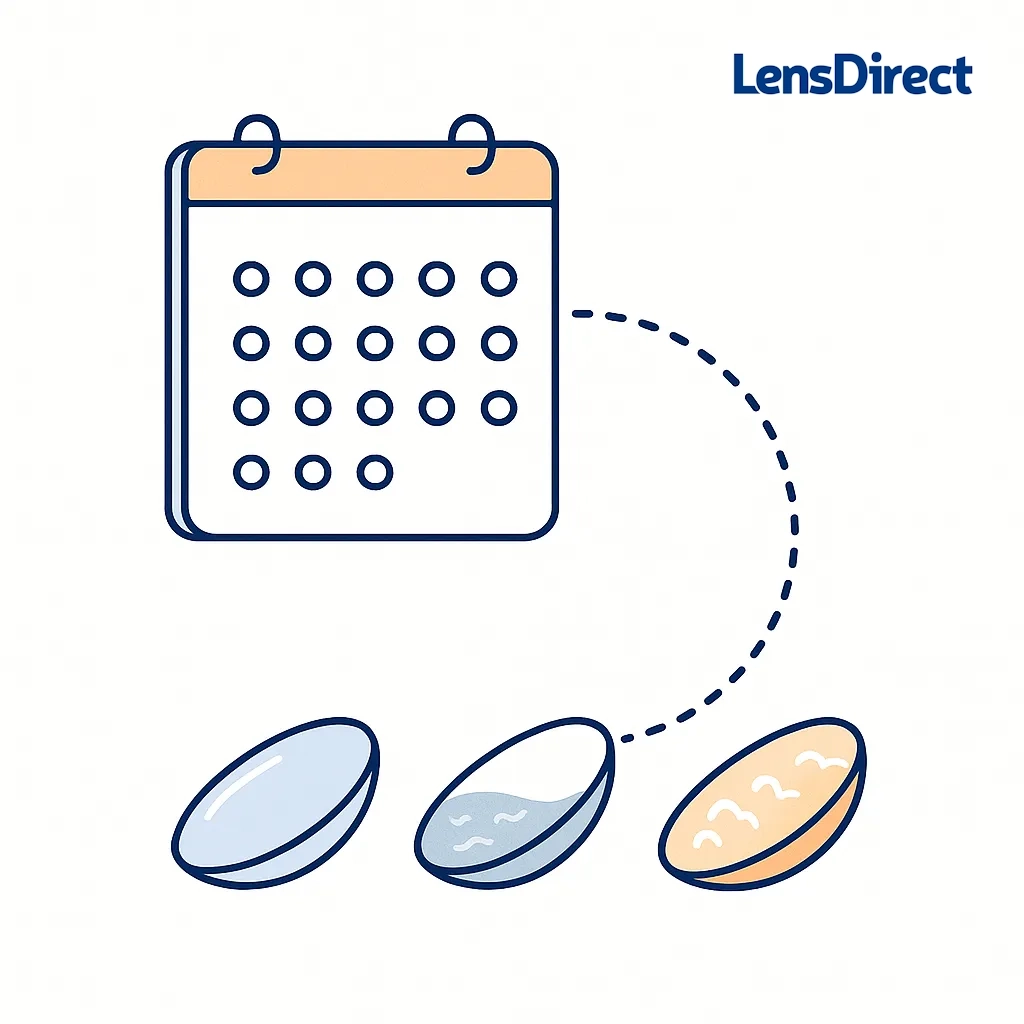
Why it’s a problem: Lenses are engineered for a specific lifespan. Past that point, micro-cracks and deposits accumulate, reducing oxygen flow and comfort while increasing risk of irritation and infection.
Do this instead: Follow the replacement schedule exactly: dailies = 1 day, bi-weeklies = 14 days, monthlies = 30 days from first open — not the number of wears. Pro tip: set calendar reminders, label your lens boxes with start dates, or use a lens-tracker app. If a lens feels off before its replacement date, don’t push it — swap it out.
8) Ignoring signs of infection
Why it’s a problem: Redness, pain, light sensitivity, discharge, or a sudden drop in vision can signal a corneal problem that needs fast attention. Contacts can mask or worsen symptoms if you keep them in.
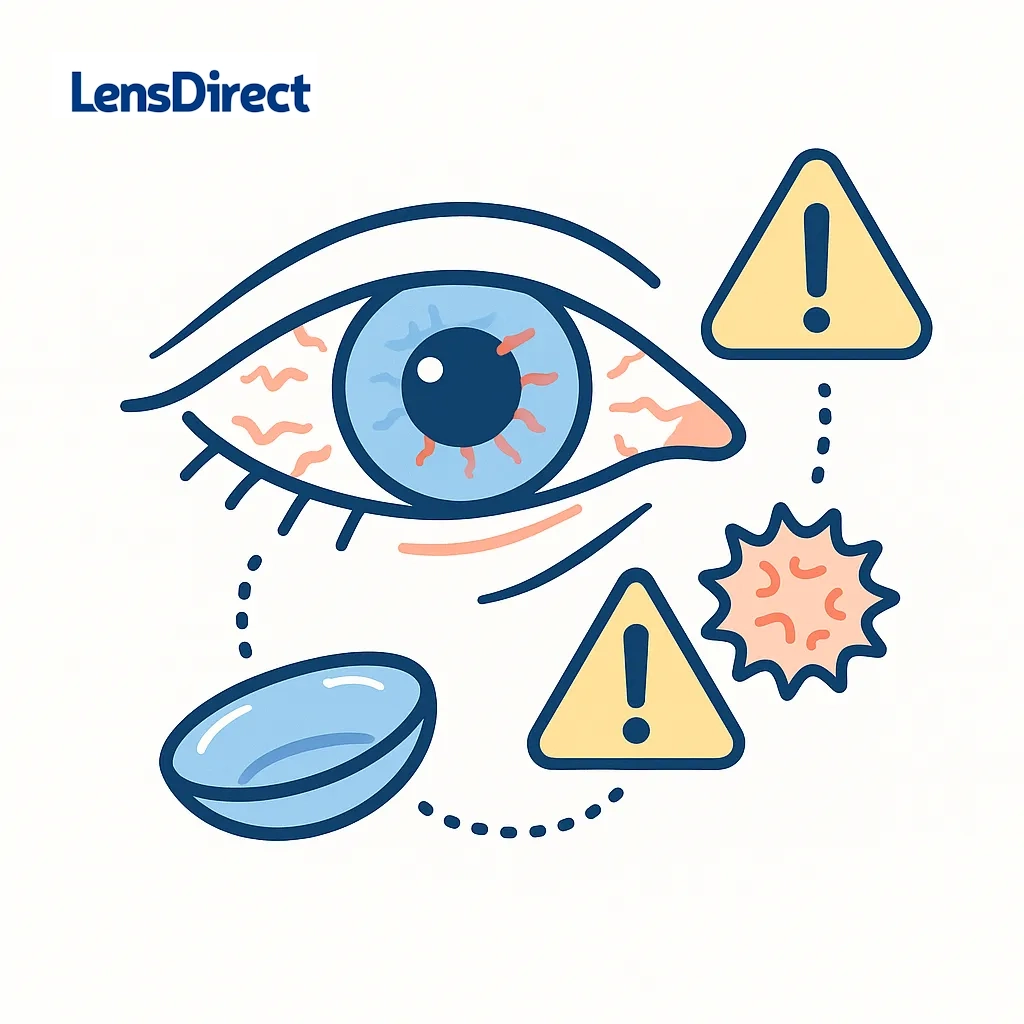
Do this instead: Remove lenses immediately and do not reinsert until you’ve been evaluated. If a provider asks, bring the lens/case/solution with you (they sometimes help pinpoint the cause). Seek urgent care the same day if symptoms are significant — especially if there’s pain, light sensitivity, or blurred vision.
Extra hygiene tips that pay off in winter
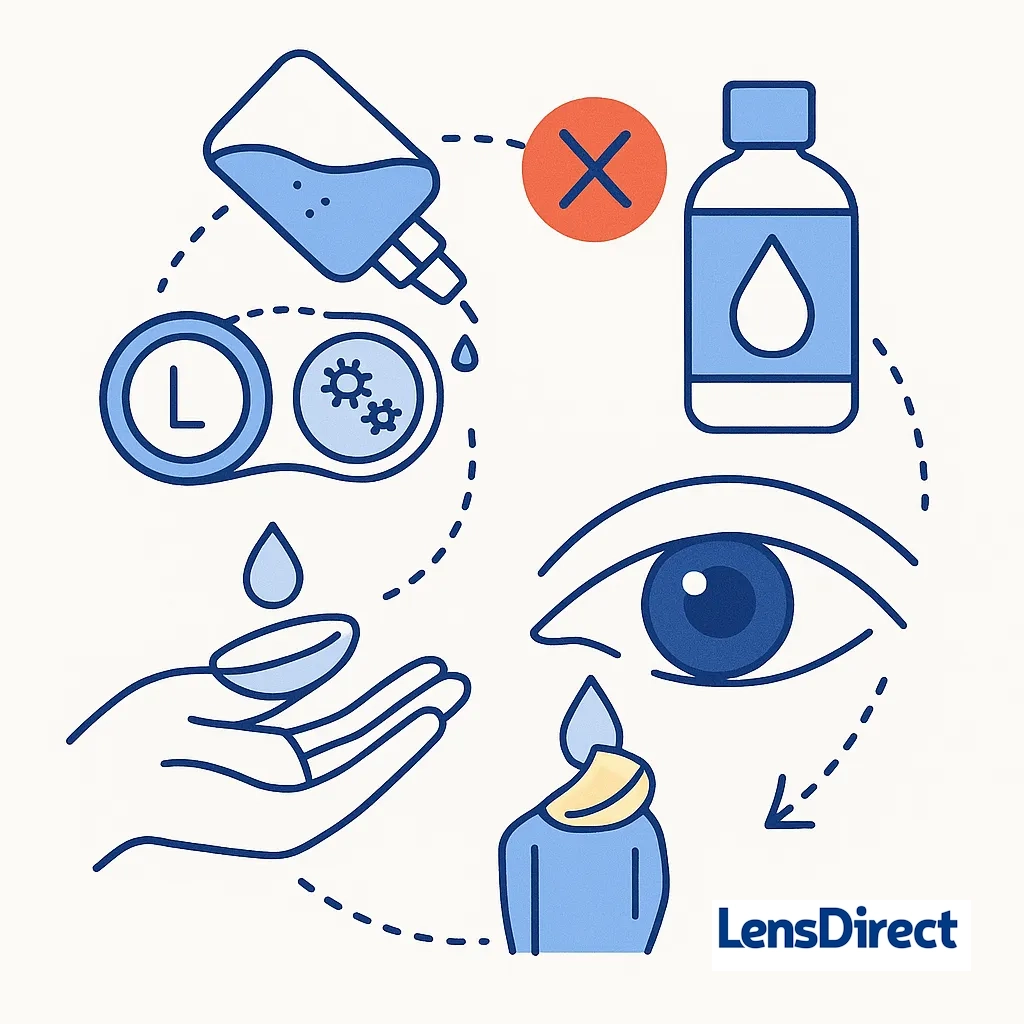
- Clean and replace your case regularly. After illness, start fresh with a new case, even if the old one looks clean.
- Give your eyes a daily break. A few glasses-only hours let the cornea breathe and can help reset comfort, particularly if indoor air is dry.
- Don’t share cosmetics or eye drops. Virus particles spread easily via shared items. Replace eye makeup (especially mascara/liners used along the waterline) after an eye infection.
- Hydrate inside and out. Drink water, use a cool-mist humidifier, and consider preservative-free lubricating drops for extra comfort (verify they’re compatible with your lenses).
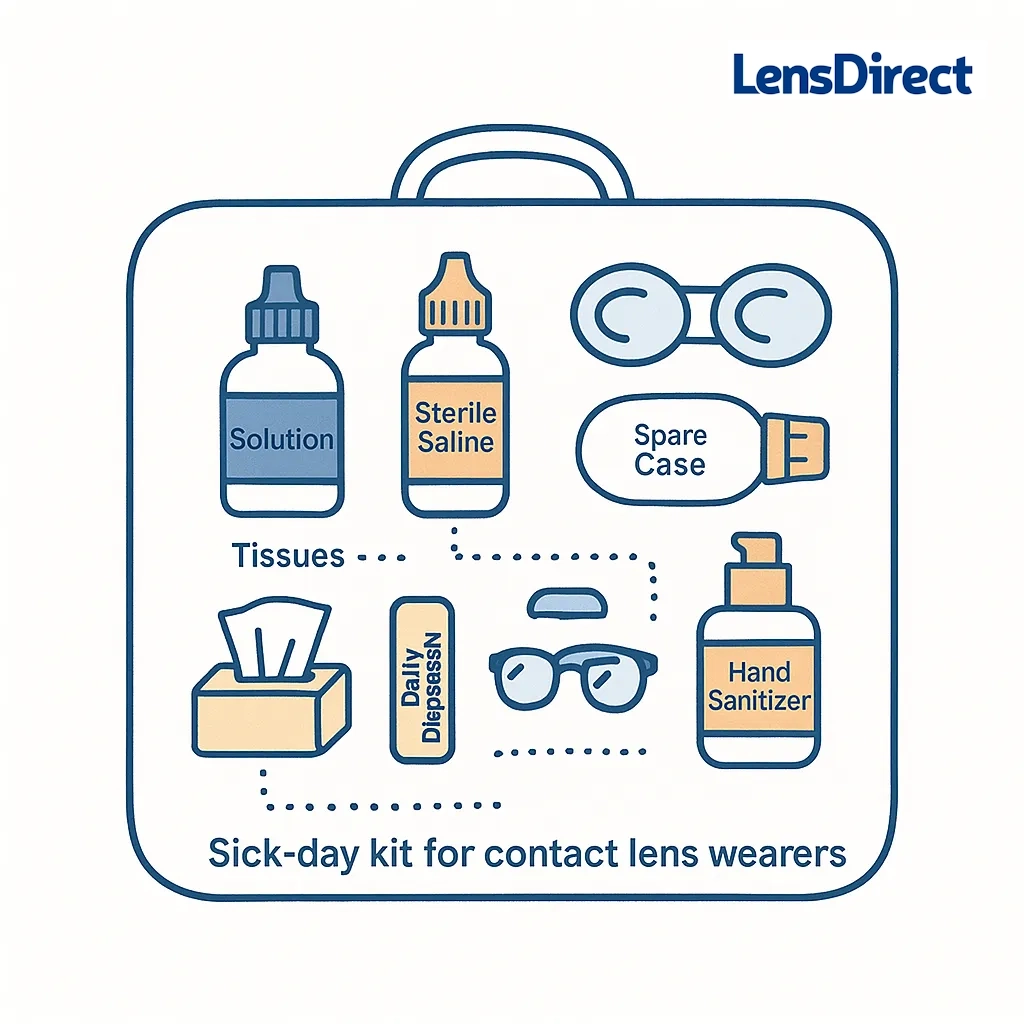
A “sick-day kit” for contact lens wearers
Build a small kit you can toss in a bag or drawer so you’re always prepared:
- Travel-size multipurpose solution (or your prescribed peroxide system)
- Sterile saline or contact-safe rewetting drops
- A spare case (sealed until needed)
- Backup glasses with your current prescription
- A few pairs of daily disposables (even if you usually wear monthlies) for short, hygienic wear windows
- Clean, lint-free tissues or a microfiber towel for hand-drying
- Small hand sanitizer (for emergencies when soap/water aren’t available)
Having these on hand makes it easy to pivot to the safest choice in the moment.
If you wear dailies vs. reusables: tailored advice
Daily disposables: These shine during cold/flu season because you start with a sterile lens every time and throw it away at night — no case, no solution, fewer touchpoints.
If you feel under the weather but must wear lenses briefly, a fresh daily can be the most hygienic option.
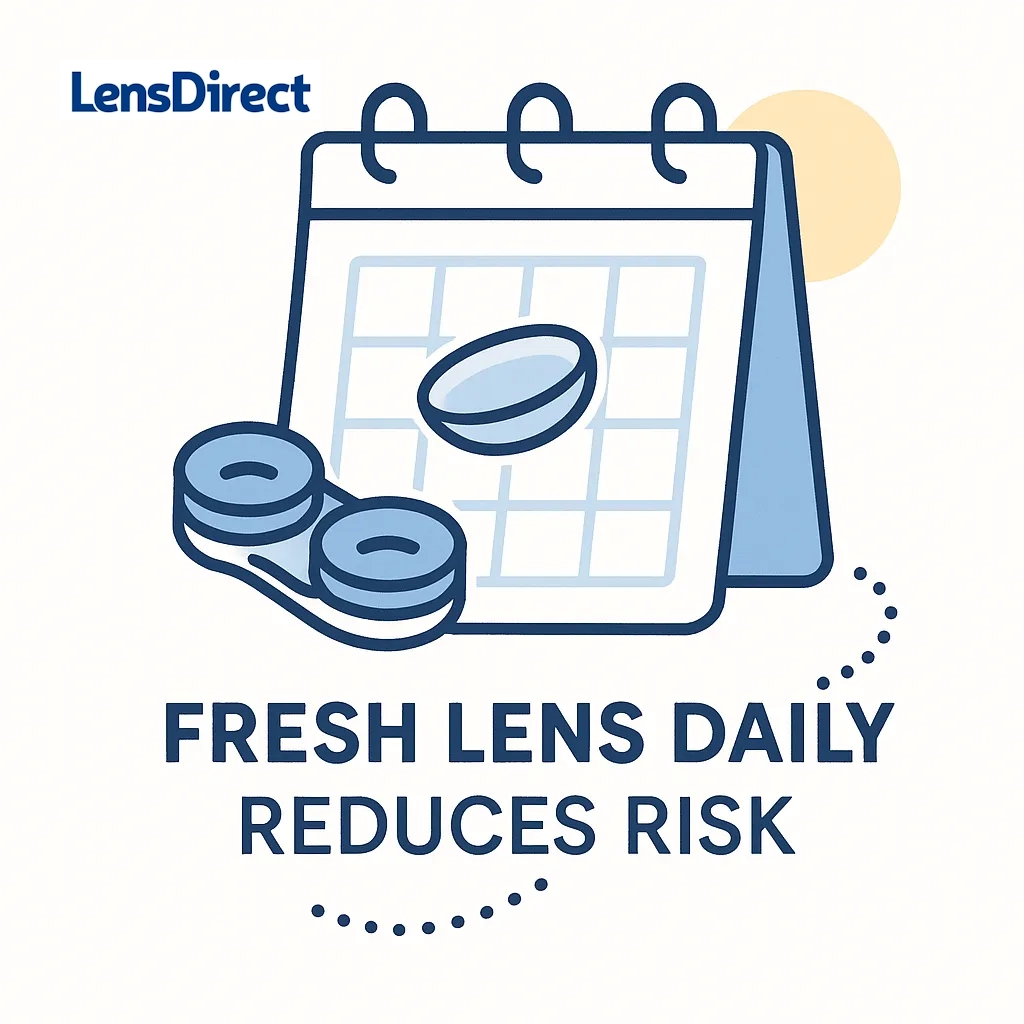
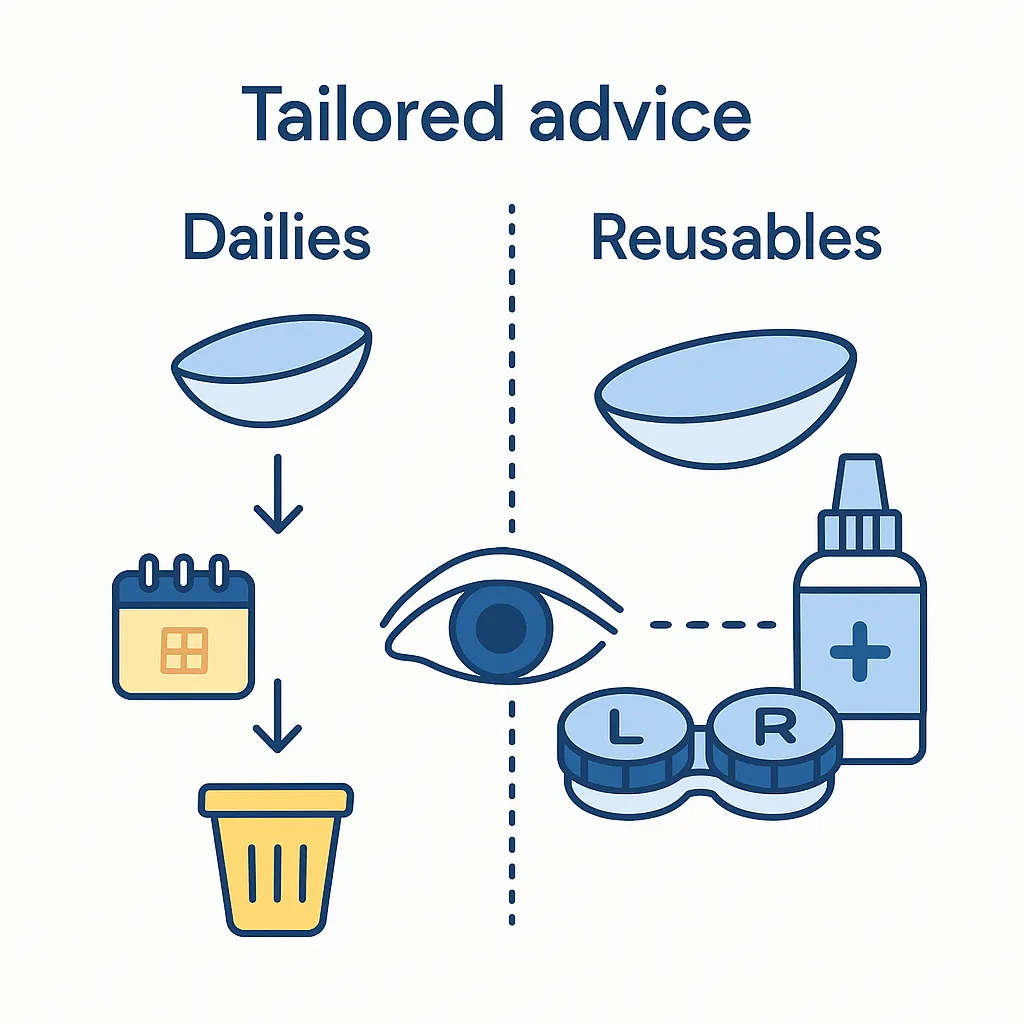
Bi-weekly/monthly reusables: Hygiene discipline matters most.
Rub/rinse every removal, disinfect properly, and respect the calendar.
If you’ve been sick (especially with eye discharge), consider opening a fresh pair once you’ve recovered and replacing your case.
When to stop wearing contacts and call your eye doctor
Stop lens wear and seek same-day care if you notice:
- Moderate to severe pain
- Light sensitivity or a gritty “there’s-something-in-my-eye” feeling that doesn’t resolve after removing lenses
- Blurred or hazy vision that persists
- Redness with discharge, or one eye looks much redder than the other
- A white spot on the cornea (the clear front surface of your eye)
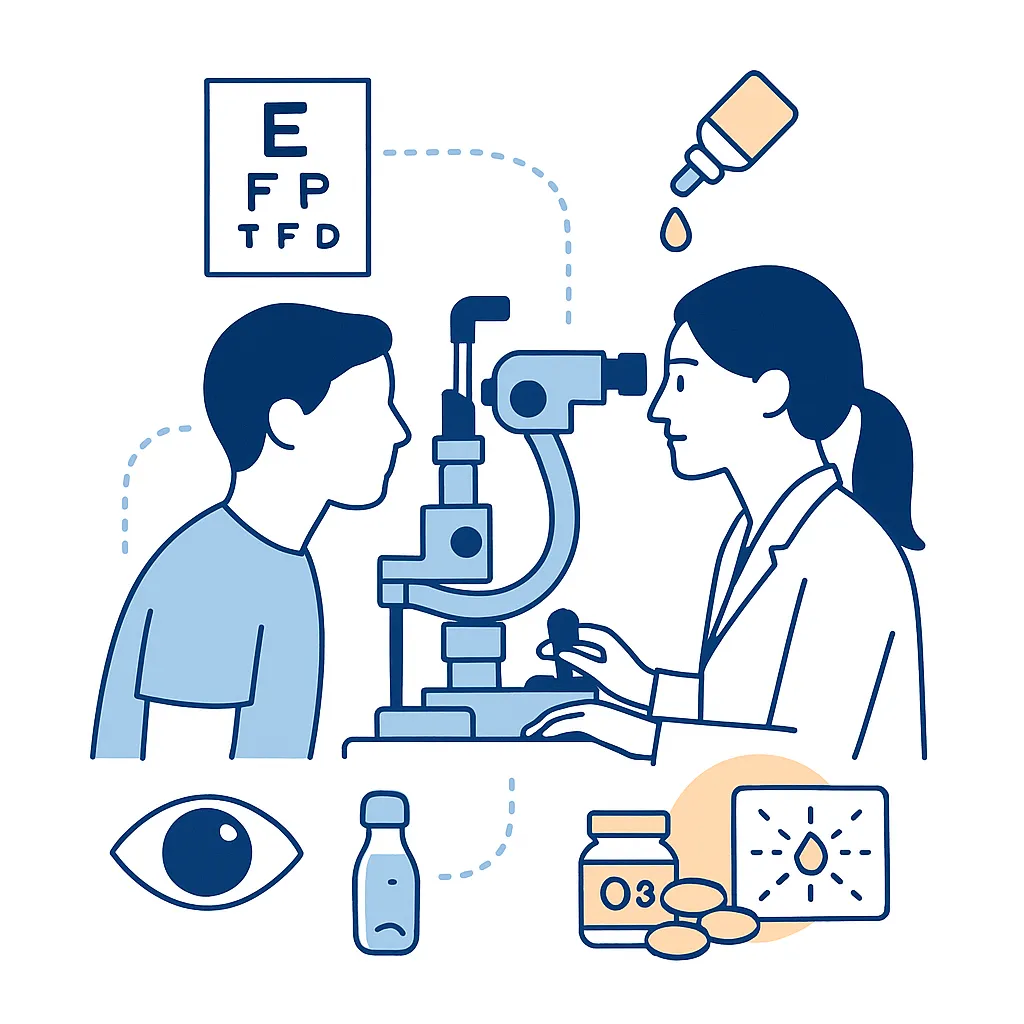
Fast evaluation protects your vision — and most issues are far easier to treat early.
Why LensDirect cares
At LensDirect, we know that healthy eyes mean more than just clear vision — they’re an essential part of your overall well-being. During cold and flu season, small mistakes in contact lens care can lead to irritation or infection, and we’re here to help you prevent that.
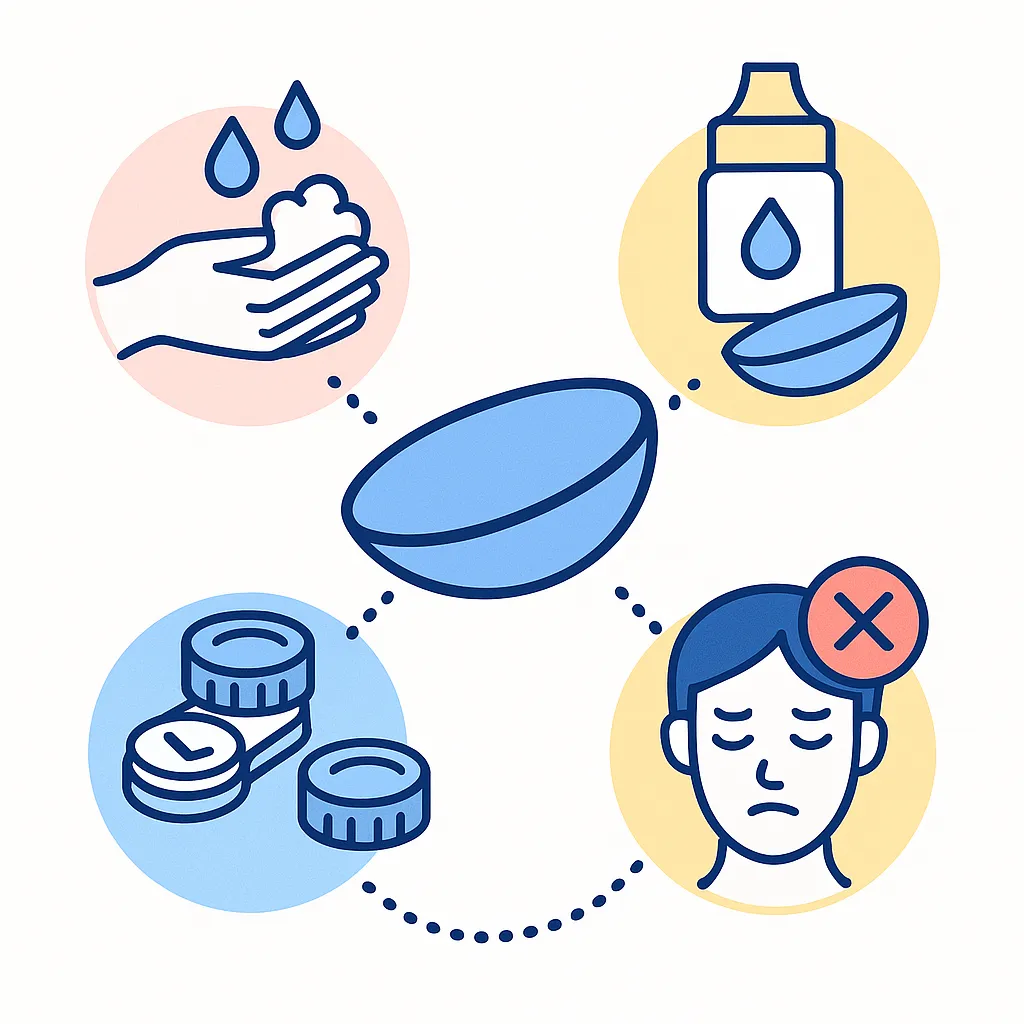
We’re more than just a place to order your lenses.
We’re your partner in eye health, offering trusted brands, convenient auto-refill options, and expert-backed resources to keep your routine safe and simple.
From helping you replace old lenses on time to providing guidance on proper hygiene, our mission is to make sure your eyes stay healthy no matter the season.
Keep a sick-day kit ready, give your eyes regular glasses time, hydrate yourself and your space, and be quick to take lenses out at the first sign of trouble. Your eyes will thank you.
This information is educational and not a substitute for personalized medical advice. If you’re unsure whether it’s safe to wear your lenses today, take them out and check with your eye care professional.
Frequently Asked Questions
Can I wear contacts with a cold but no eye symptoms?
If you feel well and your eyes are clear and comfortable, brief wear with meticulous hygiene may be fine — but at the first hint of irritation, dryness, or discharge, switch to glasses.
What about pink eye (conjunctivitis)?
Skip contacts entirely until your provider clears you. Start fresh lenses and a new case after recovery to avoid re-exposure.
Do cold meds make lens wear harder?
Often, yes. Decongestants and some antihistamines dry the eyes. Use compatible rewetting drops and shorten wearing time, or opt for glasses.
Are “redness-relief” drops okay with contacts?
Many vasoconstrictor drops aren’t ideal for contact wear and can cause rebound redness. Lubricating drops labeled for contact lens use are a safer bet. When in doubt, ask your provider.
Is it bad to wear contacts all day in heated offices?
Dry, heated air stresses the tear film. Take “glasses breaks,” blink fully (set a phone reminder if you’re screen-locked), hydrate, and run a desk humidifier if possible.
Author

Subscribe to our email newsletter to get the latest posts delivered right to your email.