
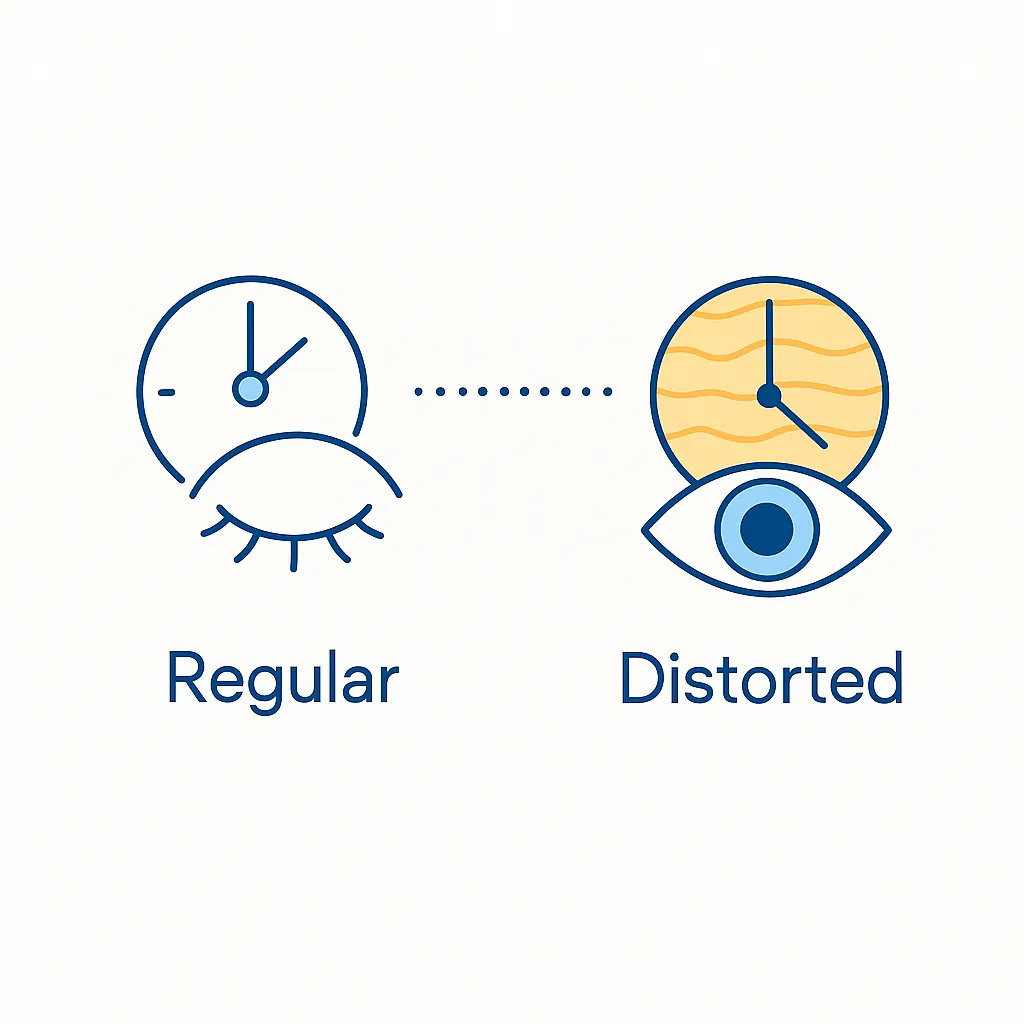
Blurry vision while wearing contact lenses can be annoying and concerning. Sometimes the fix is as simple as rinsing the lens; other times it points to dryness, fit issues, or an eye condition that needs a professional look. Use this guide to quickly troubleshoot the most common reasons contacts go blurry — and the smartest ways to get your vision back on track.
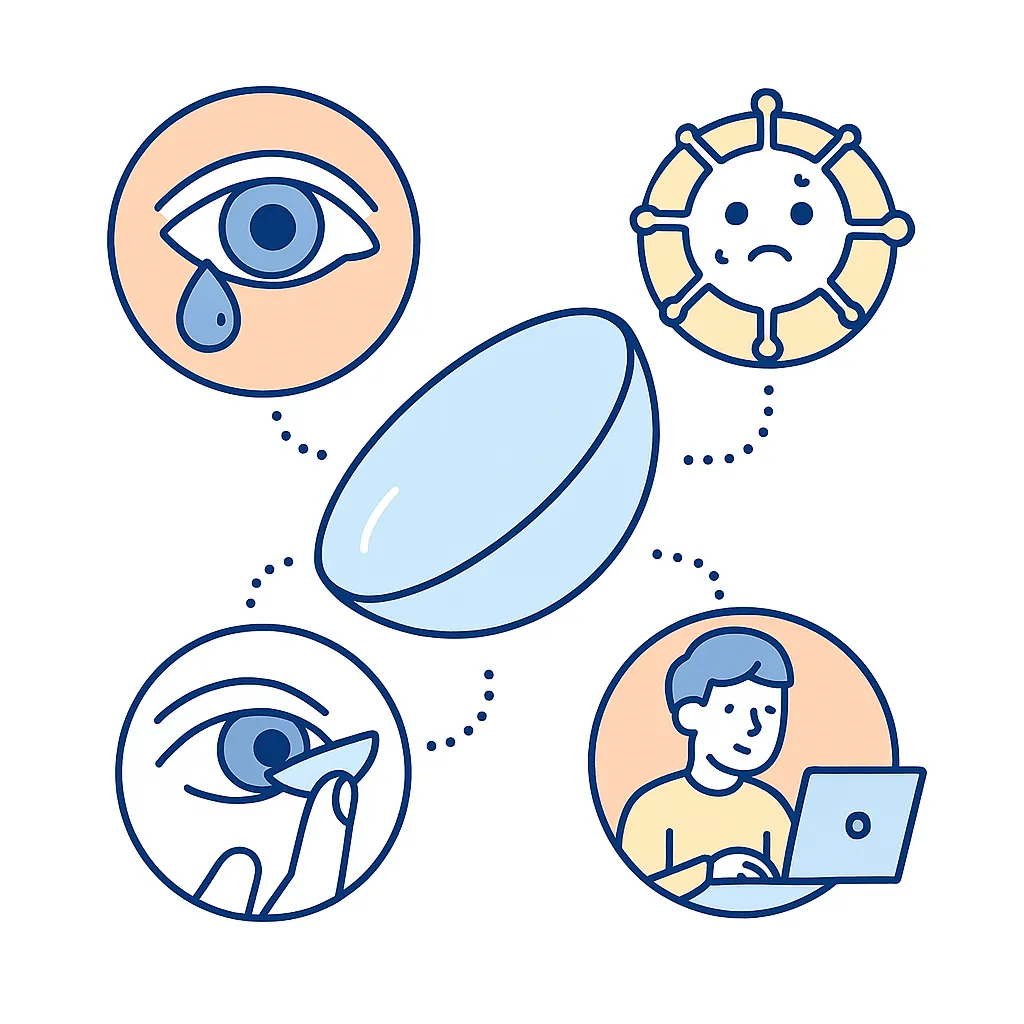
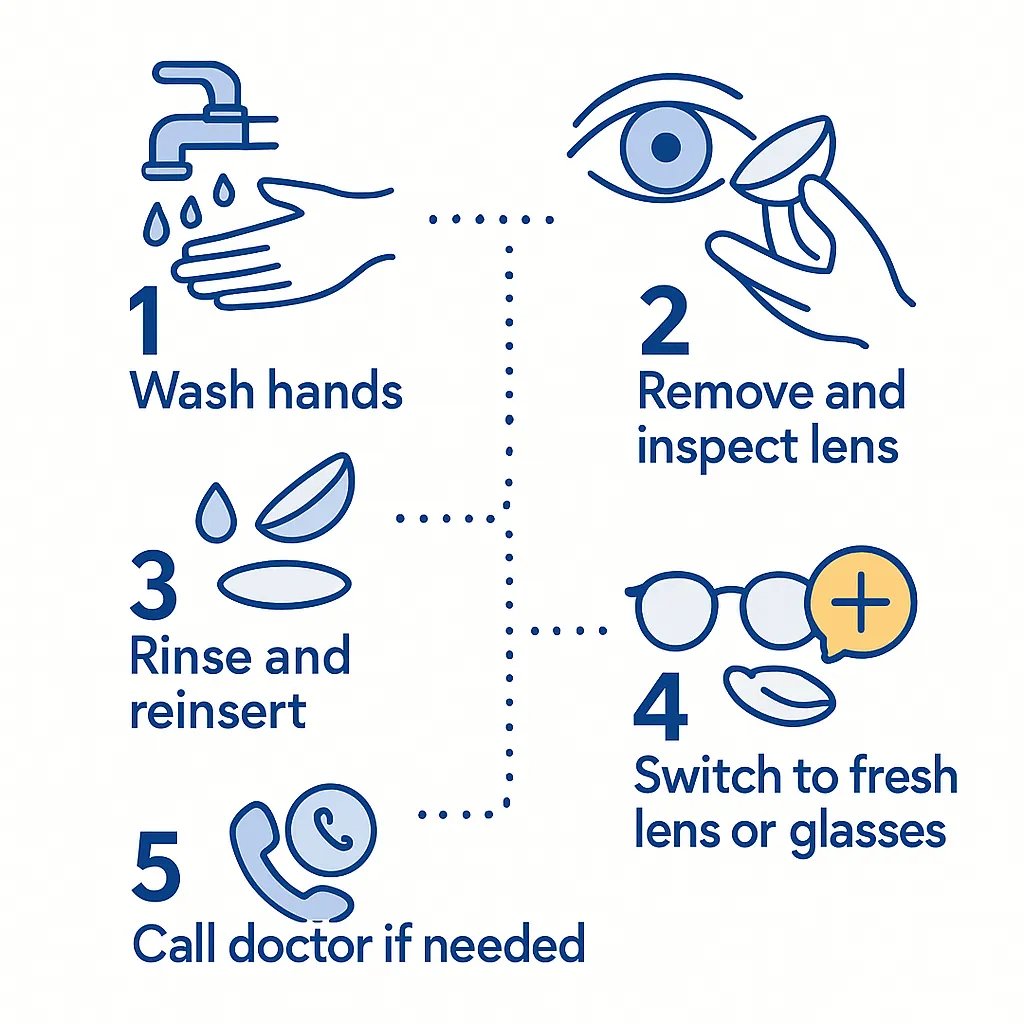
TL;DR triage: If a lens suddenly feels wrong or vision drops, stop, wash your hands, remove and inspect the lens, rinse with fresh solution (never tap water), and switch to a fresh lens or your glasses.
If blur persists, call your eye doctor.
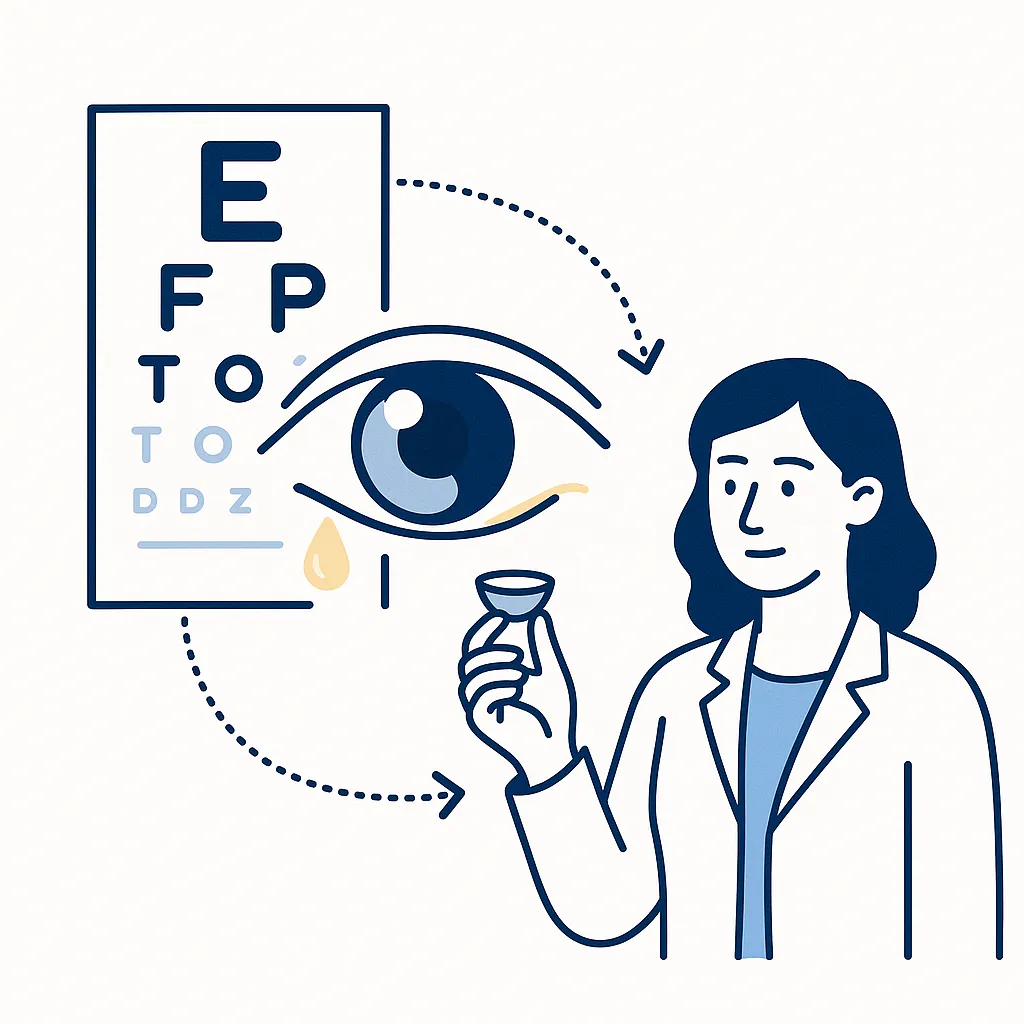
1) Your prescription has changed
An outdated prescription is one of the top reasons contacts look smeary or soft. Even small shifts — especially with astigmatism or age-related near-vision changes (presbyopia) — can make things look off. If you’re squinting more, getting headaches after lens wear, or noticing clearer vision with your glasses than your contacts, it’s time to recheck.
Fix it fast
- Book a comprehensive eye exam and contact lens evaluation (vision, health, and fit).
- Ask about toric lenses for astigmatism and multifocals or monovision options if near tasks are the issue.
- Re-evaluate yearly — or sooner if you notice changes.
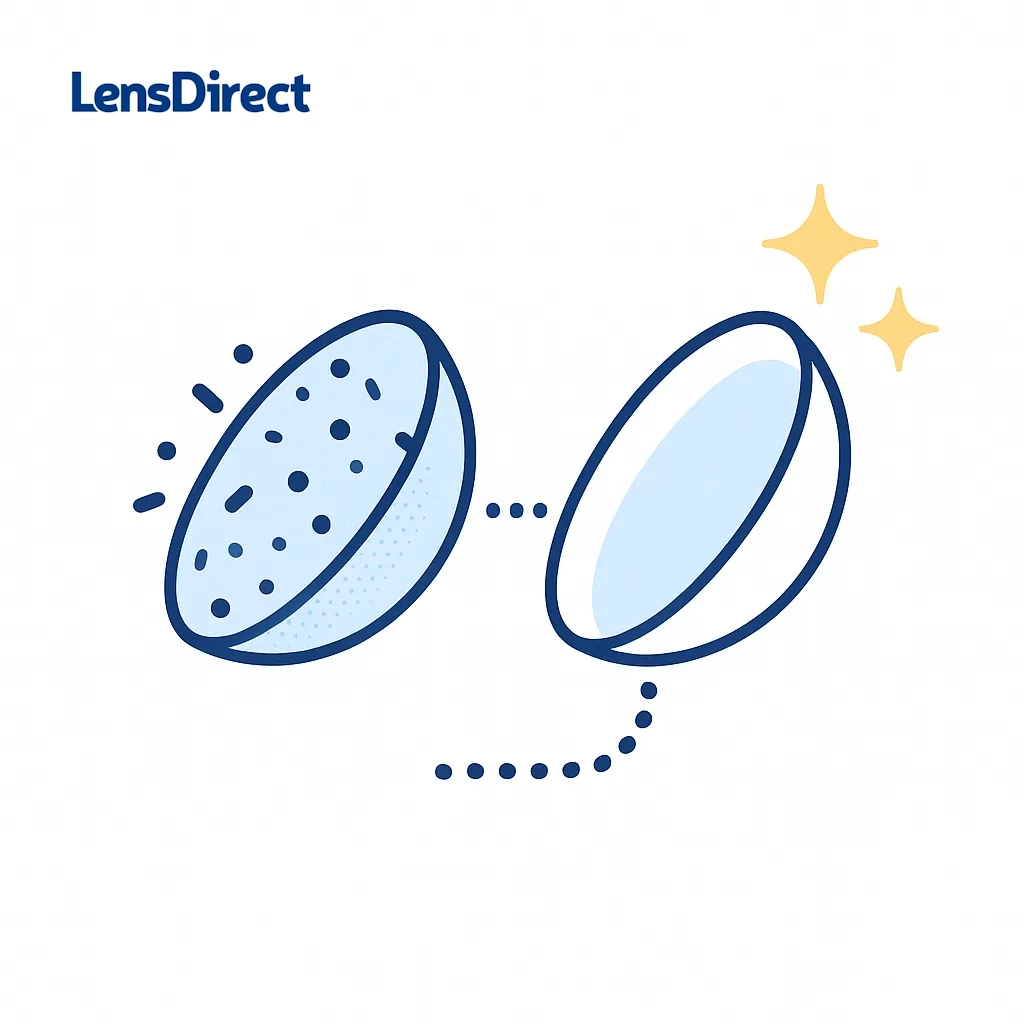
2) Protein and lipid deposits on the lenses
Tears naturally carry proteins and lipids; makeup, sunscreen, and hand lotions add to the mix. Over time, these can form a filmy layer that scatters light and makes lenses feel “foggy.” This happens faster if you stretch replacement schedules or skip the rub-and-rinse step.
Fix it fast
- For reusable lenses: Rub and rinse each side for 10–15 seconds with multipurpose solution before storing.
- Consider a hydrogen-peroxide cleaning system weekly if you’re deposit-prone (follow neutralization steps exactly).
- If deposits build quickly, switch to daily disposables — a fresh lens each day means fewer gunk problems.
3) Dry lenses or dry eyes
When lenses dehydrate, they can warp slightly and lose optical clarity. Environmental factors (winter heat, air conditioning, wind), health changes, and screen time (reduced blinking) make dryness worse.
Fix it fast
- Use contact-lens-compatible rewetting drops (not redness relievers). Keep a small bottle at your desk, in your bag, and in the car.
- Practice the 20-20-20 rule: every 20 minutes, look 20 feet away for 20 seconds and blink fully 3–5 times.
- Ask your doctor about moisture-rich silicone hydrogel lenses or dailies if dryness is chronic.
- Run a humidifier at home/work; stay hydrated.
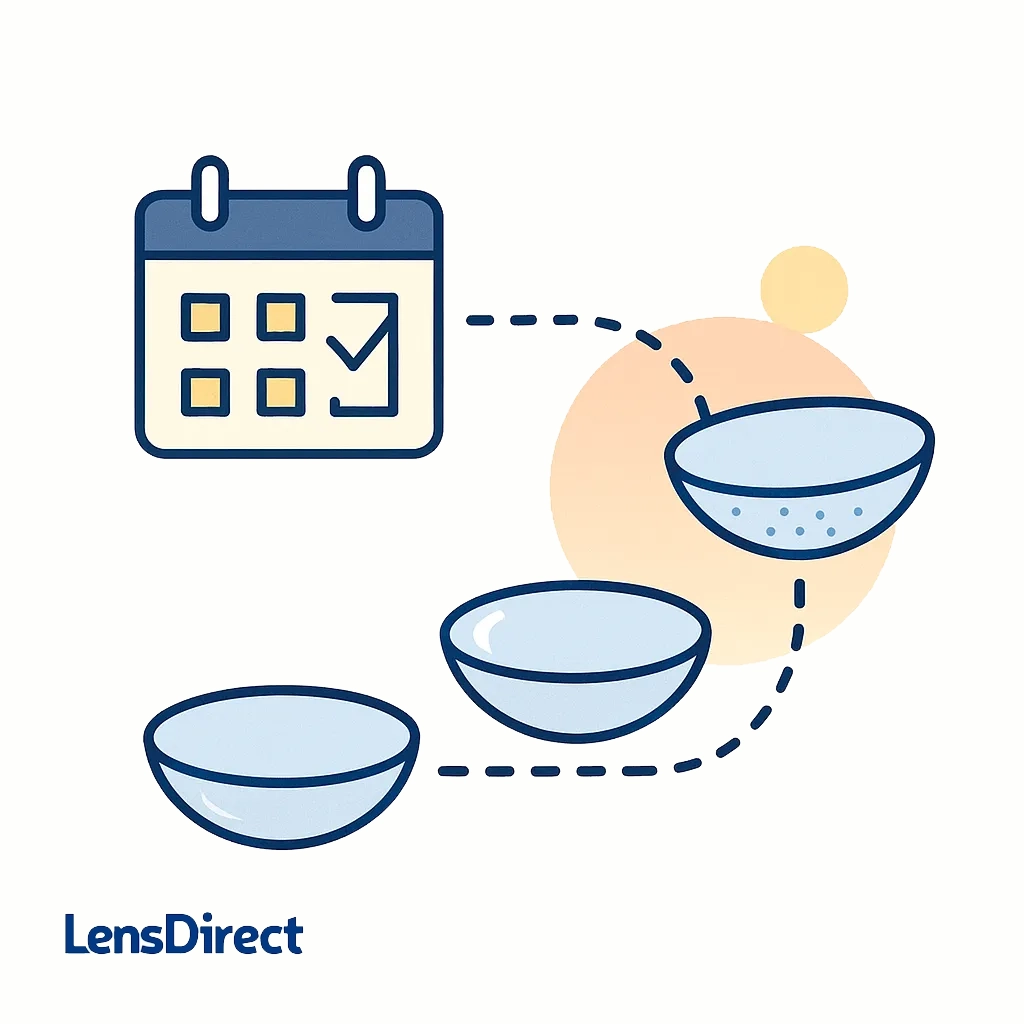
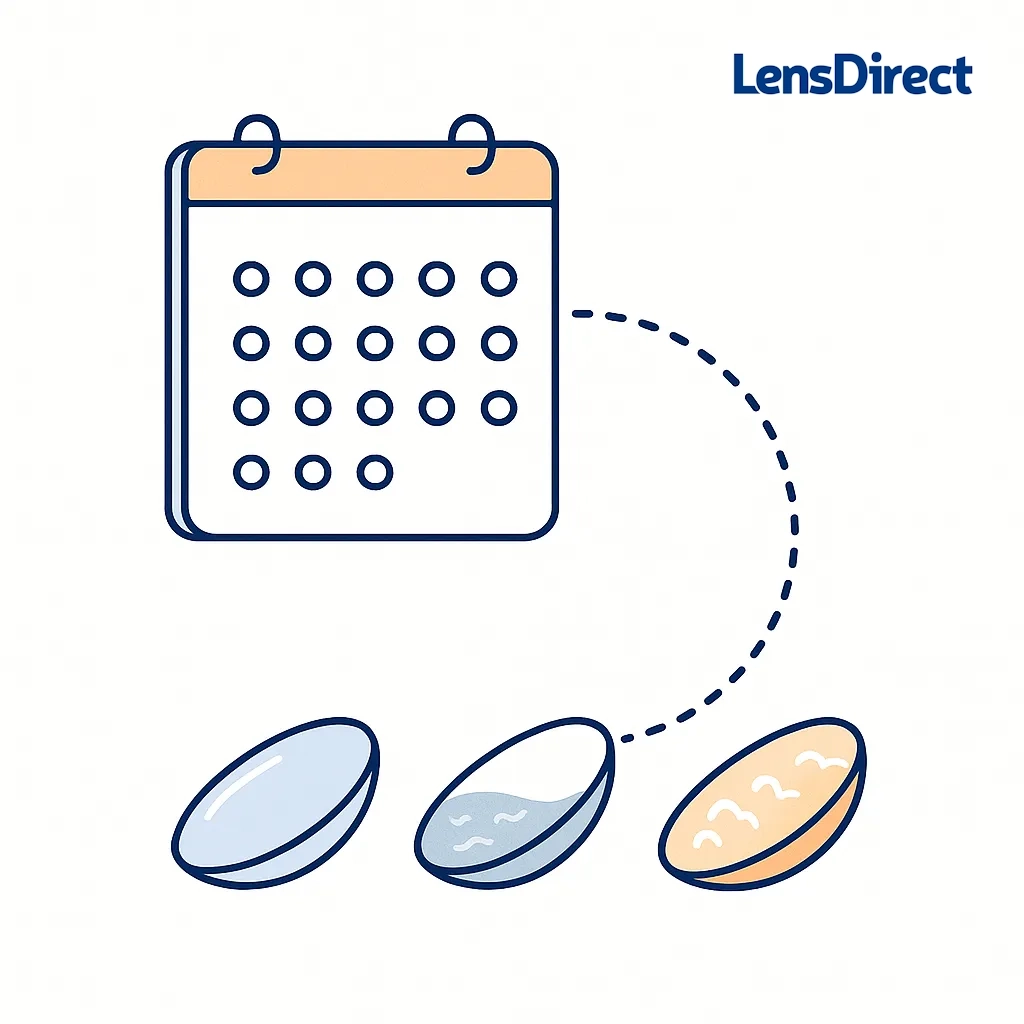
4) Wearing lenses past the replacement schedule
Old lenses don’t just feel worse — they see worse. The surface gets microscratched, less wettable, and more deposit-prone. “Just one more day” can easily become the reason your vision is smeary at the worst moment.
Fix it fast
- Toss dailies nightly; change bi-weekly and monthly lenses on schedule. Set phone reminders or use a lens-change tracker.
- If you keep forgetting, switch to dailies or align replacement day with a weekly habit (e.g., every other Sunday).
5) Incorrect lens fit or base curve
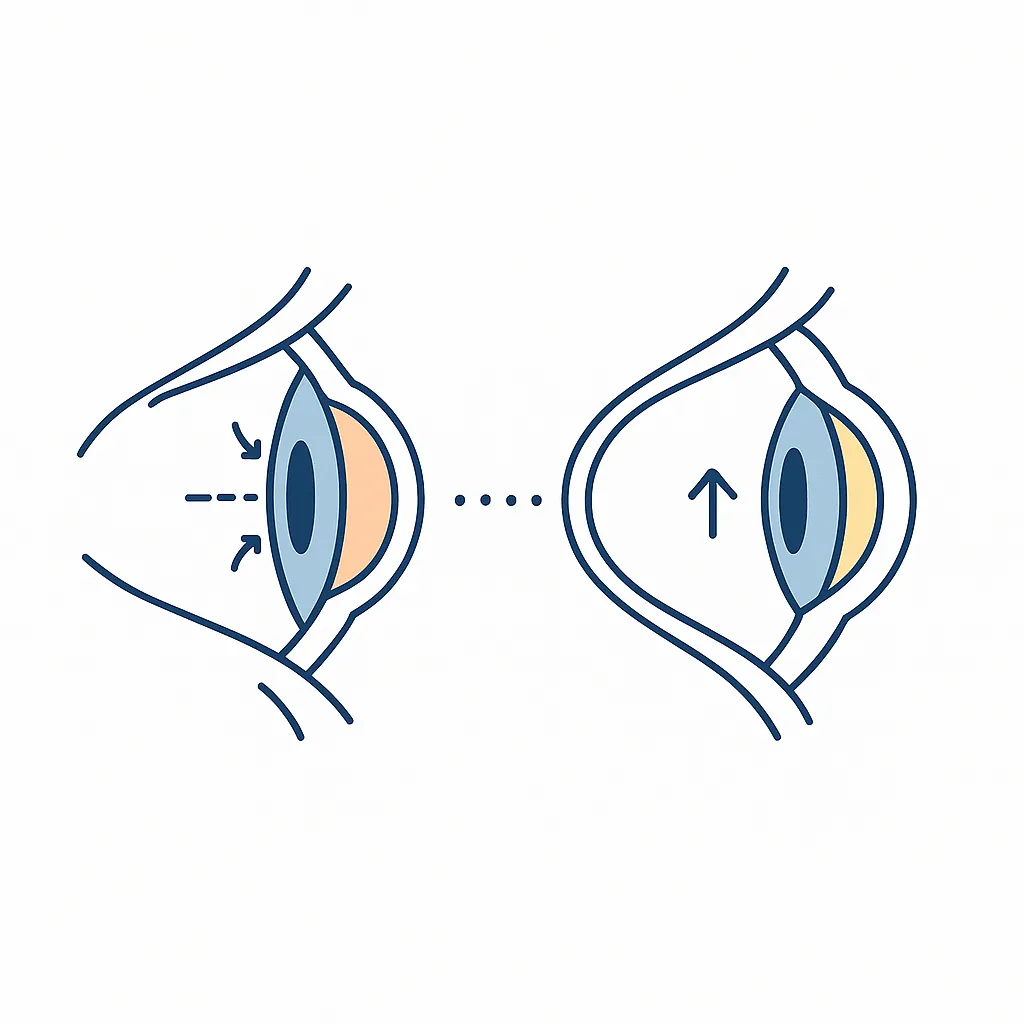
Even with the right power, a lens that’s too tight can “suction” and blur; too loose and it rides around, causing fluctuating vision. Diameter and base curve affect how stable and centered the lens stays — crucial for clarity, comfort, and oxygen transmission.
Fix it fast
- Get fit (or re-fit) by an eye care professional. Ask about movement and centration checks and corneal measurements (keratometry or topography).
- If you have astigmatism, ensure you’re in toric lenses with a stable design. Rotation or decentration will blur until the lens settles — or never fully clear if the fit is wrong.
6) Lens orientation: inside out or wrong eye
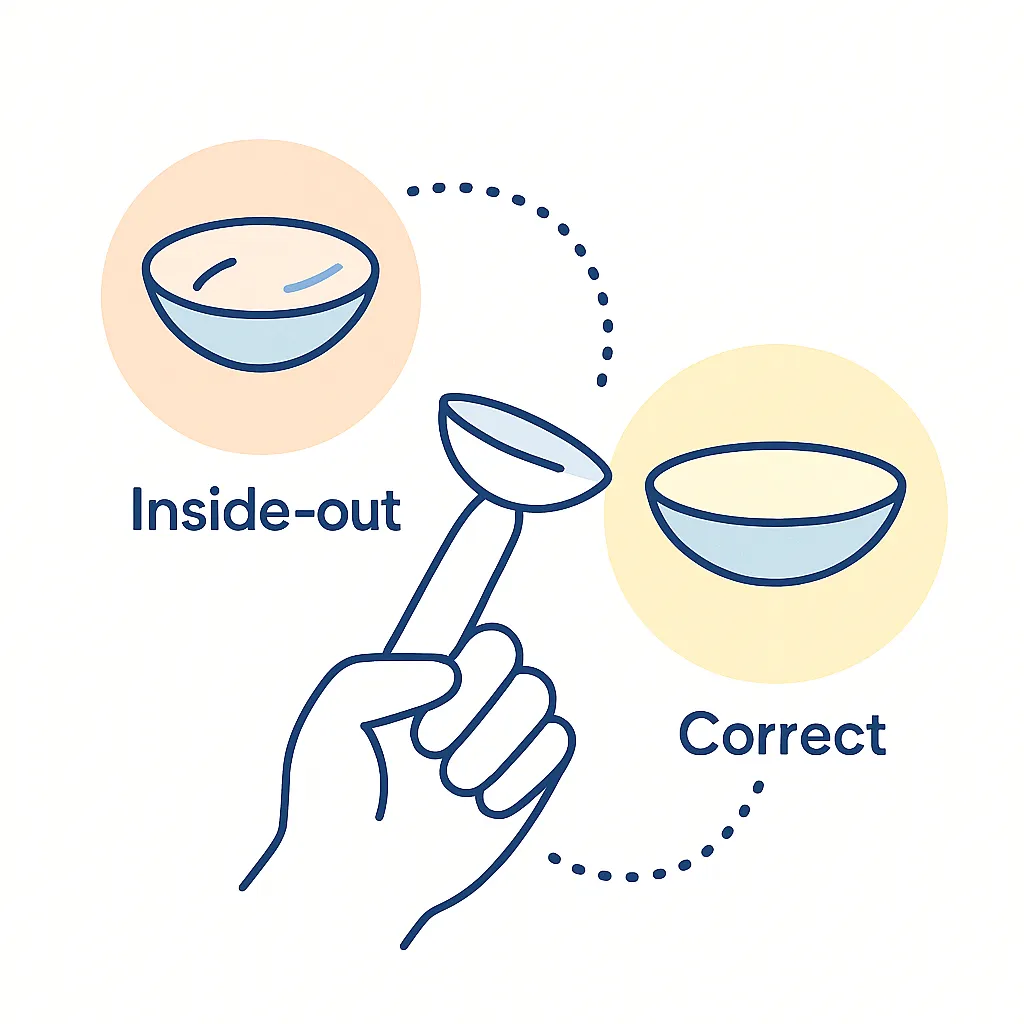
Soft lenses have a right-side-out shape. If the edge flares like a bowl, it’s inside out; you might feel mild edge awareness and notice hazier vision. Mixing up left and right lenses matters too — especially with toric or multifocal designs.
Fix it fast
- Check the “taco test” (pinch the lens — edges should tilt inward) or look for orientation markings on toric lenses.
- Insert one lens at a time, recap the case between eyes, and label L/R clearly.
7) Dirty hands or contaminated solution
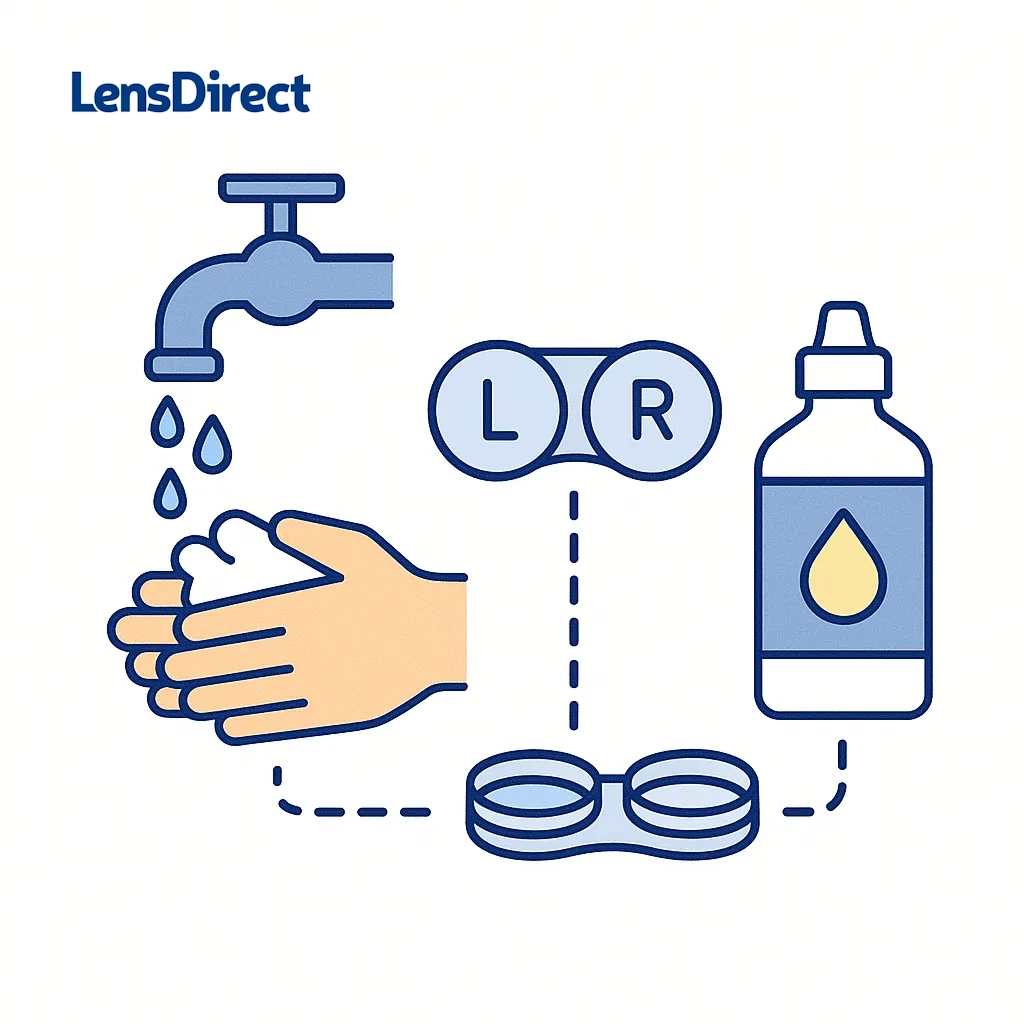
Oils, hand cream, and tiny particles hitch a ride onto your lens and cloud the surface. Reusing or “topping off” old solution can leave disinfectant too weak to do its job — and can introduce microbes you absolutely don’t want near your cornea.
Fix it fast
- Wash hands with non-moisturizing soap, rinse well, and air-dry or lint-free towel dry before touching lenses.
- Use fresh solution every time; never top off. Replace your case every 1–3 months.
8) Allergies or eye infections
Allergic flares make eyes watery, itchy, and inflamed — lenses ride poorly and vision blurs. Infections (like conjunctivitis) cause discharge and light scatter and are a hard stop for contact wear.
Fix it fast
- If you notice redness, pain, light sensitivity, or discharge, remove lenses immediately and switch to glasses.
- Seek care promptly — especially if symptoms escalate quickly or vision drops.
- For seasonal allergies, discuss prescription allergy drops timed before lens insertion and consider daily disposables during allergy season.
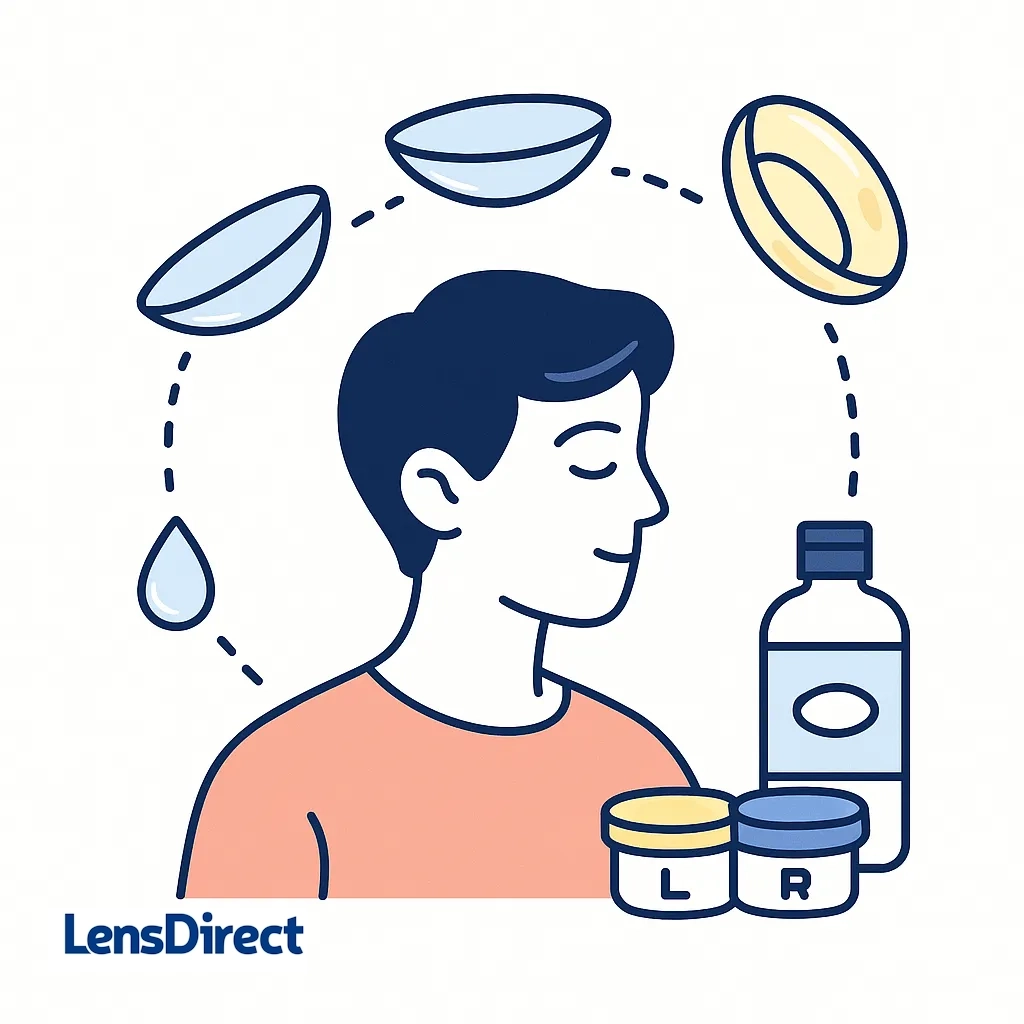
9) Adjusting to a new prescription or lens type
A fresh prescription, new brand, or a switch to toric/multifocal lenses can require a short adaptation period. Toric lenses may rotate slightly before stabilizing; multifocals balance distance and near and can feel different for fine detail at first.
Fix it fast
- Follow the ramp-up schedule from your doctor (e.g., 2–4 hours on day one, add an hour daily).
- Blink gently after insertion to help a toric lens settle. If vision never stabilizes, ask about a different axis or design.
- With multifocals, confirm dominant eye settings and discuss your visual priorities (computer vs. driving vs. reading).
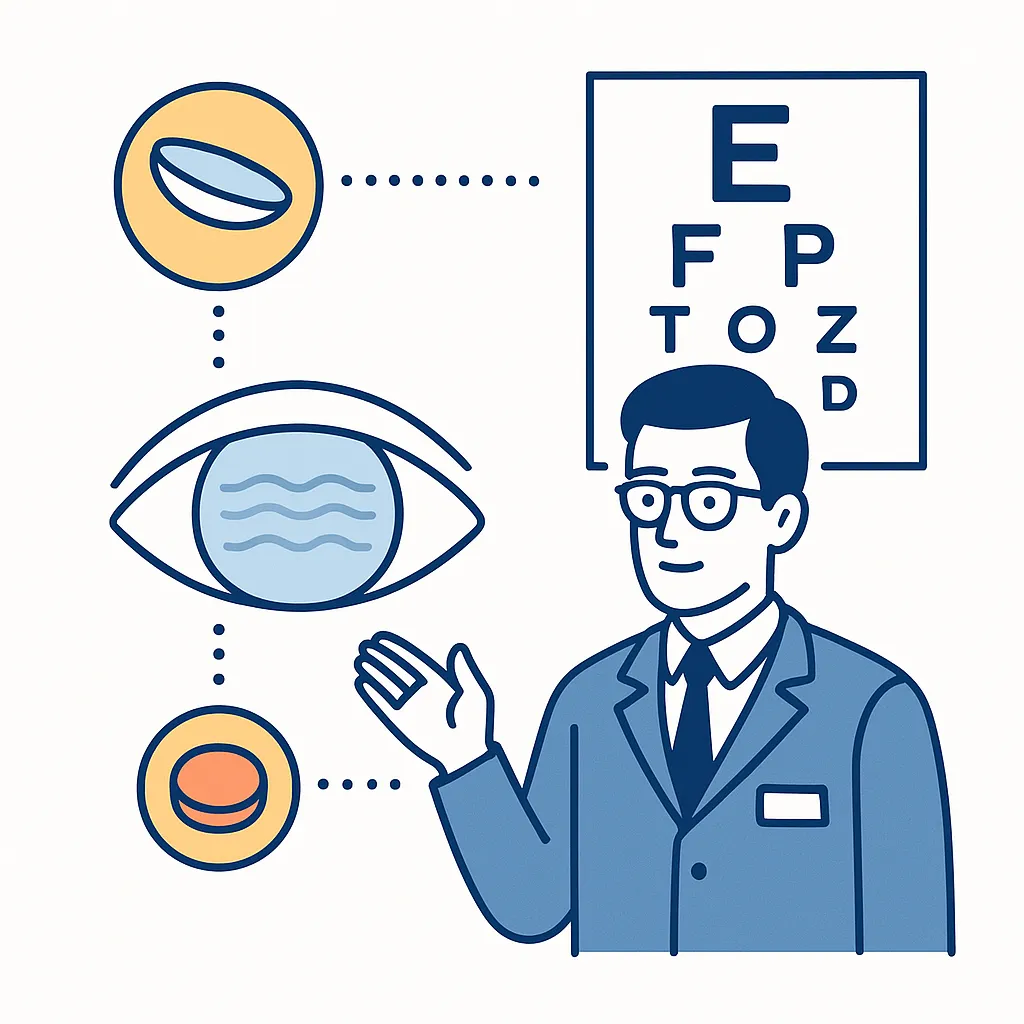
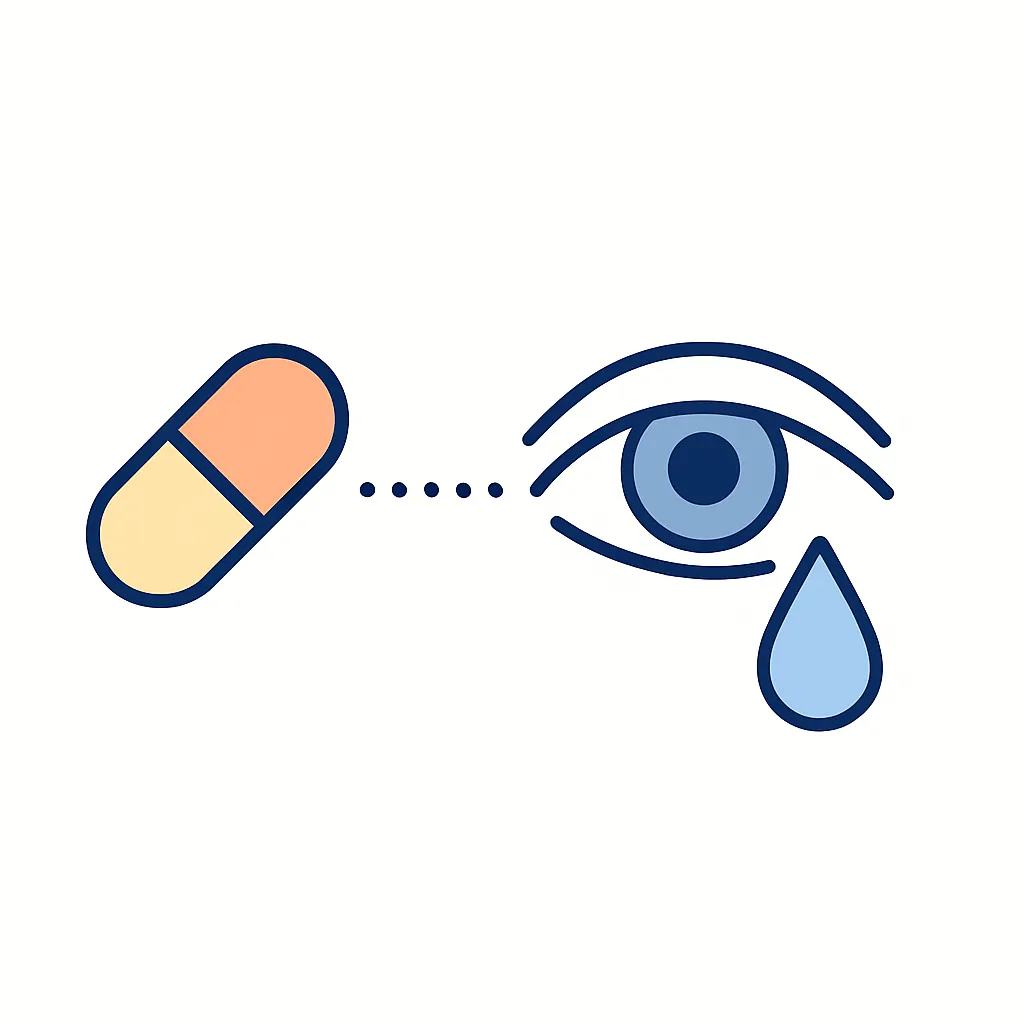
10) Medication side effects
Common meds — antihistamines, decongestants, some antidepressants, acne treatments (like isotretinoin), and birth control — can reduce tear production and change the tear film’s quality, making lenses feel dry and look hazy.
Fix it fast
- Use preservative-free artificial tears (lens-compatible) as advised.
- Ask your prescriber about timing adjustments or alternatives if dryness is severe.
- Consider dailies to put a fresh, wettable surface on the eye each day.
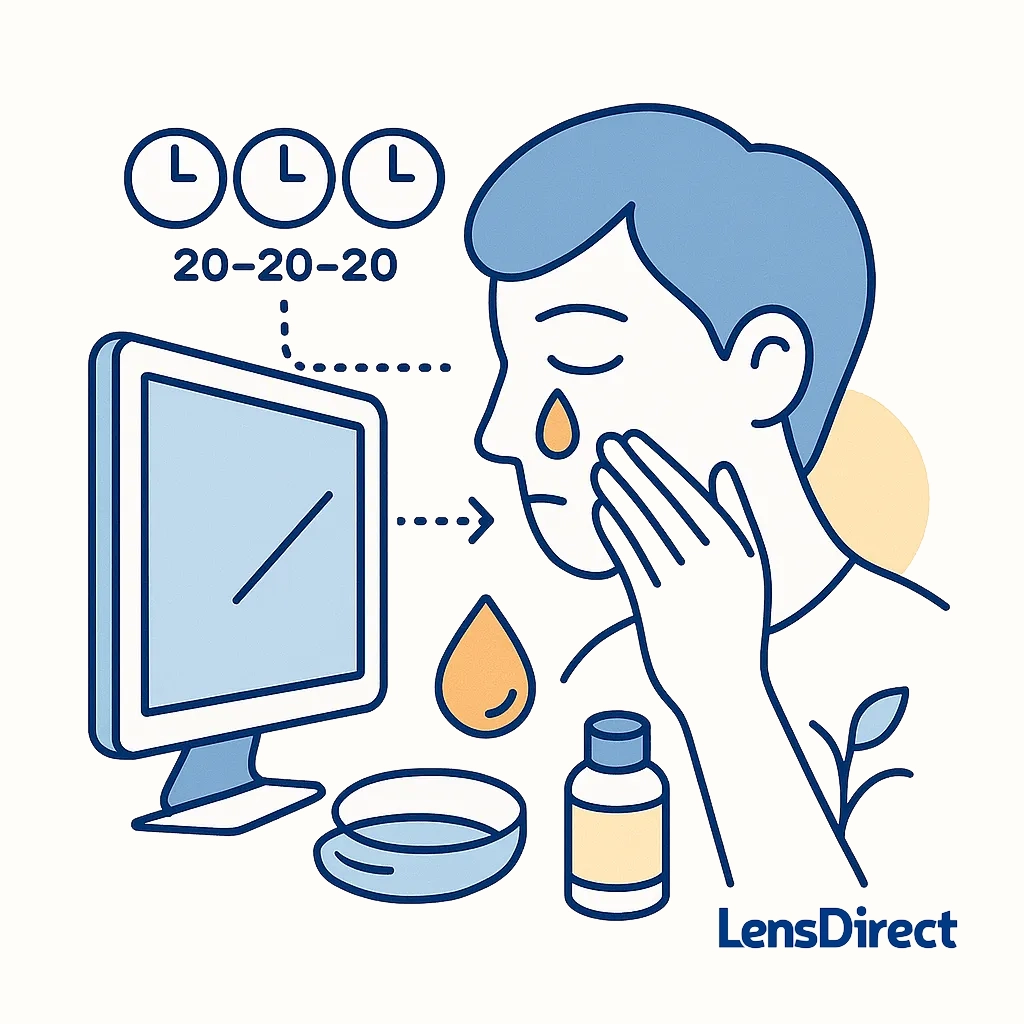
11) Digital eye strain
Blink rate plummets when you’re focused on screens, so lenses dry and blur. Air vents aimed at your face add to the problem.
Fix it fast
- Practice conscious blinking — softly close your eyes for 2 seconds, then squeeze 2 seconds, open, and blink normally.
- Use 20-20-20, position screens slightly below eye level, and redirect vents.
- For marathon work sessions, give your eyes a break with glasses part of the day.
12) Underlying ocular conditions
Conditions like keratoconus, corneal dystrophies, uncorrected astigmatism, cataracts, or significant ocular surface disease (meibomian gland dysfunction, blepharitis) can all degrade clarity with soft lenses. Night halos, ghosting, or persistent one-eye blur deserve a professional evaluation.
Fix it fast
- Schedule a comprehensive exam (often yearly for contact wearers). Ask about topography, meibomian gland assessment, and lens alternatives.
- If soft lenses can’t deliver stable clarity, specialty options like rigid gas permeable (RGP), hybrid, or scleral lenses may provide sharper vision and better ocular surface comfort.
Immediate troubleshooting: a 5-step reset
- Wash & dry hands thoroughly.
- Remove the blurry lens and inspect under good light for rips, lint, lipstick/mascara smudges, or deposits.
- Rinse both sides with fresh solution and reinsert. If the lens still feels odd or looks foggy, discard it.
- If you’re near your replacement date, open a fresh lens. If not, switch to glasses.
- If blur persists or recurs, book an eye exam — bring your lenses, case, and solution so your provider can troubleshoot your specific setup.
Keep contacts clear: daily habits that make a big difference
- Stick to replacement schedules. Old lenses = old problems.
- Mind your makeup. Insert lenses before makeup; remove lenses before taking makeup off. Choose water-based, flake-resistant formulas.
- Upgrade your care system. If deposits are constant, ask about peroxide systems or enzyme cleaners; if hygiene is tricky, daily disposables simplify everything.
- Blink smarter at work. Set hourly reminders to hydrate, blink, and take micro-breaks from screens.
- Protect from wind and dust. Wear wrap sunglasses outdoors; avoid direct airflow from car vents and fans.
- Nurture your lids. Warm compresses and gentle lid hygiene (as directed) support the oil layer of tears, reducing evaporation.
- Carry a backup. A lens case, travel-size solution, and your glasses mean you’re never stuck with blur.
When to stop wearing lenses and call your eye doctor
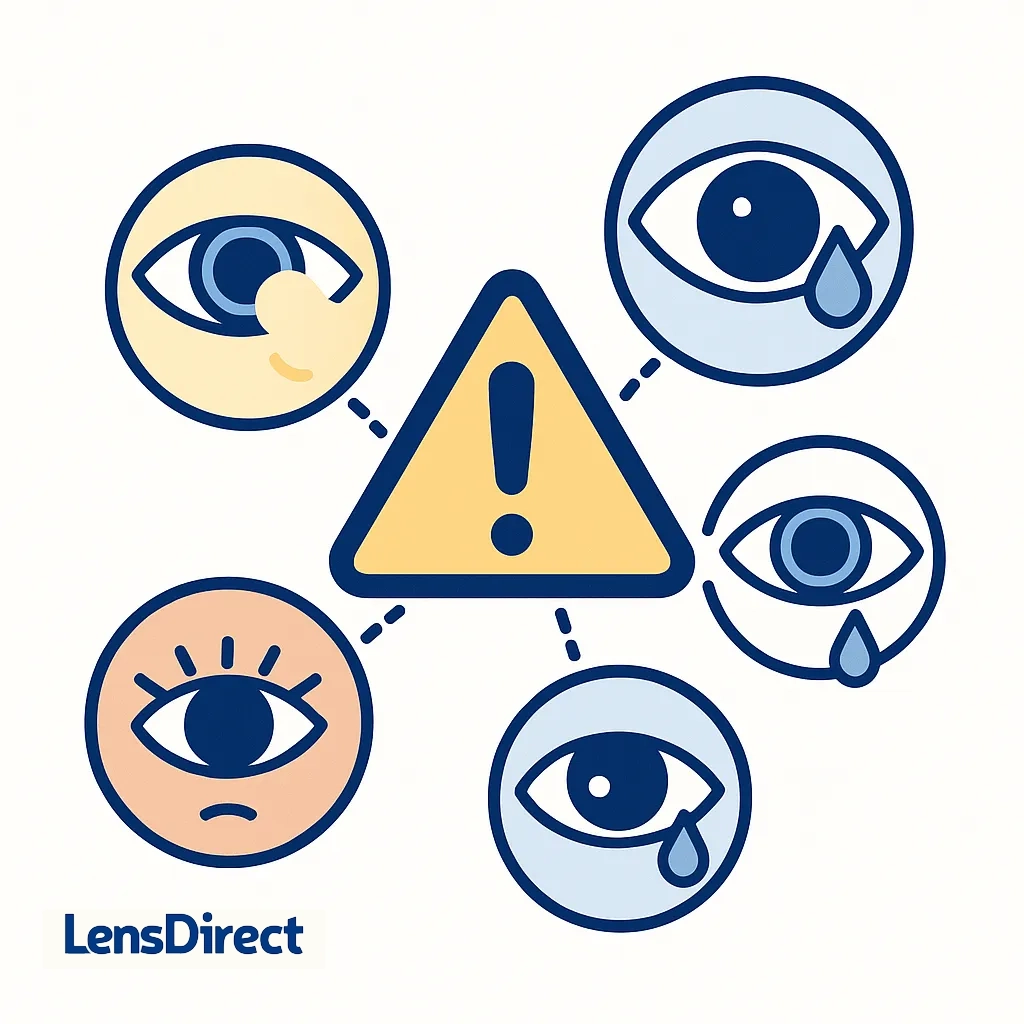
- Sudden, persistent blur in one or both eyes
- Pain, light sensitivity, or moderate–severe redness
- Mucus discharge or crusting
- Halos, rainbow rings, or a foreign-body sensation that doesn’t resolve after removing the lens
- Any corneal insult (scratch, chemical splash) or suspected contamination (e.g., lens touched tap water)
Important: Do not sleep in lenses unless your provider has explicitly approved extended wear, and never rinse lenses with tap water or saliva.
How LensDirect can help
At LensDirect, we understand that dealing with blurry contacts can be frustrating — especially when you rely on them every day. That’s why we make it easy to keep your vision clear and comfortable. Whether your lenses are past their prime, your prescription needs updating, or you just want to explore better lens options, our team is here to help.
You can order your contacts online with automatic refills and fast delivery, so you never have to stretch your lenses beyond their lifespan.
If your vision has changed, our online vision test makes it simple to renew your prescription from home in minutes.
Plus, our Lens Replacement Service can give your favorite frames new life with fresh, high-quality lenses.

When your sight starts to blur, it’s often a sign that something small needs attention. LensDirect gives you all the tools to fix it quickly — so you can see clearly and confidently every day.
This article is for general information and isn’t a substitute for professional medical advice. If you’re concerned about your eyes or vision, consult your eye doctor.
Frequently Asked Questions
Why are my contacts blurry in just one eye?
Likely a lens issue (tear, deposit, wrong lens in the wrong eye) or a fit/power mismatch. Swap in a fresh lens first. If that fails, schedule a check — especially if the blur is new or worsening.
Why are they blurry after a nap?
Short naps can dry lenses and shift them slightly. Hydrate with lens-compatible drops, blink fully, and consider switching to dailies if this happens a lot — or skip lenses when you plan to nap.
Why are they clear in the morning but blurry by late day?
This pattern screams evaporation/dryness or deposit accumulation. Try rewetting drops, adjust your environment (humidifier, screen breaks), and ask about materials with better late-day wettability or daily disposables.
Why do my toric lenses blur after a blink?
They may be rotating. Sometimes they settle after a few blinks; if not, your fitter can tweak the axis, prism ballast, or brand for better stability.
Can I use “regular” eye drops over contacts?
Use only contact-lens-compatible lubricating drops. Many redness relievers and preserved tears aren’t lens-friendly.
Author

Subscribe to our email newsletter to get the latest posts delivered right to your email.