
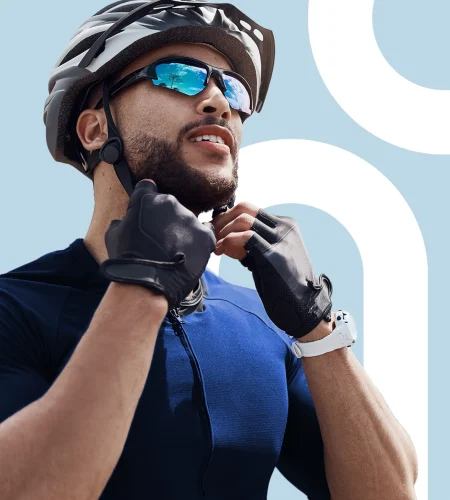
Whether you’re chasing a personal record, dropping into single‑track or reading the break on the green, the right sunglasses protect your eyes, sharpen contrast and stay put when you sweat. This guide highlights top frames from LensDirect that can be customized with prescription, polarized or photochromic lenses to match your sport.
TL;DR – Quick Picks
If you just want a quick recommendation, here are the frames that work for most activities:
- Ranger: a versatile rectangular frame with rugged construction that stands up to running, riding and everyday wear[1]. Ranger Rubberized Black Sunglasses
- Fairway: a lightweight, ergonomic design built to stay put during runs, hikes and bike rides[2]. Fairway Matte Gray Sunglasses
- Albatross: a sleek, modern frame with silicone nose pads and temple tips for gym sessions, cross‑training and casual use[3]. Albatross Crystal Brown Sunglasses
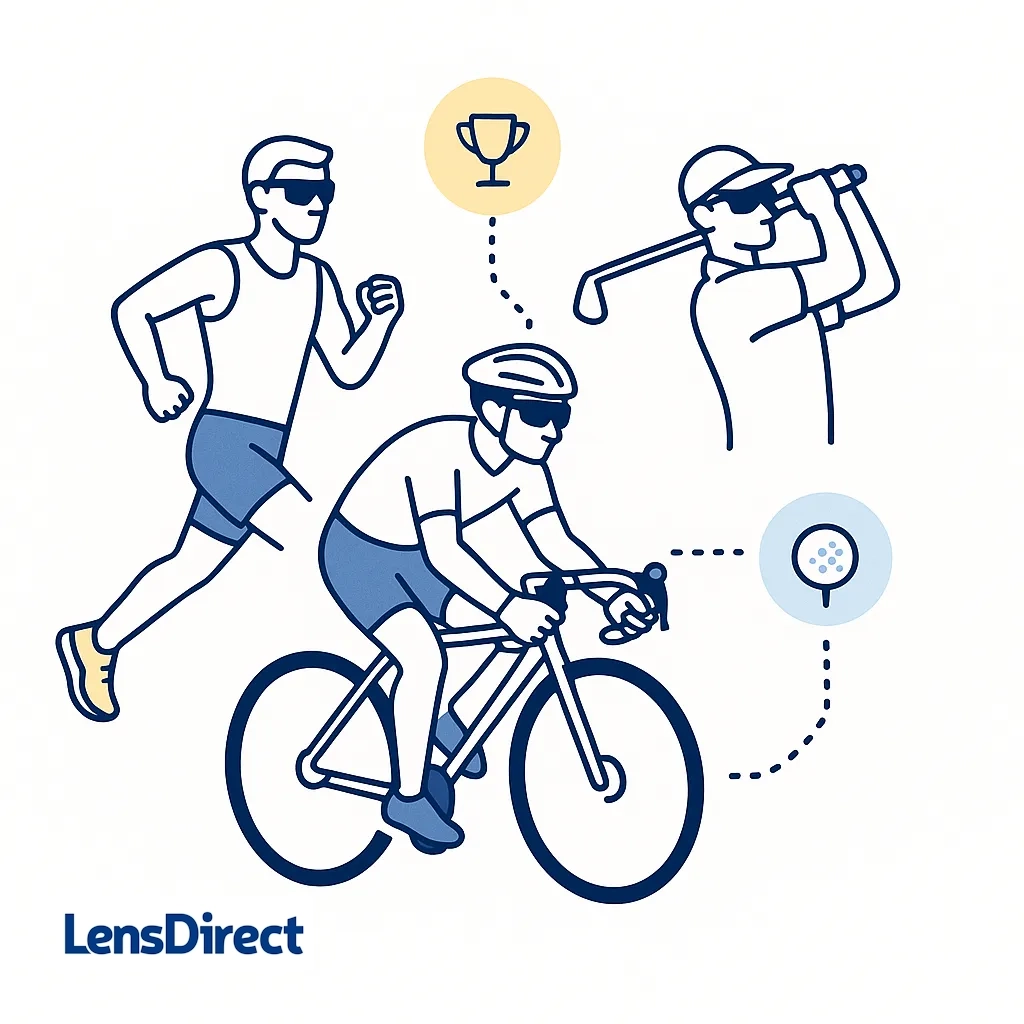
LensDirect tip: All performance frames on LensDirect can be fitted with your prescription. You can also choose polarized lenses for glare‑prone environments, mirrored tints for bright sun or photochromic lenses if you train from dawn to dusk.
How to Choose Sport Sunglasses
- Lens Material (impact & clarity). Opt for polycarbonate or Trivex lenses for shatter resistance and low weight. Add scratch‑resistant and hydrophobic coatings to keep sweat, salt and dust from sticking.
- Tint & VLT (how dark?).
- Bright sun: 8–15 % VLT with mirror coatings.
- Mixed light: 16–28 % VLT for versatile daily use.
- Low light/wooded trails: 30–60 % VLT with amber or rose tints.
- Night/indoor: clear lenses.
Gray tints offer natural colour perception, while brown/copper/rose boost contrast and green lenses balance contrast on grass. - Polarization. Use polarized lenses on water or snow to cut harsh surface glare. For running or cycling on roads, some athletes prefer non‑polarized lenses to better read surface textures.
- Photochromic vs. Interchangeable. Photochromic lenses adapt to changing light; they’re great for runs that start before sunrise. Interchangeable lens systems let you swap out a dark lens for a light one, which is useful if you ride in bright sun and dense forests.
- Fit & Grip. Look for rubber nose pads and temple tips, adjustable nose pieces, and lightweight frames (≈30 g or less). Proper fit ensures the sunglasses stay put during vigorous movement.
- Coverage & Ventilation. Larger lenses provide more wind and debris protection. Vented designs and backside anti‑reflective coatings reduce fogging and minimize glare reflecting from your cheeks.
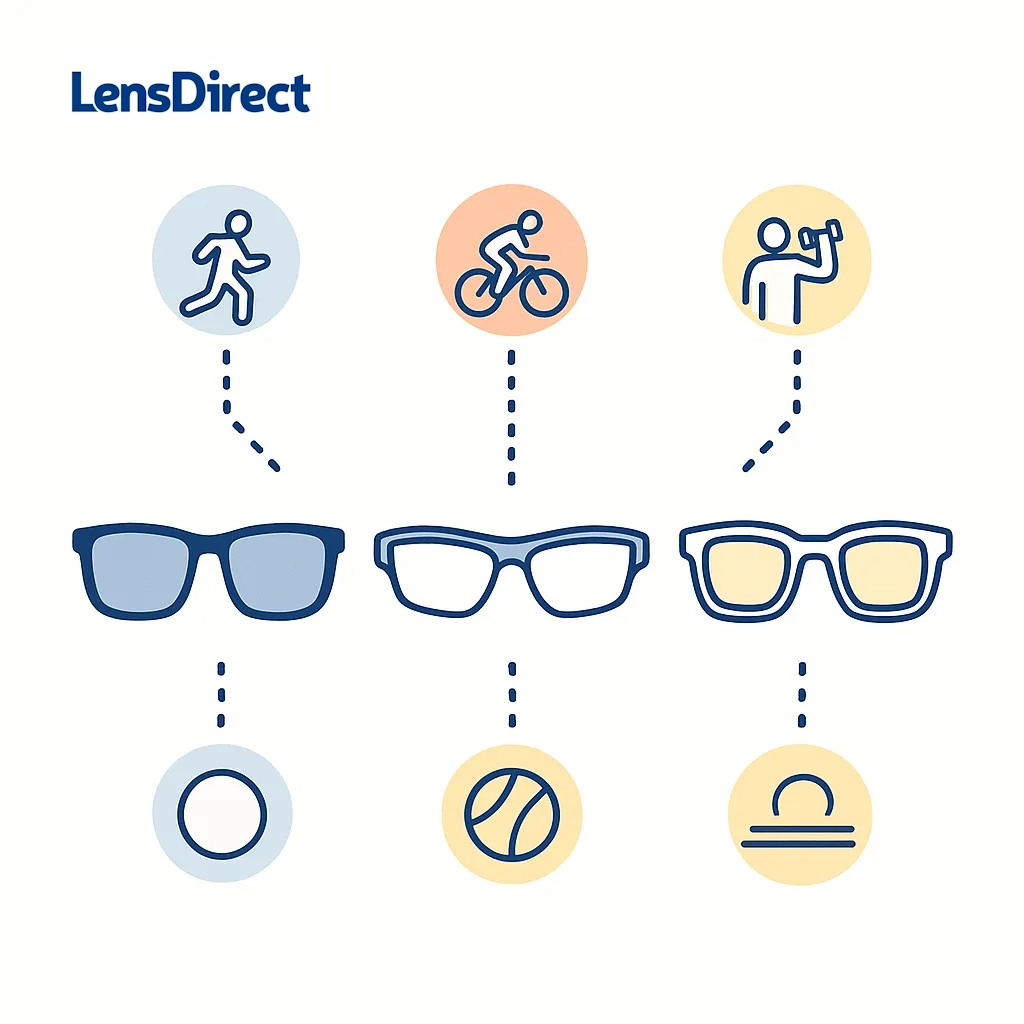
Lens Materials, Tints & Coatings Explained
Different sports impose different demands on your eyewear. Most sport sunglasses use polycarbonate or Trivex lenses — both block 100 % of ultraviolet light, weigh less than standard plastic and are highly impact‑resistant.
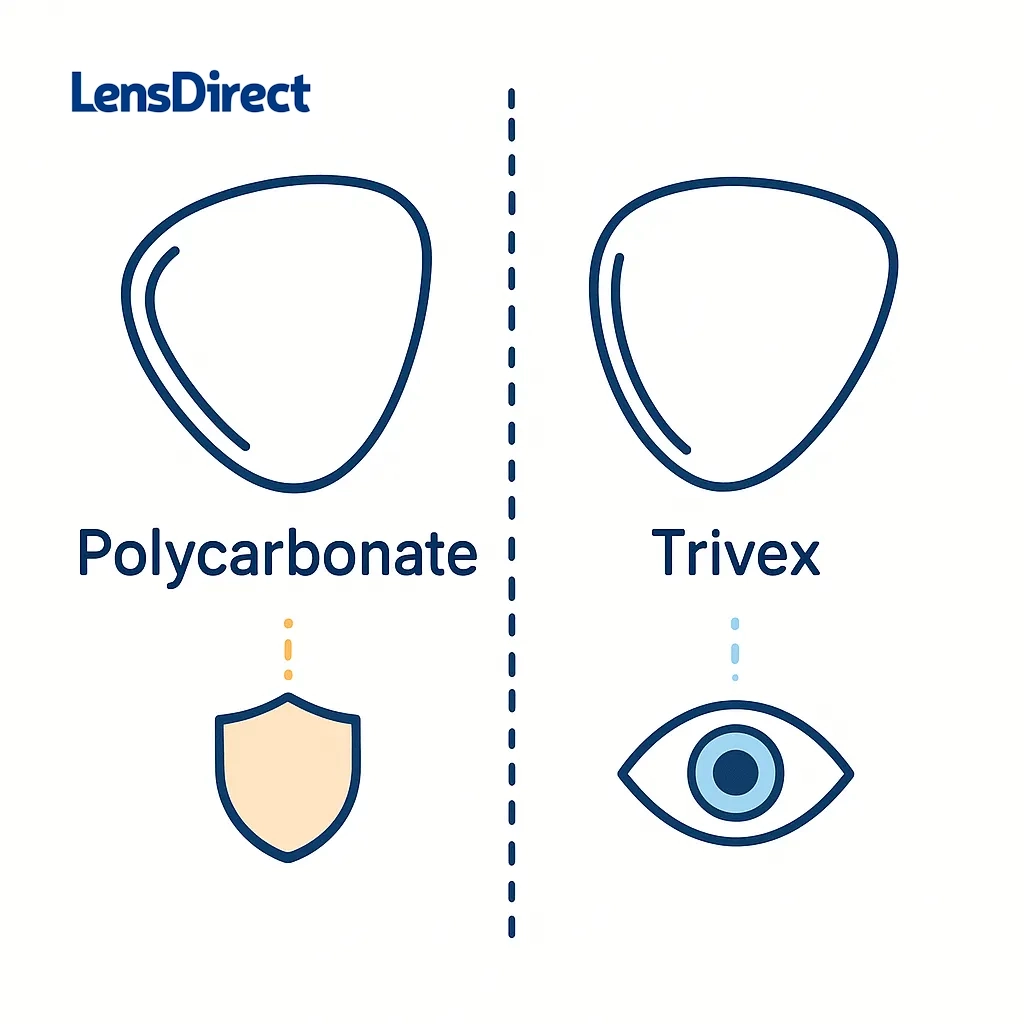
Polycarbonate, originally developed for astronaut helmets, resists shattering on impact, while Trivex was designed for military aircraft canopies and offers crisp optics and high strength.
When you customise your order on LensDirect, you can choose these materials for added peace of mind.
Lens tints fall into a few broad families.
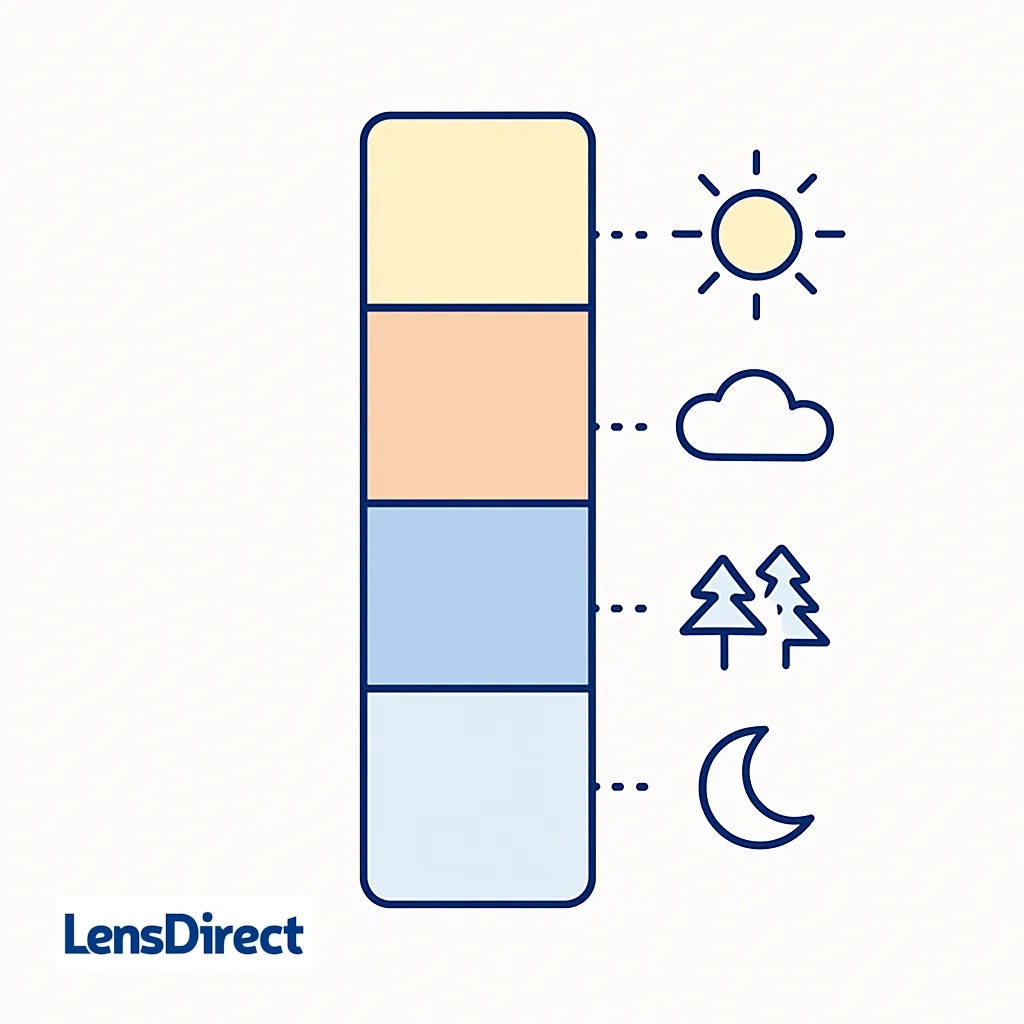
Warm tints — yellow, orange, amber or rose — boost contrast in low light or overcast conditions[4][5].
Dark amber, copper and brown tints block blue light and improve depth perception, making them a go‑to for fishing, water sports and most ball sports[6].
Green tints reduce eye strain on grass courts[7], while gray provides neutral colour perception for bright sun[8].
Gold or red tints enhance depth perception on snowy slopes[9][10]. Photochromic lenses in brown, gray or green darken automatically in UV light[11], and backside anti‑reflective coatings cut distracting reflections[12].
Sport‑by‑Sport Breakdown (Detailed)
Below are deeper dives into specific sports. For each activity we outline the optimal lens tints, frame features and recommended LensDirect frames.
Road Cycling & Triathlons
Speed introduces wind, bugs and road debris, so large shield‑style or full‑wrap frames offer the best coverage. Gray or dark brown lenses around 10–15 % VLT tame glare on sunny days, while amber or rose tints brighten overcast mornings[8][5]. Many cyclists skip polarization to better read road texture and digital screens.
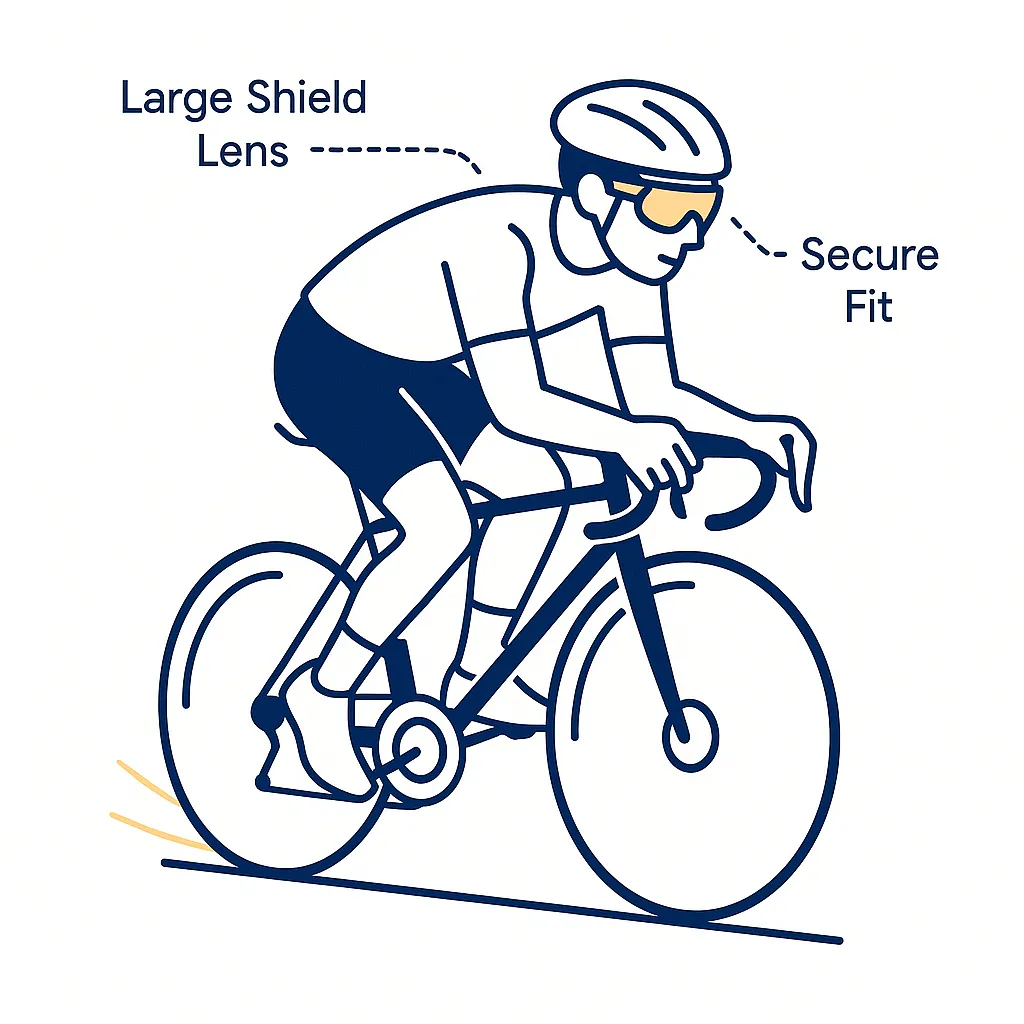
Frame pick: the Ranger provides a durable, wraparound shape and rubberised temples that grip under a helmet.
Fit it with a gray mirror lens for sunny training rides or an amber lens for dawn departures.
Best bet: Ranger Rubberized Black Sunglasses.
Mountain Biking & Trail Running
Off‑road trails demand impact protection and lenses that adapt quickly to changing light. Polycarbonate or Trivex shields your eyes from flying rocks, while amber, copper or rose tints enhance contrast between sunlit clearings and shadowy woods[6].
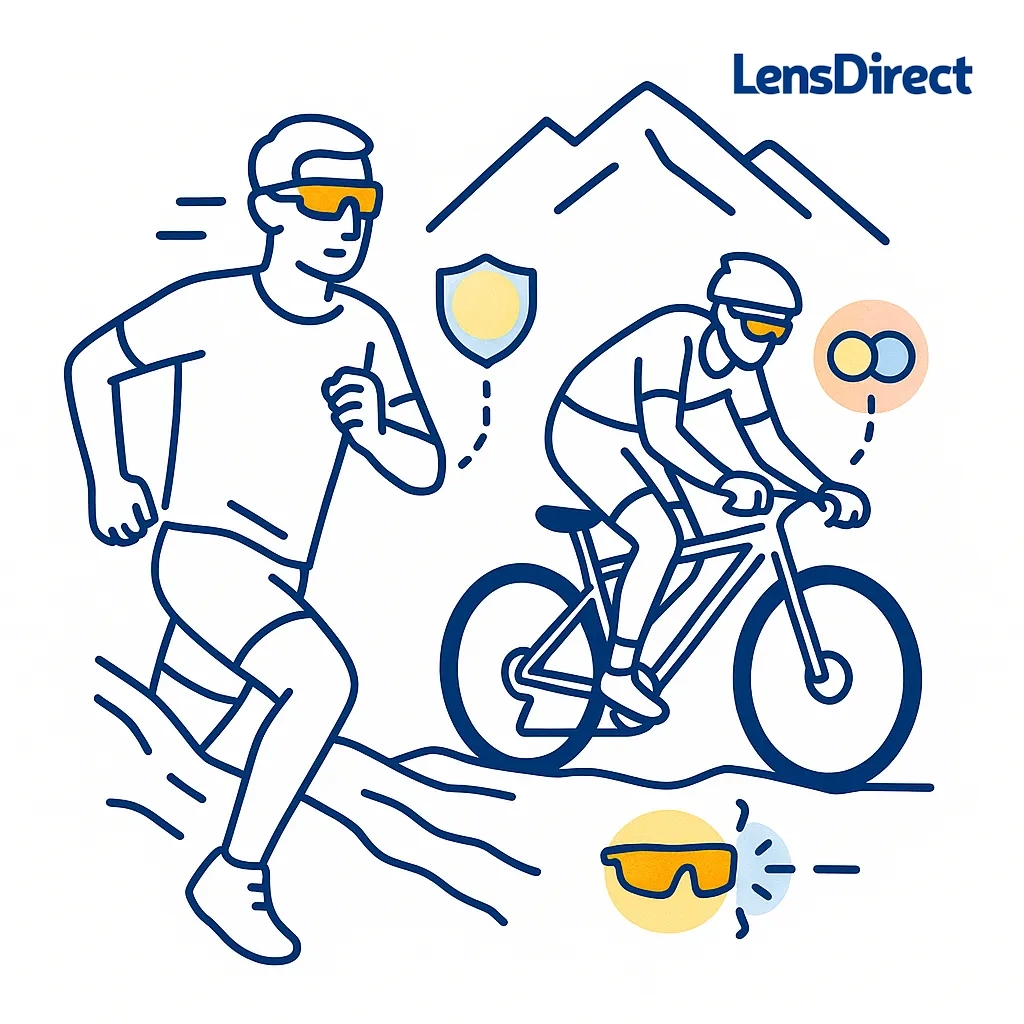
Frame pick: the Fairway features flexible, ergonomic temples that stay put during bumpy descents[2].
An amber or copper photochromic lens will adapt as you go from bright trailheads to dense forest.
Best bet: Fairway Matte Gray Sunglasses.
Team Ball Sports
Team ball sports demand clear tracking of fast‑moving objects. Dark amber, copper or brown tints block blue light and make the ball pop[6], while yellow or orange tints help in low light or indoors[4]. Choose frames with tall lenses and rubber grips so they stay secure during quick movements.

Frame pick: the Ranger or Albatross provides ample vertical coverage and a snug fit.
Equip them with brown lenses for outdoor fields or yellow lenses for indoor play.
Best bets: Ranger Rubberized Black Sunglasses or Albatross Crystal Brown Sunglasses.
Racquet Sports
Tennis and pickleball combine glare with quick lateral movement. Green or yellow‑green lenses highlight the ball on blue or gray courts[7], while yellow or orange tints suit indoor or low‑light conditions[4]. Lightweight frames with rubber nose pads prevent bounce during sprints.
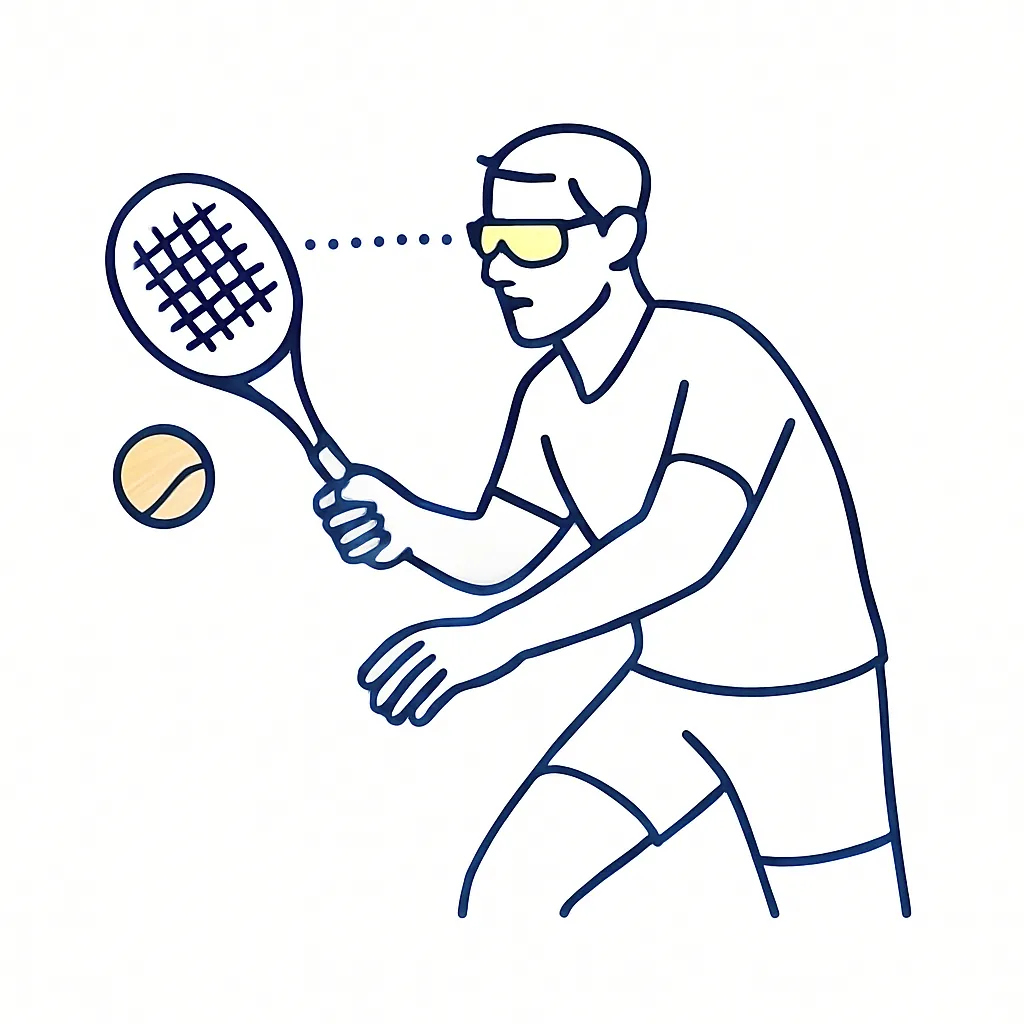
Frame pick: the Albatross offers a sleek, non‑slip fit[3].
Choose green or yellow lenses for outdoor courts.
Best bet: Albatross Crystal Brown Sunglasses.
Water, Fishing & Beach Sports
Boating, fishing and beach volleyball pit you against intense glare from water and sand. Polarized lenses are essential to cut reflections and reduce eye fatigue; dark gray or green lenses work offshore, while copper or brown tints sharpen contrast in freshwater streams or on sand[6]. Hydrophobic coatings keep lenses clear of salt and spray, and corrosion‑resistant frames accommodate retainers so they won’t get lost.
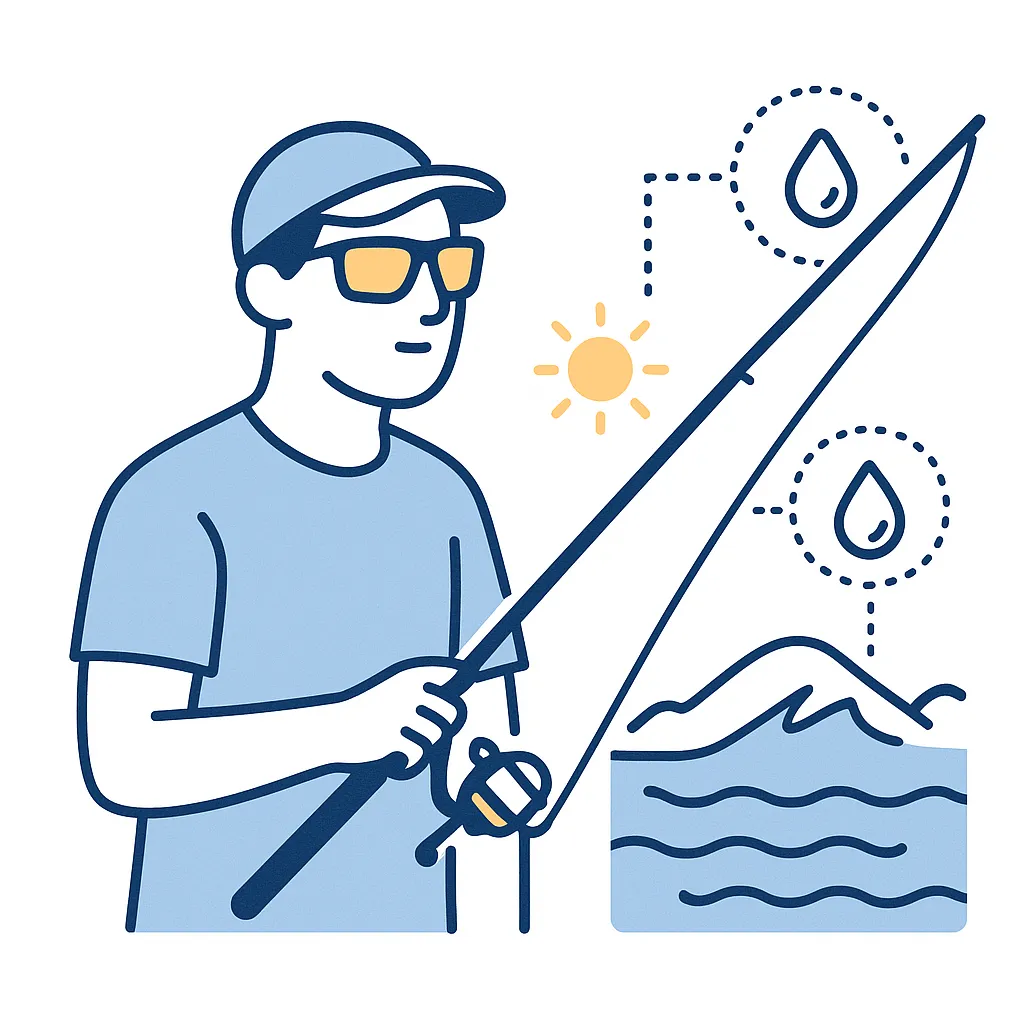
Frame pick: the Fairway offers a secure, boat‑friendly fit and water‑resistant components[2].
Order it with a polarized brown lens and hydrophobic coating for all‑day comfort.
Best bet: Fairway Matte Gray Sunglasses.
Snow & High‑Alpine Sports
Snow reflects intense UV radiation, making full protection and high‑contrast tints critical. Rose, red or copper lenses increase contrast and reduce glare on bright slopes[5][9], while gold tints help on overcast days[10]. Many skiers choose mild or no polarization to read ice patches, and photochromic lenses adapt from bright sun to shaded trees.
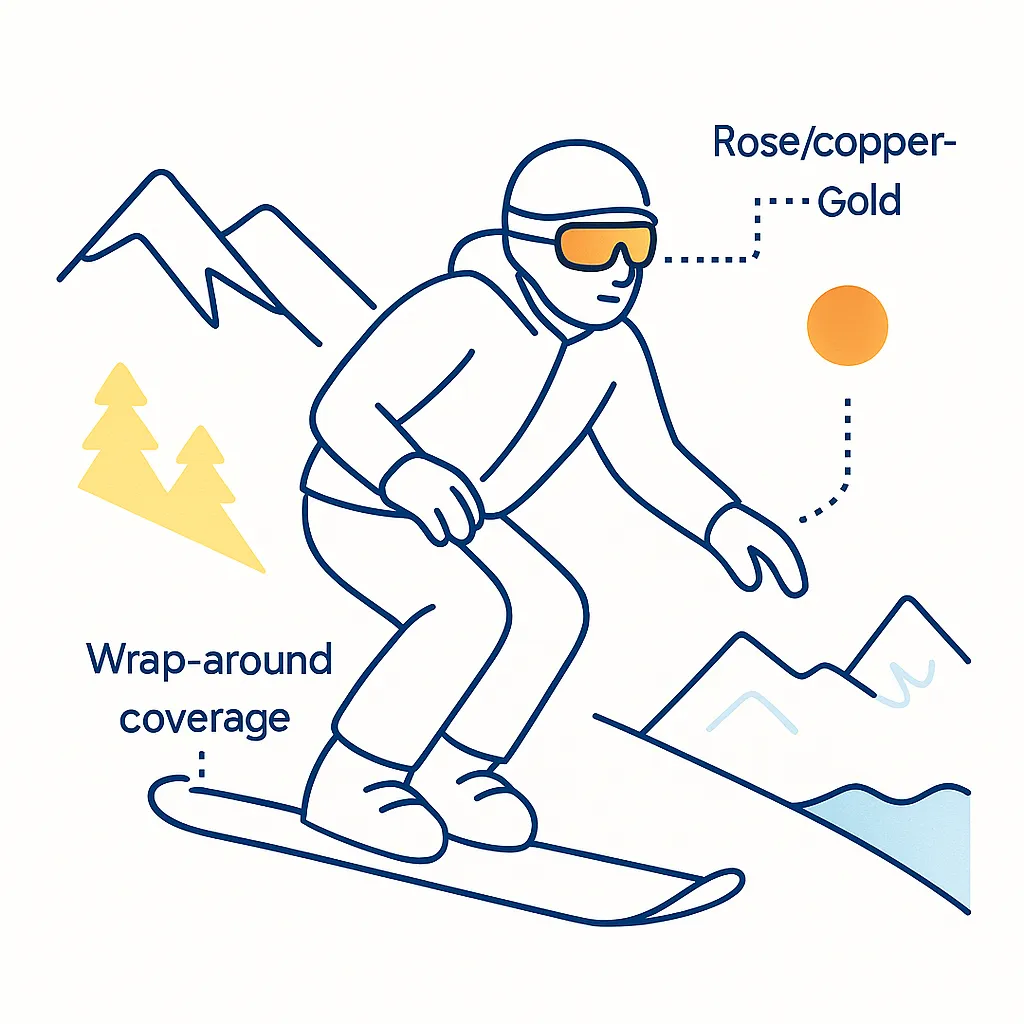
Frame pick: the Ranger wrap shields wind and stray snow.
Fit it with a rose or gold lens depending on the weather.
Best bet:Ranger Rubberized Black Sunglasses.
Cross Training & Everyday
For everyday workouts choose a mid‑size wrap with rubber nose pads. Neutral gray lenses work in most conditions[8], and photochromic tints adapt from bright to dim environments.
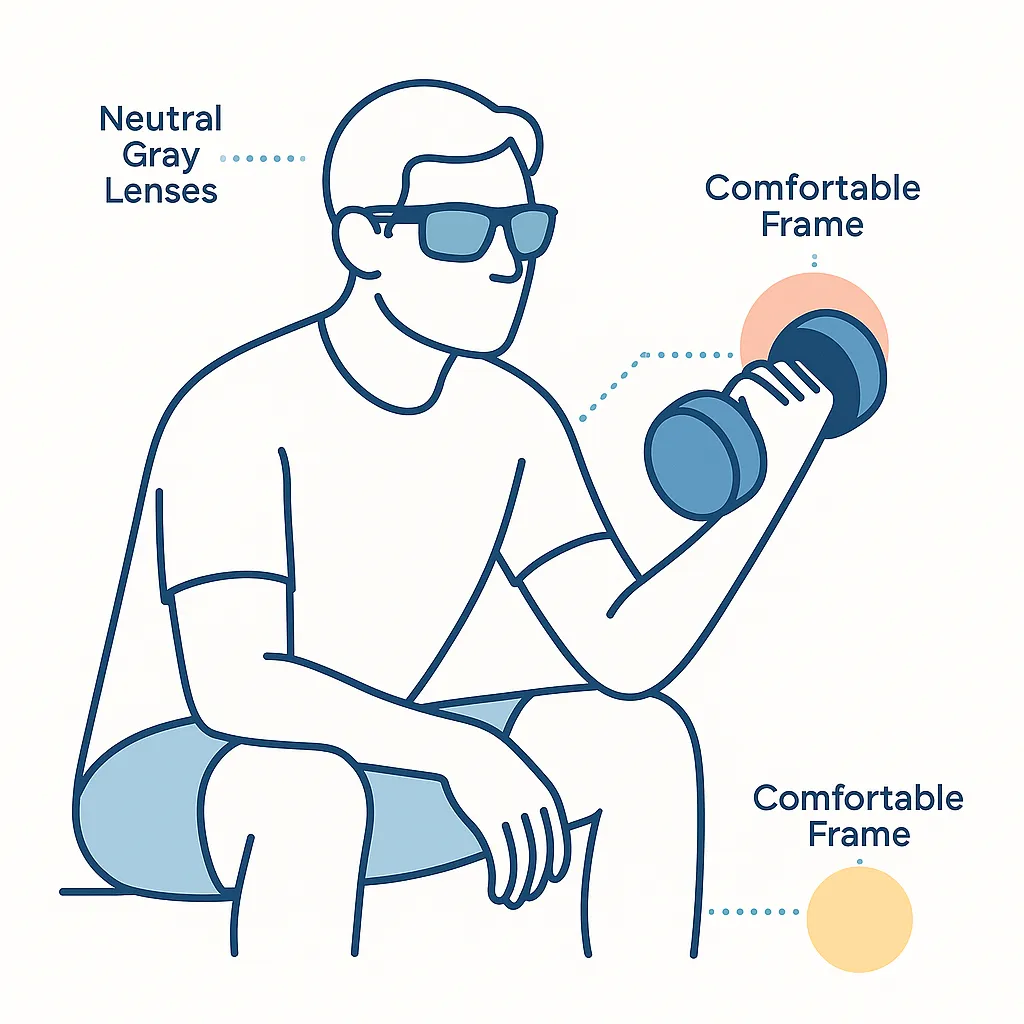
Frame pick: the Ranger or Albatross are versatile daily drivers[1][3].
Choose a neutral gray lens or a light‑adaptive tint for all‑day wear.
Best bets: Ranger Rubberized Black Sunglasses or Albatross Crystal Brown Sunglasses.
Care & Longevity
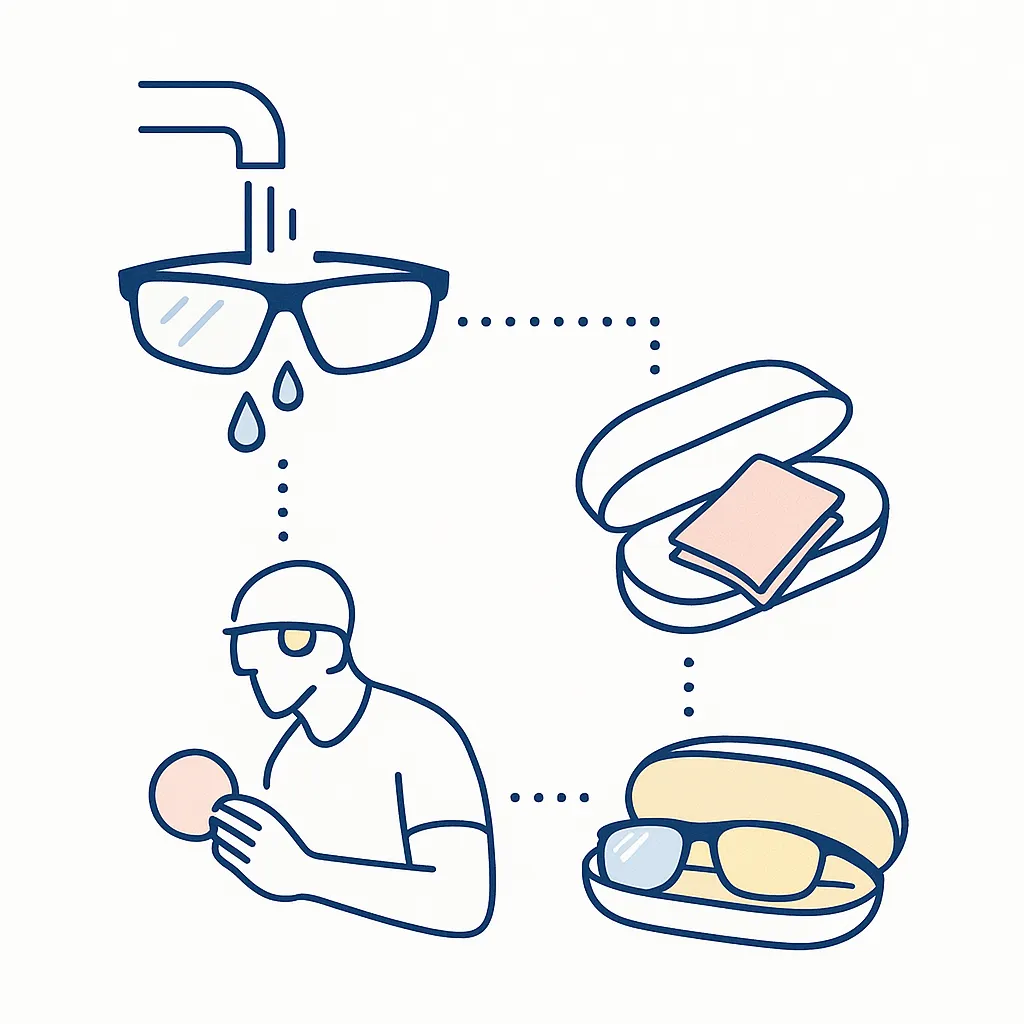
- Rinse sweat and salt with fresh water before wiping your lenses.
- Use a microfiber cloth; avoid paper towels or shirt hems.
- Store your sunglasses in a hard case — heat from car dashboards can warp wraparound frames and damage coatings.
Still Unsure Which Frame Fits You?
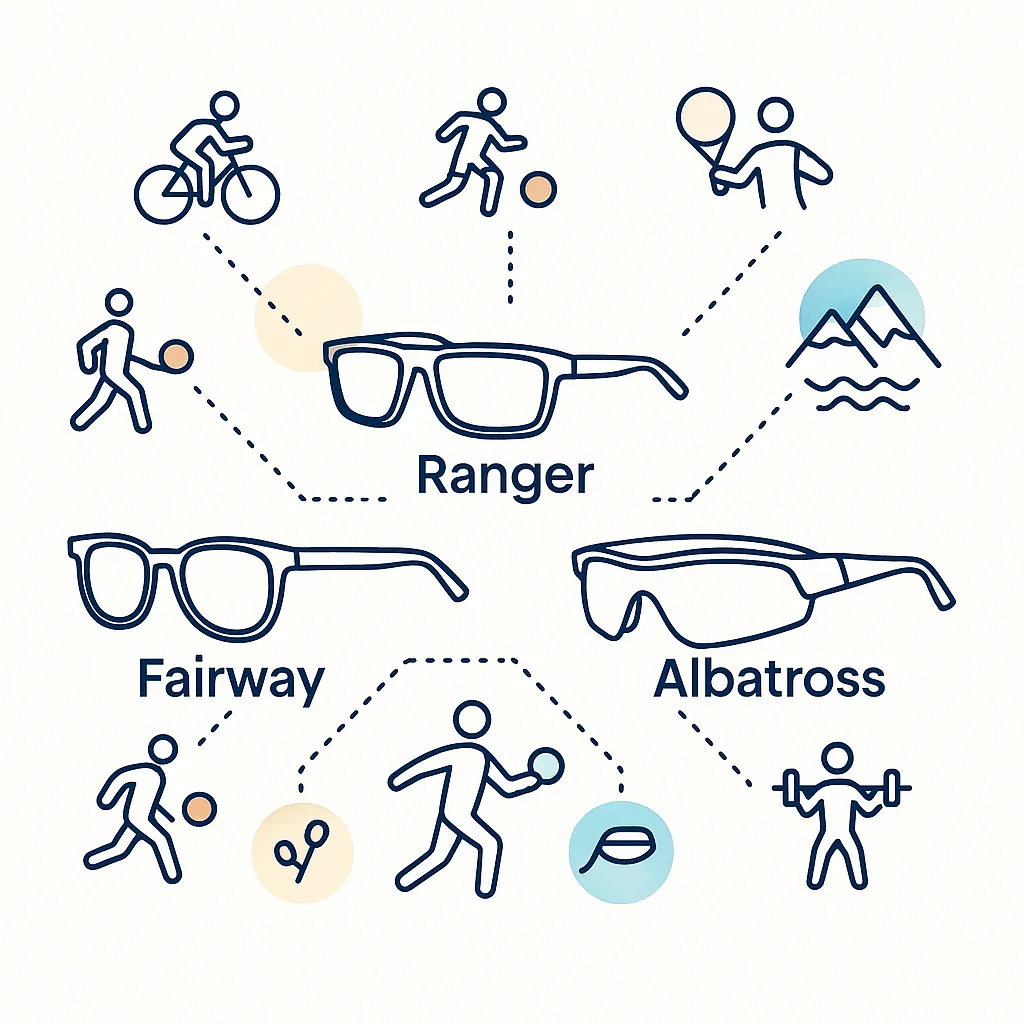
If you’re not sure which style suits your face shape or sport, LensDirect’s virtual try‑on lets you see how frames like the Ranger, Fairway and Albatross look on your face before you buy.
You can also chat with LensDirect’s specialists for help choosing lens tints, mirror coatings or photochromic options tailored to your activities.

FAQ: Best Sunglasses for Sports (with LensDirect Picks)
Are polarized lenses always better for sports?
Polarized lenses cut harsh glare off water, snow, and pavement — awesome for fishing, boating, beach volleyball, and bright road rides. Some athletes prefer non-polarized for ball-tracking in golf/baseball or when reading certain screens. If you’re unsure, start with gray or brown tints and test. See LensDirect’s lens-color guides for what each tint does. LensDirect+1
What are the best sunglasses for running?
Look for light, grippy wraps that don’t bounce. A safe, sporty wrap is the Ray-Ban Predator 2 RB2027; it hugs the face and plays well with hats. If you already love your frames, refresh the lenses instead (see DIY lens replacement below). LensDirect
What are the best sunglasses for road cycling or MTB?
You want big coverage and venting. If you ride in changing light, photochromic (Transitions) is clutch. Already own Oakley sport frames? Swap in fresh lenses: Oakley Flak 2.0 XL replacement lenses or browse Oakley lens replacement and choose polarized or VoltPro® HD. LensDirect+1
What are the best sunglasses for baseball/softball outfields?
Wraps that stay put and boost contrast. Many players like bronze/amber-leaning tints for pop against sky/grass. If you have Flak Jacket frames, pop in Flak Jacket XLJ lenses. Prefer Ray-Ban? RB3498 is a sturdy rectangle wrap. LensDirect+1
What are the best sunglasses for golf?
Contrast is king. Browns/coppers help define fairways and reads; some golfers skip polarization to keep subtle green textures vivid. If you’re customizing lenses, start with a brown base. See LensDirect’s sport-by-sport lens suggestions under Golf. LensDirect
What are the best sunglasses for tennis or pickleball?
Go for contrast tints (brown/amber) and a snug, medium wrap. If you already own sport frames, order DIY lenses tuned for Racket Sports right from LensDirect’s sport page. LensDirect
What are the best sunglasses for fishing (freshwater vs. saltwater)?
Polarized is a must. Rule of thumb: brown base for freshwater, gray base for saltwater to manage color and glare. For anglers with Costa frames, grab fresh lenses via Costa Del Mar lens replacement. LensDirect+1
What are the best sunglasses for watersports & beach days?
Polarized gray or gray-green with a mirror to tame intense sun. If you need Rx, send your favorite shades for Prescription Sunglass Lens Replacement — progressives and Transitions supported. LensDirect
What are the best sunglasses Skiing & snowboarding — polarized or not?
Both work; polarized cuts glare off snow, while some riders prefer non-polarized to keep icy sheen cues. Mirror finishes on gray/brown bases help in bright alpine light. For tint guidance, check LensDirect’s color explainer. LensDirect
Can I use my current frames and just replace the lenses?
Yes. It’s often the best value: order DIY replacement lenses for brands like Oakley, Ray-Ban, Costa, Nike, etc. — they arrive cut to fit and pop in at home (install takes minutes). Pricing for DIY non-Rx lenses typically starts around $21/pair. LensDirect+1
I need prescription sports sunglasses — options?
Send your frames in and LensDirect will craft Rx lenses (single-vision, progressives, bifocals, and Transitions). Start here; Rx sunglass lens replacement pricing starts around $79. LensDirect
Budget-friendly frames for casual sport & weekend leagues?
Try durable house styles under $100, like Ranger (Rubberized) or Fairway, then add the lens tint you want. For more options, browse all sunglasses. LensDirect+2LensDirect+2
Which lens color should I pick if I play multiple sports?
Two easy setups cover most conditions:
• Gray (everyday/bright sun) for road, beach, boating.
• Brown/amber (contrast) for ball sports, trails, and overcast.
Use LensDirect’s sport matching page to fine-tune by activity. LensDirect
Can I swap lenses myself? Is there a guide?
Yes — LensDirect has quick install videos for plastic, wire, and half-rim frames. See How to install your lenses and How to identify your frame/model so you order the perfect fit. LensDirect+1
Tips to stop fogging or slipping during play?
Use anti-fog wipes sparingly, keep lenses clean, and choose frames with rubberized nose/temple pads. If fog’s persistent, consider a less “sealed” wrap or vented designs. LensDirect’s Rx service includes quality coatings that also help with smudges and clarity. LensDirect
Author

Subscribe to our email newsletter to get the latest posts delivered right to your email.