

A jumpy eyelid can be annoying, distracting, and a little unsettling when it keeps coming back. This guide is for anyone wondering why their eye is twitching, what usually causes it, what you can try at home, and which symptoms mean it is time to check in with an eye doctor.
Quick answer: In most cases, a fluttering eyelid is benign eyelid myokymia, a usually harmless twitch often linked to stress, fatigue, caffeine, eye irritation, and dry eyes. You should get medical advice sooner if the twitch comes with symptoms such as lasting more than a few weeks, complete eyelid closure, drooping, redness, swelling, discharge, facial spread, or vision changes.
Why is my eye twitching?
The short answer: eyelid myokymia is usually harmless
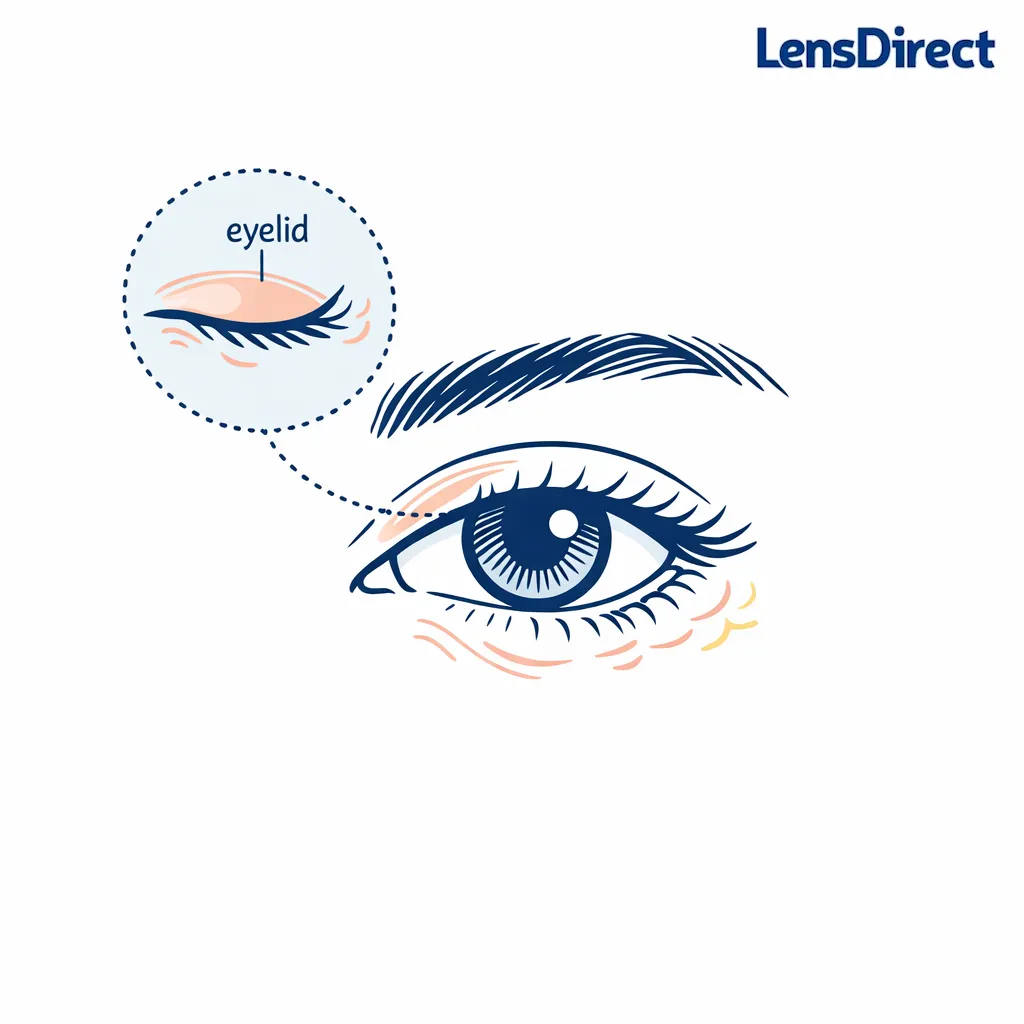
Most people who say “my eye is twitching” are actually feeling a tiny spasm in the eyelid, not the eyeball itself. In plain English, a small lid muscle is firing on its own for a while, which can feel dramatic even when the cause is minor.
The sensation may last a few seconds, come and go through the day, or stick around for several days before fading. That is why eyelid twitching can feel more serious than it usually is. It is visible, repetitive, and hard to ignore.
The reassuring part is that common eye twitching is often tied to everyday triggers rather than a dangerous eye disease. The less reassuring part is that it can take a few days of better habits before the twitch settles down, so people often start worrying before the simple fixes have had time to work.
One eye vs both eyes: what the difference can mean
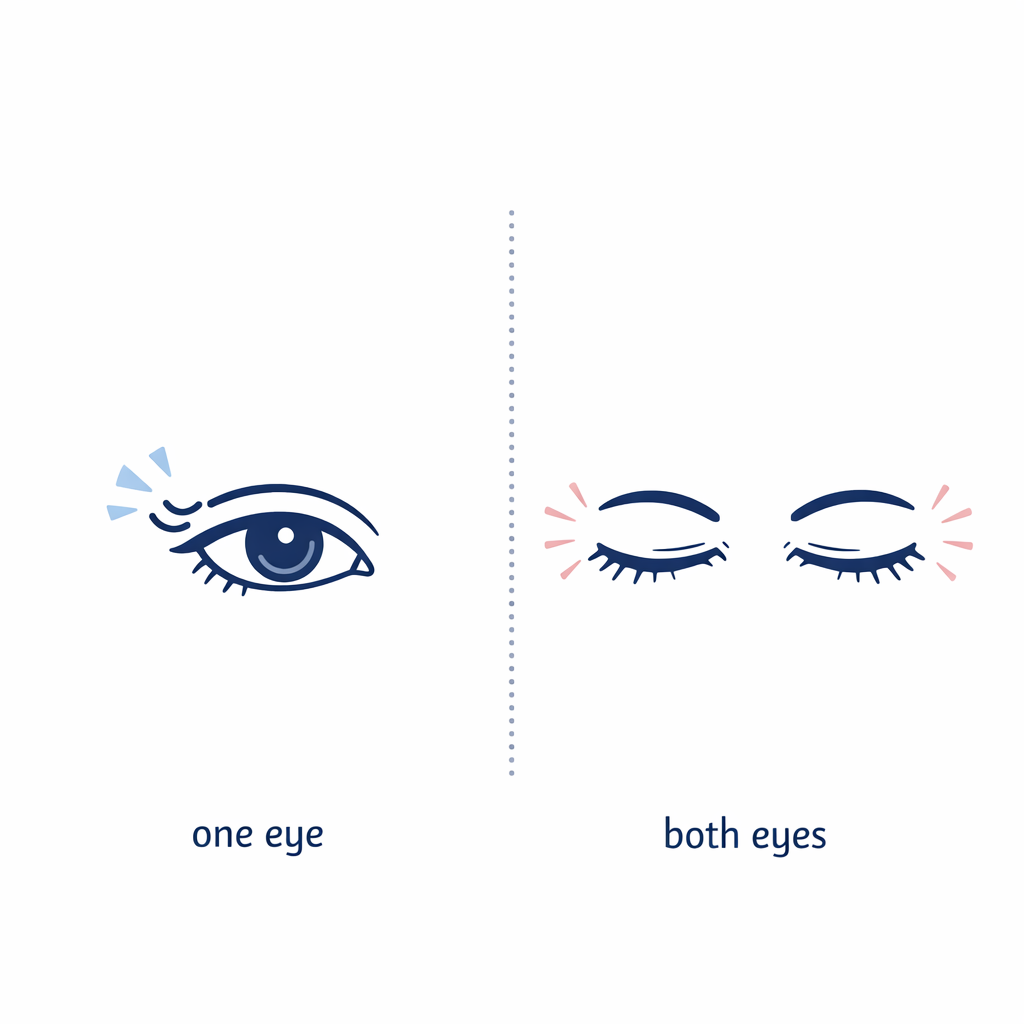
A one-sided flutter in the upper or lower lid is often the pattern people notice after stress, poor sleep, long screen days, or too much stimulation. If both eyes are blinking or squeezing in a way that feels harder to control, or if twitching involves one side of the face beyond the eyelid, doctors may think more about conditions such as benign essential blepharospasm or hemifacial spasm rather than simple eyelid myokymia.
That does not mean a stronger twitch automatically signals something serious. It means the pattern matters more than the superstition about whether it is the left eye or the right eye. Duration, spread, and associated symptoms tell you much more.
Common causes of eye twitching
Stress and anxiety
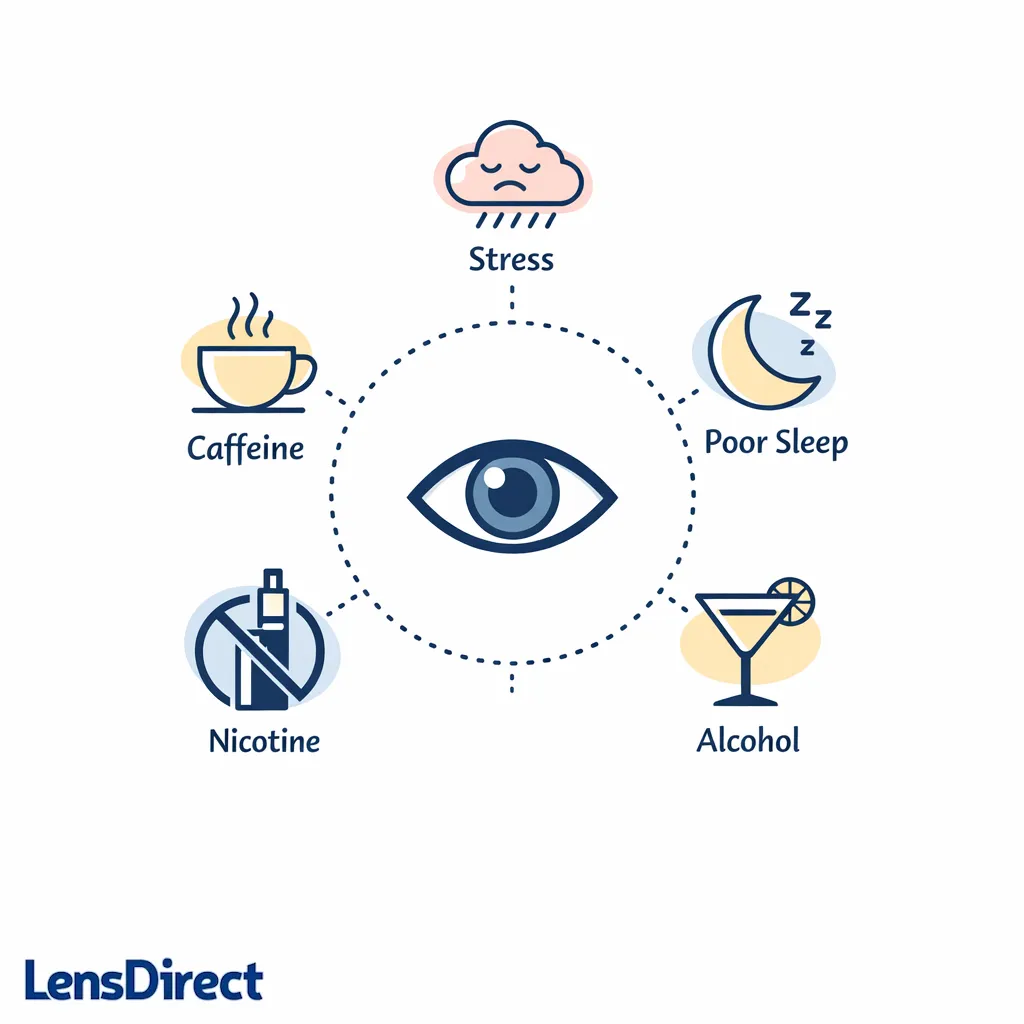
Stress is one of the first places to look. A twitch often shows up during deadlines, travel, emotional strain, poor recovery, or any stretch where your body feels a little overcaffeinated and underslept.
That does not mean the twitch is “all in your head.” It means your body is giving you a low-stakes signal that your overall load may be a bit too high. If the timing lines up with a stressful week, that is useful information.
Lack of sleep and fatigue
Sleep loss is another classic trigger. When you have had several short nights in a row, small problems tend to feel louder, and eyelid twitching is one of them.
Instead of focusing on whether you slept badly one night, look for a trend. Twitches that start after repeated late nights or early mornings often improve only after you get a couple of better nights in a row.
Too much caffeine, alcohol, or nicotine
Coffee, energy drinks, pre-workout supplements, nicotine, and alcohol can all be part of the story, especially when they pile on top of stress and fatigue. The key is not to blame one espresso. The key is to notice whether your routine has recently become more stimulating overall.
If you have been running on caffeine during the day and winding down with alcohol at night, your twitch may be reacting to the full pattern. A temporary reset can tell you a lot.
Digital eye strain from screens
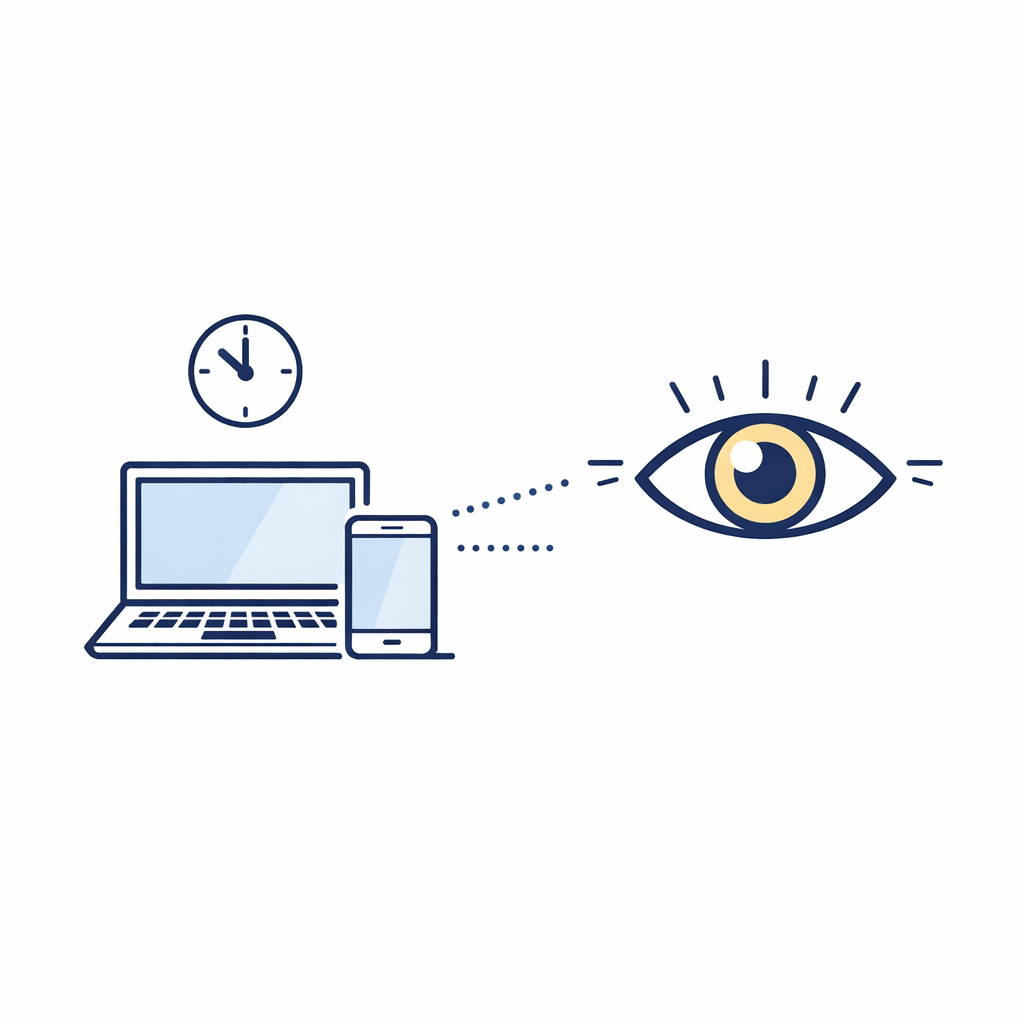
Long stretches of phone or computer use can contribute to digital eye strain, which is associated with heavy near work, reduced blinking, and eye discomfort during screen time. If your eyelid starts jumping after hours of emails, spreadsheets, gaming, scrolling, or driving with a navigation screen, screen load may be part of the trigger.
This is one reason eye twitching can feel like it appeared “all of a sudden.” Often the real issue has been building quietly through repetitive screen-heavy days, especially if you have not been taking breaks or blinking much.
Dry eyes and irritation
A dry or irritated eye surface can make every blink feel more noticeable, and the National Eye Institute describes dry eye as a problem that can cause stinging, burning, scratchiness, mucus, and blurry vision. If your eye feels gritty, watery, tired, or uncomfortable along with the twitch, dryness may be part of what is keeping it going.
This is especially worth thinking about if you spend a lot of time indoors with fans or dry air, or if your eyes feel worse by evening. If you wear contacts and the twitch tends to show up when your lenses feel dry or irritating, treat that as a clue to pause and get guidance on lens fit, wear time, or lubrication rather than trying to push through it.
Allergies, medications, and possible nutrient deficiencies
Sometimes the clue is timing. If the twitch started during allergy season, after a medication change, or during a stretch of poor hydration and inconsistent meals, write that down instead of guessing.
One of the most common internet mistakes is assuming a single twitch means a specific vitamin or mineral deficiency. In real life, a twitch by itself is usually not enough to pin the cause on one missing nutrient, so it is better to look at the whole picture.
How to stop eye twitching
Sleep, hydration, and reducing stimulants
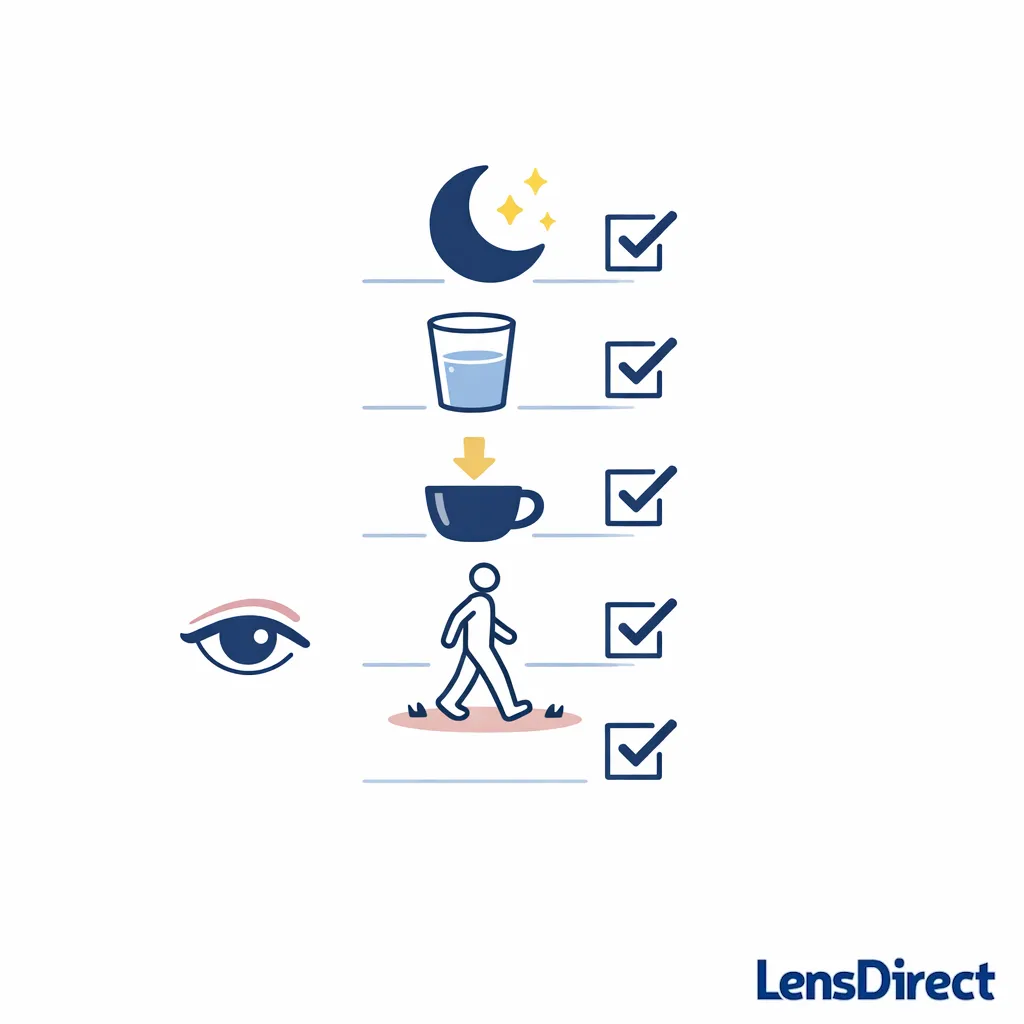
The first move is usually the least exciting one. Get a few nights of decent sleep, drink enough water, and cut back on the most likely aggravators for several days, especially extra caffeine or nicotine.
If your twitch is mild, give these basics a fair trial before hunting for rare explanations. A lot of eyelid twitching improves when the total stress on your system comes down.
The 20-20-20 rule for screen breaks
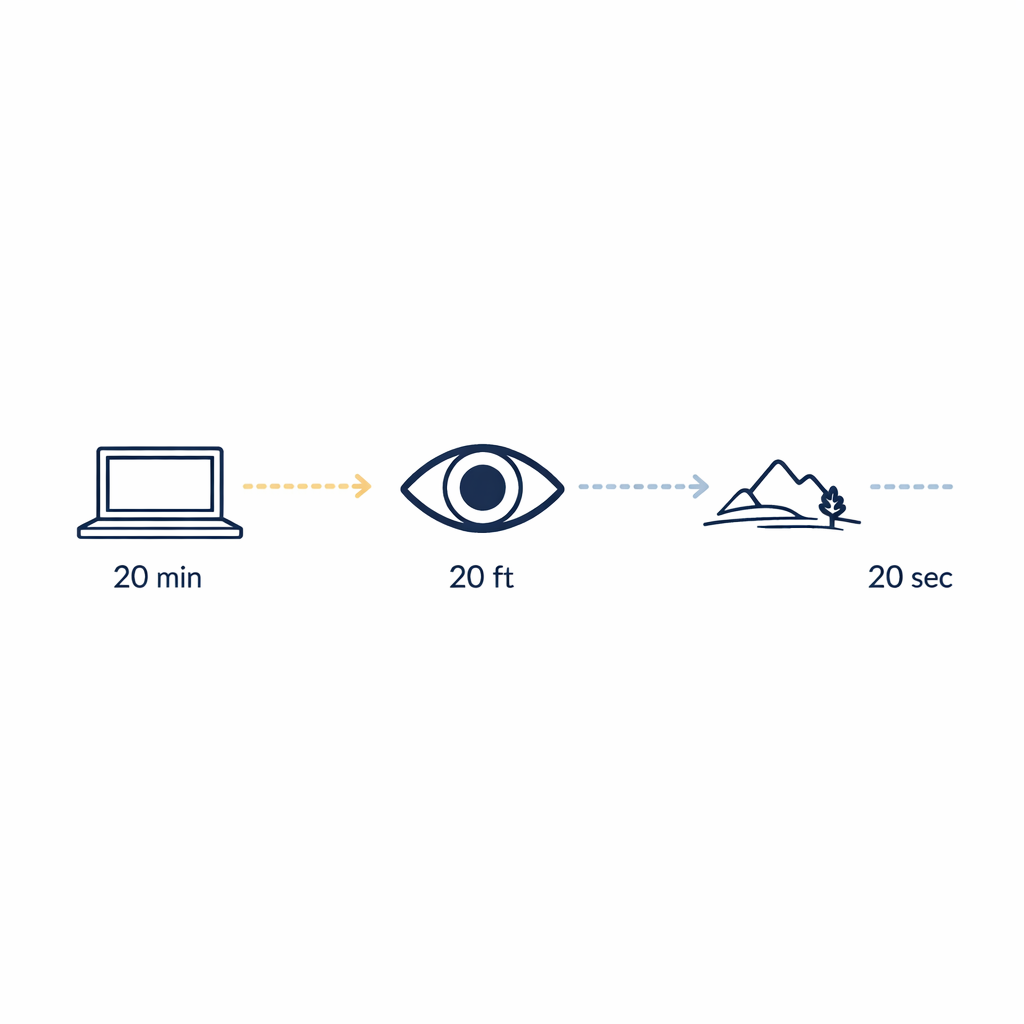
If screens seem involved, use the 20-20-20 rule recommended by the American Optometric Association: every 20 minutes, look at something 20 feet away for 20 seconds. It is simple, free, and realistic enough to use during workdays if you attach it to a timer, a meeting break, or the end of each task.
Also make the screen itself easier on your eyes. Reduce glare, raise text size if you squint, and blink on purpose a few times when you notice your eyes getting dry.
Artificial tears and warm compresses
If your eye feels dry or irritated, lubricating drops called artificial tears can be a reasonable comfort step. A warm compress can also feel soothing at the end of a long day, especially if the lid just feels tired and tight.
Keep these steps gentle. Anything you try at home should make the eye feel calmer, not more irritated. If drops sting badly, redness gets worse, or a contact lens continues to feel scratchy, stop guessing and get personalized advice.
Stress-reduction tactics that may help
You do not need a full wellness makeover to calm a twitch. A short walk, better sleep timing, a few minutes away from your screen, or even just a quieter evening can sometimes be enough to break the cycle.
Try not to monitor the twitch every few minutes in a mirror. Paying constant attention to it tends to make it feel more frequent and more intense than it really is.
What to do next
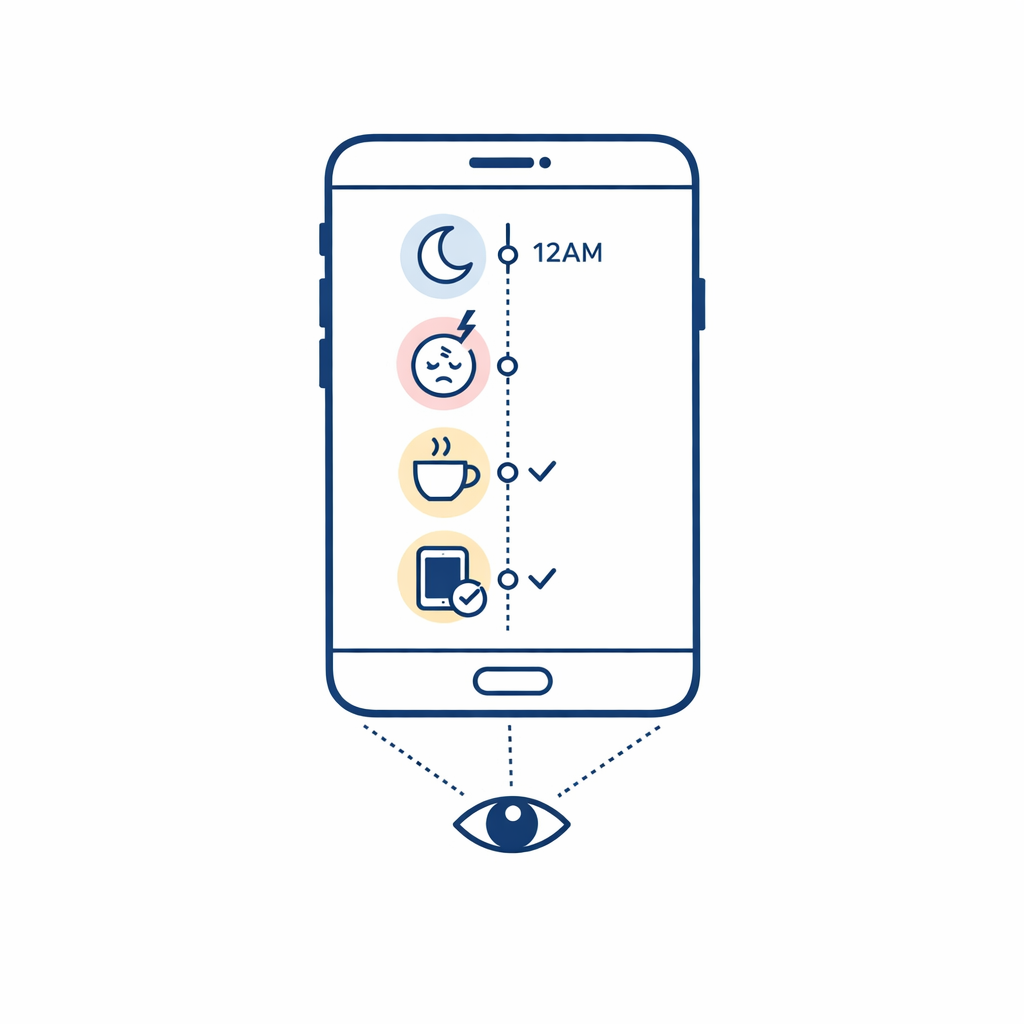
- Notice whether the twitch lines up with stress, poor sleep, more caffeine, or longer screen days.
- Give yourself two or three days of better sleep, less stimulation, and more consistent hydration.
- Take regular screen breaks and blink more often if your eyes feel dry.
- Use a simple note on your phone to track when the twitch happens and what else is going on.
- If you wear contacts, stop wearing any lens that feels unusually dry, scratchy, or wrong.
- Move faster if you also have redness, discharge, pain, drooping, or vision changes.

When should you worry about a twitching eye?
Red flags: lasts more than 2 to 3 weeks
Mayo Clinic recommends getting checked if eyelid twitching lasts longer than a few weeks or comes with other concerning symptoms. A twitch that is still hanging around without improving deserves more attention, even if it is not especially painful.
If the eyelid closes completely, droops, or vision changes occur
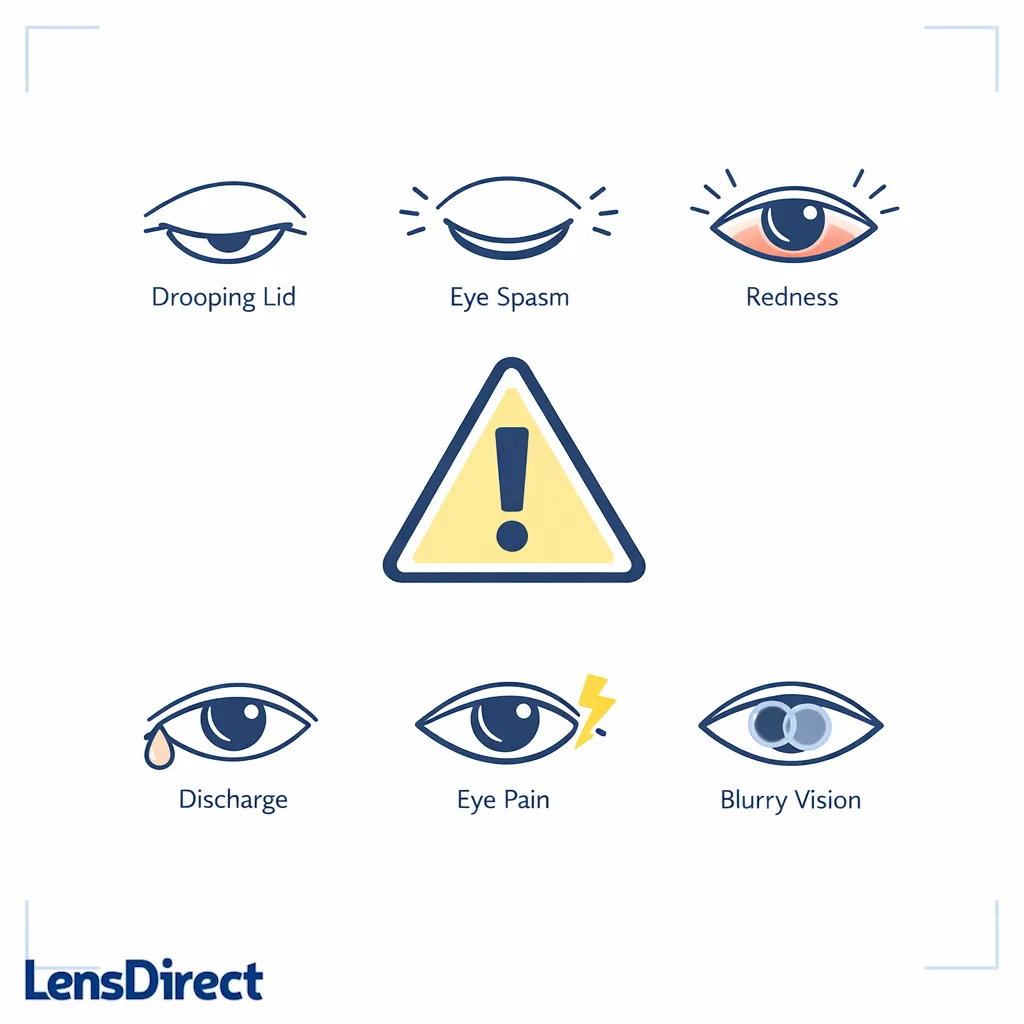
These are not “ignore it and hope” symptoms. If your lid starts fully shutting with the spasm, your eyelid droops, or your vision changes in a new way, it is a good idea to contact an eye doctor rather than assuming it will resolve on its own.
If twitching spreads to the cheek, jaw, or other facial muscles
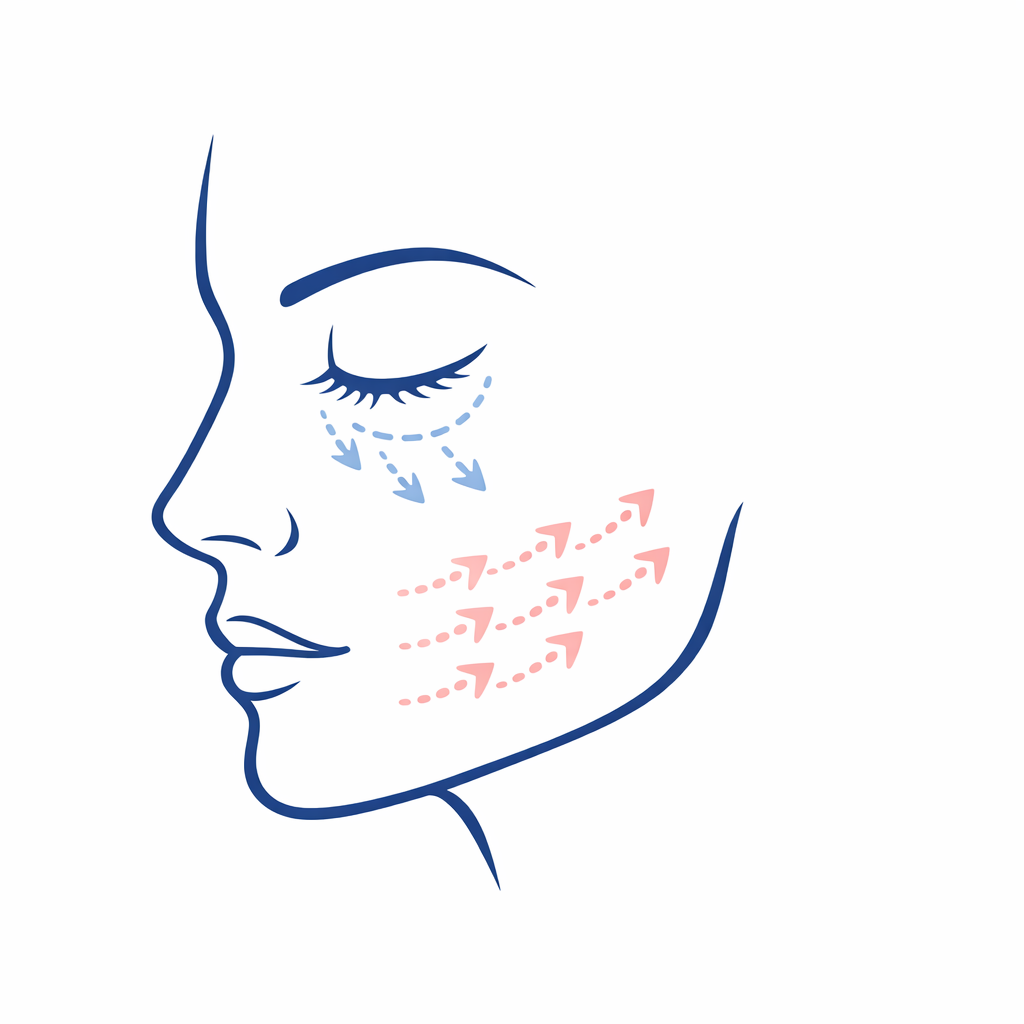
A small lid flutter that stays in one spot is different from muscle movement that spreads. If you notice pulling in the cheek, jaw, or other muscles on one side of the face, that pattern matters and should not be written off as a routine stress twitch.
When to contact an eye doctor urgently
The quickest way to think about it is this:
- The twitch is persistent and not trending better.
- Your eyelid shuts completely, droops, or becomes hard to control.
- You have redness, swelling, discharge, or significant pain.
- Your vision changes, or the movement spreads beyond the lid.
- Something about the twitch feels different from a minor, ordinary eyelid flutter.
If any of those fit, call an eye doctor. If you cannot get advice promptly and the symptoms are escalating, use urgent care or emergency care based on severity.
Less common but more serious conditions
Benign essential blepharospasm
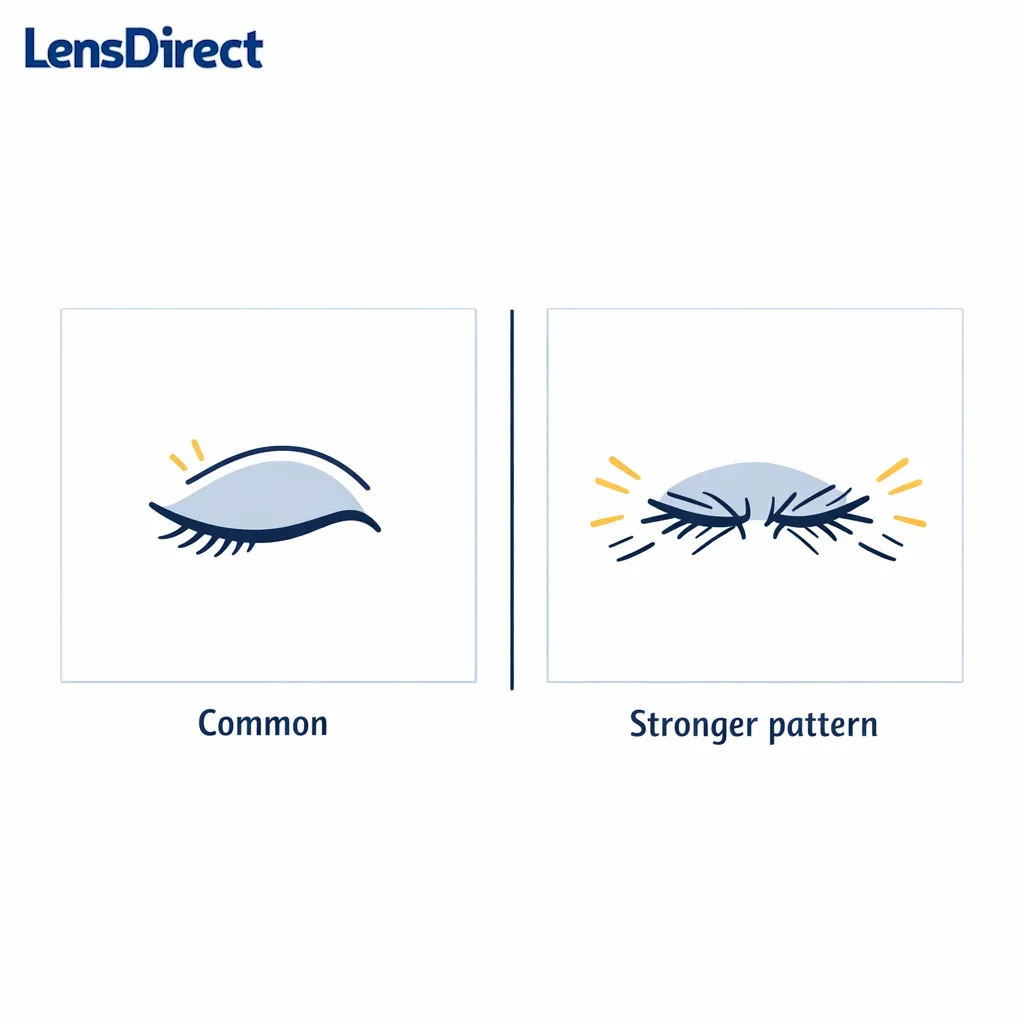
This term is used when blinking and eyelid squeezing become more forceful, more frequent, or harder to control than a routine little flutter. It is not the same thing as a brief twitch that shows up after a bad week and then disappears.
The main point is not to diagnose yourself online. It is to notice when the pattern is stronger, more disruptive, or less clearly tied to everyday triggers, because that is when an in-person evaluation becomes more useful.
Hemifacial spasm
Hemifacial spasm involves movement on one side of the face, not just the eyelid. That broader pattern is why doctors think about it differently from the common complaint of “my lower lid keeps jumping.”
If the twitch no longer feels isolated to the eyelid, say that clearly when you call for care. Details about spread, duration, and what the rest of your face is doing are more helpful than simply saying “my eye twitches.”
Rare neurological associations and why context matters
It is easy to jump from a twitch to a worst-case scenario, but context matters. Isolated eyelid twitching is far more often an eyelid issue than a major neurological emergency.
What raises concern is the full picture, not the word twitch by itself. New facial weakness, trouble speaking, major vision changes, severe headache, or symptoms that keep progressing deserve faster medical attention.
What people get wrong about eye twitching
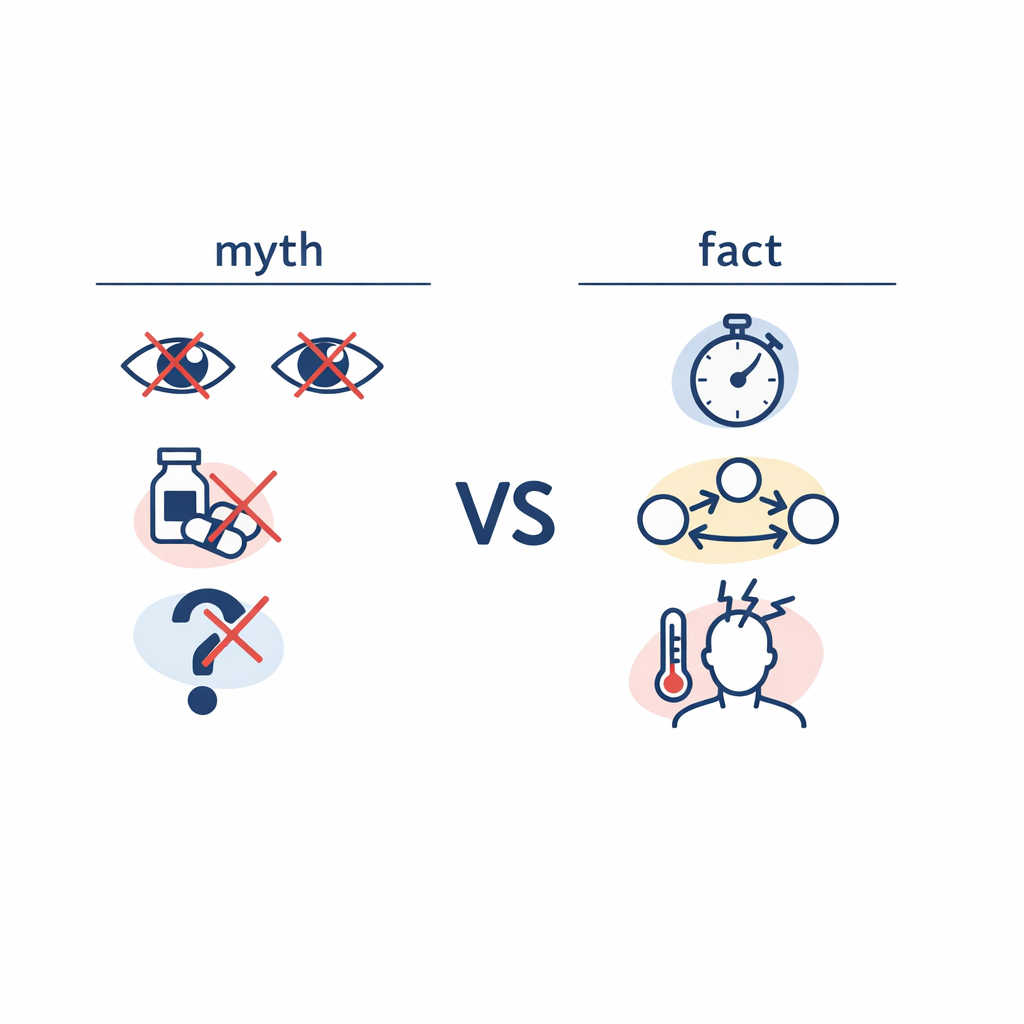
The biggest myth is that every eye twitch means something dramatic. Usually the boring explanation is the right one, and the first fix is not exotic. It is better sleep, less eye strain, fewer irritants, and a little patience.
The next mistake is the opposite one: assuming every twitch is harmless because somebody online said it is always stress. If the pattern changes, spreads, affects your vision, or just keeps hanging on, let a clinician sort it out.
Another common misconception is obsessing over whether it is the left eye or the right eye. The side matters much less than how long the twitch lasts, whether it stays in the eyelid, and whether other symptoms come with it.
FAQ
What does it mean when only one eye is twitching?
Usually it still points to the common version of eyelid twitching, especially if the movement is small and limited to one lid. Think first about stress, sleep, screen time, dryness, and stimulation before assuming it has a special meaning because it is only on one side.
How do I get my eye to stop twitching?
Start with the basics: get better sleep, take screen breaks, blink more often, use lubricating drops if your eyes feel dry, and cut back on extra caffeine or nicotine for a few days. If the twitch is mild, those steps are often enough to help it fade.
What deficiency causes eye twitches?
There is not a reliable one-symptom shortcut here. A twitch alone usually is not enough to tell you that you are low in one specific vitamin or mineral. If you also have broader symptoms or a medical reason to suspect a deficiency, ask your doctor instead of self-diagnosing from one eyelid symptom.
Is eye twitching a mini stroke?
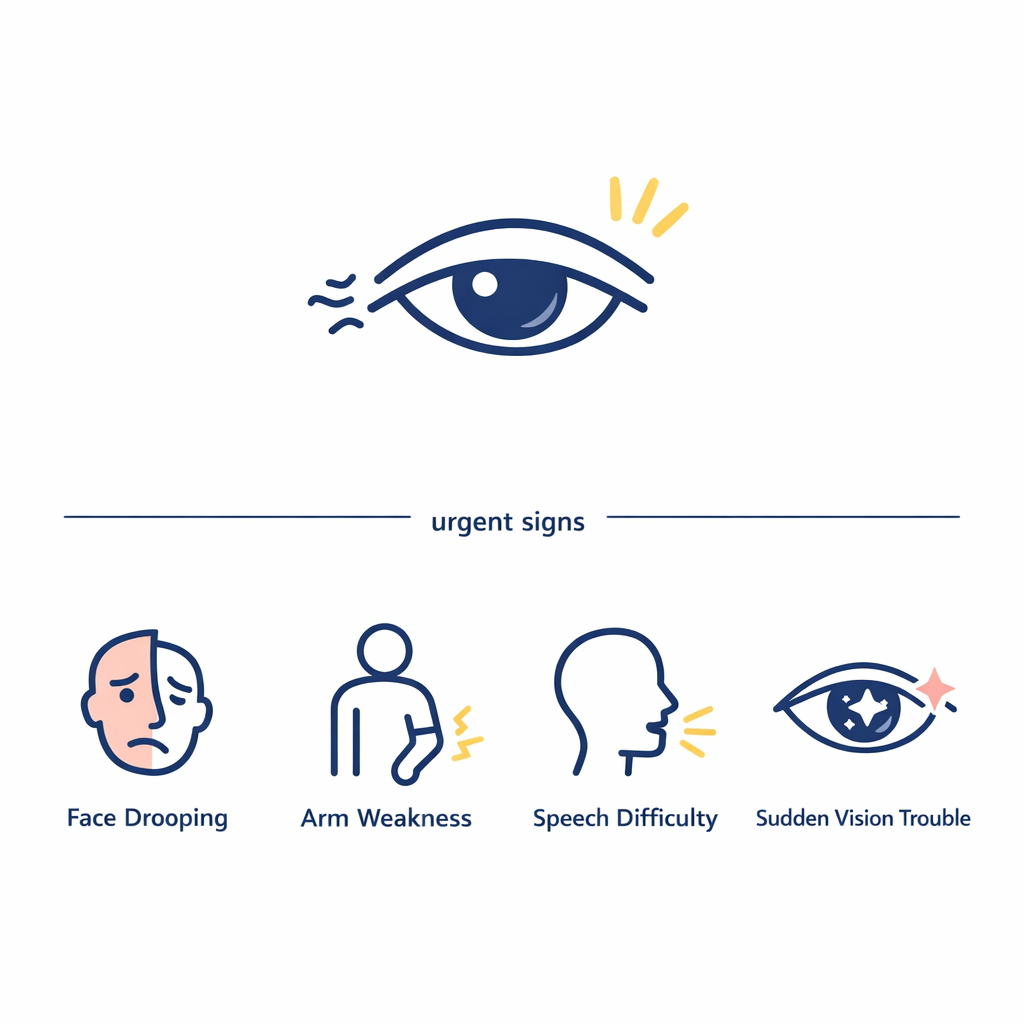
An isolated eyelid flutter is not how public health experts describe the usual warning signs of stroke. The Centers for Disease Control and Prevention lists sudden face drooping, arm weakness, speech difficulty, numbness, confusion, and trouble seeing or walking as key stroke symptoms, so treat those signs as urgent even if an eye twitch is happening too.
Take the next step with LensDirect
If your twitch seems tied to dry-eye discomfort, long screen days, contact lens irritation, or eyewear that no longer feels right, the next helpful step may be improving everyday visual comfort after you rule out anything medical. LensDirect can help you refresh the basics without turning a simple eye-care task into a big project.
- Shop Contacts if your current lenses feel dry, inconvenient, or out of sync with your routine.
- Replace Your Lenses if your frames still work but your lenses need an update.
- Full-Service Replacement is a good fit if you want to send your frames in and keep things simple.
- Order Replacement Lenses if you already know your frame brand and want a DIY option.
- Shop Glasses or Shop Sunglasses if you are ready for a fresh pair that better matches how you work, drive, and spend time outdoors.
- Learn How to Measure Your Pupillary Distance, Learn How to Get Reimbursed by Your Insurance, or Find Your Fit if you want an easier start.
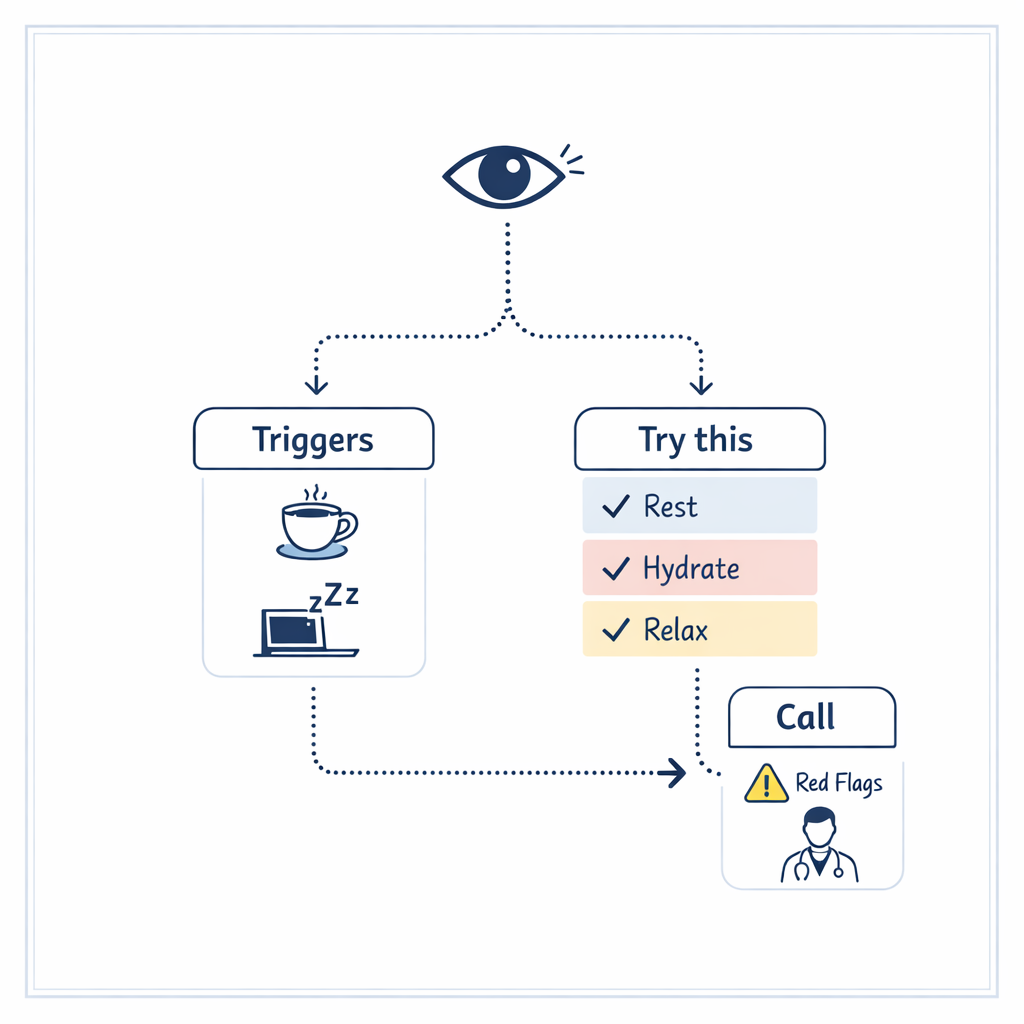
If the twitch keeps going, gets worse, or comes with pain, redness, discharge, drooping, or vision changes, let an eye doctor guide the next step.
Author

Subscribe to our email newsletter to get the latest posts delivered right to your email.