For a lot of people, the hardest part of buying eyewear is not the prescription. It is finding frames that stay up, sit off the cheeks, and feel comfortable for more than a few minutes. If your glasses keep sliding down and you suspect your nose bridge is the reason, this guide is for you.
This article is built for everyday shoppers, especially people buying eyewear online and trying to avoid another disappointing pair. You will learn how to tell whether you need glasses for a low nose bridge, why frames slide, what fit features actually help, and what to do if the pair you already own will not stay put.
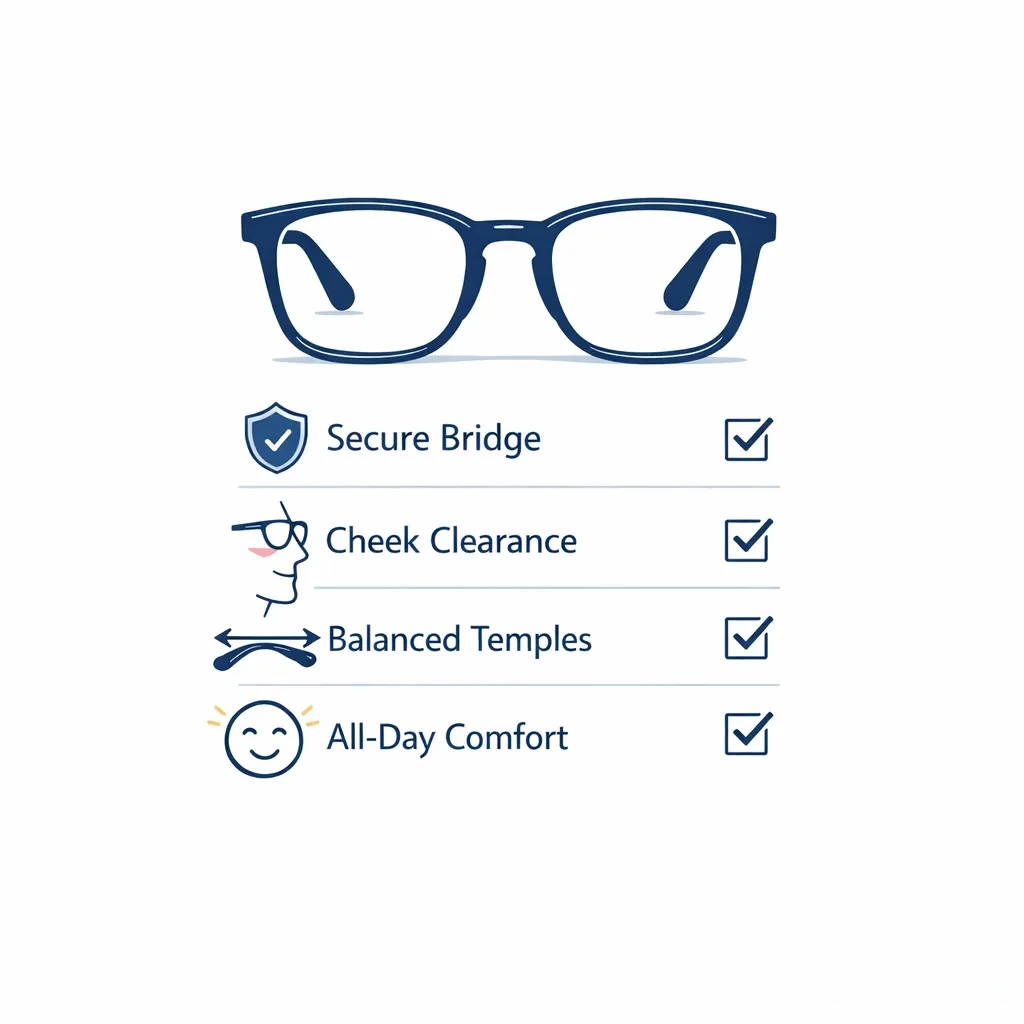
The short answer: for most shoppers, the easiest starting point is to look for low bridge fit frames. Then focus on nose support, cheek clearance, and temple security before you worry about color or shape.
How to stop glasses from sliding down on a low nose bridge:
- Start with frames labeled low bridge fit or alternative fit.
- Choose adjustable nose pads or built-in pads that create more contact on the nose.
- Check that the frame clears your cheeks when you smile.
- Make sure the temples feel secure behind your ears without squeezing.
- Use stick-on silicone nose pads only for a small tweak, not as a rescue plan for a badly fitting frame.
- Get a professional adjustment if the frame still slips, sits crooked, or causes pressure.
What a low nose bridge means for glasses fit
Quick self-check: do you have a low nose bridge?
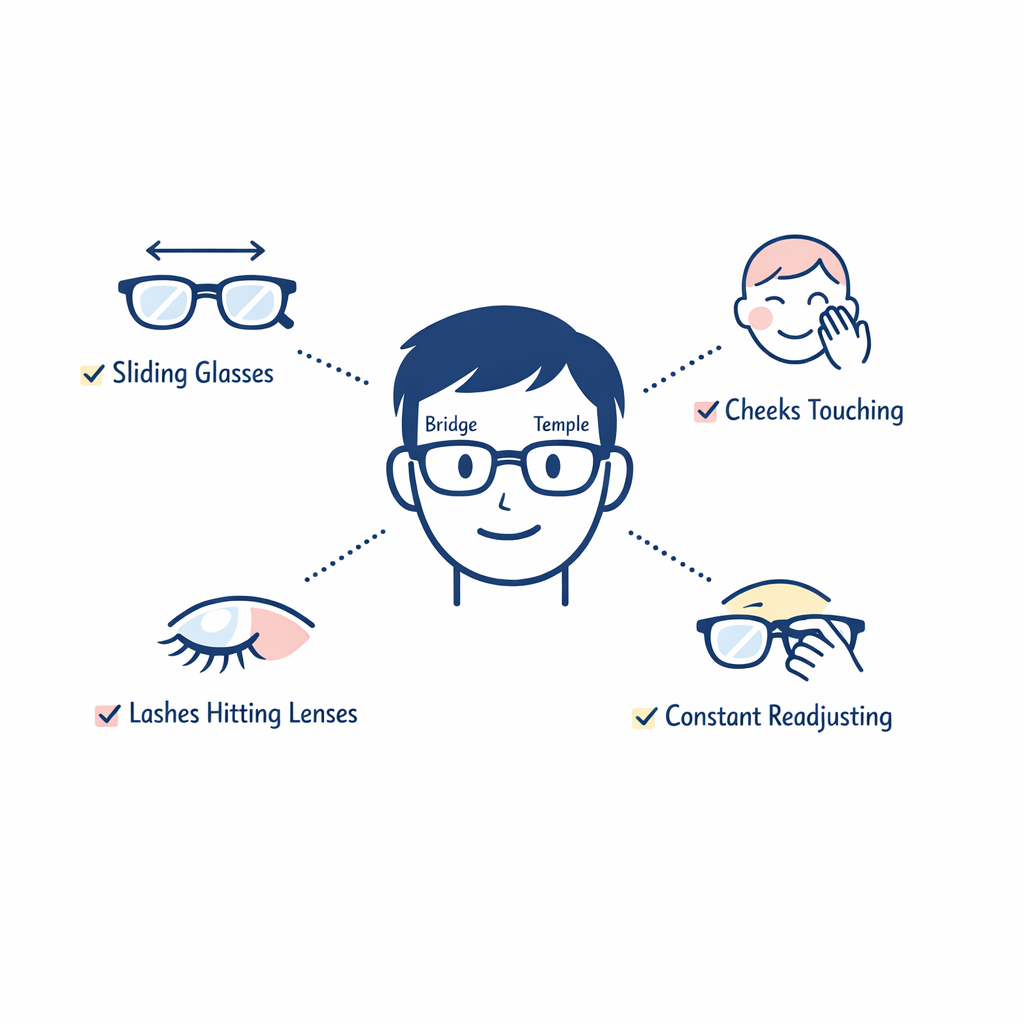
A low nasal bridge describes a flatter or less prominent bridge of the nose. In eyewear shopping, people usually look for low bridge fit glasses when standard frames sit too low, slide forward, or touch the cheeks.
There is no single perfect at-home measurement for this. A better test is to look at how frames behave on your face during normal wear.
- Your glasses slide down soon after you push them back up.
- The frame front rests on your cheeks, especially when you smile.
- Your eyelashes brush the lenses.
- The bridge area never feels like it truly “locks in.”
- The frame looks wide enough overall, but still feels unstable.
Common signs your frames are the wrong fit
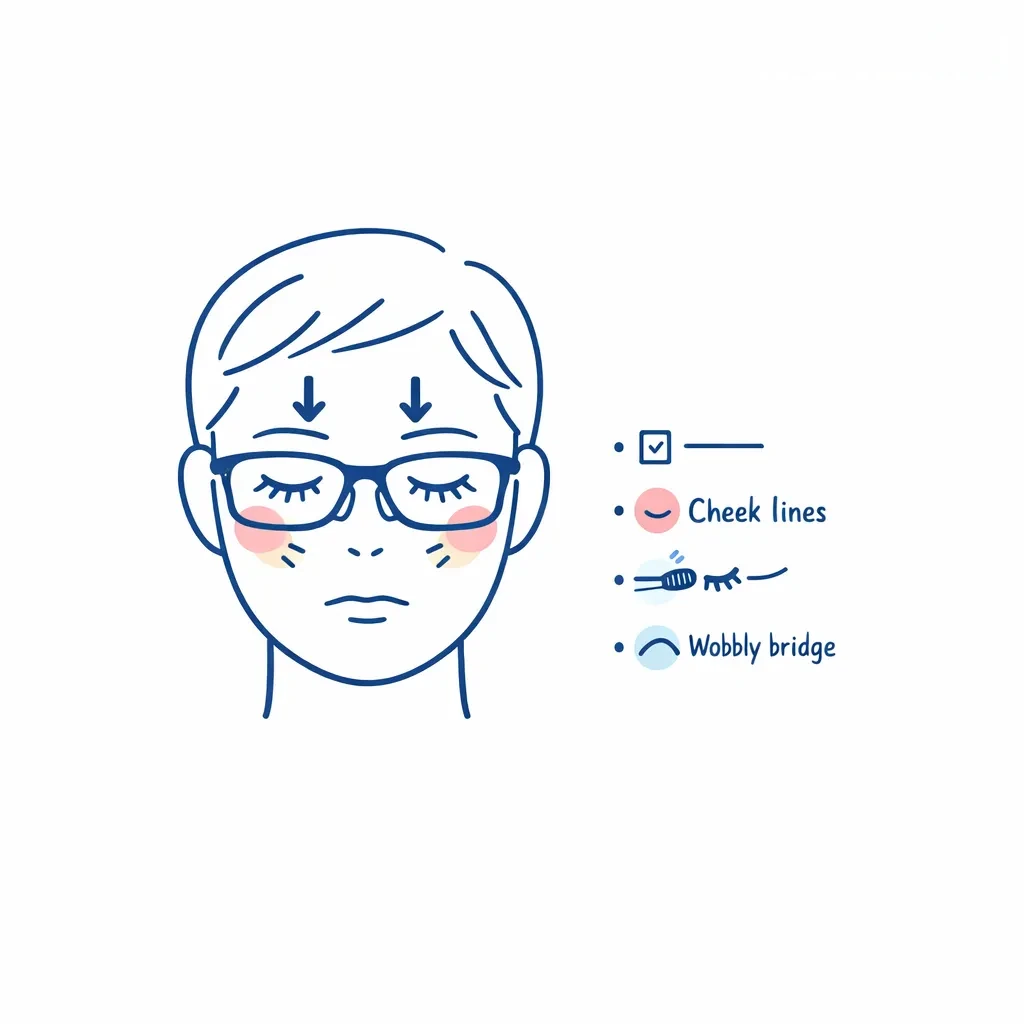
If the fit is off, the problem is rarely just cosmetic. A frame that sits too low can make you look through the wrong part of the lens more often, and a frame that rests on your cheeks usually becomes more annoying as the day goes on.
Watch for constant readjusting, red marks that last, crooked lenses in photos, and a bridge that feels loose even when the frame width seems fine. Those are strong clues that the issue is not your face. It is the frame design.
Why glasses slide down on a low nose bridge
Bridge height vs frame geometry
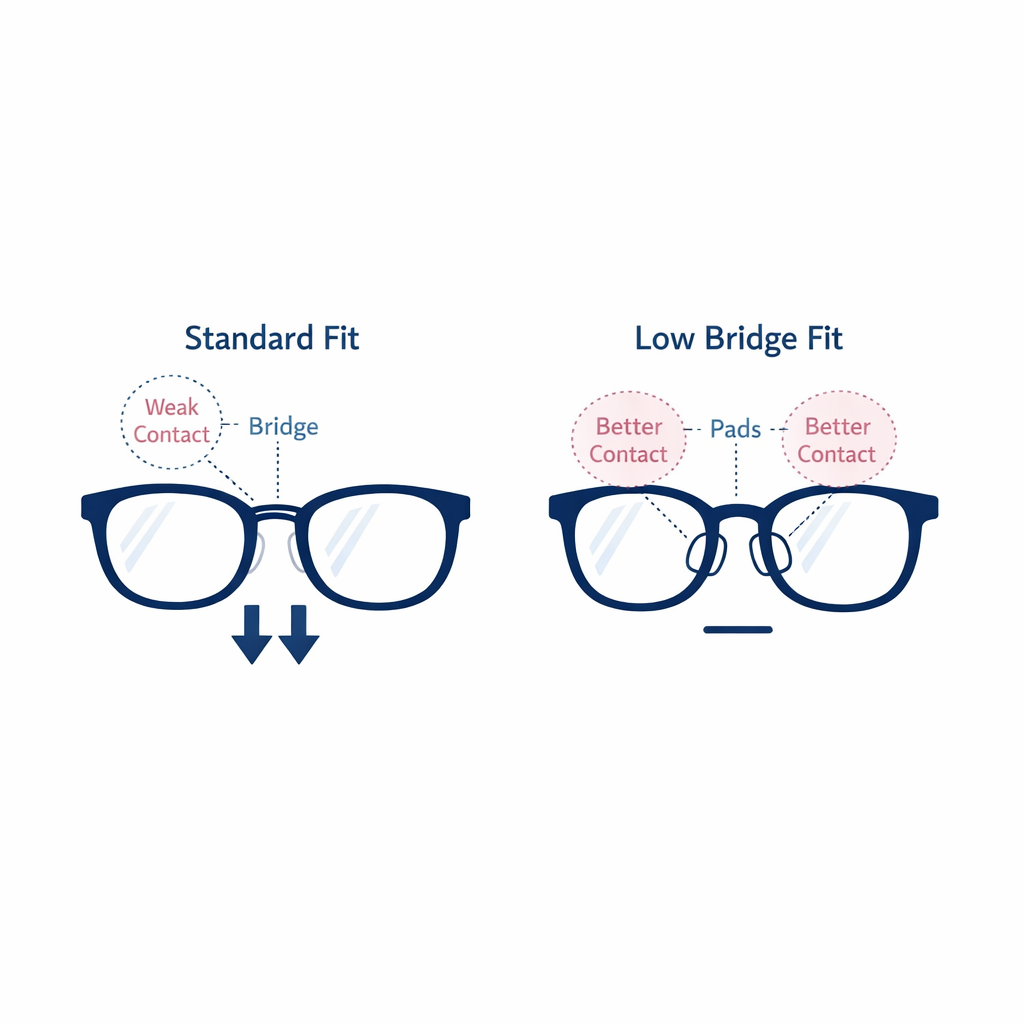
A good way to think about slippage is simple: glasses stay up when the bridge and pads create enough stable contact to support the frame’s weight. On a lower bridge, a standard frame may not find a secure resting point, so it gradually travels downward until the temples or your cheeks stop it.
That is why bridge height matters, but it is not the only thing that matters. Two frames can have a similar bridge measurement on paper and still fit very differently once pad size, pad placement, and the angle of the frame front change.
How cheekbones, temple fit, and lens position affect comfort
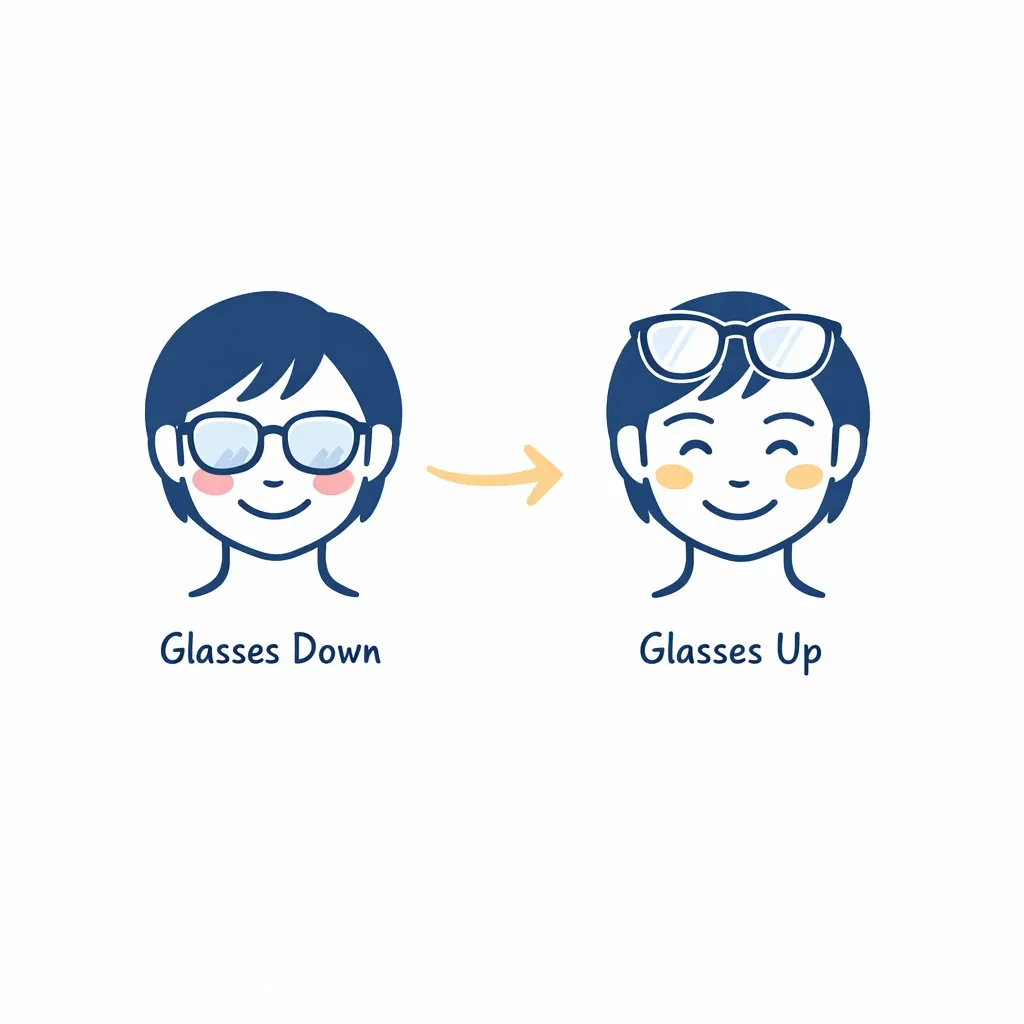
One common reason glasses for a low nose bridge feel wrong is poor cheek clearance. If the frame sits too low or too flat, your cheeks can push it upward when you smile, which makes the slipping cycle even more noticeable.
Temple fit matters too. If the arms are too straight or too loose, they do very little to stabilize the frame. If they are too tight, the glasses may feel secure at first but turn into pressure points behind the ears later.
If poor fit is showing up with blur, headaches, or eye strain, it is smart to schedule an eye exam through an optometrist. Sometimes the frame fit is off, and sometimes the prescription or lens setup needs attention too.
What changed in the way brands describe this fit
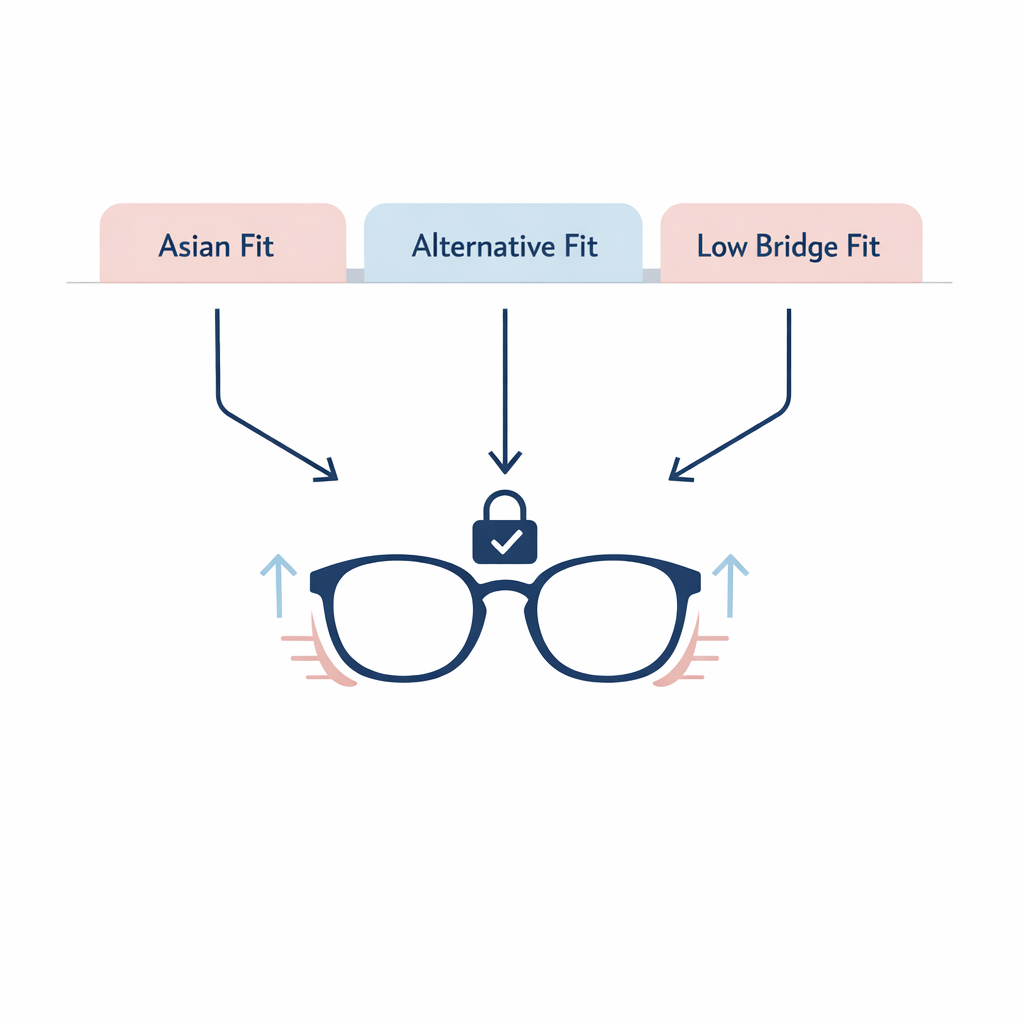
You may still see the older retail term Asian fit glasses, but current product pages also group the same idea under low bridge fit collections or use labels like alternative fit. For most shoppers, that shift is helpful because the real issue is anatomy and comfort, not identity.
In practical terms, your job has not changed. You are still looking for frames that sit higher, stay off the cheeks, and feel more secure on a flatter bridge.
What to look for in glasses for a low nose bridge
Low bridge fit vs Asian fit vs alternative fit
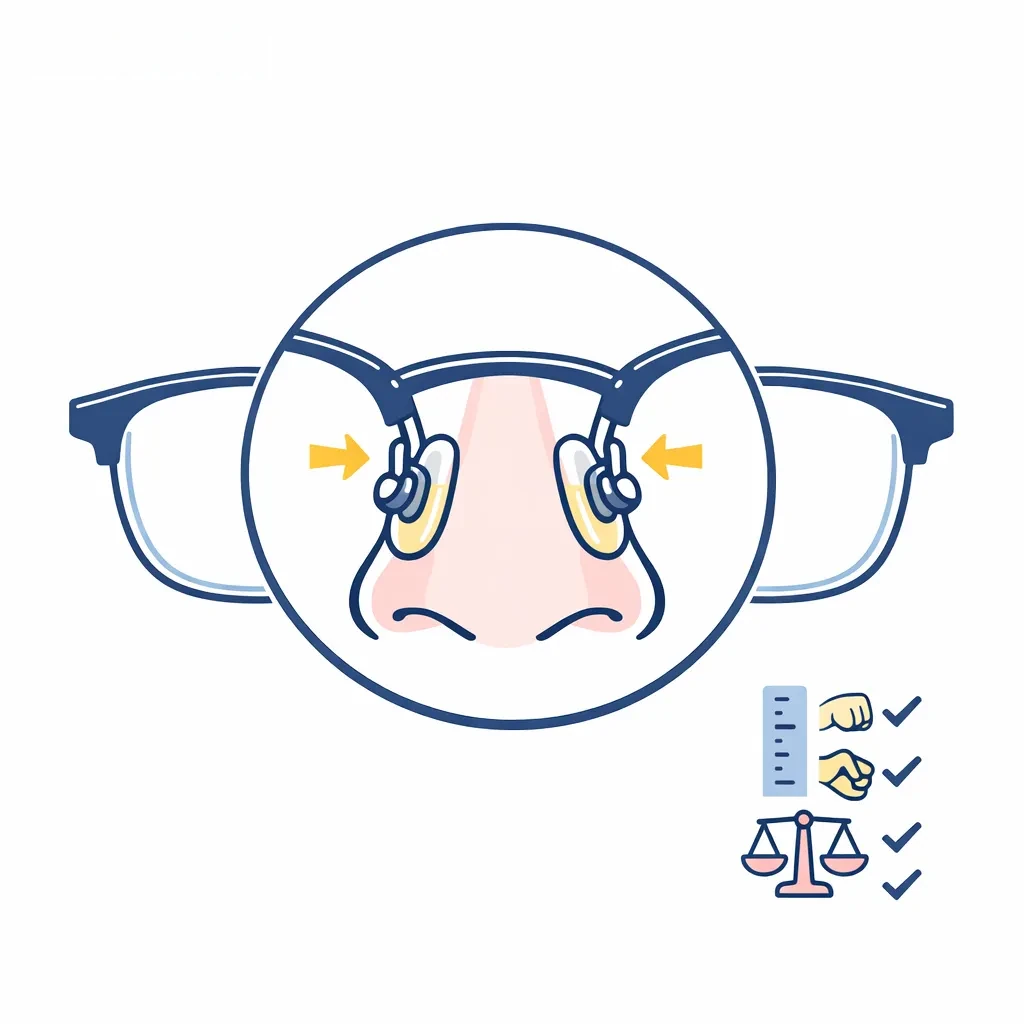
What are low bridge fit glasses? Low bridge fit glasses are frames designed to sit more securely on a lower or flatter nose bridge and to reduce cheek contact. Older product pages may call this Asian fit, while some newer brands use alternative fit, but the function is similar.
Do not get stuck on the label alone. Read the fit notes and study the nose area in product photos, because one brand may create support with adjustable pad arms while another builds that support directly into the frame.
Adjustable nose pads
If you are choosing between similar pairs, adjustable nose pads are usually the safest bet. They let you fine-tune how high the frame sits, how much contact it has on each side of the nose, and how evenly the frame weight is distributed.
They are especially helpful if one side of your nose sits a little differently than the other, which is very common. For first-time online shoppers with chronic slipping, this is often the easiest place to start.
Larger built-in nose pads
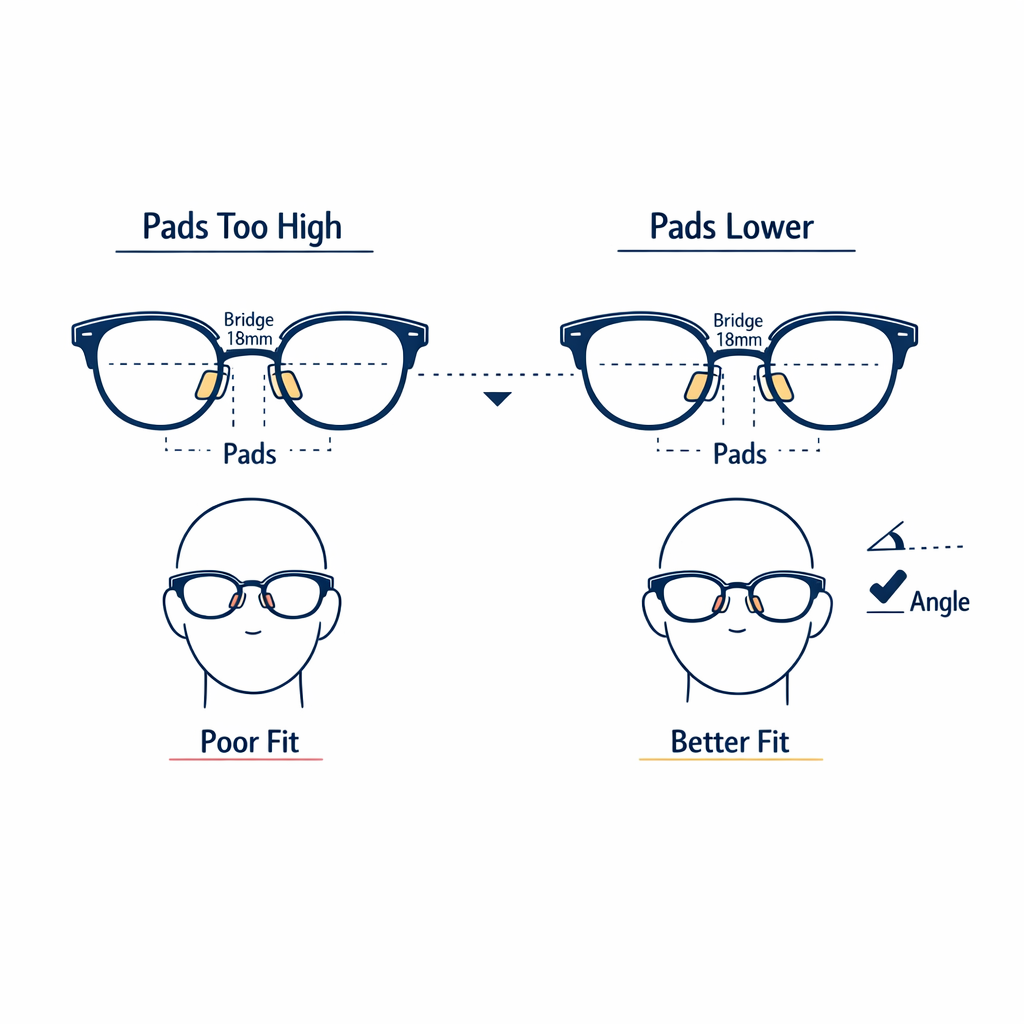
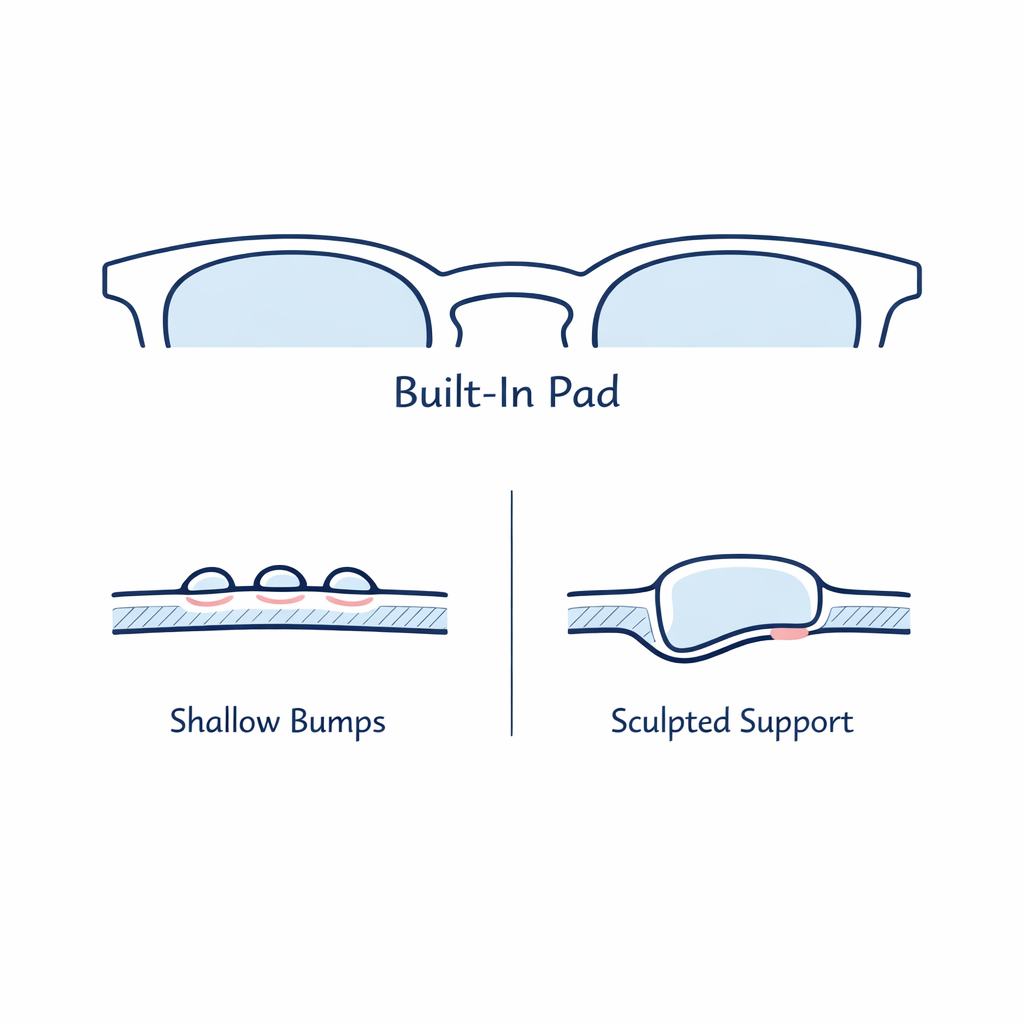
Not everyone wants metal pad arms. Some low bridge fit acetate frames use larger built-in pads or a more sculpted nose area to create a broader, more stable landing spot.
This can feel simpler day to day because there are fewer moving parts. The key is making sure the built-in pads are substantial enough to support the frame, not just lightly shaped details that still let it slide.
Narrower bridge width and adjusted lens tilt
The bridge measurement still matters, but it is only one part of the story. A slightly narrower bridge can help, yet the bigger win is usually a frame front that sits in a better position without dropping onto the cheeks.
If a product description mentions cheek clearance, low bridge support, or a more secure nose fit, pay attention to that language. It is often more useful than staring at one number in isolation.
Curved or secure temples
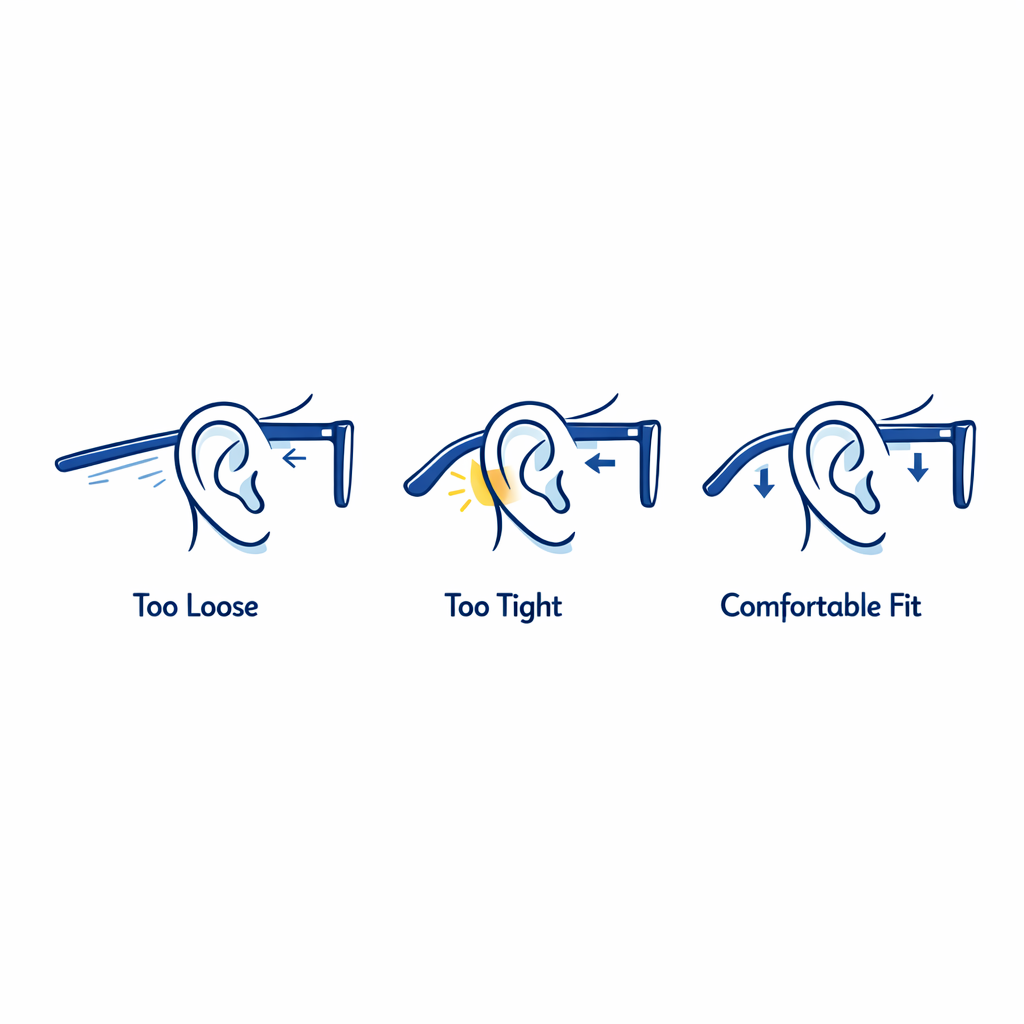
A stable frame does not rely on the bridge alone. Temple arms that curve gently behind the ears can add enough hold to reduce slipping without making the frame feel tight or overworked.
The goal is balance. If the bridge support is weak, over-tightening the temples may keep the glasses up for a while, but comfort usually suffers.
Best frame types for stopping slippage
Metal frames with adjustable pads
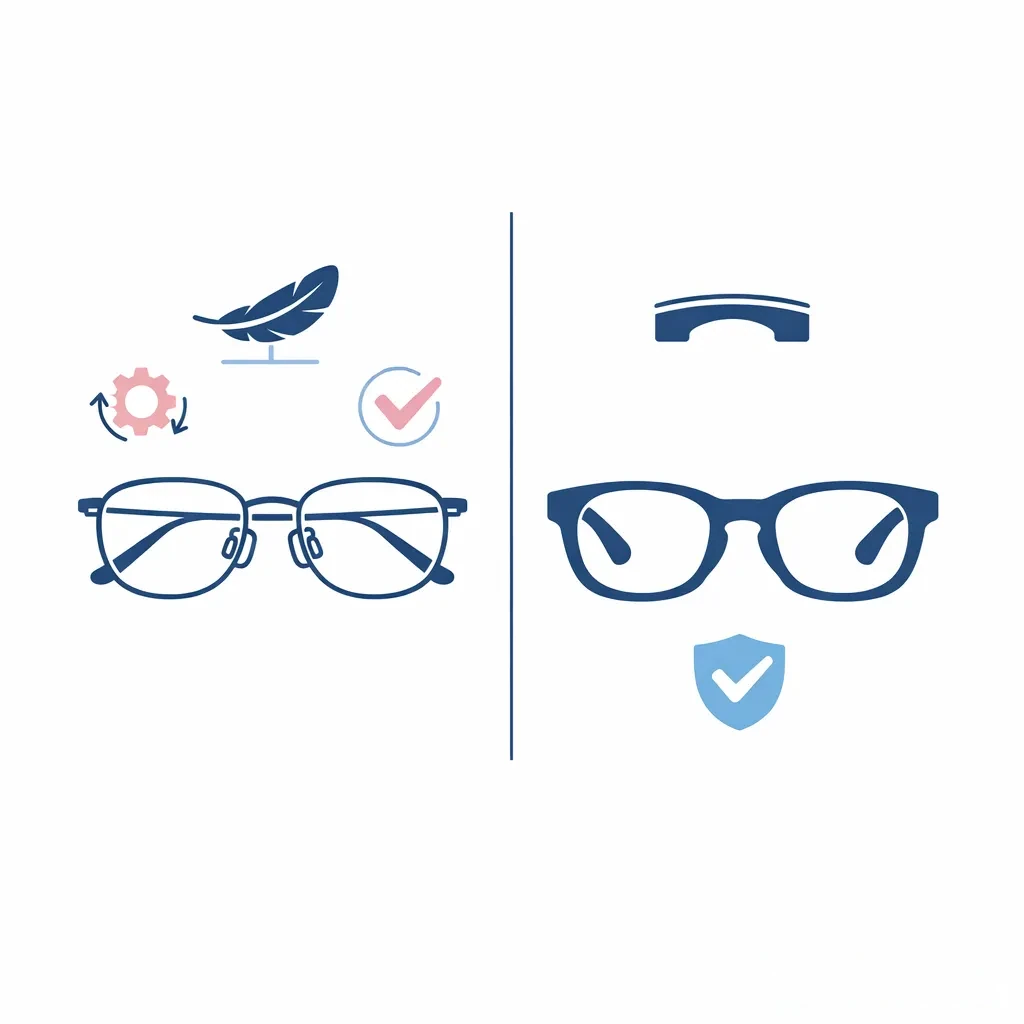
For many shoppers, metal frames are the most forgiving option for a low bridge nose. Adjustable pads make them easier to tune, and the lighter weight of many metal styles can reduce the downward pull that makes slipping worse.
If you have struggled with standard-fit frames before, a rectangular or round metal frame with adjustable pads is often a smart first try. This is also a strong option if you like having the flexibility to make small fit changes later.
Acetate frames with built-in low bridge support
Acetate can absolutely work for low bridge fit glasses, but the design needs to be intentional. Look for frames specifically described as low bridge fit instead of assuming any thick plastic frame will stay up better.
These are great if you want a bolder look, a smoother nose area, or fewer adjustable parts. They can also be a good solution for people who dislike the feel of separate pad arms.
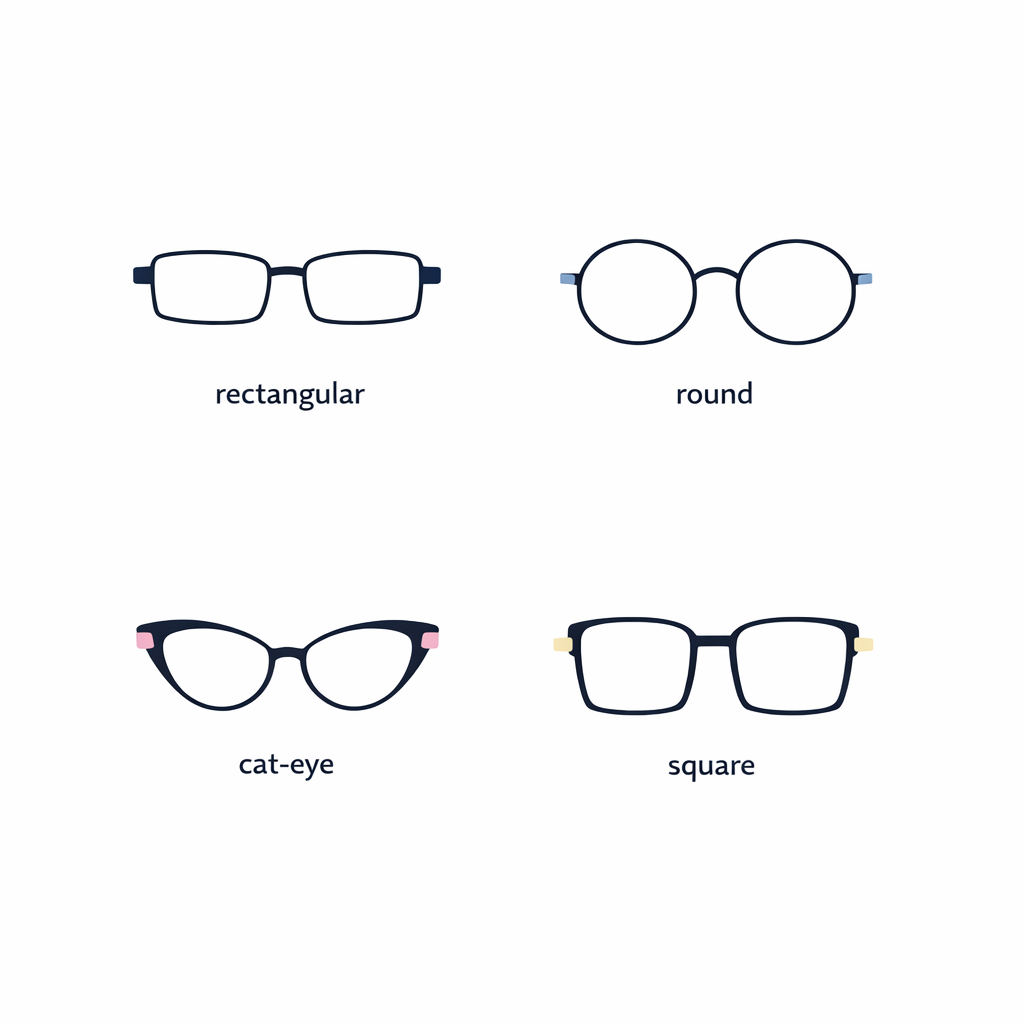
Best shapes: rectangular, round, cat-eye, square
Shape affects style more than basic stability. The bridge design and overall fit matter first. Once those are right, you can choose the look you actually want to wear every day.
- Rectangular frames often feel clean and balanced for work, school, and everyday use.
- Round frames can work very well when the frame is light and the bridge support is strong.
- Cat-eye frames can be flattering, but oversized versions may slide more if they are heavy.
- Square frames often look structured and modern, but check cheek clearance before you keep them.
If you are not sure which shape suits you best, LensDirect’s Find Your Fit guide is a practical way to narrow your options without guessing.
How to make glasses fit better if they already slide
At-home fixes for metal frames
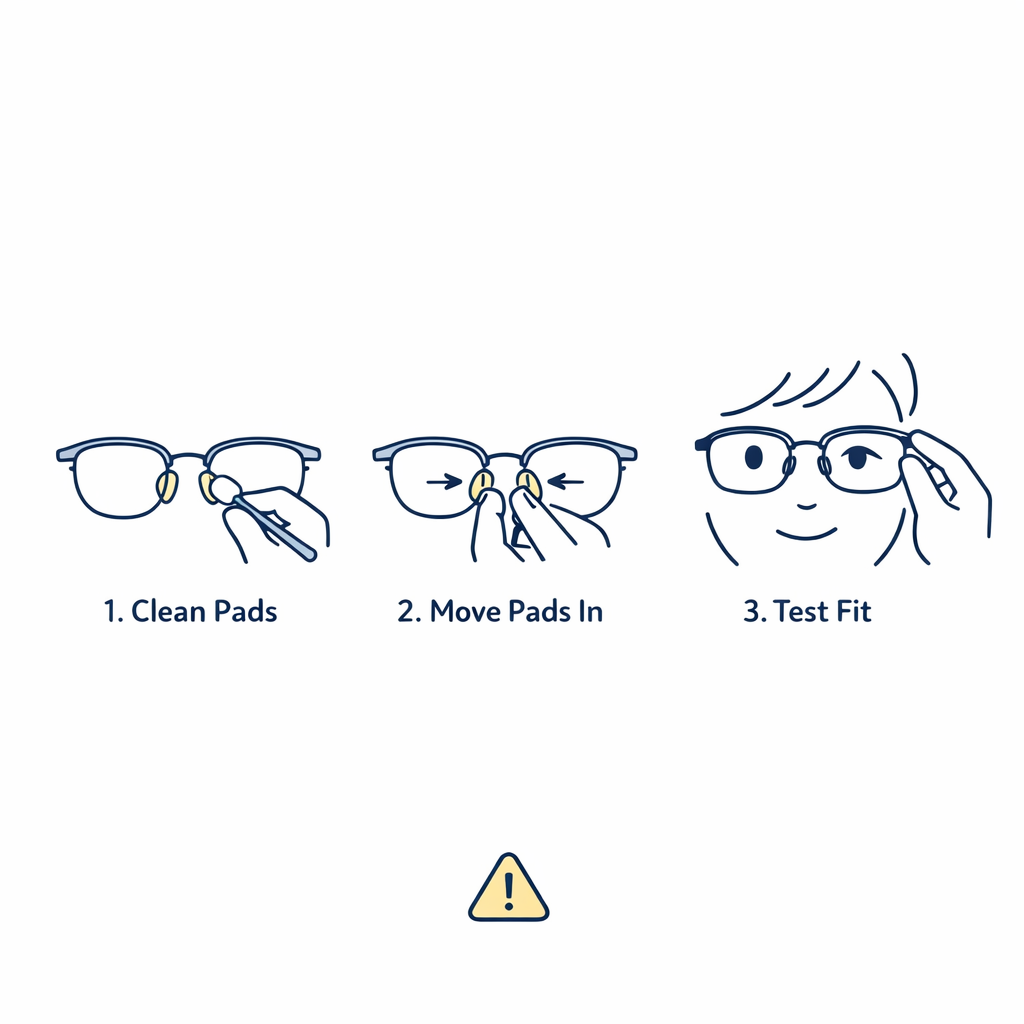
If your frame has metal nose pads, a small adjustment can sometimes make a big difference. Work slowly, use clean hands, and make tiny changes rather than one large bend.
- Clean the pads and bridge area so skin oil is not adding extra slip.
- Gently move the nose pads inward if you need more grip and a slightly higher resting position.
- Check whether one pad sits closer than the other and even them out.
- If the temple tips are meant to curve, make sure they rest gently behind the ears instead of sticking straight back.
- Test the glasses for a few minutes between each change.
Safety note: stop if the frame creaks, the pads twist unevenly, or the lenses start to feel loose. Strong prescriptions, rimless styles, and older brittle frames are better adjusted by a professional.
Stick-on silicone nose pads and when they help
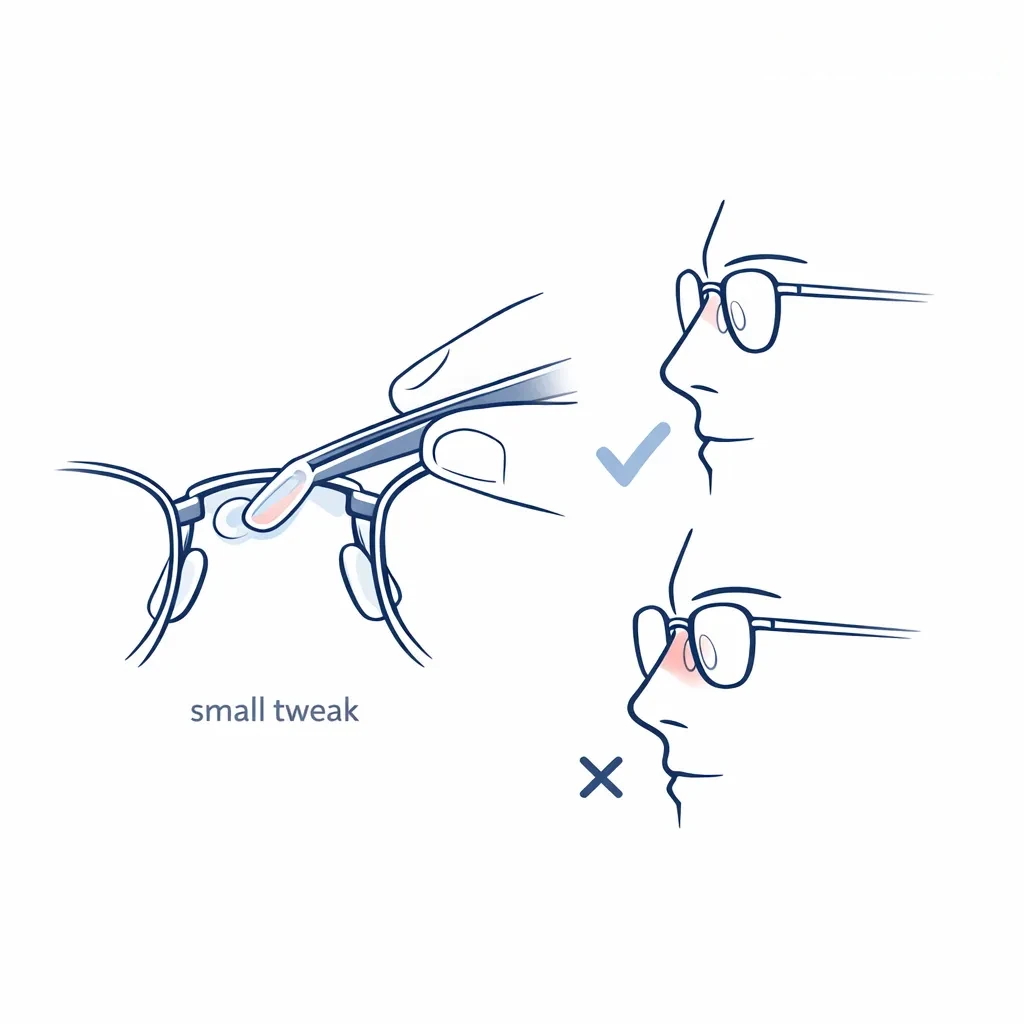
Stick-on silicone nose pads can help when the fit is only slightly off. They add a little friction and a little height, which can be enough for light frames or sunglasses that slip more in warm weather.
They are not a full substitute for the right bridge design. If you need thick stick-on pads just to make a frame wearable, that frame is probably the wrong starting point.
When to get a professional adjustment

Get help if your glasses sit crooked, leave deep marks, pinch at the temples, or still slide after small changes. Acetate frames, especially thicker ones, usually need heat and experience to adjust safely.
If discomfort comes with blur, headaches, or trouble focusing, do not treat it as a fit problem only. Pair the frame adjustment with a check-in from your eye care provider.
Low bridge fit vs standard fit
Side-by-side fit differences
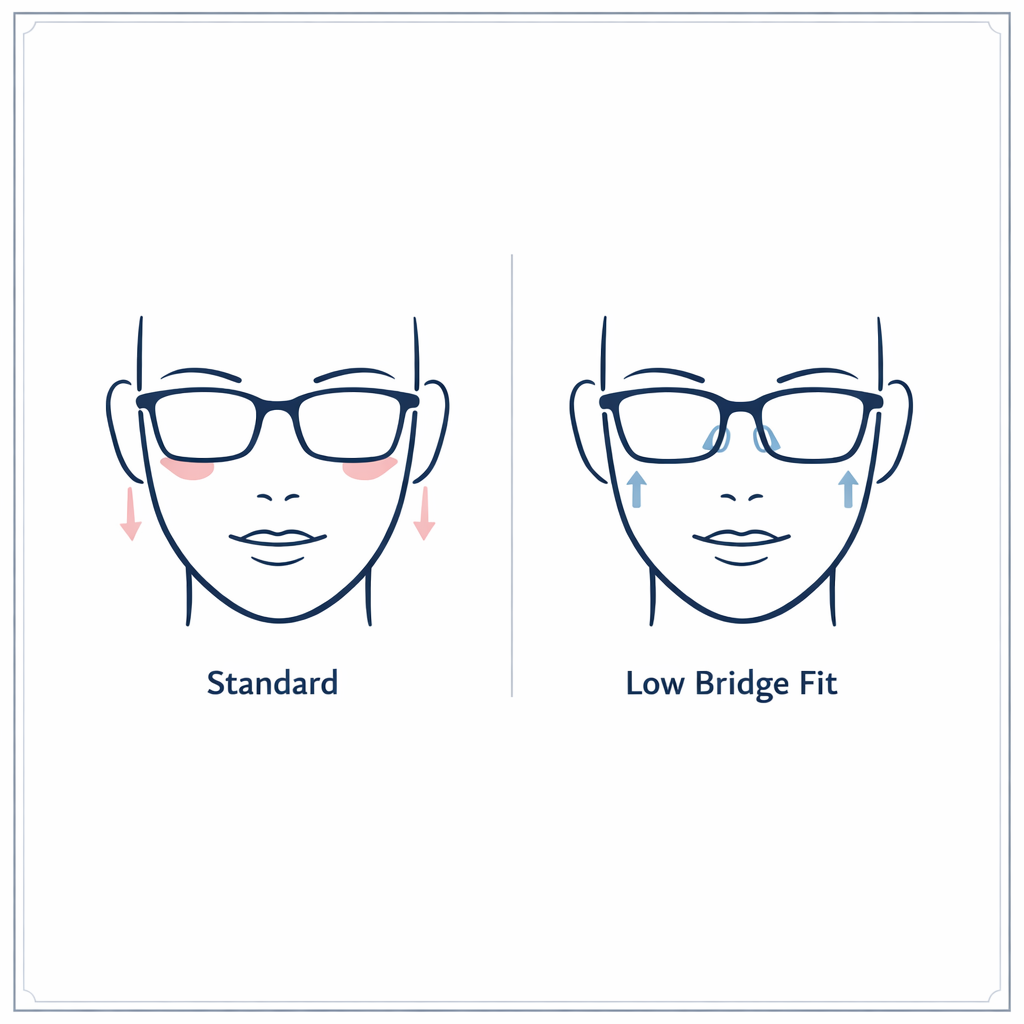
Here is the simplest way to think about low bridge fit vs standard fit.
- Standard fit often works well when the nose bridge gives the frame a clear place to rest and the cheeks do not push the frame upward.
- Low bridge fit is built to create a more secure resting point and better clearance from the cheeks.
- Standard frames can look right in width but still sit too low in real life.
- Low bridge fit frames often feel more stable without needing over-tight temples.
When standard frames can still work
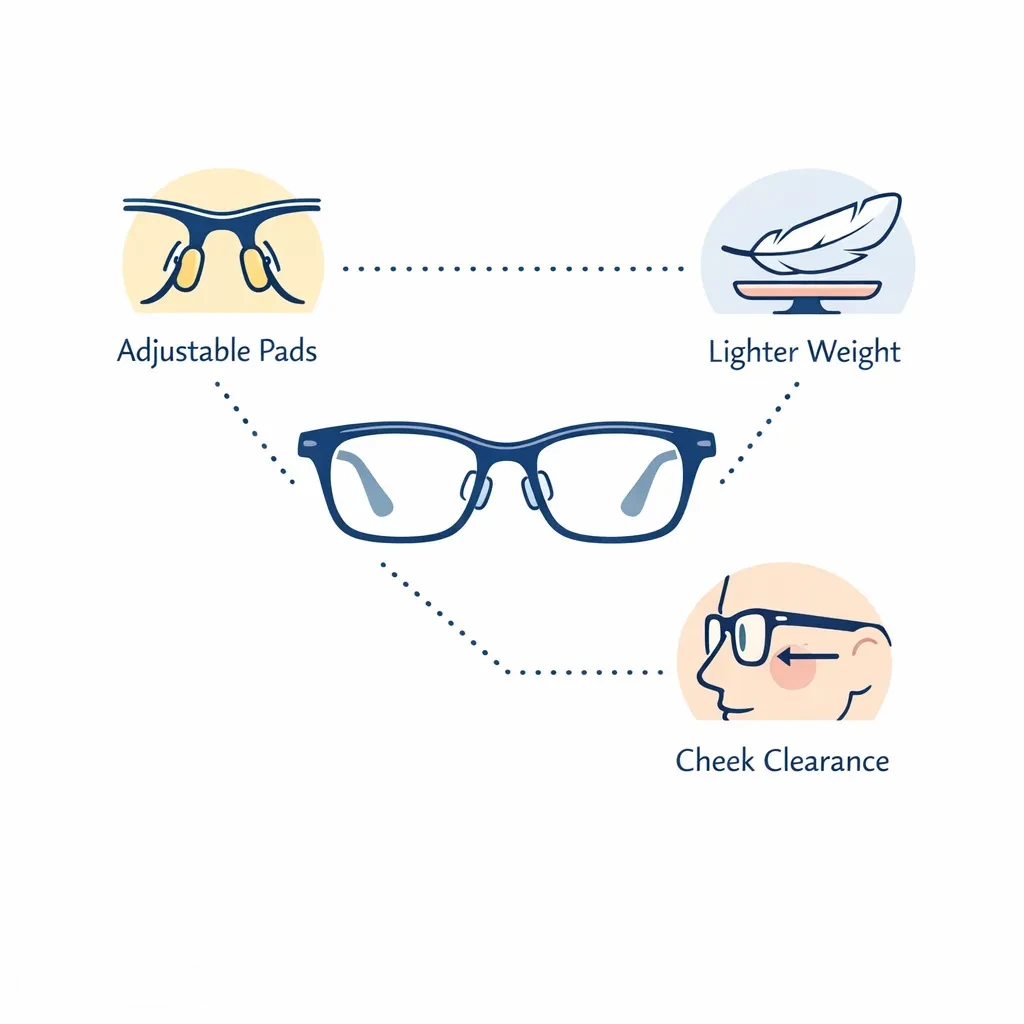
You do not always need a dedicated low bridge fit model. A standard frame can still work if it has adjustable pads, a lighter overall weight, and enough room to stay off your cheeks.
This is why trying on at home or buying from a retailer with clear fit guidance matters. When you shop online, compare the shape of the bridge area in photos, not just the lens width and bridge number.
Common mistakes and misconceptions
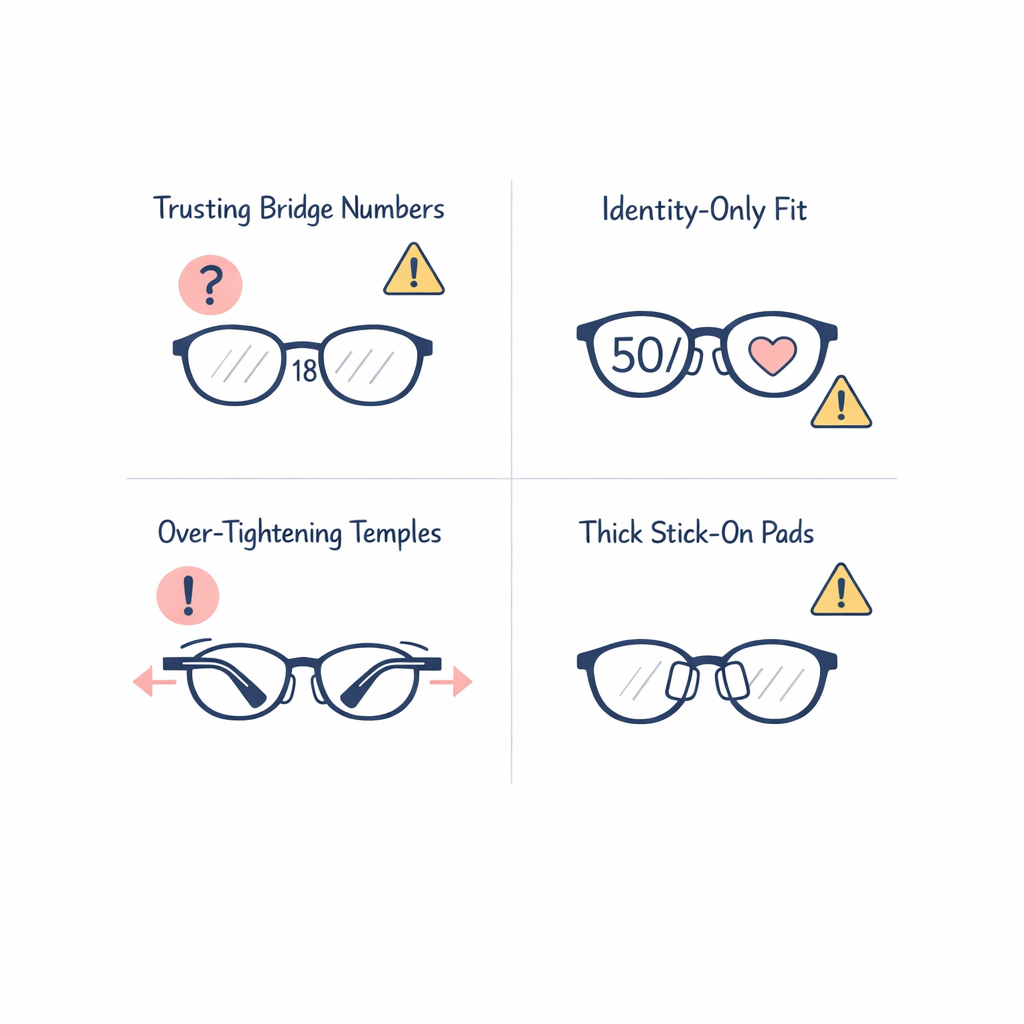
Mistake 1: assuming the bridge number tells the whole story. Measurements help, but pad position, front angle, and temple shape often change the real-world fit more than one printed number.
Mistake 2: thinking low bridge fit is only for one ethnicity. It is a fit category, not an identity category. If standard frames slide or sit on your cheeks, low bridge fit may be right for you regardless of background.
Mistake 3: tightening the temples to solve everything. That can create soreness behind the ears while leaving the real bridge problem unresolved.
Mistake 4: treating stick-on pads as a permanent fix. They are helpful for fine-tuning, but if the frame still drops during normal wear, it is time to start over with a better design.
What to do next
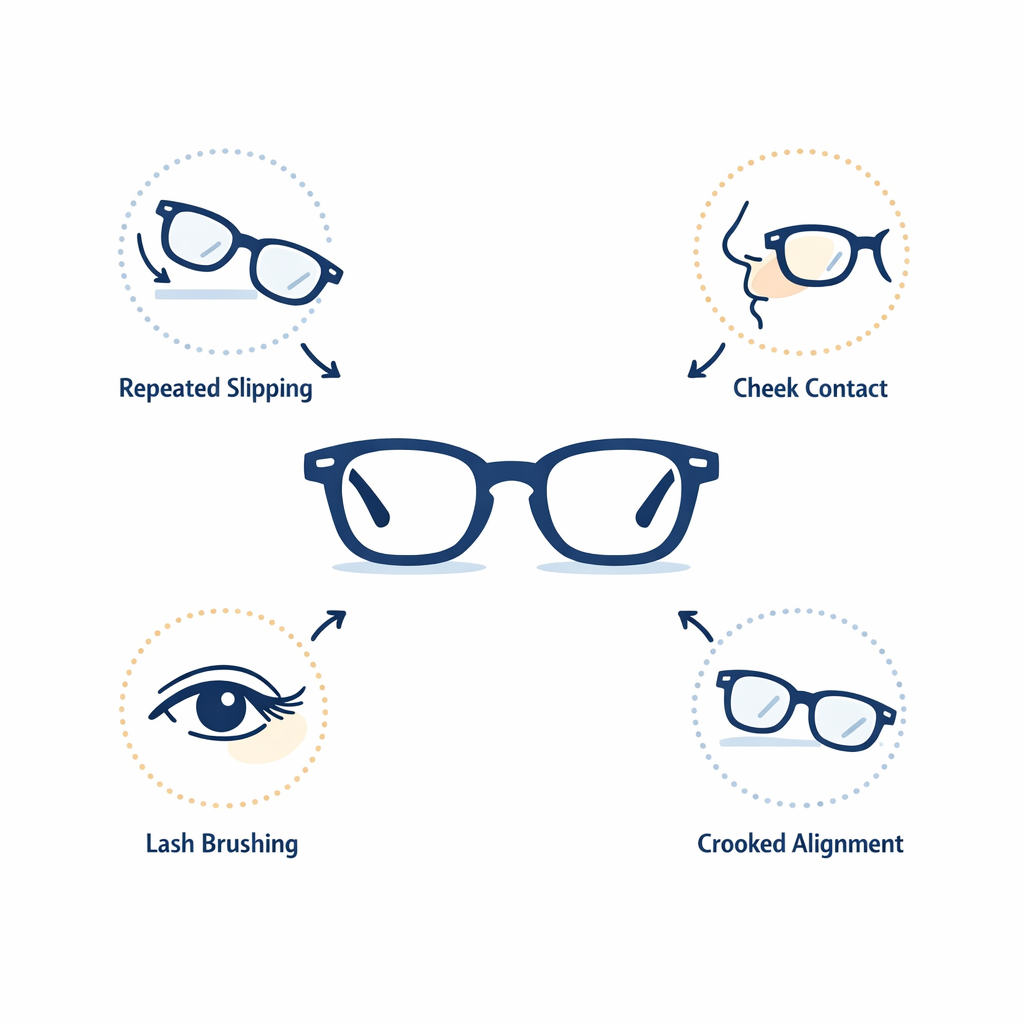
Check your current pair for cheek contact, lash brushing, and repeated slipping.
- Prioritize bridge design first, then overall width, then shape and color.
- Start with adjustable pads if you have had fit problems before.
- Use silicone pads only for minor tweaks, not major rescue jobs.
- Get a professional adjustment for acetate frames, strong prescriptions, crooked frames, or persistent discomfort.
- Ask your optometrist if sliding comes with blur, headaches, or eye strain.
FAQ
What glasses are best for low nose bridge?

The best glasses for a low nose bridge are usually low bridge fit glasses with better nose support, more cheek clearance, and either adjustable or well-shaped built-in pads. If you want the most flexibility, start with a lighter frame and adjustable pads.
How to make glasses fit a low nose bridge?
Start by making sure the frame actually rests on the nose instead of hanging from the temples. Then improve the hold with adjustable pads, gentle temple security behind the ears, or small silicone pads if the fit is only slightly off.
What are low bridge fit glasses for?
They are for people whose frames tend to slide, touch the cheeks, or sit too low because standard bridge designs do not create enough support. The goal is a more stable and comfortable fit.
What does having a low nose bridge mean?
In simple terms, it means the bridge of the nose is flatter or less prominent. In eyewear shopping, that usually means you need frames that create support without relying on a high, narrow bridge shape.
Find Frames That Stay Put
If you are ready to stop pushing your glasses back up all day, LensDirect can help you narrow the search to frames and lenses that actually match how you wear eyewear. Start with fit first, then choose the style, tint, or lens upgrade that fits your routine.
- Shop Glasses if you want a new everyday pair built around better fit.
- Shop Sunglasses if slipping is worst outdoors, while driving, or in hot weather.
- Shop Contacts if you like switching between frames and contact lenses.
- Replace Your Lenses if your current frame already fits well and only the lenses need an update.
- Use full-service lens replacement if you want to send your frame in and let LensDirect handle the work.
- Order replacement lenses by brand if you already know your frame and want a DIY option.
- Find Your Fit if you want help narrowing styles before you buy.
- Learn How to Measure Your Pupillary Distance before ordering prescription eyewear online.
- Learn How to Get Reimbursed by Your Insurance if you plan to use out-of-network vision benefits.
Author

Subscribe to our email newsletter to get the latest posts delivered right to your email.