
If you are shopping for eyewear online, it is normal to wonder whether transition lenses are smart, safe, or just overhyped. A lot of the worry comes from a simple fear question: are they bad for your eyes, or are they just imperfect for certain situations?
This guide is for everyday glasses shoppers, contact lens wearers who switch into sunglasses, and anyone deciding between lens upgrades. You will learn what transition lenses actually are, what they do well, where they fall short, and how to decide whether they fit your routine.
Short answer: Are transition lenses bad for your eyes?
No. For most people, transition lenses are simply photochromic lenses that darken outdoors and return toward clear indoors, not something that harms the eye. In fact, good UV-blocking eyewear helps protect your eyes, so the real question is usually whether transition lenses match your day-to-day needs.
How transition lenses work
What makes lenses darken in sunlight
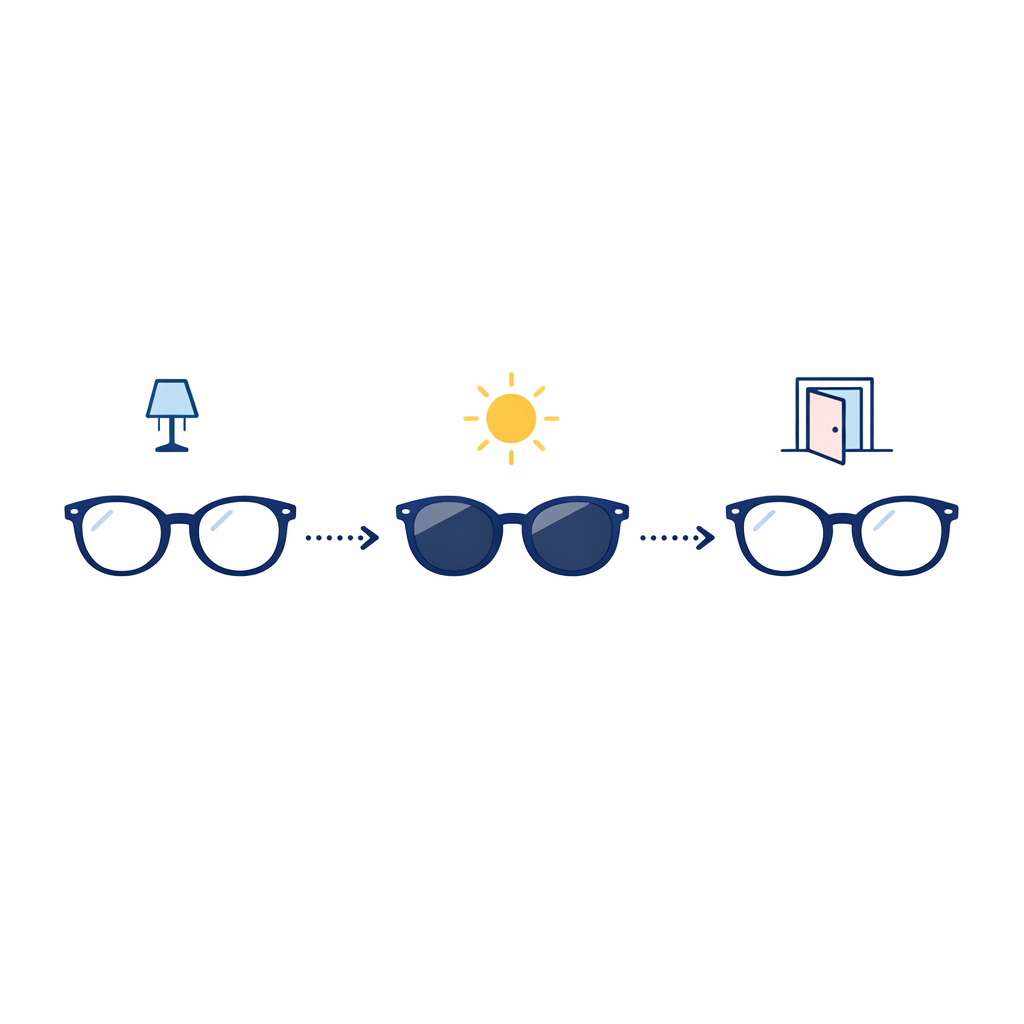
Transition lenses are a type of lens technology often called photochromic lenses. In plain English, that means the lens reacts to light exposure. As photochromic lenses respond to outdoor light and become darker, they give you more shade without forcing you to switch pairs.
That automatic change is the main appeal. If your day involves walking outside, heading back into a store, then stepping out again, the lens adjusts with you instead of making you carry clear glasses and sunglasses everywhere.
Why they turn clear indoors again
When the light conditions change, the lenses fade back toward a clearer state. That is why they are popular as everyday eyewear lenses rather than as a single-purpose outdoor lens.
The important thing to know is that the shift is not instant. You may notice a short transition period when moving from bright sun to indoor lighting, especially if you are used to the immediate effect of taking sunglasses off.
Transition lenses vs photochromic lenses
Most shoppers use these terms interchangeably. “Photochromic” is the technical category, while “transition lenses” is the phrase many consumers use in everyday conversation when they mean lenses that darken outside and clear up inside.
That matters because some people compare “Transitions” and “photochromic” as if they are completely different products. For most practical buying decisions, the more useful question is not the label but how the lens performs in sunlight, indoors, and in the car.
Pros of transition lenses
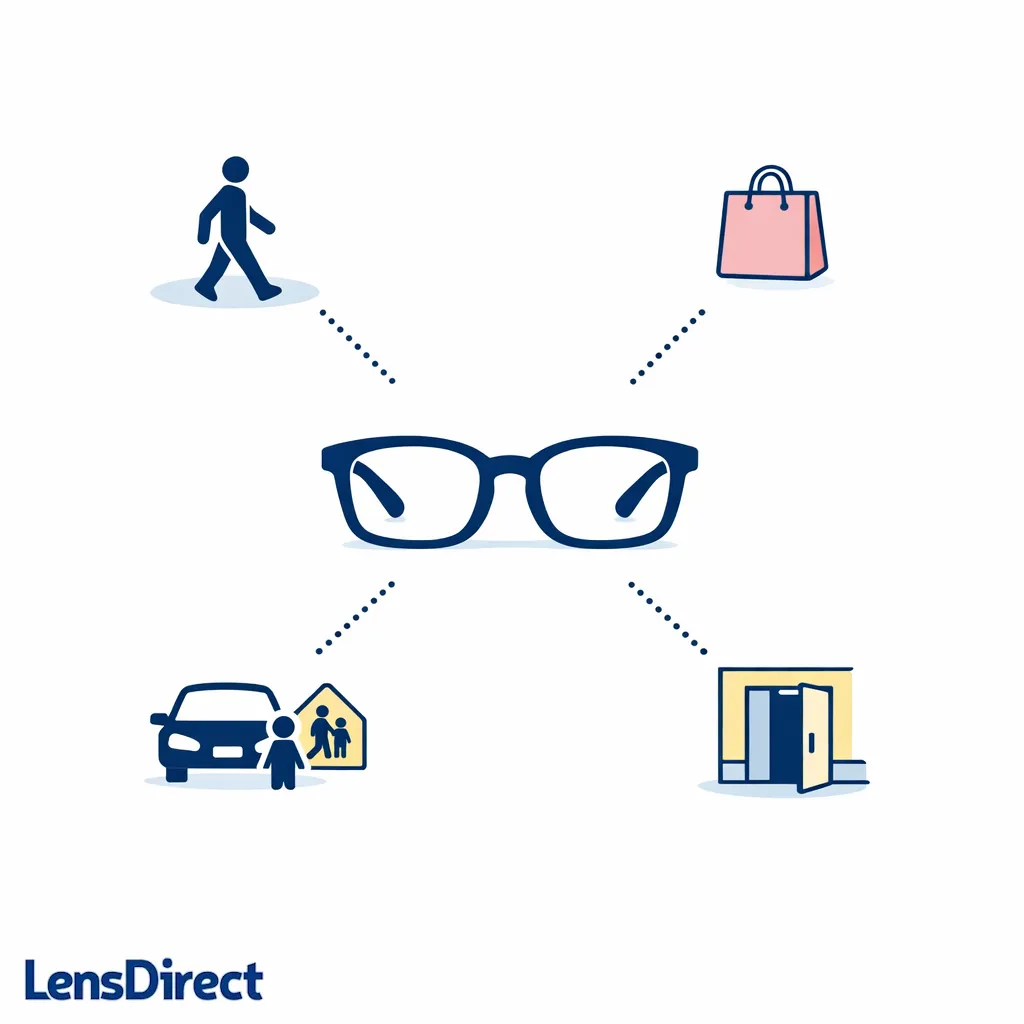
The biggest reason people like transition eyeglasses is convenience. They can make one pair of prescription glasses feel more flexible across a normal day, especially if you move between indoor and outdoor spaces often.
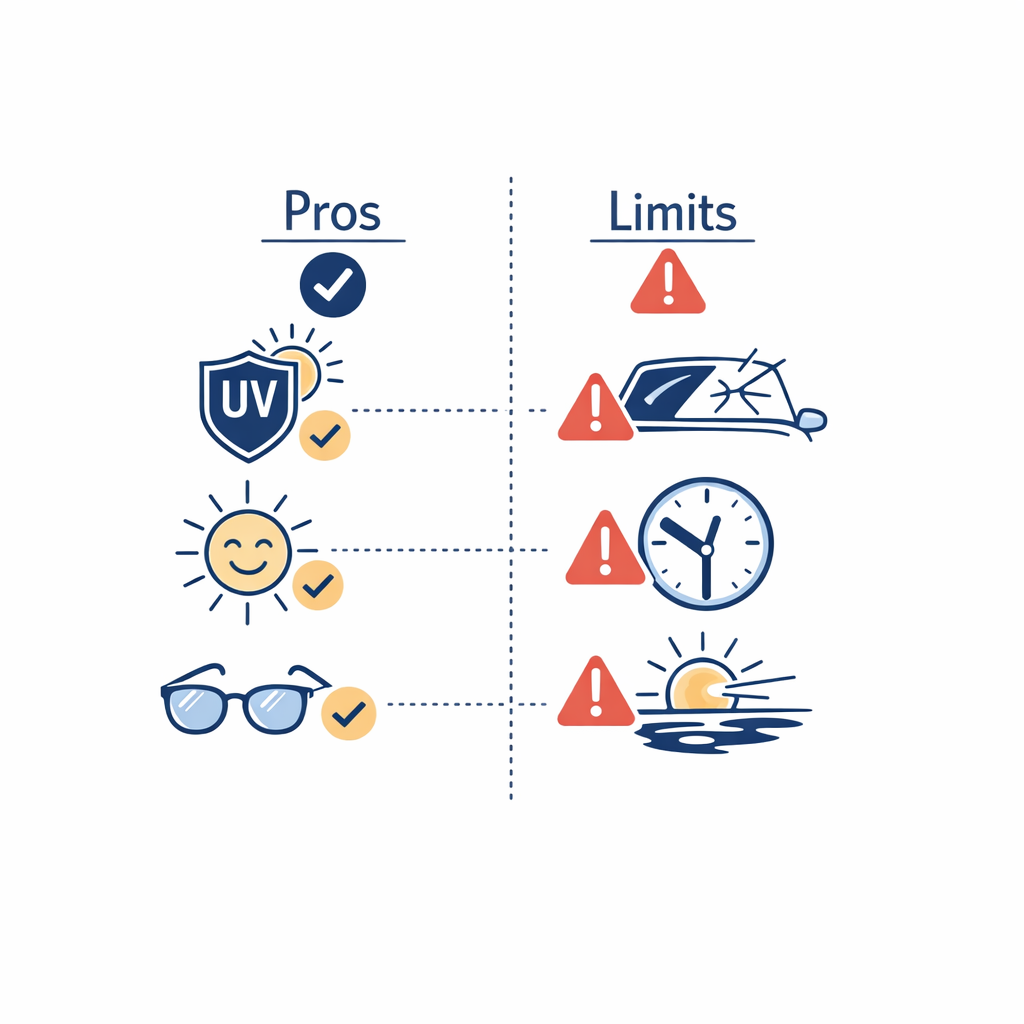
- UV protection. If your goal is everyday eye protection, this is the strongest pro. Quality sun-protective eyewear matters because your eyes are exposed to sunlight during ordinary routines, not just at the beach.
- One-pair simplicity. For errands, school pickup, lunch breaks, walks, and quick outdoor trips, not needing to switch glasses can be genuinely useful.
- Better comfort in bright light. Many wearers find that outdoor brightness feels less harsh when the lens darkens automatically.
- Helpful for mixed routines. They can be a strong fit for kids, commuters on foot, office workers who step outside during the day, and anyone who wants fewer things to carry.
UV protection
When people ask whether transition lenses are bad for your eyes, they are usually mixing up two different ideas: eye safety and lens preference. On the safety side, UV protection is a plus, not a minus, which is why photochromic lenses are often discussed as a practical everyday upgrade rather than a risky one.
Convenience of one pair
This is where transition lenses are often worth it. If you hate juggling cases, bags, or backup sunglasses, one pair that adapts to changing light can make your routine easier.
That does not mean they replace every other lens type. It just means they solve a real problem for people who want less switching and less friction during the day.
Reduced squinting and visual comfort
Comfort is subjective, but many people notice that outdoor brightness feels easier to manage when their lenses darken on their own. That can be especially nice for people who step in and out of buildings all day and do not want the stop-and-start of constantly taking glasses on and off.
Good fit for kids, commuters, and outdoor errand-runners
Transition lenses are often strongest in small, repeatable moments rather than in extreme conditions. Think playground pickup, walking the dog, short train or bus commutes, lunch breaks, and neighborhood errands.
If that sounds like your routine, transition lenses may feel less like a fancy add-on and more like a practical quality-of-life upgrade.
Cons and limitations to know before buying
They usually do not darken fully in the car
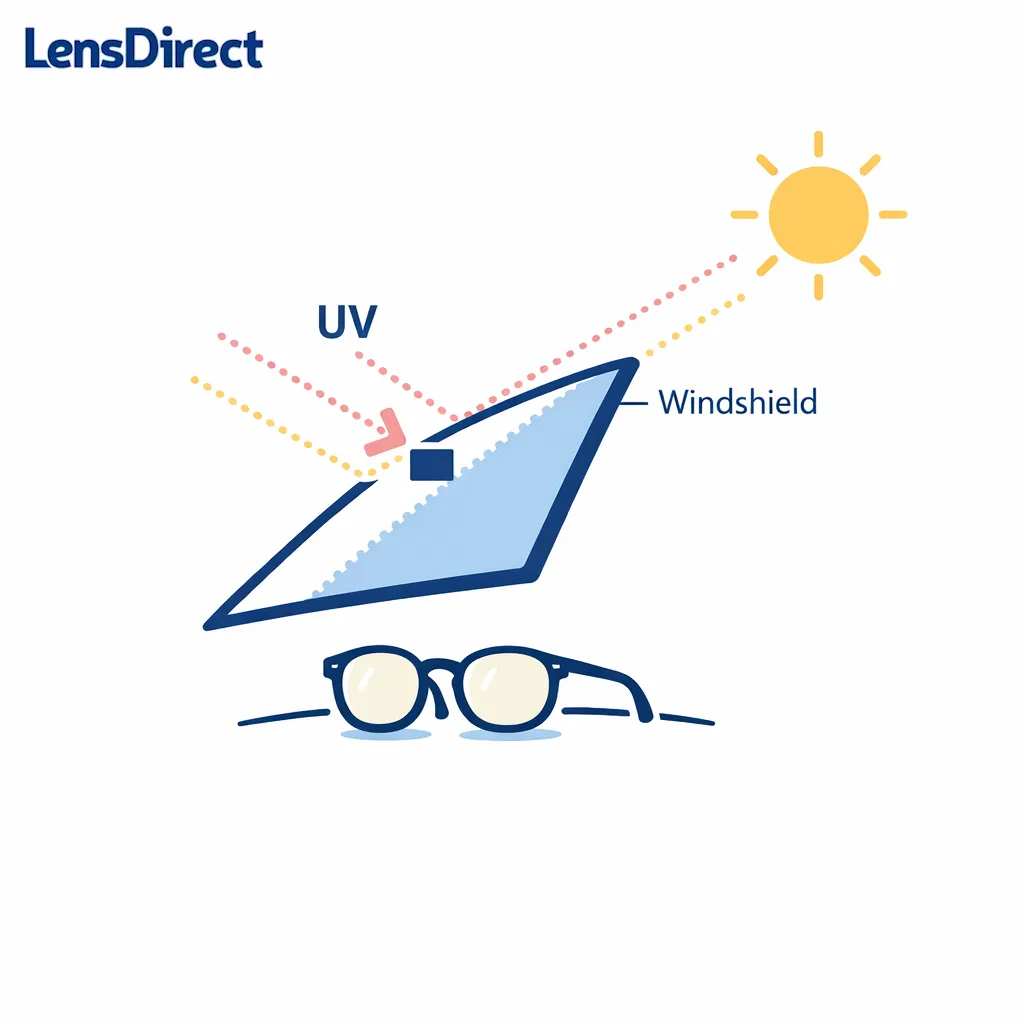
This is the biggest drawback for many shoppers. The core issue is that a car windshield blocks much of the UV light that standard photochromic lenses need to activate, so standard transition lenses usually stay lighter in the car than people expect.
If your main pain point is bright daytime driving, this limitation matters a lot. It is one of the clearest examples of why transition lenses pros and cons need to be judged by use case, not by marketing alone.
They take time to change
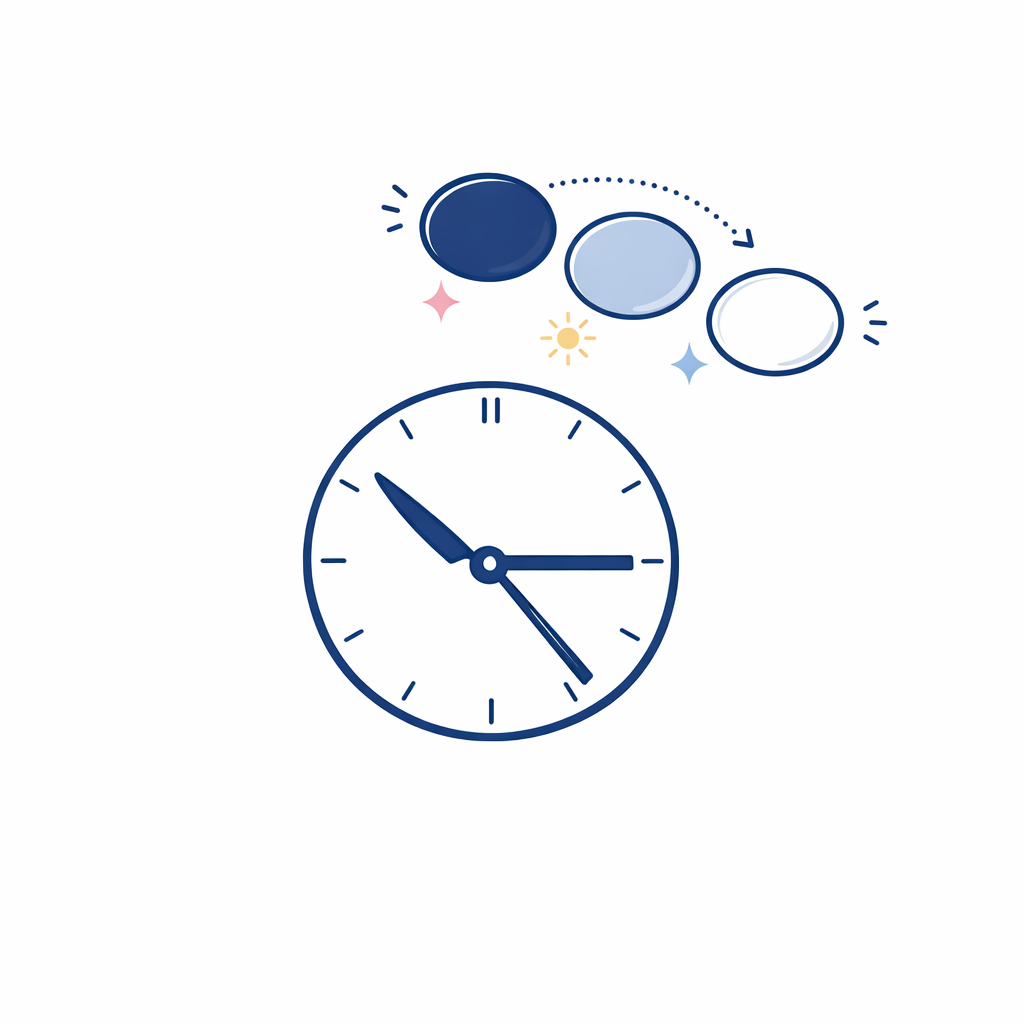
Photochromic lenses are automatic, but they are not instant. As they need time to change and can behave differently in hot and cold weather, the experience can feel slower than a dedicated sunglass pair that is already dark the moment you put it on.
If you are the type of wearer who wants full shade immediately, that delay may annoy you. If you care more about convenience than perfection, you may not mind it at all.
Cold weather and heat can affect performance
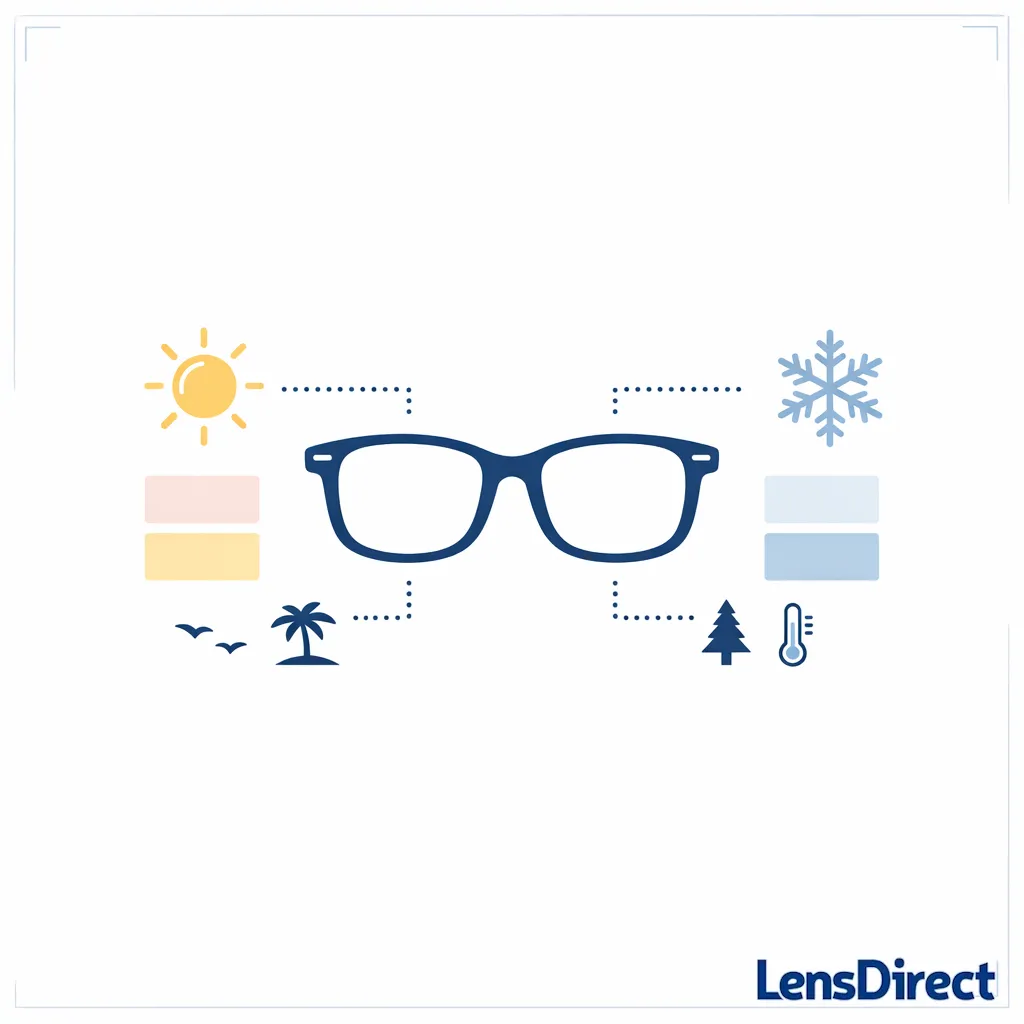
This is one of those details that surprises first-time buyers. In real life, photochromic lenses can feel different depending on conditions, which is why one person may say they get very dark while another says they never seem dark enough.
That does not mean something is wrong with the lenses. It usually means expectations need to line up with how the technology behaves in different environments.
They are not always polarized
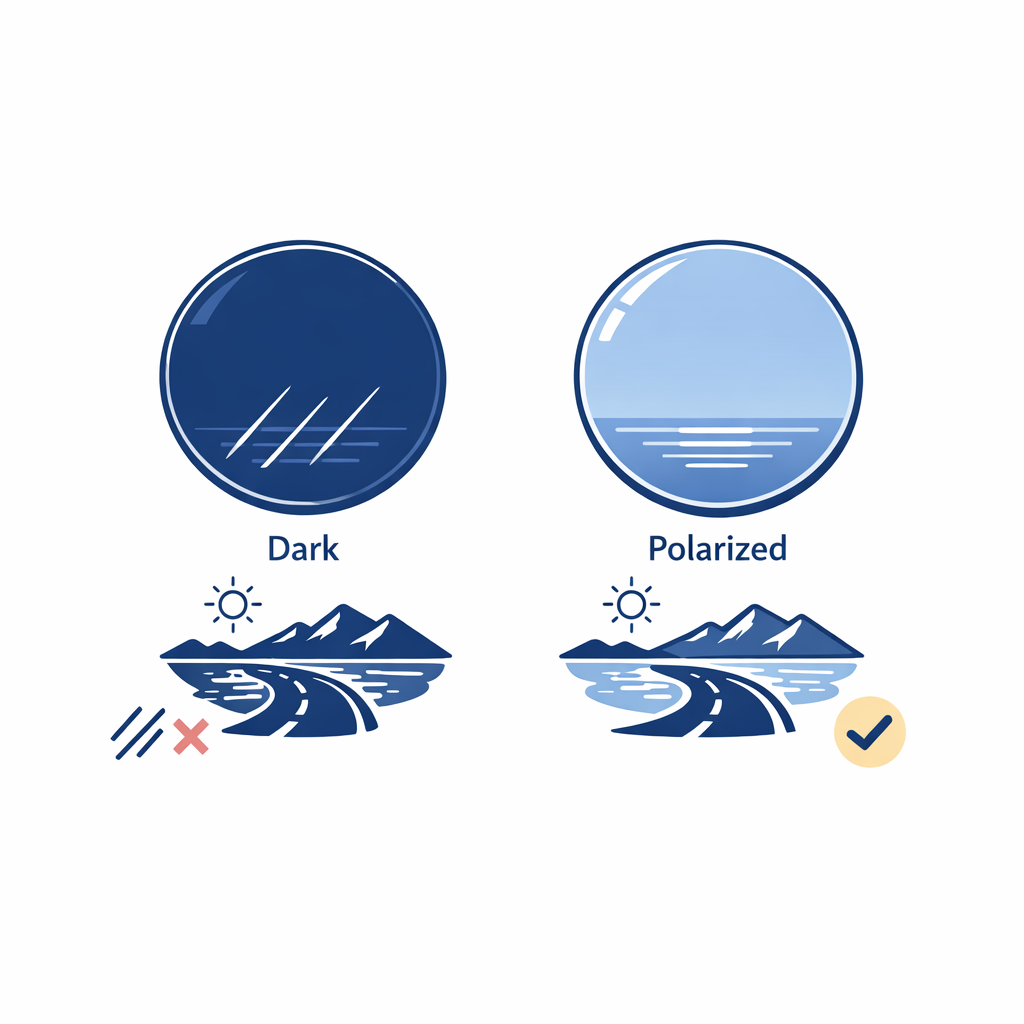
Many people assume a darker lens automatically handles glare the same way a premium sunglass lens does. But polarized lenses are a separate feature that reduces reflected glare, which is especially important around water, snow, and bright roads.
That is a key buying tip. If glare reduction is your priority, look for that feature specifically instead of assuming every transition lens will give you the same result as a polarized sunglass.
They may not replace dedicated sunglasses for every situation
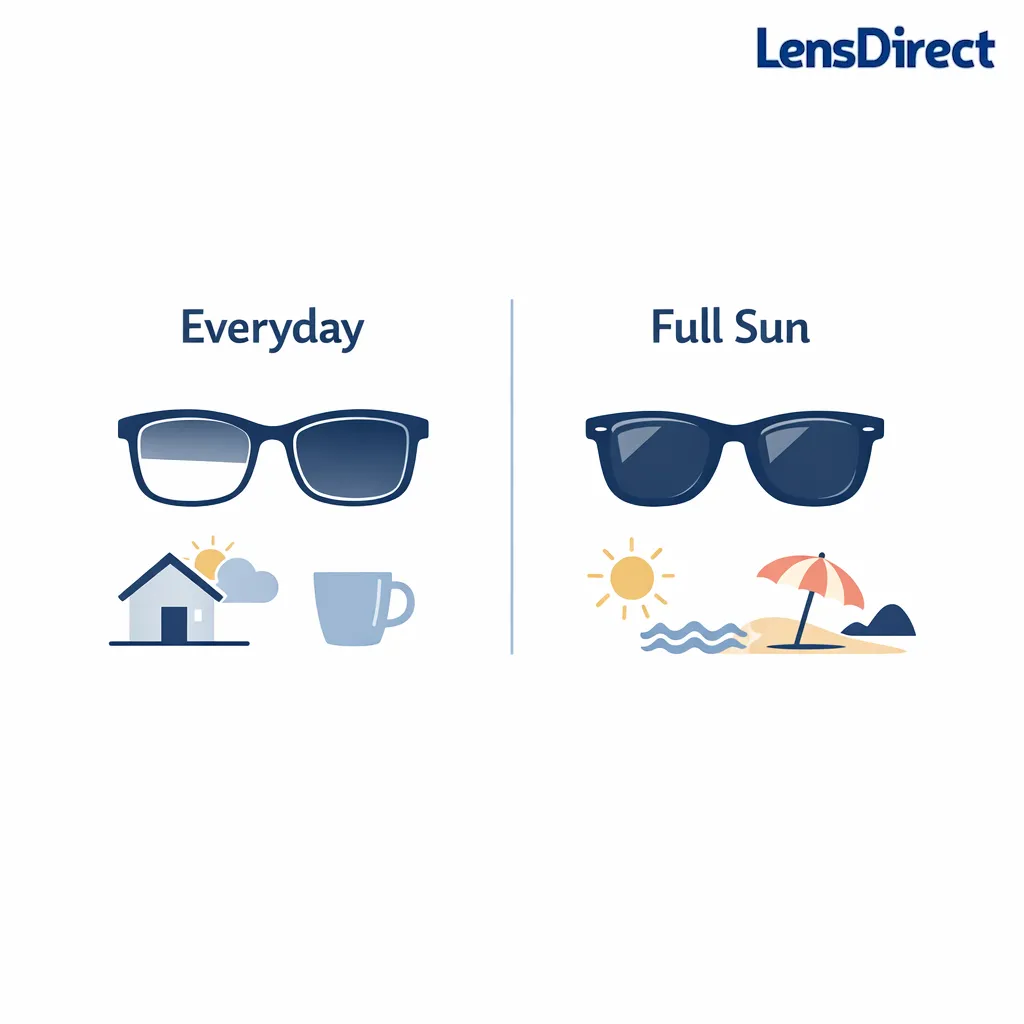
Transition lenses vs sunglasses is not really a battle with one winner. Standard transitions are best understood as an everyday convenience lens, while prescription sunglasses are often the better tool for long outdoor sessions, sports, beach days, boating, skiing, and other high-glare activities.
If you spend serious time in full sun, you may be happiest owning both. One pair handles your everyday transitions, and the other handles environments where you want deeper tint, more consistent darkness, or polarized glare control.
Common myths and buying mistakes
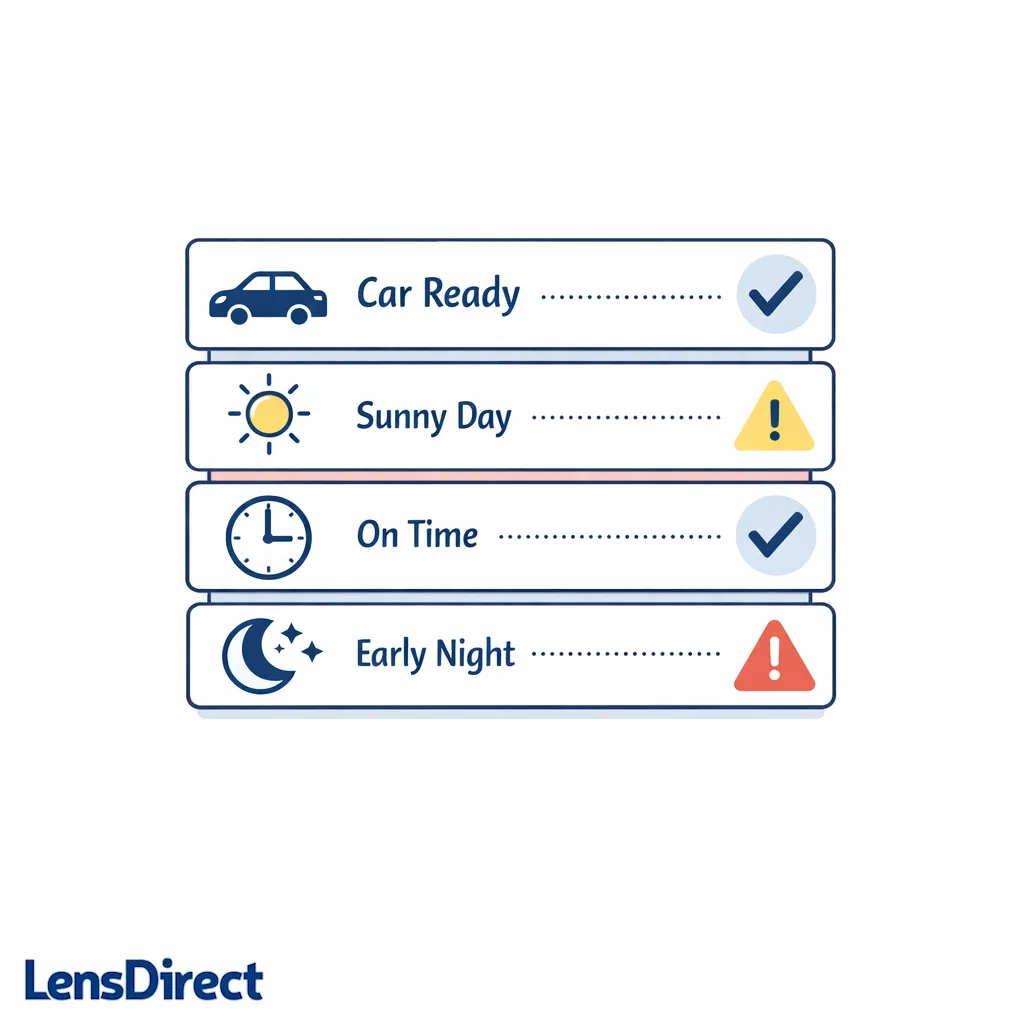
A lot of disappointment with transition glasses comes from mismatched expectations, not from eye safety. The most common mistakes are expecting them to work like car sunglasses, assuming darkening equals polarization, or buying them to solve night-driving complaints.
Can you wear transition lenses all the time?
Yes, if you like how they perform. Many people use them as their main everyday pair because they adapt between indoor and outdoor settings without much effort on the wearer’s part.
Do transition lenses get weaker over time?
They are designed for repeated light changes, but no pair of glasses is immune to everyday wear. If an older pair seems less impressive, the issue may be scratches, coating wear, an outdated lens generation, or simply the fact that your expectations have changed.
What are the drawbacks of transition lenses?
The main drawbacks are predictable: they are not instant, they are usually limited in the car, and they are not a substitute for every sunglass need. If those limitations hit your daily routine, they may not be the right lens upgrade for you.
Which is better, progressive or transition lenses?
Neither is better across the board because they solve different problems. A progressive lens is about how you see at multiple distances, while a transition lens is about how the tint responds to light, so the better choice depends on what problem you are actually trying to fix.
Are transition lenses worth it?
Best everyday use cases
They are usually worth it for people who live in the middle ground between fully indoors and fully outdoors. That includes office workers who walk outside during breaks, parents doing school pickup, students moving between buildings, city walkers, and people who just want fewer things in their bag.
If your goal is to simplify daily eyewear, transition lenses can absolutely be worth it. They are at their best when you want comfort and convenience more than maximum darkness.
When prescription sunglasses may be a better choice
Prescription sunglasses may be the better choice if your day revolves around driving, sports, beach time, water, snow, or long stretches of bright sun. They also tend to win if you care most about full tint right away or if you already know you like polarized glare control.
In other words, transition lenses are worth it when your lifestyle is mixed. Dedicated sunglasses are usually worth it when your light conditions are intense and predictable.
- Choose standard transition lenses if you want one pair for indoor-outdoor everyday life.
- Choose prescription sunglasses if full sun and glare control are your top priorities.
- Choose a driving-oriented photochromic option only if your main issue is daytime driving and you understand the limits of standard transitions.
Are transition lenses good for driving?
Why standard lenses struggle behind windshields
For standard photochromic lenses, driving is the biggest weak spot. Because the windshield filters the UV signal those lenses rely on, they often do not darken enough to feel like true sunglasses during a daytime drive.
That is why “transition lenses for driving” can be a frustrating search term. The answer is not a simple yes or no. Standard versions are often only a partial help, and for some drivers they are not enough at all.
Driving-specific options like XTRActive and Drivewear
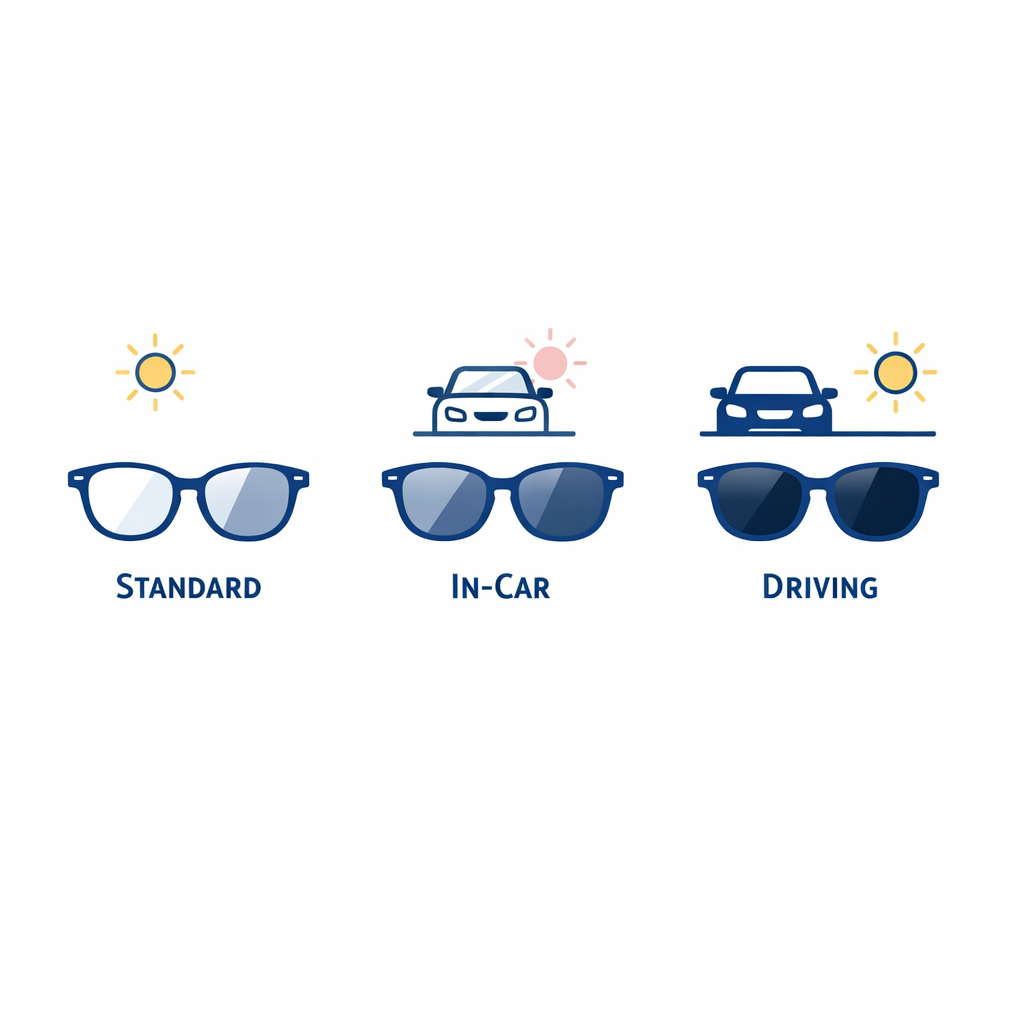
The category is broader than it used to be. According to the brand’s driving information, some product lines, including Transitions XTRActive, are designed to offer more in-car activation than standard photochromics.
There are also specialty products made for drivers. For example, Drivewear is built specifically as a driving-oriented photochromic lens option, which is different from asking a standard everyday transition lens to do a job it was never meant to do.
Why not to frame them as ideal for night driving
If your problem is night driving, transition lenses are usually the wrong place to focus. Night glare can be tied to prescription accuracy, lens cleanliness, coatings, dry eye, or other vision issues, so it is smarter to ask your optometrist what is driving the problem instead of expecting a sun-reactive lens feature to fix it.
What’s new to know about current photochromic options
The biggest change is choice. Shoppers are no longer limited to one generic idea of what transition lenses are. Today you can look at standard everyday photochromics, extra-active options for brighter conditions, and more specialized driving-focused designs.
That is useful because it turns the buying question into something practical: what light conditions do you actually need this pair to handle most of the time? Once you answer that, the lens decision gets much easier.
Who should consider other lens options?
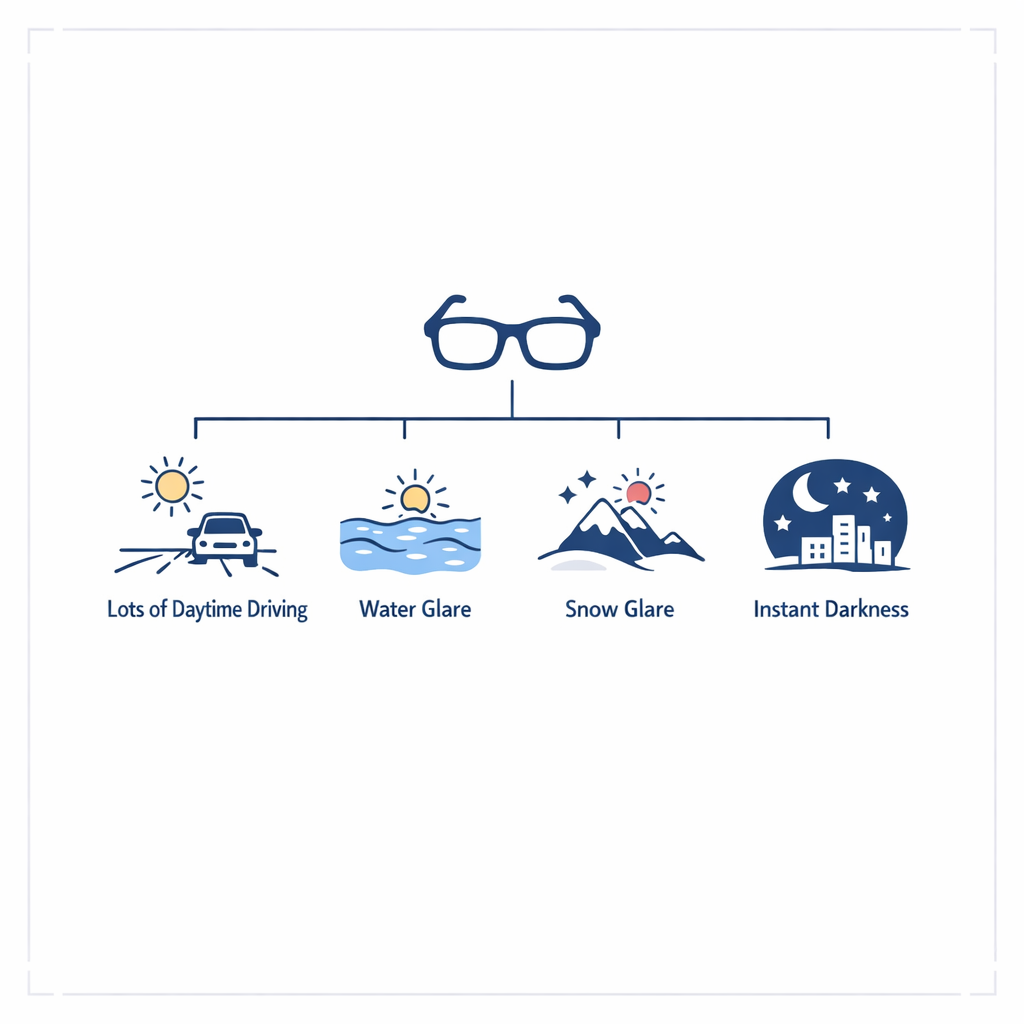
You may want something other than standard transition lenses if your routine depends on instant darkness, high glare control, or strong in-car performance. In those cases, the downsides can matter more than the convenience.
- Dedicated sunglasses users. If you already know you want full tint the second you step outside, standard transitions may feel like a compromise.
- People with long daytime drives. If commuting glare is your main complaint, ask about driving-oriented alternatives instead of assuming any transition lens will solve it.
- Water, snow, and high-glare activity shoppers. If reflected glare is the real problem, a purpose-built sunglass setup is often the better answer.
- Style-first shoppers. Some people simply prefer keeping a clear everyday pair and a separate sunglass pair because each one performs exactly as expected.
LensDirect takeaway
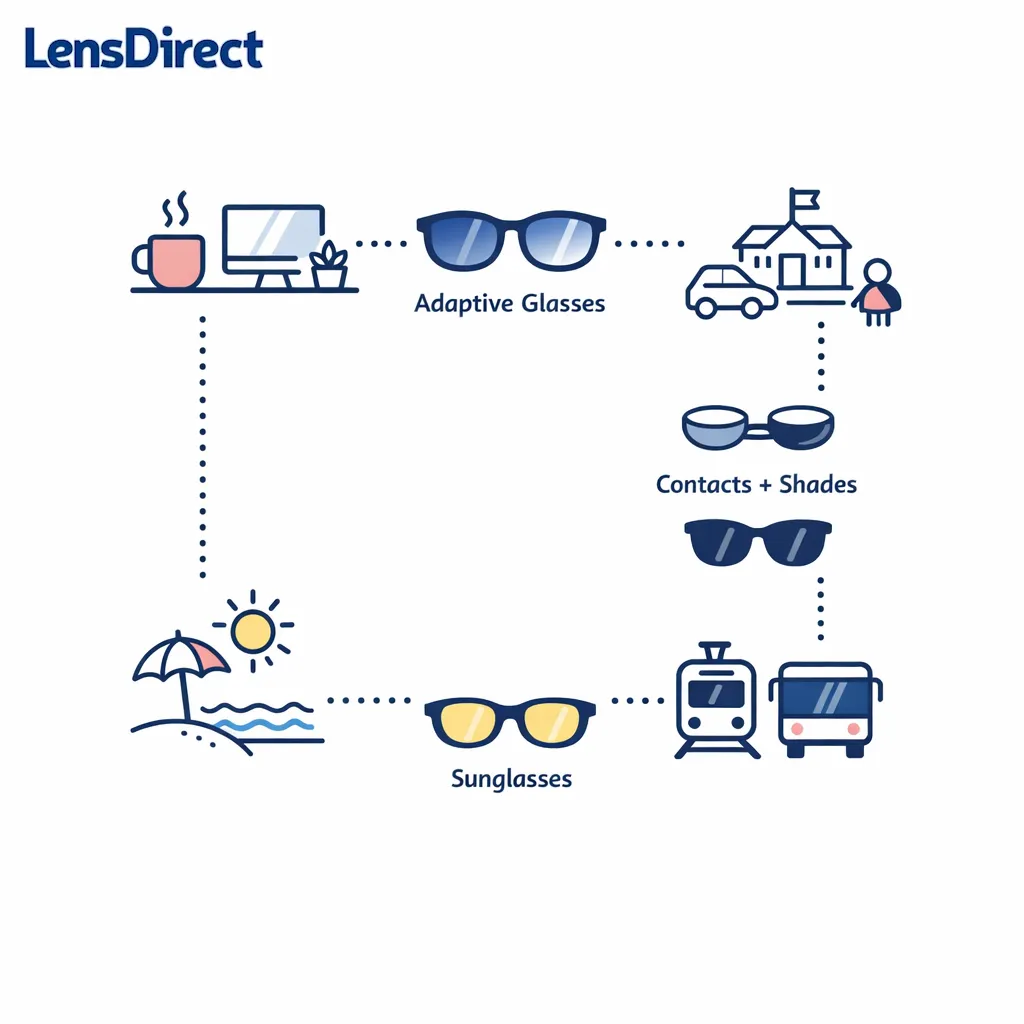
Transition lenses are not bad for your eyes. For the right wearer, they are a practical, everyday lens upgrade that can make mixed indoor-outdoor life easier. Their real limitations are performance-related, not safety-related.
The best way to choose is to match the lens to the job. If you want convenience, photochromic lenses make sense. If you want full sun coverage or strong glare control, prescription sunglasses may be the better fit. And if you are trying to solve a driving-specific problem, it is worth asking more detailed questions before you buy.
If your prescription is changing, if glare suddenly feels worse, or if you are unsure which lens feature matters most, getting input from your optometrist is the safest move. Then you can shop based on your real routine instead of guesswork.
Find the lens setup that fits your day
If you are ready to compare options, LensDirect makes it easy to shop based on how you actually wear your eyewear. Start with the path that matches your routine, not the one with the most features.
- If you want an everyday pair, Shop Glasses.
- If you know you need stronger sun performance, Shop Sunglasses.
- If you prefer contacts and want the freedom to wear separate shades, Shop Contacts.
- If you already love your frames and just want a lens upgrade, Replace Your Lenses.
- If you want LensDirect to handle the swap for you, choose Full-Service Replacement.
- If you would rather install new lenses yourself, use Order Replacement Lenses.
If you still need help narrowing it down, you can Find Your Fit, Learn How to Measure Your Pupillary Distance, or Learn How to Get Reimbursed by Your Insurance. Those small steps can make the difference between buying a pair that is just okay and buying one that actually works for your life.
Author

Subscribe to our email newsletter to get the latest posts delivered right to your email.