

Buying eyewear online is convenient, but it can feel stressful when something isn’t right. Maybe your contacts feel off, your prescription glasses aren’t as sharp as expected, or your new lenses picked up a scratch in week one.
This guide is for anyone ordering eyewear online (including contacts, prescription lenses, and sunglasses) who wants a clear, practical plan. You’ll learn how to troubleshoot fit and vision issues, how to request a return or exchange efficiently, and how to handle scratched lenses with the least hassle.
Before you start: identify what kind of “problem” you have
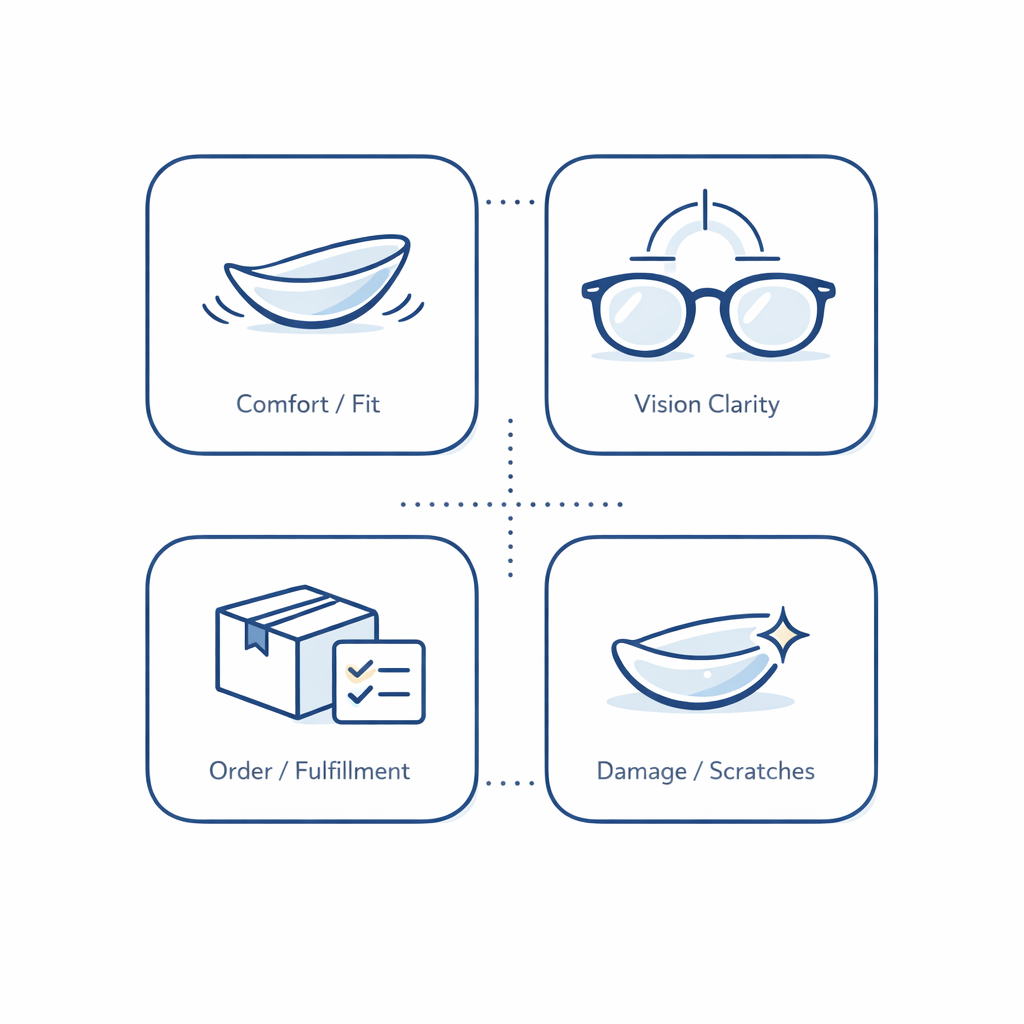
Returns and replacements go faster when you can describe the issue precisely. Most “my lenses don’t work” situations fall into one of these buckets.
1) Comfort or fit problem (usually contacts)
If your contact lenses feel dry, pokey, or unstable, the issue might be fit, material, or wear schedule. Because contact lenses are regulated as medical devices, it’s worth taking discomfort seriously and looping in your eye doctor when symptoms persist.
2) Vision clarity problem (glasses or contacts)
Blurry vision can come from a prescription mismatch, a measurement issue, or an adaptation period (especially with progressives). If you’re unsure whether the prescription is correct, request a quick check with your optometrist before assuming the lenses are “wrong.”
3) Order/fulfillment problem (wrong item, missing boxes, damage in transit)
These are typically the easiest to resolve if you document the issue right away. Photos plus the order number usually speed up support.
4) Damage problem (scratches, coating issues, accidents)
Scratches can happen from cleaning habits, storage, or sports/outdoor use. Knowing whether the scratch is on the lens surface versus something like smudges or residue helps you ask for the right remedy.
What changed (and what’s new) in online eyewear returns
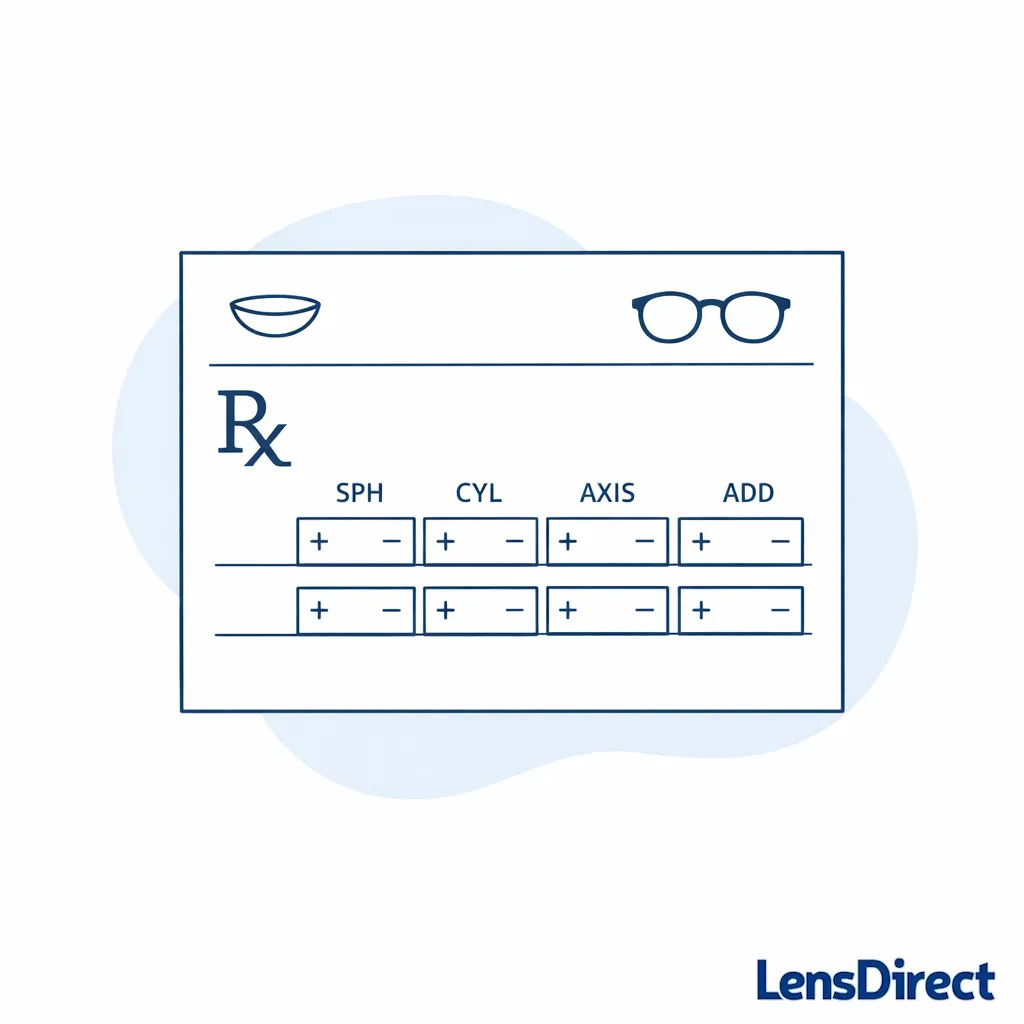
The big “rules of the road” for online eyewear are less about store policies and more about prescriptions. The FTC’s Eyeglass Rule requires prescribers to provide patients a copy of their eyeglass prescription, which makes it easier to shop, replace lenses, and compare options across retailers.
For contacts, the FTC’s Contact Lens Rule sets requirements around prescription release and seller verification. Practically, this means online contact lens orders may involve prescription verification steps that can affect timelines, especially when you’re trying to exchange to a different brand.
Step-by-step: how to request a return or exchange (without back-and-forth)
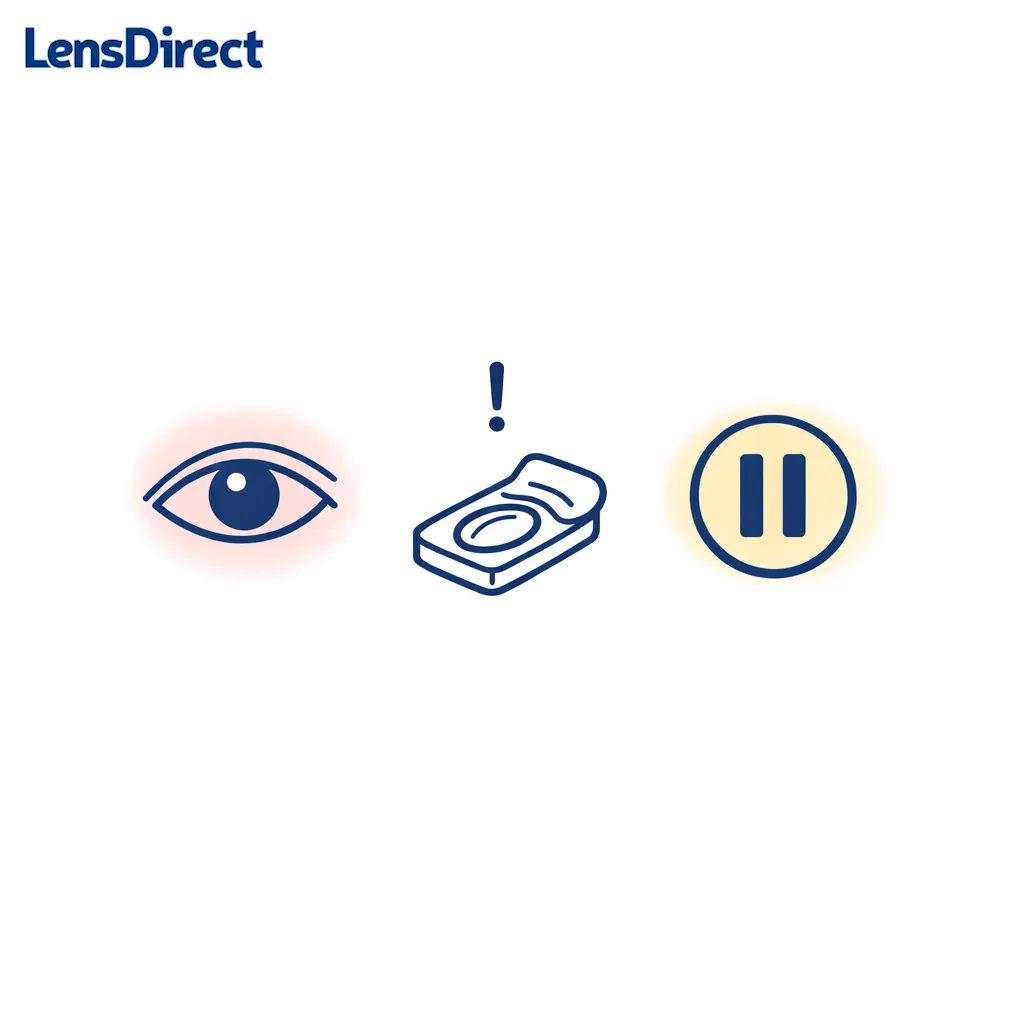
Step 1: stop using the product if there’s pain, eye redness, or sharp discomfort
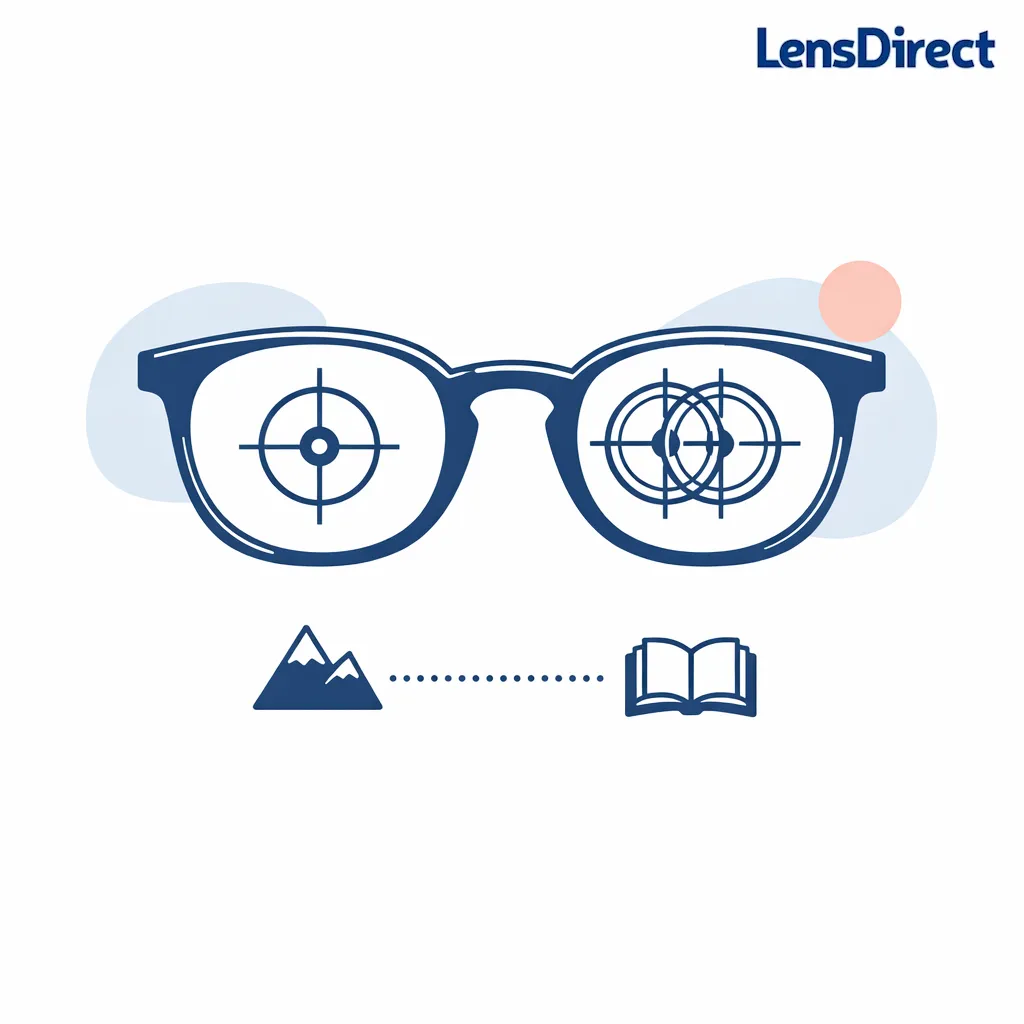
For contacts, pause wear if you have pain, significant redness, or light sensitivity, and follow safe wear guidance from CDC contact lens health recommendations. Retail returns are important, but eye health comes first.
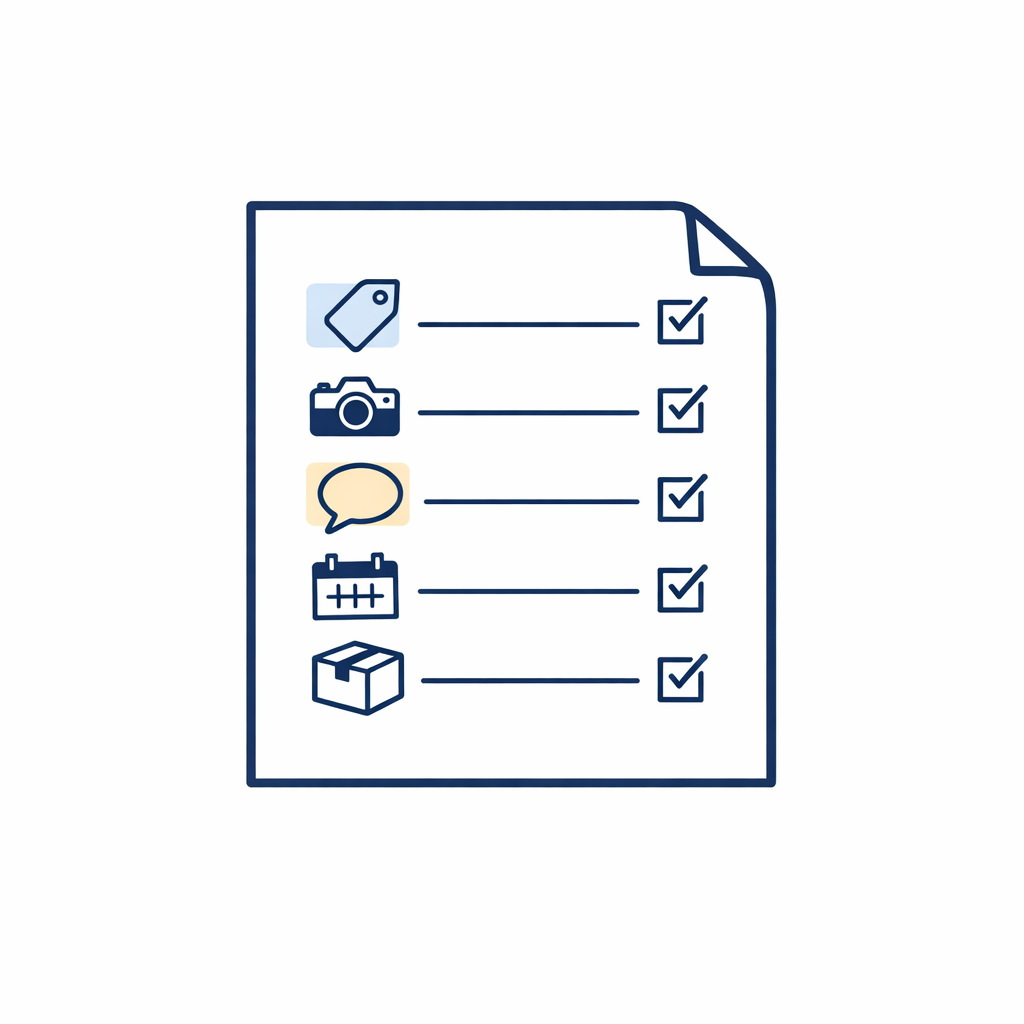
Step 2: gather the “support packet” (2 minutes)
Before you contact support, collect everything you’ll be asked for. Having this ready often turns a multi-email thread into a single message.
- Order number and the exact product name (brand, base curve/BC, diameter/DIA, powers, add, axis/cylinder if applicable)
- Photos of what you received (outer box label, lens packaging, and the product itself)
- What you expected vs. what happened in one sentence (for example: “Right lens power appears incorrect” or “Coating scratches after normal cleaning”)
- Date you received the order and whether anything was opened
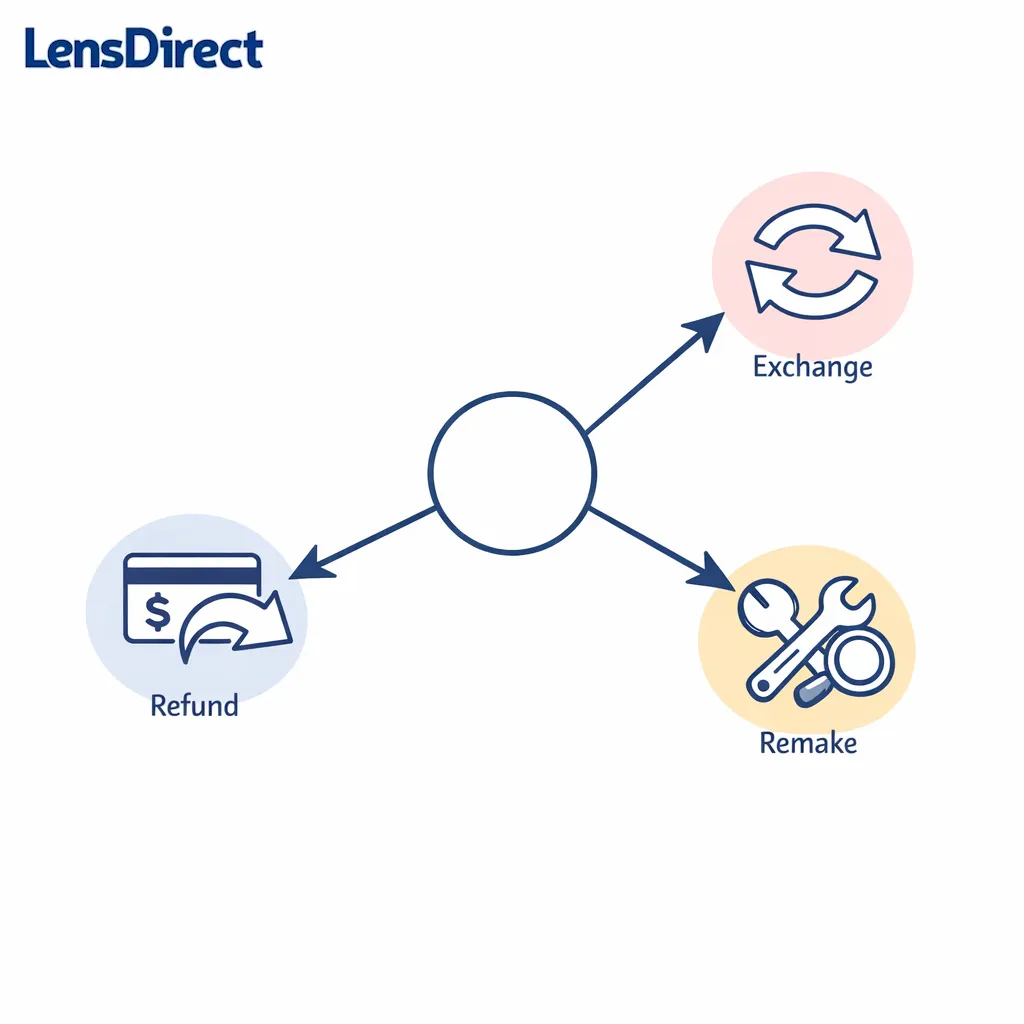
Step 3: classify the request: refund, exchange, or remake
Use the language that matches your goal.
- Refund: you want to return and get your payment back (if eligible under the seller’s eyewear return policy).
- Exchange: you want a different power, brand, or size sent instead.
- Remake/replacement: you believe the item is defective, incorrect, or damaged and want the same item remade.
If you’re specifically searching “return exchange lenses” or “scratched lens replacement,” you’ll usually get better results by clearly asking for an exchange or replacement rather than a generic “return,” since prescription products can have special handling.
Step 4: ask the right questions (copy/paste)
Send one message with clear questions so you don’t have to wait multiple days for clarification.
- Eligibility: “Is this eligible for return, exchange, or replacement based on your current policy?”
- Timing: “What is the deadline from delivery date to start the process?”
- Condition: “Does the item need to be unopened, or can opened packaging be exchanged?”
- What to send: “Do you need the boxes, all blister packs, or just specific items?”
- Shipping label: “Will you provide a return label, and is there a restocking fee?”
If you’re shopping with LensDirect, include your order details and photos upfront so the support team can quickly route you to the correct next step under the LensDirect return policy in effect at the time of purchase.
If your contacts don’t work out: troubleshoot before you exchange brands
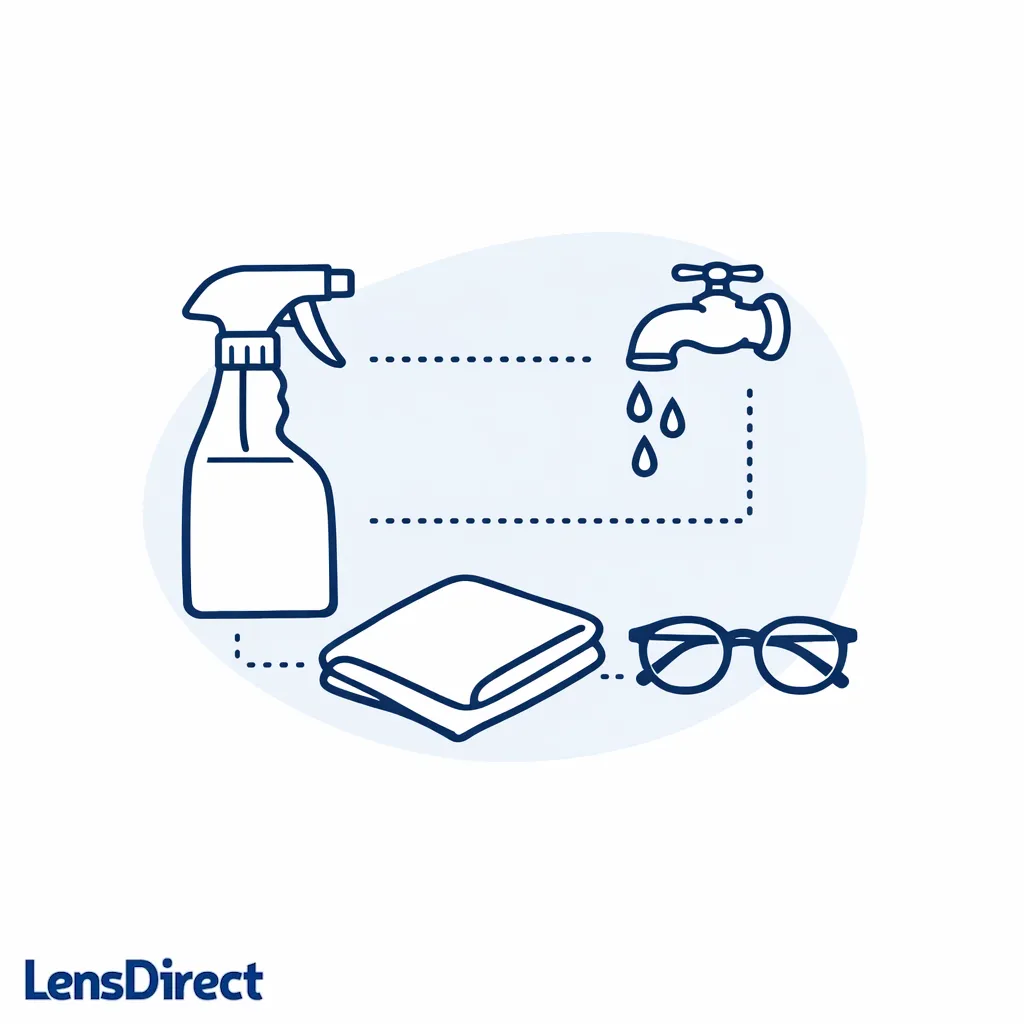
Contact lens comfort problems are common, and the fix is often a better match rather than “toughing it out.” Because contact lenses are medical devices, it’s also normal for your eye doctor to want to evaluate fit and corneal health before you switch.
Common reasons contacts feel wrong
- Dryness or irritation: environment, screen time, or solution sensitivity can contribute.
- Fit mismatch: base curve and diameter may not match your eyes well.
- Material mismatch: some eyes tolerate certain materials better.
- Wear schedule mismatch: daily disposables vs. monthlies can change comfort and cleanliness.
What to do next (contacts)
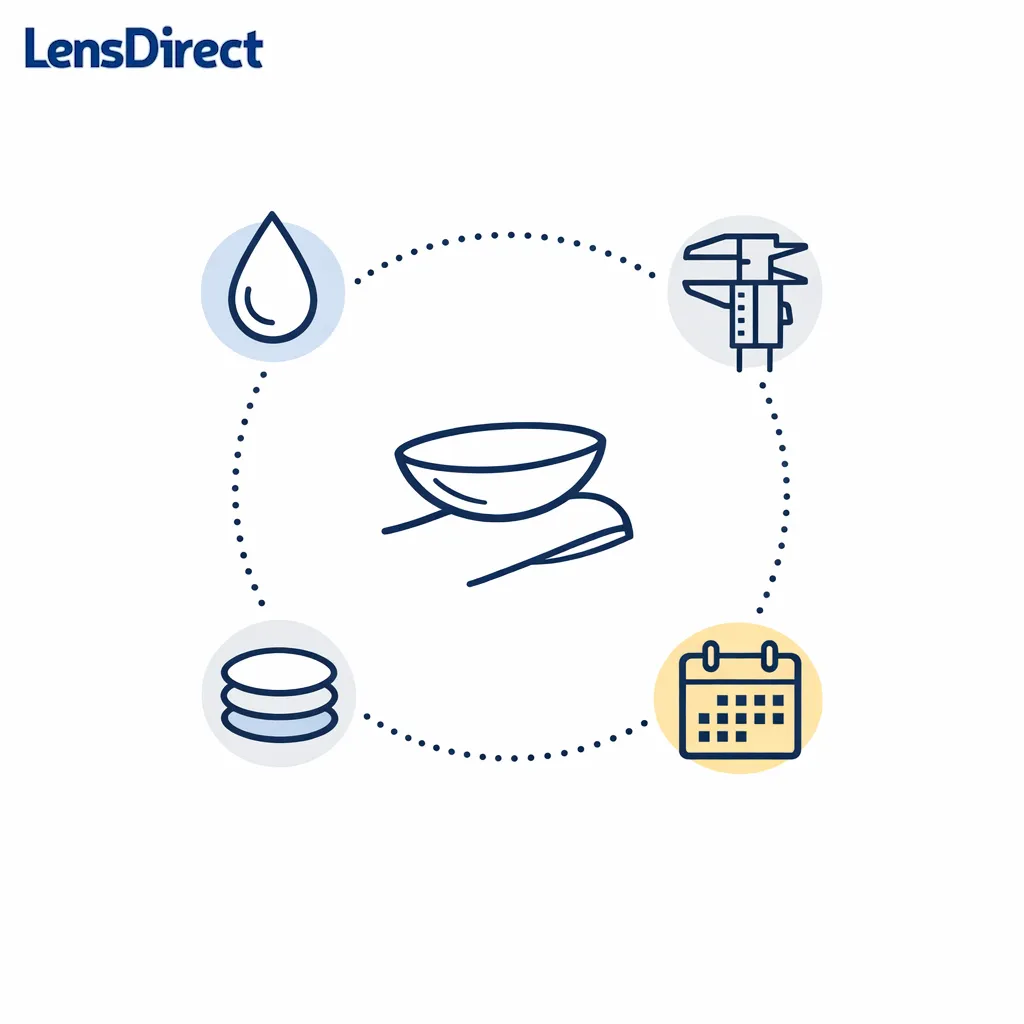
First, confirm you’re wearing and caring for lenses correctly using CDC guidance on healthy contact lens wear and care. Then decide whether you need a medical check, a different lens design, or simply an exchange.
- If symptoms are significant: stop wearing lenses and contact your eye doctor.
- If comfort is “almost” right: ask your prescriber about alternatives with the same correction but different material or fit.
- If you want to exchange: contact the seller quickly with unopened/unused packaging details, since eligibility often depends on condition.
If your glasses aren’t clear: isolate whether it’s prescription, measurements, or adaptation
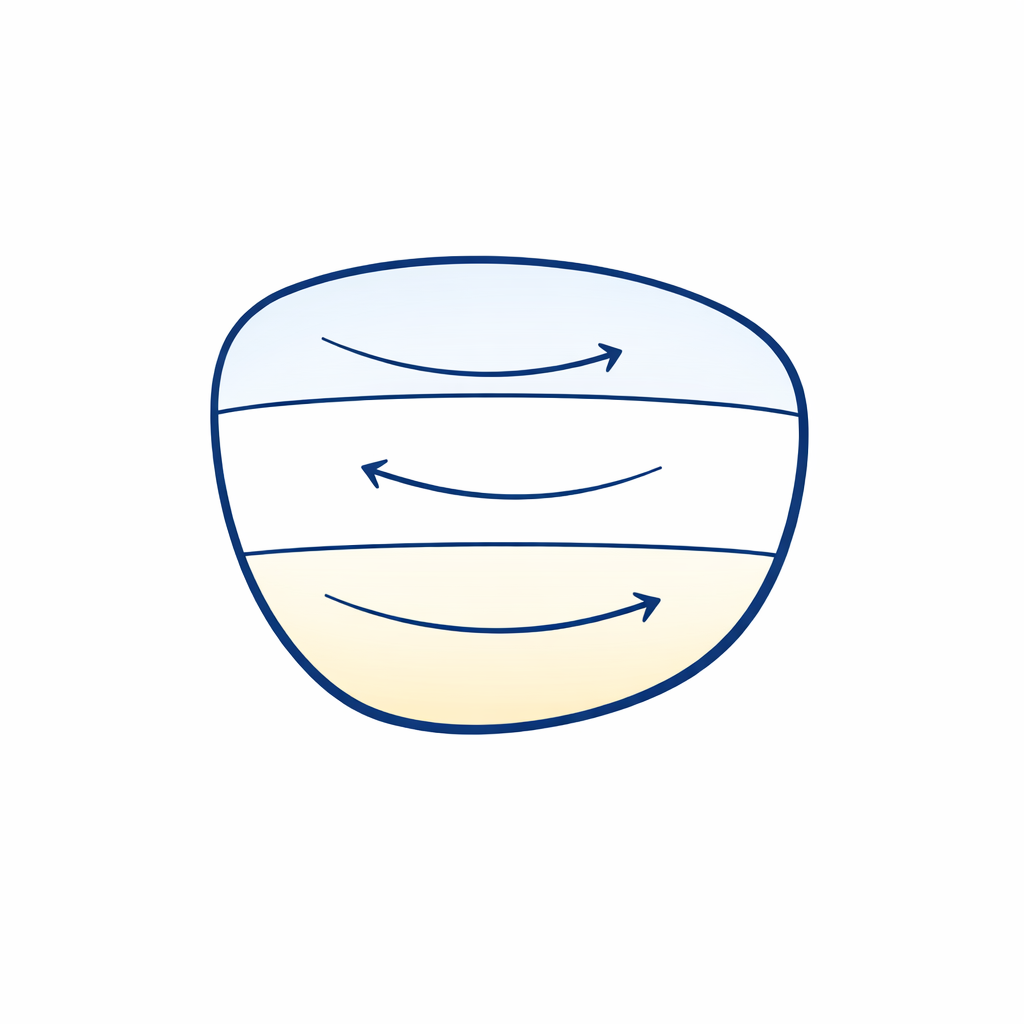
With prescription eyewear, “not seeing well” can mean several different things. Separating the symptoms helps you request the correct fix: remake, lens replacement support, or a different lens option.
Fast self-checks (glasses)
- One eye at a time: cover the left eye, then the right. Is the blur only on one side?
- Distance vs. near: is it worse far away, up close, or both?
- Old glasses comparison: if your old pair is sharper, the new lenses may need verification.
- Progressives: some adaptation is normal, but persistent swim or distortion should be reviewed.
If you need a copy of your prescription to confirm details, the FTC Eyeglass Rule supports your ability to get it from your prescriber and use it for ordering or lens replacement.
When to request a remake vs. a return
- Request a remake/replacement if you suspect the lenses were made incorrectly or the order arrived damaged.
- Request an exchange if you chose the wrong lens type (for example, you meant to order different options) and the seller allows it.
- Request a return if you no longer want the product and it’s eligible for refund under that retailer’s eyewear return policy.
Scratched lenses: what to do right away (and what not to do)
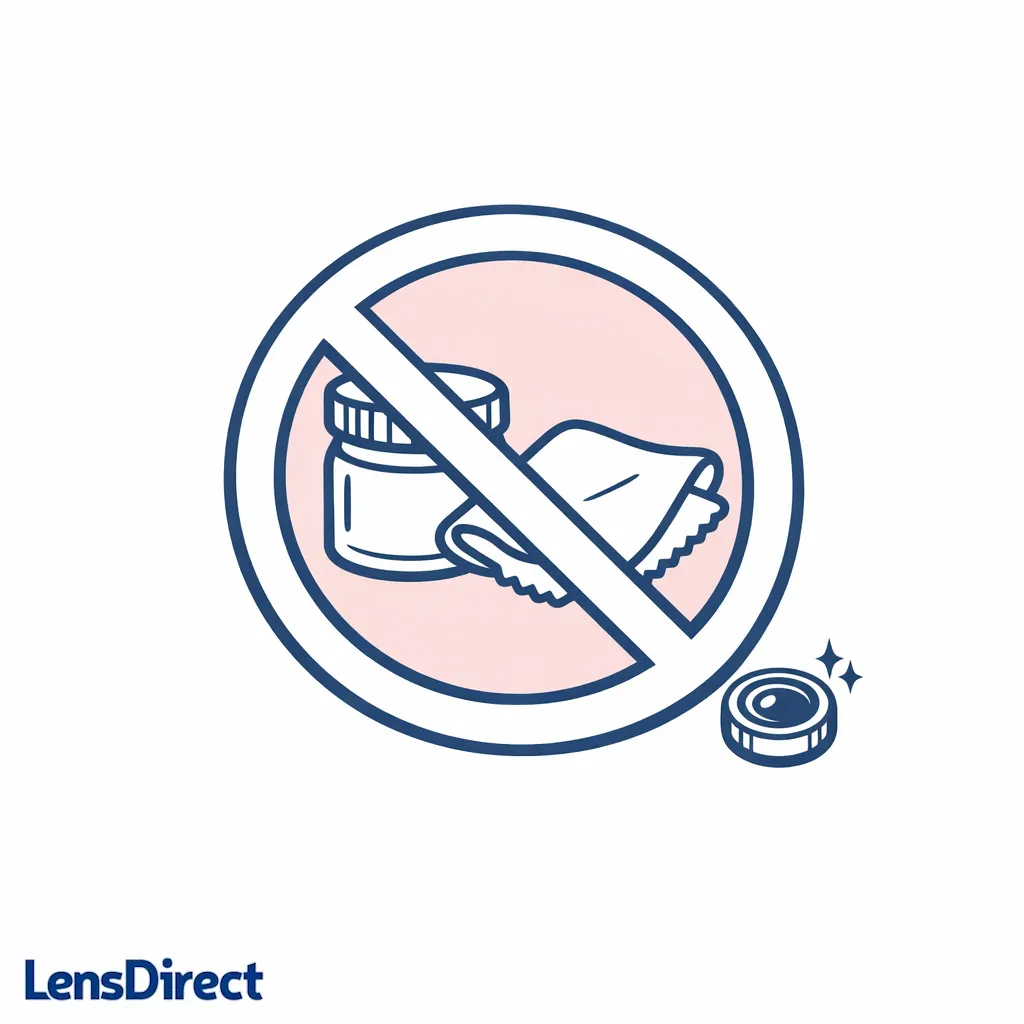
When you notice a scratch, resist the urge to “polish it out.” Many DIY scratch fixes can make lens coatings hazy or worsen the damage, especially on anti-reflective or mirror coatings.
First, confirm it’s actually a scratch
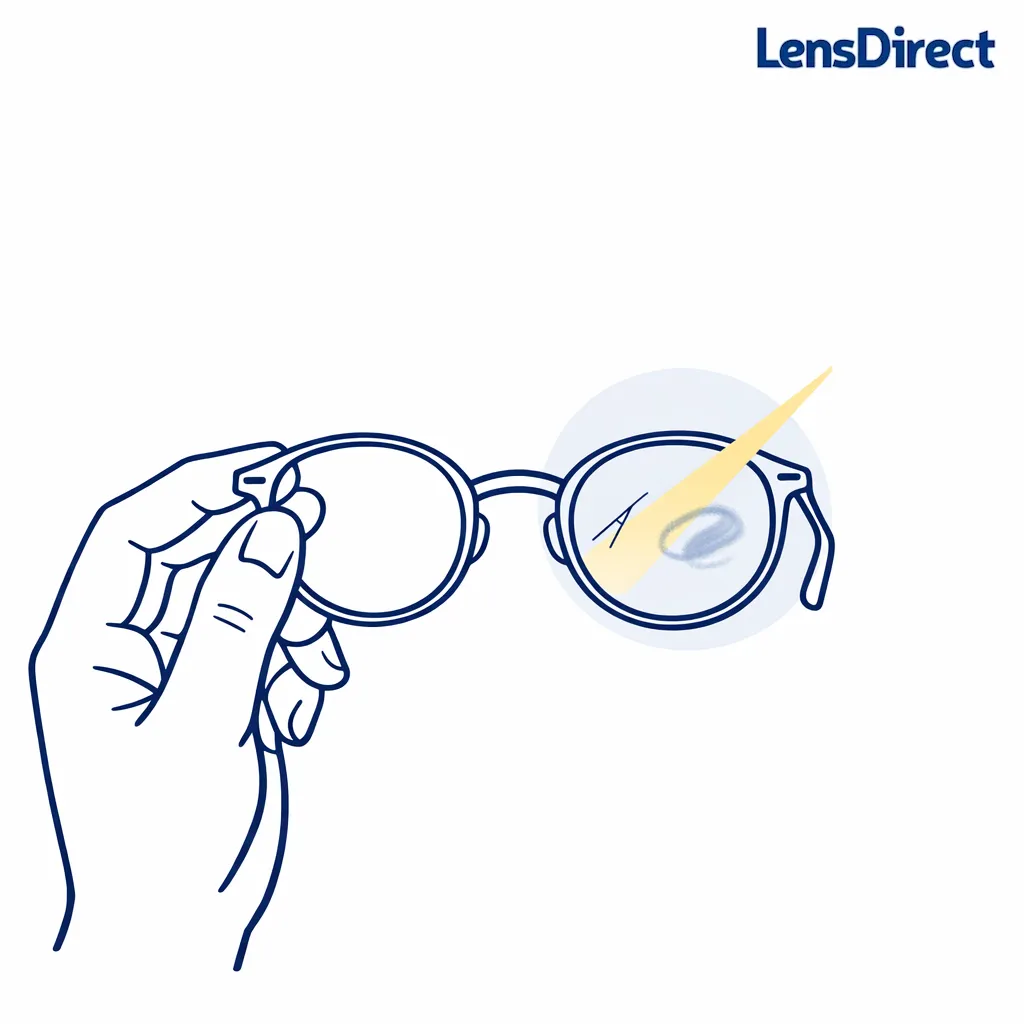
Clean the lens properly and re-check under bright light. The American Academy of Ophthalmology’s guidance on cleaning eyeglasses is a good baseline for safe cleaning steps that reduce the chance of adding new micro-scratches.
Then, decide which category you’re in
- Arrived scratched or damaged: document immediately with photos and contact support as a damage-in-transit/fulfillment issue.
- Scratched during normal use: ask whether the product has a warranty or scratch-related replacement option.
- Scratched during sports/outdoor use: consider upgrading to more durable lens materials or protective coatings next time, and always store glasses in a case.
What to send support for a scratched lens replacement request
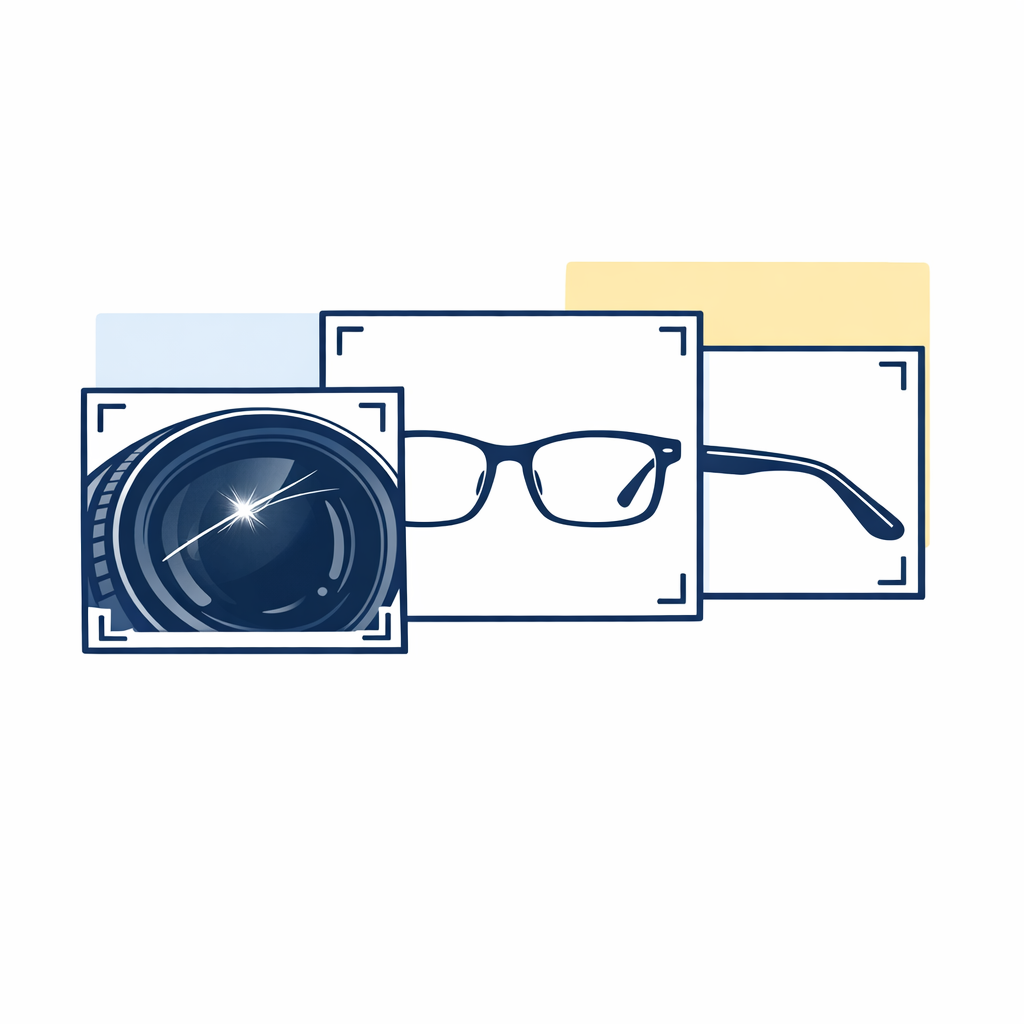
If you’re weighing a “30 day return” window versus a warranty-style replacement, ask support which path is faster and which preserves your eligibility. Many “scratch” situations are handled as replacements or remakes rather than standard refunds.
Replacing lenses in your existing frames (instead of returning everything)
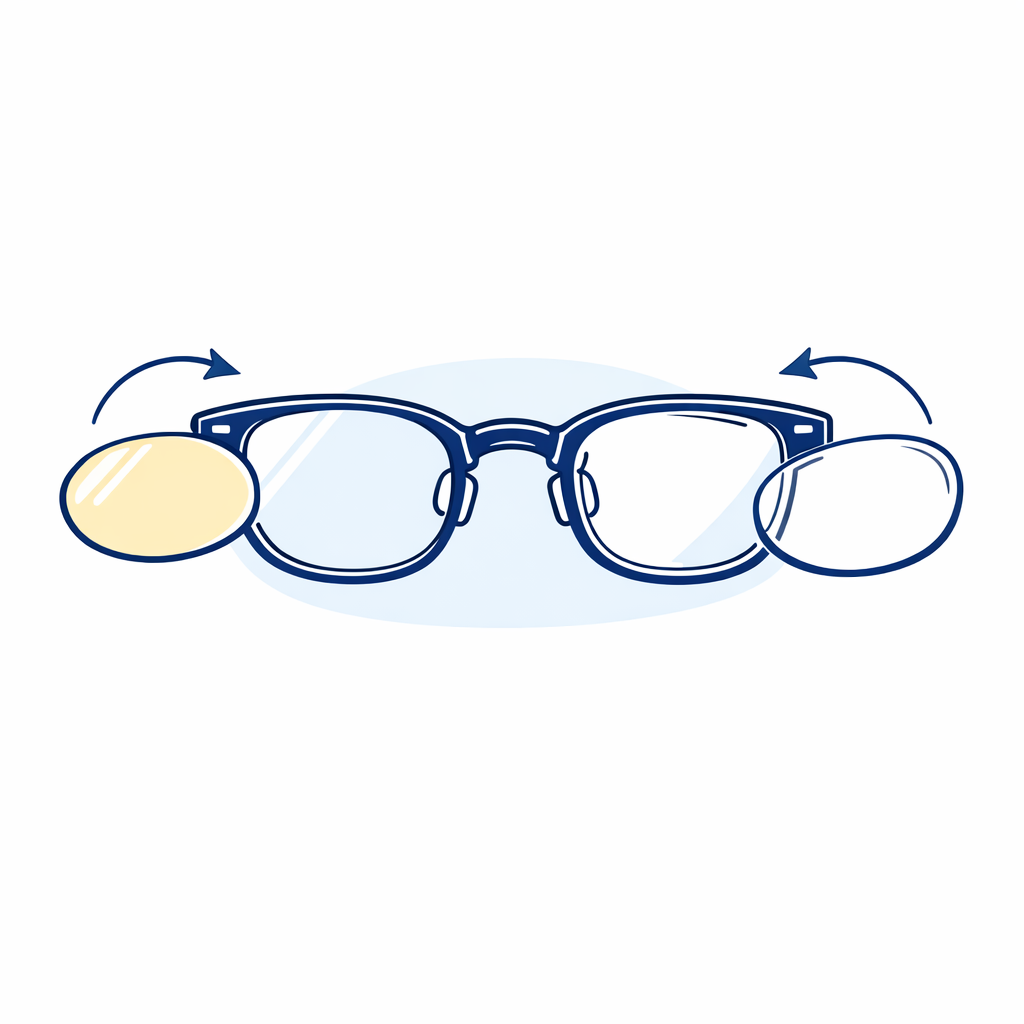
Sometimes the best fix is not returning the whole pair, but replacing only the lenses. This can be a great option if your frames fit perfectly, you like the style, or you’re refreshing an older favorite pair.
When lens-only replacement makes sense
- Your frame fit is perfect and you don’t want to restart the search.
- Your prescription changed and your current frames are still in great condition.
- You want a functional upgrade (for example, new lenses for driving glare or outdoor use).
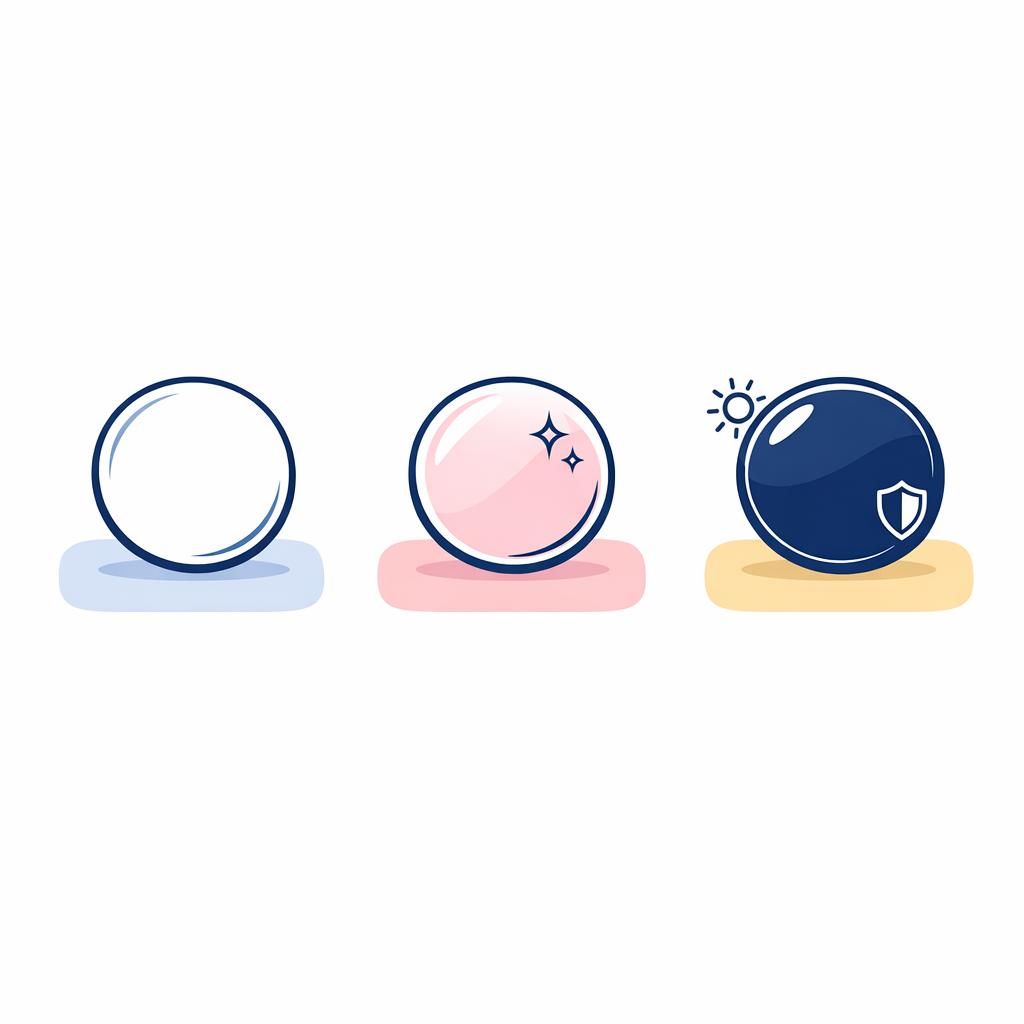
If you’re shopping for sports or outdoor sunglasses, remember that the American Academy of Ophthalmology recommends choosing sunglasses that block 99% to 100% of UVA and UVB. That’s especially relevant if you’re replacing scratched sunglass lenses and want the replacement to maintain protective performance.
Common mistakes that slow down returns and exchanges
Mistake 1: waiting “to see if it gets better” past the return window
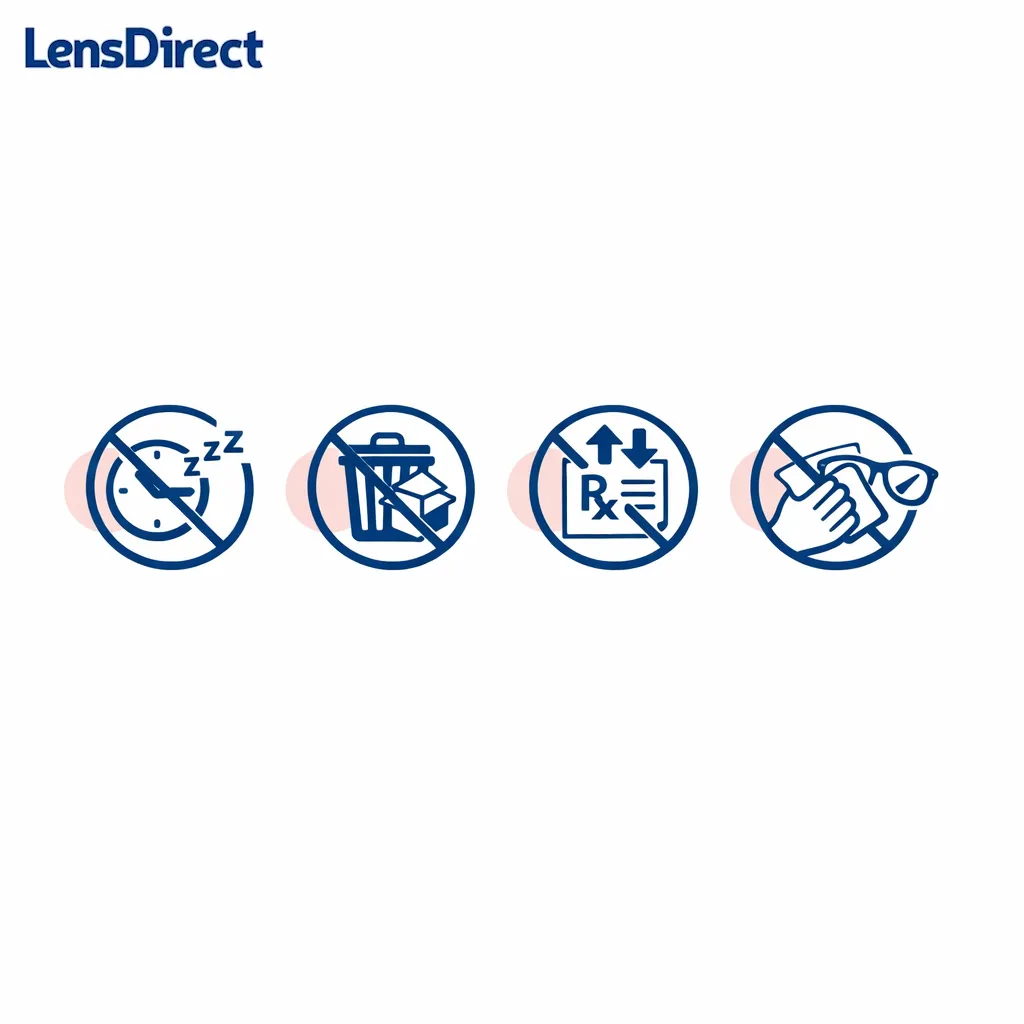
Even if you’re still troubleshooting, start a support ticket early. You can often keep working on the problem while your request is on record.
Mistake 2: throwing away packaging or order inserts immediately
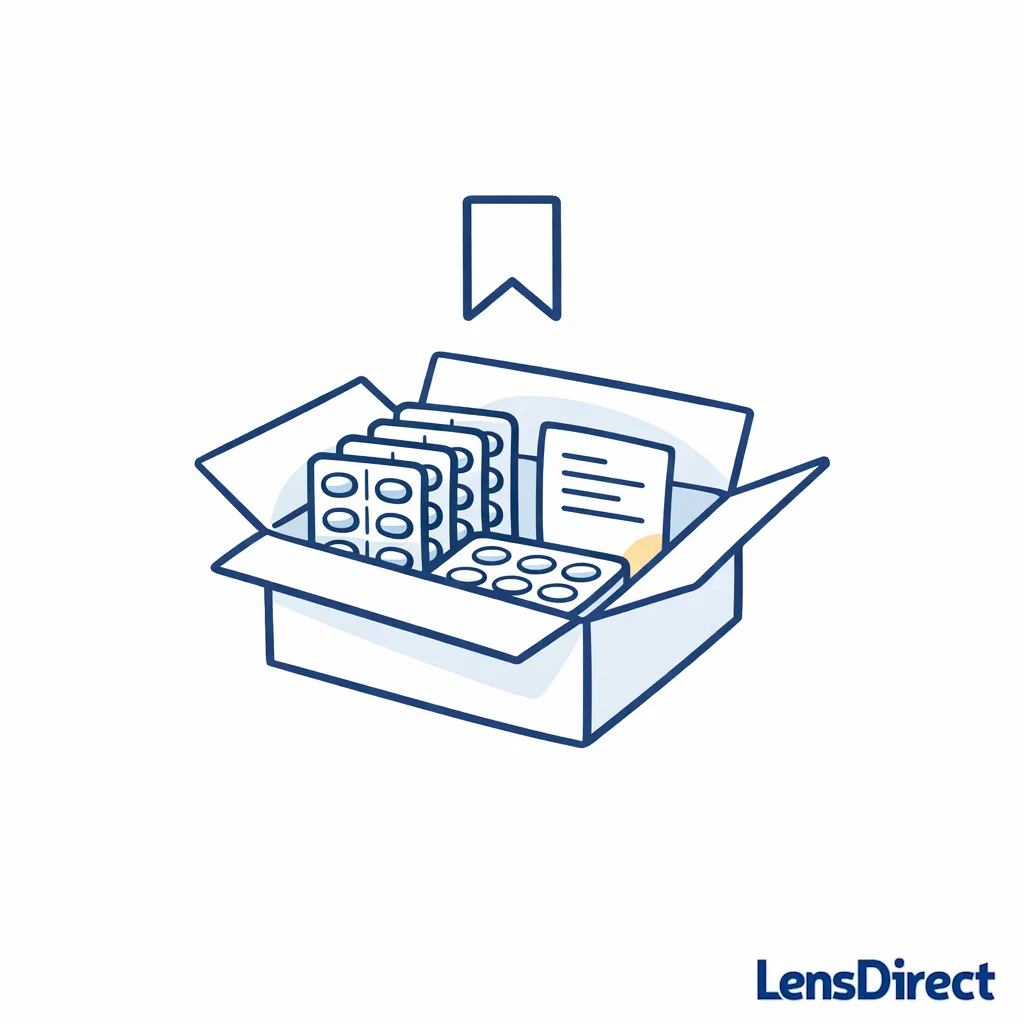
Many exchanges require box labels, blister packs, or SKU details to confirm exactly what was shipped. Keep everything until you’re satisfied.
Mistake 3: mixing up prescription terms when reporting the problem
For contacts and glasses, small differences matter. When you message support, list your prescription exactly as written (including cylinder/axis for astigmatism and add power for multifocals) and what you received.
Mistake 4: using abrasive cleaning that creates micro-scratches
Paper towels, shirts, and dry-wiping can add fine scratches over time. Follow safer steps like those in the AAO eyeglass cleaning guidance to reduce damage risk, especially if you’re trying to keep lenses pristine during a return/exchange evaluation.
Mistake 5: trying to “DIY” lens fixes that make the product ineligible
Applying coatings, polishing compounds, or home repair kits can make it hard for support to assess the original issue. If you suspect a defect or wrong order, document first and contact support before attempting repairs.
What to do next: a simple checklist
- Check your timeline: note your delivery date and any posted return/exchange deadline.
- Stop wear if needed: especially for contacts with pain or redness, and follow CDC contact lens safety guidance.
- Collect evidence: order number, photos, and a one-sentence problem statement.
- Decide the best path: refund, exchange, remake, or lens-only replacement.
- Contact support with specifics: include prescription details and what you received.
- Keep packaging: don’t discard boxes or blister packs until you’re fully satisfied.
- For contacts: expect prescription verification steps under the FTC Contact Lens Rule if you’re changing sellers or exchanging brands.
Shop and replace with confidence
If you’re ready to move forward, focus on the outcome you want: comfortable daily wear, clearer vision, or a fresh pair that’s ready for travel and everyday life. You can browse options, compare lens types, and place your next order with LensDirect while keeping these return-and-replacement steps in mind.
- Shop Glasses if you want a new frame and updated lenses in one go.
- Shop Contacts if you’re restocking for convenience, travel, or switching schedules.
- Replace Your Lenses if your frames fit great and you just need a refresh.
- Browse Best Sellers if you want proven picks and an easier decision.
- Find Your Fit if comfort is your top priority.
- Compare Options if you’re choosing between lens types or brands.
- Learn More if you want to understand materials, coatings, and what to expect before you buy.
Author

Subscribe to our email newsletter to get the latest posts delivered right to your email.