
For most shoppers, the best glasses for a diamond face shape are cat-eye, oval, round, browline, rimless, aviator, and soft rectangular frames. These shapes usually soften sharper angles, balance wider cheekbones, and add a little structure at the brow without making the middle of the face look broader.
If you are shopping for glasses for diamond face shape features, this guide is for you. It walks through how to confirm your face shape, which frame styles are easiest to wear, what to avoid, and how to get a more comfortable fit if you have prominent cheekbones.
- Best frame types: cat-eye, oval, round, browline, Clubmaster-style, rimless, semi-rimless, aviator, and soft rectangular frames.
- Best fit details: gentle curves, a little emphasis at the brow, adjustable nose pads, and lower rims that stay clear of your cheeks.
- Usually best to skip: very narrow frames, extra-boxy sharp corners, and oversized styles that overpower your cheekbones.
What defines a diamond face shape?
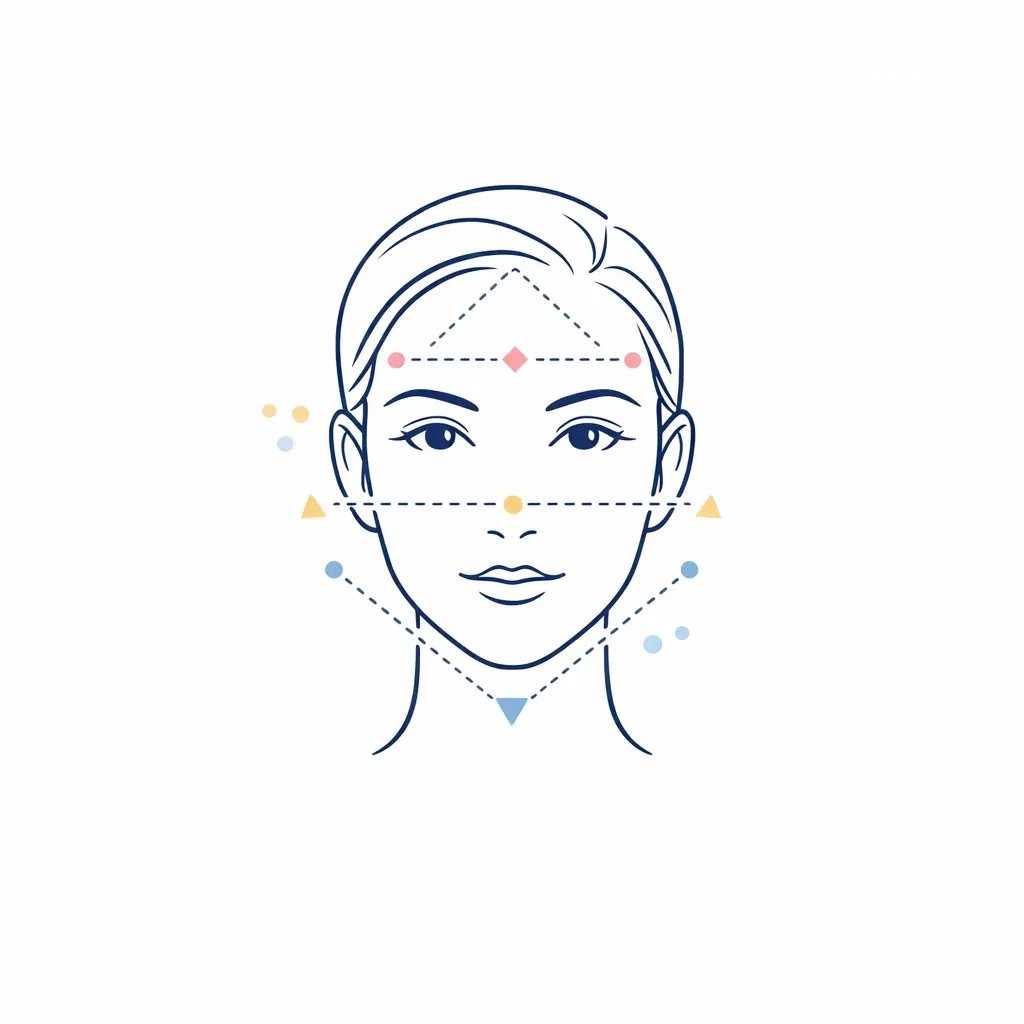
A diamond face shape usually has a narrower forehead, wider cheekbones, and a tapered chin. In practical terms, the middle of the face is the widest point, so the most flattering frames usually either soften that width or balance it by drawing the eye upward.
That is why diamond face frames often work best when they have curves, a lifted browline, or a lighter visual feel. You do not need to hide your cheekbones. You just want a frame shape that works with them instead of competing with them.
How to tell if you have a diamond vs heart or oval face
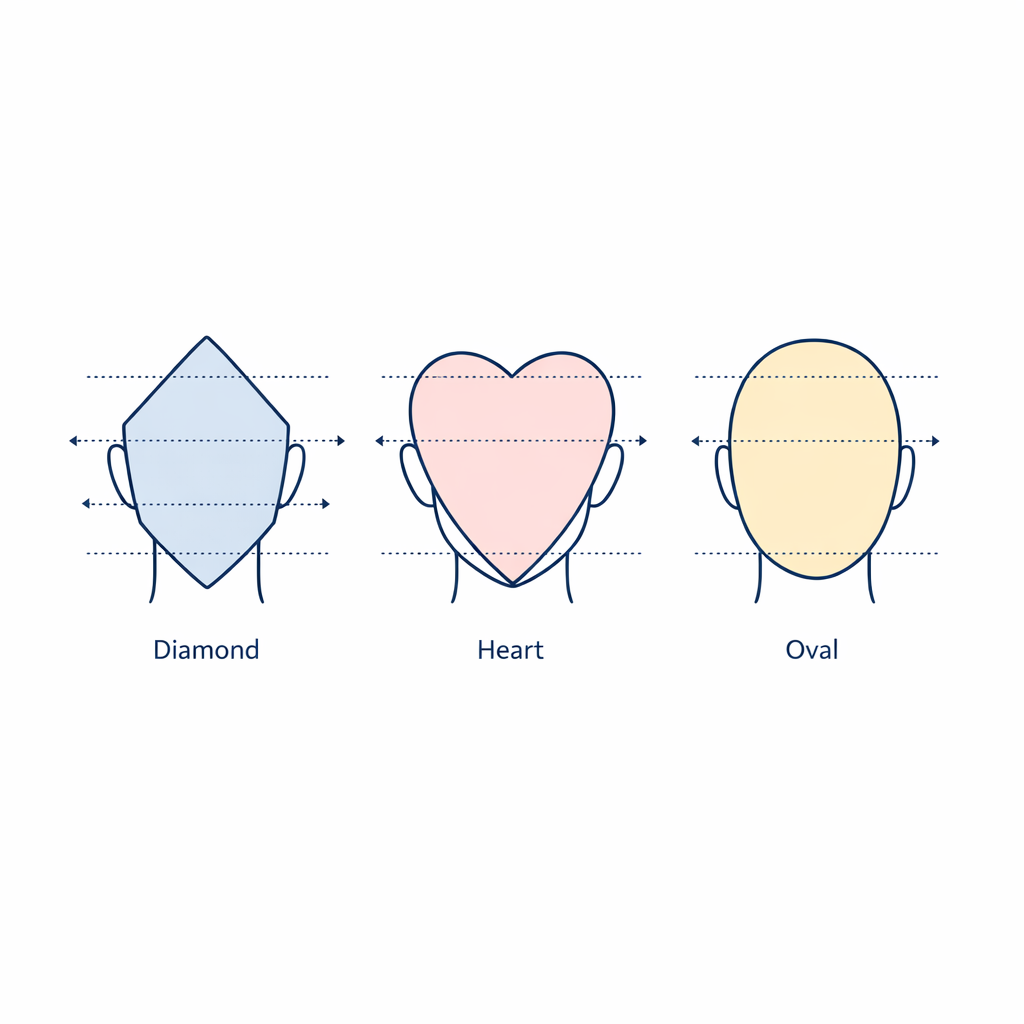
Compared with a heart face that is typically wider at the forehead and an oval face with more even proportions from forehead to jaw, a diamond face stands out because the cheekbones are the clear widest point. If your forehead and jaw both look narrower than the center of your face, diamond is usually the closer match.
If you are between categories, do not overthink it. Face-shape advice is a starting point, not a rulebook. The better question is which frame creates the balance you want when you look straight on and when you smile.
Best glasses for a diamond face shape
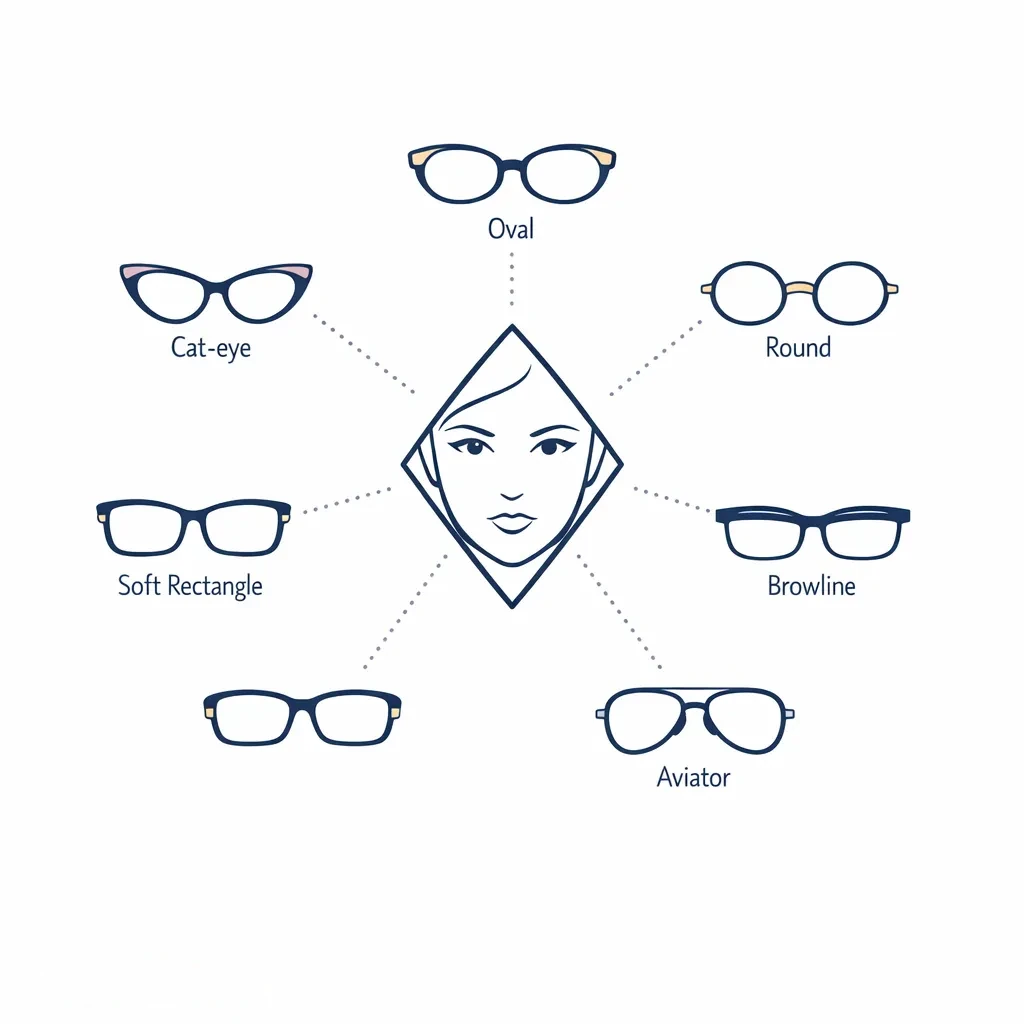
The best glasses for diamond face shape features usually do one of two things: soften the angles of the face or add a little width and interest near the brow. The styles below are the easiest places to start whether you shop men’s, women’s, or unisex frames.
Cat-eye frames
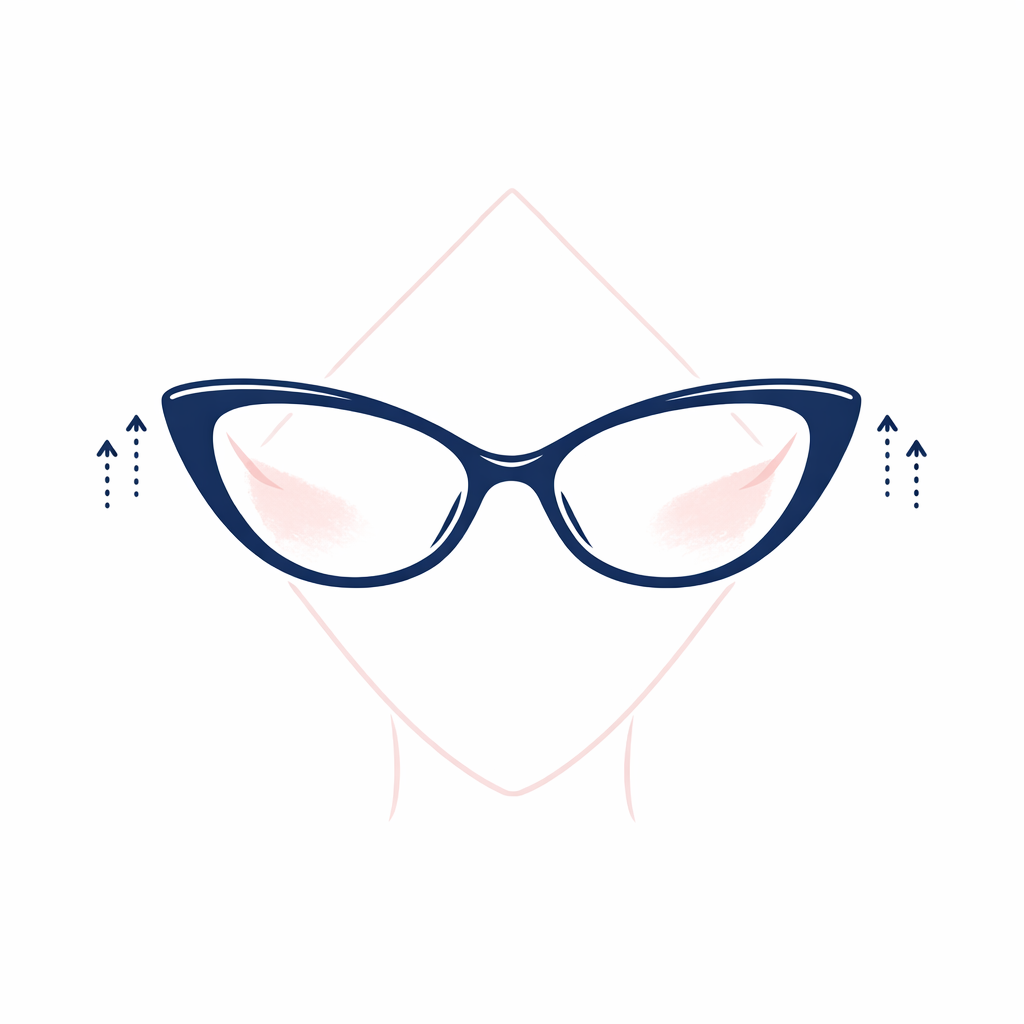
Cat-eye glasses are one of the strongest picks for a diamond face because the upper corners draw attention upward. That gentle lift can balance wider cheekbones and make the forehead area feel a little broader.
If you want a softer everyday version, choose a subtle cat-eye instead of a dramatic vintage wing. For bold statement looks, a sharper cat-eye can still work well as long as the frame is not too narrow through the center.
Oval and round frames
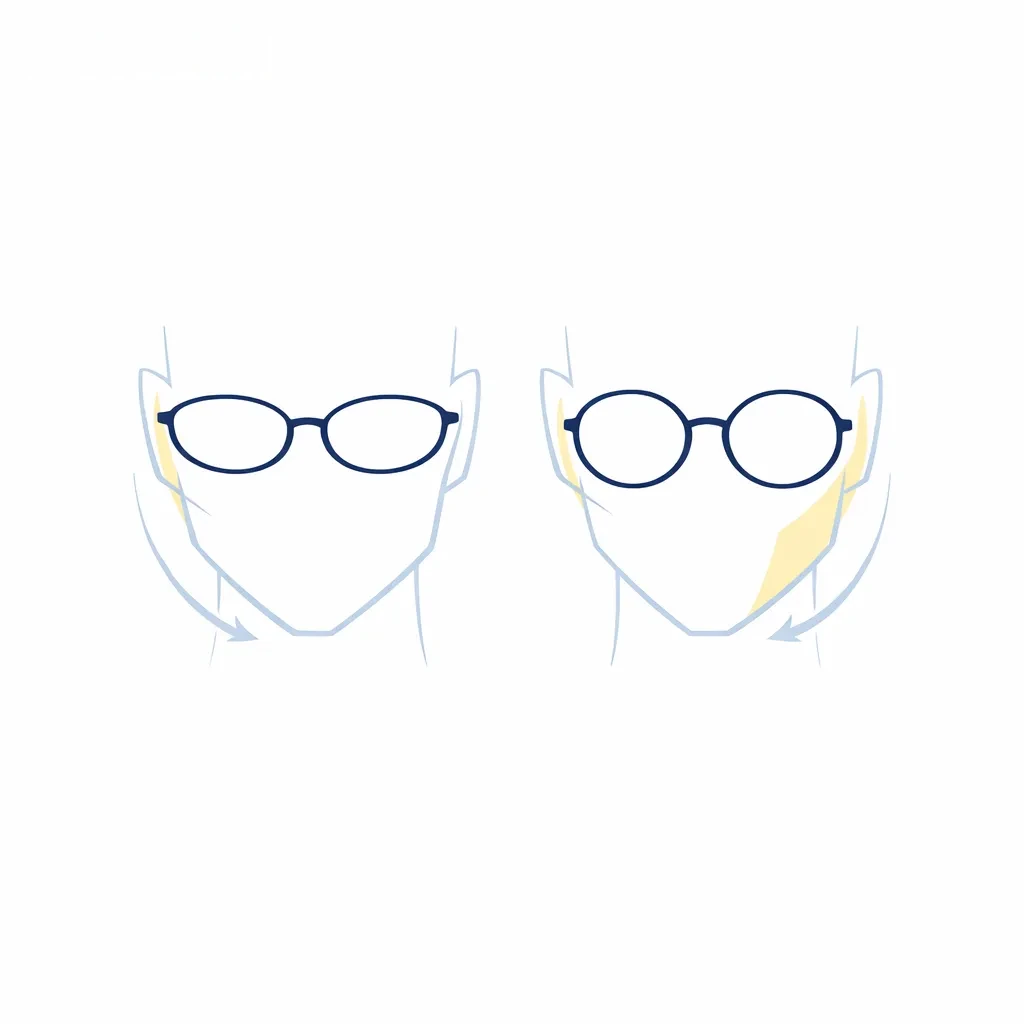
Oval and round frames are classic choices when you want to soften angular facial lines. They can make a diamond face look a little more relaxed and balanced without covering up your features.
If your cheekbones are especially prominent, medium-width round or oval frames usually feel more wearable than tiny circles. Thin metal rounds can look elegant and minimalist, while slightly thicker acetate ovals give a softer fashion feel.
Browline and Clubmaster frames
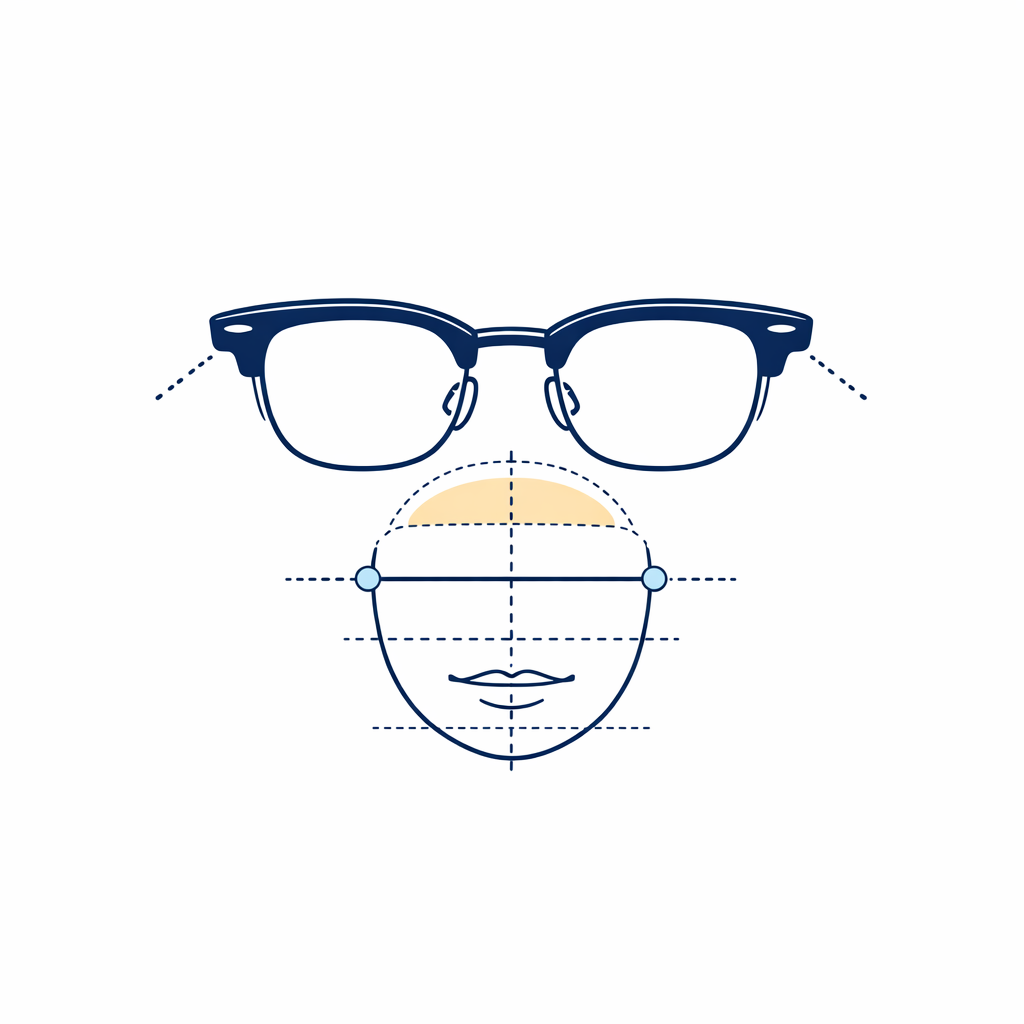
Browline and Clubmaster-style frames add visual weight at the top of the face. That makes them one of the best frames for diamond face shoppers who want more structure without going full cat-eye.
This style also works well for professional or workwear outfits because it looks polished and intentional. Choose a version with rounded edges rather than a super-flat, severe top line if you want the most balanced result.
Rimless and semi-rimless frames
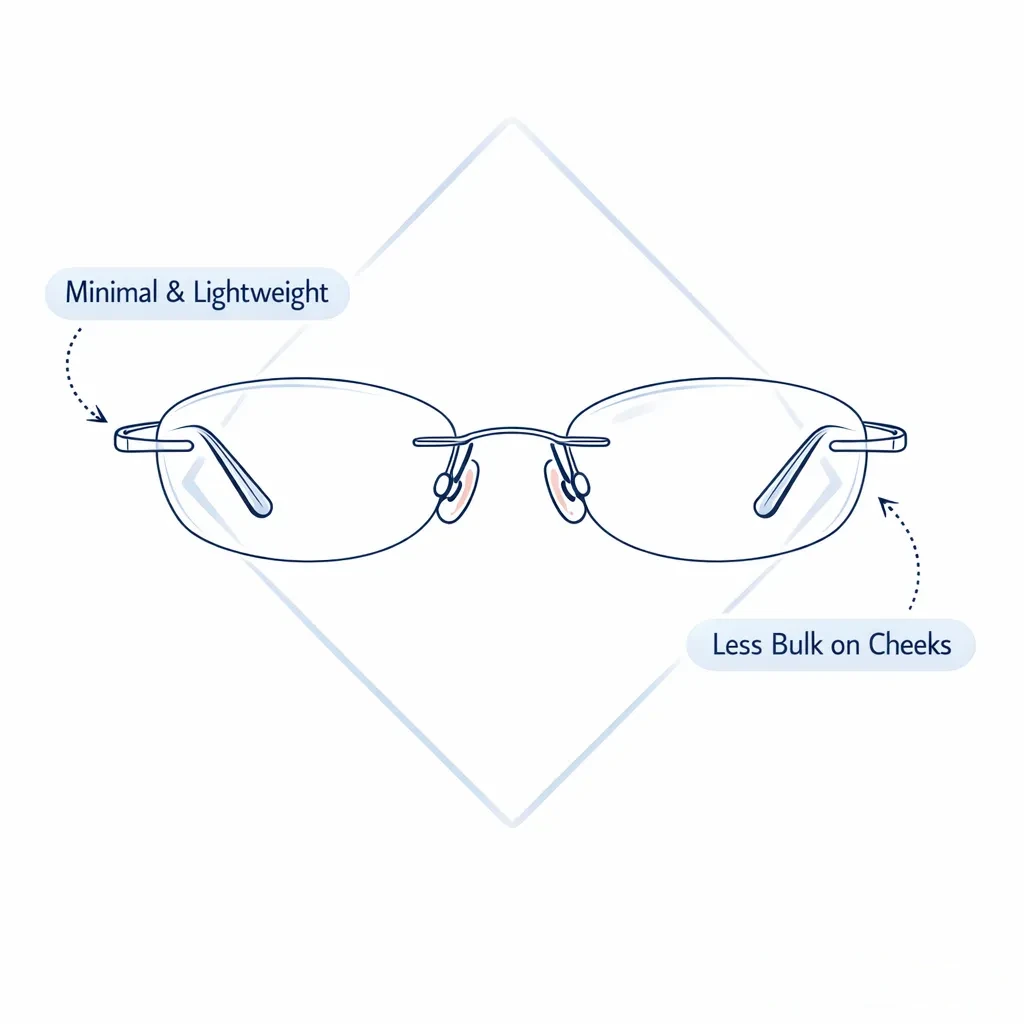
Rimless glasses for diamond face shape styling are a smart option when you want your cheekbones to stay visible and your frame to feel light. Because there is less material around the lens, the overall look can feel less busy across the widest part of the face.
Semi-rimless styles can do something similar while still giving you a little more definition. They are especially appealing if you want a refined, low-profile pair for work or all-day wear.
Aviator frames
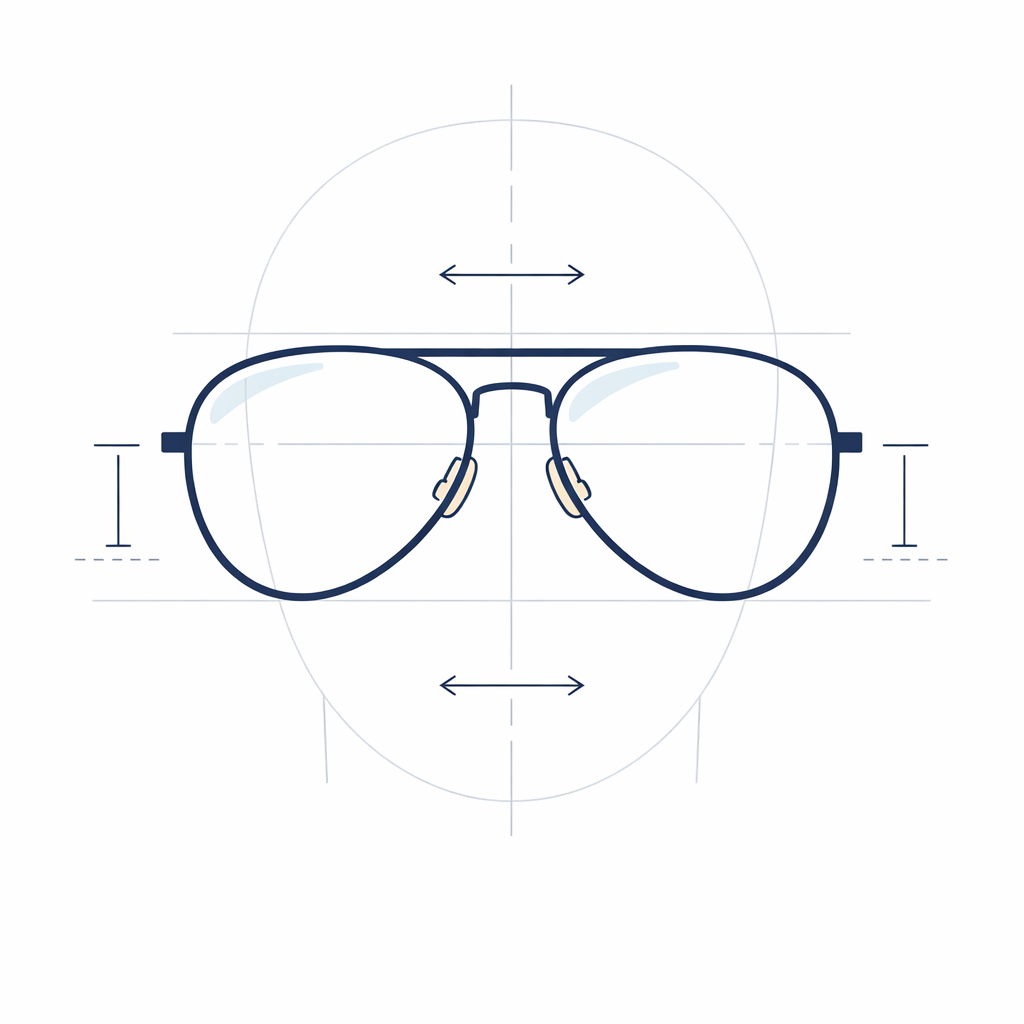
Aviators can be flattering on a diamond face when the shape is softly curved and not excessively oversized. The teardrop-inspired outline adds contrast to angular features, and the top bar can help broaden the upper face visually.
The key is proportion. Choose aviators that sit comfortably within the width of your face instead of dropping too low or extending too far beyond your cheekbones.
Soft rectangular frames
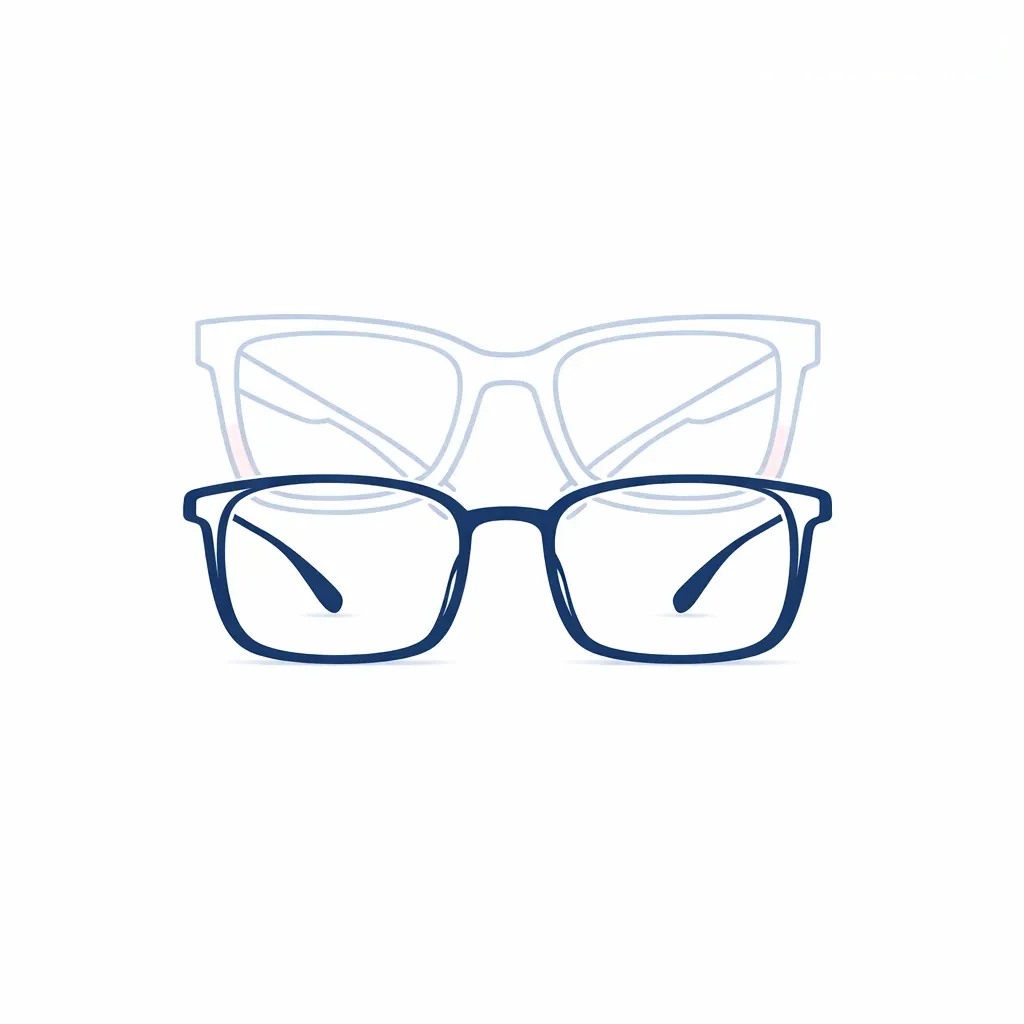
Rectangular frames can work on a diamond face if the corners are softened and the frame is not too boxy. This is a good option if you like cleaner lines but do not want a sharp geometric look.
Think rounded rectangles instead of hard-edged squares. That gives you structure without making the face look more angular than it already is.
FAQs
Which frame is best for a diamond face?
If you want the shortest answer, start with cat-eye or browline frames. If your style is more understated, oval, rimless, or softly rectangular frames are usually the next safest choices.
Are there glasses to avoid for diamond faces?
Usually yes. Very narrow frames, extra-angular boxy shapes, and huge oversized styles are the most common misses because they can either exaggerate cheekbone width or drown out your natural proportions.
What shape sunglasses work best?
Most of the same rules apply to sunglasses. Cat-eye, oval, browline, and softly curved aviator styles are often the best diamond face shape sunglasses because they add balance without making the middle of the face look heavier.
Can rectangular frames work on a diamond face?
Yes, if they are soft rectangles rather than sharp ones. Look for rounded corners, moderate lens depth, and a width that sits comfortably across your face instead of pinching inward at the cheeks.
Frames to avoid for diamond face shapes
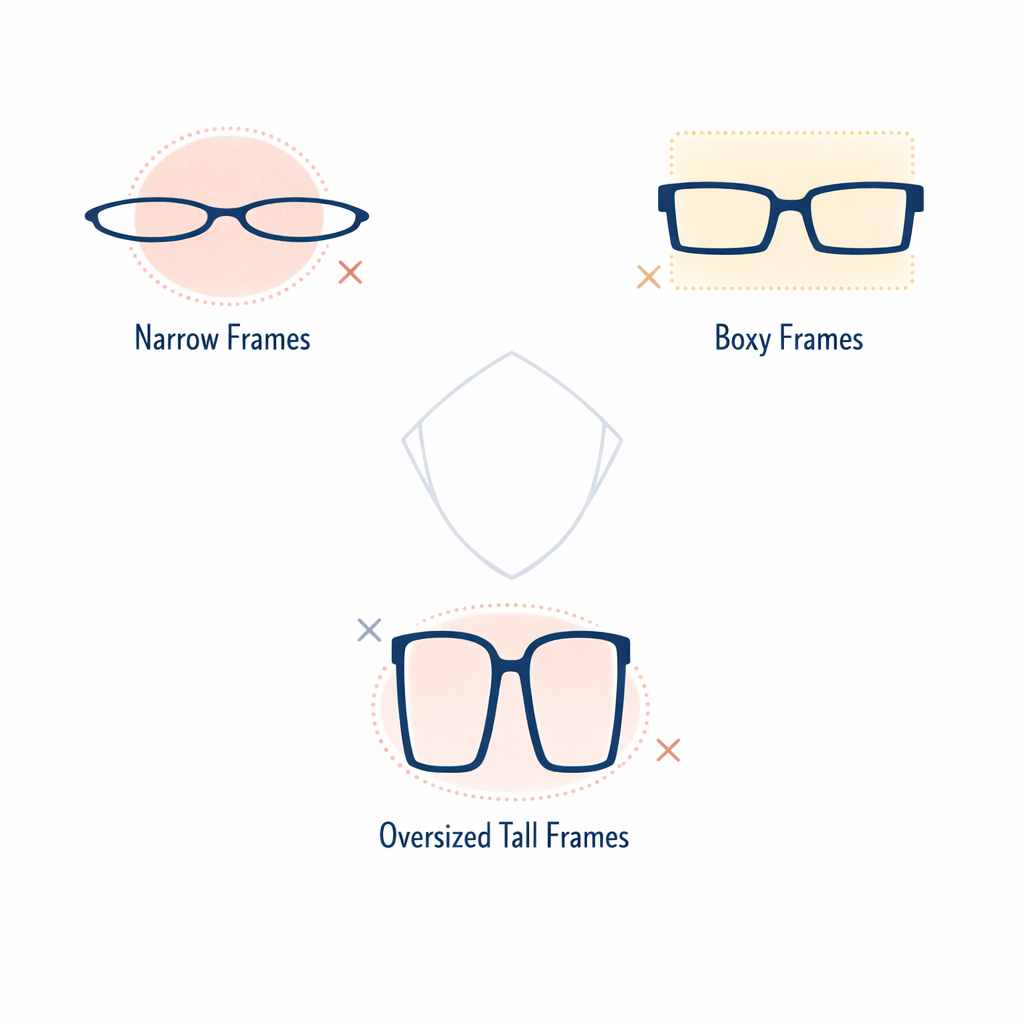
Short answer: Usually skip frames that are too narrow, too sharp, or too large. The most flattering glasses for a diamond shaped face tend to look balanced at the brow and comfortable around the cheekbones, not cramped in the middle or oversized everywhere.
Very narrow frames
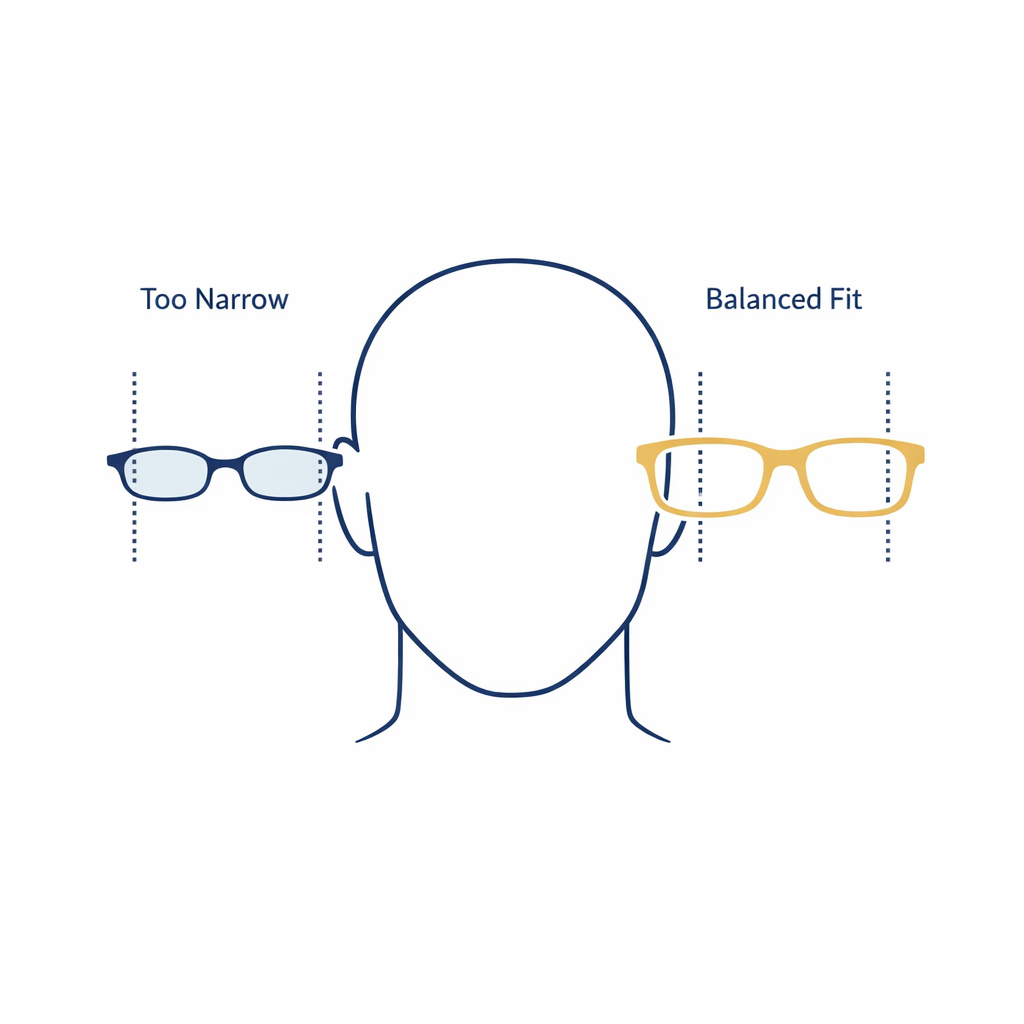
Narrow frames often make the center of the face look even wider by contrast. If your cheekbones are your standout feature, a too-small frame can make them feel overemphasized instead of balanced.
This is one of the most common mistakes when people try to “slim down” the face with smaller glasses. In reality, slightly more width usually looks better than a pinched fit.
Boxy sharp-cornered styles
Hard-edged square frames can sometimes make a diamond face look more angular than intended. That does not mean you can never wear structure. It just means softer edges usually create a more flattering result.
If you love geometric eyewear, choose shapes with a little rounding or a thinner profile. You will keep the personality without adding too much visual tension.
Oversized frames that overpower cheekbones
Oversized glasses can be stylish, but on a diamond face they need to be chosen carefully. If the lenses are too tall or the frame extends too far beyond the cheekbones, the glasses can overwhelm the face instead of complementing it.
A better approach is statement size with controlled proportions. Bold color, a defined browline, or a sculpted cat-eye often gives more impact than sheer width alone.
Best sunglasses for diamond face shapes
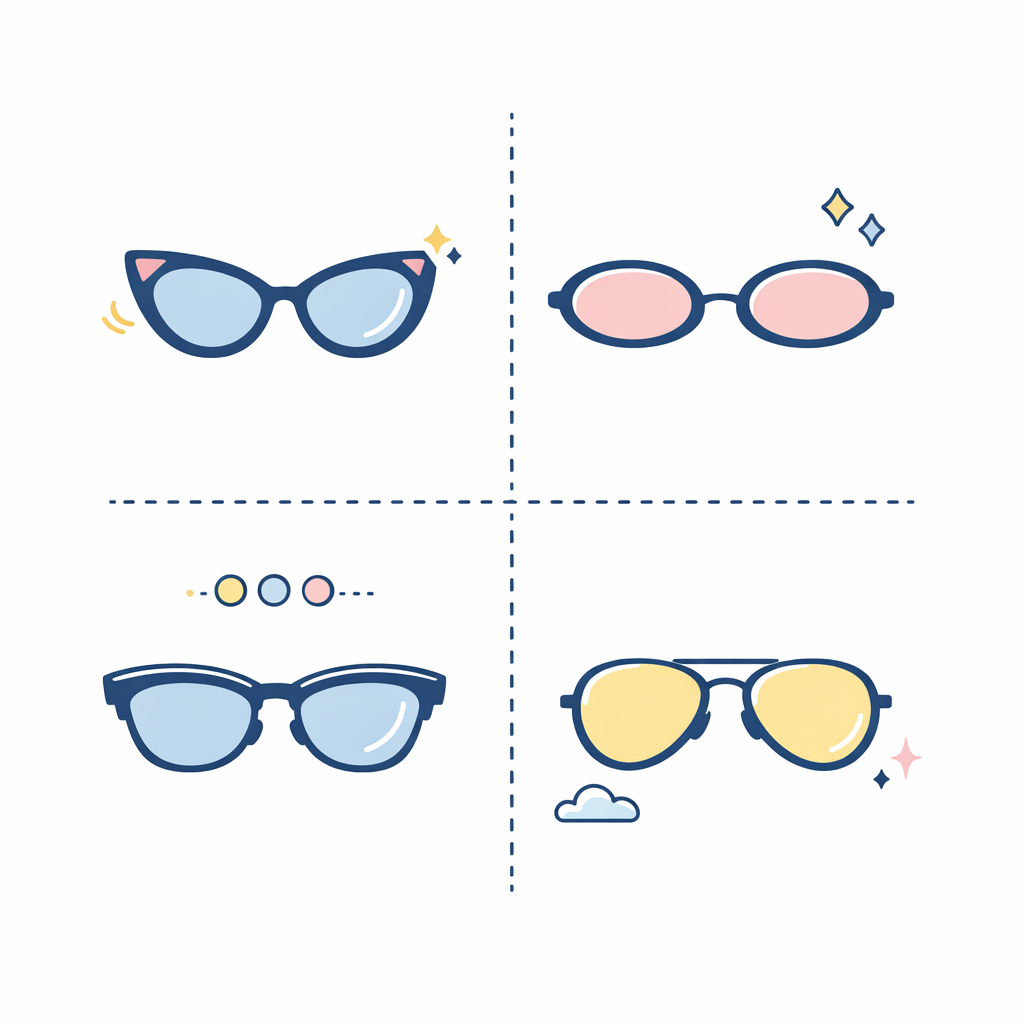
The same face-shape logic usually applies to sunglasses, but sunwear often looks bigger and sits differently on the face. For eye safety, choose sunglasses that block 99 to 100 percent of UVA and UVB rays, then use shape and fit to narrow the field.
Cat-eye, oval, browline, aviator options
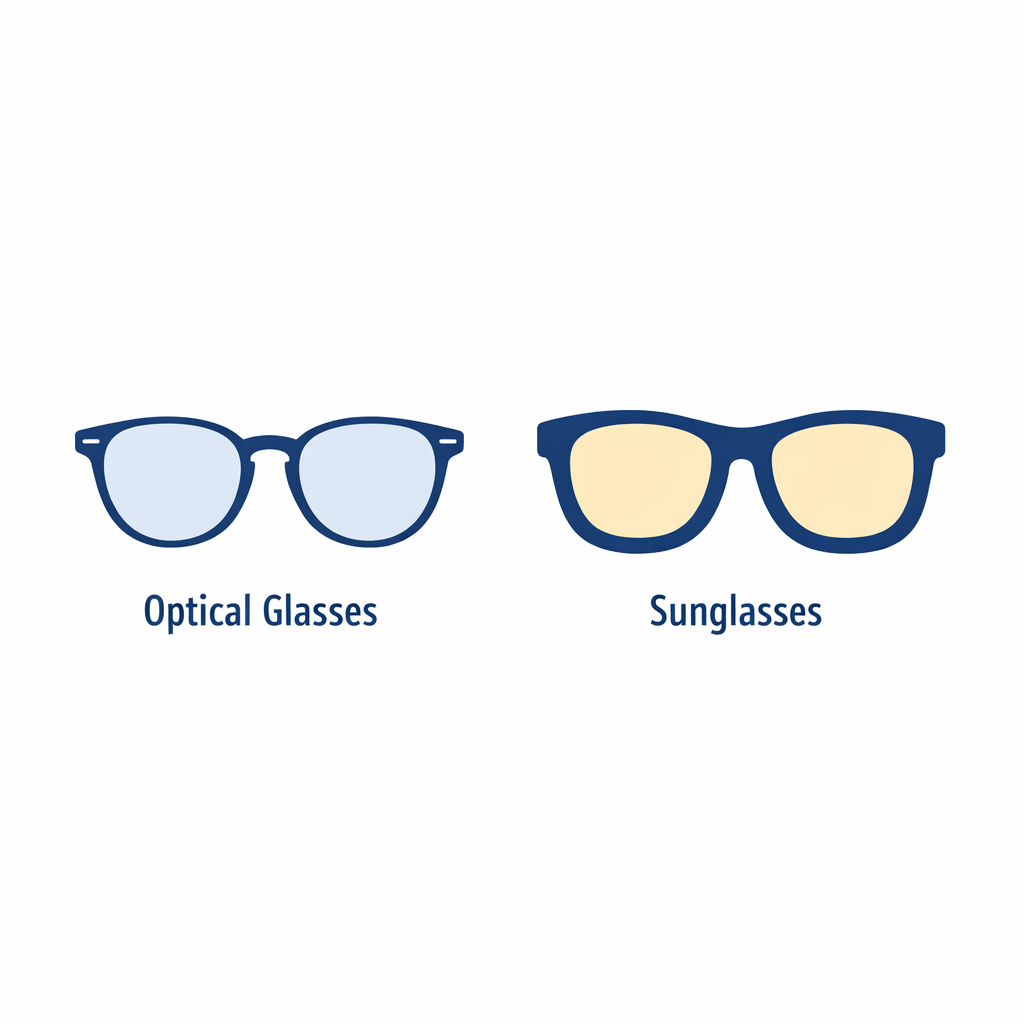
Cat-eye sunglasses are excellent if you want a lifted, fashion-forward look. Oval sunglasses are a strong choice when you want softer lines, while browline styles add structure at the top of the face without making the cheeks look broader.
Aviators are also worth trying, especially in medium sizes with a gentle curve. If you like sporty or outdoorsy frames, look for styles that feel balanced from brow to chin instead of very deep lenses that cover too much of the mid-face.
How sunglass sizing differs from eyeglasses
Sunglasses often have thicker rims, darker lenses, and more wrap, so the same width can feel visually larger than an everyday optical frame. That is why a sunglass that seems great on paper can look oversized once it is actually on your face.
If you have high cheekbones, pay extra attention to lens depth. A frame can have the right width but still sit on your cheeks if the lenses are too tall or the bridge sits too low.
What shape sunglasses work best for a diamond face?
If you want one safe shortlist, start with cat-eye, oval, browline, and medium-size aviator styles. Those shapes usually flatter diamond face features while still giving you enough range to choose between polished, casual, sporty, or statement looks.
Fit tips for high cheekbones and all-day comfort
Frame width vs cheekbone width
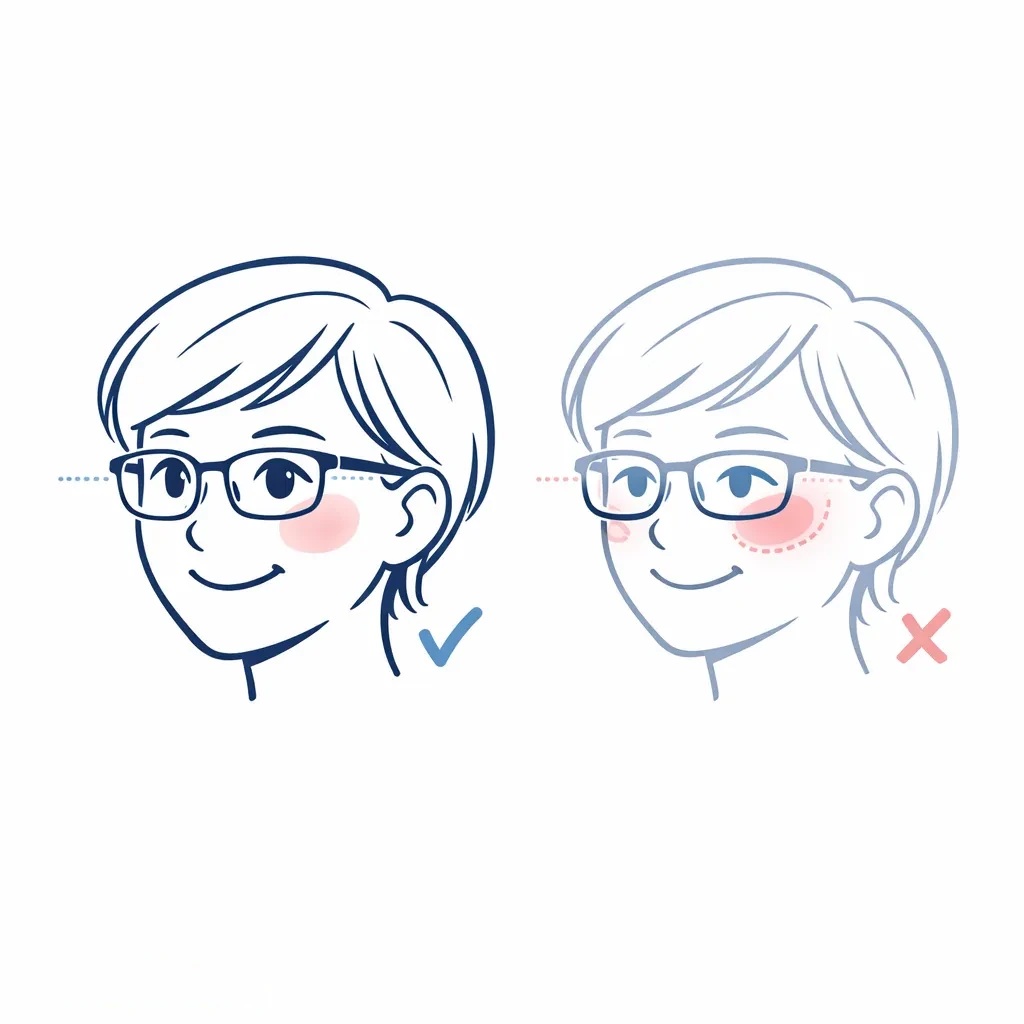
When you have high cheekbones, fit matters as much as shape. A frame that is slightly too narrow can press inward visually and physically, while a frame that is too wide can slide or feel unstable.
A good starting point is a frame that looks balanced across your face when viewed straight on and stays clear of the cheeks when you smile. If the lower edge touches your cheeks right away, try a slightly wider frame or a shallower lens shape.
Adjustable nose pads and low bridge fit
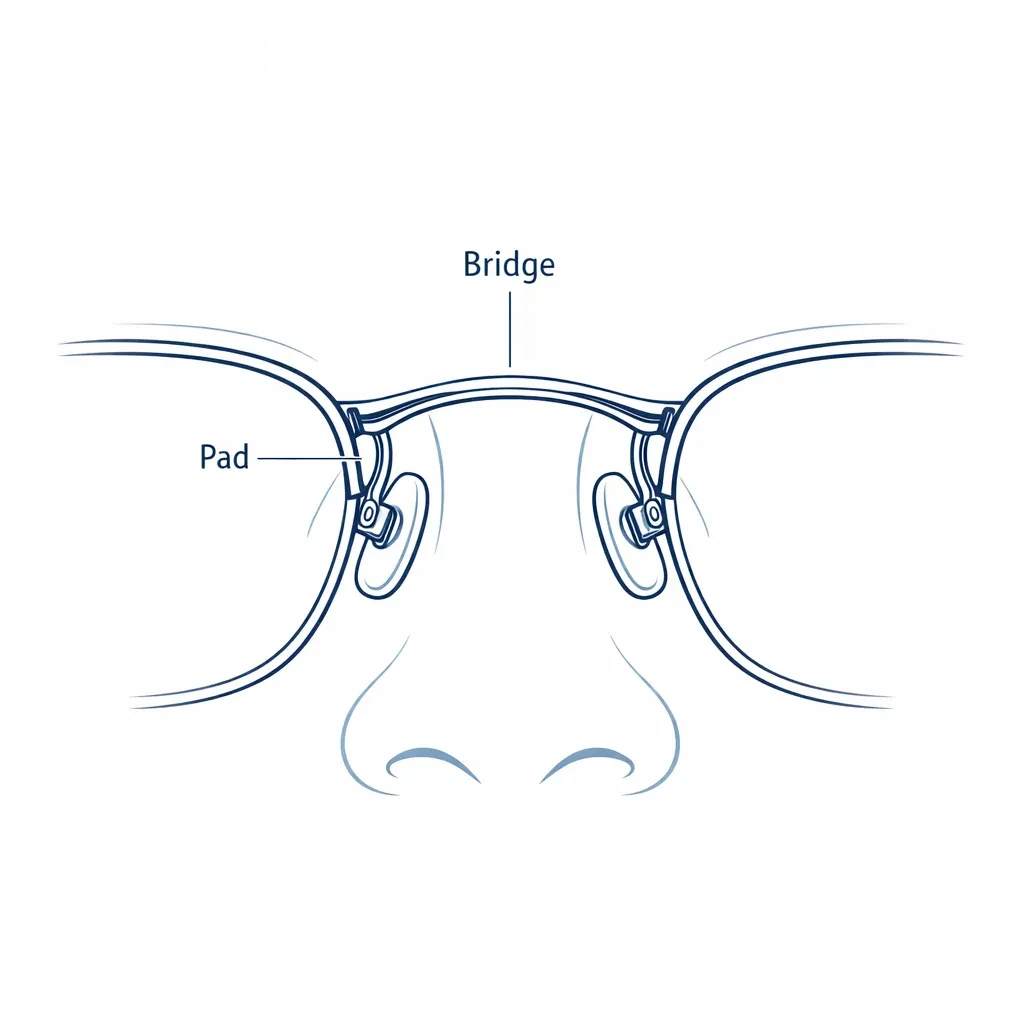
Adjustable nose pads are often helpful if your frames slide down or rest too heavily on your cheeks. They let you fine-tune where the frame sits, which can make a big difference for comfort and appearance.
If standard plastic bridges tend to sit low on your nose, low bridge fit or adjustable-pad styles are often worth trying. This matters more than people think, especially for frames for high cheekbones that need a little extra clearance.
Shallow bottom rims for smile clearance
If you smile and the bottoms of the frames lift against your cheeks, look for a shallower lens or a bottom rim with less drop. This is one of the easiest fixes for all-day comfort.
Cat-eye, browline, rimless, and some soft rectangular shapes can be especially good here because they create interest up top without adding too much bulk below the eye. The goal is a frame that looks stable and feels easy to wear from morning to night.
Best glasses by style preference
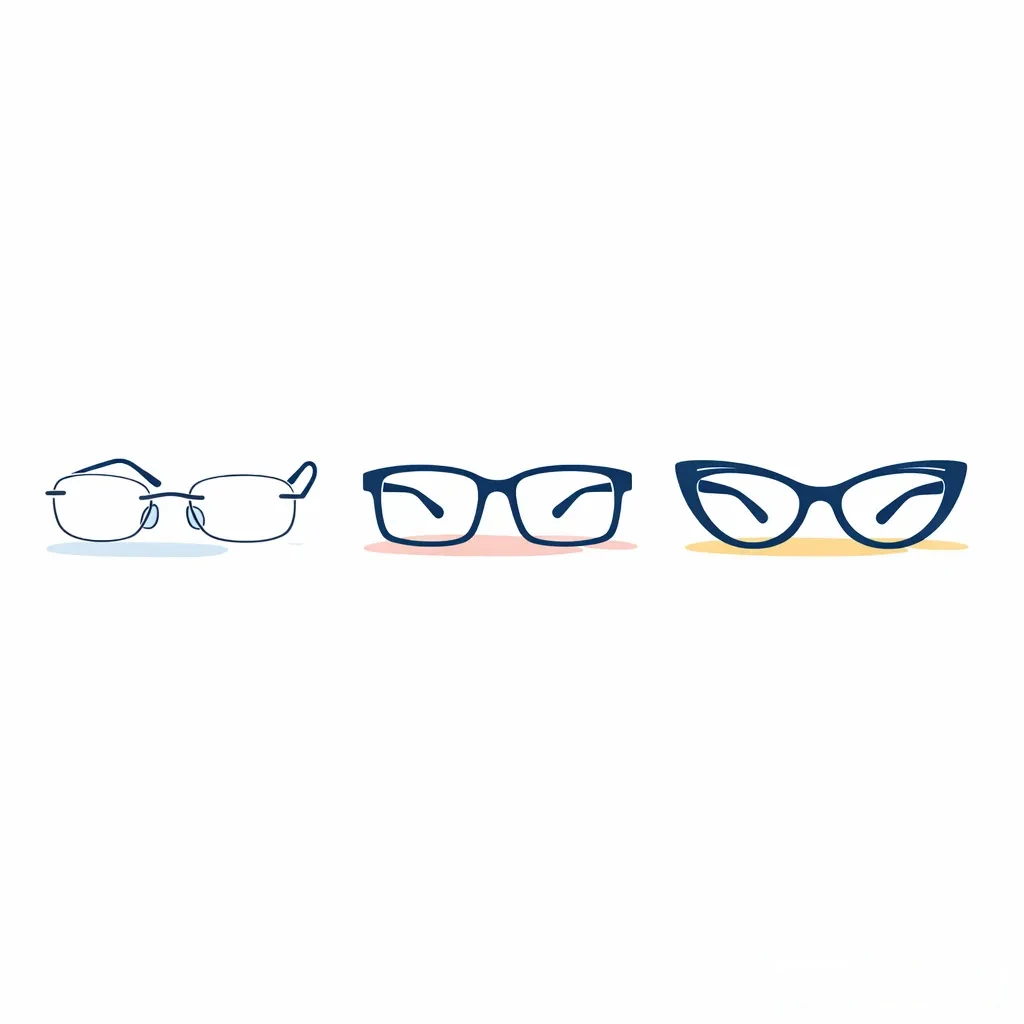
If you prefer subtle eyewear, start with thin oval metal frames, rimless styles, or semi-rimless rectangles. These shapes flatter a diamond face without calling too much attention to the frame itself.
This is also a smart direction if you wear glasses all day and want something versatile with casual and professional outfits. Minimal does not have to mean boring. A soft champagne metal or translucent acetate can still add personality.
Bold statement looks
If you want your glasses to be the centerpiece, try a cat-eye, a sculpted browline, or a thicker oval acetate frame. These shapes let you go bolder with color and design while still working with your proportions.
For statement frames, focus on shape before color. A flattering silhouette in black, tortoise, crystal, or bright acetate usually beats a trendy shade in a shape that fights your face.
Workwear and professional looks
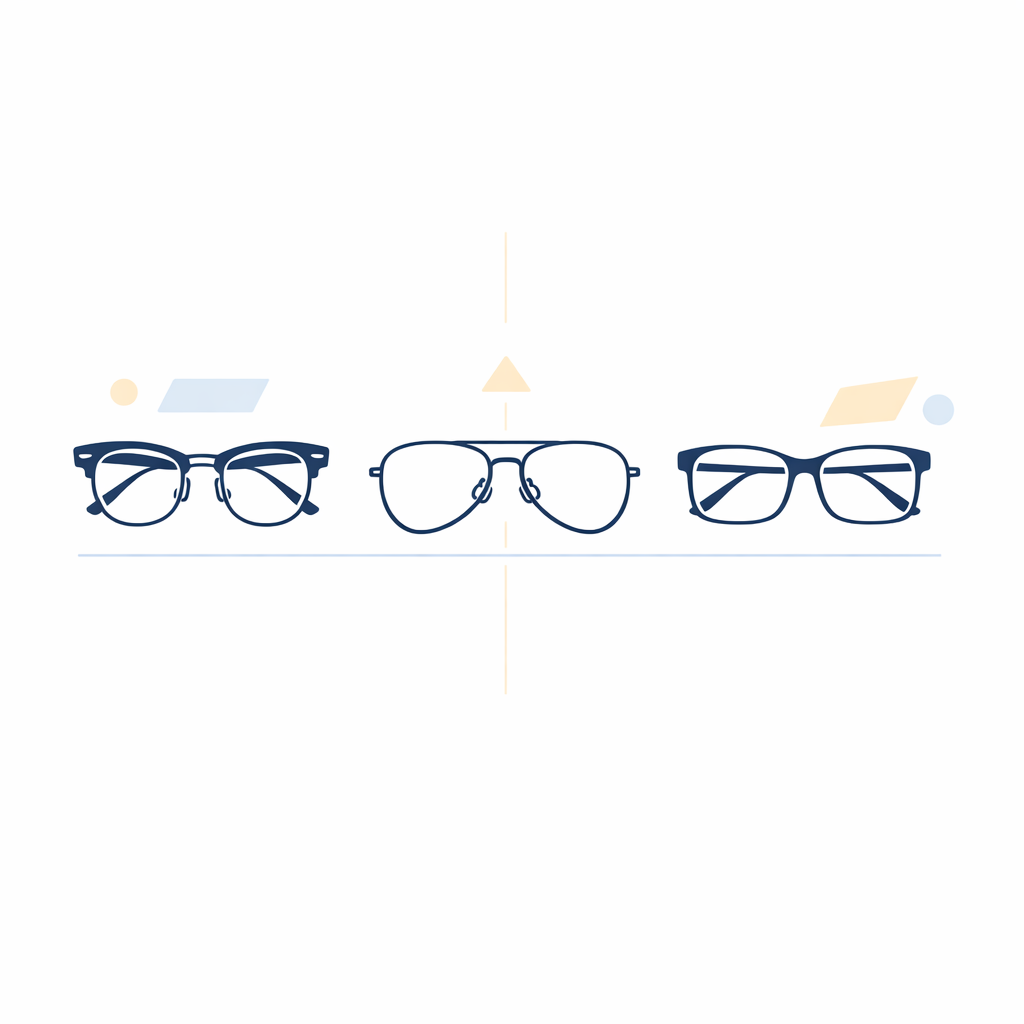
For a cleaner, more professional result, soft rectangular frames, browlines, and refined aviators are often the easiest winners. They give structure and polish without looking too sharp or too fashion-driven.
If you are building one dependable pair, choose a medium-width frame in a neutral color. Then add a second, more expressive frame once you know which proportions feel best on your face.
Common mistakes and misconceptions
Picking by face shape alone
Face shape is helpful, but it is not the whole decision. Your prescription, bridge fit, cheekbone height, and personal style all matter just as much once the glasses are actually on your face.
If a frame is technically “right” for a diamond face but pinches, slides, or touches your cheeks, it is not the right frame for you. Always let fit break the tie between two shapes.
Choosing tiny frames to downplay cheekbones
This is a common misconception. Very small frames often do the opposite and make the widest part of the face stand out more.
A better strategy is balanced width with softer shaping. You usually get a more flattering result from medium-size frames that echo your proportions instead of shrinking away from them.
Treating frame shapes as gendered rules
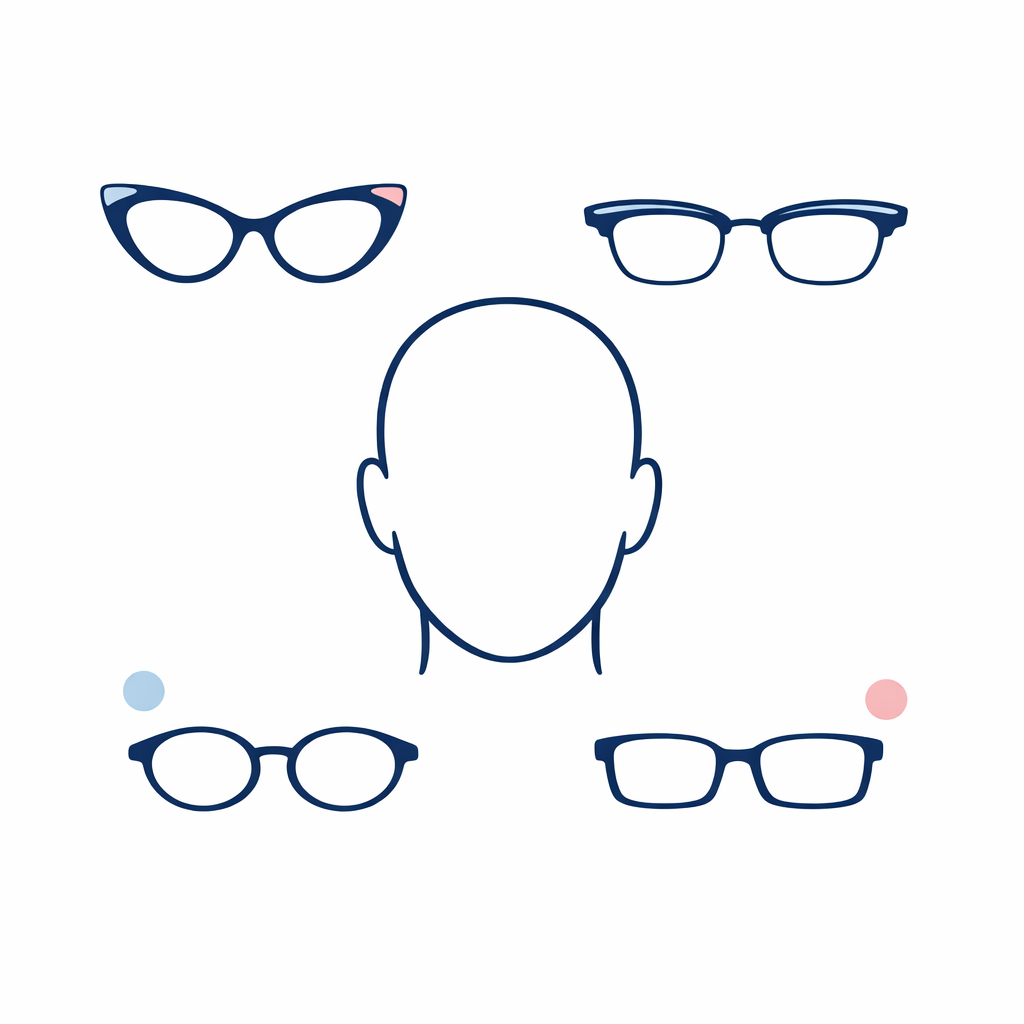
Cat-eye is not just for women, and browline is not just for men. The same shape principles can work across men’s, women’s, and unisex collections.
Instead of shopping by label, shop by the effect you want. Softer, sharper, bolder, lighter, dressier, or more minimal are often more useful filters than gender alone.
What to do next
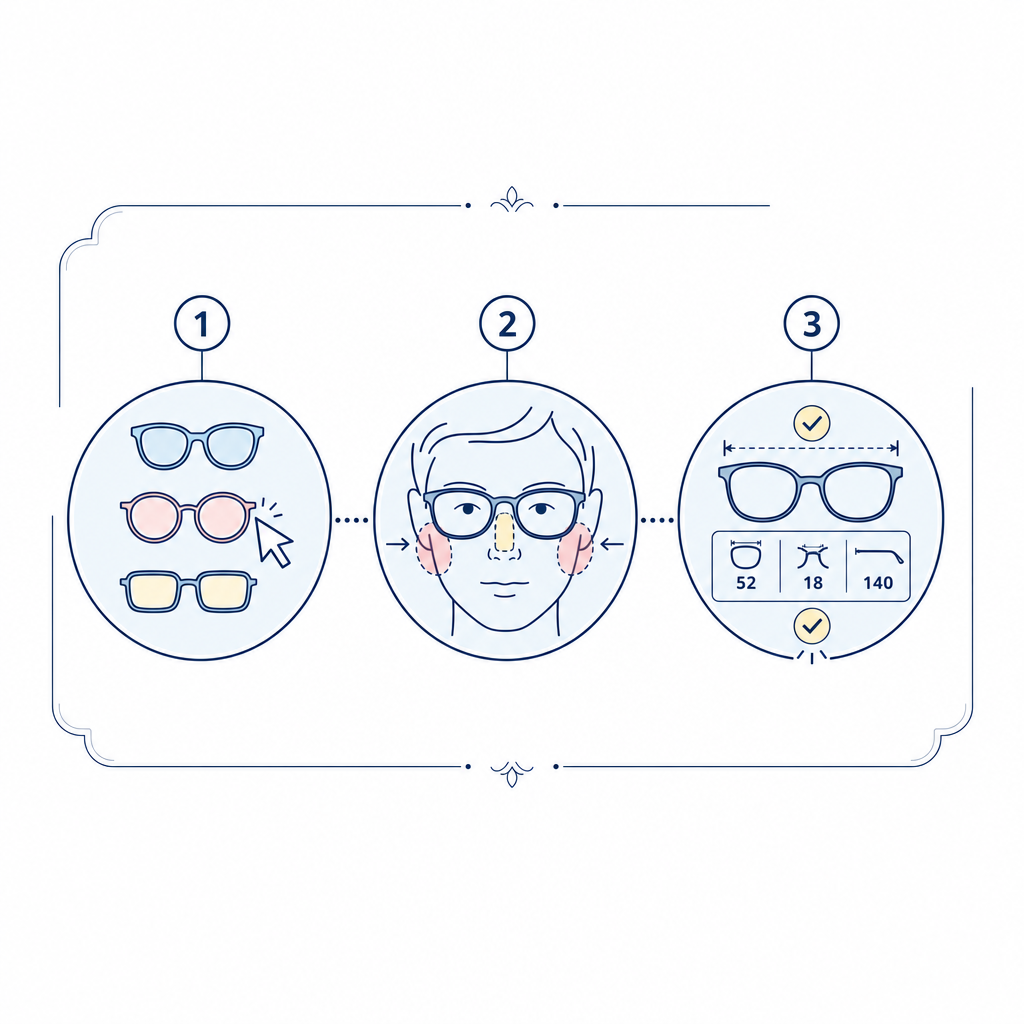
If you want to turn this advice into a real shortlist, keep the process simple. Start with shape, then narrow by fit, then check your measurements before you buy.
- Confirm your proportions with a face-shape guide if you are still deciding between diamond, heart, or oval.
- Start with two or three safe frame families: cat-eye, oval, browline, or soft rectangular.
- Check smile clearance, cheek contact, and bridge comfort before committing to a deeper lens shape.
- Before ordering prescription eyewear online, measure your pupillary distance so your lenses line up correctly.
- If you use vision benefits, learn how to get reimbursed by your insurance before checkout.
- If your prescription feels outdated or your eyes have been uncomfortable, get input from your optometrist before buying a new pair.
Find frames that fit your face better
If you are ready to shop, LensDirect makes it easy to move from general advice to actual options that match your style, prescription needs, and budget. Whether you want everyday glasses, diamond face shape sunglasses, contacts, or replacement lenses for frames you already love, these links are a good place to start.
- Shop Glasses
- Shop Sunglasses
- Shop Contacts
- Replace Your Lenses
- Full-Service Replacement
- Order Replacement Lenses
- Find Your Fit
- Learn How to Get Reimbursed by Your Insurance
- Learn How to Measure Your Pupillary Distance
Author

Subscribe to our email newsletter to get the latest posts delivered right to your email.