

If you are comparing Acuvue Oasys vs Biofinity, the hard part is not finding people who like both. The real question is which lens fits your routine, your comfort priorities, and the way you actually buy contacts. This guide is for shoppers who want a plain-English breakdown before ordering online, especially if you care about comfort, replacement schedule, specialty prescriptions, and long-term value.
Short answer: Acuvue Oasys is a two-week silicone hydrogel lens with HYDRACLEAR Plus and UV blocking, while Biofinity is a monthly silicone hydrogel lens built around Aquaform Technology. For most people, Oasys makes more sense if you want a fresher replacement cycle, while Biofinity makes more sense if you want fewer replacement dates and a simpler monthly routine.
Acuvue Oasys vs Biofinity at a glance
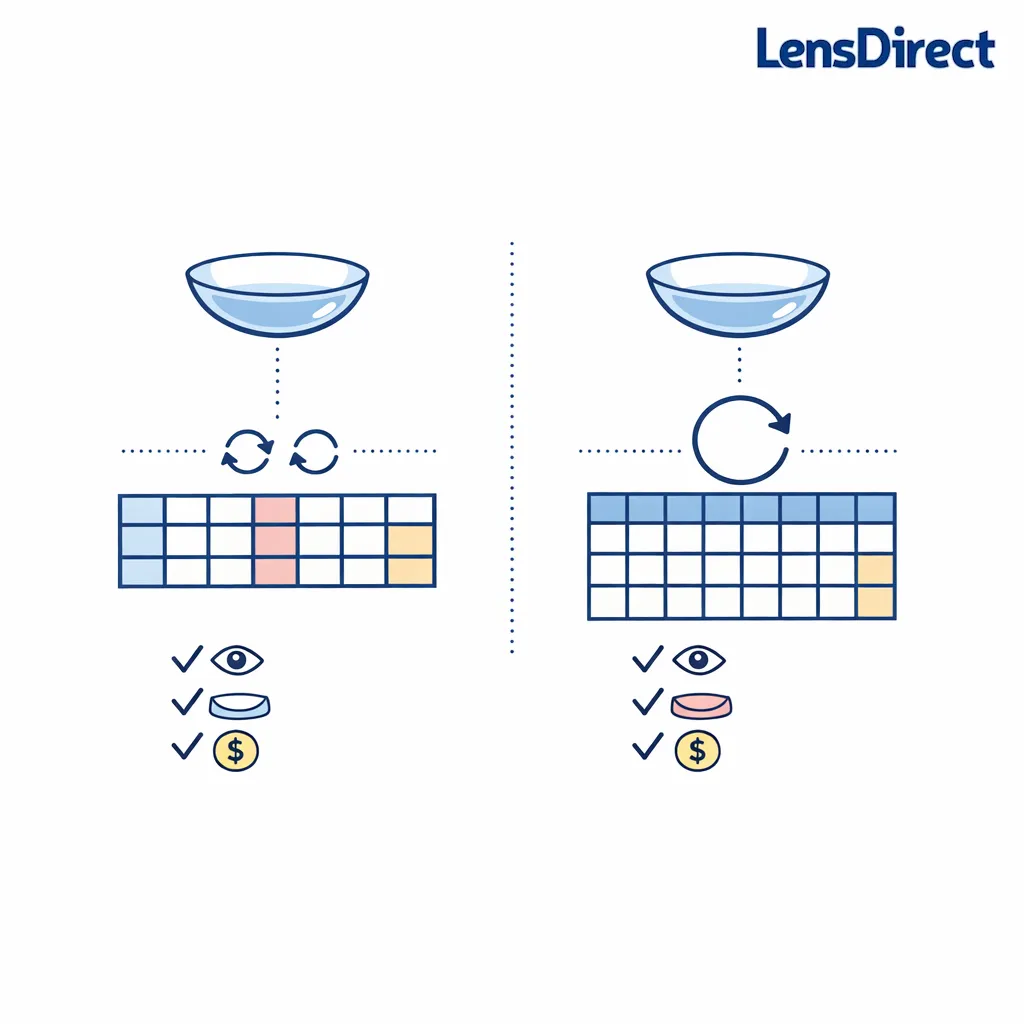
There is no universal winner here. The better lens is the one you can wear comfortably, replace on time, and get in the exact version your eye doctor prescribed.
- Acuvue Oasys: Often the better fit for shoppers who like a shorter replacement cycle, want a built-in UV-blocking lens option, or simply prefer opening a fresh pair more often.
- Biofinity: Often the better fit for shoppers who want a monthly routine, fewer dates to track, and a straightforward way to budget around one pair per month.
- Key product facts for Acuvue Oasys: two-week senofilcon A silicone hydrogel, 38% water, UV blocking, and daily or up to 6 nights/7 days of extended wear when prescribed.
- Key product facts for Biofinity: monthly comfilcon A silicone hydrogel, 48% water, Aquaform Technology, and daily or up to 6 nights/7 days of extended wear when prescribed.
- Best way to choose: Start with wear schedule, then compare how each lens fits your eyes, your habits, and your real yearly spend instead of looking only at one box price.
Wear schedule and daily routine
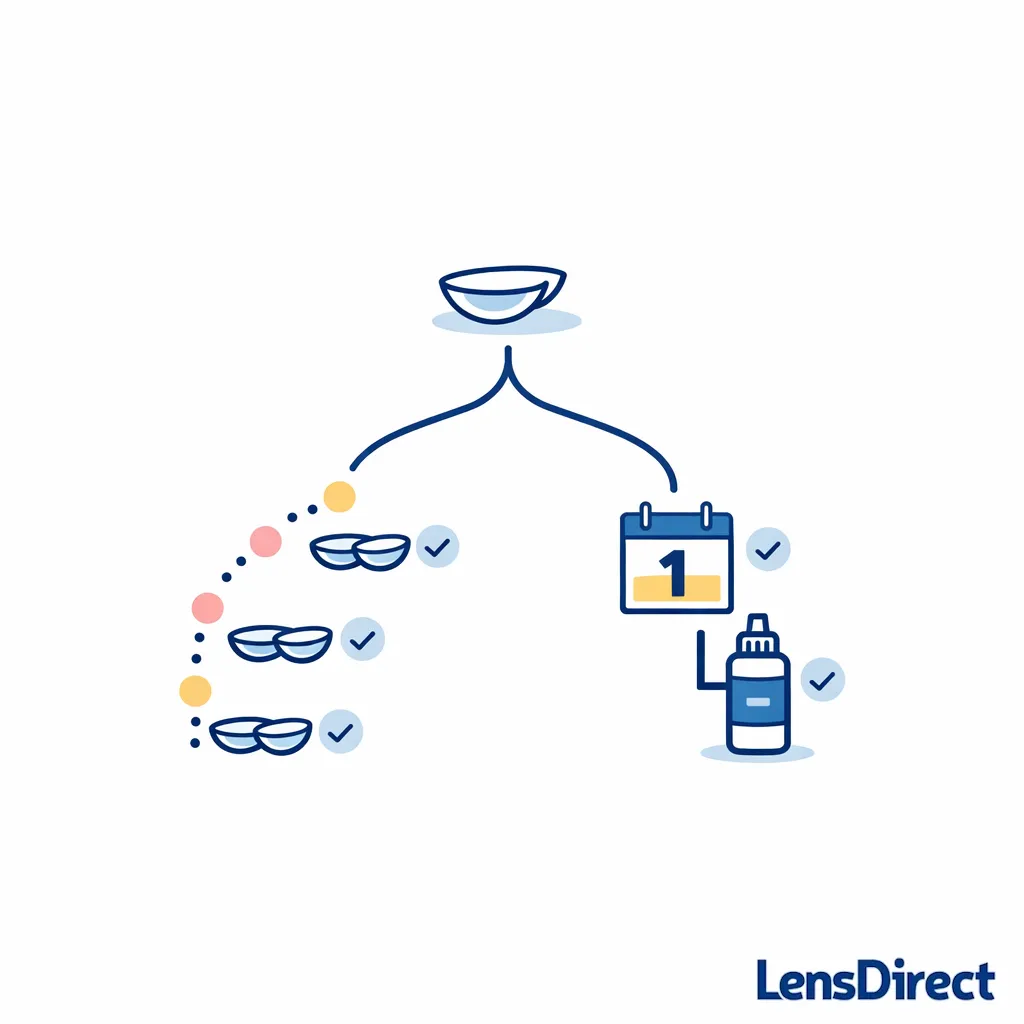
If you have ever asked, “What is the difference between monthly and 2-week contacts?” the answer is bigger than the label. A two-week lens asks you to swap into a fresh pair more often, while a monthly lens asks you to keep the same pair in rotation longer and stay more disciplined with your cleaning and replacement calendar.
Who Acuvue Oasys fits best
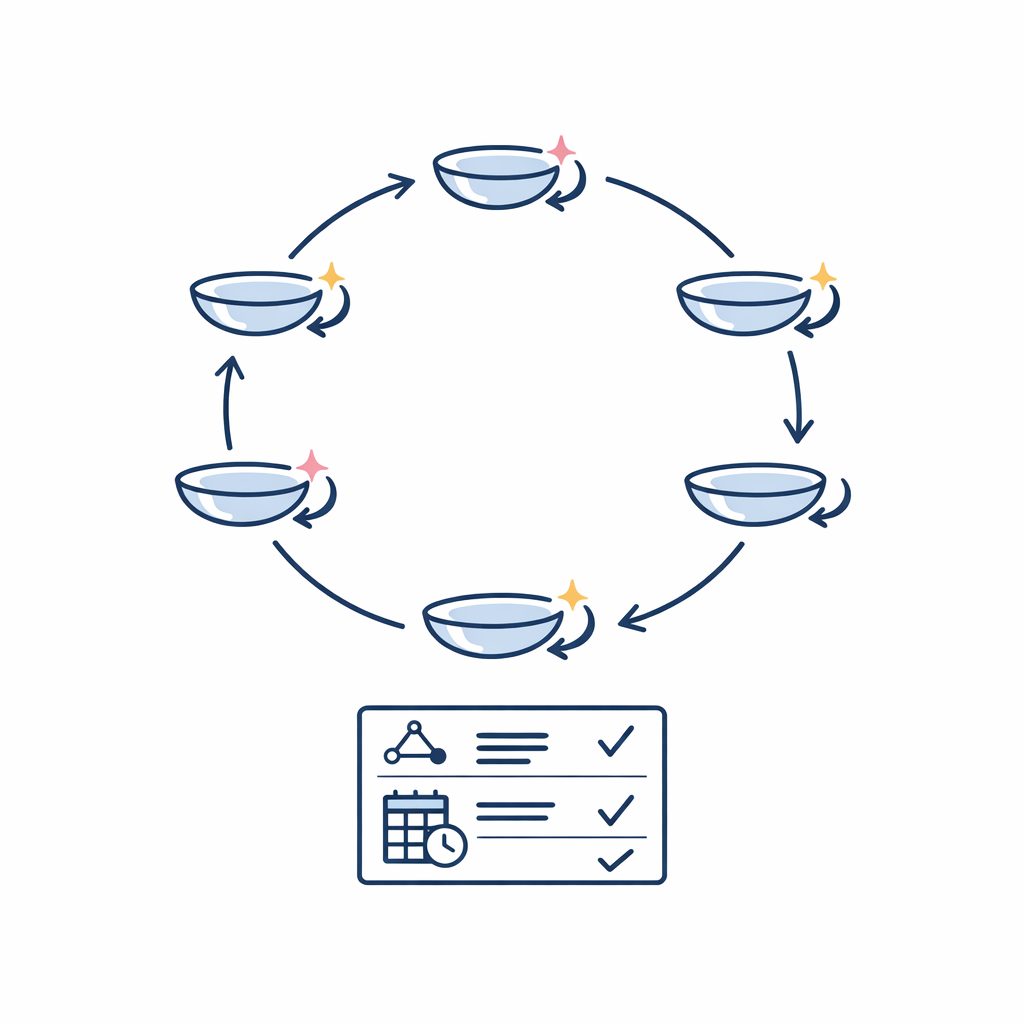
Acuvue Oasys tends to fit people who like structure and a more frequent reset. If you get annoyed when a lens starts feeling “old,” or if you simply like the idea of not wearing the same pair for a full month, the two-week cycle can feel easier to trust.
It can also suit people with busy travel or office routines who want a lens that feels closer to a fresh-start rhythm. That does not automatically mean it will feel better on your eyes, but it often appeals to wearers who value consistency and who do not mind reordering more often.
Who Biofinity fits best
Biofinity tends to fit people who want fewer replacement dates to remember. If your life already runs on monthly subscriptions, monthly bills, and monthly reminders, a monthly contact lens can feel simpler to manage than a two-week lens that lands mid-month.
It can also be the more practical option for shoppers who hate tracking partial boxes and staggered reorder timing. The tradeoff is that you need to be honest with yourself about care habits, because a longer replacement cycle only works well when you stay consistent.

If you are considering sleeping in lenses, treat that as a doctor-led decision, not a convenience feature, because sleeping in contact lenses raises the risk of eye infection. Even if a lens has an extended-wear indication, that does not mean overnight wear is the best choice for every eye.
Comfort, dryness, and screen-heavy days

This is where many Acuvue Oasys review and Biofinity review pages get overly confident. On paper, each lens has its own moisture and comfort story, but real-world comfort is still personal. The lens material matters, the design matters, and your own tear film matters just as much.
HYDRACLEAR Plus vs Aquaform
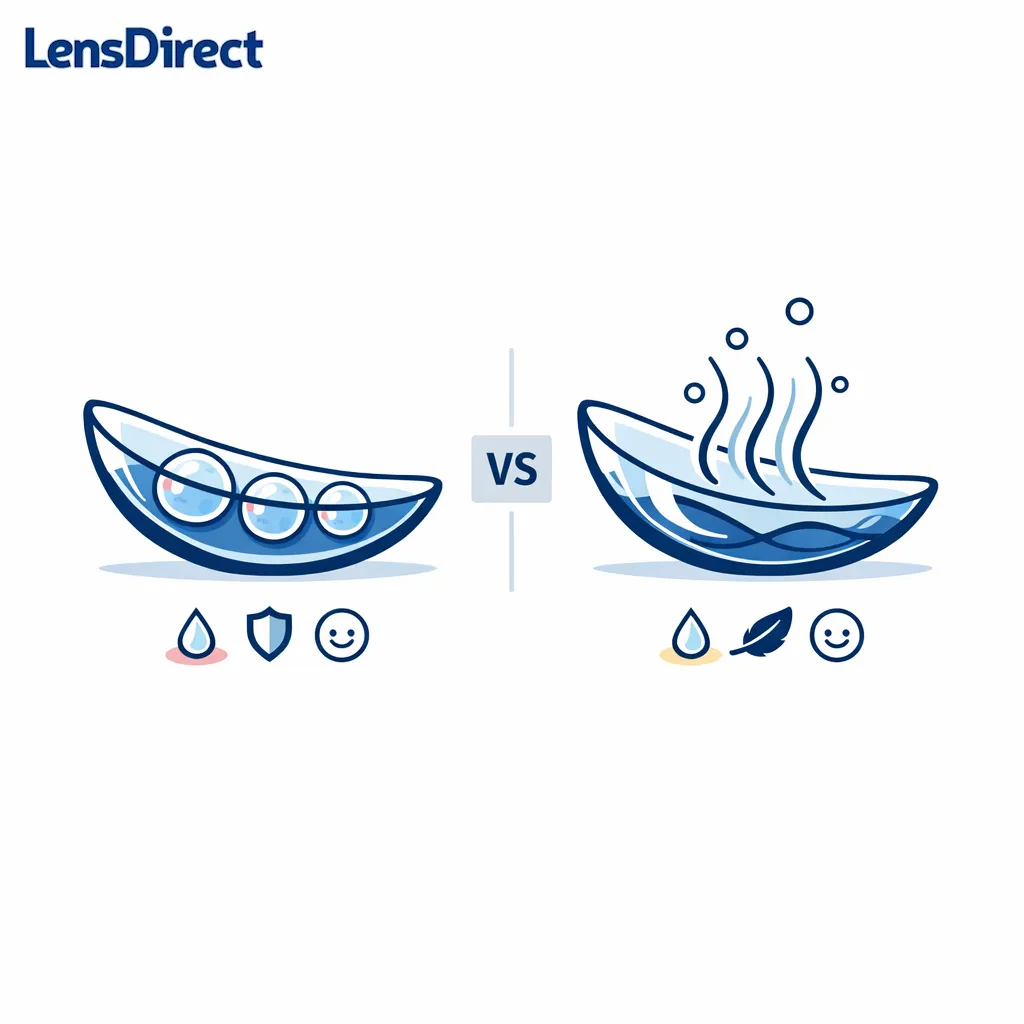
Acuvue Oasys is often the lens people look at when they want a shorter replacement cycle and a comfort-focused brand reputation. Biofinity is often the lens people look at when they want a monthly option without feeling like they are stepping down into an older style of contact lens.
Do not overread the water-content comparison by itself. Higher water content on a spec sheet does not guarantee that one lens will feel wetter, softer, or better at hour twelve on your eyes. A successful fit depends on how the lens sits on your eye, how stable it feels during blinking, and how your eyes handle long wearing days.
Dry-eye and long-hour use considerations
If you spend all day in air conditioning, on video calls, or switching between multiple screens, the best contact lenses for comfort are usually the ones that stay stable in your actual environment, not the ones with the most impressive marketing phrase. That is why two people with similar prescriptions can have very different opinions about the same lens.
As a rule of thumb, Oasys is often the safer first comparison if you already know you prefer a fresher replacement cadence. Biofinity is often the better first comparison if you value monthly simplicity and have done well in monthly lenses before.
- Lean toward Acuvue Oasys if late-day comfort matters more to you than minimizing replacement dates.
- Lean toward Biofinity if you want fewer calendar reminders and are usually good about cleaning and replacing lenses on time.
- Ask your optometrist for help if dryness is persistent, one eye feels worse than the other, or you are changing brands after an average fit rather than a truly good one.
Cost and annual value
Per-box vs annual replacement math
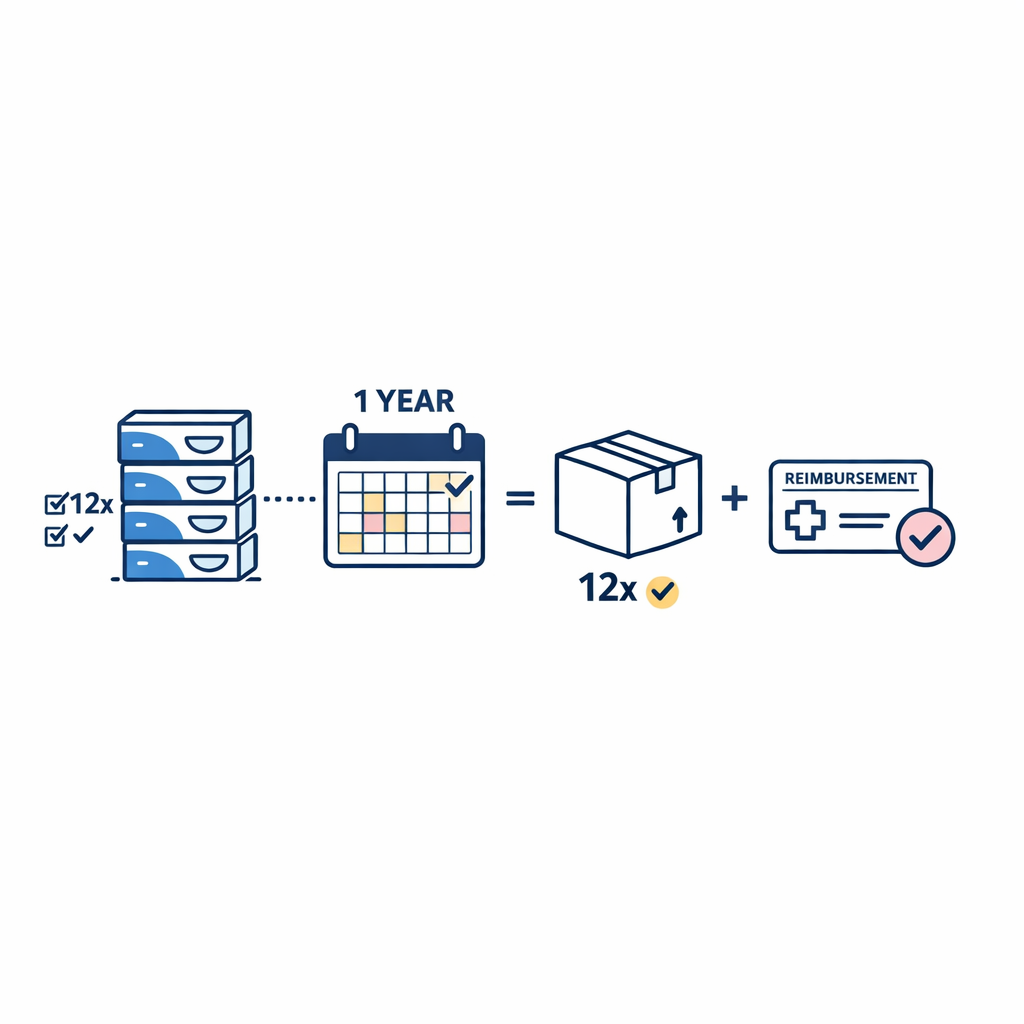
If your main question is “Is Acuvue or Biofinity cheaper?” the honest answer is that the lower sticker price per box does not always tell you much. Because one lens is built around a two-week schedule and the other around a monthly schedule, the better value depends on your prescription, how many boxes you need, and whether the lens actually works for your eyes well enough that you replace it on time instead of stretching it.
A smarter way to compare cost is to think in yearly terms. Look at your total boxes needed for both eyes, whether your prescription differs between eyes, whether you wear contacts every day or only part time, and whether insurance reimbursement changes the final cost. That gives you a more useful answer than a simple side-by-side price snapshot.
- Compare the exact prescribed lens, not just the brand name.
- Count how many boxes you need for both eyes across a full year.
- Factor in shipping, rebates, or insurance reimbursement.
- Be realistic about replacement behavior. A cheaper lens is not a bargain if the routine does not suit you and you end up wearing lenses longer than you should.
When the cheaper option is not the better fit

The wrong lens can cost more in small ways even if the box price looks attractive. If a lens feels only okay, if you keep pushing it to the end of its cycle, or if you start reserving it for certain days because comfort is inconsistent, the value equation gets worse fast.
That is why monthly vs 2 week contacts is partly a budget question and partly a behavior question. For some people, a monthly lens feels more economical. For others, a shorter replacement cycle is easier to stick with, which makes it the better long-term buy.
Prescription availability and specialty options
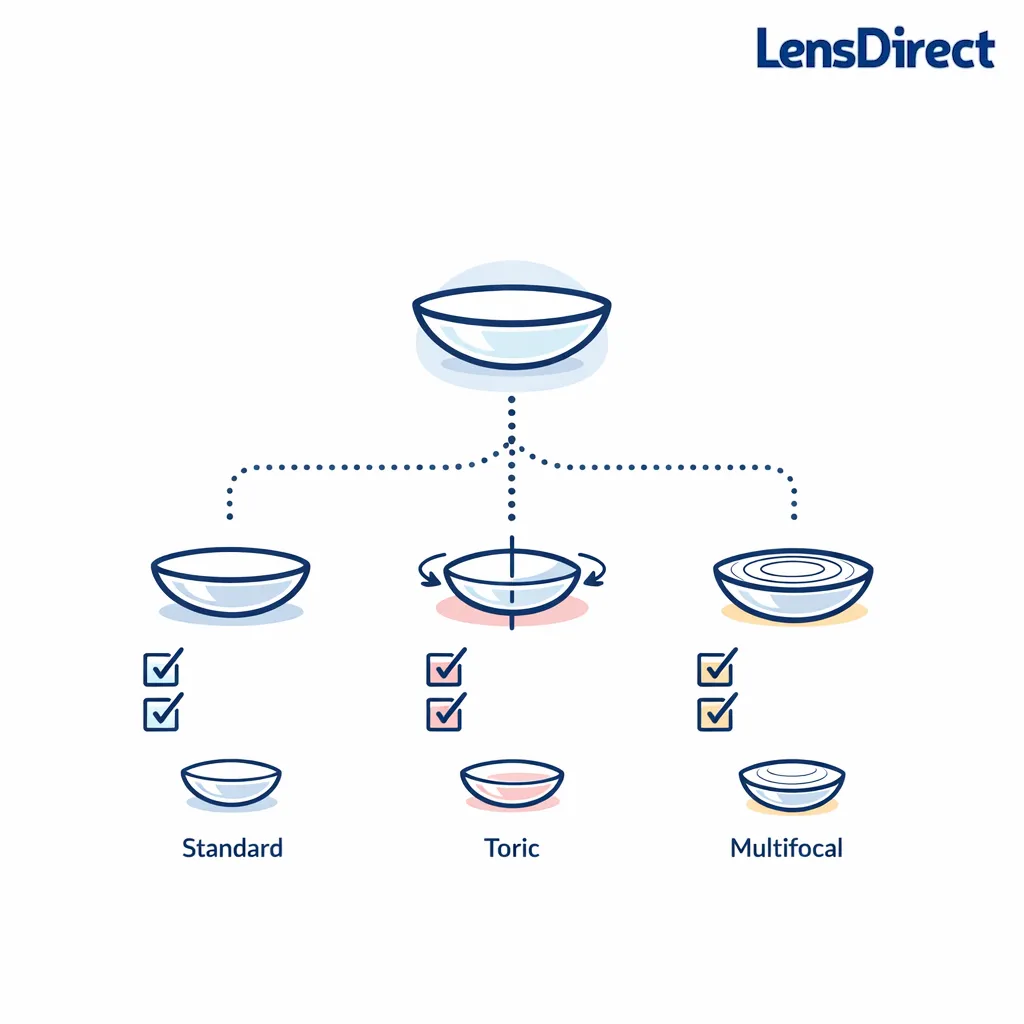
This is one of the easiest places to make a mistake when comparing brands. “Acuvue Oasys” and “Biofinity” are not single catch-all answers for every prescription need. If you have astigmatism or need multifocal correction for age-related near-vision changes, compare the exact specialty version your prescriber recommends.
Astigmatism options

If you need toric lenses, meaning lenses designed for astigmatism, the comparison should shift to the specialty versions rather than the standard spherical lens. The Acuvue Oasys for Astigmatism option and the fact that the Biofinity family includes toric and multifocal options mean you are usually choosing between two well-known paths, not between “a lens that has astigmatism support” and one that does not.
The practical question is how stable the lens feels on your eye and how consistently it delivers clear vision during blinking and long days. That is exactly why you should avoid self-switching between toric brands without a fresh fit check.
Multifocal and presbyopia options
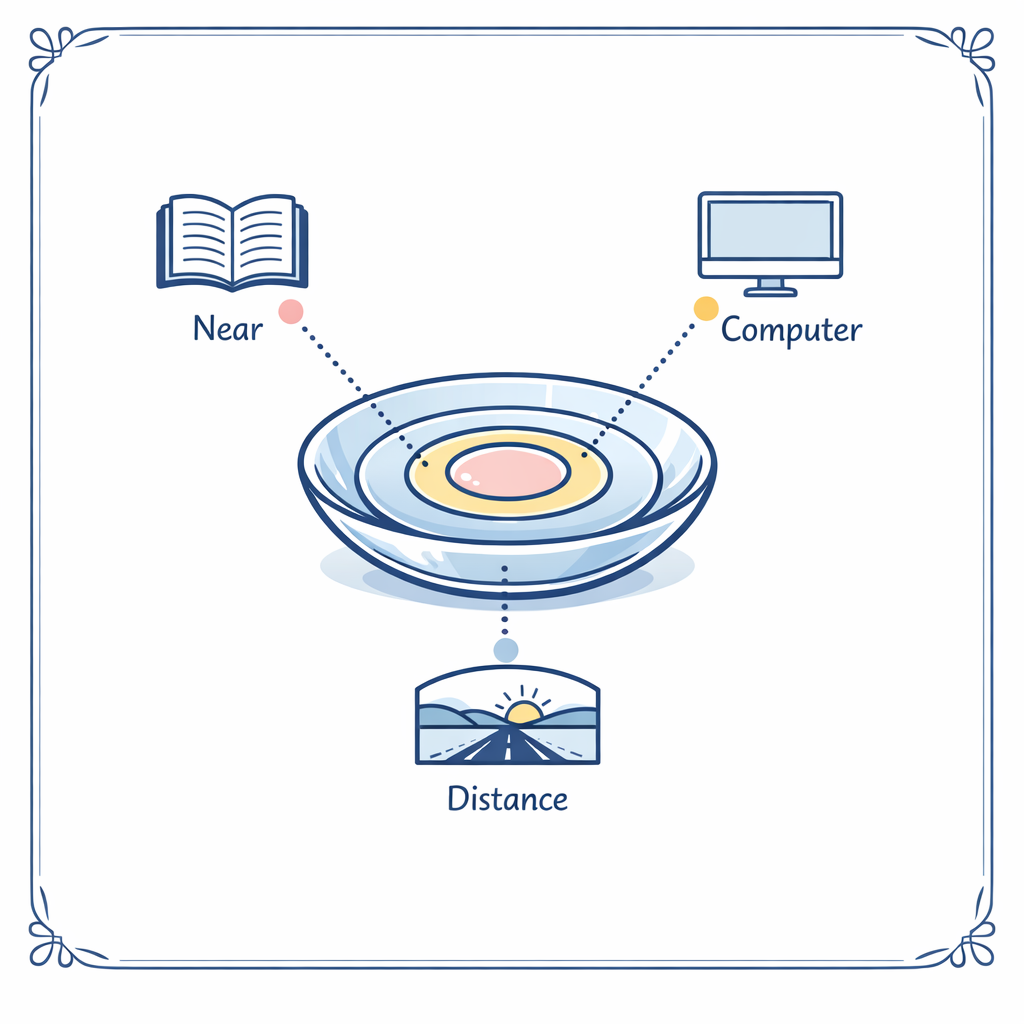
If you need help with near vision as well as distance, the comparison becomes even more fit-specific. Acuvue Oasys Multifocal is the Oasys path for that need, while Biofinity also has a multifocal path within the Biofinity family.
With multifocals, the “best” lens is usually the one that balances reading, computer work, and distance vision in a way that matches your lifestyle. If your job is heavily screen-based, tell your eye doctor that specifically, because computer distance can change which multifocal design feels best in daily life.
UV protection, breathability, and materials
Why UV protection matters
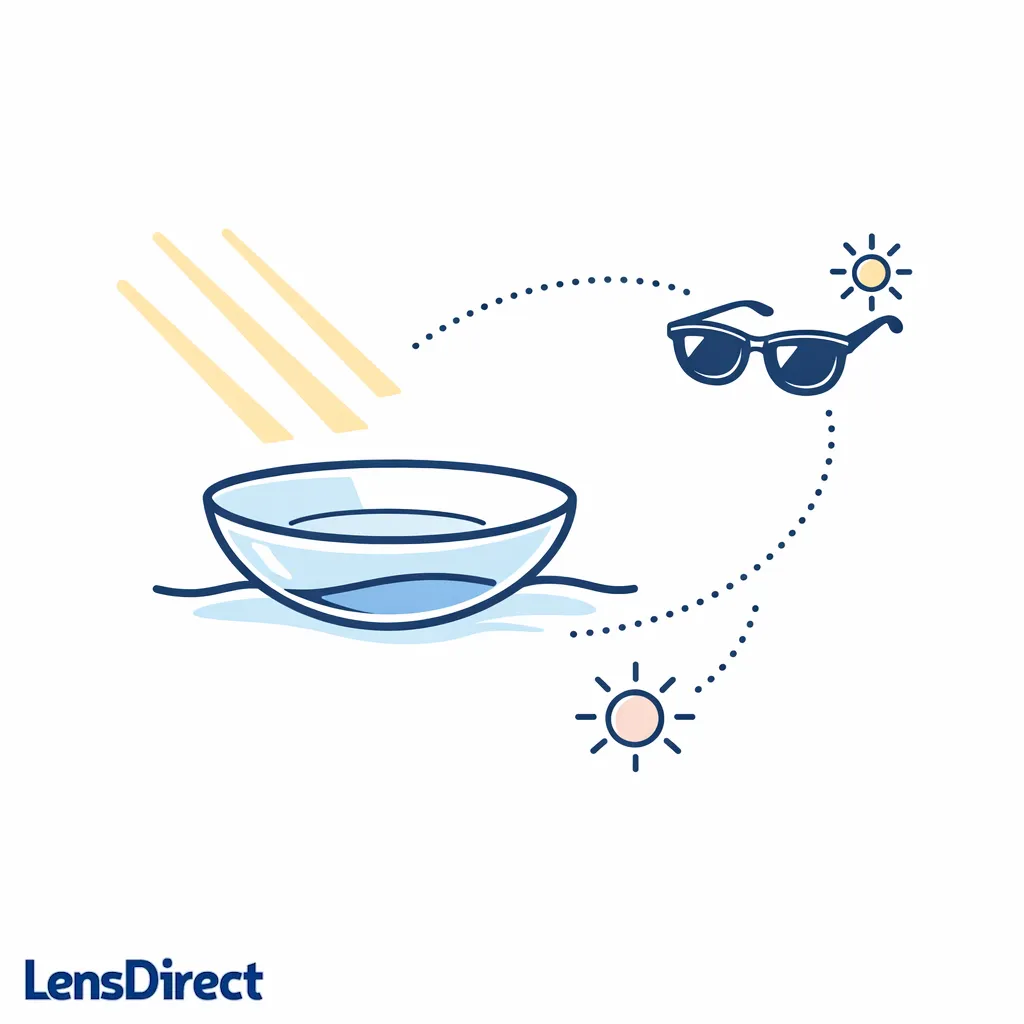
UV protection can be a meaningful bonus, especially if you spend time outdoors, commute in bright conditions, or want extra coverage built into your contact lens choice. In this comparison, that feature is one reason some shoppers lean toward Oasys even before they think about replacement schedule.
Still, UV blocking should be treated as a bonus rather than the whole decision. A lens that fits beautifully but does not match your wear habits is still the wrong lens for you.
Why oxygen flow and material still matter
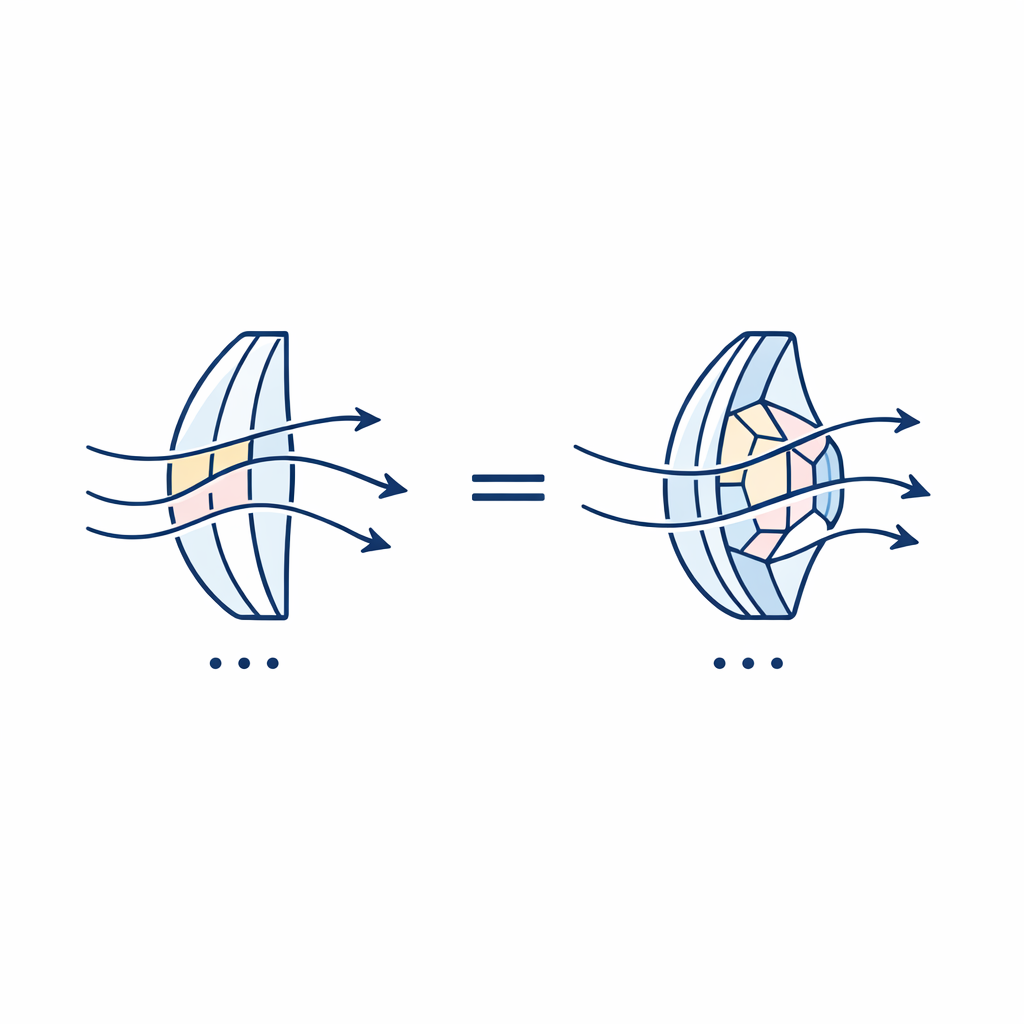
At this level, you are not comparing a clearly outdated lens to a clearly modern one. You are comparing two mainstream soft-lens options with different material stories and different replacement rhythms. That is why simple statements like “Biofinity is more breathable” or “Acuvue is always more comfortable” usually do not help much without context.
What matters in practice is whether your eyes stay comfortable and your vision stays steady through the parts of the day that challenge you most. For one person, that might be a dry office. For another, it might be long commutes, inconsistent sleep, or a schedule that makes lens care easy to neglect.
Which lens is better for you?
Choose Acuvue Oasys if…
- You want a shorter replacement cycle and like the idea of opening a fresh pair more often.
- You tend to be sensitive to the feeling of a lens getting older near the end of its cycle.
- You like having UV blocking on your contact lens checklist.
- You are willing to manage a more frequent reorder rhythm in exchange for that fresher cadence.
- You want the comparison to start with comfort routine first and price second.
Choose Biofinity if…
- You want fewer replacement dates to remember.
- You prefer a monthly routine that is easy to pair with calendar reminders and budgeting.
- You have generally done well in monthly contacts and want to stay in that lane.
- You are disciplined about lens care and replacement timing.
- You care more about simplifying your routine than about getting a fresher pair every two weeks.
Common mistakes and misconceptions
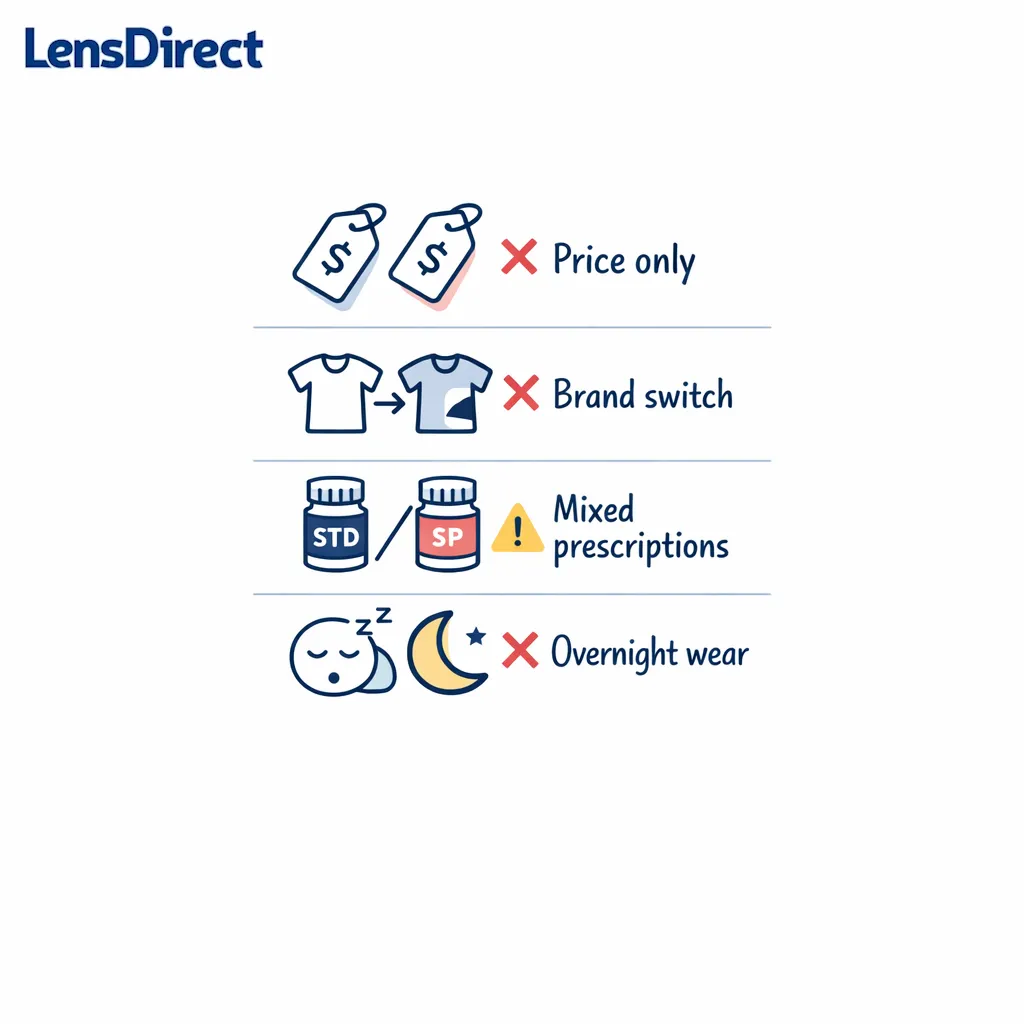
A lot of confusion in the acuvue oasys vs biofinity search results comes from comparing the wrong things. These are the mistakes that trip shoppers up most often.
- Thinking one brand is automatically “better.” Fit is personal, and the better lens is the one that works with your eyes and your routine.
- Comparing only box price. Real value comes from yearly cost, comfort, and whether you can actually stick to the replacement schedule.
- Mixing up standard lenses with specialty versions. Astigmatism and multifocal wearers should compare the exact toric or multifocal lens, not just the parent brand name.
- Assuming extended wear approval means overnight wear is a good idea for everyone. It may be allowed for some patients, but that does not make it the safest everyday habit.
- Switching without a refit. Even when two lenses seem similar on paper, the feel and visual stability can be different enough to matter.
FAQ
Is Acuvue better than Biofinity?
Not across the board. If by “better” you mean a shorter replacement cycle, built-in UV blocking, and a fresher-pair routine, Acuvue Oasys may feel like the better fit. If you mean fewer replacement dates and a monthly routine that is easier to track, Biofinity may be the better answer.
Is Acuvue or Biofinity cheaper?
Biofinity can look simpler from a yearly planning perspective because it follows a monthly schedule, but the better budget pick depends on your exact prescription, total box count, and whether the lens is comfortable enough that you replace it properly. Always compare annual cost, not just the price of one box.
Which is better, Acuvue or CooperVision?
Neither brand wins for everyone. In this specific matchup, Acuvue Oasys appeals to many shoppers who want a two-week lens and UV-blocking support, while Biofinity appeals to many shoppers who want a monthly lens and fewer replacement reminders. Your prescription and fit matter more than brand reputation alone.
What is the difference between monthly and 2-week contacts?
The main difference is how long each pair stays in your rotation before you replace it. That changes how often you open a fresh pair, how closely you need to track your schedule, and how much cleaning discipline the routine asks from you.
Can you switch between Acuvue Oasys and Biofinity?
You should not switch on your own just because the specs seem close. Base fit, visual stability, dryness, and specialty parameters can all change the experience. If you want to change brands, ask your optometrist to confirm the fit and the exact prescription before ordering.
What to do next
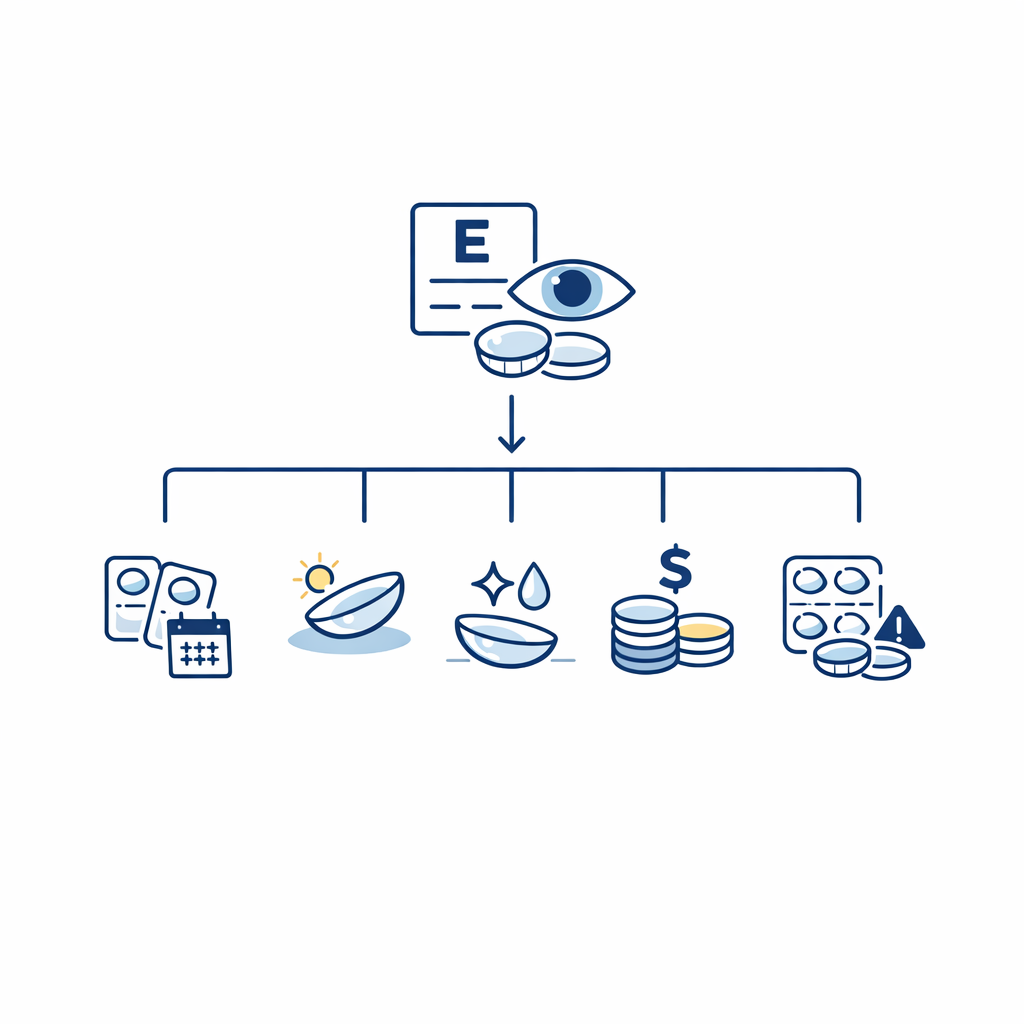
- Check your prescription first. Make sure you know whether you need the standard lens, a toric lens for astigmatism, or a multifocal lens.
- Choose the routine you will actually follow. Be honest about whether two-week or monthly replacement is easier for your life.
- Compare yearly spend, not just one box. Include both eyes, shipping, and insurance reimbursement.
- Ask about overnight wear before assuming it is fine. Convenience should never override eye safety.
- Keep a backup plan. Even great contact lens wearers benefit from having current glasses on hand.
Find the option that works for your routine
If you already know the exact lens your doctor prescribed, LensDirect makes it easy to Shop Contacts without turning the process into guesswork. If you want to lower out-of-pocket cost, you can also Learn How to Get Reimbursed by Your Insurance.
And if you need a reliable backup to your contact lens routine, you can Shop Glasses or refresh an old favorite pair with Replace Your Lenses. If you plan to order glasses online, LensDirect also shows you how to Learn How to Measure Your Pupillary Distance before you buy.
Author

Subscribe to our email newsletter to get the latest posts delivered right to your email.