
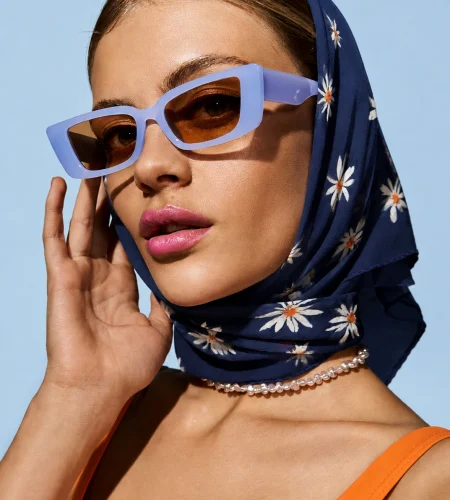
If you want glasses that look polished, intentional, and expensive without paying full designer prices, you are not alone. Many shoppers want the visual payoff of premium eyewear, but they also want practical value, easy online ordering, and lens choices that make sense for real life.
This guide is for anyone shopping for affordable luxury eyewear online, whether you wear prescription glasses every day, switch between frames and contacts, or want a second pair of sunglasses that feels elevated. You will learn what actually makes frames look luxurious, where lens upgrades add real value, where brand names matter less than people think, and how to shop strategically without overspending.
What affordable luxury eyewear actually means

Affordable luxury eyewear means frames and lenses that look refined, feel thoughtfully made, and suit your face well, without relying on a high designer markup. It sits in the sweet spot between bare-bones basics and full prestige pricing.
In practice, that usually means:
- A clean, balanced frame shape that does not look disposable
- Richer-looking finishes, colors, or hardware details
- A fit that looks secure and proportional on your face
- Lens upgrades chosen for daily comfort, not just for marketing appeal
When shoppers ask what some luxury eyeglass brands are, they are usually thinking of heritage fashion houses or premium optical labels. But if your goal is a premium-looking pair, the logo is only part of the story. Shape, finish, and fit do more of the visual work than the name printed on the temple.
What makes eyewear look luxurious without the designer price
Materials that read premium: acetate, titanium, polished metal
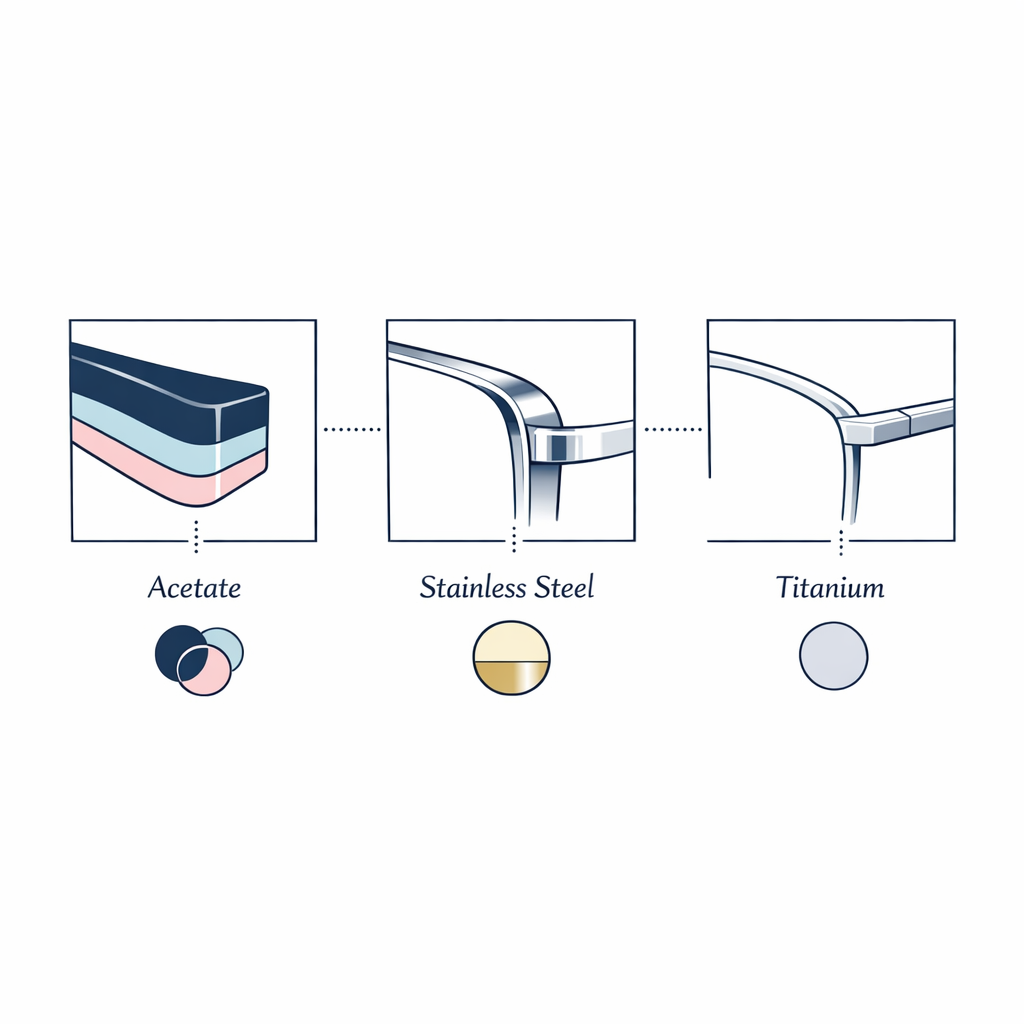
The fastest way to get a designer-inspired eyewear look is to pay attention to material appearance, not just color. Frames that feel visually deep, smooth, and deliberate usually look more expensive than frames that look flat, hollow, or overly shiny.
Acetate often gives affordable luxury eyeglasses a richer look because colors can appear layered rather than one-note. Polished metal can feel tailored and minimal, while slimmer titanium-style silhouettes tend to read modern and understated. Mixed-material frames can also look upscale when the transition between front, bridge, and temples feels clean rather than busy.
If you are shopping for luxury glasses on a budget, look for material choices that support the mood you want. Thick glossy acetate feels bold and fashion-forward. Brushed metal feels quieter and more architectural. Crystal or translucent finishes can look especially premium when the shape itself is simple.
Design details that elevate frames: hinges, nose pads, temple details, finish
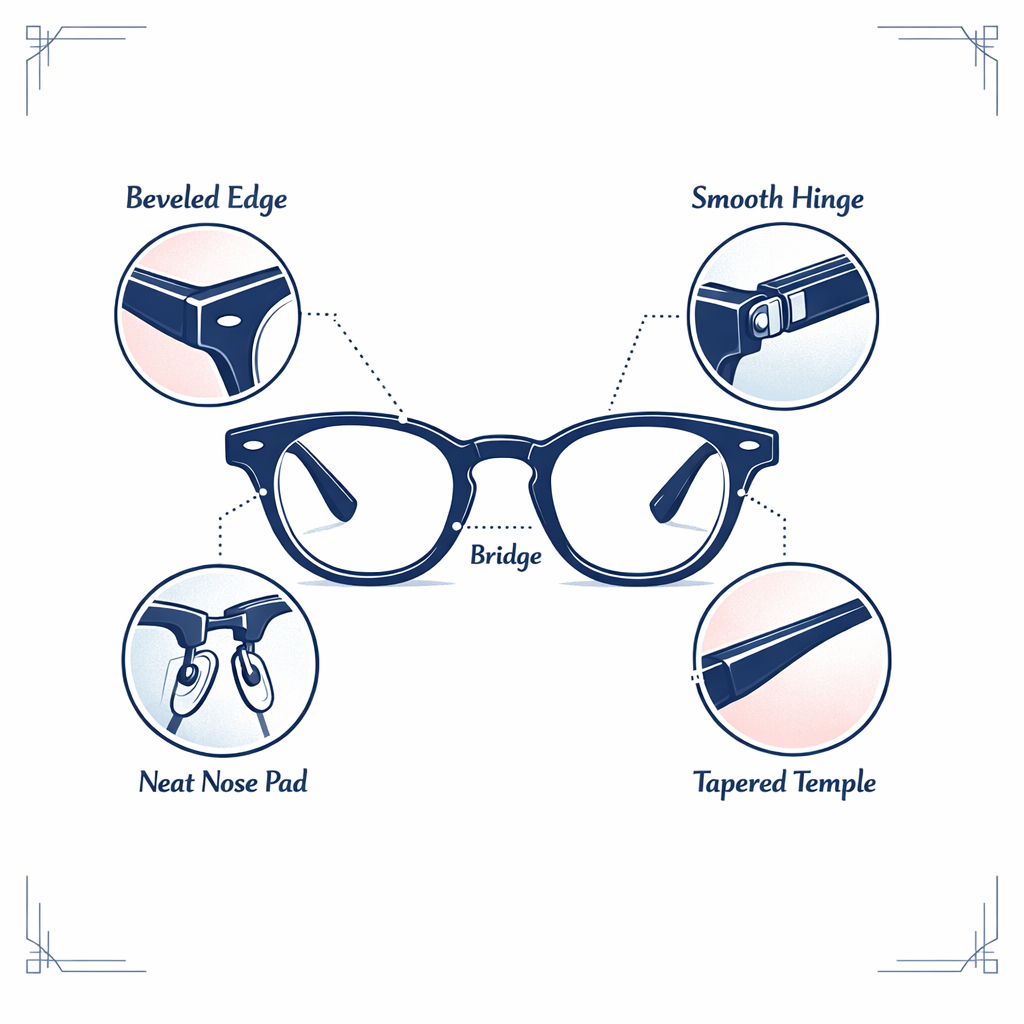
Small design choices often separate premium-looking glasses from pairs that feel generic. You do not need flashy logos. You need details that look resolved.
- Beveled edges instead of a completely flat front
- Deep gloss or a soft matte finish that looks intentional
- Smooth hinge movement and hardware that does not distract
- Temples with subtle taper, contrast, or visible structure
- A bridge or nose pad setup that helps the frame sit neatly
- Branding that feels restrained rather than oversized
This is why some mid-priced frames look better than cheaper designer-adjacent options. The pair looks composed from every angle, not just from the front.
How to get an affordable luxury eyewear look
Choose timeless frame shapes
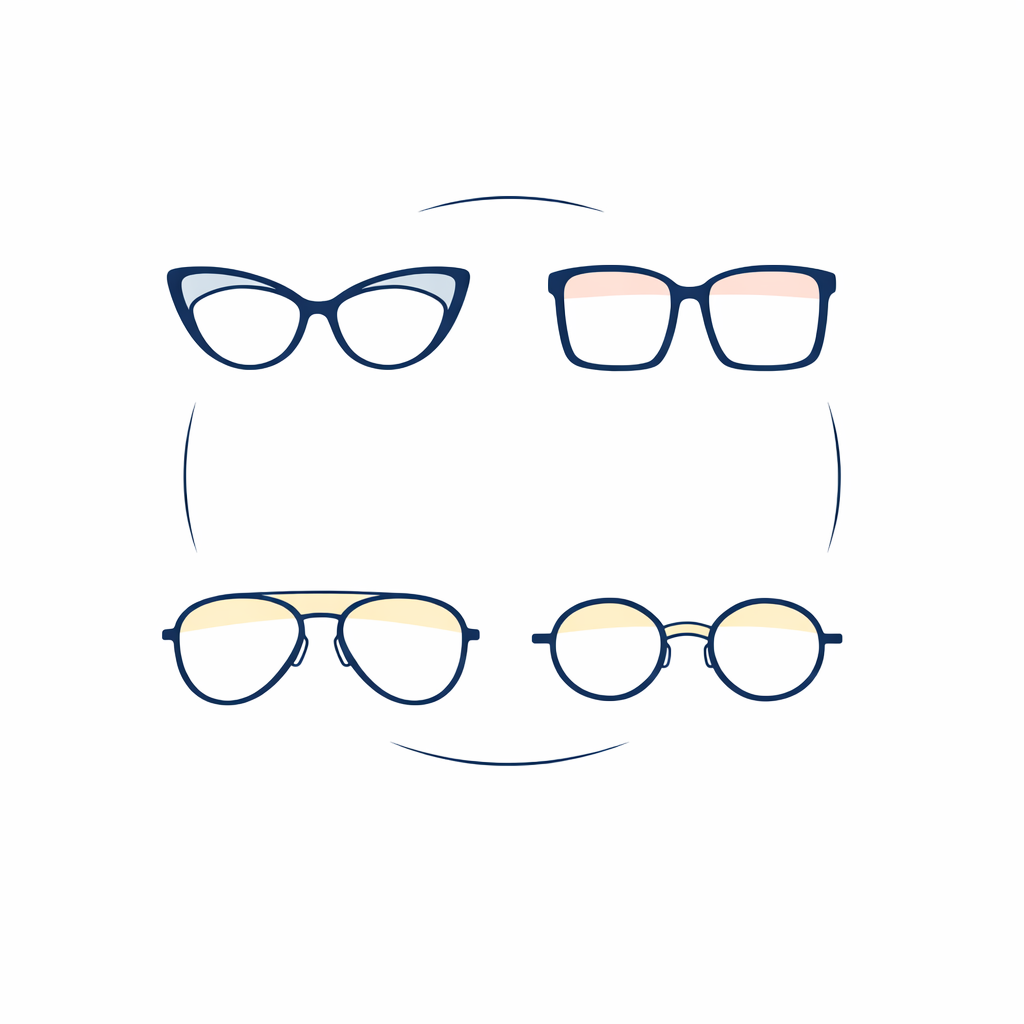
If you want premium looking glasses, start with silhouettes that already have built-in polish. Slight cat-eye shapes, clean rectangles, balanced squares, classic aviators, and well-proportioned rounds almost always outperform novelty shapes when the goal is elegance.
Timeless does not mean boring. It means the frame still looks good after the trend spike fades. If you are choosing only one everyday pair, buy the shape that already works with your wardrobe, haircut, and face shape instead of chasing the loudest upscale eyewear trends of the moment.
Pick rich colors and finishes
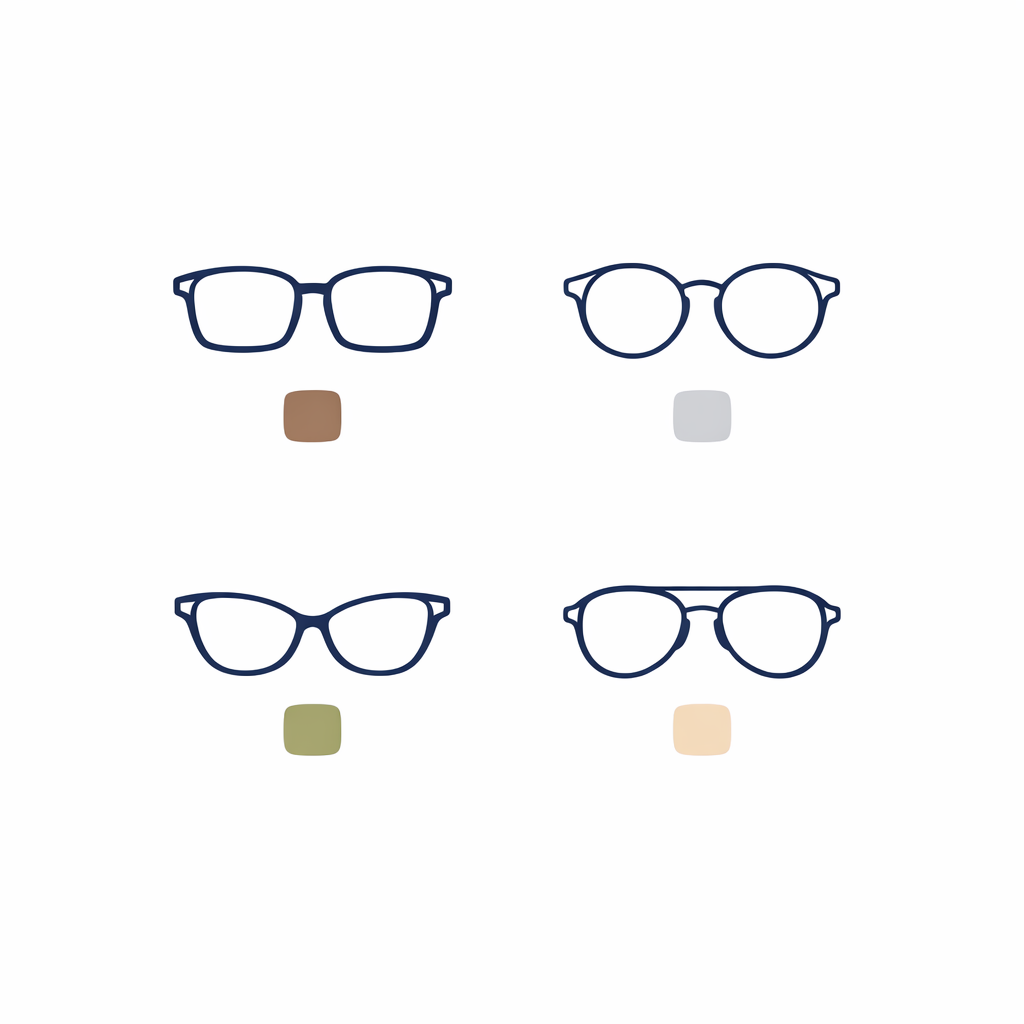
Color is one of the easiest ways to make stylish eyeglasses online look more elevated. Instead of default black every time, consider espresso, dark olive, smoke crystal, navy, champagne gold, soft silver, or a refined tortoise that has depth without looking overly orange.
Current upscale eyewear trends also lean quieter than before. Transparent neutrals, darker jewel tones, and low-contrast metals often feel more expensive than bright novelty colors because they let the shape and finish do the work.
Prioritize fit and proportions
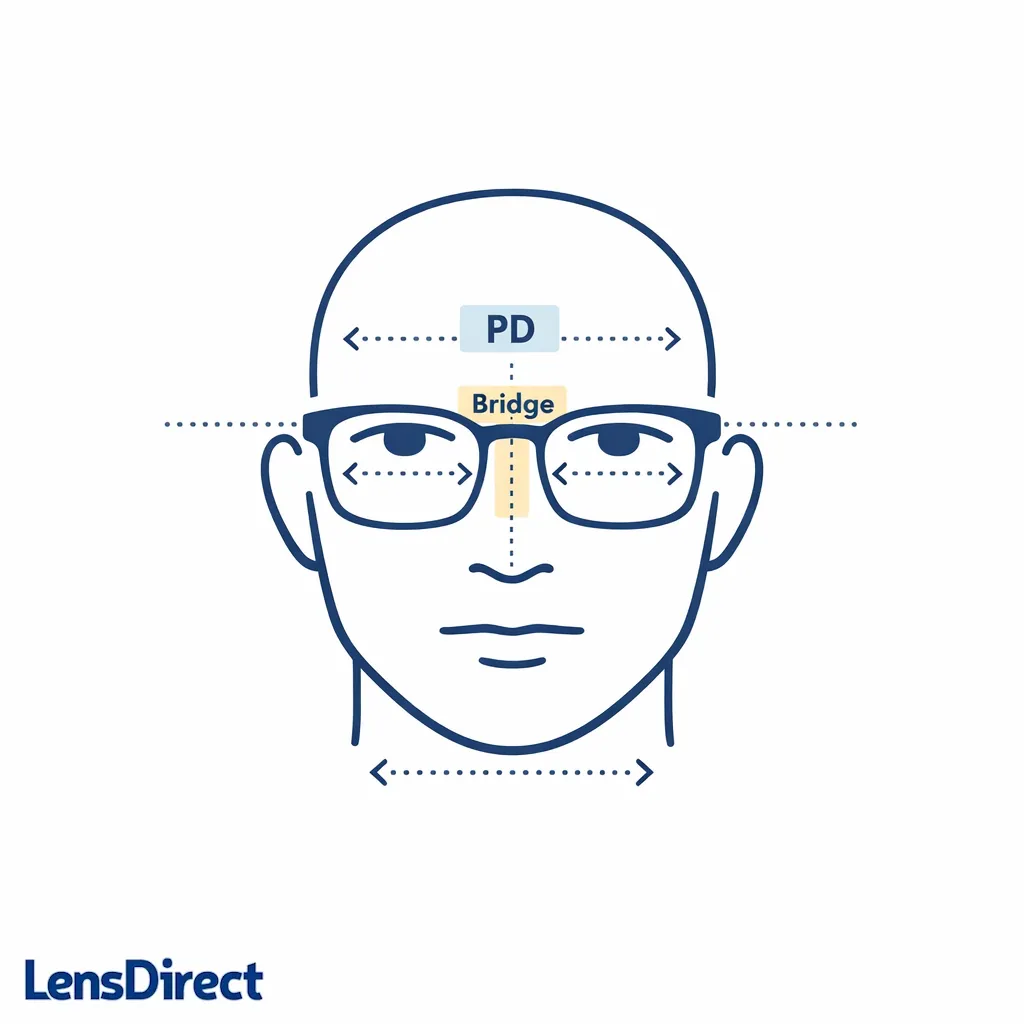
Fit is the part shoppers underestimate most. A beautiful frame that slides down your nose, pinches at the temples, or sits too wide will never look truly premium.
For a polished result, the frame width should feel aligned with your face, the eyes should sit comfortably within the lenses, and the bridge should not force constant adjustment. If you are ordering online, compare measurements from a pair you already like, use a guide to find your fit, and double-check your pupillary distance before checkout.
If your prescription is strong, or if you are ordering progressive lenses for the first time, it is worth asking your optometrist or optician to sanity-check your measurements. That extra step can protect both comfort and appearance.
Where to spend vs. where to save
When premium lenses are worth it
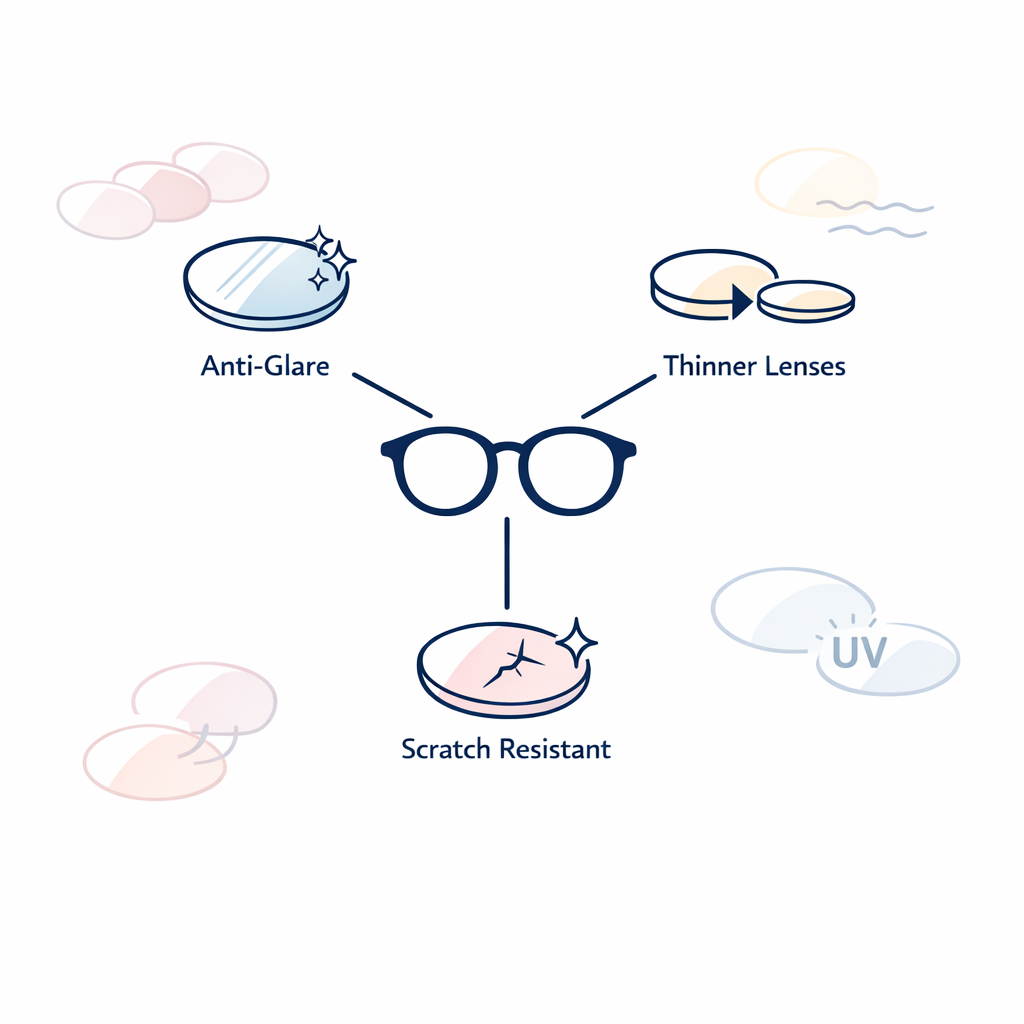
The best lens upgrades are the ones that solve a problem you notice every day. If you drive at night, anti-glare comfort may matter. If you wear glasses from morning to bedtime, durability and scratch resistance may matter. If your prescription is high, paying for a thinner-looking lens can do more for the overall premium effect than paying extra for a logo.
Whatever frame you choose, the FDA impact-resistance rule for eyeglass lenses sold in the United States sets a basic safety floor, so the question is not whether you need “premium” for safety alone. The real value question is whether an upgrade improves clarity, glare control, lens thickness, or day-to-day wear in a way you will actually notice.
A good rule is simple: spend on the lenses when your vision needs are specific, and save on add-ons that sound impressive but do not fix a real annoyance. For many shoppers, one excellent everyday pair plus one more specialized pair beats one overloaded purchase.
When brand names matter less than build quality
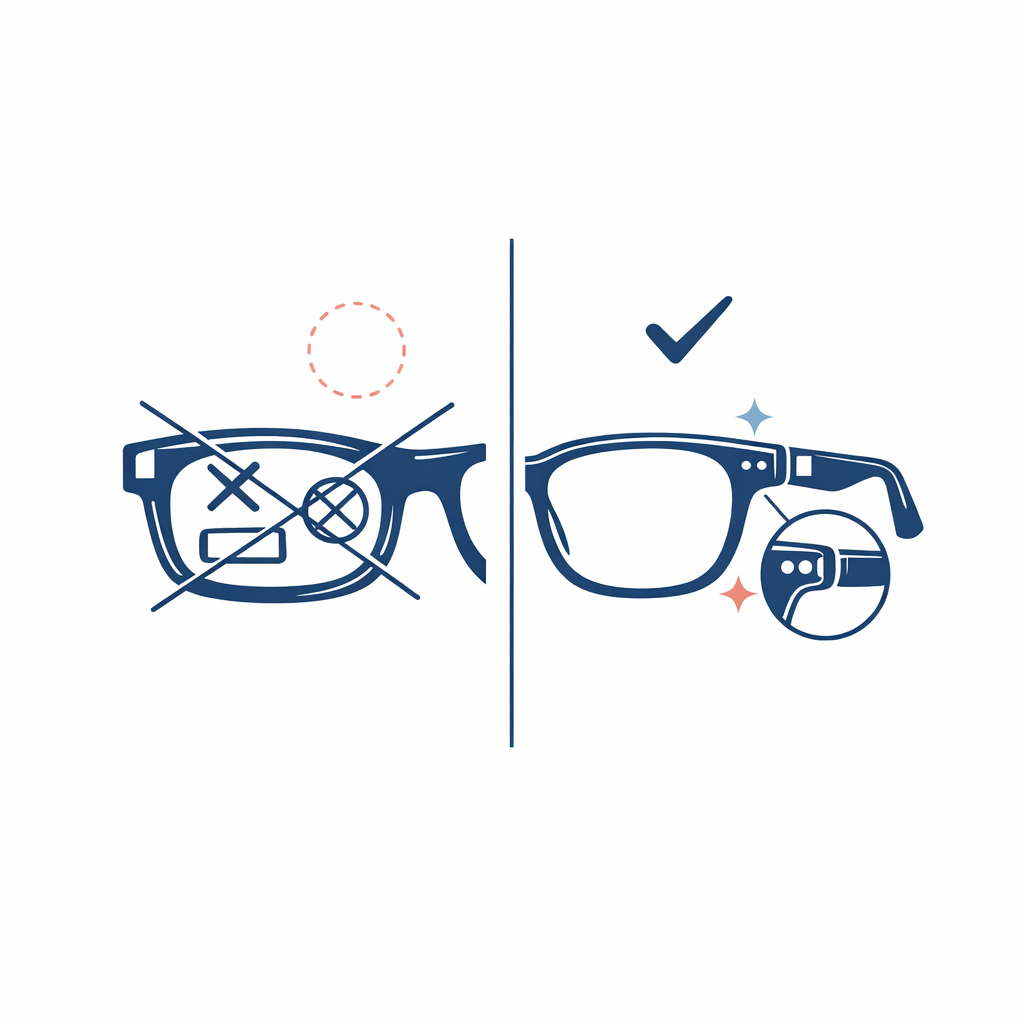
Are luxury glasses frames worth it? Sometimes, yes. If you care about brand heritage, signature details, collectible appeal, or a house style you genuinely love, authentic designer frames can be satisfying.
But brand names matter less when your main goal is the look. In that case, good proportions, a clean finish, sturdy-feeling hardware, and smart lens choices often deliver more visible value than a famous logo. Many shoppers are happier putting the budget into build quality and wearability rather than prestige alone.
Designer-inspired vs. authentic designer frames
Pros, cons, and who each option suits
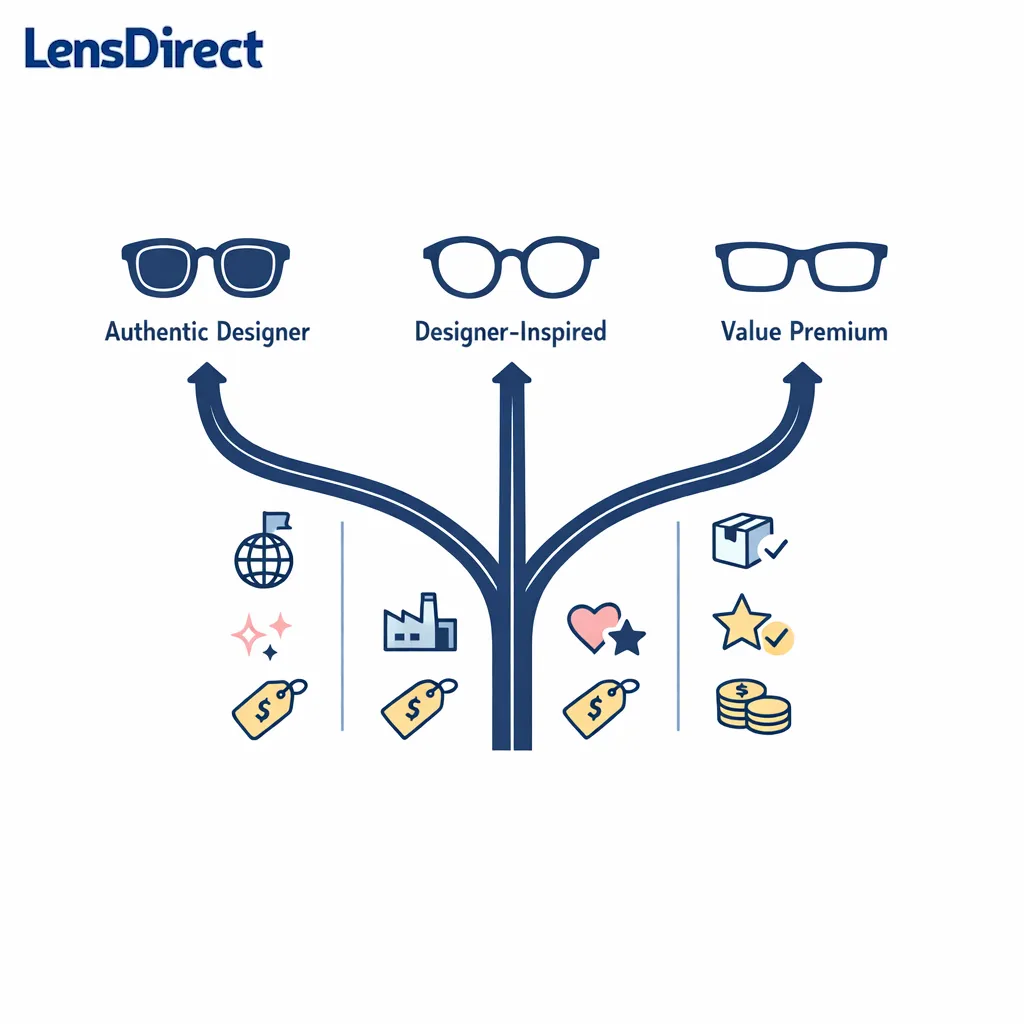
If you are comparing affordable designer glasses, designer-inspired eyewear, and more understated value-premium options, it helps to think about what you are really buying. There is no universal “top 5” that works for everyone because the right choice depends on your priorities.
- Authentic designer frames: Best for shoppers who want brand provenance, signature styling, or a specific fashion-house identity. The tradeoff is that more of your budget goes to the label.
- Designer-inspired eyewear: Best for shoppers who want the silhouette and mood of luxury glasses without full designer pricing. The tradeoff is that you need to be more selective about finish quality and fit.
- Value-premium frames: Best for shoppers who want a polished, upscale result with little or no logo. The tradeoff is less status signaling, but often stronger budget efficiency.
For many people, designer-inspired eyewear is the sweet spot. You get the cat-eye, square, round, or aviator shape you want, paired with thoughtful materials and a more accessible price. That is often the smartest route to affordable luxury eyeglasses that still feel intentional.
Best styles for a polished look on a budget
Cat-eye
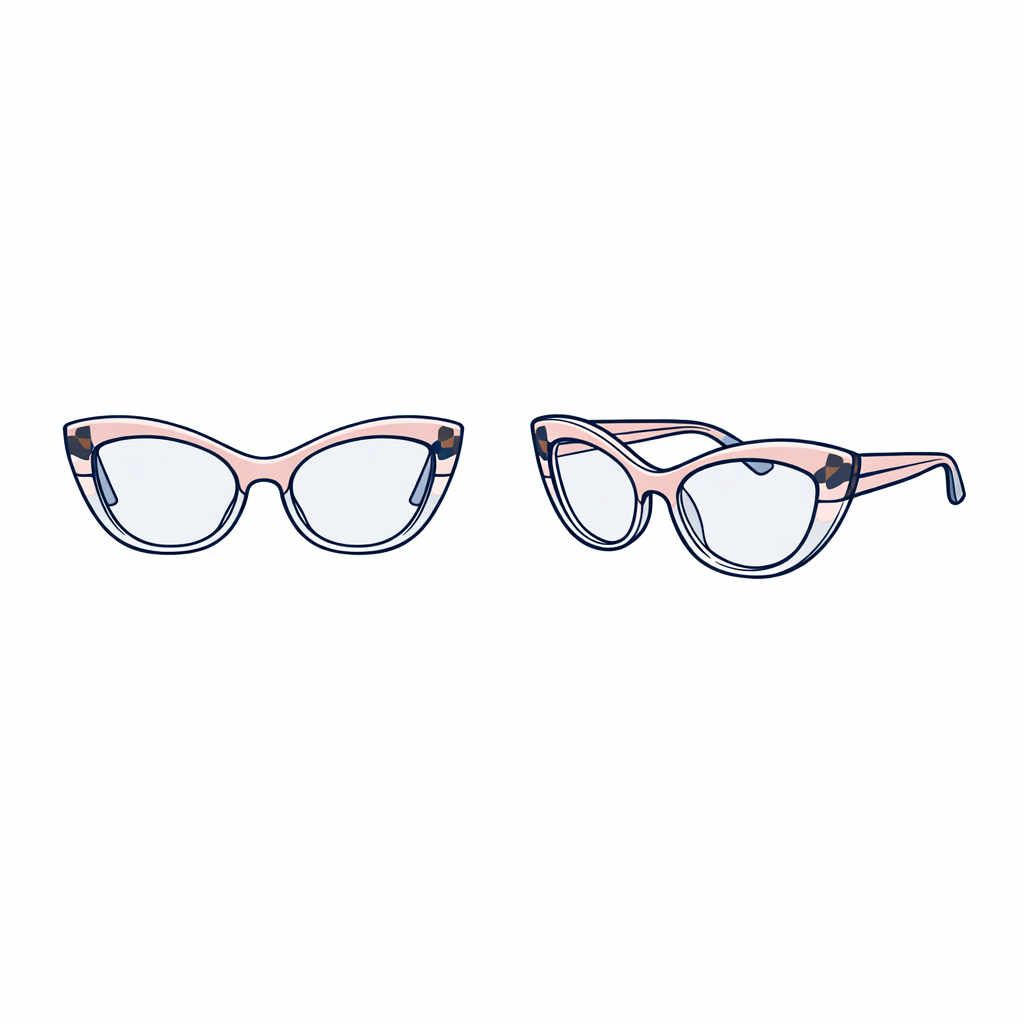
Cat-eye frames are one of the strongest choices for a dressed-up look because the shape adds structure even when the design is simple. For a more expensive feel, choose a softer upsweep, moderate thickness, and colors like dark tortoise, black cherry, espresso, or crystal smoke rather than novelty shades.
If you want the frame to look elegant rather than costume-like, keep the corners lifted but not exaggerated. The most wearable cat-eyes look confident, not theatrical.
Square and rectangle
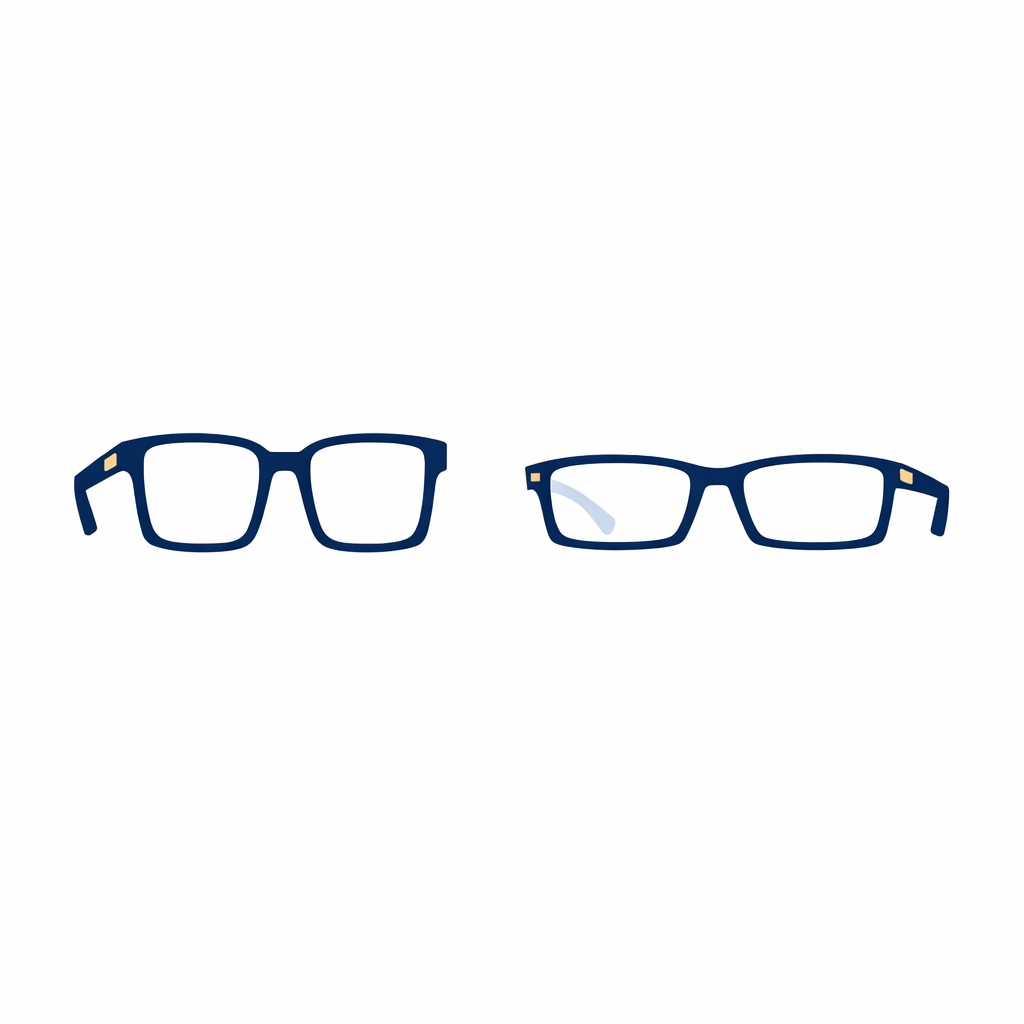
Square and rectangle frames are easy winners for premium looking glasses because straight lines naturally feel composed. They work especially well in glossy acetate, subtle transparent neutrals, or metal-accented designs that look clean and modern.
For men’s and women’s styles alike, this category is one of the safest entries into affordable luxury eyewear. It is hard to go wrong when the proportions are right and the finish feels refined.
Aviator and round
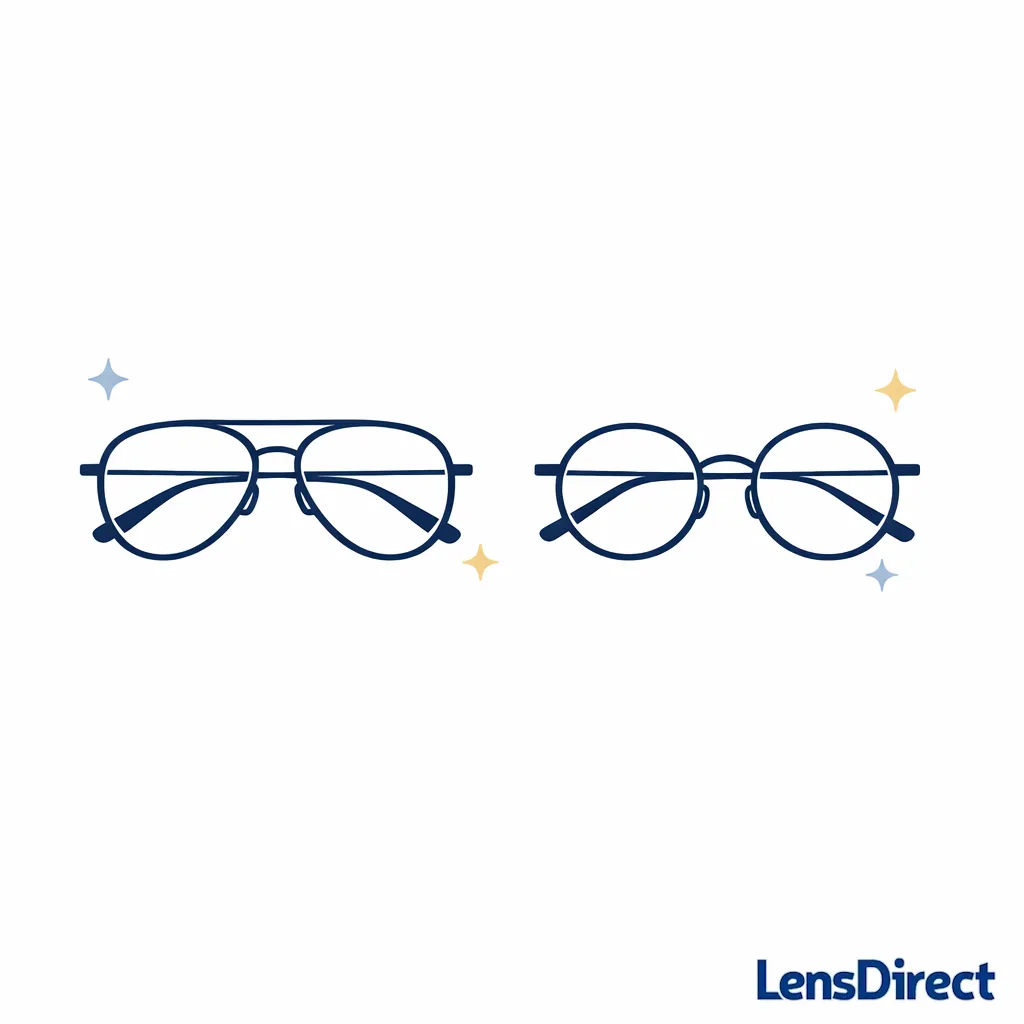
Aviators and rounds can both look elevated, but they need restraint. A refined aviator usually looks best with a thinner metal profile, a well-shaped bridge, and lens proportions that do not overwhelm the face. A round frame often looks more expensive when it is slim, balanced, and slightly intellectual rather than overly retro.
If you want a second pair for weekends or travel, these shapes are also a natural entry point into affordable luxury sunglasses. The key is the same: cleaner finish, better fit, less gimmick.
Common mistakes and misconceptions
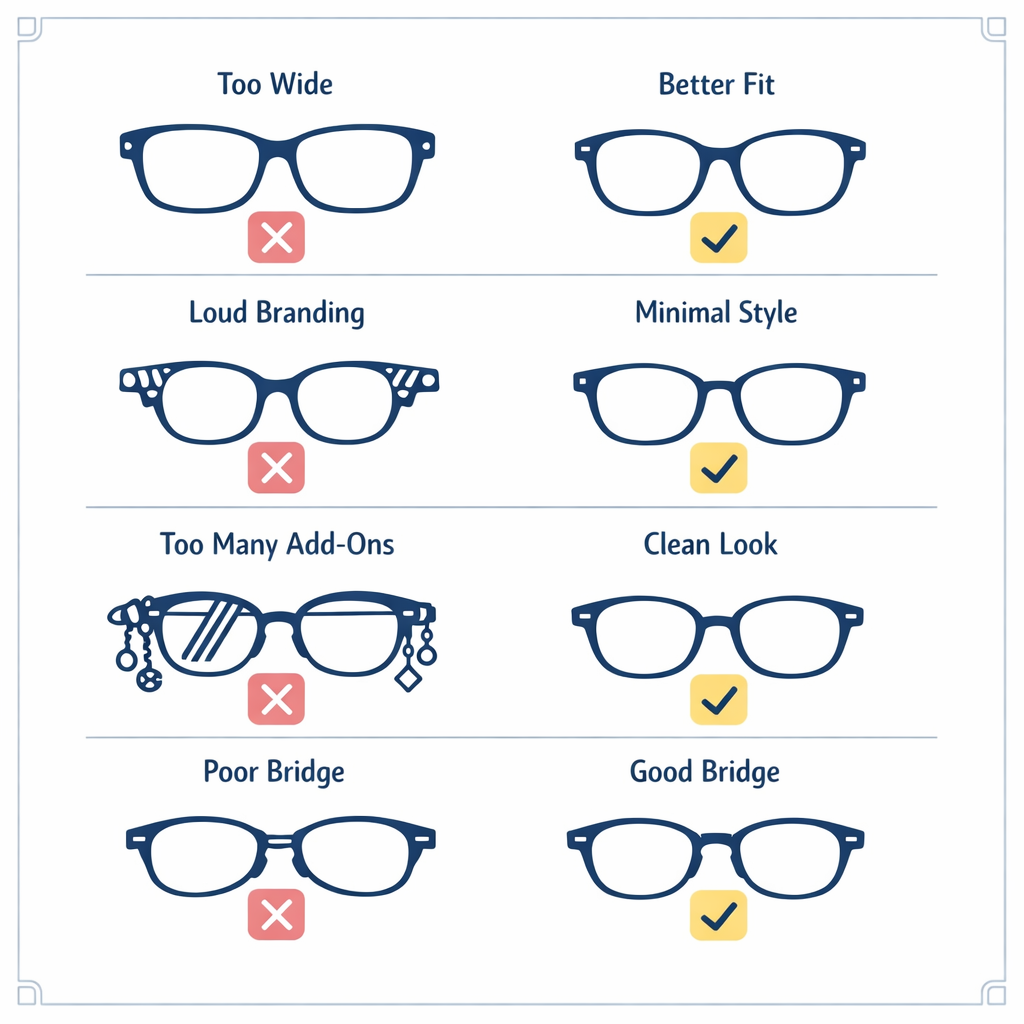
A common misconception is that expensive automatically means elegant. In reality, a well-fitted mid-priced frame with a clean silhouette often looks more sophisticated than a poorly chosen designer pair.
- Choosing a frame because it is trendy, even though it fights your proportions
- Buying loud branding when your personal style is more minimal
- Overspending on every lens add-on instead of the one or two you will actually feel
- Ignoring bridge fit and nose support, which can make even good frames look awkward
- Replacing the whole pair when the frame still works and only the lenses need an update
Another mistake is confusing “designer-inspired” with “cheap copy.” The better version of designer-inspired eyewear is not about imitation. It is about borrowing the broad cues that feel current or classic, then choosing a pair that stands on its own.
Smart shopping tips for affordable luxury eyeglasses
Discounts, insurance, FSA/HSA, frame-only strategies
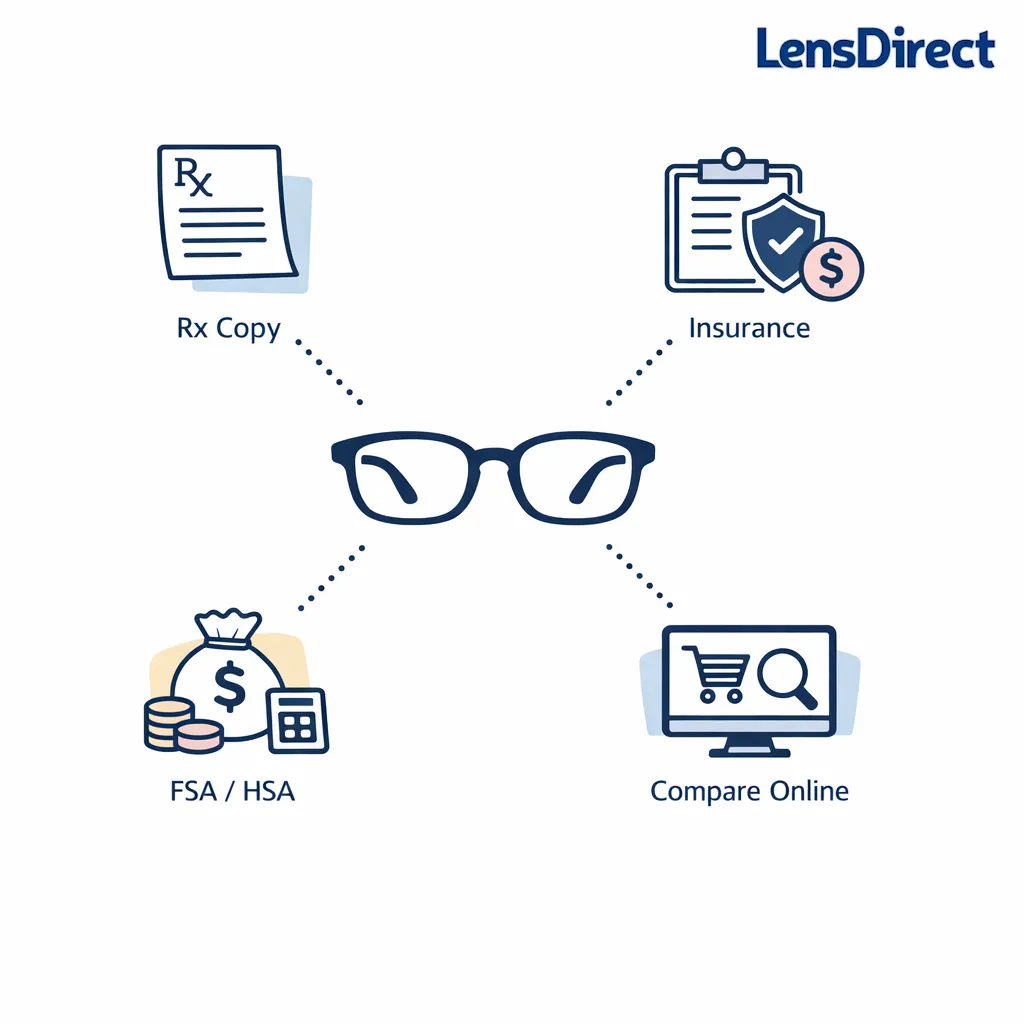
Comparison shopping is one of the biggest online advantages. Under the FTC’s Eyeglass Rule, your prescriber must give you a copy of your prescription after your eye exam, which makes it easier to compare stylish eyeglasses online instead of feeling locked into a single in-office option.
Before you buy, check whether your plan offers out-of-network help and learn how to get reimbursed by your insurance. If you use pre-tax health funds, IRS Publication 502 lists prescription eyeglasses and contact lenses as medical expenses, so qualifying purchases may be eligible through FSA or HSA dollars depending on your account rules.
One of the smartest savings strategies is a frame-only mindset. If your current pair still fits well and the front is in good shape, you may not need a completely new frame. You can replace your lenses instead, whether you prefer full-service replacement or ordering replacement lenses for eligible frames.
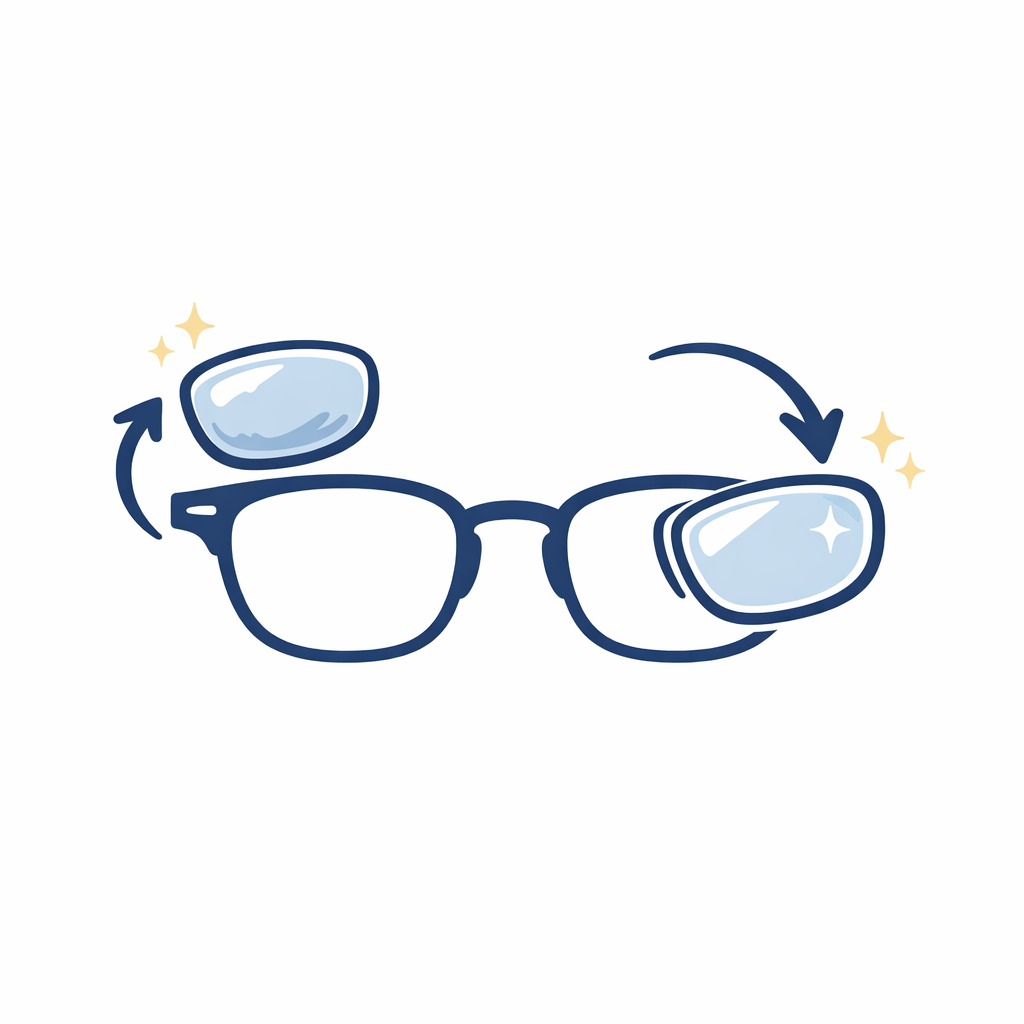
That approach is especially smart if you already own a flattering frame and want a visual refresh through thinner lenses, a cleaner coating package, or a sunglass conversion. It is one of the easiest ways to keep the premium look while controlling cost.
What to do next
- Start with one timeless shape that already suits your face
- Choose a rich color or finish that looks elevated with your everyday wardrobe
- Spend on lens upgrades only when they solve a real problem you notice
- Compare designer, designer-inspired, and lens-replacement paths before buying
- Double-check your prescription, fit measurements, and reimbursement options before checkout
Build your premium look with LensDirect
If you are ready to turn these ideas into a pair you will actually wear, start with the category that matches your routine. You can shop glasses for everyday prescription style, browse shop sunglasses for a polished second pair, or shop contacts if you like to switch between frames and contact-lens days.
If you already own frames you love, LensDirect also makes it easy to replace your lenses instead of starting over. Between fit tools, measurement help, and practical replacement options, you can create an affordable luxury eyewear wardrobe that looks intentional, feels comfortable, and respects your budget.
Author

Subscribe to our email newsletter to get the latest posts delivered right to your email.