

Buying eyewear online can be a big convenience win, but the real savings often come from stacking the “not-so-obvious” tools: out-of-network vision insurance reimbursement, tax-advantaged FSA/HSA funds, and smart reordering through rewards and subscriptions.
This guide is for anyone buying glasses or contacts online, replacing lenses, or shopping prescription sunglasses for sports and driving. You’ll learn exactly how reimbursement typically works, what documentation to save, how FSA/HSA eligibility applies to eyewear, and how to avoid the most common (and expensive) mistakes.
Key terms (so the rest is easy)
Vision insurance reimbursement usually means you pay out of pocket, then submit a claim to your vision plan for an “out-of-network” benefit. The exact amount and eligible items depend on your specific plan.
FSA/HSA funds are tax-advantaged accounts that can often be used for qualified medical expenses, including certain vision expenses. The rules are set by the IRS and your plan administrator.
Rewards + subscriptions are retailer programs that can reduce repeat purchase costs, help you reorder on time, and sometimes unlock member pricing or perks.
1) Saving with vision insurance reimbursement (even when buying online)
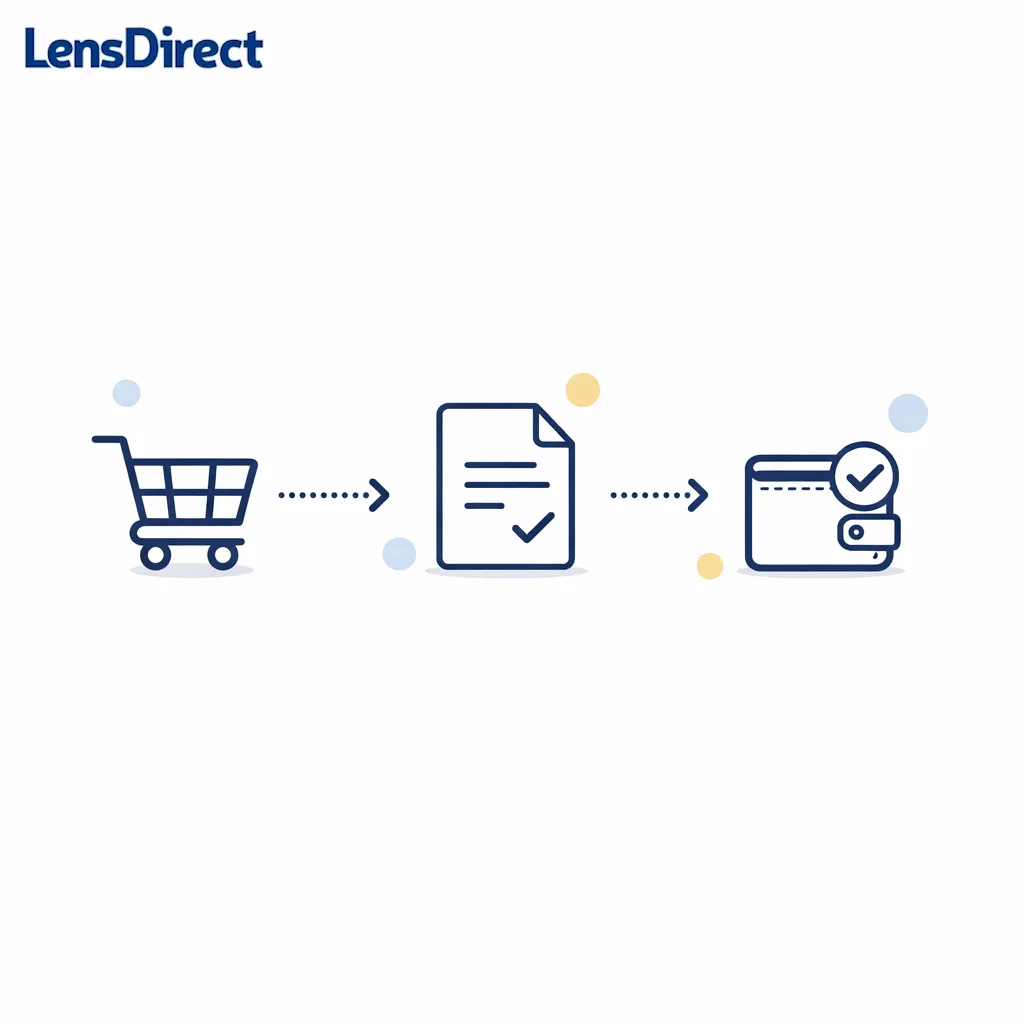
Many shoppers assume insurance only works in-person or only “at checkout.” In practice, a common online-friendly approach is paying with a regular card, then filing an out-of-network claim for reimbursement based on your plan’s rules.
The important mindset shift: your job is to create a clean paper trail so your insurer can match your purchase to an eligible benefit and a valid prescription.
Step-by-step: how reimbursement typically works
Because plan rules vary, start by checking your benefits details for out-of-network coverage and any purchase limits. Then follow a simple process that keeps your documentation strong.
- Confirm what’s covered: frames, lenses, contacts, and prescription sunglasses may be treated differently by your plan.
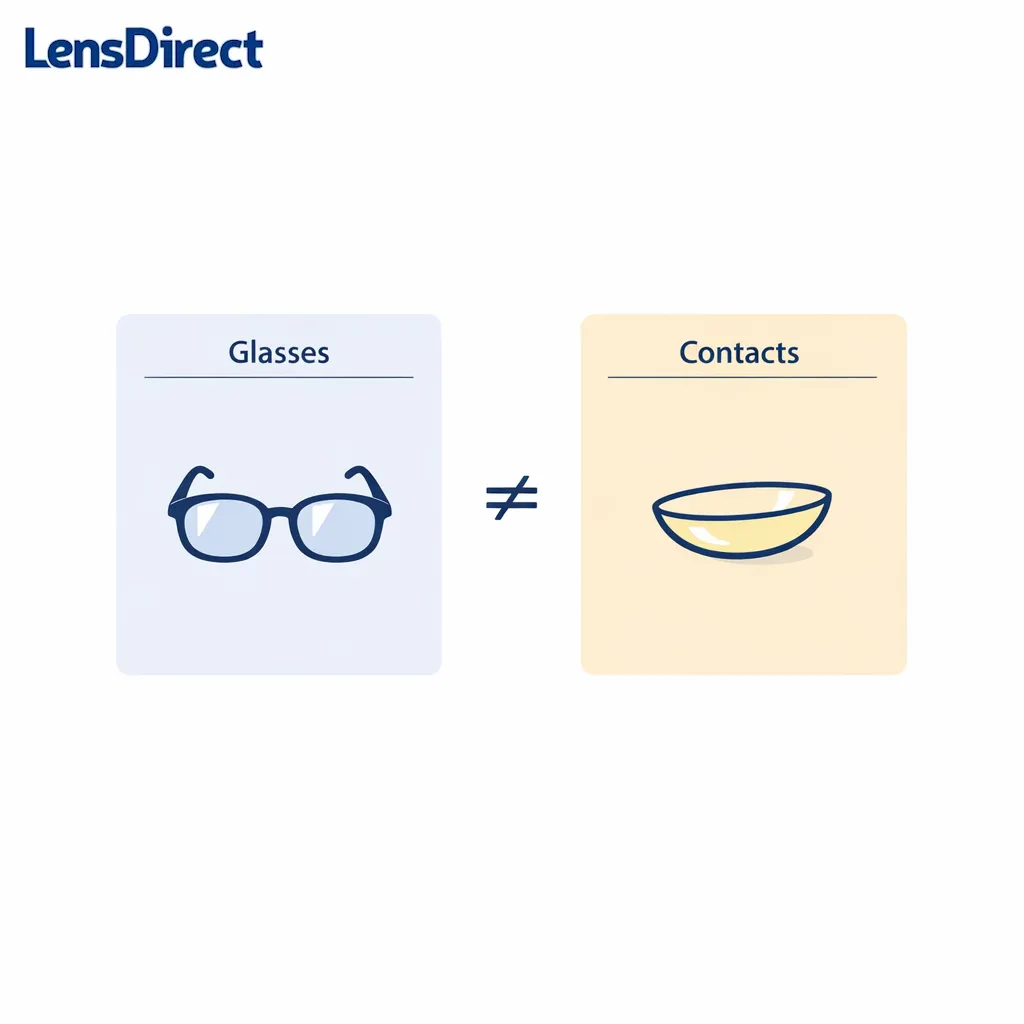
- Order using your current prescription: keep a copy for your records (glasses and contacts prescriptions are not always interchangeable).
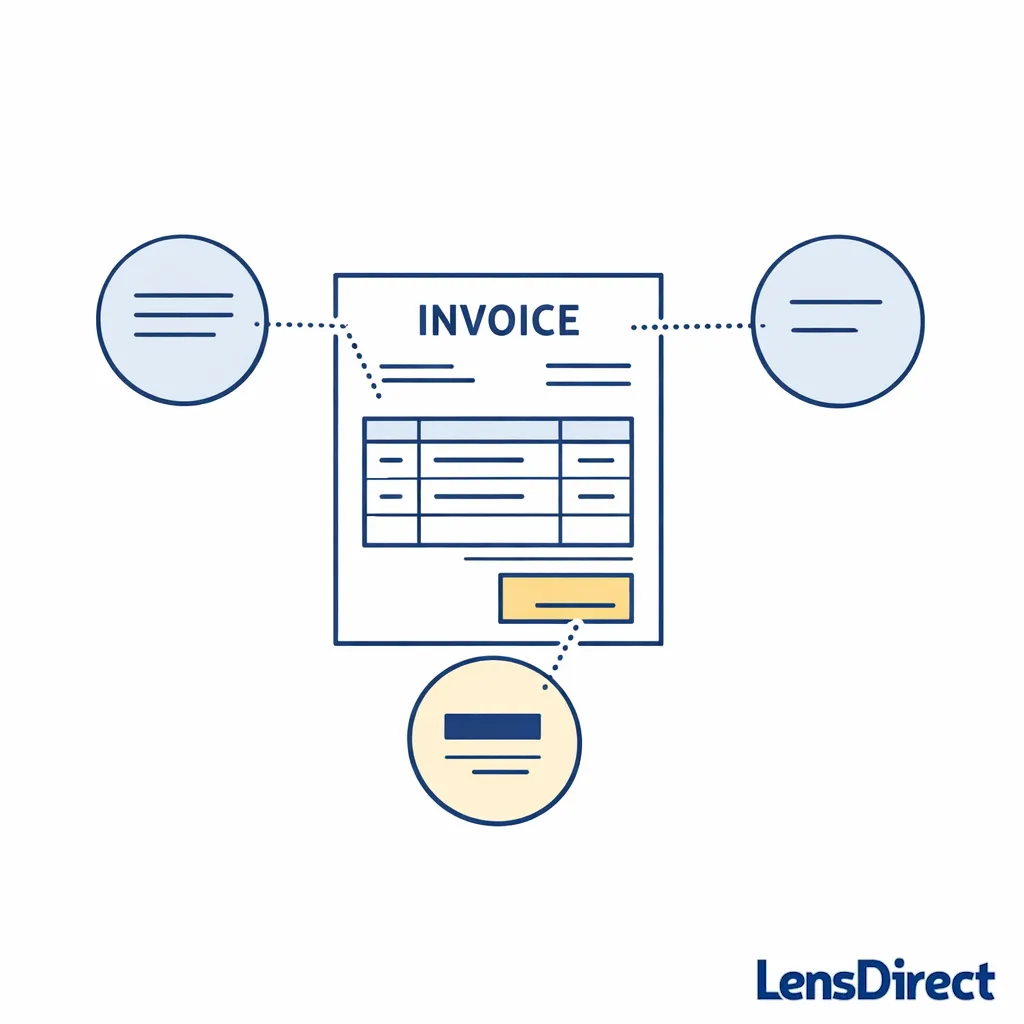
- Save an itemized receipt/invoice: it should clearly list product type, price, taxes/shipping, and vendor info.
- Submit the out-of-network claim: upload or mail your documentation using your insurer’s instructions.
- Track reimbursement and timing: note submission deadlines and keep confirmation numbers.
What to save (so claims are smoother)
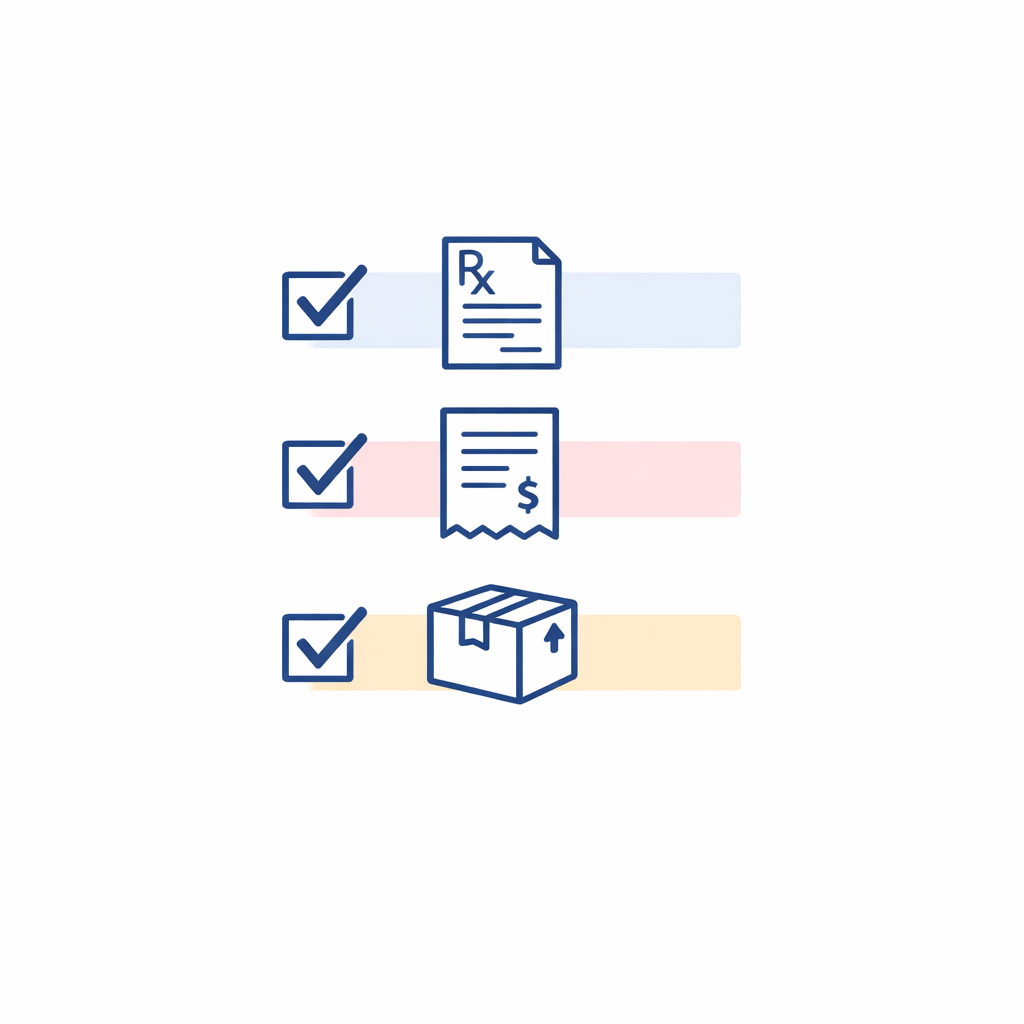
Most reimbursement friction comes from missing or unclear documentation. If you’re ordering from LensDirect or any other online retailer, download and store your invoice right after purchase so you’re not hunting for it later.
- Itemized receipt showing what you bought (frames vs lenses vs contacts), the amount paid, and the date
- Prescription copy (especially for contact lenses, where valid prescription requirements apply)
- Order confirmation and shipping confirmation (helpful if your insurer asks for proof of delivery)
Know your prescription rights (this helps you shop and submit claims)
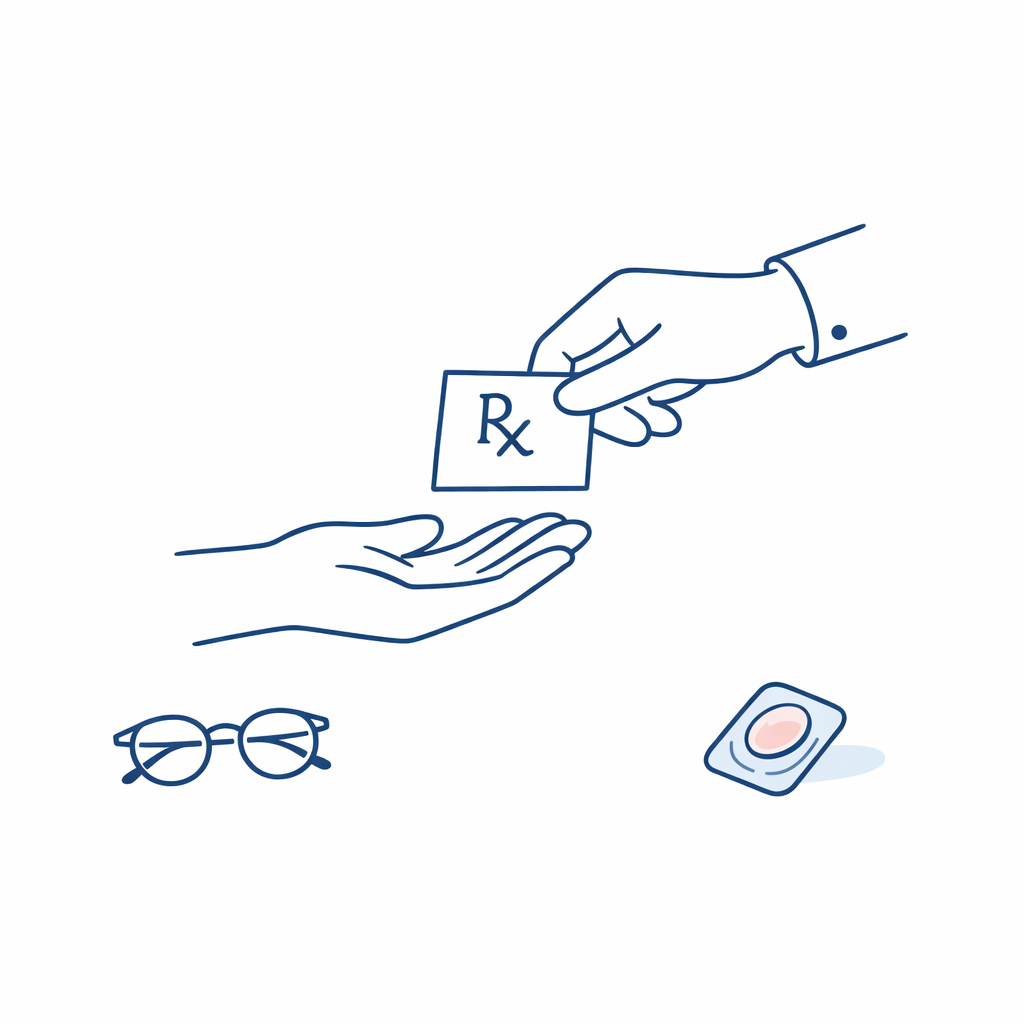
If you’re buying glasses online, prescribers must provide patients a copy of their prescription under the FTC Eyeglass Rule. That matters because having your prescription in hand makes it easier to compare options, buy online, and keep claim documentation organized.
If you’re buying contact lenses online, sellers must follow verification requirements under the FTC Contact Lens Rule, which is why you’ll often be asked for prescriber information and prescription details during checkout.
2) Using FSA/HSA for glasses and contacts (and what’s actually eligible)
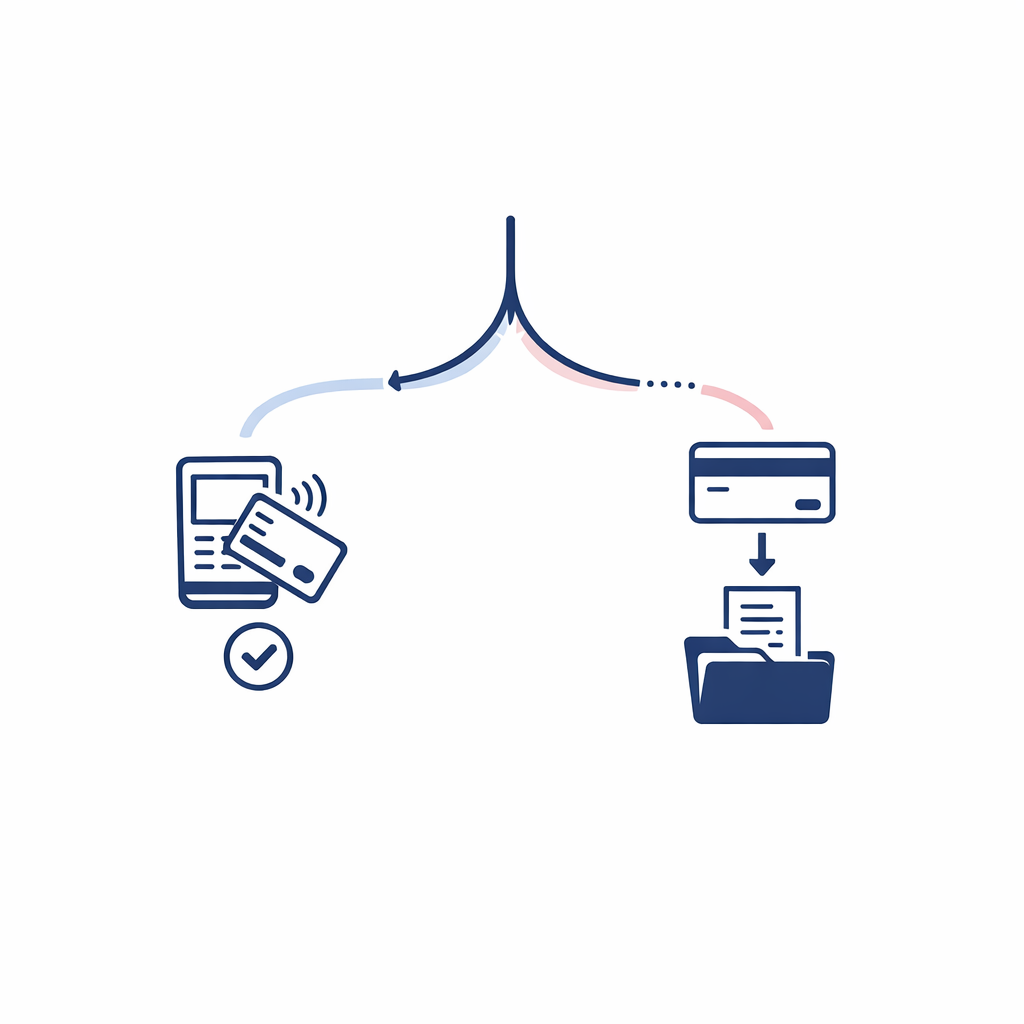
FSA and HSA funds can be a powerful way to reduce the real cost of eyewear because you’re spending pre-tax dollars (subject to your situation and plan rules). For many people, the biggest wins are prescription eyeglasses, prescription sunglasses, and contact lenses.
The IRS lists eyeglasses and contact lenses as examples of eligible medical expenses in IRS Publication 502 (Medical and Dental Expenses), which is a helpful reference when you’re trying to confirm whether your purchase generally qualifies.
Practical ways to use FSA/HSA online
In many cases, you can pay at checkout with an HSA/FSA debit card, or you can pay with any card and reimburse yourself later (depending on your plan’s process). If you’re unsure which method is best, prioritize the option that gives you the cleanest documentation trail.
- At checkout: use your HSA/FSA card if your plan allows it and the purchase is eligible.
- Reimburse yourself: pay with a regular card, then submit the receipt through your HSA/FSA administrator if required.
- Bundle thoughtfully: if you’re also doing vision insurance reimbursement, keep records so you don’t submit the same expense twice.
HSA vs FSA: the differences that affect timing your purchase
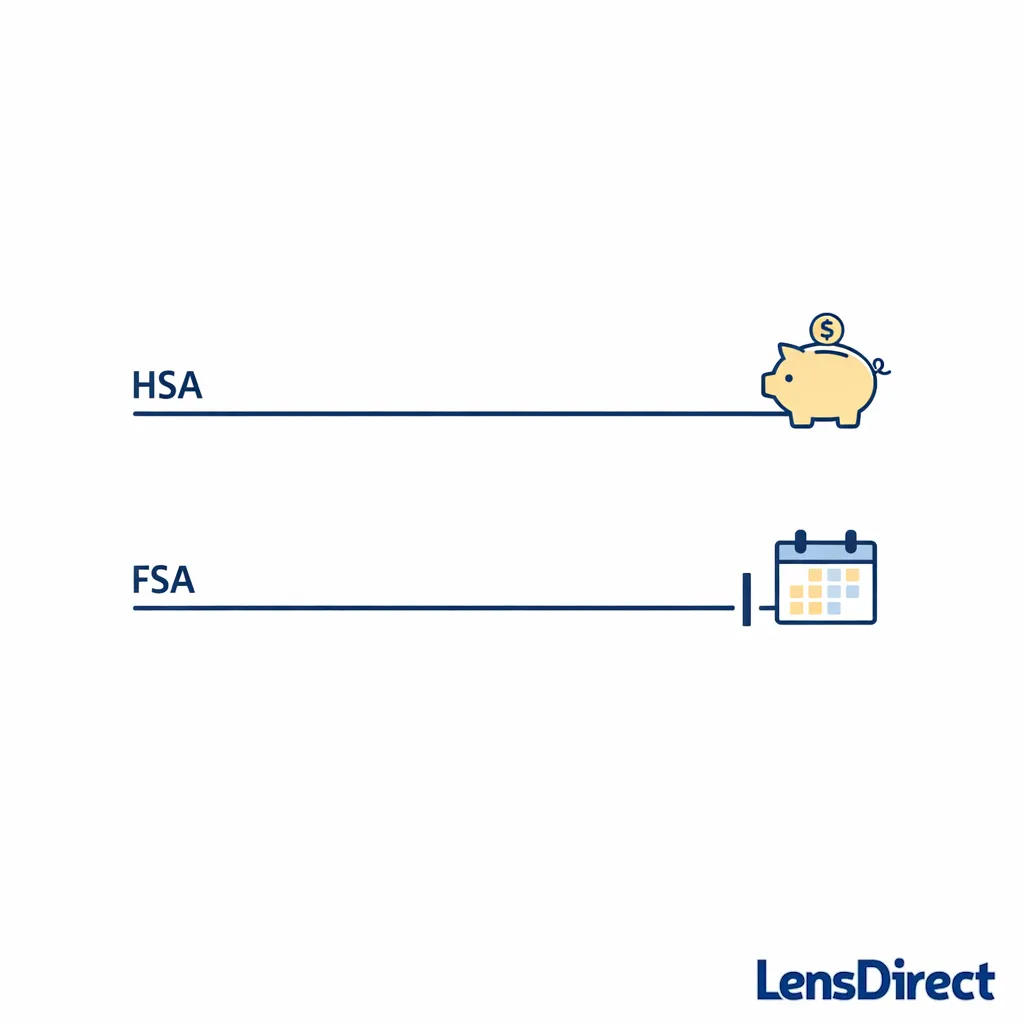
These accounts are often mentioned together, but they behave differently in ways that can change your savings strategy. The IRS explains account rules and limitations in IRS Publication 969 (Health Savings Accounts and Other Tax-Favored Health Plans), which is worth skimming if you’re planning a larger eyewear purchase.
For example, an HSA is generally designed to let you keep unused funds for future qualified expenses, while FSAs can have stricter rules set by your employer’s plan. When you’re deciding whether to buy now or later, those timing rules can matter as much as the price tag.
Receipt and documentation habits that prevent headaches
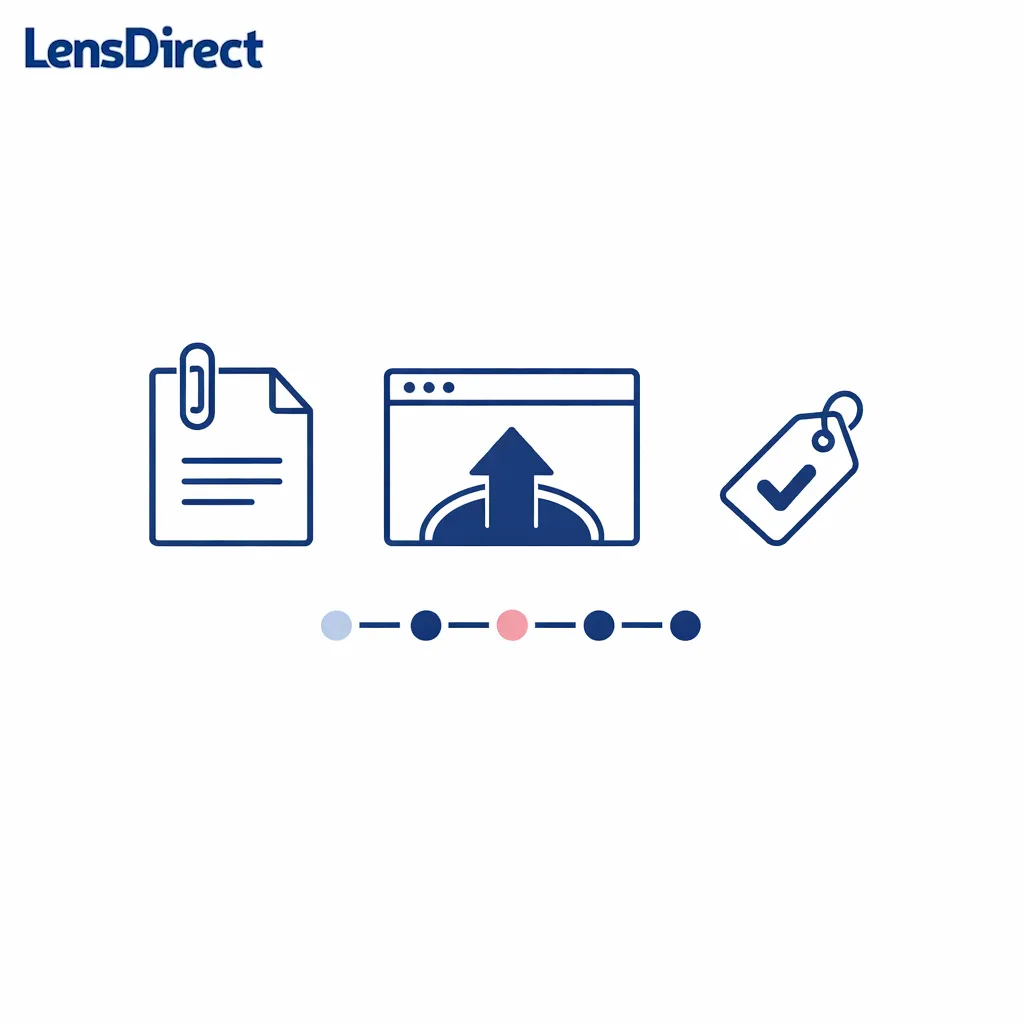
Even when an item is eligible, reimbursement can get delayed if the receipt is vague. Think like an auditor: clear product description, date, amount paid, and vendor information.
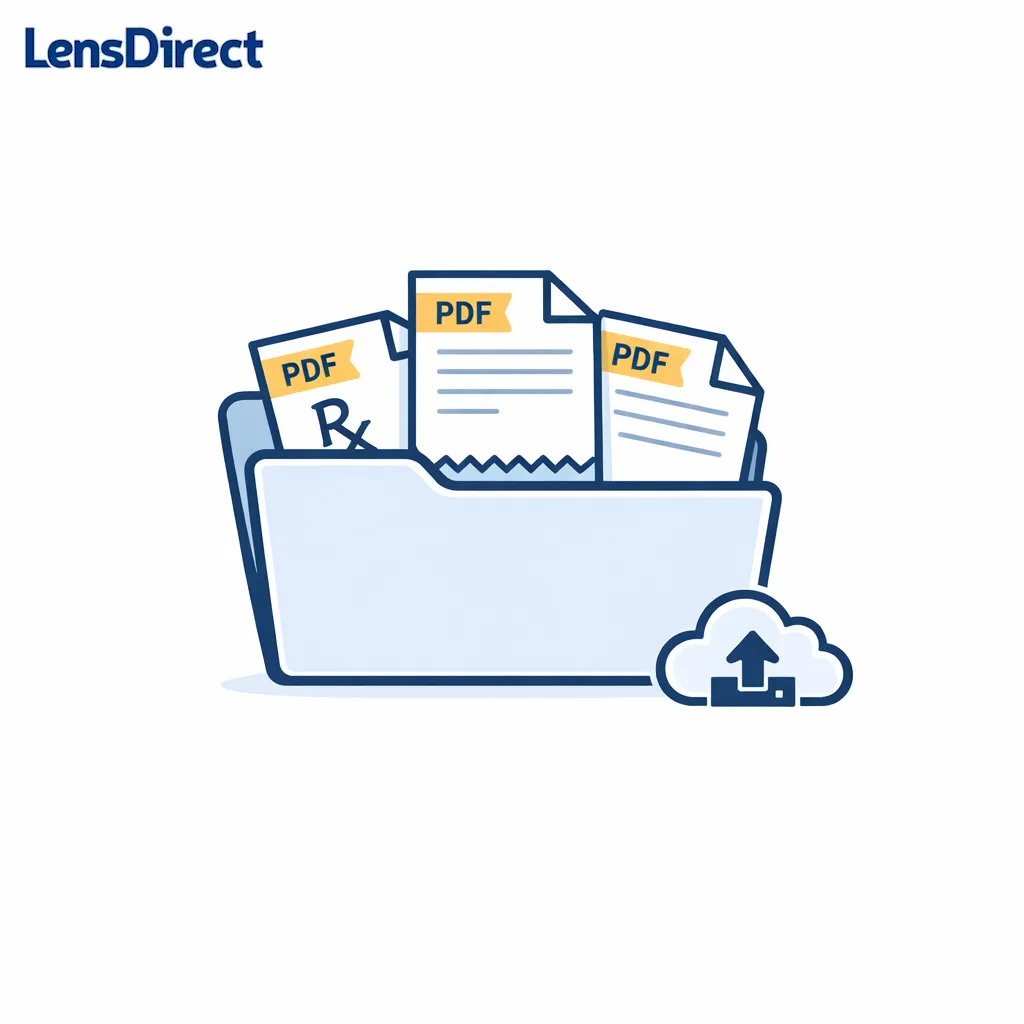
Keep digital copies (PDF is ideal) in a dedicated folder, especially if you’re buying multiple items like replacement lenses plus a backup pair of contacts.
3) Subscriptions and auto-refill for contacts: savings plus “never run out” convenience
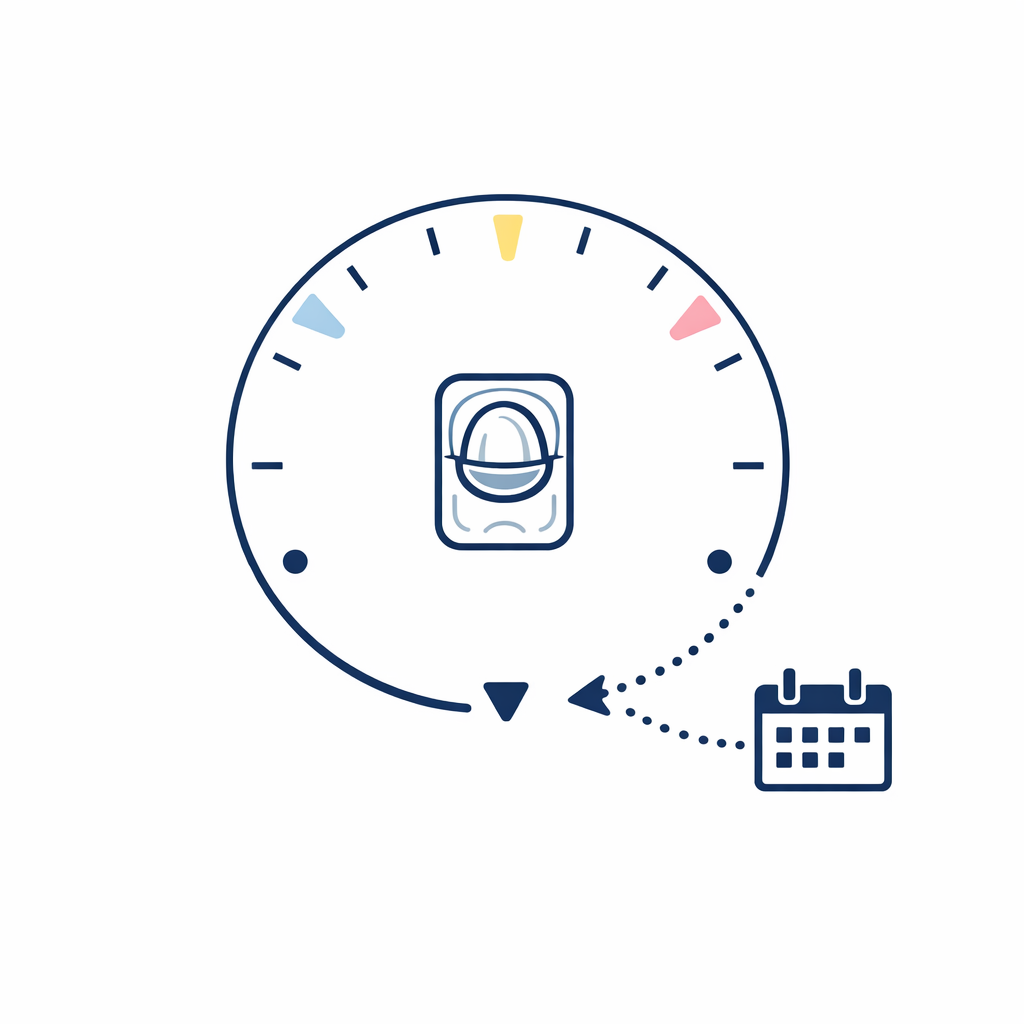
Subscription ordering can reduce last-minute shipping costs and help you stay consistent with your replacement schedule. The best subscriptions are flexible, letting you change ship dates, adjust quantities, or pause when your prescription changes.
Because contact lenses are regulated as medical devices by the FDA, it’s smart to stay aligned with your eye care professional’s instructions and keep your prescription current.
How to pick the right subscription cadence
Start with how you actually wear contacts: daily, occasional, travel-only, or sports-only. Then set a schedule that fits your usage rather than guessing and over-ordering.
- Everyday wearers: prioritize consistent delivery and a backup buffer for travel.
- Occasional wearers: choose a longer cadence (and make sure the subscription can pause).
- Frequent travelers: consider shipping before planned trips so you’re not relying on hotel delivery timing.
Even when the unit price is similar, subscriptions can lower your total cost by reducing emergency shipping, preventing missed reorders, and helping you avoid buying a “stopgap” box locally at a higher price.
They also reduce the mental load of remembering when you’re running low, which matters more than most people think.

4) Rewards programs and promo timing: stack savings the right way
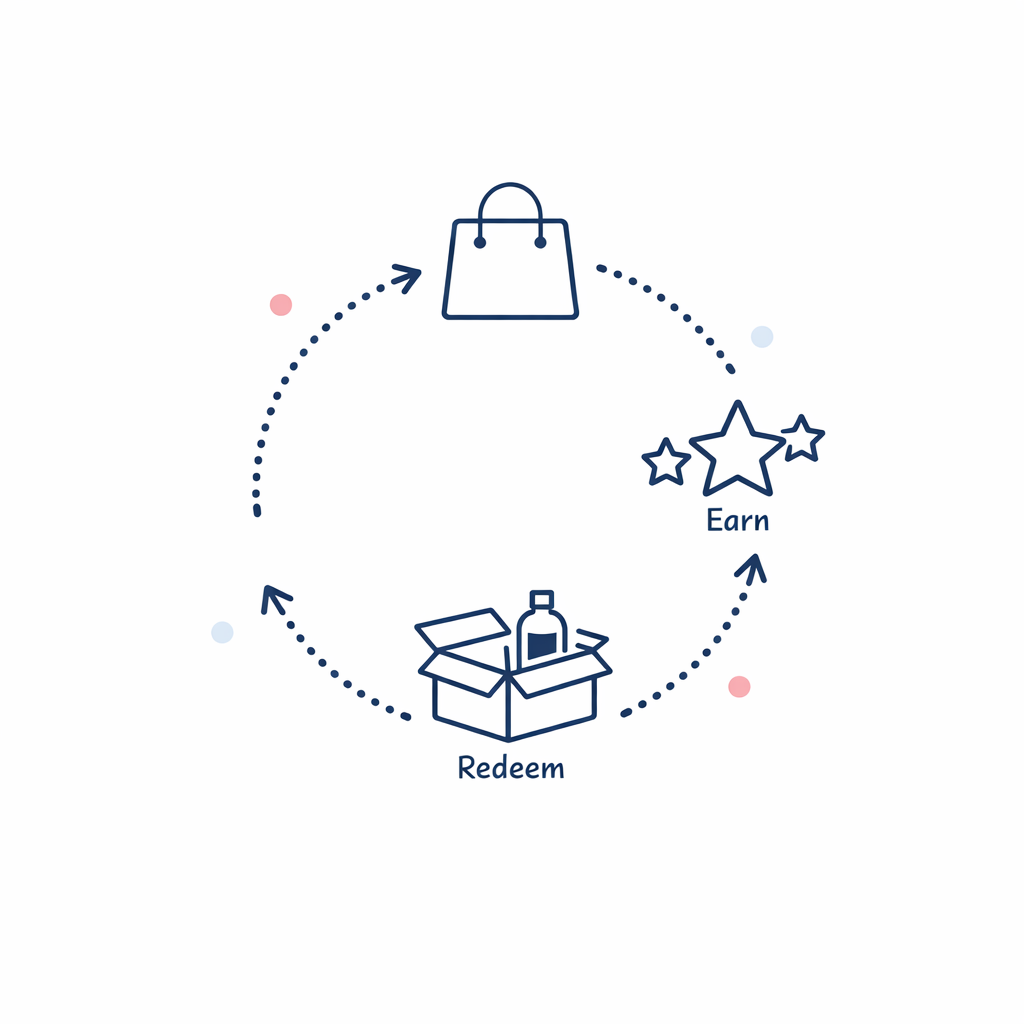
Rewards programs work best when you treat them like a simple system: earn on purchases you were already going to make, then redeem on predictable reorders. The goal is steady savings, not chasing complicated one-off deals.
If you wear contacts year-round, a small reward per order can add up over time, especially when you’re also using reimbursement or FSA/HSA dollars.
Easy reward strategies that don’t backfire
- Use one primary account so you don’t split points across multiple retailers.
- Redeem on essentials (replacement lenses, restock boxes, backup glasses) instead of impulse items.
- Watch for exclusions so you’re not counting on rewards for items that don’t qualify.

What’s new to pay attention to in 2026 (and what hasn’t changed)
The biggest “new” thing for most shoppers is not a dramatic rule change. It’s that more people are mixing and matching benefits: using online retailers for selection and convenience, then using reimbursement or tax-advantaged funds to reduce net cost.
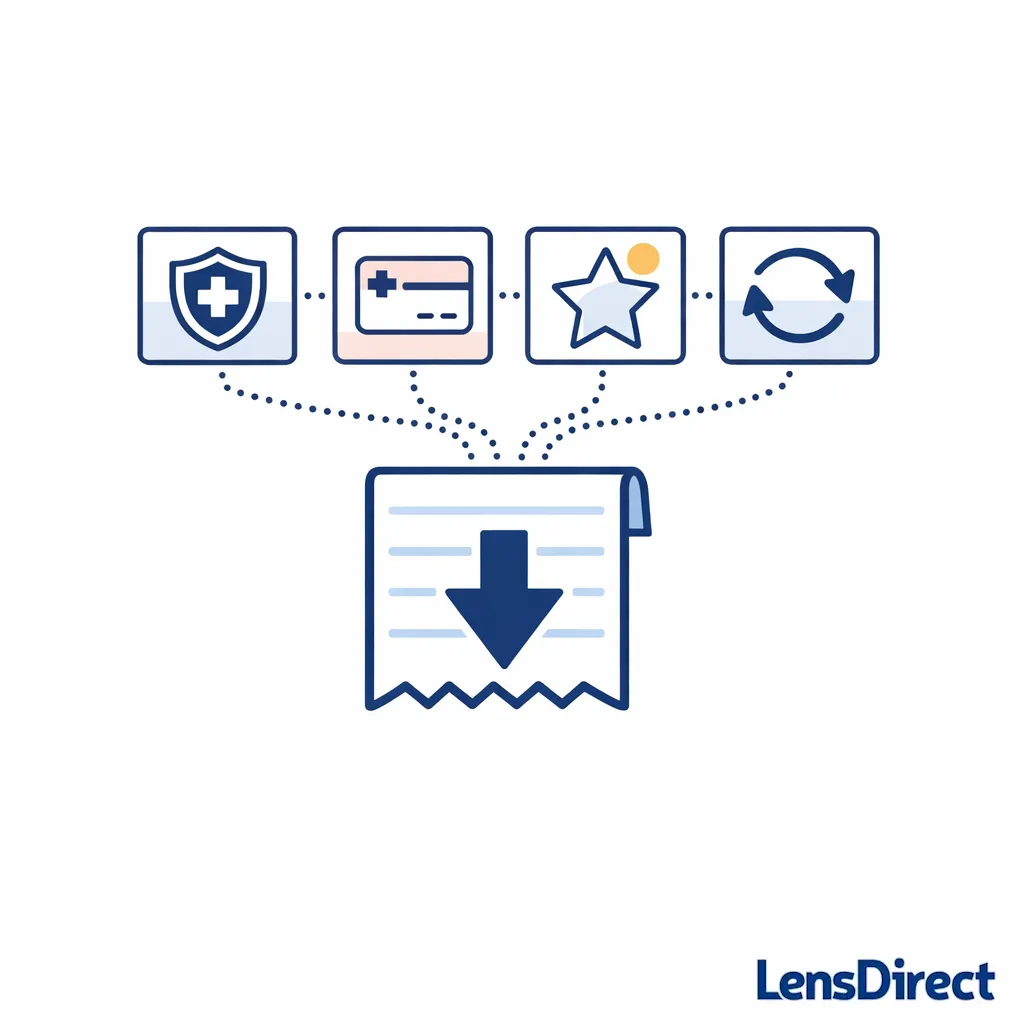
Two fundamentals haven’t changed: you have clear rights to your prescription under the FTC Eyeglass Rule, and contact lens purchases remain tied to valid-prescription requirements under the FTC Contact Lens Rule.
Also, contribution limits and plan details can change over time, so it’s smart to double-check the current guidance in IRS Publication 969 before you plan a big, end-of-year FSA/HSA eyewear purchase.
Common mistakes and misconceptions (and how to avoid them)
Mistake: assuming you can always “use insurance online” at checkout
Some retailers integrate with some insurers, but many online eyewear purchases are handled via reimbursement. Avoid frustration by planning for out-of-network reimbursement from the start and collecting the right documentation.
Mistake: mixing reimbursement and FSA/HSA in a way that creates duplicate reimbursement
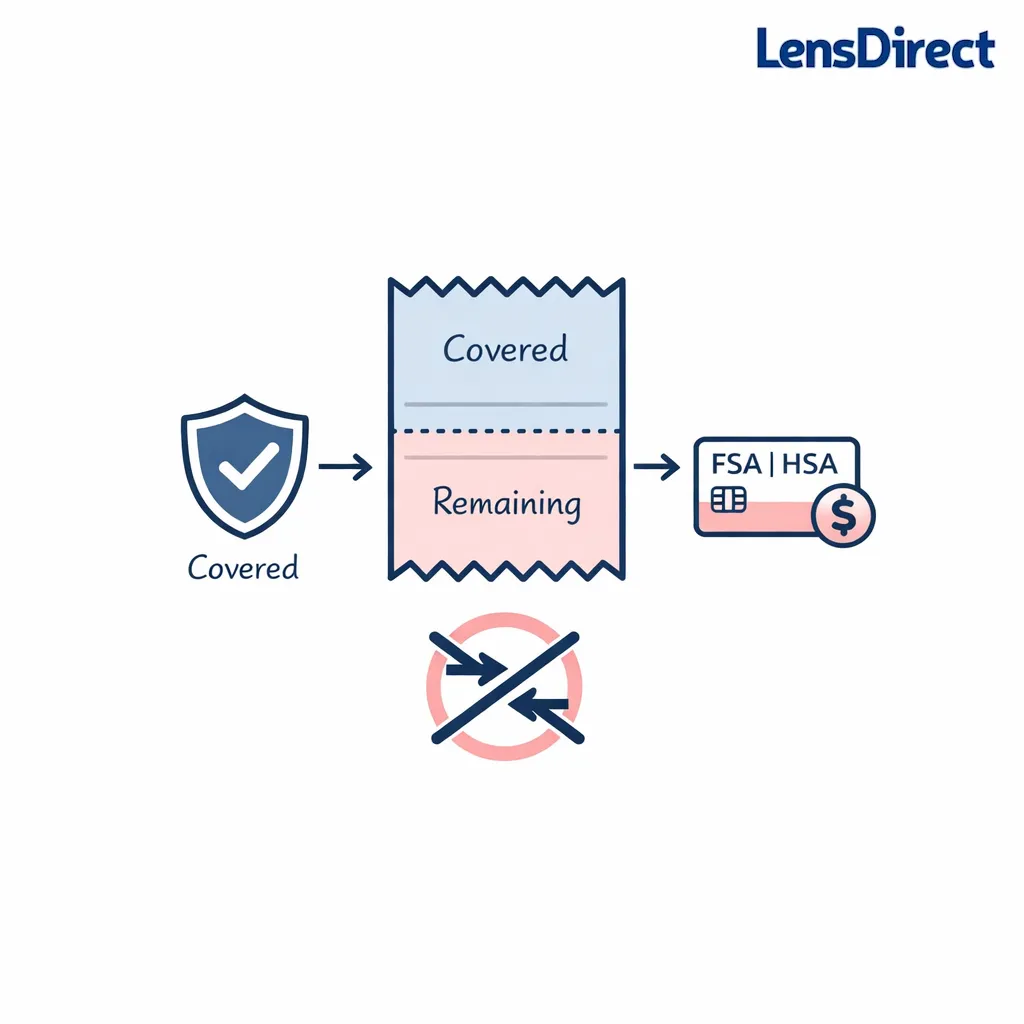
It’s often fine to combine tools, but you should not be reimbursed twice for the same expense. If you receive money back from insurance, only the remaining out-of-pocket amount is typically appropriate for FSA/HSA reimbursement, depending on your plan administrator’s rules.
Mistake: waiting until you’re out of contacts to reorder
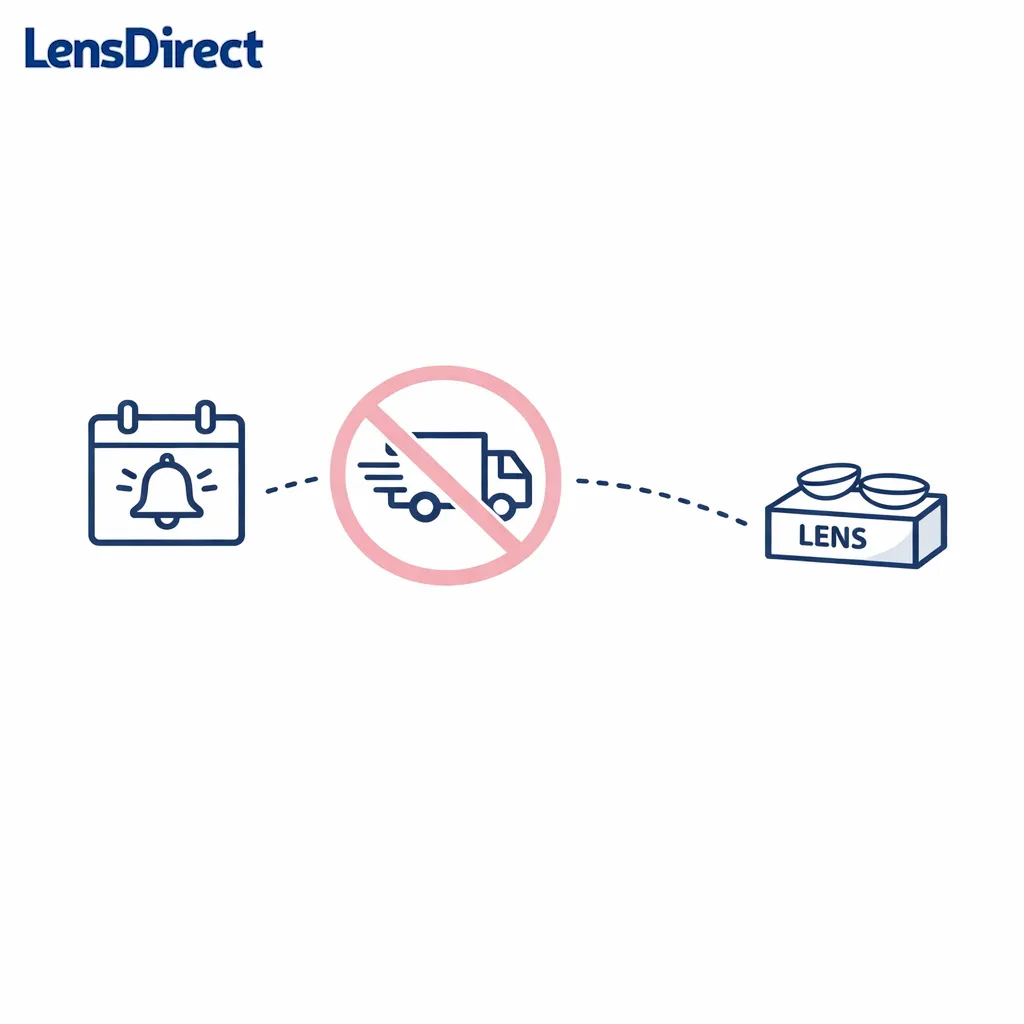
Rush shipping is one of the most common hidden costs. Subscriptions, reminders, or a simple calendar note can save money by preventing “emergency” orders.
Mistake: not keeping an itemized receipt
A bank statement usually doesn’t show what you bought, and that can slow down reimbursement. Save the invoice that lists the specific eyewear items and pricing details.
Mistake: treating contact lenses like a casual commodity
Contacts are regulated as medical devices, so comfort and eye health matter as much as price. If something feels off, pause wear and check in with your eye care professional rather than trying to “power through” to save money.
What to do next: a simple savings checklist
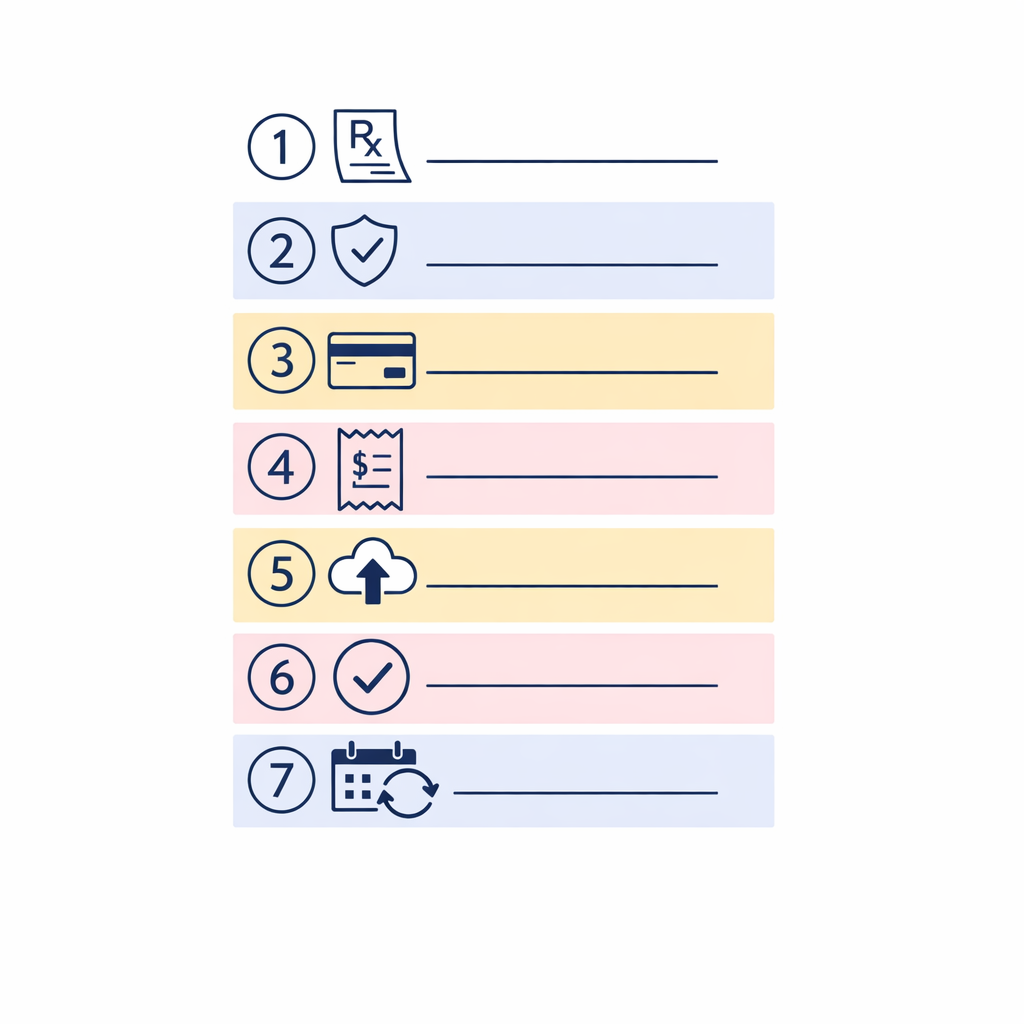
Use this as your repeatable workflow for saving on glasses, contacts, replacement lenses, and prescription sunglasses.
- Step 1: Get your prescription copy and store it (your rights are covered under the FTC Eyeglass Rule and FTC Contact Lens Rule).
- Step 2: Check whether your vision plan offers out-of-network reimbursement and what categories are covered.
- Step 3: Decide your payment strategy: insurance reimbursement, FSA/HSA, rewards, subscription, or a combination.
- Step 4: Place your order and immediately download an itemized receipt/invoice.
- Step 5: Submit your insurance claim (if applicable) and track confirmation details.
- Step 6: If using FSA/HSA, confirm the expense fits general eligibility guidance like IRS Publication 502 and keep documentation for your administrator.
- Step 7: Set a reorder rhythm (subscription or reminders) so you’re not paying “panic shipping” later.
Start saving with LensDirect
If your goal is lower total cost with less hassle, set up a simple system: keep your prescription handy, save itemized receipts, and choose a reorder method you can stick to. LensDirect makes it easy to shop essentials, download order documentation, and keep reorders consistent.

- Shop Glasses
- Shop Contacts
- Replace Your Lenses
- Browse Best Sellers
- Find Your Fit
- Compare Options
- Learn More
Author

Subscribe to our email newsletter to get the latest posts delivered right to your email.