
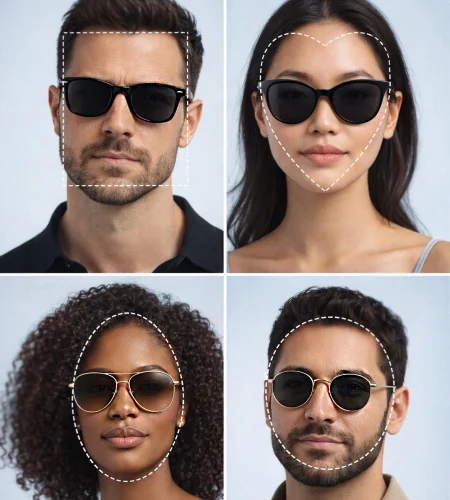
Buying eyewear online is fast and convenient, but it can feel like guesswork when you are staring at dozens of frame shapes. The good news is that a few simple fit cues can help you narrow down what looks balanced on your features and what feels comfortable day to day.
This guide is for anyone shopping for frames, replacing lenses, or picking sunglasses for driving and outdoor sports. You will learn how to identify your face shape, how to compare popular styles like aviator vs wayfarer, and how to avoid the most common frame mistakes.
Start here: how face shape glasses “rules” actually work
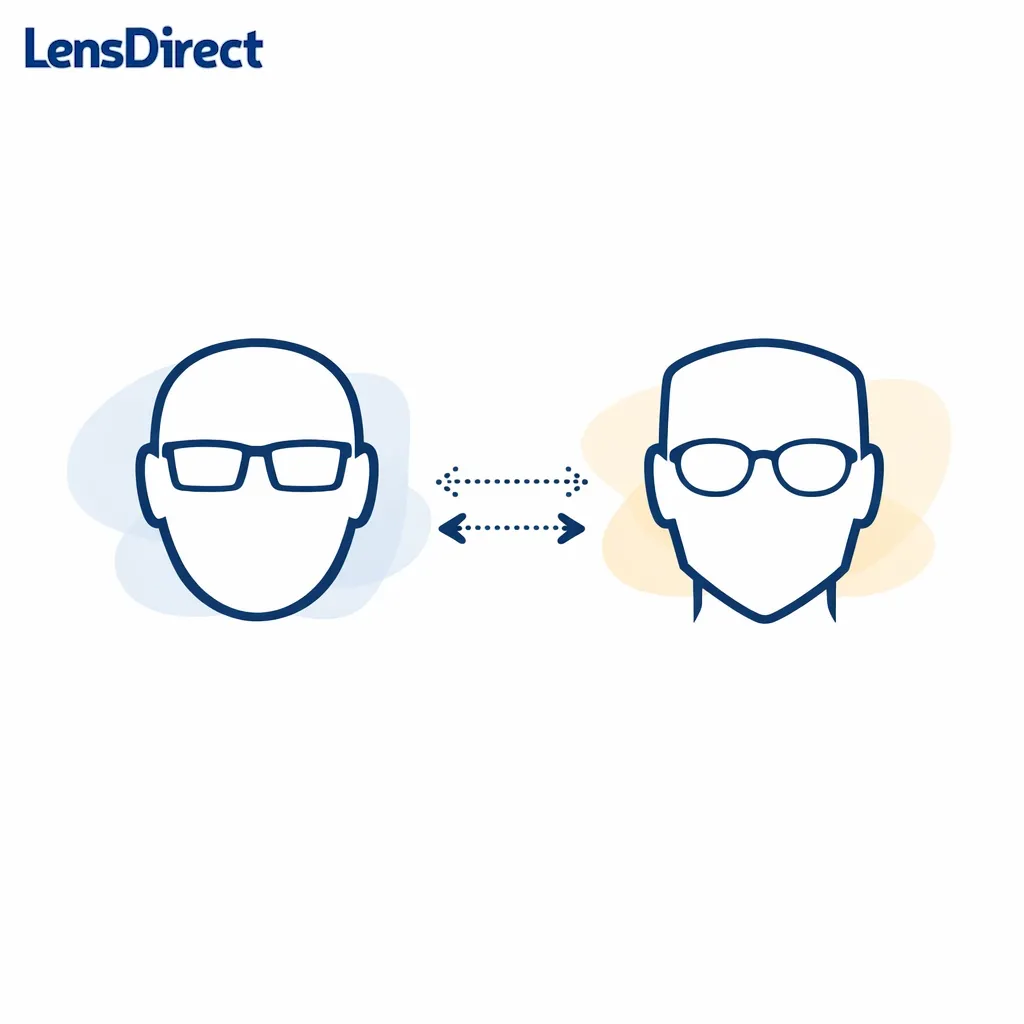
Most “best frames for face shape” advice boils down to one goal: create visual balance. If your features read softer (more curves), sharper angles can add definition. If your features read sharper (more angles), curves can soften and widen the look.
Use face shape tips as a shortcut, not a restriction. The best-looking glasses are usually the ones that fit your width correctly, sit well on your nose, and match your personal style.
Find your face shape in 60 seconds
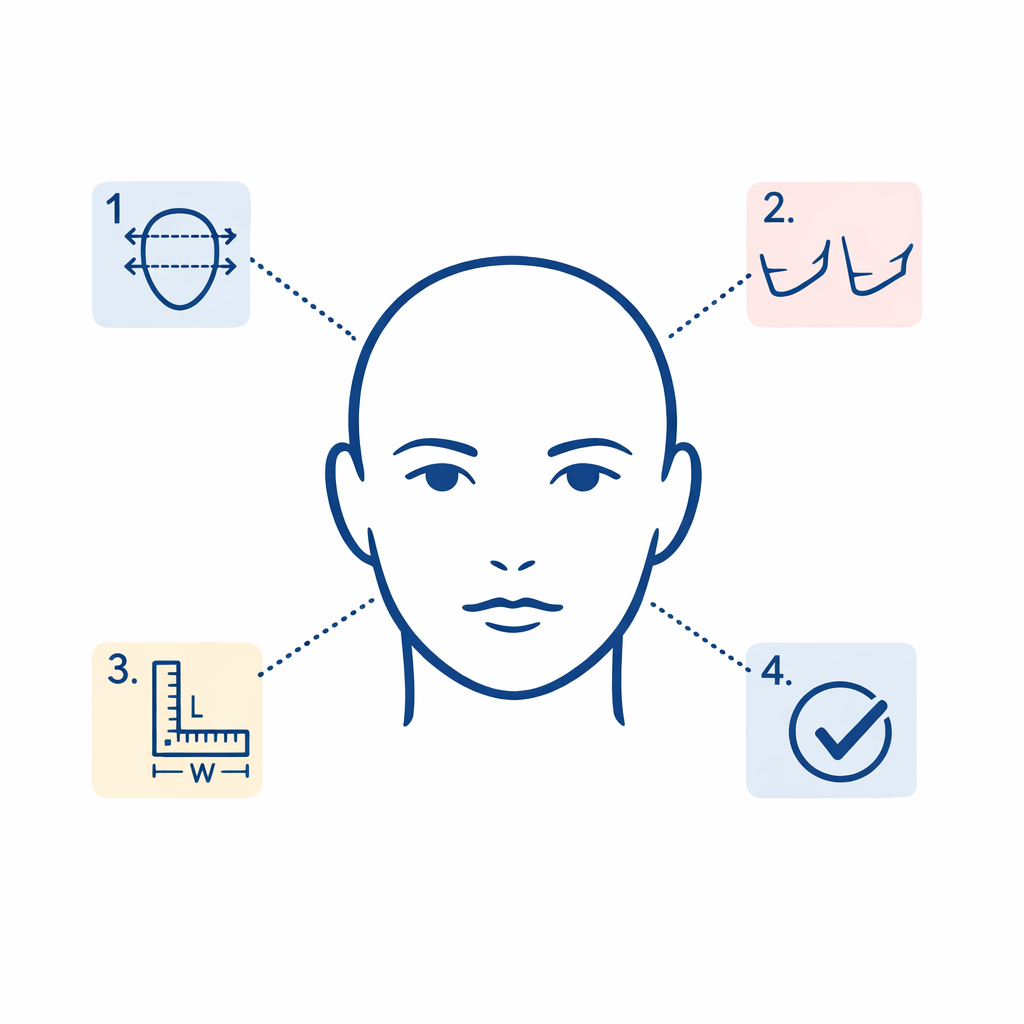
You do not need special tools. You just need a mirror, decent lighting, and hair pulled away from your face so you can see the outline clearly.
- Step 1: Look straight ahead with a relaxed expression. Notice your widest point: forehead, cheekbones, or jaw.
- Step 2: Check your jawline. Is it rounded, sharp, or tapered?
- Step 3: Compare your face length to width. Does it feel about equal, or noticeably longer?
- Step 4: Pick the closest match below. If you feel “between” two shapes, that is normal. Use the recommendations for both.
Quick face-shape cheat sheet
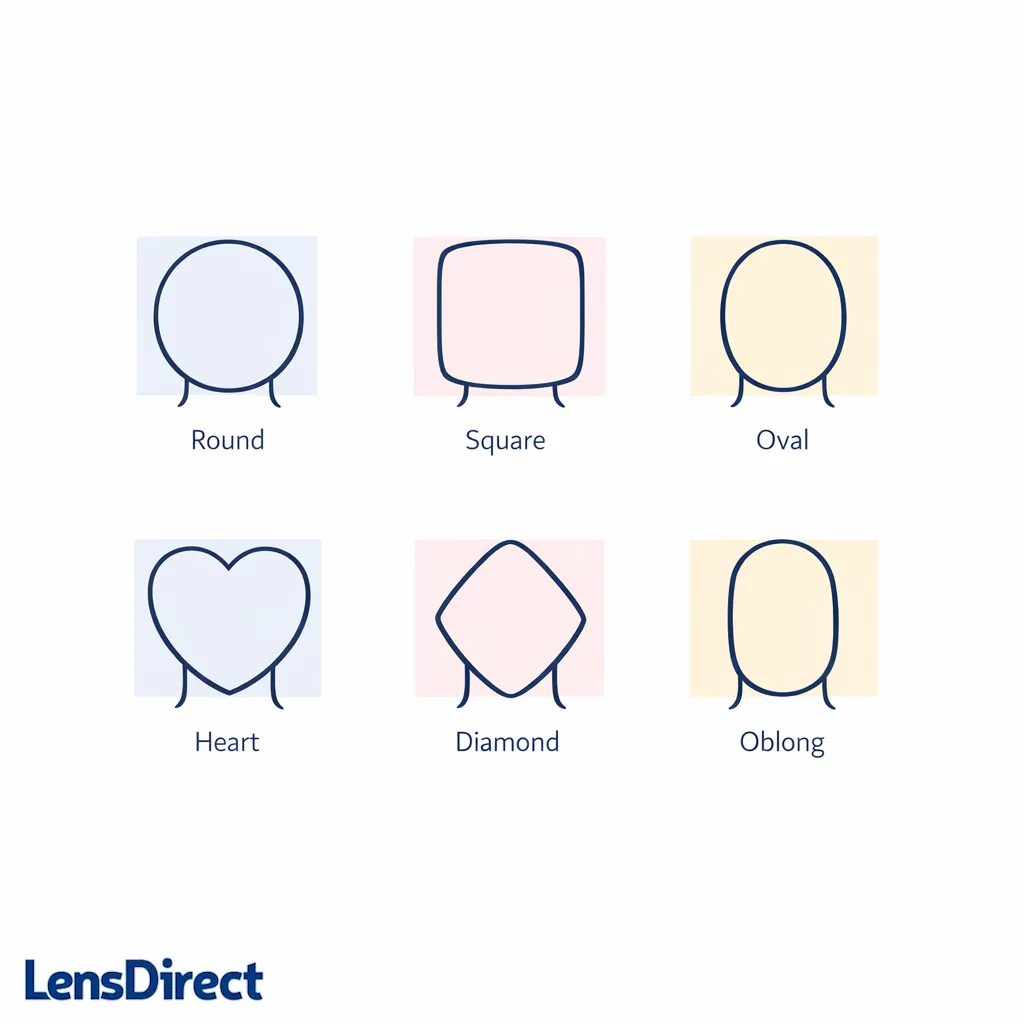
- Round: softer curves, similar width and length, rounded jaw.
- Square: broader forehead and jaw, straighter sides, more angles.
- Oval: longer than wide, balanced proportions, gently rounded jaw.
- Heart: wider forehead, narrower chin, cheekbones often prominent.
- Diamond: cheekbones are widest, forehead and jaw narrower.
- Oblong (long): noticeably longer than wide, straighter sides.
The frame features that matter most (even more than the shape name)
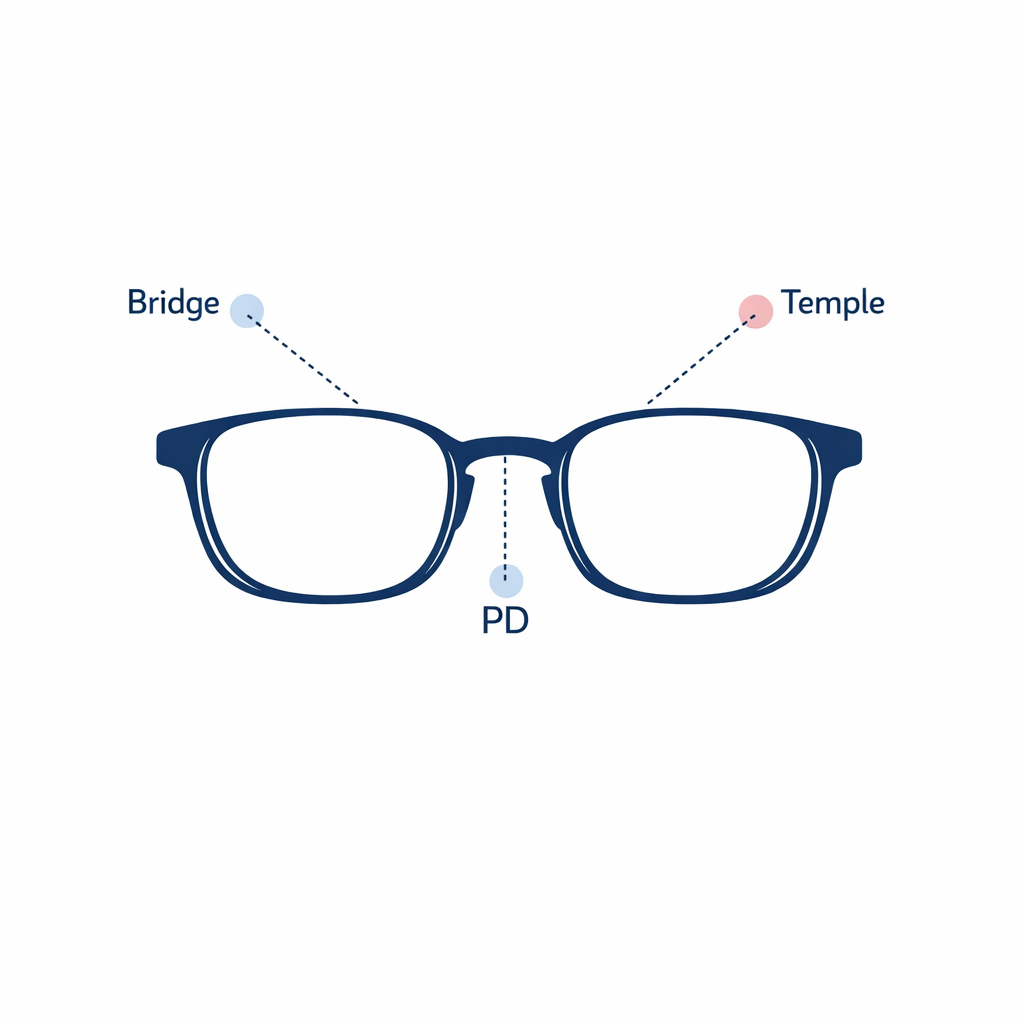
Before you lock onto “cat-eye” or “rectangle,” look at the details that change how any frame reads on your face. These cues are especially helpful when shopping online because they translate across brands.
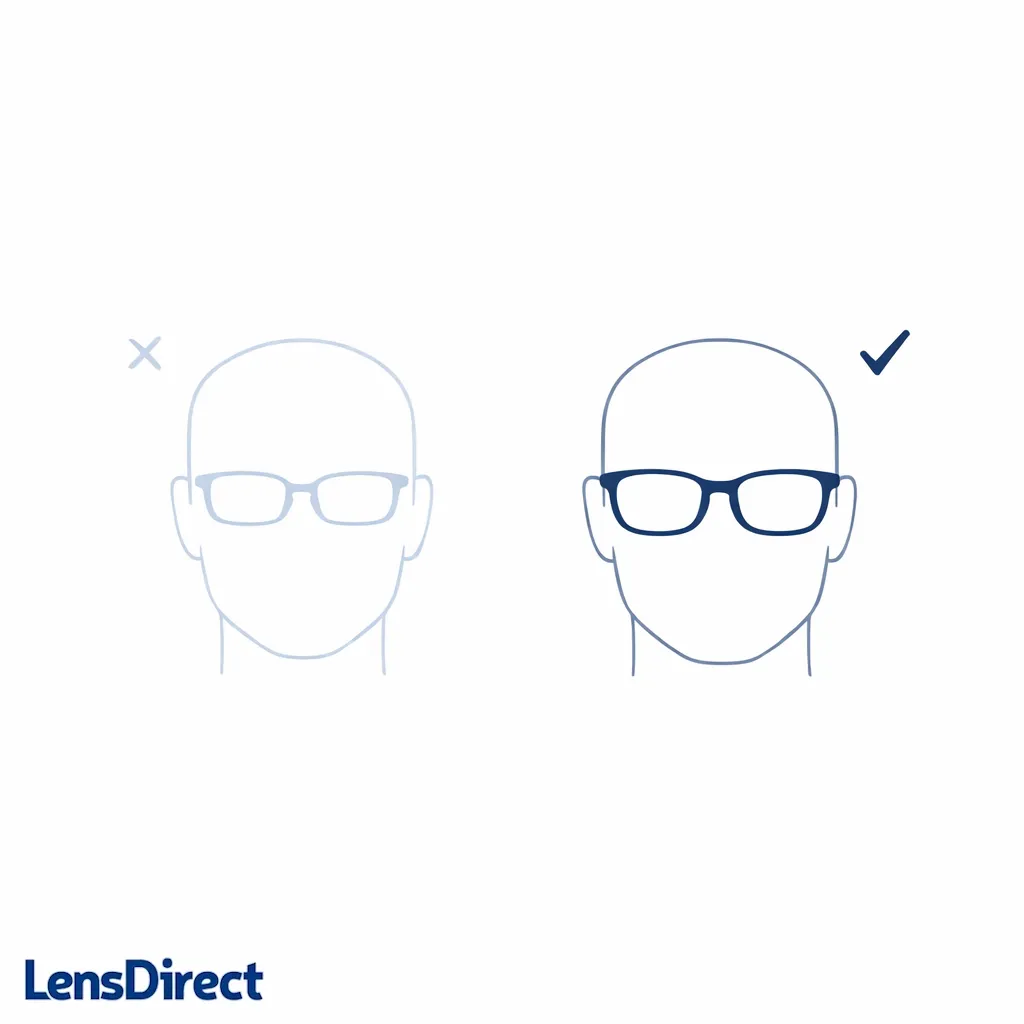
- Frame width: A balanced fit usually lines up close to the outer edges of your face without squeezing your temples.
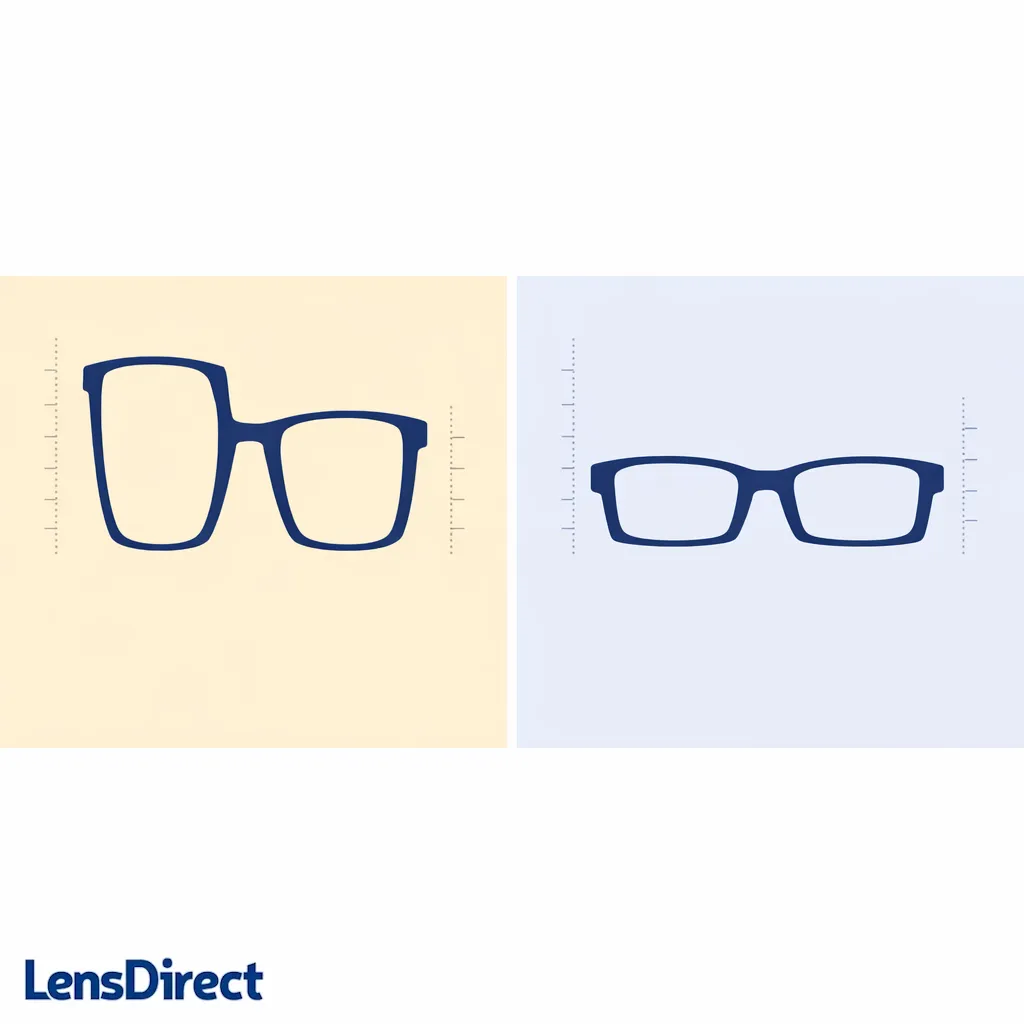
- Lens height: Taller lenses add presence and can make a long face look more proportional. Shorter lenses feel cleaner and more minimal.
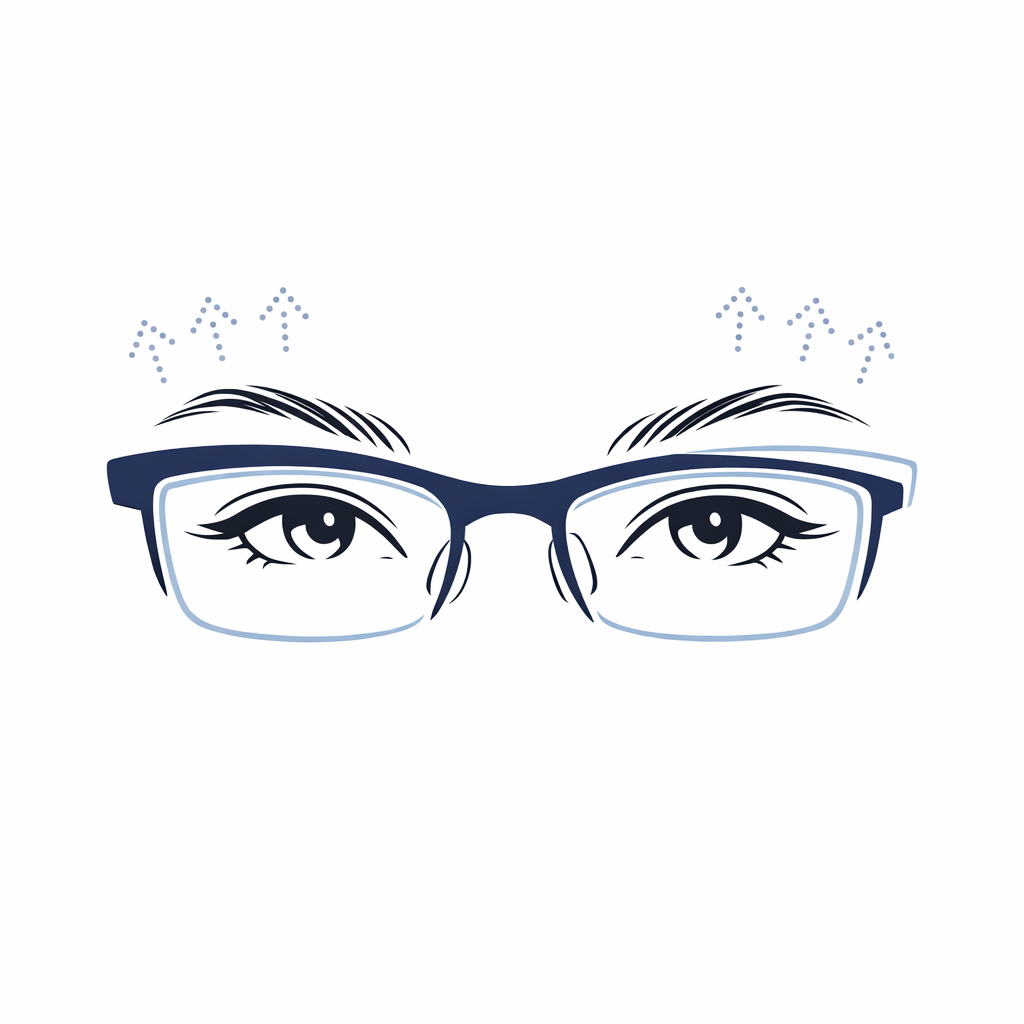
- Top line (brow line): A stronger top line can add structure and draw attention upward.
- Angles vs curves: Corners feel sharper and more tailored; rounded edges feel softer and more casual.
- Bridge fit: The bridge changes comfort and where the frames sit on your face, which also affects how your eyes appear centered in the lenses.
Best frames for face shape: pick your match
Use the sections below like a menu. Start with the shape that feels closest, then adjust based on your style goal: sharper, softer, bolder, or more understated.
Glasses for a round face
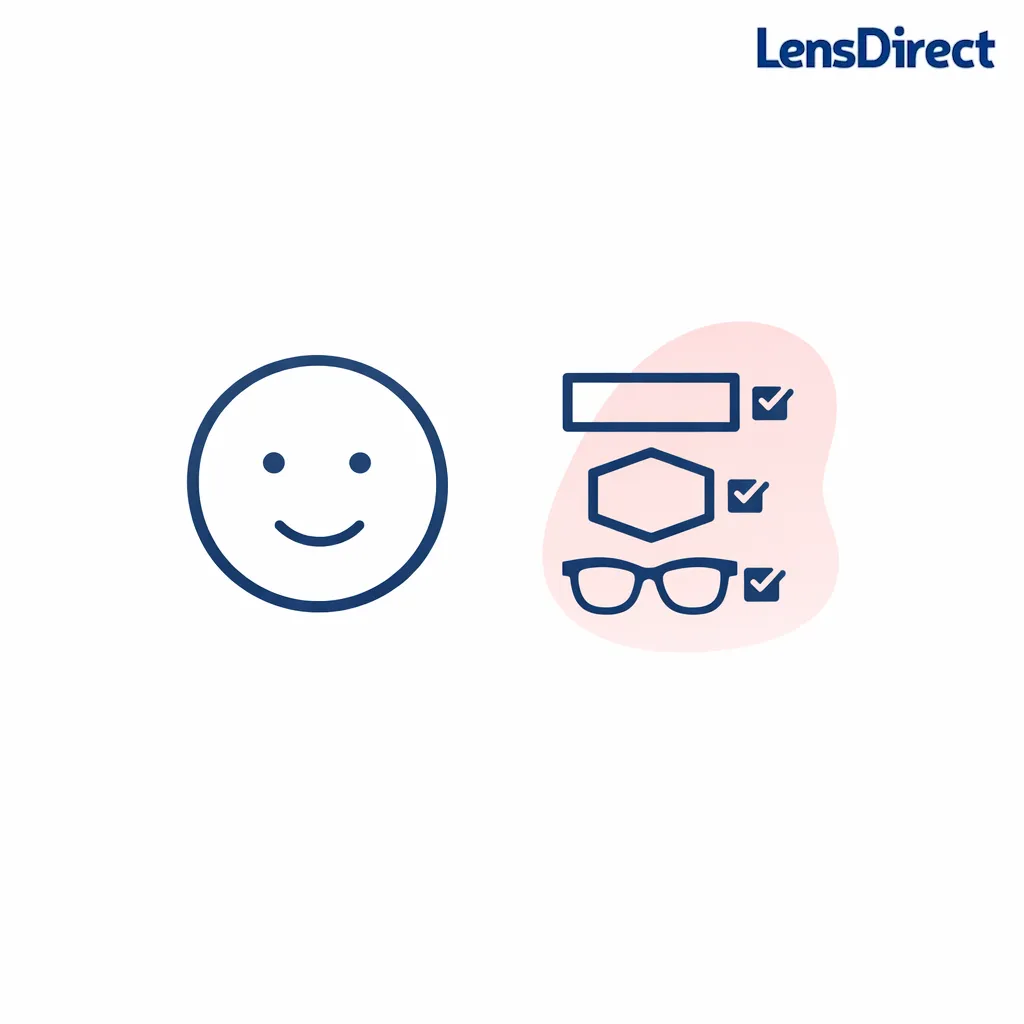
If you have a round face, your features often read friendly and soft. Many people like adding definition by choosing frames with stronger angles or a clearer top line.
- Try: rectangles, squares with slightly softened corners, browline styles, geometric frames.
- Style move: a slightly upswept corner can add lift without feeling too dramatic.
- Usually avoid (if you want more definition): very small round frames that echo the same curves.
If you love round glasses on a round face, make it intentional. Go for a slightly oversized round frame, a thicker rim, or a contrasting color so it feels like a choice, not an accident.
Frames for a square face
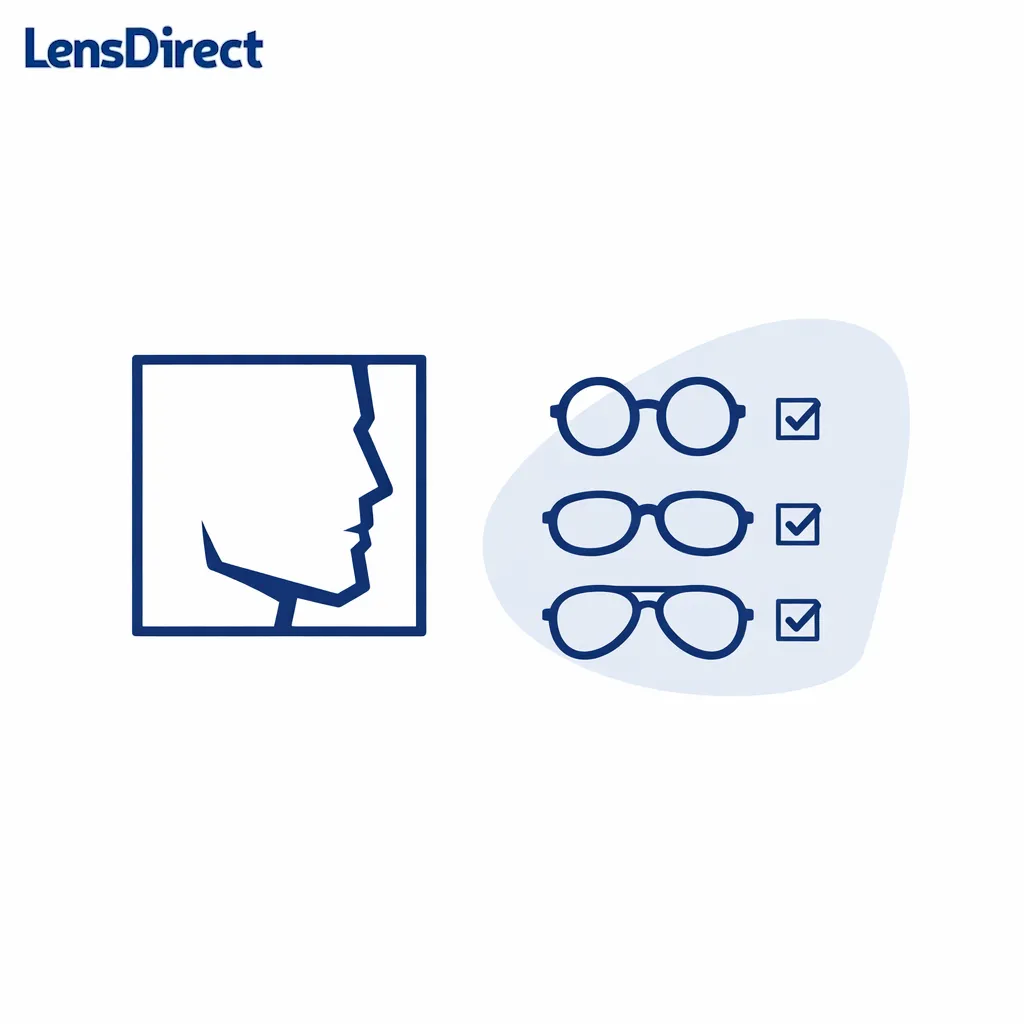
Square faces tend to read structured because of a straighter jawline and more angular corners. Many people prefer frames that soften those lines and add a little curve.
- Try: round or oval frames, softly shaped aviators, thin metal frames, gentle cat-eye shapes.
- Style move: look for curved edges and a lighter visual weight if you want a softer look.
- Usually avoid (if you want softness): very boxy frames with sharp corners that mirror your angles.
Oval face shape glasses
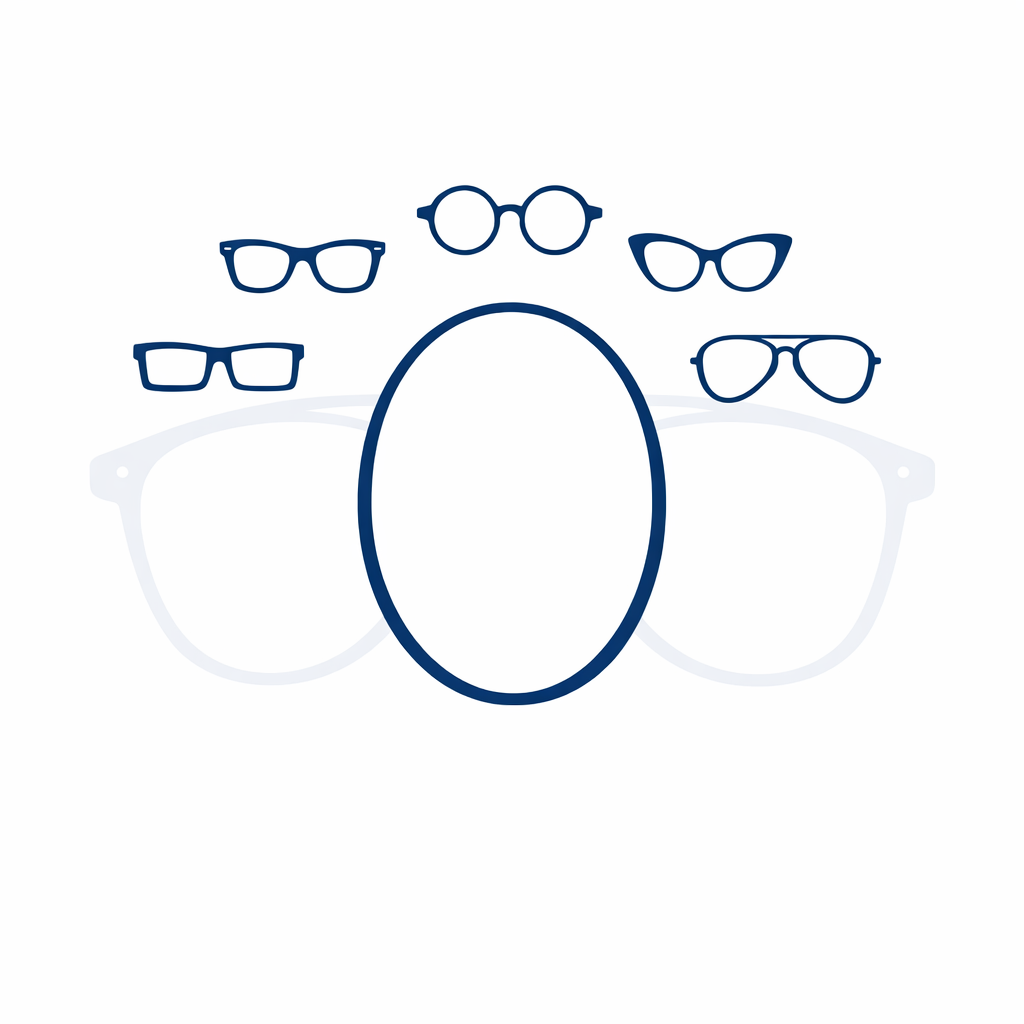
Oval faces are often called the “most flexible” because the proportions are naturally balanced. That does not mean everything works equally well, but it does mean you can start with your personal style first.
- Try: wayfarers, rectangles, rounds, cat-eye, aviators, bold acetate, thin metal.
- Style move: keep the frame width close to the widest part of your face for an easy, proportional look.
- Watch for: frames that feel too oversized can dominate your features, especially if the top line sits far above your brow.
Heart-shaped faces
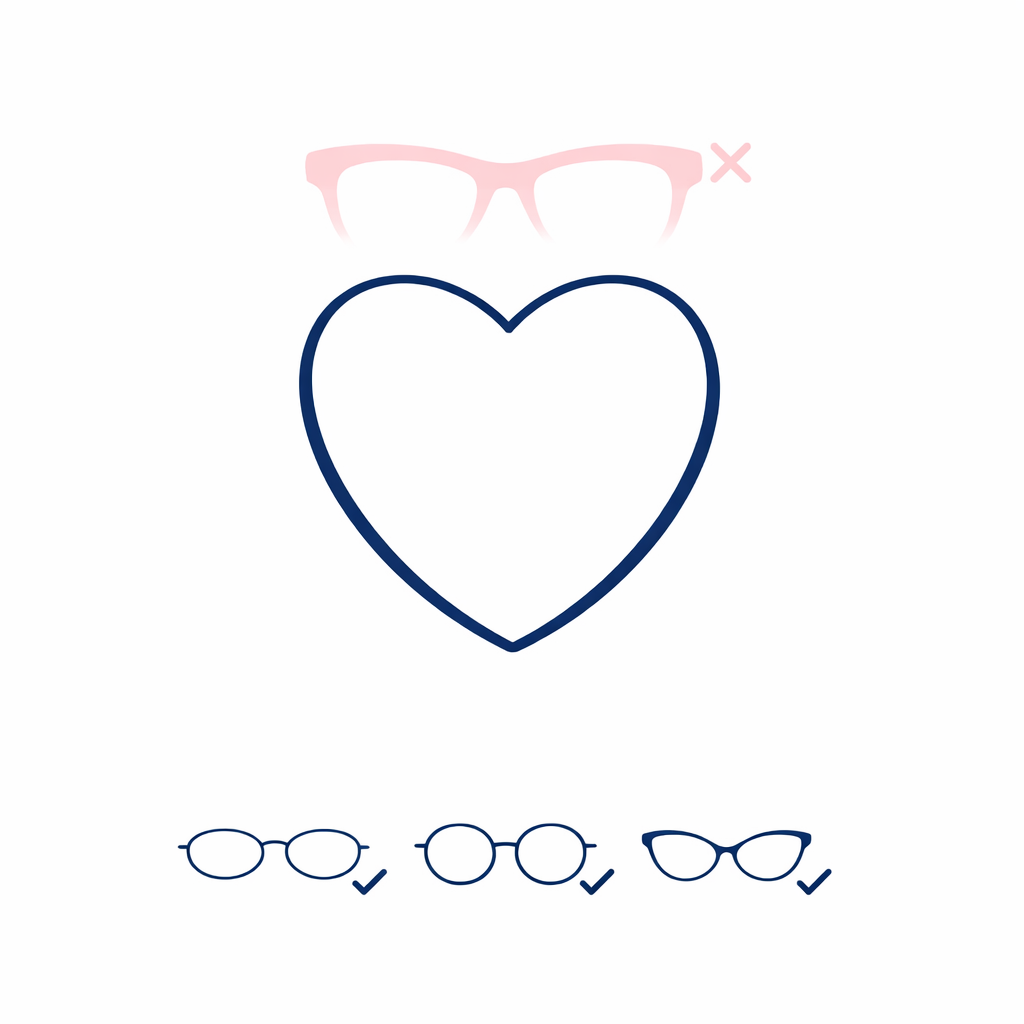
Heart-shaped faces often have more width at the forehead and a narrower chin. Many people like frames that balance the top half while keeping the lower half visually open.
- Try: thinner rims, lighter colors, oval frames, round frames, subtle cat-eye (not overly tall), frames with a gentle curve at the bottom.
- Style move: a frame that is not too top-heavy can keep your look balanced.
- Usually avoid (if you want balance): very thick, dark, top-heavy styles that add extra weight up top.
Diamond faces
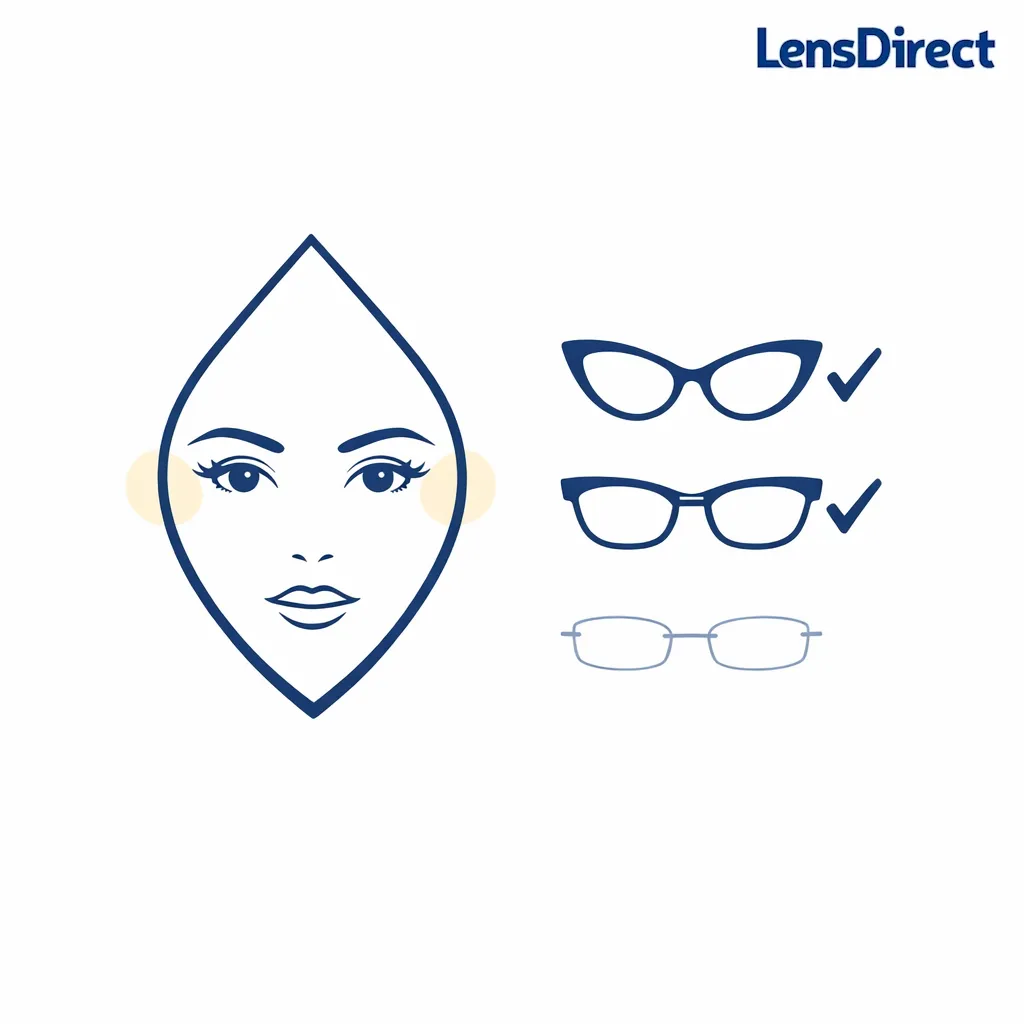
Diamond faces often have standout cheekbones with a narrower forehead and jawline. Frames that highlight the eye area and soften the cheekbone width can look especially polished.
- Try: cat-eye, oval frames, rimless or semi-rimless looks, browline styles.
- Style move: a slightly lifted top corner can complement cheekbones beautifully.
- Watch for: overly narrow frames that sit inside the cheekbone width and can feel pinched.
Oblong (long) faces
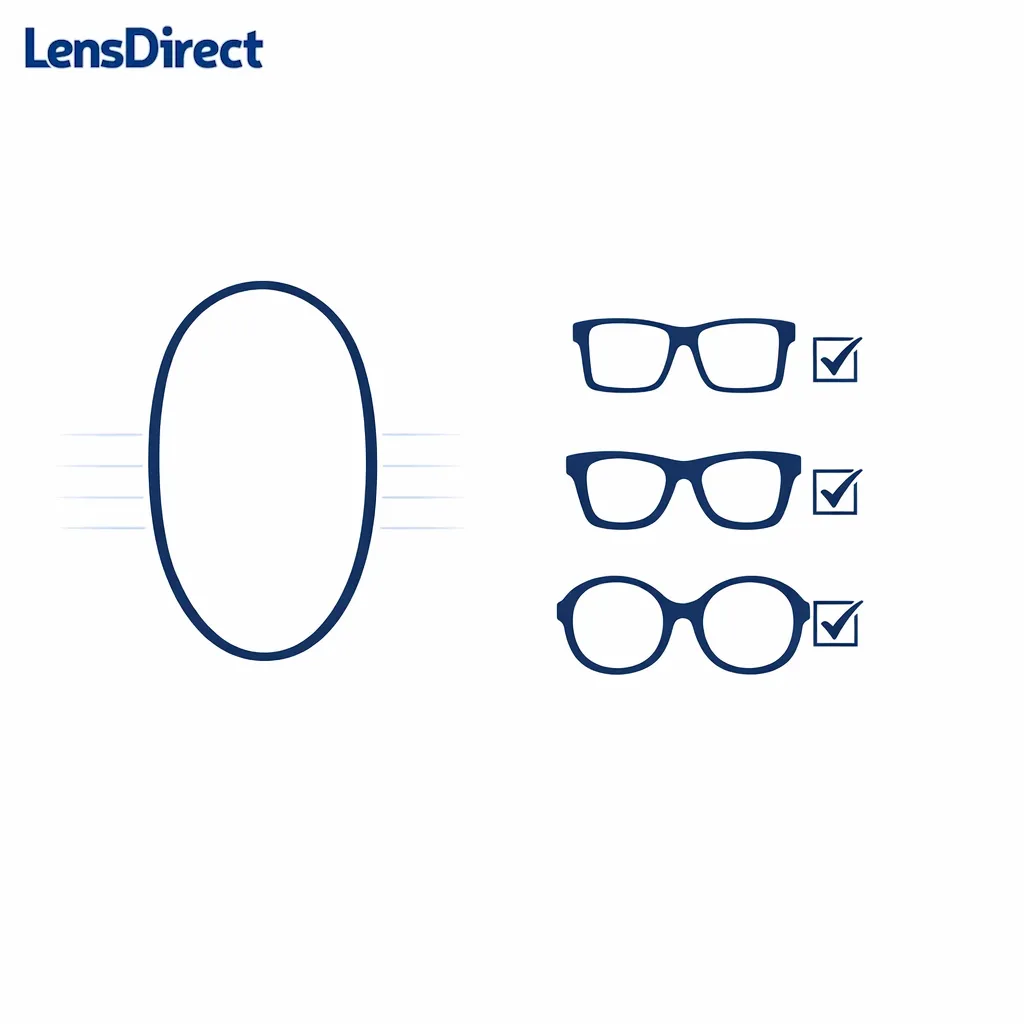
If your face is noticeably longer than it is wide, you can aim to add visual width and a bit more depth. Taller lenses and stronger frame presence can help create that balance.
- Try: taller rectangles, wayfarers, larger rounds, oversized acetate, deeper lens shapes.
- Style move: a stronger top line (or thicker rim) can help “shorten” the look visually.
- Usually avoid (if you want balance): very small, narrow frames that can make the face look longer.
Aviator vs wayfarer: what is the difference?
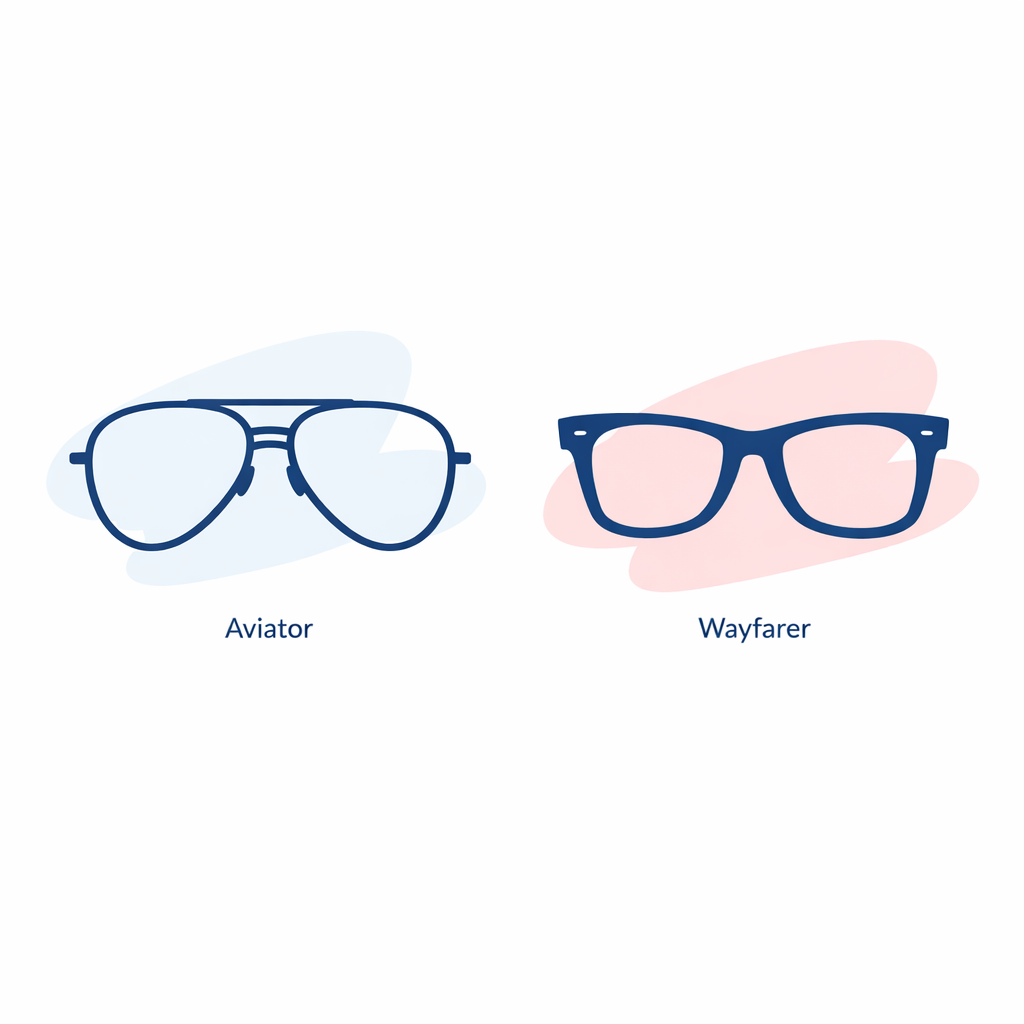
Both are classics, but they send different signals and sit differently on the face. If you are stuck between the two, decide whether you want your frames to feel crisp and structured or relaxed and curved.
Aviators
Aviators typically have a teardrop lens shape, a thin metal rim, and a double-bridge look. They tend to feel lighter visually and a bit more curved, which can be a great counterbalance for sharper features.
- Often feels best on: square and heart-shaped faces, or anyone who wants a lighter, less boxy vibe.
- Style notes: the curved lens shape reads classic and a little sporty, especially as sunglasses.
Wayfarers
Wayfarers are usually more trapezoidal or squared-off, often in acetate, with a stronger top line. They add structure fast and can make facial features look more defined.
- Often feels best on: round and oval faces, or anyone who wants a sharper outline.
- Style notes: the bolder rim can feel more “everyday” and pairs easily with casual outfits.
Sunglasses and outdoor frames: style that also supports comfort
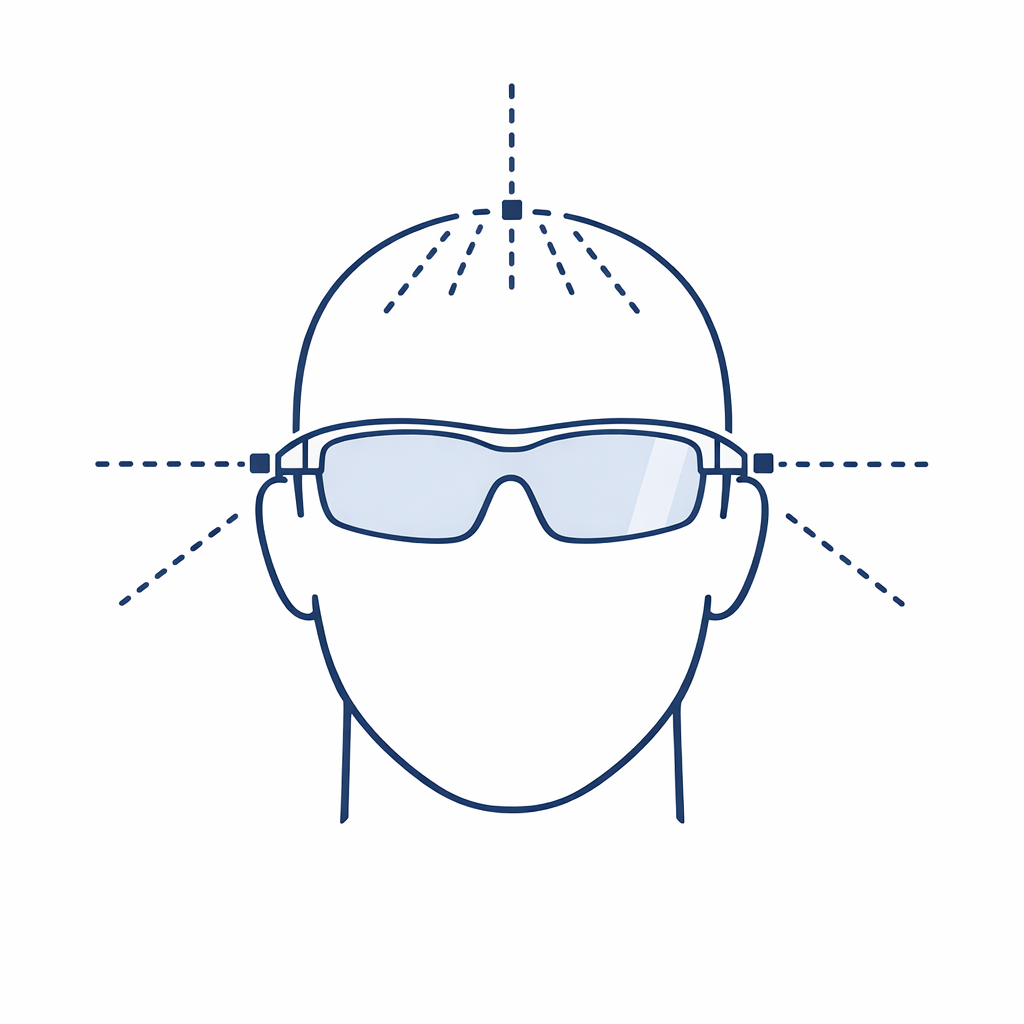
If you are shopping for driving glare, snow sports, or all-day outdoor wear, start with comfort and coverage. A frame that blocks light from the top and sides can feel noticeably better in bright conditions.
For sun protection, prioritize lenses that block UV. The American Academy of Ophthalmology recommends choosing sunglasses that block 99% to 100% of UVA and UVB rays, and you can use that as a simple checklist line when comparing options.
- Driving: many people prefer lens tints and options that feel comfortable in changing light, especially during long commutes.
- Ski/snow: look for more coverage and a secure fit so the frames stay put with helmets and layers.
- Everyday outdoor: choose a shape that you will actually wear consistently, because consistency is what makes your pair useful.
If you also wear contacts: build a simple “glasses + contacts” system
Many shoppers use contacts for sports, travel, or convenience and glasses for work, evenings, and backup. When you treat them as a system, it gets easier to buy the right frames because you know exactly when and why you will wear them.
Keep in mind that contact lenses are regulated medical devices and require a valid prescription in the U.S., so plan ahead before trips or big schedule changes.
- Travel tip: pack glasses even if you are a full-time contacts wearer. Think of them as your “no-fuss” option for flights, late nights, and dry environments.
- Comfort tip: if your eyes feel tired, having a flattering, well-fitting frame makes it easier to take a contact lens break without feeling like you are compromising on style.
- Switching brands: focus on how your eyes feel first, then match the lifestyle features you care about (daily convenience, longer wear, or sports routines).
Common mistakes and misconceptions (and how to fix them)
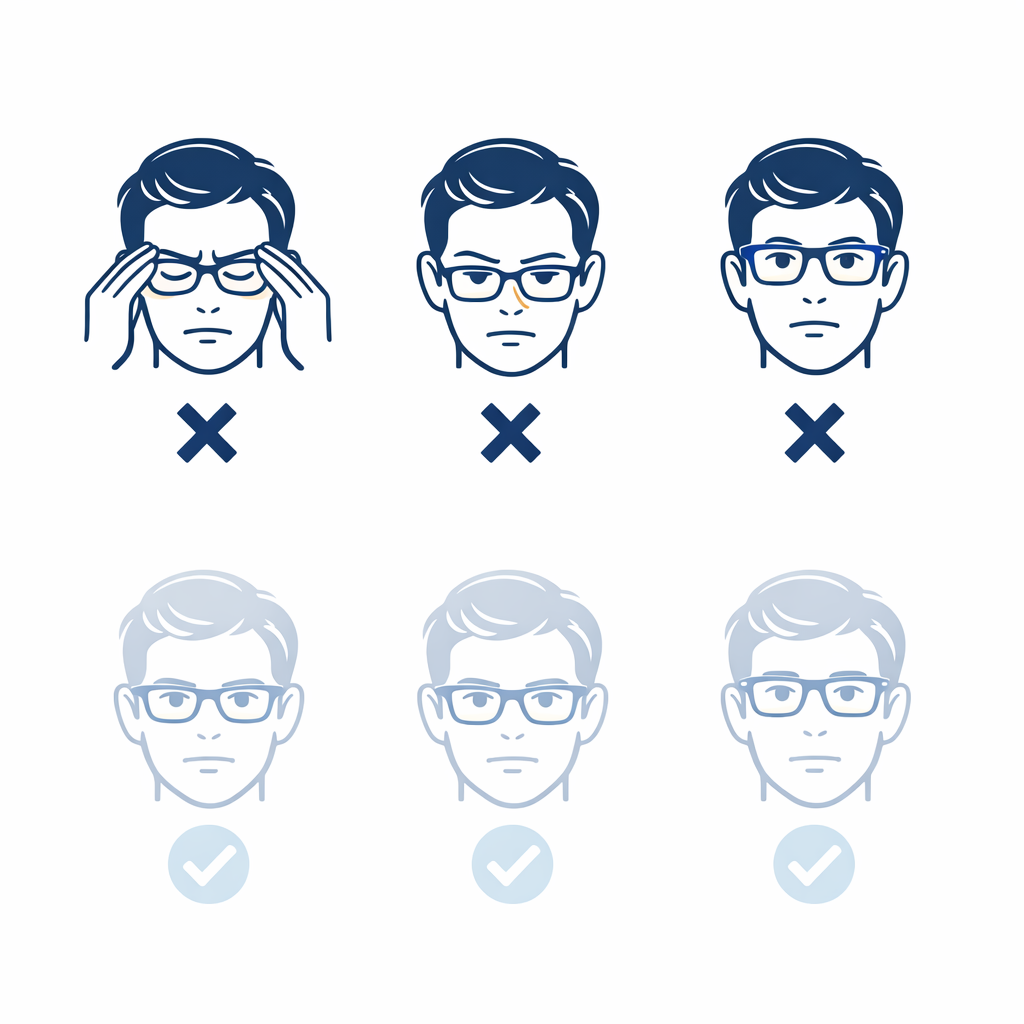
Mistake: choosing only by face shape and ignoring fit
Even the “perfect” shape looks off if it pinches, slides, or sits too high or too low. When shopping online, prioritize width, bridge comfort, and where the top line lands relative to your brows.
Mistake: assuming your face is only one shape
Most people are a blend. If you are between round and oval, or between square and diamond, pull two sets of recommendations and pick what matches your style goal.
Mistake: thinking blue-light lenses are a must-have for everyone
If you are on screens all day, comfort features can be helpful, but it is easy to get pulled into scary-sounding marketing. The American Academy of Ophthalmology notes there is not scientific evidence that blue light from digital devices damages your eyes, so base your choice on your symptoms and preferences rather than fear.
Mistake: keeping an old prescription longer than you should
A fresh look is great, but clear, comfortable vision matters more. If you are unsure whether your prescription is current, use the American Optometric Association guidance on routine eye exams as a starting point and check in with your eye care professional about what is right for you.
What’s new when buying eyewear online (and what has not changed)
The online eyewear experience has improved: you can compare styles faster, filter by shape and size, and reorder more easily when you already know what you like. It is also easier than ever to get distracted by trends, viral frame shapes, and fast-moving “must-have” lens claims.
What has not changed is the foundation: a current prescription, a comfortable fit, and lenses that match how you actually live. If you anchor your choices to those basics, you can enjoy the convenience of online shopping without the guesswork.
What to do next: a quick checklist for picking better frames
- Pick your goal: Do you want to look sharper, softer, bolder, or more minimal?
- Confirm your face shape: Choose the closest match (or two) and start there.
- Choose a “daily driver” style: One frame that works with most outfits and feels comfortable for long wear.
- Add a second pair with a job: sunglasses for driving glare, a sportier shape for outdoors, or a fun statement frame.
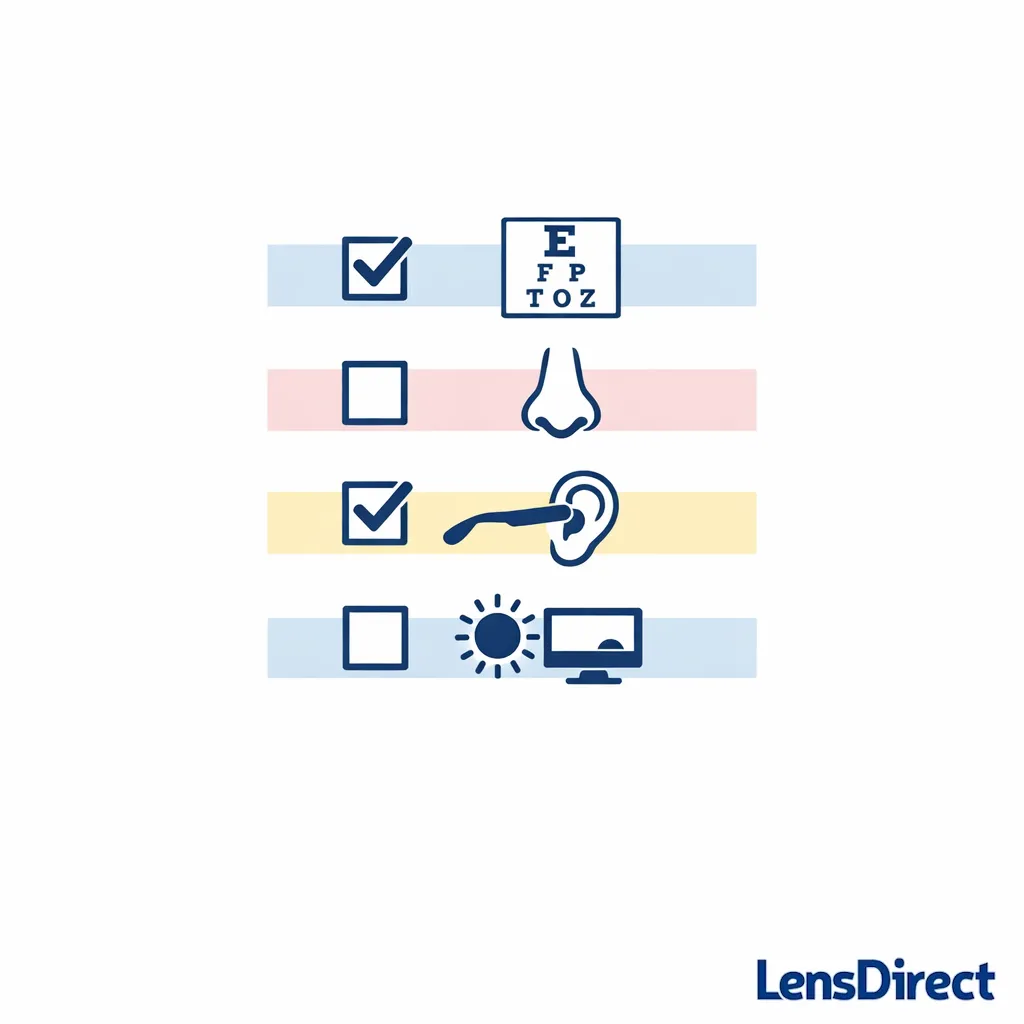
- Check comfort points: bridge feel, temple pressure, and whether the frames stay put when you smile and talk.
- Keep eye care in the loop: if something feels off, ask your optometrist rather than forcing yourself to adapt.
Ready to find your fit and refresh your look
If you want a simple way to apply this eyewear style guide, start by choosing one frame that balances your face shape and one option that supports a specific routine (work screens, travel, or outdoor glare). When you are ready, you can explore frames, contacts, and lens replacements through LensDirect with your priorities already clear.
- Shop Glasses for your everyday pair and your “statement” pair.
- Shop Contacts to support travel, sports, and easy backup options.
- Replace Your Lenses if you love your frames but want a fresh prescription or updated lens features.
- Browse Best Sellers when you want proven, easy-to-style options fast.
- Find Your Fit, Compare Options, and Learn More if you are deciding between shapes like aviator vs wayfarer.
Author

Subscribe to our email newsletter to get the latest posts delivered right to your email.