

Buying sunglasses online is easier than ever, but lens options can feel like alphabet soup. “Polarized,” “mirrored,” and “photochromic” are three of the most common upgrades, and they solve different problems: glare, brightness, and changing light.
This guide is for anyone shopping for value-forward eyewear online, contact lens wearers who also want a great sunglass setup, and people replacing lenses in frames they already love. You’ll learn what each lens type actually does, when it helps most, and how to choose the best sunglasses for driving, sports, and snow without overpaying for features you do not need.
Quick definitions (so you can shop confidently)
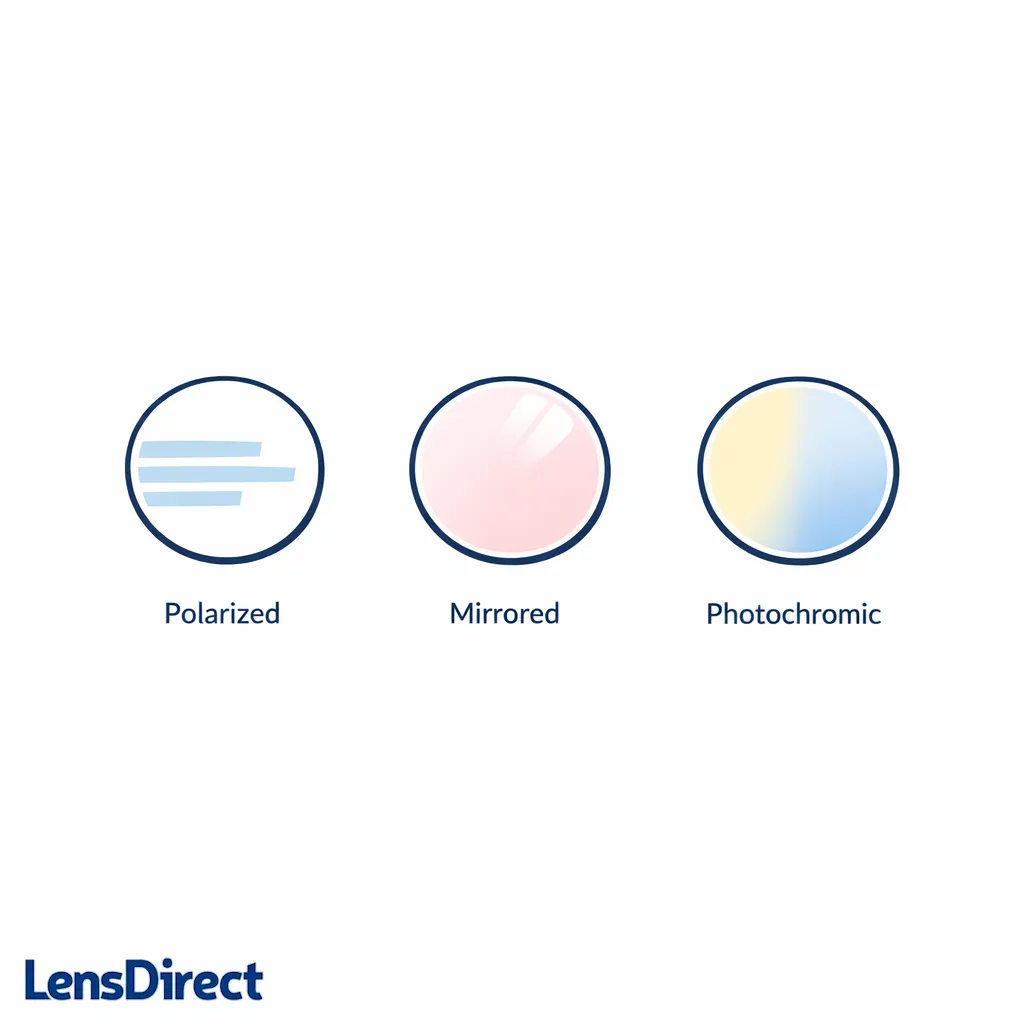
Polarized lenses are designed to reduce harsh glare from reflected light (think water, pavement, car hoods). The American Academy of Ophthalmology explains that polarized lenses reduce glare from reflected surfaces, which can make outdoor vision feel more comfortable and clearer.
Mirrored lenses have a reflective coating on the front of the lens. The coating reflects some light away, which can be helpful in very bright conditions; the American Optometric Association notes that mirror-coated lenses can be useful in bright light and are commonly chosen for intense sun environments.
Photochromic lenses (often called “Transitions”) change tint based on light exposure, so they get darker outdoors and lighter indoors. Transitions Optical describes how photochromic lenses adapt by darkening outdoors and fading back indoors, which is why many people like them as an everyday, “one-pair” option.
The three problems sunglass lenses need to solve
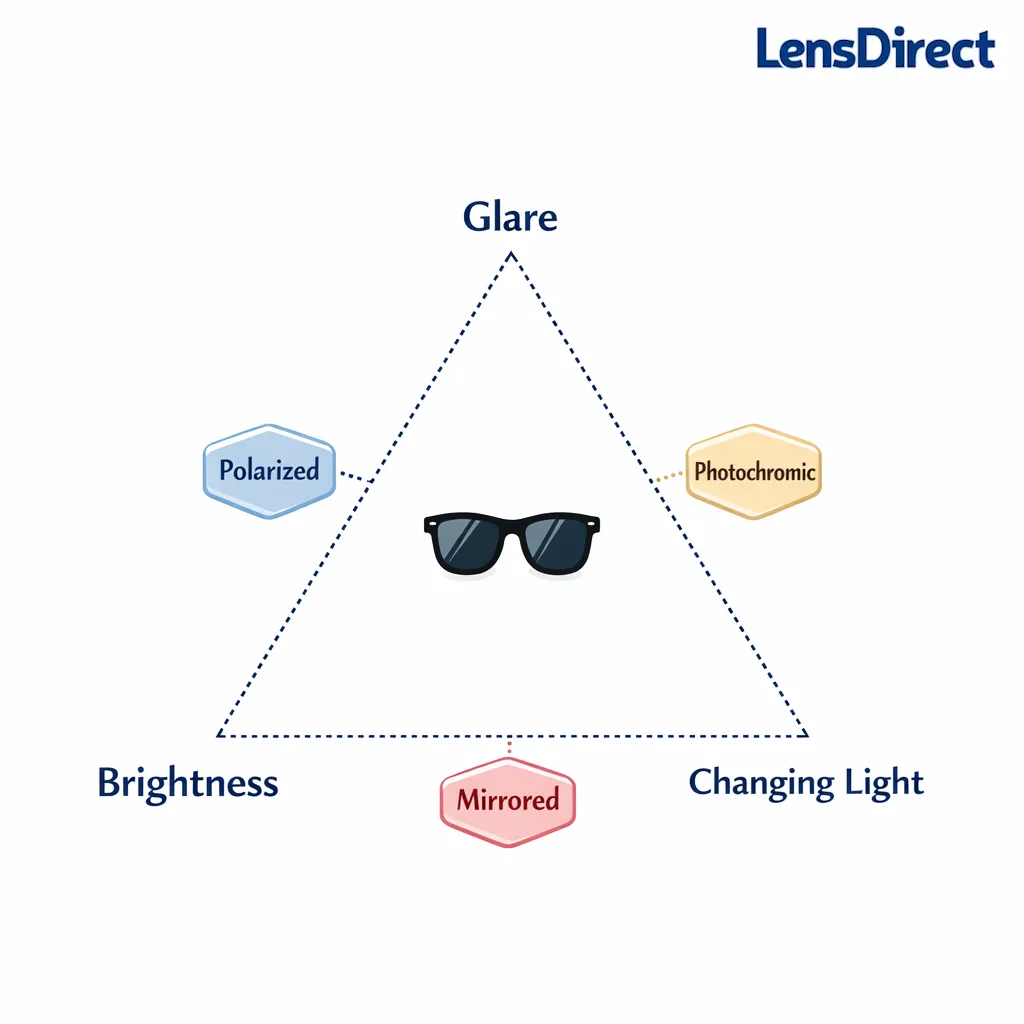
Most shoppers are trying to solve some combination of: UV exposure, glare, and overall brightness. Those are related, but they are not the same thing, which is why one “best lens” does not exist for everyone.
Start with UV protection as your non-negotiable. The National Eye Institute recommends sunglasses that block 99% to 100% of UVA and UVB, and notes that wraparound styles can help reduce light entering from the sides.
Polarized sunglasses: best for glare (especially driving and water)
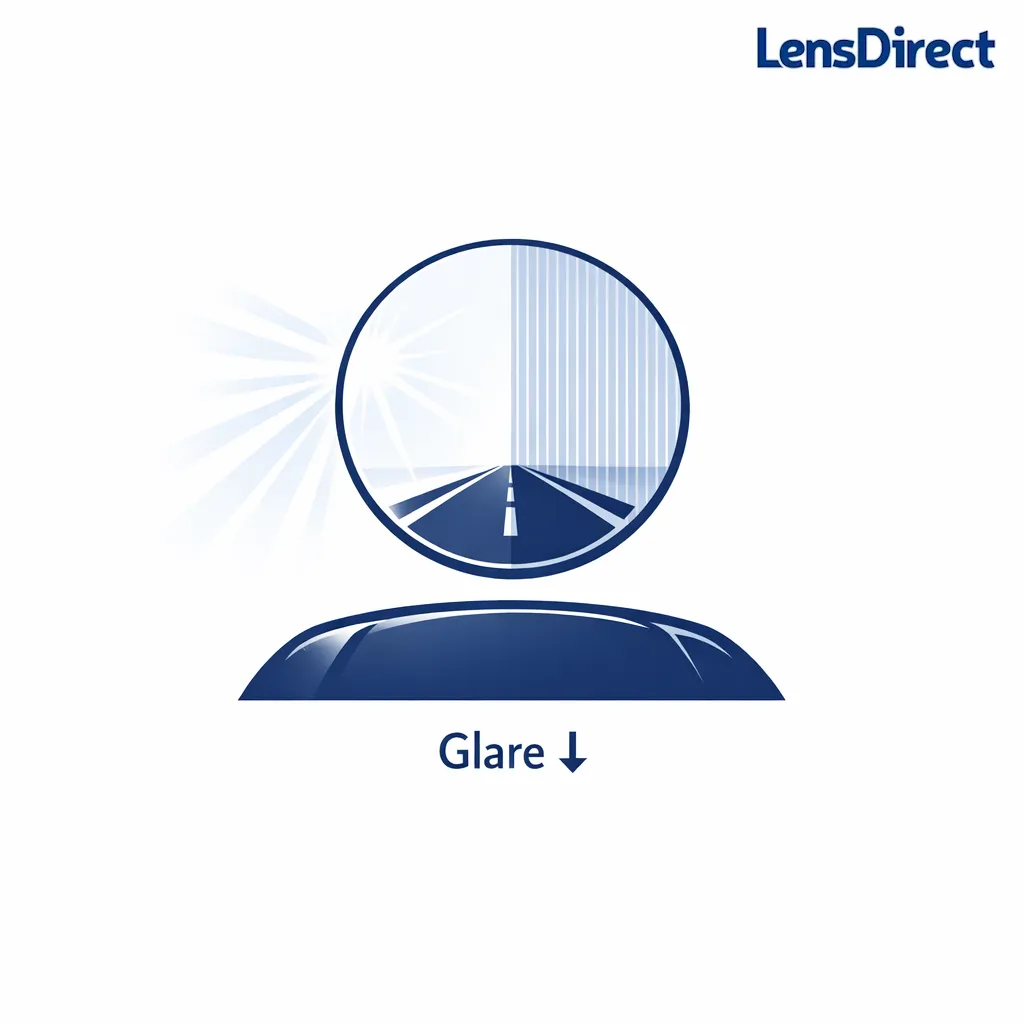
If you hate the blinding flash off wet roads, windshields, or the ocean, polarization is usually the first upgrade to consider. Because polarized lenses filter reflected glare, they often feel like they “cut the shine” rather than simply making everything darker.
When polarized is a great fit
- Driving: Helps reduce glare off pavement and other cars, which can lower visual strain on bright days.
- Fishing and boating: Water glare is one of polarization’s biggest wins.
- Beach sports and everyday errands: If you spend lots of time around reflective surfaces, it is hard to go back once you try it.
When polarized can be annoying
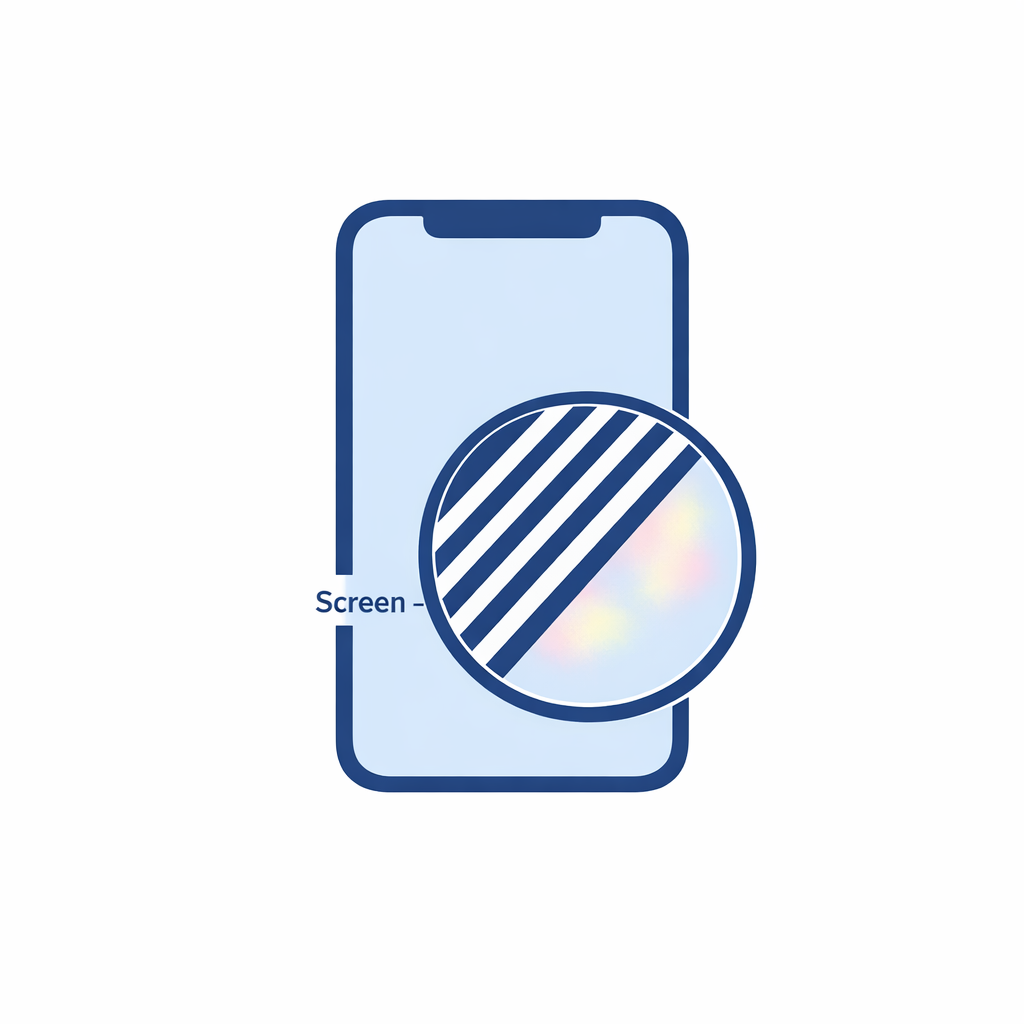
Polarization can interact with some screens and make them look blotchy, rainbow-like, or harder to read at certain angles. The American Academy of Ophthalmology flags that polarized lenses may make it harder to see some LCD displays, which matters if you rely on a car’s infotainment screen, a bike computer, or a ski lift ticket on your phone.
Also, remember that “polarized” is about glare, not UV. UV blocking is a separate feature; the National Eye Institute emphasizes choosing lenses that block 99% to 100% of UVA and UVB regardless of tint or polarization.
Mirrored lenses: best for very bright sun (and snow-glare comfort)
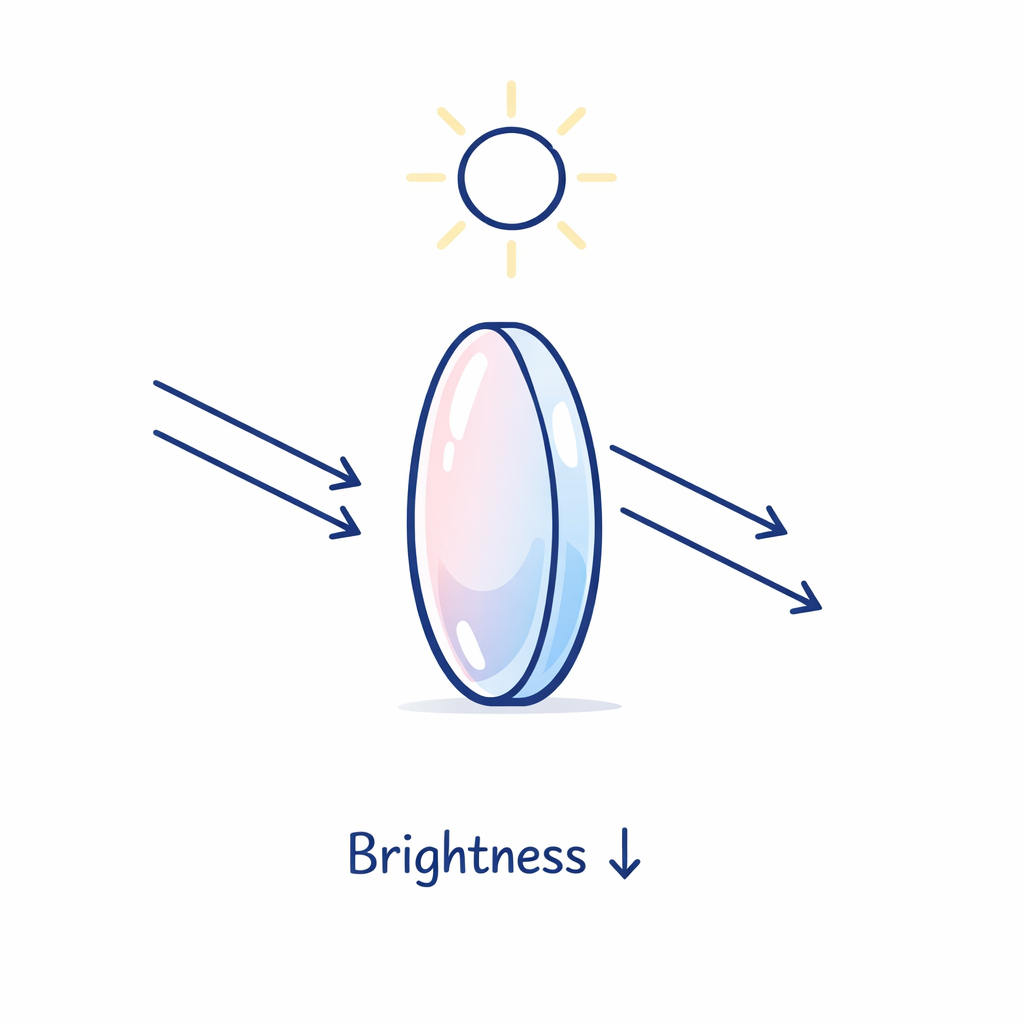
Mirrored lenses are often misunderstood as a “style-only” upgrade. Style is part of the appeal, but the optical goal is practical: that reflective front coating bounces some light away before it reaches your eyes, which can feel more comfortable in intense conditions; the American Optometric Association notes mirror-coated lenses can be helpful in very bright light.
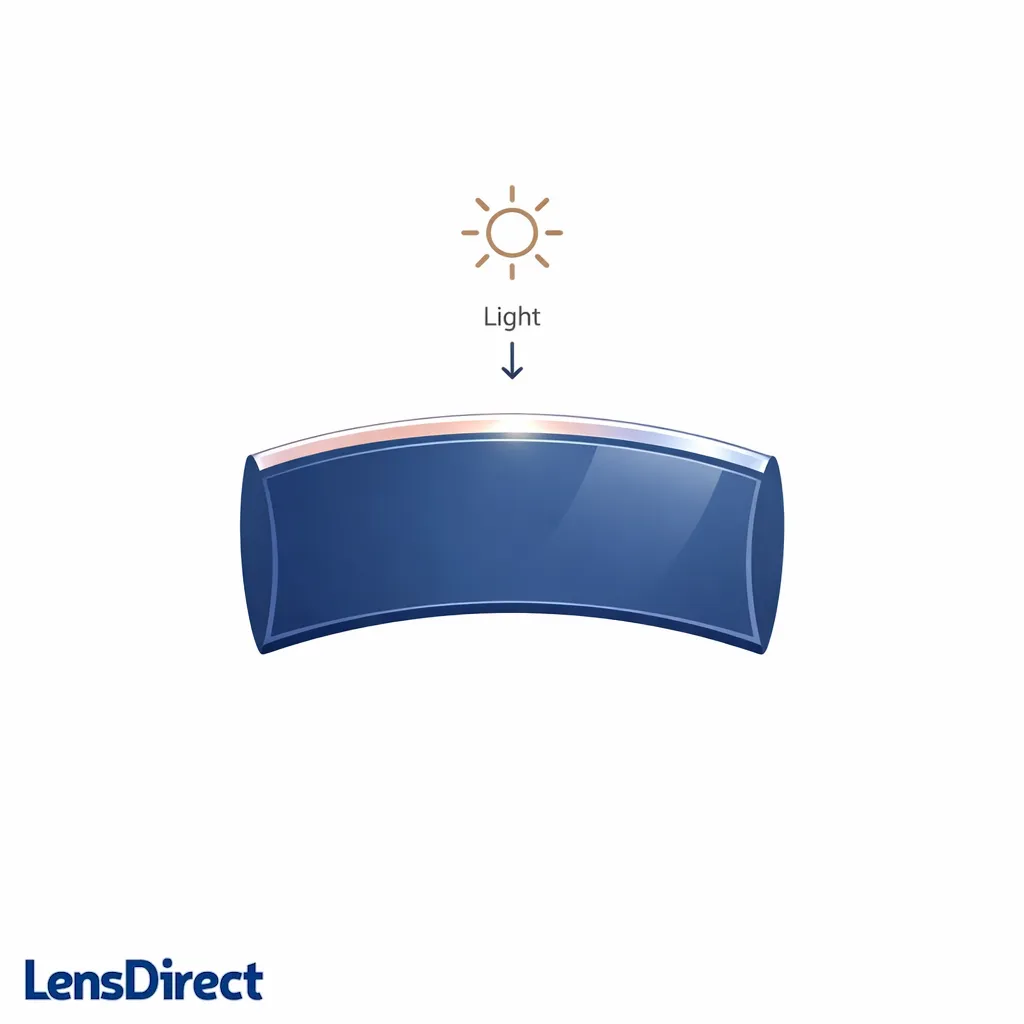
This is why mirrored lenses show up so often in mountain and snow sports. Snow can be brutally bright, and it also reflects UV; the U.S. Environmental Protection Agency notes that snow can reflect up to 80% of UV radiation, increasing exposure even when the sun does not feel “hot.”
Mirrored does not automatically mean polarized
Mirrored and polarized are different features that can be combined. If your main complaint is sharp, horizontal glare (roads, water), polarization typically does more of the heavy lifting; if your main complaint is “it is just too bright,” mirrored can add comfort on top of a good tint.
Photochromic lenses: best for convenience and changing light
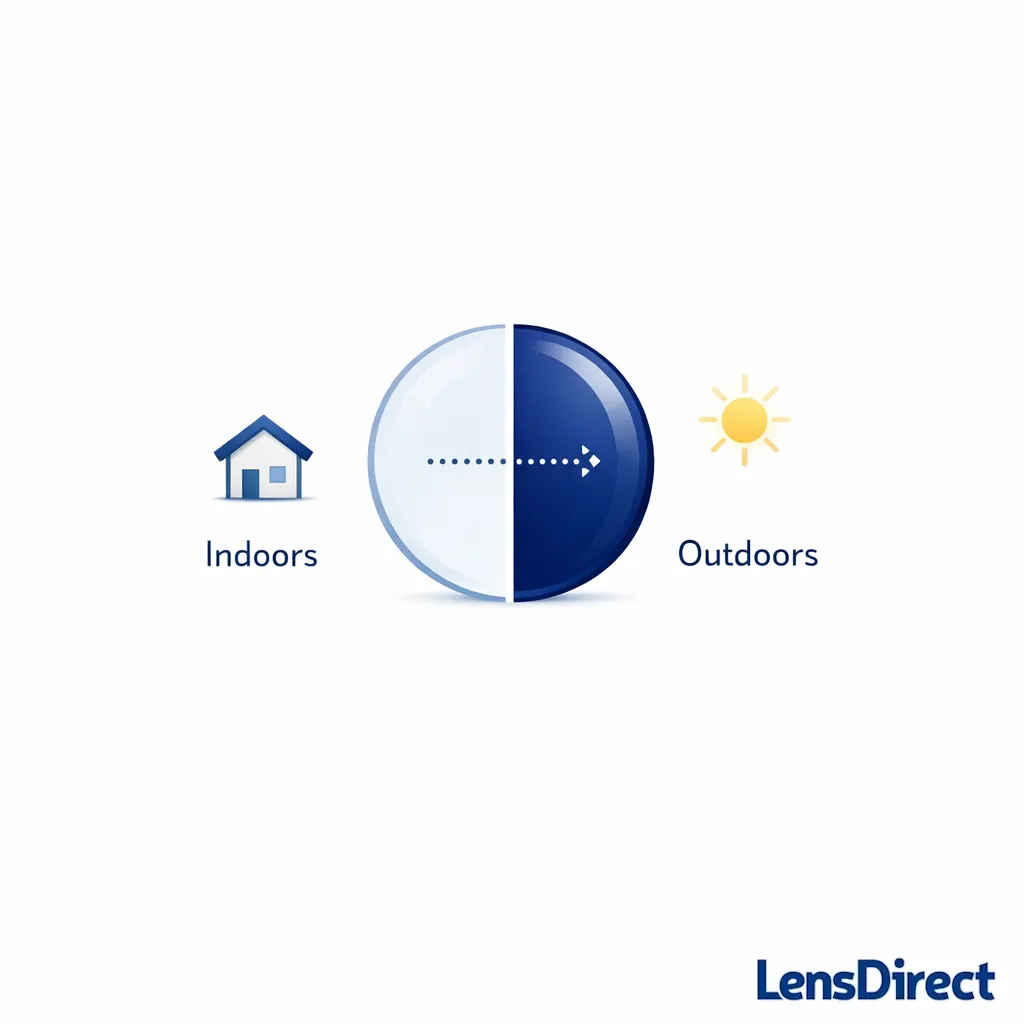
Photochromic lenses are popular with people who bounce between indoors and outdoors all day, or who want fewer pairs to manage when traveling. Transitions Optical explains photochromic lenses darken outside and return to clear indoors, which is ideal if you often forget your sunglasses or hate swapping glasses constantly.
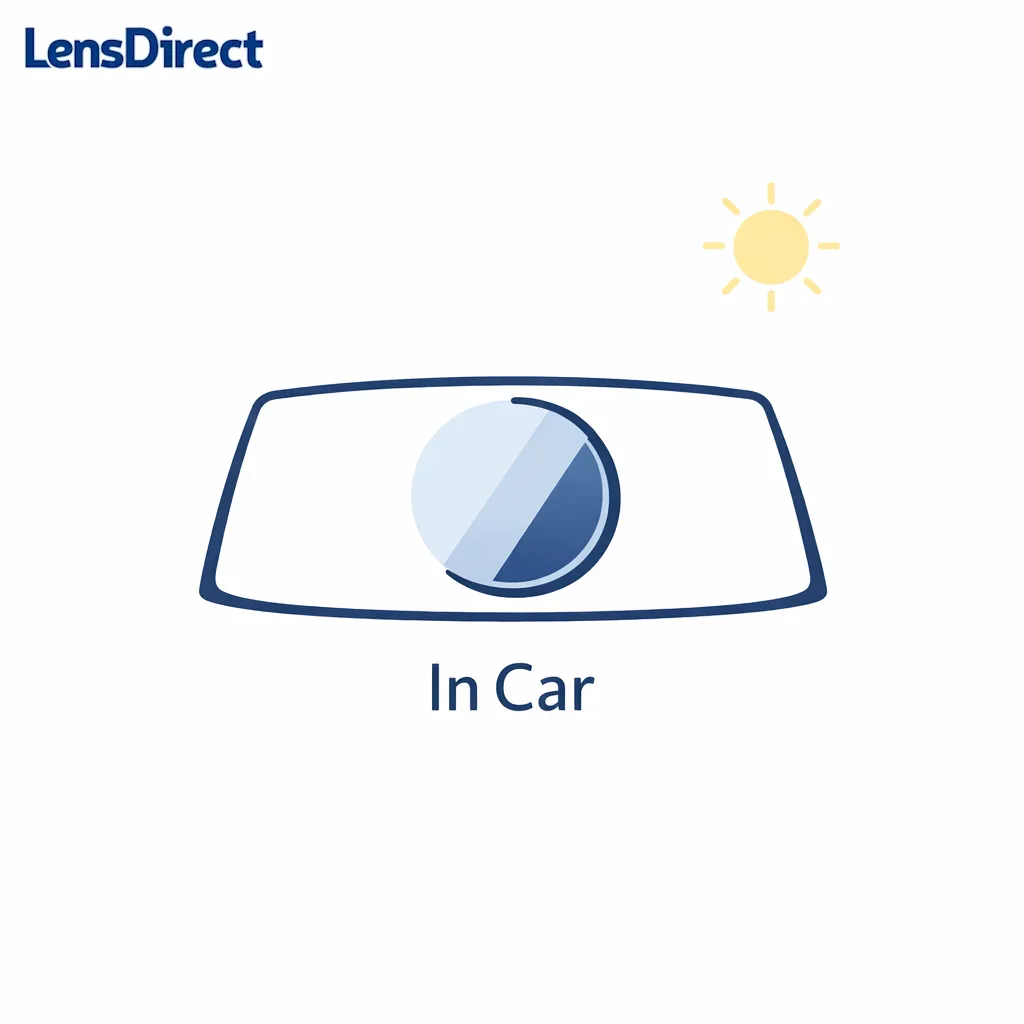
For driving, it is important to know what you are buying. Some photochromic options are specifically made to darken more in the car; Transitions highlights that Transitions XTRActive lenses are designed to darken outdoors and behind the windshield, which is a different experience than basic “outdoor-only” photochromics.
Who should consider photochromic sunglasses (or photochromic prescription lenses)
- Commuters who go in and out all day: Less swapping, less forgetting.
- Parents and travelers: One less thing to keep track of.
- People replacing lenses in their favorite frames: Photochromics can refresh an everyday pair without changing your look.
When photochromic is not the best match
If you want the absolute darkest, most consistent sun protection for long hours outdoors, a dedicated sunglass tint can feel better because it does not depend on activation and fade timing. And if your #1 problem is harsh reflected glare, polarization often gives a more dramatic “wow” than photochromic alone.
What’s new: more “combo” lenses, and better driving-friendly photochromics
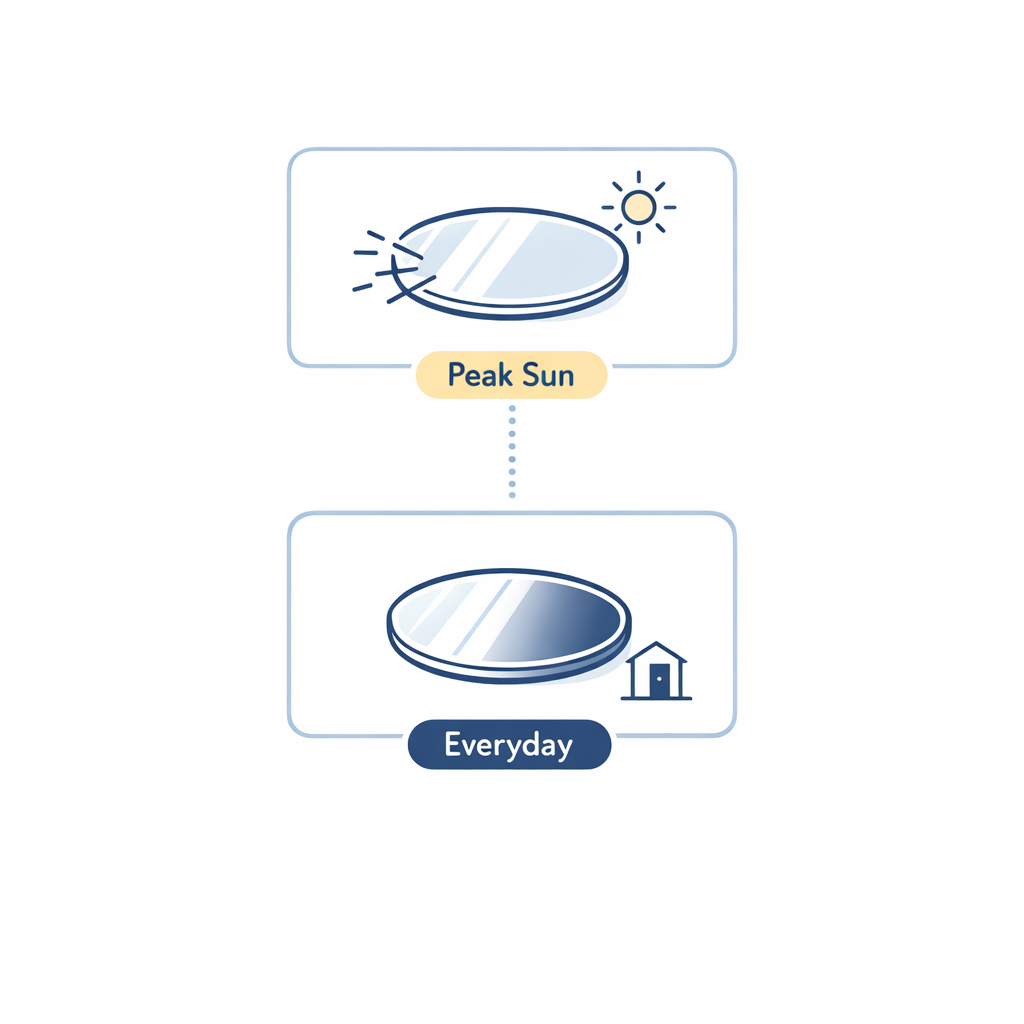
The biggest practical upgrade over the last several years is that you can more easily match features to your exact use case instead of choosing just one. Many shoppers now build a “two-lens strategy”: a glare-cutting polarized sunglass for peak sun activities, plus a photochromic everyday lens for convenience.
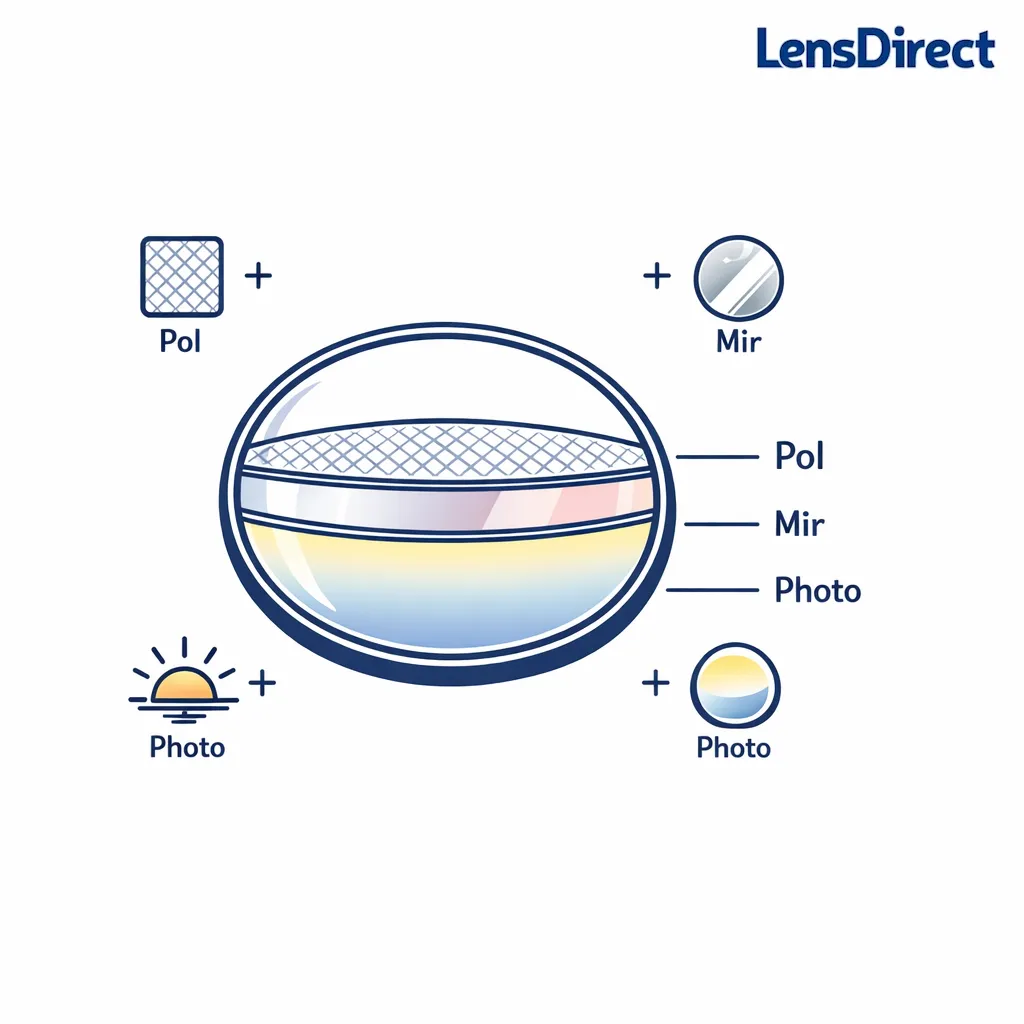
On the photochromic side, driving performance has improved with options marketed specifically for in-car use. Transitions positions XTRActive as a behind-the-windshield darkening solution, which helps close the gap for commuters who want one pair that still feels like sunglasses on the road.
Picking the best sunglass lenses by activity
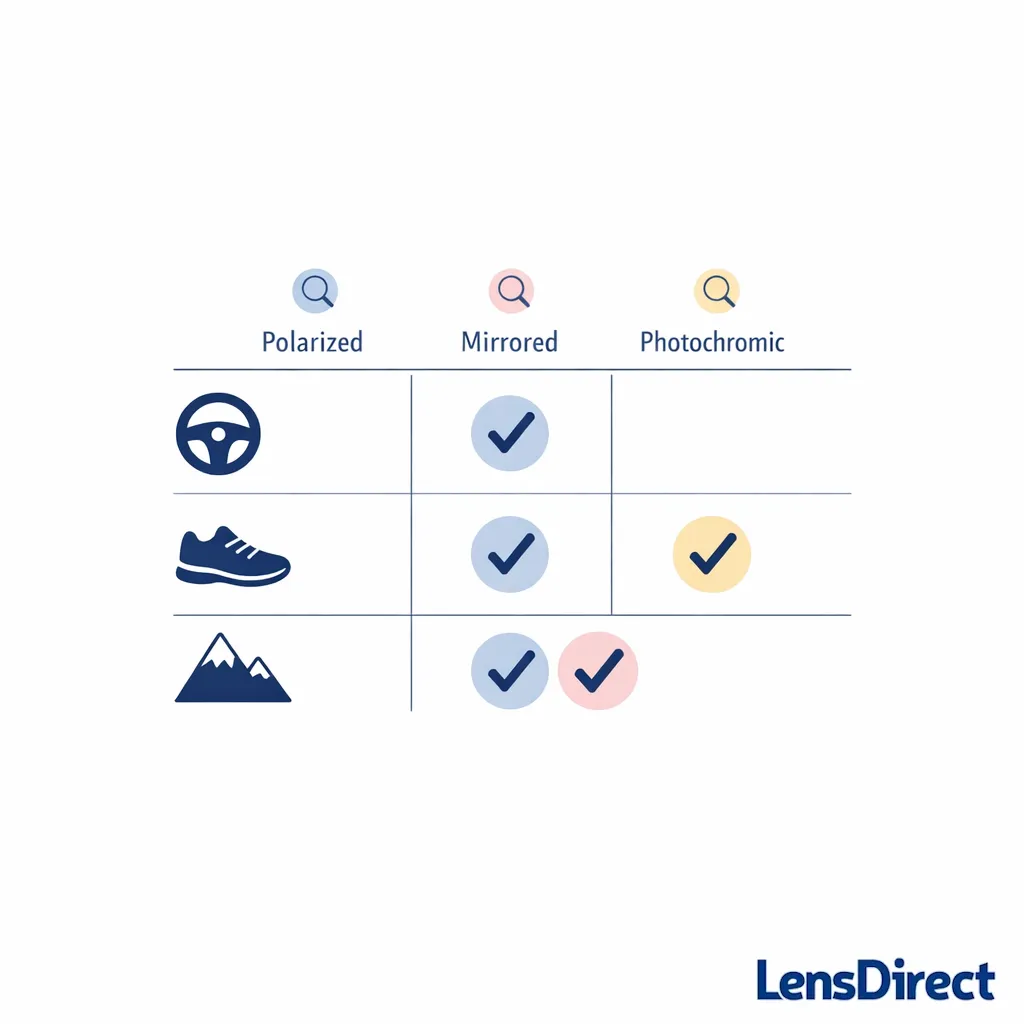
Best sunglasses for driving
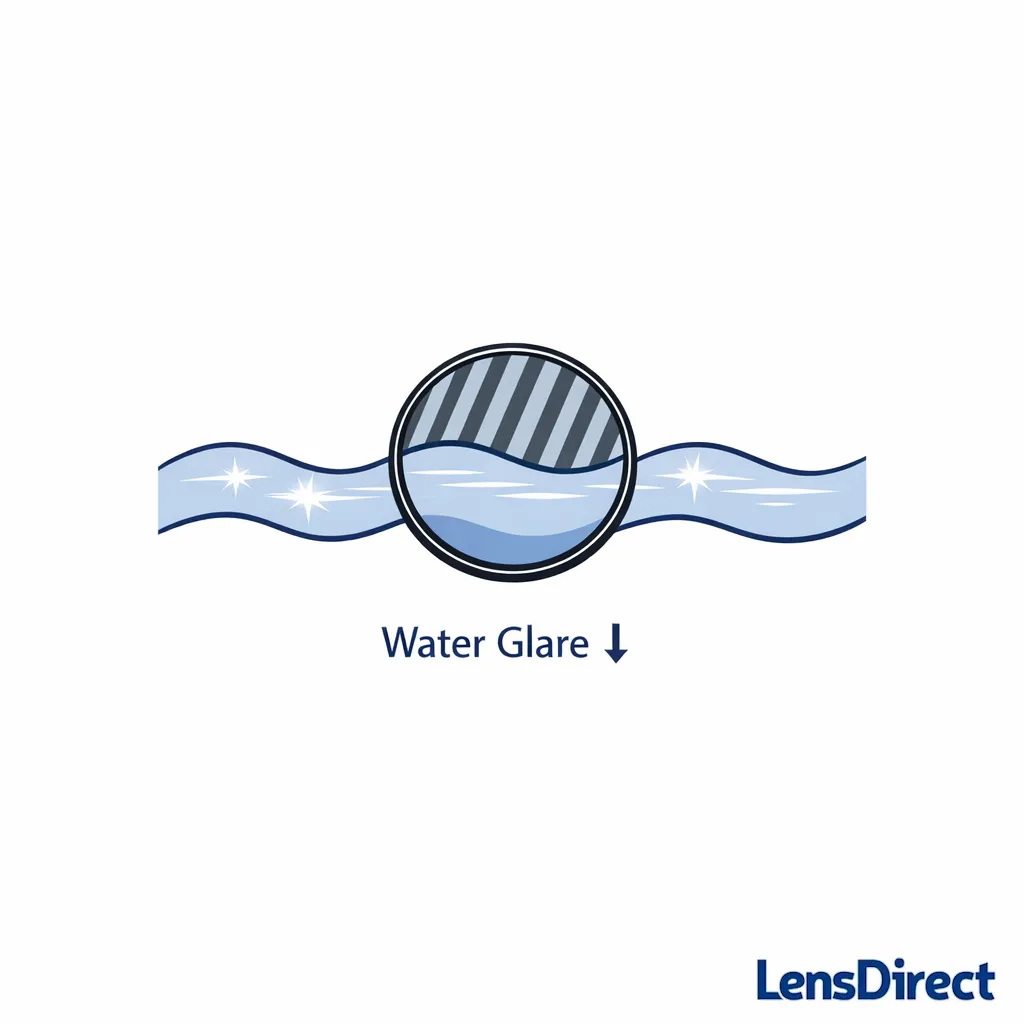
For most people, the most noticeable driving upgrade is glare reduction. Because polarized lenses reduce reflected glare, they are a strong default choice for daytime driving, especially in sunny regions or if you drive on wet roads often.
- If you drive a lot in full sun: Choose polarized; consider adding mirror if brightness is extreme.
- If you want “one pair” for work and weekends: Consider photochromic, and look for a design that is made to darken behind the windshield if that matters to you.
- If you rely on screens: Test polarization if possible, because some LCD displays can look odd through polarized lenses.
Whatever you choose, keep UV protection as a baseline. The National Eye Institute recommends sunglasses that block 99% to 100% of UVA and UVB, which is just as relevant in the car as it is on the beach.
Best lenses for running, cycling, and field sports
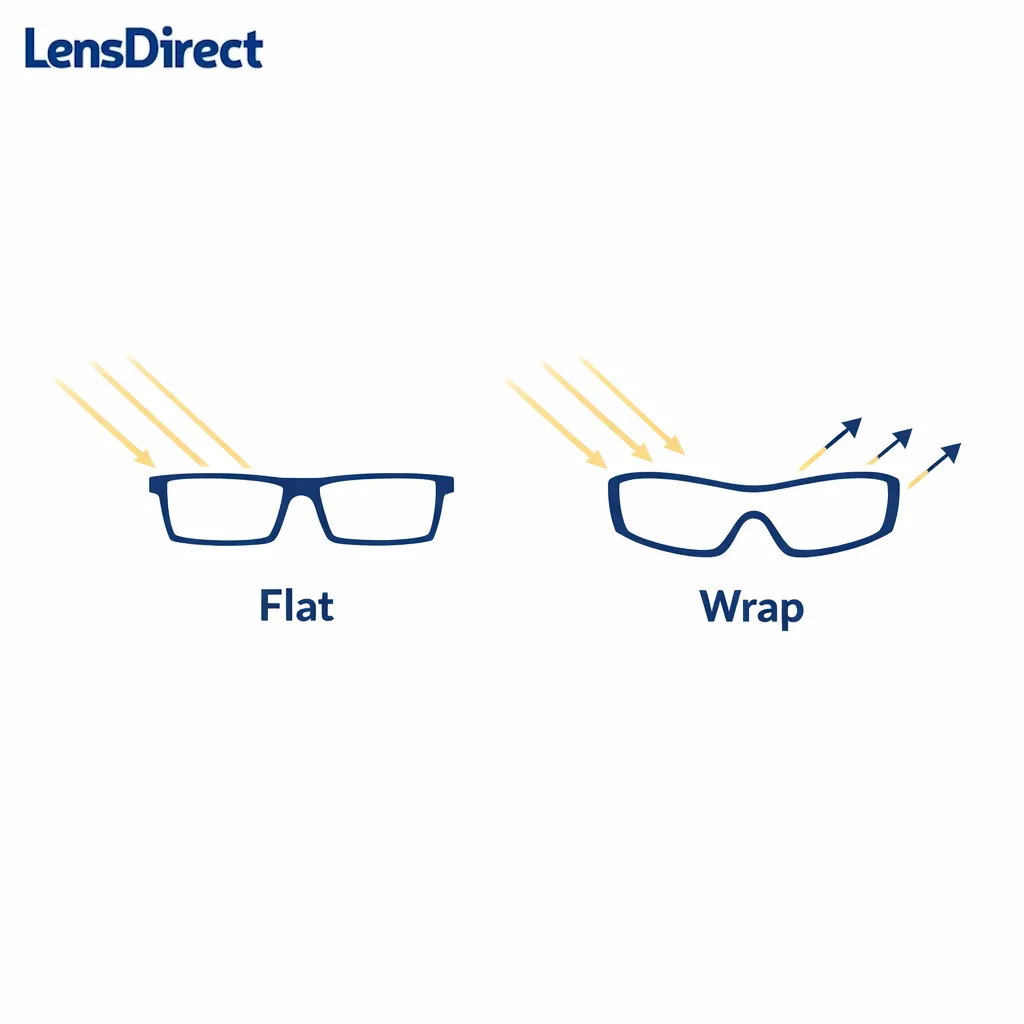
For sports, clarity and comfort come from reducing squinting and keeping vision stable as lighting changes. Polarized lenses can be great when you are around glare-heavy surfaces (roads, water, sand), while photochromics shine if your route includes shade, tree cover, or changing weather.
- Road cycling: Polarized can be excellent for road glare; mirrored can help if you ride in intense midday sun.
- Trail running: Photochromic often feels more natural when you move between bright clearings and shaded woods.
- Beach volleyball / open fields: Mirror plus a solid tint can reduce “overall brightness” fatigue; the AOA notes mirror-coated lenses can help in very bright light.
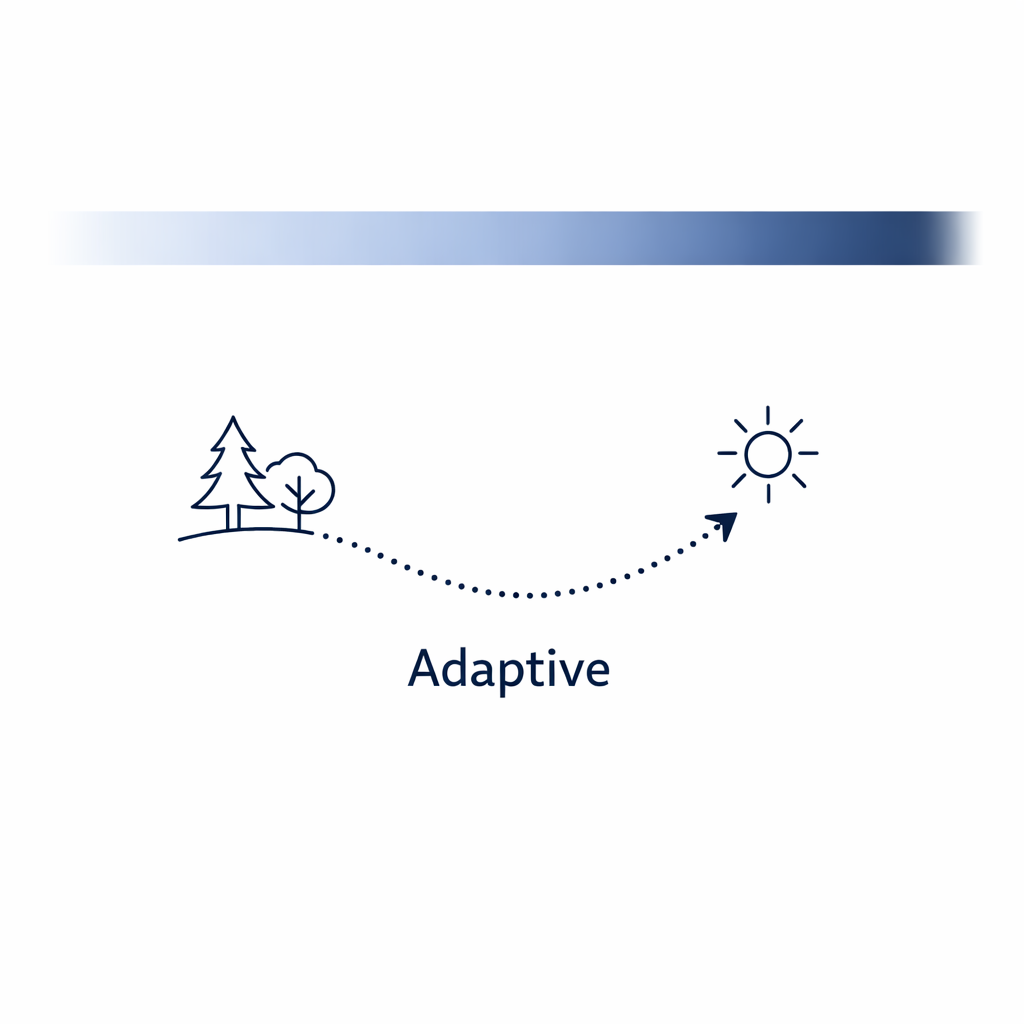
Fit matters as much as lens tech in sports. The National Eye Institute points out that wraparound styles help block light from the sides, which can be a big deal when you are moving and the sun angle keeps changing.
Ski and snow: tint, mirror, and side protection matter
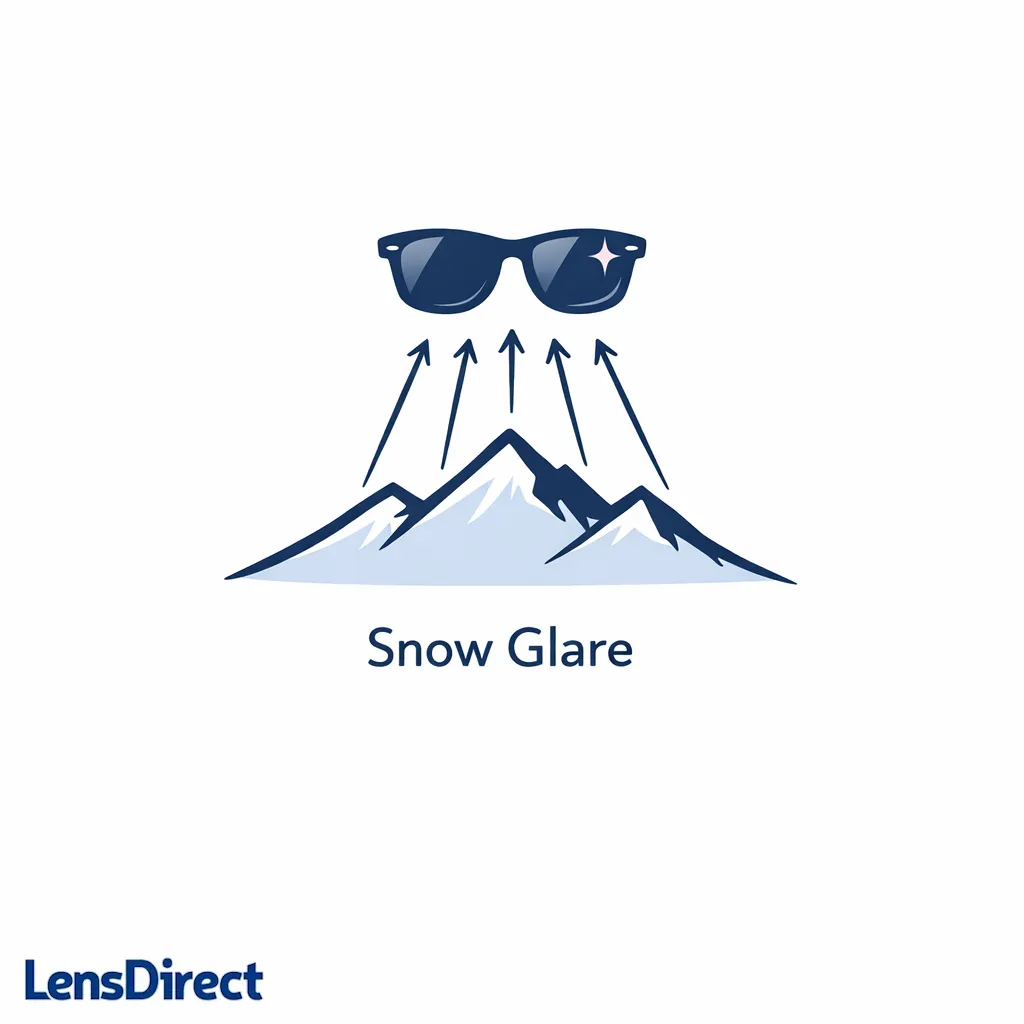
Snow environments amplify brightness and UV exposure, which is why “normal sunglasses” can feel underpowered on the mountain. The EPA explains that snow reflects up to 80% of UV radiation, and that reflected light can hit your eyes from below and from the sides.
- High sun, bluebird days: Consider a darker tint with a mirror coating for comfort in intense brightness.
- Variable conditions: Photochromic can be appealing if weather shifts quickly; Transitions describes how photochromic lenses adapt as light changes.
- Glare off hardpack and ice: Polarized may help, but consider whether you need to read screens; the AAO notes some displays can be harder to see through polarization.
If you ski or ride often, consider talking with your eye doctor about what you do on-mountain and whether a dedicated goggle lens is a better match than standard sunglasses. UV protection still applies; the National Eye Institute recommends 99% to 100% UVA/UVB blocking in any sun lens you choose.
How to choose lens features when shopping online
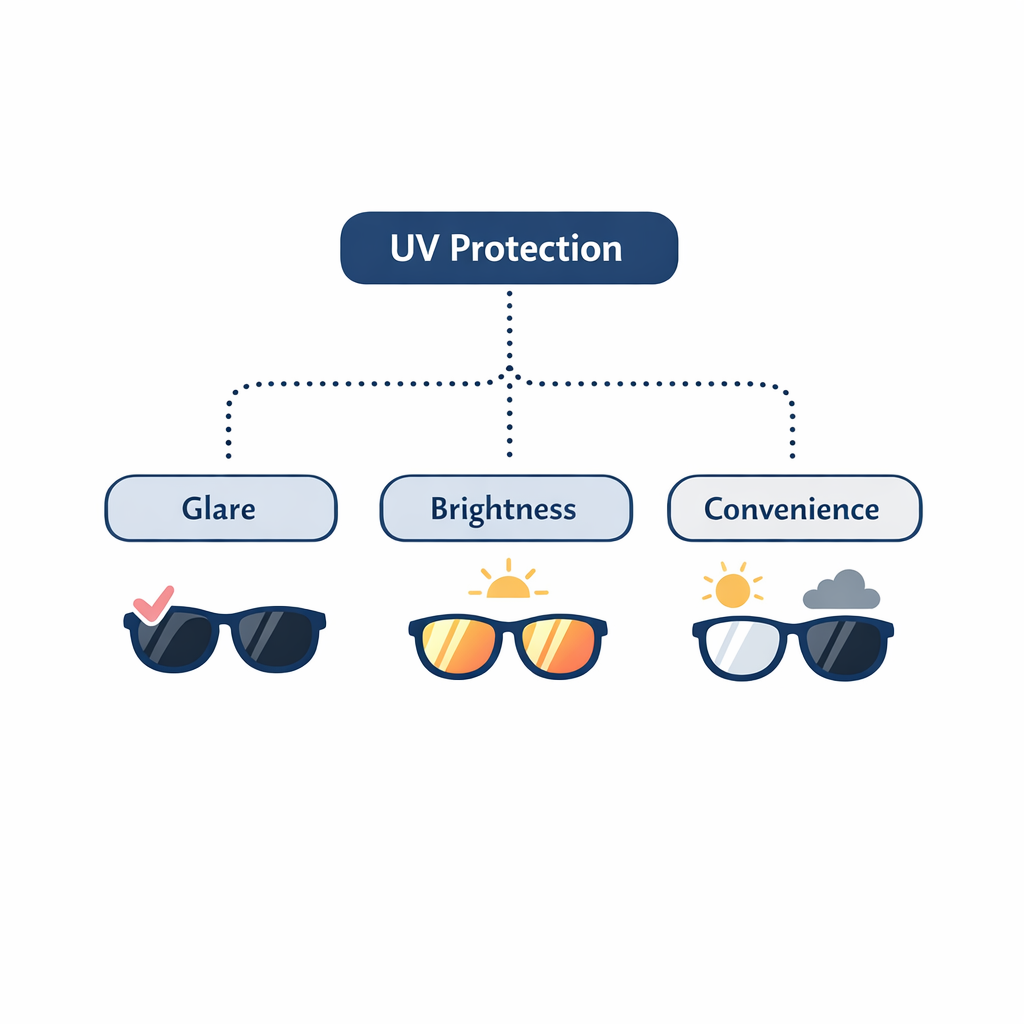
Online eyewear shopping works best when you decide your “must-haves” first, then add upgrades that match your real life. A simple way to do that is to prioritize in this order: UV protection, glare control, brightness comfort, and then convenience.
- Must-have: Look for lenses that block 99% to 100% of UVA and UVB.
- If glare is your enemy: Choose polarized sunglasses because polarization reduces reflected glare.
- If sheer brightness is the issue: Add mirror if you are often in intense light; the AOA notes mirror-coated lenses can help in very bright conditions.
- If you want fewer pairs: Add photochromic; Transitions explains how the tint adapts from clear to dark.
If you wear contact lenses, sunglasses become even easier: you can buy non-prescription polarized or mirrored shades for sports and driving, and keep your regular optical budget focused on contacts and backup glasses. If you wear prescription glasses, replacing just the lenses can be a smart refresh when your frames still fit well and you like the style.
For a streamlined online experience, shops like LensDirect can be a convenient place to handle multiple needs in one stop, whether you are replenishing contacts or building a dedicated sunglass setup.
Common mistakes and misconceptions
Mistake: thinking “darker” always means “more UV protection”
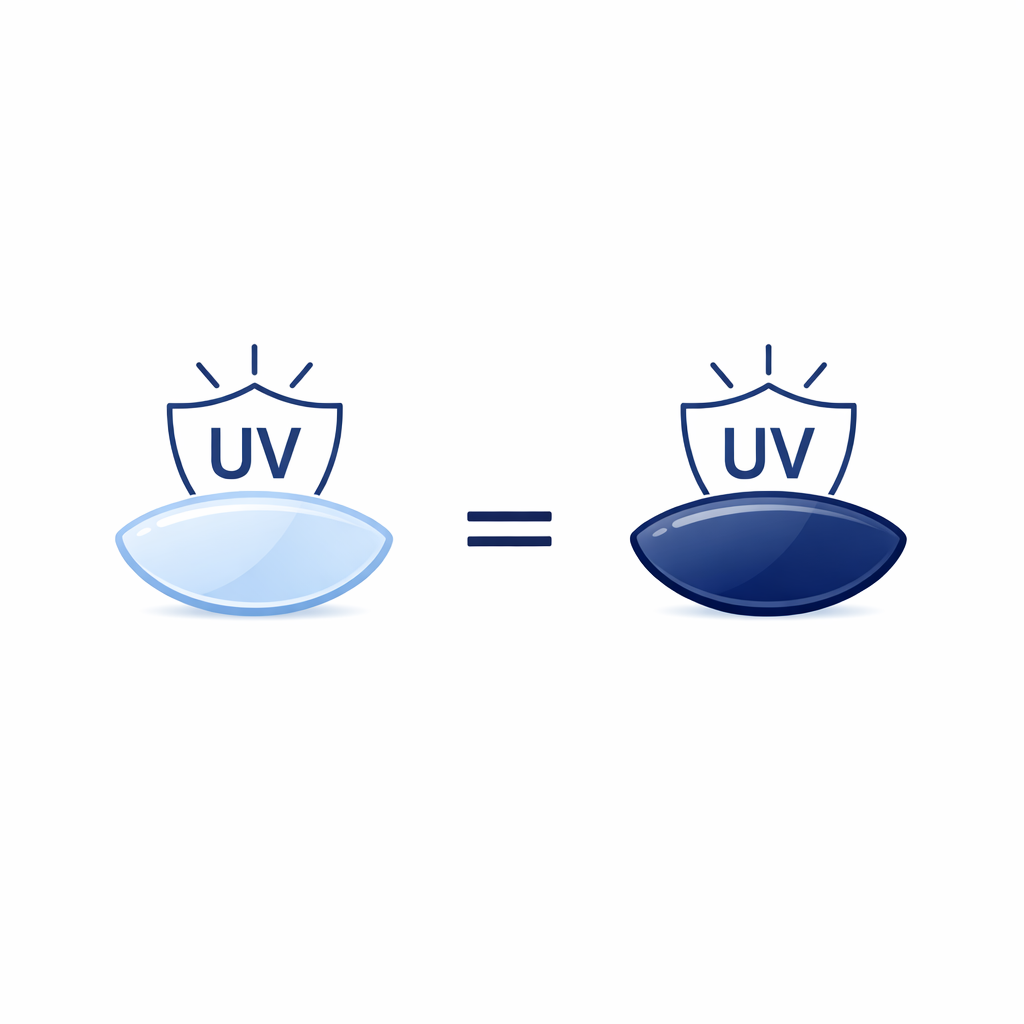
Lens darkness and UV blocking are not the same thing. The National Eye Institute specifically recommends checking for 99% to 100% UVA/UVB protection rather than judging by tint alone.
Mistake: assuming mirrored lenses automatically reduce glare like polarization
Mirror coatings help with overall brightness comfort, but polarization targets reflected glare in a different way. If your main issue is reflections off roads and water, the AAO explains that polarized lenses reduce glare from reflected surfaces, which is often the specific “driving glare” problem.
Mistake: buying photochromics for driving without checking in-car performance
If you want lenses that noticeably darken on your commute, look for photochromic designs that are explicitly positioned for the car. Transitions highlights that XTRActive lenses are designed to darken behind the windshield, which can be a better match for drivers than a basic photochromic lens.
Mistake: ignoring side light on water and snow
In highly reflective environments, light can enter from angles you do not expect. The National Eye Institute notes that wraparound sunglasses help block light from the sides, which can matter as much as lens technology on the brightest days.
What to do next (fast checklist)
- Decide your main use case: driving, water sports, everyday errands, or snow.
- Make UV protection non-negotiable: choose lenses that block 99% to 100% of UVA and UVB.
- Pick your “glare plan”: if glare is your problem, go polarized because polarization reduces reflected glare.
- Pick your “brightness plan”: if it is just painfully bright (especially snow), consider mirror; the AOA notes mirror coatings can help in intense light.
- Pick your “convenience plan”: if you want one pair that adapts, choose photochromic; Transitions explains how photochromic lenses change tint.
- If driving is your priority: consider an option designed for in-car darkening like Transitions XTRActive.
- Double-check screen use: if you rely on LCD displays, remember the AAO note that polarized lenses can affect how some screens look.
Pick your pair and keep it simple
If you want the most noticeable upgrade for day-to-day comfort, start with polarized sunglasses for driving and glare-heavy activities. If your world is snow, high altitude, or relentless midday sun, mirrored lenses can add brightness relief on top of a solid tint. If your days swing between indoors and outdoors, photochromic lenses can reduce how often you swap glasses.
When you are ready to build your setup, LensDirect can help you cover the basics (and the backups) without turning it into a complicated project.
Shop by goal
- Shop Glasses
- Shop Contacts
- Replace Your Lenses
- Browse Best Sellers
- Find Your Fit
- Compare Options
- Learn More
Author

Subscribe to our email newsletter to get the latest posts delivered right to your email.