
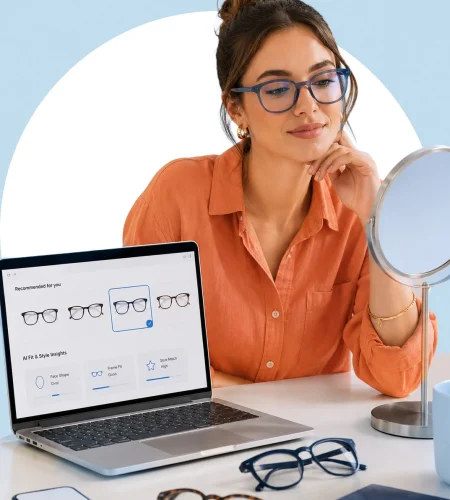
Shopping for glasses online is convenient, but it can still feel high-stakes when you are trying to judge shape, size, and everyday wear from a screen. This guide is for anyone using an ai glasses finder, a virtual try on glasses tool, or a face-shape quiz to narrow options without getting overwhelmed.
You will learn what these tools actually do, where they help most, where they still fall short, and how to double-check the details that matter before you order. The goal is not to let AI choose for you blindly. It is to use AI as a filter so you can shop with more confidence.
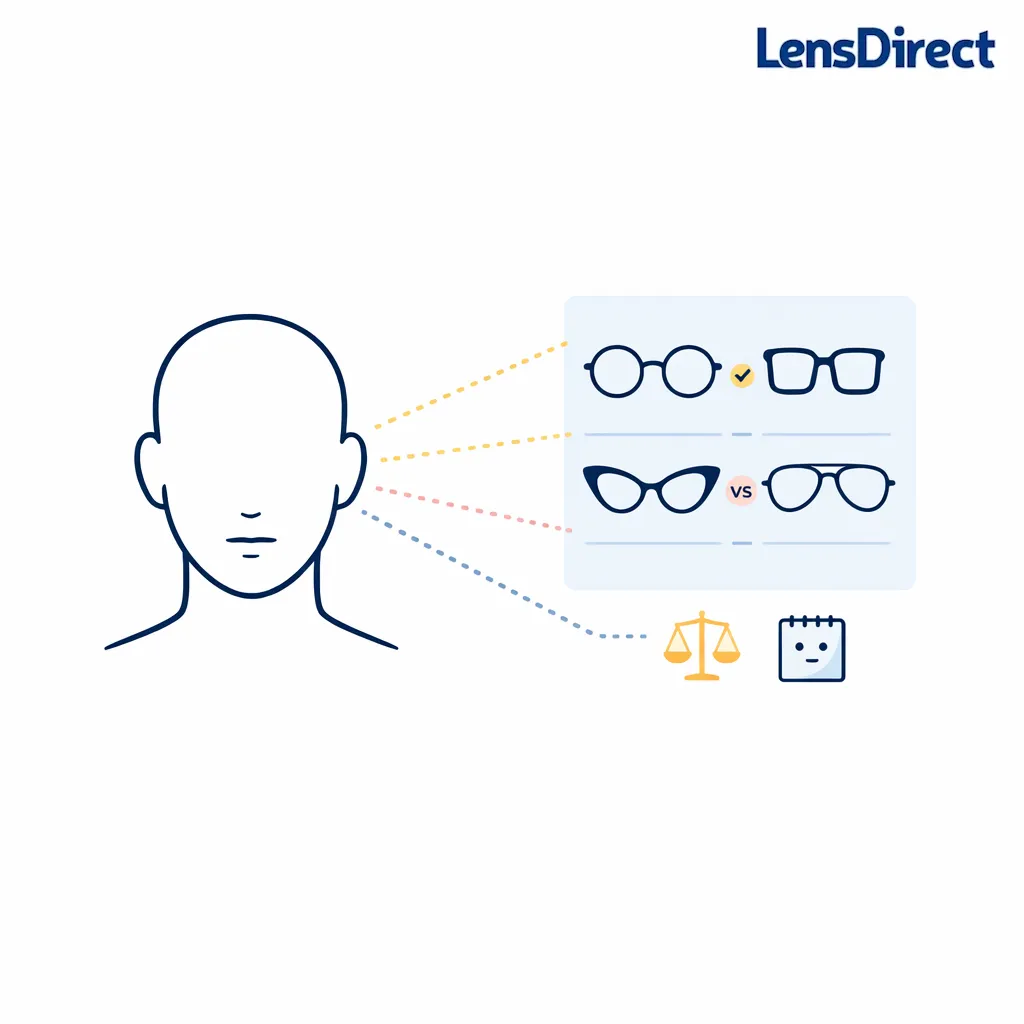
What an AI glasses finder actually does
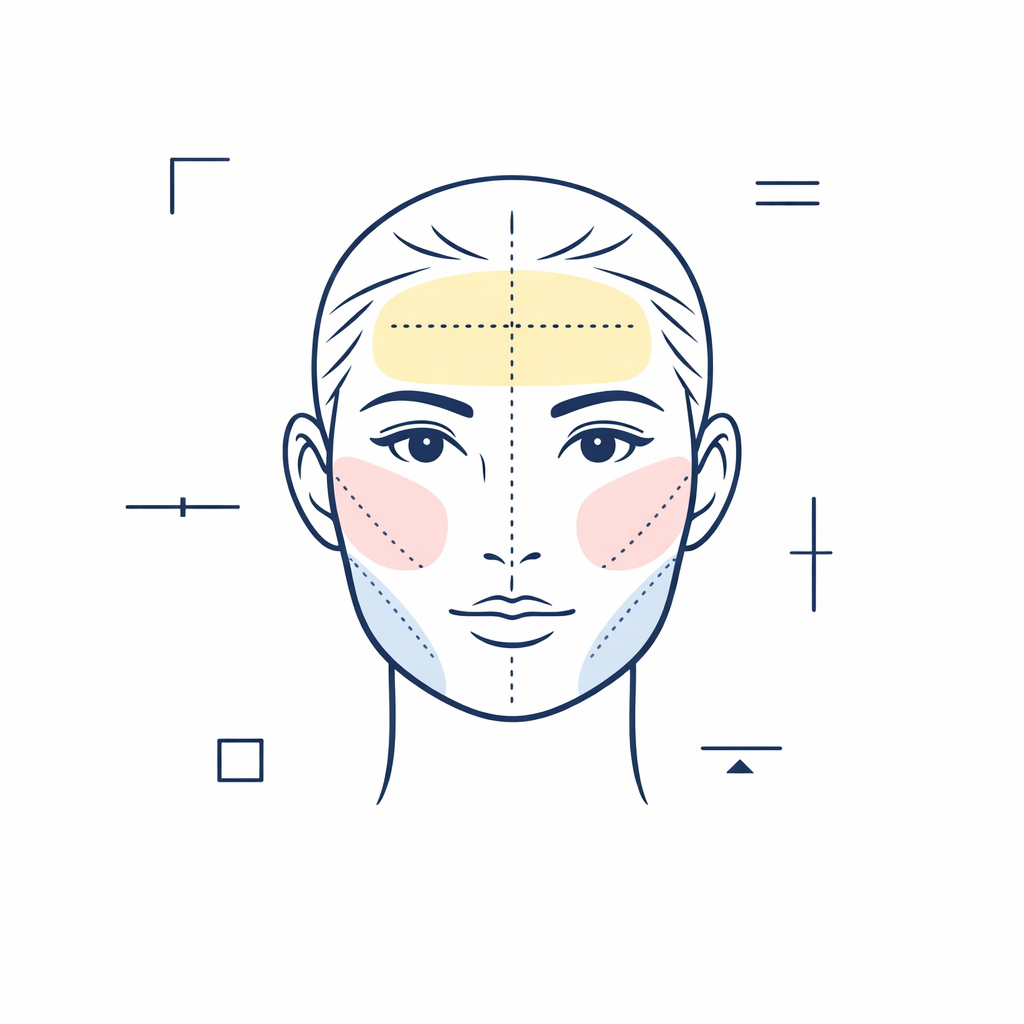
An ai glasses finder is a shopping tool that uses a photo, live camera view, or short quiz to suggest frames based on your face shape, proportions, and style preferences. It helps narrow options and preview looks online, but it does not replace prescription checks or real-world fit testing.
Most tools start with the same basic idea you would use in a face-shape guide: look at the balance of the forehead, cheekbones, jawline, and face length, then recommend frame families that may create contrast or balance. Some add filters for color, material, and lifestyle so an ai eyeglass finder becomes part style assistant and part catalog shortcut.
It is also different from smart glasses. In this article, “AI” means a shopping recommendation or preview tool, not a wearable device with cameras, audio, or assistants built in.
Is there an AI that can pick glasses for me?
Yes, but the useful version of “pick” is narrow, not absolute. A good tool can surface shapes you are likely to enjoy and help you compare them side by side, but the final choice still depends on measurements, prescription details, and how you want the glasses to feel in daily life.
What is new in frame shopping tools
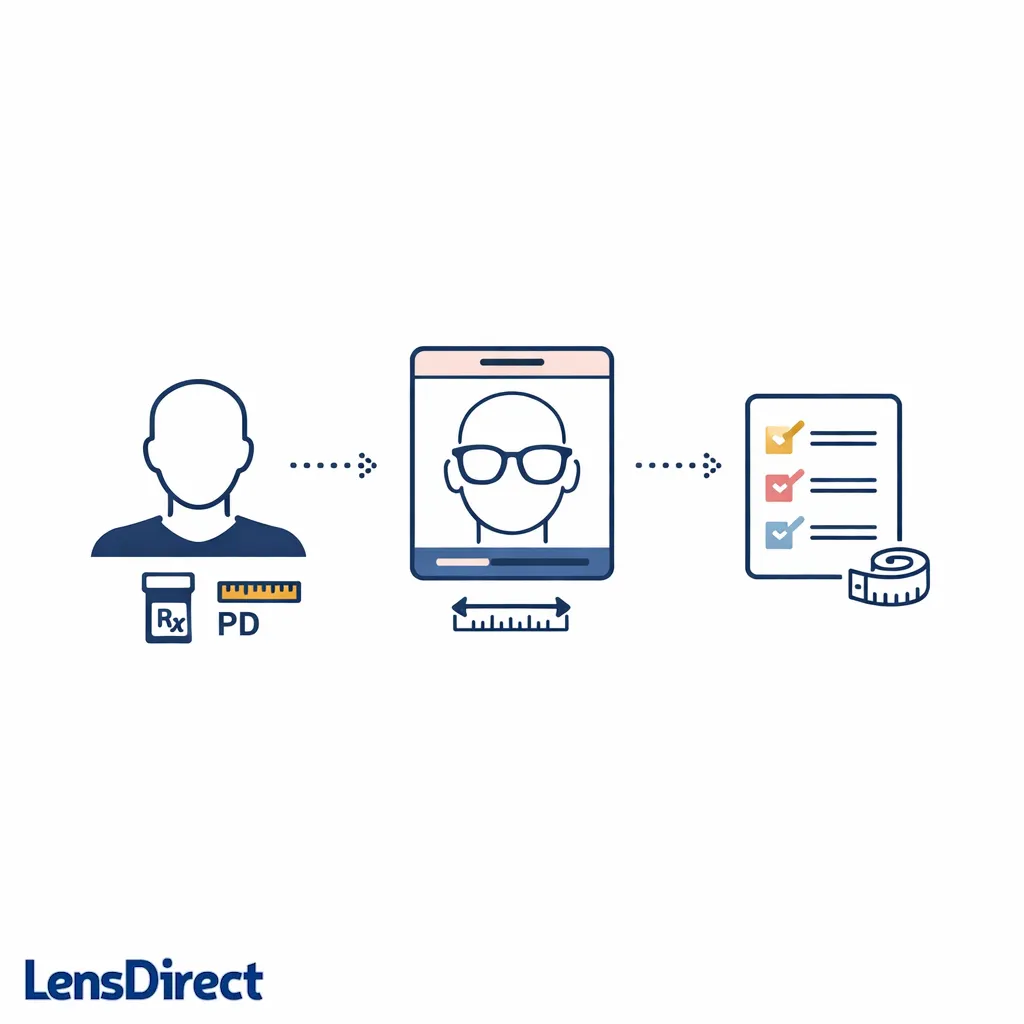
The helpful shift is the workflow. Instead of relying only on a filter menu or only on face-shape advice, shoppers can move from a fit and face-shape guide to a visual preview and then to manual checks like prescription and PD, all in one session.
That makes an ai glasses selector more practical than a simple novelty. It does not remove decision-making, but it can make the decision smaller, clearer, and faster.
How AI tools help you choose frames online with more confidence
Face shape detection
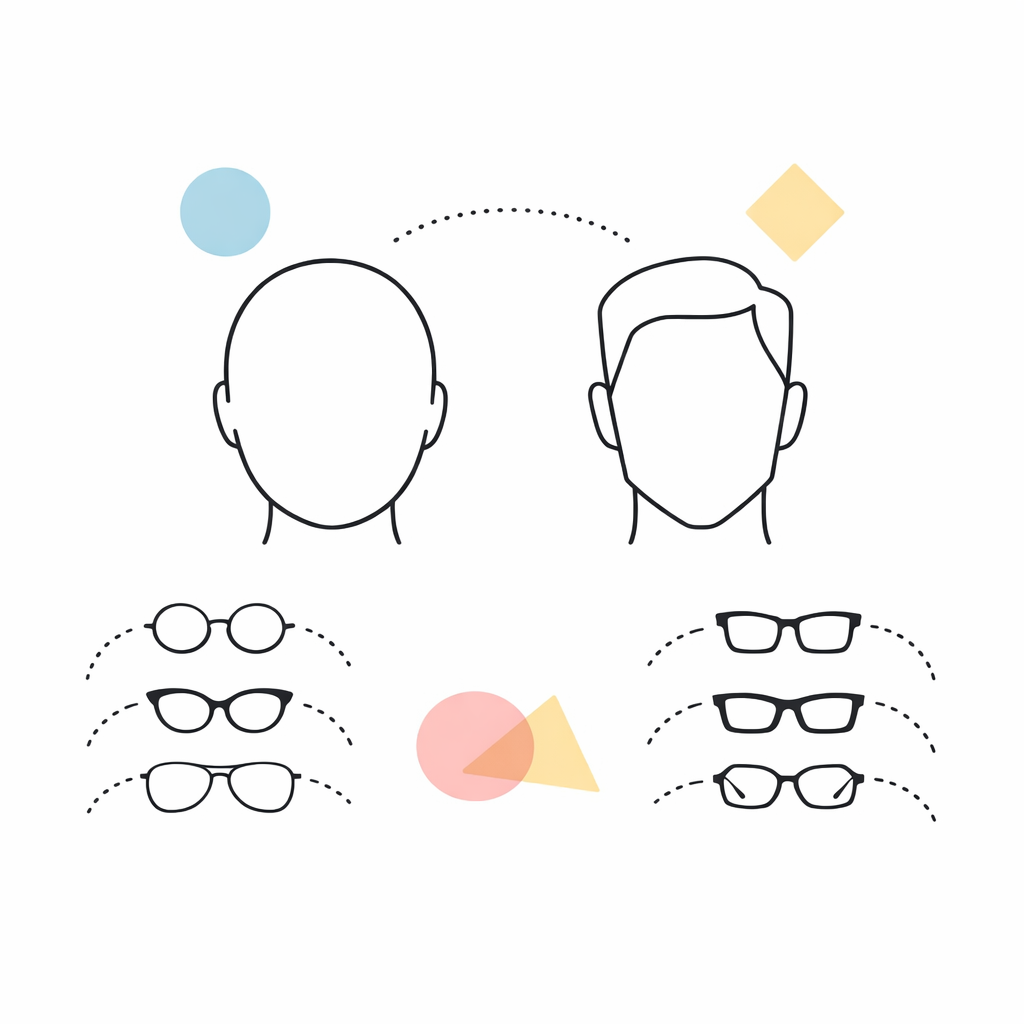
The first benefit is a starting point. If you have ever searched “best glasses for my face ai,” what you usually want is a short list that fits your overall features, not a hard rule about what you are allowed to wear.
Face-shape detection can help you see whether your features read more soft, angular, long, or balanced. That is useful because it turns a vague question into something concrete enough to compare.
Frame size and proportion guidance
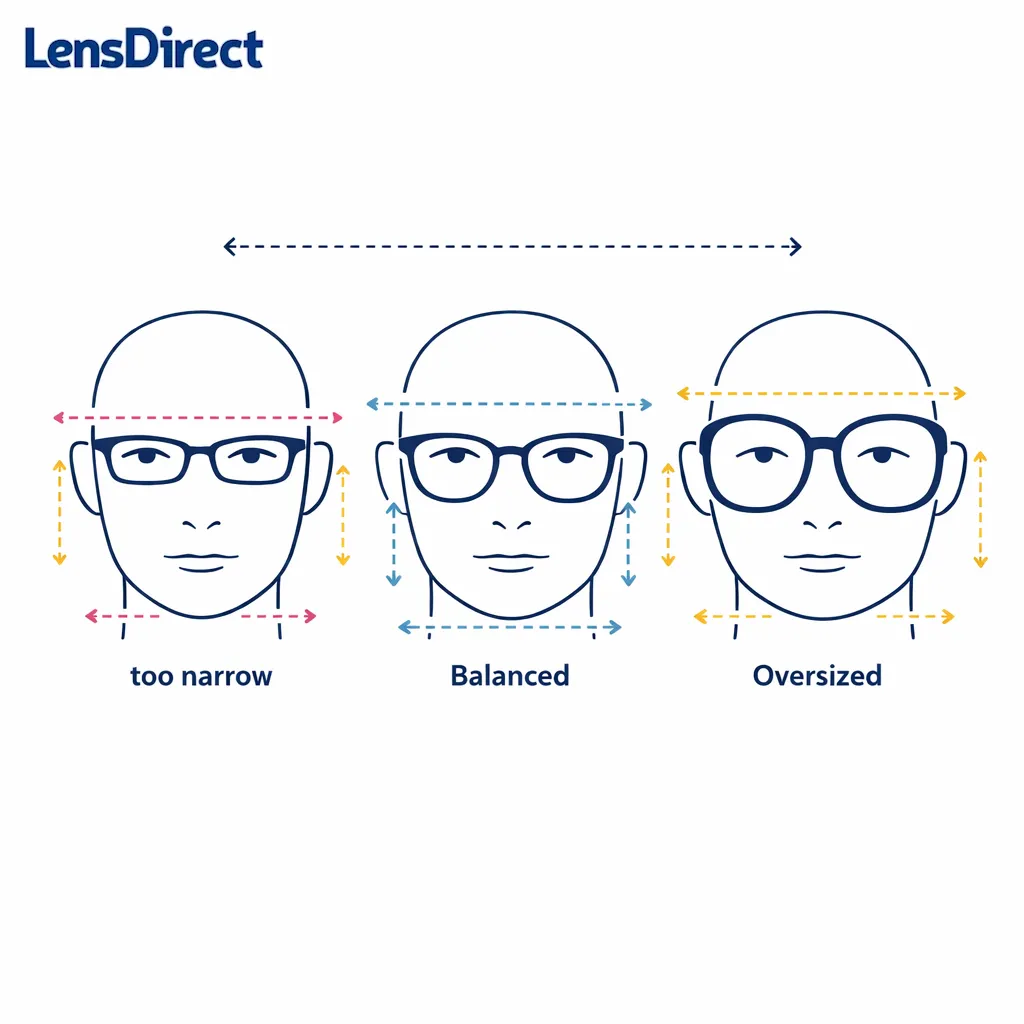
This is where an ai choose glasses tool can save time. It can flag frames that look obviously too narrow, too tall, or overly dominant compared with your face, which helps you avoid scrolling through dozens of options that were never likely to work.
The smartest way to use this feature is comparatively. Instead of asking whether one frame is “correct,” compare how a few sizes and silhouettes change the visual balance of your eyes, brows, cheeks, and nose bridge.
Style preference filtering
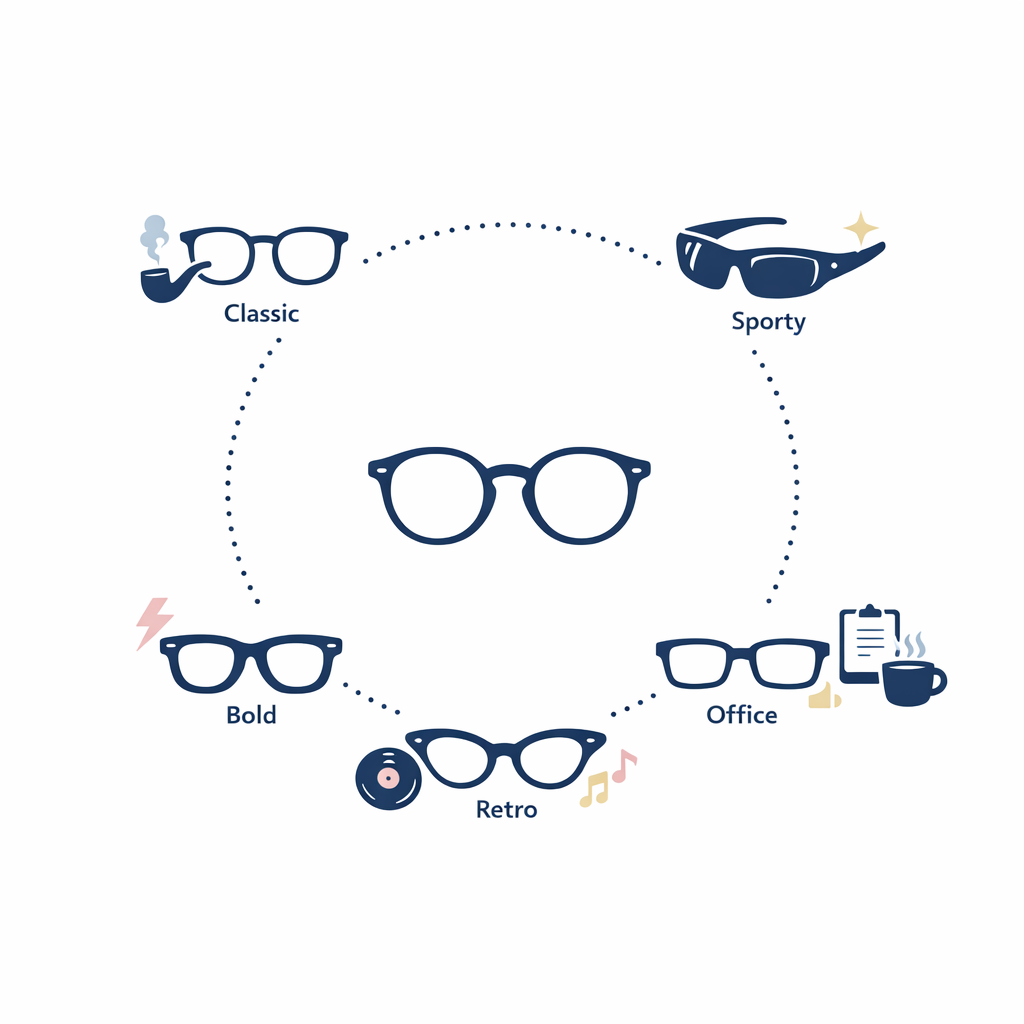
AI is also useful when your problem is not fit but taste. If you know you want something classic, lightweight, bold, sporty, retro, or office-friendly, recommendation filters can turn a huge catalog into a manageable group that actually matches how you dress and where you wear your glasses.
This matters because the best frame is not just flattering in a photo. It should also feel believable with your everyday wardrobe, work setting, and habits.
Virtual try-on previews
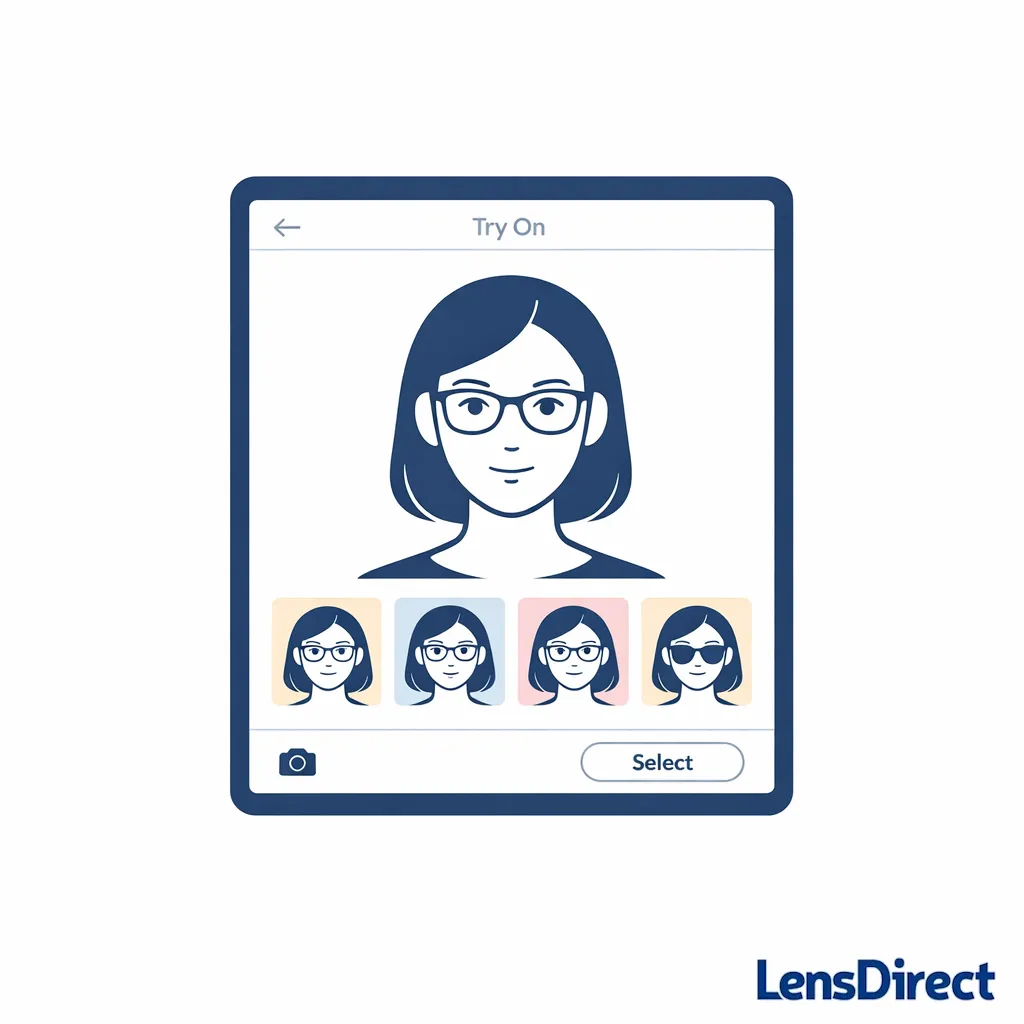
Virtual try on glasses features are best for seeing front-on style, overall scale, and whether a shape feels too soft, too sharp, too minimal, or too attention-grabbing. They are especially useful when you are comparing shape families like round, square, cat-eye, and aviator.
What they do best is show relative difference. If two frames are close, the preview helps you notice which one feels more balanced or more like you.
Can AI pick the best glasses for my face?
AI can help you find a better shortlist, but it cannot identify one universally “best” pair. The better question is whether the tool helps you move from confusion to a confident final comparison that you can still verify with your own measurements and preferences.
Where AI helps most in the eyewear shopping process
Narrowing a huge catalog
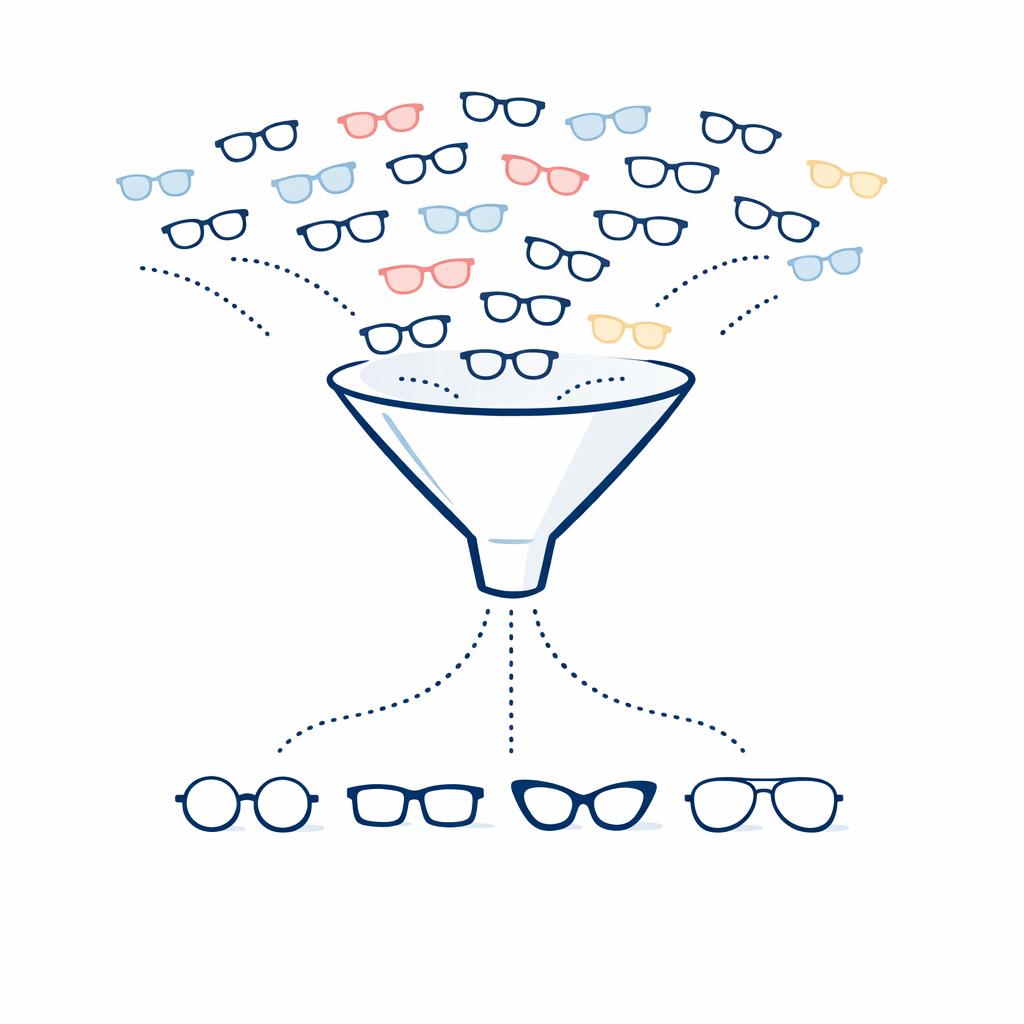
If you start with hundreds of frames, an ai glasses finder is most valuable at the beginning. It reduces decision fatigue by cutting the first list down to shapes and styles that make sense for your features and goals.
Comparing shapes like round, square, cat-eye, and aviator
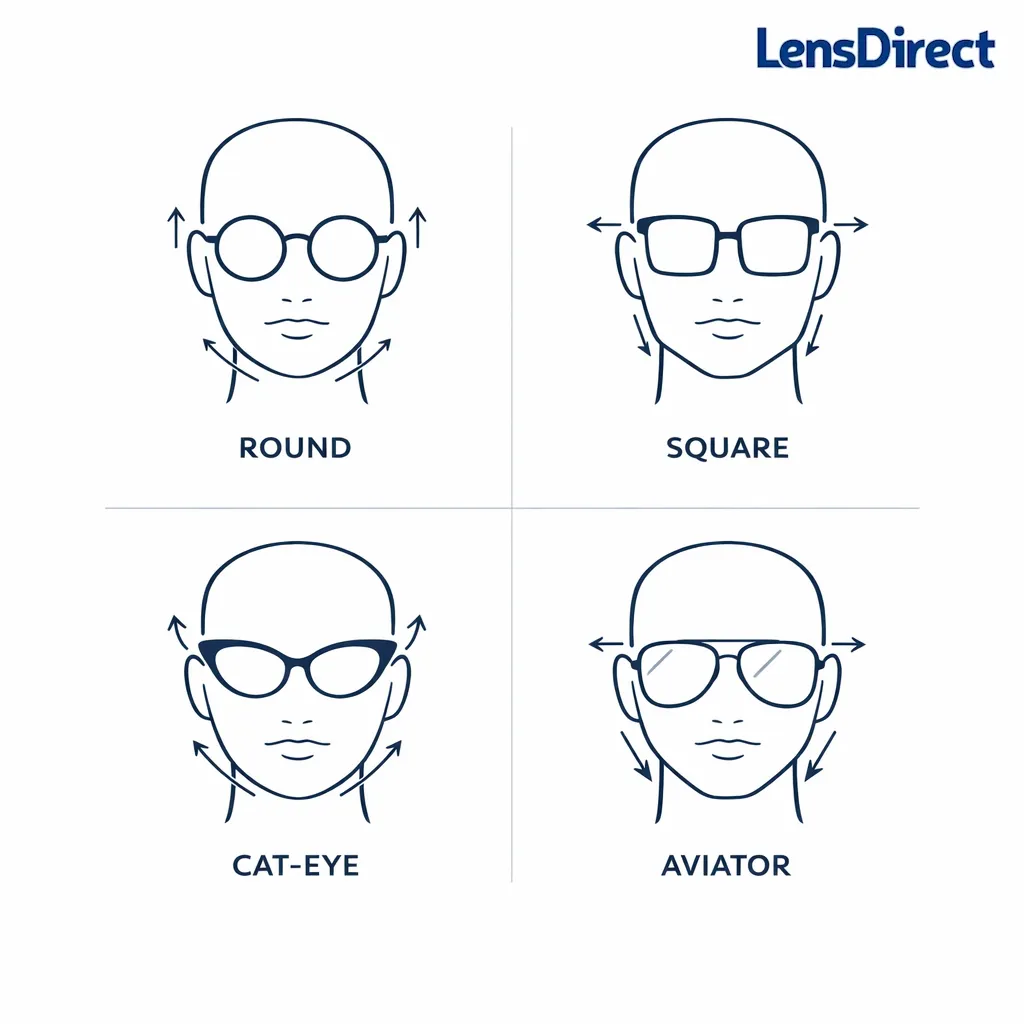
AI is strongest when the choices are visually distinct. Comparing a round frame against a square or an aviator against a cat-eye helps you learn quickly what kind of contrast you like around your jawline, cheekbones, and brow area.
Spotting flattering proportions for everyday wear
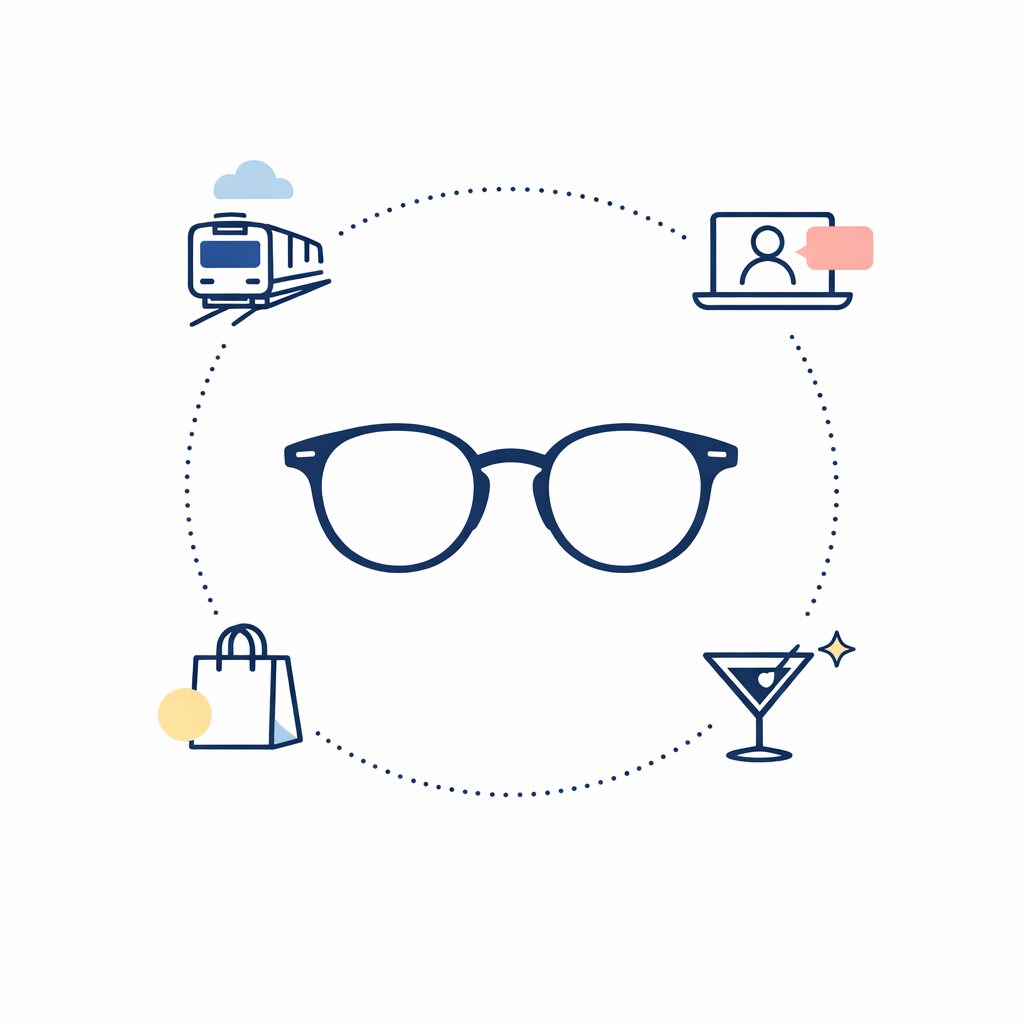
A tool can also help you notice when a frame feels too delicate, too oversized, or just right for all-day use. That is especially useful if you want one pair that works across commuting, video calls, errands, and going out, rather than a niche fashion pair.
In other words, AI is at its best when it helps you see proportion, not when it pretends to know comfort. Use it to identify patterns you like, then verify the practical details yourself.
What AI still cannot confirm for you
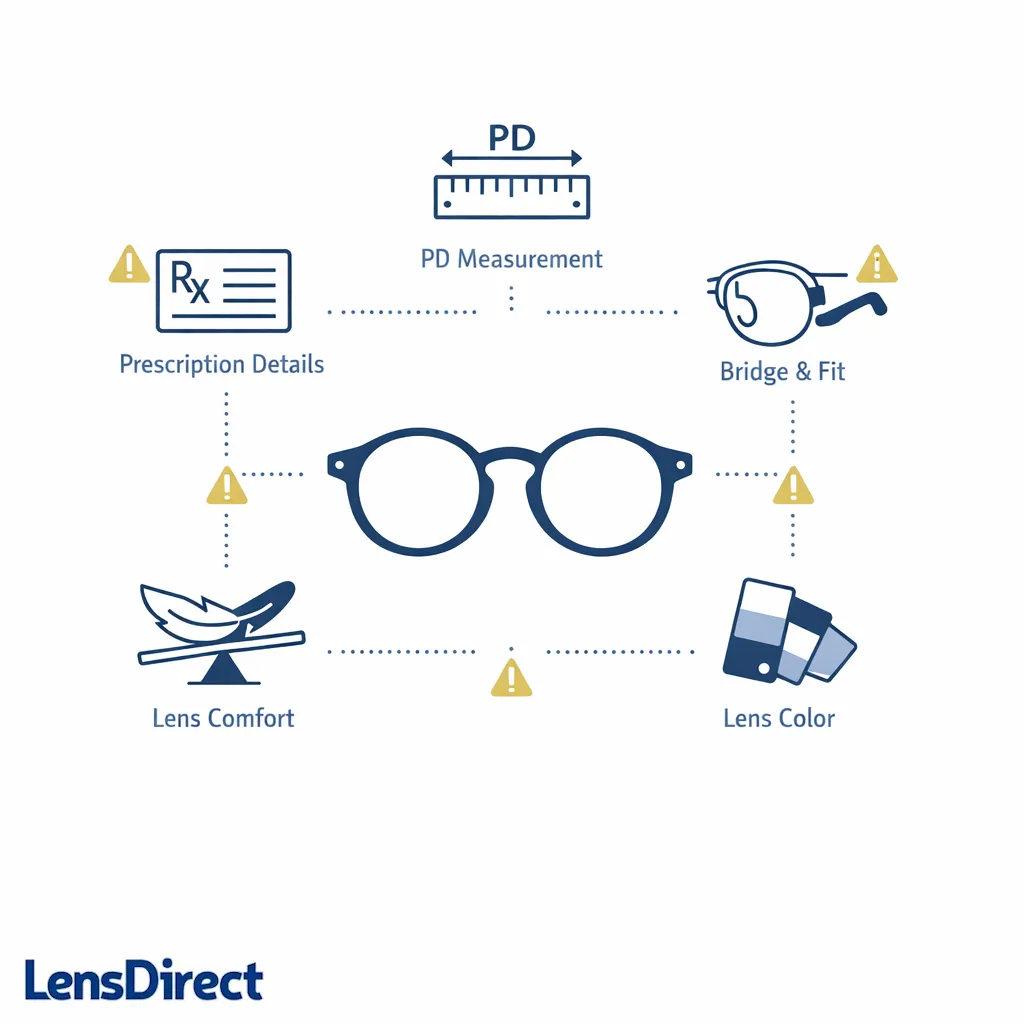
An AI glasses finder does not replace your prescription. Under the FTC’s Eyeglass Rule, prescribers must give you a copy of your eyeglass prescription after a refractive eye exam, but pupillary distance is a separate measurement you may need before ordering online.
Pupillary distance and prescription details
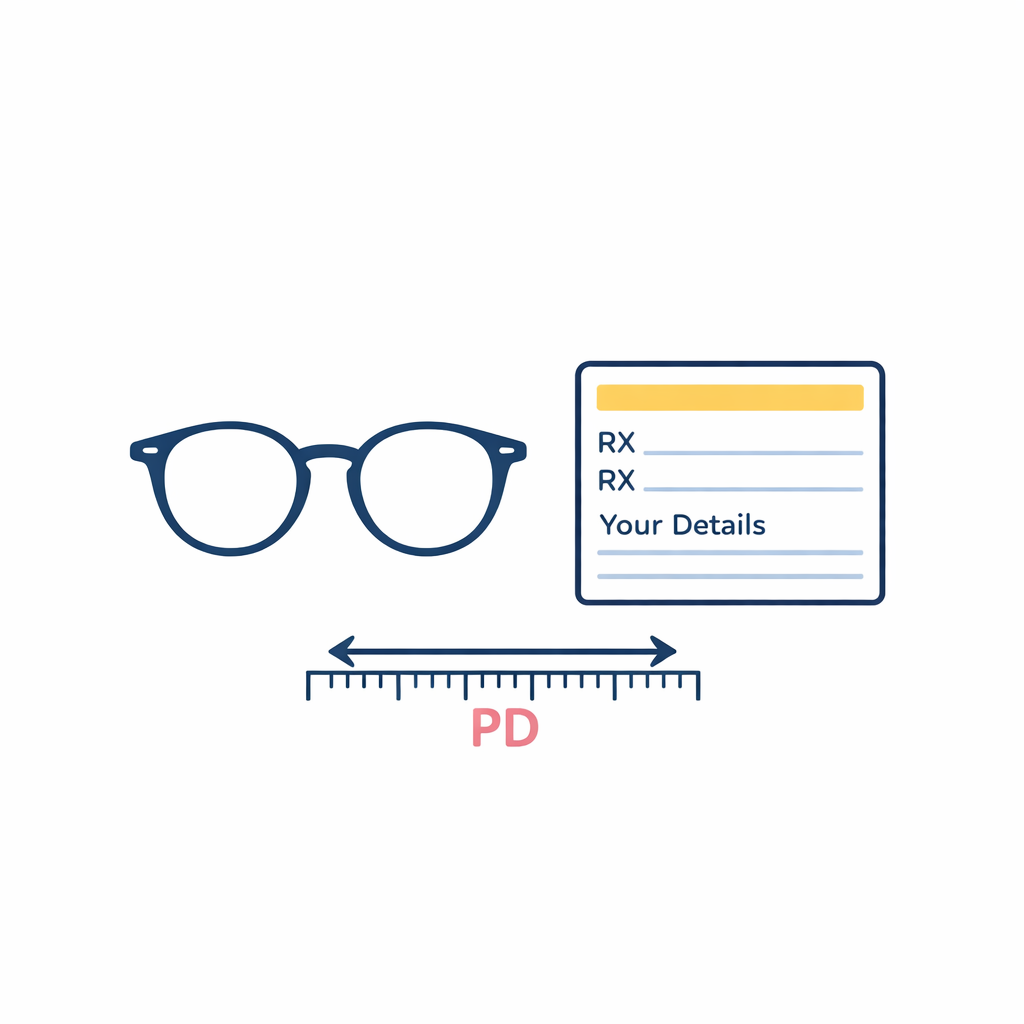
If your vision has changed, your current pair gives you headaches, or you are unsure whether the prescription is still right, check in with your optometrist before you order. AI can help narrow frames, but it cannot confirm whether your eyes still need the same correction.
Exact fit at the nose bridge and temples
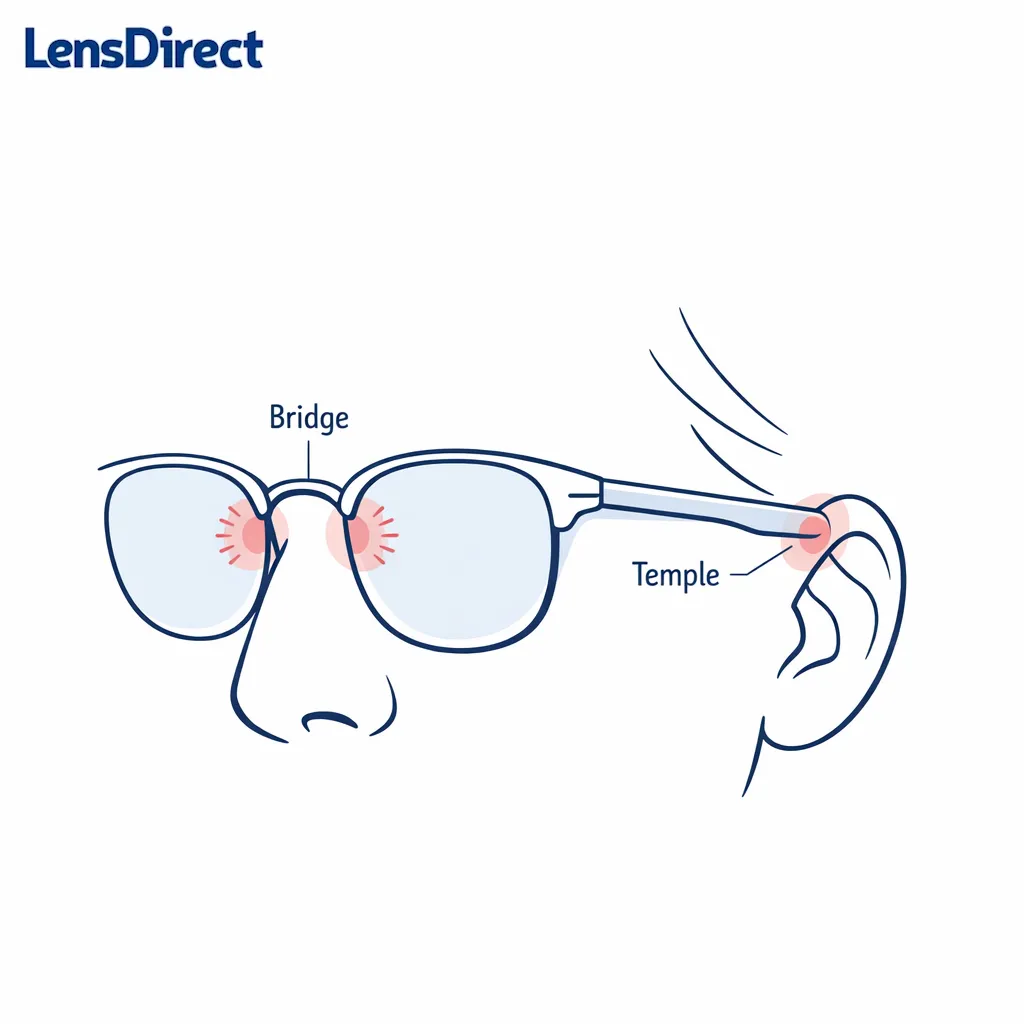
A preview can suggest scale, but it cannot feel pressure. Frames that look great on screen can still pinch at the temples, slide at the nose bridge, sit too close to your cheeks, or feel wrong after an hour of wear.
This is why measurements still matter. If you already own a pair that fits well, use it as your baseline instead of relying only on what the AI score says.
Lens thickness, weight, and comfort over time
The final wearing experience depends on more than the frame front. Your prescription strength, lens options, and frame shape all influence how substantial the finished pair feels, which is why it helps to review your lens choices before checkout.
Color accuracy on different screens
Treat on-screen color as directional, not exact. A frame that looks cool gray on one screen may read warmer in daylight, and translucent colors can look very different indoors versus outdoors.
Is virtual eyewear try-on accurate for sizing?
It is useful for comparison, not confirmation. A virtual preview can tell you which frame looks smaller, wider, softer, or bolder on your face, but it cannot guarantee a precise physical fit without you checking the measurements and details manually.
Step by step: how to use an AI glasses finder well
How can I see what glasses will look like on me?
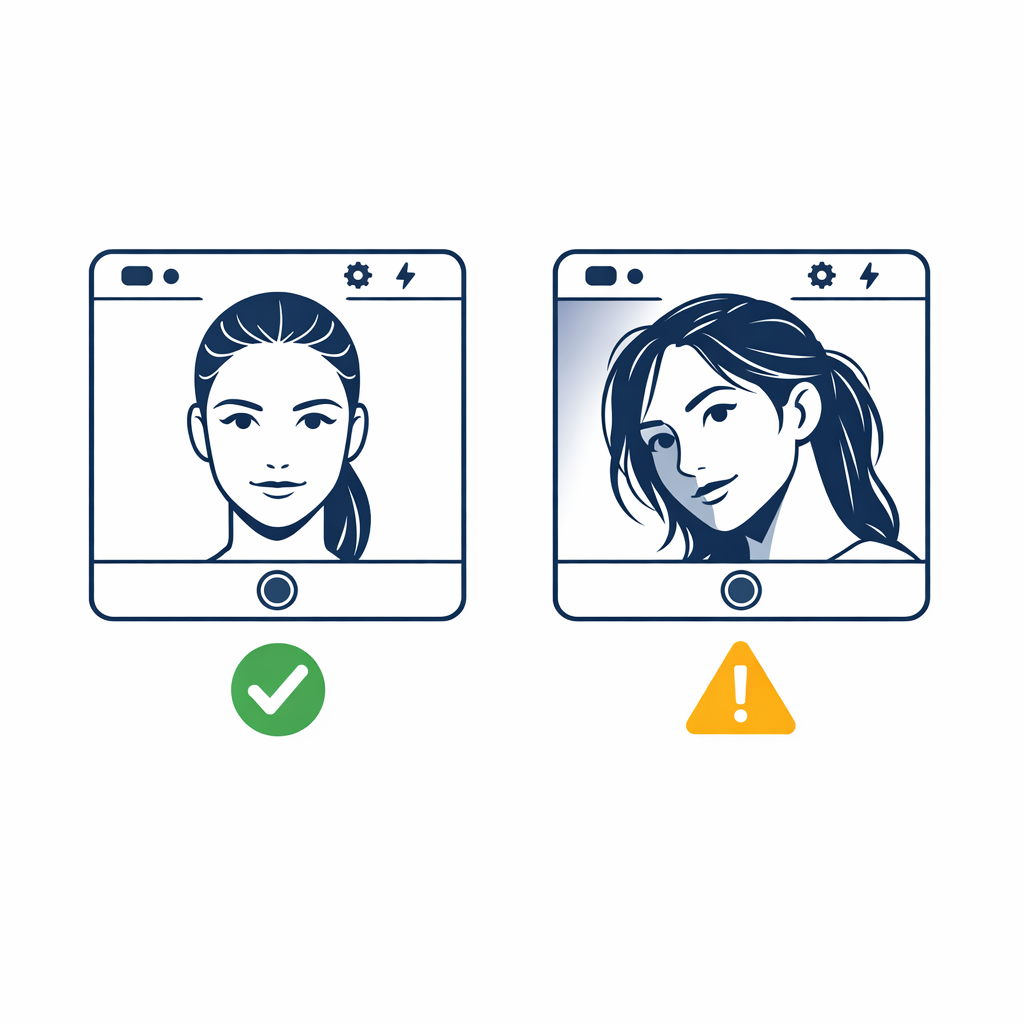
If you want the most useful result from an ai glasses selector, follow a simple process instead of jumping between dozens of styles at random.
- 1. Start with a clear, front-facing photo or live camera. A straight-on view gives the tool the best chance to judge overall balance.
- 2. Use even lighting and pull your hair back. Shadows, angled selfies, and heavy filters can distort how the frame appears against your features.
- 3. Compare 3 to 5 frame shapes, not 30. Start with distinct options such as round, square, cat-eye, and aviator so the differences stay obvious.
- 4. Save one safe option and one stretch option. This helps you compare what feels familiar with what feels slightly more fashion-forward.
- 5. Double-check your prescription, PD, and product measurements before checkout. AI should narrow the field, but your order details still need a manual review.
This method is simple, but it works because it keeps the tool focused on what it does well. You are using AI to compare and edit, not to make the entire decision for you.
How to tell whether an AI recommendation is actually useful
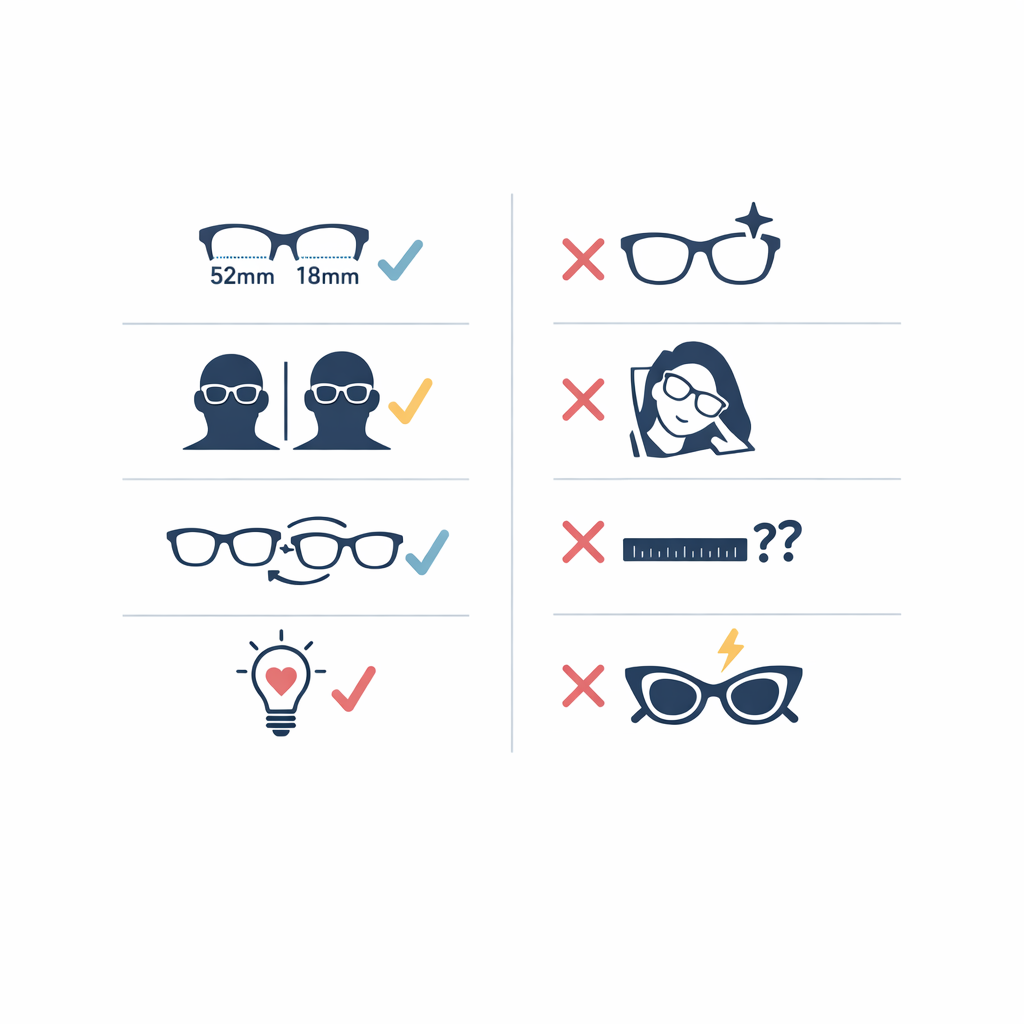
The best ai eyeglass finder tools do not try to sound magical. They make the logic more visible so you can agree, disagree, and choose deliberately.
Good signs
- It explains why a frame was suggested, not just that it got a high score.
- It gives you enough product detail to verify size and fit on your own.
- It helps you compare frame shape, width, and overall vibe side by side.
- It teaches you something reusable, such as which silhouettes usually feel balanced on your face.
Red flags
- It recommends a single “perfect” pair with no explanation.
- It seems to rely on an angled selfie or a low-quality image.
- It ignores bridge fit, product measurements, or prescription details.
- It pushes trendiness over everyday comfort and wearability.
Best use cases for shoppers buying glasses online
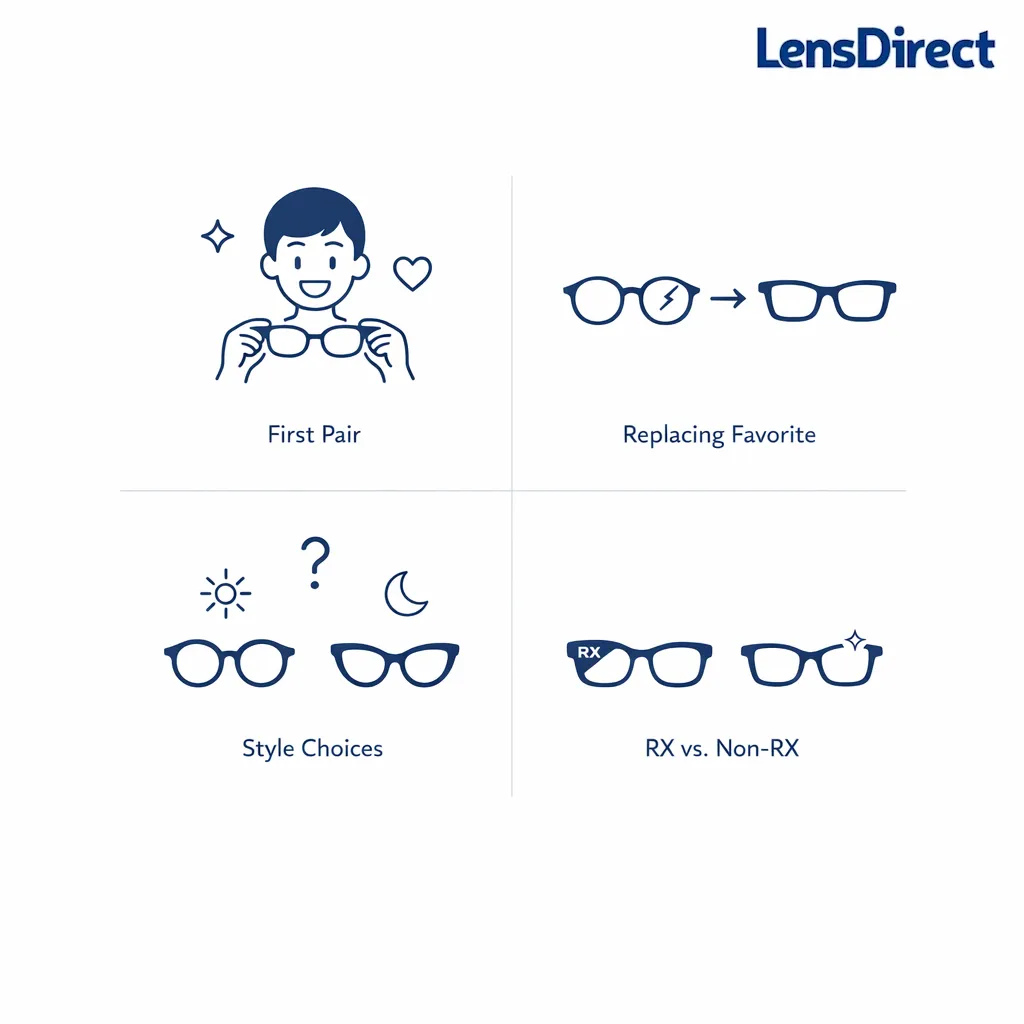
If you have no idea where to start, AI can give you a workable first direction. It is often easier to react to a few suggested frames than to begin with a blank search page.
First-time frame buyers
If you liked a past pair, an AI tool can help you identify the same design language in current styles. This is especially helpful when you know you want something similar, but not identical, to what you already wear.
Replacing an old favorite shape
AI is great when you are deciding between two moods rather than two technical fits. Maybe you are choosing between subtle and statement, clear and dark acetate, or everyday glasses and a more directional pair of sunglasses.
Shopping between style options
Style guidance helps both groups, but prescription shoppers have more details to verify before ordering. If you are buying with a prescription, keep the AI recommendation in its proper place: useful for selection, incomplete for fit and optical details.
Prescription vs non-prescription shoppers
Yes, but the better question is whether the tool goes beyond a face label. The most useful apps and sites combine shape suggestions, a clear visual preview, and enough product detail for you to confirm the order intelligently.
Is there an app that finds glasses for shape of face?
Common mistakes to avoid when relying on virtual try-on
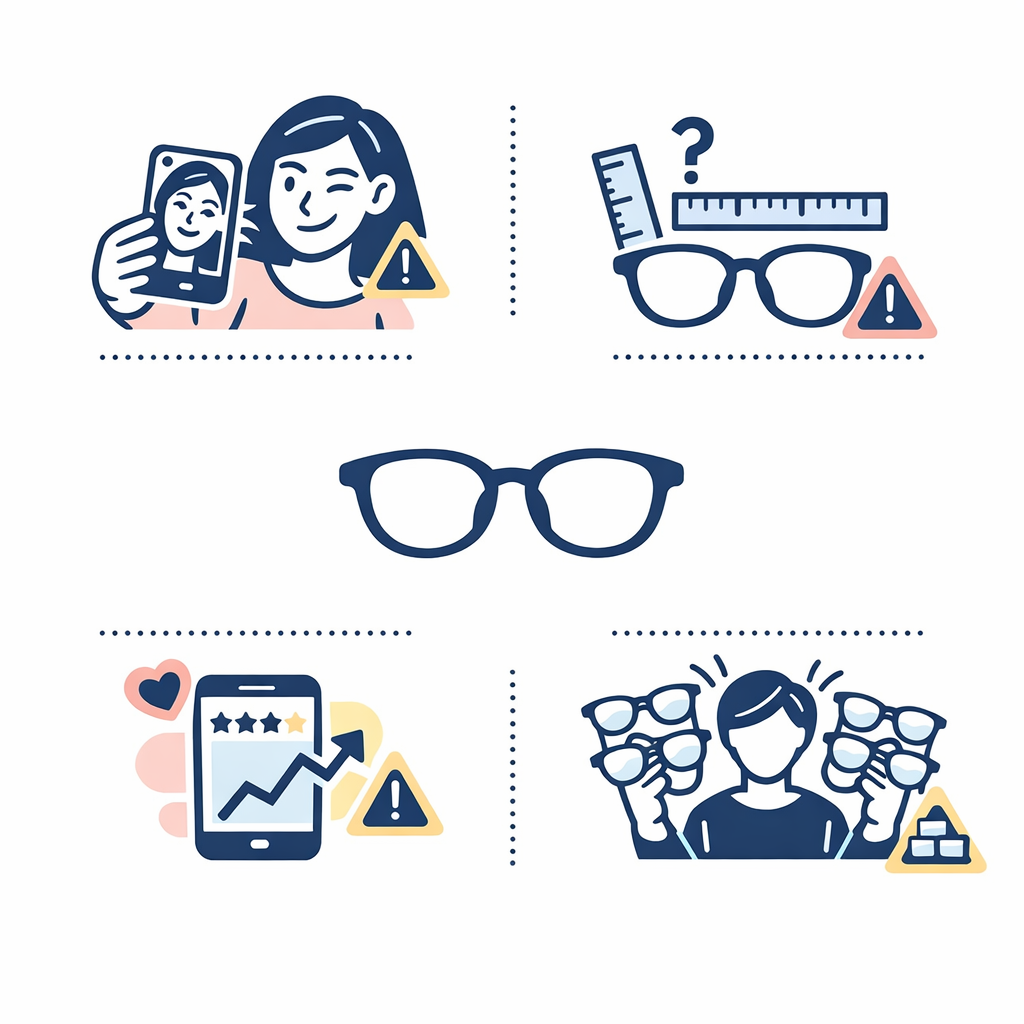
A simple rule helps here: if the tool recommends something you cannot explain in your own words, pause. You should be able to say why a frame works for you before you buy it.
- Overtrusting the style preview. A frame can look great on screen and still feel wrong in real life.
- Ignoring bridge fit and frame measurements. Style is only half the decision.
- Using angled selfies. A tilted photo can make a frame look slimmer, wider, or more lifted than it really is.
- Choosing only by trend or AI score. The right pair for daily wear should fit your routine, not just your feed.
- Comparing too many frames at once. Decision fatigue makes every option look the same after a while.
Final checklist before you order glasses online
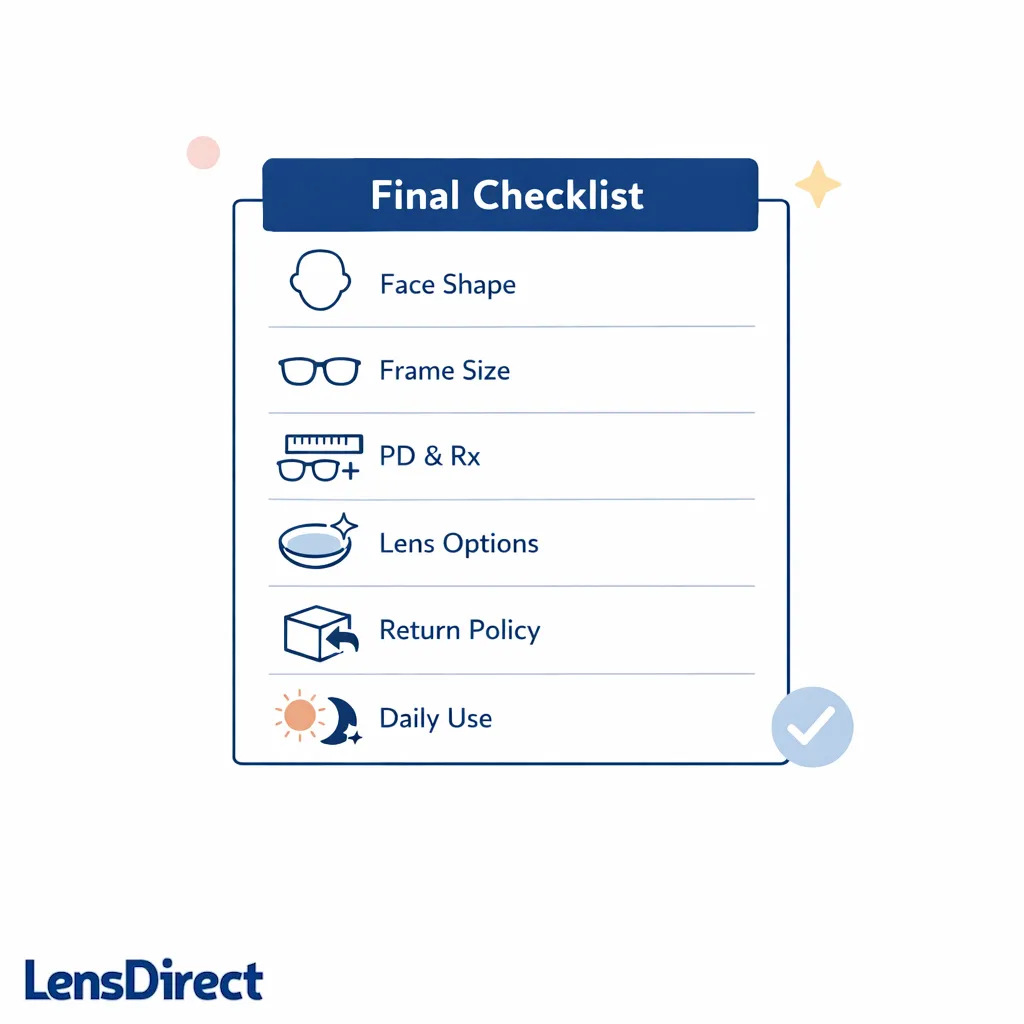
If you can answer those questions clearly, an AI glasses finder has done its job. It helped you move from browsing to a decision you can actually trust.
- Face shape result: Did the tool point you toward a shape family you genuinely like on your face?
- Frame measurements: Did you compare the listed size to a pair you already wear comfortably?
- PD and prescription: Do you have your current prescription under the FTC rule, and have you confirmed your PD?
- Lens needs: Have you thought about weight, coatings, and how often you will wear the pair when choosing your lenses?
- Return policy: Did you read the policy before checkout, not after?
- Daily use: Is this pair for work, driving, sports, travel, dressier outfits, or all-day everyday wear?
Find frames with more confidence at LensDirect
If AI has already helped you narrow the field, LensDirect can help you take the practical next step. Whether you want a new pair, sunglasses for outdoor wear, contacts for flexibility, or fresh lenses in a frame you already love, the goal is the same: make the final choice easier and more informed.
- Shop Glasses if you are ready to compare full pairs.
- Shop Sunglasses if you want style and sun coverage for driving, travel, or outdoor time.
- Shop Contacts if you like switching between glasses and lenses.
- Replace Your Lenses if your current frame still works and you just want an update.
- Full-Service Replacement is useful if you want to send your frame in and have LensDirect handle the work.
- Order Replacement Lenses if you prefer a DIY route for compatible frames.
- Find Your Fit if you want extra help narrowing shapes before you shop.
- Learn How to Get Reimbursed by Your Insurance if you plan to use out-of-network benefits.
- Learn How to Measure Your Pupillary Distance if you need to finish the details before checkout.
Author

Subscribe to our email newsletter to get the latest posts delivered right to your email.